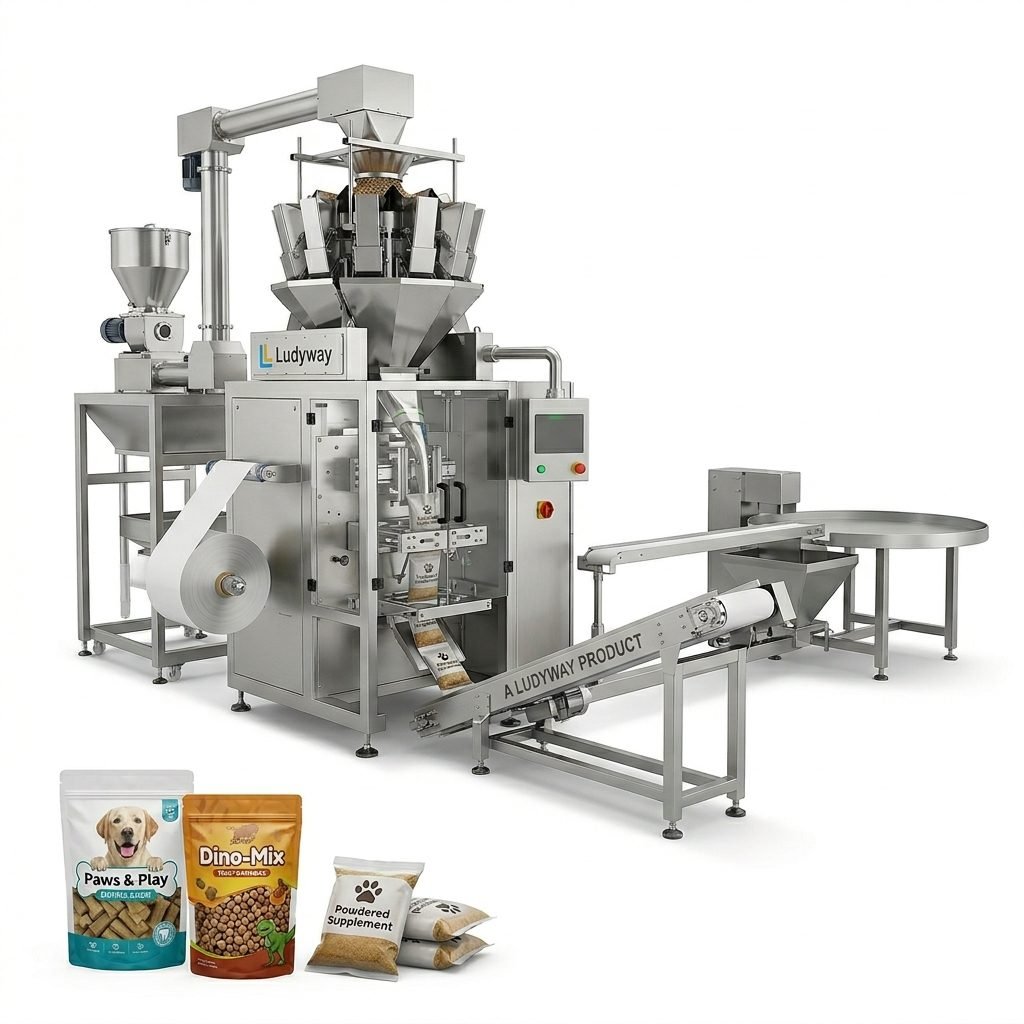
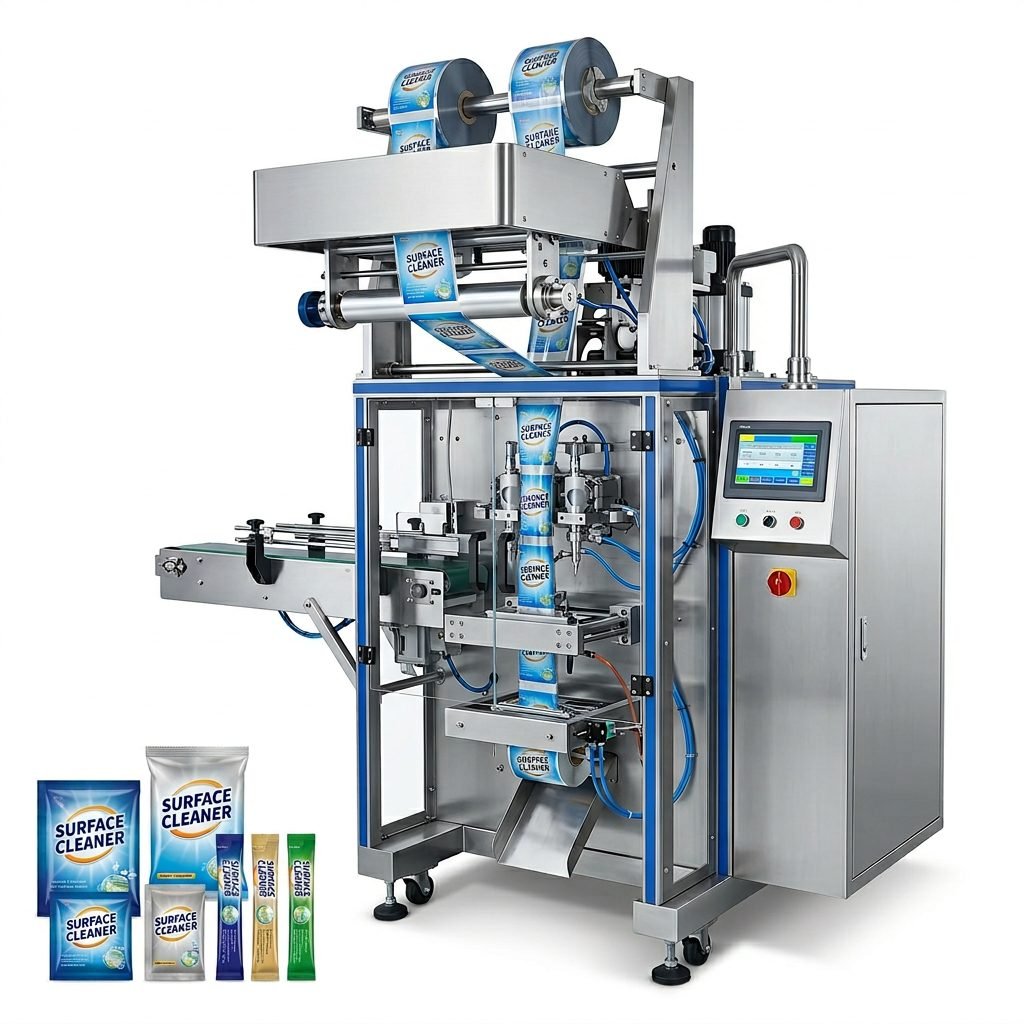
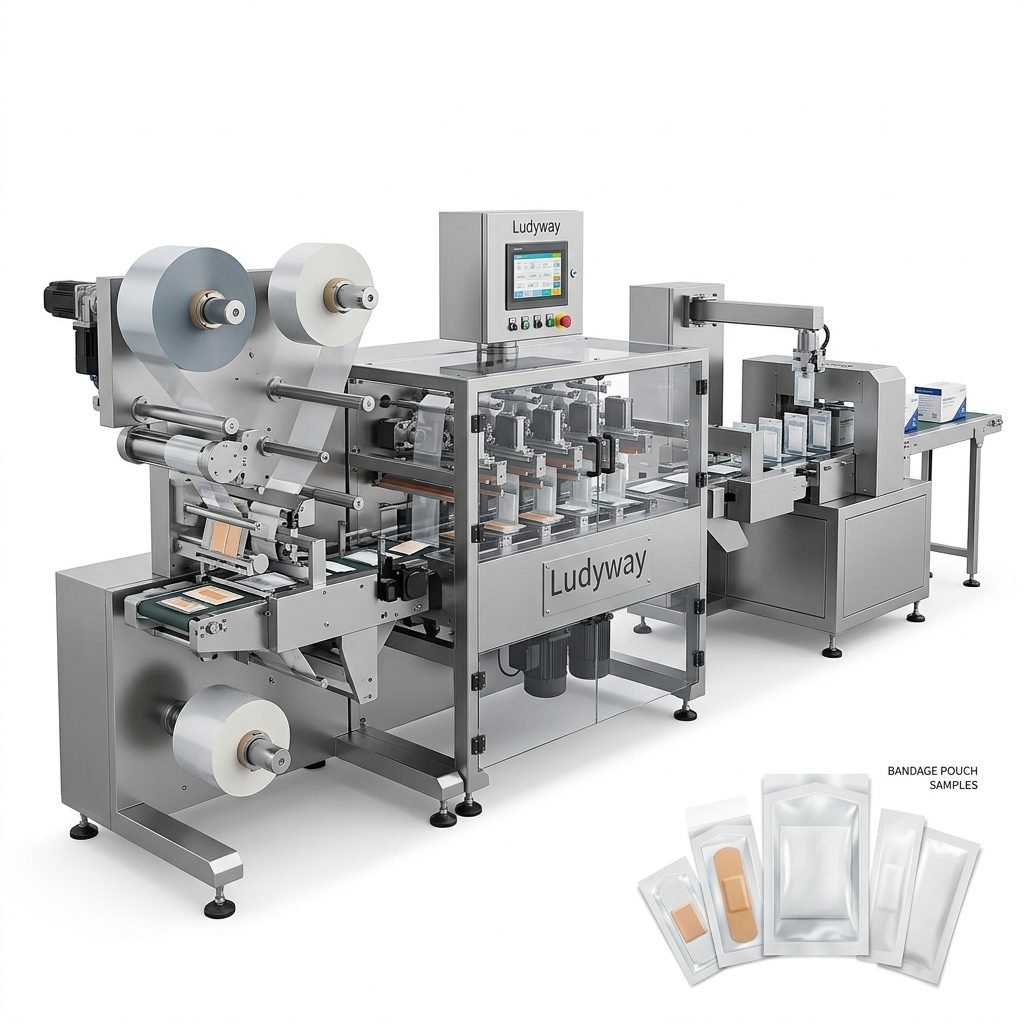
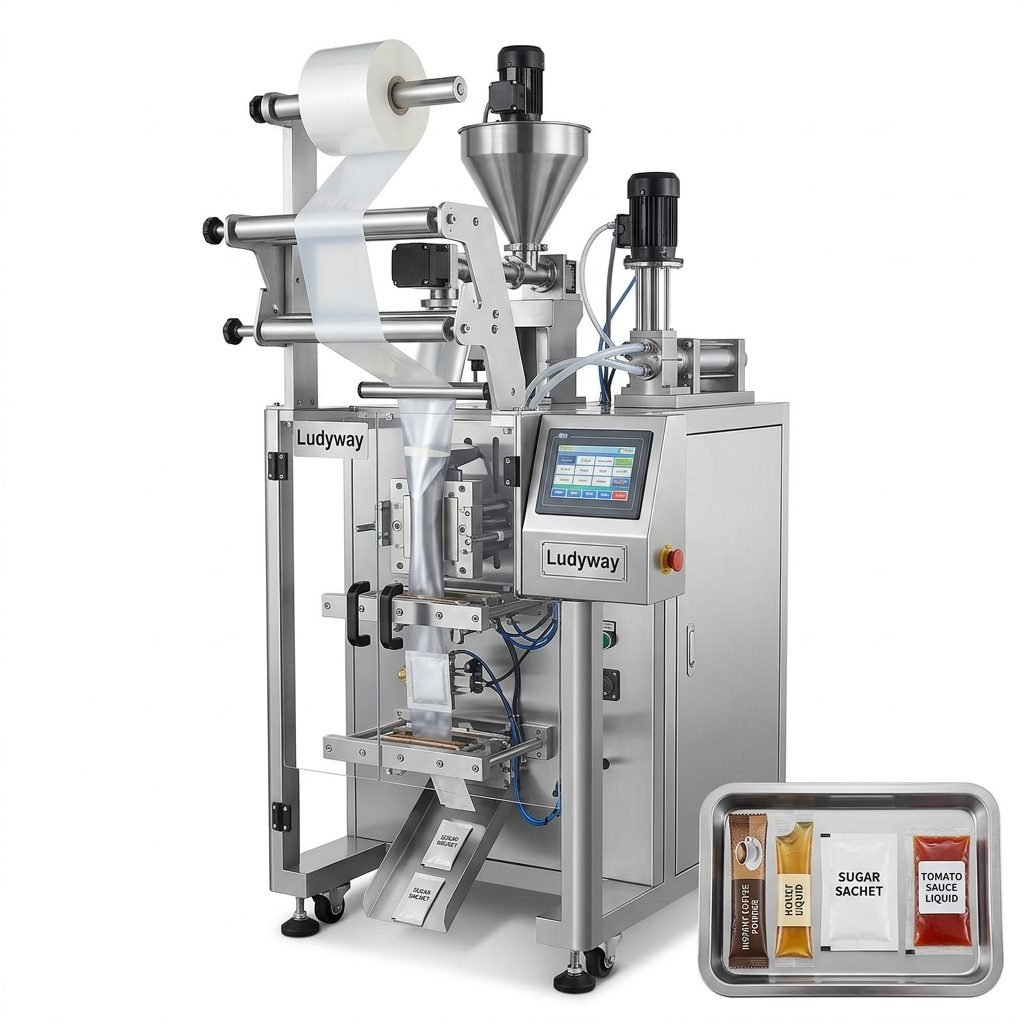
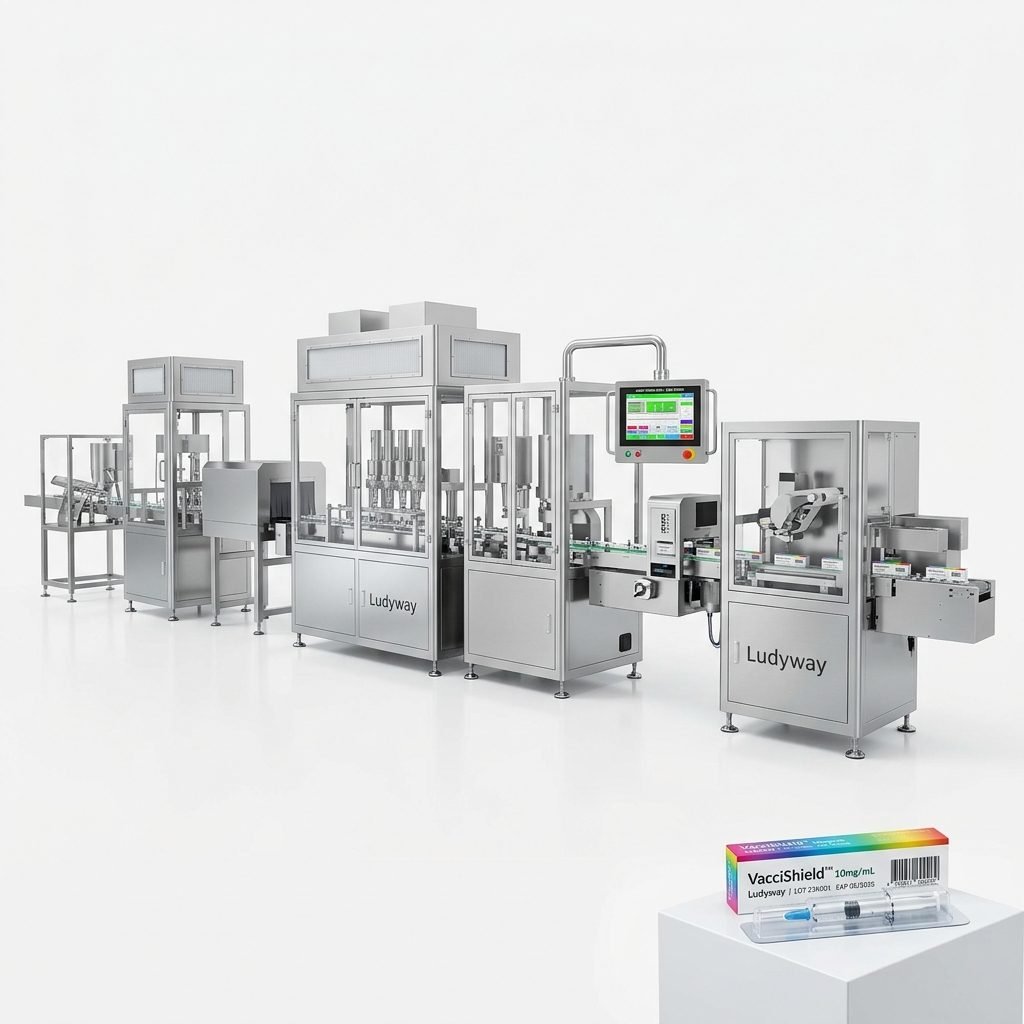
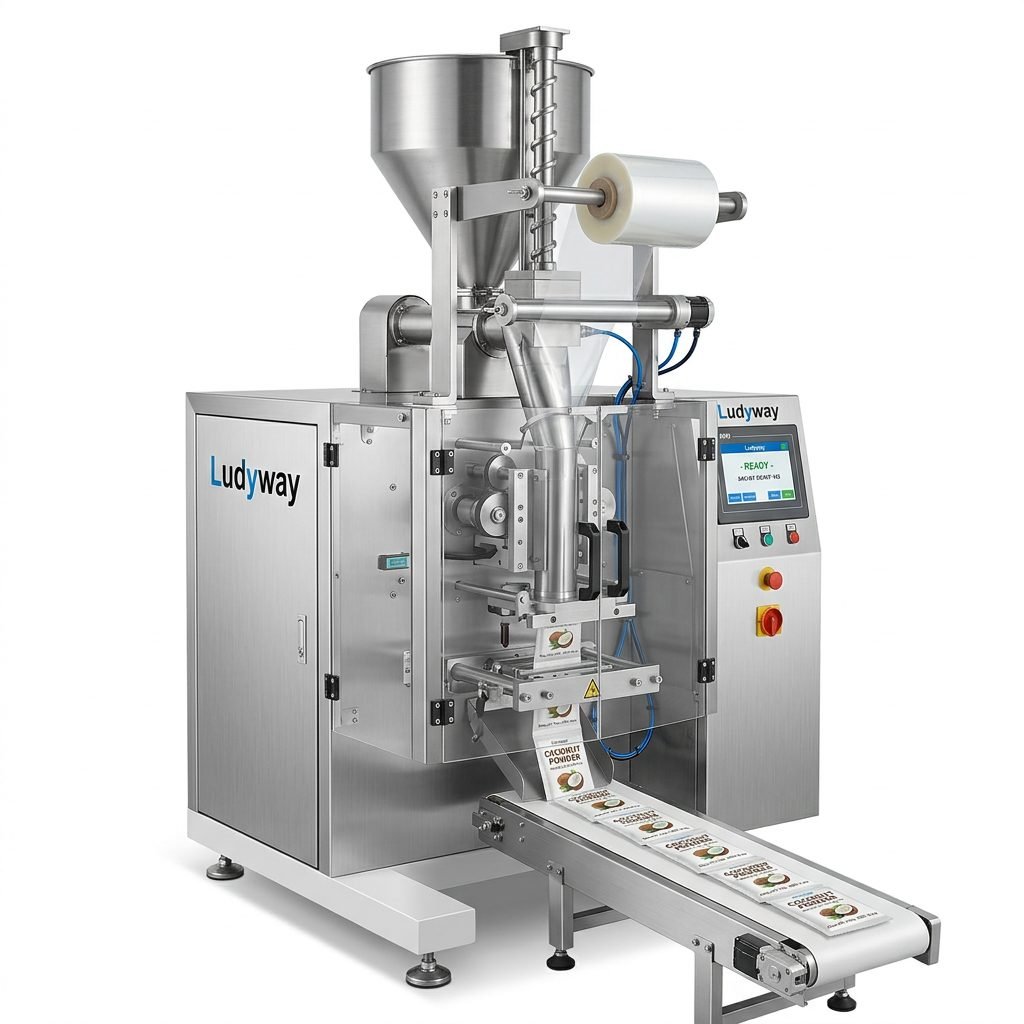
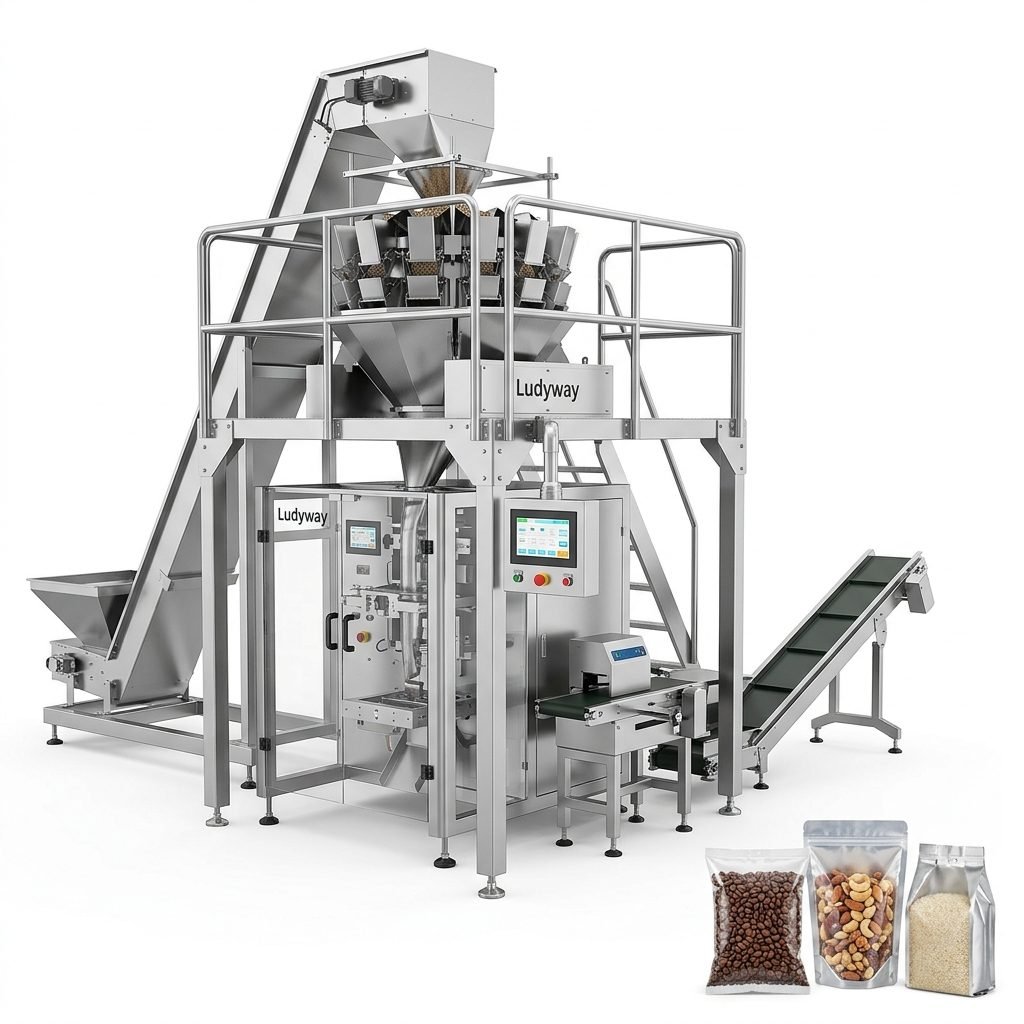
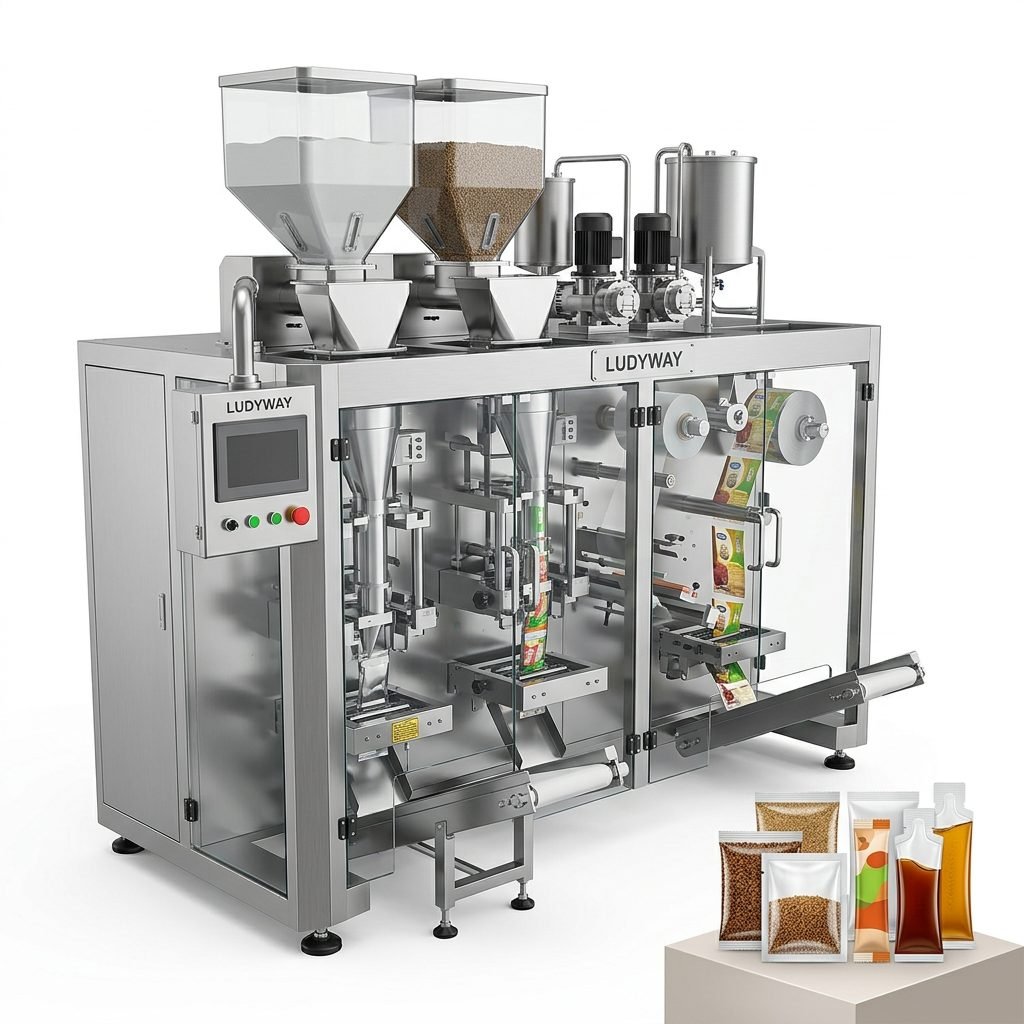
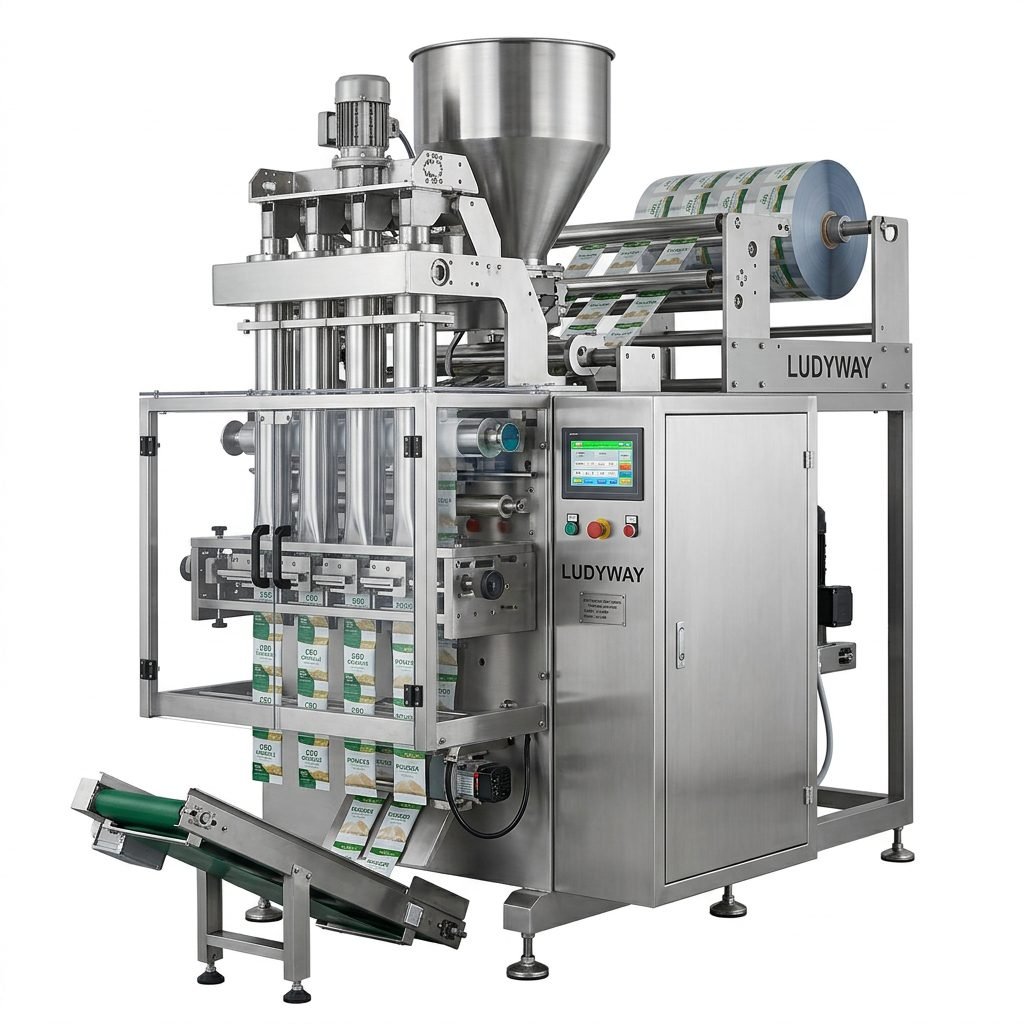
Single-serve packaging machines are the backbone of many food, pharmaceutical, and cosmetic production lines. Whether you’re running multi-lane stick pack machines, sachet fillers, or liquid pouch systems, consistent maintenance is the single most important factor in ensuring long-term performance and reliability. A well-maintained machine not only reduces unexpected downtime but also preserves fill accuracy, seal integrity, and overall product quality. This guide walks you through essential maintenance practices every operator and plant manager should implement.
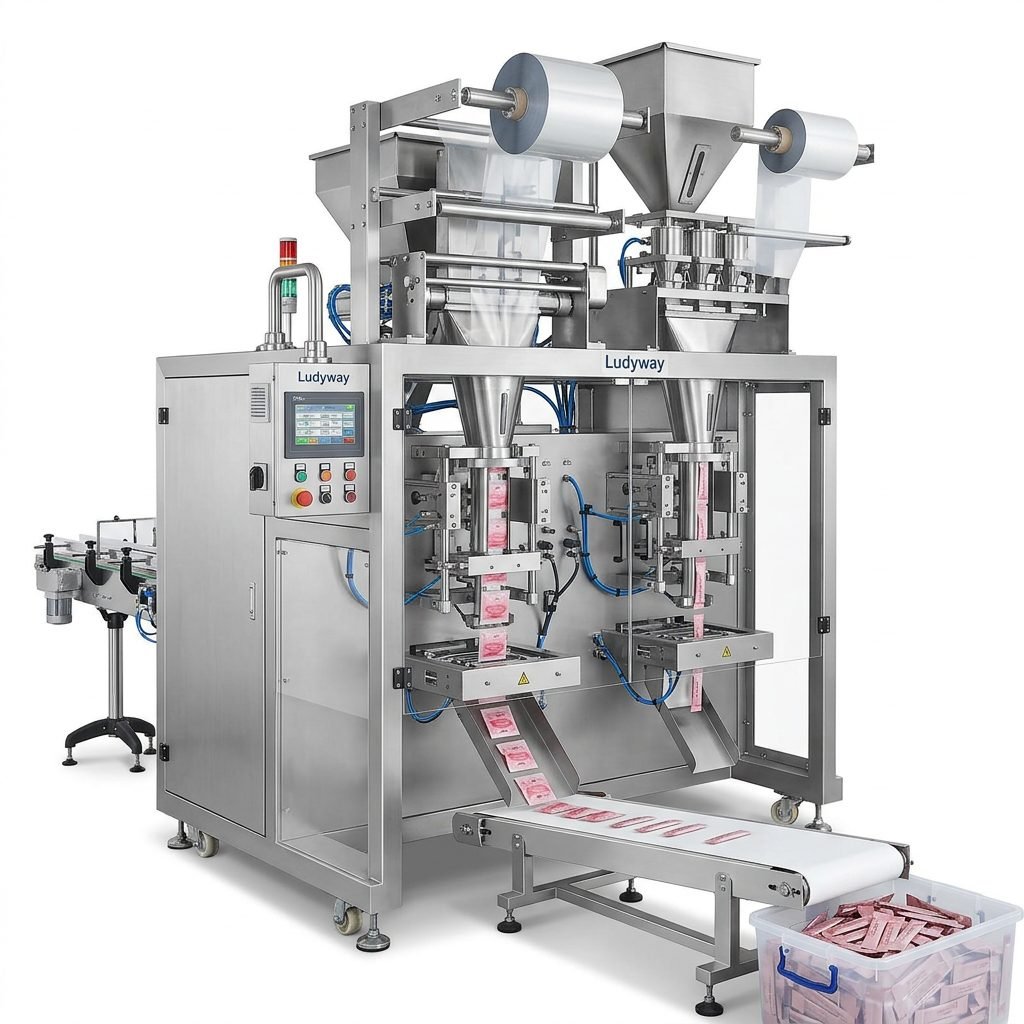
Why Routine Maintenance Matters
Neglecting regular upkeep on your single-serve packaging equipment can lead to a cascade of problems: inconsistent seal temperatures, misaligned film tracking, inaccurate dosing, and eventually catastrophic mechanical failure. For companies operating high-speed packaging lines, every minute of unplanned downtime translates directly into lost revenue. A structured maintenance program helps you stay ahead of wear and tear, extending the machine’s service life well beyond its warranty period.
1. Daily Cleaning and Sanitation Procedures
Product residue, dust, and film debris accumulate quickly in high-production environments. Establish a daily cleaning checklist that covers these critical zones:
- Filling nozzles and dosing mechanisms — powder and granule buildup can alter fill weights
- Sealing jaws and heating elements — residue causes uneven seals and potential leaks
- Film path rollers and tensioners — debris can scratch film and affect tracking
- Forming tubes and shoulders — critical for proper bag formation
- Electrical cabinets — dust infiltration damages sensitive components
Use food-grade cleaning agents appropriate for your product type. For dry products, compressed air can be effective; for sticky or oily residues, a combination of solvent wiping and dry-cloth polishing works best. Always disconnect power before cleaning any electrical enclosure.
2. Critical Component Inspection Schedule
Beyond cleaning, regular inspection of high-wear components prevents cascading failures. The table below outlines a practical inspection framework:
| Component | Inspection Frequency | What to Look For |
|---|---|---|
| Sealing jaws & heating bars | Daily / Weekly | Carbon buildup, uneven wear, Teflon coating damage |
| Cutting knives & blades | Weekly | Dull edges, nicks, misalignment |
| Servo motors & drives | Monthly | Unusual noise, vibration, temperature rise |
| Pneumatic cylinders & hoses | Monthly | Air leaks, slow actuation, moisture in lines |
| Sensors & photoelectric eyes | Weekly | Dust-covered lenses, false triggers, alignment drift |
| Bearings & linear guides | Quarterly | Play, roughness, inadequate lubrication |
3. Lubrication Best Practices
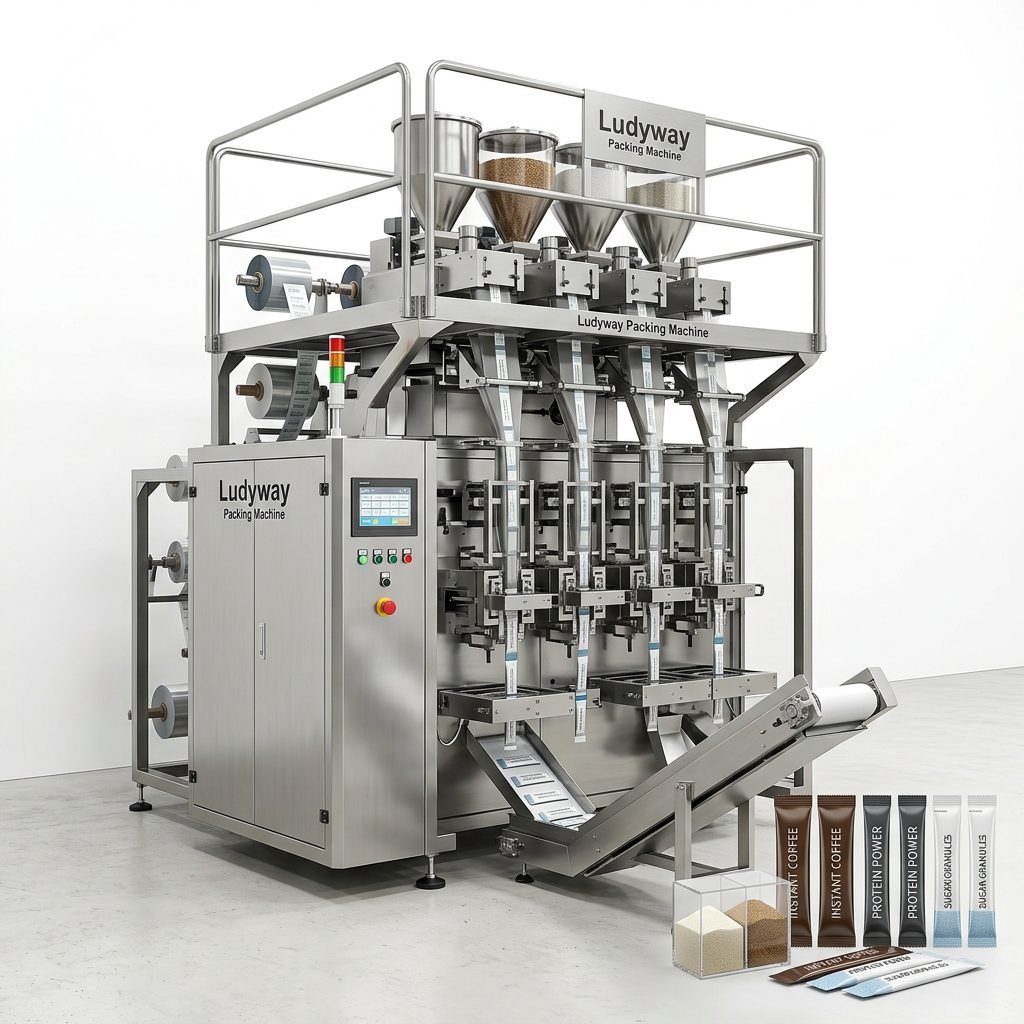
Proper lubrication is the lifeblood of any mechanical packaging system. Follow the manufacturer’s lubrication chart precisely — both under-lubrication and over-lubrication cause premature wear. Key points to remember:
- Use only recommended grease grades for each bearing type
- Clean grease fittings before applying fresh lubricant to avoid introducing contaminants
- Linear bearings on multi-lane machines require more frequent lubrication due to higher cycle rates
- Chain drives should be inspected for proper tension and lubricated monthly
- Food-grade lubricants are mandatory for any point with incidental product contact
4. Film and Material Handling Adjustments
Film-related issues account for a large percentage of packaging line stoppages. Maintaining the film feed and tension control system prevents wrinkles, mis-registration, and seal failures. Check these elements regularly:
- Film roll alignment — off-center rolls cause tracking drift
- Dancer arm and tension settings — adjust based on film thickness and elasticity
- Pre-heating zone temperature consistency — fluctuations affect seal quality downstream
- Static elimination bars — dust attraction indicates degraded performance
When switching between different packaging materials, always run a test batch and recalibrate parameters before resuming full production. This small investment of time prevents hours of troubleshooting later.
5. Electrical System and Control Panel Care
Modern single-serve machines rely on PLC controllers, servo drives, and HMI interfaces that are sensitive to environmental conditions. Maintain a clean, dry electrical cabinet environment:
- Check cabinet door seals for integrity — moisture ingress corrodes terminals
- Inspect cooling fans and filters monthly; replace clogged filters immediately
- Verify that all cable connections remain tight and free of oxidation
- Back up machine parameters and programs after any configuration change
- Monitor voltage stability — fluctuations damage sensitive electronics over time
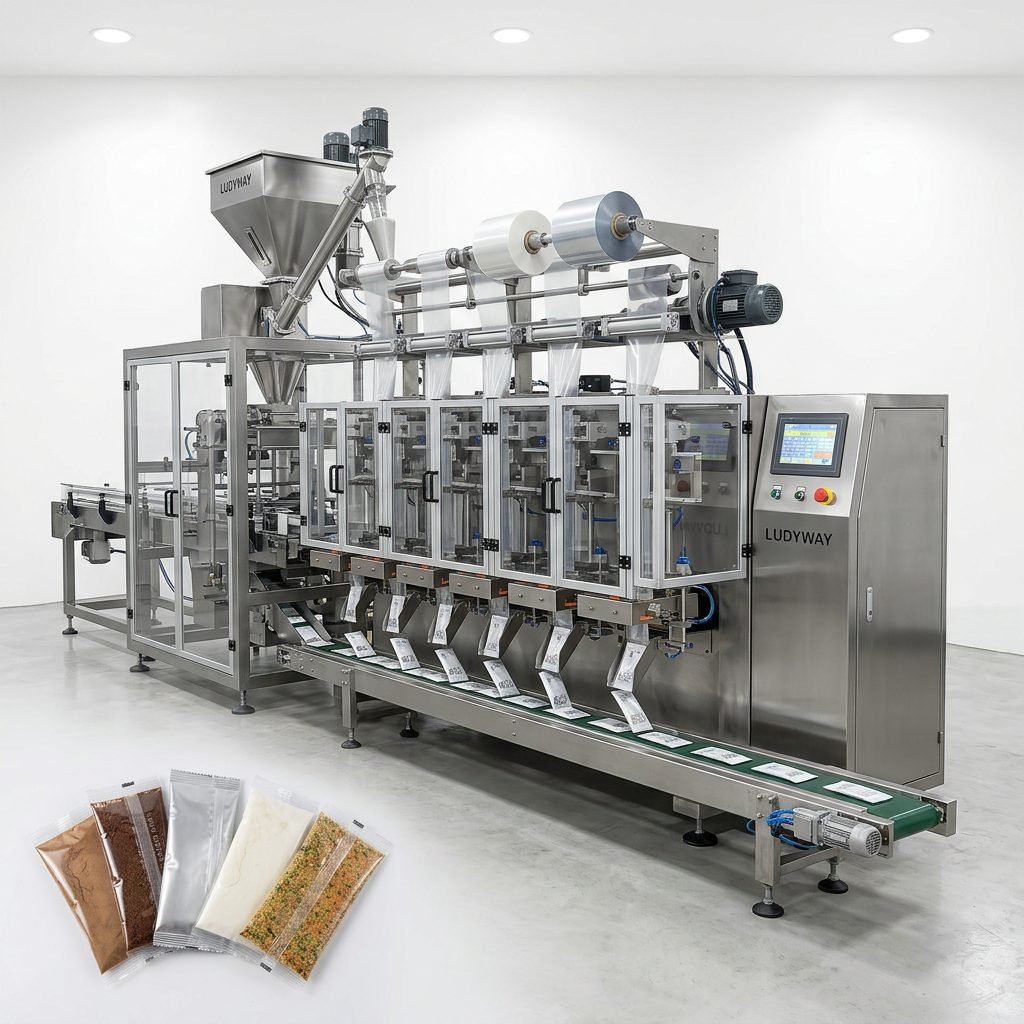
6. Preventive Maintenance Scheduling
A calendar-based preventive maintenance program is far more effective than reactive repairs. Below is a recommended tiered schedule for single-serve packaging machines operating 8-16 hours daily:
Weekly Tasks
- Clean all product contact surfaces thoroughly
- Inspect and clean photoelectric sensors
- Check sealing jaw alignment and Teflon tape condition
- Verify emergency stop functionality
- Empty and clean dust collection trays or vacuum filters
Monthly Tasks
- Lubricate all grease points per manufacturer specifications
- Inspect belts, chains, and pulleys for wear or looseness
- Test temperature controller accuracy with an external probe
- Clean or replace air filters on control cabinets
- Review error logs in the PLC for recurring fault patterns
Quarterly Tasks
- Full inspection of bearings and linear guide systems
- Calibrate load cells and weighing modules if equipped
- Replace worn cutting blades or have them professionally sharpened
- Inspect pneumatic cylinder seals and rod surfaces
- Conduct a full machine alignment check
Annual Tasks
- Complete machine overhaul — disassemble, clean, inspect all major assemblies
- Replace all timing belts regardless of apparent condition
- Service or rebuild pneumatic cylinders as needed
- Update firmware and backup all configuration data
- Perform comprehensive safety system validation
7. Operator Training and Standard Operating Procedures
Even the best maintenance program fails without properly trained operators. Your machine operators are the first line of defense against mechanical problems. They should be trained to:
- Recognize abnormal sounds, vibrations, or smells during operation
- Perform basic daily cleaning and inspection tasks correctly
- Understand error codes and know when to escalate issues
- Document all observations in a maintenance logbook or digital system
- Follow lockout/tagout procedures before any maintenance activity
Maintain a standard operating procedure manual specific to each machine model in your facility. This ensures consistency when operators rotate shifts or when new team members join.
8. Common Troubleshooting Scenarios
When issues arise, systematic troubleshooting saves time and prevents guesswork. The table below addresses frequent problems encountered on single-serve packaging machines:
| Problem | Possible Cause | Recommended Action |
|---|---|---|
| Inconsistent seal strength | Worn Teflon coating, temperature drift, contaminated jaws | Replace Teflon tape, recalibrate temperature, clean jaws thoroughly |
| Film tracking off-center | Misaligned forming tube, uneven roller pressure, film roll not centered | Realign tube, check all roller parallelism, reposition film roll |
| Fill weight variation | Clogged dosing unit, product bridging, worn auger or piston | Clean dosing path, check product flow, inspect and replace worn parts |
| Excessive machine vibration | Loose mounting bolts, worn bearings, unbalanced rotating parts | Tighten all fasteners, inspect bearings, check for damaged shafts |
| Intermittent sensor errors | Dirty lens, misaligned sensor, damaged cable, electrical interference | Clean lens, realign sensor, check wiring, assess grounding integrity |
9. Spare Parts Inventory Management
Waiting for replacement parts during a breakdown is one of the most costly mistakes in packaging operations. Maintain a strategic inventory of critical spares:
- Sealing jaws and heating elements — these are high-wear items
- Teflon tape and release sheets for seal bars
- Cutting blades and knife assemblies
- Common sensor types used across your machines
- Timing belts and drive belts specific to each model
- Pneumatic seals and O-ring kits
- Fuses, relays, and basic electrical components
Work with your equipment supplier to identify long-lead-time items and keep at least one unit of each in stock. For companies like Ludyway, comprehensive spare parts support is available for their range of single-serve packaging machines, ensuring minimal disruption when replacements are needed.

10. When to Call for Professional Service
While routine maintenance can be handled in-house, certain situations demand professional technical support. Contact qualified service technicians when you encounter:
- Persistent seal quality issues after all standard adjustments are exhausted
- PLC or servo drive faults that require advanced diagnostics
- Major mechanical damage such as bent shafts or cracked frames
- Software or firmware corruption that prevents normal operation
- Machine relocation requiring complete disassembly and re-commissioning
- Annual comprehensive overhaul services
Building a relationship with a reliable service provider ensures priority response when emergencies occur. Many manufacturers offer preventive maintenance contracts that include regular inspections and priority parts access — a worthwhile investment for production-critical equipment.
Refer to PMMI packaging industry resources for additional guidance on packaging machinery standards and best practices. For regulatory aspects of food-contact packaging, consult the FDA food packaging guidelines. The ISO packaging standards also provide valuable frameworks for maintenance documentation and quality management systems applicable to packaging operations.
A disciplined maintenance program transforms your single-serve packaging machine from a potential bottleneck into a reliable, high-performance asset. By following the daily, weekly, monthly, quarterly, and annual tasks outlined above, you protect your capital investment, maintain consistent product quality, and maximize overall equipment effectiveness. Remember: the most profitable machine is the one that runs without surprises.