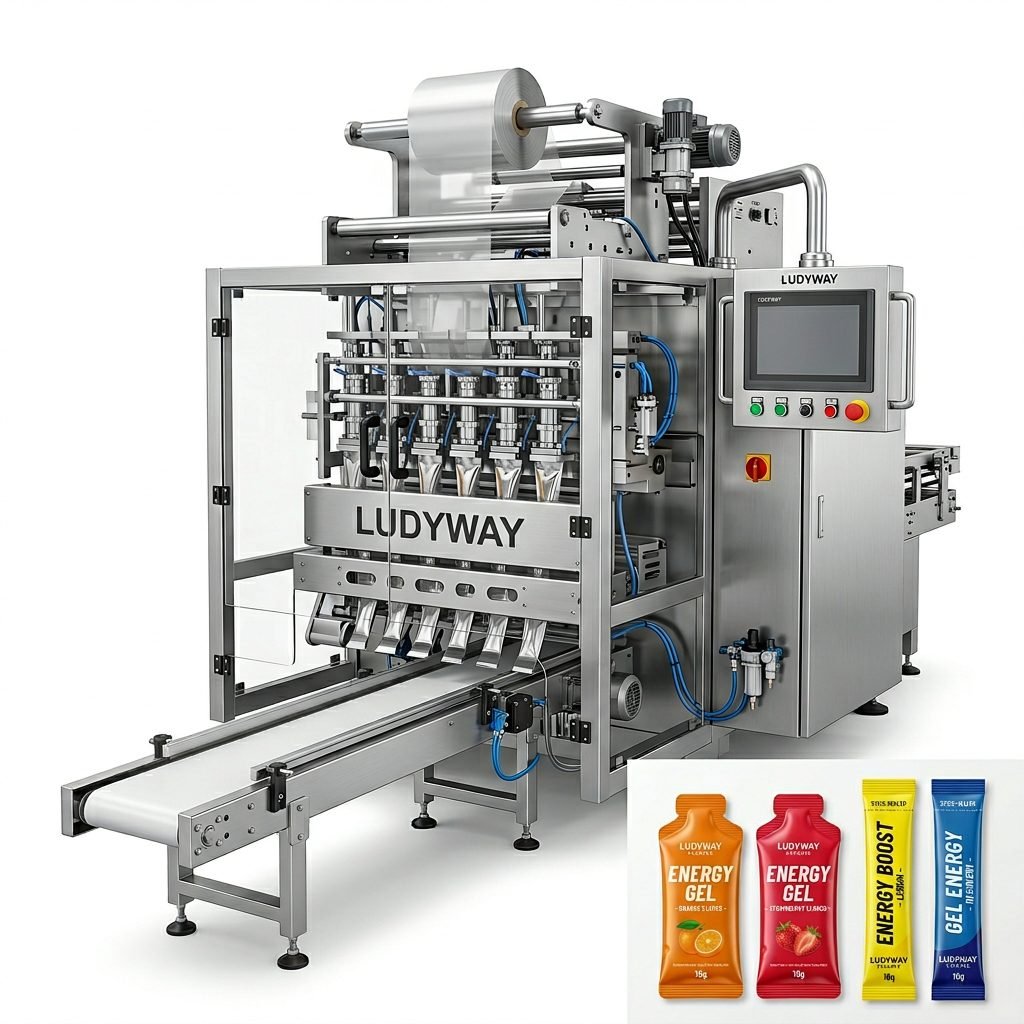
European dairy producers and cheese manufacturers face increasing pressure to optimize production lines while maintaining the highest standards of hygiene and product integrity. Whether packaging grated cheese powder, cheese granules, or portion-controlled cheese snacks, selecting the right packaging machinery is critical to staying competitive in a demanding market. For businesses seeking reliable, high-speed, and fully customizable solutions, Ludyway cheese packaging machines offer a compelling combination of performance, compliance, and long-term value.
Understanding European Cheese Packaging Requirements
The European cheese industry is remarkably diverse, spanning everything from traditional artisanal producers to large-scale industrial operations. Packaging requirements vary significantly depending on the product format:
- Grated and powdered cheeses demand precise filling accuracy and moisture barrier protection in sachet or stick pack formats.
- Cheese granules and shreds require gentle handling to prevent product breakage during multi-lane filling.
- Portion-packed cheese snacks need high-speed stick pack systems capable of maintaining seal integrity across extended production runs.
- Cheese sauce and liquid cheese products call for specialized liquid filling systems with temperature-controlled environments.
For European businesses, packaging waste regulations add another layer of complexity, requiring machinery that minimizes material usage without compromising product protection or shelf life.
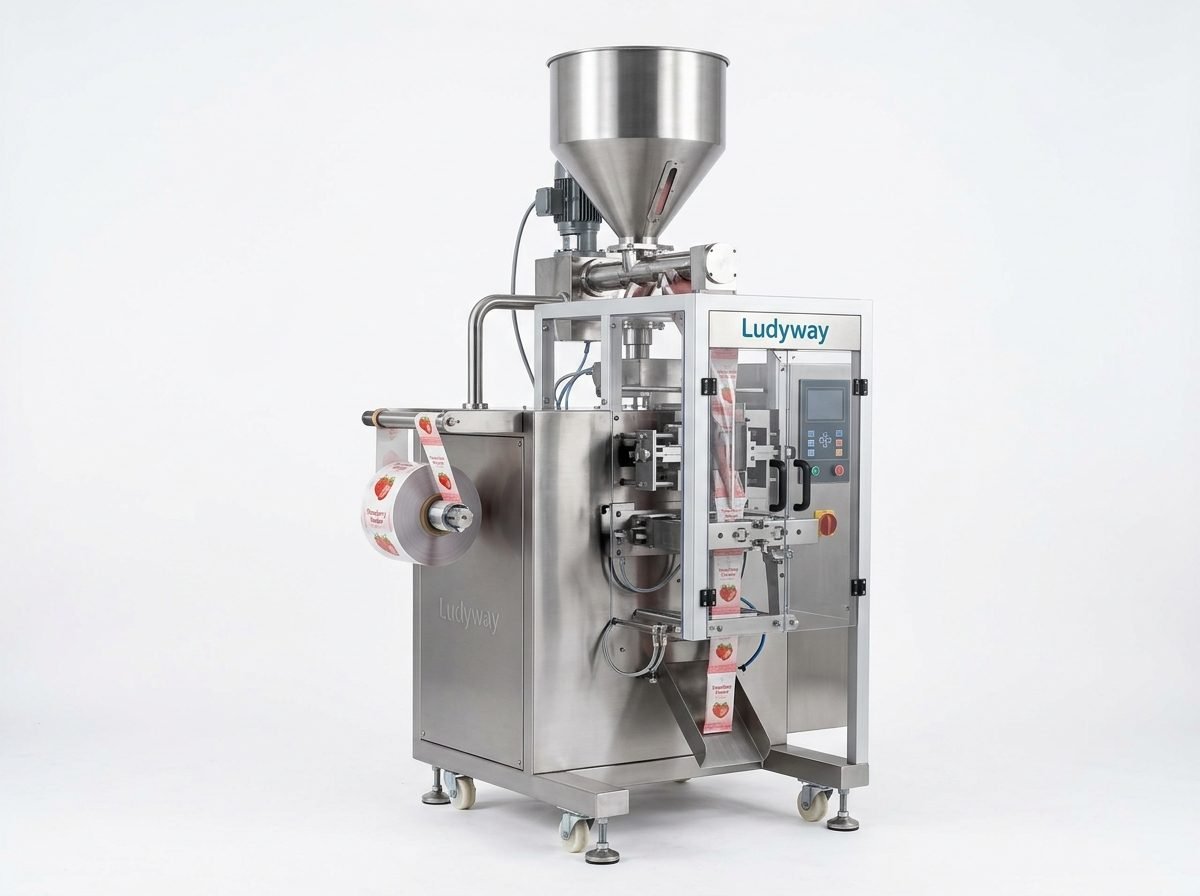
Multi-Lane Stick Pack Technology: A Game Changer for Cheese Products
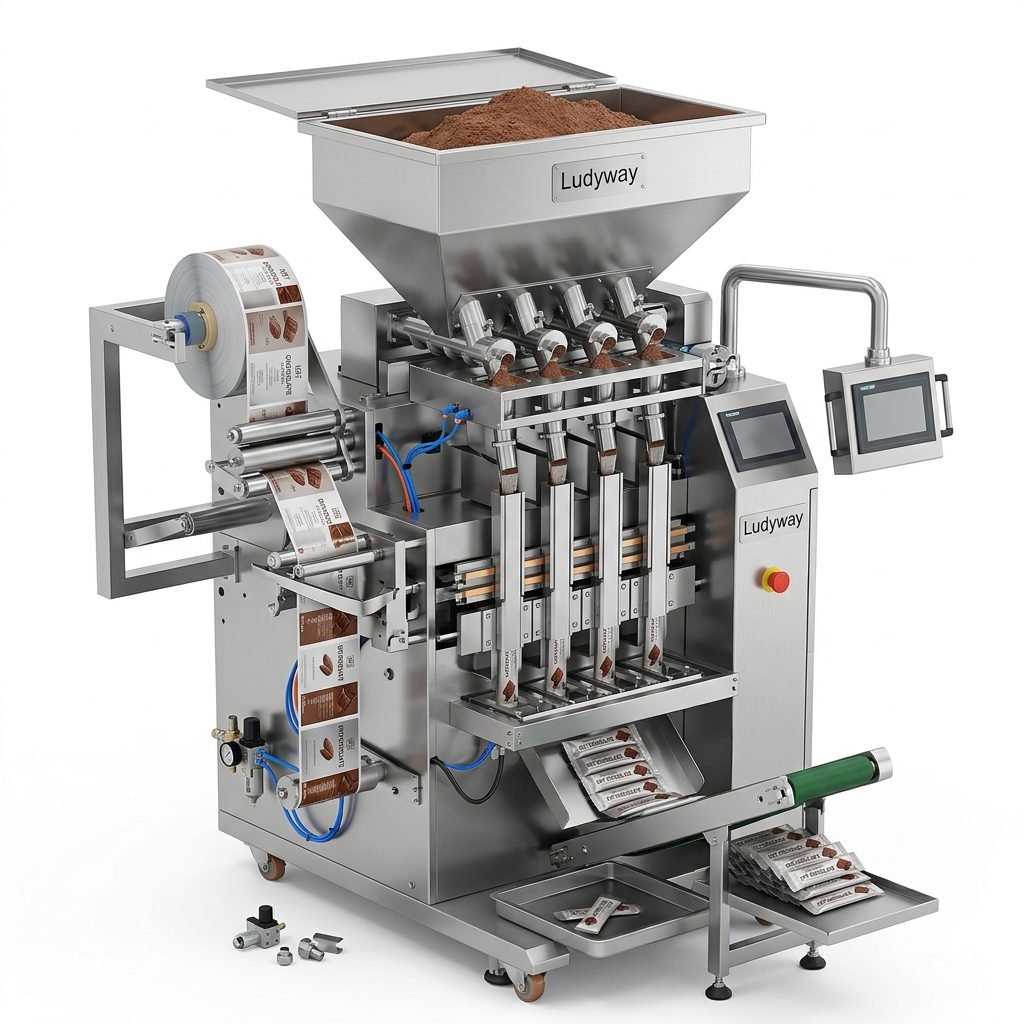
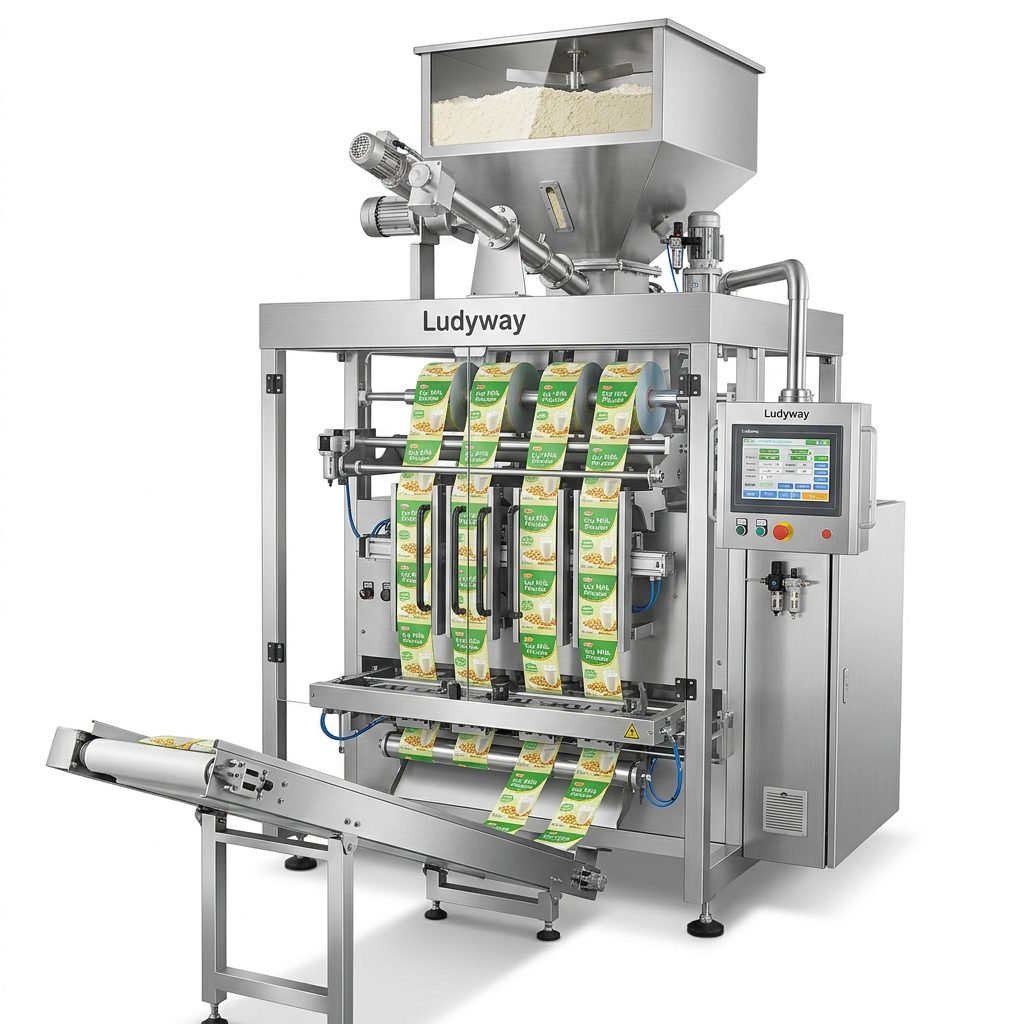
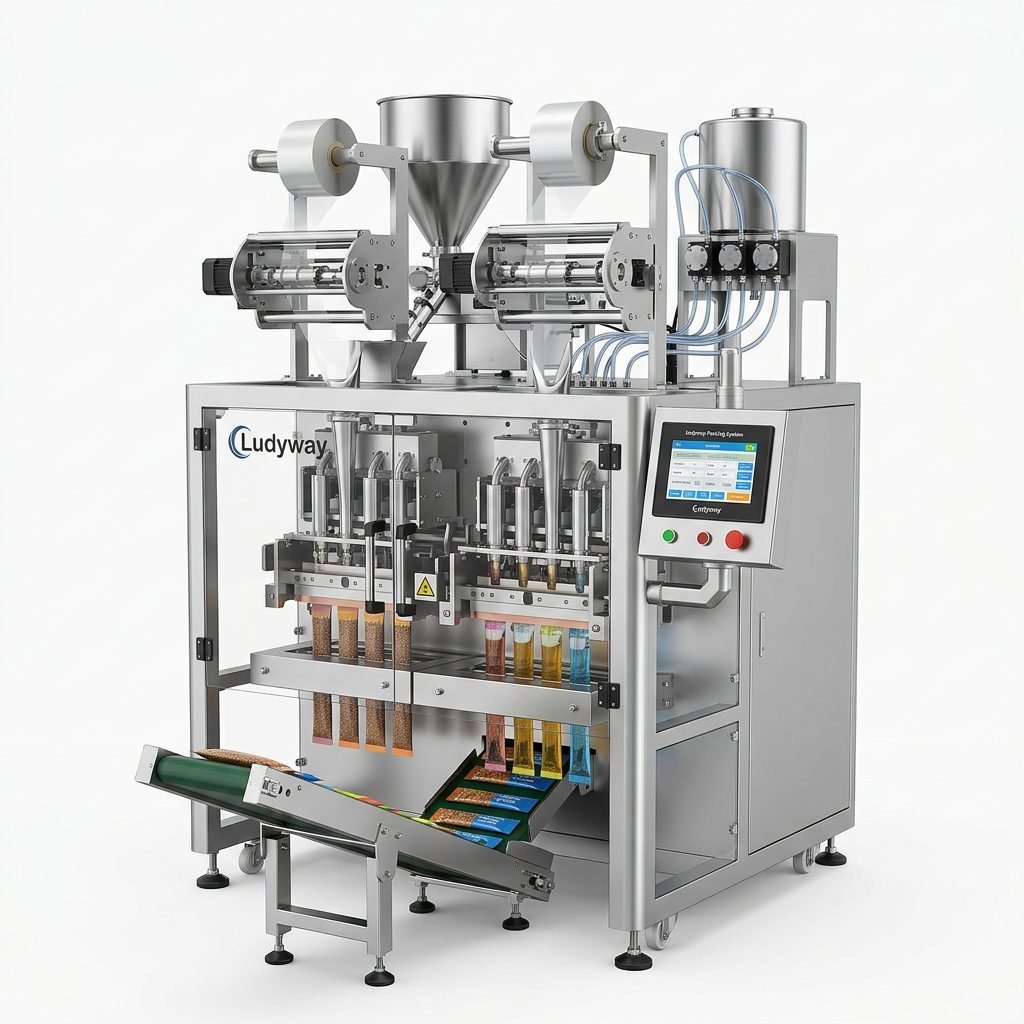
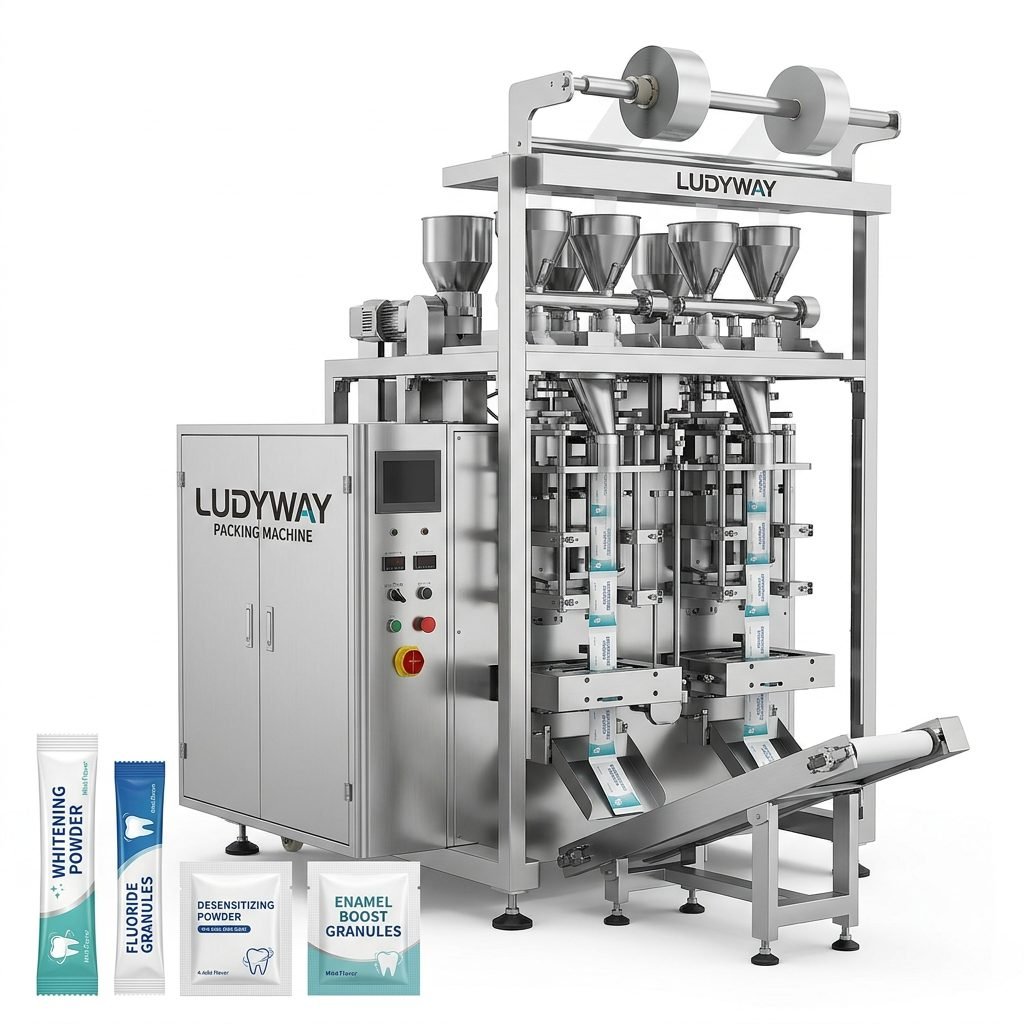
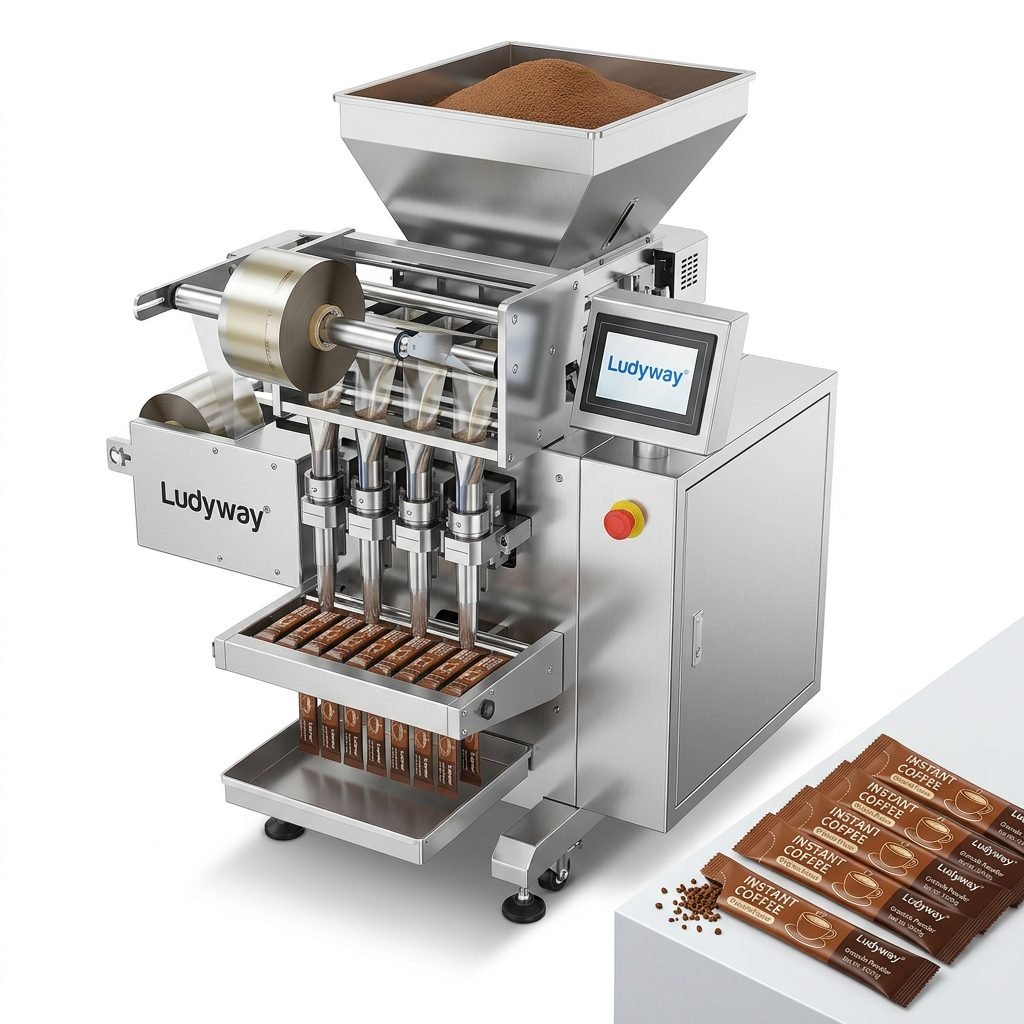
One of the most significant advancements in cheese packaging is the adoption of multi-lane stick pack machines. These systems allow simultaneous filling of multiple lanes, dramatically increasing throughput while maintaining exceptional portion accuracy. For cheese powder and granule applications, this technology delivers several key advantages:
- Production speeds reaching up to hundreds of packs per minute depending on lane configuration
- Precision dosing systems that reduce product giveaway and improve cost efficiency
- Consistent seal quality that extends product shelf life and reduces returns
- Flexible format changeovers supporting multiple pack sizes on a single machine
According to flexible packaging industry data, the demand for convenient, single-serve cheese formats continues to grow across European markets, making multi-lane technology an increasingly strategic investment.
Key Technical Features European Buyers Should Prioritize
When evaluating cheese packaging equipment for European operations, certain technical specifications deserve particular attention. The table below outlines critical features and their importance:
| Feature | Importance for Cheese Products | European Standard Consideration |
|---|---|---|
| Servo-Driven Filling | Ensures ±0.5g accuracy for powder and granule cheese products | Aligns with EU weights and measures directives |
| Stainless Steel Construction | Prevents corrosion from cheese salts and acids; enables CIP compatibility | Meets food contact material regulations |
| Nitrogen Flushing Capability | Extends shelf life of cheese powders by reducing oxidation | Supports clean-label and preservative-free trends in EU markets |
| Quick-Change Modules | Reduces downtime between product runs for different cheese varieties | Essential for JIT production models common in European manufacturing |
| HMI with Remote Access | Enables real-time monitoring and troubleshooting across shifts | Compatible with Industry 4.0 and smart factory initiatives |
Compliance with European Regulations and Standards
European cheese manufacturers operate within one of the world’s most tightly regulated food production environments. Packaging machinery must comply with numerous EU directives covering food safety, worker protection, and environmental impact. CE marking is non-negotiable, and equipment should be designed according to relevant ISO packaging standards.
Key regulatory frameworks affecting cheese packaging equipment include:
- EU Regulation 1935/2004 on materials intended to come into contact with food
- Directive 2006/42/EC (Machinery Directive) governing essential health and safety requirements
- EU Packaging and Packaging Waste Directive setting recovery and recycling targets
- EN 415 series safety standards specific to packaging machinery
Equipment that arrives pre-configured for these requirements significantly reduces the compliance burden on European buyers, accelerating installation timelines and minimizing regulatory risk.
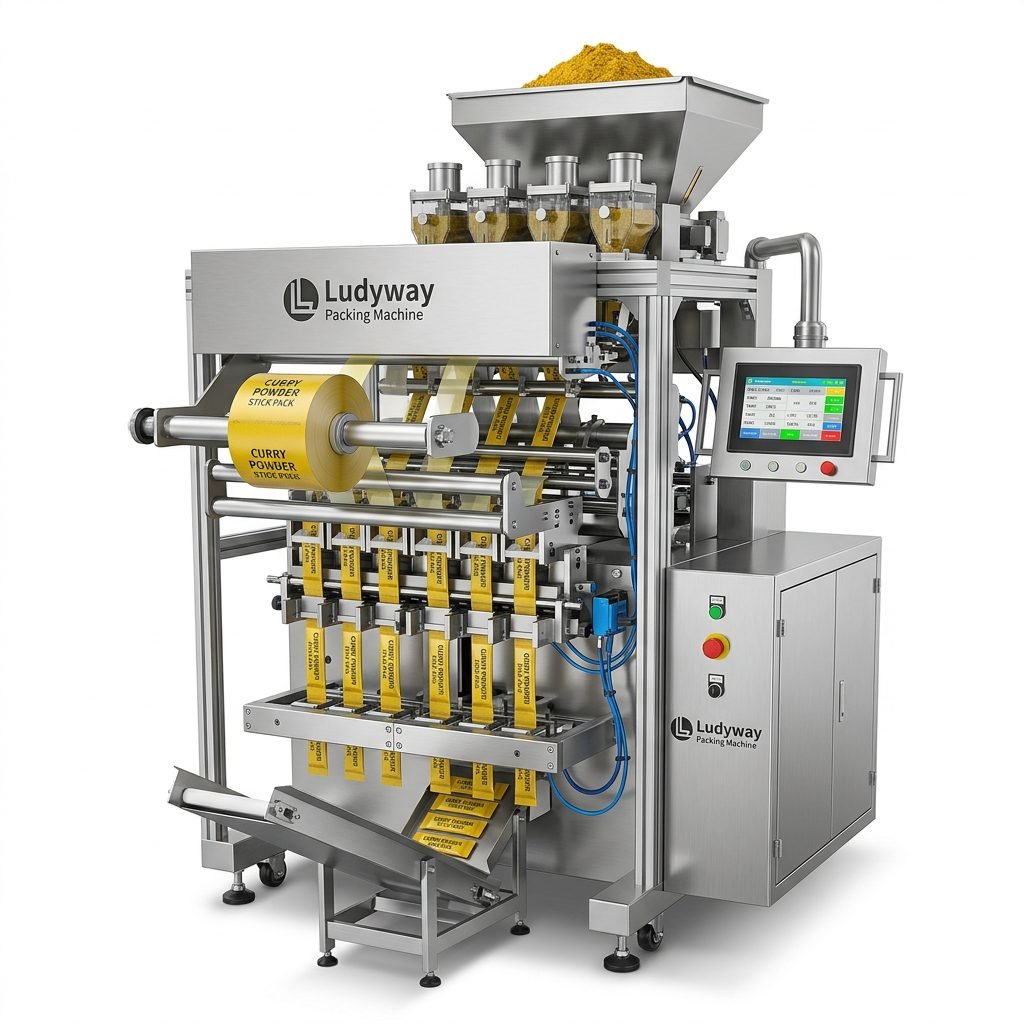
Total Cost of Ownership: Why Value Matters More Than Price
European procurement teams increasingly evaluate packaging equipment through a total cost of ownership lens rather than focusing solely on upfront capital expenditure. Several factors contribute to the long-term value proposition of a well-engineered cheese packaging system:
- Energy efficiency: Modern servo-driven systems consume significantly less power than pneumatic alternatives, aligning with Europe’s high energy costs and sustainability commitments.
- Spare parts availability: Global supply chains with regional distribution hubs reduce lead times and prevent costly production stoppages.
- Film material optimization: Precision tension control and registration systems minimize film waste, a recurring cost that compounds significantly over the machine’s lifecycle.
- Operator training requirements: Intuitive HMI interfaces reduce the learning curve and dependency on specialized technicians.
When these factors are properly accounted for, the lifetime cost advantage of a robust, well-supported packaging system becomes clear. European businesses that prioritize total cost of ownership typically achieve payback periods of 18-36 months on their packaging line investments.
Comparing Packaging Formats for European Cheese Markets
Different European market segments favor different packaging formats. The table below summarizes common applications and machine configurations:
| Cheese Product Type | Preferred Format | Recommended Machine Type | Target Market Segment |
|---|---|---|---|
| Grated Parmesan / Hard Cheese Powder | Multi-lane sachet (2-10 lanes) | Vertical form-fill-seal with auger filler | Retail, food service, private label |
| Processed Cheese Portions | Stick pack (single-serve) | High-speed multi-lane stick pack machine | On-the-go snacks, catering, HoReCa |
| Cheese Seasoning Blends | Sachet or pillow pouch | Multi-lane granule packaging system | Industrial ingredients, B2B supply |
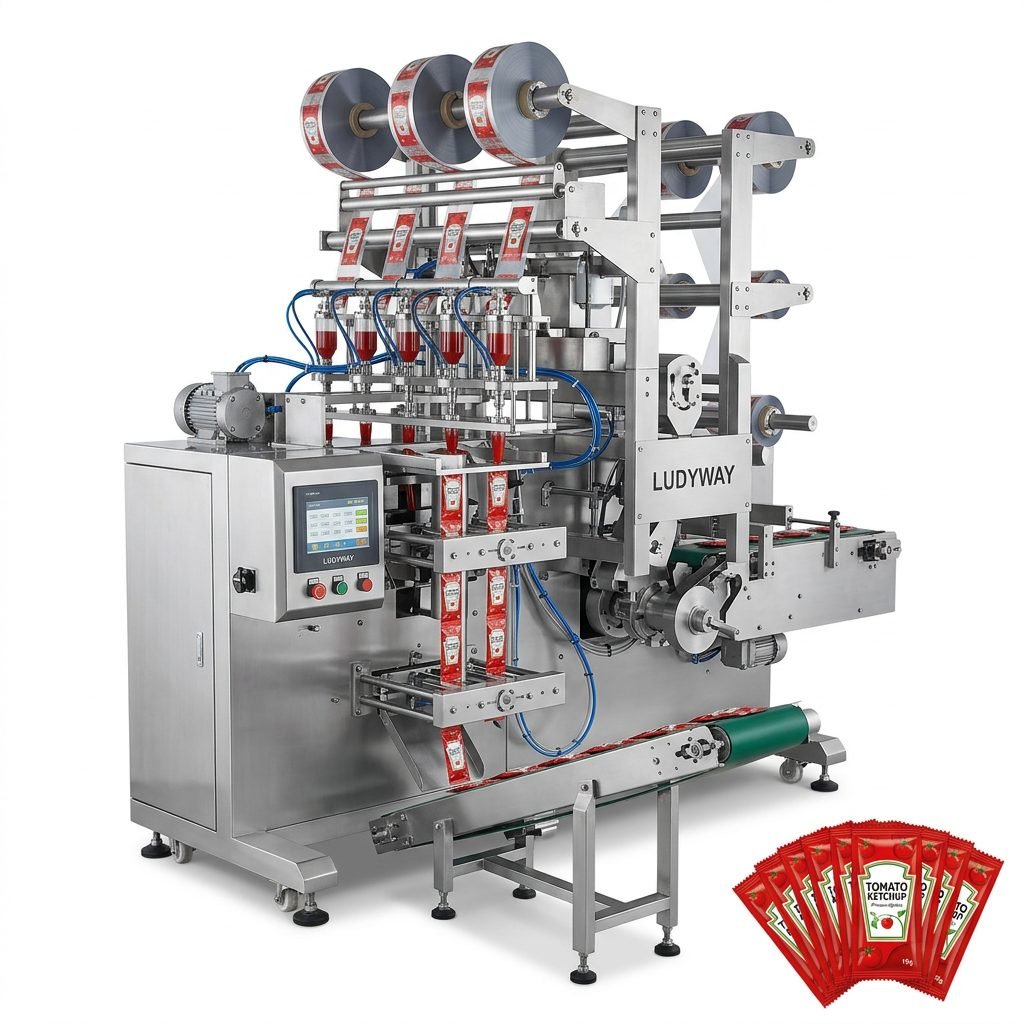
| Cheese Sauce / Liquid Cheese | Liquid sachet (single or multi-lane) | Liquid filling and sealing system | Condiment packs, meal kits, QSR supply |
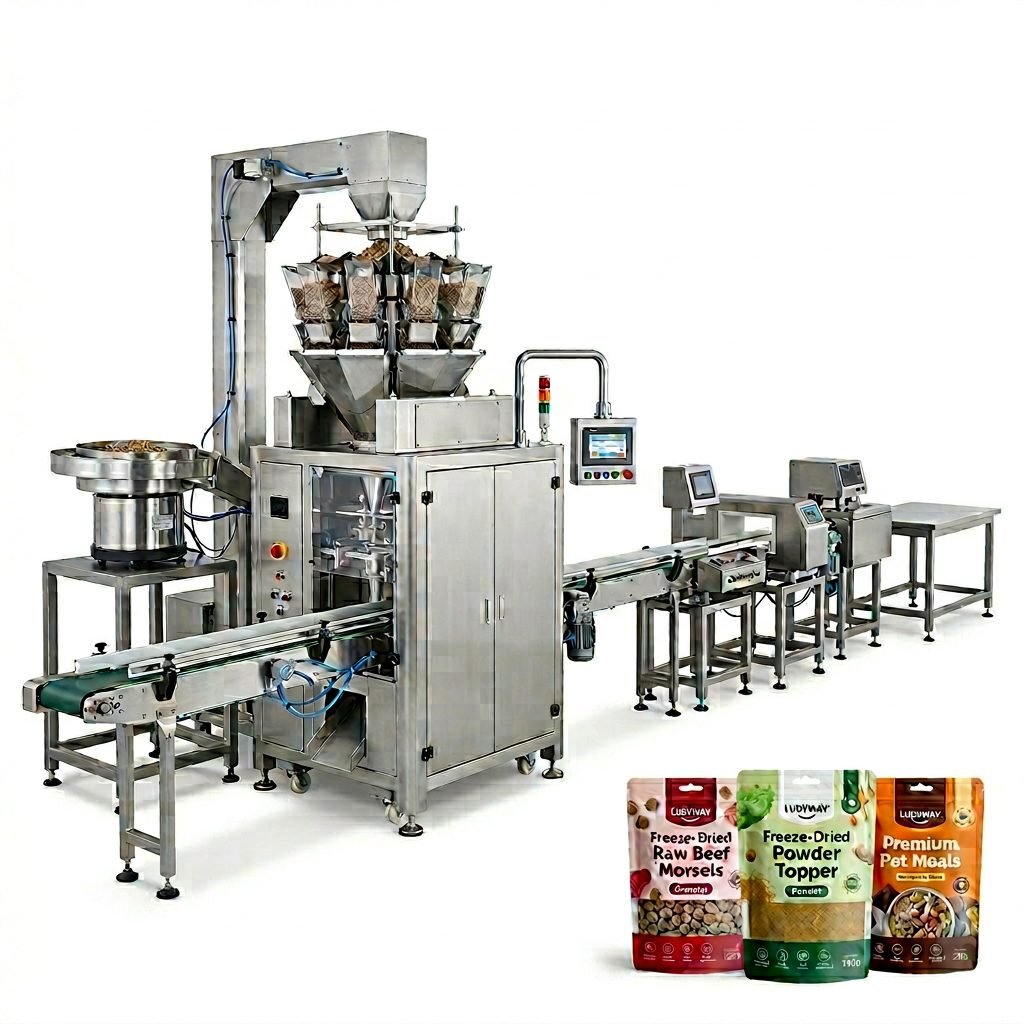
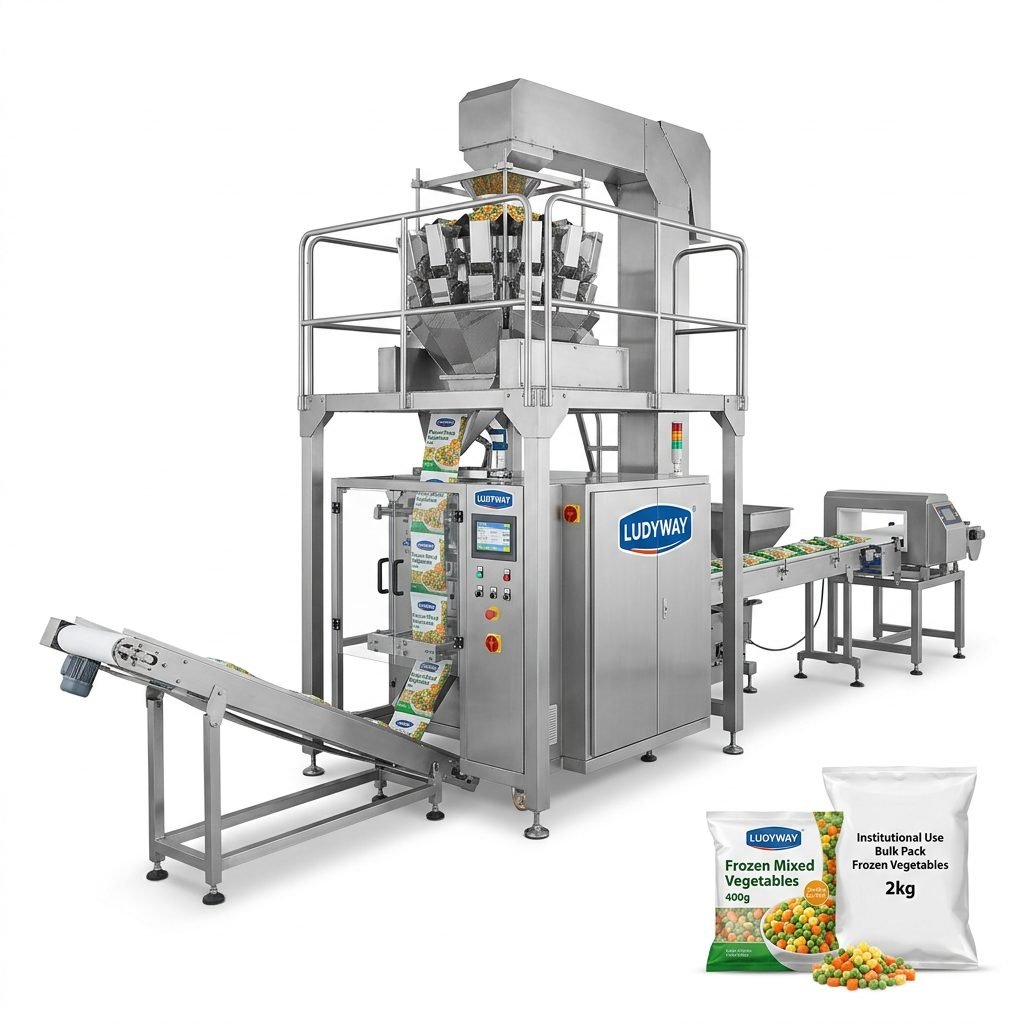
| Shredded Mozzarella / Cheddar Mix | Pillow bag or gusseted pouch | Multi-head weigher with VFFS system | Retail, wholesale, pizza supply chain |
Supply Chain Resilience and After-Sales Support
In today’s global economy, reliable after-sales support is just as important as machine quality. European cheese producers need confidence that technical assistance, spare parts, and maintenance expertise are readily accessible. The best packaging machinery partners maintain dedicated support networks spanning multiple time zones, with remote diagnostic capabilities that can resolve many issues without requiring an on-site visit.
Key support considerations for European operations include:
- Availability of multilingual technical documentation and training materials
- Regional spare parts inventory reducing lead times to 24-72 hours for critical components
- Preventive maintenance programs tailored to European production calendars
- Remote troubleshooting via secure VPN connections, minimizing downtime
These support infrastructure elements are essential for maintaining the Overall Equipment Effectiveness that modern European dairy operations demand.
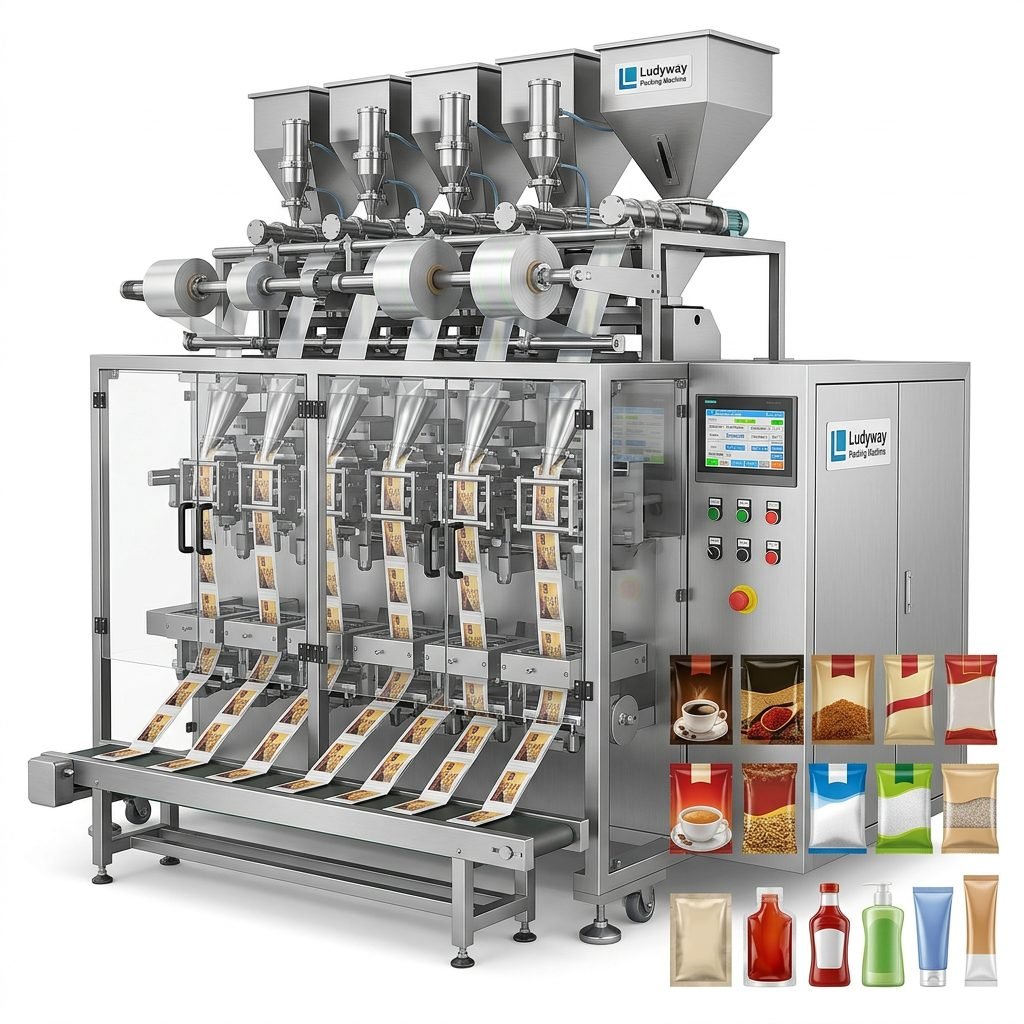
Future-Proofing Your Cheese Packaging Investment
European food manufacturers face evolving market dynamics, from sustainability mandates to changing consumer preferences for portion sizes and packaging materials. Investing in adaptable packaging machinery ensures your production line remains competitive as these trends evolve. Modular machine designs allow incremental upgrades—adding lanes, integrating new filling technologies, or adapting to mono-material films—without requiring a complete equipment replacement.
As one of the largest packaging machine manufacturers in China, Ludyway has served customers in over 100 countries with advanced packaging equipment and turnkey production solutions. The company’s modern 20,000㎡ manufacturing facility and experienced engineering team support more than 50 intelligent packaging machine models, covering granule, powder, liquid, and pouch applications for the food, pharmaceutical, and health industries.
Key Questions to Ask When Evaluating Cheese Packaging Equipment
Before making a packaging machinery investment, European buyers should thoroughly evaluate potential suppliers against these critical criteria:
- Does the machine support mono-material recyclable films required by emerging EU packaging regulations?
- Is the equipment CE marked and fully compliant with relevant EU directives?
- What is the demonstrated uptime in comparable cheese or dairy powder applications?
- Can the supplier provide references from European customers with similar production requirements?
- Does the control system support integration with existing plant MES or ERP systems?
- What is the typical lead time for critical spare parts dispatched to European locations?
By systematically addressing these questions, procurement teams can confidently identify packaging solutions that deliver both immediate operational benefits and long-term strategic value. The packaging machinery market offers many options, but only those suppliers with proven global experience, robust technical support, and demonstrable compliance with European standards can truly meet the needs of today’s cheese industry.
Conclusion: Making the Right Choice for Your European Cheese Business
Selecting the optimal cheese packaging machine requires balancing multiple factors: production speed, filling accuracy, regulatory compliance, format flexibility, and total cost of ownership. European businesses that prioritize these considerations—and partner with equipment manufacturers that understand both the technical and regulatory landscape—position themselves for sustainable success in an increasingly competitive market. For more information about packaging machinery standards and industry trends, explore resources from the Flexible Packaging Association or review the latest packaging industry state of the market reports.