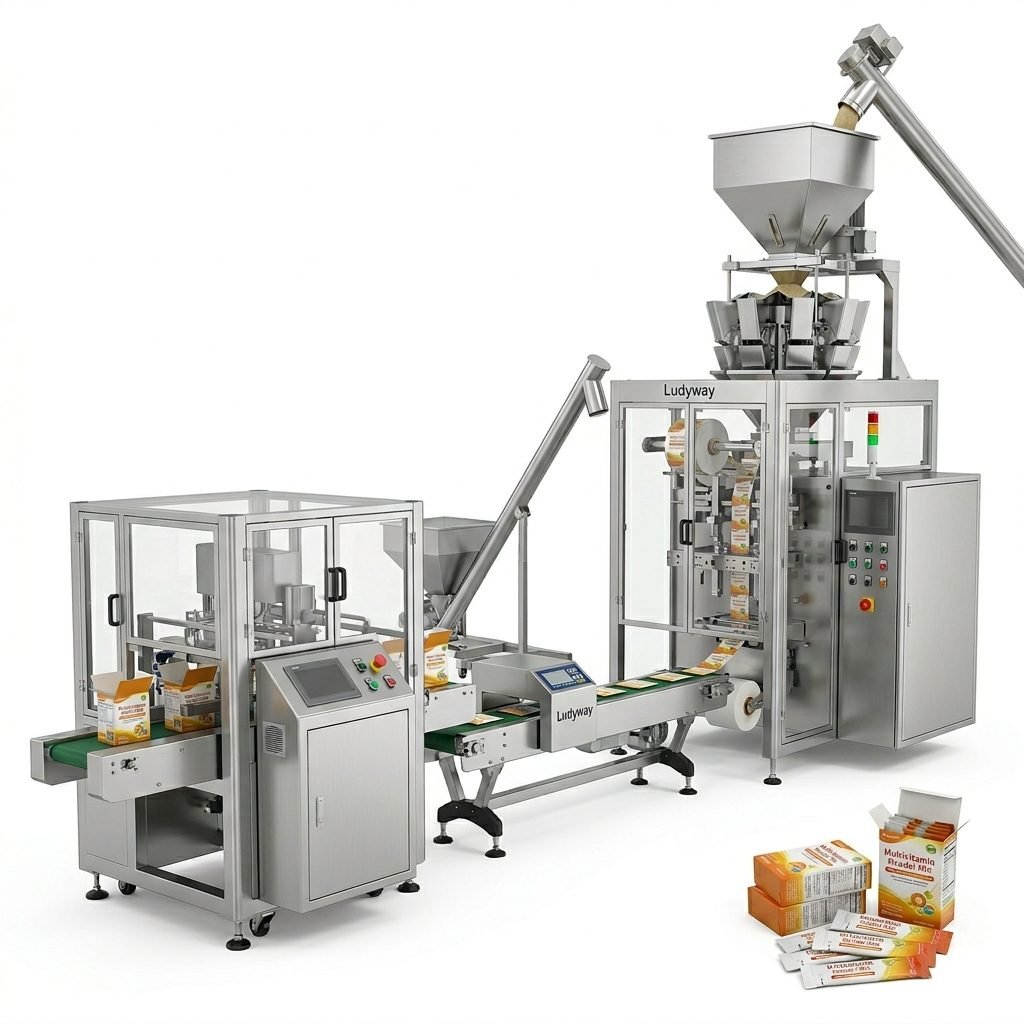
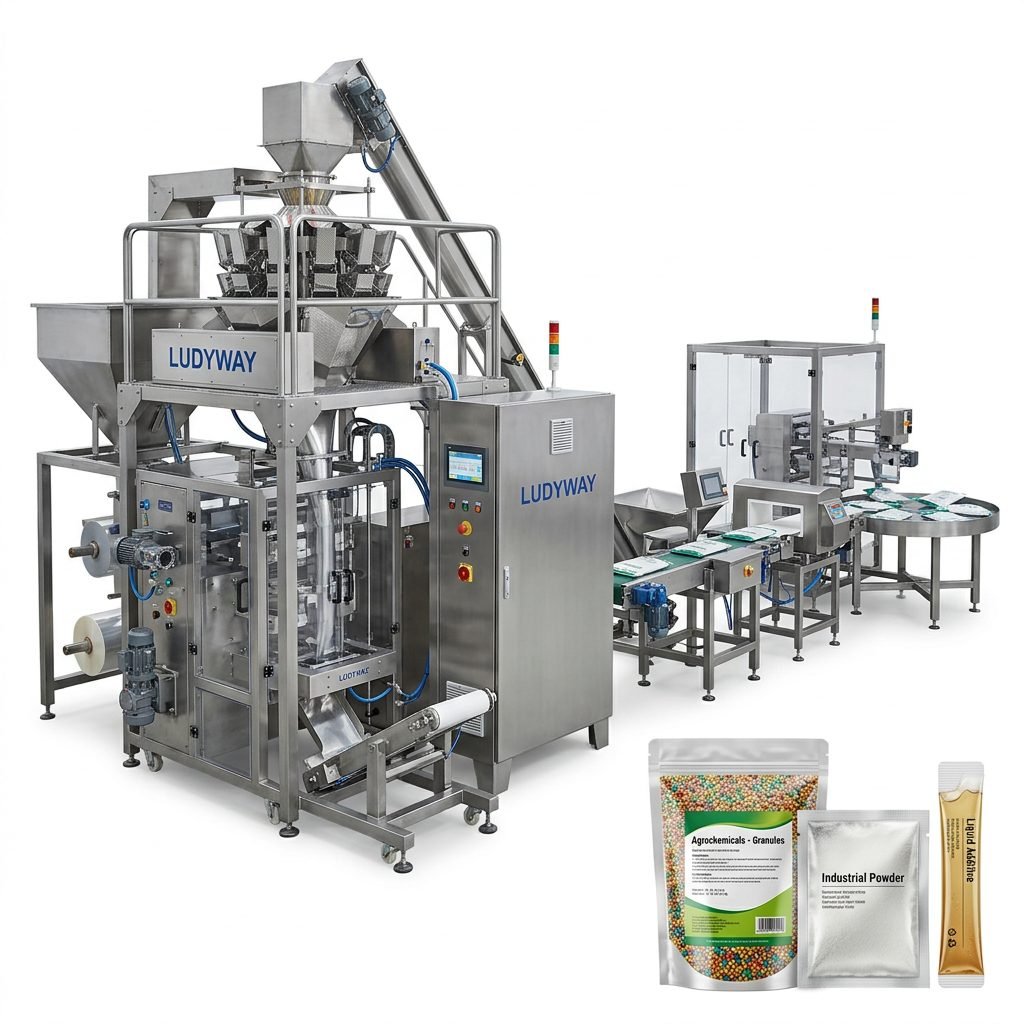
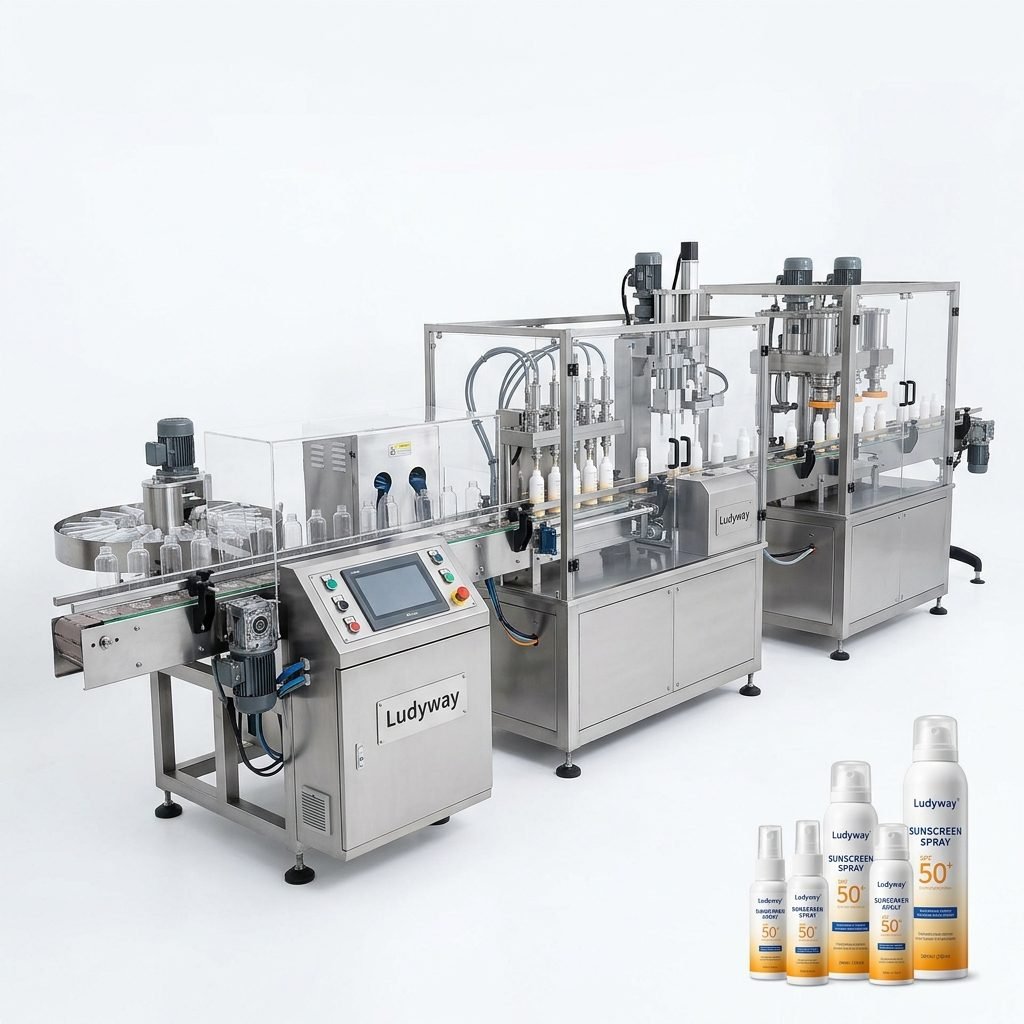
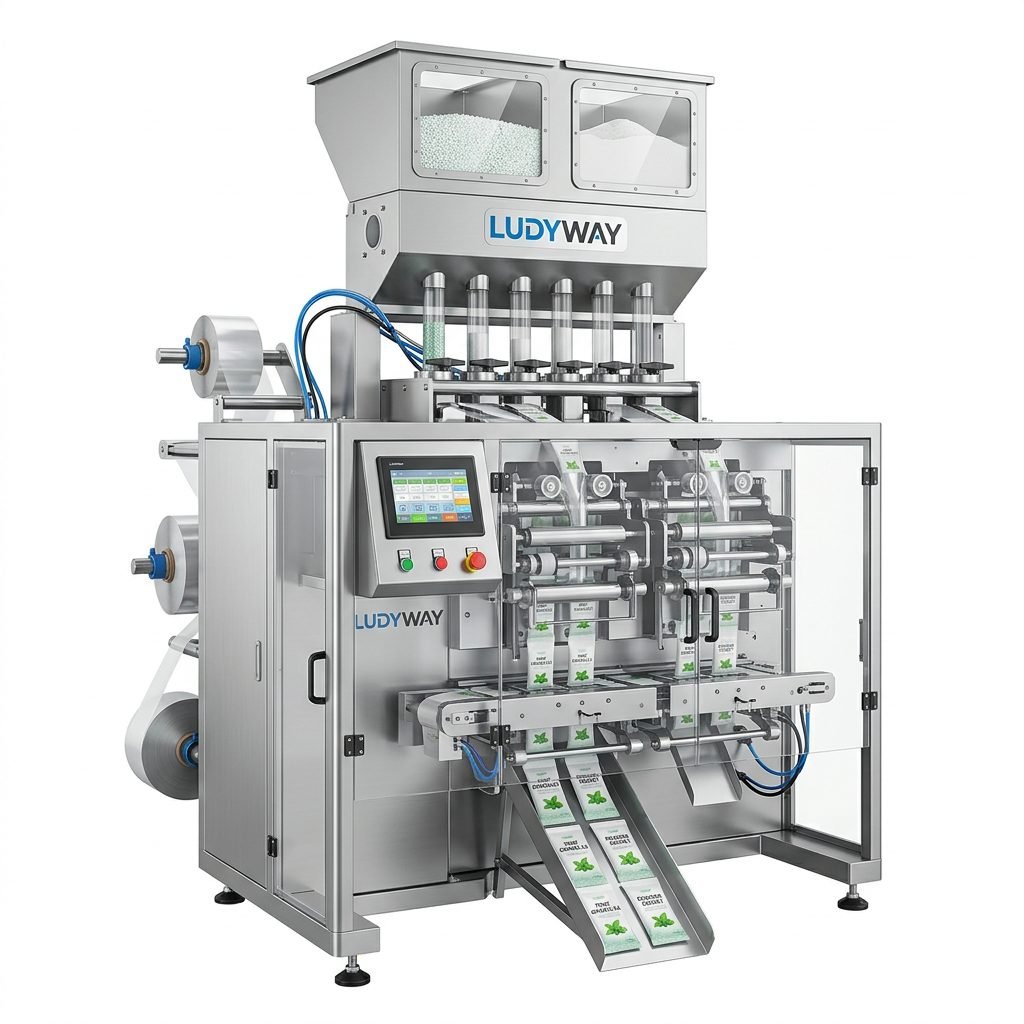
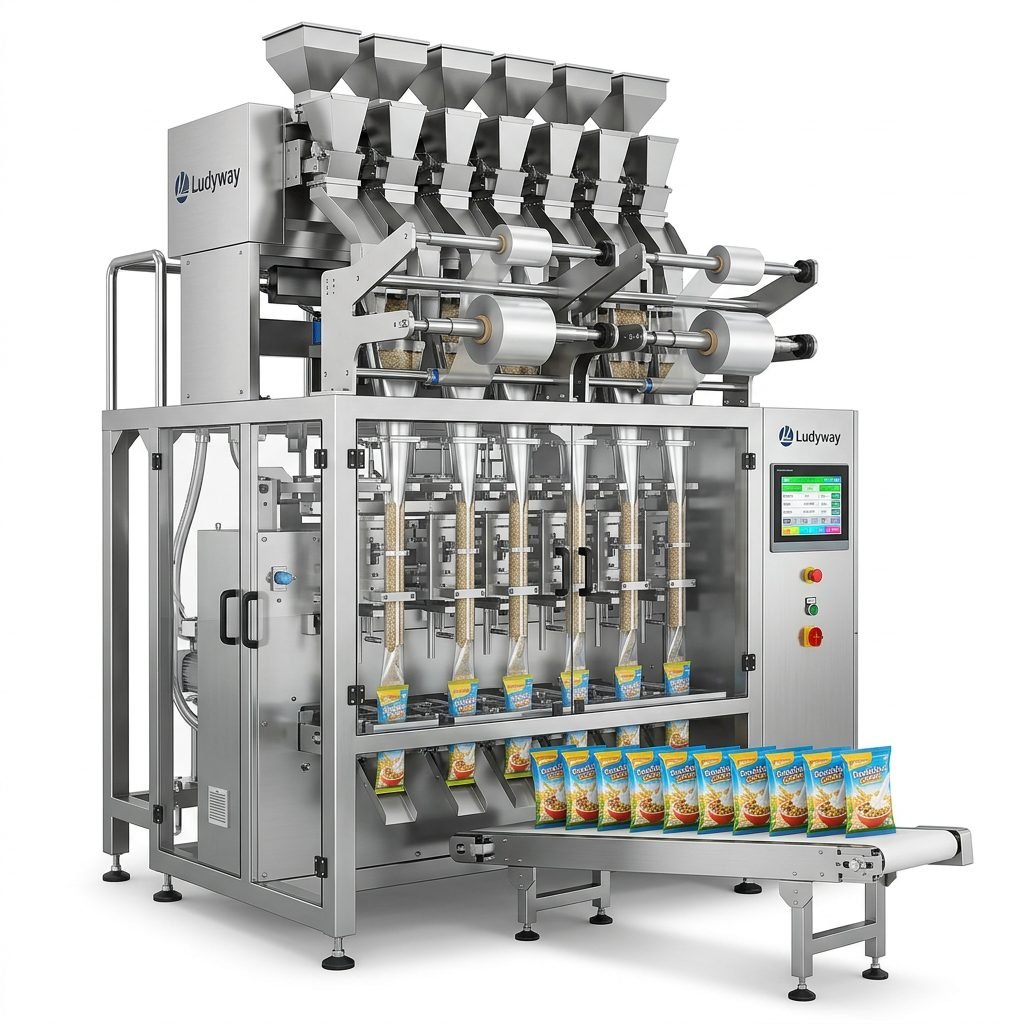
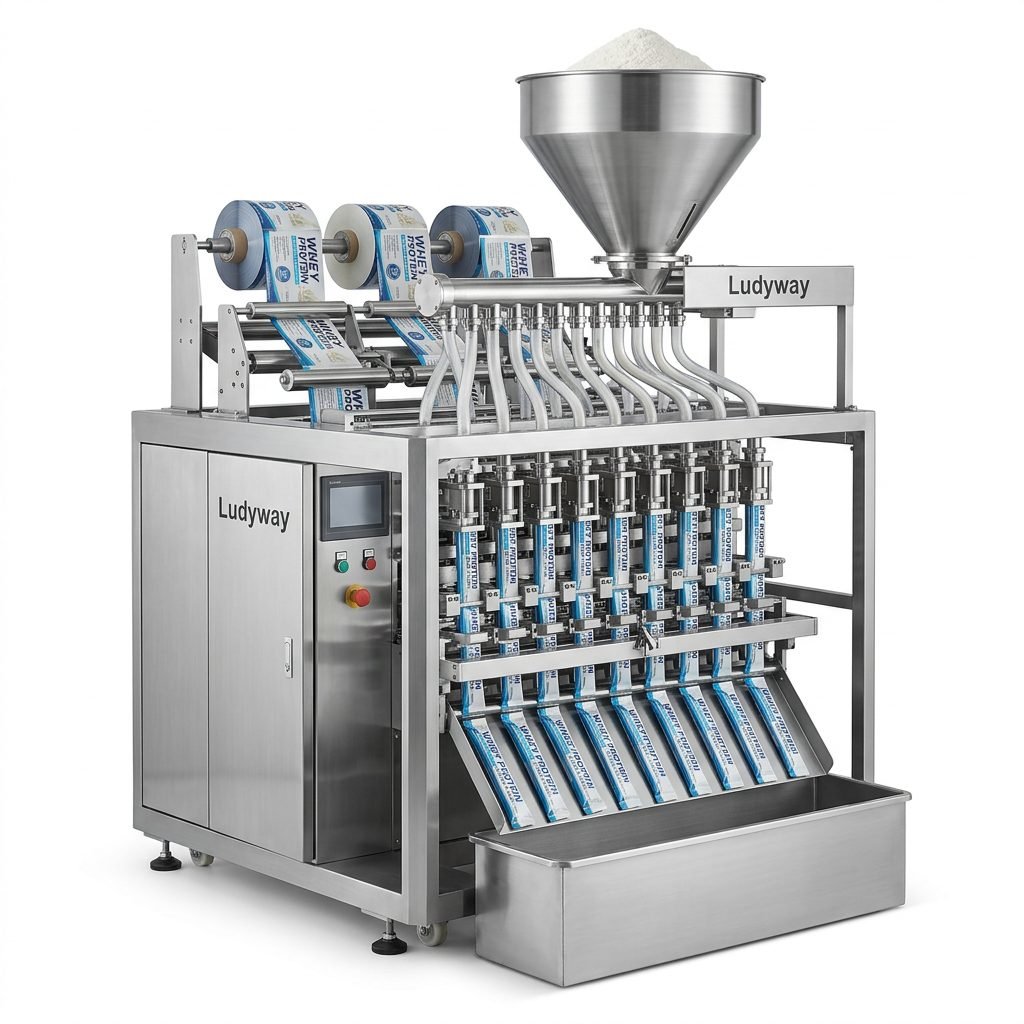
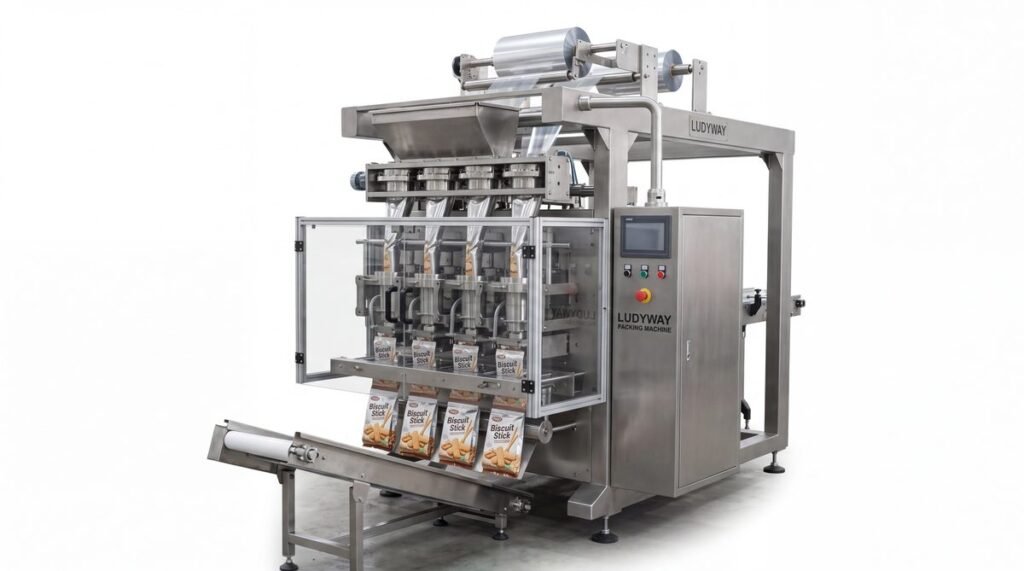
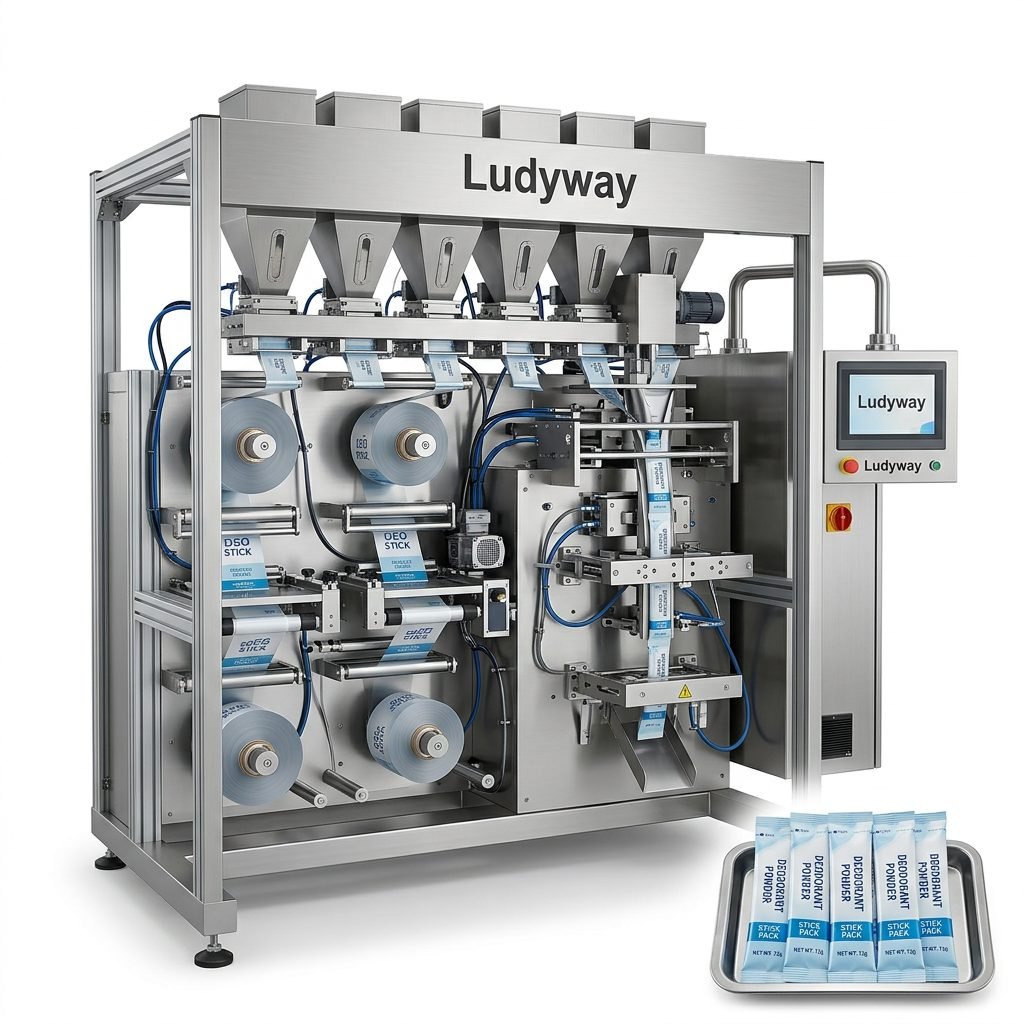
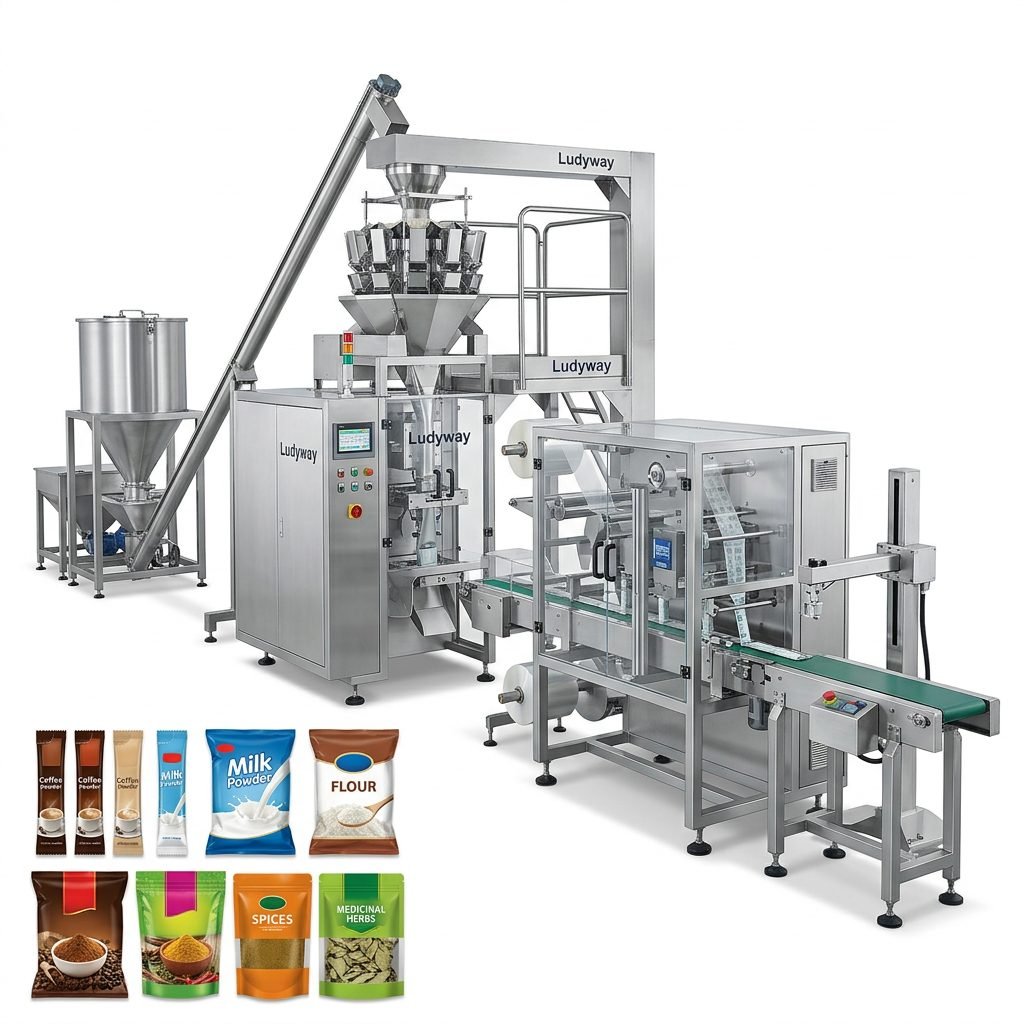
Maintaining a universal packaging machine is critical for ensuring consistent performance, minimizing downtime, and extending the lifespan of your equipment. Whether you operate a multi-lane stick pack machine, a sachet packaging system, or a fully automated powder filling line, a structured maintenance routine can prevent costly breakdowns and production delays. In fact, industry data from the PMMI Business Intelligence Library highlights that proactive maintenance can reduce equipment-related downtime by up to 35%.
Why Preventive Maintenance Matters
Universal packaging machines handle a variety of products—granules, powders, liquids, and pouches—across food, pharmaceutical, and chemical industries. Without regular upkeep, issues like seal alignment drift, filling inaccuracies, or film tracking errors can arise. A preventive approach ensures your packaging line remains compliant with industry standards and operates at peak efficiency.
Daily Maintenance Checklist
Daily tasks form the foundation of any maintenance program. Operators should perform the following checks before, during, and after each shift:
- Clean product contact surfaces – Remove residual powder, granules, or liquid to prevent cross-contamination and buildup.
- Inspect sealing jaws and heating elements – Check for wear, residue accumulation, or temperature inconsistencies.
- Verify sensor alignment – Ensure photoelectric sensors and registration marks are clean and properly positioned.
- Lubricate moving components – Apply food-grade lubricant to chains, bearings, and cam mechanisms as specified in the manual.
- Empty and clean dust collection systems – Clogged filters reduce vacuum efficiency and can affect pouch forming.
Weekly Maintenance Tasks
Weekly inspections allow you to catch developing issues before they escalate. Focus on these areas:
- Examine film feed rollers and tension controls – Uneven tension causes wrinkling or misaligned seals.
- Inspect cutting blades and knives – Dull blades result in jagged edges or incomplete cuts; sharpen or replace as needed.
- Calibrate weighing and filling systems – Verify accuracy against a calibrated scale to maintain product consistency.
- Check pneumatic fittings and air lines – Air leaks can reduce cylinder performance and cause inconsistent sealing pressure.
- Test emergency stop circuits and safety guards – Safety interlocks must function correctly to protect operators.
Monthly and Quarterly Maintenance
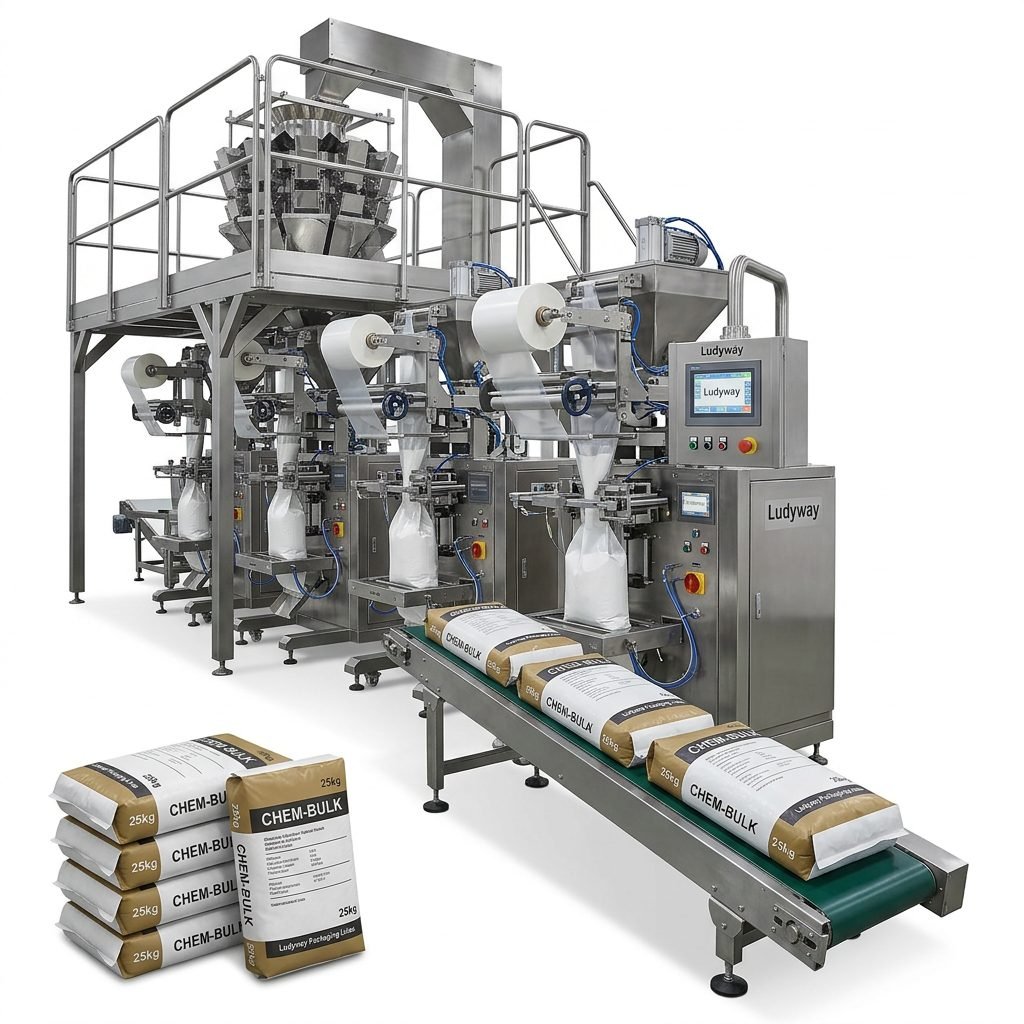
Longer-interval maintenance involves more detailed inspections and component replacements. A qualified technician should handle these tasks:
- Replace worn forming tubes and collars – Scratches or deformation can tear film and impair pouch formation.
- Inspect electrical connections and control panels – Tighten terminals, check for overheating signs, and verify PLC parameters.
- Deep clean the entire film path – Remove adhesive residue, dust, and product buildup that affects tracking.
- Evaluate motor drives and gearboxes – Listen for unusual noise and check oil levels; replace worn bearings.
- Review and update machine software/firmware – Manufacturers occasionally release performance improvements.
Common Maintenance Issues and Solutions
| Problem | Possible Cause | Solution |
|---|---|---|
| Seal integrity failures | Incorrect temperature, pressure, or dwell time | Calibrate heat settings and verify jaw alignment |
| Film tracking off-center | Misaligned rollers or worn guide components | Adjust roller positions and replace worn parts |
| Inconsistent fill weight | Worn auger, clogged nozzle, or calibration drift | Clean or replace auger, recalibrate weighing system |
| Excessive noise or vibration | Loose fasteners, worn bearings, or misalignment | Tighten bolts, lubricate or replace bearings |
| Date code printing errors | Dirty printhead or incorrect ribbon tension | Clean printhead, adjust ribbon settings |
Lubrication Best Practices
Proper lubrication is essential for any universal packaging machine. Use only food-grade lubricants for machines handling edible products. Follow the manufacturer’s recommended schedule and avoid over-lubricating, which can attract dust and cause component buildup. Pay special attention to:
- Sealing jaw pivot points and cam followers
- Film feed roller bearings and tension arm mechanisms
- Chain drives and sprockets on multi-lane systems
- Linear guides and ball screws on servo-driven axes

Spare Parts Management
Maintaining an inventory of critical spare parts can significantly reduce repair turnaround time. Recommended items to stock include:
- Sealing jaws and heating cartridges
- Forming tubes and shoulder collars
- Cutting blades and knife assemblies
- Belts, O-rings, and gaskets
- Common sensors (photoelectric, proximity, temperature)
- Pneumatic cylinders and solenoid valves
Refer to the ISO packaging standards for guidance on component specifications and quality requirements for replacement parts.
Operator Training and Documentation
Even the best maintenance program fails without properly trained operators. Ensure all personnel understand:
- Daily startup and shutdown procedures
- How to interpret error codes and warning indicators
- Correct methods for cleaning without damaging sensitive components
- When to escalate issues to maintenance technicians
Maintain a detailed maintenance log documenting all inspections, repairs, and part replacements. This historical data helps identify recurring issues and optimize preventive maintenance intervals.
Professional Service and Support
For complex repairs or performance optimization, partnering with an experienced packaging machine manufacturer like Ludyway ensures access to specialized technical support, genuine spare parts, and expert field service. With over 30 years of industry experience and a modern 20,000㎡ manufacturing facility, professional service teams can diagnose and resolve issues that go beyond routine in-house maintenance capabilities.
Seasonal and Annual Overhauls
Plan for a comprehensive annual overhaul during scheduled production downtime. This should include:
- Complete disassembly and cleaning of all product-contact areas
- Replacement of all wear-prone components (belts, seals, springs)
- Electrical system inspection, including grounding and insulation testing
- Recalibration of all temperature controllers, load cells, and sensors
- Updating software and backing up configuration parameters
- Testing the machine at full speed across all product formats
Key Takeaways for Long-Term Reliability
- Prioritize daily cleaning and inspection – Small issues caught early prevent major failures.
- Follow a structured maintenance schedule – Use checklists and log all maintenance activities.
- Invest in quality spare parts and lubricants – Genuine components outperform generic alternatives.
- Train operators thoroughly – Empower your team to identify and report potential problems.
- Schedule professional service visits – Expert technicians can optimize machine performance and extend service life.

For more information on packaging machine maintenance standards, visit the Flexible Packaging Association Industry Resources or consult the FDA Food Packaging and Food Contact Substances guidelines for compliance requirements in food and pharmaceutical applications.