Investing in a used vacuum packaging machine is a smart way to reduce capital expenditure while maintaining production efficiency. However, without a structured maintenance routine, even the most robust pre-owned equipment can suffer from seal failures, oil contamination, and vacuum leaks. This guide covers the essential cleaning and maintenance steps to keep your machinery running at peak performance.

Why Routine Maintenance is Critical
Vacuum packaging machines operate under demanding conditions. Food particles, moisture, and constant mechanical movement lead to wear if not addressed. A proactive approach reduces downtime, prevents costly repairs, and extends the lifespan of your packaging machine. Key risks of neglect include:
- Reduced vacuum efficiency due to worn gaskets.
- Contamination from residue buildup in the chamber.
- Oil deterioration in the vacuum pump, leading to overheating.
Daily Cleaning Procedures
A daily cleaning protocol is the first line of defense. After each shift, operators should perform the following steps:
- Disconnect Power — Always isolate the machine from the electrical supply before cleaning.
- Remove Debris — Clear the vacuum chamber and sealing bar of product crumbs, dust, or liquid spills.
- Wipe Sealing Surface — Use a soft, lint-free cloth with a mild detergent to clean the sealing bar. Never use abrasive tools that can scratch the non-stick coating.
- Check the Vacuum Bag — If your model uses an internal collection bag or filter, empty or replace it.
- Inspect Gaskets — Look for food residue or stiffness on the rubber seals. Wipe them clean and dry thoroughly.

Weekly Component Inspection
While daily cleaning handles surface hygiene, weekly inspections catch mechanical issues early. Focus on these three areas:
1. Vacuum Pump Oil
The pump is the heart of the system. Check the oil level through the sight glass. Cloudy or dark oil indicates moisture contamination and requires immediate changing. Operating with degraded oil destroys the pump.
2. Sealing Bar and Heating Element
Inspect the heating wire and Teflon cover. Any blistering or burn marks on the sealing bar can cause inconsistent seals. Place a strip of fresh Teflon tape over the bar if the surface appears uneven.
3. Hoses and Connections
Check pneumatic fittings and vacuum hoses for cracks. A small air leak stresses the pump and prevents the machine from reaching target vacuum levels.
Deep Preventative Maintenance Schedule
Beyond routine checks, schedule comprehensive servicing based on usage. The table below summarizes key tasks and intervals:
| Maintenance Task | Interval | Key Action |
|---|---|---|
| Vacuum Pump Oil | Every 300-500 hours | Drain and replace with recommended oil grade |
| Exhaust Filter | Every 6 months | Replace to prevent back pressure |
| Gasket Replacement | Annually or when cracked | Lubricate new gaskets with food-grade silicone |
| Full Calibration | Annually | Check vacuum gauge accuracy and timer settings |
Lubrication Best Practices
Proper lubrication minimizes friction in mechanical seals and moving parts. Use food-grade lubricants specifically designed for packaging environments. Over-lubrication attracts dust, creating a grinding paste that damages shafts and bushings. Apply lubricant sparingly and wipe away any excess.
Troubleshooting Common Vacuum Issues
If the machine fails to achieve a proper vacuum, use this checklist before calling a technician:
- Check the lid closure. Misalignment prevents a tight seal. Adjust the hinges if necessary.
- Test the vacuum sensor. A faulty sensor may shut down the cycle prematurely.
- Inspect the bag placement. The open end must sit completely flat on the sealing bar without wrinkles.
- Evaluate the pump. Listen for knocking sounds, which suggest worn vanes.
Protecting Your Investment with Professional Support
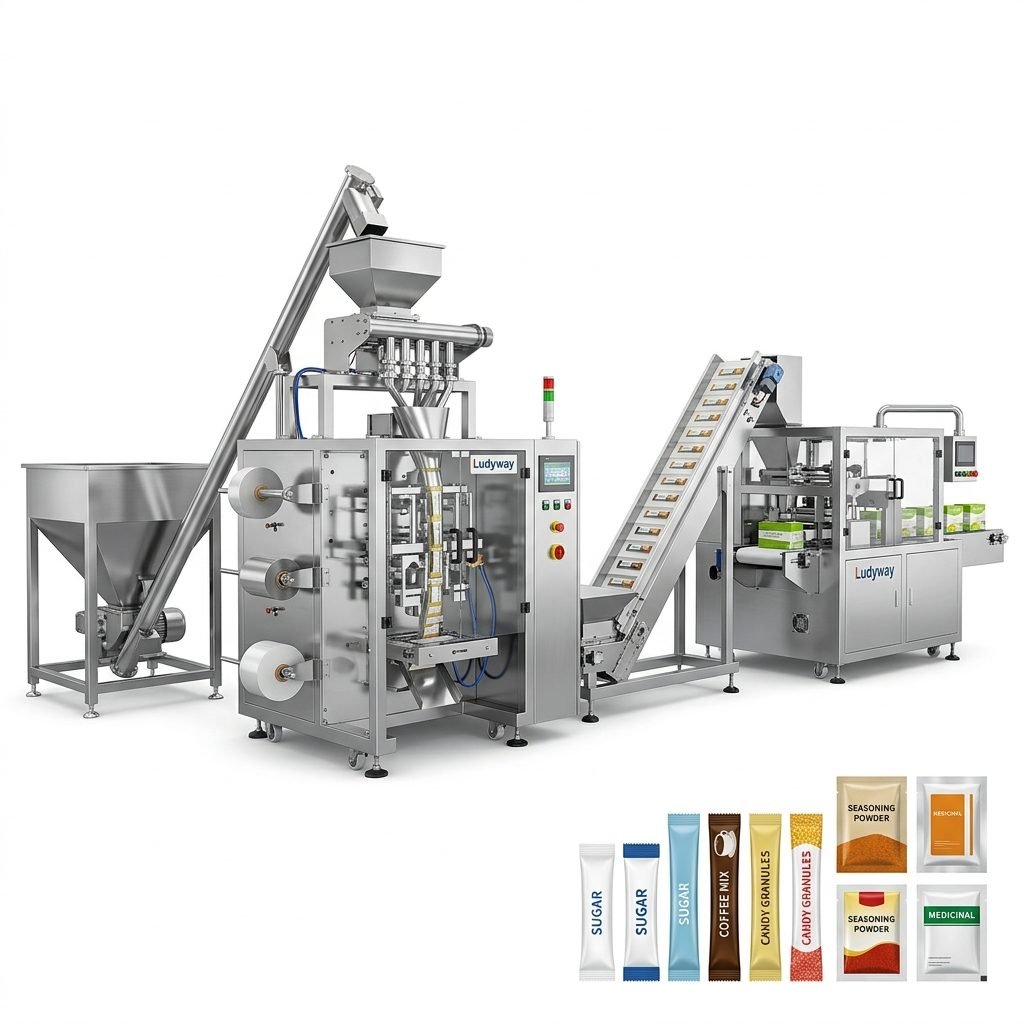
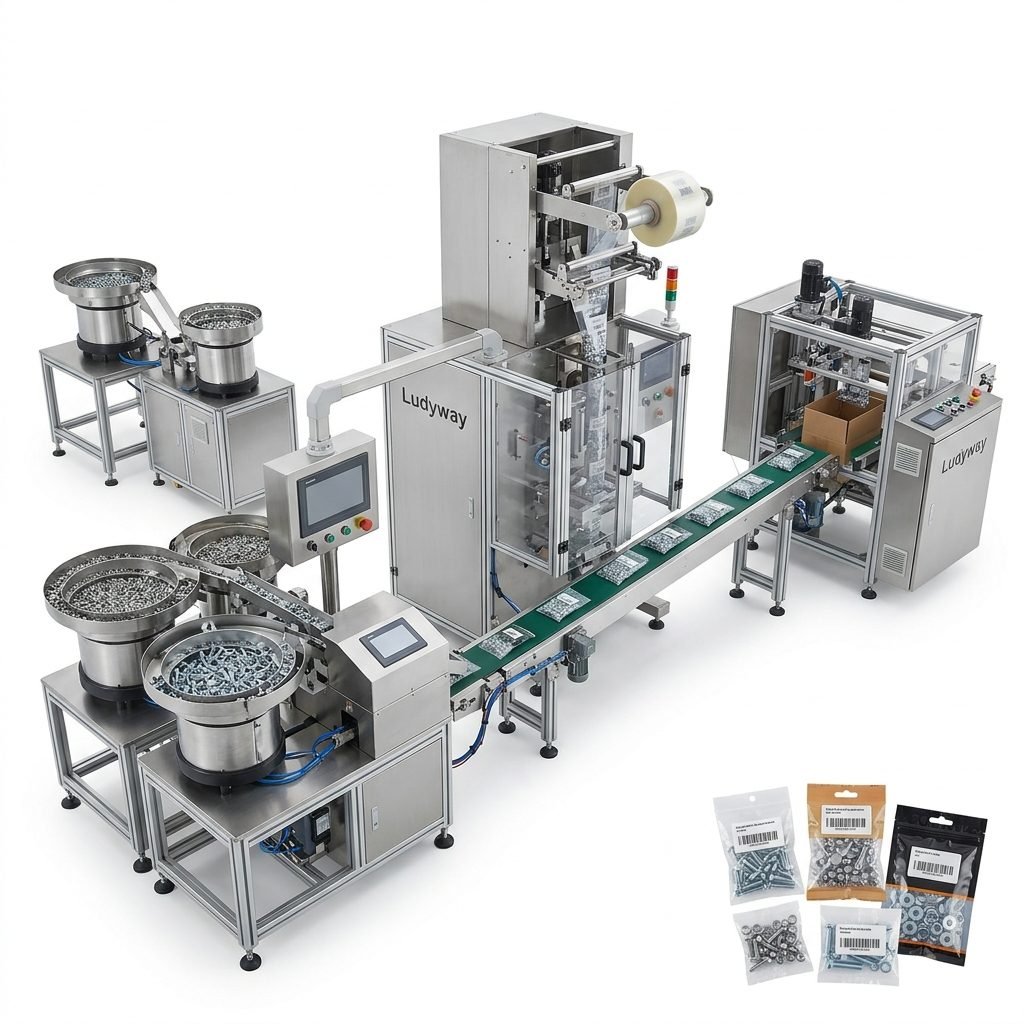
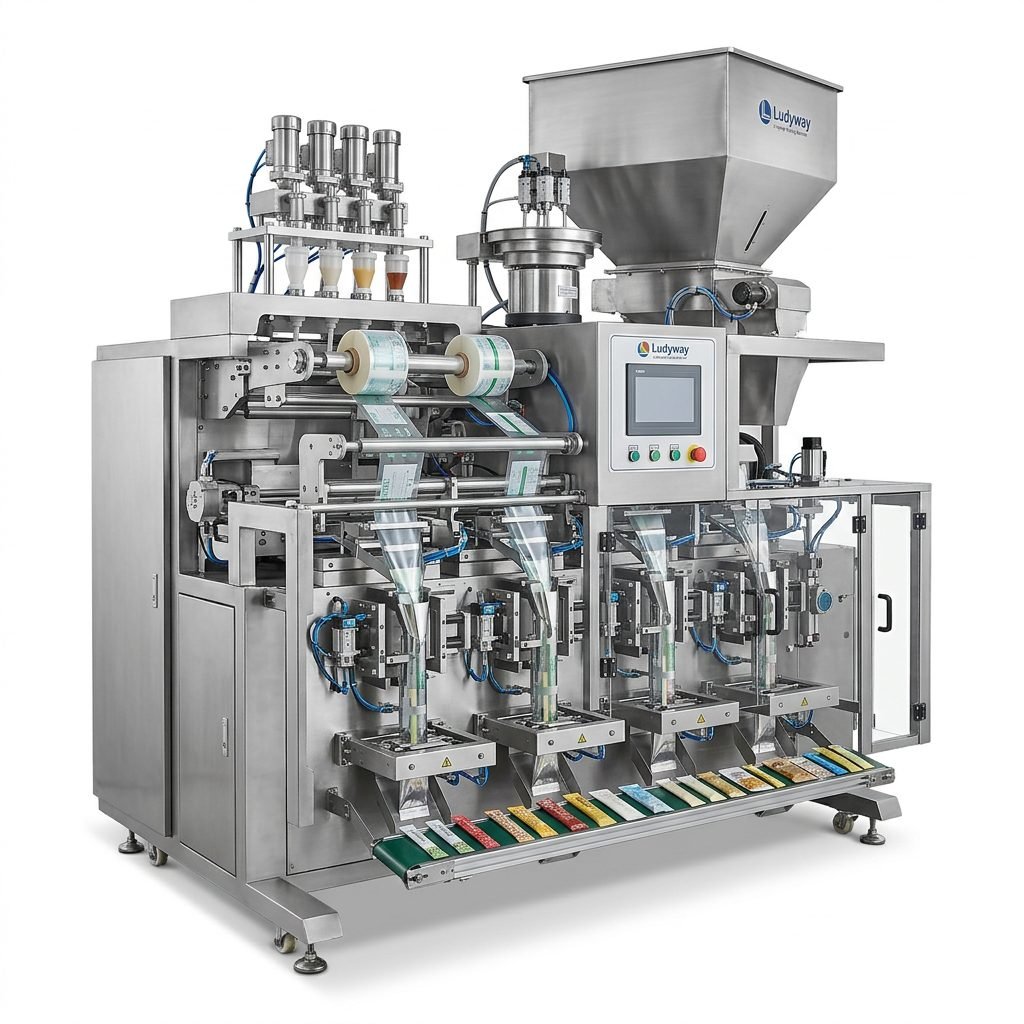
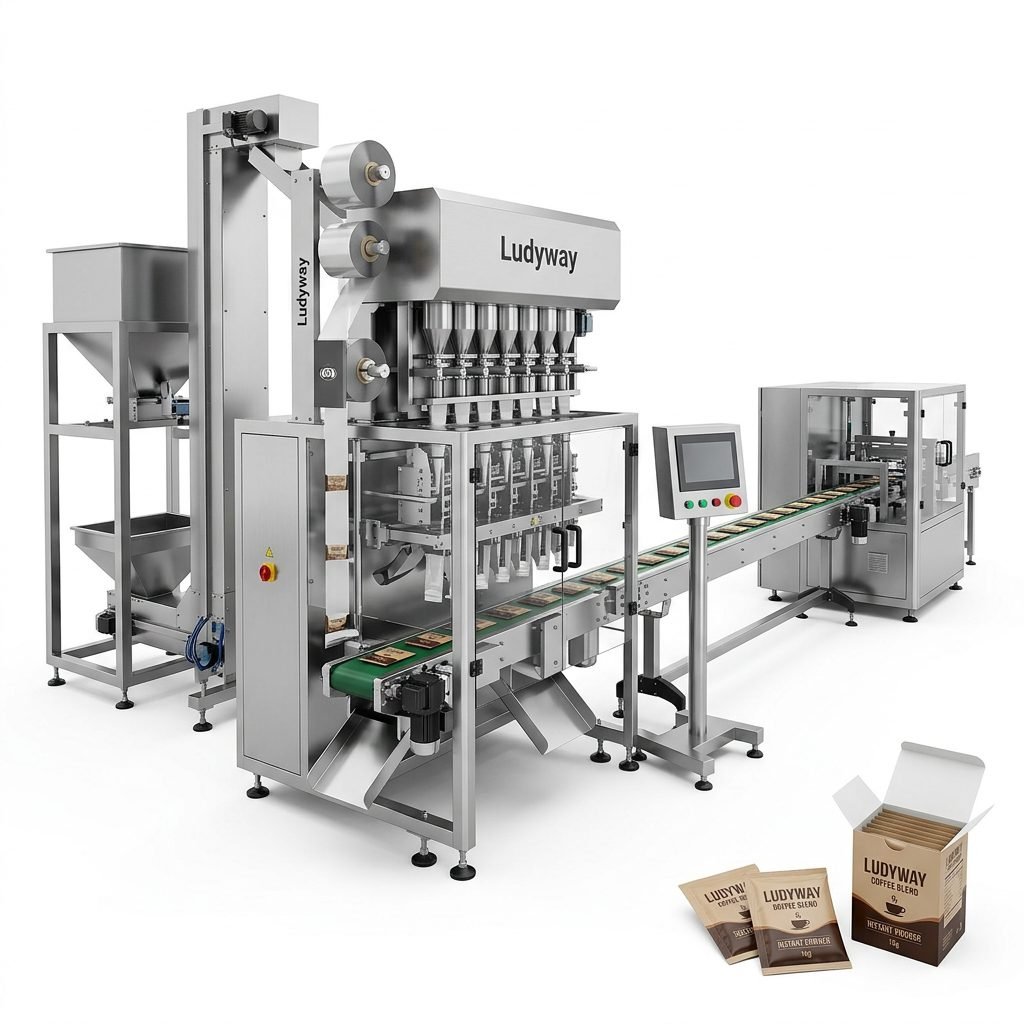
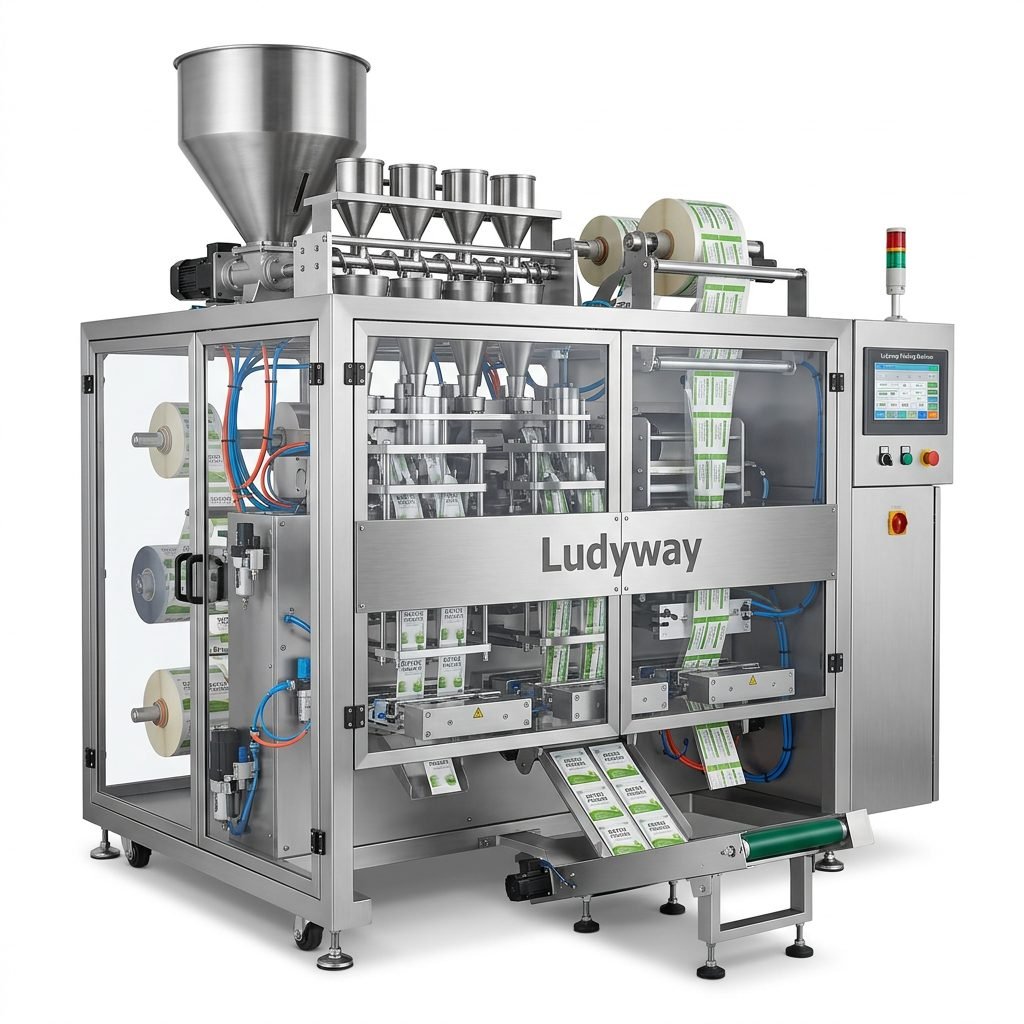
While in-house maintenance covers daily wear, complex repairs demand expertise. For high-stakes operations, sourcing reliable equipment from established manufacturers ensures you have access to genuine parts and technical documentation. As one of the leading packaging machine manufacturers, Ludyway provides comprehensive support for businesses seeking durable vacuum packaging machines and turnkey packaging lines. Even with a used model, partnering with a reputable supplier guarantees better traceability for spare parts and service advice.

Storage and Environmental Considerations
The environment impacts performance. Keep the machine in a cool, dry area away from steam or washdown zones. Condensation inside the vacuum pump is a primary cause of early failure. When storing long-term, run the pump for 20 minutes with clean oil, then seal the intake port to block humidity.
A disciplined maintenance plan turns a used vacuum packaging machine into a dependable workhorse. Combine daily cleaning with scheduled mechanical checks and maintain a logbook to track oil changes and part replacements. This approach maximizes return on investment and minimizes production interruptions.
For further reading on industry standards and machine care, consult the PMMI Packaging Machinery Resources or the ISO Packaging Standards.