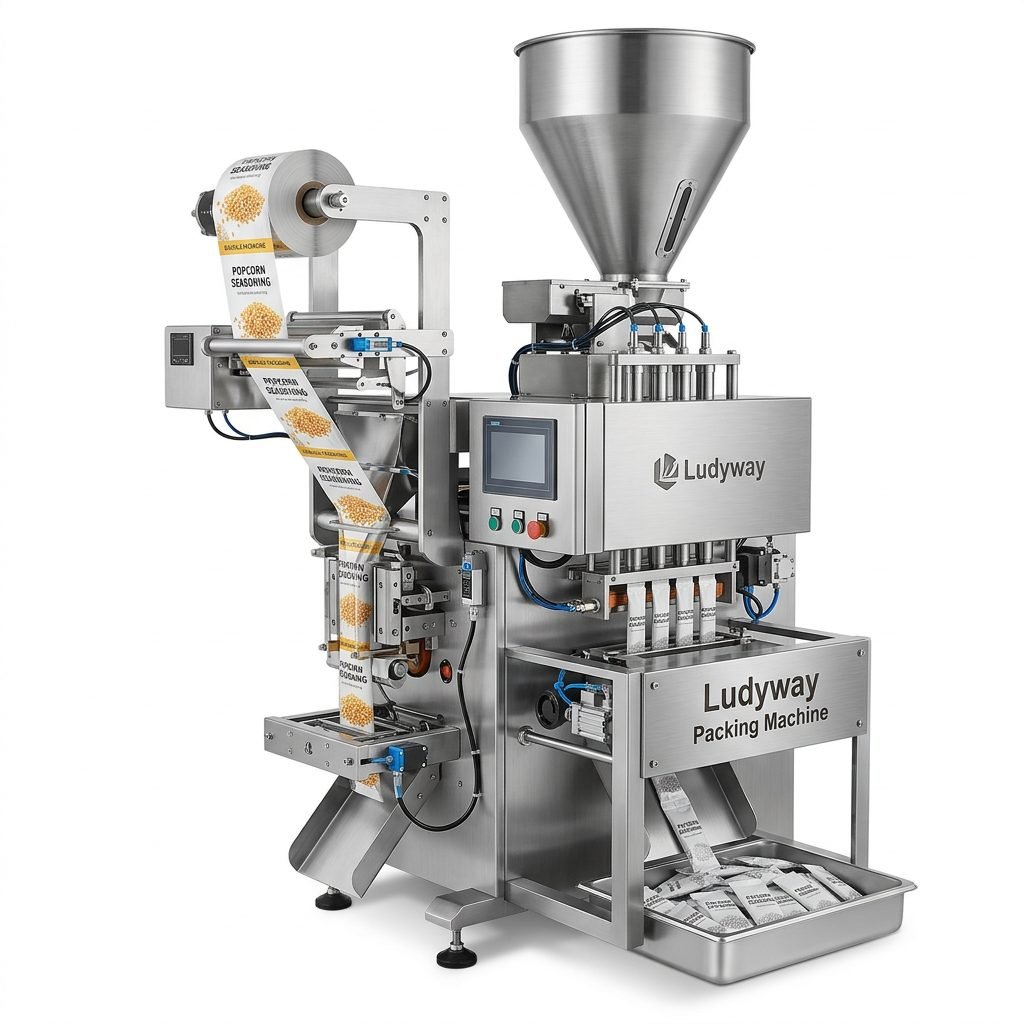
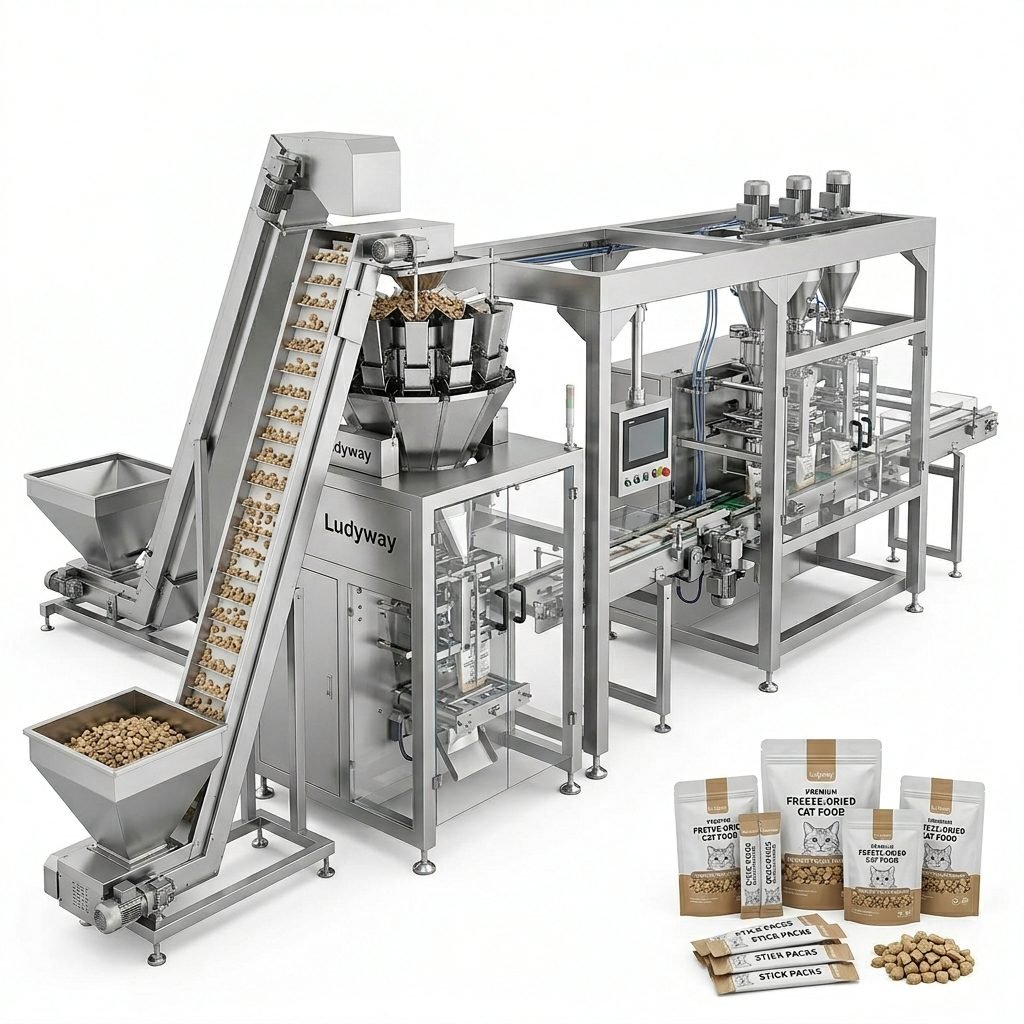
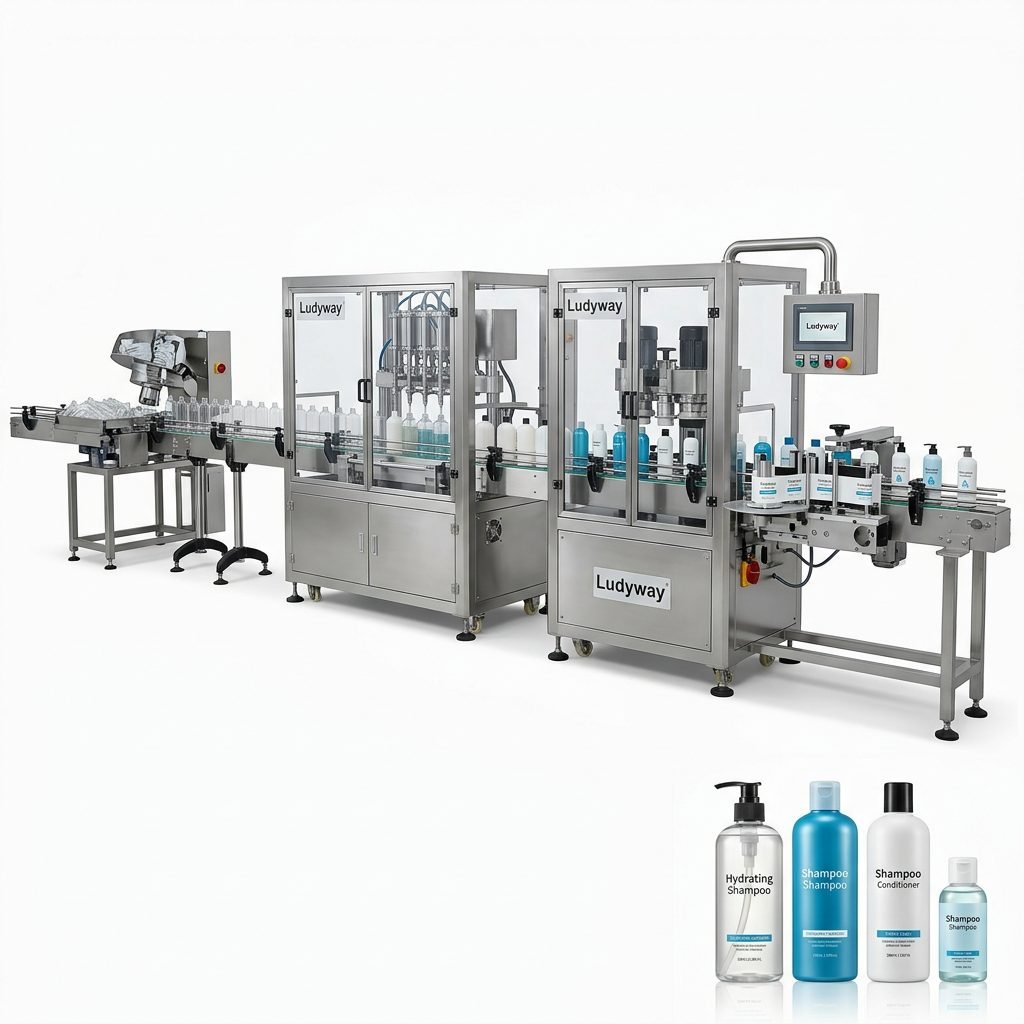
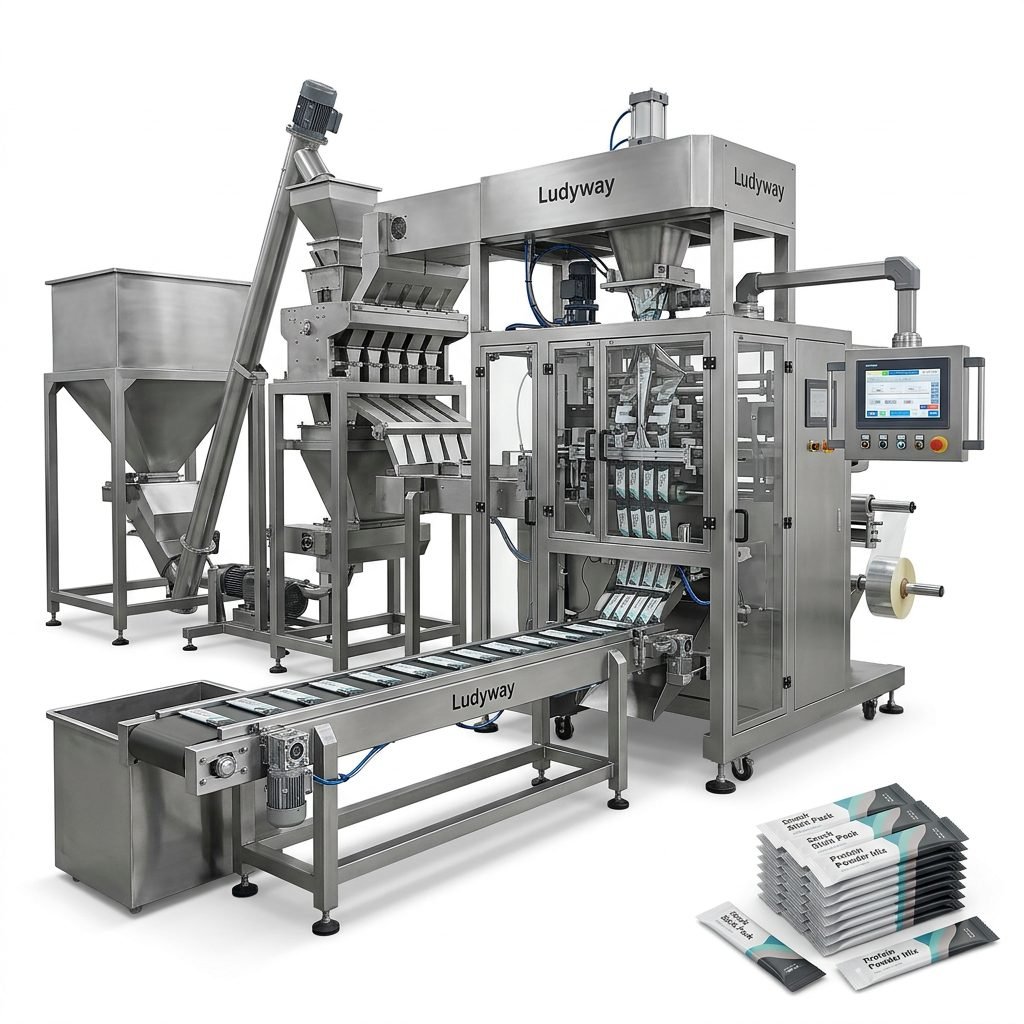
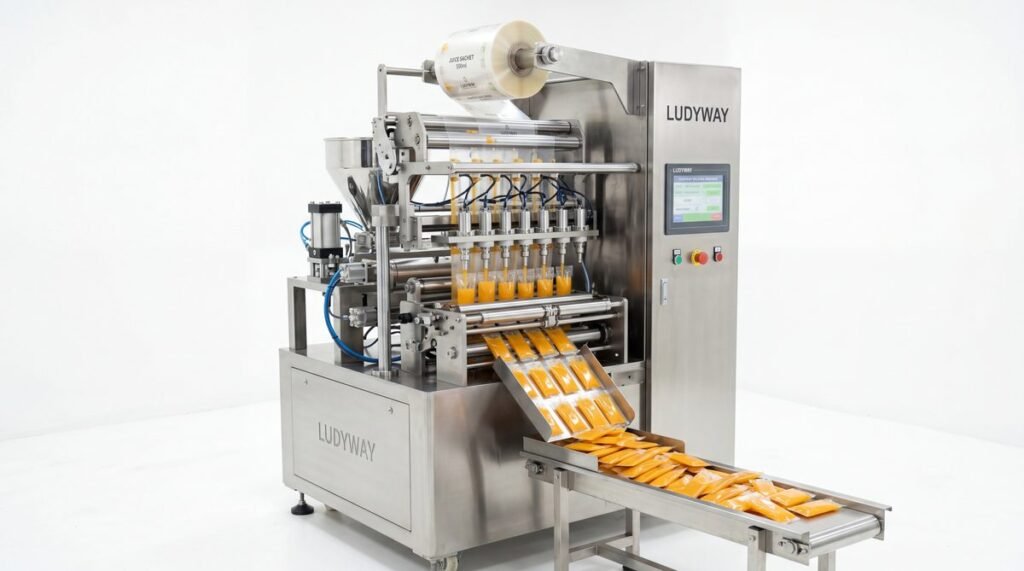
Setting up a biscuit packaging machine production line in the UK requires careful planning, regulatory compliance, and the right equipment selection. Whether you are launching a new biscuit manufacturing facility or upgrading an existing line, understanding the complete process—from initial feasibility to full operation—is essential for long-term success. This guide walks you through every critical step, including UK-specific regulatory requirements, equipment selection, installation, and ongoing optimisation.

Why the UK Biscuit Market Demands Efficient Packaging
The United Kingdom has one of the most mature biscuit markets in Europe, with per capita consumption among the highest globally. According to industry data, the UK biscuit sector generates billions in annual revenue, and consumer demand continues to evolve toward convenient, portion-controlled, and sustainably packaged products. An efficient packaging machinery production line is no longer optional—it is a competitive necessity.
Key Market Drivers
- Rising demand for on-the-go snack formats including stick packs and sachets
- Retailer pressure for extended shelf life and improved barrier protection
- Growing emphasis on sustainable packaging materials and reduced plastic waste
- Labour shortages driving automation adoption across UK food manufacturing
- Stringent food safety and hygiene standards requiring precise sealing and contamination control
Step 1: Defining Your Production Requirements
Before investing in equipment, you must clearly define your production goals and technical specifications. This foundational step determines every subsequent decision in your biscuit packaging line setup.
Production Capacity Assessment
Calculate your target output in packs per minute (PPM). A small artisan bakery may require 30–60 PPM, while a large-scale industrial operation could need 200+ PPM across multiple lanes. Consider future growth projections to avoid outgrowing your equipment within 2–3 years.
Packaging Format Selection
- Flow wrap / pillow pack — Ideal for individual biscuits and count lines
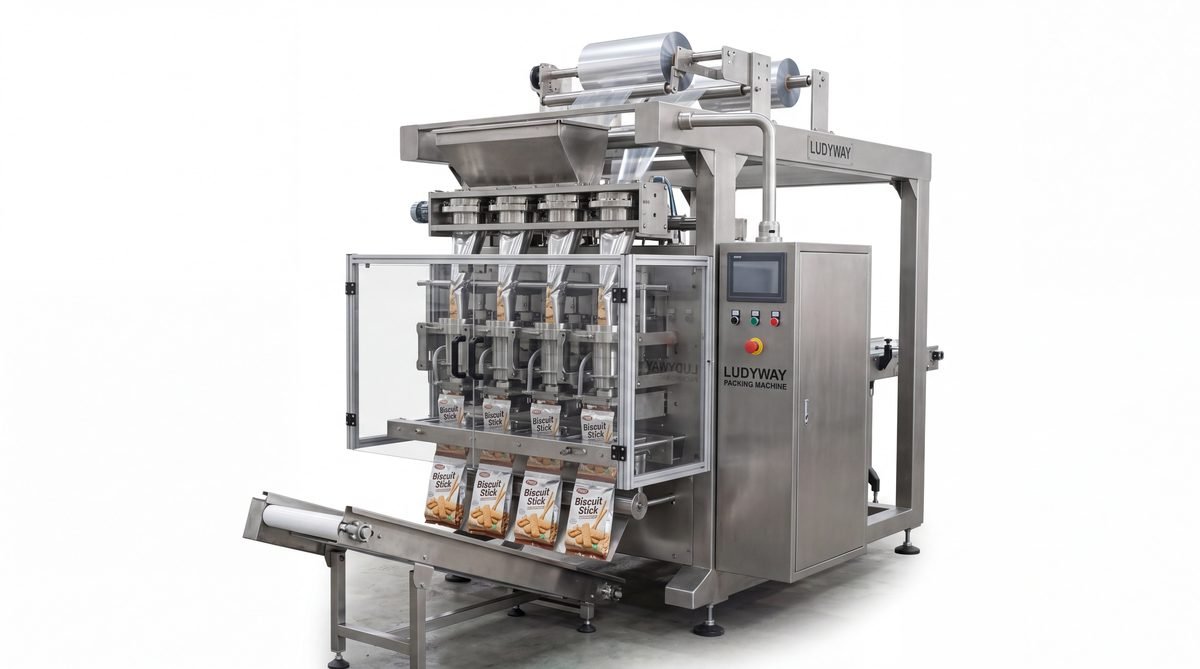
- Stick pack — Growing format for portion-controlled biscuit snacks
- Sachet packaging — Suitable for multi-pack and promotional formats
- Tray sealing — Premium presentation for gift and specialty biscuits
- Vertical form-fill-seal (VFFS) — High-speed option for bulk packaging

Step 2: Understanding UK Regulatory Compliance
Operating a food packaging line in the United Kingdom requires adherence to multiple regulatory frameworks. Non-compliance can result in costly production shutdowns, product recalls, or legal penalties. Below is a summary of the key standards applicable to biscuit packaging operations in the UK.
| Regulation / Standard | Application | Key Requirement |
|---|---|---|
| UK Food Safety Act 1990 | All food packaging operations | Ensures food contact materials are safe and do not transfer harmful substances |
| BRCGS Packaging Standard | Quality and safety certification | Required by most UK retailers; covers hygiene, traceability, and quality management |
| EU Regulation 1935/2004 (retained UK law) | Food contact materials | Packaging must not endanger human health or change food composition |
| UK Packaging Waste Regulations | Environmental compliance | Producers must meet recycling targets and report packaging data |
| CE / UKCA Marking | Machinery safety | Packaging machinery must carry UKCA marking for UK market access |
For detailed guidance, refer to the PMMI packaging industry resources and the Flexible Packaging Association regulatory affairs portal.
Step 3: Selecting the Right Biscuit Packaging Equipment
Choosing the appropriate biscuit packaging machinery is the most critical investment decision. The equipment must align with your production volume, packaging format, and UK operational standards. Key equipment categories include primary packaging machines, secondary packaging systems, and end-of-line automation.
Primary Packaging Machines
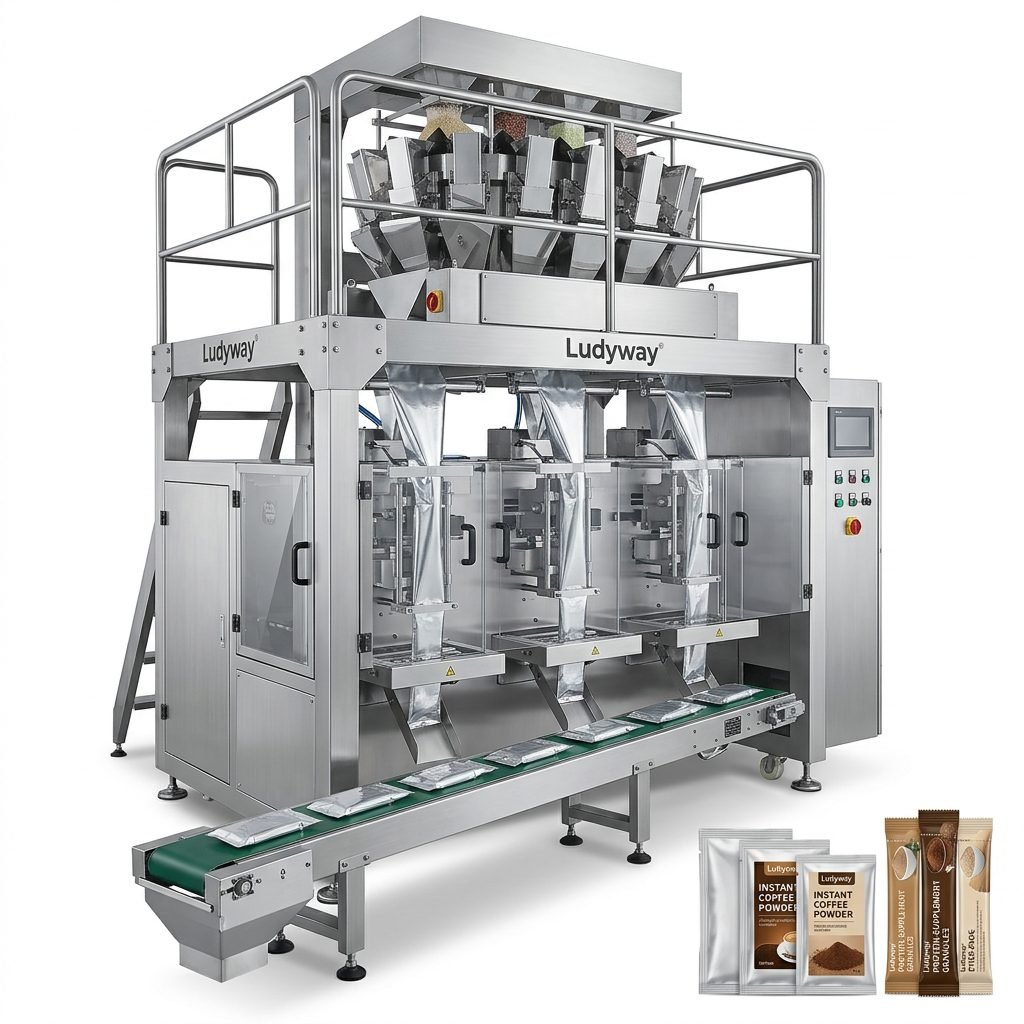
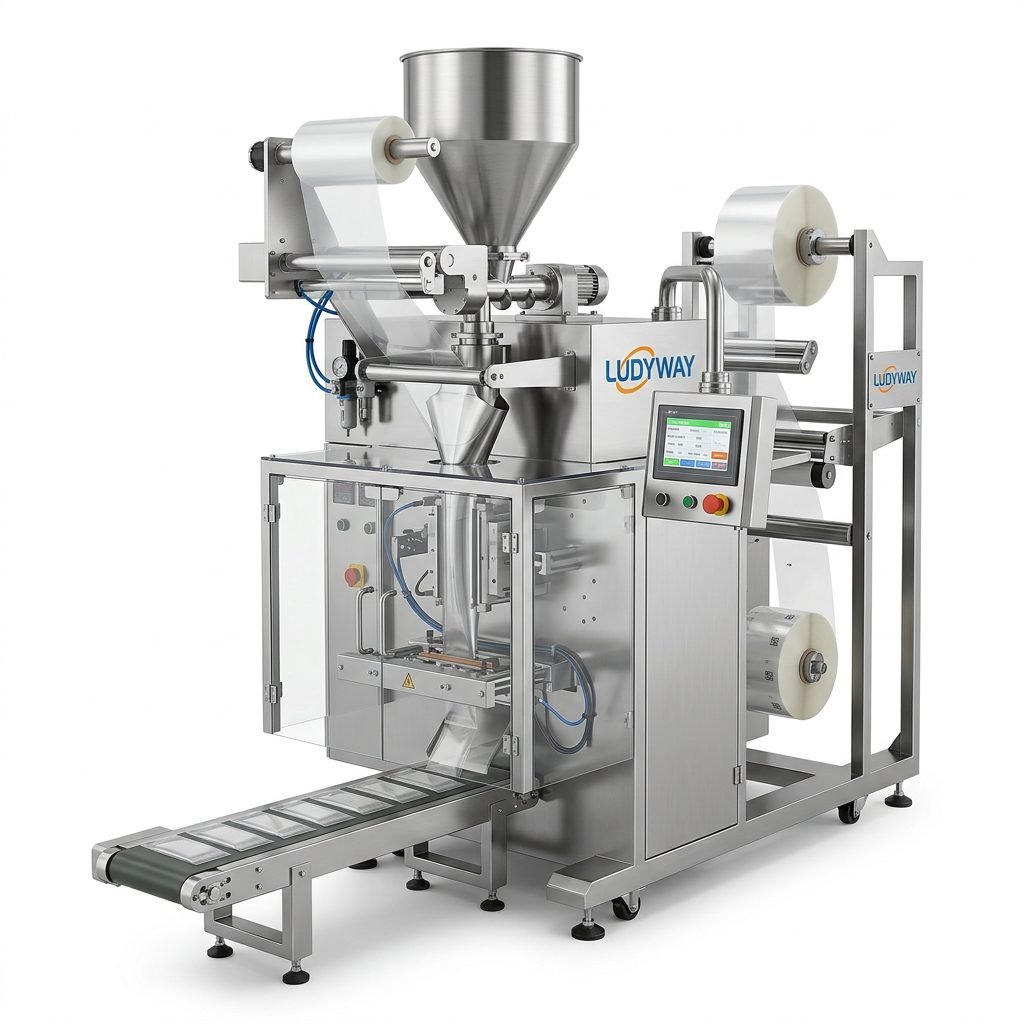
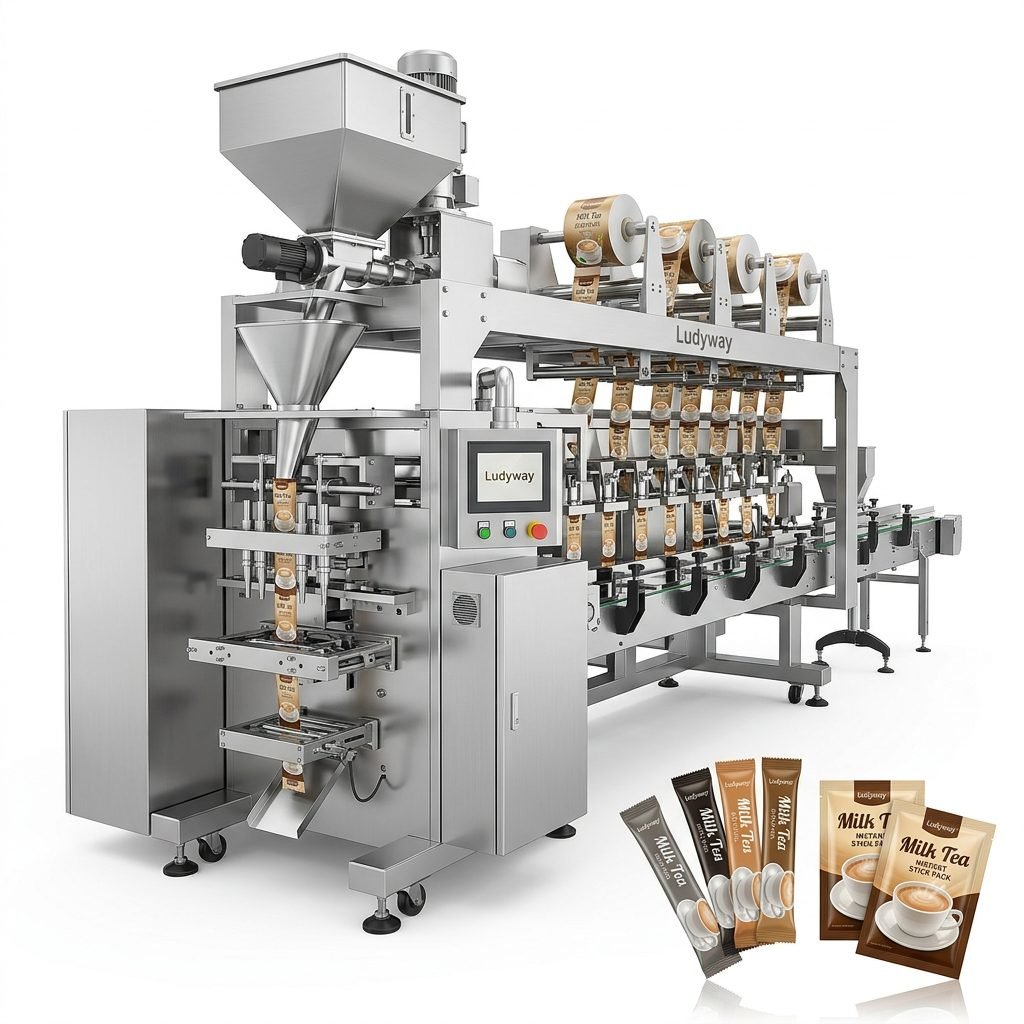
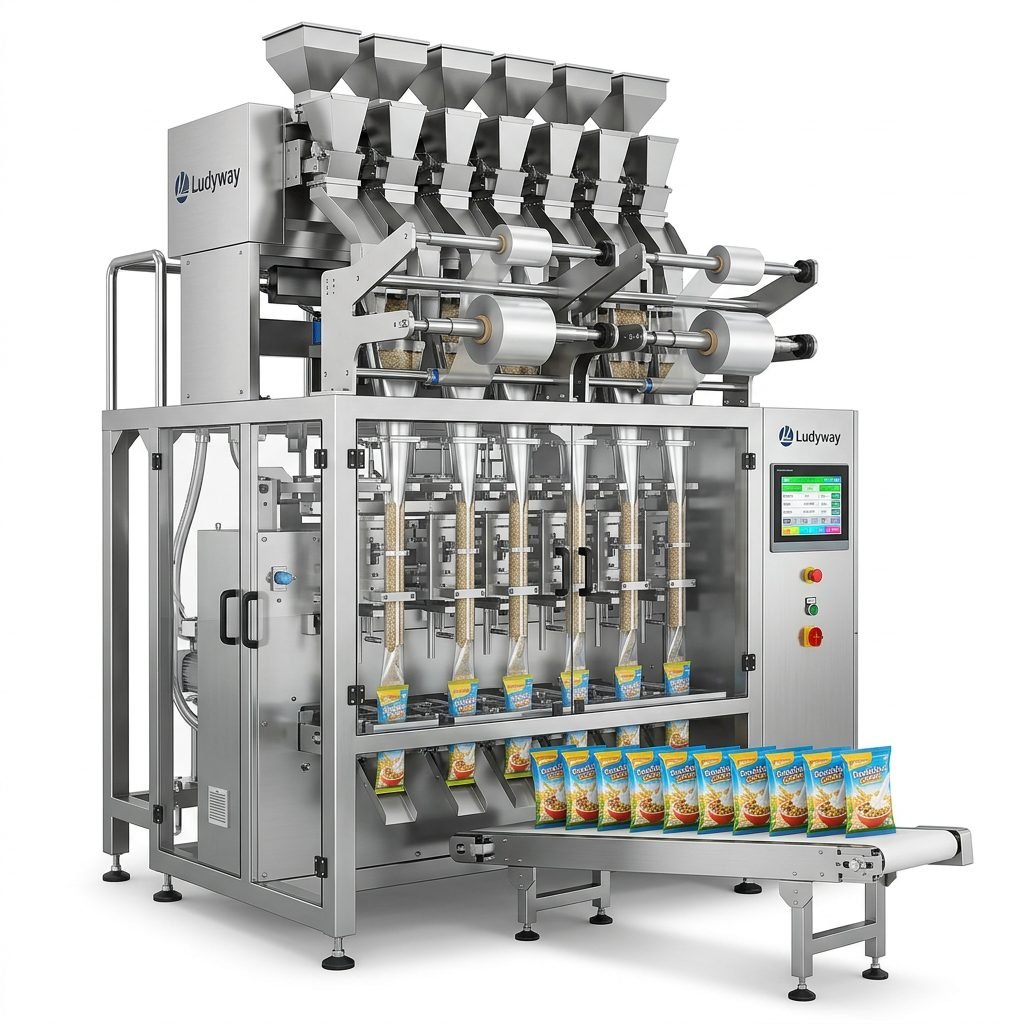
These machines handle the direct wrapping or sealing of biscuits in consumer-facing packaging. For flexible packaging applications, multi-lane stick pack and sachet machines offer exceptional speed and efficiency. Flow wrapping machines remain the industry standard for traditional biscuit formats.
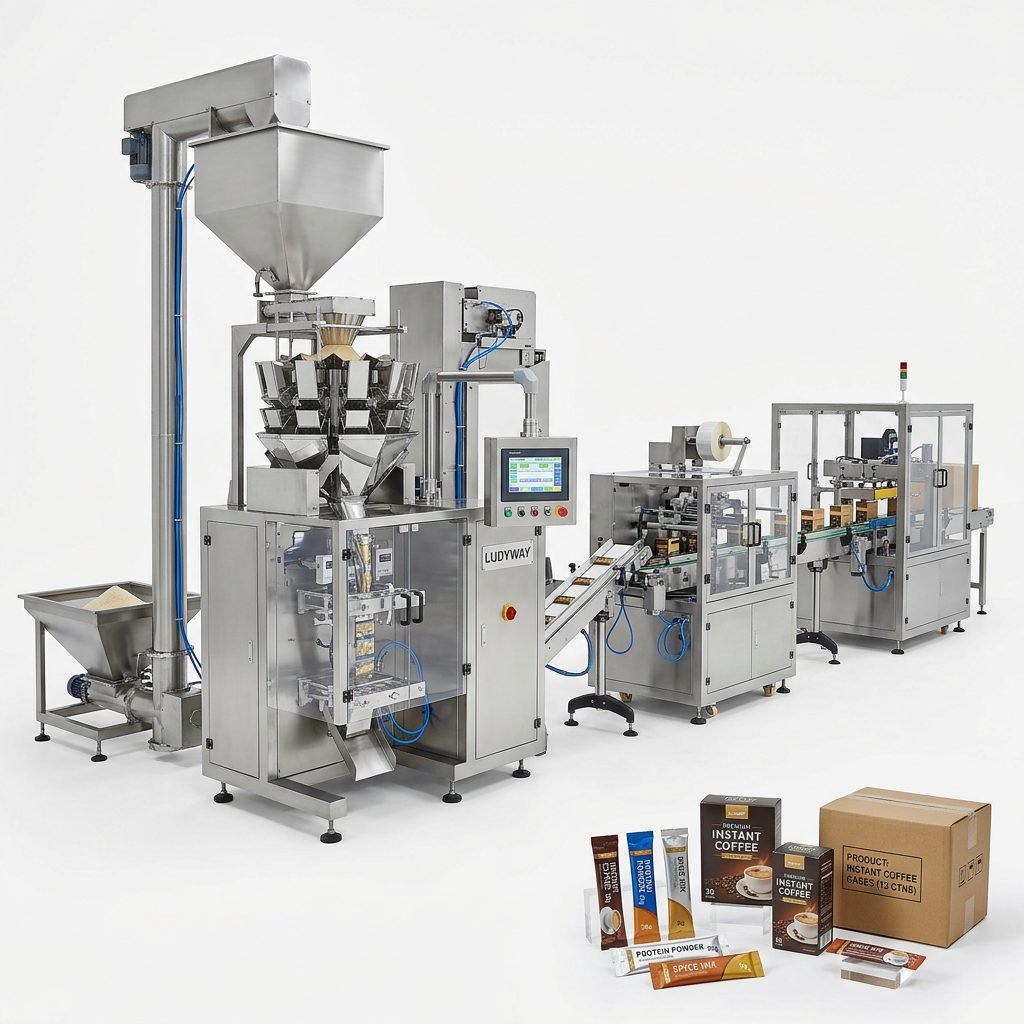
Secondary Packaging & End-of-Line Systems
- Cartoning machines — Automatically pack wrapped biscuits into cartons
- Case packers — Load cartons into shipping cases at high speed
- Palletising robots — Stack cases onto pallets for warehouse distribution
- Checkweighers and metal detectors — Ensure quality control and food safety compliance
- Label printers and coders — Apply batch codes, dates, and traceability information

Step 4: Facility Planning and Line Layout
A well-designed production floor layout maximises efficiency and minimises bottlenecks. When planning your biscuit packaging line in the UK, factor in the following spatial and operational considerations.
Space and Workflow Optimisation
- Allow adequate clearance around machines for maintenance access and operator safety
- Design a logical product flow from baking/cooling to primary packaging, secondary packaging, and warehousing
- Include buffer zones to accommodate temporary production surges
- Ensure hygienic segregation between raw and finished product areas per UK food safety standards
- Plan for utilities: compressed air, electrical supply (400V three-phase typical in UK industrial settings), and extraction
Step 5: Installation, Commissioning, and Staff Training
Once equipment arrives at your UK facility, proper installation and commissioning are vital to achieving rated performance. Engage qualified engineers for mechanical installation, electrical integration, and software configuration. Comprehensive operator training should cover machine operation, cleaning procedures, basic troubleshooting, and safety protocols.
Commissioning Checklist
- Verify all machine components against the delivery manifest
- Complete mechanical assembly and alignment per manufacturer specifications
- Connect utilities and perform electrical safety testing
- Run dry tests to confirm mechanical functionality
- Conduct product trials with actual biscuit products and packaging materials
- Fine-tune parameters: sealing temperature, speed, film tension, and fill accuracy
- Validate OEE (Overall Equipment Effectiveness) against agreed performance criteria
- Sign off on full production readiness
Step 6: Ongoing Maintenance and Performance Optimisation
Sustaining peak performance from your biscuit packaging production line requires a structured maintenance programme. Preventive maintenance reduces unplanned downtime—a critical factor in the high-volume UK biscuit sector where production delays directly impact retailer relationships and revenue.
Maintenance Best Practices
- Implement a daily cleaning and inspection routine compliant with UK food hygiene standards
- Schedule periodic replacement of wear parts: sealing jaws, cutting blades, belts, and bearings
- Maintain a critical spares inventory for components with long lead times
- Use production data analytics to identify trends and predict potential failures
- Conduct annual comprehensive machine audits and recalibration
Cost Considerations for UK Biscuit Packaging Lines
Budgeting accurately for a packaging line investment involves more than the equipment purchase price. Below is a breakdown of typical cost factors to consider when setting up operations in the United Kingdom.
| Cost Category | Estimated Proportion | Notes |
|---|---|---|
| Equipment purchase | 50–60% | Primary and secondary packaging machinery |
| Installation and commissioning | 8–12% | Engineer fees, rigging, utility connections |
| Facility modifications | 5–10% | Flooring, ventilation, electrical upgrades |
| Training and documentation | 3–5% | Operator and maintenance personnel training |
| Initial spares and consumables | 5–8% | Critical spare parts and first-run packaging materials |
| Regulatory and certification | 2–5% | UKCA marking, BRCGS audit preparation, food safety certification |
Choosing a Reliable Equipment Partner
Selecting the right packaging machine manufacturer is as important as choosing the equipment itself. Look for suppliers with proven experience in food packaging applications, robust after-sales support, and familiarity with UK and European regulatory requirements. Key evaluation criteria include machine build quality, availability of local technical support, spare parts logistics, and the supplier’s track record in the biscuit and snack sectors.
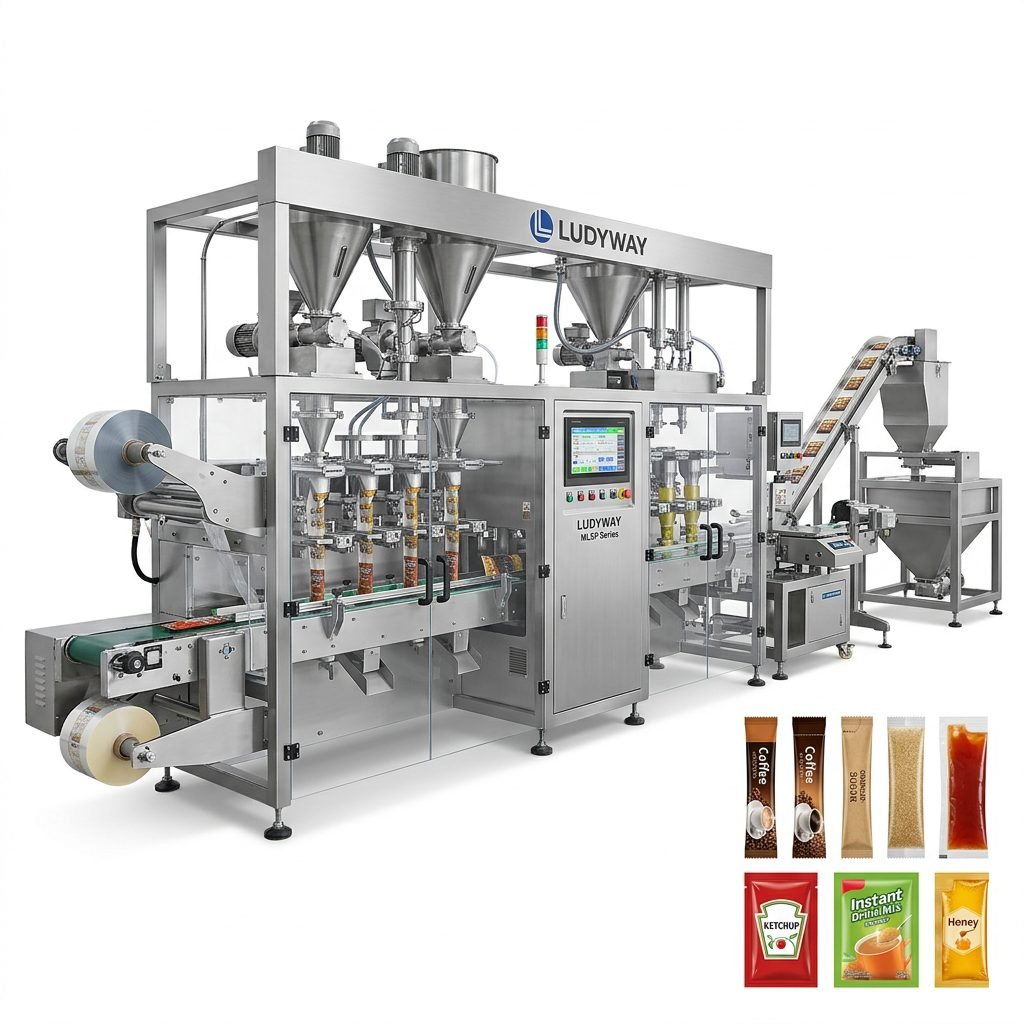
For businesses exploring turnkey packaging line solutions, manufacturers such as Ludyway offer integrated systems covering multi-lane stick pack, sachet, and automated packaging configurations suitable for diverse biscuit and snack products.
Common Challenges and How to Address Them
Even the best-planned biscuit packaging line installations can encounter challenges. Being prepared for common issues helps maintain production continuity and protects your investment.
Film and Material Compatibility
Packaging films must be compatible with your machine’s sealing system and your packaging standards. UK retailers increasingly demand recyclable or compostable materials, which may require machine modifications to achieve reliable seal integrity with newer sustainable substrates.
Humidity and Environmental Control
The UK’s variable climate means humidity control in the packaging area is essential. Biscuits are hygroscopic and will absorb moisture if exposed, compromising texture and shelf life. Ensure your packaging area maintains consistent temperature (18–22°C) and relative humidity below 60%.
Labour and Skills Gap
Finding skilled packaging machine operators in the UK can be challenging. Invest in comprehensive training programmes and consider equipment with intuitive HMI interfaces that reduce the learning curve for new operators.
Future-Proofing Your Biscuit Packaging Line
The UK packaging industry is evolving rapidly, driven by sustainability mandates, digitalisation, and changing consumer preferences. When setting up your production line, consider the following forward-looking strategies:
- Invest in modular equipment that can be reconfigured for different pack formats
- Integrate IoT sensors and data analytics for predictive maintenance and real-time OEE monitoring
- Plan for sustainable packaging transitions—ensure your machinery can handle mono-material films and paper-based alternatives
- Build flexibility for short-run and seasonal production without excessive changeover times
- Stay informed on UK packaging waste regulations and Extended Producer Responsibility (EPR) requirements
Frequently Asked Questions
What is the average cost of a biscuit packaging machine in the UK?
Entry-level flow wrapping machines suitable for small bakeries start around £25,000–£50,000. Mid-range multi-lane systems typically range from £80,000–£250,000, while fully automated high-speed lines with secondary packaging integration can exceed £500,000. Costs vary significantly based on speed, format flexibility, and automation level.
How long does it take to install a complete biscuit packaging line?
A typical installation and commissioning timeline ranges from 4 to 12 weeks, depending on line complexity. This includes mechanical installation (1–2 weeks), electrical and software integration (1–2 weeks), dry testing (1 week), product trials (1–2 weeks), and operator training (concurrent with commissioning).
Do I need UKCA marking for packaging machinery imported into the UK?
Yes. Since the UK left the EU, UKCA (UK Conformity Assessed) marking is required for machinery placed on the GB market. CE marking remains acceptable in Northern Ireland under the Windsor Framework. Verify with your equipment supplier that machines meet UKCA requirements before shipment.
What packaging materials are trending for biscuits in the UK market?
The UK market is shifting toward recyclable mono-material films, paper-based flow wraps, and compostable laminates. Major retailers have set ambitious plastic reduction targets, driving biscuit manufacturers to adopt sustainable alternatives. Ensure your packaging machinery is compatible with these evolving material specifications.
Can I integrate a new packaging machine with my existing biscuit production line?
Yes, most modern biscuit packaging machines can be integrated with upstream baking, cooling, and handling systems. Proper integration requires careful planning of conveyor connections, product feeding systems, and control interface compatibility. Engage an experienced packaging line integrator for seamless implementation.
Conclusion: Building a Competitive Biscuit Packaging Operation in the UK
Setting up a biscuit packaging machine production line in the UK is a significant undertaking that demands thorough planning, regulatory awareness, and strategic equipment selection. From defining your production requirements and navigating UK food safety standards to selecting the right packaging technology and establishing robust maintenance protocols, each step contributes to long-term operational success.
The UK biscuit market offers substantial opportunities for manufacturers who invest in efficient, flexible, and compliant packaging lines. By following this guide and partnering with experienced equipment suppliers, you can build a production line that meets today’s demands while remaining adaptable to tomorrow’s challenges. For further reading, explore resources from PMMI, the Flexible Packaging Association, and the ISO packaging standards library.