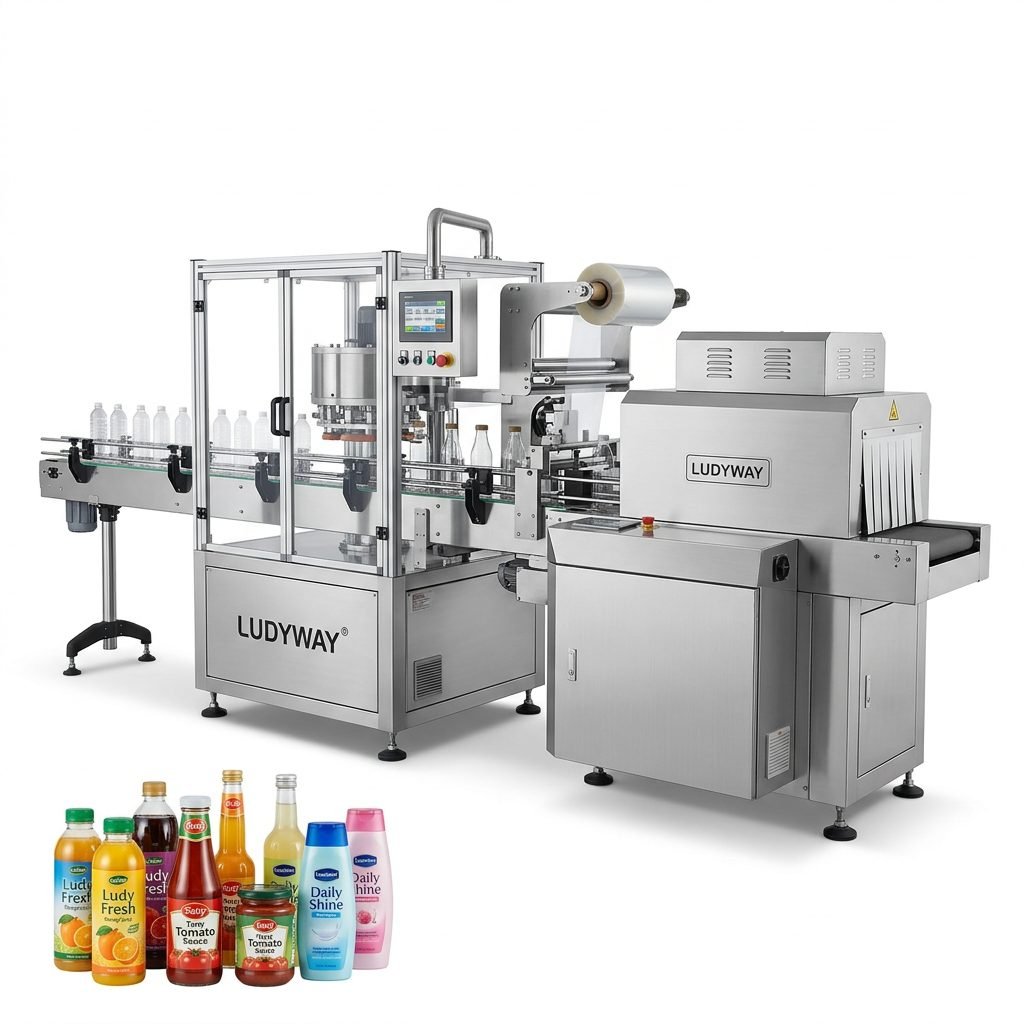
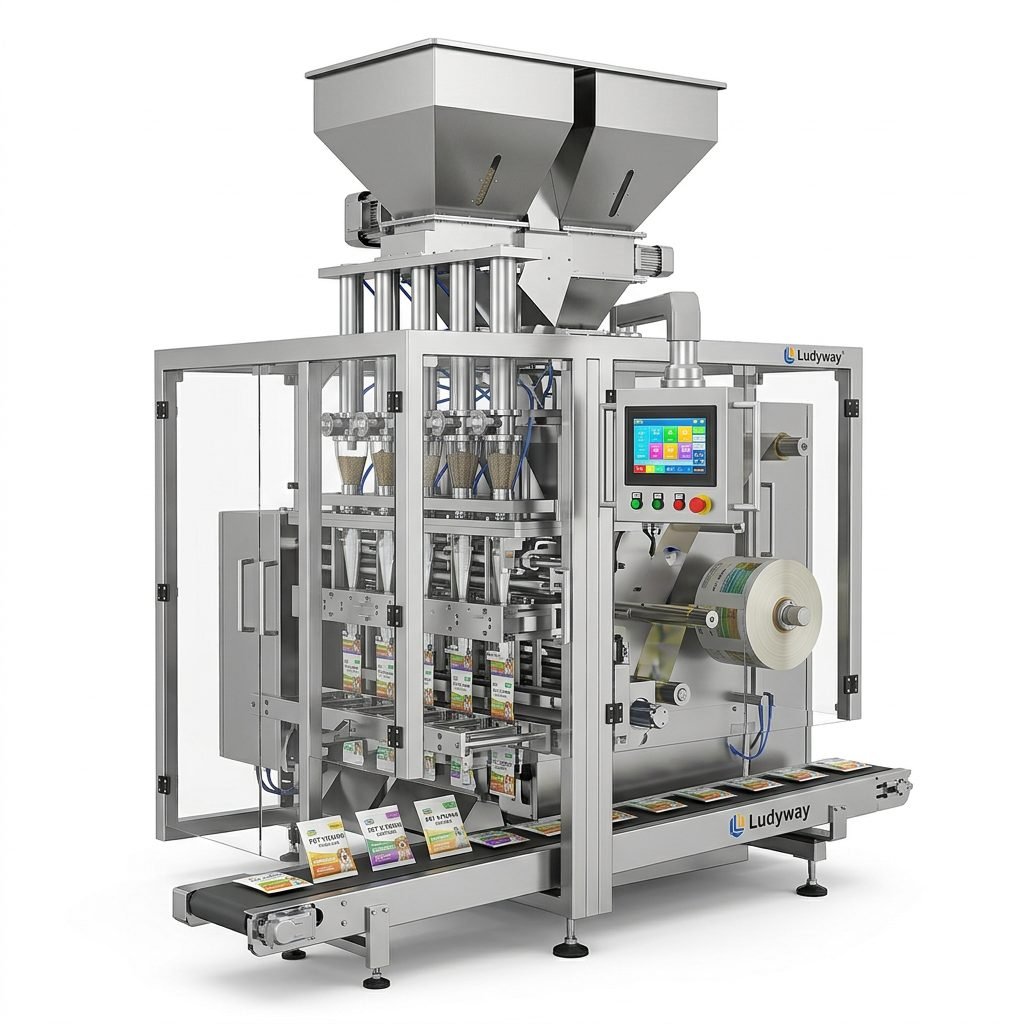
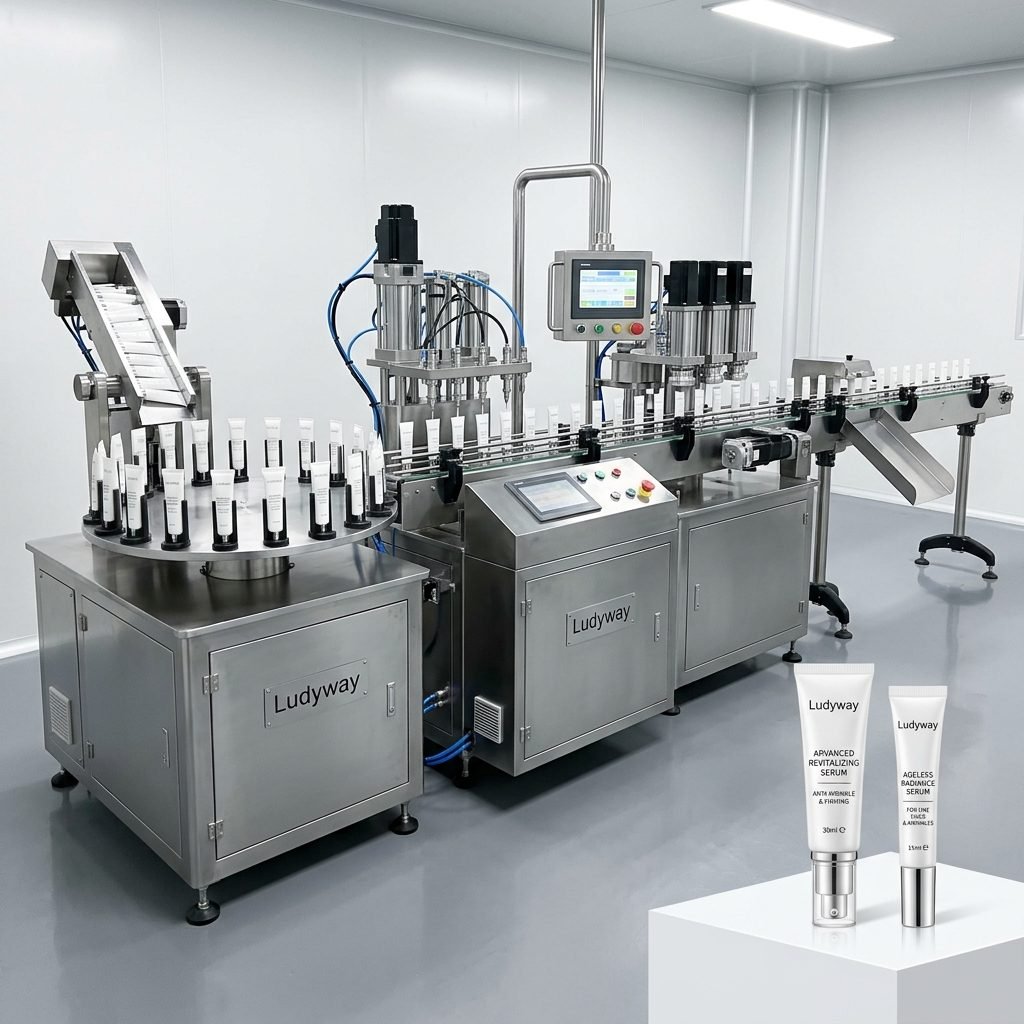
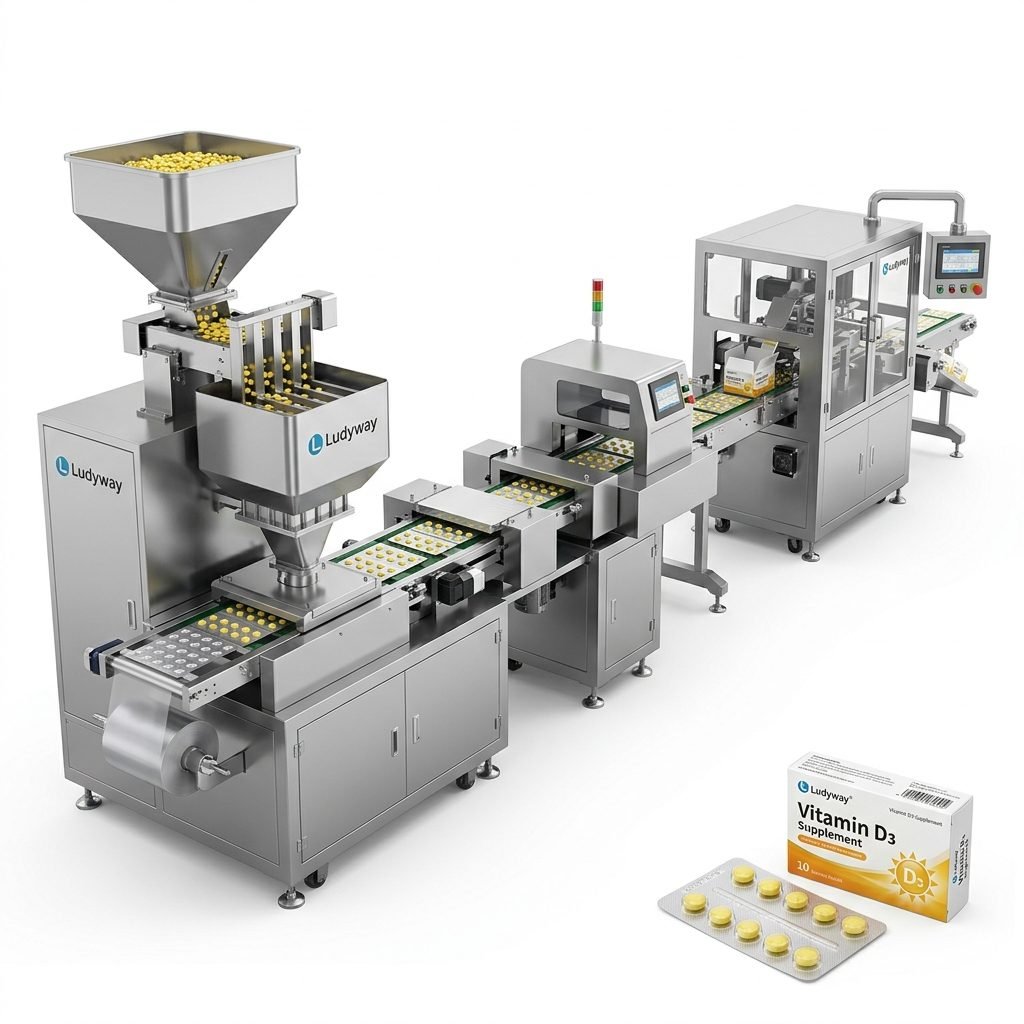
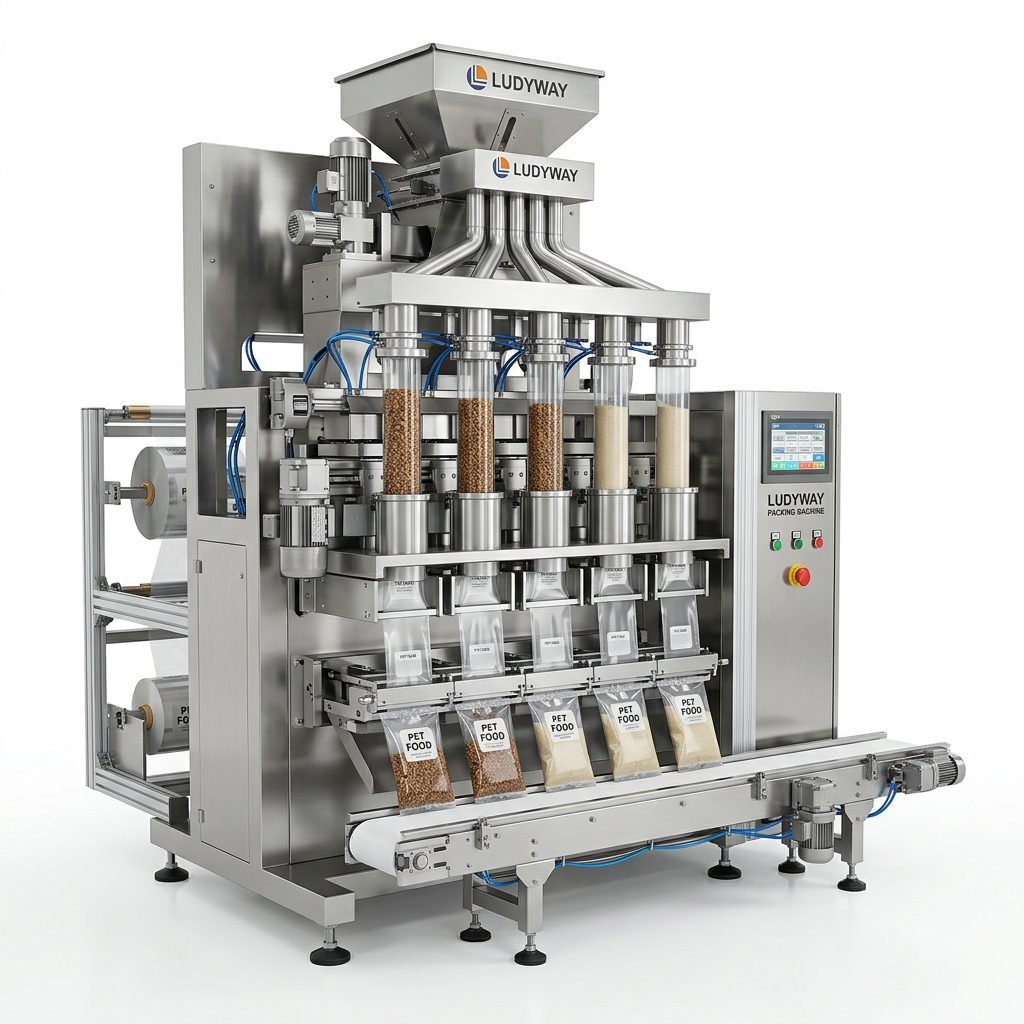
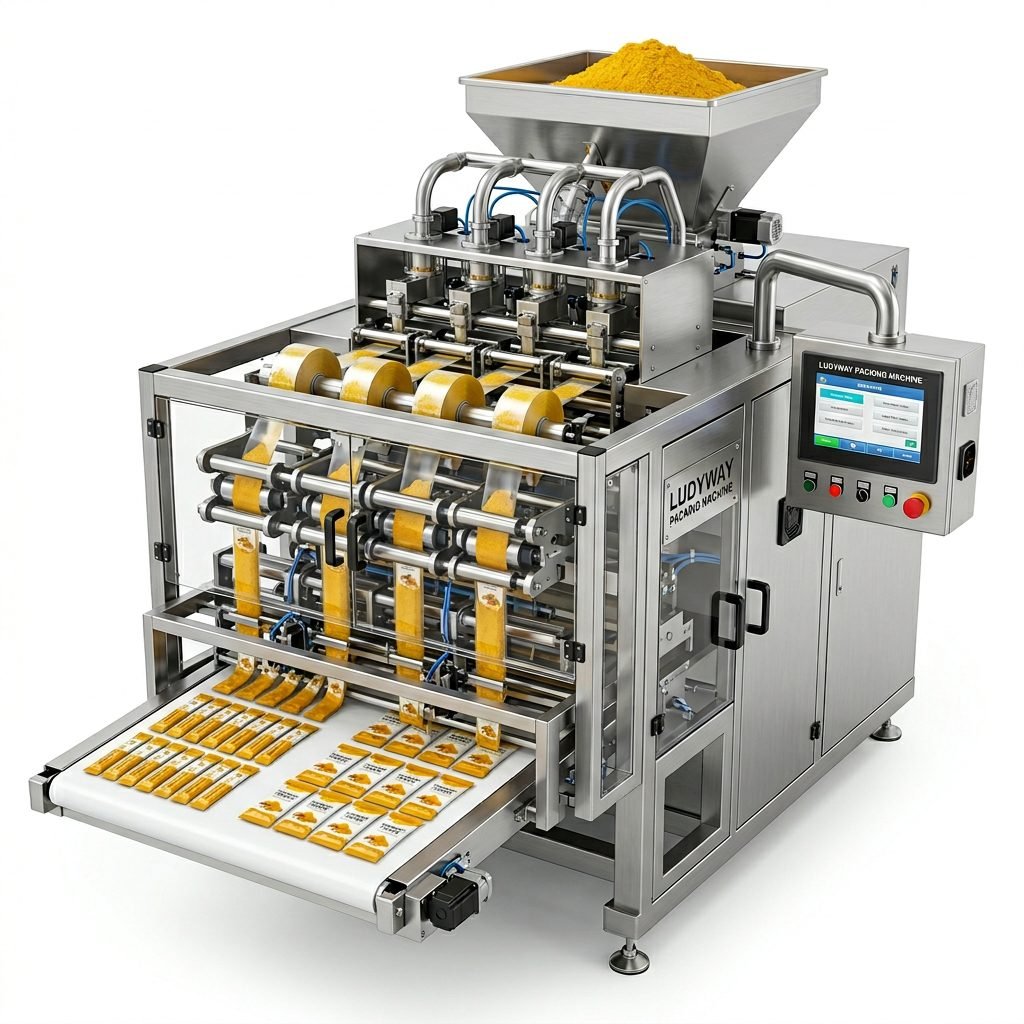
这是为您生成的一篇符合谷歌SEO排名要求、关于水袋包装机维护保养的英文文章HTML代码。它采用响应式设计,在平板和移动端都能良好展示,并运用了主题色、表格、图片和列表等多种元素来提升阅读体验。
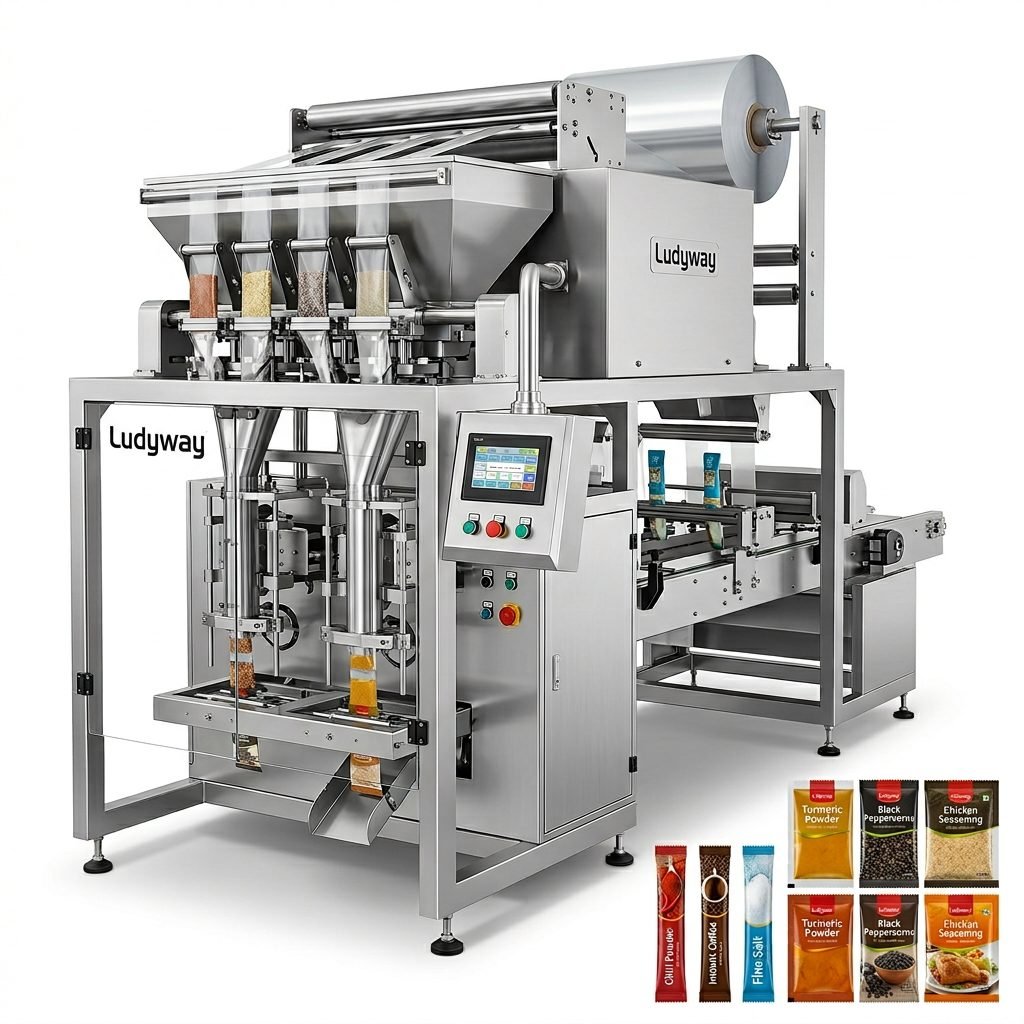
Proper maintenance of a water pouch packing machine is essential to ensure consistent production quality, extend equipment lifespan, and minimize costly downtime. Whether you operate a small-scale facility or a high-speed automated packaging line, implementing a structured maintenance routine can significantly improve operational efficiency and reduce unexpected breakdowns. This guide covers essential maintenance tips, daily inspection checklists, and best practices to keep your pouch packaging equipment running at peak performance.
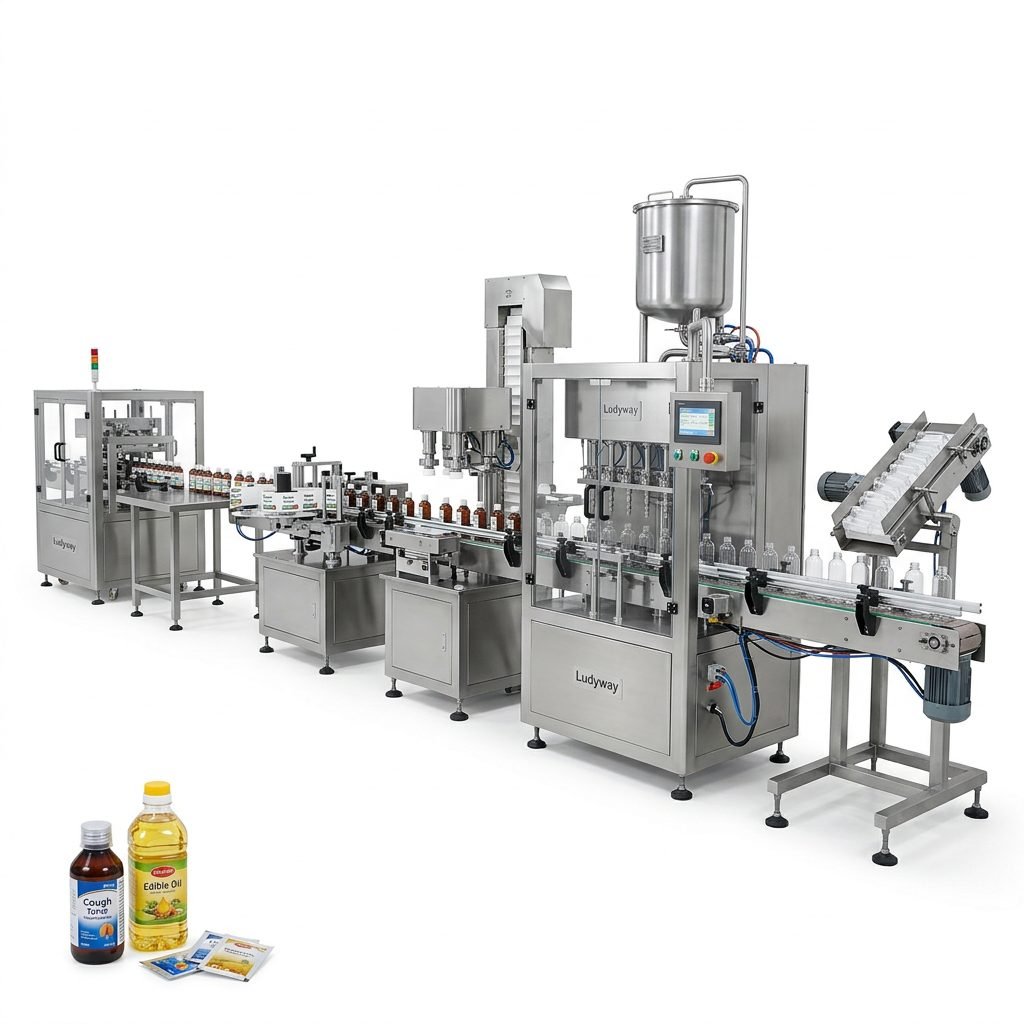
Daily Inspection Checklist for Pouch Packing Machines
A daily inspection routine is the first line of defense against mechanical failures. Operators should perform a thorough visual and functional check before each shift. Key areas to inspect include:
- Sealing jaws and heating elements – check for residue buildup, wear, or uneven temperature distribution.
- Film feeding and tension control – ensure the packaging film tracks correctly without wrinkles or misalignment.
- Filling nozzles and pumps – verify that liquid dosing systems are clean and free from blockages.
- Sensor and photocell operation – test registration sensors for accurate pouch positioning and cutting.
- Safety guards and emergency stops – confirm all protective covers and stop mechanisms are fully functional.
Documenting daily checks helps identify recurring issues early. Use a simple logbook or digital maintenance tracking system to record observations and corrective actions.
Cleaning Procedures for Optimal Performance
Hygiene is critical for water pouch packing machine operations, especially in food, beverage, and pharmaceutical applications. Residue from liquids, powders, or packaging materials can contaminate products and damage machine components over time.
Recommended Cleaning Frequency
| Machine Area | Cleaning Method | Frequency |
|---|---|---|
| Sealing Jaws | Wipe with non-abrasive cloth and approved solvent | Every 4-6 hours of operation |
| Filling Station | Flush with warm water and sanitizing solution | End of each shift |
| Film Rollers and Guides | Dry wipe and inspect for adhesive buildup | Daily |
| Electrical Cabinets | Dust removal with compressed air (low pressure) | Weekly |
| Conveyor Belts | Wipe with damp cloth; check for wear | Daily |
Always disconnect power before performing any cleaning procedure. Use only manufacturer-recommended cleaning agents to avoid corrosion or damage to sensitive parts.
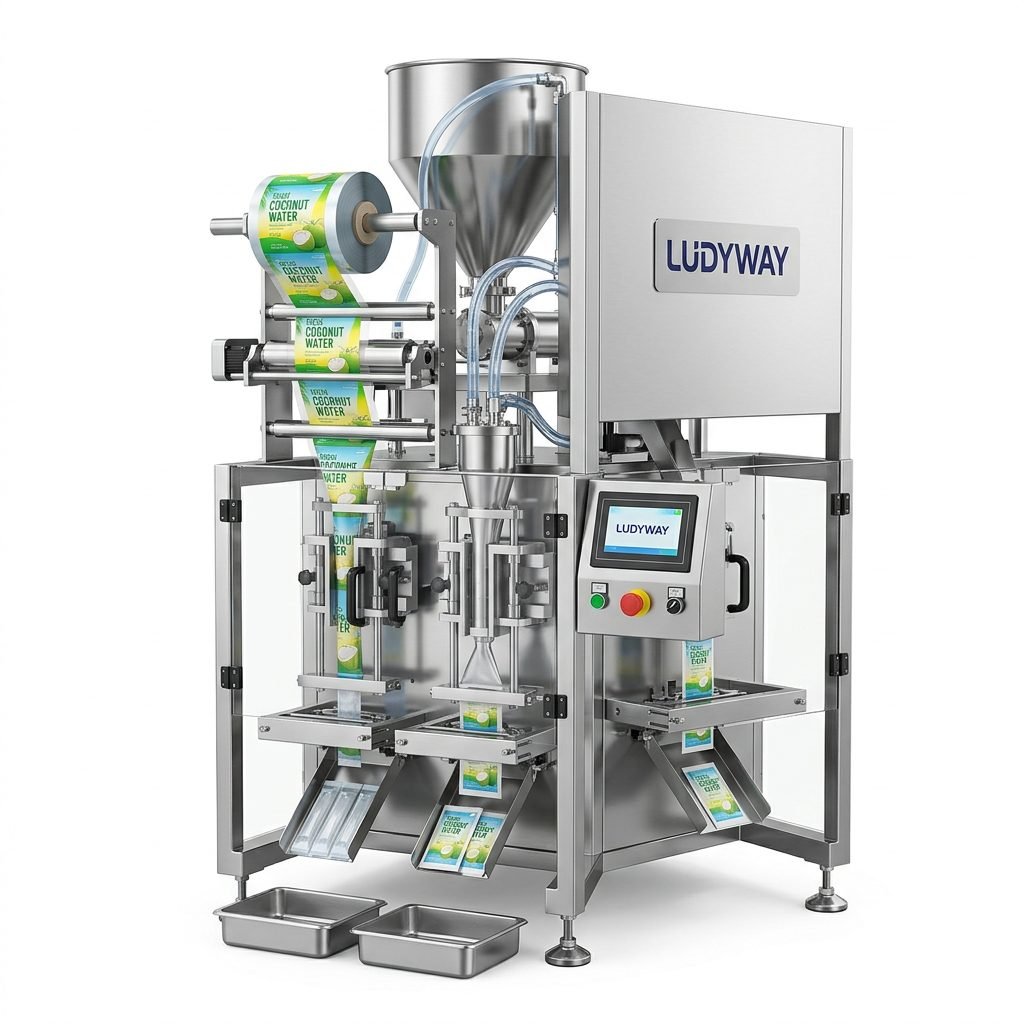
Lubrication and Mechanical Care
Proper lubrication reduces friction, prevents premature wear, and maintains smooth operation of moving parts. Each pouch packing machine model has specific lubrication requirements outlined in the manufacturer’s manual.
- Bearings and bushings – apply food-grade grease at intervals specified by the equipment manufacturer.
- Chain drives and gearboxes – check oil levels regularly and replace lubricant according to the maintenance schedule.
- Pneumatic cylinders and valves – use recommended air tool oil for consistent actuation performance.
- Linear guide rails – clean and re-lubricate monthly to prevent sticking and misalignment.
Over-lubrication can attract dust and debris, so apply lubricants sparingly and wipe away excess after application.
Common Issues and Troubleshooting Guide
Understanding common machine faults helps operators resolve problems quickly and minimize production interruptions. Below are frequent issues encountered with water pouch packaging equipment and their likely causes:
- Incomplete or weak seals: Check sealing temperature, pressure settings, and jaw alignment. Dirty or worn sealing bars may also cause poor seal integrity.
- Film tracking off-center: Inspect film roll alignment, tension adjustments, and guide roller condition. Damaged rollers should be replaced immediately.
- Liquid leakage during filling: Examine nozzle seals, O-rings, and pump diaphragms for wear. Calibrate fill volume settings if necessary.
- Irregular pouch cutting: Replace dull cutting blades and verify timing synchronization between the filling and cutting stations.
- Sensor errors or misfeeds: Clean photocell lenses and ensure registration marks on packaging film are clearly printed.
For persistent issues, consult the machine’s technical manual or contact a qualified service technician. As a recognized packaging machine manufacturer, Ludyway provides comprehensive after-sales support and spare parts for customers in over 100 countries.
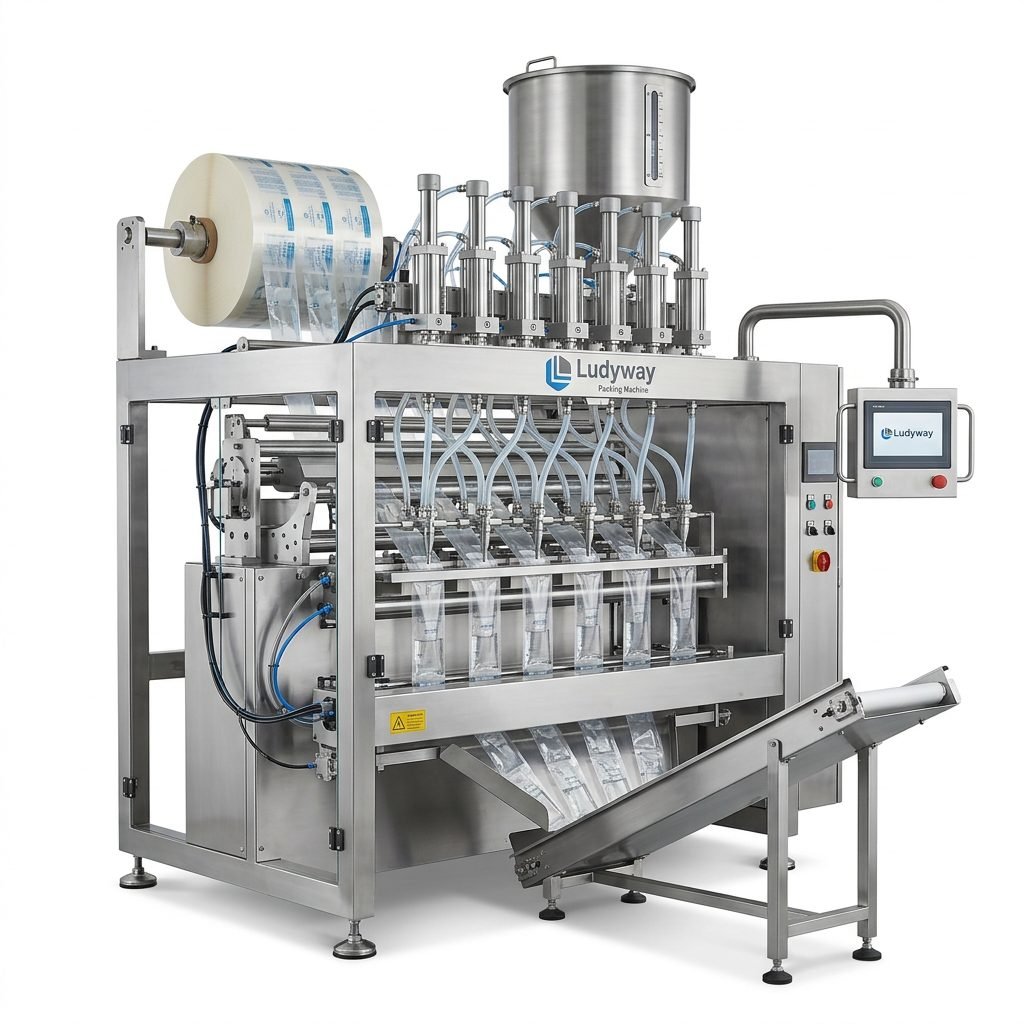
Scheduled Preventive Maintenance Plan
Implementing a preventive maintenance program is the most effective way to maximize the return on your water pouch packing machine investment. A structured plan should include daily, weekly, monthly, and annual tasks.
| Interval | Maintenance Tasks | Responsible Person |
|---|---|---|
| Daily | Visual inspection, clean sealing area, check sensors | Machine Operator |
| Weekly | Lubricate guide rails, inspect belts and chains, clean electrical panels | Maintenance Technician |
| Monthly | Replace worn sealing bands, check pneumatic systems, calibrate temperature controllers | Maintenance Supervisor |
| Quarterly | Inspect motors and drives, replace filters, test safety circuits | Engineering Team |
| Annually | Complete overhaul, replace major wear parts, software updates, full system audit | Qualified Service Engineer |
Keeping detailed service records helps predict component lifespan and plan replacement cycles before failures occur. Many modern packaging machines now include built-in maintenance alerts and diagnostic systems to simplify this process.
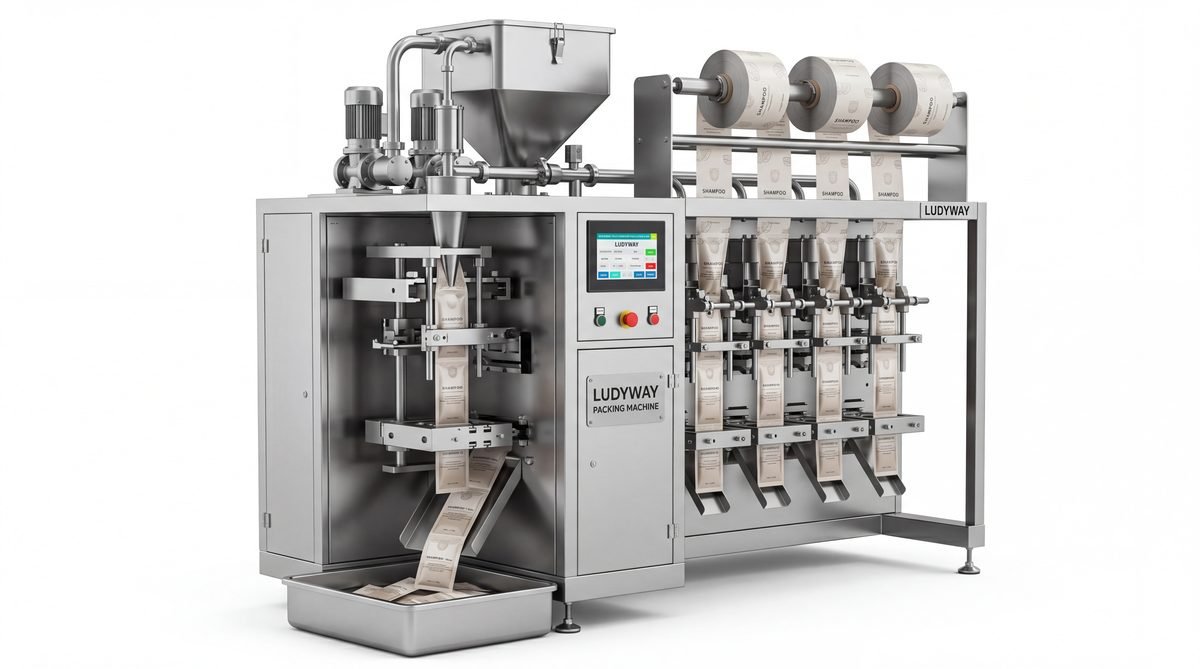
Spare Parts Inventory Management
Maintaining an adequate stock of critical spare parts reduces downtime when components need replacement. Essential spare parts for a water pouch packing machine include:
- Sealing bands and heating cartridges
- Cutting blades and knives
- O-rings, gaskets, and seals for filling systems
- Drive belts and timing belts
- Photocell sensors and proximity switches
- Pneumatic fittings and solenoid valves
Refer to your equipment manual for a complete list of recommended spare parts. Establishing a relationship with a reliable packaging machinery supplier ensures fast access to genuine replacement components when needed.
Operator Training and Safety Protocols
Well-trained operators are essential for both machine performance and workplace safety. Comprehensive training should cover:
- Startup and shutdown procedures for routine operation
- Recognition of abnormal machine sounds, vibrations, or warning indicators
- Emergency stop protocols and lockout/tagout procedures during maintenance
- Proper handling and storage of packaging films and liquid products
- Documentation of maintenance activities and incident reporting
Regular refresher training sessions help reinforce best practices and introduce new team members to standard operating procedures. Industry resources such as PMMI – The Association for Packaging and Processing Technologies and the Flexible Packaging Association offer valuable guidelines on packaging equipment safety and operational standards.
Conclusion: Protect Your Investment with Consistent Maintenance
A well-maintained water pouch packing machine delivers reliable performance, consistent pouch quality, and longer service life. By implementing daily inspections, regular cleaning, proper lubrication, and a structured preventive maintenance plan, operators can significantly reduce unexpected breakdowns and production losses. Investing time in operator training and maintaining an organized spare parts inventory further strengthens your maintenance strategy. For businesses looking to optimize their packaging operations, partnering with experienced equipment providers who offer comprehensive technical support and genuine spare parts is essential to long-term success.