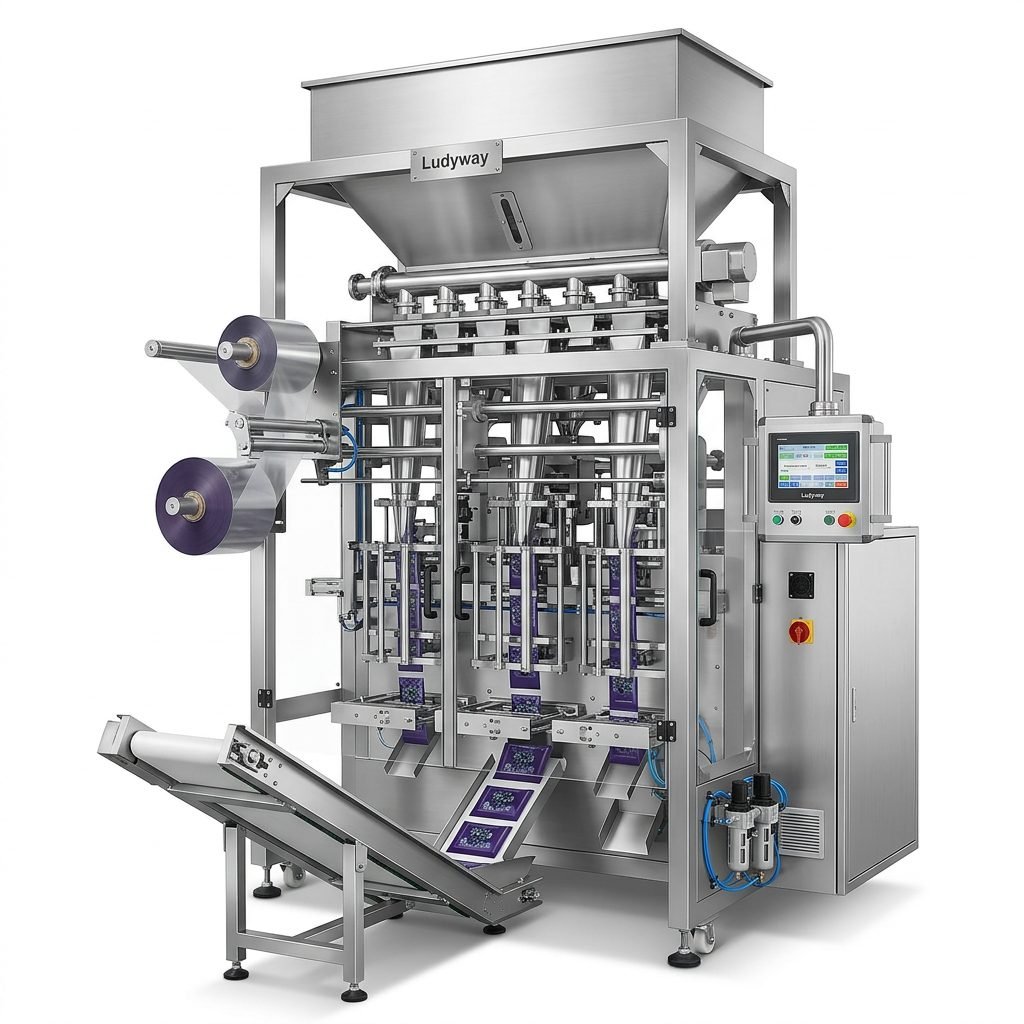
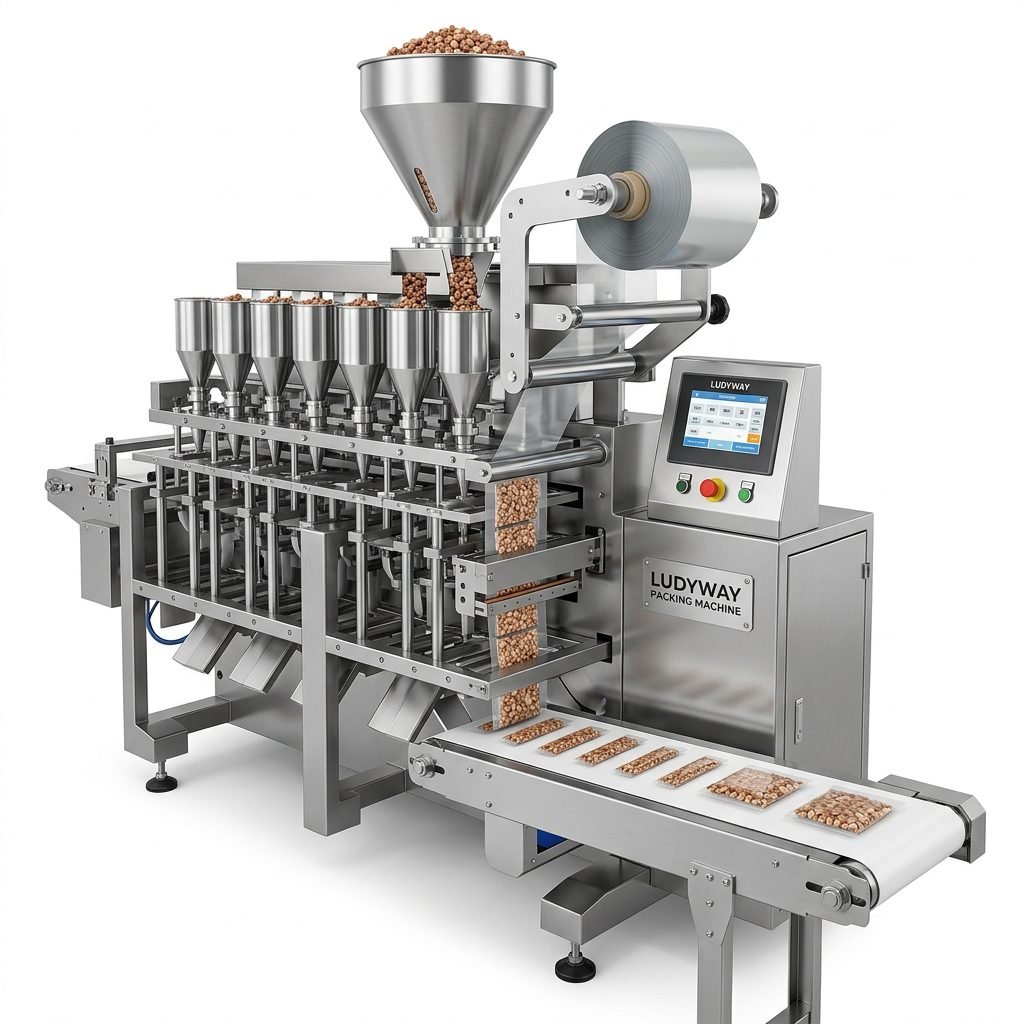
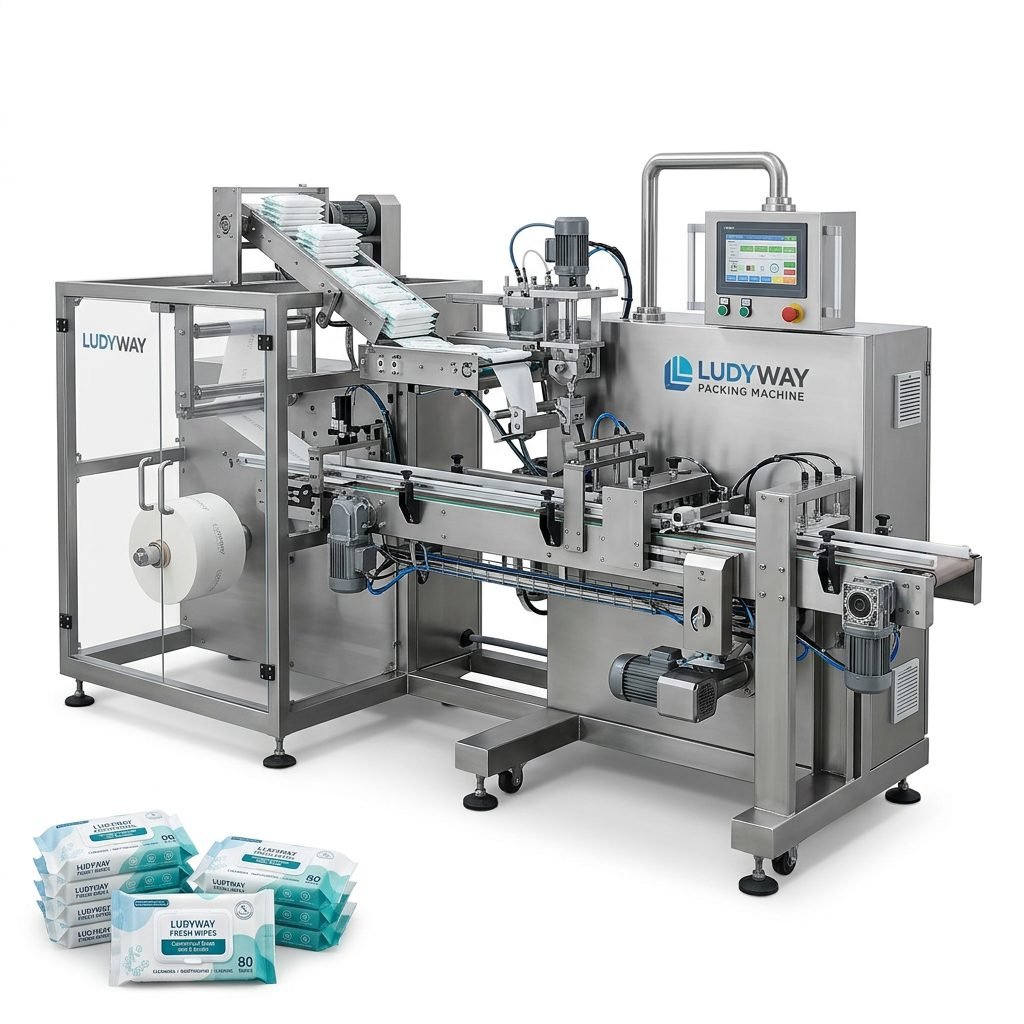
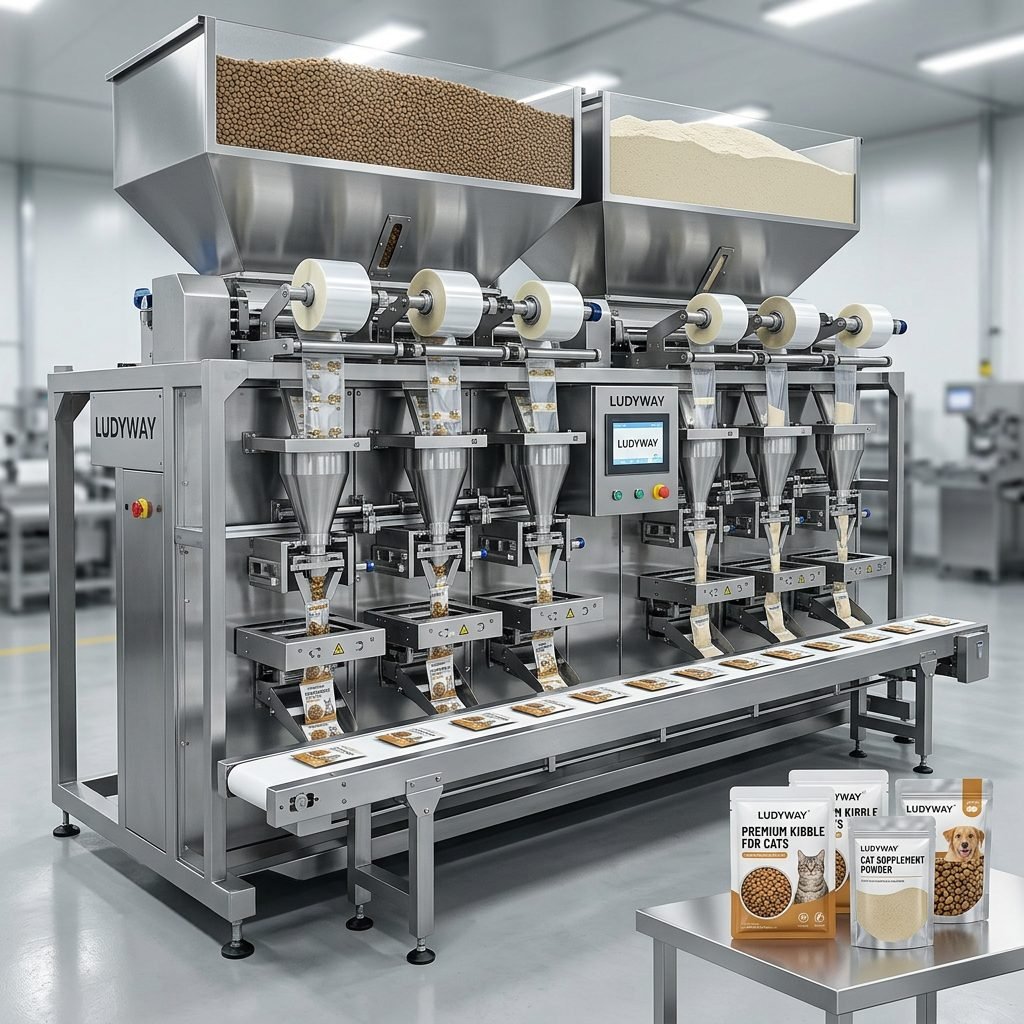
Proper maintenance of a whole chicken packaging machine is critical for ensuring food safety, maximizing production uptime, and extending the lifespan of your equipment. Whether you’re running a single-shift poultry processing line or a 24/7 high-volume operation, a structured cleaning and maintenance routine will help you avoid costly breakdowns and ensure consistent, hygienic packaging results. This comprehensive guide covers everything from daily wipe-down procedures to quarterly deep-cleaning protocols for your packaging machine investment.

Why Routine Maintenance Matters for Poultry Packaging Equipment
Whole chicken packaging involves handling raw protein products, which introduces significant food safety challenges. Organic residues, fat buildup, and moisture can create breeding grounds for bacteria if not properly managed. Beyond hygiene concerns, neglected maintenance can lead to:
- Seal integrity failures causing leaks and product spoilage
- Increased friction on moving parts, accelerating wear on belts and chains
- Unplanned downtime during peak production seasons
- Inconsistent bag or film feeding due to residue accumulation on rollers
- Compromised vacuum performance in modified atmosphere packaging applications
A well-maintained machine not only protects your brand reputation but also delivers higher throughput with fewer rejects. Companies like Ludyway design their equipment with easy-access panels and tool-free disassembly points to simplify these routines, but consistent execution remains the operator’s responsibility.
Daily Cleaning Checklist for Whole Chicken Packaging Machines
Daily cleaning should be performed at the end of every production shift. These tasks are non-negotiable for facilities handling raw poultry, where cross-contamination risks demand rigorous sanitation standards.
Step-by-Step Daily Protocol
- Power down and lock out the machine completely before any cleaning begins
- Remove all removable parts including film rolls, forming tubes, and sealing jaws
- Wipe down all food-contact surfaces with a food-grade sanitizer approved for poultry processing
- Clean the film path thoroughly, removing any fat or protein residue that could affect film tracking
- Inspect sealing elements for carbonized residue buildup; clean with a soft brush if needed
- Check and empty drip trays, ensuring no standing water or organic matter remains
- Dry all surfaces completely to prevent bacterial growth during idle periods

| Component | Cleaning Frequency | Recommended Method |
|---|---|---|
| Sealing Jaws / Bars | Daily | Food-grade solvent + soft brush |
| Film Rollers & Guides | Daily | Lint-free cloth + isopropyl alcohol |
| Forming Tube / Shoulder | Daily | Warm water + mild detergent; dry thoroughly |
| Drip Trays & Drainage | Daily | Flush with sanitizing solution |
| Machine Exterior Panels | Daily | Damp cloth + stainless steel cleaner |
Weekly Preventative Maintenance Tasks
Weekly maintenance goes beyond surface cleaning and addresses the mechanical integrity of your whole chicken packaging machine. These checks help identify developing issues before they escalate into production-stopping failures.
Key Weekly Inspections
- Lubricate all grease points according to the manufacturer’s specifications using food-grade lubricants where applicable
- Inspect drive belts and timing belts for signs of fraying, cracking, or improper tension
- Check pneumatic air filters and drain any accumulated moisture from the compressed air system
- Verify that all sensors—including film registration sensors and product detectors—are clean and properly aligned
- Examine chain drives for proper tension and lubrication; look for elongated links indicating wear
- Test emergency stop buttons and safety interlocks to ensure they function correctly
Monthly Maintenance Deep Dive
Monthly maintenance requires a more thorough inspection of internal components. This is the time to look beyond what’s visible during daily and weekly routines and assess the long-term health of your whole chicken packaging equipment.
| Maintenance Area | Inspection Points | Action Required |
|---|---|---|
| Electrical System | Wiring connections, terminal blocks, contactors | Tighten loose connections; check for overheating signs |
| Pneumatic System | Cylinders, valves, fittings, hoses | Check for leaks; replace worn seals as needed |
| Drive Motors | Bearings, shafts, couplings | Listen for unusual noise; check operating temperature |
| Vacuum System | Pump oil level, filters, seals, hoses | Change oil if darkened; replace clogged filters |
| Film Tension Control | Brake assemblies, dancer arms, springs | Adjust tension settings; replace worn components |

Quarterly and Annual Maintenance Protocols
Quarterly maintenance represents the deepest level of proactive care. At this stage, you should be conducting comprehensive inspections that may require partial disassembly of key modules. Annual maintenance often coincides with scheduled production downtime and should involve a full machine audit.
Quarterly Tasks
- Replace all wear-part consumables including sealing Teflon tape, cutting blades, and rubber rollers
- Perform a complete alignment check on all film-path components to ensure smooth material flow
- Calibrate temperature controllers for sealing jaws—inconsistent heat is a leading cause of seal failures
- Deep-clean the electrical cabinet, removing dust buildup that can cause overheating
- Test and recalibrate all weighing and portioning systems for accuracy
Annual Overhaul Recommendations
- Complete bearing replacement on high-cycle components
- Motor servicing including brush replacement for DC motors
- Full pneumatic system overhaul with cylinder seal replacement
- Comprehensive safety system verification by a certified technician
- Software and firmware updates if your machine includes PLC or HMI controls
Troubleshooting Common Issues in Poultry Packaging
Even with diligent maintenance, issues can arise during production. Knowing how to quickly diagnose and resolve common problems will minimize downtime and keep your automated packaging systems running efficiently.
| Symptom | Possible Cause | Recommended Solution |
|---|---|---|
| Inconsistent seal quality | Contaminated sealing jaws or incorrect temperature | Clean jaws thoroughly; recalibrate temperature setpoint |
| Film wandering or tracking off-center | Residue on rollers or misaligned forming tube | Clean all rollers; realign forming assembly |
| Excessive machine vibration | Worn bearings or loose mounting bolts | Inspect and replace bearings; tighten all fasteners |
| Product jamming in forming area | Incorrect forming tube size or product bridging | Verify tube dimensions; adjust product feed timing |
| Vacuum loss in MAP applications | Worn vacuum pump seals or hose leaks | Replace seals; conduct leak-down test on all hoses |
Food Safety Compliance and Sanitation Standards
Whole chicken packaging falls under strict regulatory oversight in most markets. Your maintenance program must align with applicable food safety standards including HACCP principles, USDA requirements in the United States, and relevant EU regulations for facilities exporting to European markets. Documentation of all cleaning and maintenance activities is essential for audit compliance.
Critical Food Safety Considerations
- Use only food-grade lubricants and cleaning chemicals certified for poultry processing environments
- Implement a documented sanitation schedule with sign-off sheets for each shift
- Conduct regular swab testing of food-contact surfaces to verify cleaning effectiveness
- Maintain temperature logs for sealing operations to demonstrate consistent heat treatment
- Train all operators on proper hygiene protocols including hand washing and protective equipment use
Building a Maintenance Schedule That Works
Creating a sustainable maintenance program requires balancing thoroughness with operational practicality. Over-maintaining can be as problematic as under-maintaining if it leads to unnecessary downtime or worn components from excessive disassembly. Use the following framework to build your customized schedule.
| Timeframe | Focus Areas | Estimated Duration | Personnel Required |
|---|---|---|---|
| End of Each Shift | Cleaning, sanitizing, visual inspection | 20-30 minutes | Machine operator |
| Weekly | Lubrication, belt checks, sensor cleaning | 1-2 hours | Maintenance technician |
| Monthly | Deep inspection, electrical checks, calibration | 3-4 hours | Senior technician |
| Quarterly | Wear-part replacement, full alignment | 1 full shift | Technician + assistant |
| Annually | Complete overhaul, safety audit, software updates | 2-3 days | Certified service team |

Operator Training: The Foundation of Equipment Longevity
No maintenance program can succeed without well-trained operators who understand both the equipment and the importance of consistent care. Operators are your first line of defense—they notice subtle changes in machine behavior long before alarms trigger. Investing in comprehensive training pays dividends through reduced downtime, fewer service calls, and extended equipment life.
Essential Training Topics
- Proper machine startup and shutdown sequences to avoid unnecessary wear
- Recognition of abnormal sounds, vibrations, or visual indicators of developing problems
- Correct disassembly and reassembly procedures for cleaning access
- Understanding which lubricants and cleaning agents are approved for each application point
- Documentation and reporting protocols for maintenance activities and observed issues
Spare Parts Management for Minimal Downtime
Having the right spare parts on hand can mean the difference between a 30-minute repair and a three-day production stoppage. A smart spare parts inventory for your whole chicken packaging machine should prioritize components that are both critical to operation and prone to wear.
Recommended Spare Parts Inventory
- Sealing consumables: Teflon tape, heating elements, thermocouples
- Drive belts and timing belts in all required sizes
- Pneumatic seals and O-ring kits for all cylinder sizes
- Sensor replacements including photoelectric and proximity types
- Bearing sets for all high-speed rotating components
- Film-path rollers and guide components
- Emergency stop buttons and safety switch assemblies
Maintaining a whole chicken packaging machine requires commitment, consistency, and attention to detail. By implementing the daily, weekly, monthly, quarterly, and annual routines outlined in this guide, you protect your investment, ensure food safety compliance, and keep your production line running at peak efficiency. A proactive approach to maintenance always costs less than reactive repairs—both in direct expenses and in the hidden costs of unplanned downtime.