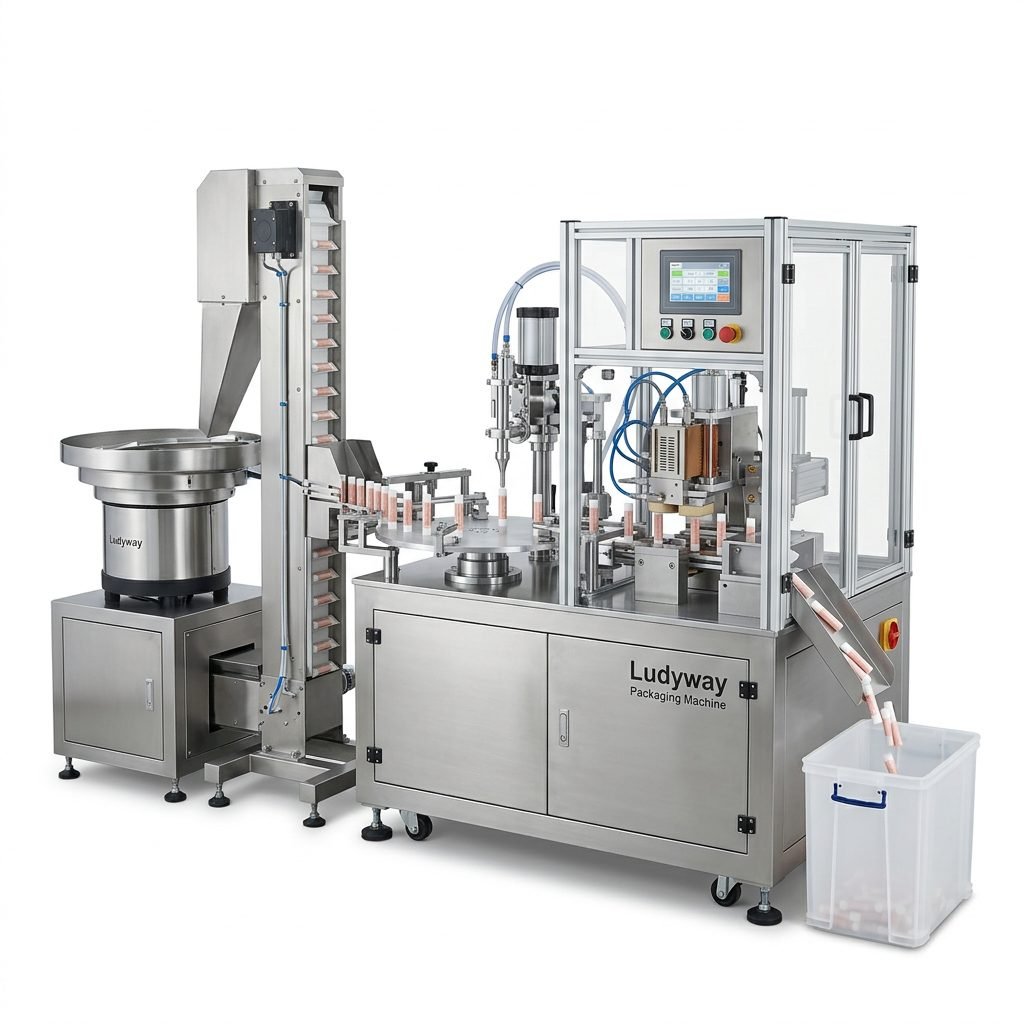
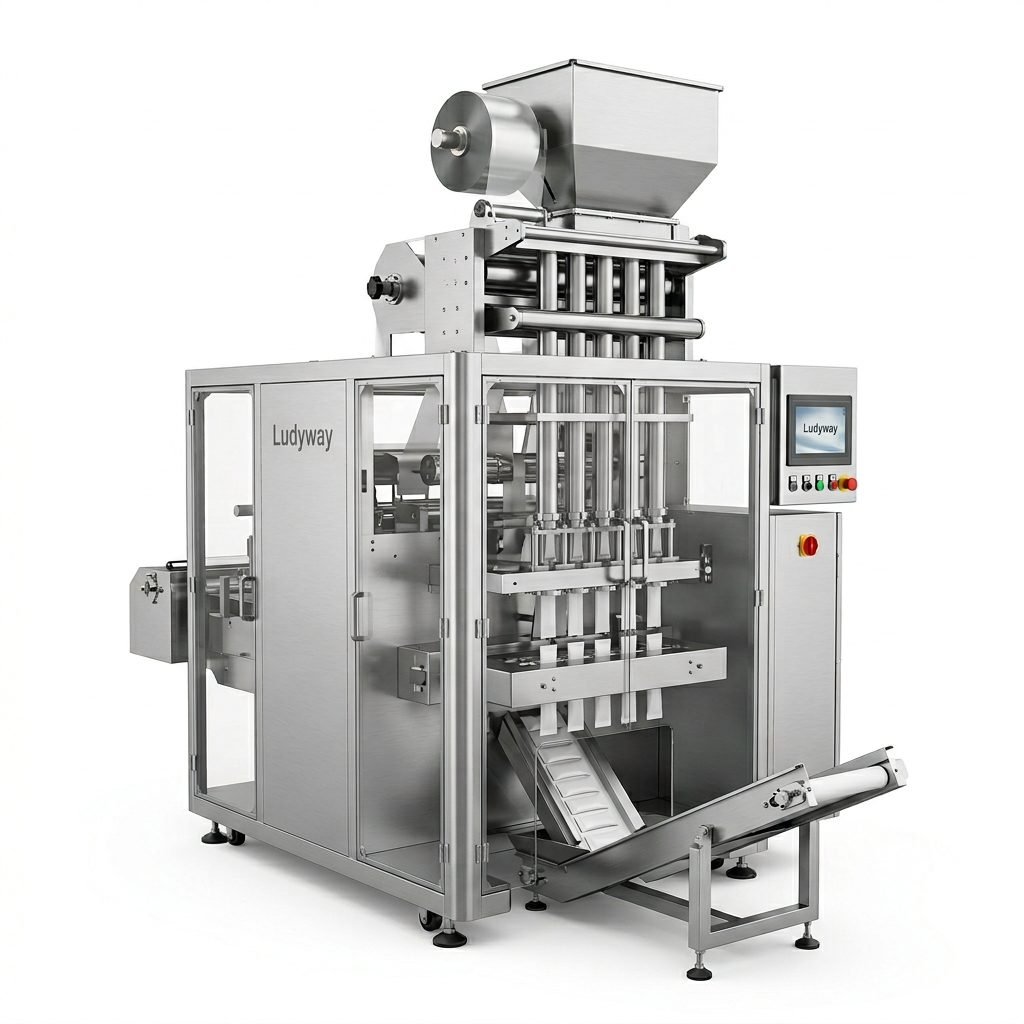
Expanding your beverage production into the North American market requires careful planning, particularly when setting up a beverage packaging machine production line. Whether you are launching a new energy drink, functional beverage, or ready-to-drink product, understanding the costs and regulatory landscape is essential for a successful operation. This guide walks you through every critical step, from equipment selection to FDA compliance, helping you make informed decisions for your packaging investment.
Understanding the North American Regulatory Environment
Before purchasing any equipment, you must familiarize yourself with the regulatory framework governing beverage packaging in the United States and Canada. The FDA’s Food Packaging and Food Contact Substances regulations set strict standards for materials that come into contact with consumable products. Key compliance requirements include:
- Food Contact Substance (FCS) Notification – All packaging materials must be approved for food contact under FDA 21 CFR.
- Current Good Manufacturing Practices (cGMP) – Facilities must adhere to cGMP guidelines covering sanitation, equipment maintenance, and quality control.
- Labeling Compliance – The Nutrition Labeling and Education Act (NLEA) mandates accurate ingredient lists, nutrition facts panels, and allergen declarations.
- Canadian Food Inspection Agency (CFIA) – For distribution in Canada, bilingual labeling and CFIA packaging standards apply.
Additionally, sustainability regulations are evolving rapidly. The European Commission’s Packaging and Packaging Waste Regulation provides a benchmark that increasingly influences North American policy, especially regarding recyclable and compostable packaging materials.
Key Equipment for a Beverage Packaging Production Line
A fully functional beverage packaging production line typically includes the following interconnected machinery:
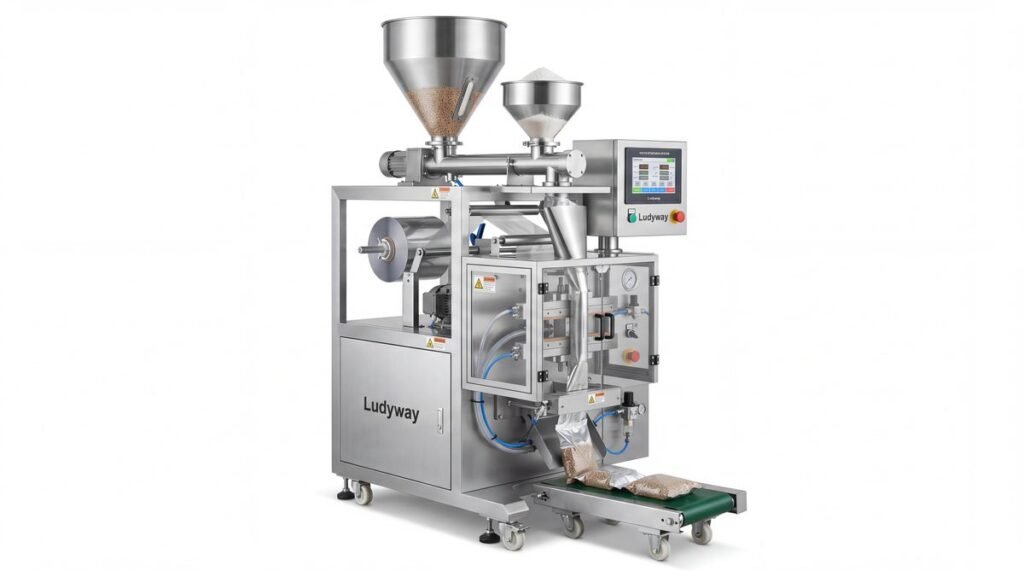
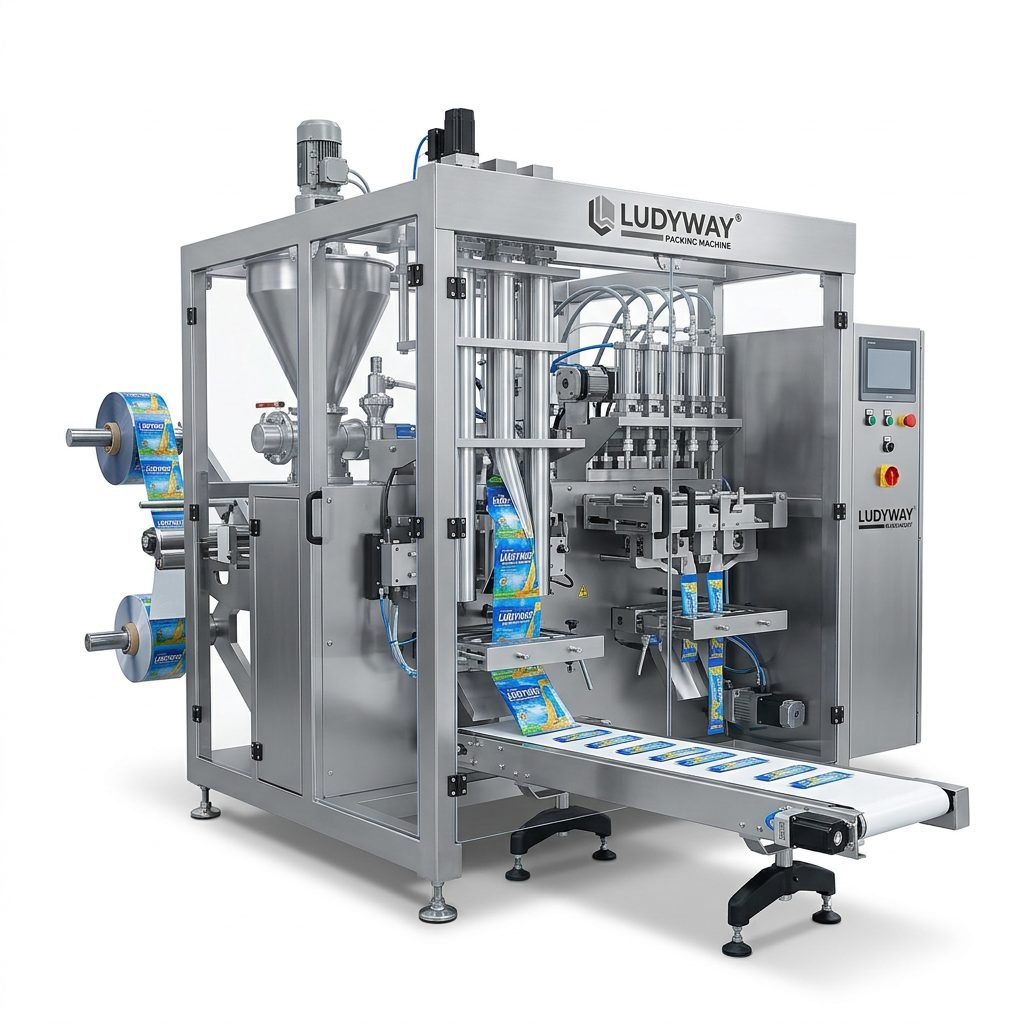
- Liquid Filling Machine – Multi-head volumetric or piston fillers designed for beverages with varying viscosities.
- Capping and Sealing Equipment – Automatic cappers for bottles, or heat-sealing units for sachets and stick packs.
- Labeling Machine – High-speed automatic label applicators for bottles, pouches, or cartons.
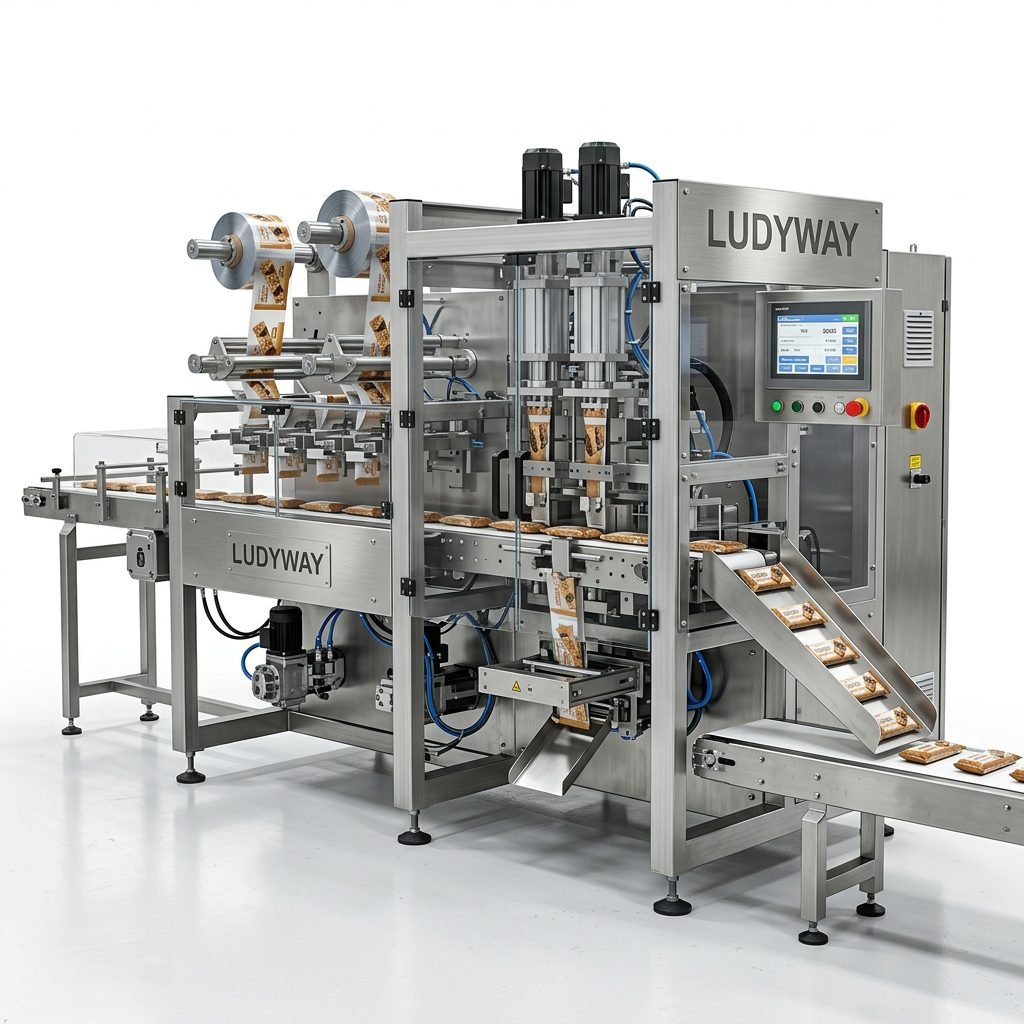
- Cartoning and Case Packing Systems – Automated carton erectors and case packers for secondary packaging.
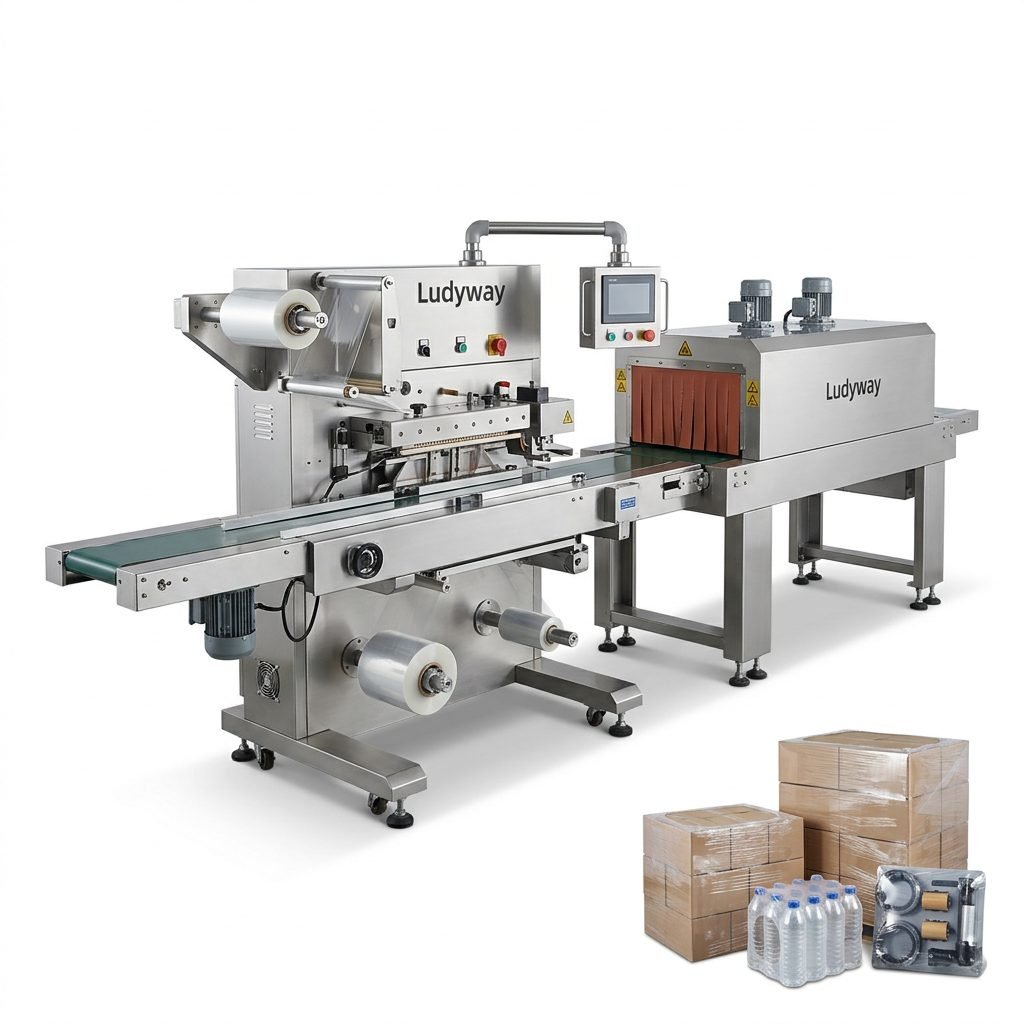
- Palletizing and Stretch Wrapping – Robotic palletizers and stretch wrapping machines for warehouse-ready output.
- Inspection and Coding Equipment – Vision inspection systems, checkweighers, and batch coding machines for traceability.
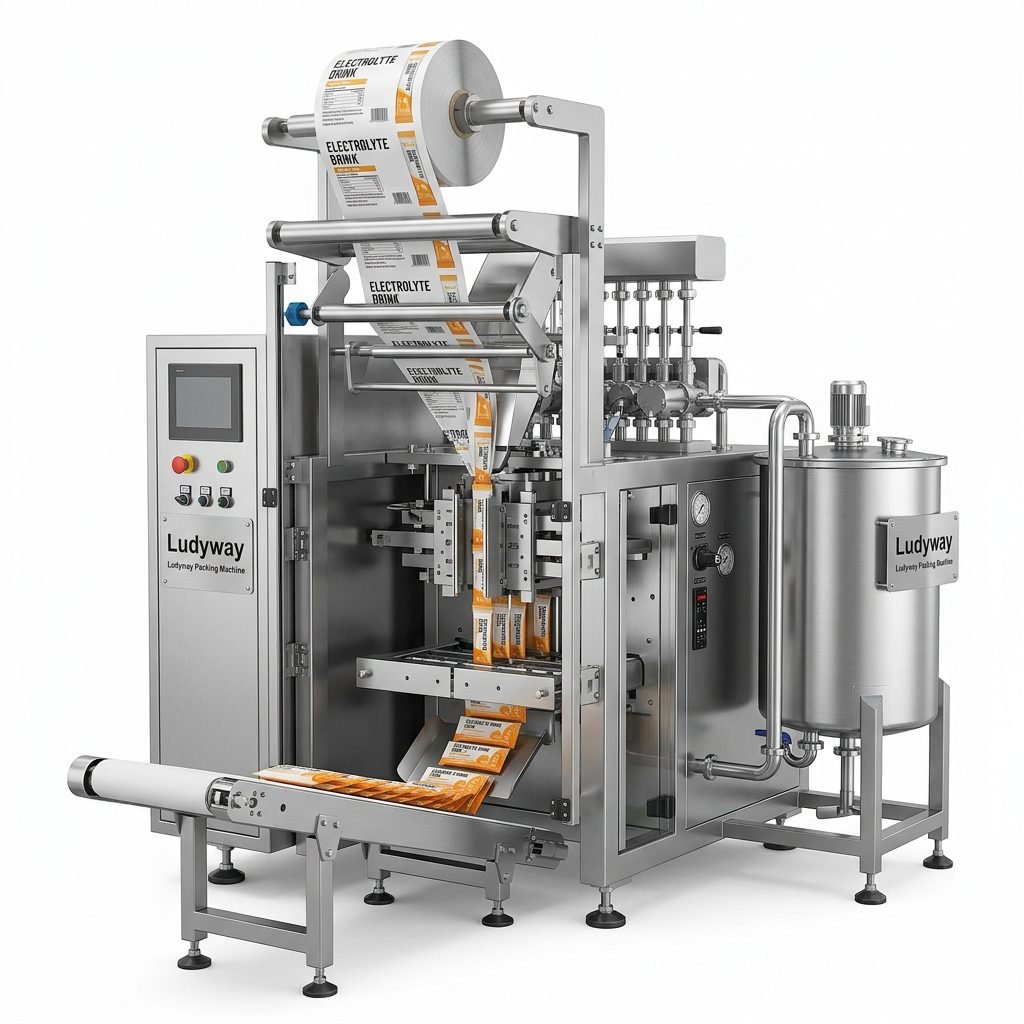
Bottle vs. Sachet vs. Stick Pack: Which Format to Choose?
The packaging format you select significantly impacts both equipment costs and market positioning. Consider the following comparison:
- Bottle Filling Lines – Ideal for premium beverages and larger volumes; higher upfront investment but established consumer trust.
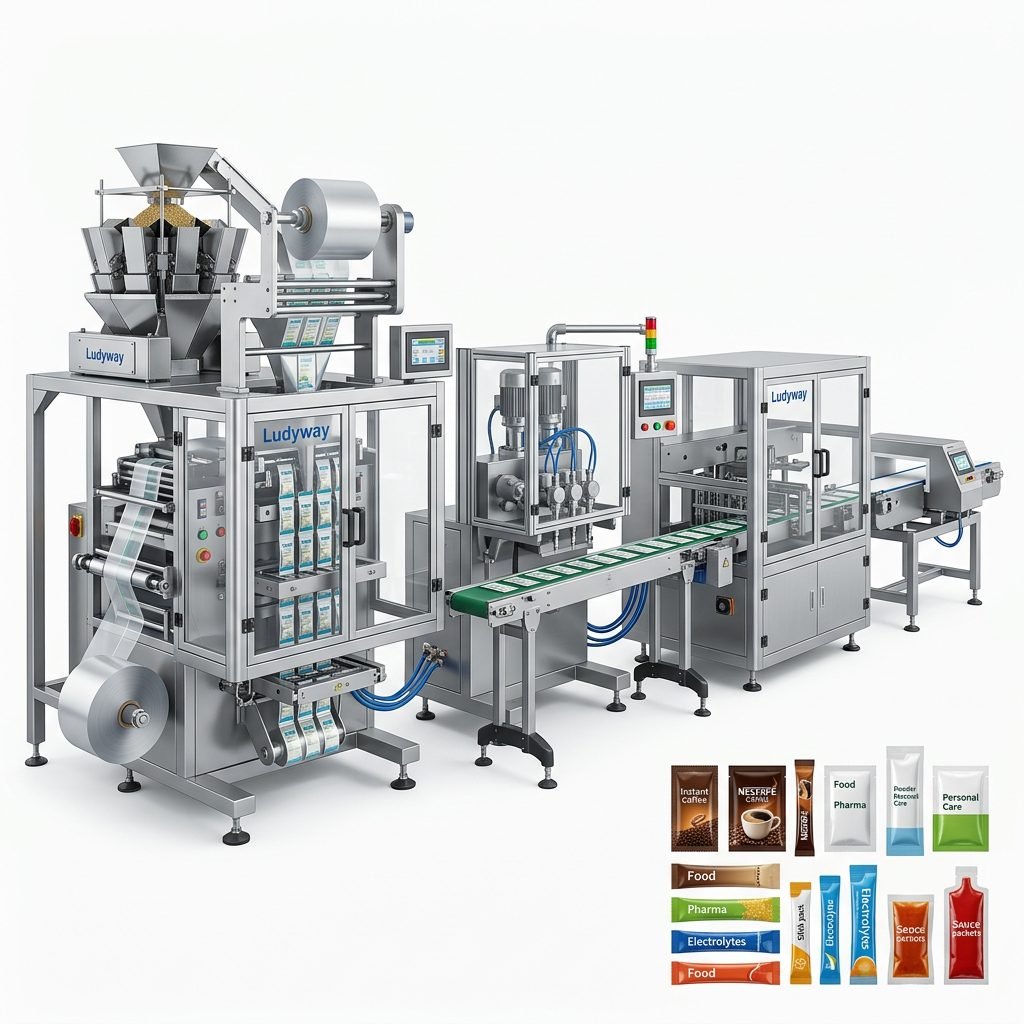
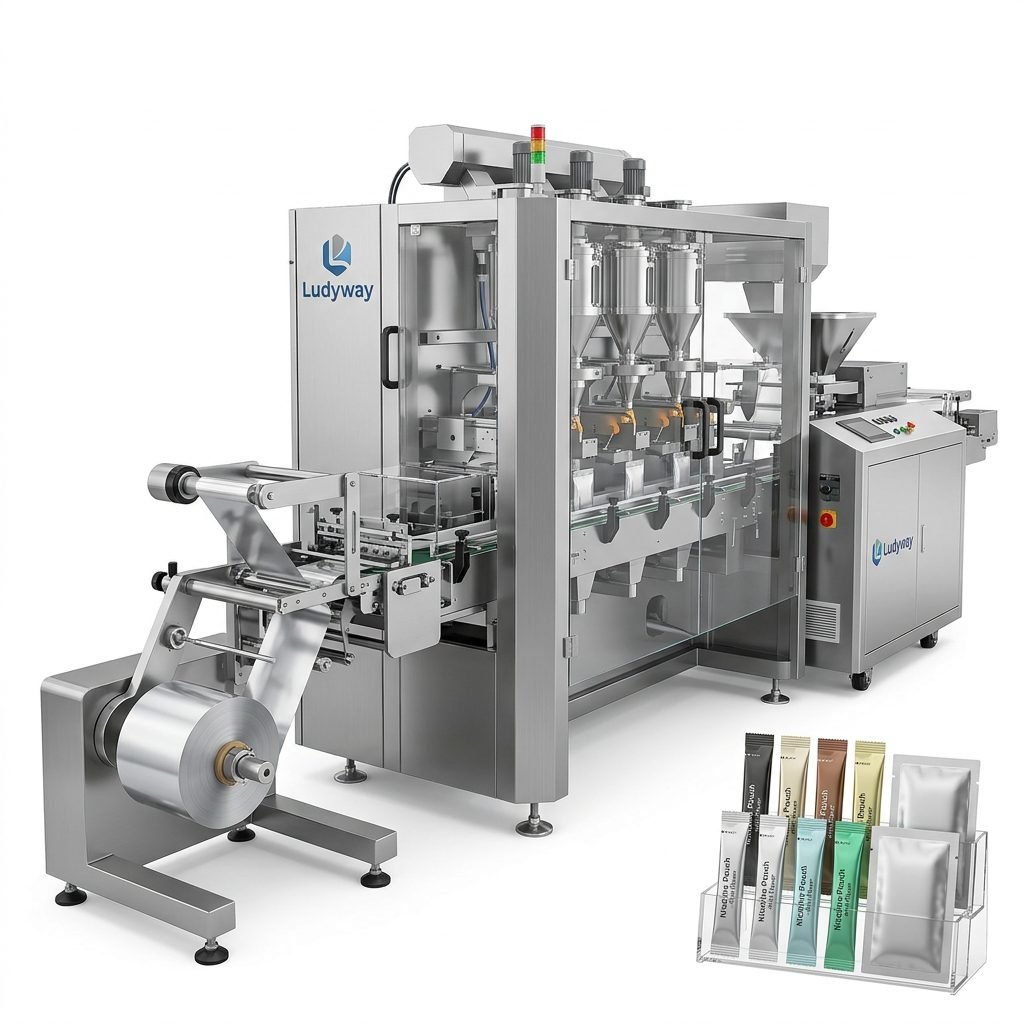
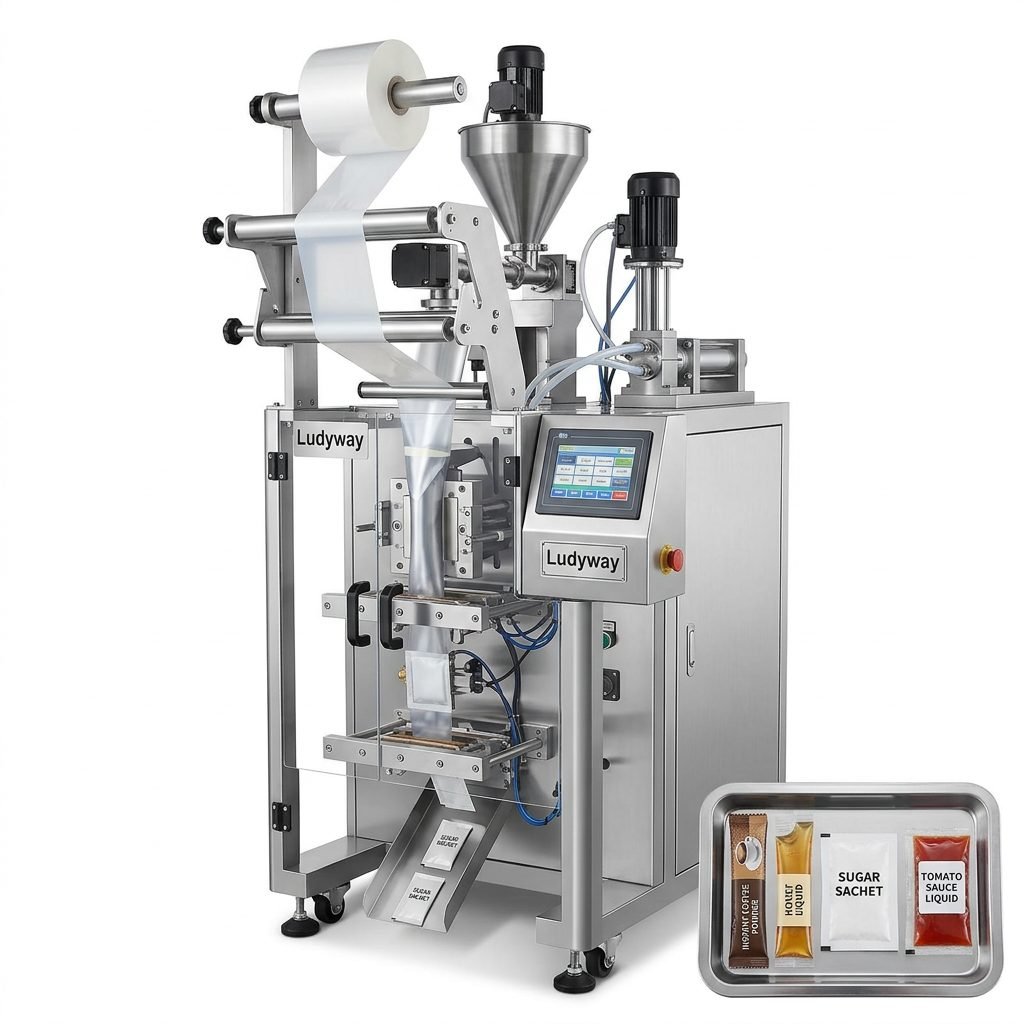
- Sachet and Stick Pack Machines – Growing in popularity for single-serve convenience, energy drinks, and powder-to-liquid beverage mixes.
- Pouch Packaging Systems – Flexible, lightweight, and increasingly used for functional drinks and children’s beverages.
Comprehensive Cost Breakdown for North American Setup
Budgeting for a beverage packaging line involves more than just equipment purchase. Below is a detailed breakdown of costs you should anticipate when setting up operations in North America:
| Cost Category | Estimated Range (USD) | Key Variables |
|---|---|---|
| Primary Packaging Equipment | $80,000 – $500,000+ | Speed (PPM), number of lanes, automation level |
| Ancillary Equipment | $30,000 – $150,000 | Conveyors, feeders, inspection systems, coders |
| Shipping and Logistics | $15,000 – $45,000 | Container freight, customs duties, inland transport |
| Installation and Commissioning | $20,000 – $60,000 | On-site technicians, electrical/plumbing work, calibration |
| Facility Modifications | $25,000 – $100,000 | Cleanroom setup, HVAC, floor coatings, drainage |
| Regulatory Compliance | $10,000 – $30,000 | FDA registration, testing, documentation, legal fees |
| Training and Labor | $10,000 – $25,000 | Operator training, SOP development, initial labor costs |
| First-Year Maintenance Budget | $8,000 – $20,000 | Spare parts, preventive maintenance contracts |
Total Estimated Investment: A mid-range beverage packaging line setup in North America typically ranges from $200,000 to $900,000+, depending on automation level, production capacity, and packaging format.
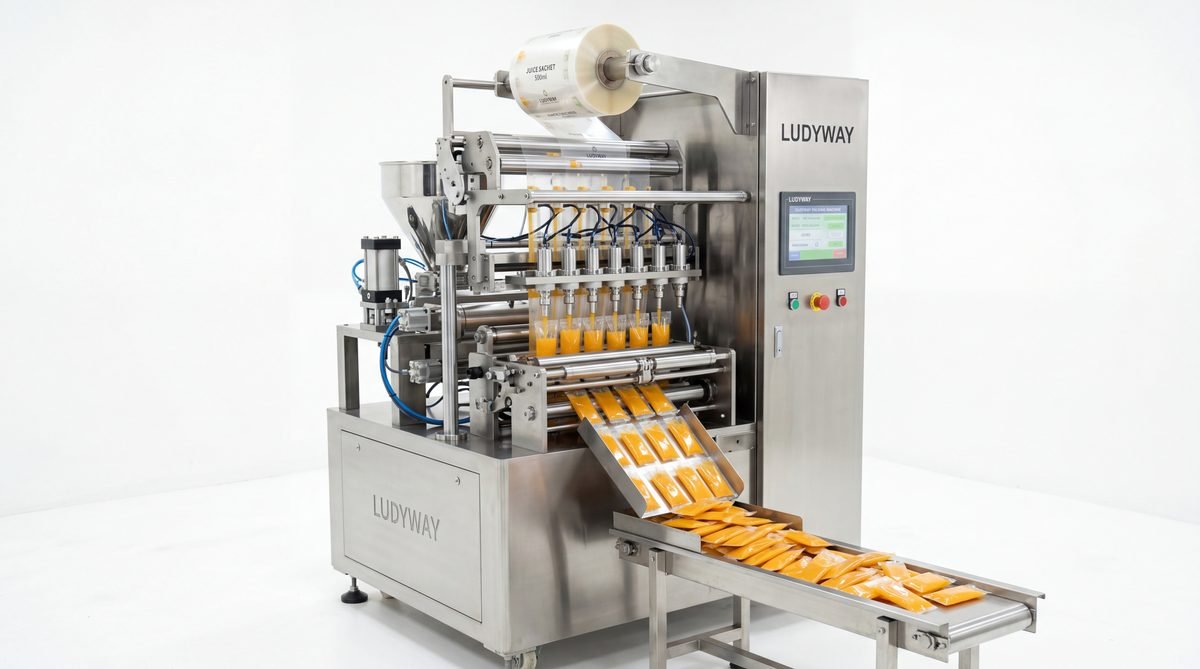
Selecting the Right Equipment Supplier
Choosing a reliable equipment manufacturer is one of the most consequential decisions you will make. Evaluate potential suppliers on the following criteria:
- Industry Experience – Look for manufacturers with a proven track record in beverage and liquid packaging specifically, not just general packaging machinery.
- North American References – Ask for case studies or references from companies operating in the U.S. or Canadian markets.
- After-Sales Support – Ensure the supplier offers remote troubleshooting, readily available spare parts, and preferably local service technicians.
- Compliance Documentation – The manufacturer should provide CE, UL listing where applicable, and documentation supporting FDA compliance.
- Turnkey Capability – A supplier offering complete turnkey solutions — from filling to palletizing — simplifies project management and ensures system compatibility.
Questions to Ask Before Signing a Purchase Agreement
- What is the guaranteed output speed (packages per minute) for my specific product viscosity?
- Does the machine support quick changeover between different bottle sizes or pouch formats?
- Are remote diagnostics and IoT monitoring included?
- What is the standard warranty period and what does it cover?
- Can the supplier provide 3D layout drawings for facility planning?
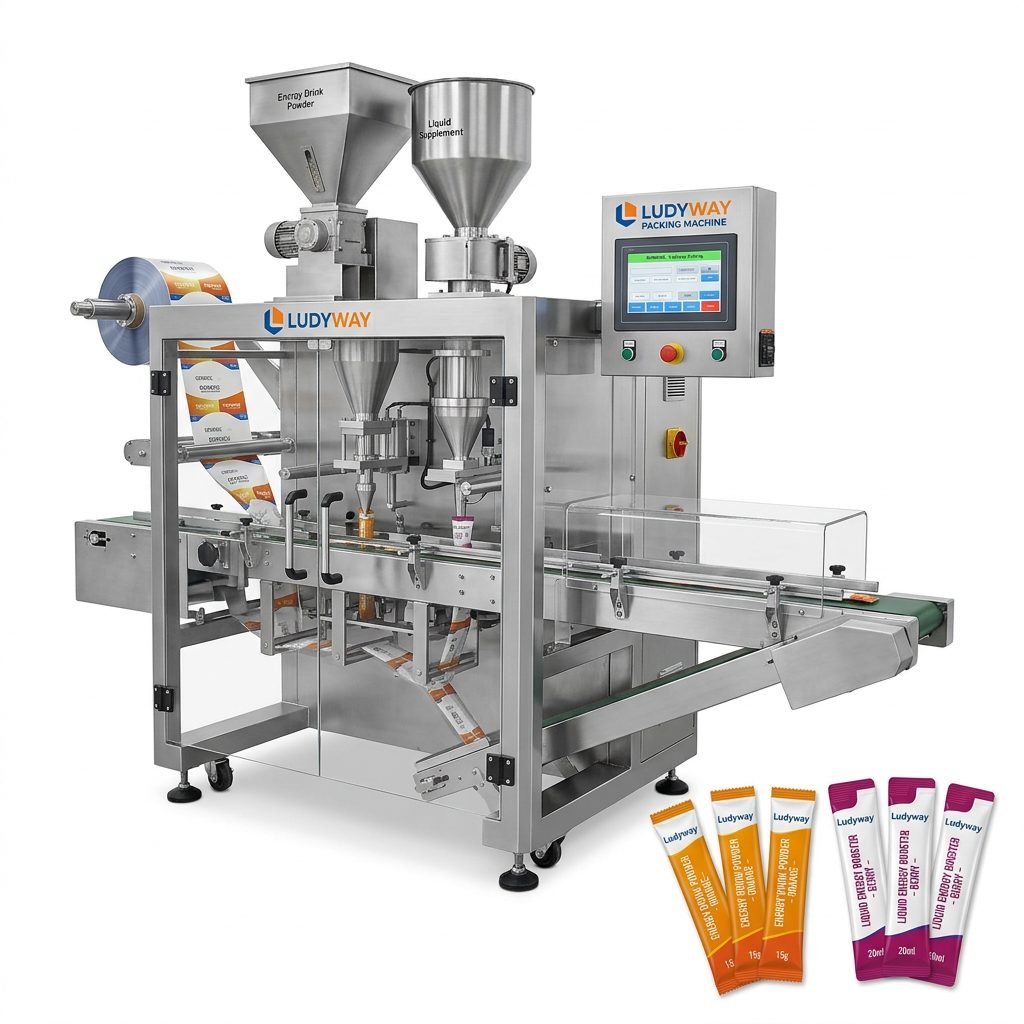
Installation Timeline and Project Milestones
A typical beverage packaging line installation in North America follows a structured timeline. Proper planning can significantly reduce downtime and accelerate your return on investment:
- Months 1–2: Facility assessment, layout design, and equipment specification finalization.
- Months 2–3: Order placement, engineering confirmation, and factory acceptance testing (FAT) preparation.
- Months 3–5: Equipment manufacturing, quality inspection, and FAT at the manufacturer’s facility.
- Months 5–6: Ocean freight shipping, customs clearance, and inland transportation to your facility.
- Months 6–7: On-site installation, electrical and utility connections, equipment commissioning.
- Month 7: Trial production runs, operator training, and full production ramp-up.
Delays often occur during customs clearance and facility preparation phases. Building in a 4-6 week buffer is strongly recommended.
Common Challenges and How to Overcome Them
Challenge 1: Regulatory Delays
FDA facility registration and food contact substance reviews can take longer than anticipated. Solution: Begin the regulatory process at least 3-4 months before your equipment arrives. Engage a U.S.-based regulatory consultant familiar with FDA packaging and food contact substance requirements.
Challenge 2: Skilled Labor Shortage
Finding operators with experience in automated beverage packaging can be difficult. Solution: Invest in comprehensive training during installation and consider equipment with intuitive HMI interfaces that reduce the learning curve. Remote support capabilities also minimize dependency on specialized local talent.
Challenge 3: Supply Chain for Packaging Materials
Bottles, caps, films, and labels must meet North American standards. Solution: Establish relationships with local packaging material suppliers early. Verify that your machine can handle materials sourced from multiple vendors to avoid single-supplier dependency.
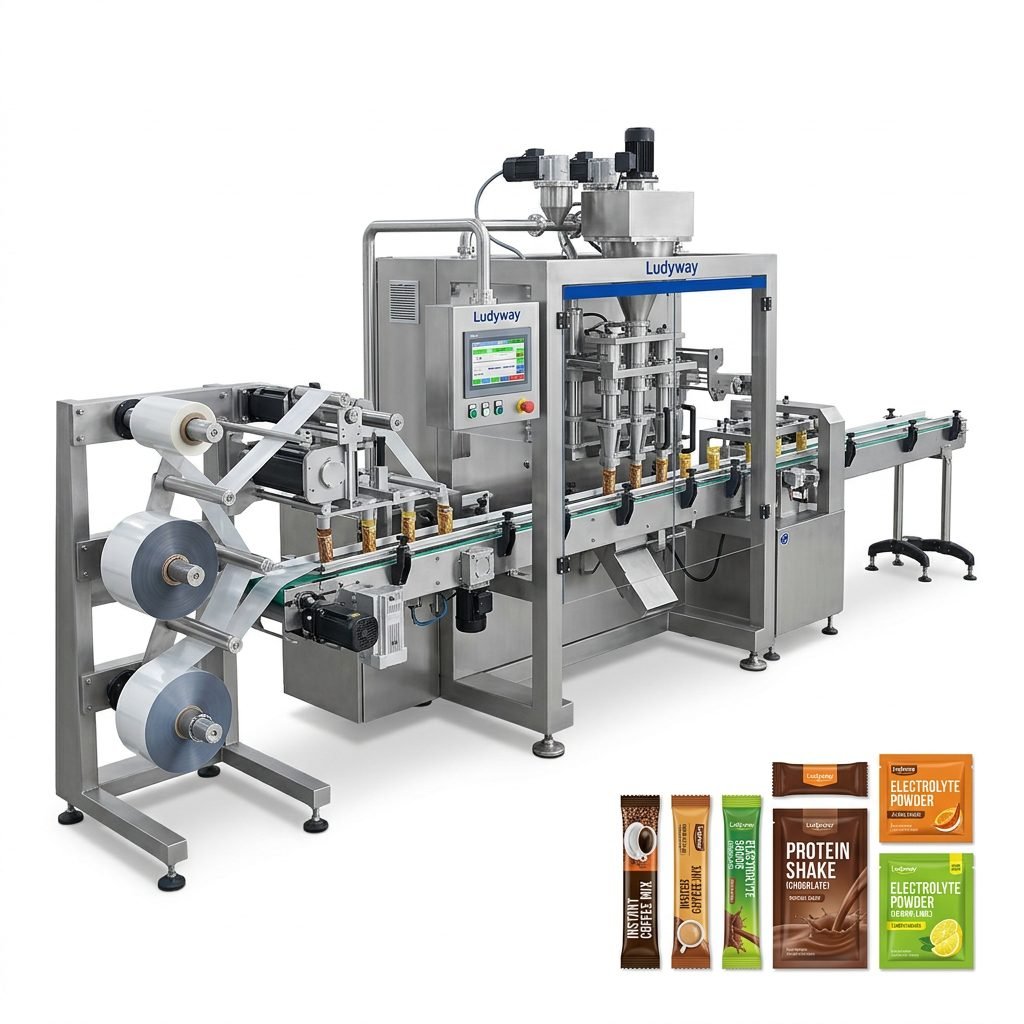
Industry Standards and Best Practices
Aligning your operation with recognized industry standards builds credibility with retailers and consumers. The PMMI – Association for Packaging and Processing Technologies provides valuable resources, including packaging machinery market research and state-of-the-industry reports that help benchmark your investment. Key standards to follow include:
- ISO 9001 – Quality management systems for manufacturing consistency.
- ISO 22000 – Food safety management systems relevant to packaging operations.
- HACCP Principles – Hazard analysis and critical control points integrated into the packaging line design.
- UL and CSA Standards – Electrical safety certifications recognized across North America.
Partnering with an Experienced Global Manufacturer
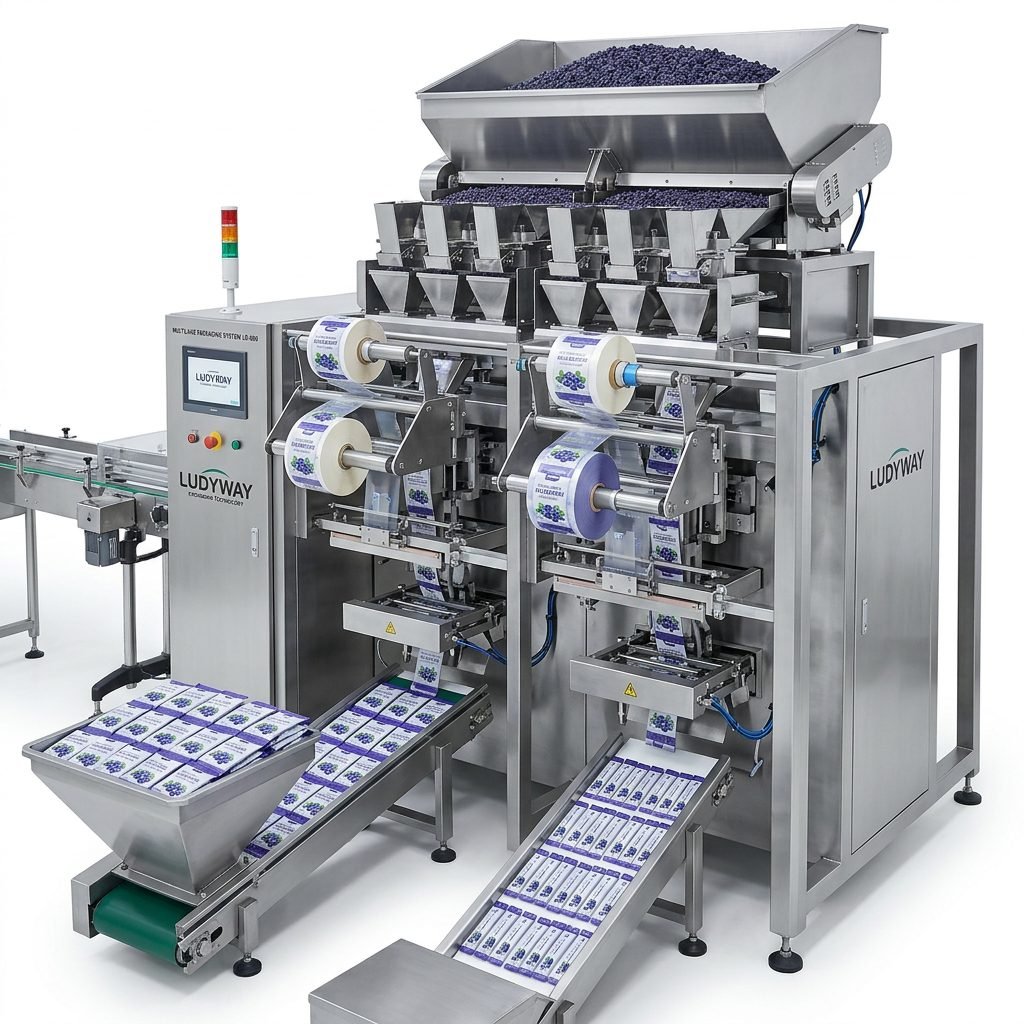
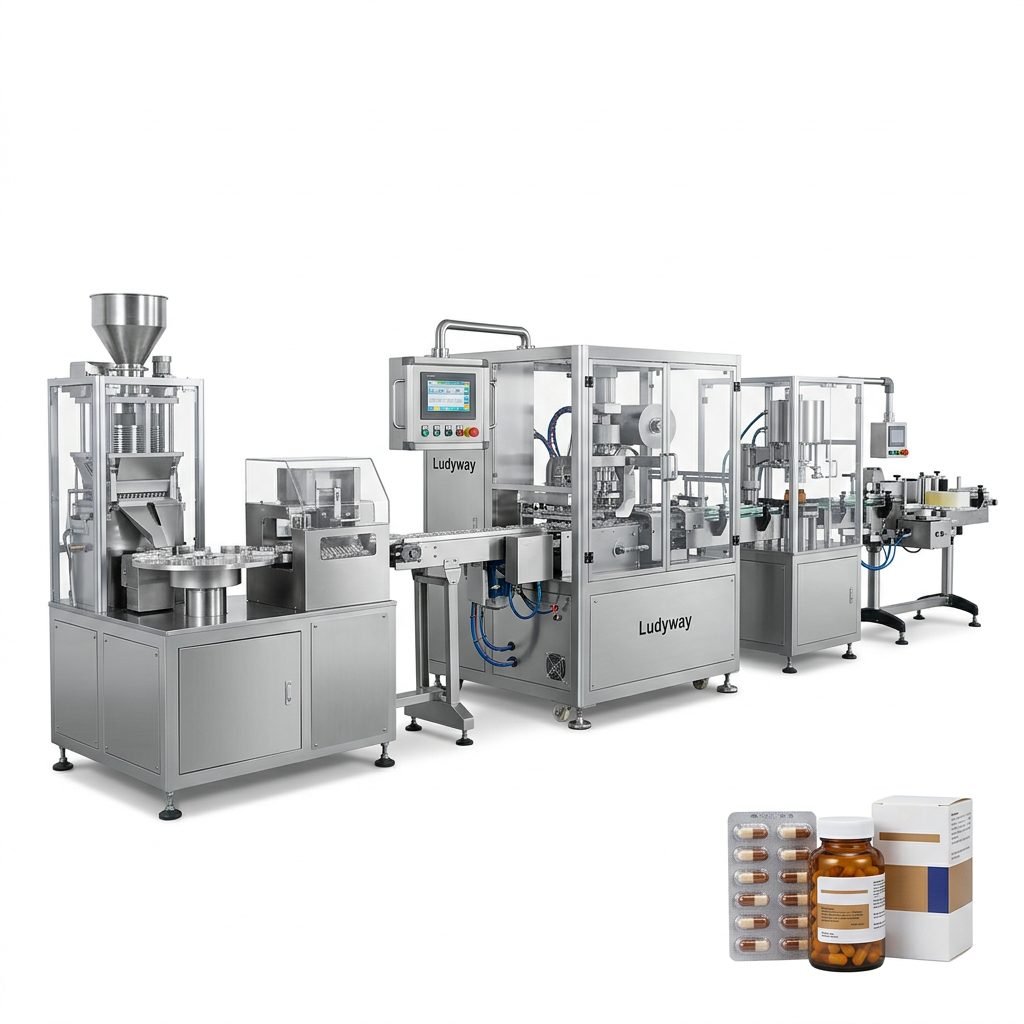
For companies entering the North American beverage market, partnering with a globally established packaging machine manufacturer can streamline the entire process. Ludyway, one of the largest packaging machine manufacturers in China with over 30 years of industry expertise, specializes in advanced packaging equipment and turnkey production solutions for the food, pharmaceutical, and health industries. With a modern 20,000㎡ manufacturing facility and more than 50 intelligent packaging machine models, Ludyway provides reliable and efficient packaging solutions for granule, powder, liquid, and pouch applications — including high-speed multi-lane stick pack and sachet systems ideal for single-serve beverages. Serving customers in over 100 countries and regions, Ludyway supports North American clients with customized production lines, professional technical support, and a long-term commitment to quality and innovation.
Return on Investment Considerations
When evaluating the financial viability of your beverage packaging line, consider these ROI factors:
- Production Efficiency Gains – Automated multi-lane systems can achieve 200-600+ packages per minute, dramatically reducing per-unit labor costs.
- Reduced Material Waste – Precision filling technology minimizes product giveaway and film waste.
- Scalability – Modular equipment design allows capacity expansion without full line replacement.
- Market Speed – Faster time-to-market for new products and promotional formats creates competitive advantage.
Final Checklist Before Launch
Before starting full production, verify the following items are complete:
- FDA facility registration and U.S. agent designation (for foreign facilities)
- All packaging materials verified as food-contact compliant
- Equipment installation, calibration, and validation testing completed
- Standard Operating Procedures (SOPs) documented and approved
- Operator training completed and competency verified
- Preventive maintenance schedule established with spare parts inventory
- Product liability insurance coverage confirmed
- Labeling reviewed for FDA/CFIA compliance
Setting up a beverage packaging machine production line in North America is a significant undertaking, but with thorough planning, the right equipment partner, and a clear understanding of regulatory requirements, you can build a profitable and compliant operation that meets the demands of this competitive market.
For more detailed guidance on packaging machinery standards, visit the PMMI Packaging Industry Resources and the Flexible Packaging Association Industry Resources for the latest regulatory updates and market intelligence.