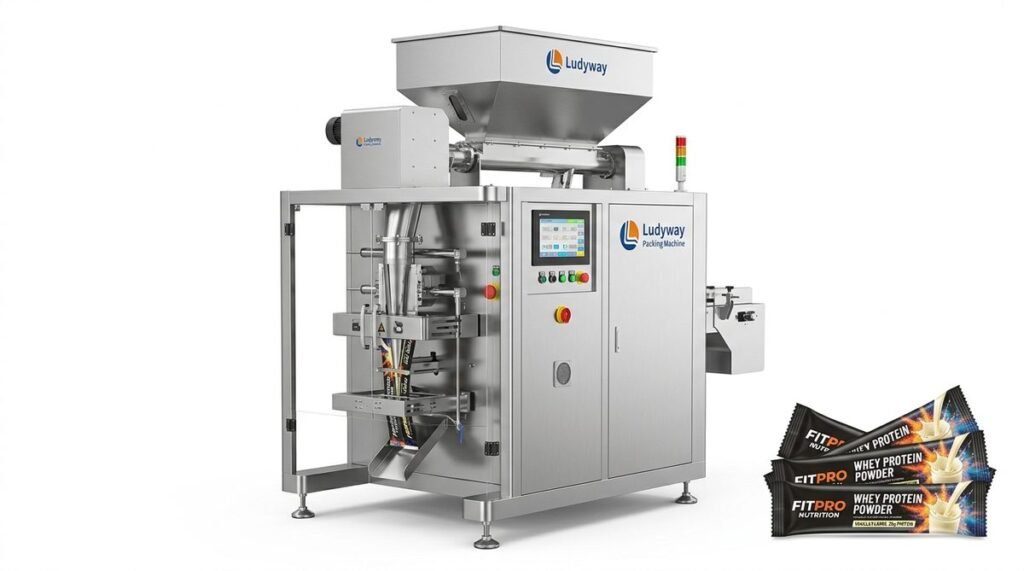
Establishing a butter packaging machine production line in Italy demands meticulous planning, strict adherence to European food safety regulations, and the selection of high-performance machinery. Whether you are a dairy cooperative expanding into retail formats or a food manufacturer launching a new product line, the right automation strategy can significantly boost output while maintaining the delicate texture and integrity of butter.
Understanding Italian and EU Food Packaging Regulations
Before installing a single machine, your facility must align with the European Union’s stringent hygiene and material contact standards. This is the non-negotiable foundation of your butter packaging line.
CE Certification and Safety Compliance
All equipment imported into Italy must bear the CE marking, confirming conformity with EU health, safety, and environmental protection standards. This is not just a label; it is a legal declaration that your machinery meets directives such as the Machinery Directive 2006/42/EC.
Food Contact Material Compliance
Because butter is a fatty dairy product, packaging films and machine surfaces must comply with EU Regulation (EC) No 1935/2004 on materials intended to come into contact with food. The high-fat content of butter can accelerate the migration of substances from non-certified plastics, making this a critical quality control point.
Step 1: Assessing Your Production Requirements
Defining your operational scale is the first step. Are you targeting high-speed multi-lane output or flexible small-to-medium batch runs? The answer determines the automation level and machine configuration you need.
- Target Output: Measure in packs per minute (PPM). A high-speed flow wrap line can exceed 150 PPM, while a semi-automatic system might handle 20-40 PPM.
- Butter Consistency: Is the butter hard block, spreadable tub, or portion-controlled pats? Soft butter requires specific dosing pumps to prevent oil separation.
- Packaging Format: Common formats in Italy include single-serve foil packets, parchment-wrapped blocks, plastic tubs with heat-sealed lids, and mini-portion cups popular in the HORECA sector.
Step 2: Selecting the Core Butter Packaging Equipment
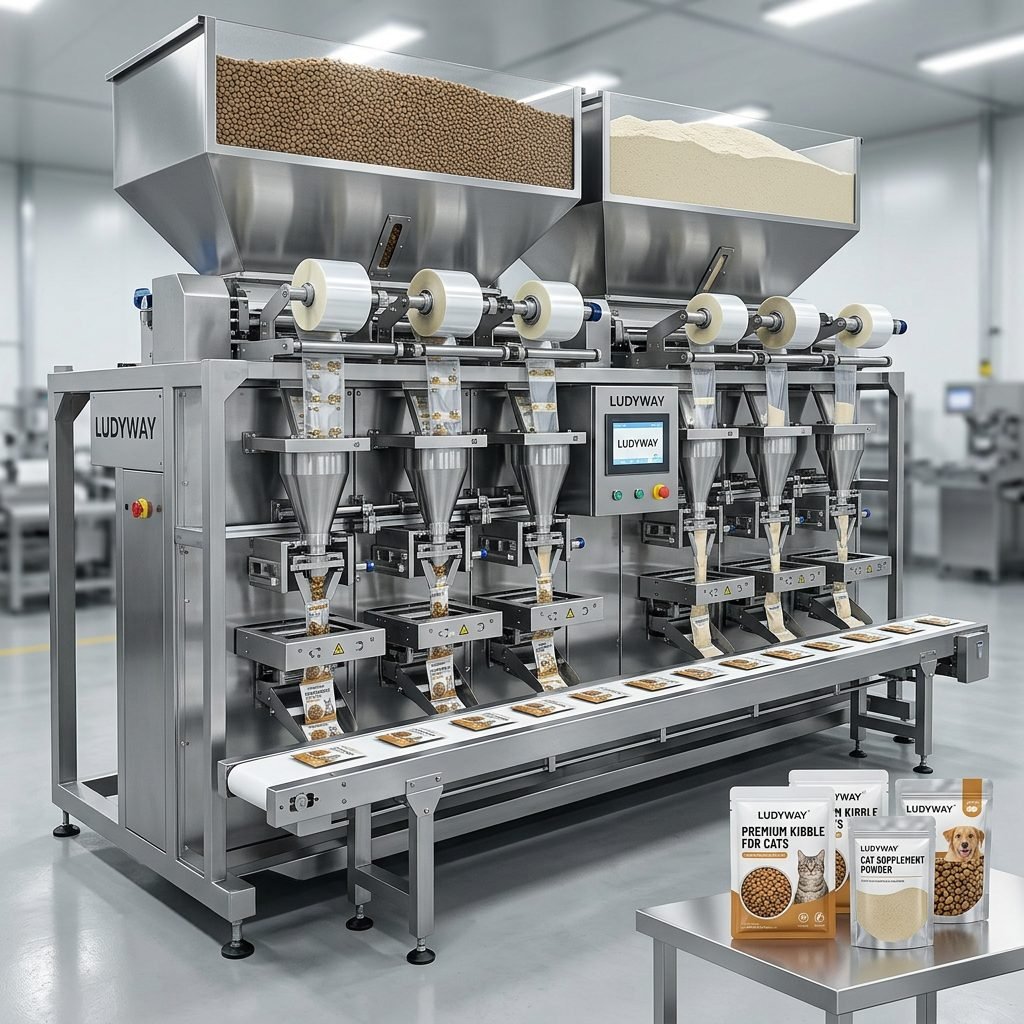
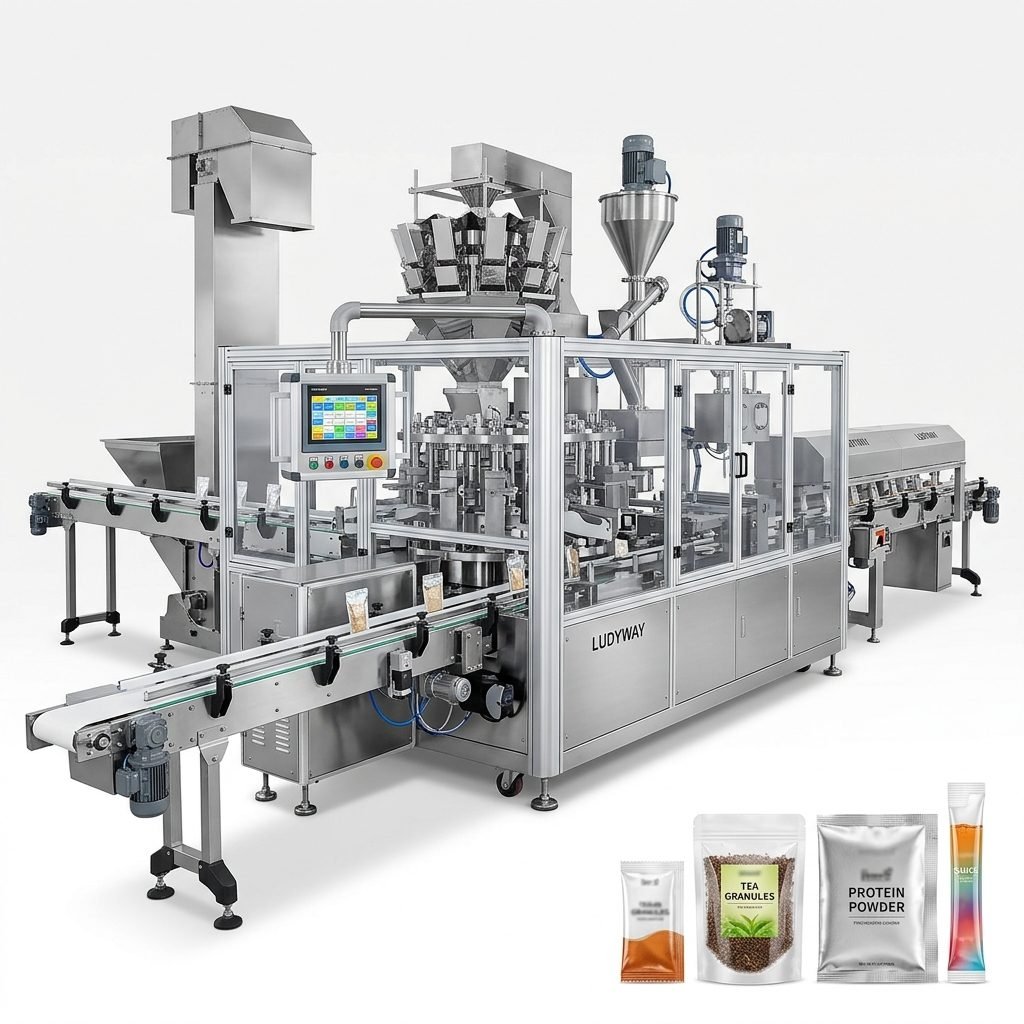
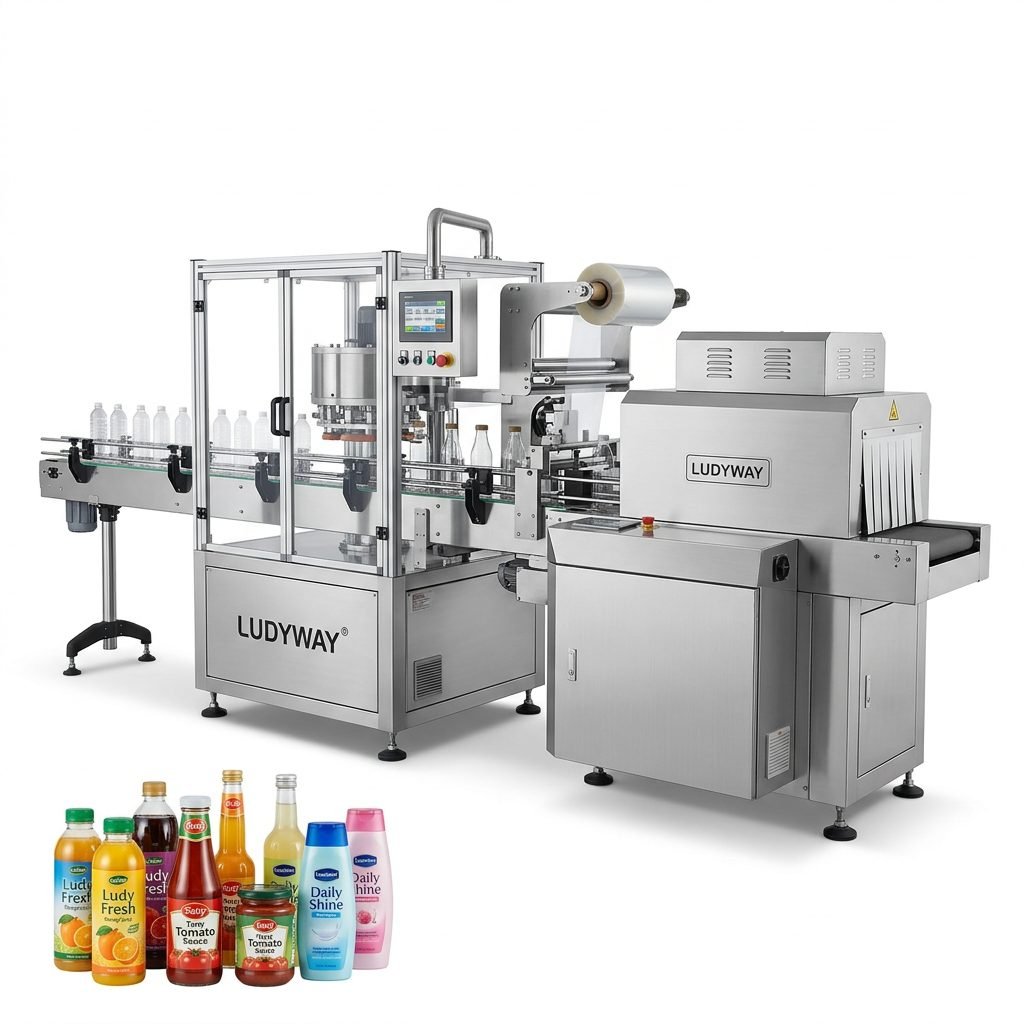
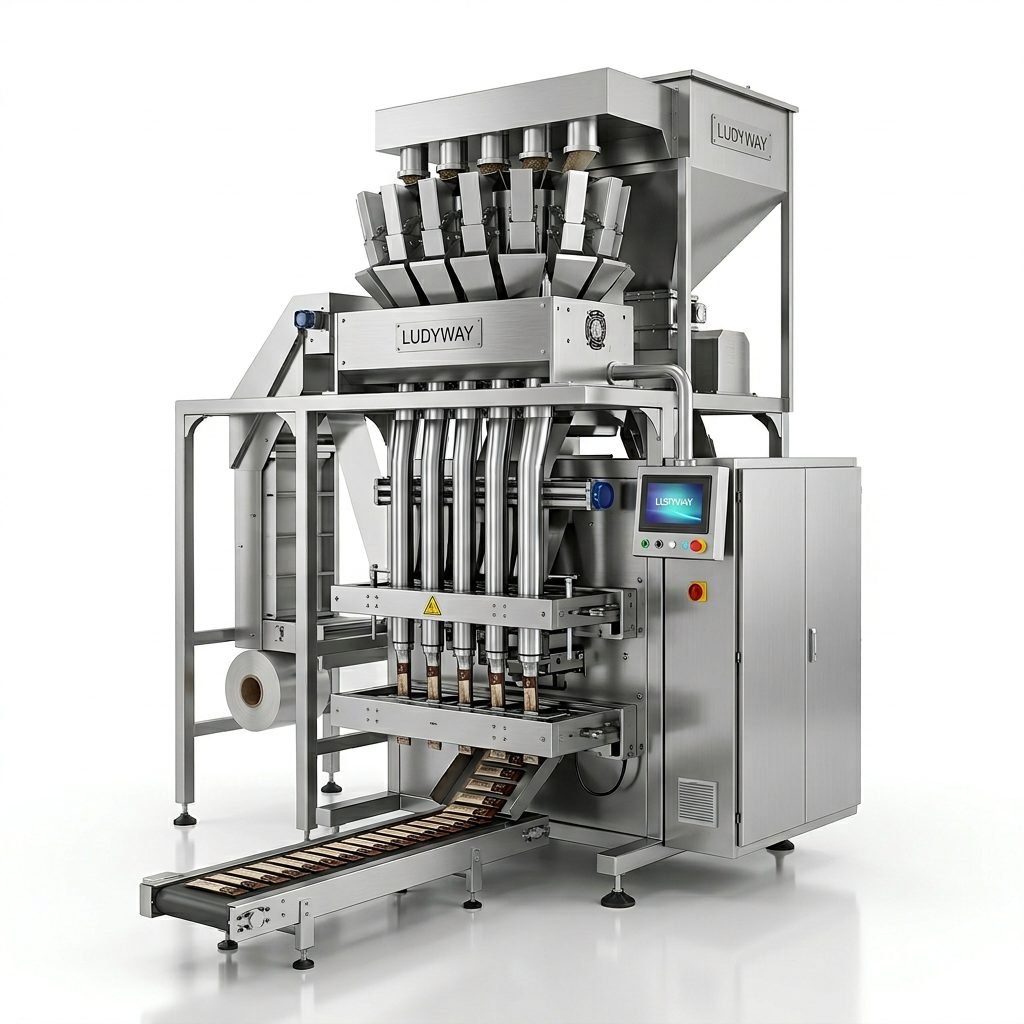
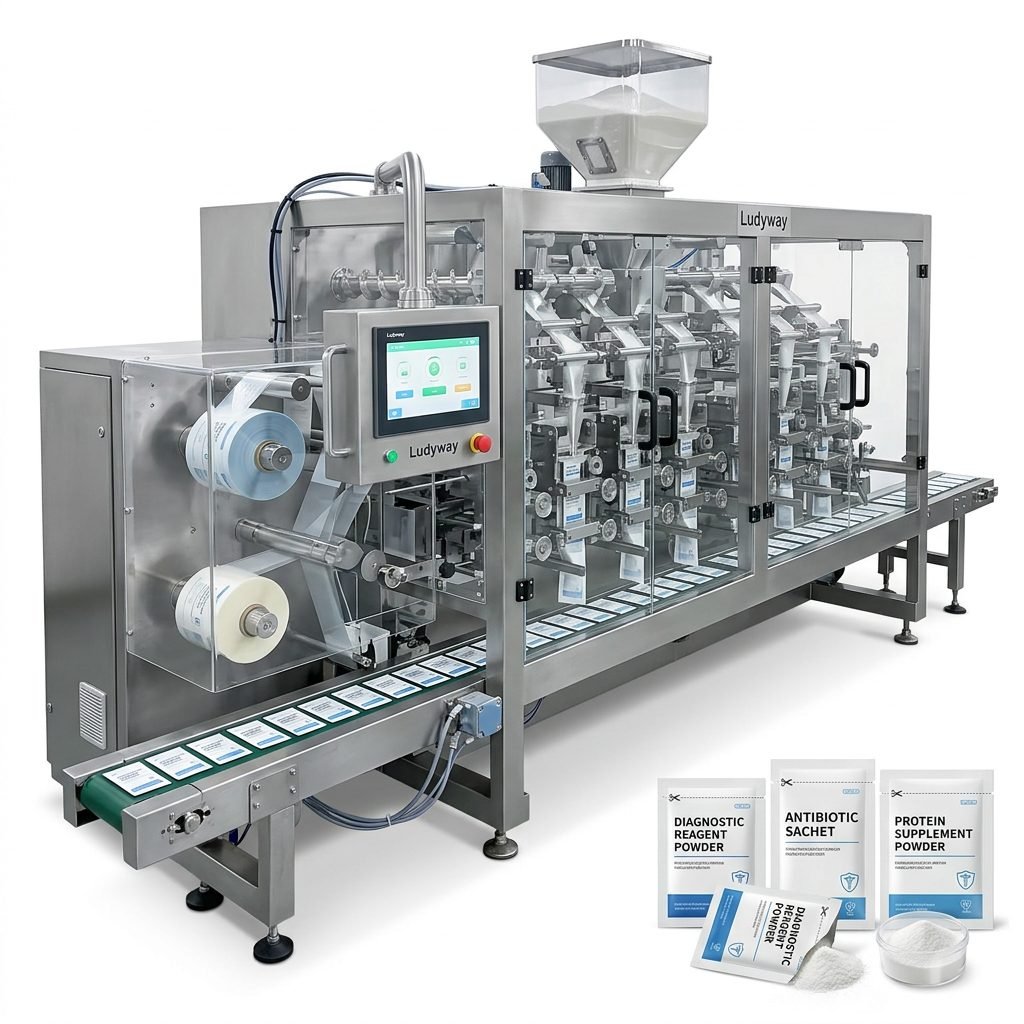
Integrating the right machinery is essential. A complete butter packaging machine production line typically consists of synchronized modules that handle filling, wrapping, and cartoning.
Key Machine Modules for a Butter Line
| Module | Primary Function | Critical Feature for Italy |
|---|---|---|
| Volumetric Dosing Unit | Precise portioning of butter without destroying texture | Temperature-controlled hopper (8-12°C) |
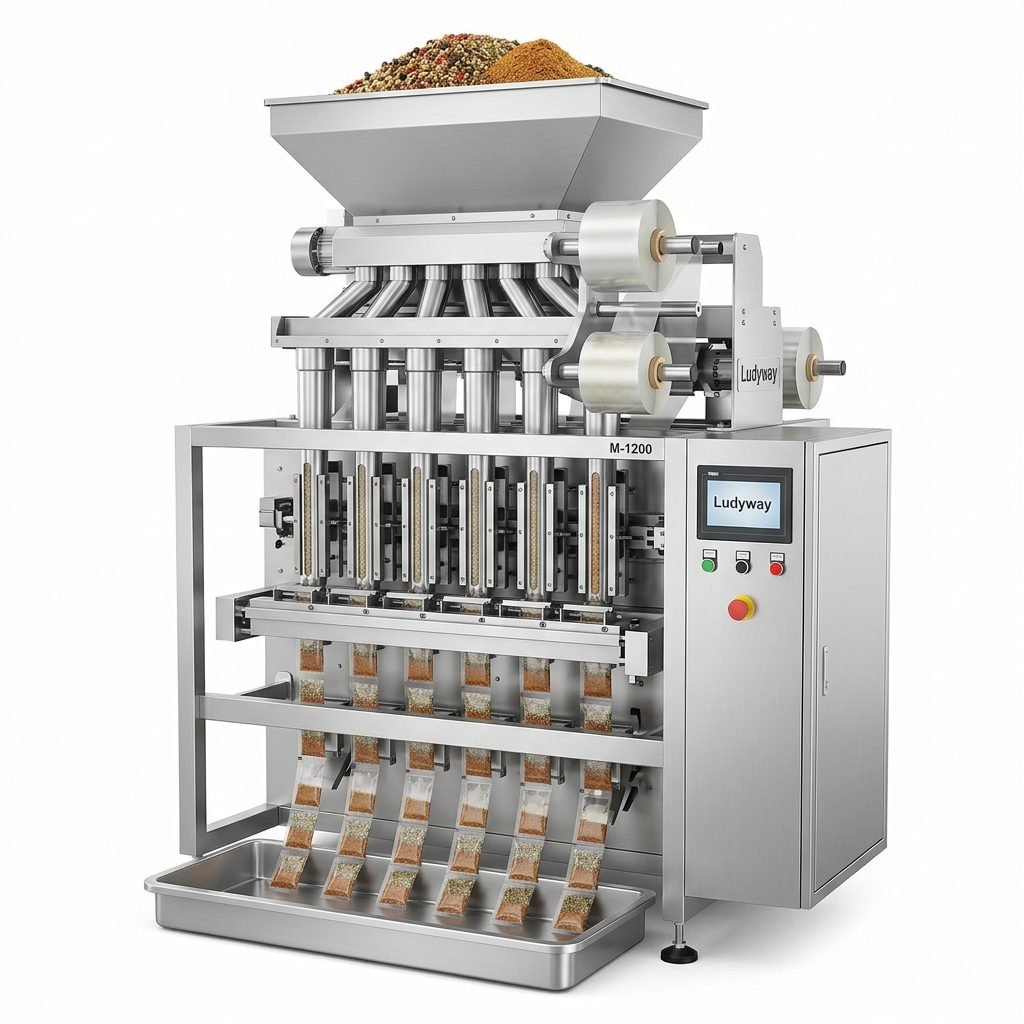
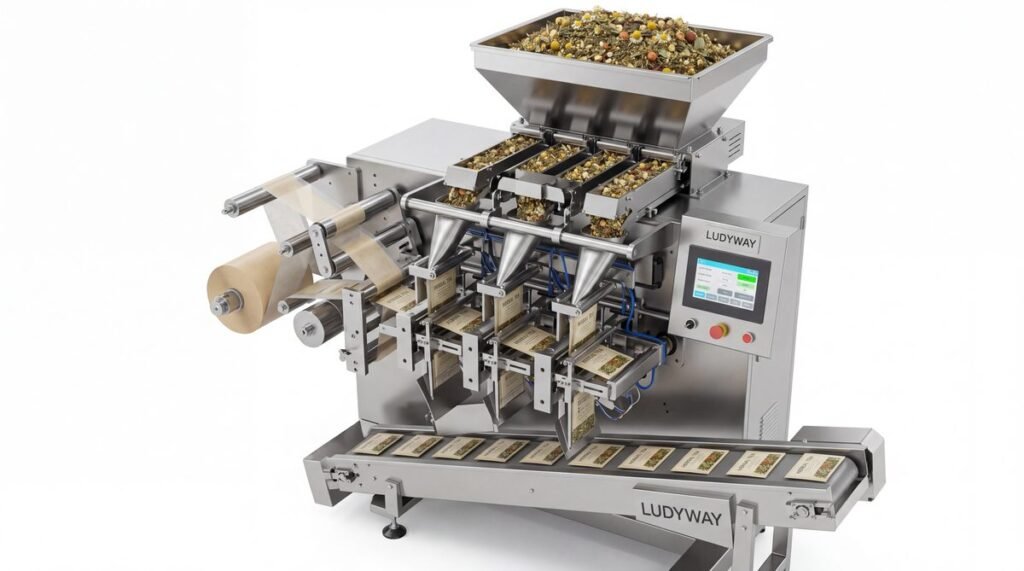
| Flow Wrapper / Sachet Machine | Forms, fills, and seals pillow packs or stick packs | Gas flushing capability for modified atmosphere packaging (MAP) |
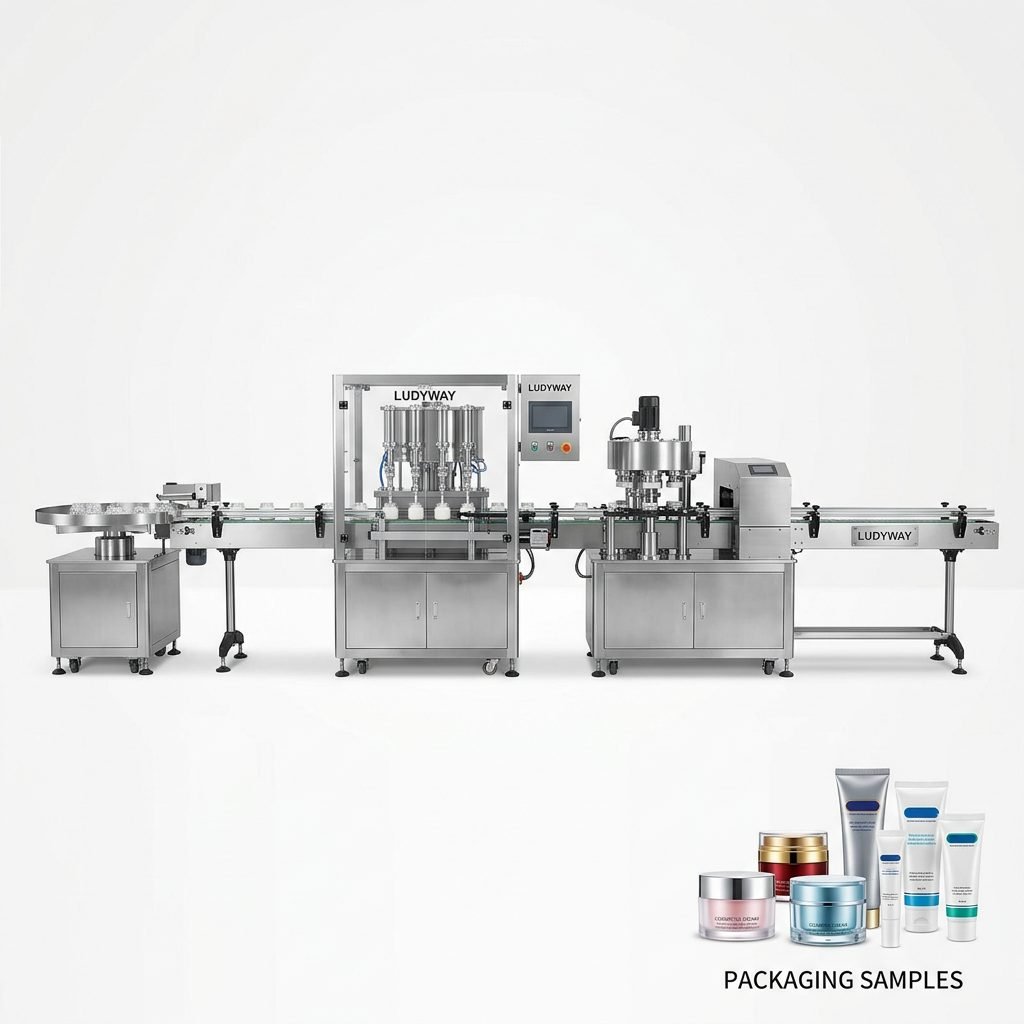
| Tub Filling & Sealing Line | Fills preformed cups and applies foil or plastic lids | Suitable for spreadable and whipped butter variants |
| Cartoning Machine | Secondary packaging into retail-ready boxes | Integration with Italian supermarket packaging standards |
Step 3: Logistics, Integration, and Facility Planning in Italy
Logistics in Italy present unique opportunities and challenges. Whether you’re located near Parma, a hub for food technology, or in the dairy-rich regions of Lombardy, your facility layout must support an efficient production flow.
Factory Floor Space and Electrical Requirements
High-speed butter packaging machinery requires a dust-free, temperature-controlled environment. Italian electrical standards operate at 400V three-phase, 50Hz. Ensure your supplier provides electrical cabinets compatible with these specifications without excessive reliance on transformers.
Installation and CE Documentation
Upon importing machinery, the Documentation of Conformity and the Italian language user manual are mandatory for safety inspections. It is recommended to work with manufacturers who have experience handling international logistics to Mediterranean ports and can coordinate with local Italian technicians for installation.
Step 4: Training, Technical Support, and Maintenance
Even the most advanced line is only as good as the team operating it. Comprehensive training minimizes downtime and ensures consistent product quality.
- Operator Training: Structured on-site training covering thermoforming temperature control, film tension adjustment, and CIP (Clean-in-Place) protocols is essential for dairy applications.
- Preventive Maintenance Schedule: A detailed maintenance contract covering wear parts like sealing jaws and gaskets prevents unexpected line stoppages during peak holiday production periods.
- Remote Troubleshooting: Modern Industrial IoT capabilities allow engineers to connect directly to the PLC to resolve software issues quickly, which is vital for international technology transfers.
Step 5: Ensuring Long-Term Scalability
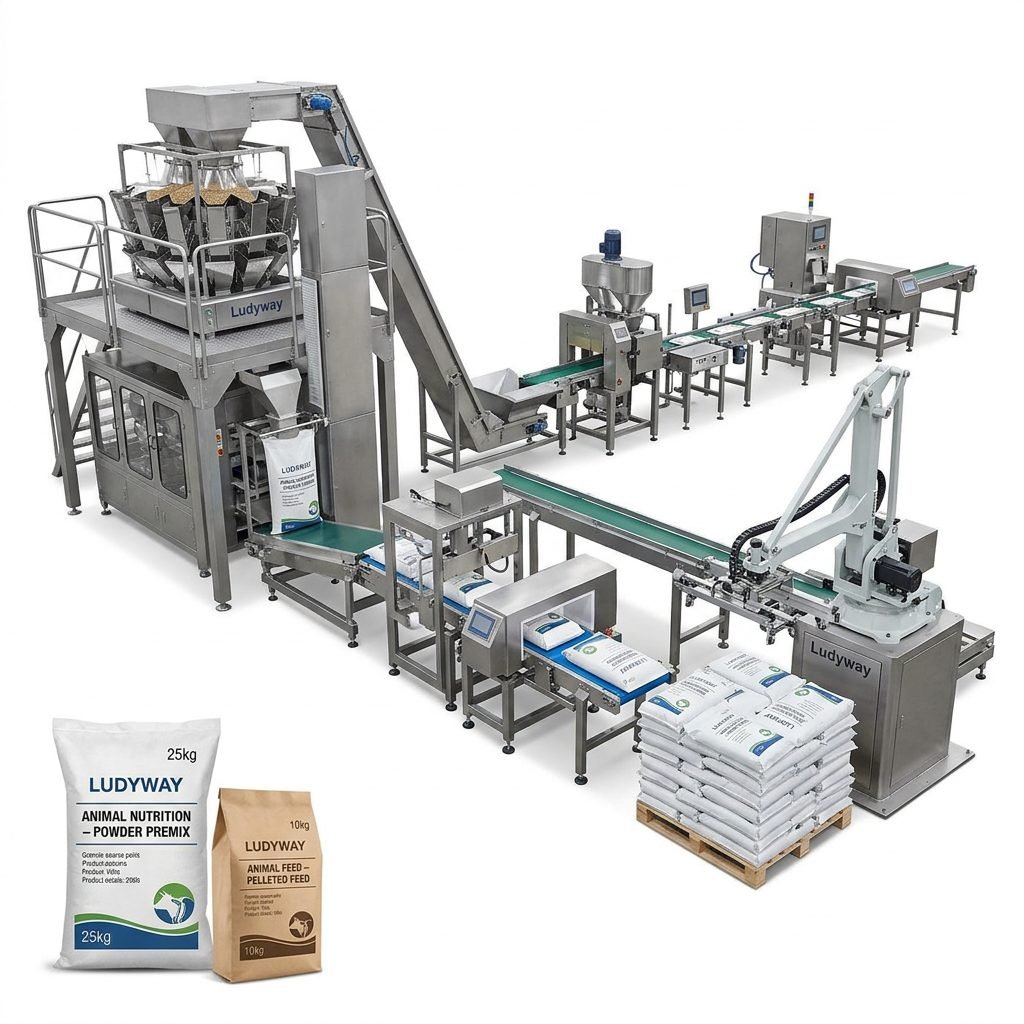
Your initial installation should support future growth. Look for a modular machine frame that allows you to add additional lanes, install a checkweigher, or integrate automated case packing later. For a comprehensive setup of such systems, many Italian producers eventually turn to experienced packaging machine manufacturers. For instance, Ludyway, with its extensive range of turnkey packaging solutions, provides scalable machinery designed to meet international compliance, including the specific needs of the European market.
| Scalability Feature | Benefit for Italian Butter Producers |
|---|---|
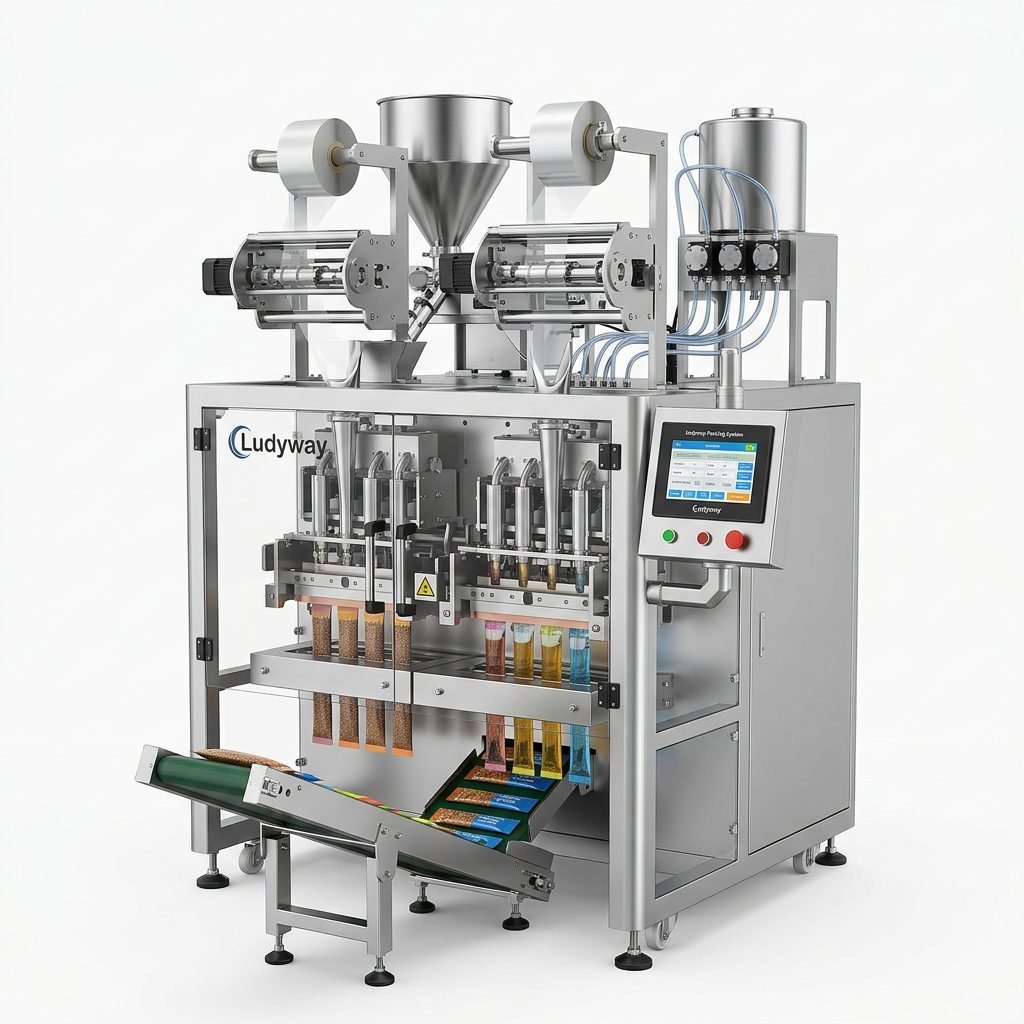
| Multi-Lane Technology | Start with 4 lanes and double capacity to 8-10 lanes within the same footprint |
| Servo-Driven Controls | Quick format changeovers between butter block sizes and mini portions |
| Traceability Software | Essential for EU batch tracking and recall readiness |
Common Pitfalls to Avoid
When setting up a line in Italy, avoid underestimating the importance of local after-sales support. While machinery might be manufactured globally, having a local technician or partner fluent in Italian can reduce resolution time on technical issues from days to hours. Also, rigorously test the packaging film’s barrier properties against Italian consumer expectations for freshness and the distinct yellow hue of high-quality butter.
For further insights into global production trends impacting the dairy sector, you can review the State of the Industry Reports from PMMI or explore EU-specific packaging waste regulations on the European Commission’s packaging waste page.