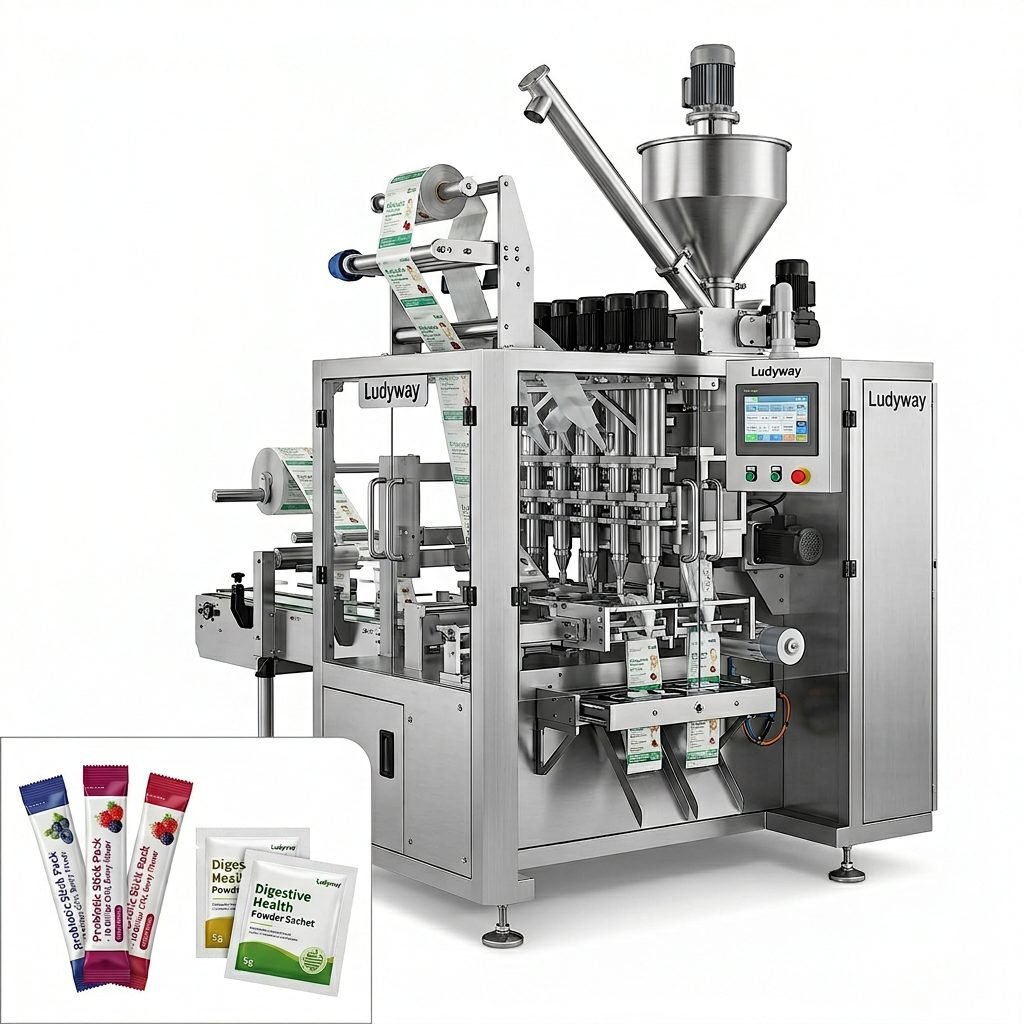
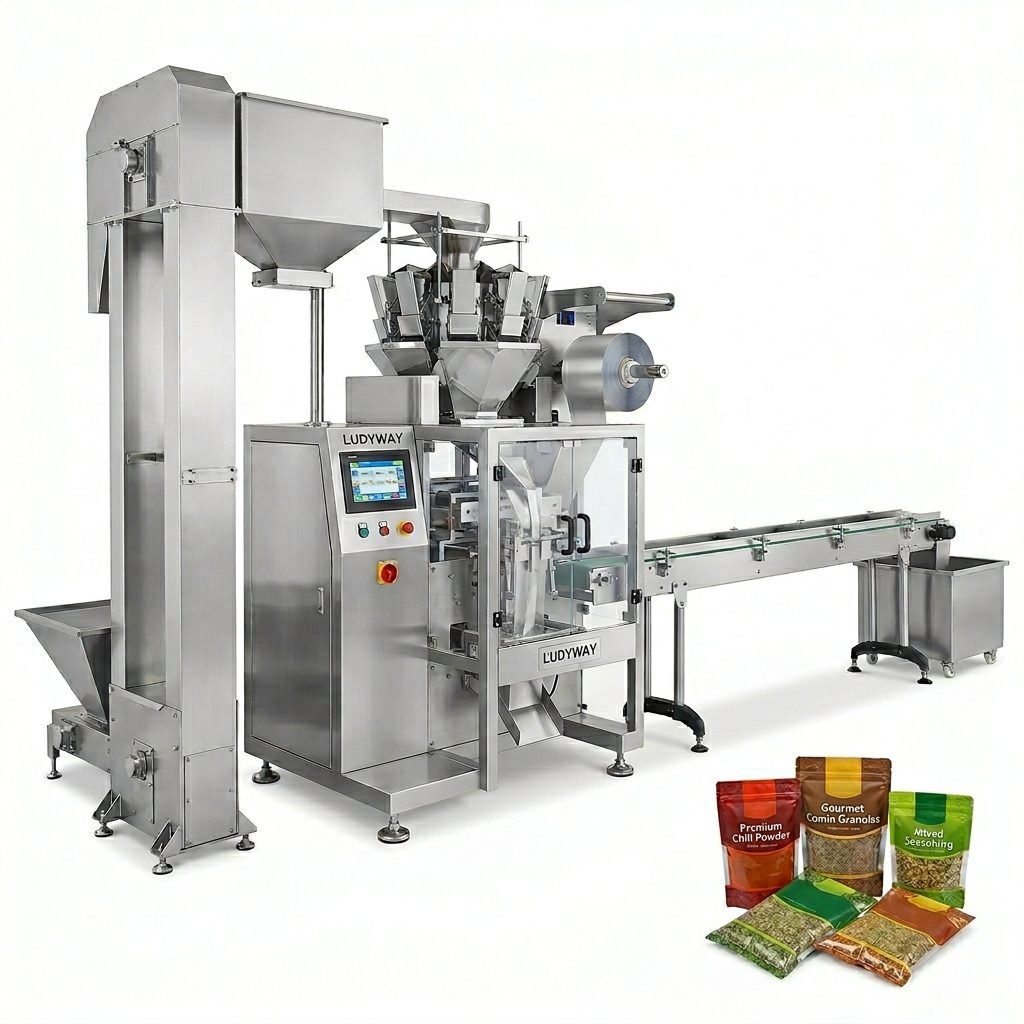
Setting up a cereal packaging machine production line in Europe requires careful planning, adherence to strict regulatory standards, and selection of the right equipment. Whether you are launching a new breakfast cereal brand or expanding an existing facility, understanding the full scope of line integration is critical. This guide walks you through every step of the process, from initial layout design to full-scale operation.
Understanding the European Cereal Packaging Landscape
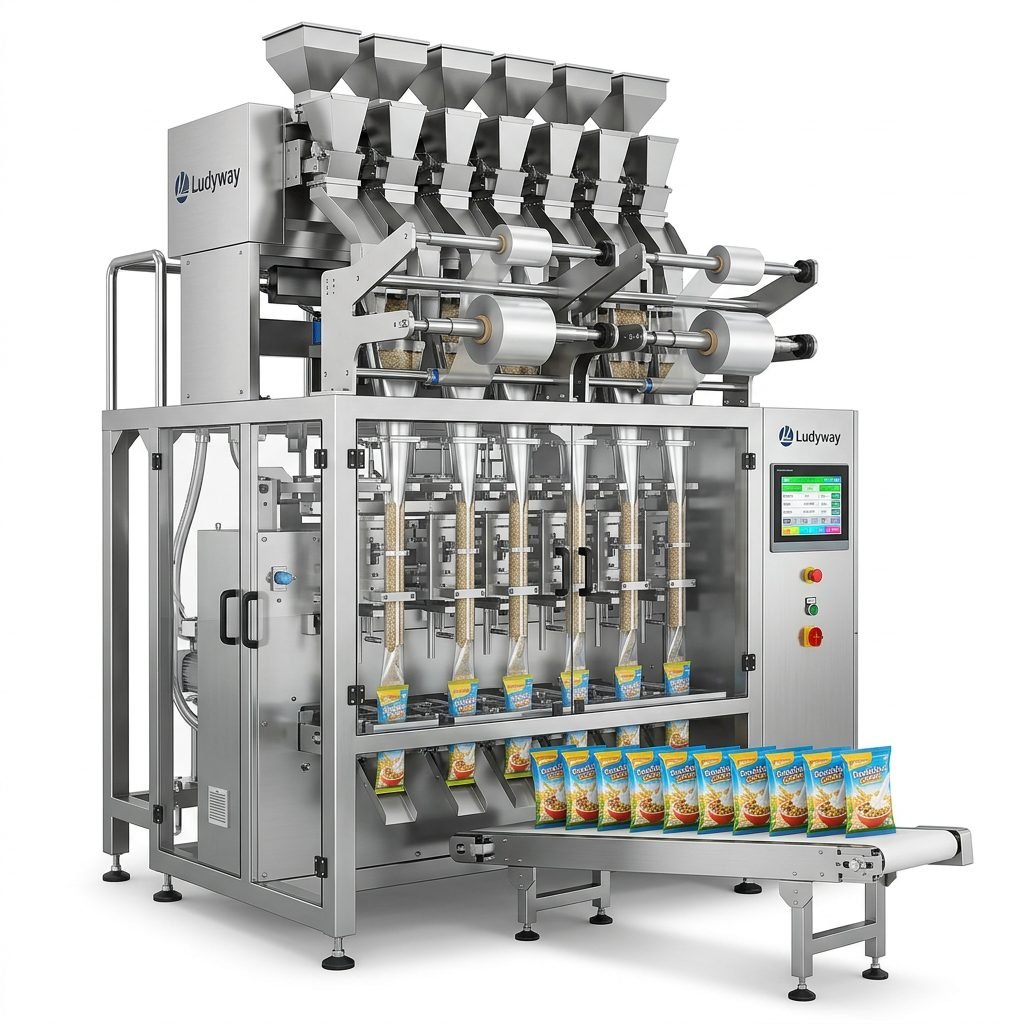
The European market for packaged cereals demands high-speed, flexible, and hygienic production lines. Consumer preferences shift rapidly between traditional boxed cereals, granola, muesli, and convenient single-serve stick packs.
Modern production lines must handle multiple packaging formats including sachets, stick packs, pillow bags, and stand-up pouches. This versatility allows manufacturers to target retail, food service, and e-commerce channels simultaneously. According to the Flexible Packaging Association’s industry resources, flexible formats continue to gain market share across Europe.
The core of any successful setup lies in integrating equipment that can process various granule and powder consistencies—from delicate clusters to fine oatmeal powders—without compromising speed or seal integrity.
Step-by-Step Production Line Planning
1. Facility Assessment and Layout Design
Begin by evaluating your factory floor space, ceiling height, and utility connections. A cereal packaging line typically requires zones for material feeding, primary packaging, secondary cartoning, and end-of-line palletizing. Efficient material flow minimizes cross-contamination risks, which is essential for allergen management in cereal processing.
Key considerations include:
- Dust extraction systems for fine powder handling
- Climate control for humidity-sensitive cereals
- Cleanable floor surfaces and drainage
- Separation of raw material intake from finished product areas
2. Selecting the Right Packaging Machinery
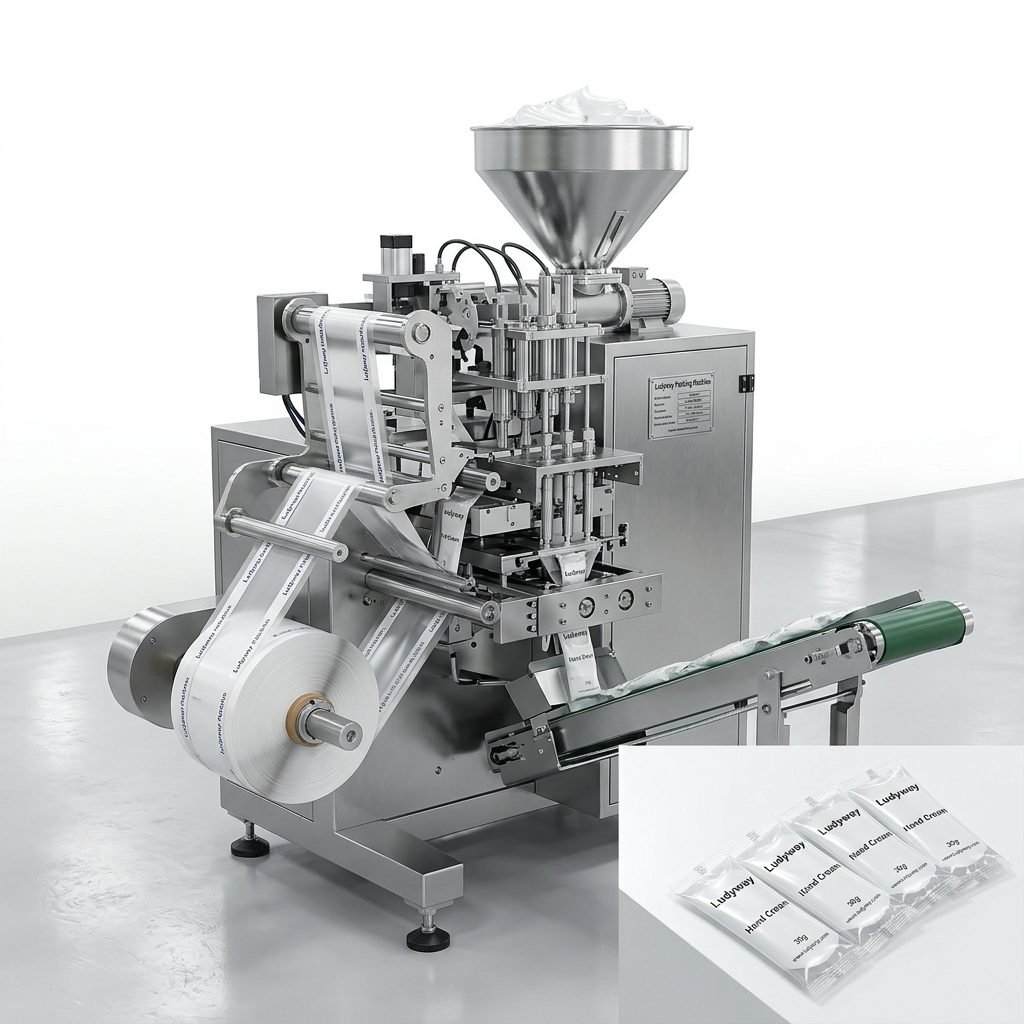
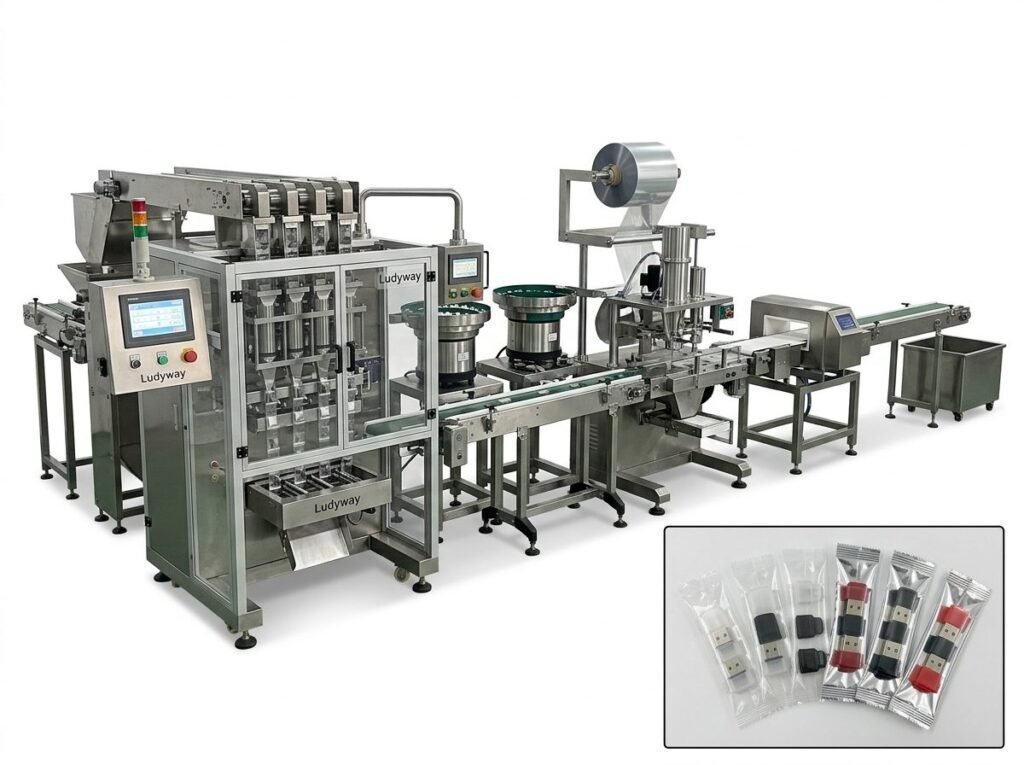
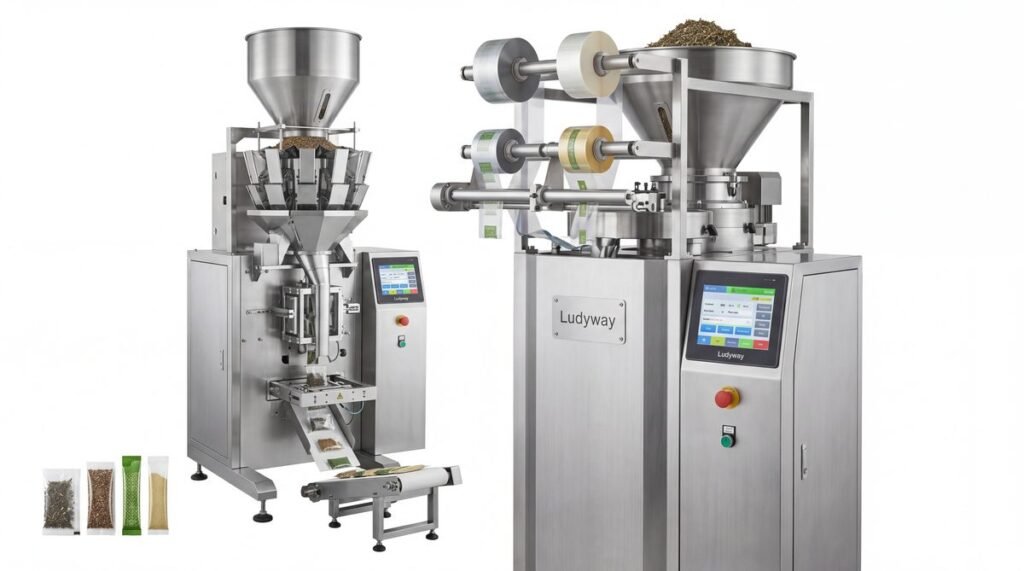
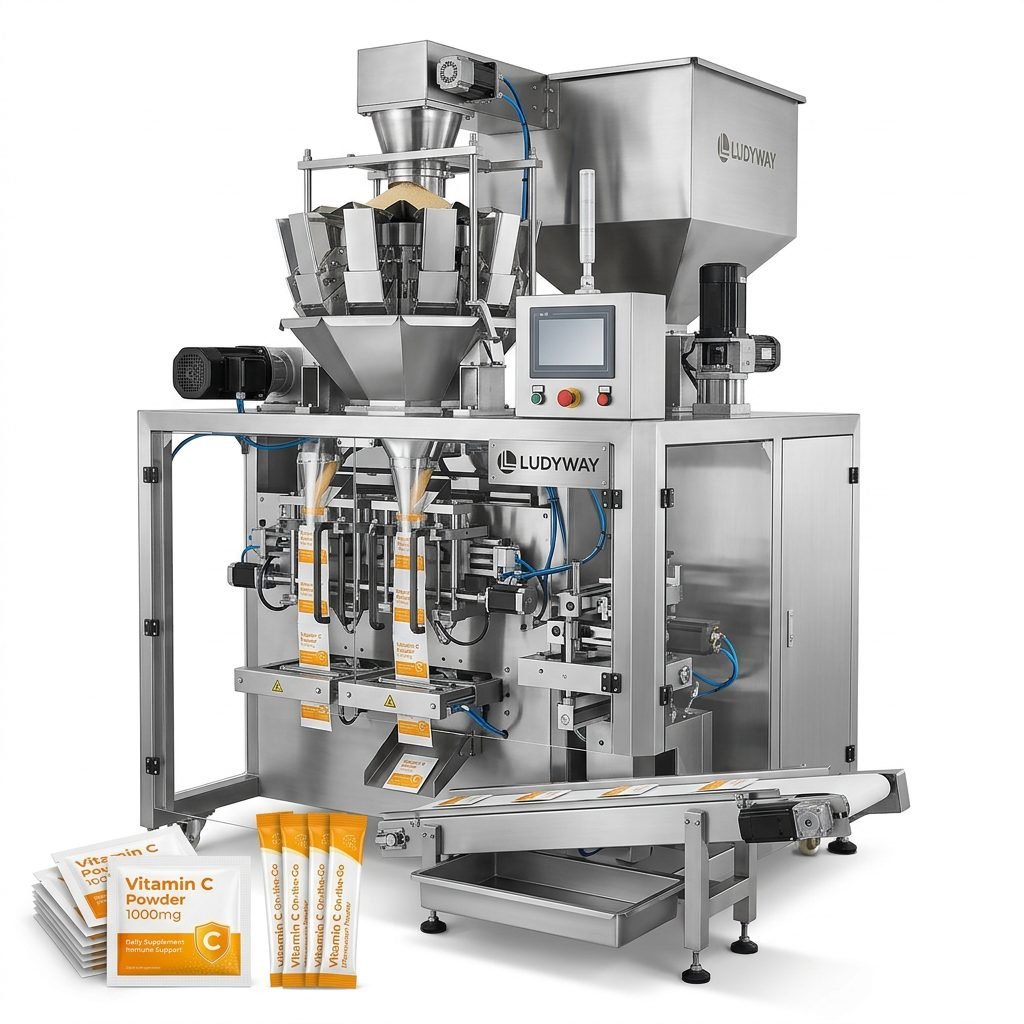
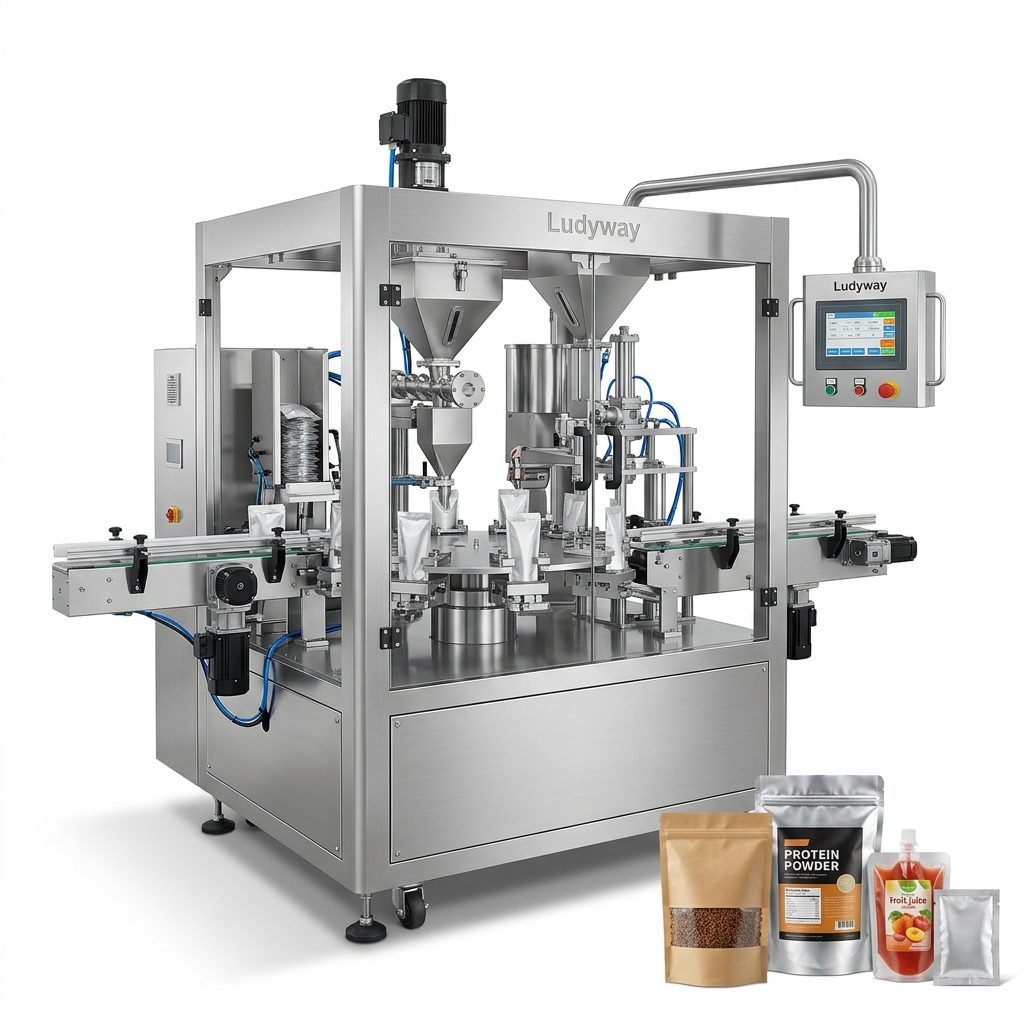
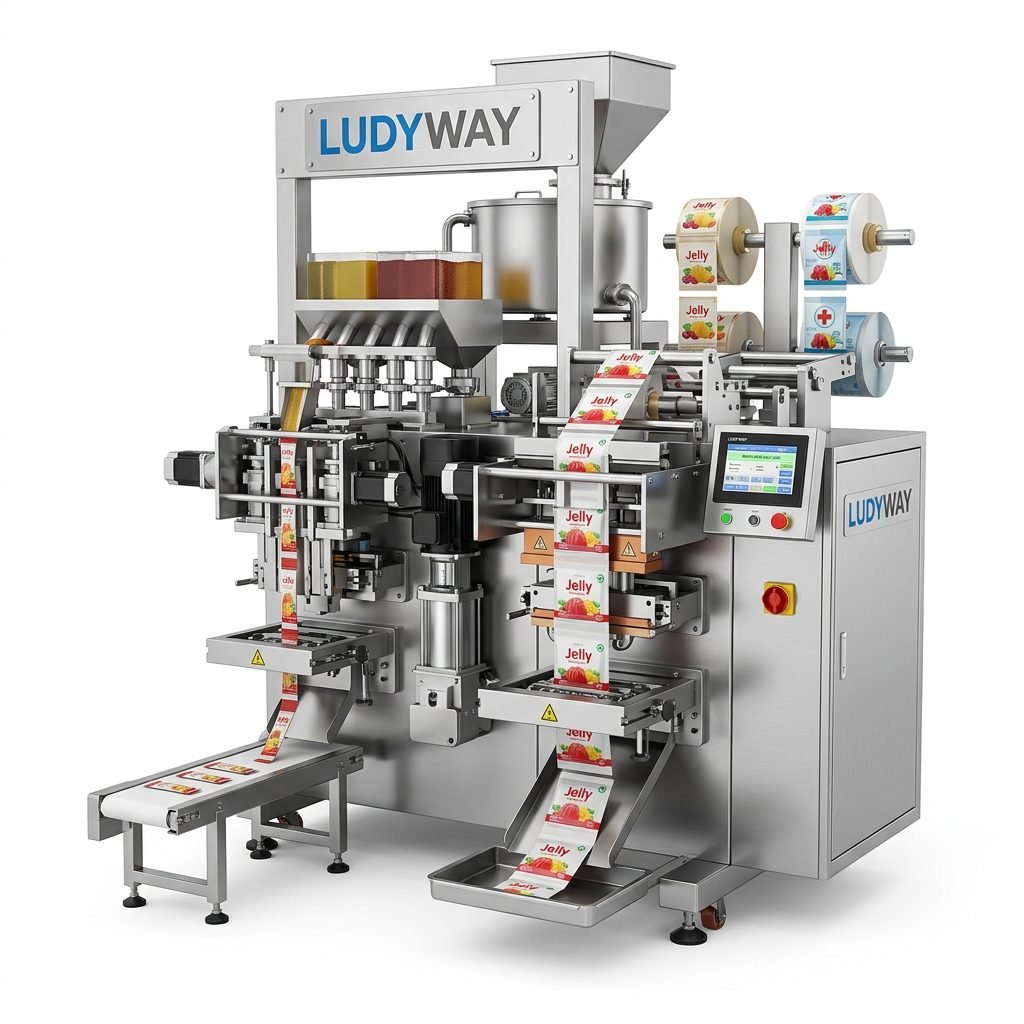
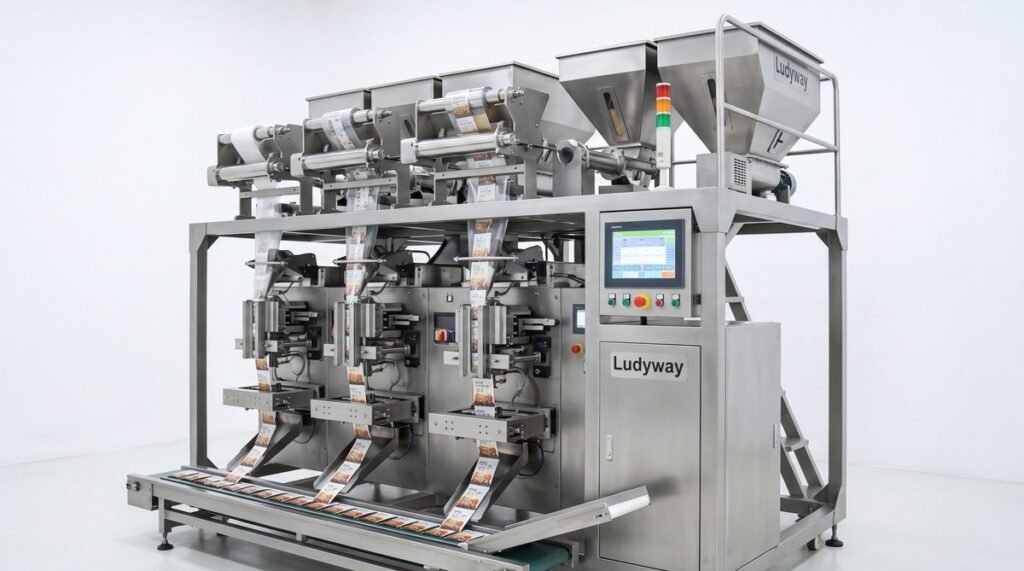
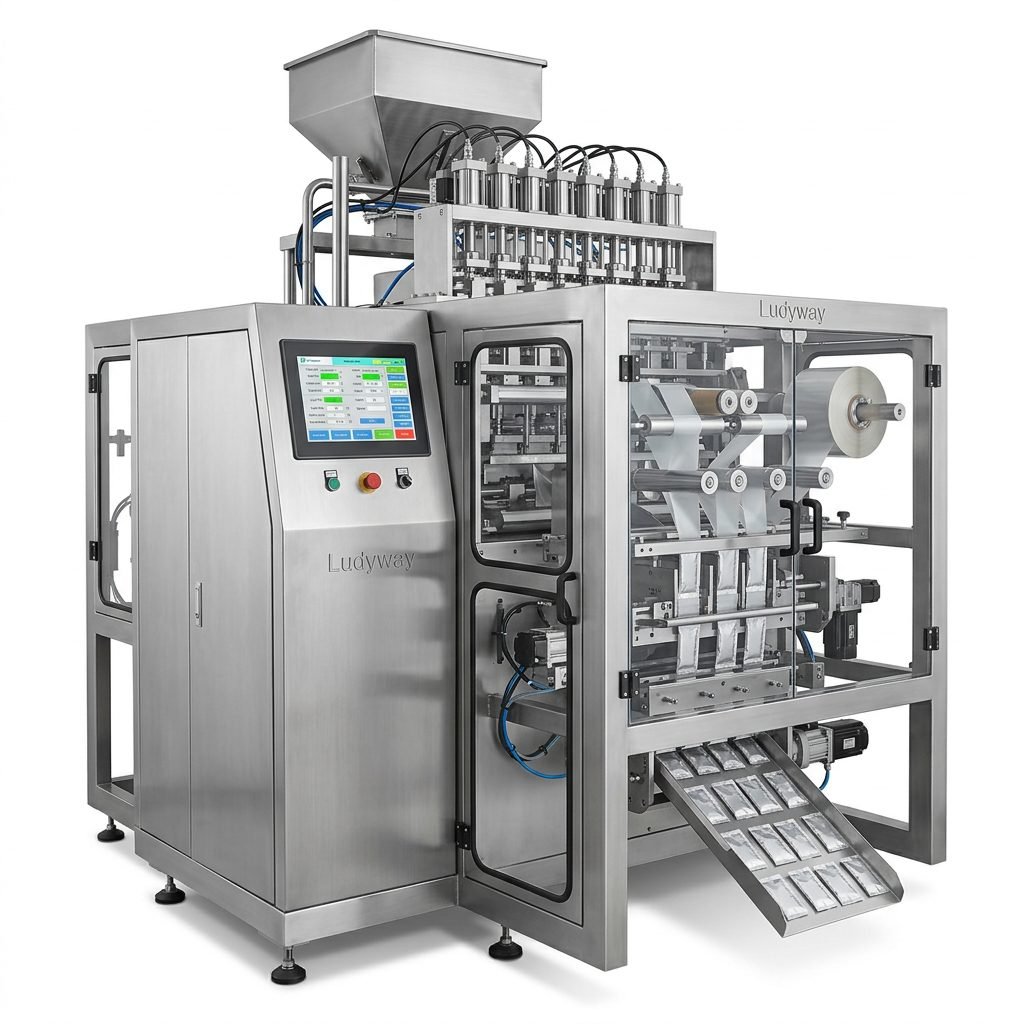
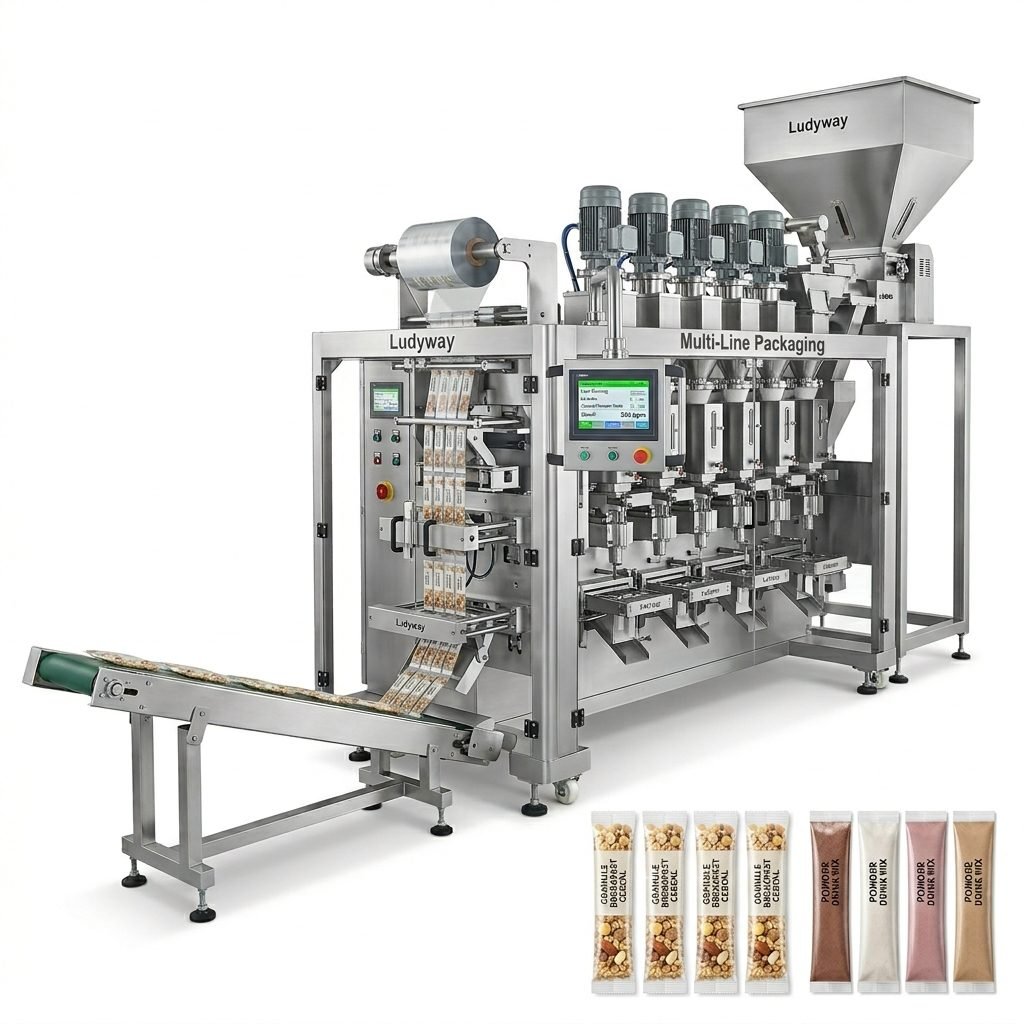
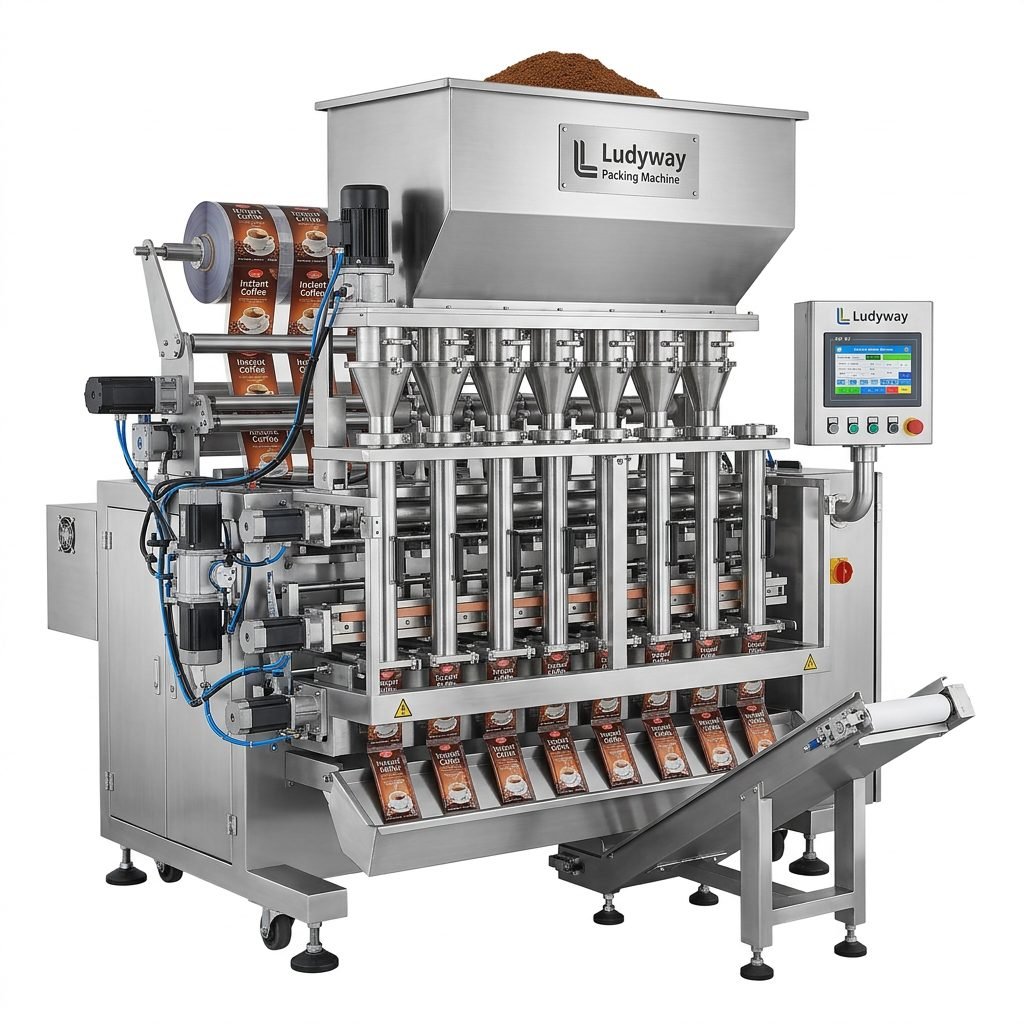
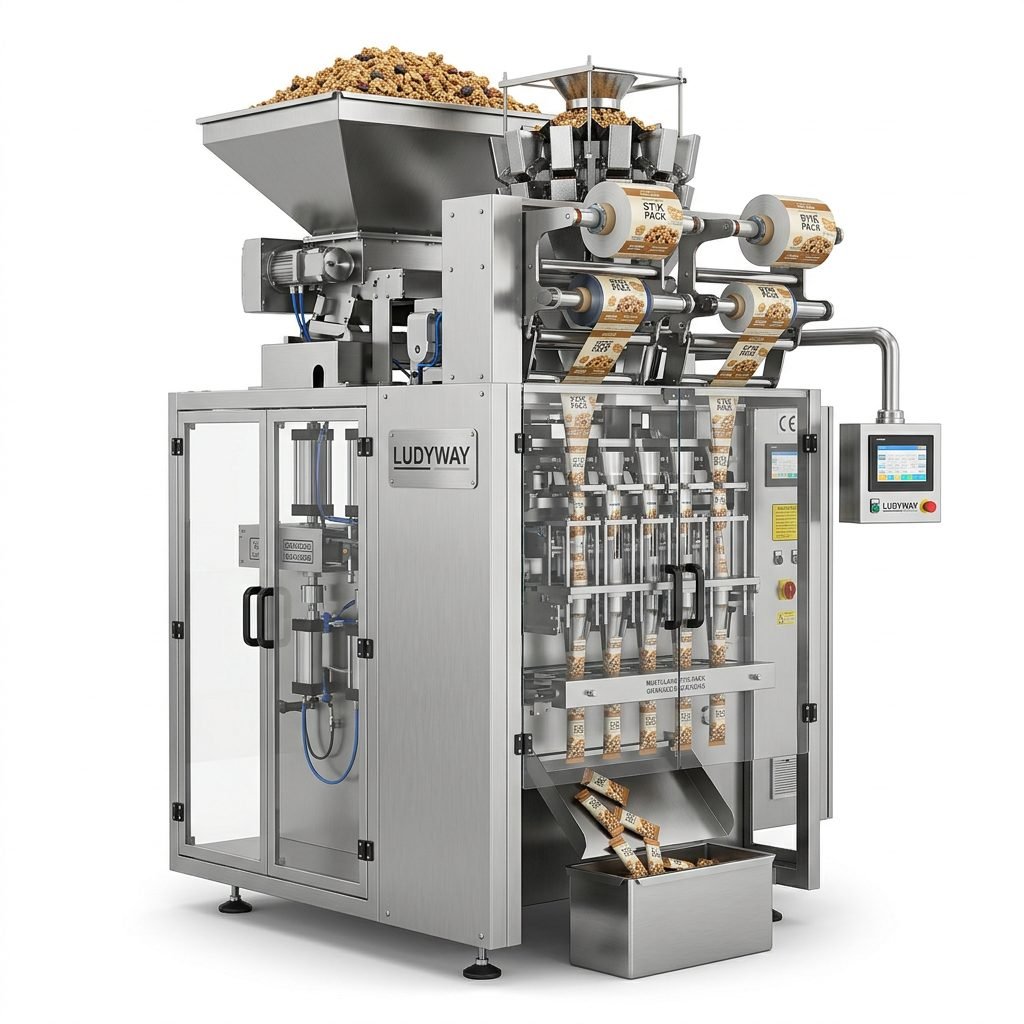
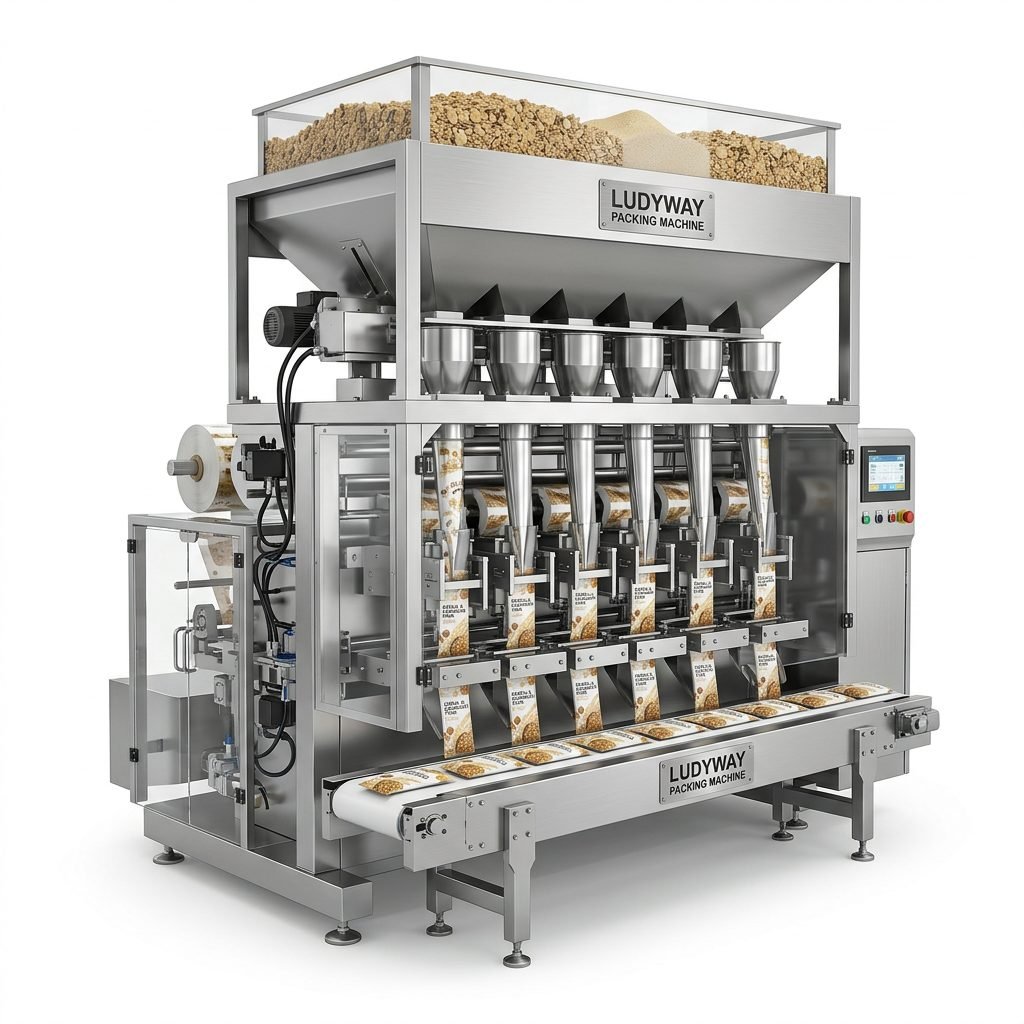
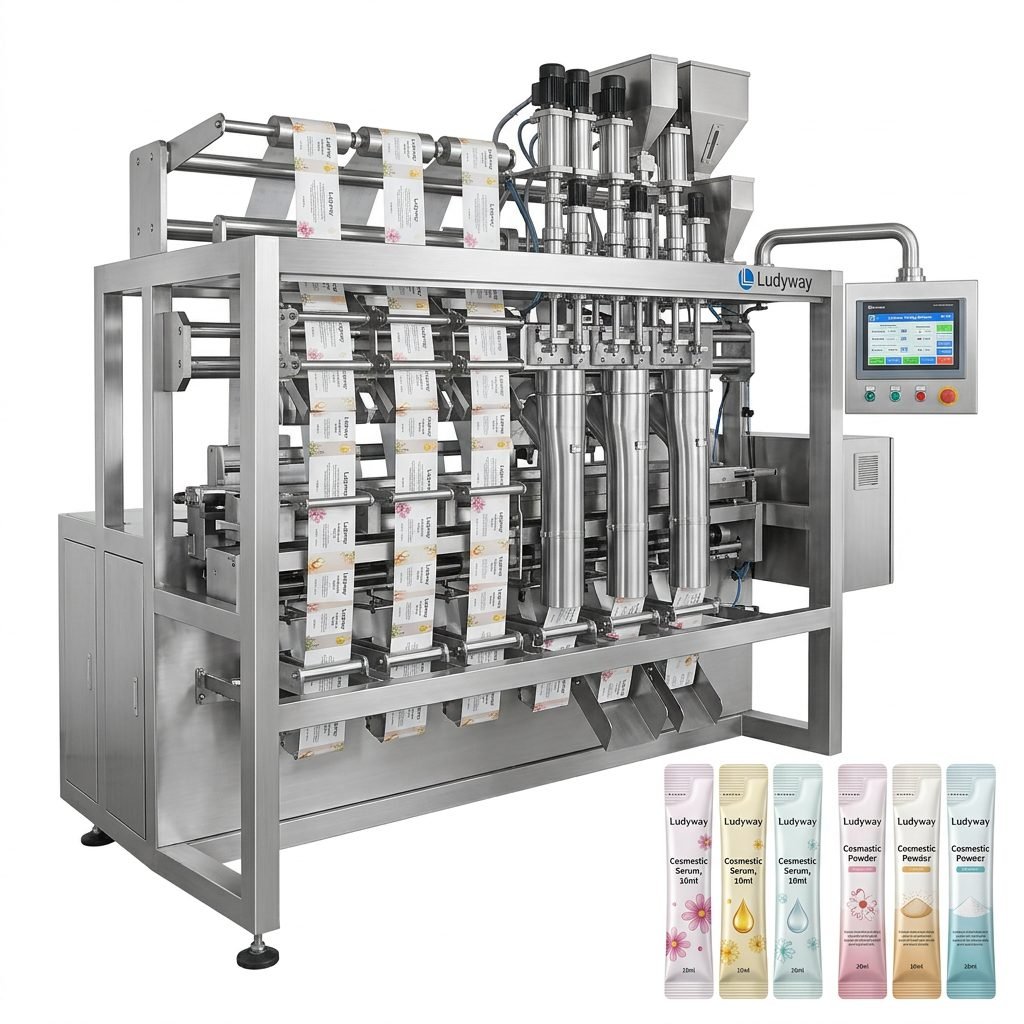
The heart of your production line is the packaging machine itself. For European cereal manufacturers, multi-lane stick pack and sachet machines offer unmatched flexibility. These systems can produce high volumes of single-serve portions that are increasingly popular in the convenience and on-the-go breakfast segments.
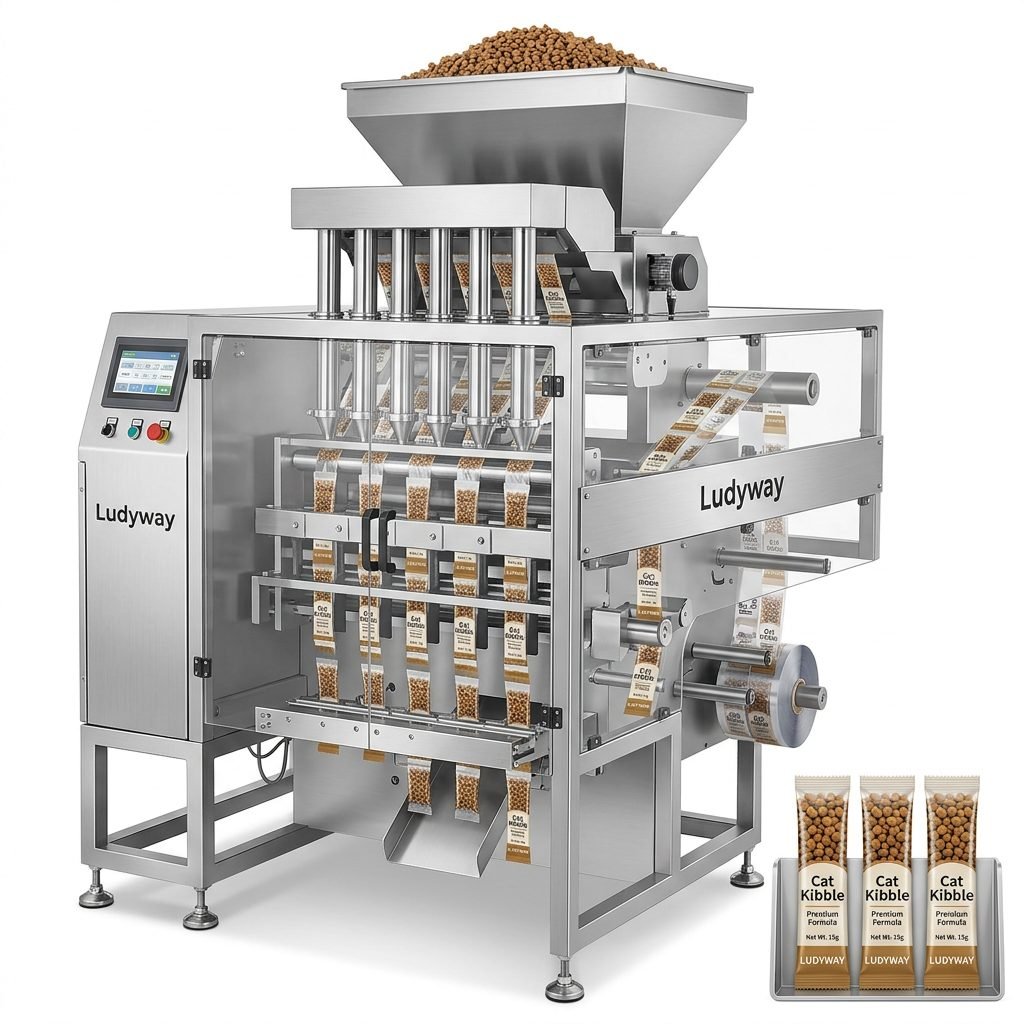
When evaluating equipment, assess the following specifications:
| Machine Specification | Importance for Cereal Production |
|---|---|
| Multi-Lane Capability (4-12 lanes) | Enables high output for stick pack and sachet formats |
| Precision Auger or Volumetric Fillers | Ensures accurate portion control for granola and powder blends |
| Nitrogen Flushing Capability | Extends shelf life of oxygen-sensitive ingredients like nuts and seeds |
| Servo-Driven Sealing Jaws | Provides consistent seal integrity at high speeds |
| Quick-Change Format Parts | Reduces downtime when switching between product SKUs |
For businesses seeking turnkey solutions, working with an experienced packaging equipment manufacturer simplifies integration. Ludyway is one of the largest packaging machine manufacturers globally, offering over 50 intelligent packaging machine models specifically designed for granule, powder, and stick pack applications. Their systems are engineered for high efficiency and reliability in demanding production environments.
3. Compliance with European Regulations
All cereal packaging machinery operating in Europe must comply with EU machinery directives, food contact material regulations, and CE marking requirements. Additionally, packaging materials must meet standards set by the FDA food packaging guidelines where applicable for export markets.
Critical regulatory areas include:
- EC Regulation 1935/2004 on materials intended to come into contact with food
- EU Directive 2006/42/EC on machinery safety
- EN 415 series standards for packaging machine safety
- Compliance with the European Commission packaging and packaging waste regulations
Integrating Auxiliary Equipment
A complete cereal packaging line extends beyond the primary filling machine. Seamless integration of upstream and downstream equipment determines overall line efficiency.
Feeding and Conveying Systems
Bucket elevators, vacuum feeders, and inclined conveyors transport raw cereal from bulk storage to the packaging machine hoppers. For fragile cereal clusters, Z-type bucket elevators with gentle handling minimize product breakage. Accurate feeding ensures consistent fill weights and reduces product giveaway.
Refer to ISO packaging standards for guidance on equipment interfaces and material handling best practices that align with international quality benchmarks.
Inspection and Quality Control
Inline checkweighers and metal detectors are non-negotiable components for European cereal producers. These systems verify fill weight accuracy and detect foreign contaminants before products reach consumers. Vision inspection systems can also validate print quality on date codes and barcodes, aligning with traceability requirements.
Secondary and End-of-Line Automation
Once cereal sachets or stick packs are formed, filled, and sealed, they proceed to cartoning machines, case packers, and palletizing systems. Automating these stages reduces labor costs and improves throughput consistency. Modern robotic palletizers offer flexibility to handle multiple SKUs on the same line without manual changeovers.
Training and Workforce Development
Investing in operator training is essential for maintaining line performance. Training programs should cover machine setup, troubleshooting, cleaning procedures, and safety protocols. Well-trained personnel can reduce unplanned downtime by quickly diagnosing and resolving common issues.
Key Training Areas:
- Machine startup and shutdown sequences
- Format changeover procedures for different cereal types
- Daily and weekly preventive maintenance tasks
- Hygienic cleaning and sanitation practices
- Emergency stop and safety system verification
Maintenance and Spare Parts Strategy
A proactive preventive maintenance schedule extends equipment life and prevents costly breakdowns. Maintain an inventory of critical spare parts including sealing jaws, belts, sensors, and filler components. Partner with your machinery supplier to establish service level agreements and remote support options.
Cost Considerations and ROI Analysis
Setting up a cereal packaging line in Europe involves capital expenditure across several categories. Understanding these costs helps in building a realistic budget and calculating payback periods.
| Cost Category | Typical Range (EUR) | Notes |
|---|---|---|
| Primary Packaging Machine (Multi-Lane) | €80,000 – €250,000 | Depends on lane count and automation level |
| Feeding and Conveying Systems | €15,000 – €50,000 | Elevators, vacuum feeders, and hoppers |
| Inspection Equipment | €10,000 – €40,000 | Checkweighers, metal detectors, vision systems |
| Secondary Cartoning and Palletizing | €50,000 – €200,000 | Robotic or conventional systems |
| Installation, Training, and Validation | €20,000 – €60,000 | Includes IQ/OQ/PQ documentation |
For comprehensive ROI evaluation, the PMMI State of the Industry reports provide valuable benchmark data on packaging machinery investments and operational costs across different sectors.
Common Challenges and How to Solve Them
Product Breakage During Handling
Fragile cereal clusters can break when conveyed aggressively. Implement gentle handling solutions like low-angle conveyors and reduced transfer points. Consider vertical packaging machine configurations that minimize product drop distance.
Diproses Dust and Allergen Control
Fines generated during cereal processing pose cross-contamination risks. Install dedicated dust collection systems at transfer points and use enclosed conveyors wherever possible. Separate production lines for allergen-containing and allergen-free products to meet EU labeling requirements.
Seal Integrity on Fibrous Materials
Some cereal packaging films attract product dust in the seal area, compromising seal quality. Regular cleaning of sealing jaws and selecting films with anti-static properties help maintain consistent seal strength. Servo-driven jaw movement with adjustable dwell time optimizes sealing parameters for different film structures.
Future-Proofing Your Cereal Packaging Line
The flexible packaging industry continues to evolve rapidly. Investing in modular machinery allows for future upgrades without complete line replacement. Consider equipment that supports sustainable packaging materials like recyclable mono-material films and paper-based structures. European consumers increasingly demand eco-friendly packaging, and regulations like the EU Packaging and Packaging Waste Regulation are driving this shift.
Additionally, integration with Industry 4.0 capabilities—including remote monitoring, predictive maintenance, and production analytics—positions your operation for long-term competitiveness. The ability to collect and analyze production data enables continuous improvement and faster response to market changes.
Emerging Trends in Cereal Packaging:
- Portion-controlled stick packs for convenience formats
- Transparent windows on sachets and pouches for product visibility
- Resealable features for multi-serving packages
- Compostable and biodegradable material compatibility
- Digital printing for personalized and limited-edition packaging
Selecting a Reliable Packaging Partner
Choosing the right machinery partner is critical to the success of your European packaging operation. Look for manufacturers with proven experience in granule and powder applications, a strong global service network, and comprehensive after-sales support. The decision impacts not only initial equipment performance but also long-term operational stability.
Evaluate potential partners based on their ability to provide turnkey solutions, customization options, and technical documentation that meets European regulatory standards. Factory acceptance testing and on-site installation support are equally important factors to consider.

Final Thoughts on Cereal Packaging Line Setup
Setting up a cereal packaging machine production line in Europe is a significant undertaking that requires meticulous planning, regulatory awareness, and the right technology partner. By focusing on flexible equipment selection, regulatory compliance, comprehensive training, and robust maintenance programs, manufacturers can build lines that deliver consistent quality and high productivity for years to come.
The European cereal market continues to grow, driven by health-conscious consumers and demand for convenient breakfast solutions. A well-executed packaging line setup positions your business to capture this opportunity with efficient, reliable, and scalable production capabilities.