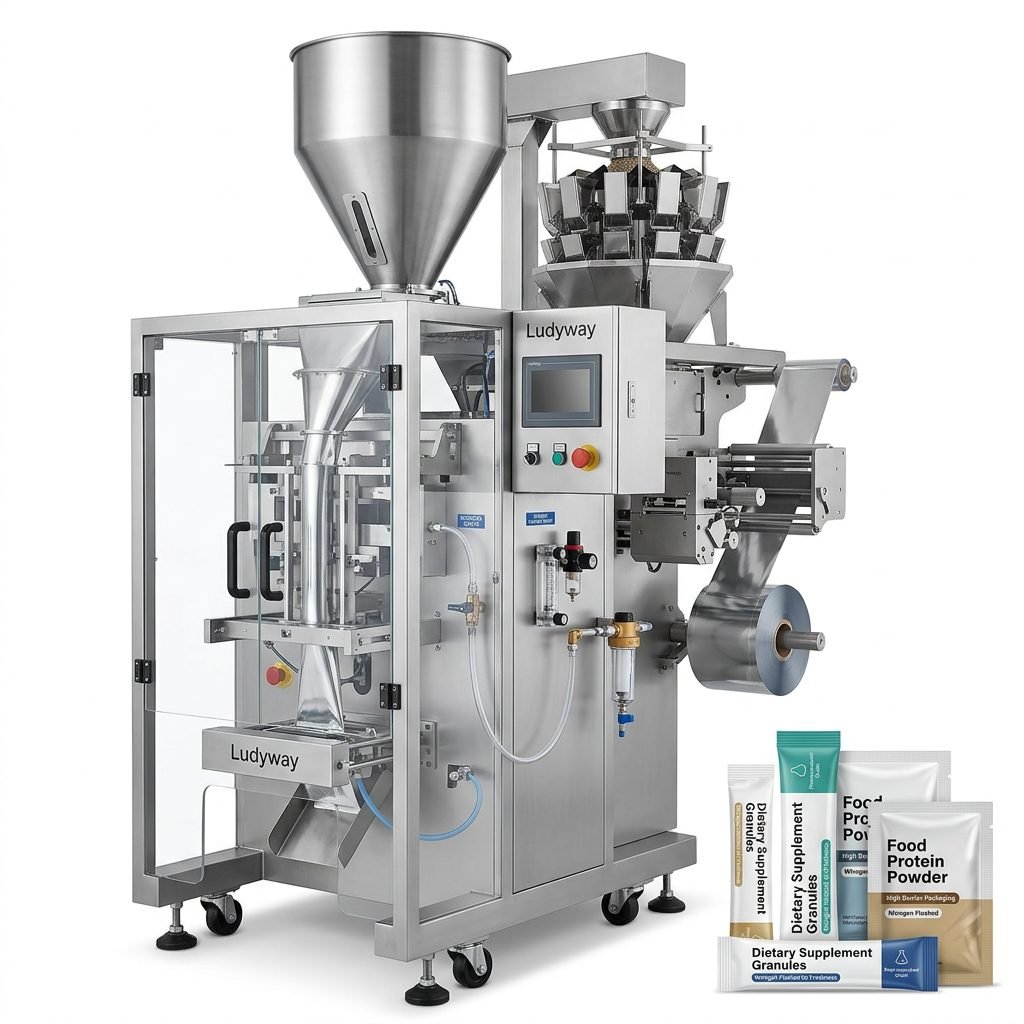
France represents one of Europe’s most dynamic and fast-growing markets for chocolate confectionery. From artisanal chocolatiers to large-scale industrial producers, the demand for high-quality, efficiently packaged chocolate bars is continuously increasing. Setting up an automated chocolate bar packaging machine production line in France requires careful planning that integrates local regulatory compliance, advanced machinery selection, and optimized factory layout design.
Understanding the French Chocolate Packaging Market
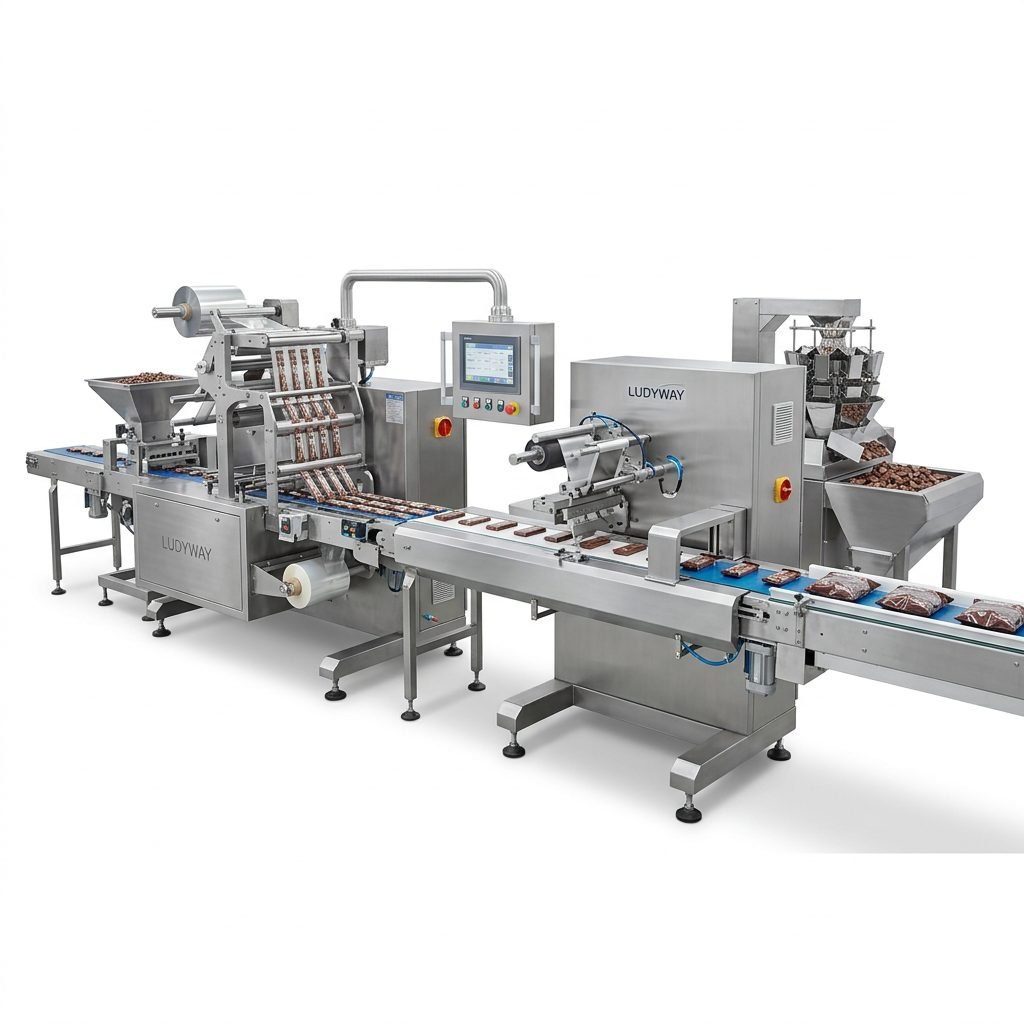
Before investing in equipment, it is essential to understand the specific characteristics of the French market. Consumers and retailers increasingly demand sustainable packaging solutions, precise portion control, and extended product shelf life. The French food industry is heavily regulated under both national and European packaging directives, which makes selecting compliant machinery a critical first step. A modern chocolate bar packaging machine production line must be capable of handling various formats, including flow wrapping, sachet packing, and multi-lane stick packs, while utilizing materials that align with France’s recycling and waste reduction roadmaps.
Key Pre-Installation Factors for a Chocolate Bar Packaging Machine Production Line
- CE Marking Compliance: All machinery installed in France must carry the CE marking, confirming conformity with EU health, safety, and environmental standards. Confirm that your chocolate bar packaging machine supplier provides full technical documentation.
- Food-Grade Materials: Machine surfaces that contact chocolate must use stainless steel SUS304 or 316L, with polished finishes to prevent residue buildup.
- Temperature and Humidity Control: Chocolate melts easily. A well-designed packaging line integrates cooling tunnels or air-conditioned enclosures to maintain optimal temperatures below 18°C in critical zones.
- Utility Requirements: Ensure your facility provides stable compressed air, electrical power (typically 380V/50Hz three-phase in France), and nitrogen flushing capability for extended shelf life.
Step-by-Step Setup of Your Production Line
Step 1: Define Production Capacity and Packaging Format
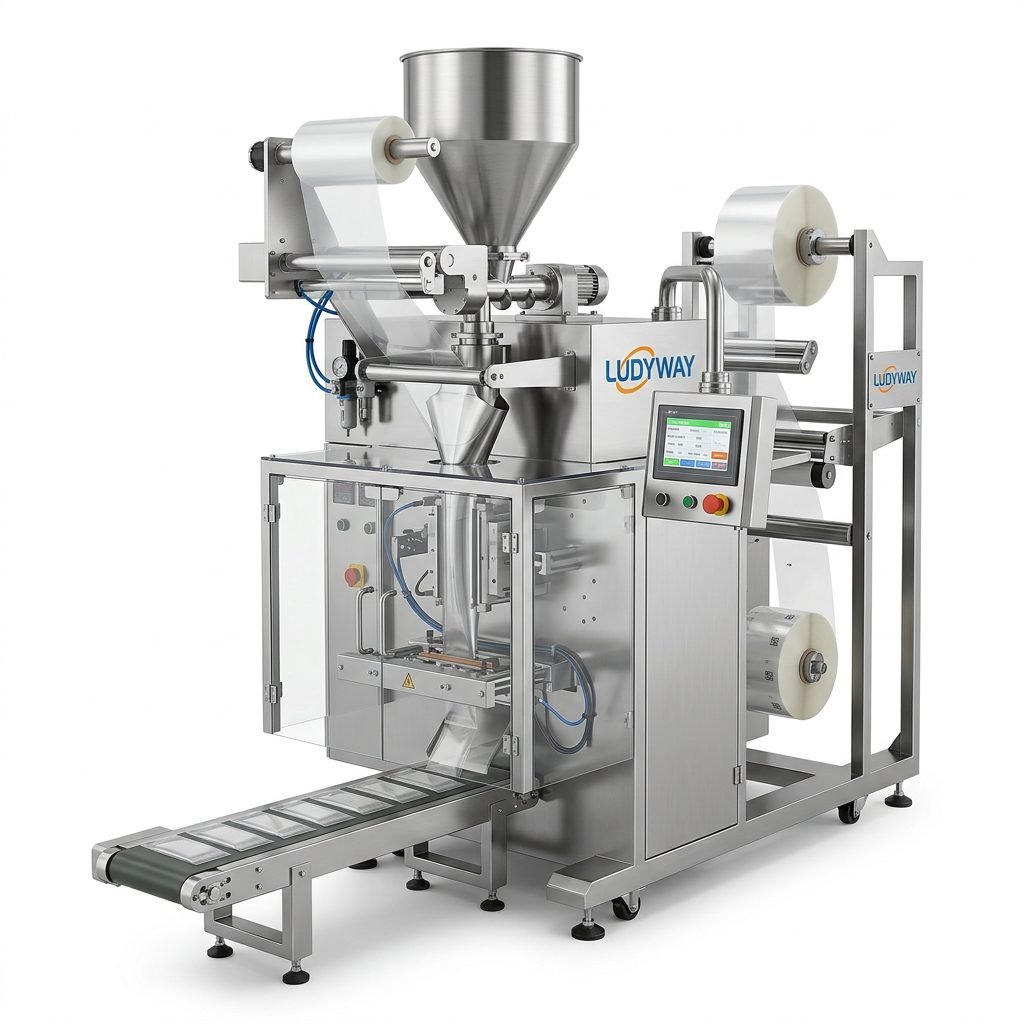
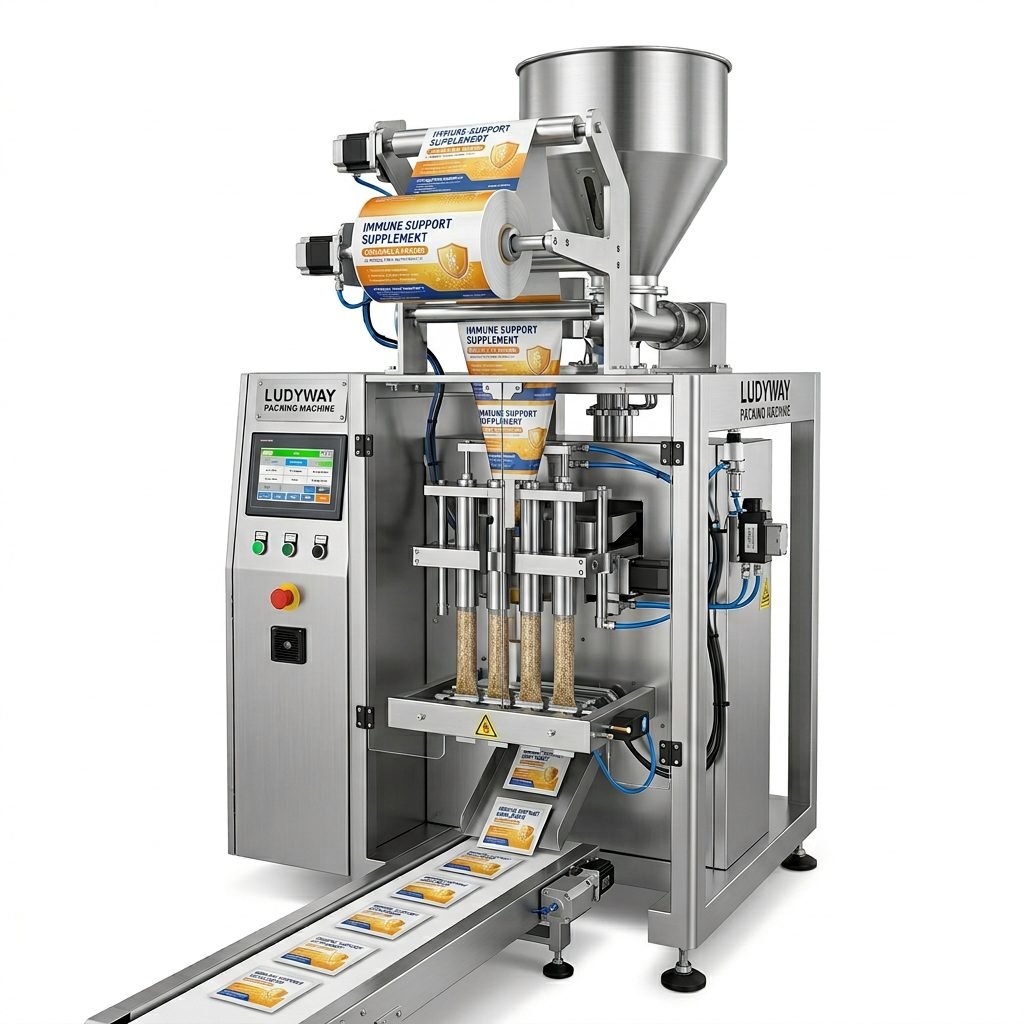
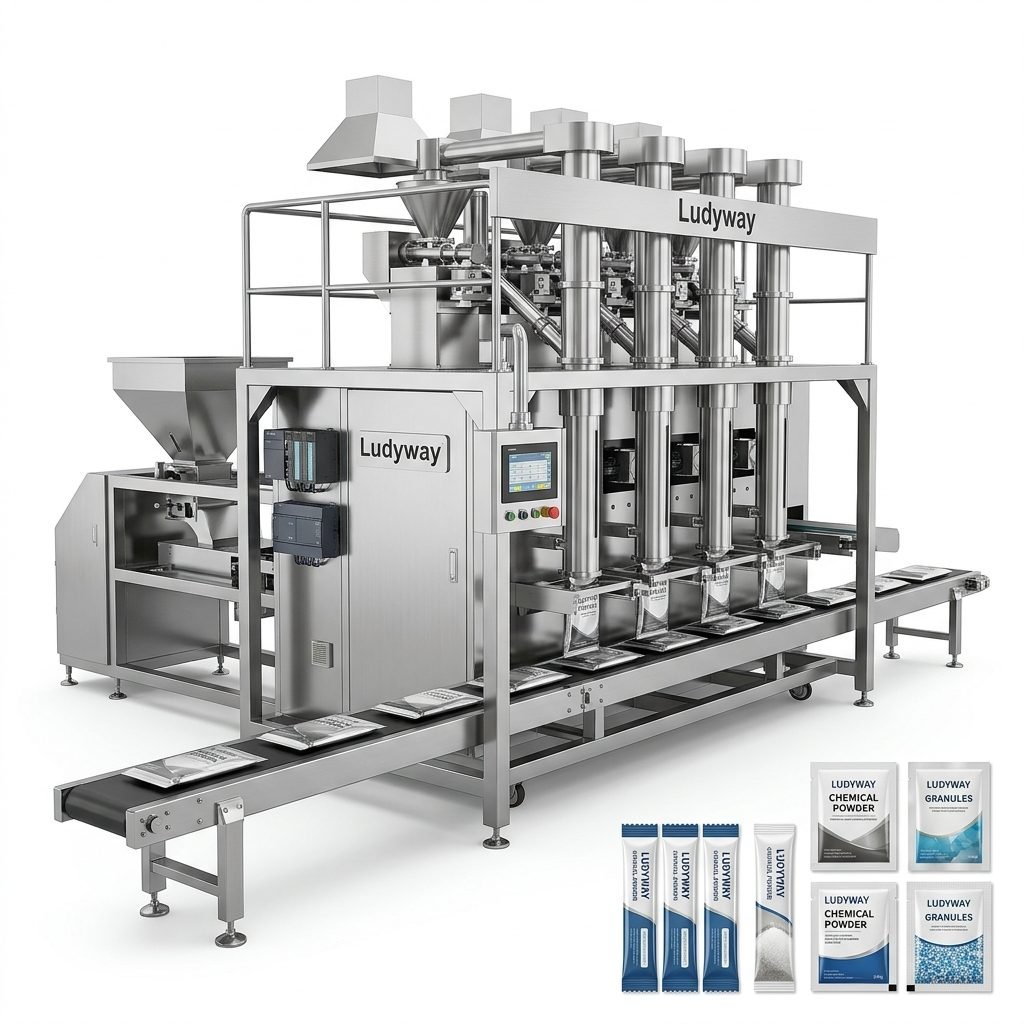
Determine your target output (packs per minute) and the type of primary packaging required. Common formats for chocolate bars in France include pillow packs, fin-seal flow wraps, and folder wraps. For smaller mini chocolate bars, multi-lane stick pack machines offer high-speed output that can reach up to 80 cycles per minute per lane. This decision drives the entire layout of your chocolate bar packaging machine production line.
Step 2: Select the Core Packaging Machine
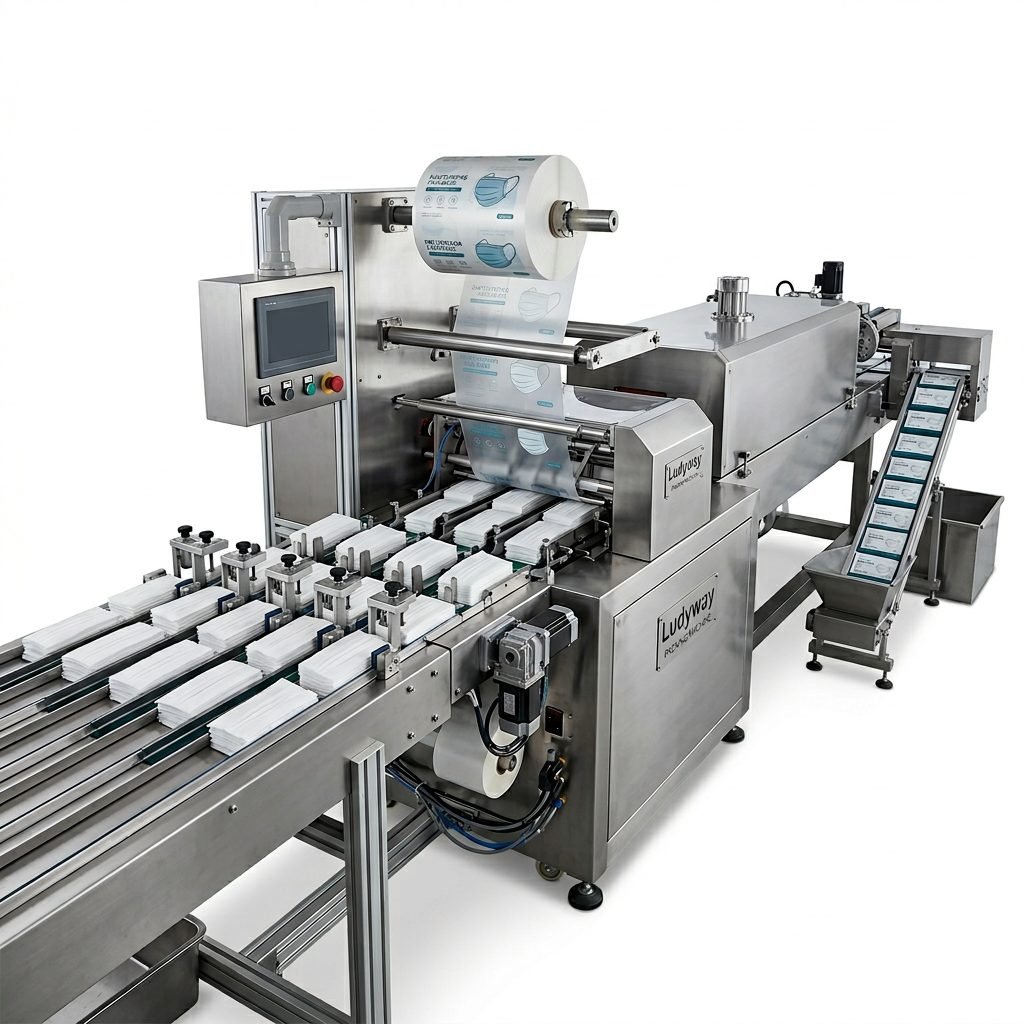
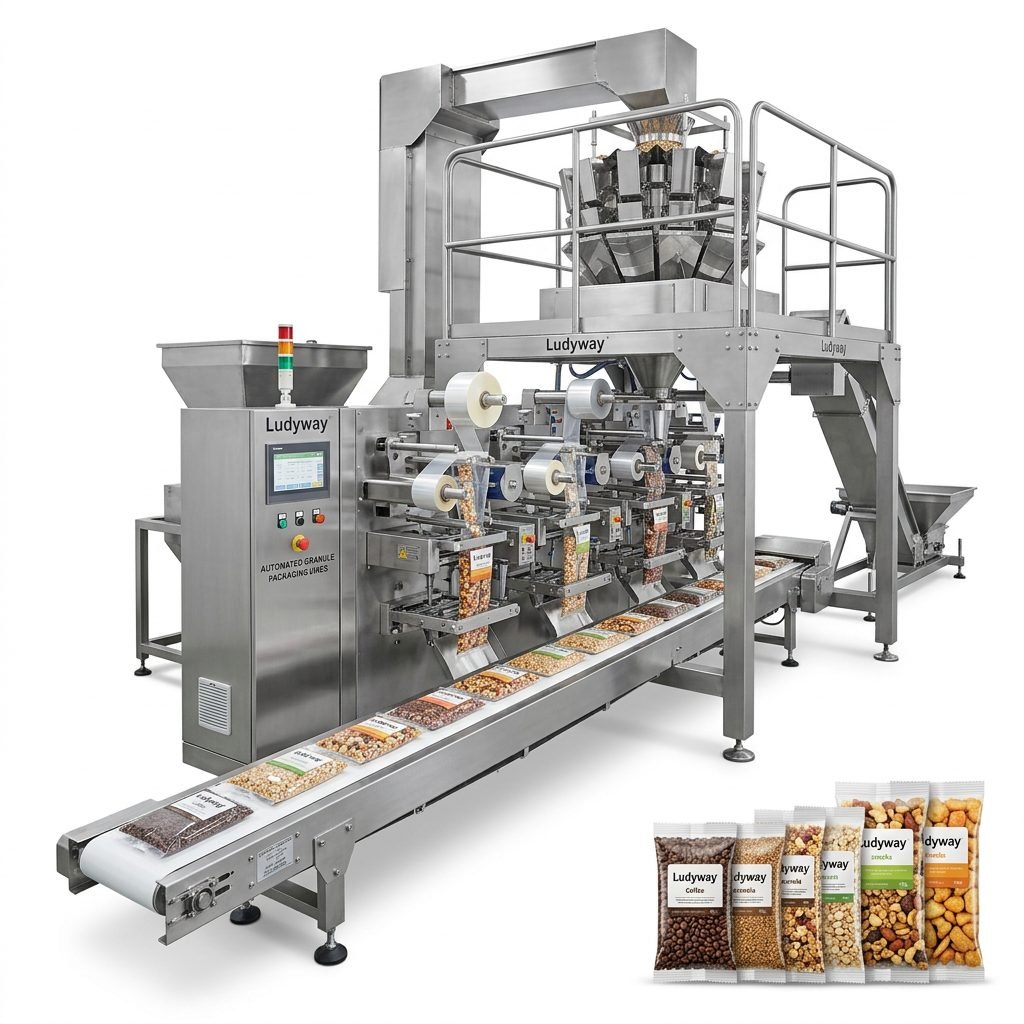
The central unit of the line is the chocolate bar flow wrapping machine. Look for models equipped with servo-driven film feeding, photoelectric registration for printed film, and easy-to-clean design. For high-volume producers, integrating a machine with automatic chocolate bar feeding systems will reduce manual labor. The infeed conveyor must be aligned perfectly with the upstream cooling or enrobing line to avoid product damage.
Step 3: Integrate Ancillary Equipment
A complete chocolate bar packaging machine production line goes beyond just the wrapper. Essential ancillary equipment includes:
- Automatic product diverters and alignment tracks
- Checkweighers with metal detection for quality assurance
- Industrial inkjet or thermal transfer coders for batch and date marking
- Semi-automatic or robotic case packers for cartoning
- End-of-line palletizing systems for finished goods
This integration ensures that the product flows seamlessly from molding through to final crating, meeting the strict packaging industry standards recognized across Europe.
Layout Planning and Facility Design
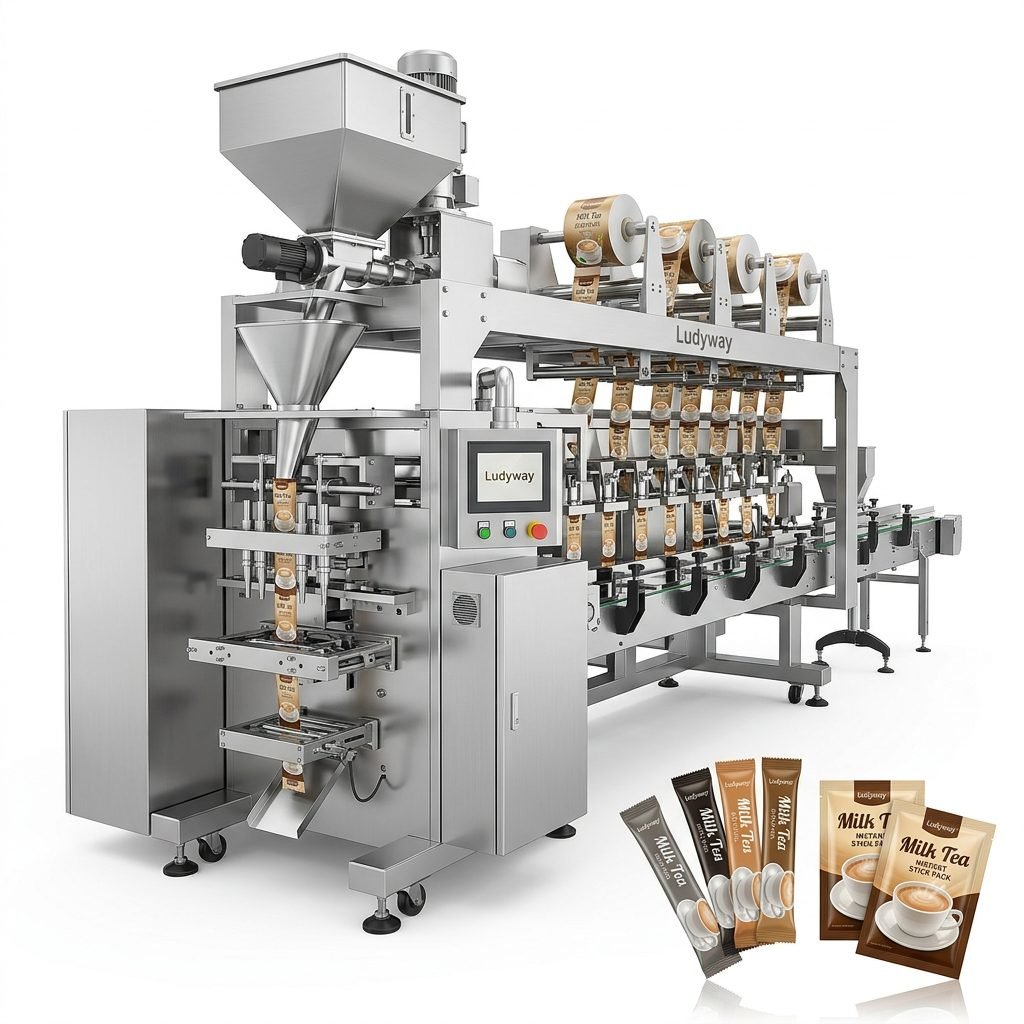
The physical configuration of the chocolate bar packaging machine production line must follow a logical flow that prevents cross-contamination and minimizes operator travel distances. Design the facility with a linear layout where raw material enters at one end and packaged pallets exit at the other. Allocate sufficient space for film roll storage, chocolate conditioning areas, and maintenance access. In France, facility design must also include proper signage and ergonomic workstations as per local labor regulations. An ideal layout will have a central corridor for supervision with machines arranged in parallel when multiple lines are needed.
Electrical and Safety Considerations
All electrical panels must meet IEC standards and be clearly labeled. Safety light curtains and emergency stop circuits must be hardwired, not software-dependent. Conduct a complete risk assessment before commissioning, a mandatory requirement for CE compliance documentation in France. The packaging line’s control software should support both French and English language interfaces to accommodate diverse operator teams.
Choosing a Reliable Equipment Partner
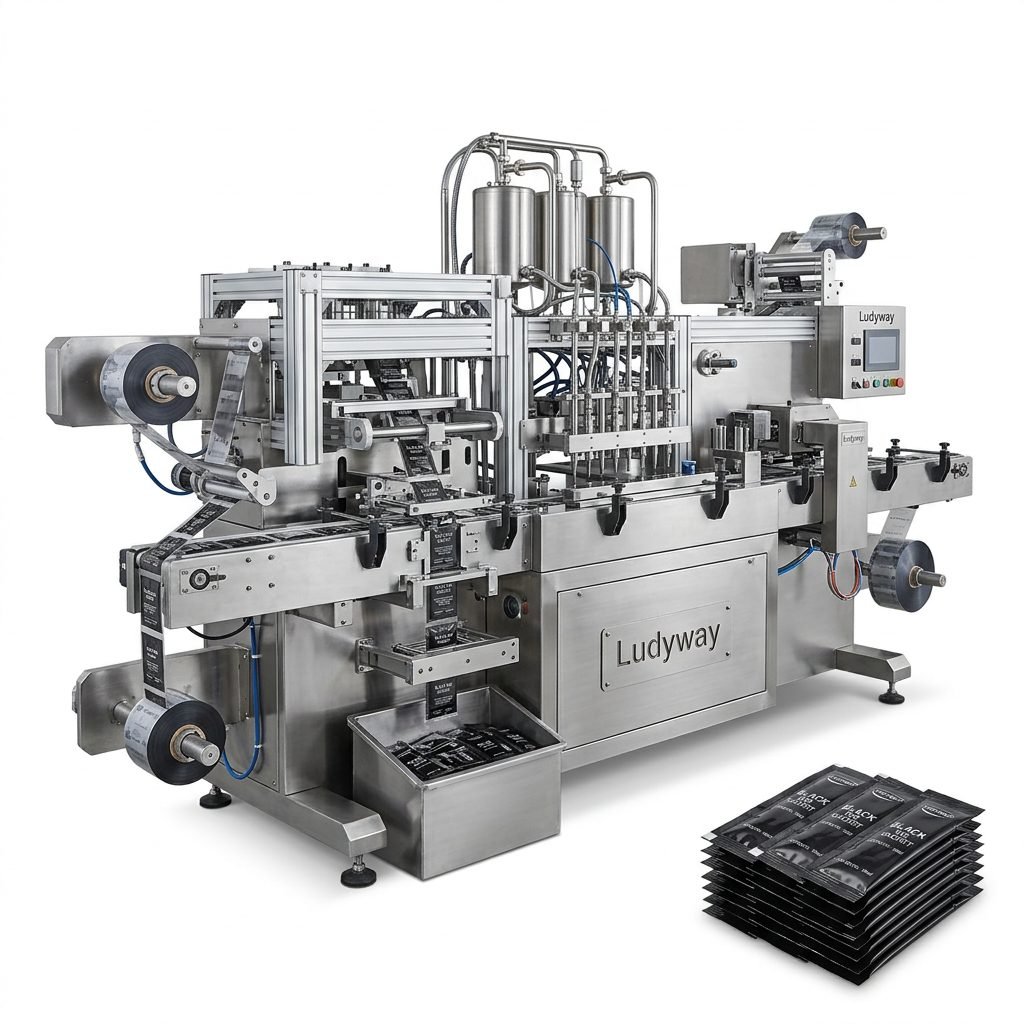
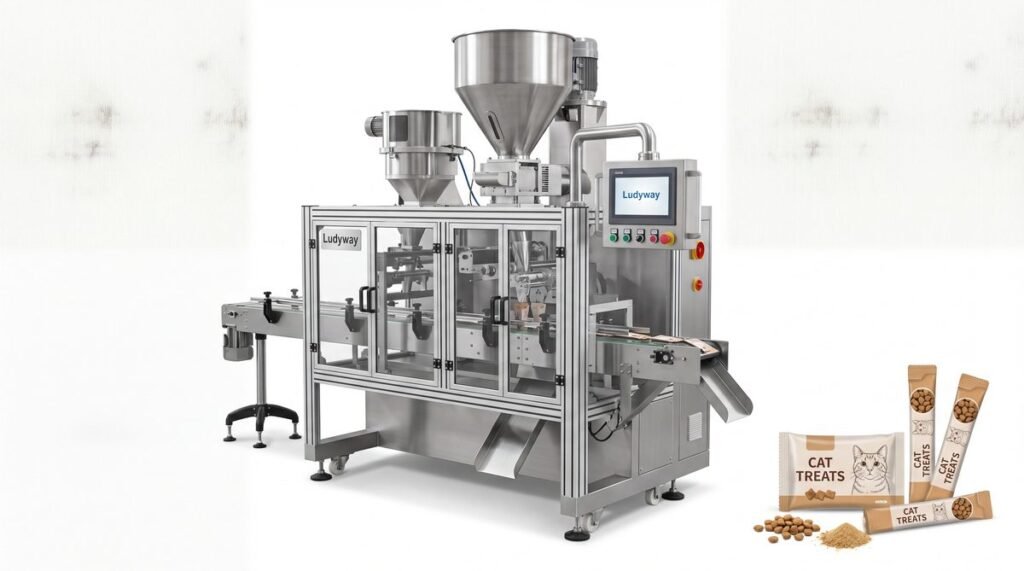
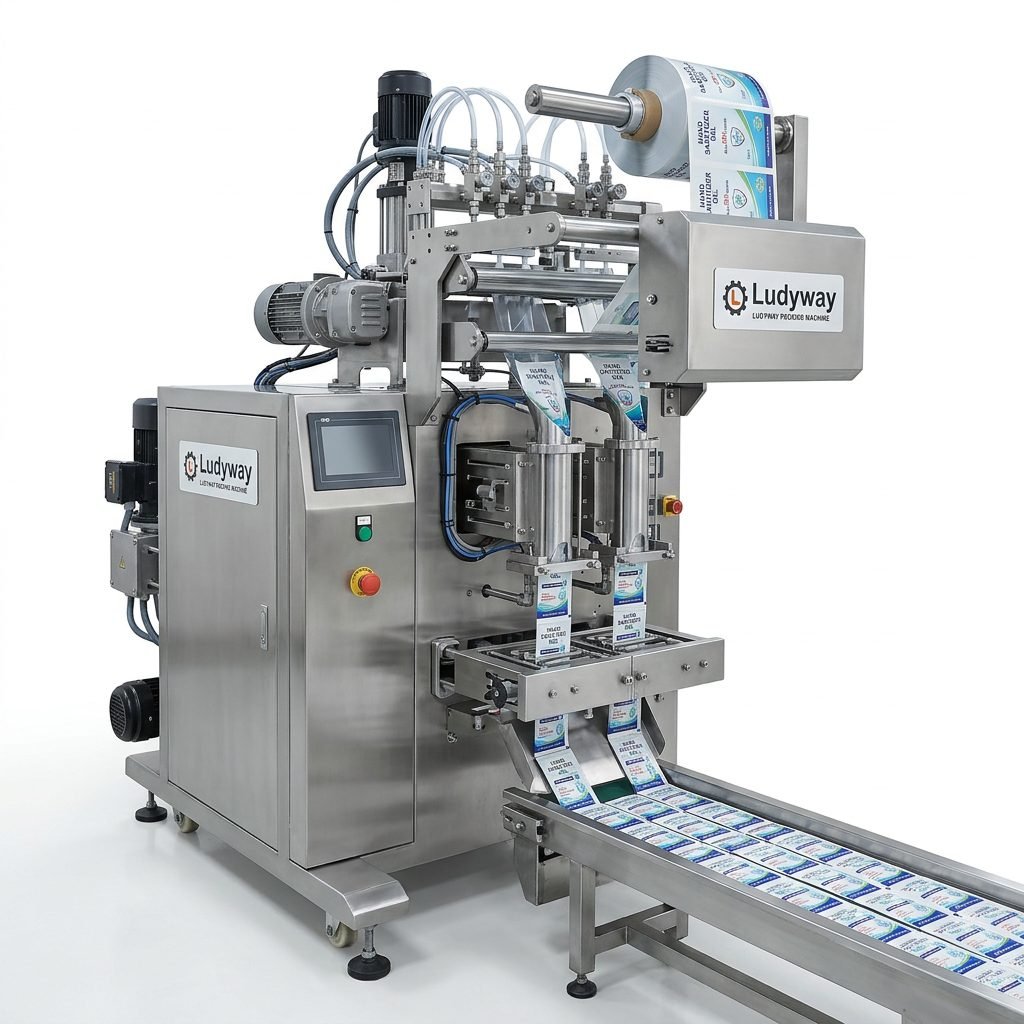
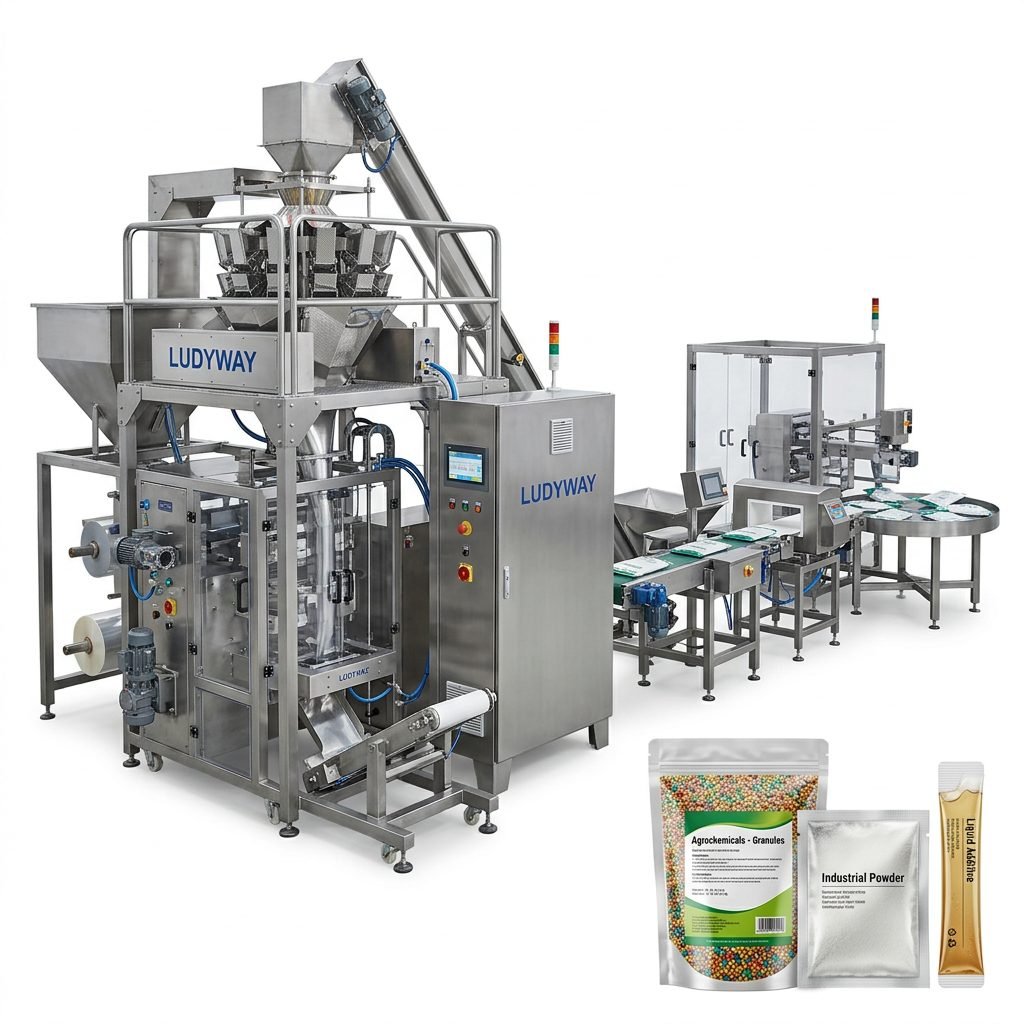
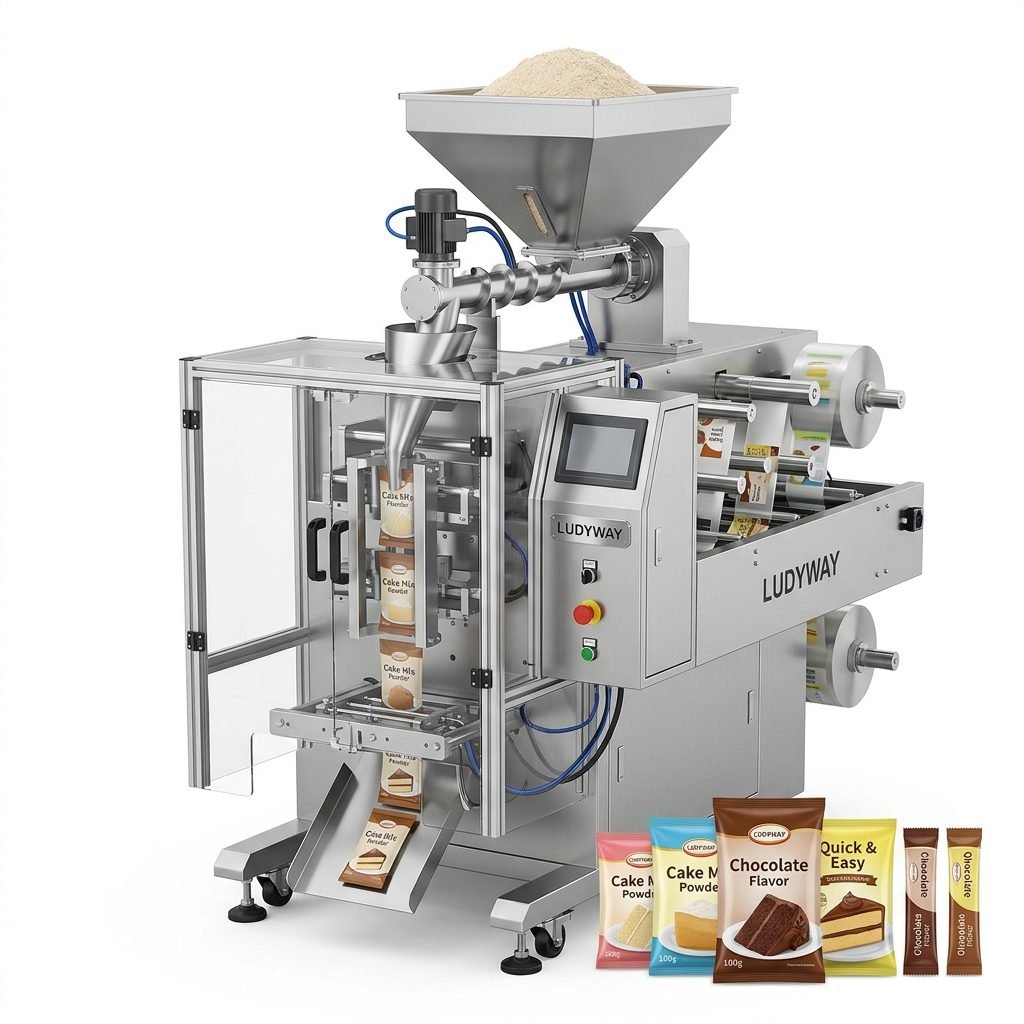
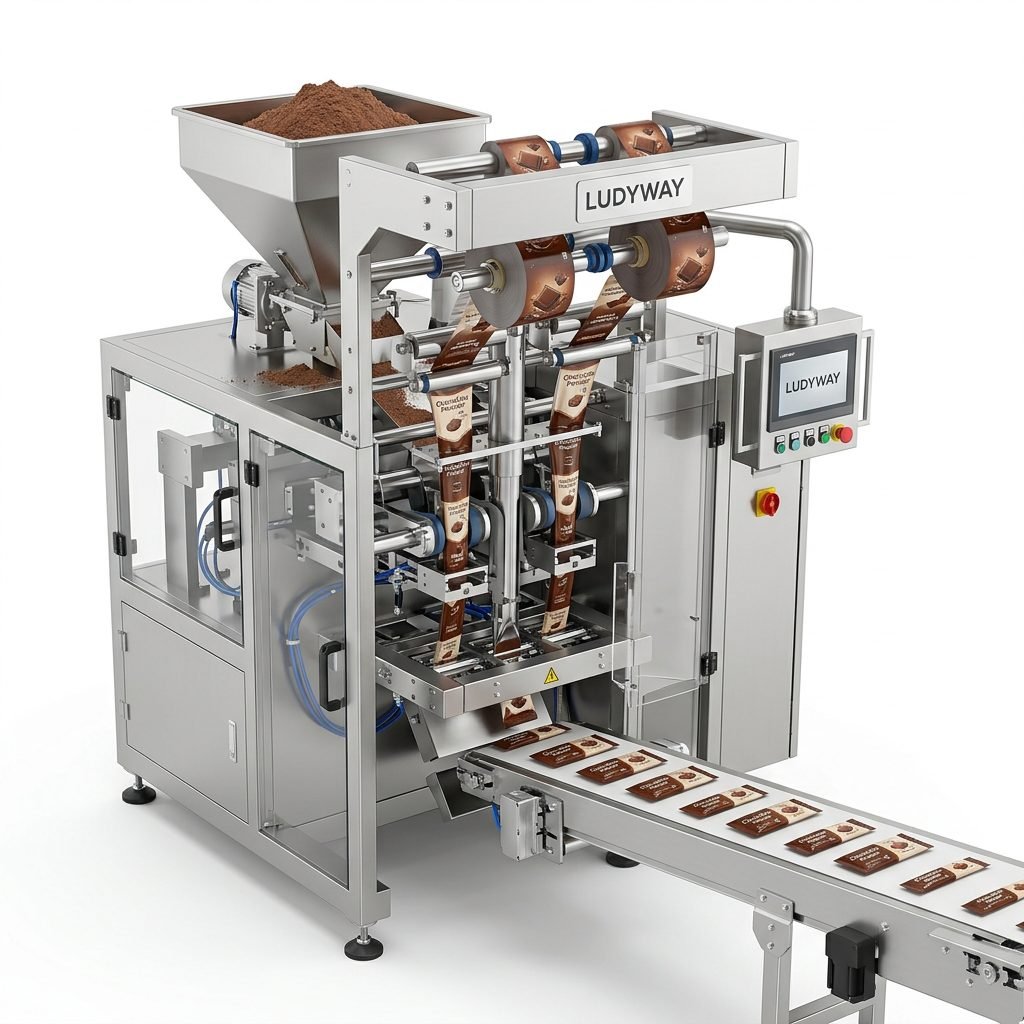
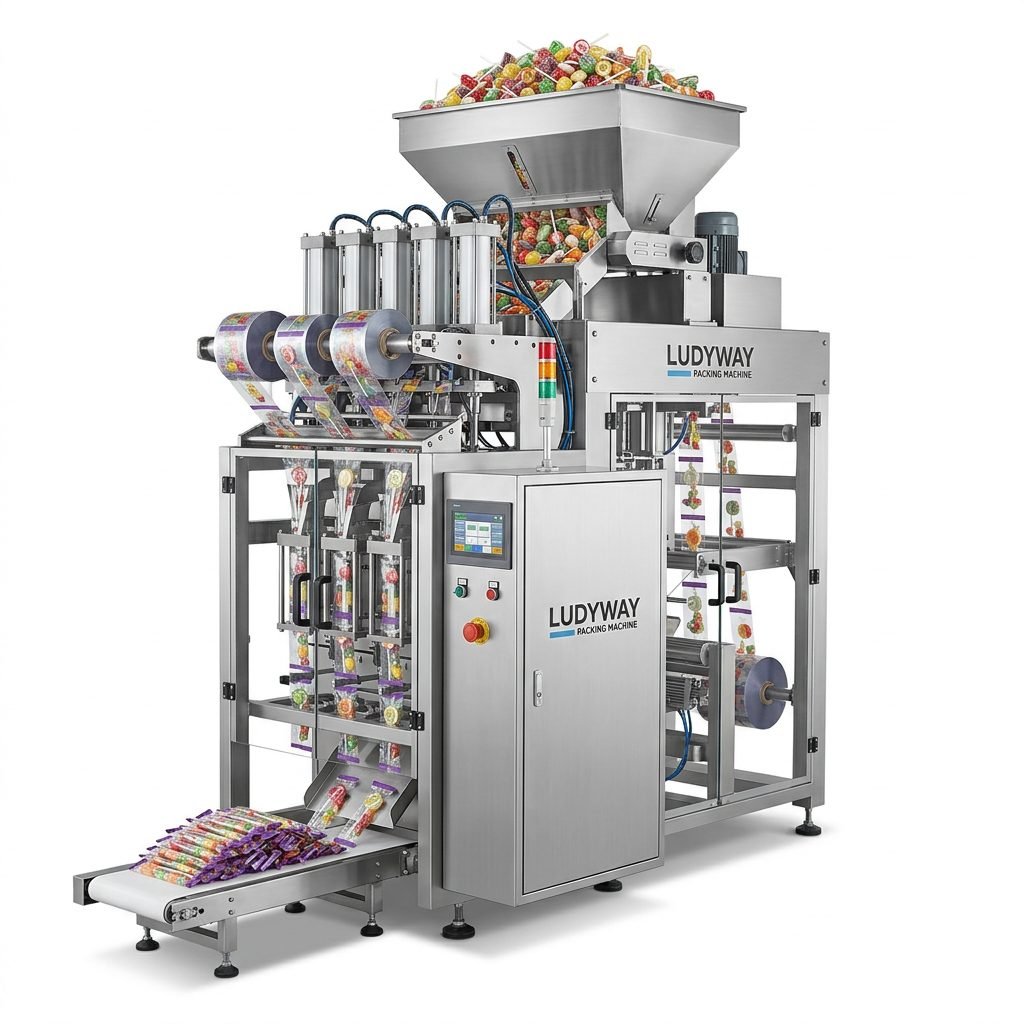
When setting up a chocolate bar packaging machine production line in France, partnering with an experienced manufacturer simplifies CE compliance and technical support. For instance, Ludyway provides advanced packaging equipment with comprehensive export documentation, experienced engineering teams, and a commitment to international project services. Their manufacturing facility spans 20,000㎡, and they offer more than 50 models including multi-lane stick pack and sachet machines that can be adapted for chocolate confectionery production. Evaluating a supplier’s presence in European markets and their ability to provide local after-sales support is crucial for long-term operational stability.
Estimated Production Line Cost Breakdown
The capital expenditure for a typical chocolate bar packaging machine production line ranges significantly based on automation level and speed requirements. Below is a simplified reference table:
| Line Component | Estimated Cost Range (EUR) | Specification Notes |
|---|---|---|
| Flow Wrapping Machine | €45,000 – €120,000 | Servo-driven, speeds up to 200 ppm |
| Automatic Feeder System | €15,000 – €35,000 | In-line collating and indexing |
| Checkweigher & Metal Detector | €12,000 – €28,000 | Combined unit with reject station |
| Thermal Transfer Coder | €8,000 – €15,000 | High-resolution batch printing |
| Case Packer (Semi-Auto) | €30,000 – €55,000 | Adjustable for multiple carton sizes |
Prices are indicative and depend on customization, speed requirements, and integration complexity.
Regulatory Compliance and Documentation
Operating a chocolate bar packaging machine production line in France demands strict adherence to EU food contact material regulations, including EC 1935/2004 for packaging materials. The line must also comply with the French DGCCRF guidelines for consumer-level packaging. All packaging films used must be free from harmful contaminants, and any direct printing processes must use food-safe ink formulations that do not penetrate the inner layer of the wrapper. Regular audits and record-keeping traceability are legally required under food packaging regulations.
Operator Training and Maintenance Strategies
Investing in training is fundamental to the success of any new chocolate bar packaging machine production line. Operators must be proficient in recipe management, film splicing, and cleaning procedures to minimize downtime. Establish a total productive maintenance (TPM) schedule that includes daily cleaning of chocolate contact surfaces, weekly inspection of sealing jaws and heating elements, and quarterly checks of servo motors and drives. Keeping a critical spare parts inventory locally in France reduces mean time to repair when issues arise.
Common Challenges During Line Installation
- Film Tracking Issues: Chocolate residue on forming shoulders can cause film drift. Regular cleaning and properly adjusted air tension controls are essential.
- Sealing Integrity Fluctuations: Temperature variations in the factory can affect seal quality. Machines with automatic temperature compensation provide more reliable results.
- Production Scheduling: Frequent product changeovers for different chocolate bar sizes require machines with tool-less change parts to keep efficiency high.
Future-Proofing Your Packaging Line
With France’s aggressive goals for reducing single-use plastics, a forward-looking chocolate bar packaging machine production line should be capable of processing recyclable mono-material films, paper-based laminates, and compostable bio-plastics. Machines that offer ultrasonic sealing technology are increasingly preferred as they eliminate the need for heat-activated sealants that can complicate recyclability. Additionally, incorporating digital traceability features and IoT connectivity aligns the production line with French government initiatives that encourage smart factory data sharing for improved food safety monitoring throughout the supply chain.
Local Resources and Industry Links
For ongoing support and industry updates related to the chocolate bar packaging machine production line environment in France, the following resources provide valuable information:
- PACK EXPO International – Global trade events with French industry participation
- Flexible Packaging Association – Sustainable packaging insights relevant to European markets
- ISO Packaging Standards – International standards for packaging machinery performance
By combining compliant machinery, well-planned facility layout, and strategic training, a chocolate bar packaging machine production line in France can operate at peak efficiency while seamlessly meeting the high expectations of the French confectionery consumer market.