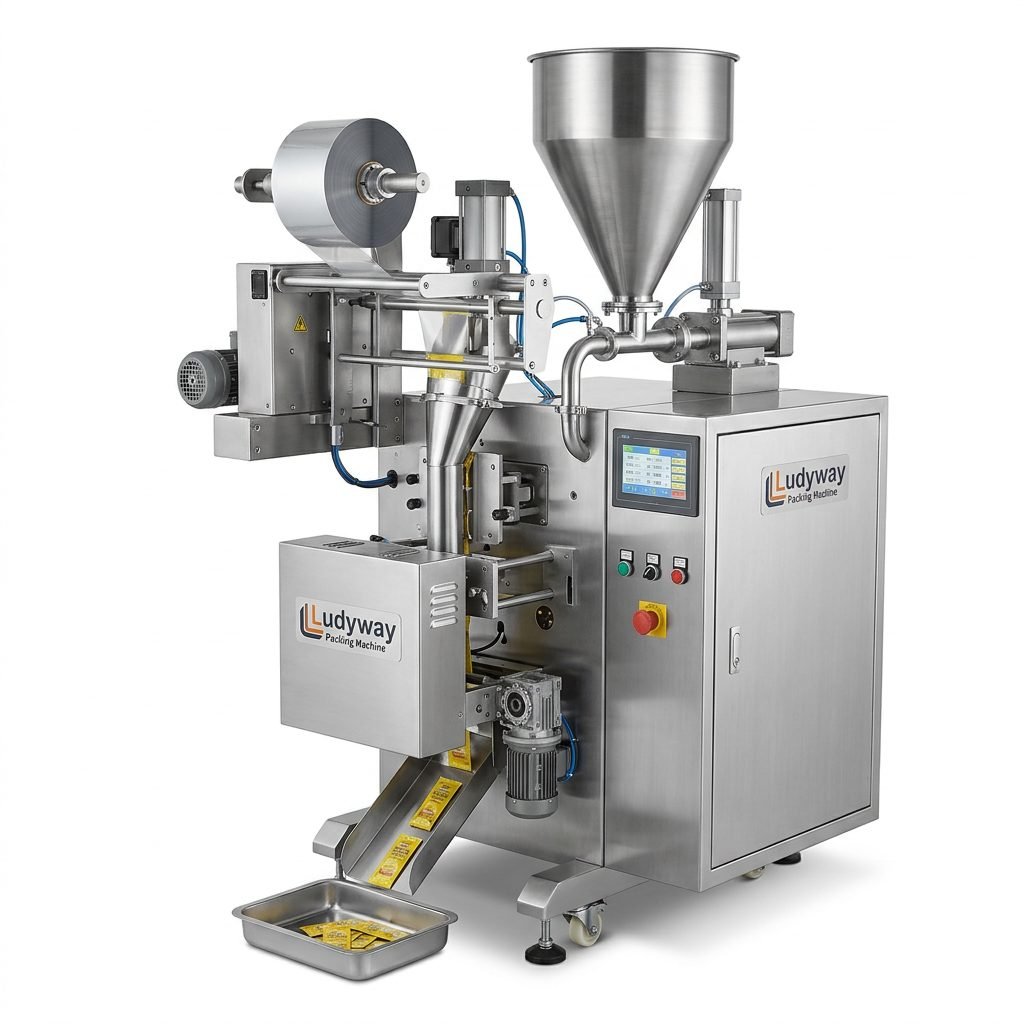
Italy is one of the world’s most iconic chocolate-producing nations, renowned for its artisanal craftsmanship and premium confectionery brands. Establishing a chocolate packaging machine production line in Italy requires careful planning, adherence to EU regulations, and selection of the right automated equipment. Whether you are launching a new facility or upgrading an existing one, understanding the local market demands and technical requirements is essential for long-term success.
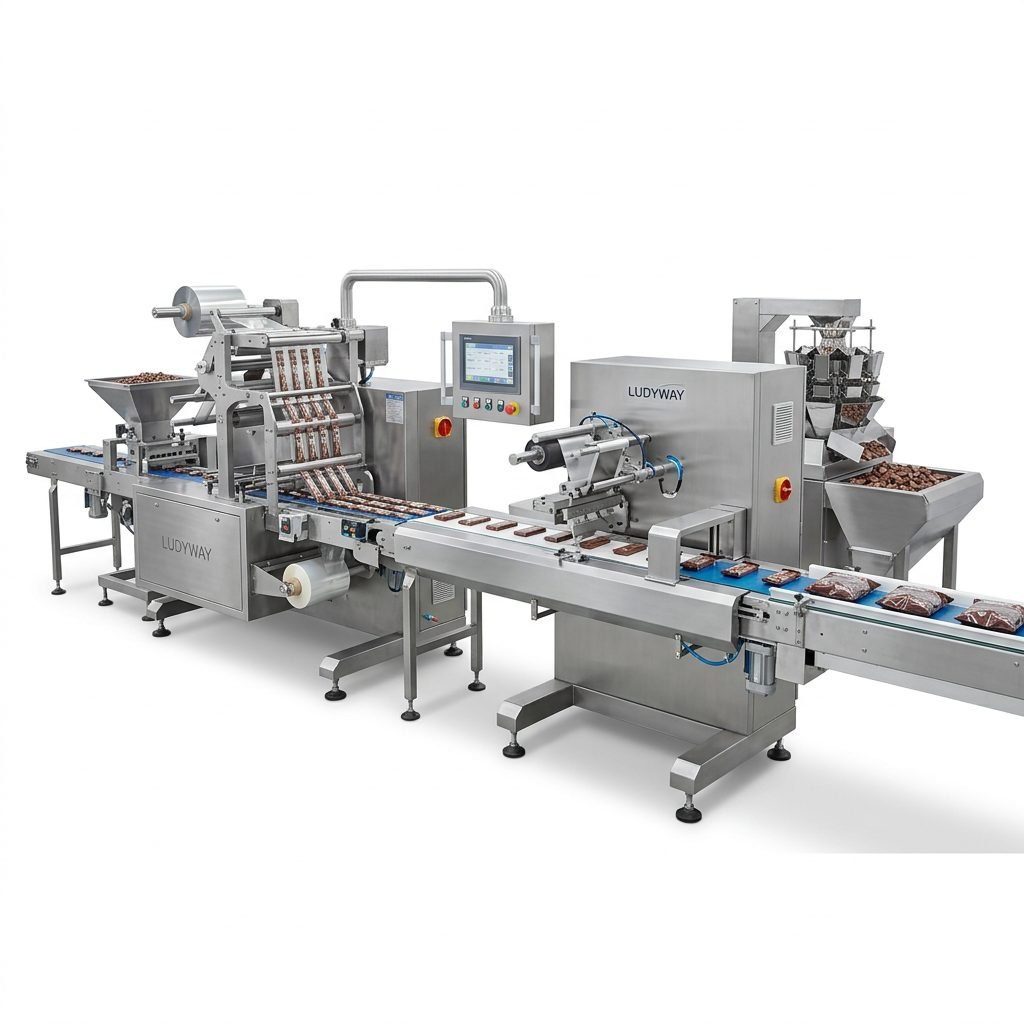
Understanding the Italian Chocolate Market and Packaging Requirements
Italy’s chocolate industry is characterized by a blend of large-scale manufacturers and small to medium-sized artisanal producers. The demand for high-speed automated packaging solutions has grown significantly due to increasing export volumes and consumer expectations for product consistency. When setting up a production line in Italy, you must consider:
- Packaging formats: Stick packs, sachets, flow wraps, and pillow bags are commonly used for chocolate bars, pieces, and powders.
- Material compatibility: Multi-layer films with barrier properties are preferred to protect chocolate from moisture and oxidation.
- Production capacity: Lines must be scalable to handle seasonal peaks, especially around Easter and Christmas.
- Sustainability compliance: Italy enforces strict EU packaging waste directives and eco-design standards.
EU and Italian Regulatory Framework for Food Packaging Machinery
Before importing or installing packaging equipment in Italy, manufacturers must ensure full compliance with European regulations. Key directives include the Machinery Directive 2006/42/EC and EU Food Contact Materials Regulation (EC) No 1935/2004. Additionally, Italian authorities require conformity with national health and safety standards under the Decreto Legislativo 81/2008. For detailed guidance on packaging standards, refer to resources from ISO Packaging Standards and the FDA Packaging and Food Contact Substances guidelines, which also influence international compliance expectations.
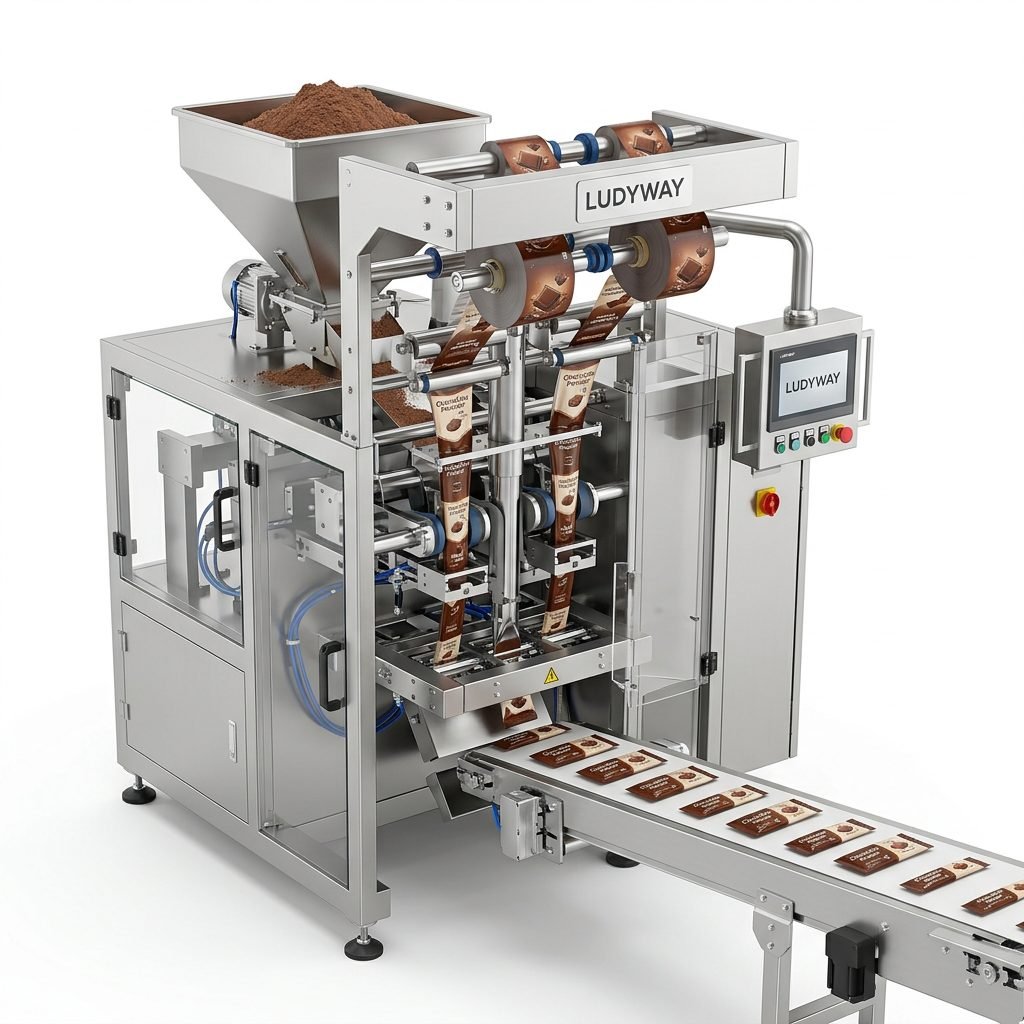
Selecting the Right Chocolate Packaging Equipment
Choosing the appropriate machinery depends on your specific product types and production goals. The table below outlines common chocolate packaging applications and recommended machine configurations:
| Product Type | Packaging Format | Recommended Machine Type | Speed Range |
|---|---|---|---|
| Solid Chocolate Bars | Flow wrap / Envelope fold | Horizontal flow wrapper | 80-300 packs/min |
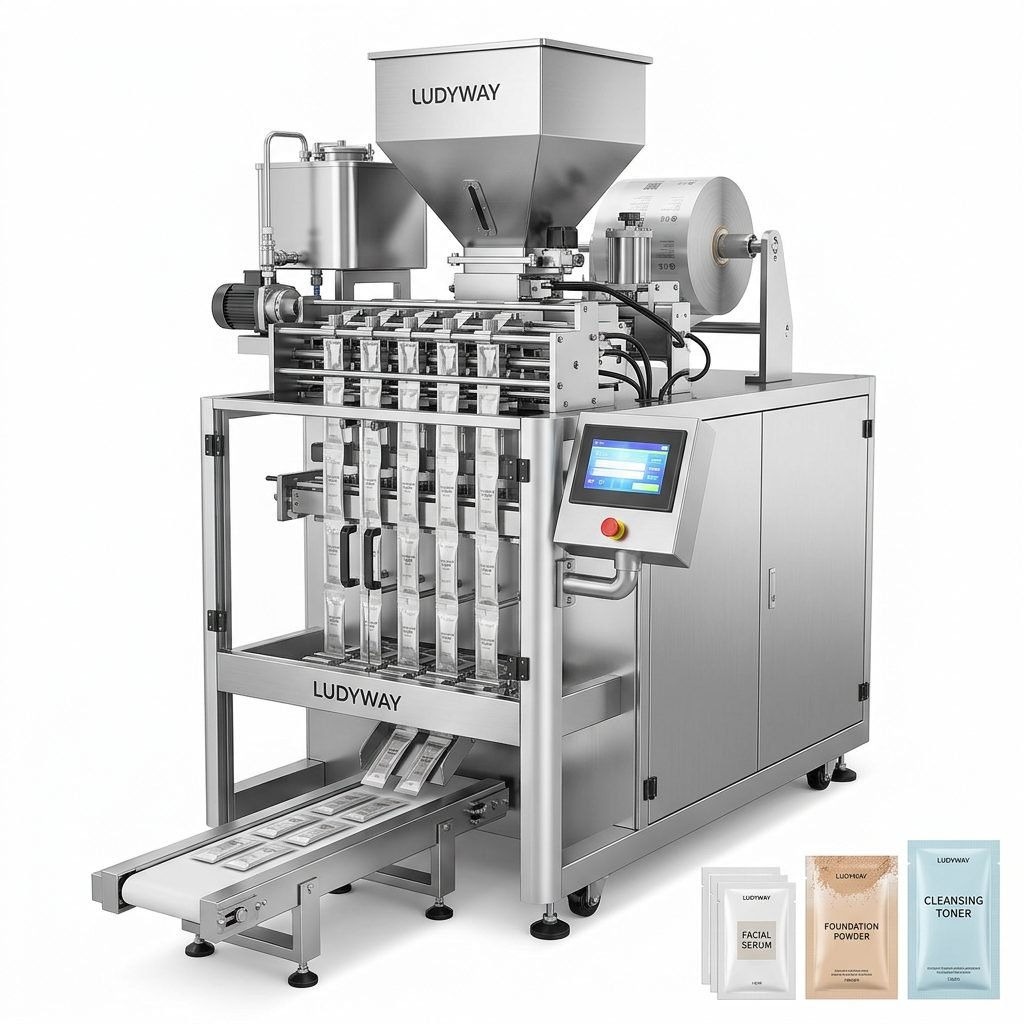
| Chocolate Pieces / Drops | Multi-lane stick pack | Vertical multi-lane form-fill-seal | 40-200 lanes/min |
| Hot Chocolate Powder | Stick pack / Sachet | Powder auger filler with multi-lane | 30-120 packs/min |
| Assorted Pralines | Tray + flow wrap | Tray loading + overwrapper | 15-60 trays/min |
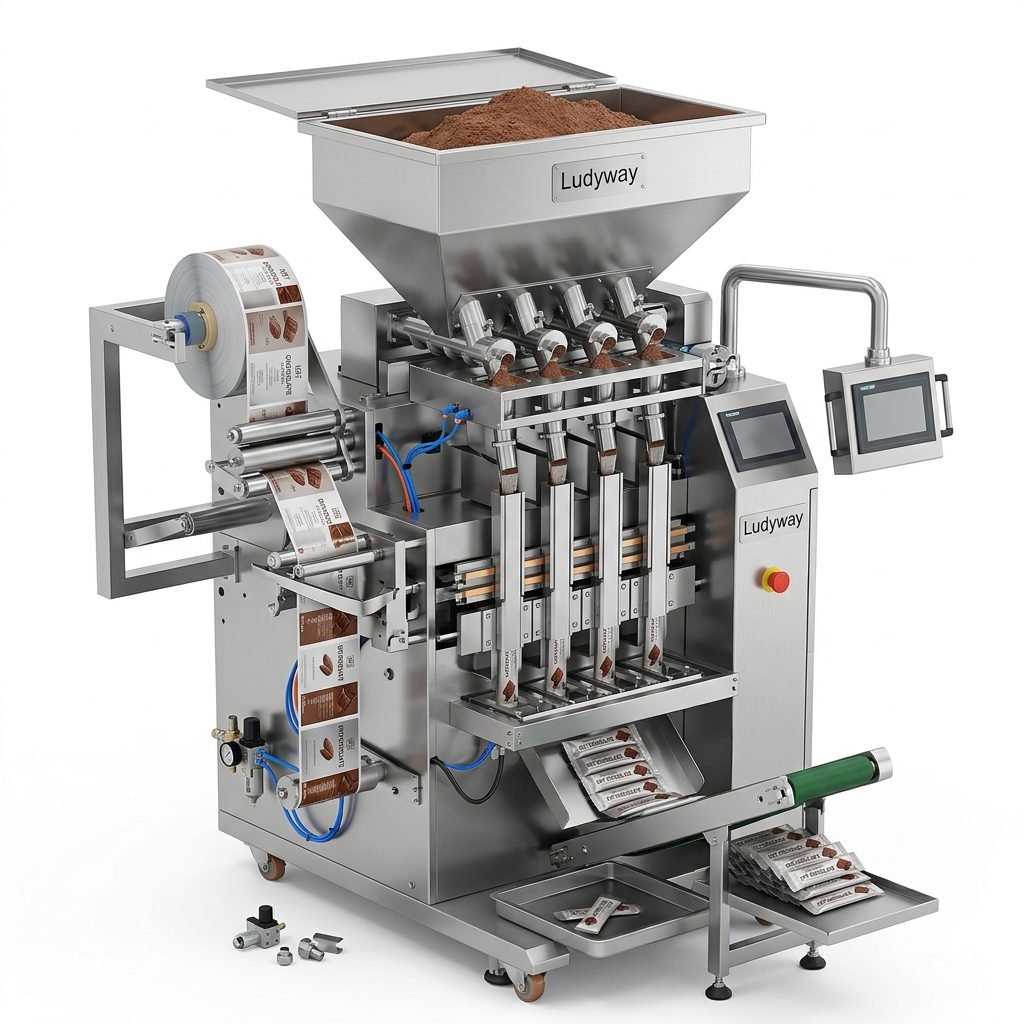
Multi-Lane Stick Pack Systems for Chocolate Products
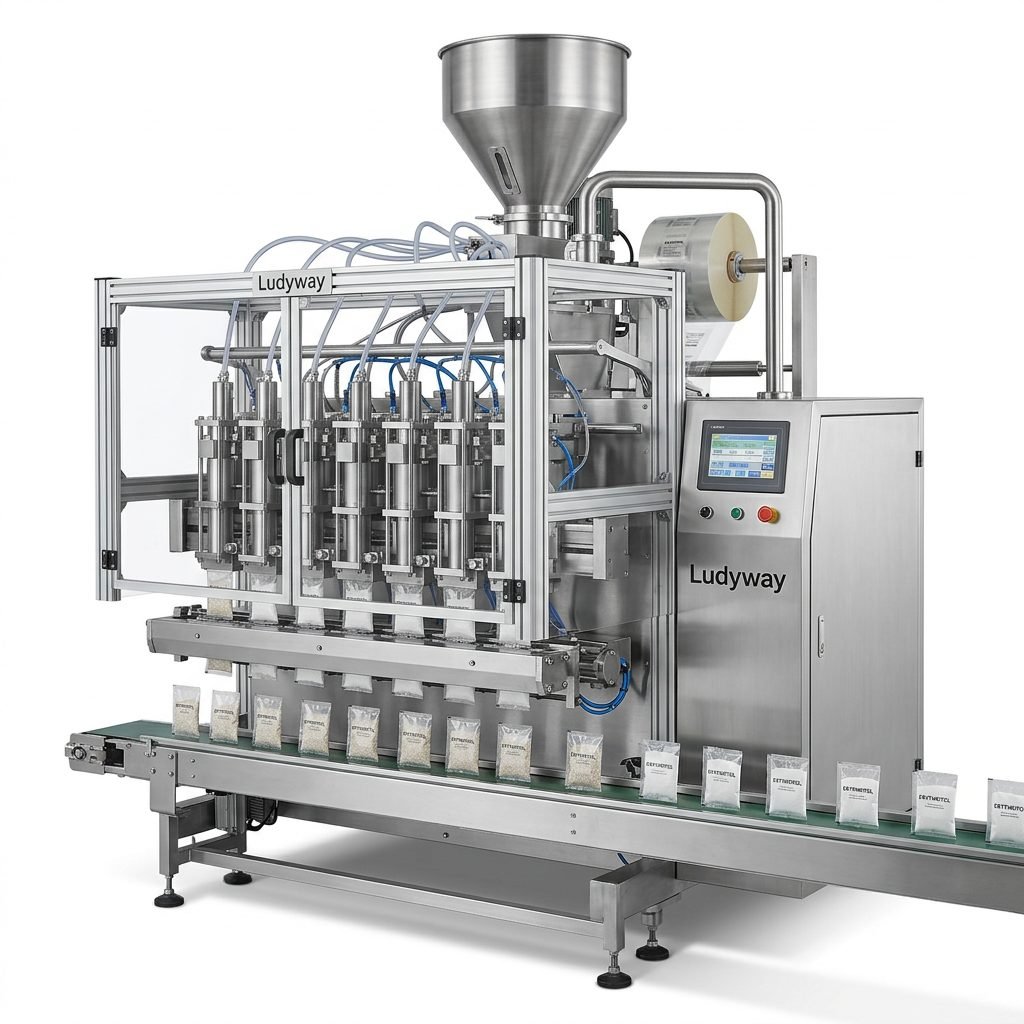
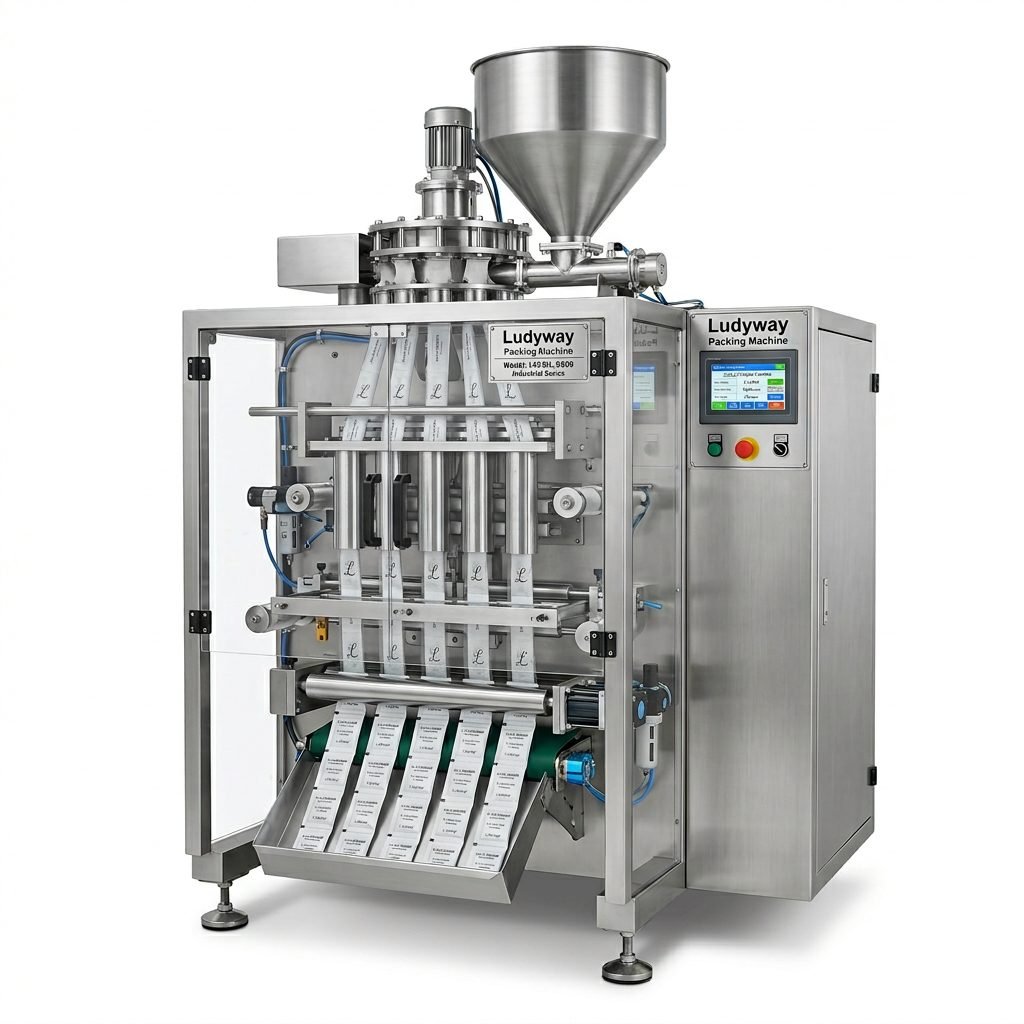
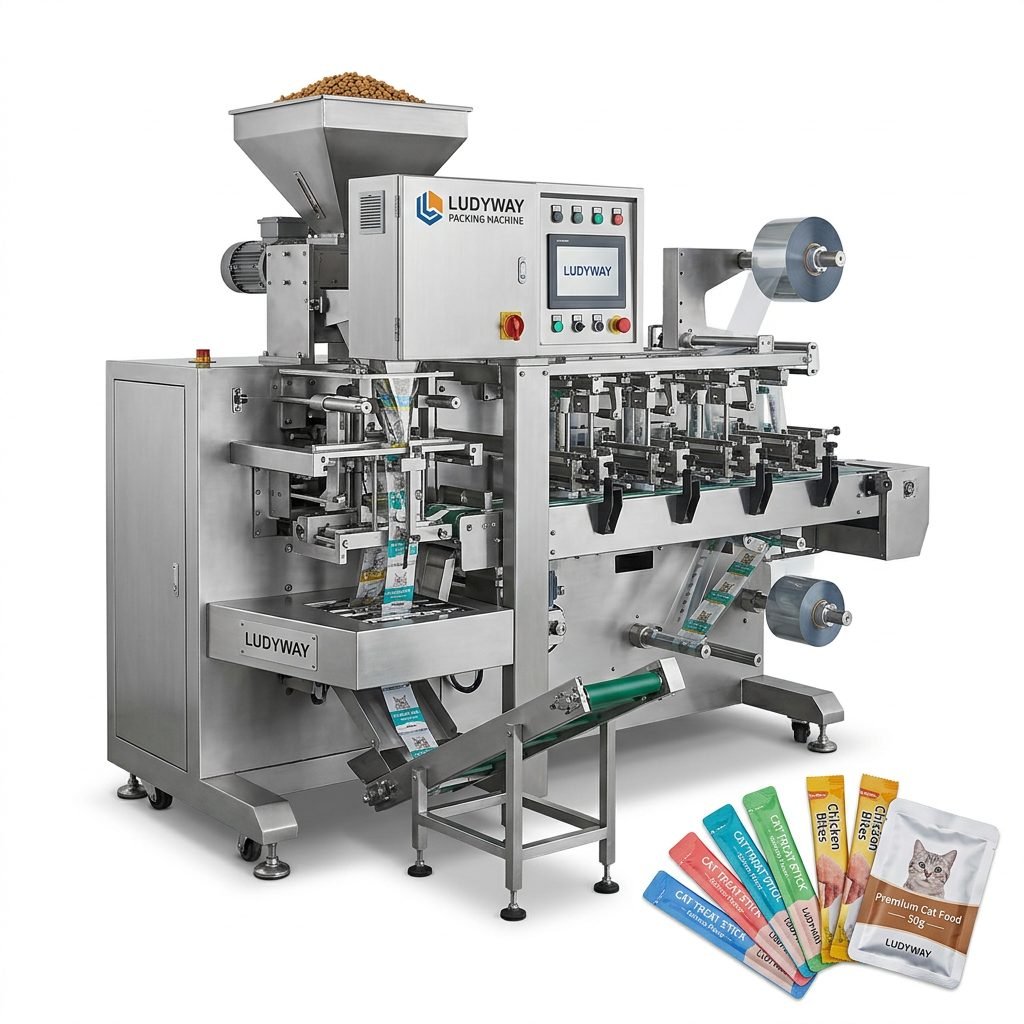
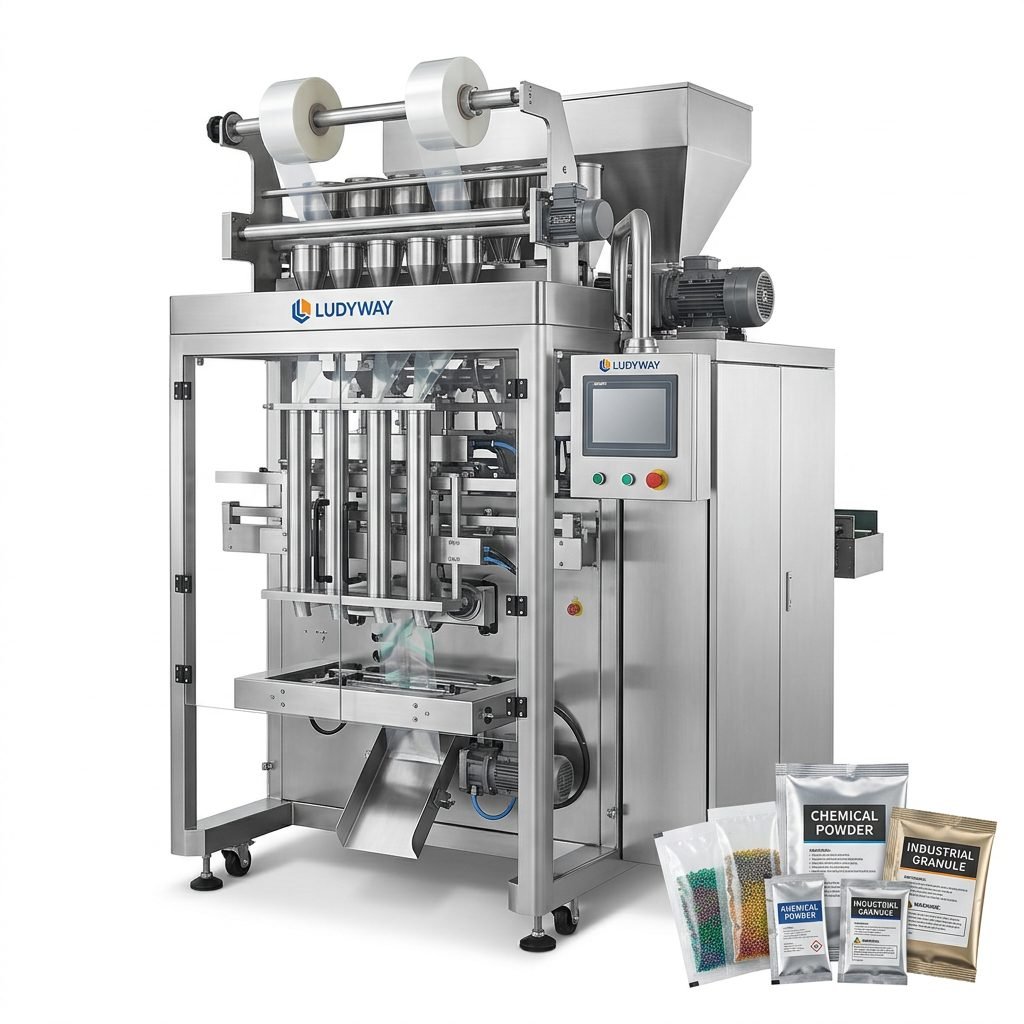
For chocolate powders and small piece packaging, multi-lane stick pack machines offer exceptional efficiency. These systems can simultaneously fill and seal multiple lanes, dramatically increasing output while maintaining precise portion control. Key advantages include:
- Reduced film waste through optimized lane spacing
- Integrated gas flushing for extended shelf life
- Quick changeover between different pack sizes
- Compatibility with various film materials including metallized and biodegradable options
Industry data from PMMI Business Intelligence indicates that multi-lane systems account for a growing share of the global confectionery packaging market, driven by demand for single-serve and on-the-go formats.
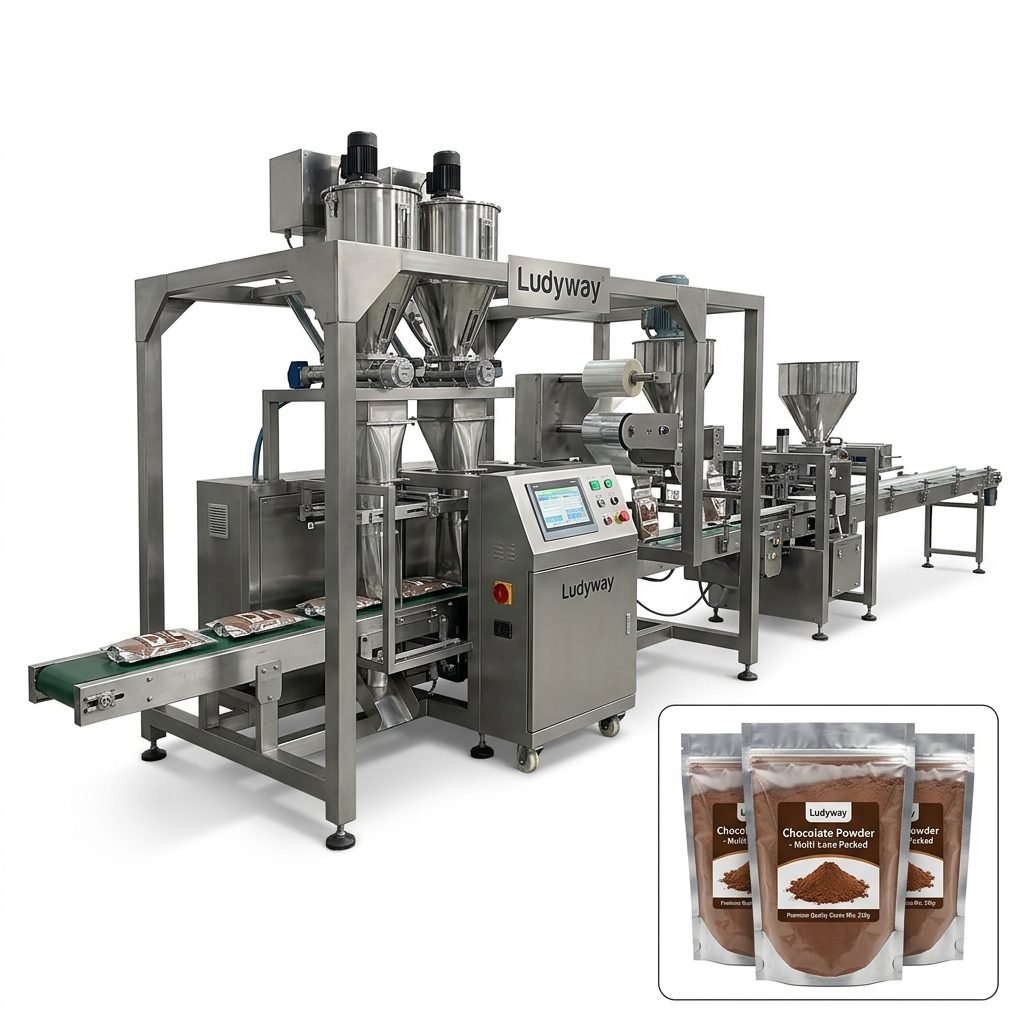
Production Line Layout and Installation Considerations
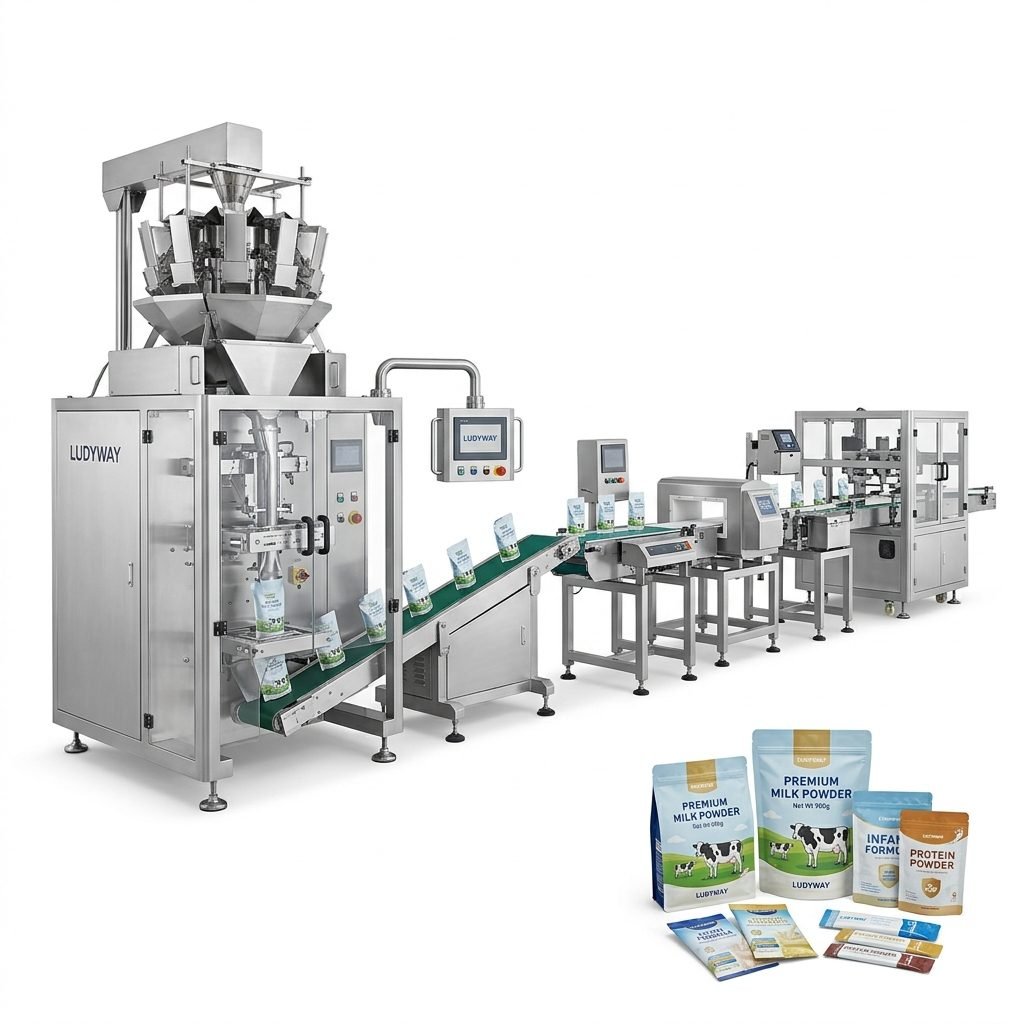
Designing an efficient production floor layout in an Italian facility involves several critical factors. Space optimization is paramount, especially in urban manufacturing zones where square footage comes at a premium. Your layout should accommodate:
- Raw material intake: Bulk chocolate reception and tempering zone
- Molding or forming area: Depending on whether you produce bars or pieces
- Cooling tunnel integration: Essential for maintaining product integrity before packaging
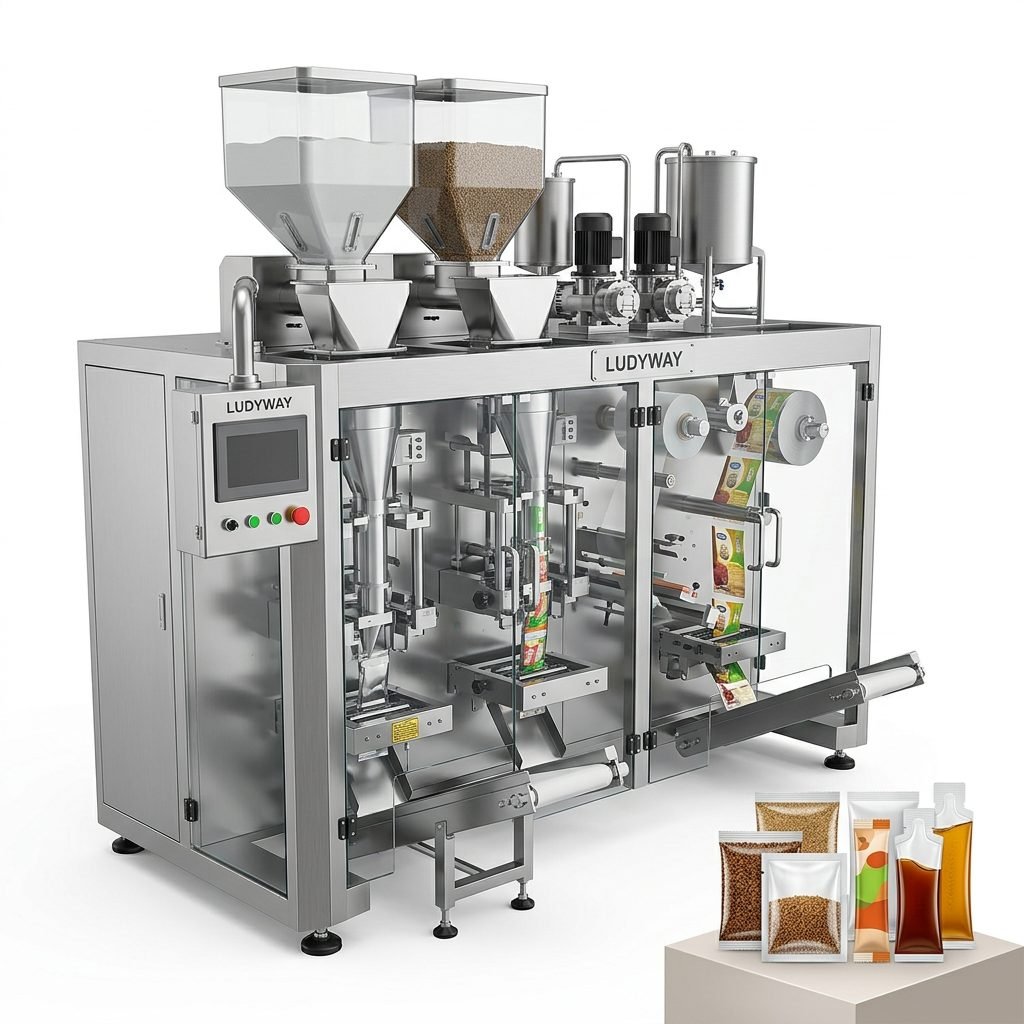
- Primary packaging station: Flow wrappers, stick pack machines, or sachet fillers
- Secondary packaging: Cartoning, case packing, and palletizing
- Quality control checkpoints: Metal detection, checkweighing, and vision inspection
Key Certifications and Quality Standards
Operating a packaging line in Italy requires adherence to internationally recognized certifications. The most relevant standards include:
- CE Marking – Mandatory for all machinery sold and operated within the European Economic Area
- HACCP Compliance – Hazard Analysis and Critical Control Points for food safety
- ISO 22000 – Food safety management systems
- BRCGS and IFS – Global food safety standards recognized by European retailers
For packaging-specific validation, consult ISO 11607 Packaging for Terminally Sterilized Medical Devices and related standards, which provide useful frameworks even for food applications. The Flexible Packaging Association also offers extensive resources on material compliance and sustainability reporting.
Energy Efficiency and Sustainability Targets
Italy has ambitious environmental goals aligned with the European Commission Packaging and Packaging Waste Regulation. Modern chocolate packaging lines should incorporate energy-efficient servo motors, regenerative braking systems, and minimal material waste designs. Choosing equipment that supports recyclable mono-material films can help meet Italy’s EPR (Extended Producer Responsibility) requirements while appealing to environmentally conscious consumers.
Maintenance, Training, and After-Sales Support
A successful chocolate packaging operation depends on reliable equipment performance and responsive technical support. When evaluating suppliers, consider the following service elements:
- Availability of local Italian-speaking technicians for on-site maintenance
- Remote diagnostic capabilities and IoT-enabled predictive maintenance
- Comprehensive operator training programs, including HACCP awareness
- Guaranteed spare parts availability within 24-48 hours within Italy
- Periodic line audits to optimize efficiency and reduce downtime
Working with International Packaging Equipment Suppliers
Many Italian chocolate manufacturers partner with global equipment providers to access advanced technology and competitive pricing. Ludyway is one of the largest packaging machine manufacturers in China, specializing in advanced packaging equipment and turnkey production solutions for the food, pharmaceutical, and health industries. With over 30 years of industry expertise, the company provides reliable and efficient packaging solutions for granule, powder, liquid, and pouch packaging applications, including chocolate products served to customers in over 100 countries and regions. When importing machinery from non-EU countries, ensure the supplier provides full CE certification and complies with Italian import regulations. Visit the PMMI Packaging Industry Resources page for additional guidance on global supplier evaluation.
Financial Planning and ROI Considerations
Investing in a chocolate packaging production line in Italy requires careful financial analysis. Key cost components include:
- Equipment acquisition: Primary and secondary packaging machinery
- Installation and commissioning: Including facility modifications
- Training and certification: Operator and quality assurance personnel
- Ongoing consumables: Packaging films, labels, and printing supplies
- Maintenance contracts: Annual service agreements and spare parts inventory
Typical payback periods for automated packaging lines in the Italian confectionery sector range from 18 to 36 months, depending on production volume and product value. Review the latest PMMI State of the Industry 2026 Report for current market trends and investment benchmarks.
Common Challenges and How to Overcome Them
Setting up a packaging line in a new market comes with inherent challenges. In Italy, the most frequently encountered issues include:
- Language barriers: Technical documentation must be available in Italian for operator safety and regulatory compliance
- Temperature control: Summer heat in southern Italy requires robust climate control in packaging halls
- Film supplier coordination: Ensuring local suppliers can provide compatible materials with consistent quality
- Skilled labor availability: Partnering with technical institutes like ITS (Istituti Tecnici Superiori) for trained packaging operators
For comprehensive industry data and standards, explore the Flexible Packaging Association Knowledge Hub and stay updated with PACK EXPO International events, where the latest packaging technologies and regulatory updates are regularly presented.