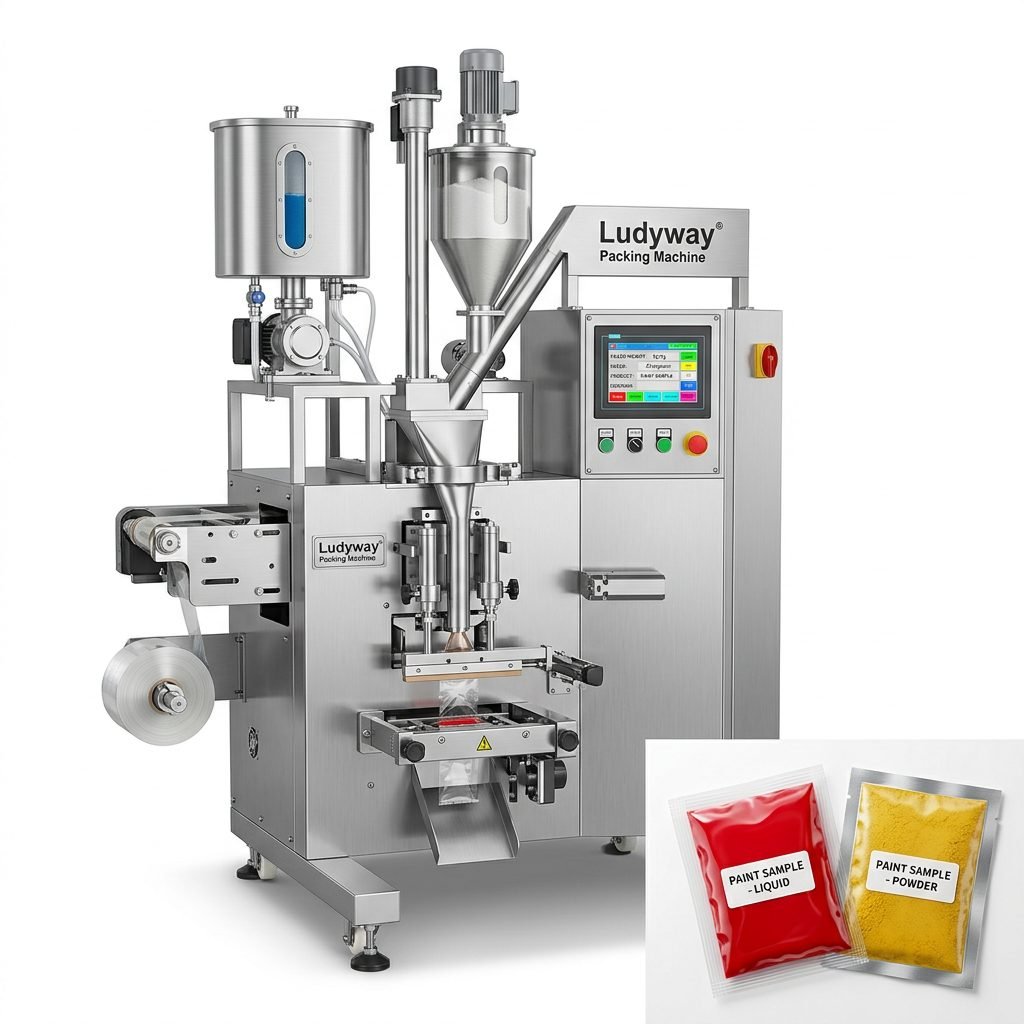
Expanding a cupcake business into international markets requires more than just a great recipe. The backbone of scalable production is a well-designed cupcake packaging machine production line that meets diverse regional standards, handles varying packaging formats, and maintains product freshness across long supply chains. Setting up such a line for global distribution involves careful planning around equipment selection, regulatory compliance, automation levels, and quality control.
Understanding Cupcake Packaging Requirements for Global Distribution
Cupcakes are fragile, moisture-sensitive products that demand protective packaging to survive transportation and shelf storage. When targeting multiple countries, you must account for:
- Climate variations — humidity and temperature fluctuations across shipping routes
- Packaging material regulations — food-contact material standards differ between the EU, FDA, and other jurisdictions
- Consumer preferences — single-serve, multi-pack, and family-size formats vary by region
- Labeling requirements — multilingual labeling, nutritional facts, and allergen declarations
- Shelf-life expectations — modified atmosphere packaging (MAP) may be necessary for extended freshness
Selecting packaging machinery that can adapt to multiple packaging formats is critical for brands aiming to serve diverse markets from a single production facility.

Key Components of a Cupcake Packaging Production Line
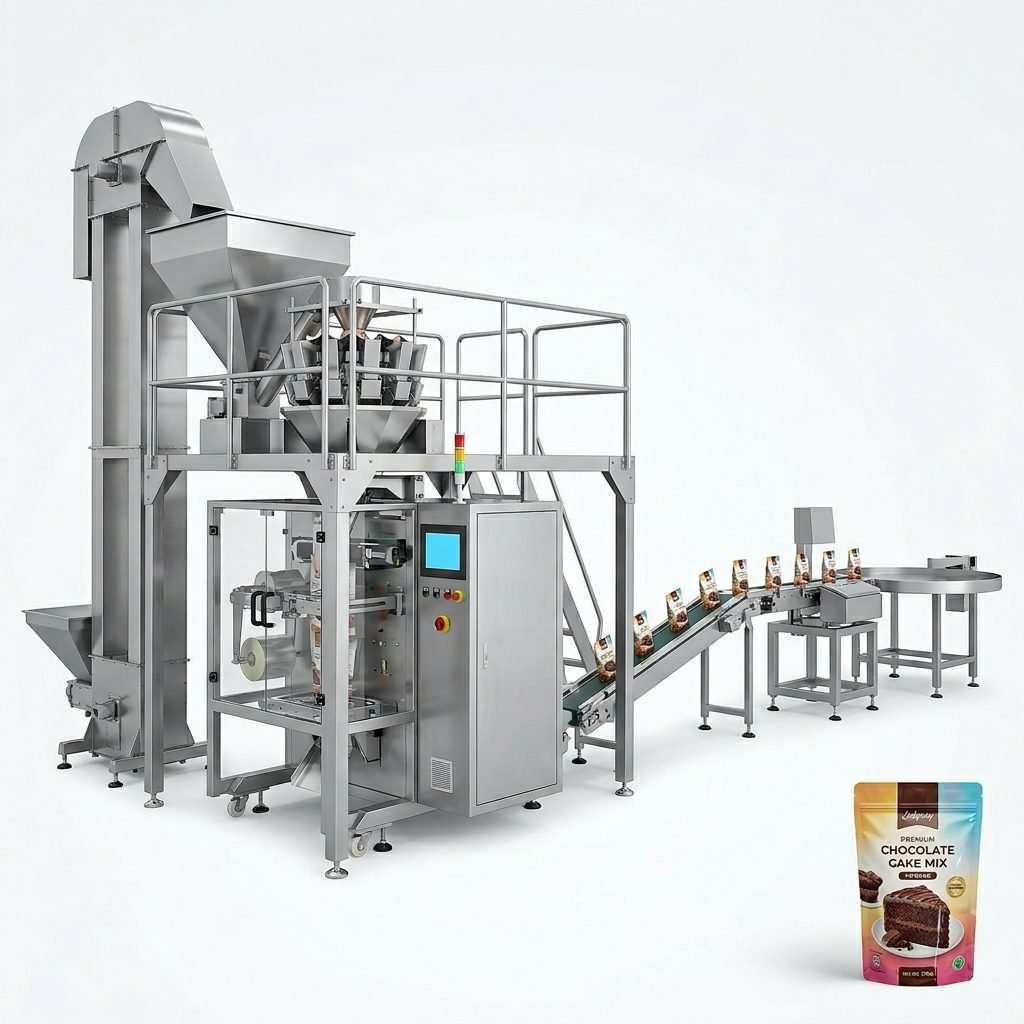
A complete cupcake packaging line integrates several specialized machines working in synchronization. Understanding each component helps in selecting the right equipment for global production demands.
Product Feeding and Orientation Systems
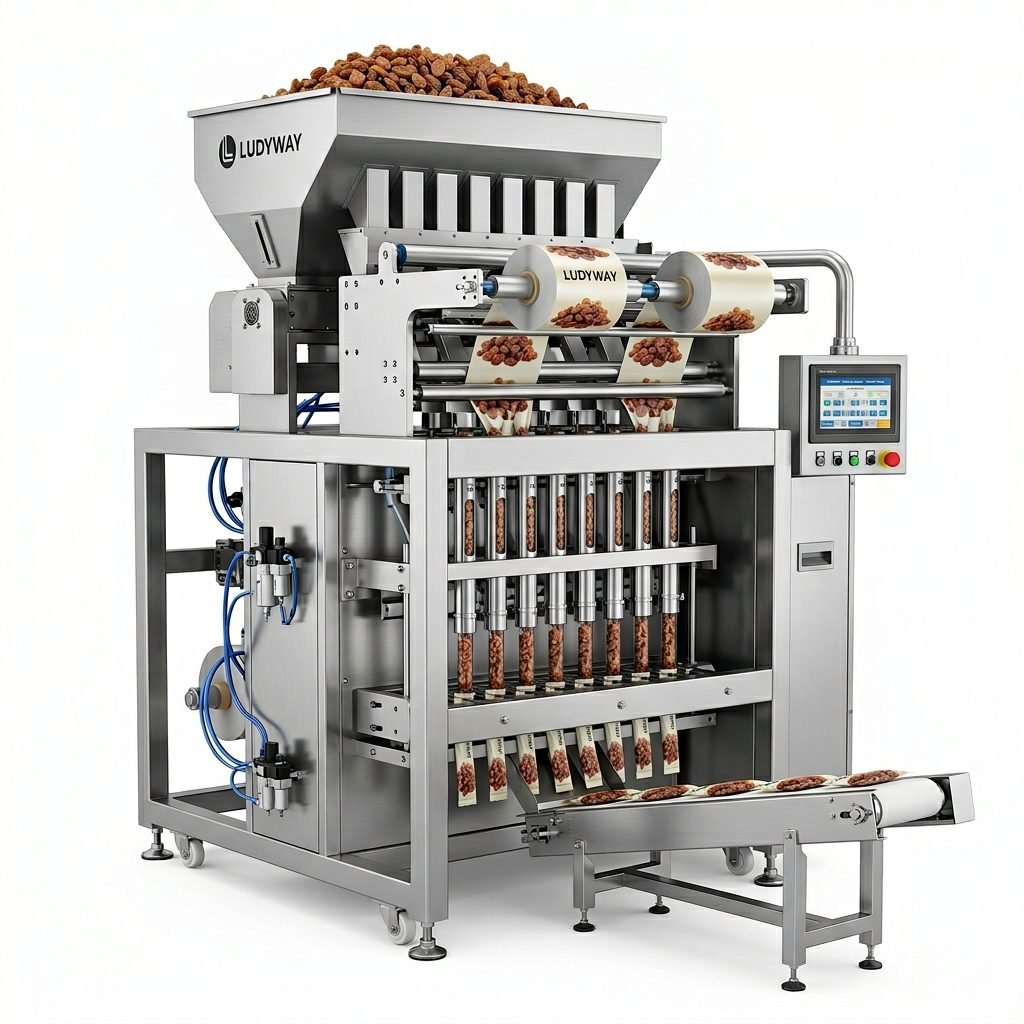
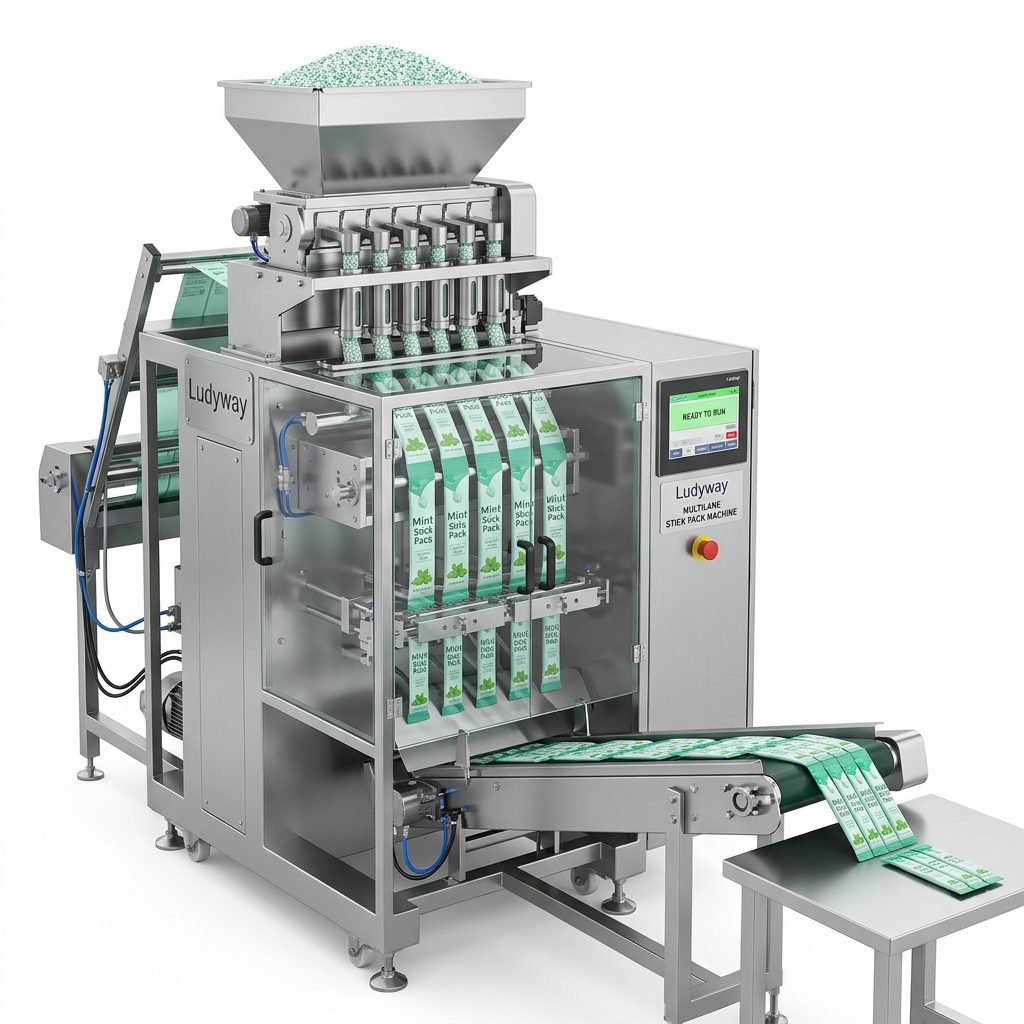
Cupcakes must be gently handled to prevent damage. Automated feeding systems use servo-driven conveyors and robotic pick-and-place units to orient cupcakes precisely before wrapping. For multi-lane packaging configurations, products are distributed across parallel tracks to maximize throughput without compromising product integrity.
Wrapping and Sealing Stations
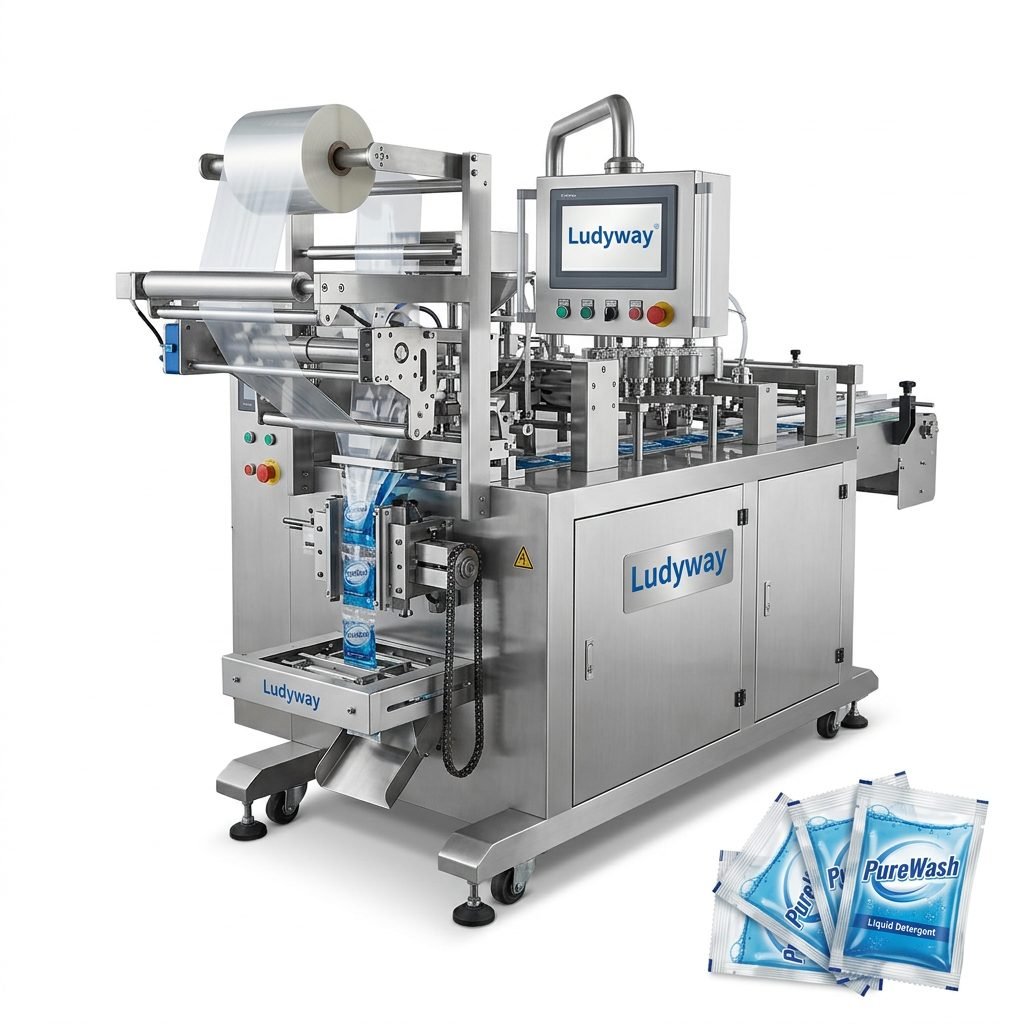
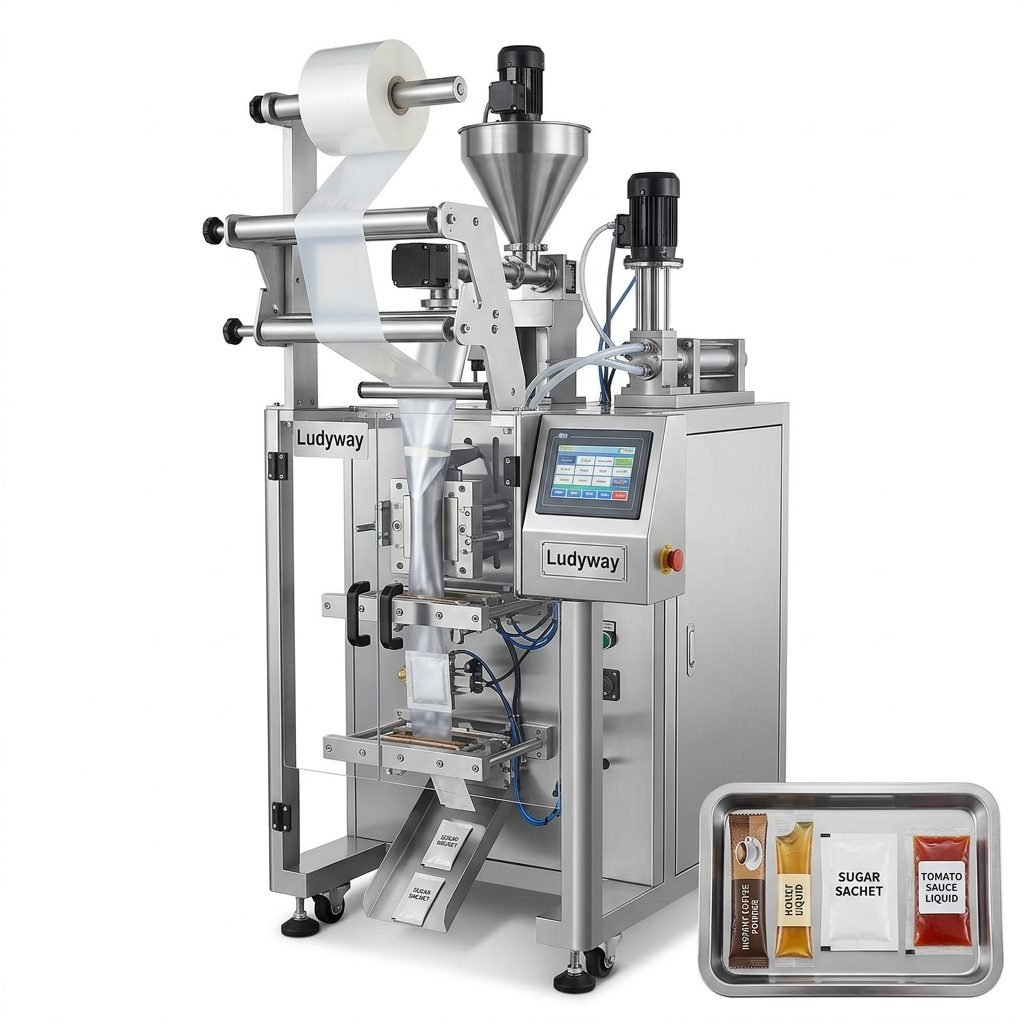
The wrapping stage is where packaging material is formed around the product. Depending on the package format—flow wrap, shrink wrap, or rigid tray sealing—different sealing technologies are employed. Heat sealing, ultrasonic sealing, and cold sealing each offer distinct advantages for specific film types and production speeds. For global markets, machines should support a range of sustainable and recyclable film materials to comply with evolving environmental regulations.
Secondary Packaging and Case Packing
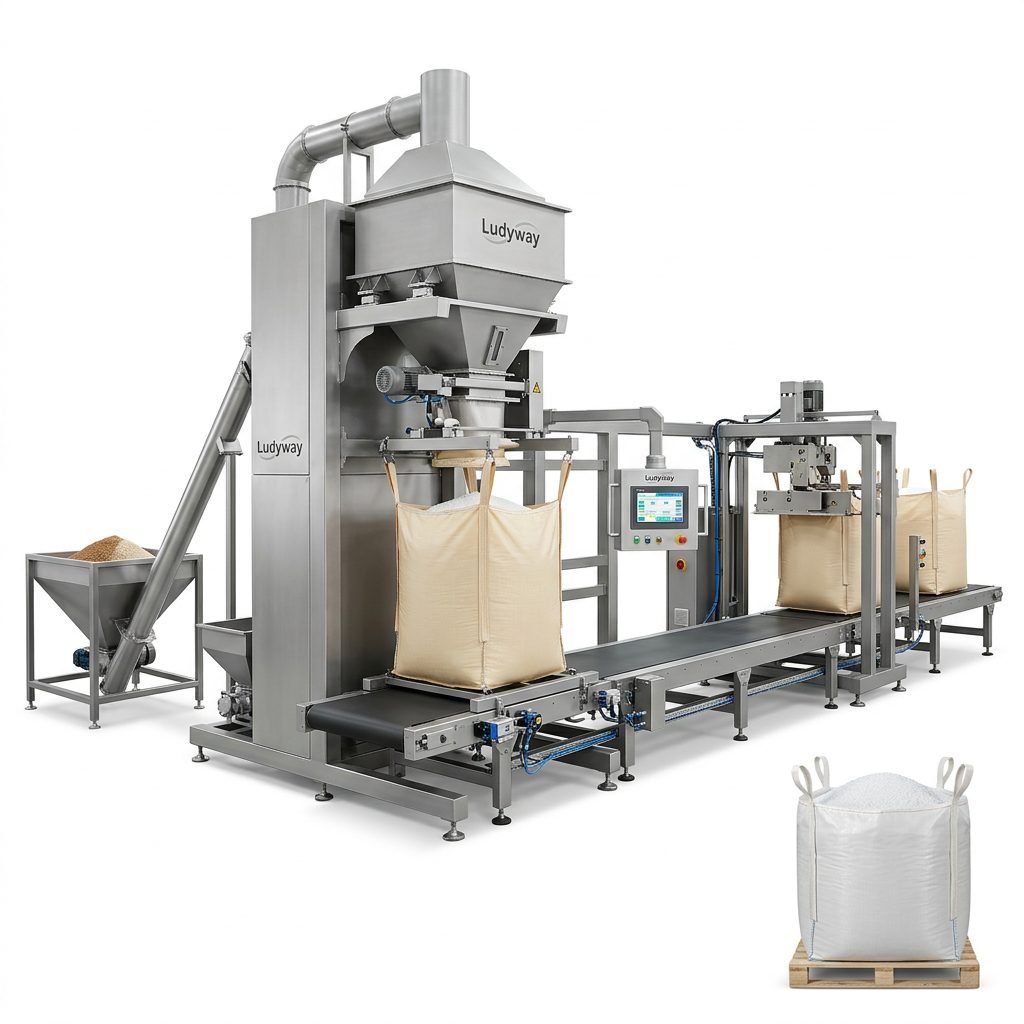
After primary wrapping, cupcakes are collated into cartons or trays. Automated case packing systems load wrapped products into shipping cases, apply labels, and prepare pallets for distribution. This stage is particularly important for export markets where case-level traceability and barcoding are mandatory.
Meeting Global Regulatory Standards
Food packaging machinery exported to international markets must comply with a complex web of regulations. Key standards to consider include:
- FDA 21 CFR — governs food contact materials for products sold in the United States
- EU Regulation (EC) No 1935/2004 — framework for food contact materials in the European Union
- ISO 22000 — food safety management systems applicable to packaging operations
- CE Marking — required for machinery sold within the European Economic Area
- GFSI-recognized schemes — such as BRCGS and FSSC 22000 for packaging facilities
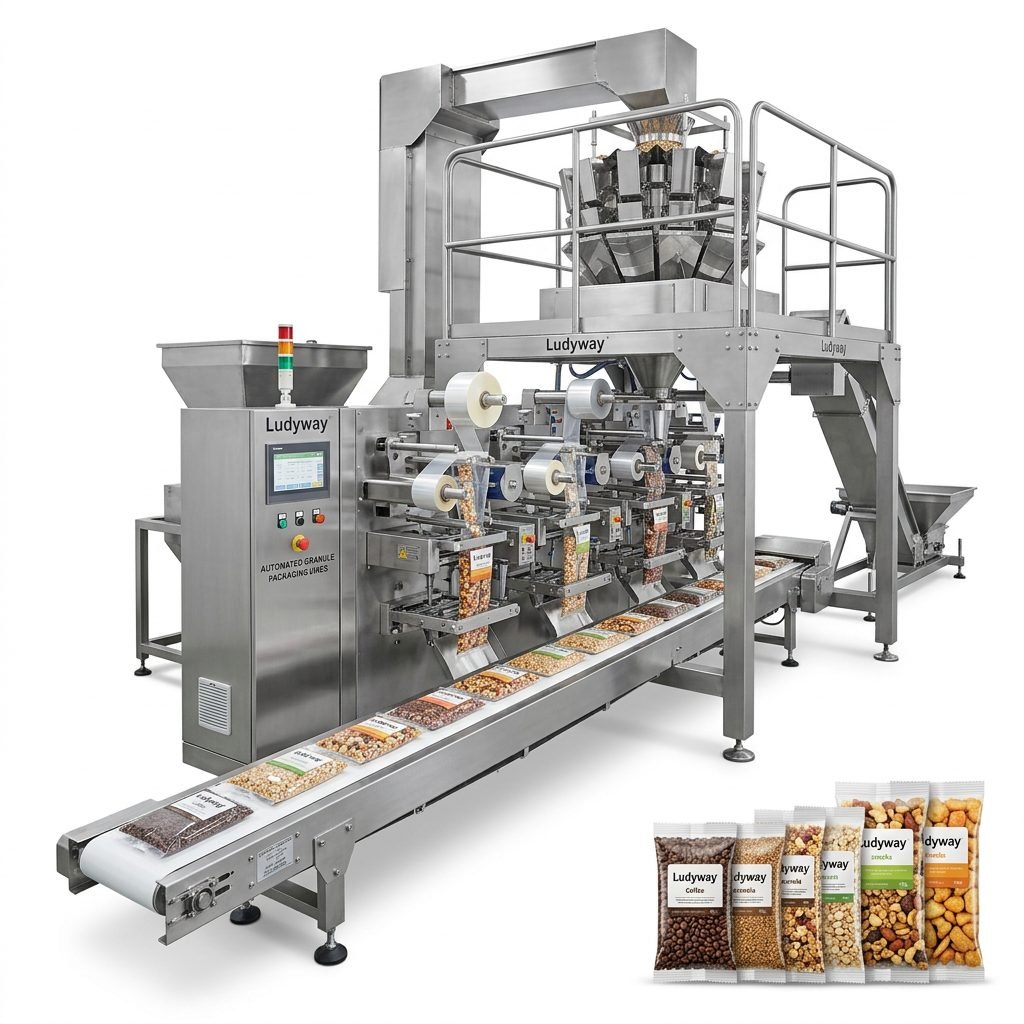
Machinery should be constructed from food-grade stainless steel and designed for easy sanitation. Equipment with validated cleaning protocols simplifies the certification process when entering new markets. Refer to the FDA Food Packaging and Food Contact Substances guidelines and ISO Packaging Standards for detailed compliance requirements.
Automation Levels for Different Market Scales
The degree of automation in a cupcake packaging line should align with production volume targets and labor cost structures in your target markets. The table below outlines common configurations:
| Automation Level | Production Speed | Labor Requirement | Best Suited For |
|---|---|---|---|
| Semi-Automatic | 30–60 packs/min | 3–5 operators | Regional bakeries, entry-level export |
| Fully Automatic Single Lane | 80–150 packs/min | 1–2 operators | Mid-scale production, multi-country distribution |
| Multi-Lane High-Speed | 300–600+ packs/min | Fully automated, minimal supervision | Large-scale global export operations |
| Turnkey Integrated Line | Custom configured | End-to-end automation | Multi-format, multi-market production hubs |
Quality Control and Inspection Systems
Global buyers demand consistent quality. Integrating inspection technology into your packaging line reduces the risk of costly recalls and protects brand reputation across markets. Essential quality control components include:
- Checkweighers — verify that each package meets the declared net weight
- Metal detectors and X-ray systems — detect physical contaminants before products leave the facility
- Vision inspection systems — verify label placement, print quality, and seal integrity
- Gas analyzers — for MAP applications, ensuring correct gas composition in each package
- Track-and-trace systems — serialize products for supply chain visibility and counterfeit prevention
Modern automated inspection systems can operate at high speeds without creating bottlenecks, providing real-time data for continuous process improvement.
Packaging Materials and Sustainability Considerations
Environmental regulations are reshaping packaging choices worldwide. The European Packaging and Packaging Waste Regulation and similar initiatives in other regions are pushing brands toward recyclable, compostable, and reduced-material packaging. When setting up a production line for global markets, ensure your machinery can process:
- Mono-material films that are easier to recycle
- Paper-based packaging with functional coatings
- Bio-based and compostable films
- Thinner gauge materials that reduce material usage without sacrificing protection
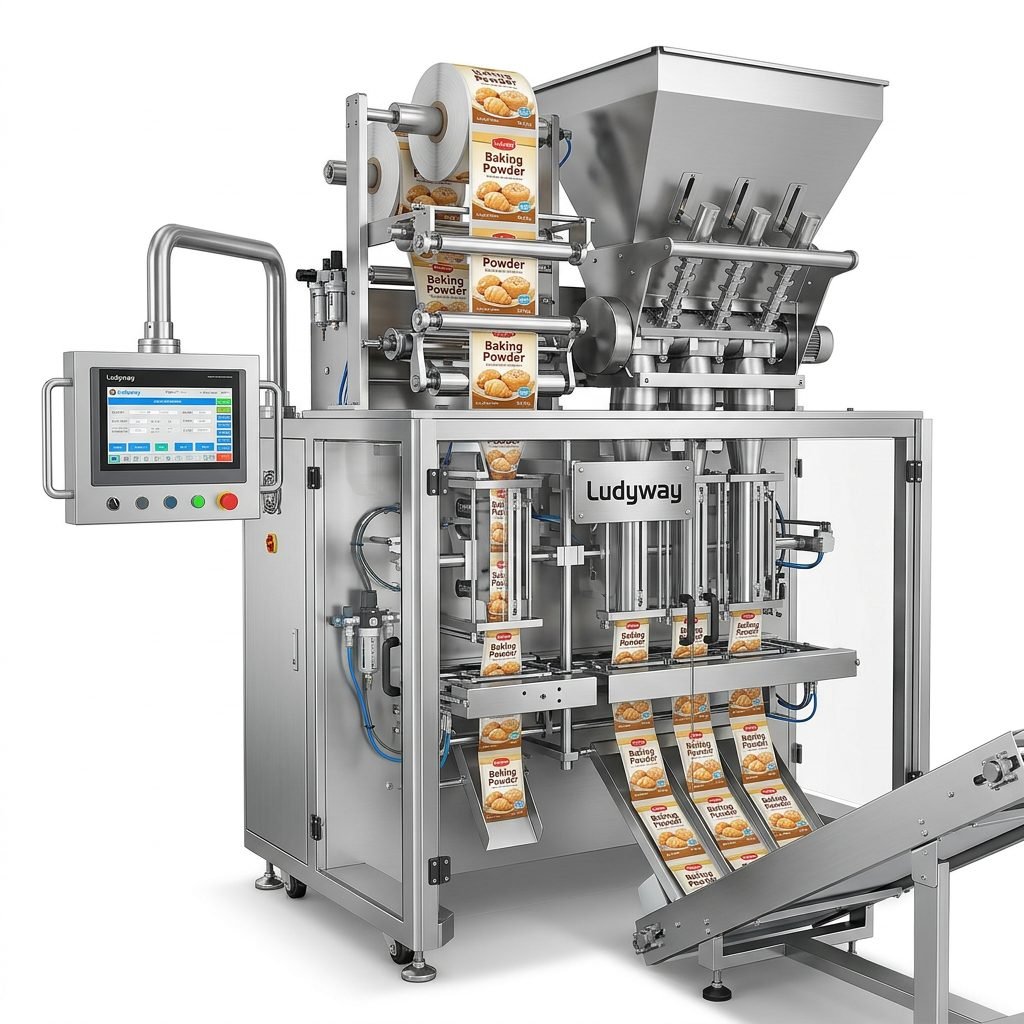
Turnkey Solutions for Global Operations
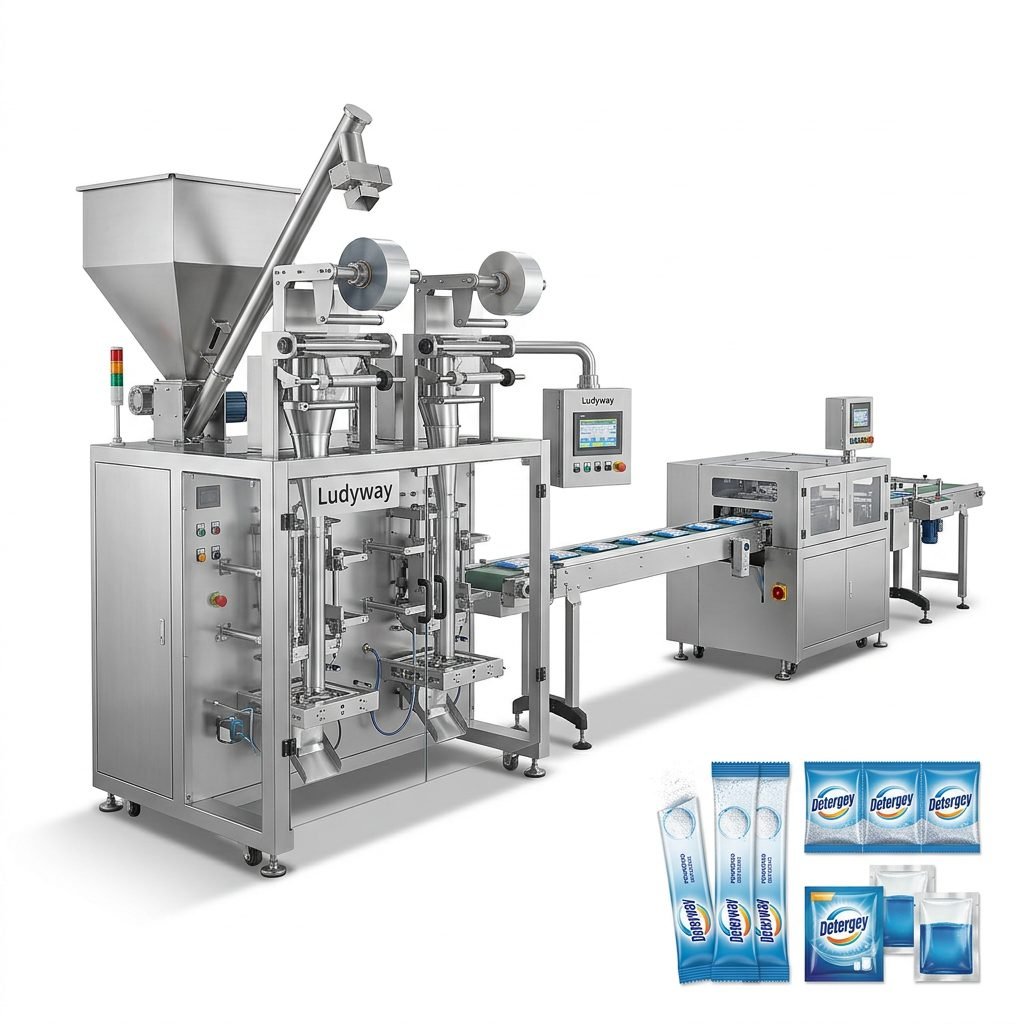
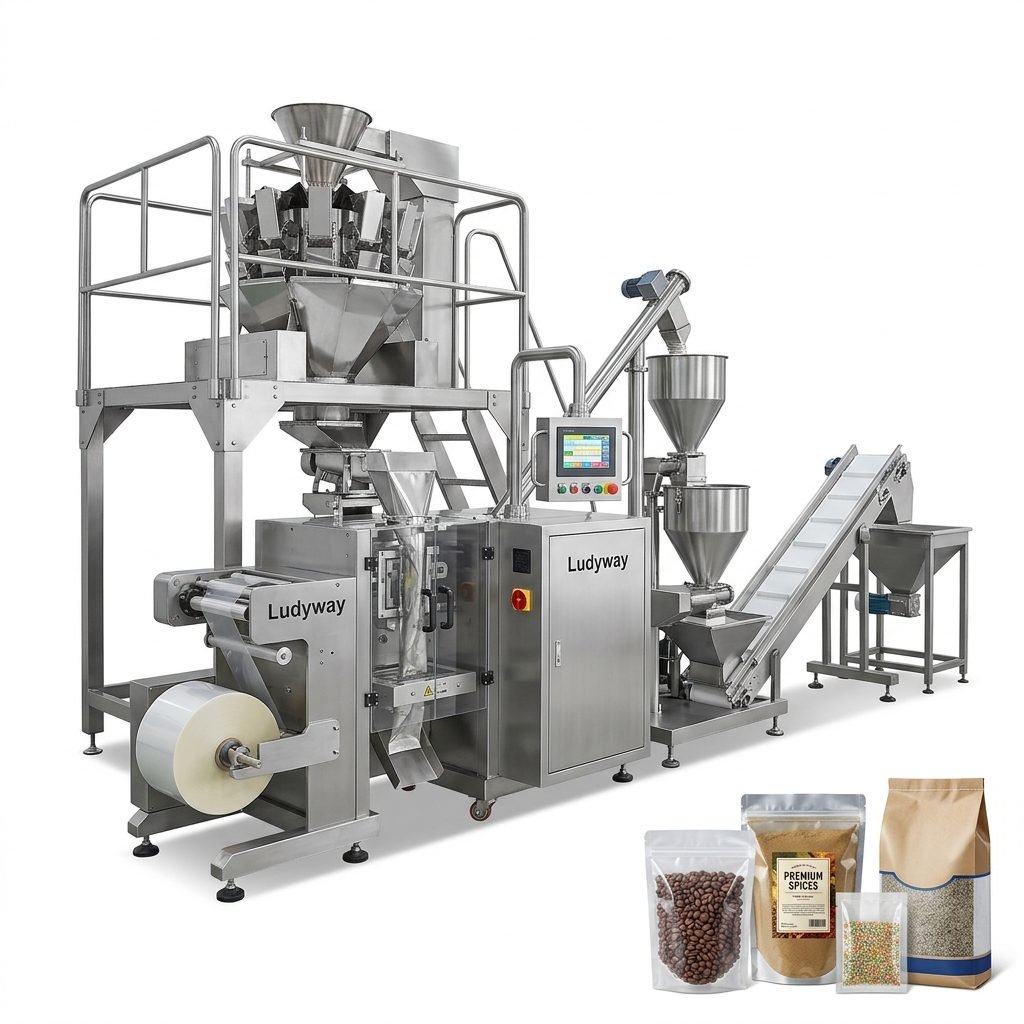
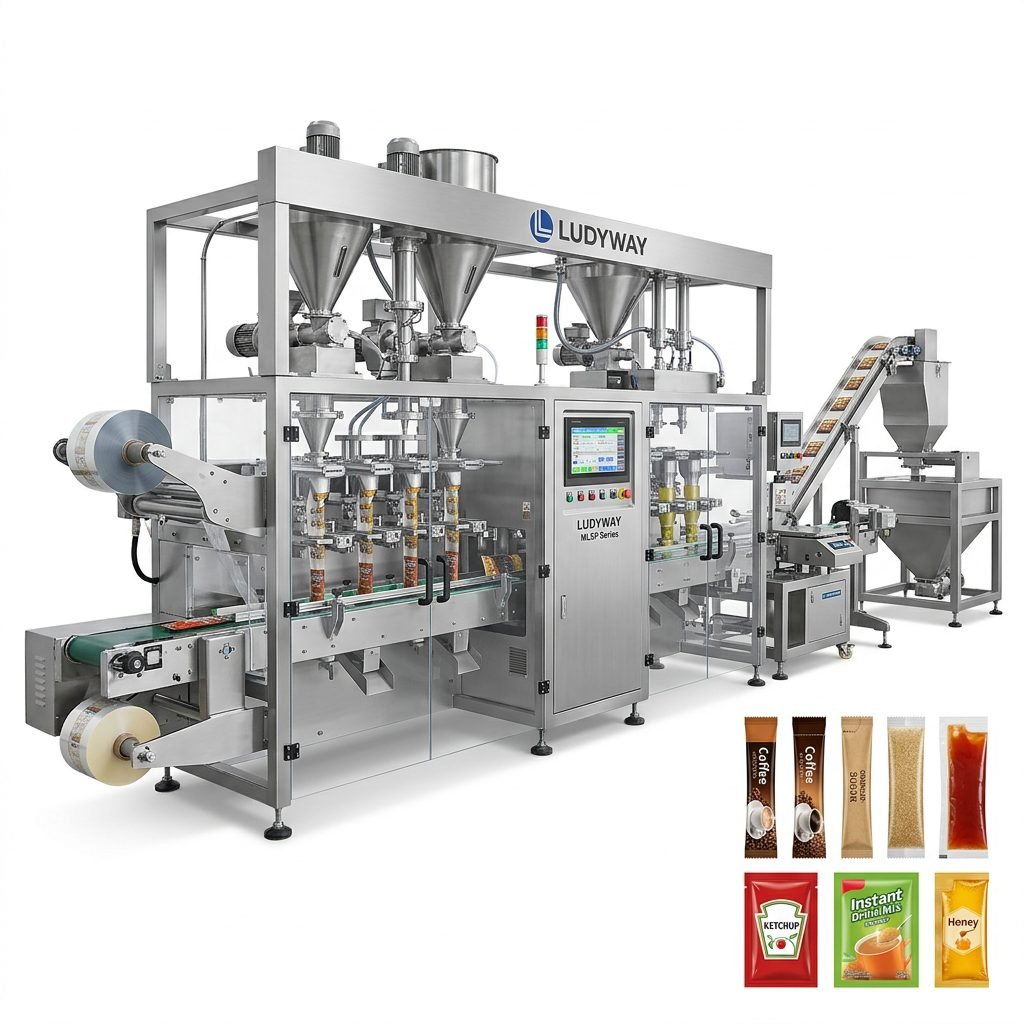
For companies entering multiple international markets simultaneously, turnkey packaging line solutions offer significant advantages. A single-source provider delivers integrated equipment, installation support, training, and ongoing technical service. This approach streamlines project management and ensures that all components are fully compatible from day one.
Ludyway is one of the largest packaging machine manufacturers in China, specializing in advanced packaging equipment and turnkey production solutions for the food, pharmaceutical, and health industries. With over 30 years of industry expertise and more than 50 intelligent packaging machine models, the company supports customers in over 100 countries with customized production lines designed for global compliance.
Benefits of an Integrated Production Line
- Simplified procurement — one contract, one supplier, one point of accountability
- Pre-tested compatibility — all modules are validated to work together before shipment
- Faster installation and ramp-up — coordinated delivery and commissioning
- Standardized maintenance — unified spare parts management and service protocols
- Scalable architecture — lines can be expanded as production volumes grow
Planning Your Cupcake Packaging Line Investment
Before committing to equipment, conduct a thorough production requirements analysis that covers:
- Target production capacity (units per shift, day, or year)
- Package formats required for each target market
- Available floor space and facility layout constraints
- Utility requirements including electrical, compressed air, and water
- Budget range and expected return on investment timeline
- After-sales support and spare parts availability in your region
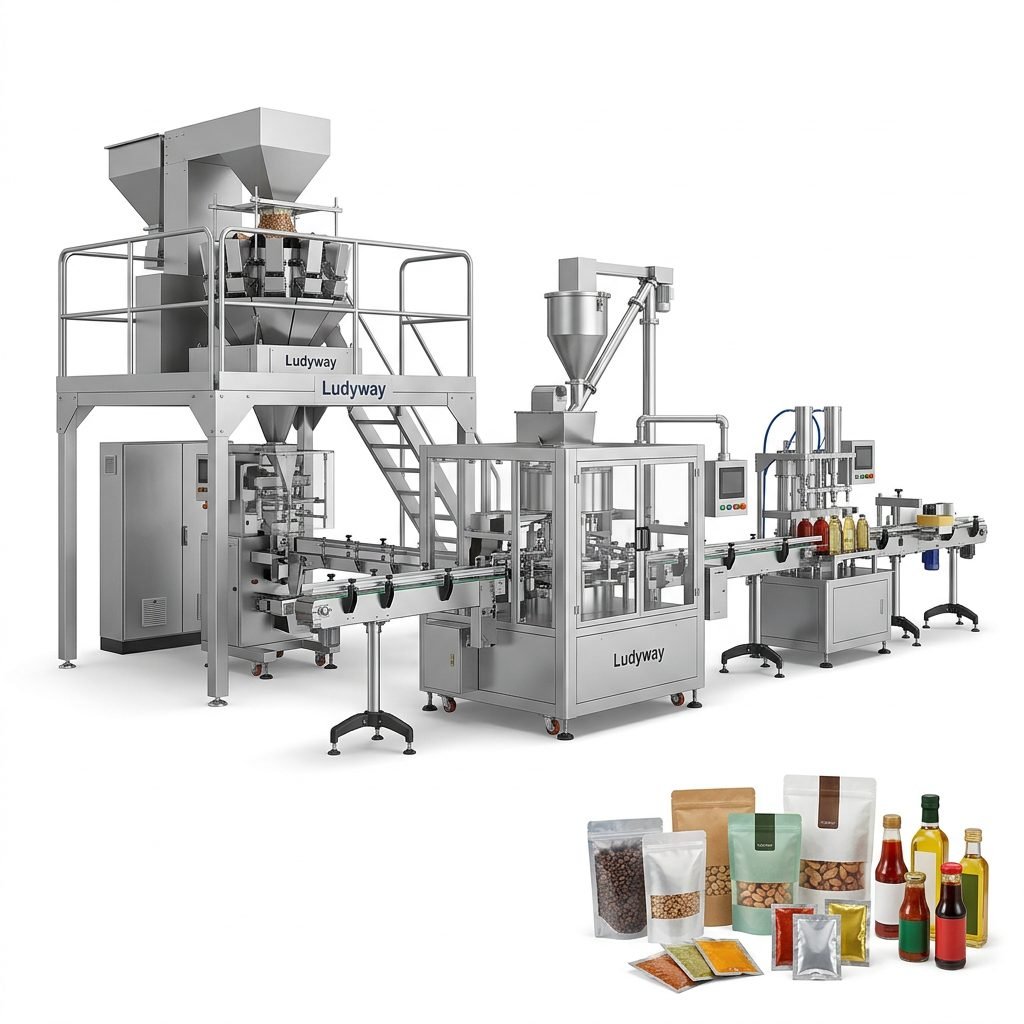
Partnering with an experienced packaging machinery manufacturer that understands international market requirements can significantly reduce the complexity of setting up a global cupcake packaging operation. From initial consultation to final commissioning, the right partner helps ensure your production line is ready to meet the demands of diverse markets with reliability and efficiency. For further industry insights, explore resources from the Association for Packaging and Processing Technologies (PMMI) and the Flexible Packaging Association.