Establishing a food packaging machine production line in France requires careful planning, regulatory awareness, and strategic equipment selection. France hosts one of Europe’s largest food processing industries, with over 17,000 food manufacturing enterprises contributing significantly to the national economy. Whether you are launching a startup or expanding an existing operation, understanding the complete setup process—from facility preparation to full-scale production—is essential for long-term success in this competitive market.
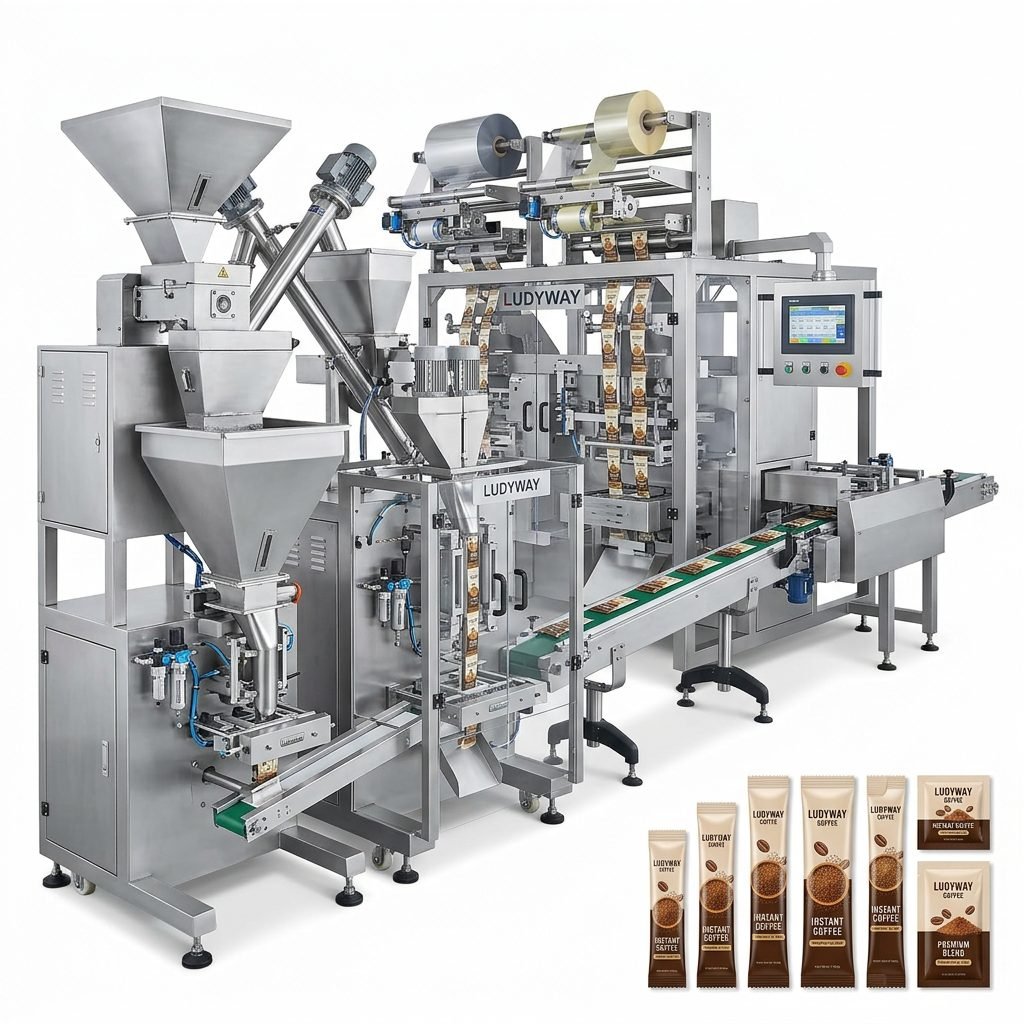
Understanding the French Food Packaging Market
The French food packaging sector is characterized by strict quality standards, high consumer expectations, and a growing emphasis on sustainability. According to industry data from the PMMI Business Intelligence reports, European packaging machinery demand continues to rise, driven by automation trends and regulatory updates. France specifically maintains robust demand for flexible packaging solutions across dairy, bakery, confectionery, and ready-to-eat meal segments.
Key market drivers influencing food packaging machinery investment in France include:
- Growing preference for portion-controlled packaging in single-serve and on-the-go formats
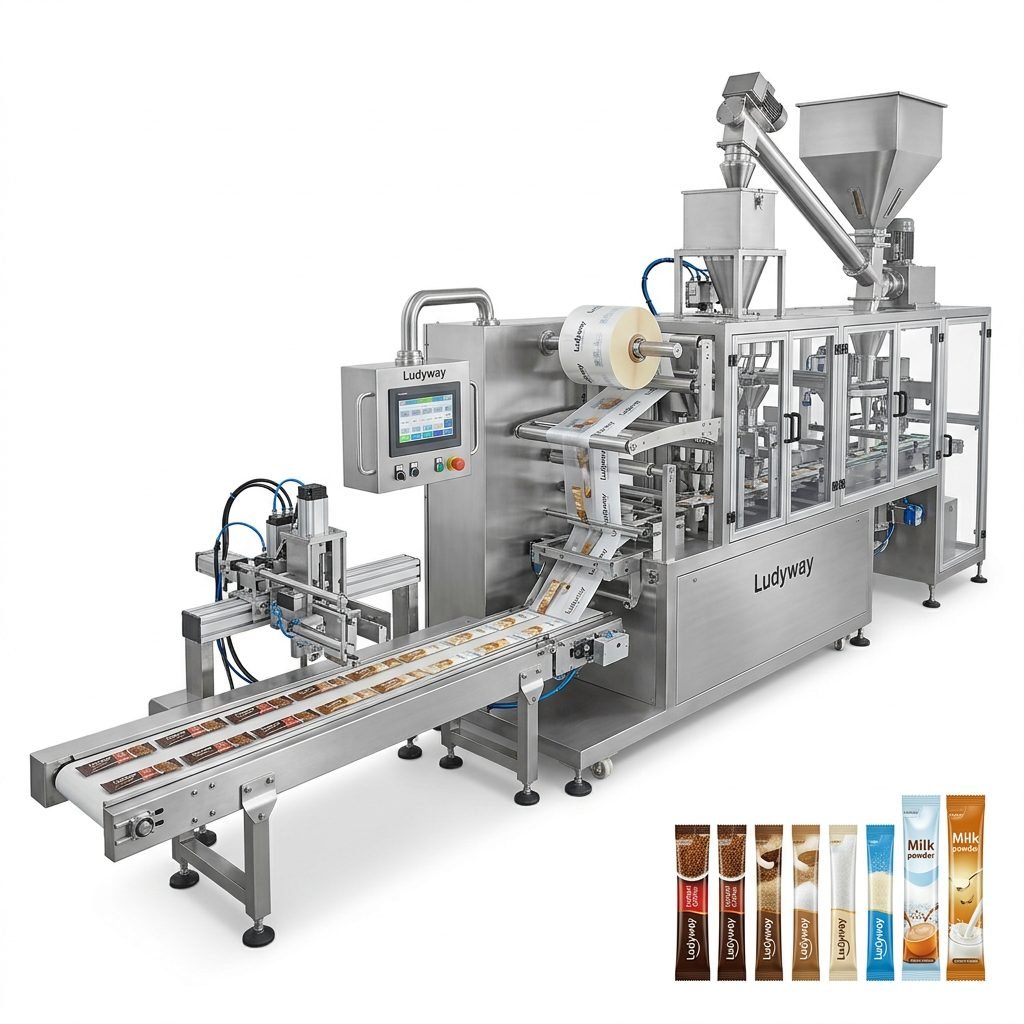
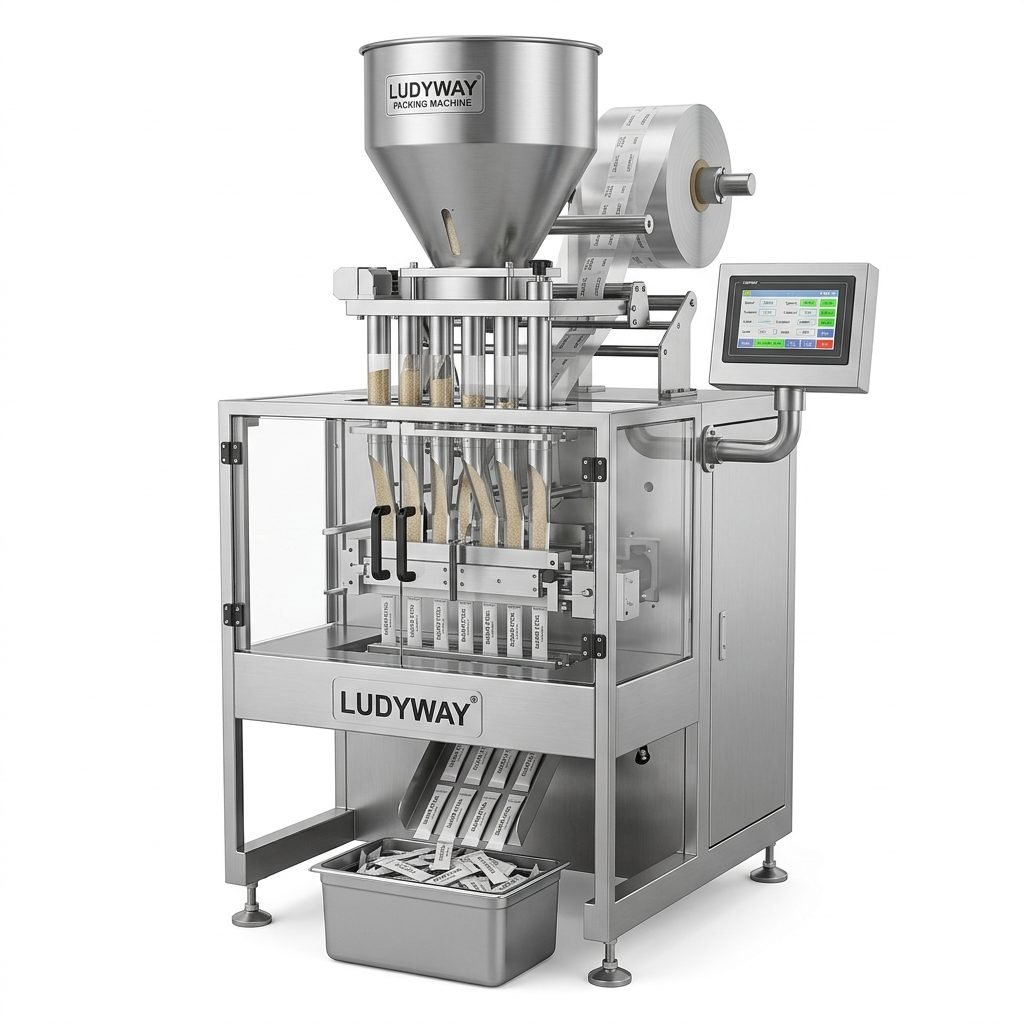
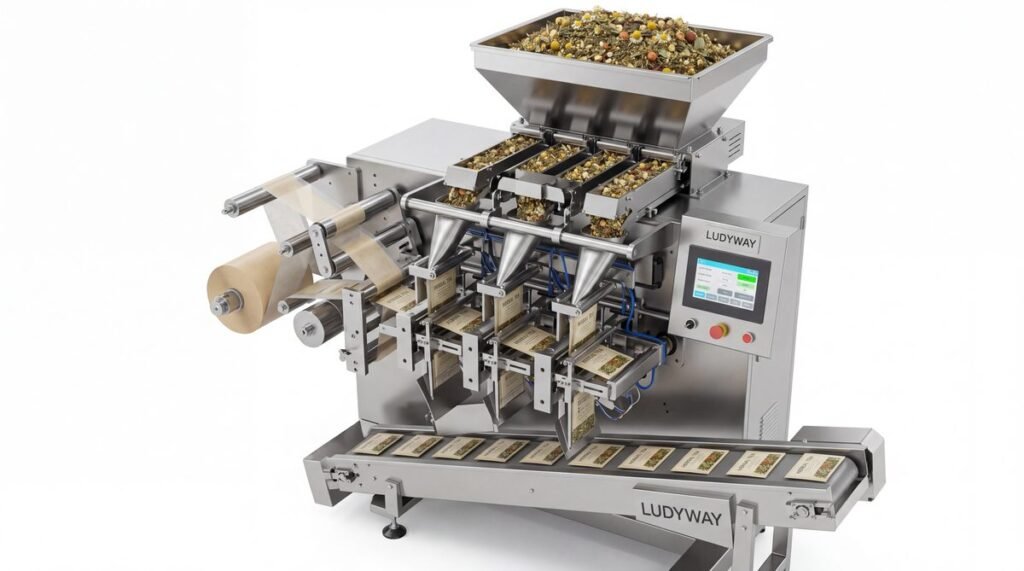
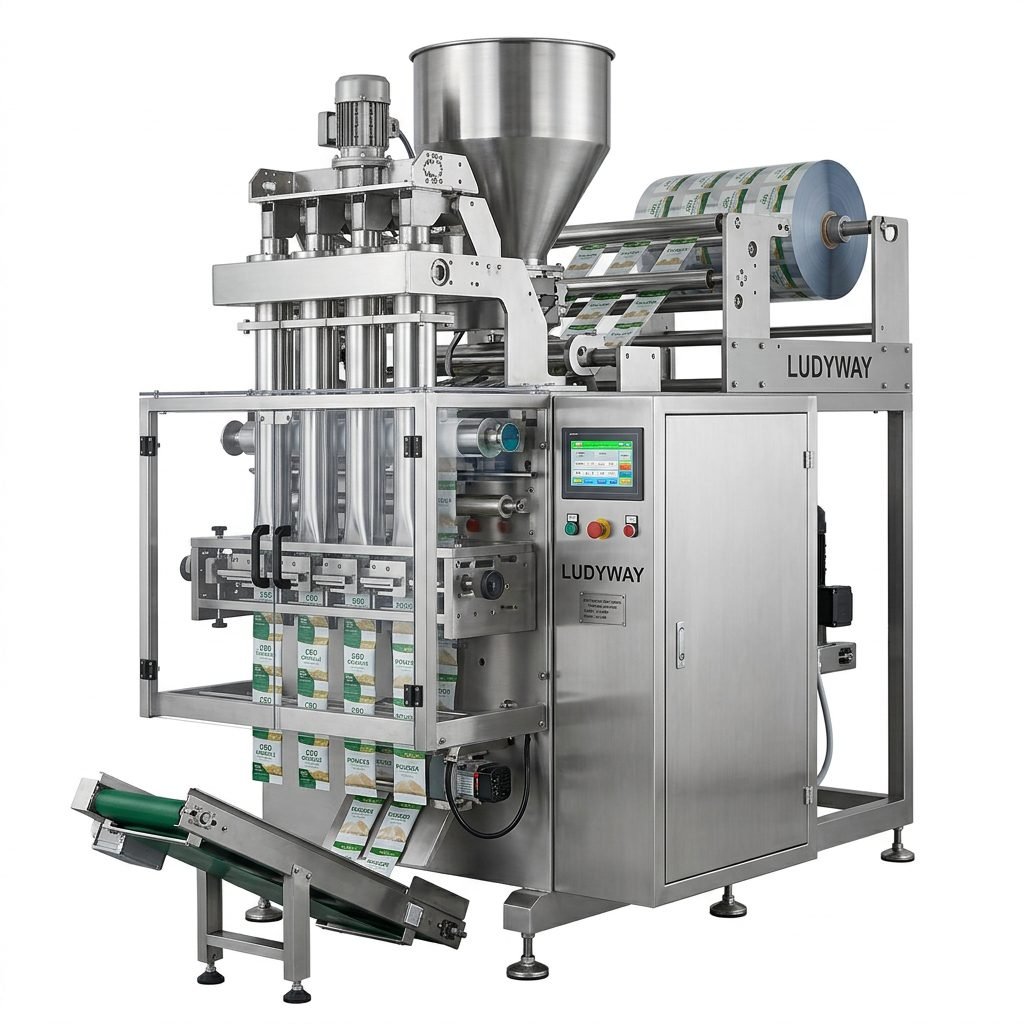
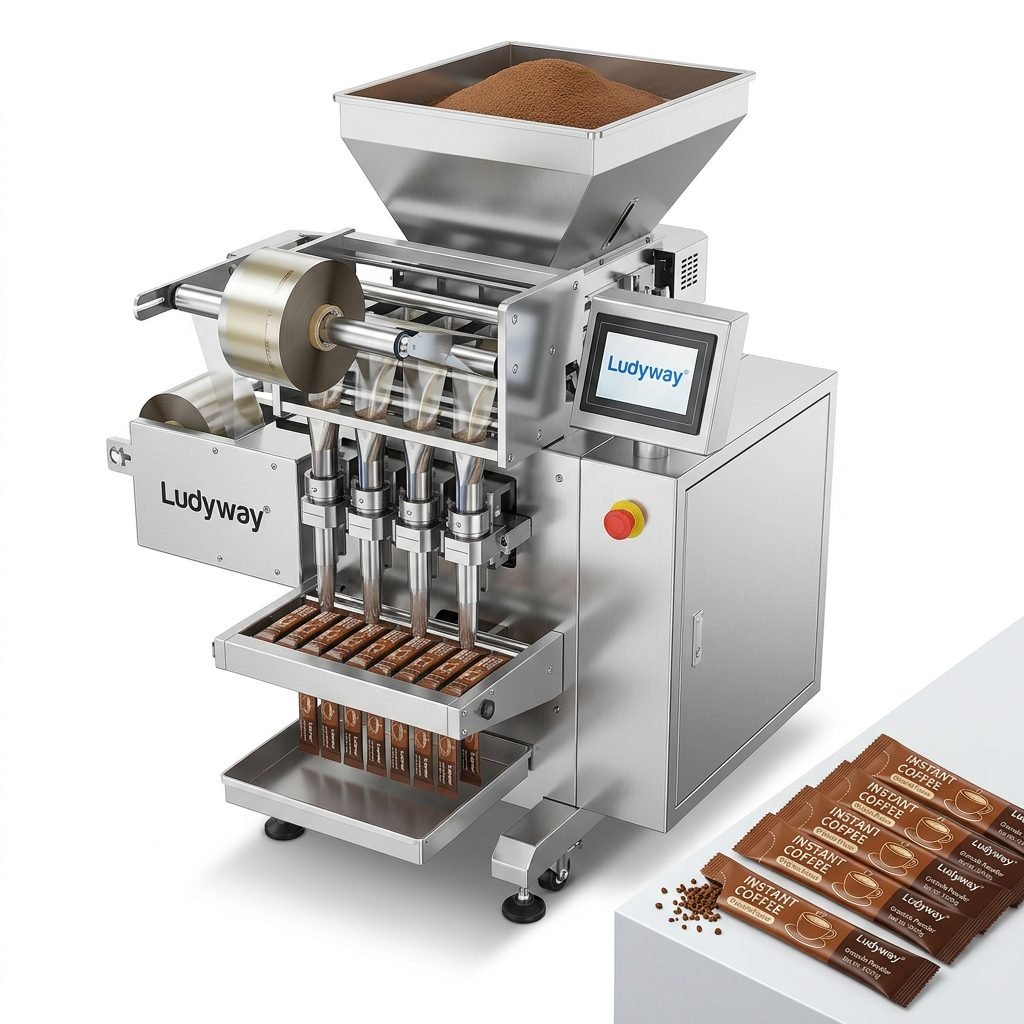
- Increasing adoption of multi-lane stick pack and sachet systems for powdered beverages, seasonings, and condiments
- Rising demand for sustainable and recyclable packaging materials compliant with EU directives
- Expansion of private-label food brands requiring flexible, high-speed packaging solutions
- Labor shortage concerns pushing manufacturers toward fully automated turnkey packaging lines
Regulatory Framework for Food Packaging in France
France enforces rigorous food packaging regulations that align with both European Union directives and national standards. Compliance is non-negotiable for any production line operating within French territory. The primary regulatory bodies and frameworks include:
EU and French Compliance Requirements
- EU Regulation (EC) No 1935/2004 – Governs all food contact materials, requiring that packaging does not transfer harmful substances to food
- EU Regulation (EC) No 2023/2006 – Establishes Good Manufacturing Practice (GMP) for food contact materials
- DGCCRF (Direction Générale de la Concurrence, de la Consommation et de la Répression des Fraudes) – The French authority overseeing food safety and packaging compliance
- French Decree No 2007-766 – Specific national requirements for materials intended to come into contact with food
For detailed regulatory guidance, manufacturers should consult the FDA Food Ingredients and Packaging resources as well as the European Commission Packaging and Packaging Waste Regulation portal for the latest updates on sustainability mandates affecting packaging operations.
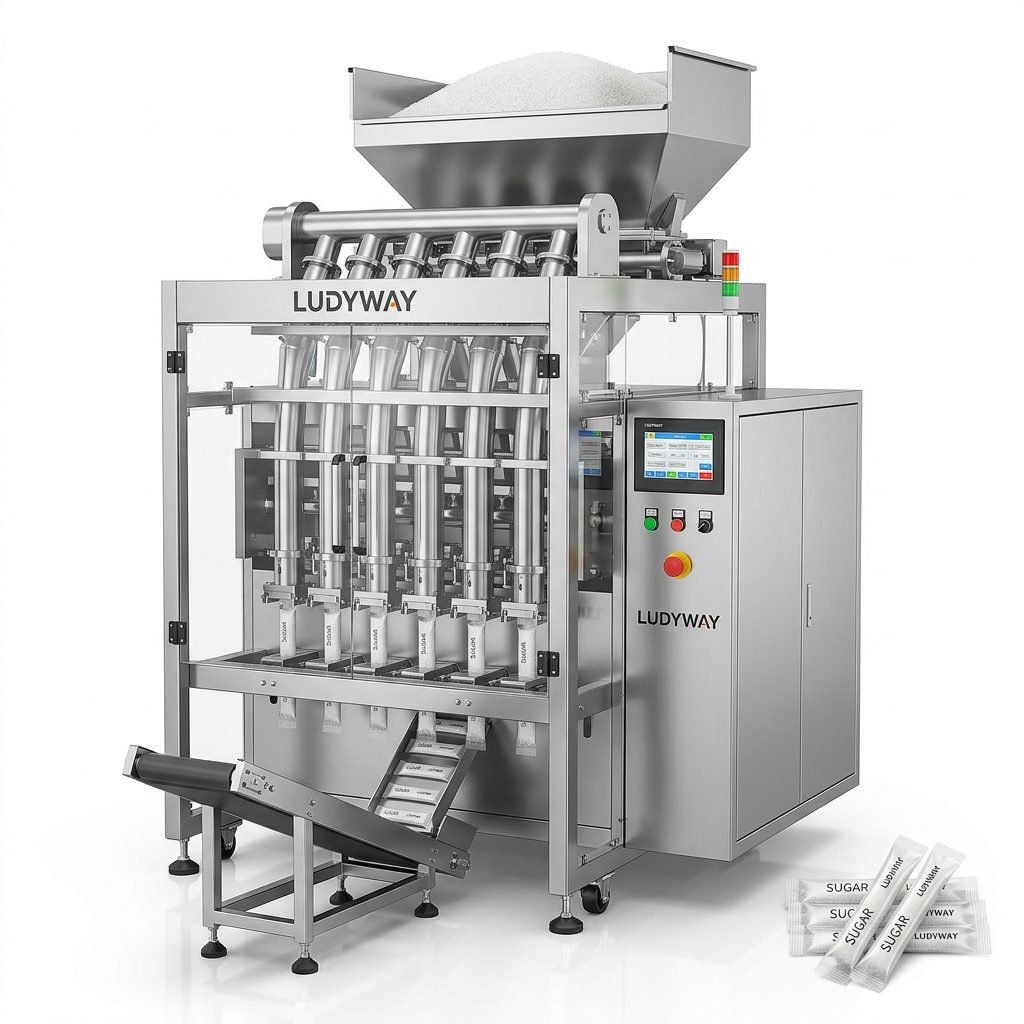
Selecting the Right Food Packaging Machinery
Choosing appropriate equipment is the cornerstone of a successful production line. The French market favors high-speed, versatile packaging machines capable of handling multiple product formats. Below is a comparative overview of common food packaging machinery types used in French production facilities:
| Machine Type | Product Compatibility | Typical Speed Range | Best Suited For |
|---|---|---|---|
| Multi-Lane Stick Pack | Powders, granules, fine grains | 400-1,200 packs/min | Coffee, sugar, seasoning, protein powders |
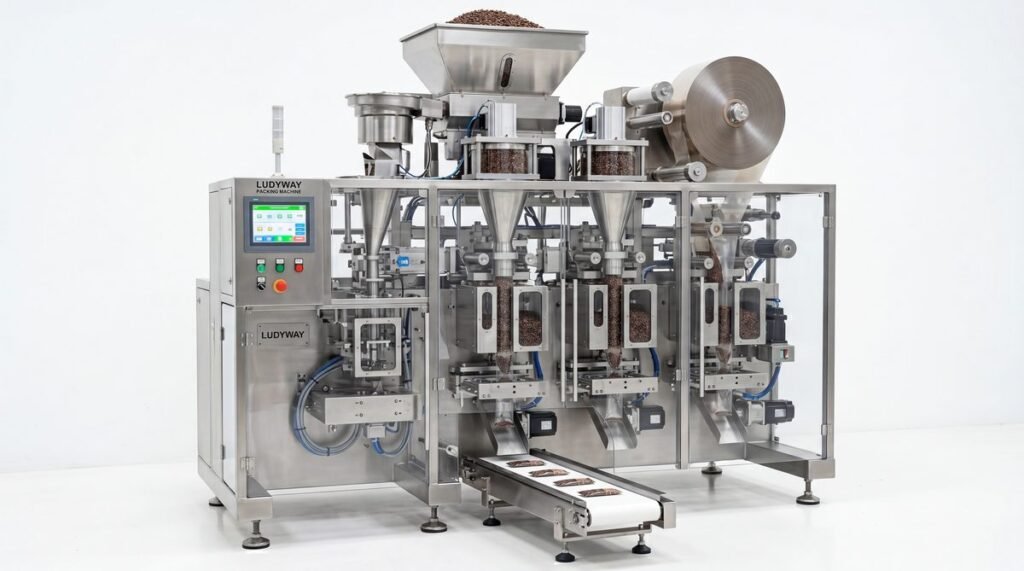
| Vertical Form Fill Seal (VFFS) | Granules, powders, snacks | 30-120 bags/min | Chips, nuts, frozen foods, cereal |
| Premade Pouch Filling | Liquids, pastes, sauces | 40-80 pouches/min | Sauces, dressings, ready meals |
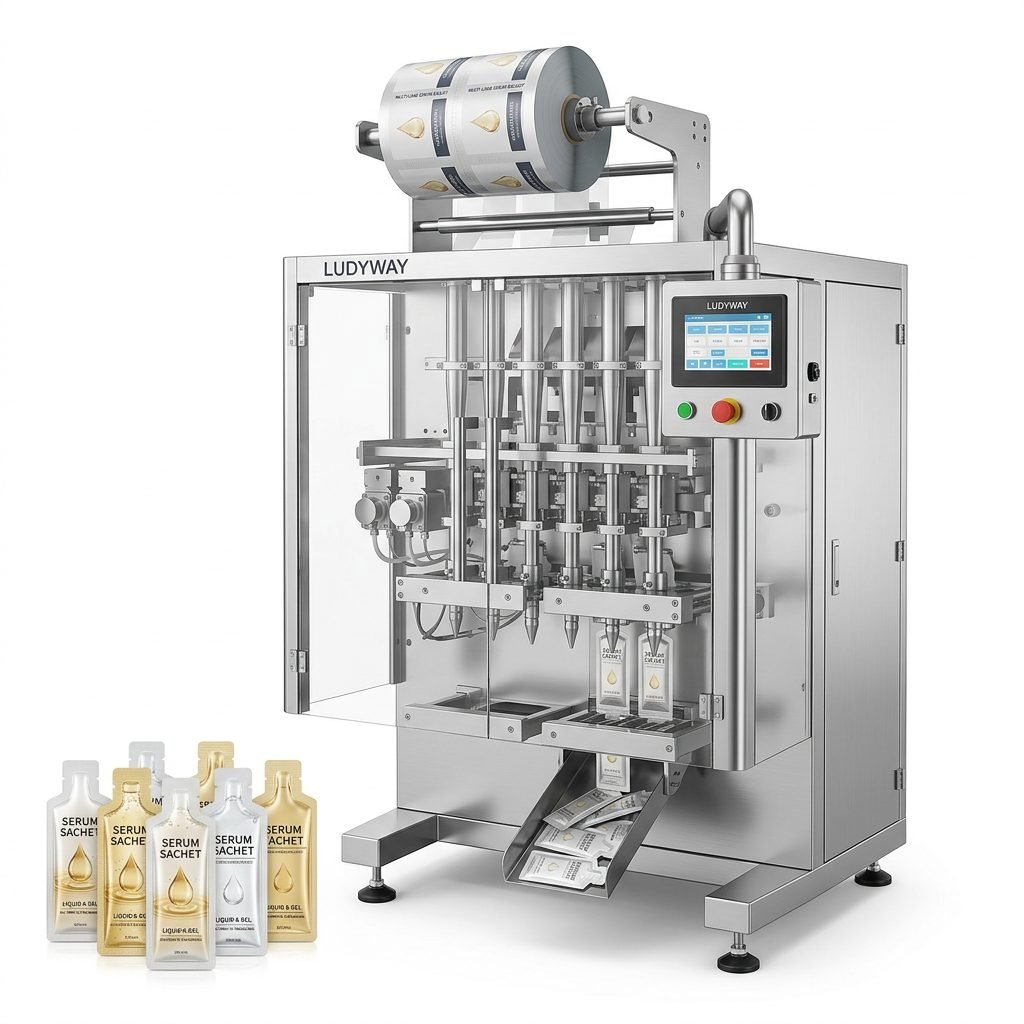
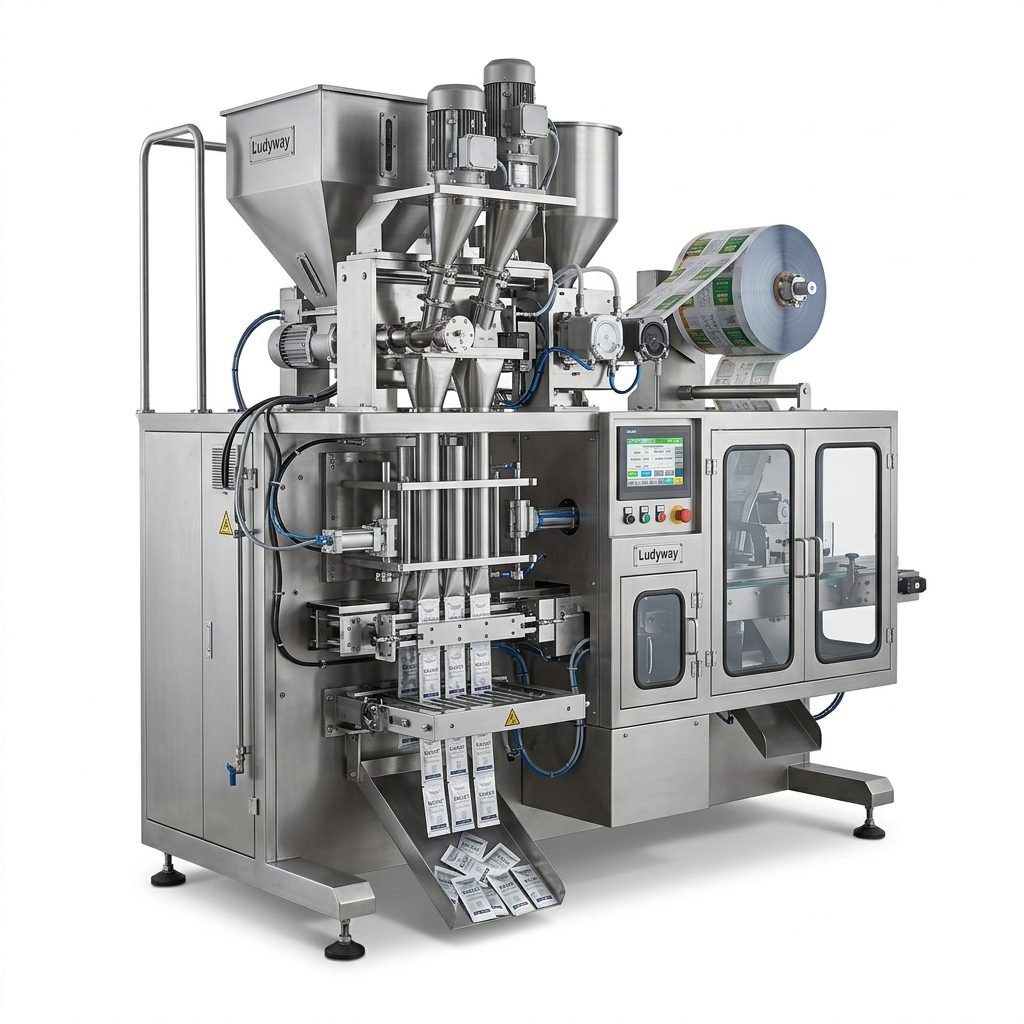
| Sachet Packaging Machines | Powders, liquids, granules | 200-800 sachets/min | Instant drinks, condiments, samples |
| Bottle Filling and Capping | Liquids, viscous products | 50-300 bottles/min | Oils, syrups, beverages, sauces |
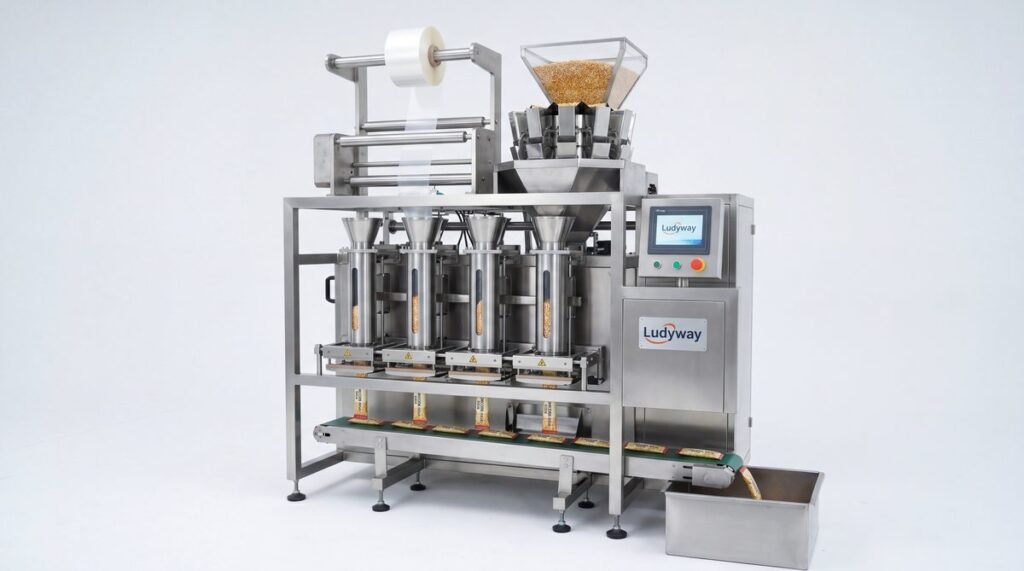
When evaluating machinery suppliers, it is advisable to partner with manufacturers that offer comprehensive turnkey solutions. Ludyway is one of the largest packaging machine manufacturers, specializing in advanced packaging equipment and turnkey production solutions for the food, pharmaceutical, and health industries. With a modern 20,000㎡ manufacturing facility and over 30 years of industry experience, the company provides reliable and efficient packaging solutions for granule, powder, liquid, and pouch packaging applications across more than 100 countries and regions.
Key Features to Prioritize
- Servo-driven control systems for precise filling and sealing accuracy
- Quick-changeover capabilities to accommodate multiple product SKUs
- Compatibility with recyclable and biodegradable film materials
- Integrated quality inspection systems including checkweighers and metal detectors
- Remote monitoring and data collection for production optimization
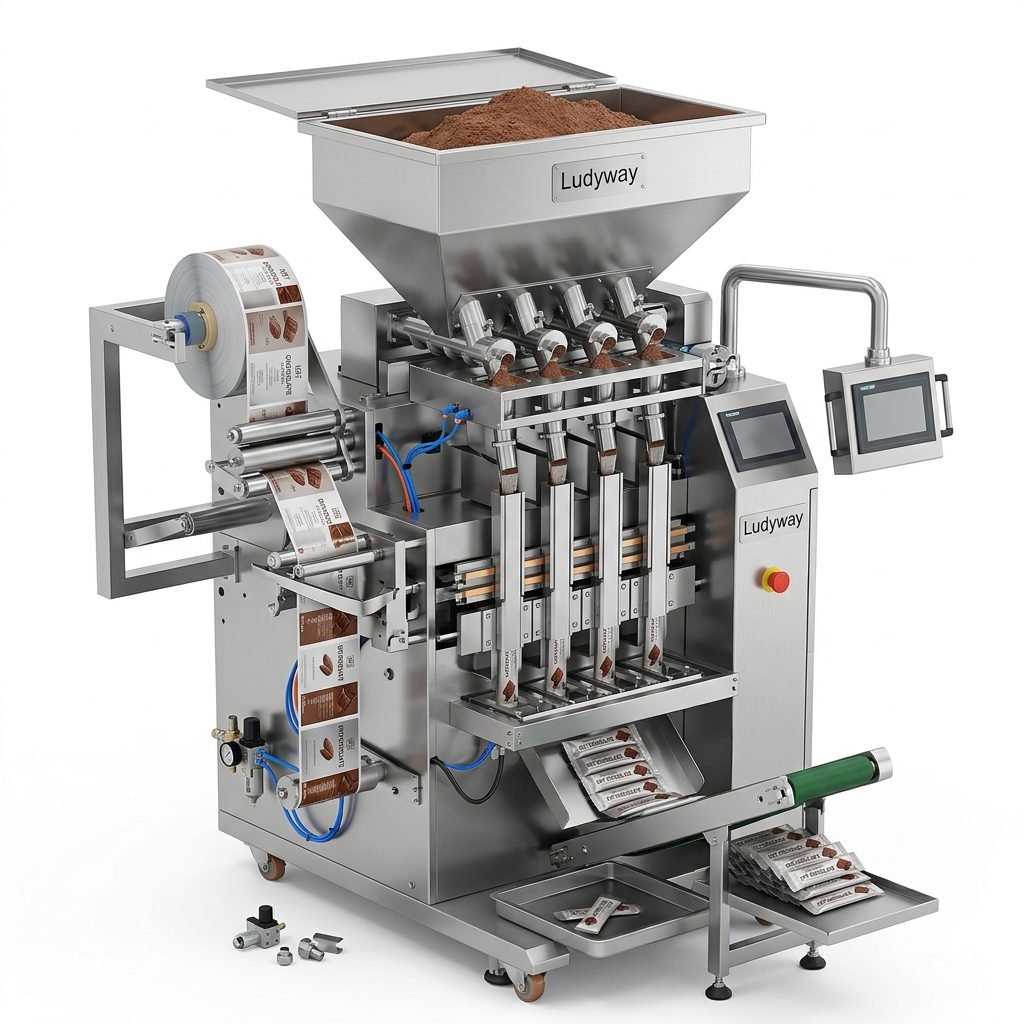
Production Line Layout and Facility Planning
An optimized facility layout directly impacts operational efficiency, product safety, and regulatory compliance. French food production facilities must adhere to strict hygiene and workflow standards. The following considerations are critical when planning your production line layout:
Facility Zoning Requirements
- Raw material receiving zone – Separate from processing areas to prevent cross-contamination
- Processing and packaging zone – Maintain positive air pressure with filtered air supply
- Finished goods storage – Climate-controlled environment away from raw materials
- Waste management zone – Isolated from all production areas with designated disposal routes
Material Flow Optimization
Efficient material flow reduces handling time and minimizes contamination risks. The linear flow principle—where products move in one direction from raw material intake to finished goods dispatch—is widely recommended. Incorporating automated conveying systems, granule feeding systems, and robotic palletizing equipment further enhances throughput. The Flexible Packaging Association Industry Resources provides valuable benchmarks for facility design and material handling best practices relevant to French and European operations.
Installation, Commissioning, and Staff Training
Proper installation and commissioning are decisive factors in achieving consistent production output from day one. A structured approach includes pre-installation site preparation, equipment positioning, utility connections (electrical, compressed air, nitrogen supply if needed), and comprehensive system testing.
Commissioning Checklist
- Mechanical integrity verification – Confirm all components are securely mounted and aligned
- Electrical safety testing – Validate grounding, circuit protection, and emergency stop functionality
- Dry run testing – Operate the line without product to verify timing and coordination
- Product trials – Run with actual products to fine-tune filling weights and seal parameters
- Performance qualification – Document that the line meets specified speed and quality targets
Operator training should cover machine operation, routine maintenance, troubleshooting, and safety protocols. French labor regulations require documented training records for all personnel operating industrial machinery. Ongoing skill development ensures operators can maximize equipment utilization while maintaining product quality standards.
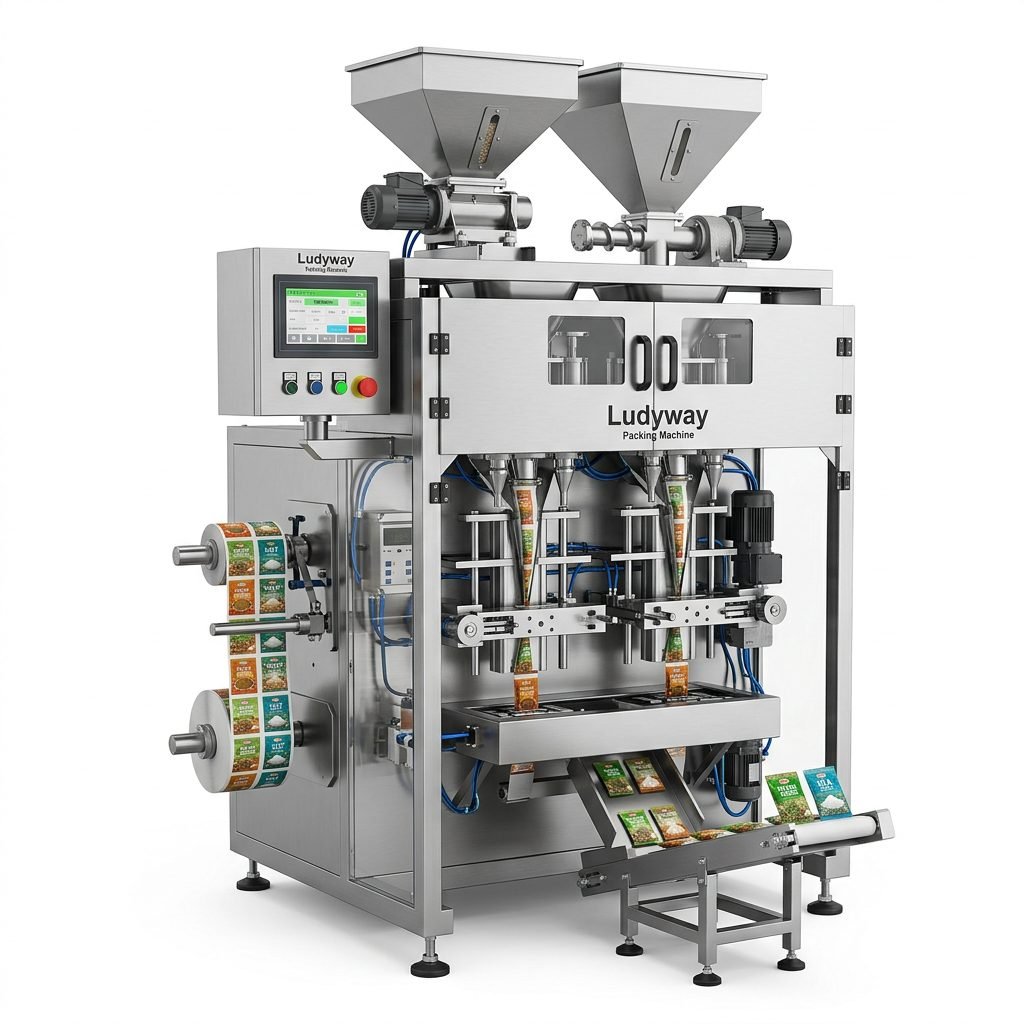
Cost Analysis and ROI Considerations
Investing in a food packaging machine production line in France involves several cost categories. Understanding these helps in budget planning and ROI forecasting. Below is a breakdown of typical cost components:
| Cost Category | Estimated Percentage | Key Variables |
|---|---|---|
| Packaging Machinery | 40-55% | Speed, automation level, customization |
| Facility Preparation | 10-15% | Utilities, flooring, climate control |
| Installation and Commissioning | 8-12% | Supplier location, line complexity |
| Auxiliary Equipment | 10-15% | Conveyors, coders, inspection systems |
| Training and Documentation | 3-5% | Operator skill level, language requirements |
| Regulatory Compliance | 2-5% | Certifications, testing, audits |
ROI timelines typically range from 18 to 36 months for well-planned installations, with high-speed multi-lane systems often achieving faster payback due to superior output rates. For the latest industry economic data, the PMMI 2026 State of the Industry Report offers valuable insights into packaging machinery investment trends across European markets.
Common Challenges and Solutions
Setting up a food packaging production line in France presents unique challenges. Anticipating these issues enables proactive mitigation:
Challenge: Navigating French Administrative Procedures
French bureaucracy can be complex for foreign investors. Solution: Engage a local regulatory consultant or partner with equipment suppliers experienced in French market entry to streamline the approval process.
Challenge: Sustainability Compliance
France enforces some of Europe’s most ambitious packaging waste reduction targets. Solution: Select machinery compatible with mono-material recyclable films and invest in equipment that minimizes material waste during production.
Challenge: Skilled Labor Availability
Finding qualified packaging line operators can be difficult in certain regions. Solution: Prioritize user-friendly HMI interfaces with multi-language support and invest in comprehensive training programs. Automated quality control systems also reduce reliance on manual inspection.
Challenge: Supply Chain Coordination
Coordinating packaging material supply with production schedules requires precision. Solution: Implement inventory management software integrated with your packaging line’s production data for real-time material tracking.
Frequently Asked Questions
What are the minimum facility requirements for a food packaging line in France?
Facilities must meet EU hygiene standards including cleanable surfaces, adequate lighting, ventilation, pest control measures, and separate zones for raw materials and finished products. Compliance with HACCP principles is mandatory for all food contact operations.
How long does it take to set up a complete production line?
From initial planning to full commercial production, expect 6 to 12 months depending on machinery lead times, facility readiness, and regulatory approval processes. Turnkey solutions can significantly compress this timeline.
Is CE certification sufficient for machinery imported into France?
Yes, CE marking is required for all machinery sold and operated within the European Economic Area. However, additional French-specific requirements may apply for certain food contact applications. Consult with the ISO Packaging Standards for relevant international benchmarks.
What types of packaging materials are popular in the French market?
The French market increasingly favors recyclable mono-material structures, compostable films, and lightweight flexible packaging. Laminated structures are still widely used but face growing regulatory pressure under evolving EU packaging directives.
Can I visit packaging machinery exhibitions in France before purchasing?
Absolutely. Major international exhibitions such as PACK EXPO International and various European trade shows provide excellent opportunities to evaluate machinery firsthand and meet with global suppliers serving the French market.
With proper planning, regulatory compliance, and the right equipment partner, establishing a food packaging machine production line in France can unlock significant growth opportunities in one of Europe’s most dynamic food markets.