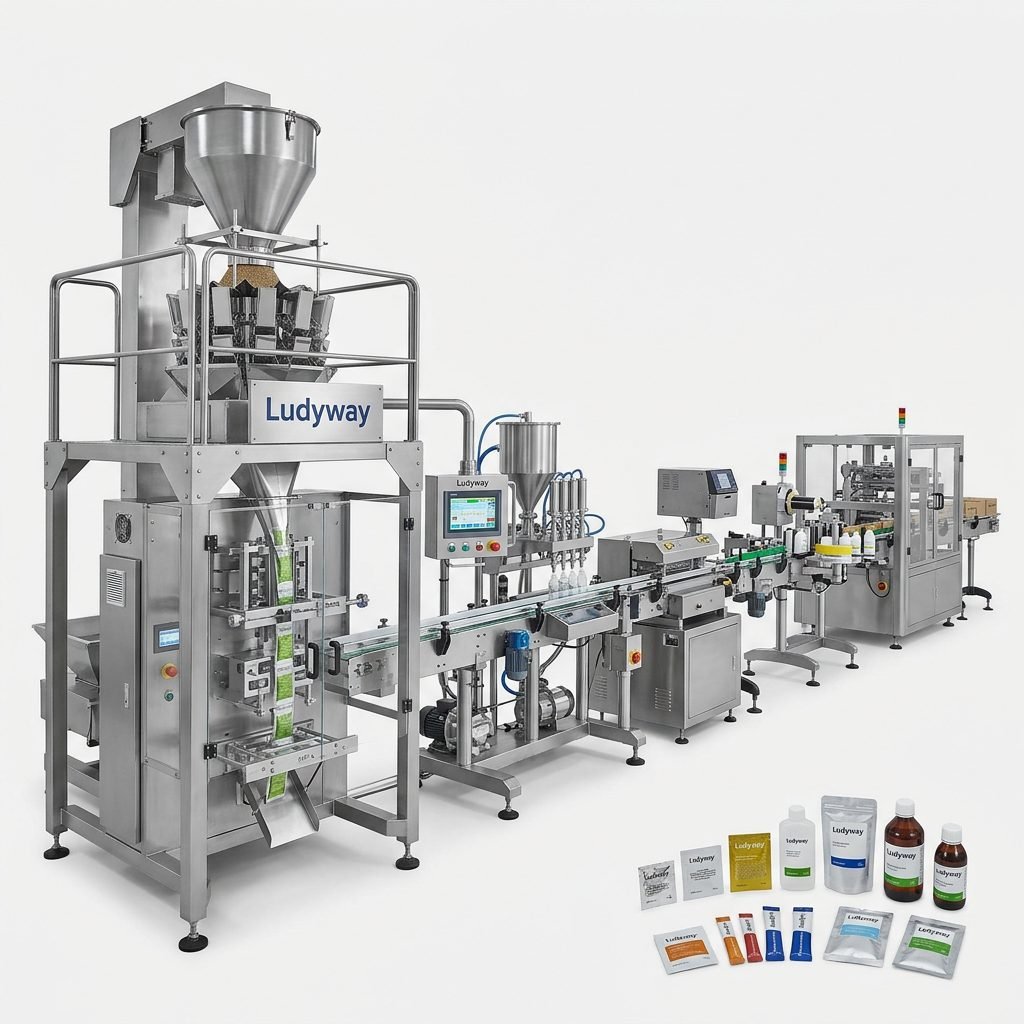
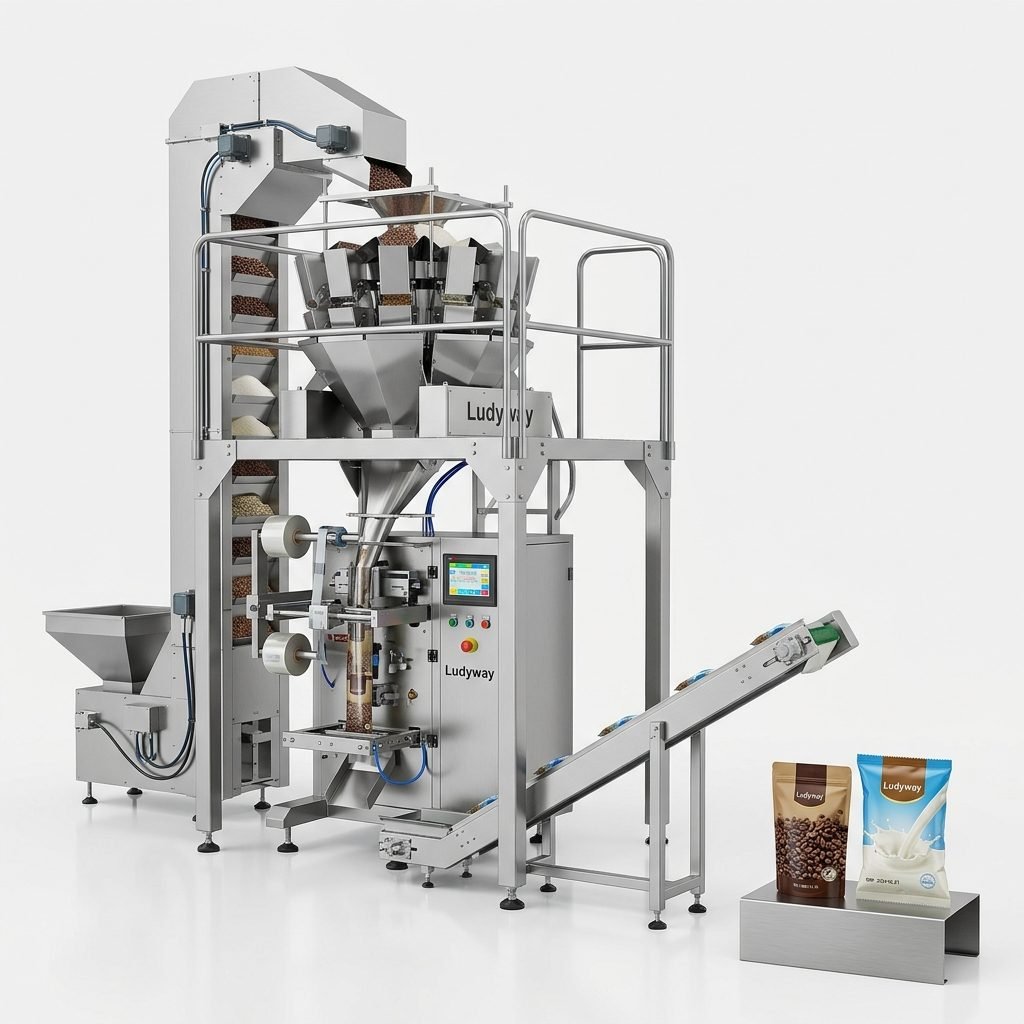
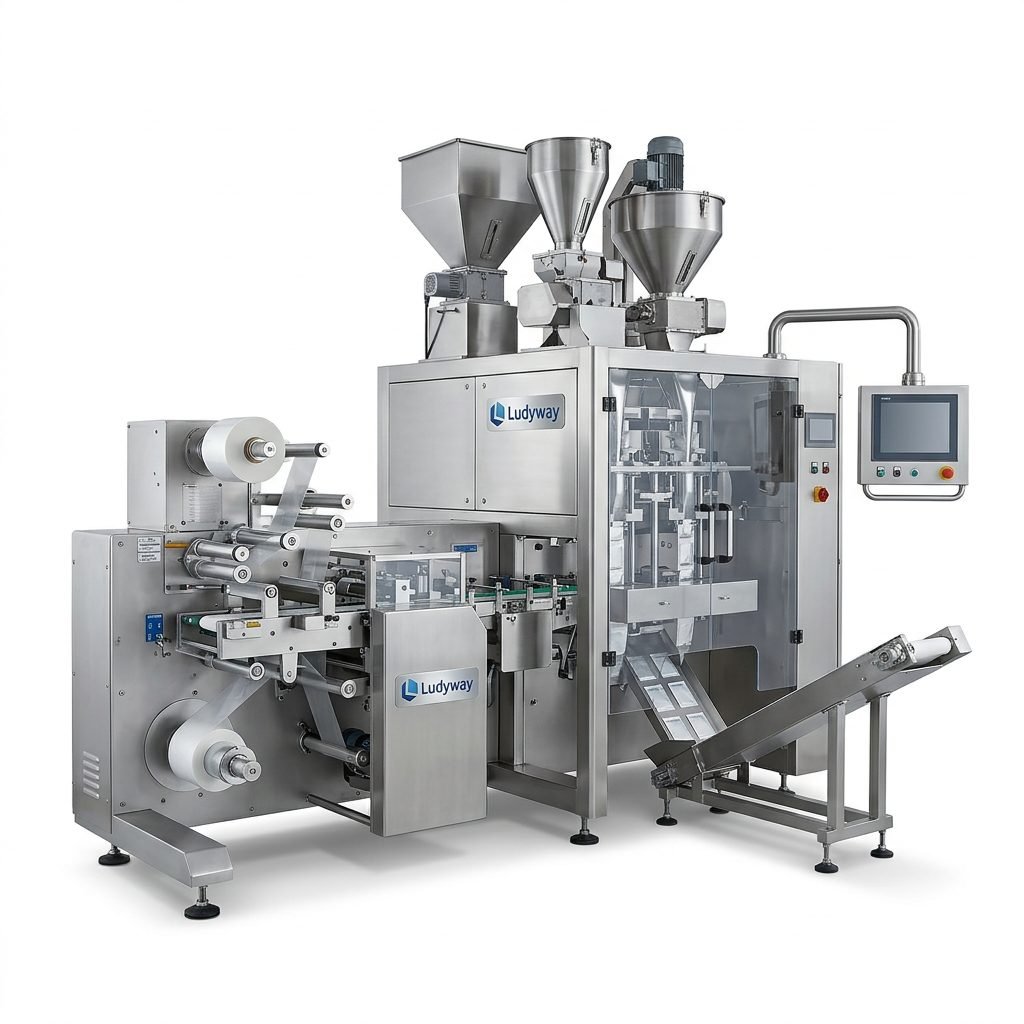
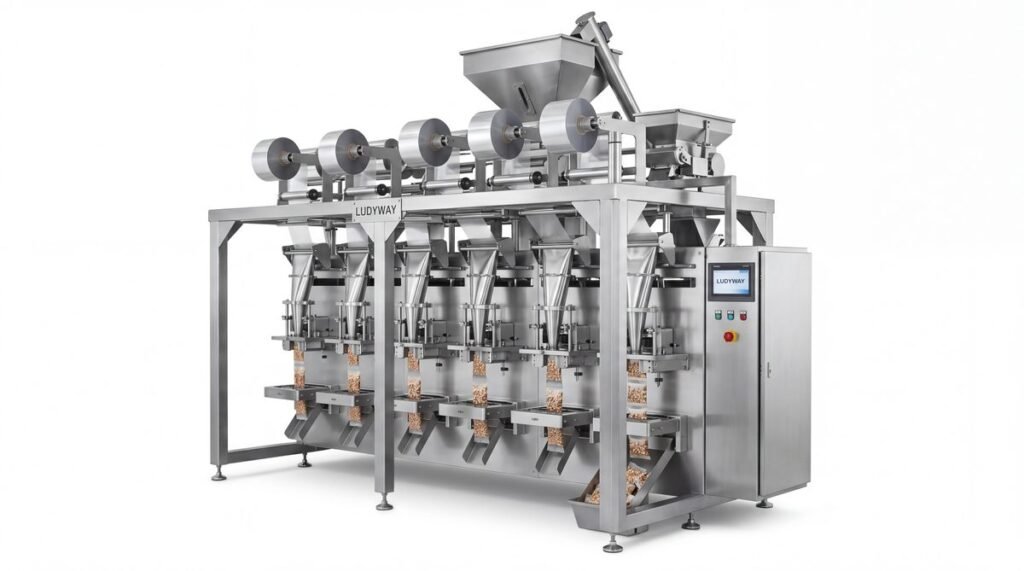
Integrating the right date printer into your packaging line is a decision that directly impacts product traceability, regulatory compliance, and operational efficiency. Whether you are coding expiration dates on flexible film, printing batch numbers on labels, or applying barcodes to cartons, selecting the appropriate printing technology requires a clear understanding of your production environment, substrate materials, and throughput demands.
A mismatched coding solution can lead to unplanned downtime, illegible prints, and costly rework. This guide walks you through the essential factors to consider, helping you make an informed investment that aligns with both your current needs and future growth.
Understanding Date Printer Technologies for Packaging Lines
Before evaluating specific models, it is critical to understand the core technologies available on the market. Each printing method offers distinct advantages depending on the packaging material, line speed, and code complexity required.
Thermal Inkjet (TIJ) Printers
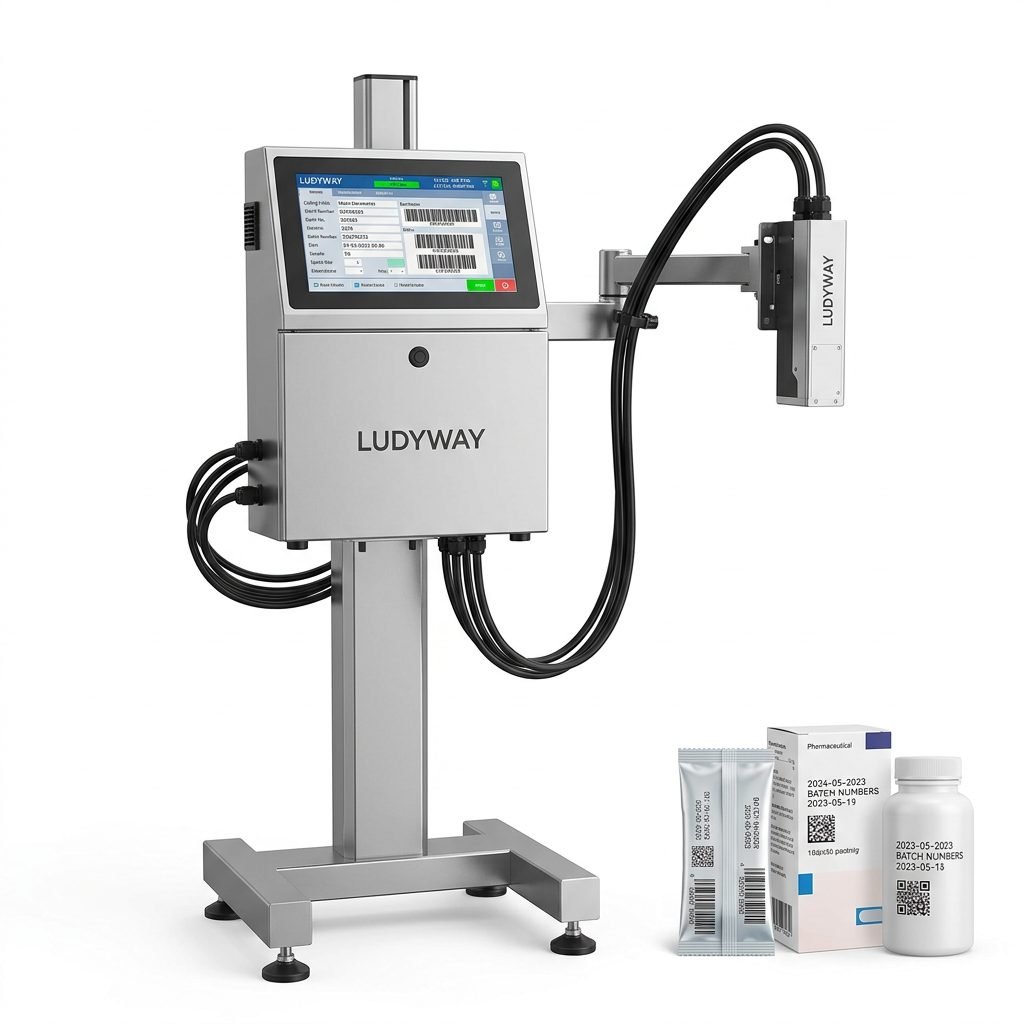
Thermal inkjet printers use heat to eject ink droplets onto a substrate. They are known for high-resolution prints (up to 600 dpi), making them ideal for applying barcodes, QR codes, and detailed batch information on flexible packaging films, labels, and coated cartons. TIJ systems typically require minimal maintenance and offer clean, cartridge-based ink replacement.
Continuous Inkjet (CIJ) Printers
Continuous inkjet printers are widely used in high-speed production environments. They propel a continuous stream of ink droplets, deflecting them to form characters on surfaces including plastic, metal, glass, and paper. CIJ technology excels at printing on curved or uneven substrates and is a common choice for coding cans, bottles, and extruded films at very high line speeds.
Thermal Transfer Overprinters (TTO)
For flexible film applications, TTO printers use a heated printhead to transfer ink from a ribbon onto the substrate. They deliver crisp, durable codes that resist smudging and abrasion, which is essential for snack foods, confectionery, and pharmaceutical sachet packaging. TTO technology is particularly effective on packaging machinery running intermittent or continuous motion.
Laser Marking Systems
Laser coders etch permanent marks directly onto materials by removing a surface layer or altering the substrate’s color through a chemical reaction. They require no consumables such as inks or ribbons, resulting in lower operating costs over time. Laser systems are preferred for applications demanding permanent, tamper-evident coding on plastics, glass, and coated metals.
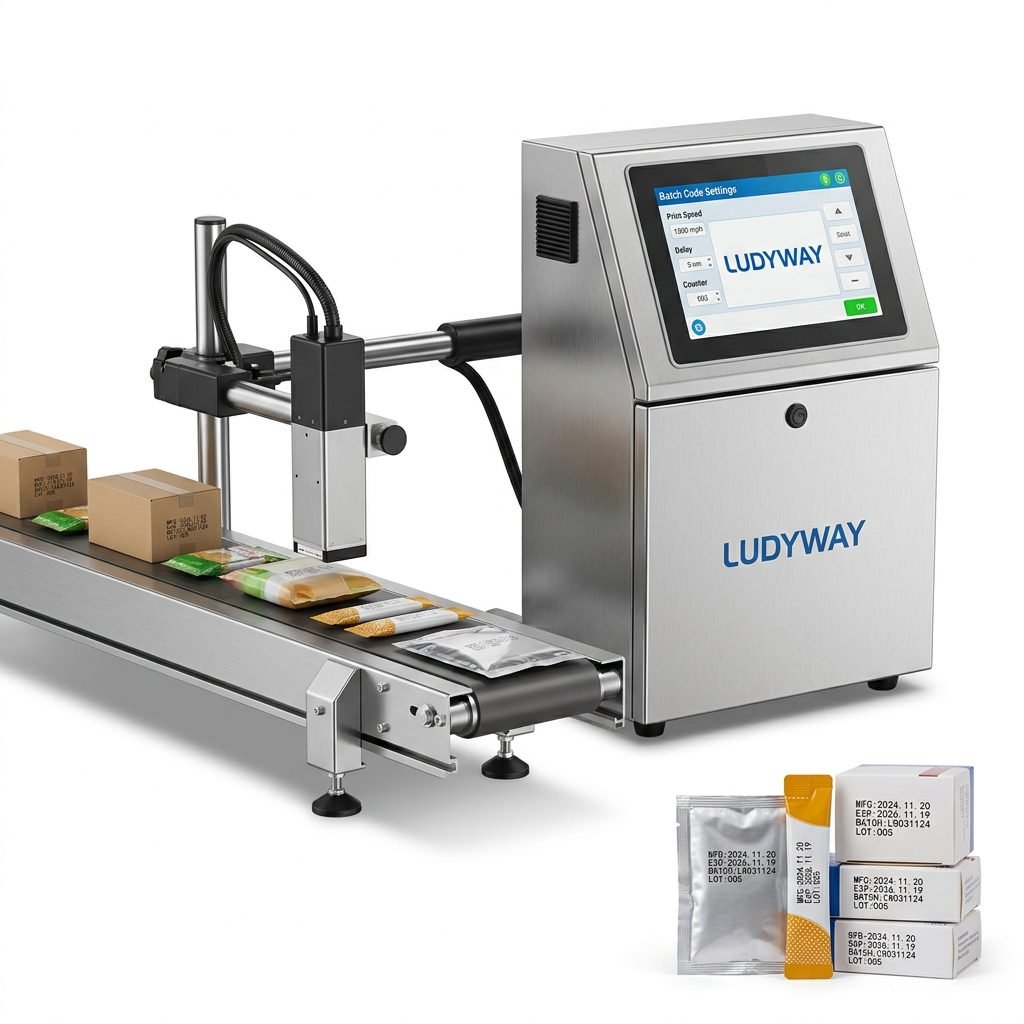
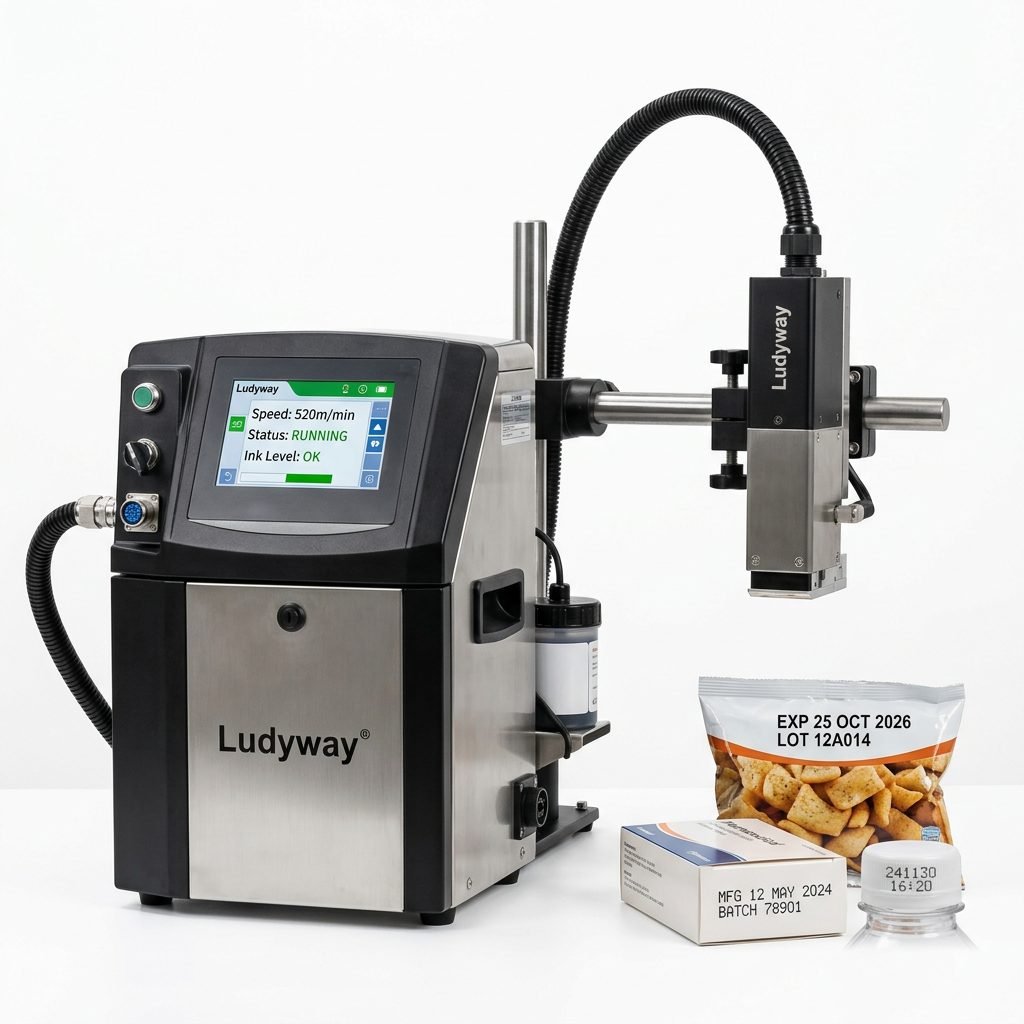
Key Factors to Evaluate When Selecting a Date Printer
Choosing the right coding equipment involves more than just comparing print samples. The following criteria should guide your evaluation process to ensure long-term reliability and compatibility with your production environment.
| Evaluation Factor | Key Considerations |
|---|---|
| Substrate Compatibility | Will the printer code on flexible film, rigid plastic, glass, metal, or porous cartons? Ink adhesion and curing speed vary significantly across materials. |
| Line Speed and Throughput | High-speed continuous lines may require CIJ or laser systems, while intermittent-motion machines often pair better with TTO or TIJ technology. |
| Code Complexity and Size | Assess whether you need simple date codes, multi-line text, high-resolution barcodes, or QR codes that must remain scannable throughout the product lifecycle. |
| Environmental Conditions | Dust, humidity, temperature fluctuations, and washdown requirements in food or pharmaceutical settings can affect printer performance and longevity. |
| Total Cost of Ownership | Consider not only the initial equipment cost but also consumables (ink, ribbons, solvents), maintenance labor, spare parts availability, and expected service intervals. |
Matching Printer Technology to Your Packaging Application
Different packaging formats demand specific coding approaches. Understanding your product and packaging configuration helps narrow the technology choice quickly.
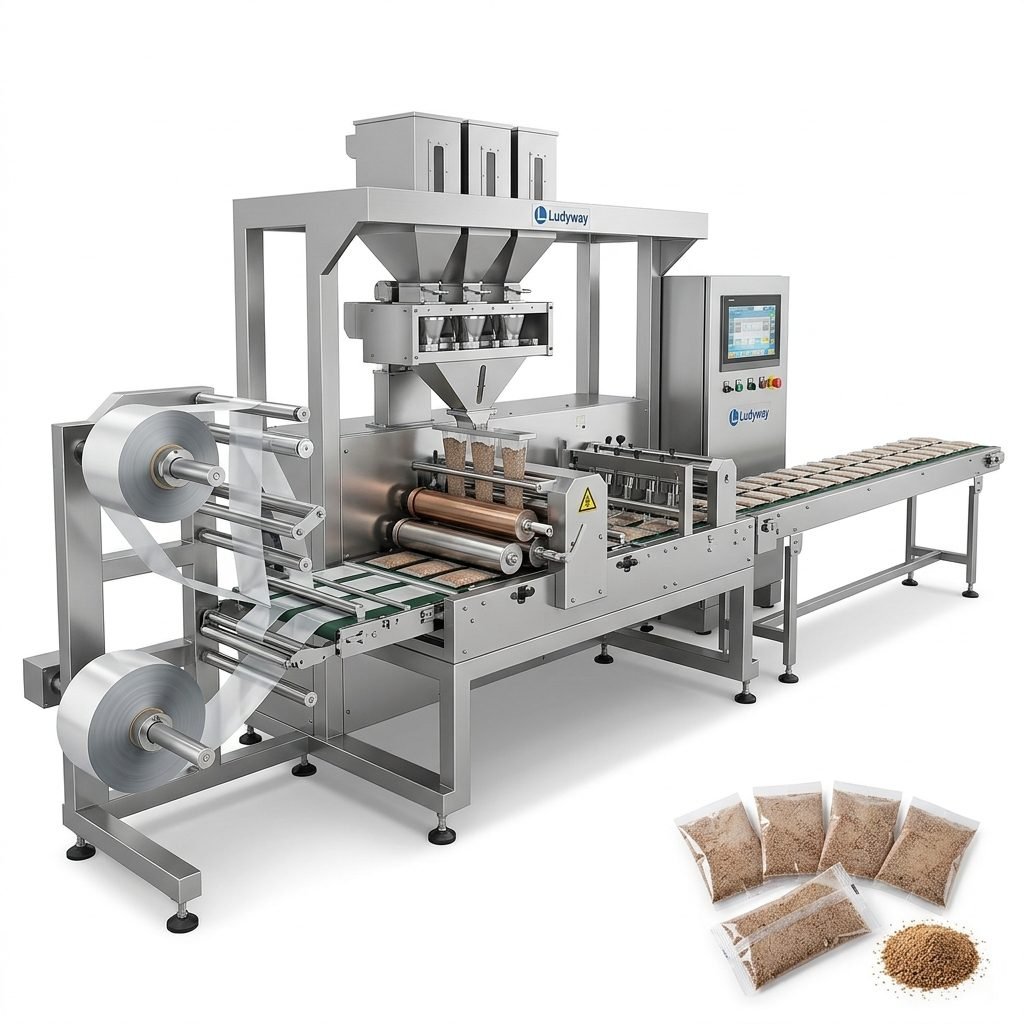
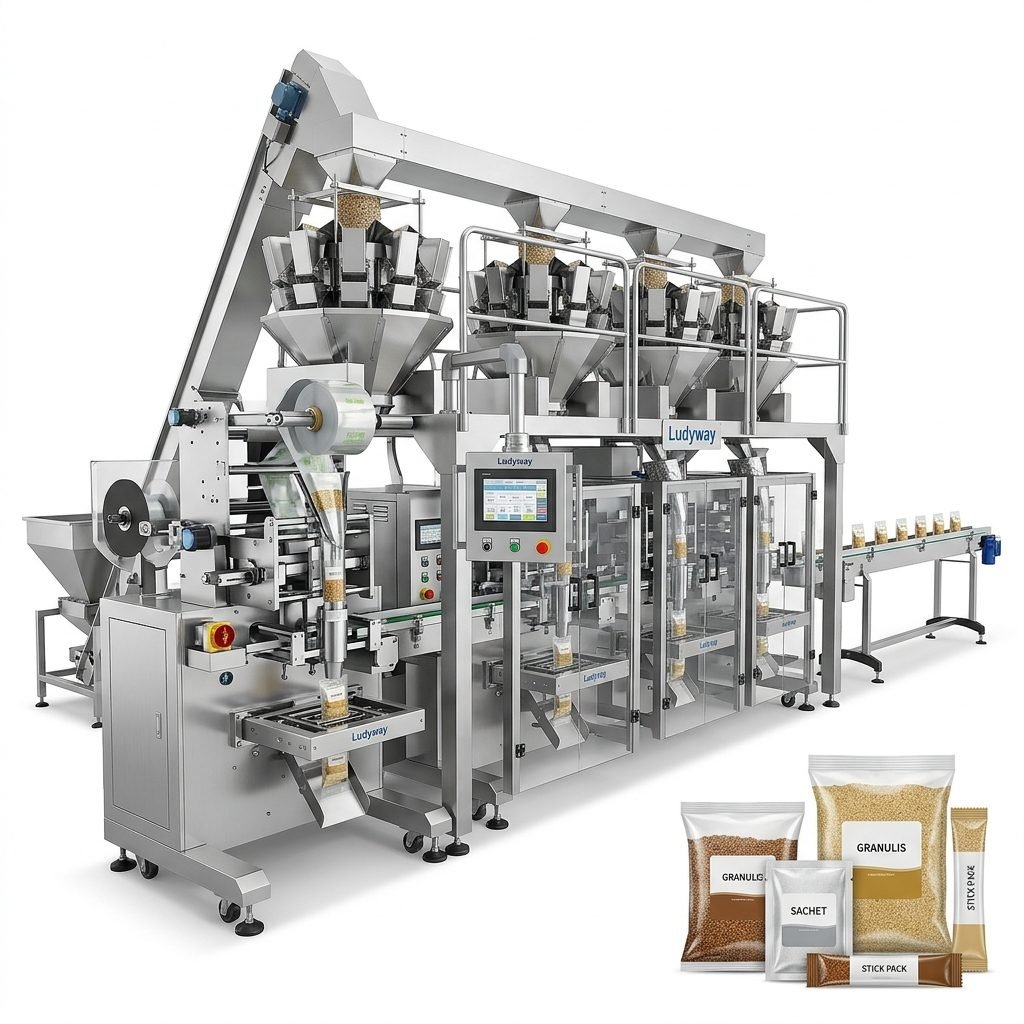
- Stick packs and sachets: Flexible films running at high speeds often benefit from TTO or CIJ systems that maintain print quality during rapid film acceleration and deceleration.
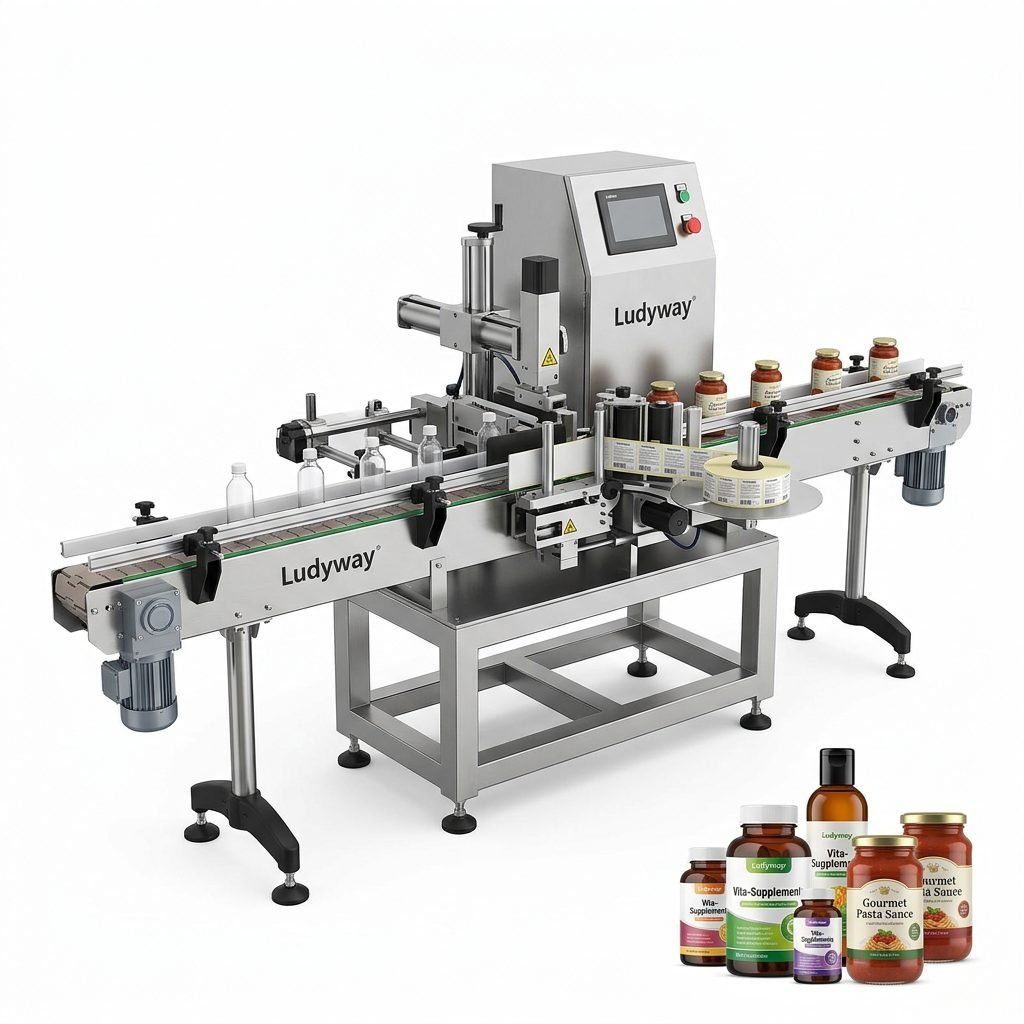
- Bottles and rigid containers: CIJ printers and laser markers can apply codes on curved surfaces, while TIJ cartridges work well on labels and flat areas.
- Cartons and cases: For secondary packaging, high-resolution TIJ or large-character CIJ printers can produce bold, legible codes readable from a distance.
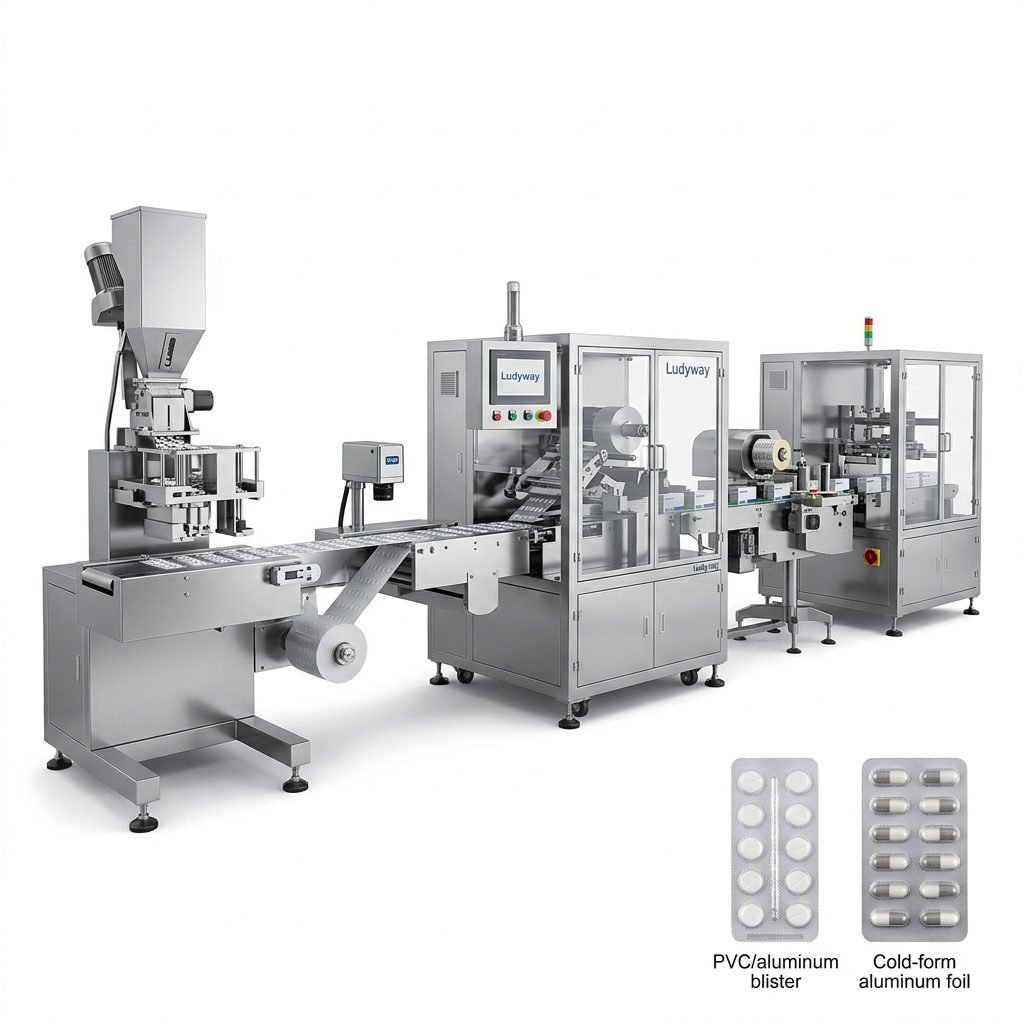
- Pharmaceutical and medical packaging: Laser coders offer permanent, tamper-evident marking that meets stringent FDA packaging guidelines and serialization requirements.
- Labels and flexible pouches: Thermal transfer and direct thermal technologies deliver durable prints resistant to moisture, oil, and temperature variations.
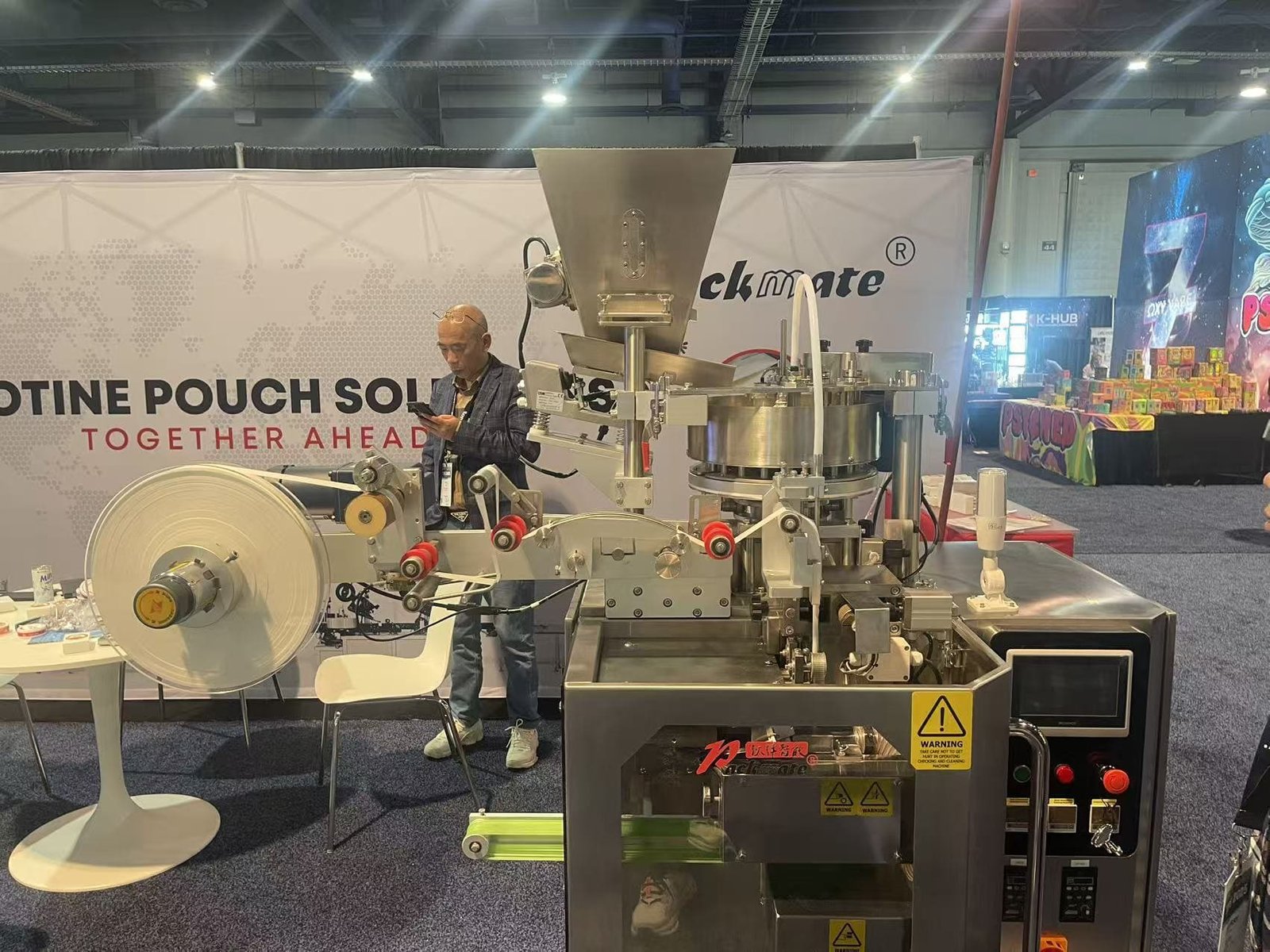
Integration with Existing Packaging Machinery
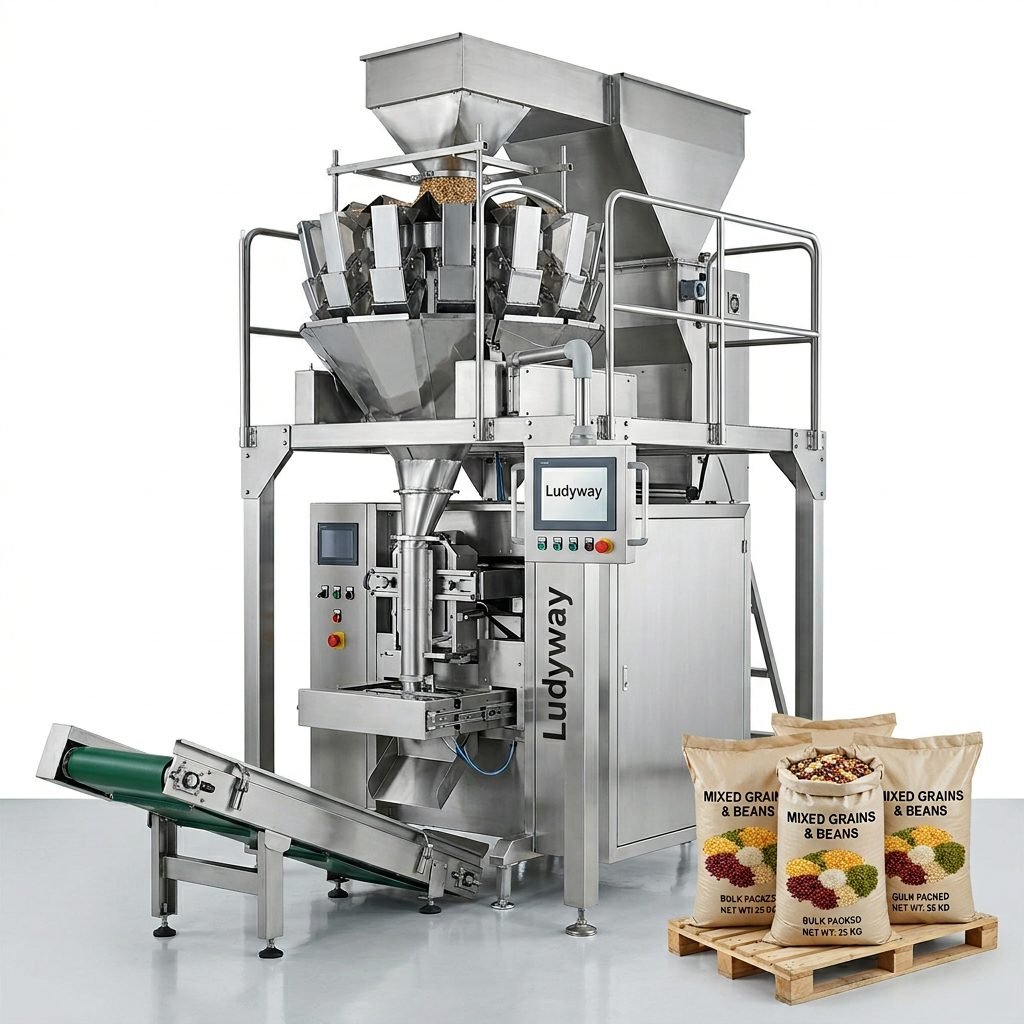
A date printer should integrate mechanically and electronically with your existing or new packaging machine. Consider mounting brackets, bracket compatibility, triggering mechanisms, and communication protocols. The printer must receive accurate product detection signals to print in the correct position on every package.
Key integration points include:
- Mounting and positioning: Ensure the printer bracket can be adjusted for different bag lengths and film widths without interfering with other machine components.
- Print triggering: The printer must synchronize with the packaging machine’s film advance, jaw movement, or product sensor to achieve consistent code placement.
- Data communication: If your operation requires dynamic data updates from a central database, verify that the printer supports Ethernet/IP, RS232, or other industrial communication standards.
- Operator interface: A user-friendly touchscreen and software interface reduce training time and minimize coding errors during product changeovers.
Total Cost of Ownership and Maintenance Considerations
Looking beyond the purchase price is essential. Consumable costs—including ink, make-up fluid, ribbons, and printhead replacements—can significantly exceed the initial equipment cost over a printer’s service life. Evaluate the following:
| Technology | Typical Consumables | Maintenance Frequency |
|---|---|---|
| Thermal Inkjet (TIJ) | Cartridge replacement | Low—cartridge-based, user replaceable |
| Continuous Inkjet (CIJ) | Ink, make-up fluid, filters | Moderate—requires periodic cleaning and fluid replenishment |
| Thermal Transfer (TTO) | Ribbon, printhead | Moderate—printhead replacement based on usage |
| Laser Marking | No consumables | Very low—requires only occasional lens cleaning |
Compliance and Industry Standards
Certain industries impose strict traceability and coding durability requirements. In pharmaceutical and medical device manufacturing, codes must remain legible throughout sterilization cycles, distribution, and storage. ISO packaging standards provide guidance on code permanence and data structure for various applications.
In food packaging, date codes must withstand moisture, refrigeration, and occasional oil or grease exposure. Ensure your selected printer and ink formulation are validated for your specific application conditions, including any direct or indirect food contact scenarios regulated by authorities such as the FDA and European Commission.
Working with a Knowledgeable Packaging Solutions Provider
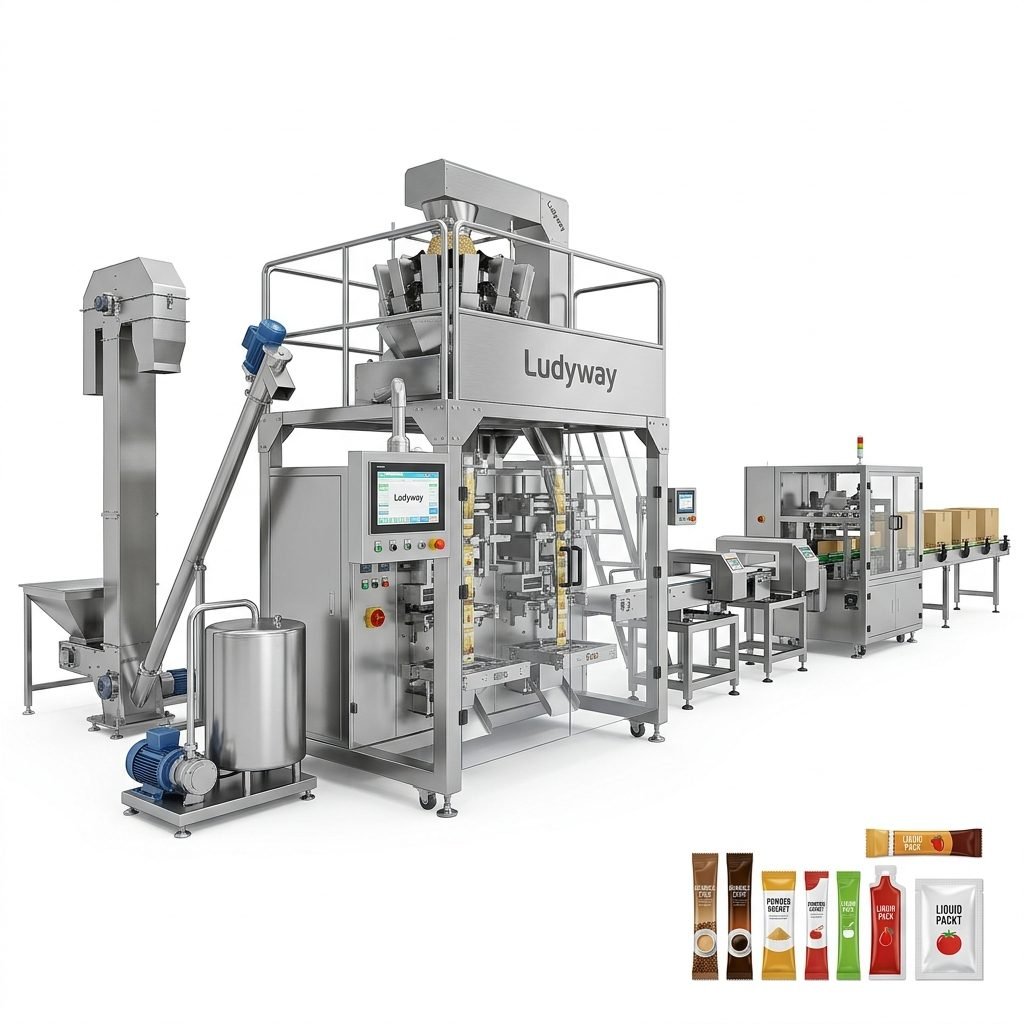
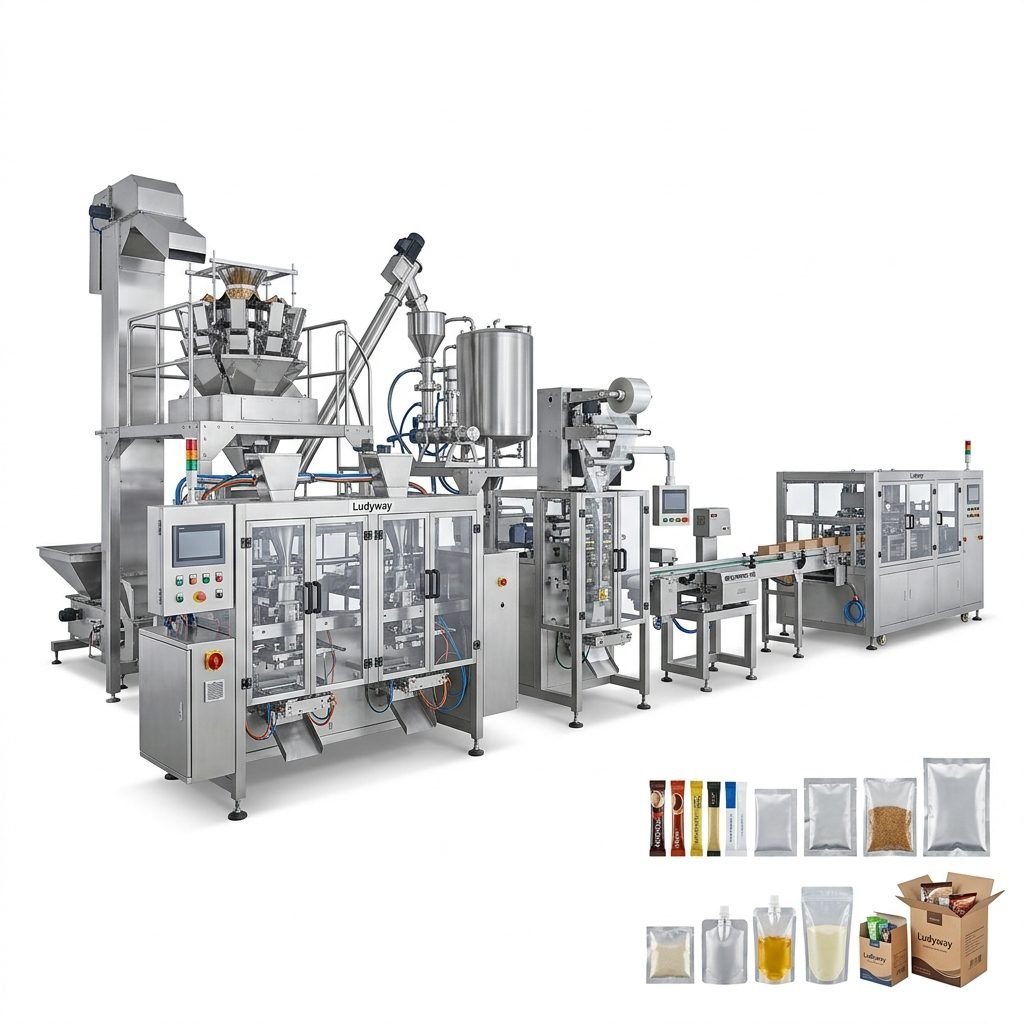
Selecting the right date printer involves evaluating technology, application requirements, and long-term operational costs. Working with an experienced packaging equipment partner can simplify this process by providing integrated solutions where the coding system is matched to the machine, substrate, and production environment from the start.
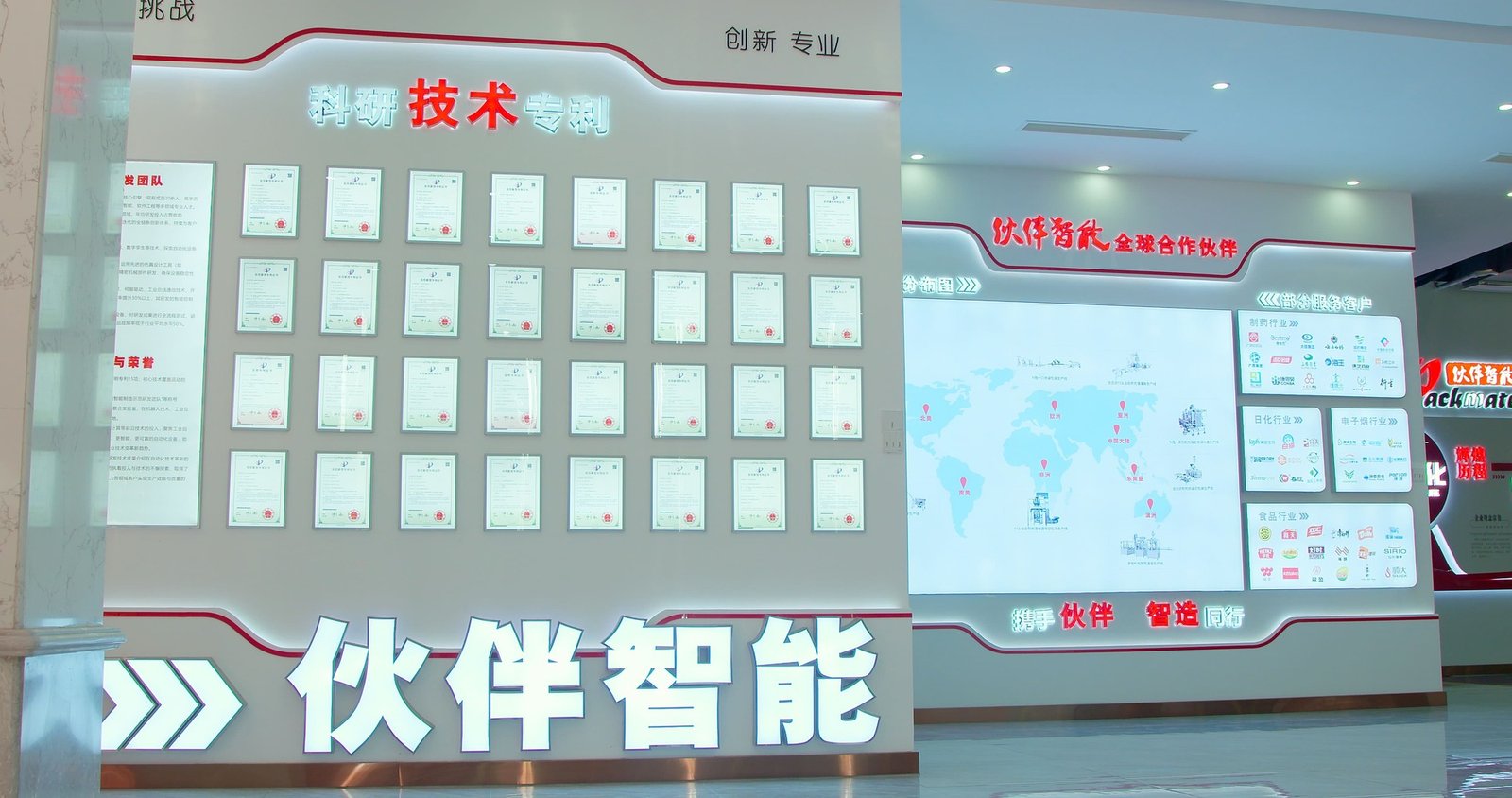
Ludyway Machinery, a packaging machinery manufacturer with over 30 years of industry experience, provides automated packaging equipment and integrated packaging solutions across multiple industries. With a 20,000-square-meter manufacturing facility and more than 50 packaging machine models, Ludyway helps manufacturers configure coding and printing systems as part of complete packaging lines—covering machine selection, system integration, and ongoing technical support.
For operations looking to upgrade their coding capabilities or invest in fully integrated packaging lines, consulting with a provider that understands both the mechanical packaging process and the coding requirements specific to your product, material, and regulatory environment is a practical step toward a reliable, future-ready solution.