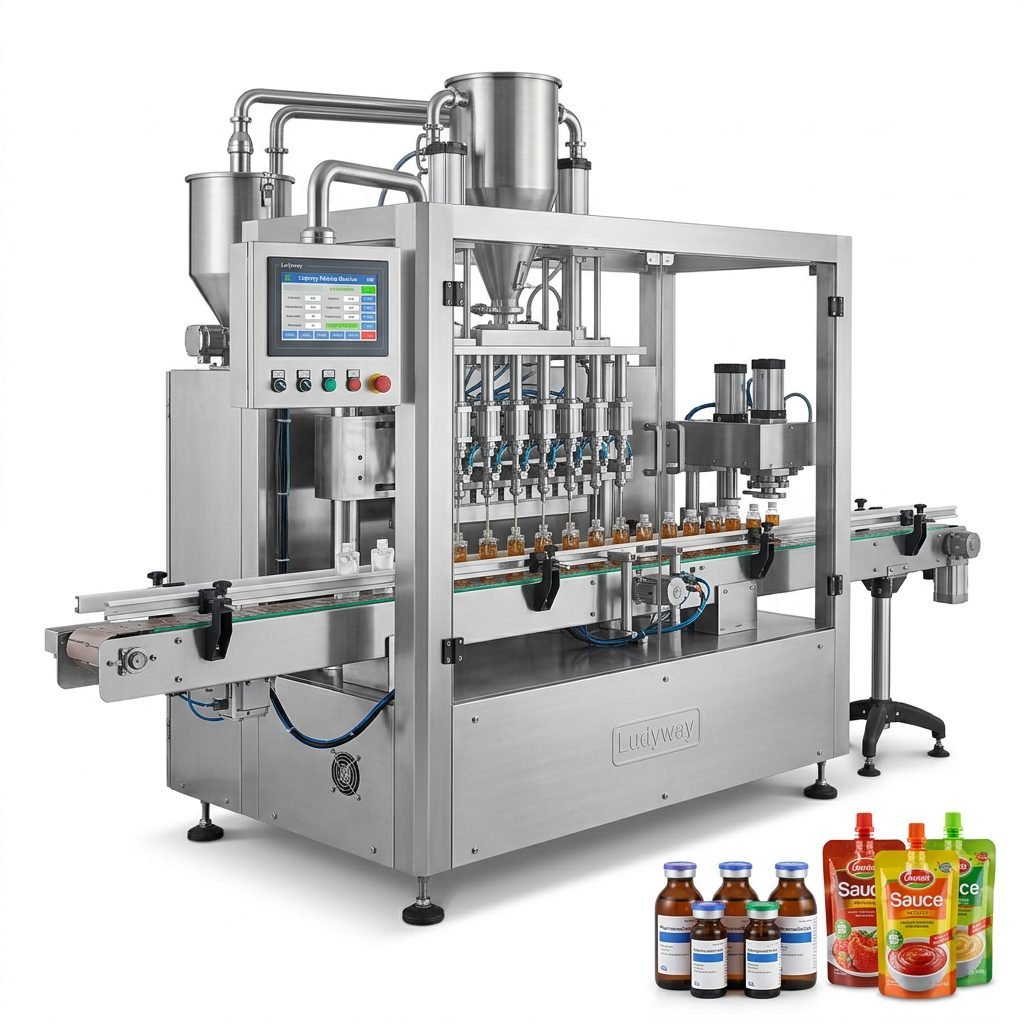
Investing in a hamburger packaging machine is a strategic decision for food manufacturers and quick-service restaurant suppliers across Europe. Whether you are producing fresh patties, frozen burgers, or complete meal kits, the right packaging equipment directly impacts product shelf life, brand presentation, and operational efficiency. With the European food packaging market projected to grow steadily through 2030, understanding how to evaluate, select, and procure the best machinery is essential for staying competitive.
This guide walks you through every critical factor — from industry standards and regulatory compliance to machine types, cost considerations, and supplier evaluation — ensuring you make an informed purchasing decision tailored to the European market.

Understanding Hamburger Packaging Machine Types
Before evaluating suppliers, it is critical to understand the various packaging machine configurations available for hamburger products. The choice depends on your production volume, packaging format, and product characteristics — whether you are handling fresh patties, frozen burgers, or ambient-stable snack products.
Vertical Form Fill Seal (VFFS) Machines
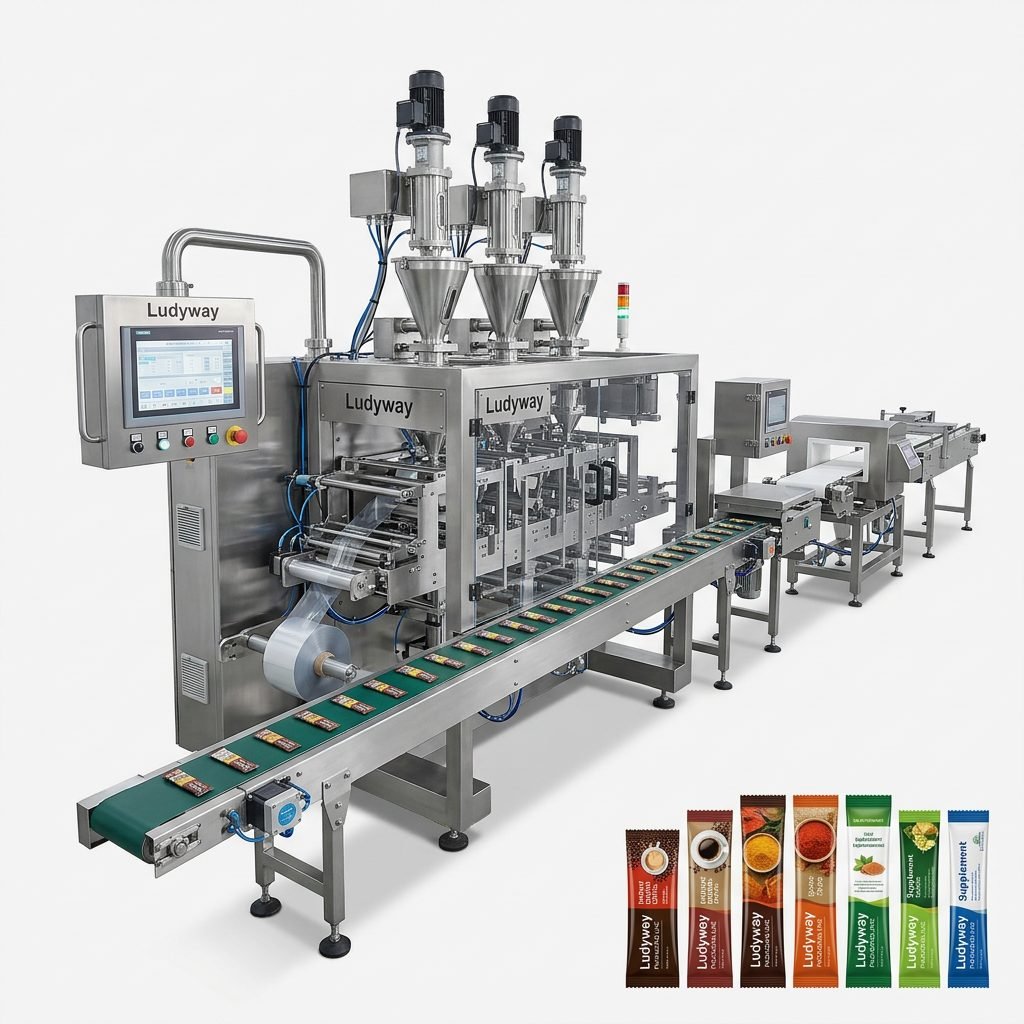
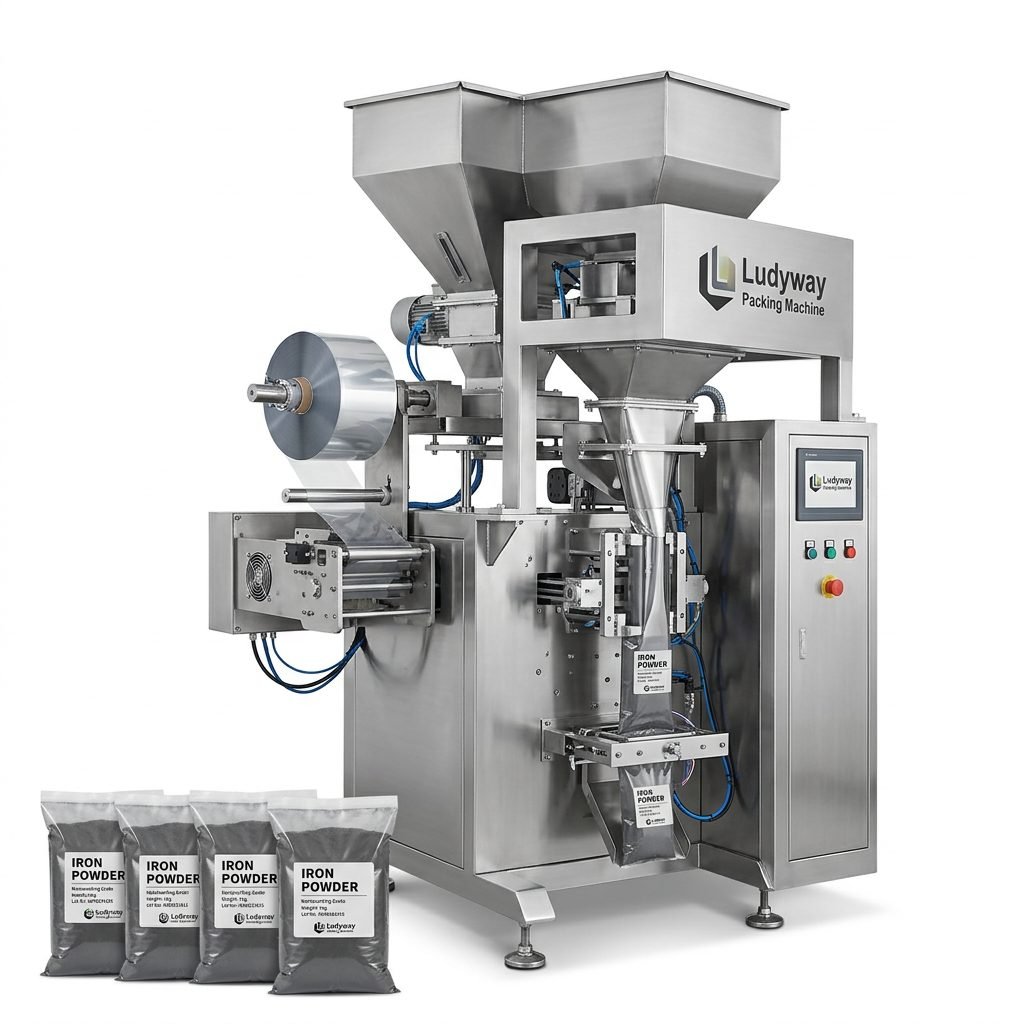
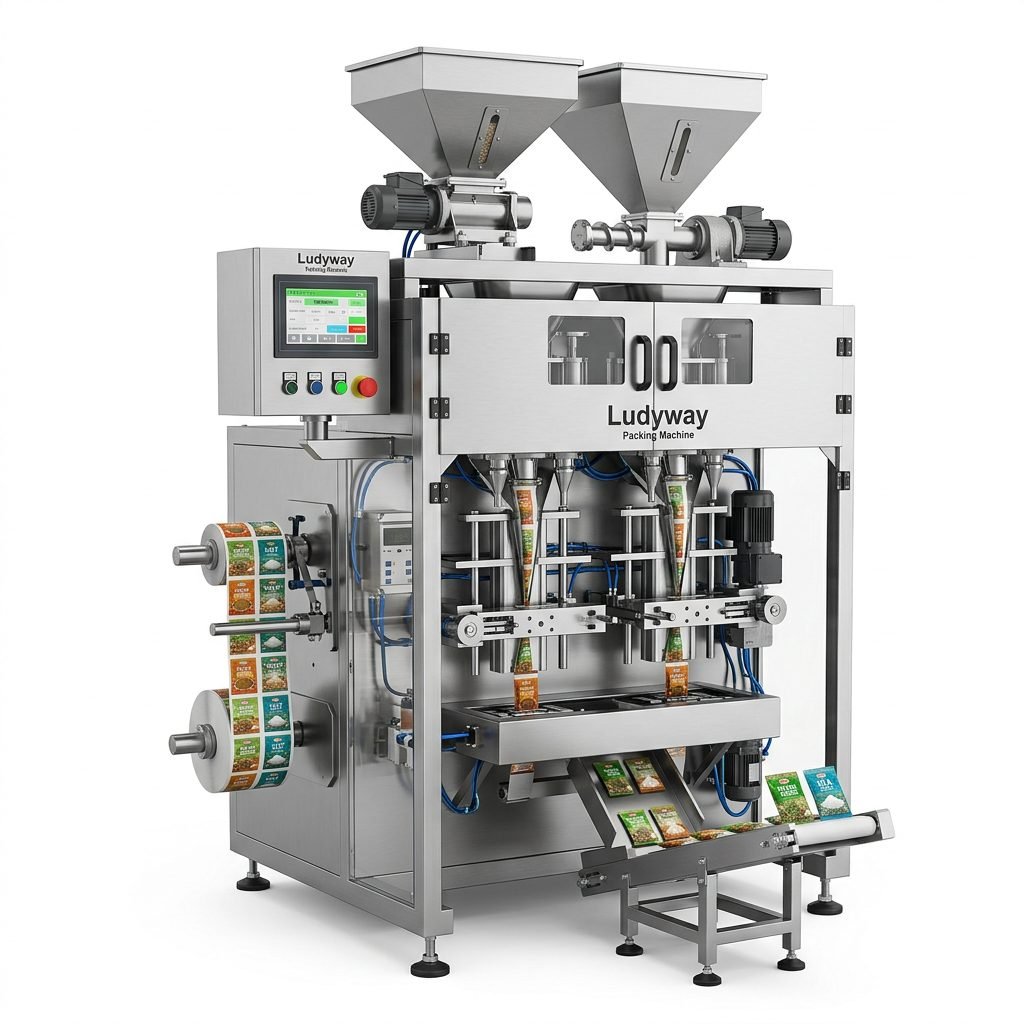
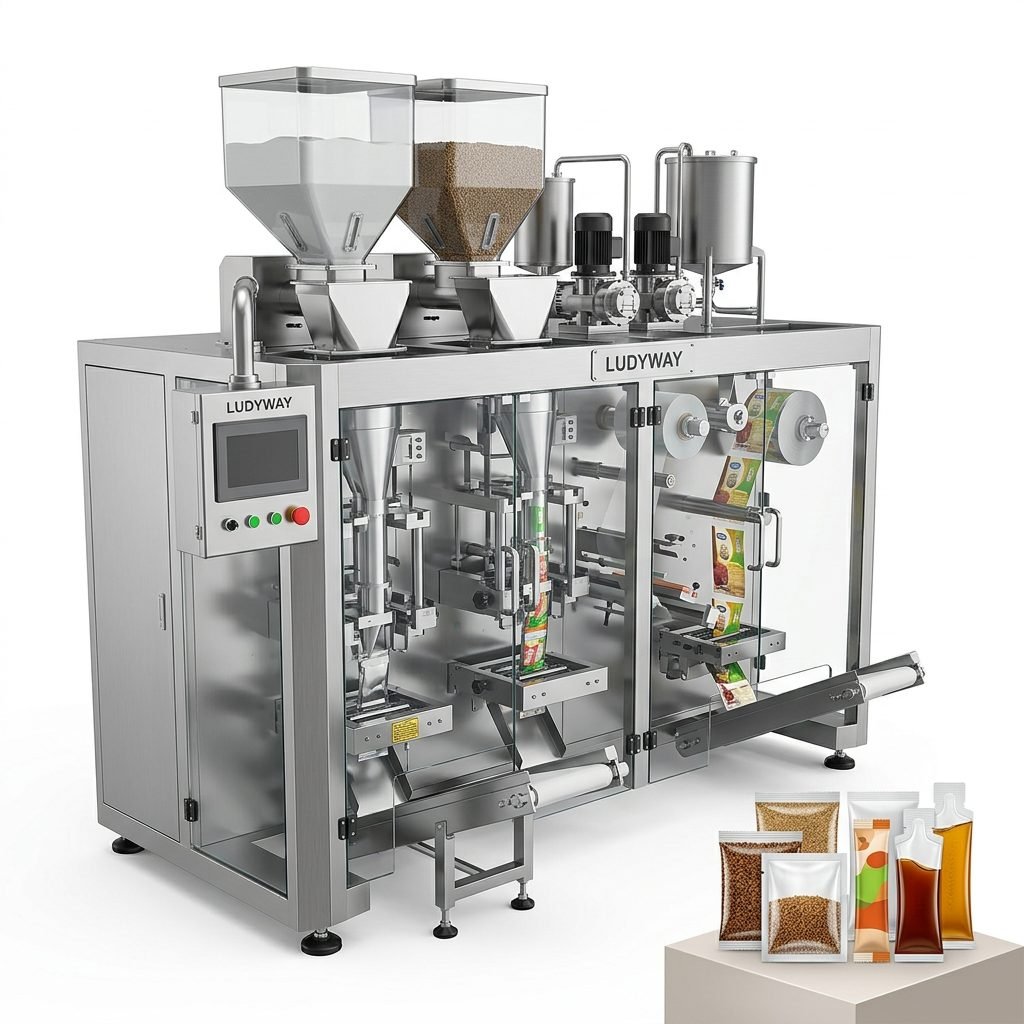
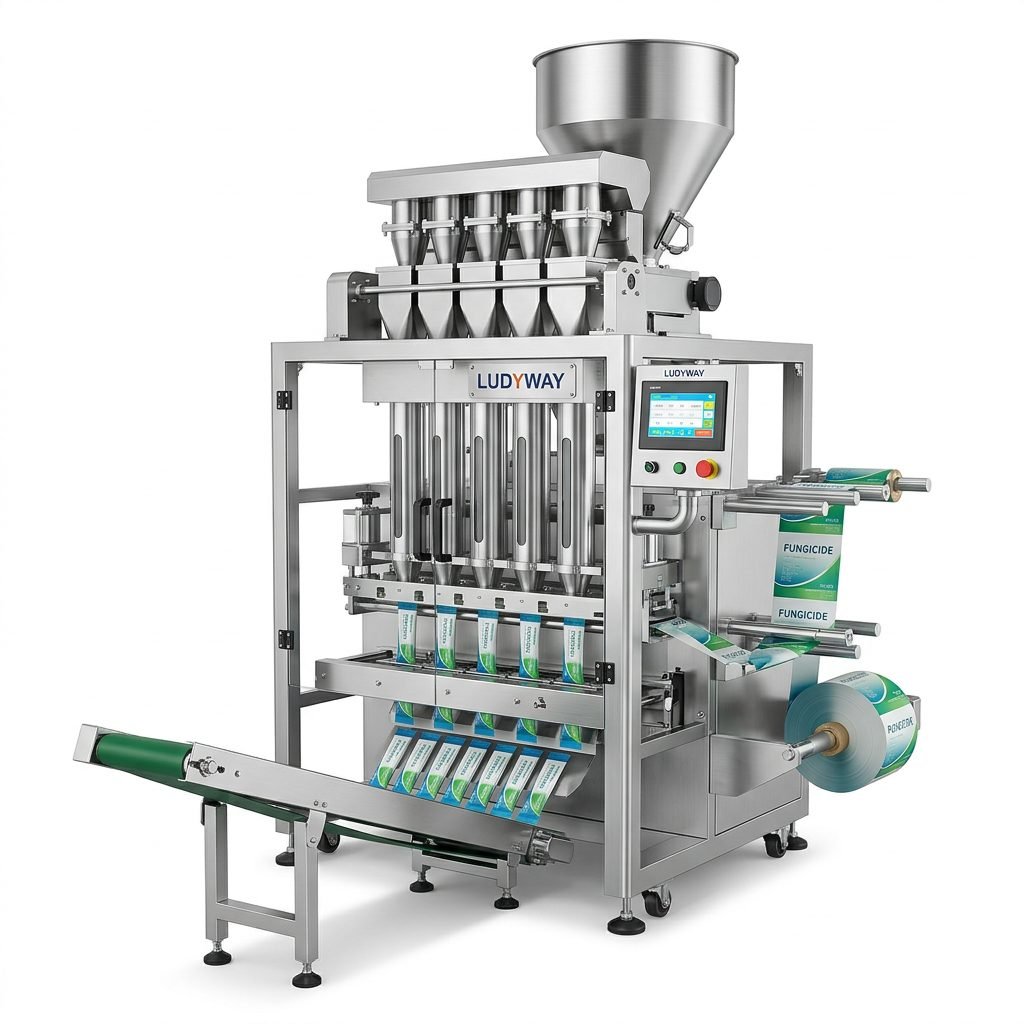
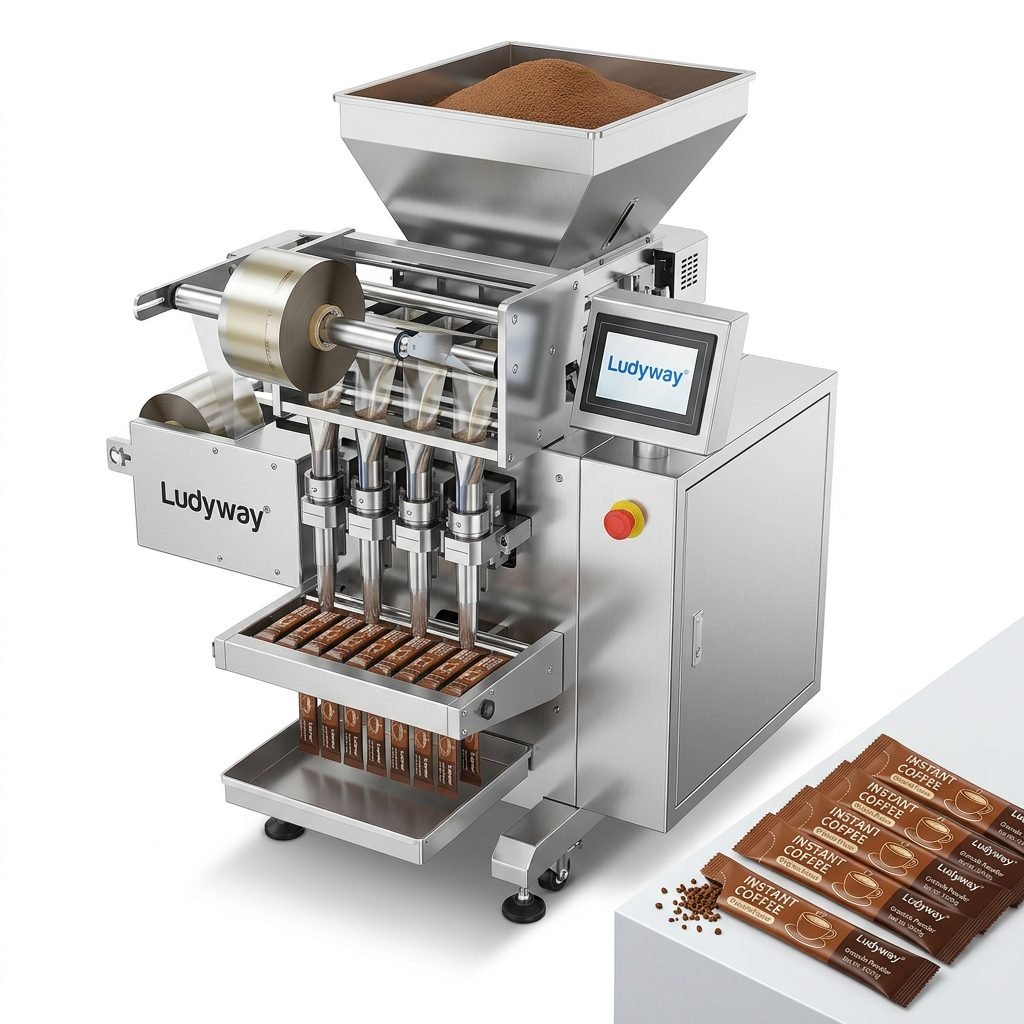
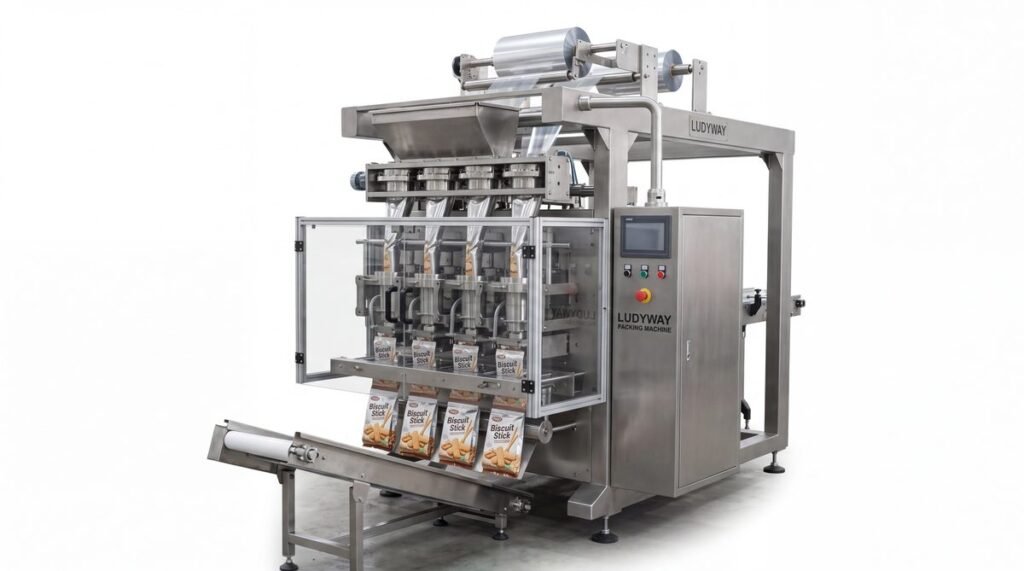
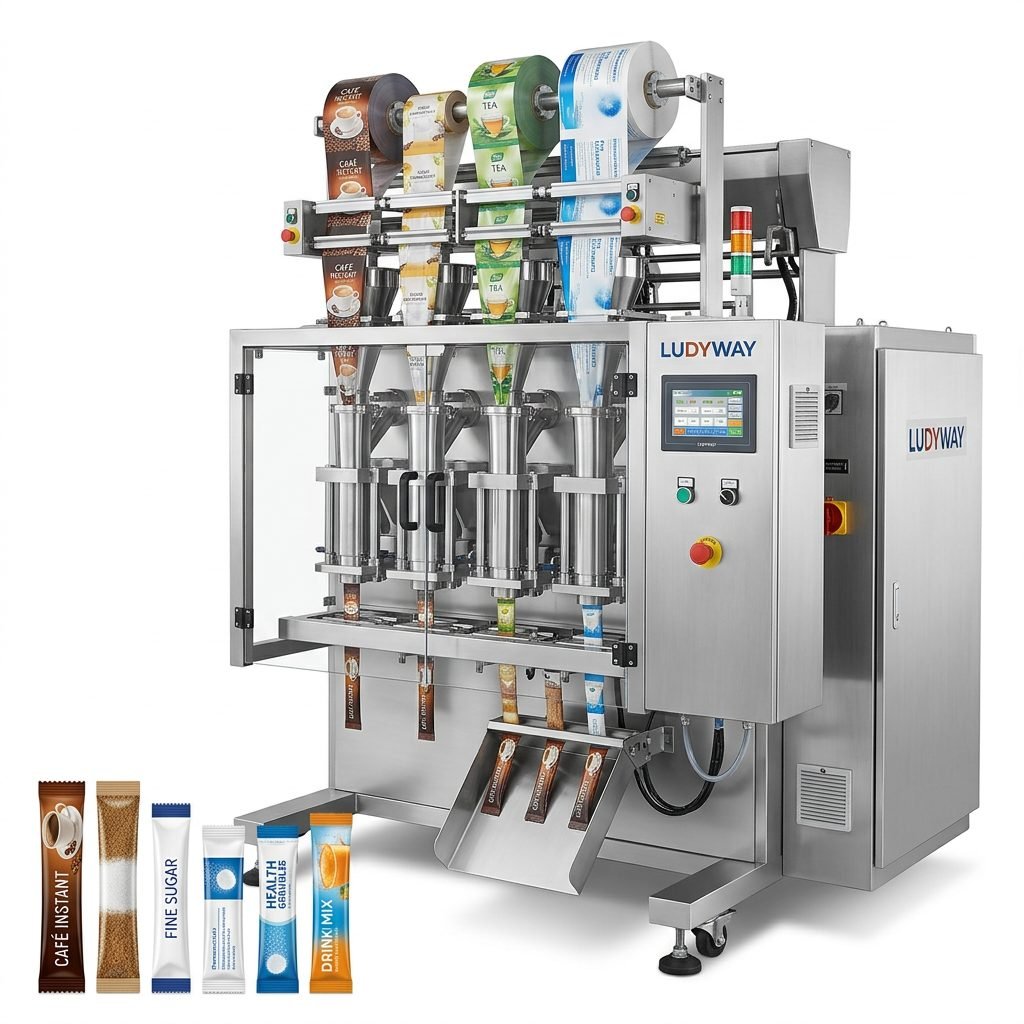
VFFS machines are among the most versatile options for granule and powder packaging related to hamburger seasoning mixes, coating powders, and dry ingredient sachets. These systems form a bag from a flat roll of film, fill it with product, and seal it — all in a continuous vertical motion. For hamburger meal kits that include separate seasoning pouches, multi-lane VFFS systems can significantly boost throughput.
Tray Sealing and Modified Atmosphere Packaging (MAP)
For fresh or frozen hamburger patties, tray sealing machines with MAP technology are the industry standard. These systems replace oxygen inside the package with an inert gas mixture — typically nitrogen and carbon dioxide — extending shelf life by up to 10 days for fresh products. European retailers increasingly demand MAP packaging for flexible packaging applications in the meat sector.
Flow Wrapping and Horizontal Packaging
Flow wrappers are ideal for individually wrapped hamburgers, burger sandwiches, or multi-pack configurations. These horizontal form fill seal machines wrap products in a tight film sleeve, creating a pillow-pack appearance. High-speed models can achieve outputs exceeding 150 packs per minute, making them suitable for large-scale European food manufacturers supplying supermarket chains.
Vacuum Packaging Machines
Vacuum sealers remove air from the package before sealing, dramatically reducing oxidation and extending frozen storage life. For export-oriented European hamburger producers shipping products across the continent, vacuum packaging equipment ensures product integrity during long-distance cold chain logistics.
Key Technical Specifications to Evaluate
When comparing hamburger packaging machines, technical specifications determine long-term performance and suitability. The following table outlines the critical parameters you should assess during the procurement process:
| Specification | Why It Matters | Target Range (EU Markets) |
|---|---|---|
| Production Speed | Directly affects output capacity and labor costs | 40–150 packs/min depending on format |
| Film Compatibility | Determines packaging material options and sustainability | PE, PP, PET, recyclable mono-materials |
| Sealing Temperature Range | Critical for hermetic seal integrity | 100°C–250°C adjustable |
| CE Certification | Mandatory for legal operation in EU/EEA | Full CE marking required |
| Power Consumption | Impacts operational costs and sustainability goals | 220–400V, 50Hz, 3-phase typical |
| Cleaning & Hygiene Design | Essential for food safety compliance | IP65 rating, tool-free disassembly |
European Regulatory Compliance and Standards
Purchasing a packaging machine for operation in Europe requires strict adherence to regulatory frameworks. Non-compliance can result in costly delays, fines, or equipment rejection at customs. Below are the essential standards to verify:
- CE Marking (Machinery Directive 2006/42/EC) — All packaging equipment sold and operated in the European Economic Area must carry valid CE marking, demonstrating conformity with health, safety, and environmental protection standards.
- EU Food Contact Materials Regulation (EC) No 1935/2004 — Packaging materials in direct contact with hamburger products must comply with this regulation, ensuring no harmful substances migrate into food.
- EN 415 Series — Safety Standards for Packaging Machines — This harmonized standard series covers specific safety requirements for different packaging machine types, including form-fill-seal equipment.
- EU Packaging and Packaging Waste Regulation (PPWR) — New regulations under the European Commission’s packaging waste framework emphasize recyclability, recycled content, and waste reduction targets that affect packaging material choices.
- ISO 22000 / HACCP Compliance — While not always legally mandated, machines designed with HACCP principles facilitate audit readiness and retailer approval.
Cost Considerations and Total Cost of Ownership
The purchase price of a hamburger packaging machine is only one component of the total investment. Smart buyers evaluate the total cost of ownership (TCO) over a 5- to 10-year operating horizon. Key cost factors include:
- Initial Capital Expenditure — Entry-level semi-automatic machines may start around €15,000, while fully automated high-speed lines can exceed €250,000 depending on configuration and customization.
- Installation and Commissioning — Factor in technician travel, on-site setup, operator training, and initial validation runs — typically 5–15% of equipment cost.
- Consumables and Spare Parts — Sealing elements, cutting blades, belts, and sensors require periodic replacement. European-based spare parts availability reduces downtime.
- Energy Efficiency — Machines with servo-driven motors and intelligent standby modes can reduce annual electricity costs by 20–30% compared to older pneumatic systems.
- Maintenance Contracts — Annual preventive maintenance agreements typically cost 3–7% of equipment value and significantly extend machine lifespan.
Evaluating Suppliers and Manufacturers
Selecting the right equipment supplier is as important as choosing the machine itself. When sourcing a hamburger packaging machine, European buyers should evaluate potential partners across several dimensions:
European Service and Support Infrastructure
Machines inevitably require maintenance. A supplier with local technical support teams, regional spare parts warehouses, and responsive after-sales service in Europe minimizes production downtime. Verify whether the manufacturer has established service centers or authorized distributors within your country or neighboring EU member states.
Reference Installations and Track Record
Request case studies and client references from European food manufacturers using the equipment. A reputable supplier should readily provide examples of successful installations in comparable applications. Trade show participation at events like PACK EXPO or interpack is also a positive indicator of industry credibility.
Customization and Integration Capabilities
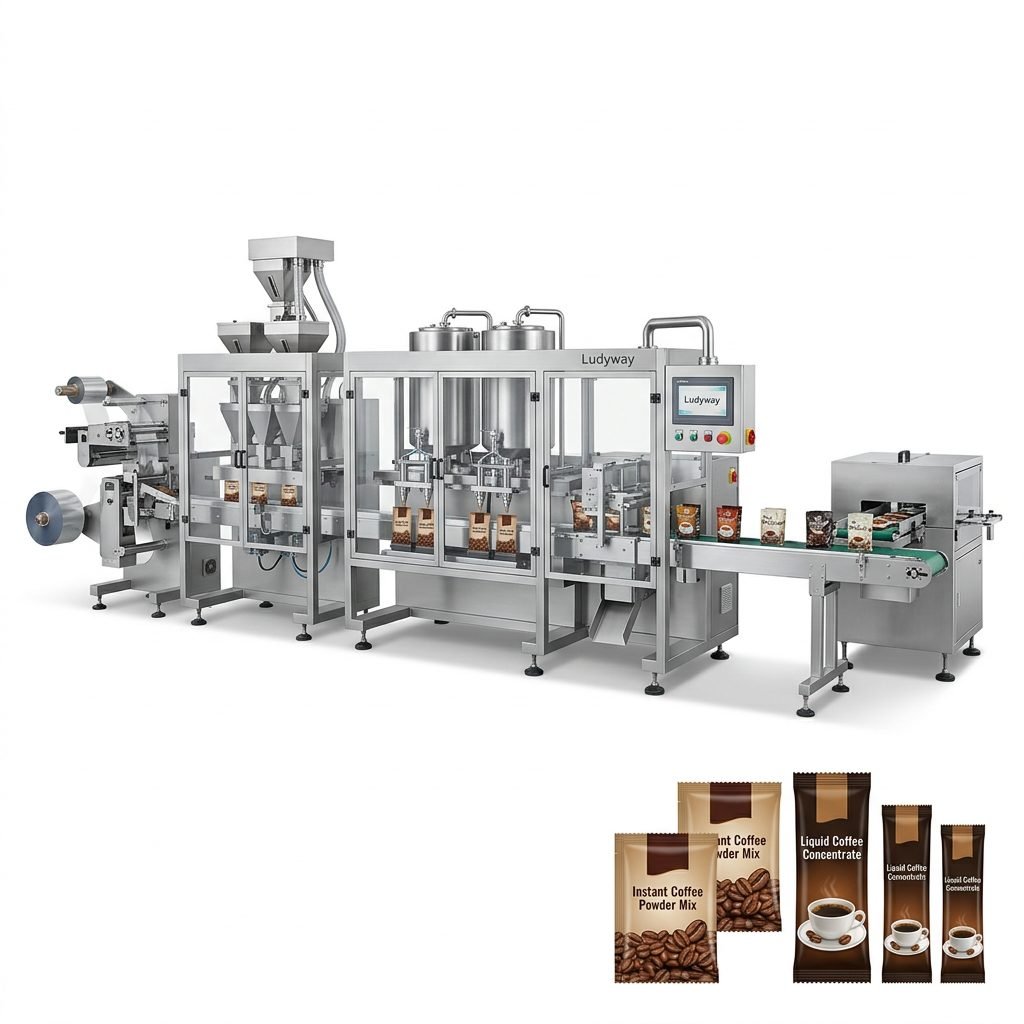
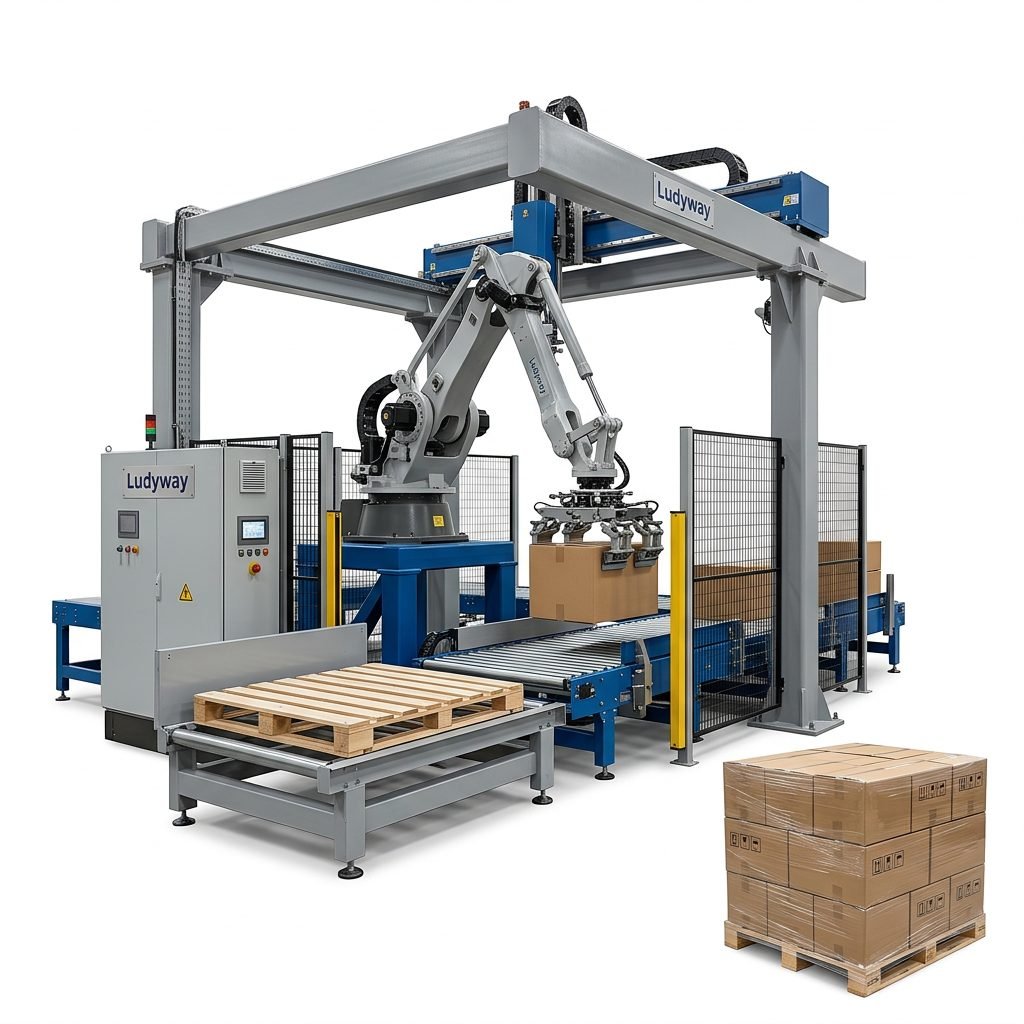
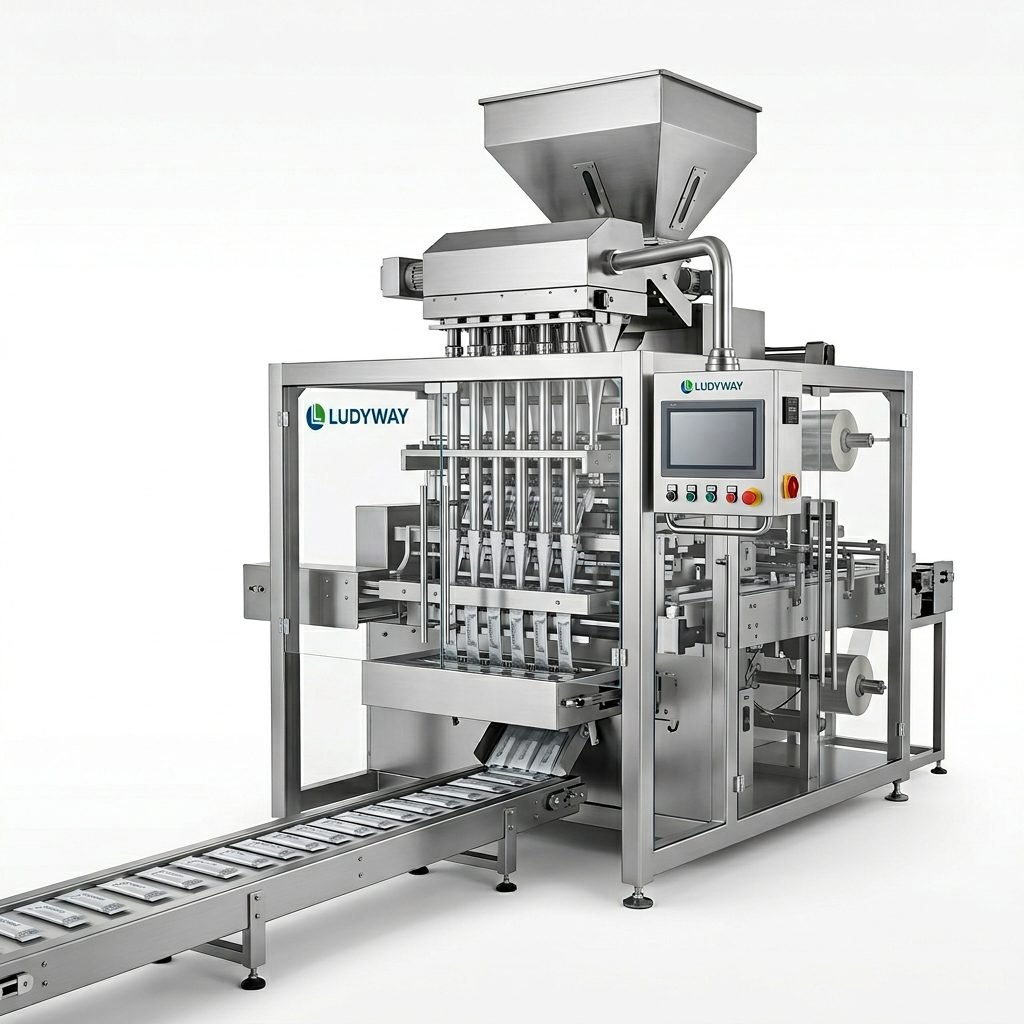
Hamburger packaging lines often require integration with upstream processing equipment (patty formers, freezers, seasoning applicators) and downstream systems (checkweighers, metal detectors, case packers). Choose a supplier with turnkey integration experience to ensure seamless production flow. For instance, Ludyway is one of the largest packaging machine manufacturers in China, specializing in advanced packaging equipment and turnkey production solutions for the food, pharmaceutical, and health industries, with over 30 years of industry expertise and more than 50 intelligent packaging machine models serving customers in over 100 countries and regions.
Automation Level: Semi-Automatic vs. Fully Automatic
| Feature | Semi-Automatic | Fully Automatic |
|---|---|---|
| Operator Involvement | Manual loading, machine handles sealing only | Minimal operator input; automated feeding and discharge |
| Output Capacity | 15–40 packs per minute | 60–200+ packs per minute |
| Investment Range | €15,000–€60,000 | €80,000–€350,000+ |
| Best For | Startups, small producers, niche markets | Medium to large-scale production, supermarket supply |
Sustainability and Packaging Material Trends in Europe
European consumers and regulators are driving a significant shift toward sustainable packaging solutions. When purchasing a hamburger packaging machine, compatibility with eco-friendly materials is increasingly important:
- Recyclable Mono-Material Films — Machines must handle mono-PE or mono-PP structures that replace traditional multi-layer laminates. These materials have different sealing characteristics requiring precise temperature control.
- Paper-Based Packaging — Some European markets are shifting toward paper-based wraps and cartonboard solutions for hamburgers. Verify machine compatibility with paper substrates.
- Reduced Material Thickness — Downgauging films reduces plastic consumption but demands machines with superior tension control to prevent web breaks.
- Compostable and Biodegradable Films — Niche but growing in certain European markets; these materials often require specialized sealing systems.

Financing and Procurement Options for European Buyers
Several financing pathways exist for acquiring packaging machinery in Europe. Understanding these options helps optimize cash flow and accelerate return on investment:
- Equipment Leasing — Many European financial institutions offer leasing arrangements with fixed monthly payments, preserving working capital for operational needs.
- EU Regional Development Grants — Certain regions within the EU provide capital grants or subsidized loans for food processing modernization, particularly in rural development zones.
- Supplier Financing Programs — Some manufacturers offer deferred payment terms or installment plans for qualified buyers — an important discussion point during negotiations.
- Export Credit Agencies — When importing machinery from outside the EU, export credit insurance and financing from agencies like Euler Hermes (Germany) or UKEF (United Kingdom) can facilitate transactions.
Installation, Training, and After-Sales Support
A successful hamburger packaging machine procurement extends beyond delivery. The following post-purchase elements should be contractually defined before signing:
On-Site Installation and Commissioning
Professional installation by factory-trained technicians ensures the machine is correctly positioned, calibrated, and integrated with existing utilities and upstream/downstream equipment. Commissioning includes comprehensive testing with your actual products and packaging materials to validate performance specifications.
Operator and Maintenance Training
Thorough training for your production team reduces operator errors, improves efficiency, and extends equipment life. Training programs should cover daily operation, changeover procedures, cleaning protocols, basic troubleshooting, and preventive maintenance schedules.
Warranty and Service Level Agreements
Standard warranties typically cover 12–24 months for mechanical and electrical components. Negotiate clear service level agreements (SLAs) defining response times, remote support availability, and on-site service commitments — especially critical for single-line production facilities where downtime directly impacts revenue.
Key Takeaways for European Buyers
- Verify CE certification and compliance with all relevant EU directives before placing an order.
- Evaluate total cost of ownership rather than focusing solely on purchase price.
- Prioritize suppliers with established European service networks and local spare parts availability.
- Select machinery compatible with sustainable packaging materials to future-proof your investment against evolving EU regulations.
- Request documented performance guarantees based on your specific product and packaging material combinations.
- Consider modular machine designs that allow capacity expansion as your business grows.
For comprehensive resources on packaging machinery standards, consult the PMMI packaging industry resources and the Flexible Packaging Association. Staying informed about packaging machinery market trends and regulatory updates ensures your investment remains competitive and compliant in the dynamic European food packaging landscape.