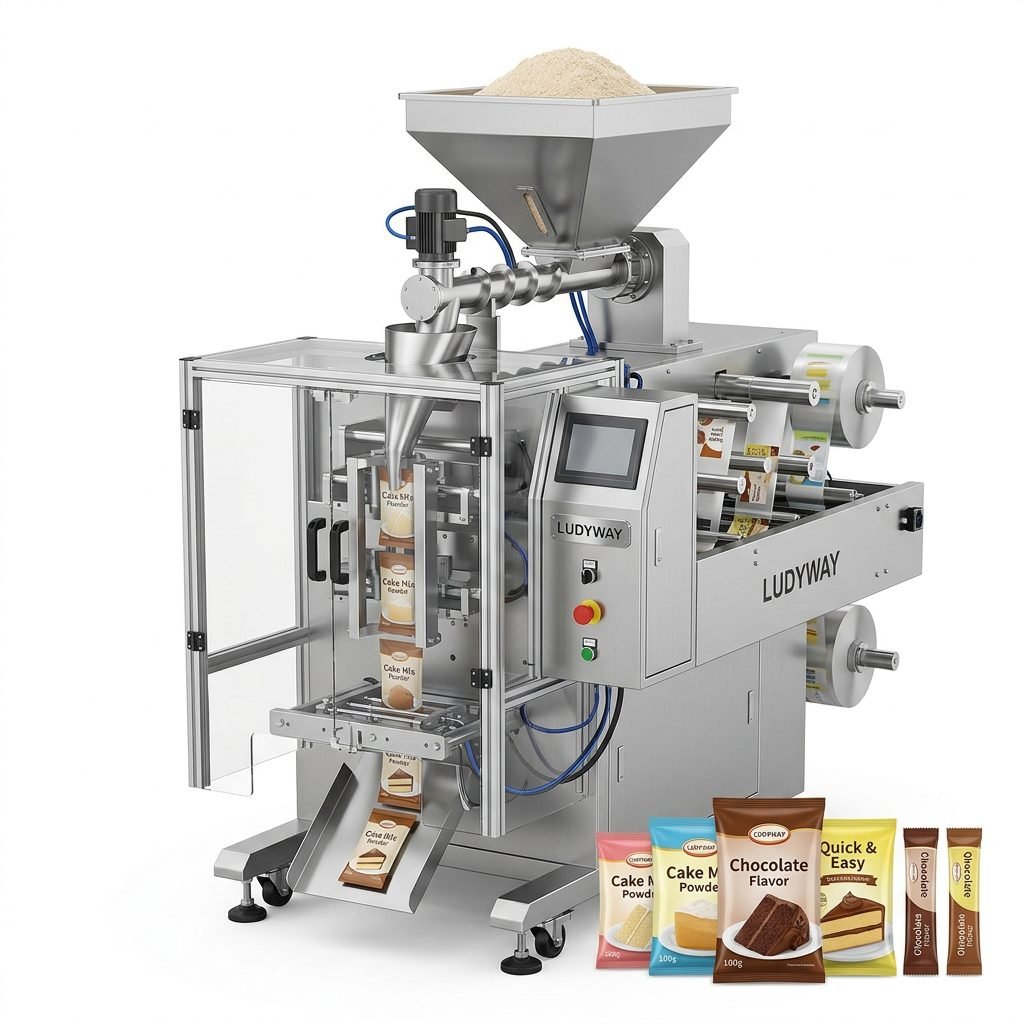
The demand for vegetable packaging machines in India has grown significantly in recent years, driven by the country’s expanding agricultural output and the rapid modernization of its food processing sector. Whether you run a small farm, a mid-sized cold storage facility, or a large-scale export operation, choosing the right vegetable packaging equipment can make a measurable difference in product shelf life, operational efficiency, and overall profitability. This guide outlines the essential factors Indian buyers should evaluate before making a purchase, from machine types and technical specifications to supplier selection and after-sales support.
Understanding the Indian Vegetable Packaging Market
India is one of the world’s largest producers of vegetables, yet post-harvest losses remain a persistent challenge. According to government estimates, a substantial percentage of fresh produce is wasted due to inadequate handling and packaging infrastructure. This gap has created a robust market for automated vegetable packaging solutions that can preserve freshness, reduce spoilage, and meet the quality standards expected by both domestic retailers and international buyers.
Key drivers fueling the adoption of vegetable packaging machines across India include:
- Rising consumer demand for clean, pre-washed, and ready-to-cook vegetables in urban centers
- Growth of organized retail chains and e-commerce grocery platforms
- Government initiatives supporting food processing under schemes like PMFME
- Increasing export opportunities requiring compliance with international food packaging regulations
- Shift from manual labor to automated systems to improve consistency and reduce costs
Types of Vegetable Packaging Machines Available
Selecting the right machine begins with understanding the different types of equipment designed for various packaging formats and production scales. The table below compares the most common categories relevant to vegetable processing in India.
| Machine Type | Best Suited For | Packaging Format | Typical Throughput |
|---|---|---|---|
| Vertical Form Fill Seal (VFFS) | Loose vegetables, cut produce, frozen vegetables | Pillow pouches, gusseted bags | 30-120 packs/min |
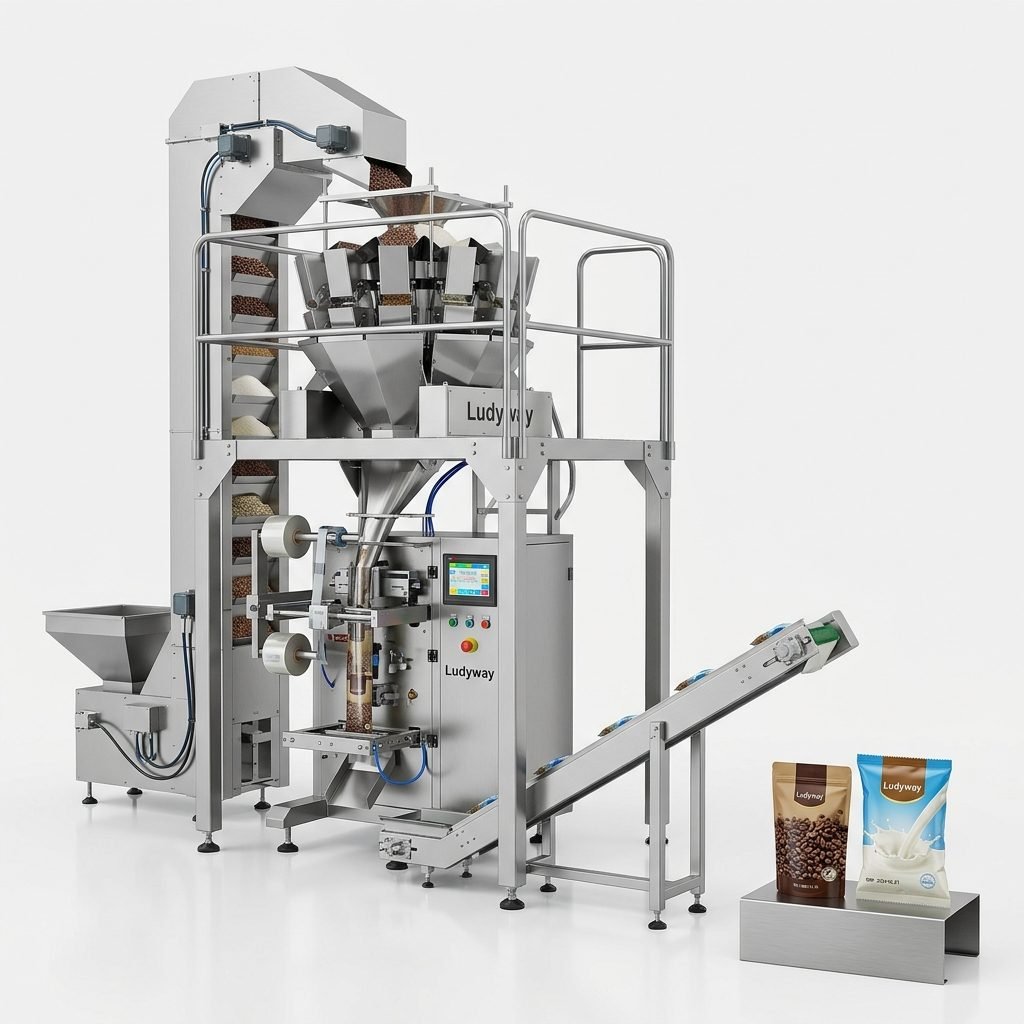
| Multi-Head Weigher Systems | Fresh-cut salad mixes, mixed vegetable packs | Pre-formed pouches, trays | 40-80 packs/min |
| Tray Sealing Machines | Retail-ready vegetable trays, shrink-wrapped produce | Trays with film lidding | 10-30 trays/min |
| Flow Wrapping Machines | Individual vegetables like cucumbers, bell peppers, corn | Shrink film, cling wrap | 20-100 packs/min |
| Vacuum Packaging Machines | Premium export-grade vegetables, long-shelf-life products | Vacuum pouches, modified atmosphere packs | 5-20 packs/min |
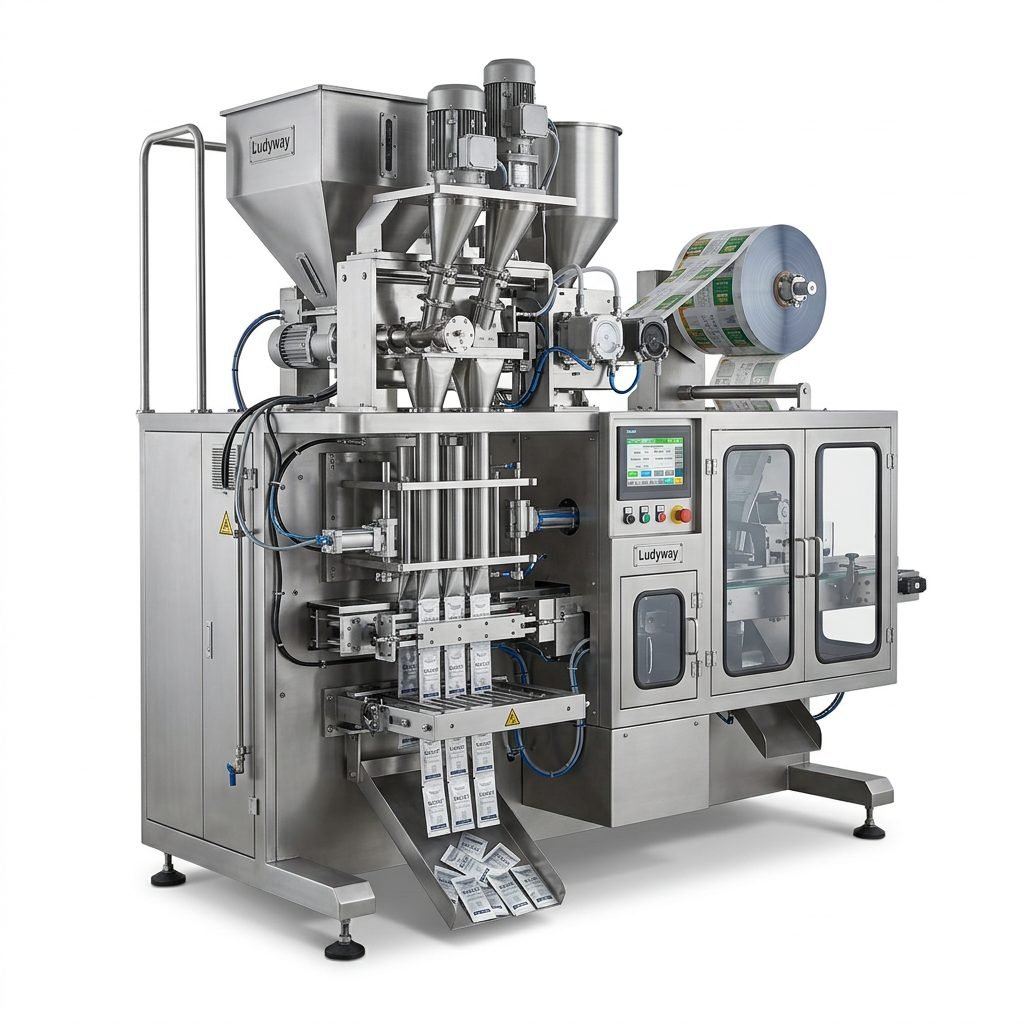
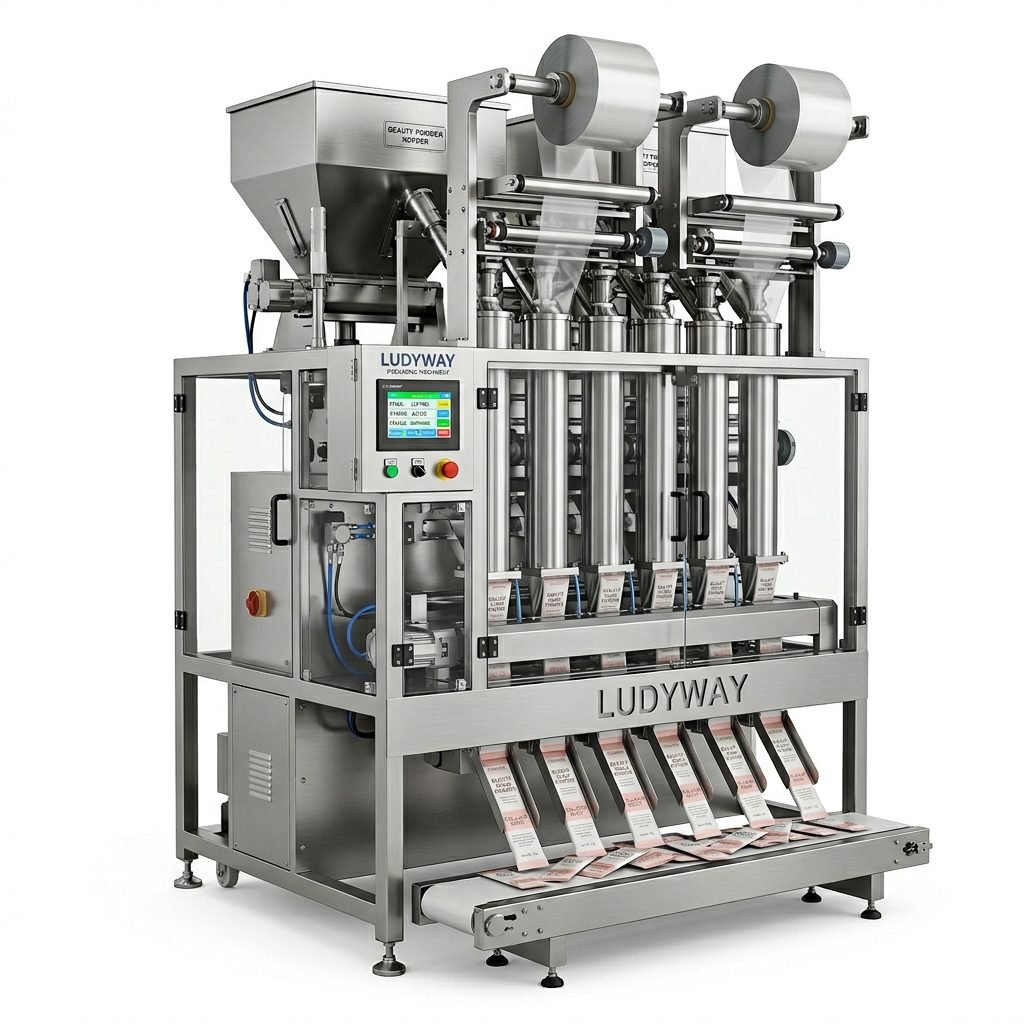
| Stick Pack and Sachet Machines | Dehydrated vegetable powders, spice mixes, soup bases | Stick packs, sachets | 100-400 packs/min |
Key Factors to Consider Before Buying
Investing in a vegetable packaging machine is a long-term decision. Evaluating the following criteria will help Indian buyers avoid costly mistakes and select equipment that aligns with their operational needs.
Production Volume and Speed Requirements
Your current and projected production volume should dictate the machine’s capacity. A small-scale supplier serving local markets may only need a machine handling 500 kg of vegetables per day, whereas an export-oriented processor could require equipment capable of running multiple tonnes per shift. Overestimating capacity leads to unnecessary capital expenditure, while underestimating it creates production bottlenecks.
Vegetable Characteristics and Handling Sensitivity
Different vegetables present unique challenges. Leafy greens like spinach and coriander require gentle handling systems to prevent bruising. Root vegetables such as potatoes and carrots tolerate more robust mechanical handling. Tomatoes and other soft-skinned produce need specialized transfer and filling mechanisms to minimize damage. Before purchasing, confirm that the machine’s conveying, weighing, and filling systems are compatible with your specific produce types.
Packaging Material Compatibility
The machine must work seamlessly with your chosen packaging films and materials. Common options for vegetable packaging include LDPE, BOPP, multi-layer laminates, and biodegradable films. Verify that the sealing temperature range, film tension control, and cutting mechanisms are suitable for the materials you plan to use. With India’s increasing focus on sustainability, many buyers now prioritize machines that can handle eco-friendly packaging materials and compostable films.
Automation and Integration Capabilities
Modern packaging lines increasingly feature automation that extends beyond the packaging machine itself. Consider whether you need:
- Automatic feeding and sorting systems for raw vegetables
- Weighing and portioning modules with high accuracy
- Metal detection and X-ray inspection units for quality control
- Labeling, coding, and printing integration
- Cartoning and case packing for end-of-line automation
- Compatibility with ERP and production management software
While fully integrated lines require a higher initial investment, they significantly reduce labor costs and improve consistency over time.
Budget Planning and Cost Considerations
The price of a vegetable packaging machine in India varies widely depending on the machine type, level of automation, and country of origin. Entry-level semi-automatic machines may start from ₹3-8 lakhs, while fully automated multi-head weigher systems with VFFS integration can range from ₹15-50 lakhs or more. Beyond the purchase price, Indian buyers should account for:
- Import duties and GST on machinery
- Installation and commissioning charges
- Operator training and skill development costs
- Ongoing consumables such as packaging film and spare parts
- Annual maintenance contract fees
- Electricity consumption and utility expenses
A realistic total cost of ownership calculation, rather than focusing solely on the upfront price, will help in making a sound financial decision.
Technical Specifications to Evaluate
When comparing vegetable packaging machines, pay close attention to the following technical parameters that directly affect performance and reliability.
| Specification | Why It Matters | What to Look For |
|---|---|---|
| Weighing Accuracy | Affects give-away, profit margins, and regulatory compliance | ±0.5-1.0g for small packs; ±1-2% for bulk formats |
| Sealing Quality | Determines shelf life and leak prevention | Consistent seal width, temperature control with PID systems |
| Construction Material | Impacts hygiene, durability, and cleanability | SS304 or SS316 stainless steel for food contact areas |
| IP Rating | Essential for washdown environments in vegetable processing | IP65 or higher for wet cleaning areas |
| Changeover Time | Affects production flexibility for different pack sizes | Tool-free changeover under 15 minutes preferred |
| Power Consumption | Impacts operating costs over the machine’s lifetime | Energy-efficient motors and optimized drive systems |
Supplier Evaluation and Due Diligence
Choosing a reliable supplier is equally important as choosing the right machine. Indian buyers should conduct thorough due diligence on potential suppliers, whether they are domestic manufacturers, international brands with local representation, or importers of refurbished equipment. Key evaluation criteria include:
After-Sales Service and Spare Parts Availability
In India’s diverse geographical landscape, on-time service support can make or break a production operation. Confirm that the supplier has a dedicated service team, accessible spare parts inventory in India, and reasonable response times for breakdowns. Remote diagnostics and online support capabilities are increasingly valuable features.
Compliance with Indian and International Standards
Verify that the equipment conforms to relevant packaging machinery standards and food safety requirements. For machines intended for export-grade vegetable packaging, compliance with international packaging standards such as ISO 22000 and relevant BIS specifications is essential. Equipment with CE marking, though not mandatory in India, often indicates adherence to global quality benchmarks.
References and Case Studies
Request references from existing customers in India who use similar equipment for comparable applications. A reputable supplier should be able to provide case studies demonstrating successful installations in Indian vegetable processing facilities, ideally with verifiable performance data and customer testimonials.
Tips for a Successful Purchase
Drawing from industry experience and feedback from Indian vegetable processors, the following practical tips can help streamline the buying process and maximize your return on investment.
- Visit the factory before committing: Whenever feasible, inspect the machine under production conditions. Observe its operation with vegetables similar to yours and evaluate build quality firsthand.
- Request a sample run: Ask the supplier to package your specific vegetables and send the finished samples. This reveals how well the machine handles your actual product.
- Negotiate a comprehensive warranty: Aim for a minimum 12-month warranty covering both mechanical and electrical components, with clear terms on what is included and excluded.
- Plan for operator training: The most advanced machine will underperform without properly trained operators. Ensure the supplier includes thorough training as part of the purchase agreement.
- Consider scalability: Choose a machine that can accommodate moderate production increases without requiring complete replacement. Modular designs that allow for future upgrades offer better long-term value.
- Evaluate total lifecycle cost: Look beyond the initial price tag and compare energy efficiency, spare parts costs, and expected service life across different models and manufacturers.
Common Mistakes to Avoid
Many first-time buyers of vegetable packaging equipment in India encounter similar challenges. Being aware of these common pitfalls can save significant time and money.
- Selecting a machine based solely on lowest price without evaluating long-term reliability
- Ignoring the importance of local service infrastructure and spare parts availability
- Purchasing equipment that cannot handle the full range of vegetable sizes and shapes in your product line
- Underestimating the compressed air, power, and utility requirements of automated systems
- Overlooking the need for humidity and temperature-controlled packaging environments for certain vegetables
- Failing to account for film waste rates during machine startup and changeover procedures
Maintenance and Long-Term Machine Care
Proper maintenance extends the service life of a vegetable packaging machine and ensures consistent output quality. Establish a structured maintenance schedule that includes:
- Daily: Cleaning product contact surfaces, inspecting seals, checking lubrication points
- Weekly: Verifying sensor calibration, examining drive belts and chains, cleaning air filters
- Monthly: Testing safety interlocks, inspecting electrical connections, reviewing wear patterns on moving parts
- Quarterly: Comprehensive preventive maintenance by a qualified technician, software updates if applicable
- Annually: Full overhaul inspection, replacement of worn components, recalibration of weighing and filling systems
Maintaining a recommended spare parts inventory for critical components such as sealing jaws, heating elements, sensors, and drive belts reduces downtime during unexpected breakdowns.
Regulatory Considerations for Vegetable Packaging in India
Packaging operations in India must comply with regulations established by the Food Safety and Standards Authority of India (FSSAI). Key requirements include using food-grade packaging materials, maintaining hygienic processing environments, and providing accurate labeling information including net weight, ingredient declarations, and best-before dates. Export-oriented vegetable processors must additionally comply with the destination country’s specific packaging and labeling regulations, which may include requirements for traceability codes, country-of-origin marking, and specific film composition standards.
Where to Source Vegetable Packaging Machines in India
Indian buyers can source vegetable packaging equipment through multiple channels. Leading domestic manufacturers have production facilities in industrial hubs such as Gujarat, Maharashtra, Tamil Nadu, and Punjab. International suppliers often maintain distributor networks across major Indian cities including Mumbai, Delhi, Bangalore, Chennai, and Hyderabad. Additionally, industry trade shows such as PackEx India, InterFoodTech, and Annapoorna World of Food India provide excellent opportunities to compare machines, meet suppliers, and negotiate pricing directly.
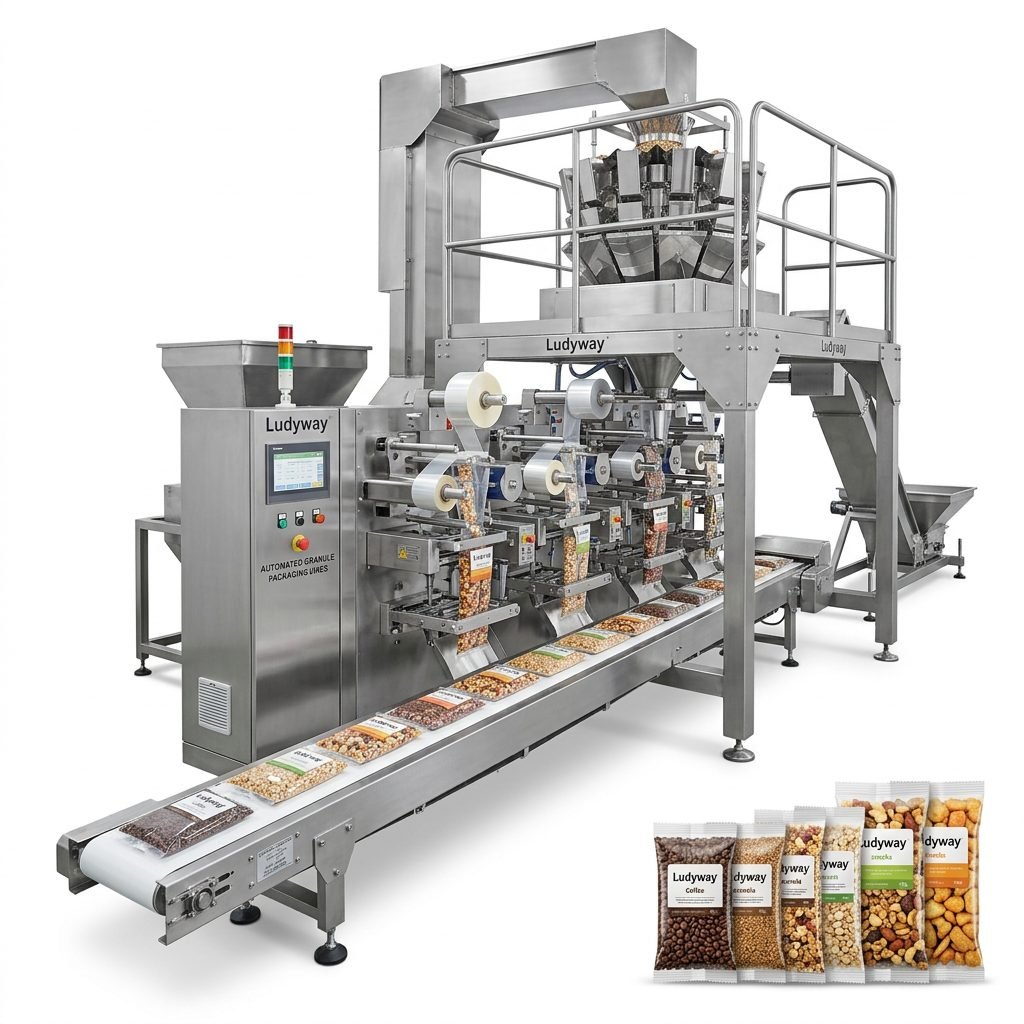
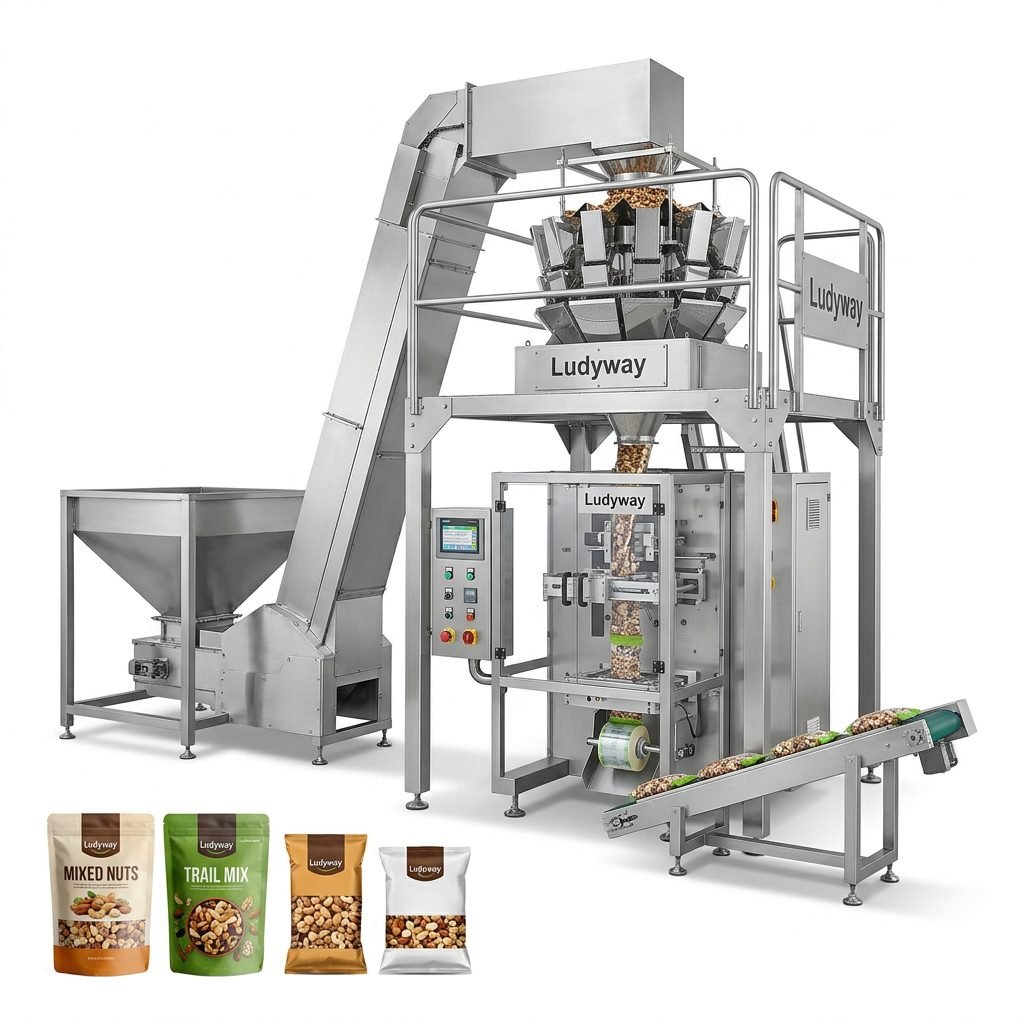
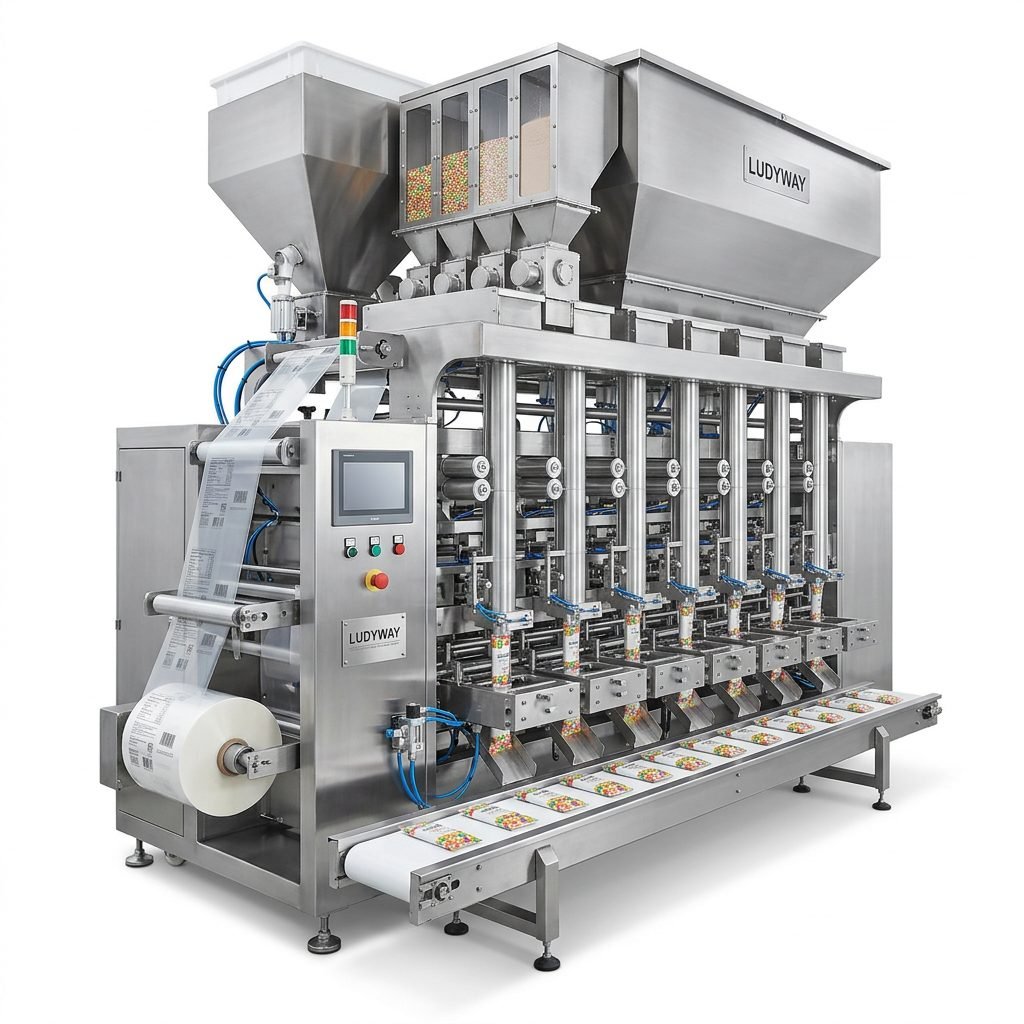
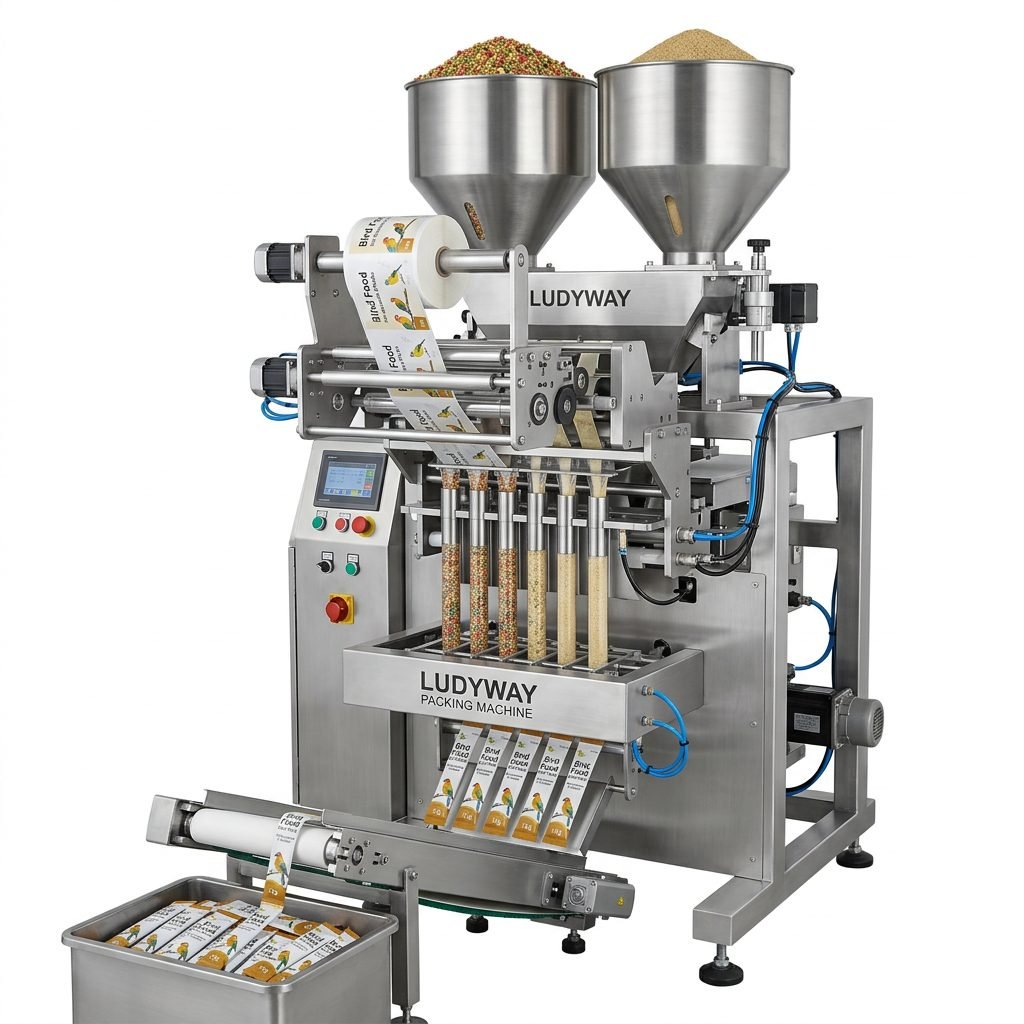
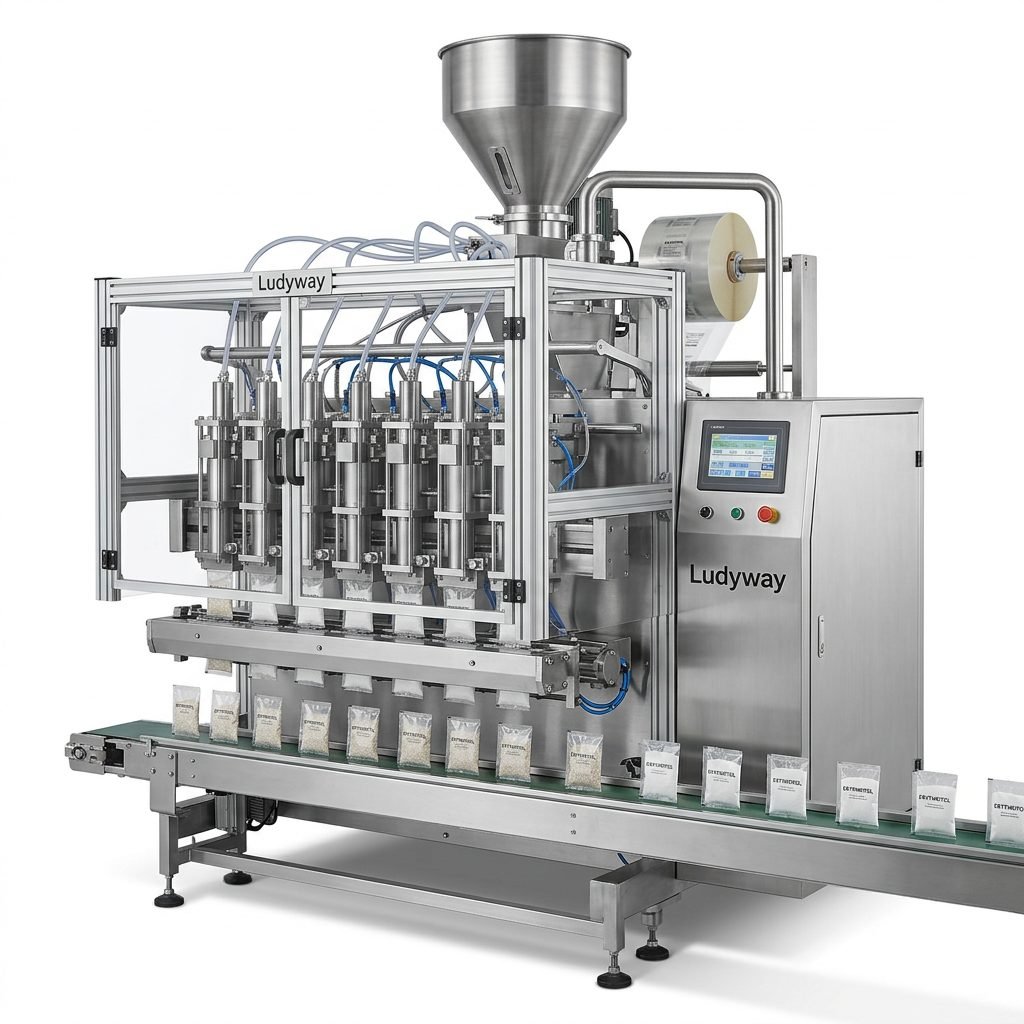
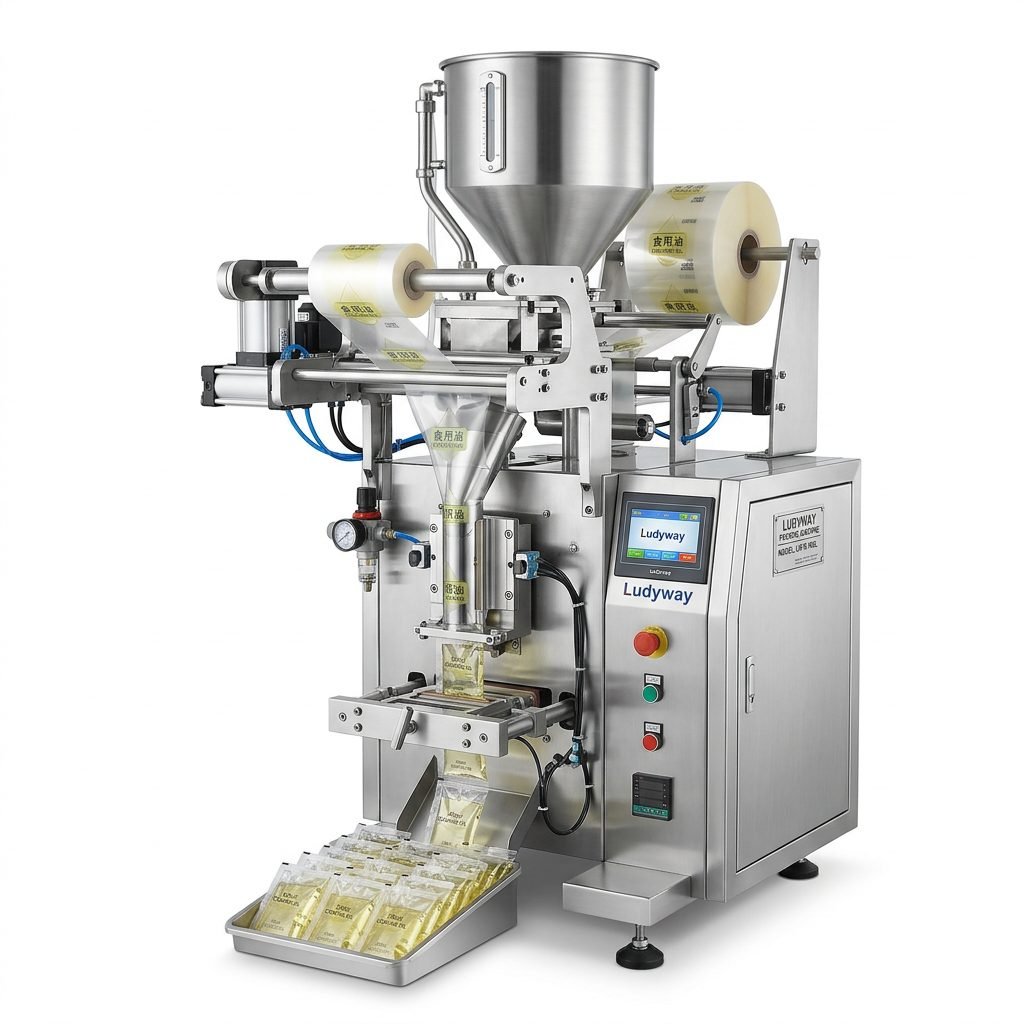
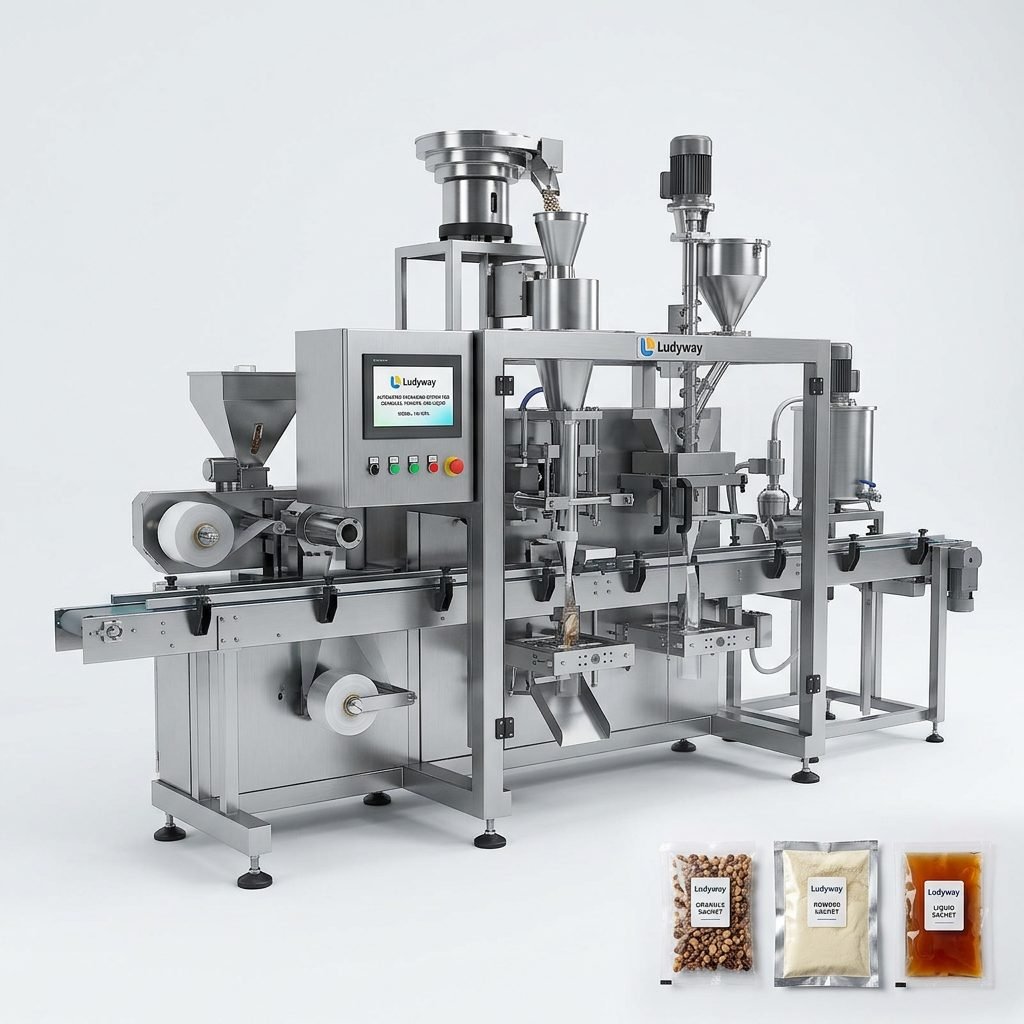
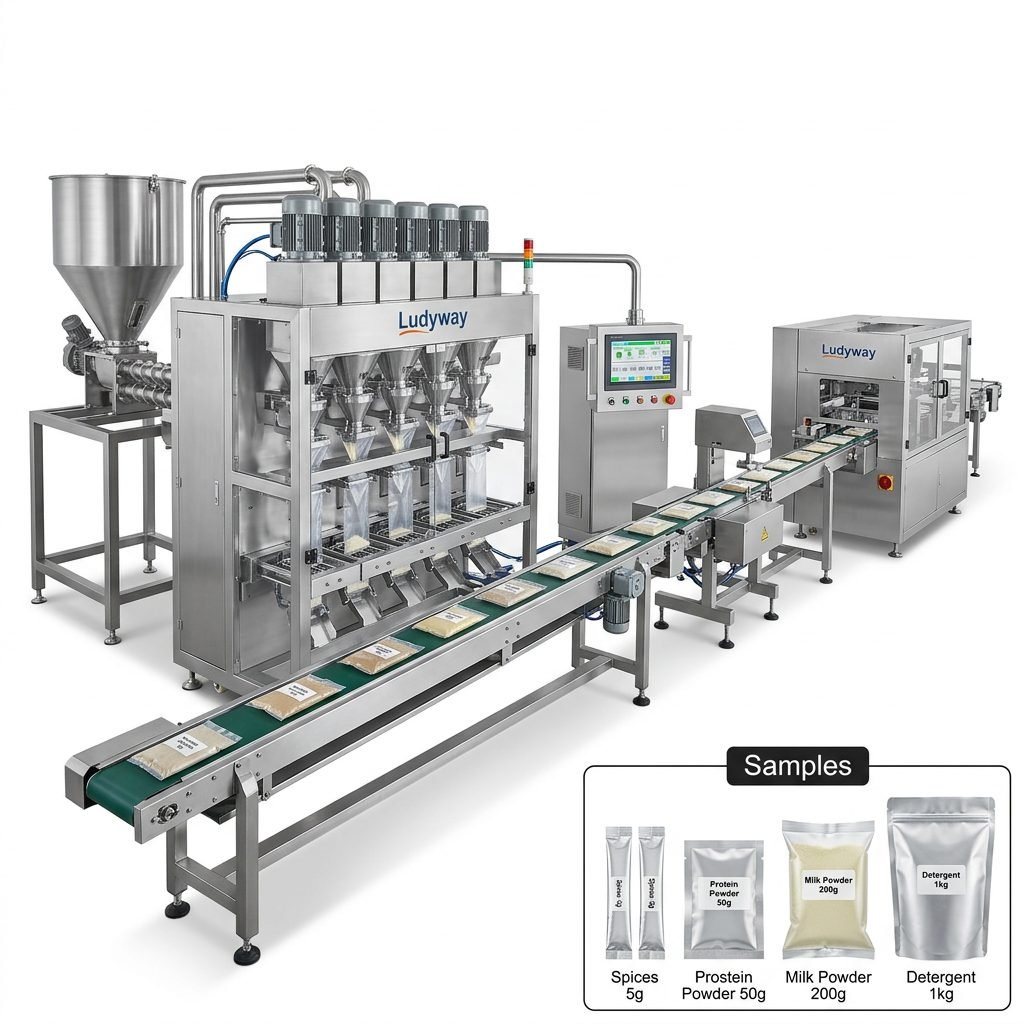
One notable manufacturer in the global packaging space is Ludyway, a company with extensive experience in designing and producing packaging equipment for granule, powder, liquid, and pouch applications, serving customers in more than 100 countries. Indian businesses exploring international suppliers may find value in evaluating manufacturers with proven global track records and comprehensive after-sales support capabilities.
Making the Final Decision
Purchasing a vegetable packaging machine is a significant capital investment that impacts your business for years to come. The most successful buyers approach the decision methodically by clearly defining their requirements, evaluating multiple suppliers, testing equipment with their own products, and negotiating favorable terms that include training, warranty, and service agreements. By balancing cost considerations with quality, reliability, and local support, Indian vegetable processors can select packaging equipment that enhances their competitive position in both domestic and international markets while delivering a strong return on investment.