Selecting the right automatic chips packing machine is one of the most important equipment decisions a snack manufacturer can make. The machine you choose affects production speed, seal integrity, packaging material consumption, and long-term operational cost. For producers of potato chips, tortilla chips, banana chips, or extruded snacks, the variety of available machine configurations makes the selection process complex.
This guide walks through the key factors to evaluate when choosing a chips packaging machine, from product characteristics and packaging format to automation level and supplier capability. Understanding these criteria helps buyers match their production requirements to the right automatic chips packing machine and avoid costly mismatches.
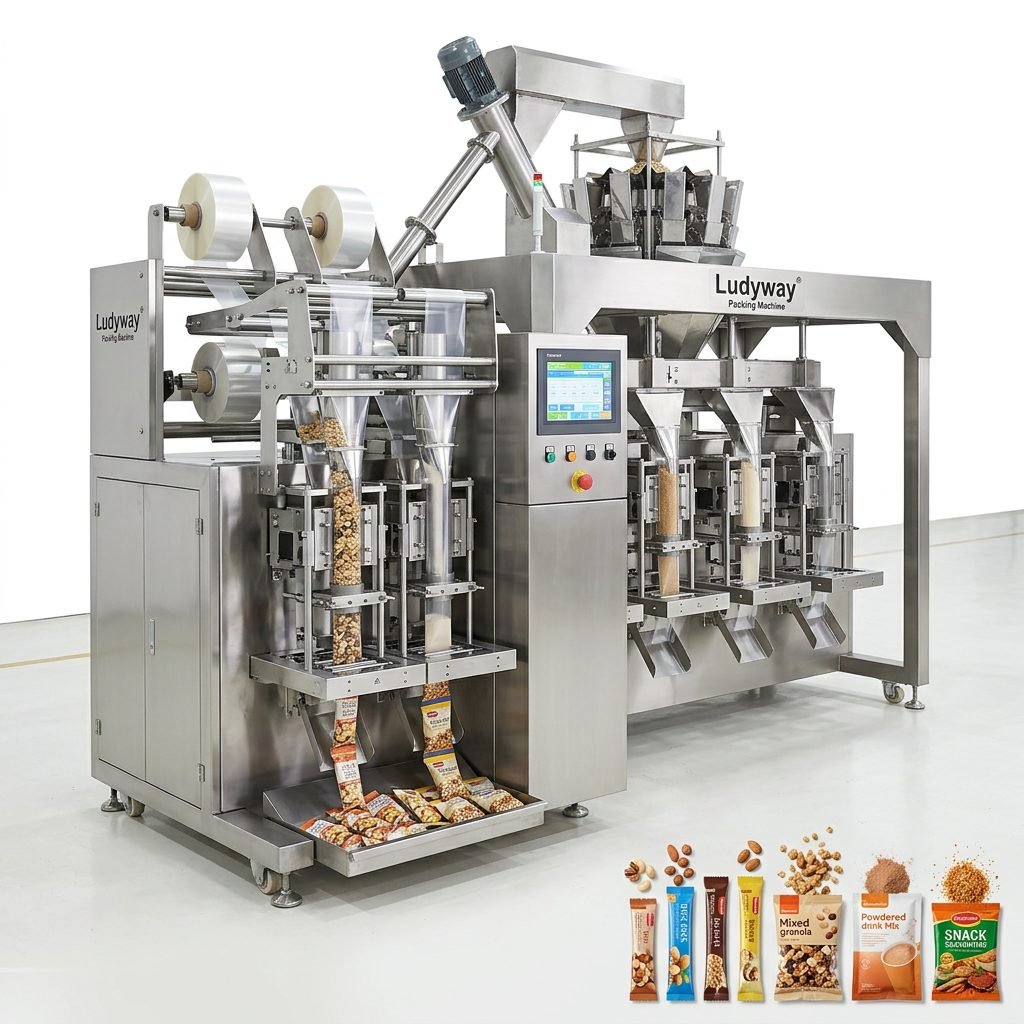
1. Start with Product Characteristics
Before evaluating any machine, you need a clear picture of the product being packaged. The physical properties of chips directly determine which filling and sealing technologies will work reliably.
1.1 Product Fragility and Breakage Sensitivity
Potato chips and similar snacks are fragile. A packaging machine that drops chips from height or applies excessive mechanical force during filling will generate breakage. Look for machines designed with gentle product handling features — low-drop filling, cushioned transfer points, and weighers specifically calibrated for fragile products. Multi-head weighers with memory buckets and reduced drop distances are standard in modern snack packaging lines.
1.2 Piece Size and Shape Variability
Chips vary in size, shape, and curl. The filling system must accommodate this variability without bridging or clogging. Vibratory feeding systems and weighers with adjustable amplitude and frequency settings allow the machine to handle irregular shapes consistently. For products like tortilla chips with sharp edges, consider reinforced contact surfaces and packaging film with higher puncture resistance.
1.3 Oil Content and Residue Sensitivity
Many chips carry surface oil from frying. Over time, oil residue can build up on machine surfaces, weigher buckets, and sealing jaws. Machines intended for chips should have tool-free cleaning access, sloped surfaces that prevent accumulation, and sealing systems that perform reliably even with minor oil presence. Some manufacturers offer optional non-stick coatings or easier cleaning configurations for high-oil products.
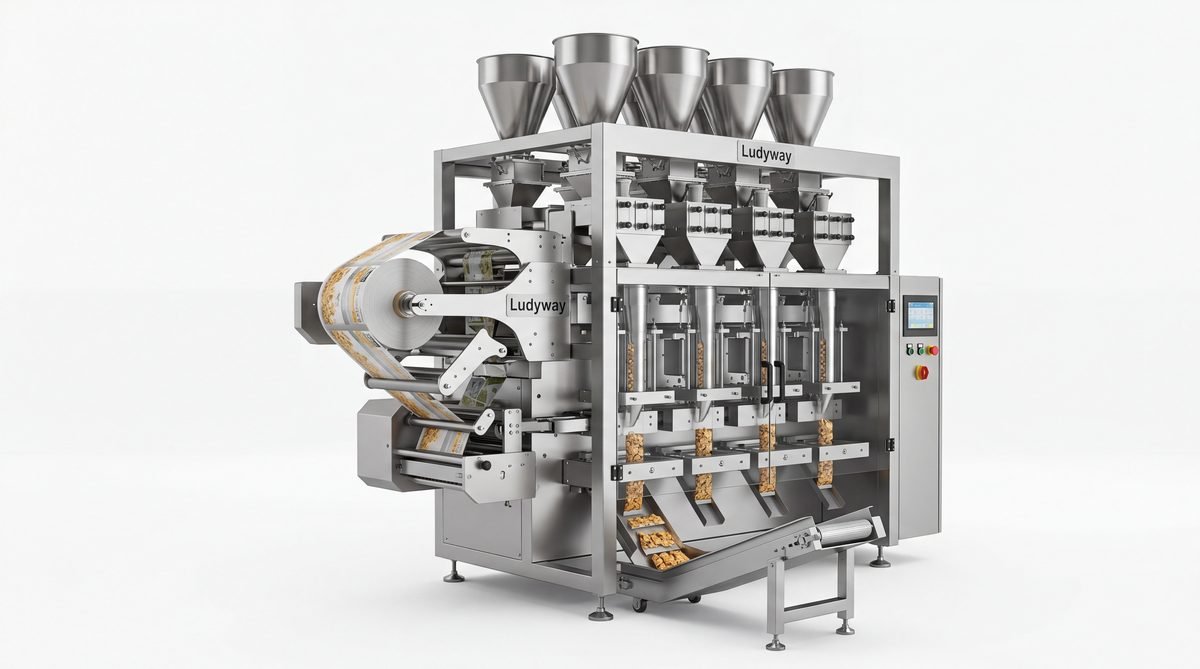
2. Define Production Capacity Requirements
Production volume determines the machine class you need. Under-specifying leads to bottlenecks; over-specifying wastes capital. Capacity requirements should be calculated based on peak production demand, not average output.
| Production Scale | Typical Output Range | Recommended Machine Type |
|---|---|---|
| Small / Startup | 5–20 bags/min | Single-lane VFFS, semi-automatic weigher |
| Medium / Growing | 20–60 bags/min | Single-lane VFFS with multi-head weigher, servo-driven |
| Large / Industrial | 60–150+ bags/min | Multi-lane VFFS or dual-tube systems, high-speed weighers |
When evaluating stated machine speeds, confirm whether the figures represent sustained production speed or maximum mechanical speed. Actual output depends on product flow, bag size, film quality, and operator experience. Request video demonstrations or on-site testing with your specific product to verify realistic throughput.
3. Match the Packaging Format and Bag Style
Consumer packaging formats for chips are diverse. The machine must produce the exact bag style required by your market positioning and retail channels.
3.1 Pillow Bags
The most common format for chips. Pillow bags are formed from a single film roll, sealed longitudinally on the back, and sealed transversely at both ends. This format is fast, economical, and compatible with most vertical form fill seal (VFFS) machines. Standard features to look for include adjustable bag length, servo-driven sealing jaws for consistent seal quality, and compatibility with registered printed film.
3.2 Gusseted Bags
Gusseted bags provide a flat bottom that stands upright on retail shelves, improving product visibility. This format requires machines with gusset-forming devices and more sophisticated film handling. While machine speeds are typically lower than pillow bag production, the shelf appeal often justifies the trade-off for premium chip brands.
3.3 Doypack / Stand-Up Pouches
Stand-up pouches with zipper closures are increasingly popular for premium and sharing-size chip packages. Some machines form these pouches from roll stock; others fill pre-made pouches. Pre-made pouch rotary machines offer flexibility for smaller production batches, while roll-stock form-fill-seal machines provide higher throughput for consistent production.
3.4 Stick Packs and Small Sachets
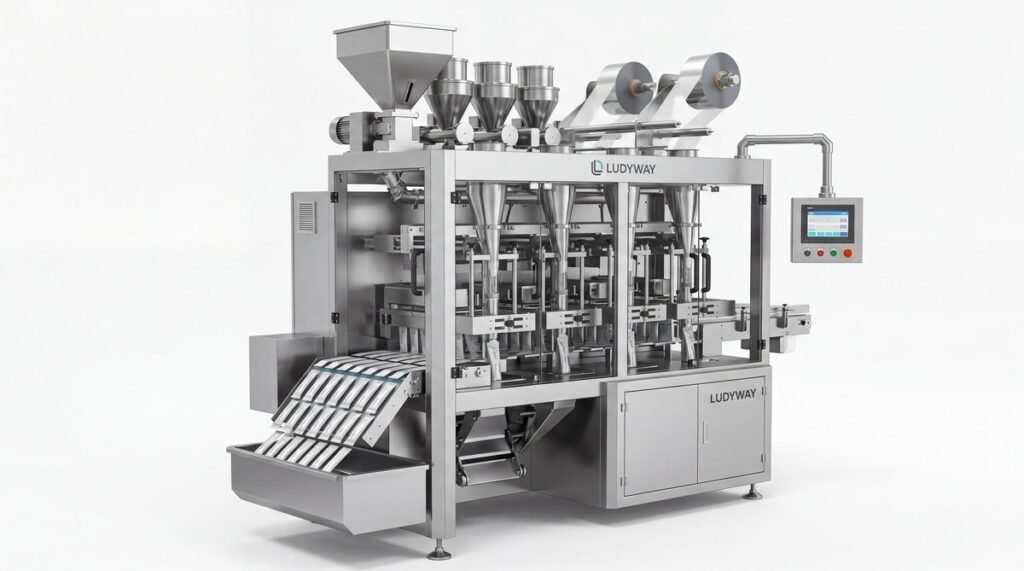
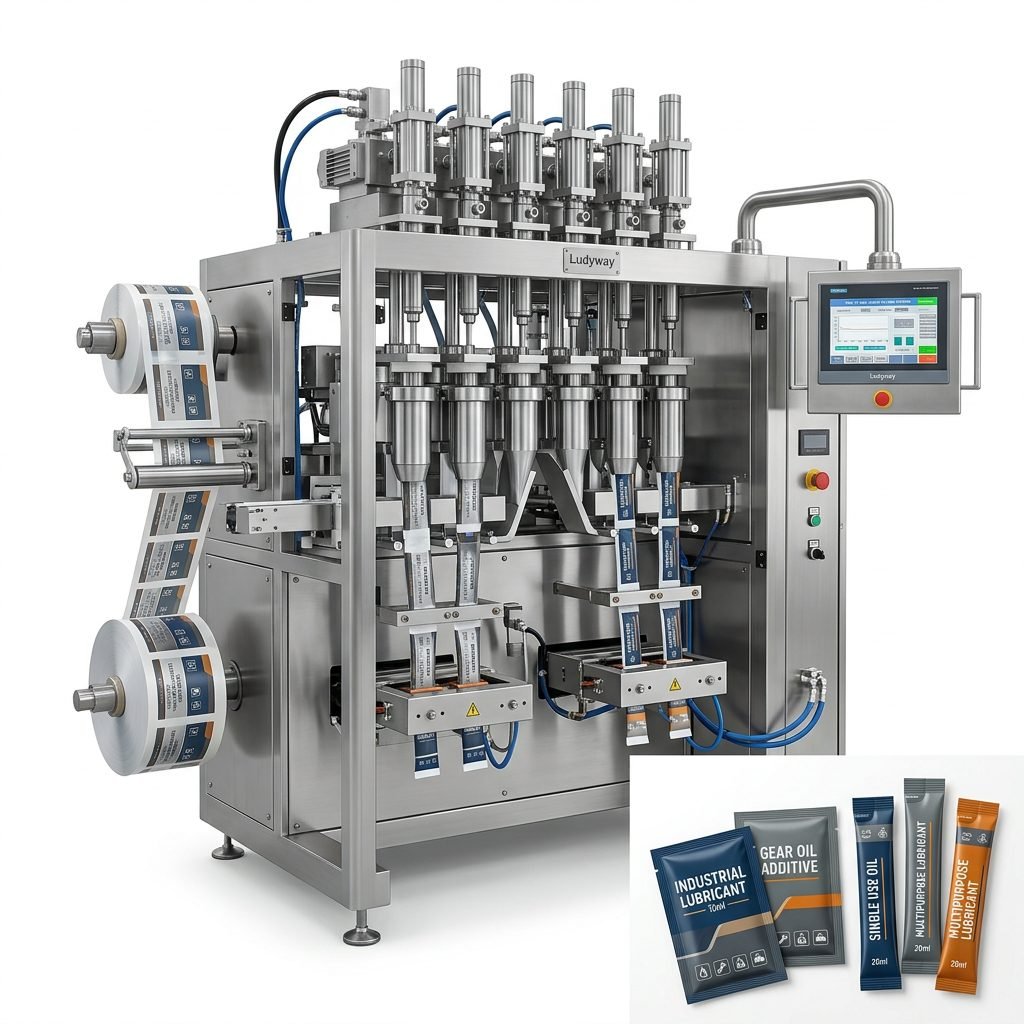
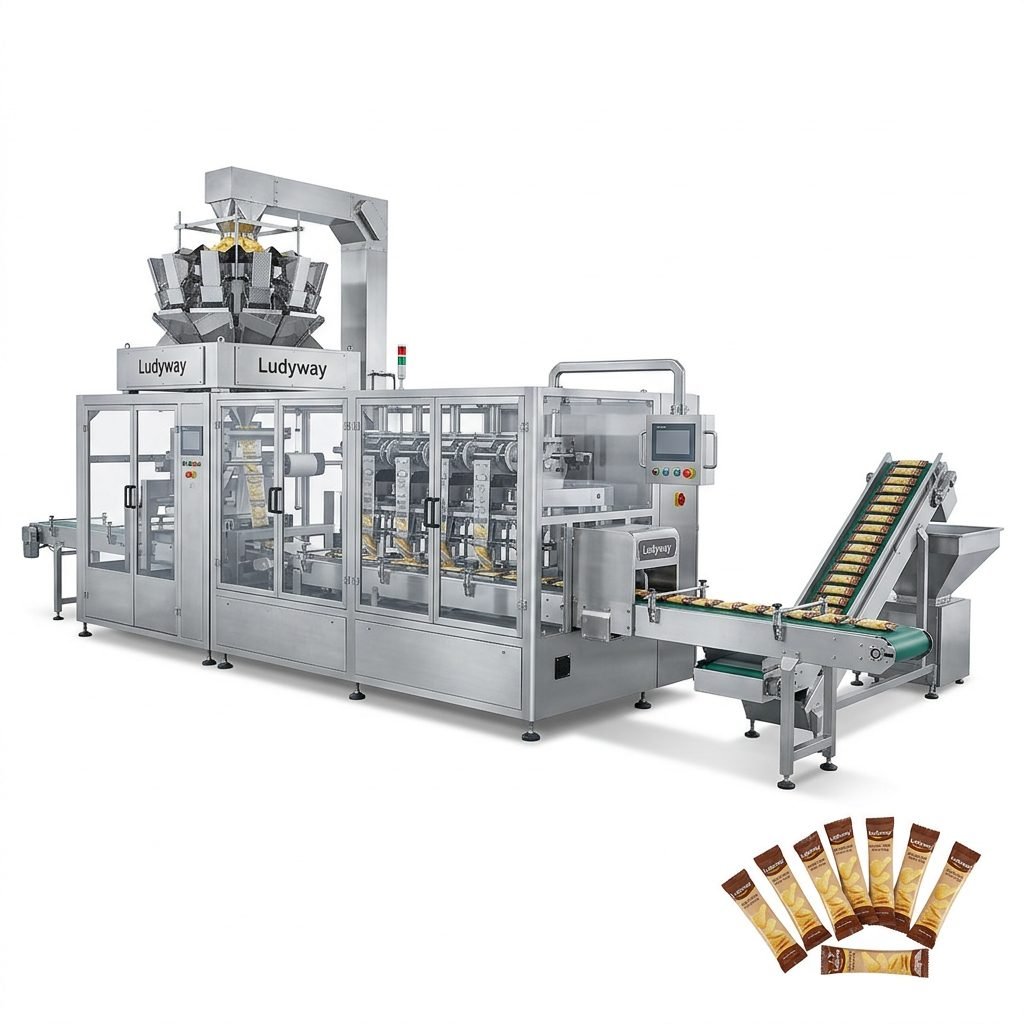
Single-serving chip portions or snack mixes are increasingly packaged in stick packs or small sachets. Multi-lane stick pack machines can produce 8, 10, or more lanes simultaneously from a single machine frame, delivering high total output for small-format packages.
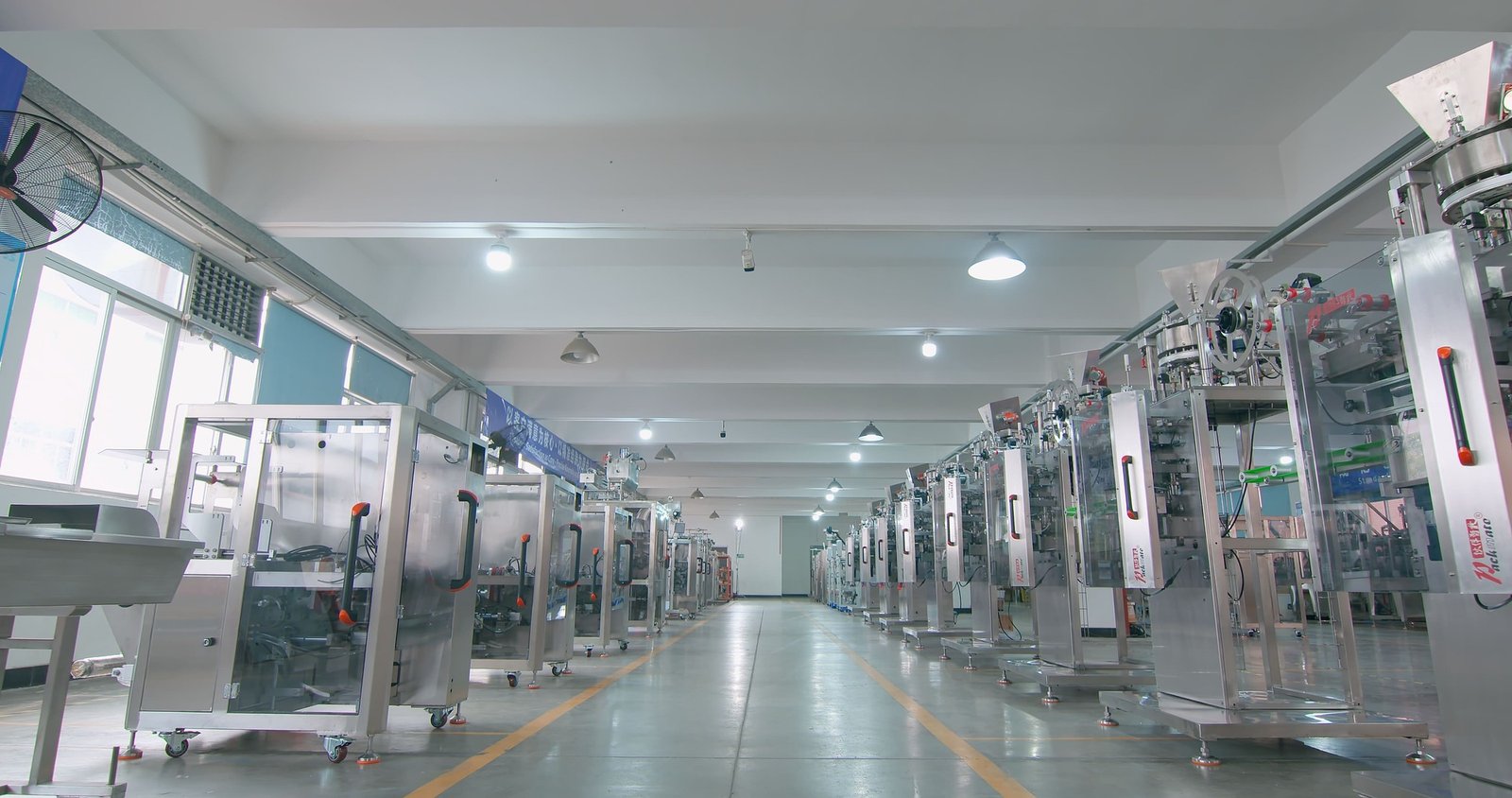
4. Evaluate Machine Configuration and Features
Beyond the basic form-fill-seal function, several machine features significantly affect long-term performance, reliability, and operating cost. Compare configuration details carefully when evaluating different machines.
4.1 Weighing and Filling System
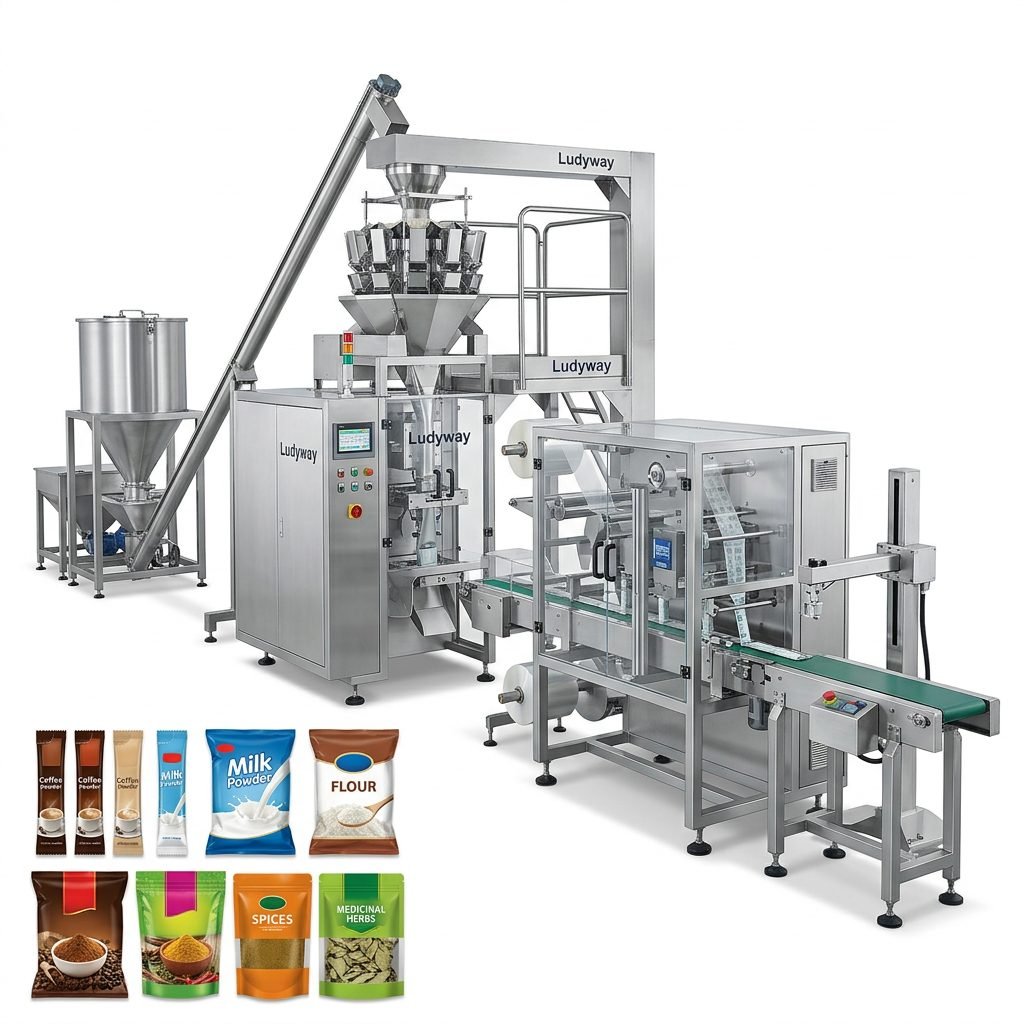
For chips, multi-head weighers are the industry standard. They combine speed, accuracy, and gentle handling. Key specifications include the number of weigh heads (typically 10, 14, or 16 heads), weigh bucket volume, and control system sophistication. More heads generally allow higher speed and better accuracy, but the optimum configuration depends on target weight and product flow characteristics.
4.2 Sealing Technology
Seal integrity is critical for chip packaging. A poor seal leads to staling, breakage during distribution, and customer complaints. Look for servo-driven sealing jaws with precise temperature control and adjustable pressure. Some machines include seal-cooling stations that improve seal quality at high speeds. Temperature controllers with PID algorithms provide consistent heat even during production speed changes.
4.3 Film Handling and Registration
Modern chip bags often use registered printed film. The machine needs a reliable registration system — typically a photoelectric sensor combined with servo-controlled film feeding — to position printed graphics correctly on every bag. Film tension control, splice detection, and automatic film tracking adjustment help reduce waste and downtime.
4.4 Gas Flushing (Nitrogen) Capability
Many chips are packaged with nitrogen flushing to displace oxygen and extend shelf life. If your product requires modified atmosphere packaging, confirm that the machine includes integrated gas flushing systems with adequate flow control, gas consumption monitoring, and residual oxygen level capability appropriate for your product requirements.
| Feature | Basic Configuration | Advanced Configuration |
|---|---|---|
| Sealing jaw drive | Pneumatic or mechanical cam | Servo-driven with programmable motion |
| Temperature control | On/off controller | PID with auto-tuning |
| Film registration | Fixed-speed with manual adjustment | Servo-driven with automatic registration |
| Gas flushing | Single-point injection | Multi-point with flow monitoring and residual O₂ control |
| Changeover | Manual, 30–60 minutes | Servo-assisted, recipe-based, 10–20 minutes |
5. Consider Integration and Automation Level
An automatic chips packing machine rarely operates in isolation. It connects to upstream weighing and feeding equipment and downstream conveying, secondary packaging, and inspection systems. Consider the required integration level and the supplier’s capability to provide a complete packaging line.
5.1 Upstream Integration
The packaging machine must interface with your chip production line. This includes product conveying from fryers or seasoning drums, surge hoppers to buffer product, and feeding systems to supply the weigher. A well-designed integration prevents product starvation at the weigher and minimizes breakage during transfer.
5.2 Downstream Equipment
After the primary package is sealed, typical downstream functions include checkweighing, metal detection, coding and marking, case packing, and palletizing. Machines that support easy integration through standardized communication protocols and physical interfaces simplify line design and reduce installation time. Consider whether your supplier can provide or coordinate the full line, or only the primary packaging machine. Some packaging machinery manufacturers, such as Ludyway Machinery, provide integrated packaging systems that combine multiple stages of the packaging process, which can simplify project management for manufacturers building new lines.
5.3 Control System and Data Integration
Modern packaging machines increasingly include connectivity for production monitoring and data collection. Features to evaluate include recipe management for quick product changeovers, production counters and efficiency tracking, OEE calculation capability, and communication protocols for integration with plant-level MES or ERP systems.
6. Assess Packaging Material Compatibility
The packaging machine must work reliably with the film structures used for chips. Most chip bags use multi-layer laminates combining materials like BOPP, metallized PET, and polyethylene for barrier properties and sealability. Key machine-related material factors include sealant layer type and heat-seal initiation temperature, film slip characteristics and coefficient of friction, and film thickness and stiffness.
Machines with wide temperature control range and adjustable dwell time can handle different film types more flexibly. If you plan to switch between different film suppliers or move toward more sustainable packaging materials, choose a machine with sealing parameters that can be adjusted to accommodate a broader range of film properties.
Sustainable packaging trends are affecting material choices. Many chip brands are transitioning toward mono-material structures for recyclability, bio-based films, or thinner films for source reduction. These newer materials often have different sealing windows and mechanical handling characteristics compared to conventional laminates. Verify that your selected machine can be configured or adjusted for the film types you intend to use both now and in the foreseeable future.
7. Evaluate Machine Construction and Hygiene
Food packaging equipment must meet hygiene requirements appropriate for the product. While chips are low-moisture products with lower microbiological risk than fresh foods, good hygienic design still matters for food safety and operational efficiency.
7.1 Frame and Contact Surface Materials
Machine frames are typically stainless steel or mild steel with food-grade coating. For chips, stainless steel construction for product contact surfaces and areas subject to cleaning is recommended. Open-frame designs that allow visual inspection and cleaning access reduce contamination risk and simplify sanitation.
7.2 Cleaning and Maintenance Access
Machines should provide tool-free access to critical areas for cleaning and routine maintenance. Sealing jaws, weigher buckets, and forming tubes require regular cleaning to remove oil and product residue. Quick-release fasteners, hinged guards, and accessible electrical panels reduce downtime for cleaning and inspection. Some machines include automated cleaning features for the weigher or inclined conveyors to streamline daily sanitation.
7.3 Dust and Particle Management
Chips generate fines and seasoning dust. Machines should incorporate features that manage this dust, such as dust extraction connections at product transfer points, sealed bearings, and enclosed drives that prevent dust ingress. Accumulated dust on sensors or sealing surfaces can cause reliability issues over time.
8. Compare Service, Support, and Documented Costs
The machine purchase is only the beginning of the relationship with the equipment and its supplier. Evaluating long-term support and understanding total cost of ownership is essential for making a fully informed decision.
- Installation and commissioning: Ask whether the supplier provides on-site installation, commissioning, and operator training, and whether these services are included or quoted separately.
- Spare parts availability and lead times: Determine which spare parts are recommended as on-site inventory, typical lead times for parts shipped internationally, and whether parts are standardized or proprietary.
- Technical support responsiveness: Understand how the supplier provides remote and on-site technical support, including typical response times and available communication channels.
- Warranty terms: Confirm warranty coverage for major components, the warranty period and start date, and coverage terms for parts, labor, and travel in case of a claim.
- Spare parts pricing and availability over the machine’s expected lifespan: Evaluate the overall parts ecosystem for the long term.
- Estimated energy, air, and consumables consumption at your expected production rates: Factor these operational costs into your total cost model.
- Expected maintenance labor and technician skill level: Assess how much in-house expertise is required to operate and maintain the equipment.
These factors collectively define the supplier relationship and should be clarified before purchase.
9. Verify Compliance and Quality Standards
For machines installed in regulated markets or used by manufacturers supplying major retailers, meeting applicable standards is a requirement, not an option.
9.1 Food Contact Compliance
Materials in contact with food must comply with relevant regulations such as FDA food contact substance requirements in the U.S. or European Commission regulations for materials intended to come into contact with food. Documentation from the machine supplier should confirm the compliance status of contact surfaces, seals, gaskets, and lubricants.
9.2 Electrical and Safety Standards
Depending on the installation location, the machine may need to meet electrical safety standards such as UL, CE marking requirements, or local equivalents. Safety features such as interlocked guards, emergency stop circuits, and safety PLCs should be specified according to the applicable standards in your region.
9.3 Quality Management and Manufacturing Standards
Many buyers look for suppliers with quality management system certifications, adherence to relevant ISO packaging standards, and documented quality control processes in manufacturing. These indicators provide confidence that the equipment is built to consistent quality standards and that the supplier has processes for addressing quality issues.
10. Make the Final Selection
After evaluating technical specifications, production requirements, machine features, supplier capability, and total cost, the final selection should be based on a balanced assessment. A lower purchase price that results in higher operating cost, more downtime, or inadequate support can prove more expensive over the machine’s life than a higher initial investment that delivers reliable production.
Document your requirements clearly, request detailed proposals from potential suppliers, and reference-check existing users in your industry segment. A machine that performs well in another application may not be optimal for yours without appropriate configuration and testing. The most reliable path is to work with a supplier that can evaluate your product and recommend a specific machine configuration, not just offer a standard model, and that can demonstrate successful installations with products and packaging formats similar to yours.
Selecting the right automatic chips packing machine requires careful analysis of technical, operational, and commercial factors. Taking time to define requirements clearly, evaluate options thoroughly, and verify supplier claims ultimately leads to an equipment decision that supports efficient production and long-term product quality.