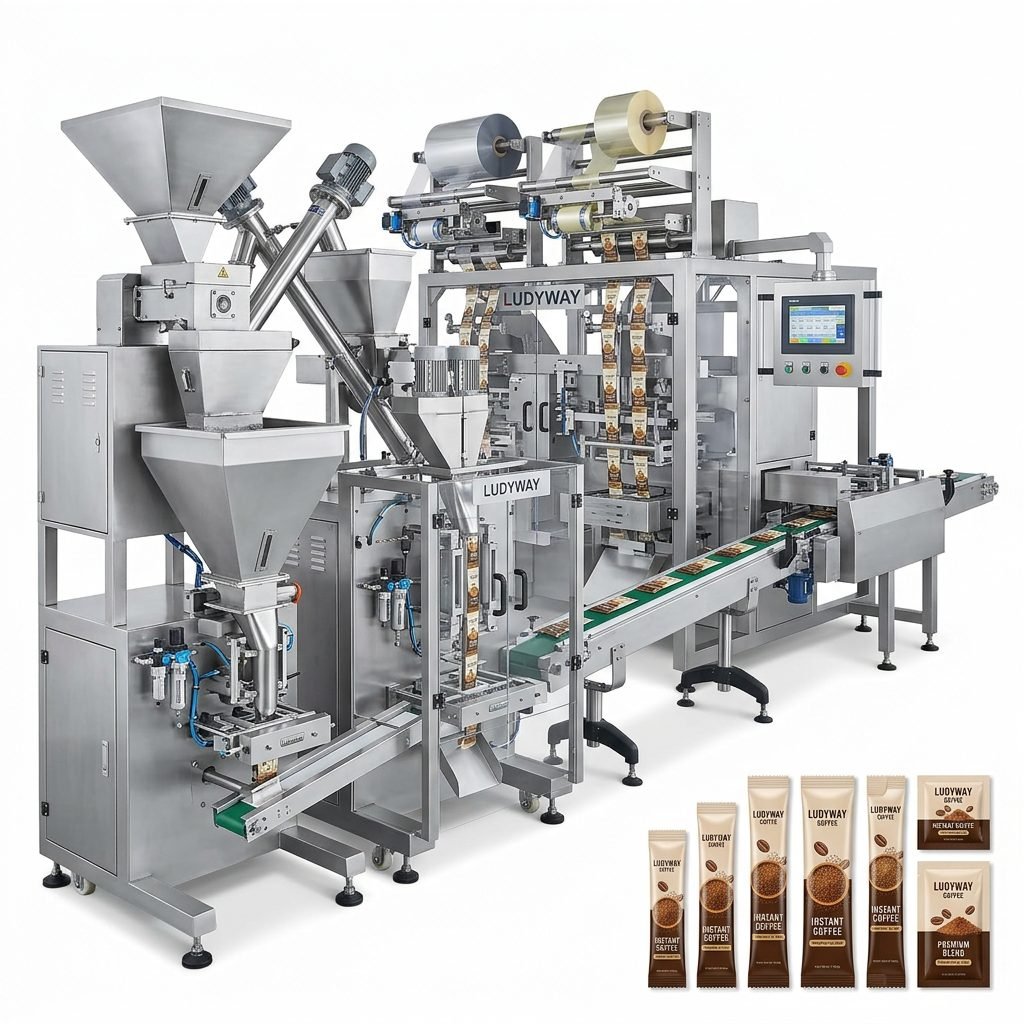
The coffee industry in Asia is experiencing unprecedented growth. With consumption rising at over 5.5% annually across Southeast Asia and East Asia, manufacturers are investing heavily in advanced packaging infrastructure. Setting up a coffee vacuum packaging production line requires meticulous planning, from equipment selection to regulatory compliance. This guide walks you through every critical step.
Understanding the Asian Coffee Market Drivers
Asia now accounts for nearly 35% of global coffee consumption growth. Countries like Vietnam, Indonesia, Thailand, and China are not only major producers but increasingly sophisticated consumers. The demand for vacuum-sealed coffee packaging is driven by longer supply chains, export requirements, and premiumization trends. According to PMMI packaging industry research, vacuum packaging technology adoption in emerging markets has grown by over 40% in the past five years.
Why Vacuum Packaging Matters for Coffee
Coffee is highly sensitive to oxygen, moisture, and light. Vacuum packaging extends shelf life by removing oxygen that causes oxidation and flavor degradation. For ground coffee and whole beans destined for export, vacuum sealing is non-negotiable. The Flexible Packaging Association notes that vacuum and modified atmosphere packaging represent the fastest-growing segment in flexible coffee packaging.
Key Components of a Coffee Vacuum Packaging Line
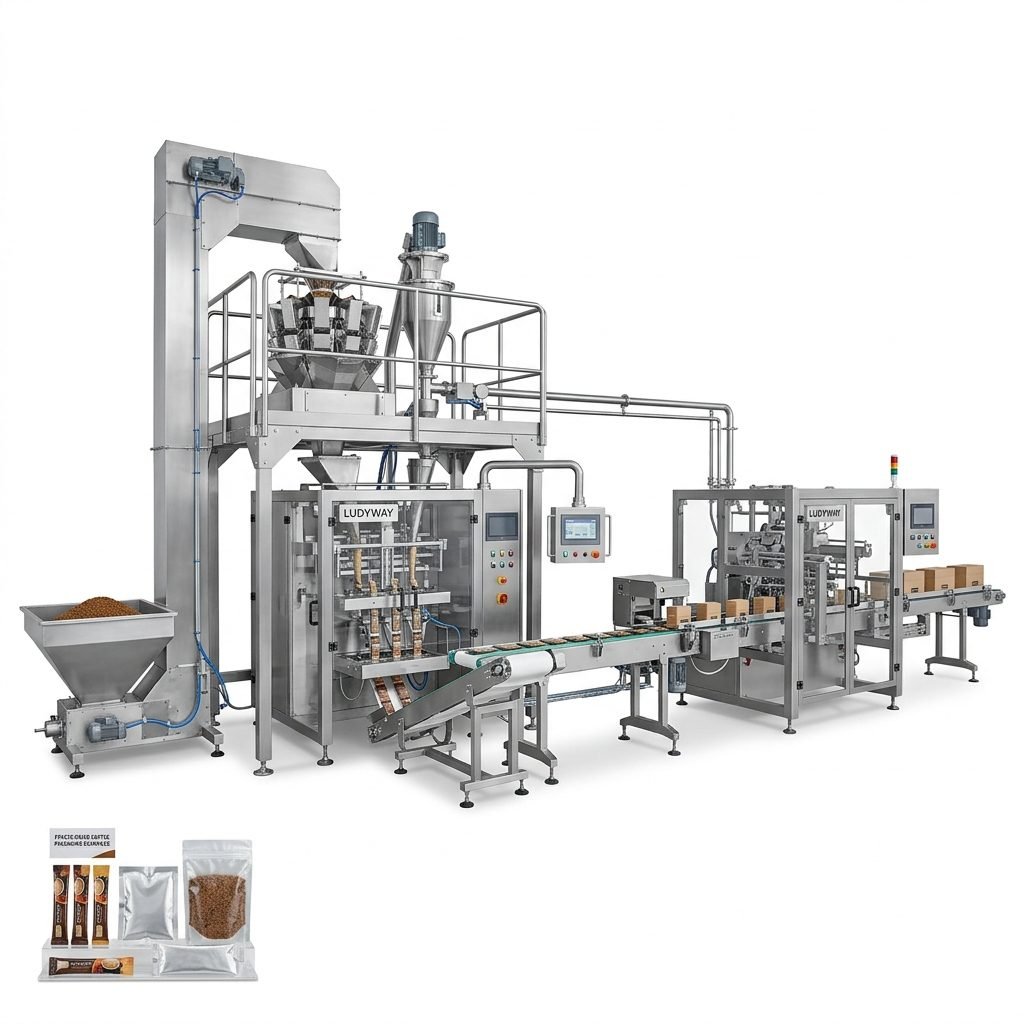
A complete production line typically integrates multiple subsystems. Here is a breakdown of essential equipment:
| Component | Function | Key Specification |
|---|---|---|
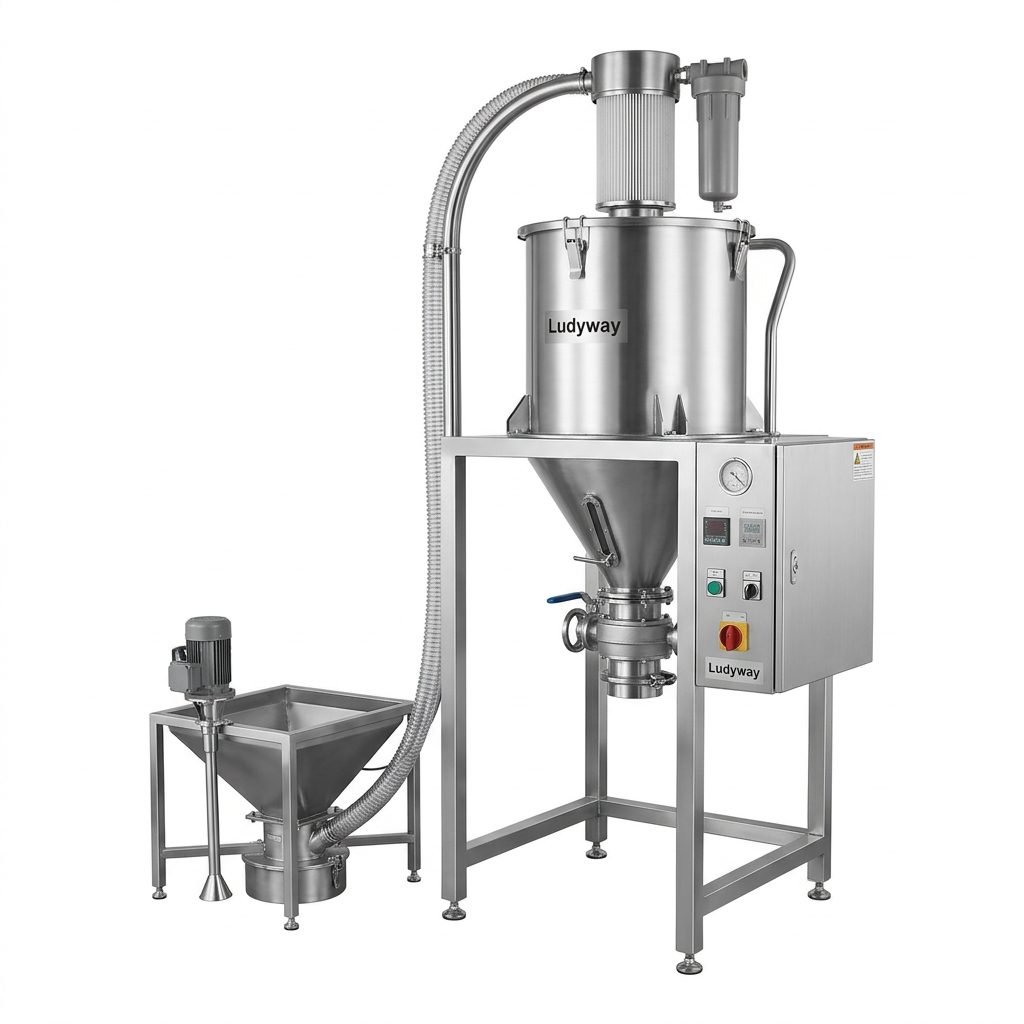
| Feeding & Conveying System | Transports coffee granules/powder to the weighing station | Z-type bucket elevator or vacuum feeder |
| Multi-Head Weigher | Precision dosing for accurate fill weights | 10-14 head linear combination weigher |
| Vacuum Packaging Machine | Fills and vacuum-seals coffee into bags or pouches | Rotary or flat-belt vacuum chamber system |
| Nitrogen Flushing Unit | Injects inert gas to preserve freshness | Residual oxygen below 1% |
| Metal Detection & Checkweighing | Quality control and contaminant detection | High-sensitivity industrial metal detector |
| Cartoning & Palletizing | Secondary packaging for distribution | Automated case packer and robotic palletizer |
Step 1: Define Your Production Requirements
Before purchasing equipment, clarify your target output volume, bag formats, and coffee type. Are you packaging whole beans, ground coffee, or instant powder? Each format demands different handling characteristics. Consider these questions:
- What is your hourly production target in bags per minute?
- Will you use pre-made bags or form-fill-seal roll stock?
- Do you need nitrogen flushing for extended shelf life?
- What bag sizes and materials will you run?
- Are you exporting to markets with specific FDA food packaging regulations?
Typical Production Capacity Ranges
| Scale | Output (bags/min) | Recommended Configuration |
|---|---|---|
| Small / Startup | 15-30 | Single-lane rotary vacuum machine |
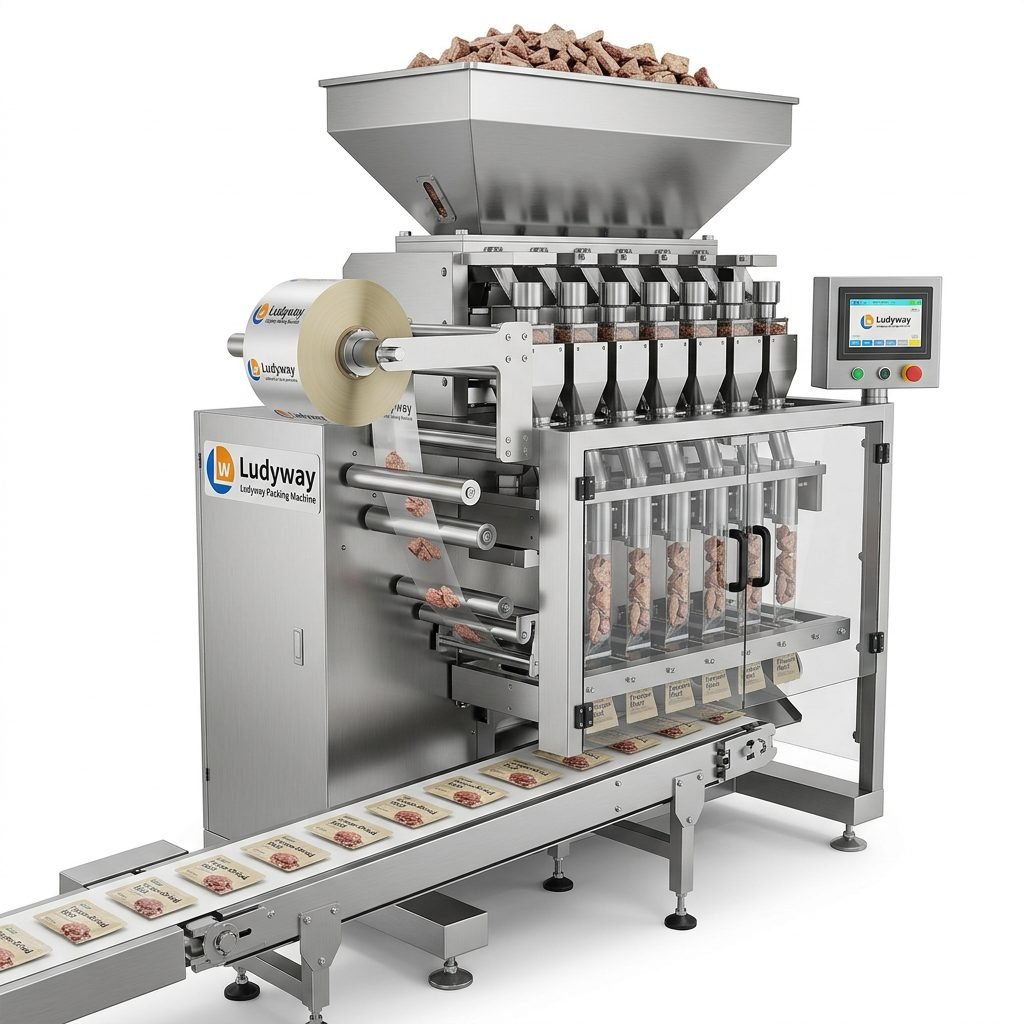
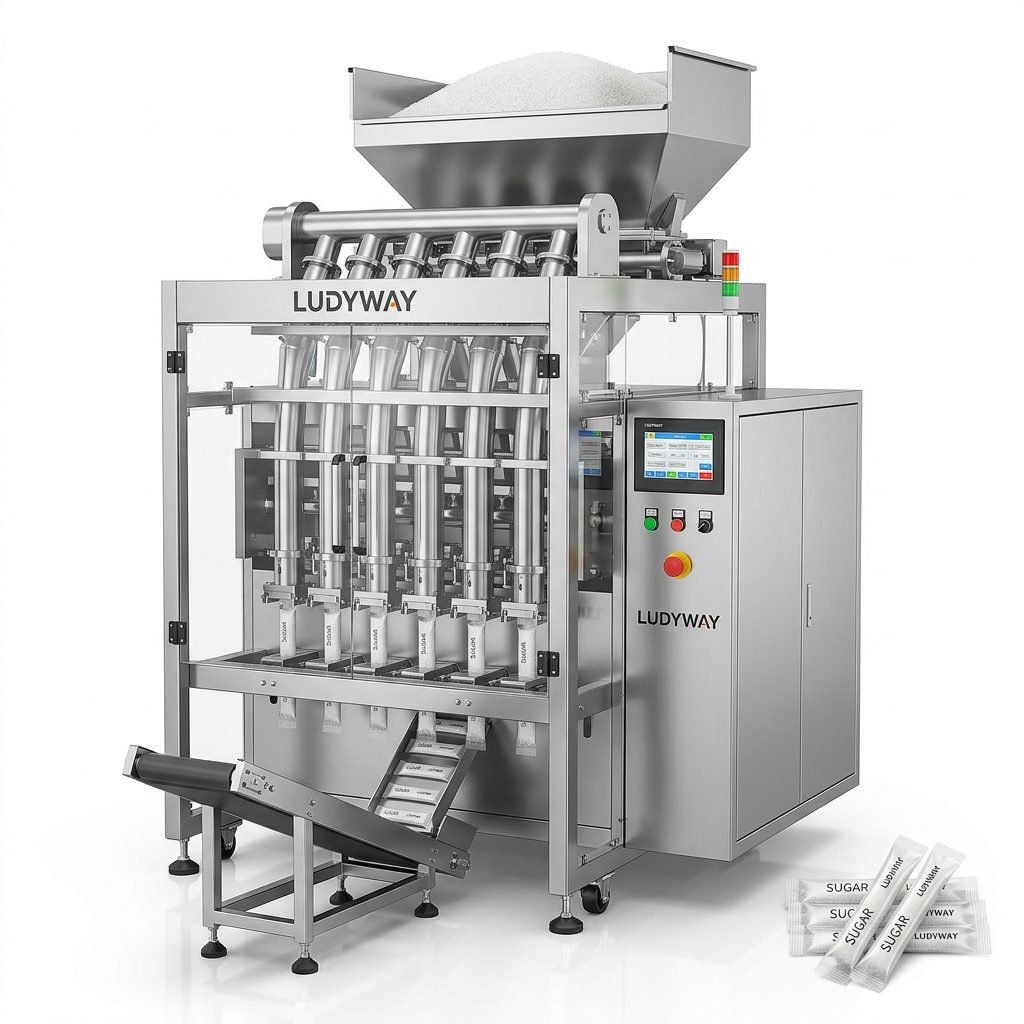
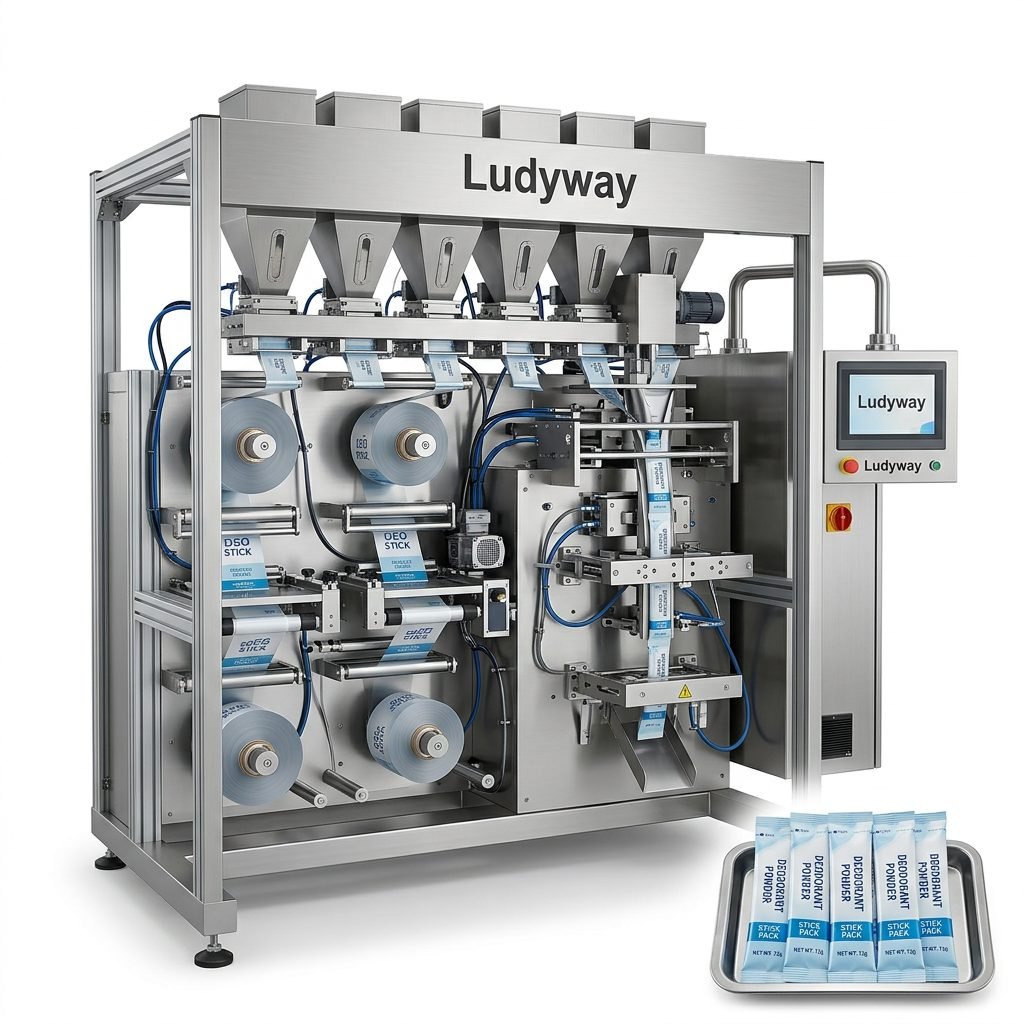
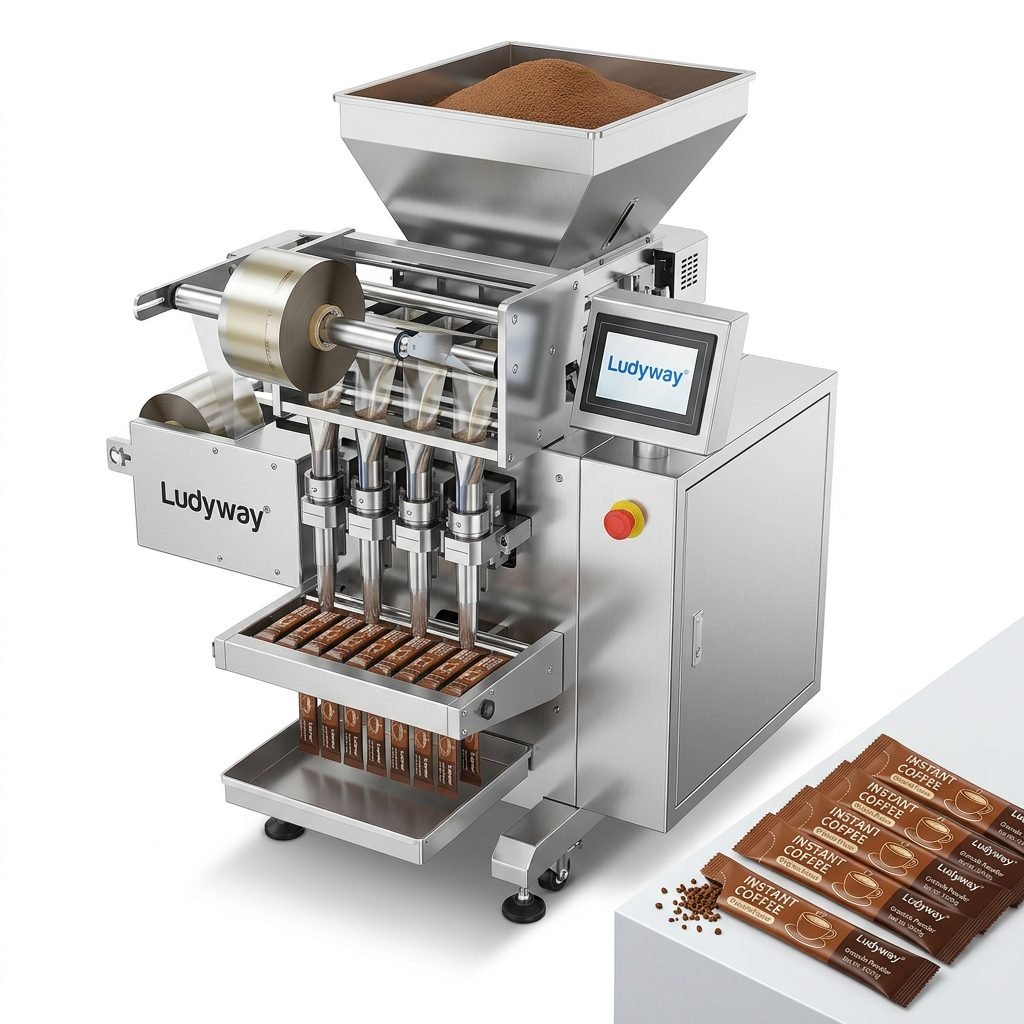
| Medium | 40-80 | 4-6 lane stick pack or sachet system |
| Large / Industrial | 100-200+ | Multi-lane integrated turnkey line |
Step 2: Site Preparation and Facility Layout
Vacuum packaging lines require a clean, climate-controlled environment. Humidity control is especially critical in tropical Asian climates. Ensure your facility meets these baseline requirements:
- Temperature: 20-25°C (68-77°F) with minimal fluctuation
- Relative Humidity: Below 60% to prevent clumping and spoilage
- Floor Space: Minimum 200-500㎡ for a mid-scale line including material staging
- Power Supply: 380V/50Hz three-phase (common in Asia) with stable voltage
- Compressed Air: 0.6-0.8 MPa, oil-free for food-grade applications
Step 3: Equipment Selection and Technology Comparison
Selecting the right vacuum packaging technology depends on your product format. Here is a comparison of the most common systems used in Asian coffee facilities:
| Technology | Best For | Advantages | Limitations |
|---|---|---|---|
| Rotary Vacuum Chamber | Whole beans, ground coffee in pre-made bags | High vacuum level, gentle handling | Slower speed, higher bag cost |
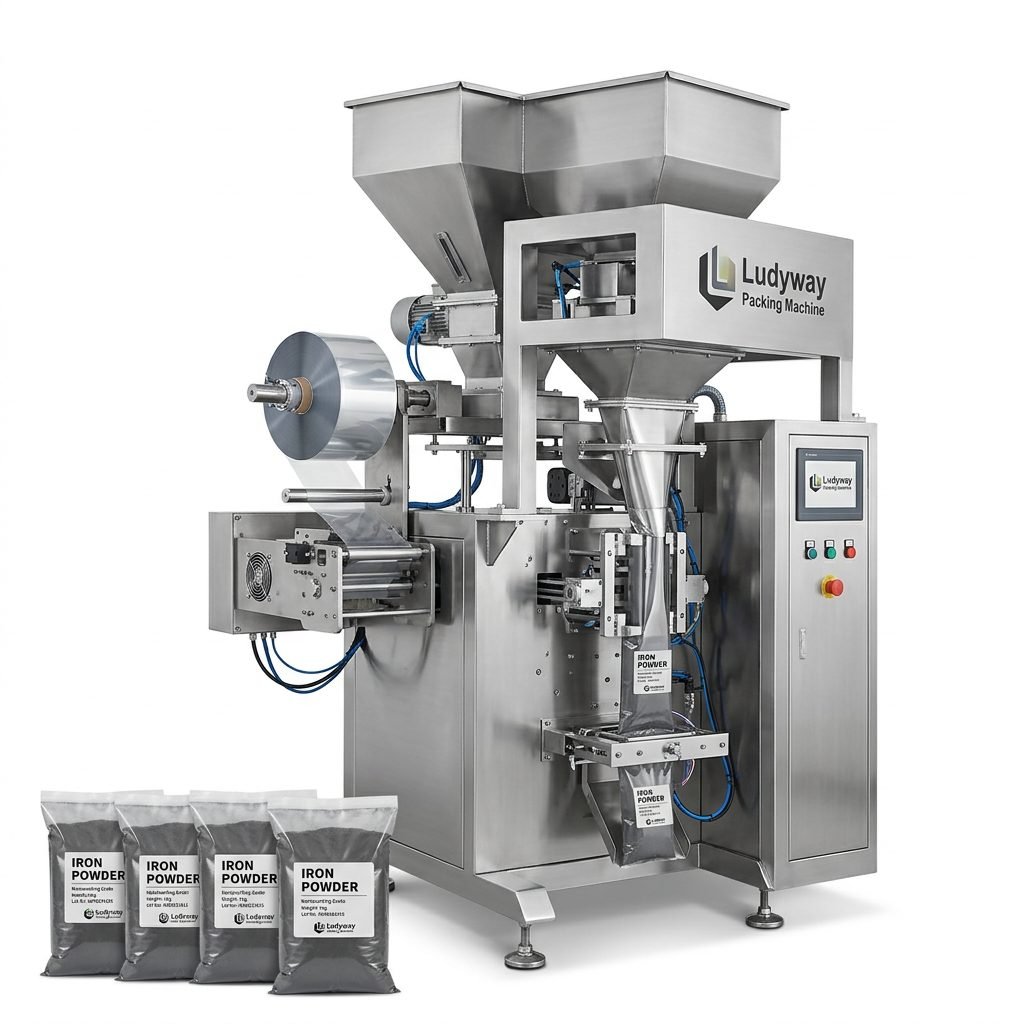
| Vertical Form-Fill-Seal (VFFS) | Ground coffee, instant powder in pillow bags | High speed, lower film cost | Less effective vacuum, requires nitrogen flush |
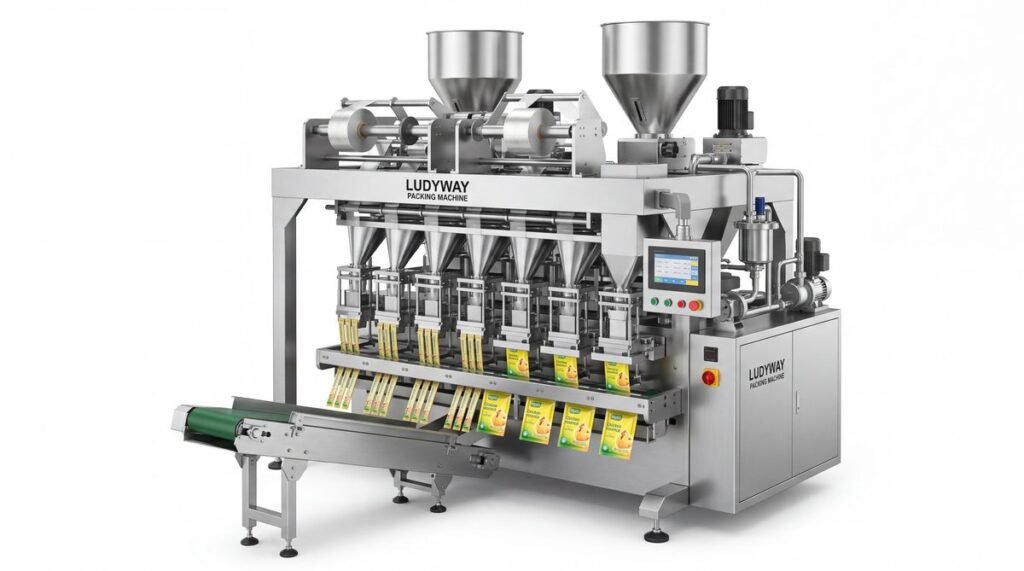
| Multi-Lane Stick Pack | Single-serve instant coffee sachets | Very high output, portion control | Complex setup, higher initial investment |
| Flat-Belt Vacuum Sealer | Bulk coffee in large format bags (1-5kg) | Versatile bag sizes, robust construction | Manual or semi-automatic operation |
Step 4: Quality Control and Regulatory Compliance
Meeting international food safety standards is essential for both domestic and export markets. Your vacuum packaging line must comply with relevant regulations:
- ISO 22000 / HACCP: Implement hazard analysis and critical control points throughout the packaging process
- FDA Compliance: Required for exports to the United States; review FDA food contact substance guidelines
- EU Regulations: The European Commission packaging and packaging waste regulation sets strict standards for materials and recyclability
- ISO 11607: Standards for packaging validation, particularly relevant for extended shelf-life products
Step 5: Installation, Commissioning, and Training
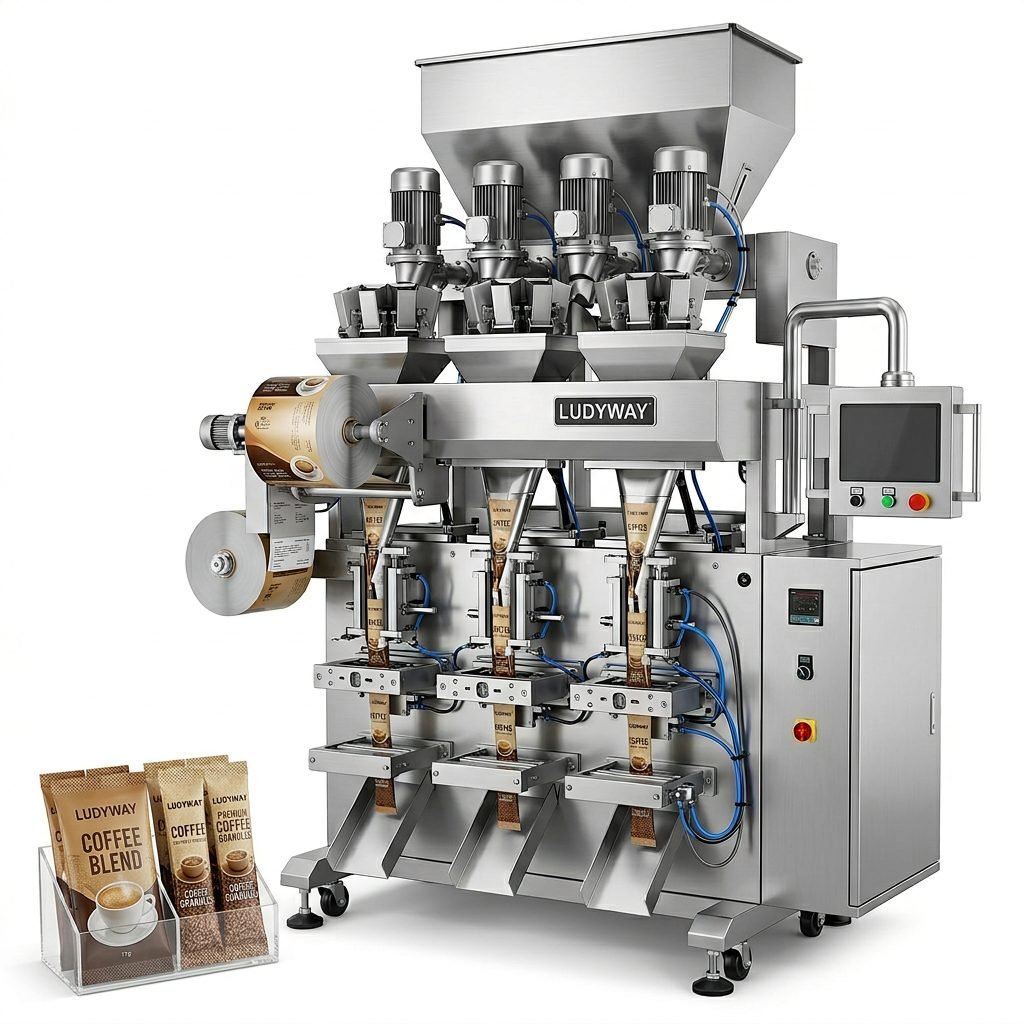
A successful production line launch depends on professional installation and thorough operator training. Plan for at least 2-4 weeks for commissioning, depending on line complexity. Key milestones include:
Pre-Installation Checklist
- Verify all utility connections (power, air, nitrogen supply)
- Confirm floor load capacity and equipment footprint
- Prepare raw materials and packaging films for testing
- Schedule factory acceptance testing (FAT) before shipment
Commissioning Phases
- Week 1: Mechanical installation and alignment of all modules
- Week 2: Electrical integration, sensor calibration, and dry runs
- Week 3: Product testing, seal integrity verification, and OEE measurement
- Week 4: Operator training, maintenance SOP development, and handover
Step 6: Cost Analysis and ROI Considerations
Investing in a coffee vacuum packaging line in Asia involves several cost categories. Understanding the total cost of ownership helps in budgeting accurately:
| Cost Category | Estimated Range (USD) | Notes |
|---|---|---|
| Core Packaging Equipment | $80,000 – $350,000 | Varies by automation level and lane count |
| Auxiliary Systems (conveyors, weighers, metal detectors) | $25,000 – $80,000 | Essential for complete line integration |
| Installation & Commissioning | $10,000 – $30,000 | Includes technician travel and on-site support |
| Facility Modifications | $15,000 – $60,000 | Power, compressed air, climate control upgrades |
| Training & Documentation | $5,000 – $15,000 | Operator training and SOP manuals |
Typical ROI timelines range from 18 to 36 months, depending on production volume, labor savings, and waste reduction. According to PMMI state of the industry reports, automated packaging lines reduce labor costs by 40-60% compared to semi-automatic operations.
Common Challenges When Setting Up in Asia
Manufacturers face unique challenges when establishing coffee packaging operations in Asian markets. Being aware of these in advance prevents costly delays:
- Supply Chain Variability: Packaging film and component availability varies across Southeast Asian countries
- Climate Adaptation: High humidity regions require dehumidification systems integrated into the packaging environment
- Skilled Labor Shortage: Finding experienced packaging line technicians may require partnering with equipment suppliers for training
- Import Duties: Tariffs on packaging machinery vary by country; research local packaging machinery standards and regulations before procurement
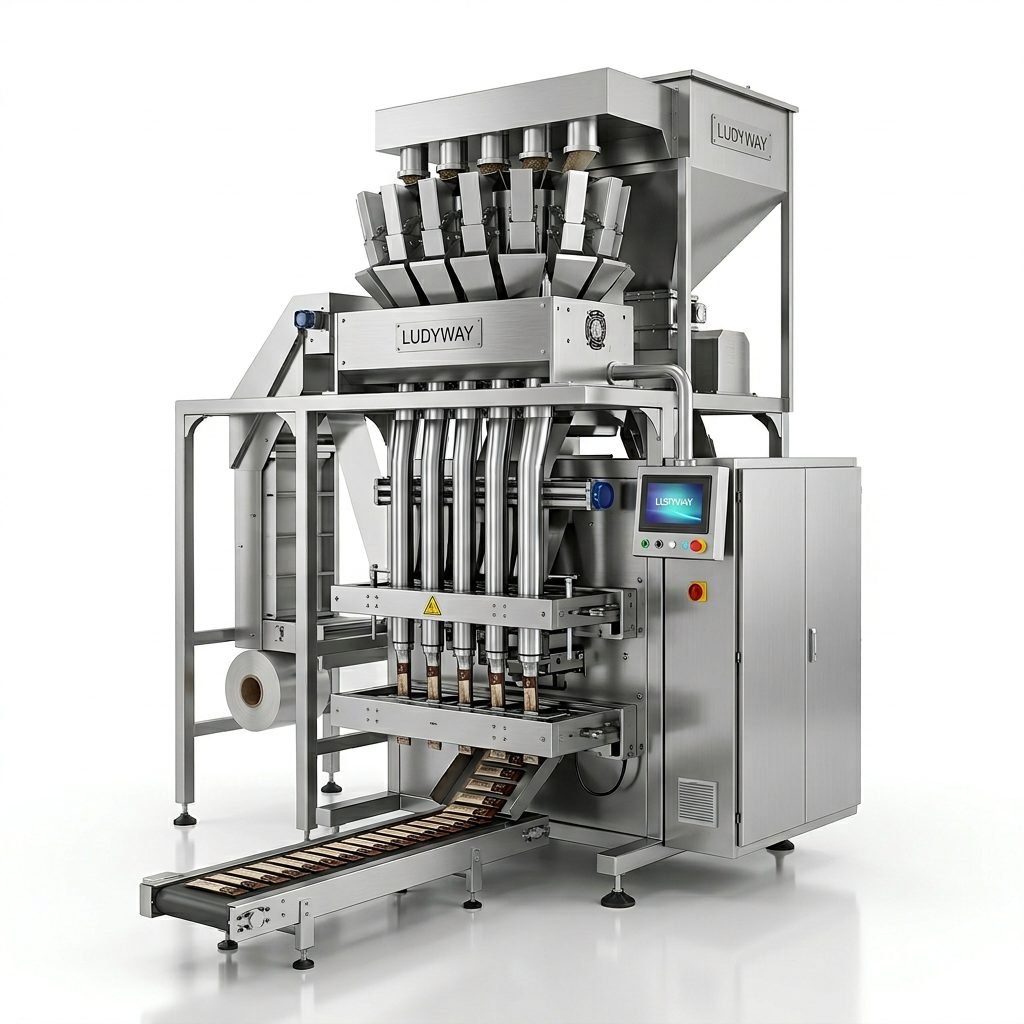
Selecting the Right Equipment Partner
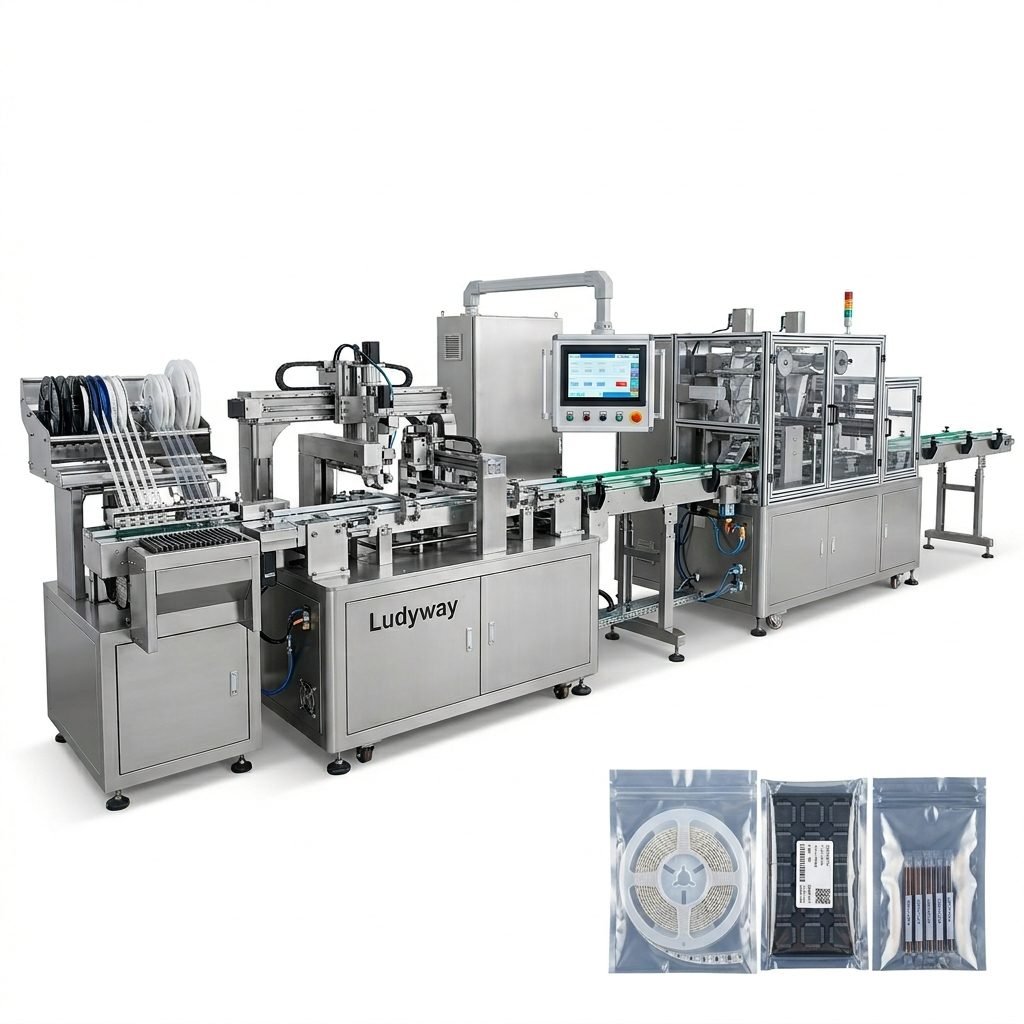
Choosing a reliable packaging machinery manufacturer is one of the most critical decisions. Look for partners with proven experience in coffee packaging, comprehensive after-sales support, and familiarity with Asian market requirements. A manufacturer with turnkey capabilities can provide integrated solutions rather than isolated machines, reducing integration risks.
Ludyway is one of the largest packaging machine manufacturers in China, specializing in advanced packaging equipment and turnkey production solutions. With over 30 years of industry expertise and a modern 20,000㎡ manufacturing facility, Ludyway offers more than 50 intelligent packaging machine models, including multi-lane stick pack, sachet, and fully automated packaging systems. Serving customers in over 100 countries, Ludyway delivers reliable, high-performance coffee vacuum packaging solutions tailored to the Asian market.
Future Trends in Coffee Vacuum Packaging
The coffee packaging industry is evolving rapidly. Key trends shaping the future include:
- Sustainable Materials: Demand for recyclable and compostable vacuum bags is growing, driven by both regulation and consumer preference
- Smart Packaging: Integration of QR codes and NFC tags for traceability and consumer engagement
- Industry 4.0: IoT-enabled machines with predictive maintenance and real-time OEE monitoring
- Smaller Batch Sizes: Rise of specialty coffee requiring flexible, quick-changeover packaging equipment
Conclusion
Setting up a coffee vacuum packaging production line in Asia is a significant but highly rewarding investment. With the right planning, equipment selection, and partner support, manufacturers can build efficient, compliant, and scalable operations that capture the region’s growing coffee demand. Focus on quality control, climate adaptation, and operator training to ensure long-term success in this dynamic market.
Frequently Asked Questions
What is the average cost of setting up a coffee vacuum packaging line in Asia?
A mid-scale line typically ranges from $150,000 to $400,000 USD, including core equipment, auxiliary systems, and installation. Costs vary based on automation level, production capacity, and country-specific factors.
How long does it take to install and commission a complete line?
Plan for 8-16 weeks from equipment delivery to full production, including mechanical installation, electrical integration, product testing, and operator training. Factor in additional time for facility preparation.
Can vacuum packaging lines handle both whole beans and ground coffee?
Yes, many modern systems are designed for quick changeover between formats. However, it is important to specify this requirement when selecting equipment to ensure the feeding, weighing, and sealing modules are compatible with both product types.
What certifications should my packaging line have for export to Europe and North America?
Key certifications include CE marking for European markets, compliance with FDA regulations for the U.S., and adherence to ISO packaging standards for international trade. Food contact material compliance is also essential.