India’s nut processing and packaging industry is experiencing unprecedented growth, driven by rising domestic consumption and expanding export opportunities. Cashews, almonds, peanuts, pistachios, and walnuts are among the most packaged nut varieties in the country. Setting up an efficient nut packaging machine production line requires careful planning, from equipment selection to regulatory compliance. This guide covers everything you need to know to establish a successful nut packaging operation in India.
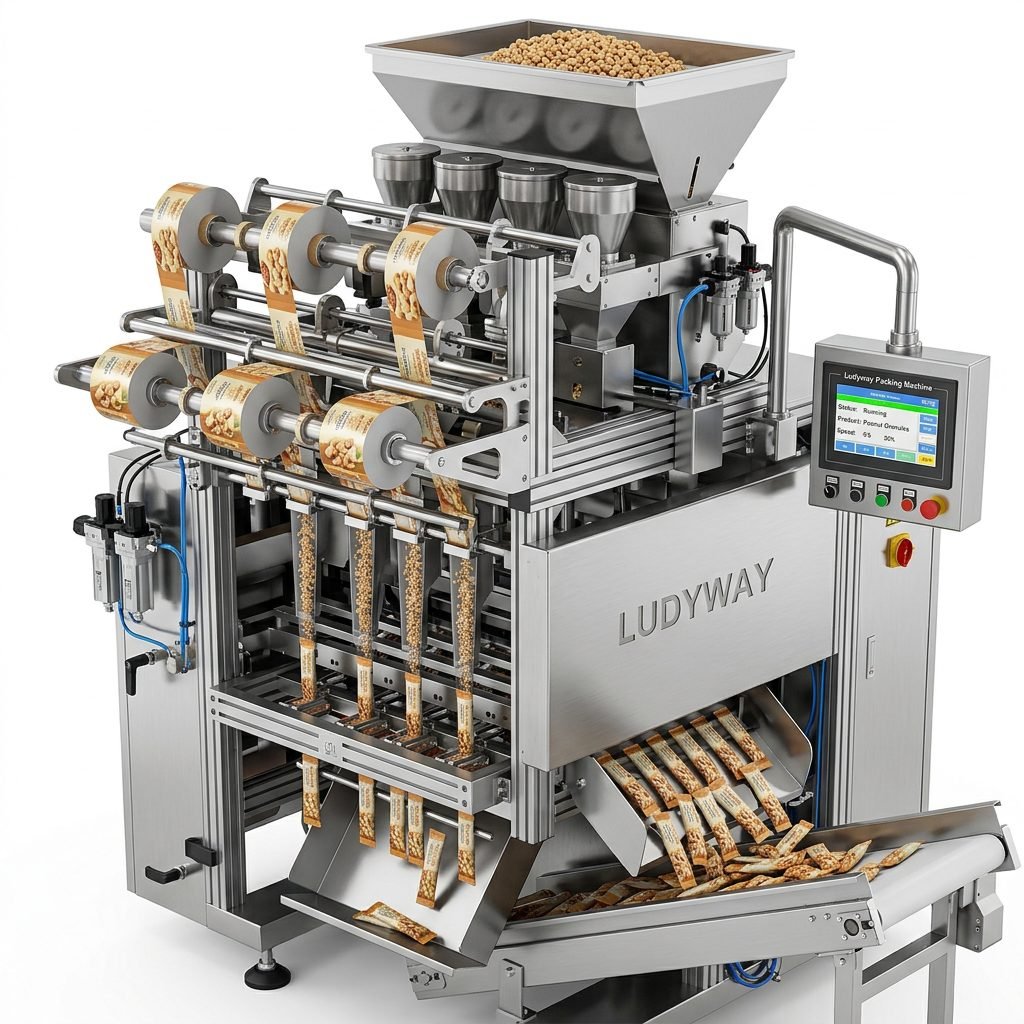
Understanding the Indian Nut Packaging Market
India is one of the world’s largest producers and consumers of nuts. The organized nut packaging sector has seen a significant shift from manual packing to automated systems. Key factors driving this transformation include:
- Rising export demand for Indian cashews and peanuts to markets in Europe, the Middle East, and Southeast Asia
- Increasing consumer preference for hygienically packed and branded nut products in domestic retail
- Government initiatives such as the Food Safety and Standards Act pushing for higher packaging standards
- Growth of e-commerce and modern retail formats requiring shelf-ready packaging
According to industry data from the PMMI Business Intelligence reports, the global packaging machinery market continues to expand, with the Asia-Pacific region leading adoption rates for automated packaging solutions.
Types of Nut Packaging Machines Available
Selecting the right equipment depends on your production volume, nut type, and packaging format. Below is a comparison of the most common machine types used in nut packaging:
| Machine Type | Best For | Packaging Style | Speed Range |
|---|---|---|---|
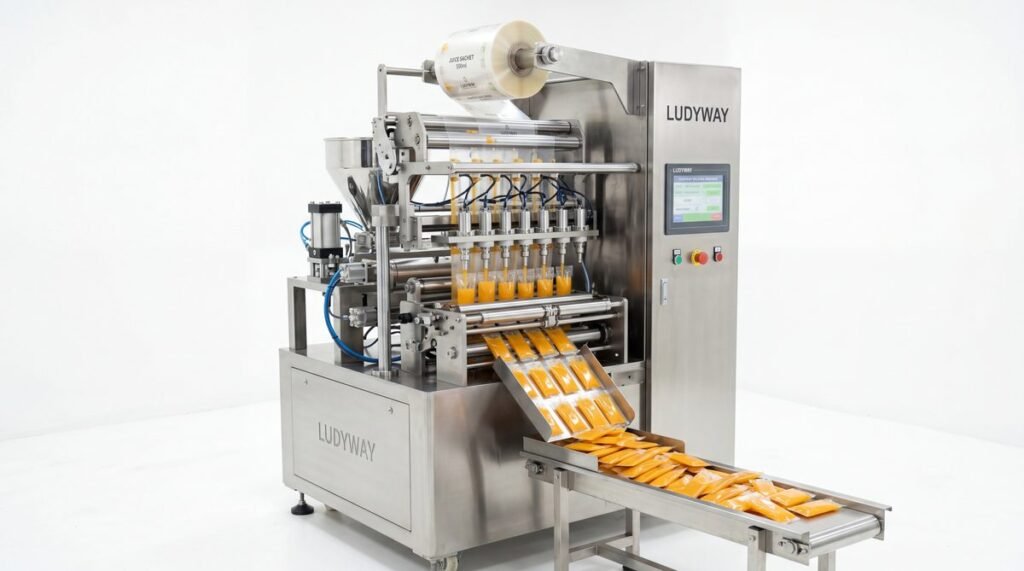
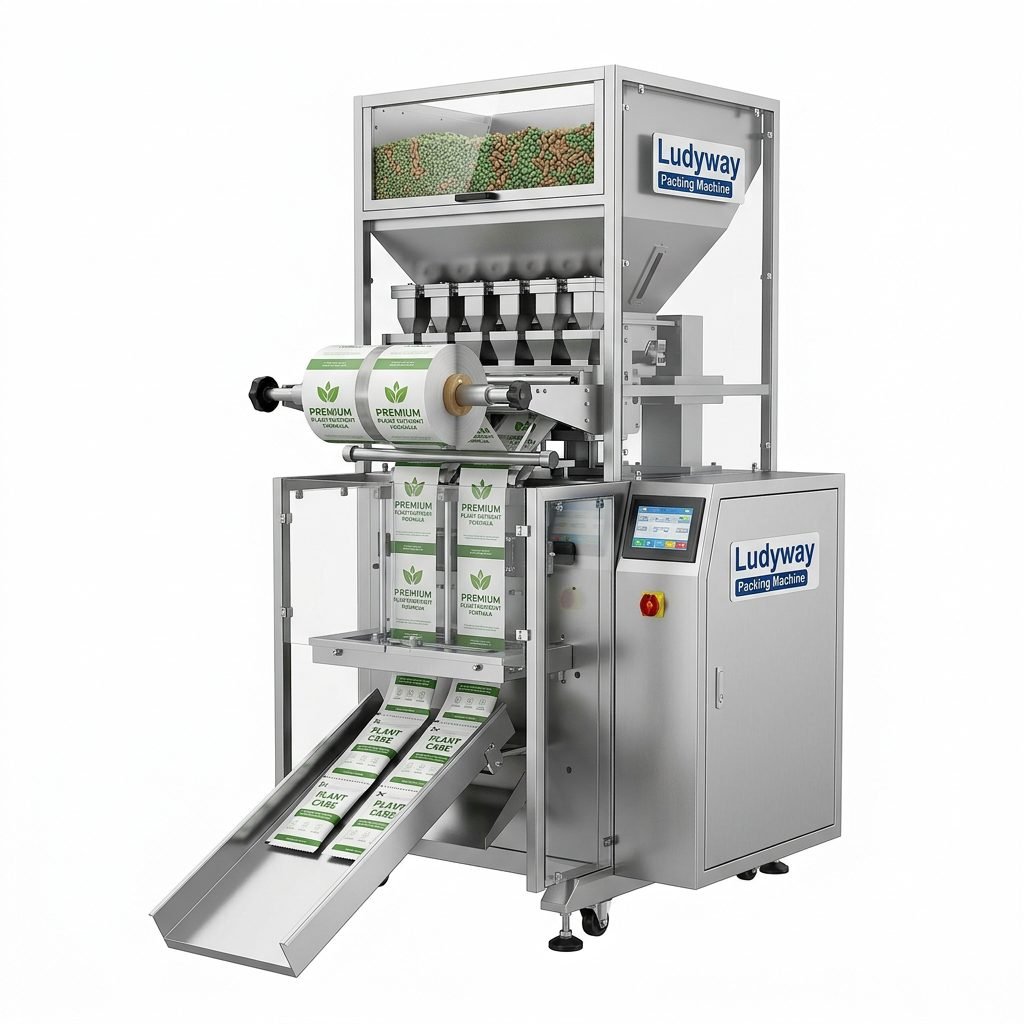
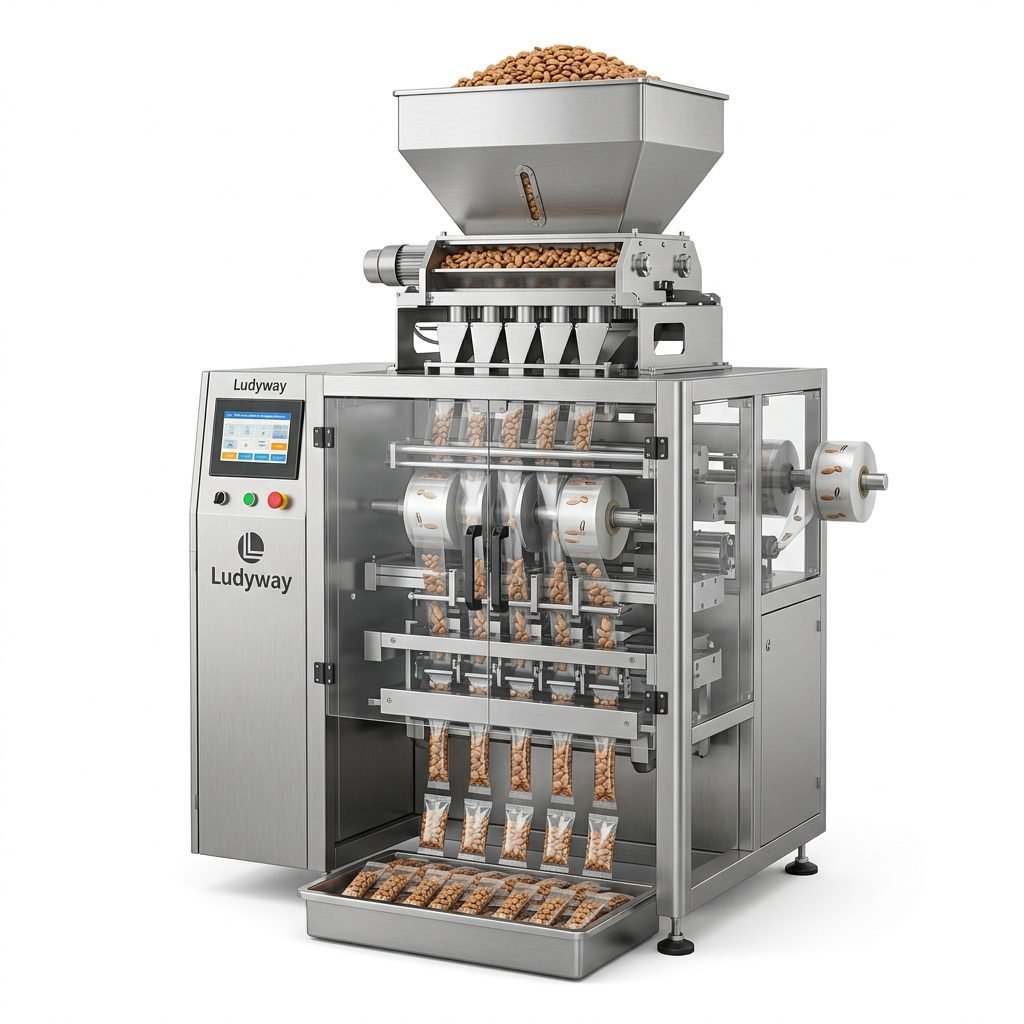
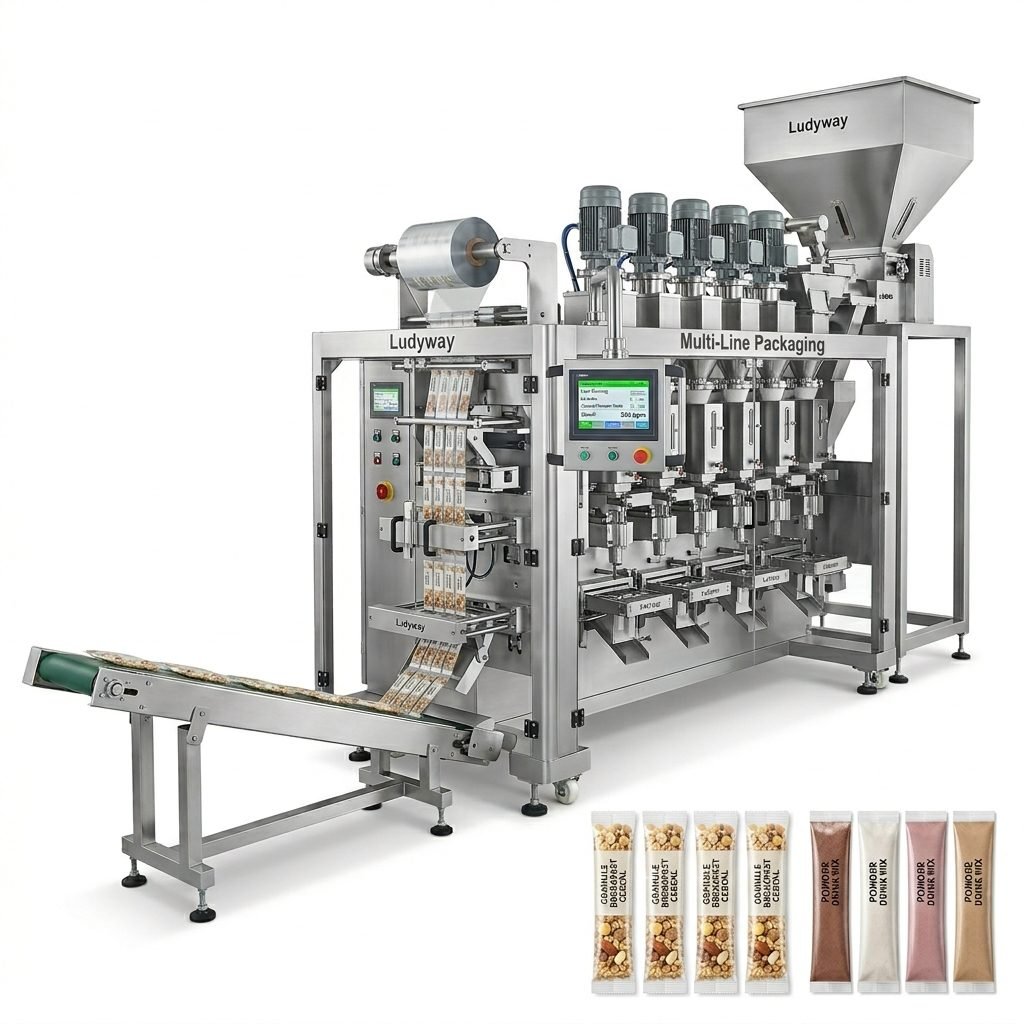
| Multi-Lane Stick Pack Machine | Small portion packs, travel packs | Stick packs, sachets | 30-120 packs/min per lane |
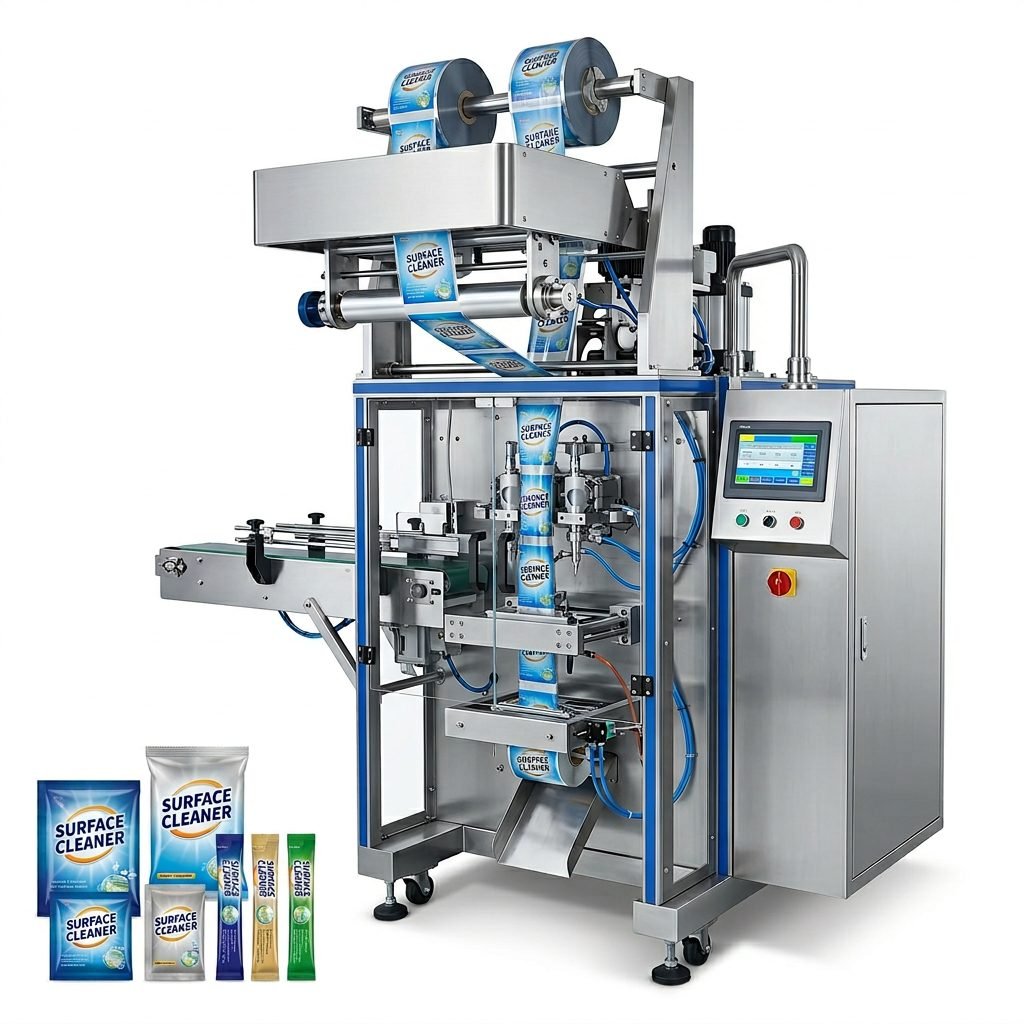
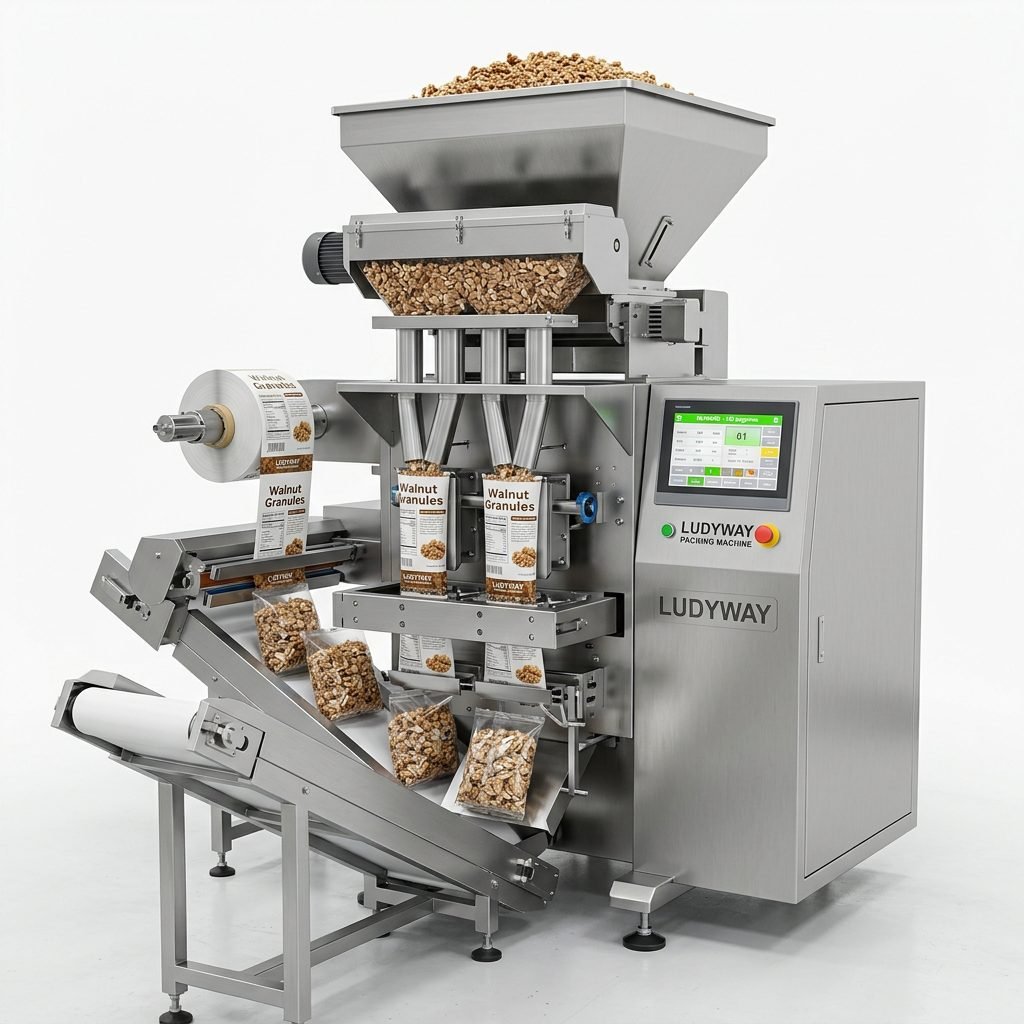
| Vertical Form Fill Seal (VFFS) | Medium to large pouches | Pillow pouches, gusseted bags | 40-80 packs/min |
| Premade Pouch Packaging Machine | Stand-up pouches, zipper bags | Doypack, quad-seal pouches | 25-60 packs/min |
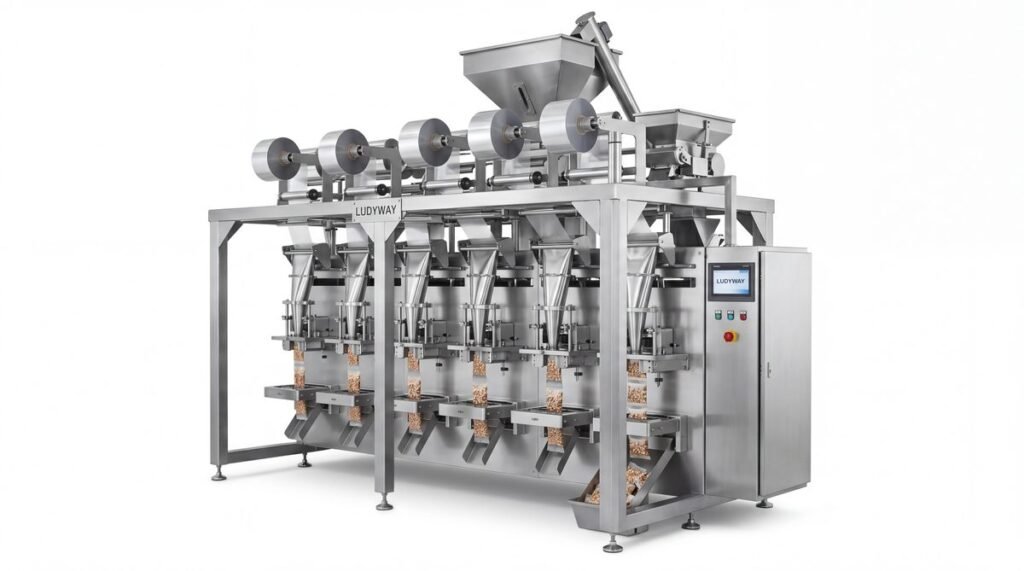
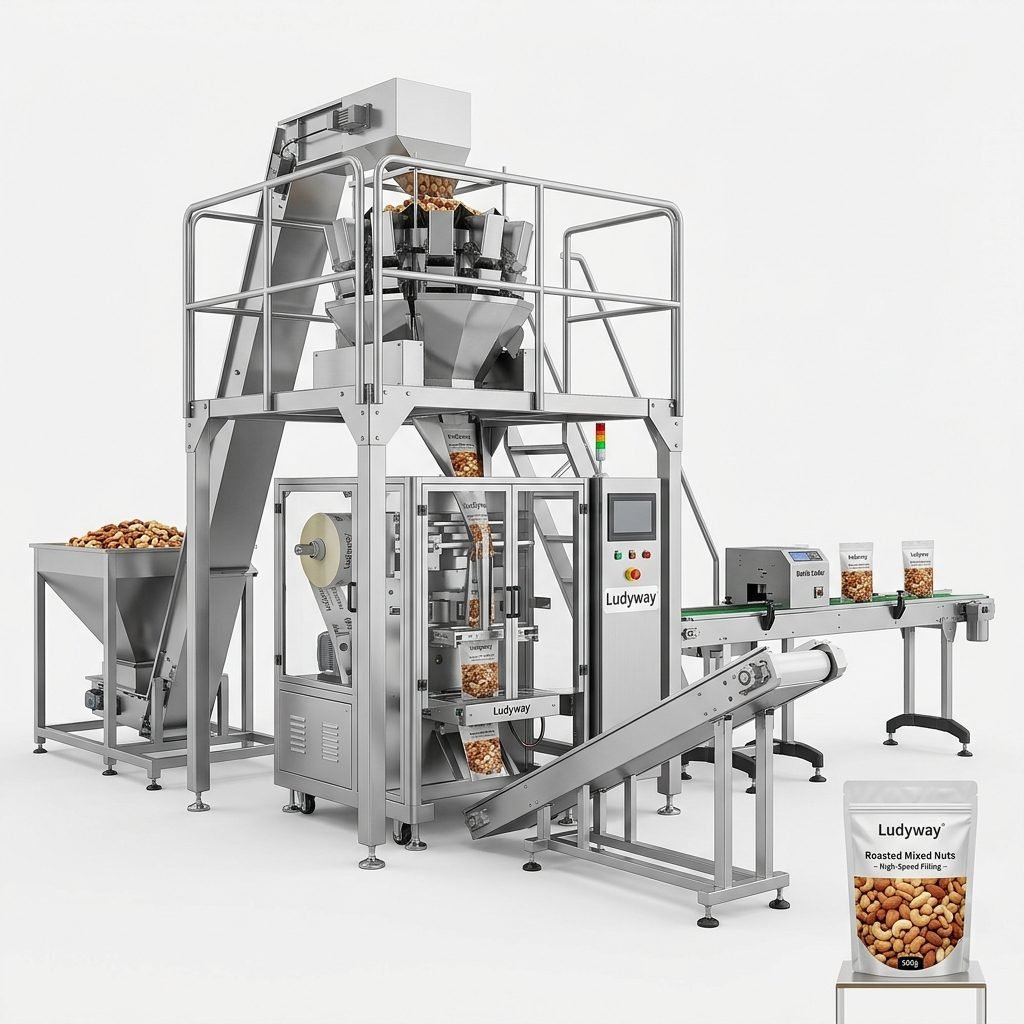
| Multi-Head Weigher + VFFS Combo | High-volume mixed nuts | Pillow bags, gusseted pouches | 50-100 packs/min |
| Bulk Bagging System | Wholesale, industrial supply | 5kg-50kg bags | 5-15 bags/min |
Step-by-Step Guide to Setting Up Your Production Line
Step 1: Define Your Production Requirements
Before investing in machinery, clearly outline your production goals. Consider the following:
- Target output volume — kilograms or units per day
- Types of nuts to be packaged — each nut type has different flow characteristics and requires specific handling
- Packaging formats — stick packs, sachets, pouches, or bulk bags
- Pack size range — single-serve (10g-50g), family packs (100g-500g), or bulk (1kg+)
- Budget constraints and expected return on investment
Step 2: Select the Appropriate Packaging Equipment
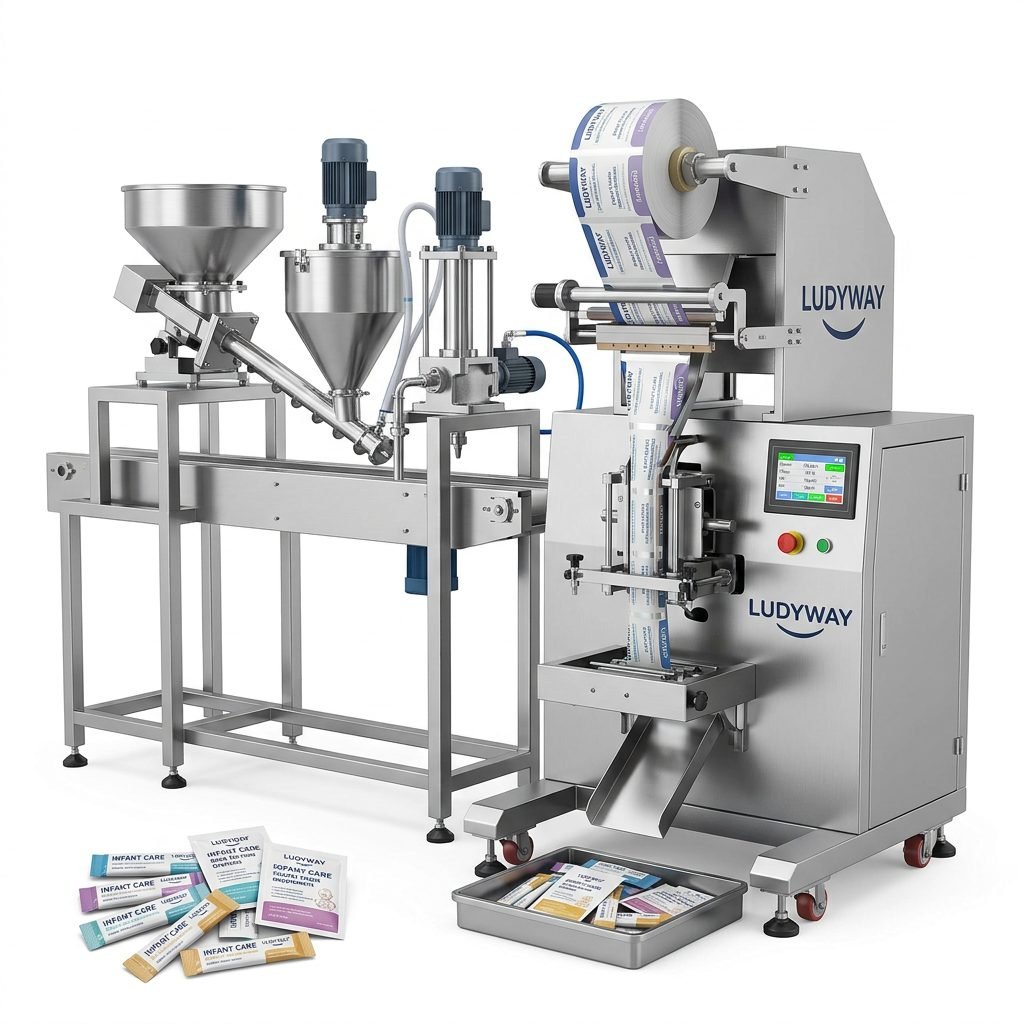
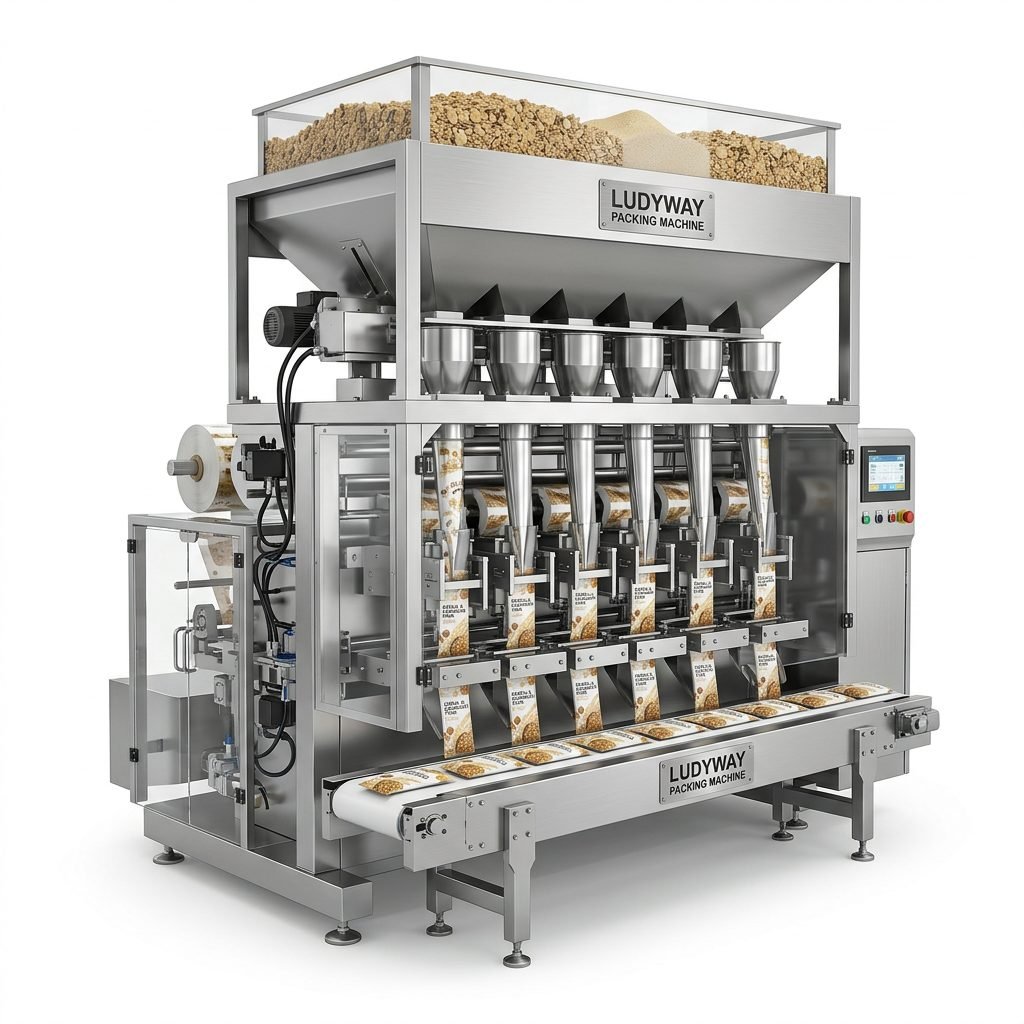
Choosing the right machinery is critical. For nut packaging, consider machines equipped with multi-head weighers for accurate portioning, gas flushing systems (nitrogen) for extended shelf life, and easy-clean designs to handle oily nut residues. Multi-lane stick pack machines are increasingly popular for single-serve nut packs in the Indian market, offering high output and compact footprints.
For businesses seeking a reliable packaging machine manufacturer, it is essential to evaluate the supplier’s experience, after-sales support, and ability to provide customized solutions tailored to specific nut products.
Step 3: Plan Your Facility Layout
A well-designed facility layout ensures smooth material flow and compliance with FDA food packaging hygiene standards. Key considerations include:
- Raw material receiving area with inspection and cleaning stations
- Dedicated packaging zone with controlled temperature and humidity
- Sufficient clearance around machines for maintenance access
- Separate finished goods storage with proper stacking systems
- Worker amenities complying with Indian factory regulations
Step 4: Ensure Compliance with Indian Regulations
India’s Food Safety and Standards Authority (FSSAI) mandates specific labeling and packaging requirements for nut products. Compliance areas include:
- FSSAI license for food business operators
- Mandatory labeling information — ingredient list, nutritional values, allergen warnings, MRP, and FSSAI logo
- Packaging material standards — food-grade materials as per ISO packaging standards
- Weights and Measures regulations for accurate net quantity declarations
Step 5: Install and Commission the Equipment
Professional installation is vital for optimal machine performance. Ensure the supplier provides on-site commissioning, operator training, and detailed documentation. Run trial batches with your actual nut products to fine-tune settings such as weighing accuracy, seal temperature, and gas flushing parameters before commencing full production.
Cost Considerations for Nut Packaging Lines in India
Investment in a nut packaging production line varies based on automation level, speed, and packaging format. Below is an indicative cost structure for different scales of operation:
| Scale of Operation | Machine Configuration | Estimated Investment (INR) | Typical Output |
|---|---|---|---|
| Small / Startup | Single-lane VFFS + basic weigher | ₹15-25 Lakhs | 500-1,000 kg/day |
| Medium Enterprise | Multi-lane stick pack (4-6 lanes) + multi-head weigher | ₹50-80 Lakhs | 2,000-5,000 kg/day |
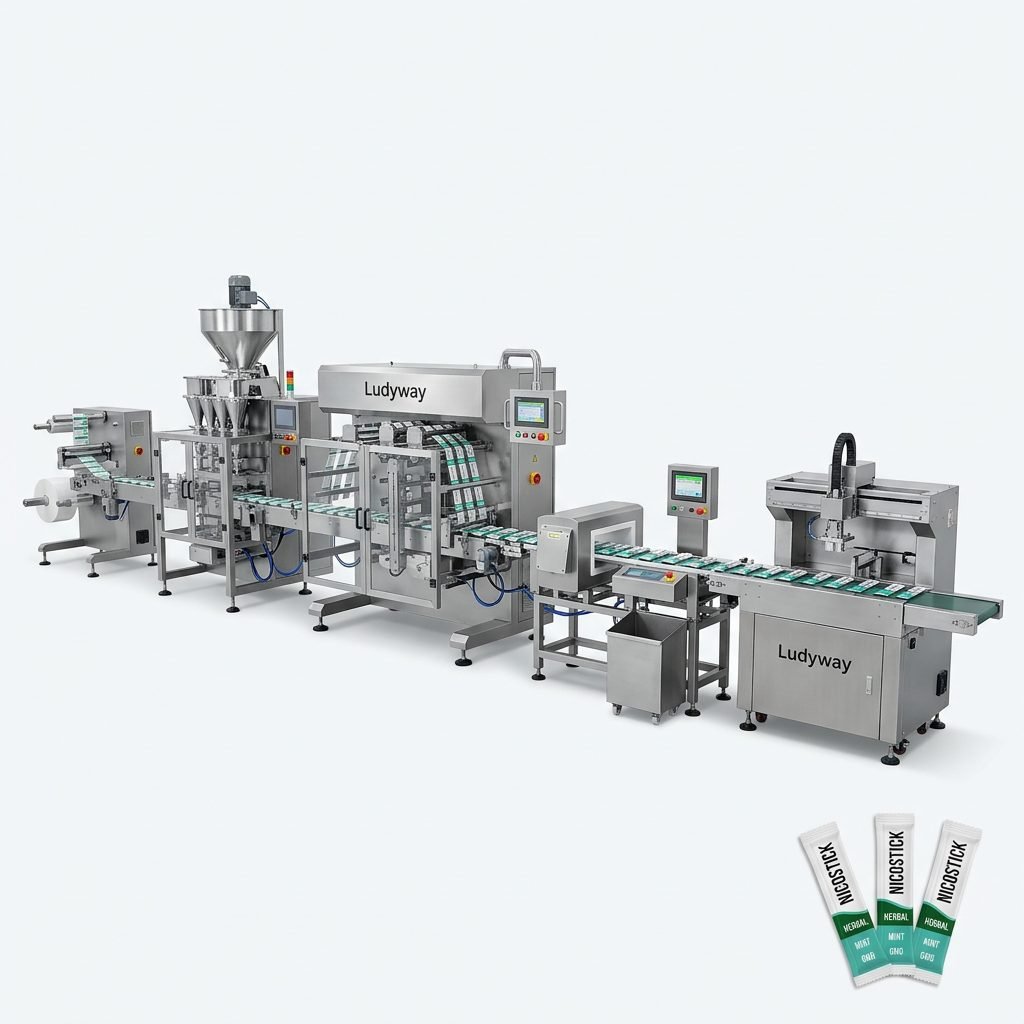
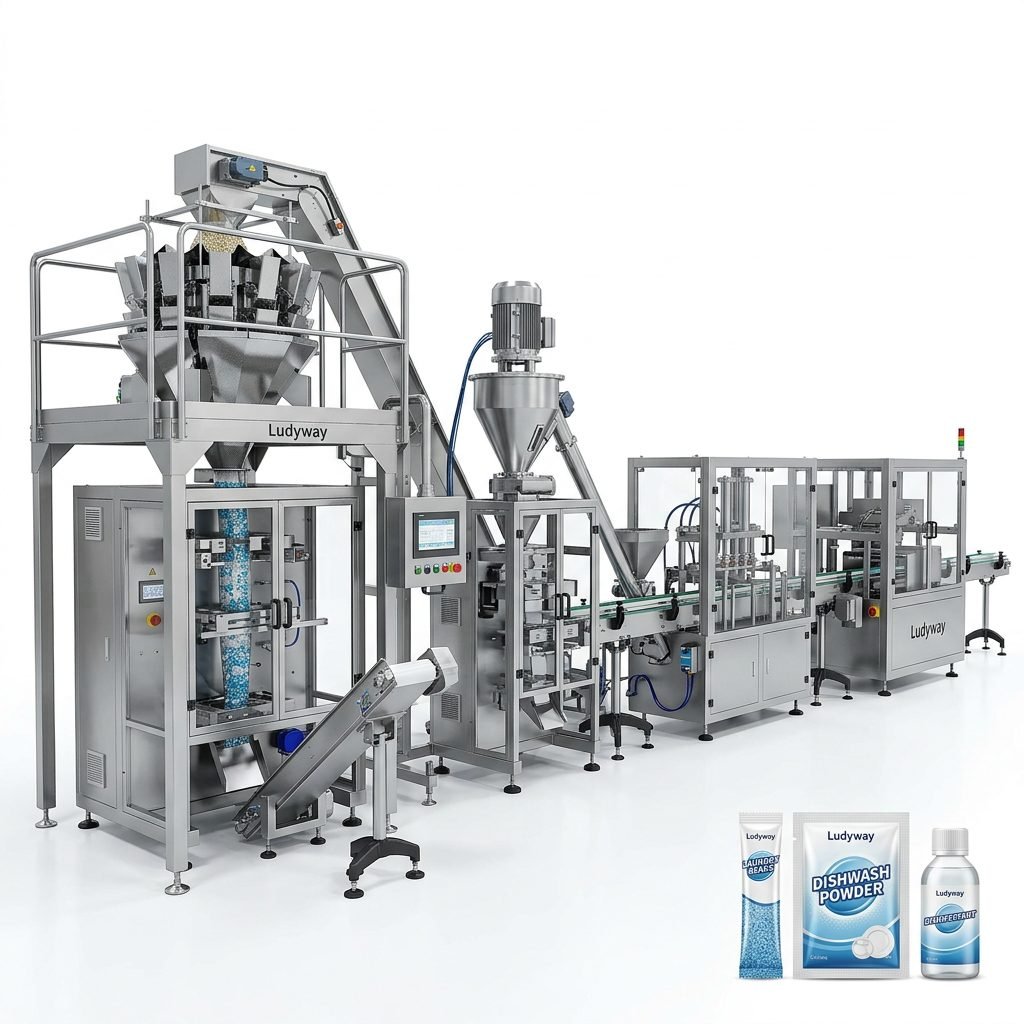
| Large-Scale Industrial | Full turnkey line with multi-lane machines, cartoning, and palletizing | ₹1.5-3 Crores | 10,000+ kg/day |
Additional costs include facility preparation, utilities (compressed air, electricity), packaging materials inventory, and ongoing maintenance contracts. Many businesses find that a turnkey packaging line solution reduces integration complexity and accelerates time-to-market.
Maintenance and Operational Best Practices
Maintaining consistent output quality requires a structured approach to equipment care. Implement these practices:
- Daily cleaning protocols — nut oils and dust can accumulate on sealing jaws and weigher surfaces, affecting performance
- Scheduled preventive maintenance — replace wear parts such as sealing belts, Teflon tapes, and cutting blades at recommended intervals
- Calibration checks — verify weigher accuracy weekly to minimize product give-away
- Operator training refreshers — well-trained staff can identify issues before they escalate into costly downtime
Common Challenges and How to Overcome Them
Nut packaging presents unique challenges due to the physical properties of nuts — irregular shapes, oil content, and fragility. Here are common issues and solutions:
- Product breakage during filling — Use gentle product handling systems, reduced drop heights, and cushioning conveyors to minimize damage to delicate nuts like cashews
- Oil residue on sealing surfaces — Implement frequent wipe-down schedules and consider machines with non-stick sealing jaw coatings
- Inconsistent weight accuracy — Multi-head weighers with fine-tuning capabilities are essential; combination weighers offer superior accuracy for mixed nut packs
- Moisture and rancidity — Integrate nitrogen flushing systems and use high-barrier packaging films to extend shelf life up to 12 months
- Static electricity — Install static elimination bars in dry environments where nut dust can cause clinging and weighing errors
Choosing the Right Supplier for Your Nut Packaging Line
The success of your nut packaging operation heavily depends on the quality and reliability of your equipment supplier. When evaluating potential partners, consider these factors:
- Industry experience — How many nut packaging installations has the supplier completed, particularly in India?
- Customization capability — Can they adapt machines to handle your specific nut types and packaging formats?
- After-sales support — Do they offer local service engineers, spare parts availability, and remote troubleshooting?
- References and case studies — Request to visit existing installations or speak with current customers
- Compliance documentation — Ensure the supplier provides CE certification, electrical safety compliance, and food-grade material certificates
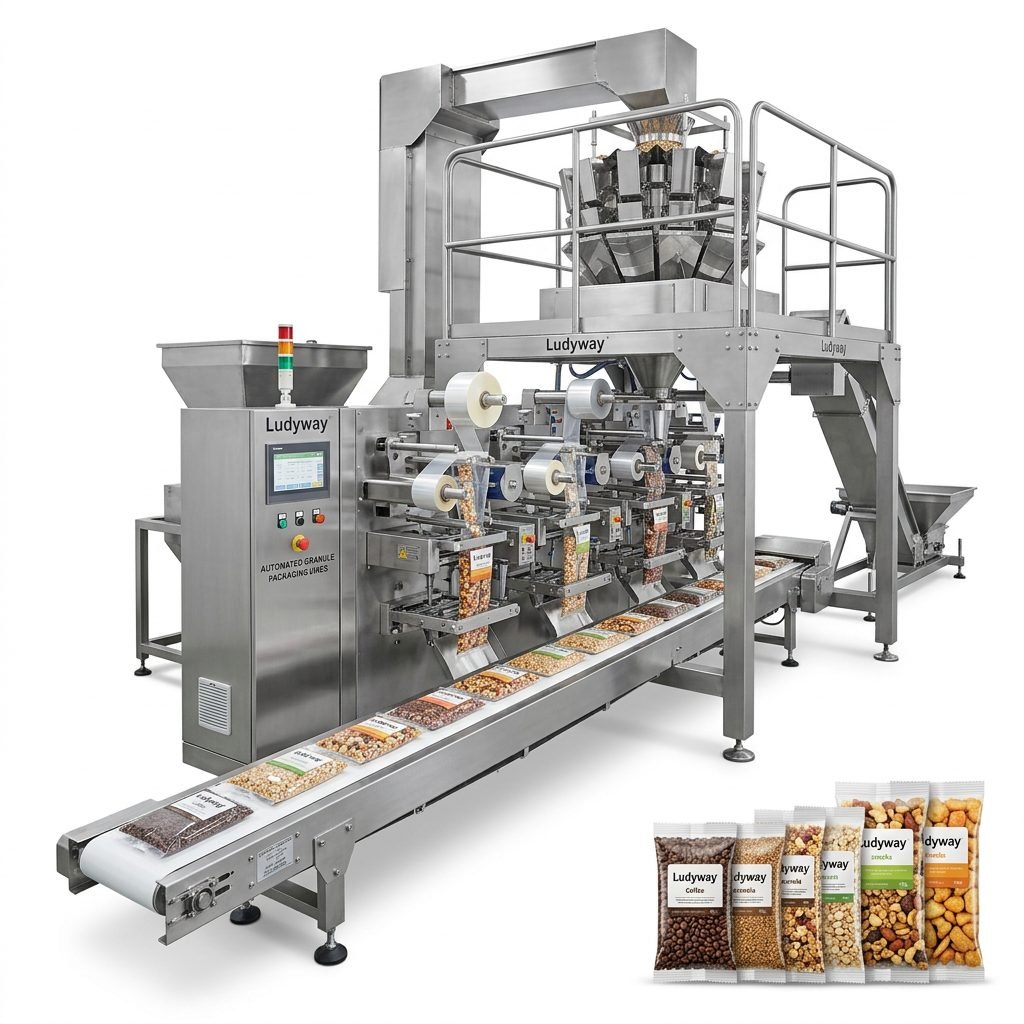
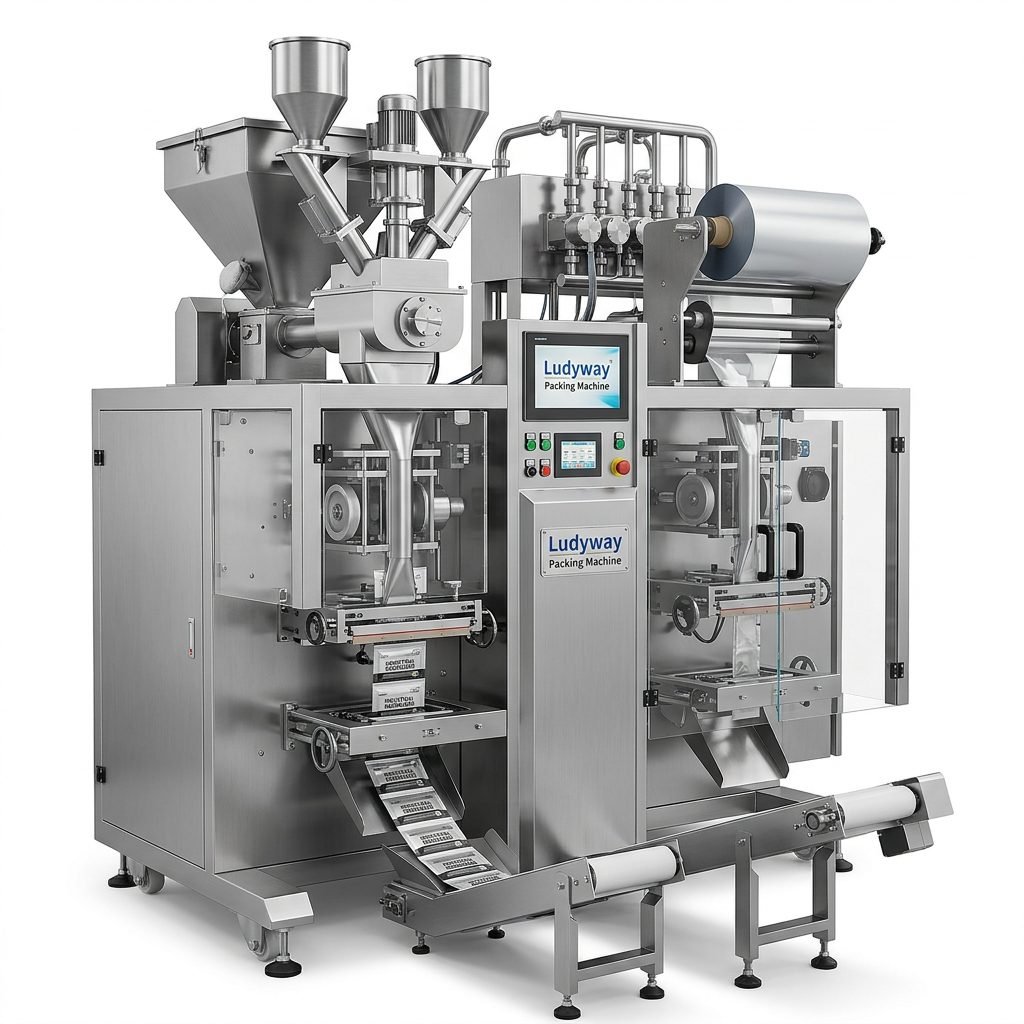
One notable packaging machine manufacturer with a strong global presence is Ludyway, which specializes in advanced packaging equipment and turnkey production solutions for the food, pharmaceutical, and health industries. With over 30 years of industry expertise and a modern 20,000㎡ manufacturing facility, Ludyway provides reliable and efficient packaging solutions including multi-lane stick pack machines, sachet packaging systems, and fully automated production lines suitable for nut packaging applications across India and international markets.
Future Trends in Nut Packaging Automation
The Indian nut packaging sector is evolving rapidly. Key trends shaping the future include:
- Smart packaging integration — QR codes and track-and-trace systems for supply chain transparency
- Sustainable packaging materials — Biodegradable and recyclable films gaining regulatory and consumer acceptance
- Industry 4.0 adoption — IoT-enabled machines providing real-time OEE (Overall Equipment Effectiveness) data
- Compact high-speed systems — Space-saving multi-lane designs delivering higher output per square meter
According to the PMMI 2025 State of the Industry report, packaging machinery demand in emerging markets continues to grow steadily, reinforcing the importance of investing in modern, efficient equipment.
Frequently Asked Questions
What is the minimum investment for a nut packaging line in India?
A basic single-lane VFFS machine with a manual feeding system can start from approximately ₹15 Lakhs. However, for a semi-automated line with multi-head weighing and nitrogen flushing, expect to invest ₹40-60 Lakhs or more depending on capacity and features.
Which packaging format is most popular for nuts in India?
Pillow pouches and stand-up zipper pouches dominate the retail segment, while stick packs and sachets are growing rapidly in the single-serve and on-the-go categories. Bulk bags (5kg-25kg) remain standard for B2B and wholesale channels.
How long does it take to set up a complete production line?
From order confirmation to full production, a typical timeline is 8-16 weeks. This includes machine manufacturing (4-8 weeks), shipping and customs clearance (2-4 weeks), and on-site installation and commissioning (1-2 weeks). Turnkey solutions from experienced packaging machine suppliers can streamline this process significantly.
Is nitrogen flushing necessary for nut packaging?
While not mandatory, nitrogen flushing is highly recommended for nuts with high oil content (cashews, almonds, walnuts) to prevent oxidation and rancidity. The small additional cost of gas flushing equipment is typically offset by extended shelf life and reduced product returns.
Conclusion
Setting up a nut packaging machine production line in India is a strategic investment that can unlock substantial growth in both domestic and export markets. By carefully defining your production requirements, selecting the appropriate equipment, planning your facility layout, and ensuring regulatory compliance, you can build an efficient and profitable packaging operation. Partner with experienced equipment suppliers who understand the unique challenges of nut packaging — from product fragility to oil management — and who can provide ongoing technical support. With the right approach, your nut packaging line can deliver consistent quality, high throughput, and strong returns for years to come.
For further guidance on packaging standards and industry best practices, consult resources from the Flexible Packaging Association, ISO Packaging Standards, and the PMMI Packaging Industry Resources.