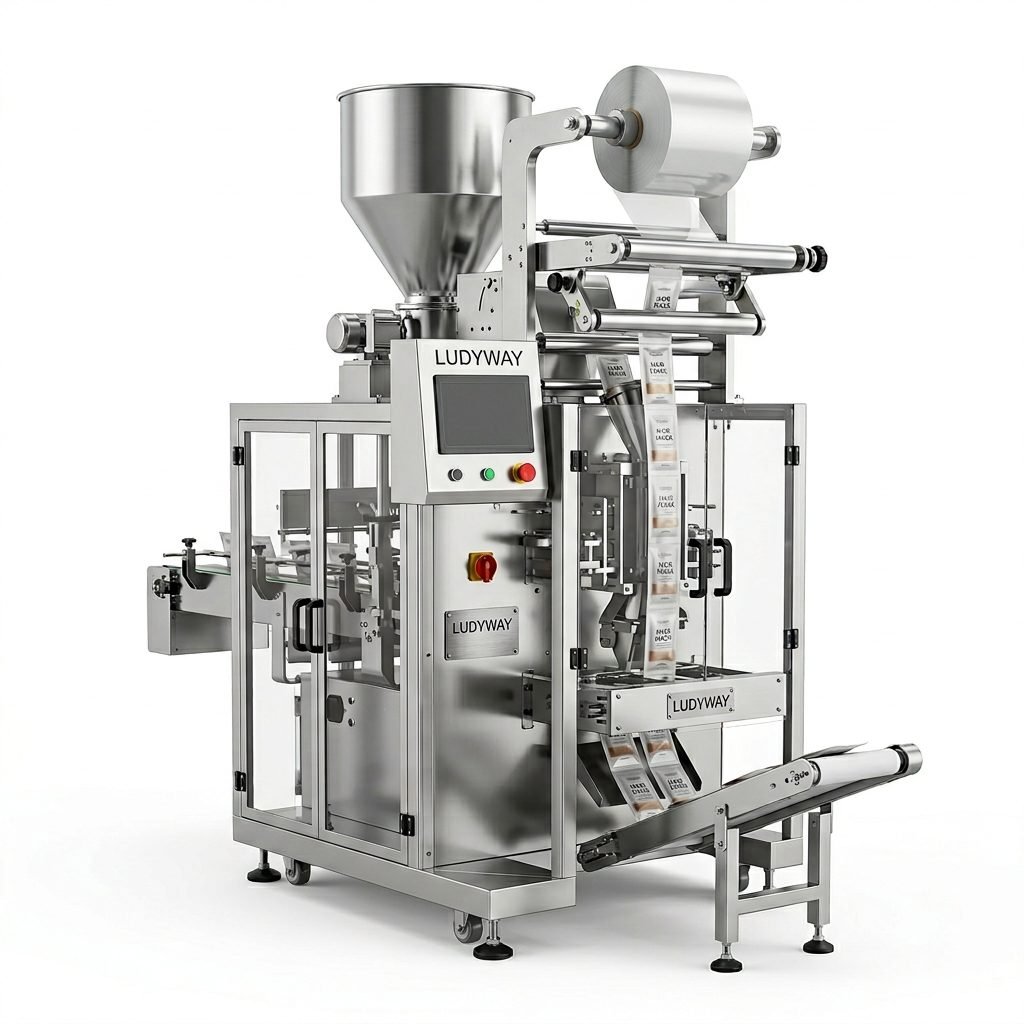
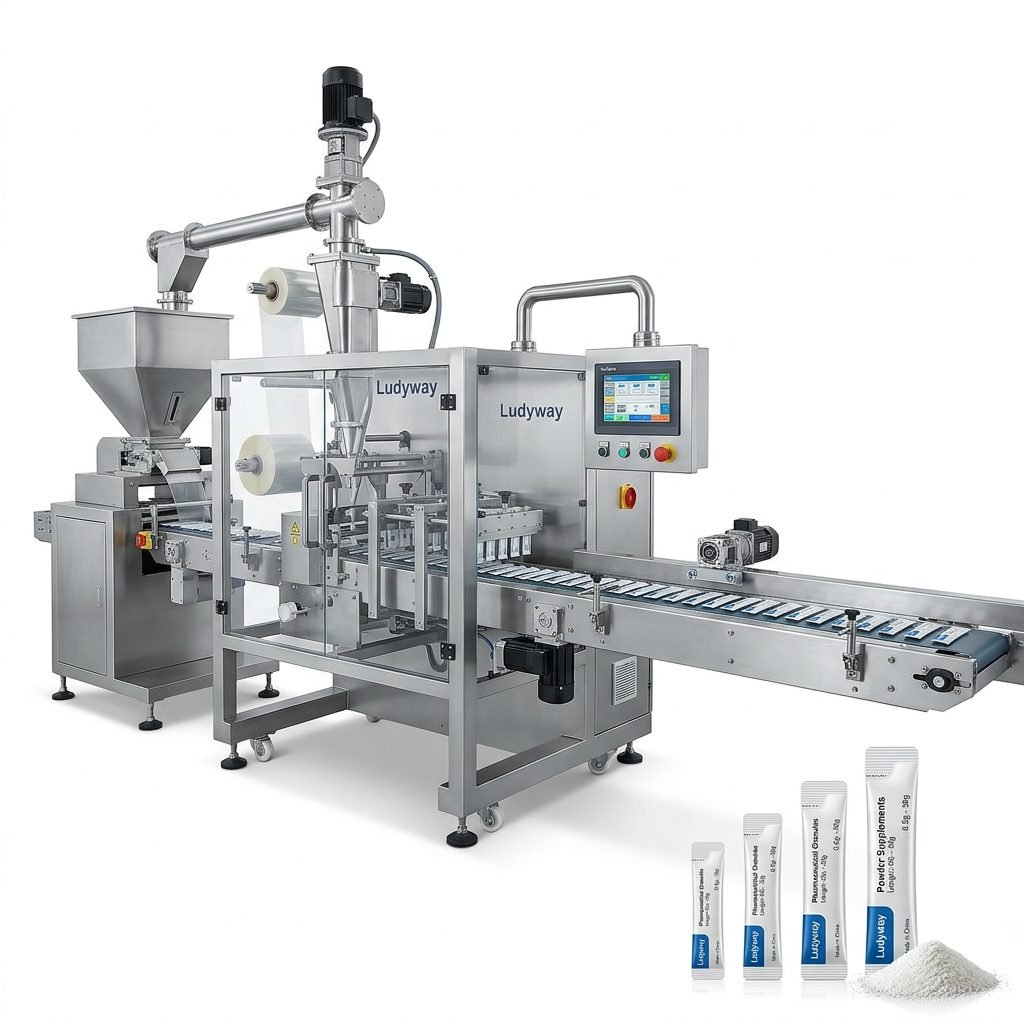
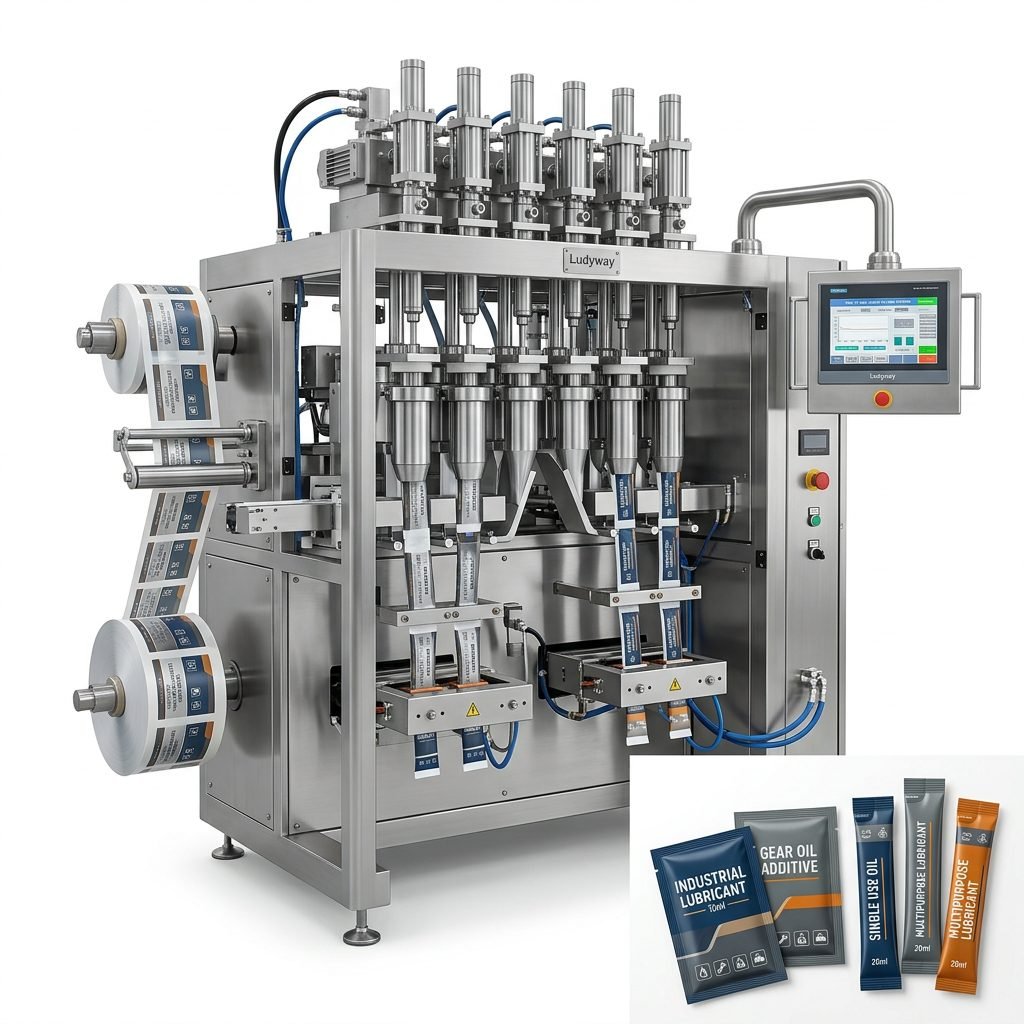
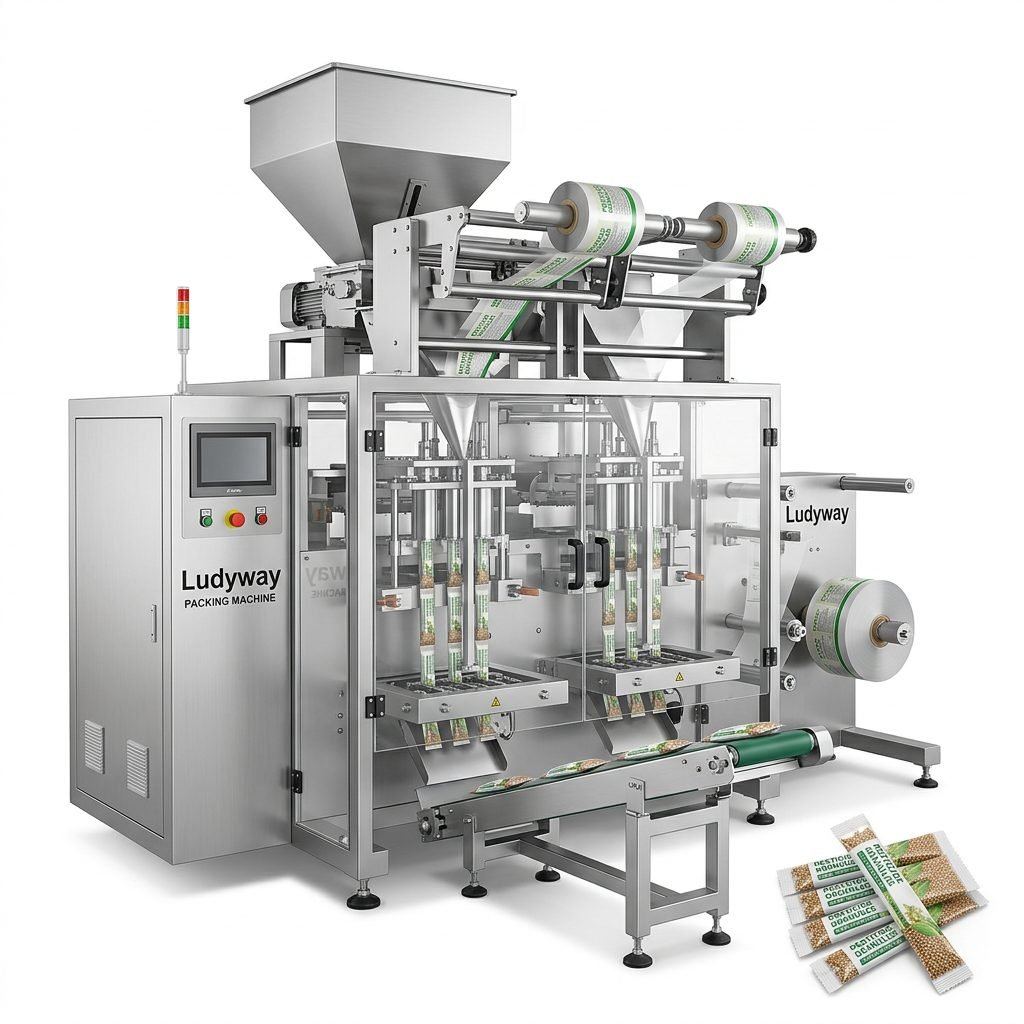
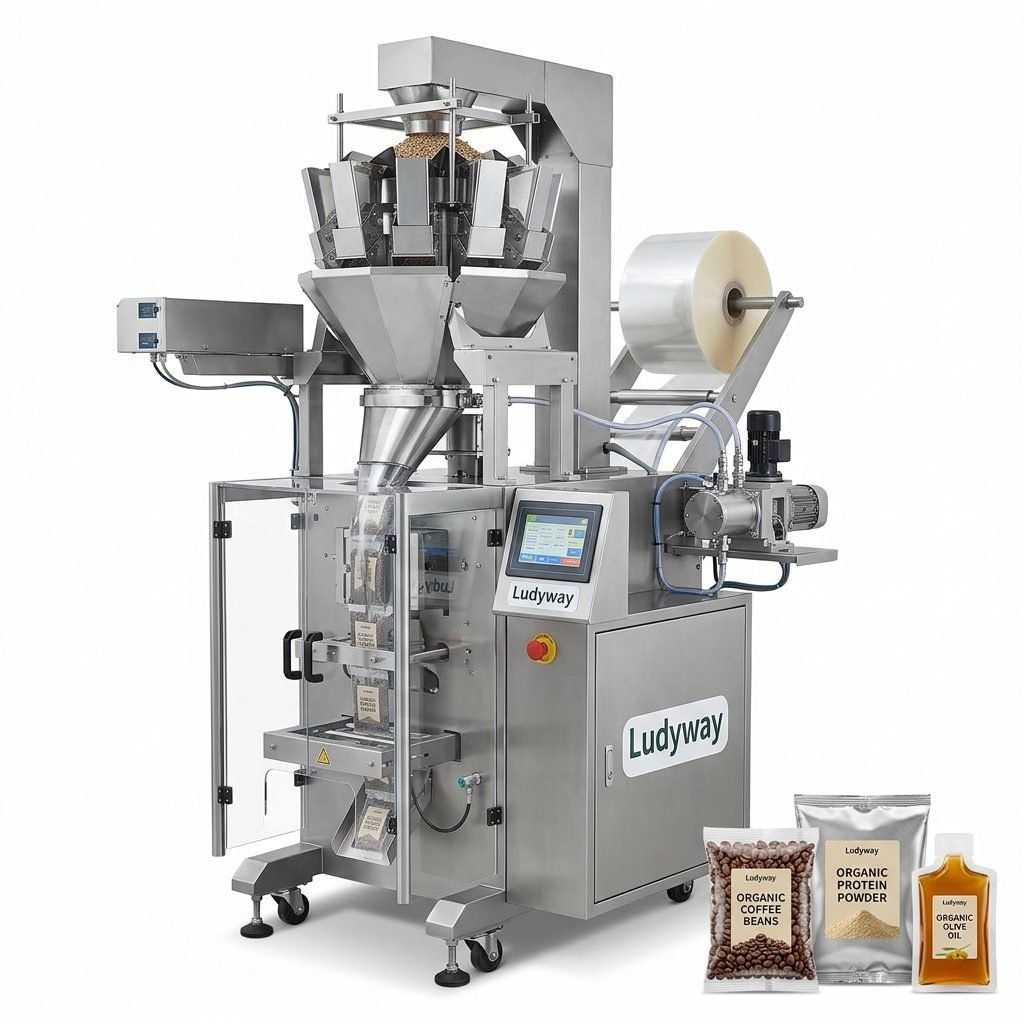
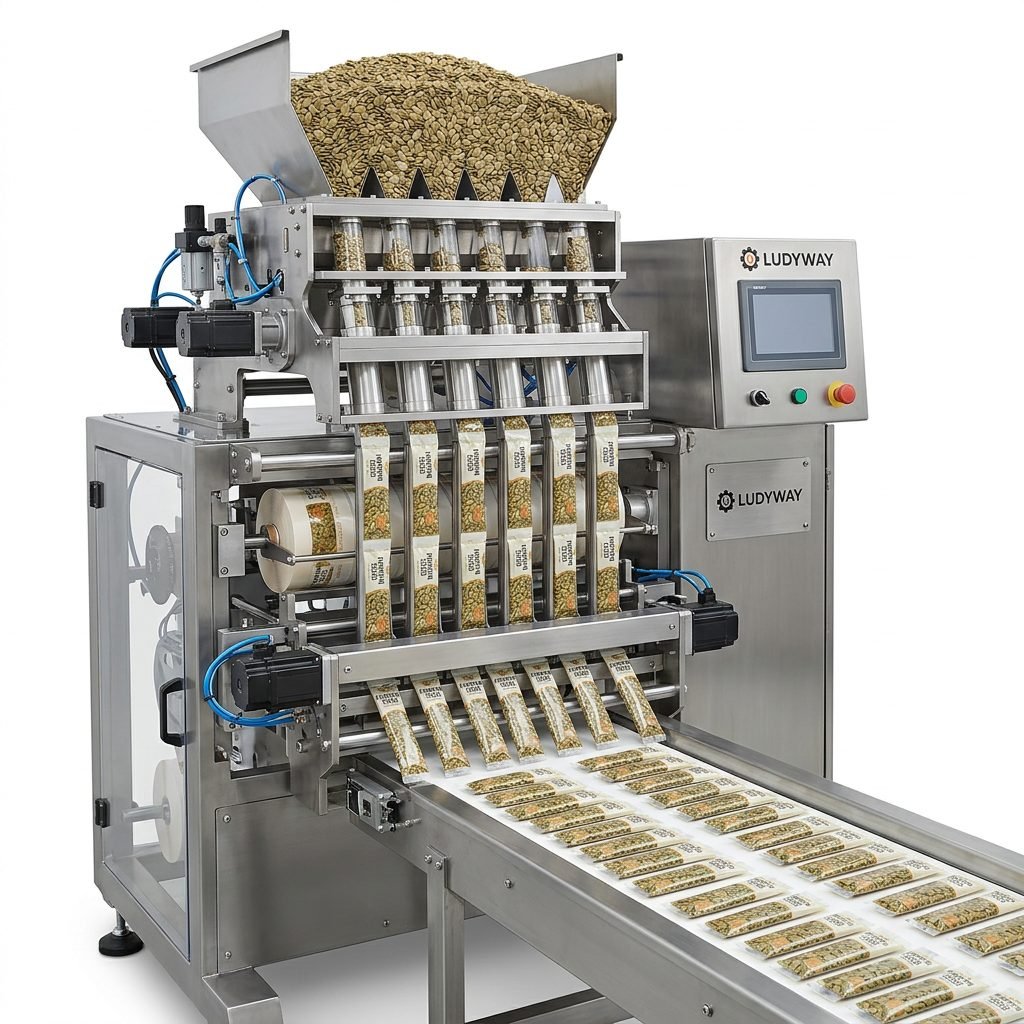
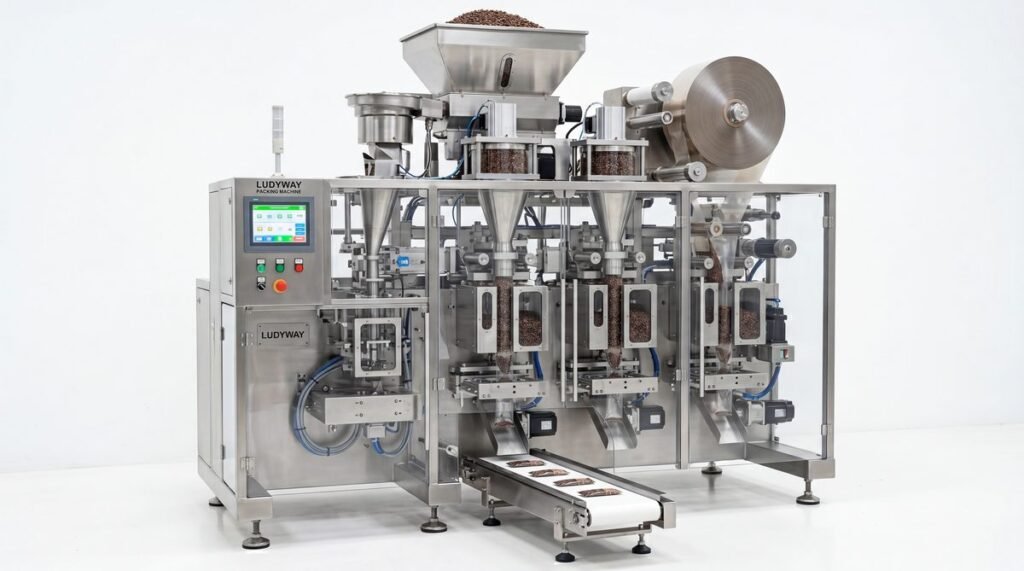
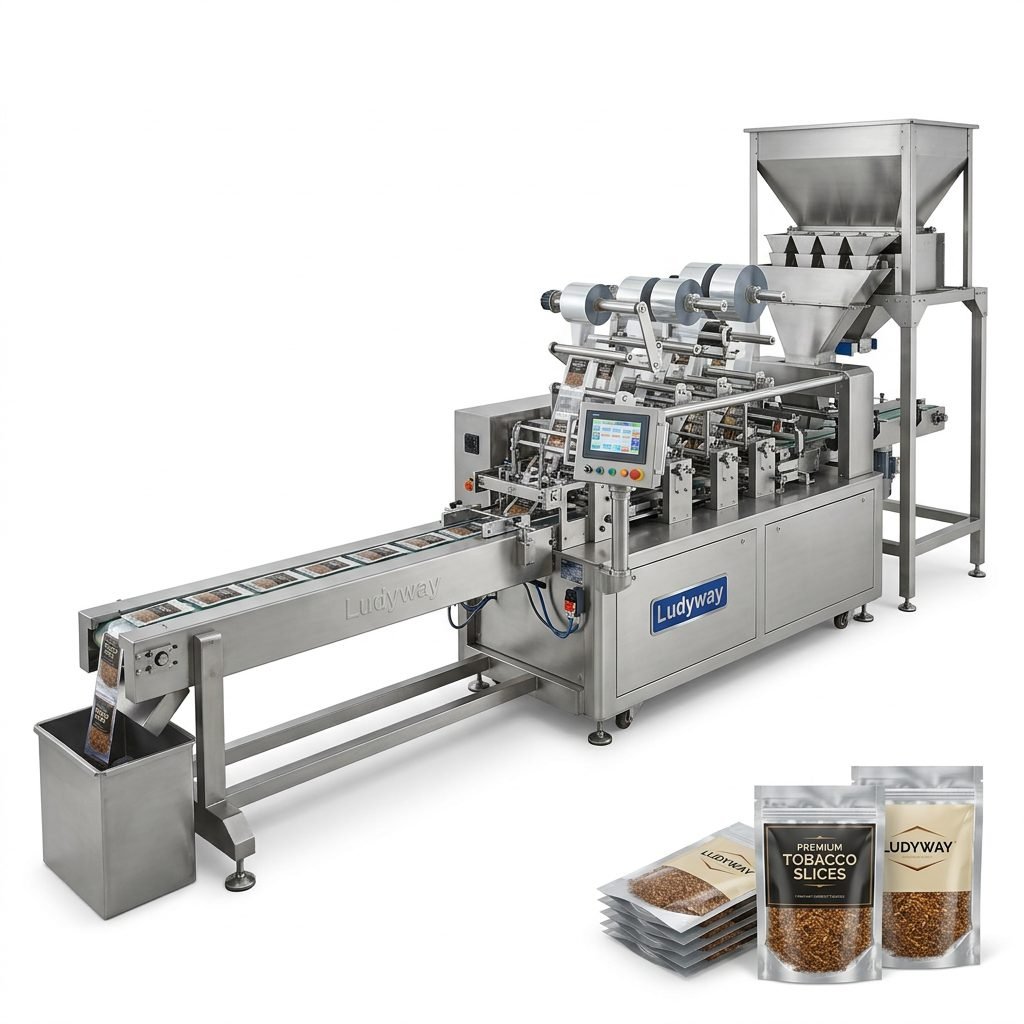
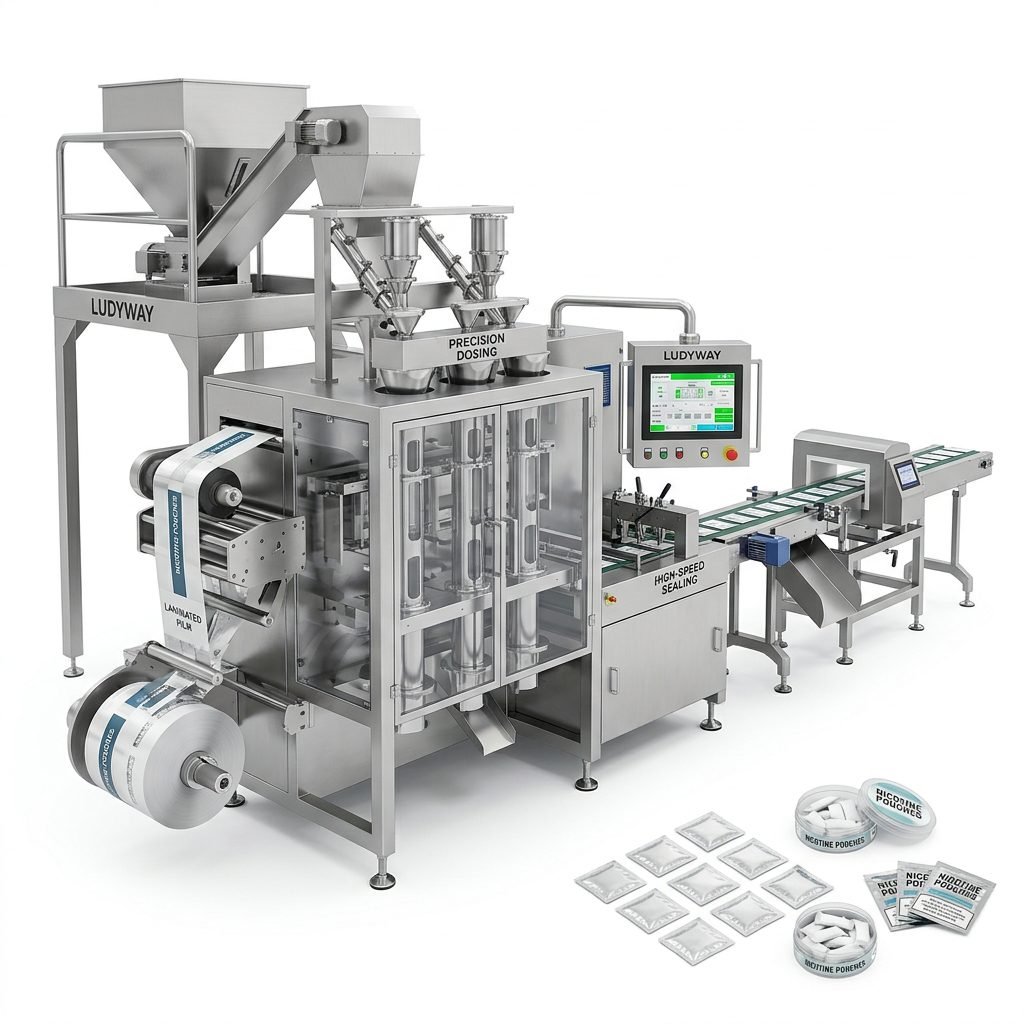
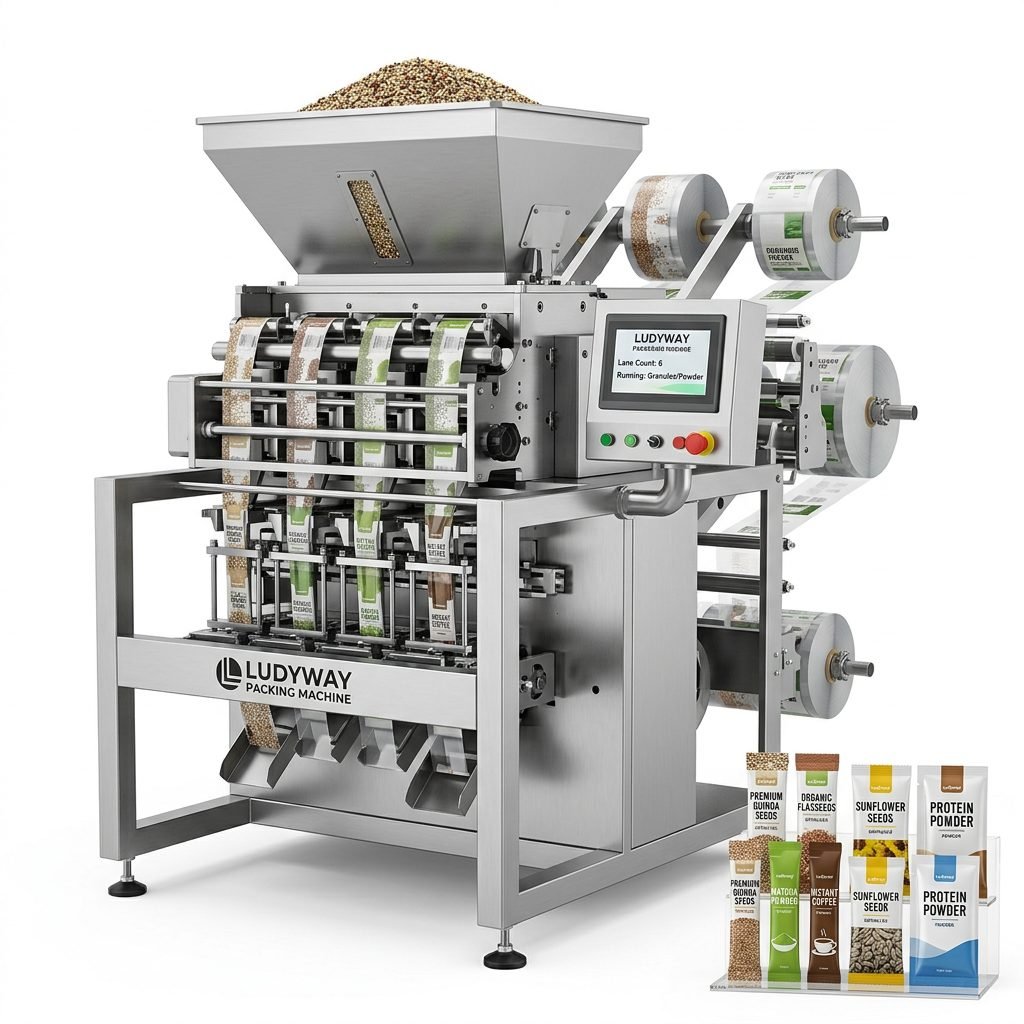
Investing in a low-cost pouch packing machine is a smart decision for businesses aiming to optimize their production line without overspending. However, keeping that equipment running efficiently for years requires a disciplined and proactive maintenance strategy. Without the right care, even the most robust pouch packing machine can suffer from premature wear, unexpected downtime, and costly repairs. This guide outlines practical steps you can take to protect your investment and achieve long-lasting, reliable performance.

Establish a Daily Cleaning Protocol
Residue from powders, granules, and liquids is the most common cause of sealing defects and mechanical jams in pouch packaging systems. At the end of each shift, operators should remove all loose product particles from the film path, sealing jaws, and forming tube using compressed air or a soft brush. Pay special attention to the heat-sealing areas, where carbonized product buildup can cause inconsistent seal quality. A clean machine is the foundation of consistent output.
Key Cleaning Focus Areas
- Sealing jaws and heating elements – remove carbonized residue daily.
- Film rollers and tension guides – wipe down to prevent film tracking errors.
- Filling nozzles and hoppers – clear blockages that cause inaccurate dosing.
- Photoelectric sensors – keep lens surfaces free of dust for correct film registration.
Lubrication and Mechanical Integrity Checks
Friction is a silent enemy of any moving mechanism. A regular lubrication schedule ensures that bearings, cam followers, chains, and gears operate smoothly under load. Use the correct food-grade grease or oil specified in your equipment manual. Over-lubricating can attract dust and cause buildup, while under-lubricating accelerates wear. During lubrication rounds, simultaneously inspect for loose fasteners, unusual vibrations, or sounds that could signal a developing problem.
Implement a Preventive Maintenance Schedule
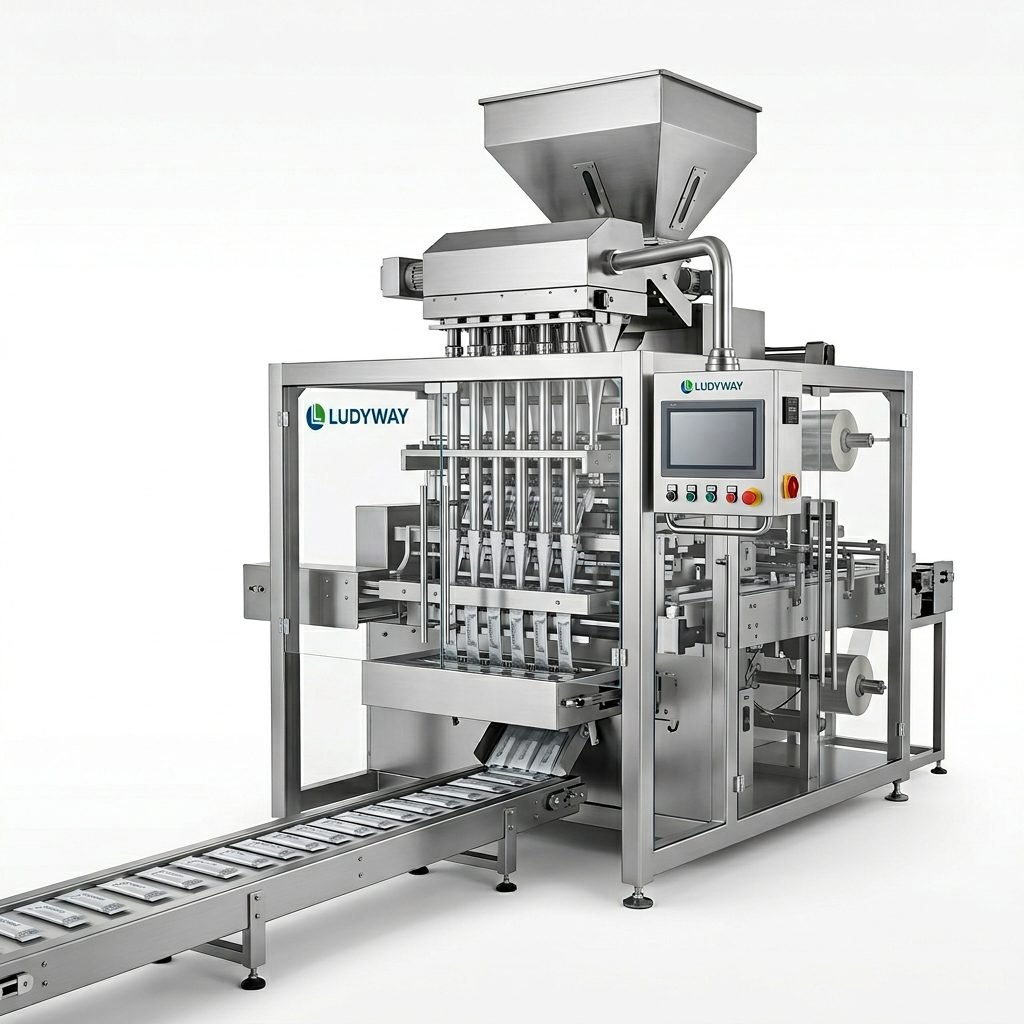
Reactive repairs cost significantly more than planned maintenance. Create a tiered schedule based on daily, weekly, monthly, and quarterly tasks. Document each inspection to track part wear trends and anticipate replacements before failure occurs. Below is a practical framework you can adapt to your specific stick pack machine or multi-lane sachet system.
| Frequency | Maintenance Task | Responsible Party |
|---|---|---|
| Daily | Clean sealing jaws, film path, and filling area; check sensor alignment. | Operator |
| Weekly | Lubricate all grease points; inspect belts and chains for tension. | Maintenance Tech |
| Monthly | Check electrical connections; verify temperature calibration of heaters. | Maintenance Tech |
| Quarterly | Replace worn sealing bands and Teflon tape; full pneumatic system inspection. | Senior Technician |
Spare Parts Inventory Management
Waiting for a replacement part to ship can halt your entire production line for days or weeks. Maintain a critical spares kit that includes sealing bands, heating cartridges, thermocouples, Teflon tape, cutting blades, and common sensors. These components have the highest wear rates and are essential to restore operation quickly. Track usage patterns to adjust your inventory based on actual consumption rather than guesswork.
Recommended Critical Spares List
- Sealing jaw heating elements and thermocouples
- Film cutting knives and blade holders
- Photoelectric sensor and registration components
- Drive belts and timing pulleys
- Pneumatic seals and O-ring kits
- Emergency stop switches and fuses
Operator Training and Standard Operating Procedures
The person operating the machine daily is your first line of defense against breakdowns. Well-trained operators can detect subtle changes in machine behavior, film tension, or seal appearance before they escalate into failures. Develop clear standard operating procedures (SOPs) for startup, operation, cleaning, and shutdown. Conduct refresher training quarterly and whenever software or hardware modifications are implemented.
Monitoring Seal Quality and Film Tension
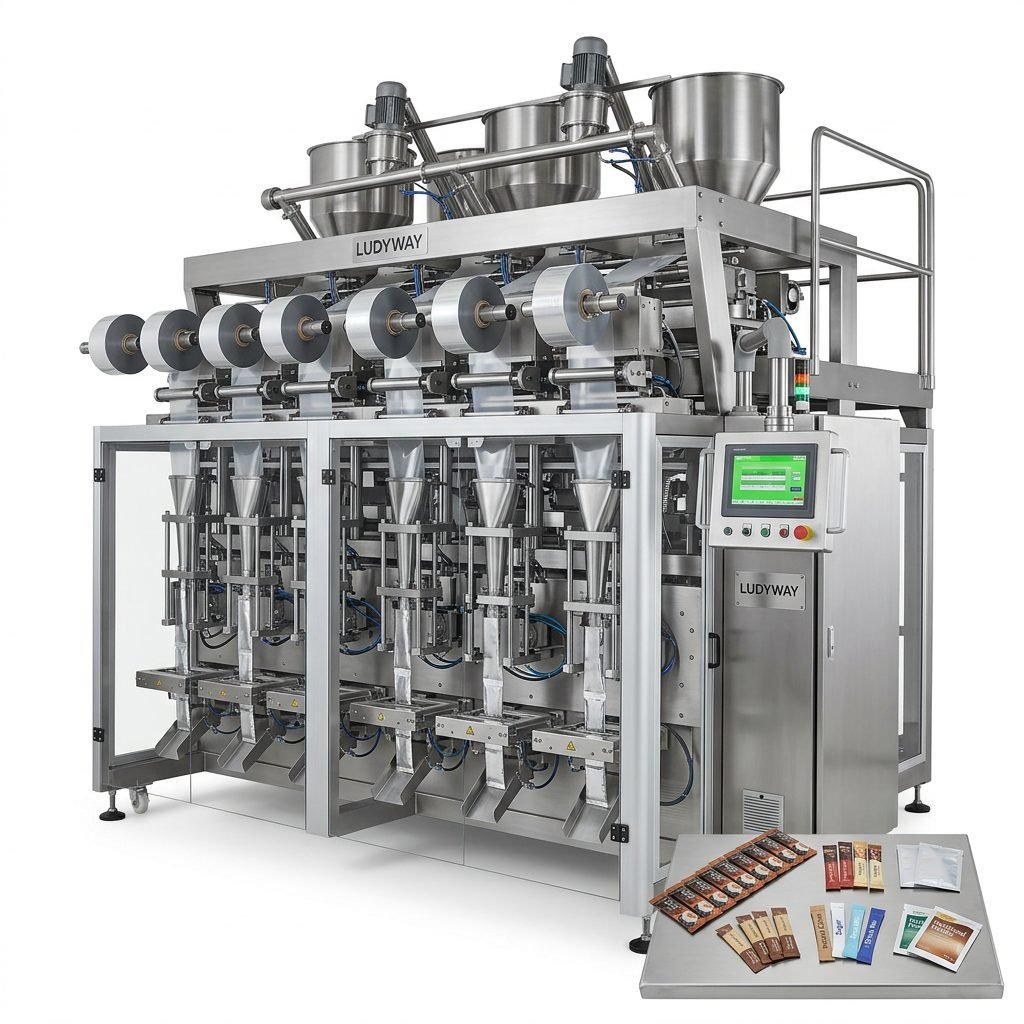
Inconsistent seals are often the earliest warning sign that maintenance is overdue. Regularly perform peel tests on sample pouches to verify seal strength. Check that the film tension is correctly adjusted — too much tension causes stretching and misalignment, while too little creates wrinkles and weak seals. Document seal test results to identify gradual degradation trends that may indicate heating element wear or temperature controller drift.
Electrical System and Control Panel Care
Dust and moisture are the primary threats to electrical reliability in packaging environments. Keep control cabinets sealed and ensure cooling fans are functioning. Periodically tighten terminal connections, as vibration can loosen them over time. Back up machine parameters and PLC programs to an external storage device so settings can be quickly restored if a controller fails.
When to Seek Professional Support
While routine maintenance can be managed in-house, certain situations warrant expert assistance. Complex mechanical alignments, software troubleshooting, and major component replacements benefit from manufacturer-trained technicians. Ludyway, one of the largest packaging machine manufacturers with over 30 years of industry experience, provides comprehensive technical support and spare parts services to customers in more than 100 countries. Partnering with a reputable equipment supplier ensures you have access to the expertise and genuine parts needed to maximize your machine’s lifespan.
Documentation and Continuous Improvement
Keep a detailed maintenance log for every machine. Record dates, tasks performed, parts replaced, and any anomalies observed. This historical data is invaluable for predicting future failures, optimizing your preventive maintenance intervals, and demonstrating due diligence for quality audits. Analyze downtime records to identify recurring issues and implement corrective actions that address root causes rather than symptoms.
Helpful Industry Resources
- PMMI Business Intelligence Library – Packaging industry data and insights.
- Flexible Packaging Association – Industry Resources – Standards and guidance for flexible packaging.
- ISO Packaging Standards – International standards for packaging machinery and processes.
- FDA Food Packaging and Food Contact Substances – Regulatory resources for food-grade packaging operations.
Maintaining a low-cost pouch packing machine for long-lasting performance requires consistency, attention to detail, and a proactive mindset. By following a structured maintenance program, training operators thoroughly, and keeping critical spares on hand, you can significantly extend equipment life while minimizing unplanned downtime. The effort you invest in daily care will be returned many times over in reliable production output and reduced total cost of ownership.