The Middle East is witnessing a rapid transformation in its coffee culture. From traditional Arabic coffee to a booming specialty café scene in Dubai, Riyadh, and Doha, the demand for packaged coffee products — especially single-serve sachets and stick packs — is surging. For entrepreneurs and manufacturers looking to capitalize on this trend, setting up a small coffee packaging machine production line can be a highly profitable venture. However, success requires careful planning that accounts for regional regulations, climate conditions, and consumer preferences.
This guide walks you through every critical step, from understanding Middle Eastern market requirements to selecting the right coffee packaging equipment and optimizing your production workflow. Whether you are launching a new co-packing business or expanding an existing roastery, the insights below will help you build an efficient and compliant operation.
Understanding the Middle Eastern Coffee Market
The GCC region alone is projected to see its coffee market grow at a CAGR of over 8% through 2030, driven by rising disposable incomes, a young population, and the proliferation of international coffee chains. Importantly, the instant coffee and single-serve segment is expanding fastest, creating direct demand for stick pack and sachet packaging machinery. According to the PMMI State of the Industry report, flexible packaging formats continue to gain market share globally, with the Middle East being no exception.
Key product formats that require specialized coffee packaging machines include:
- 3-in-1 instant coffee stick packs — the most popular format in retail and food service
- Single-serve coffee sachets — widely used in hotels, airlines, and offices
- Small pouches of ground coffee — for traditional Arabic and Turkish coffee preparation
- Coffee capsules and pods — a premium, fast-growing niche
Regulatory and Halal Compliance Essentials
Before importing or operating any packaging machinery in the Middle East, you must ensure compliance with local standards. The ISO packaging standards provide an internationally recognized framework, but Gulf countries often impose additional requirements. Key certifications to secure include:
- GSO (GCC Standardization Organization) conformity marks for food contact materials
- Halal certification for the entire production process — equipment must be cleanable according to Islamic guidelines
- ESMA (Emirates Authority for Standardization and Metrology) approval for UAE market entry
- SASO certification for the Saudi Arabian market
Your packaging machine must use food-grade stainless steel (304 or 316L) for all product contact parts and be designed for easy sanitation. Many Middle Eastern importers also require documentation proving that the machinery does not use any lubricants or materials derived from non-halal sources in product zones.
Designing Your Small Coffee Packaging Line
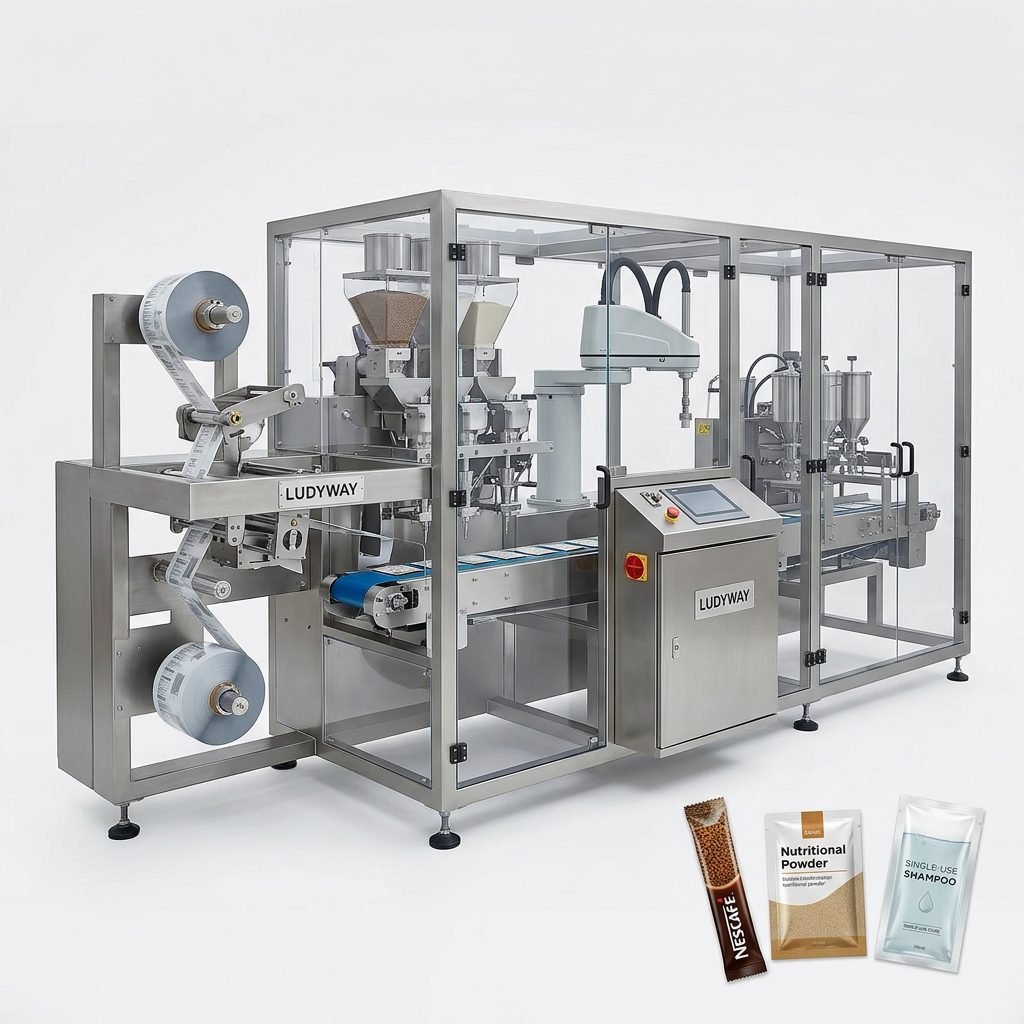
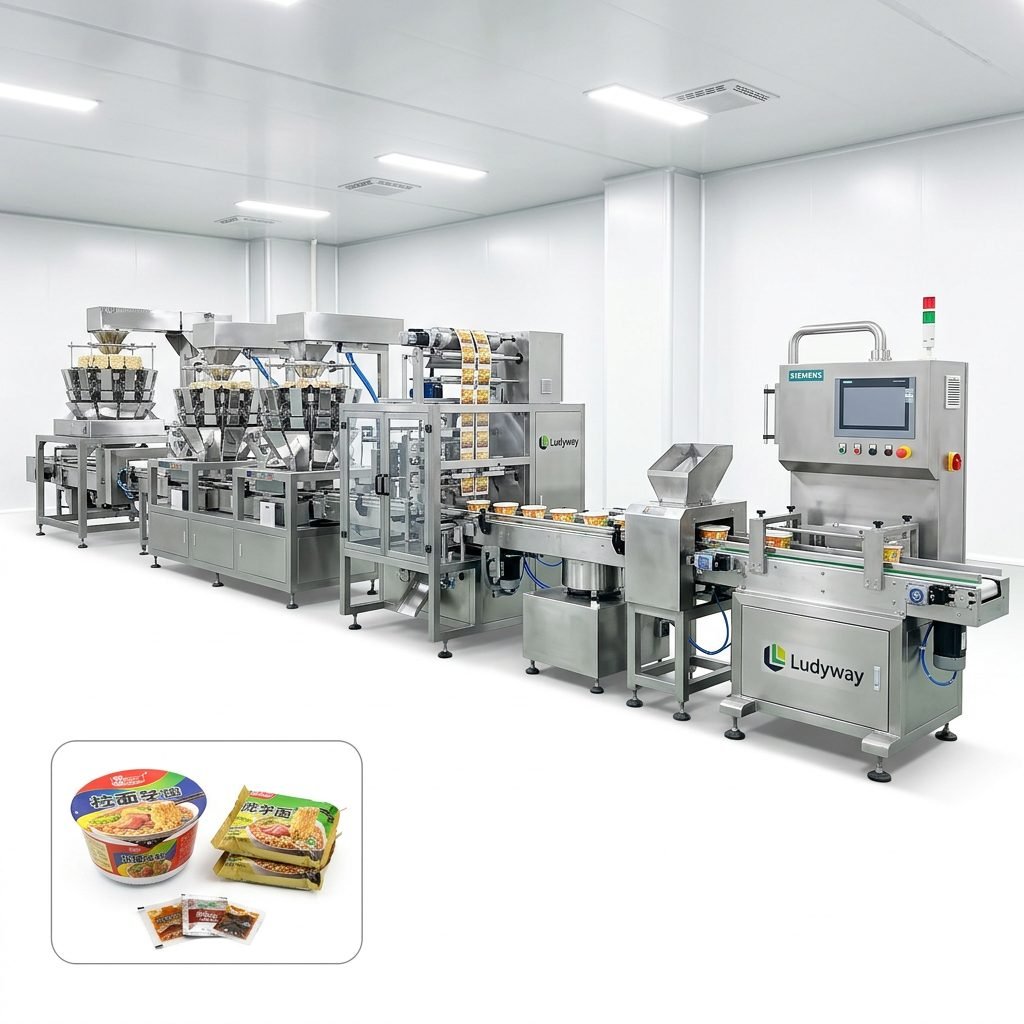
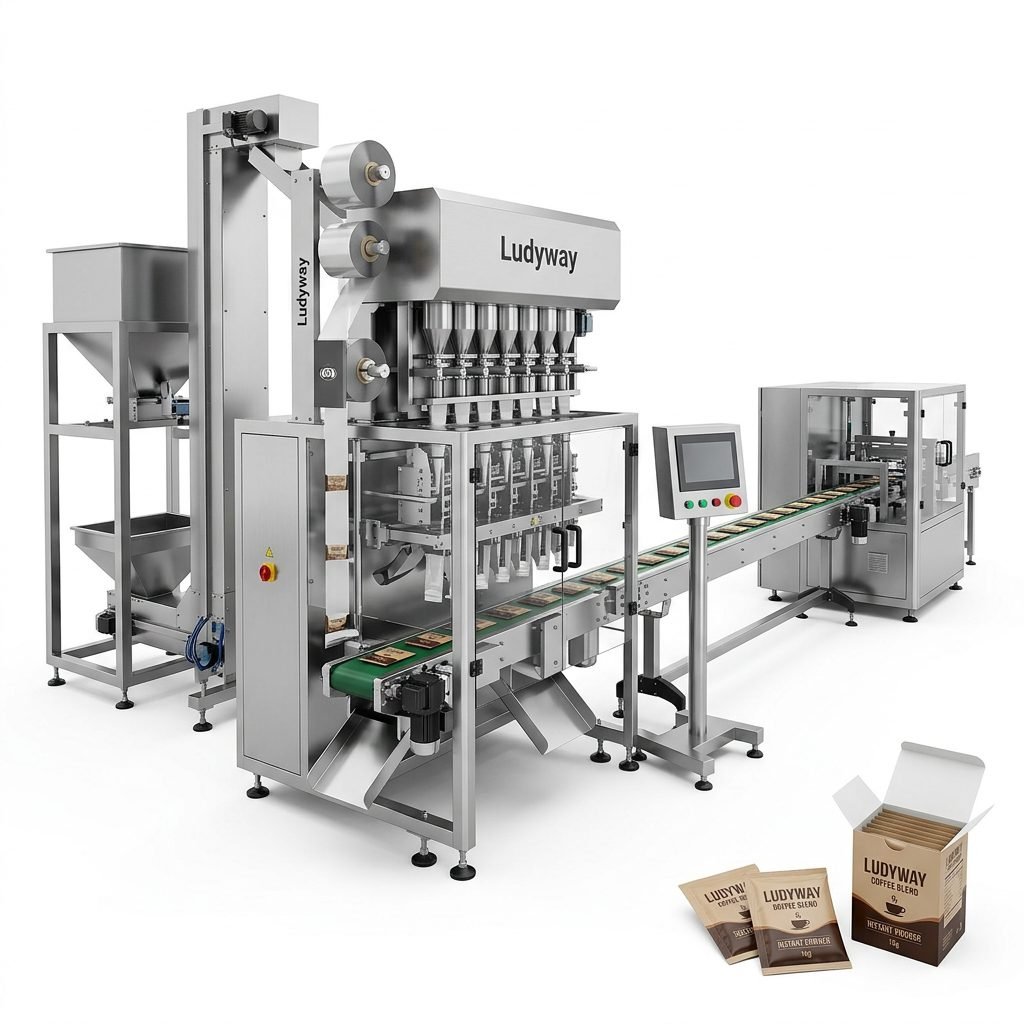
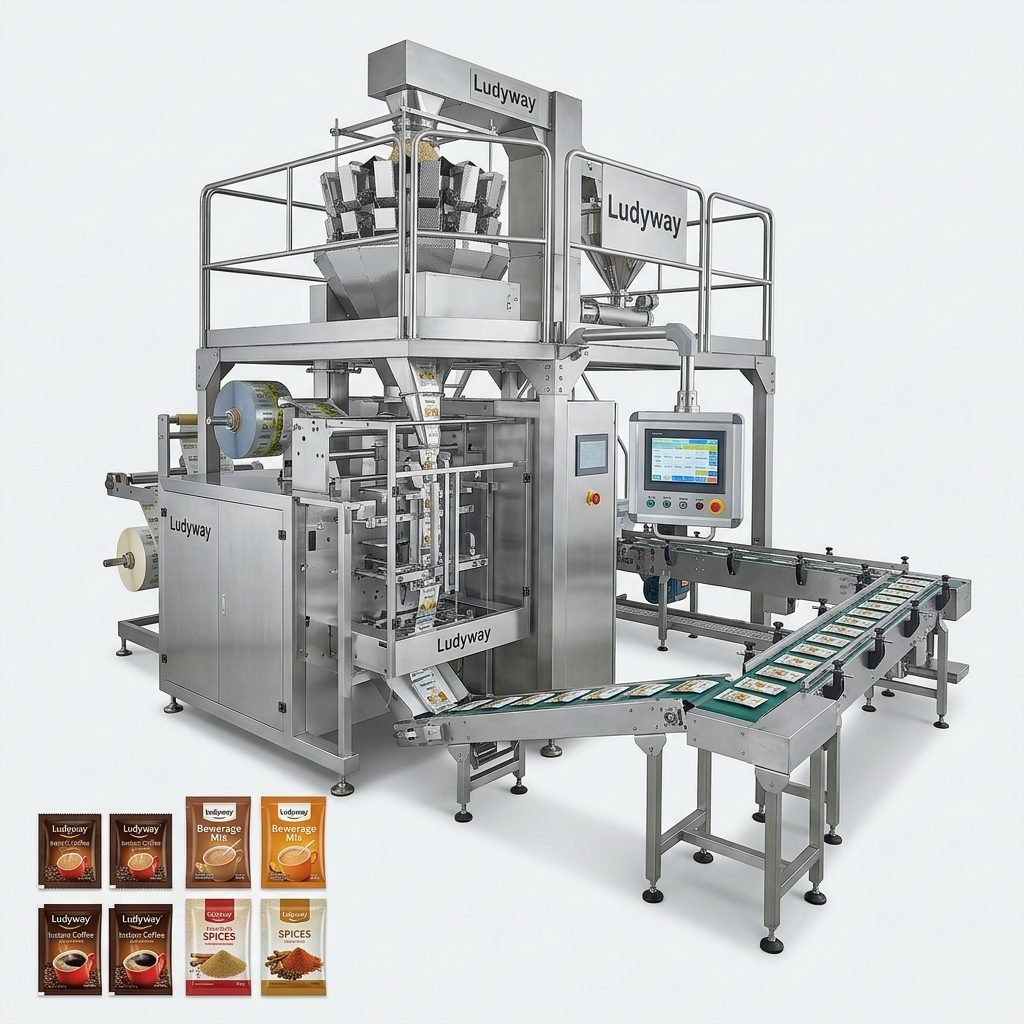
A well-designed small production line balances throughput capacity with floor space and budget. For most startups in the Middle East, a production capacity of 40 to 120 packs per minute is the sweet spot — sufficient to serve regional distributors without excessive capital expenditure. Below is a recommended equipment configuration for a complete turnkey setup.
| Equipment | Function | Key Consideration for Middle East |
|---|---|---|
| Screw Conveyor / Vacuum Feeder | Transfers coffee powder from hopper to packaging machine | Dust-proof sealing to prevent moisture ingress in humid coastal cities |
| Multi-Head Weigher or Auger Filler | Precision dosing of coffee powder or granules | ±0.5g accuracy required for retail stick packs |
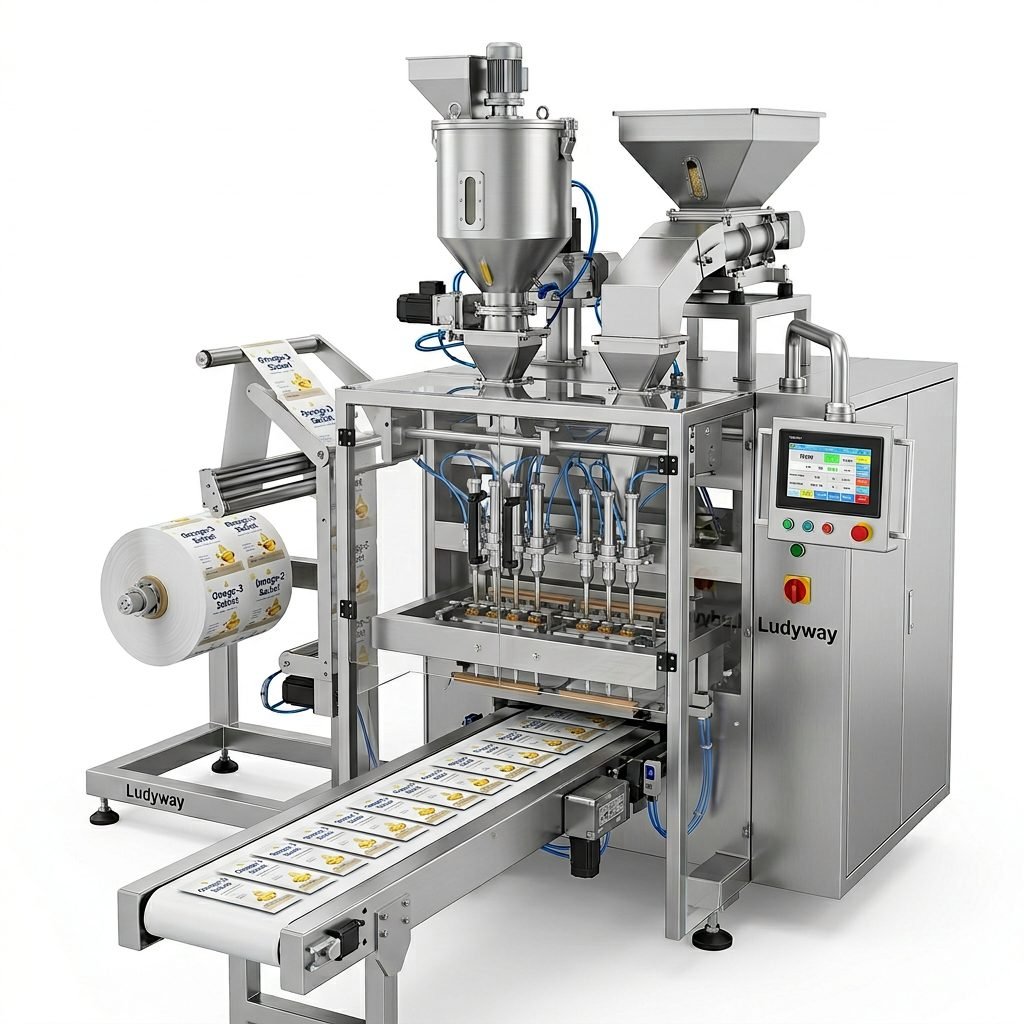
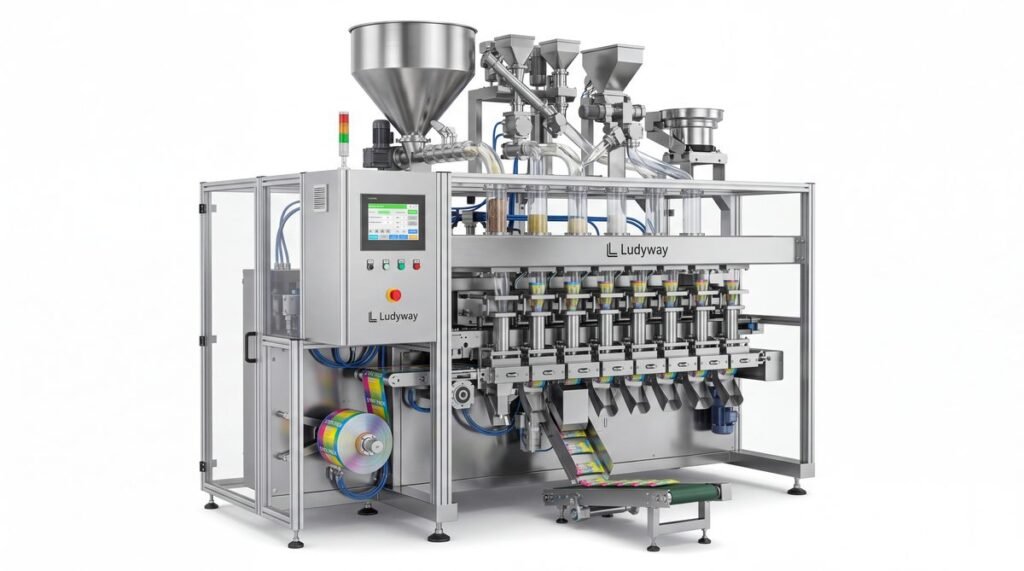
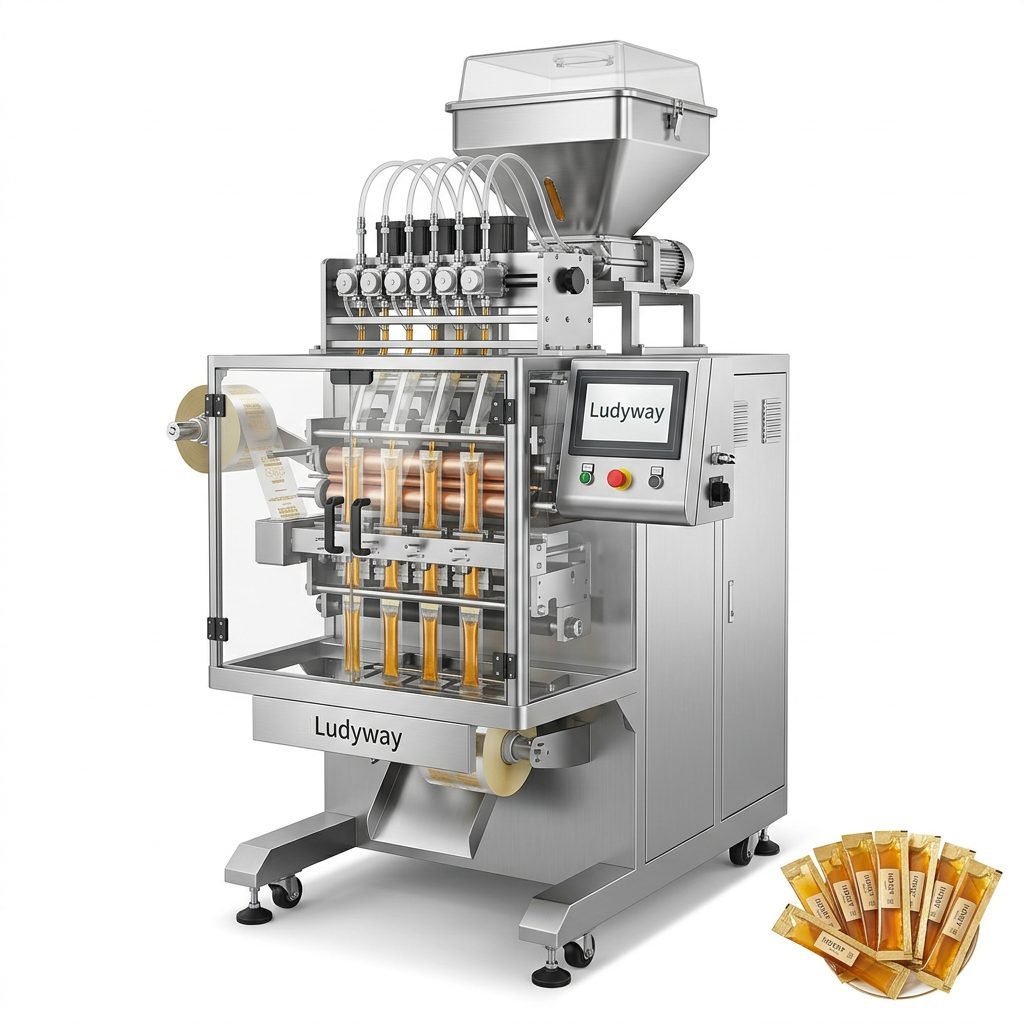
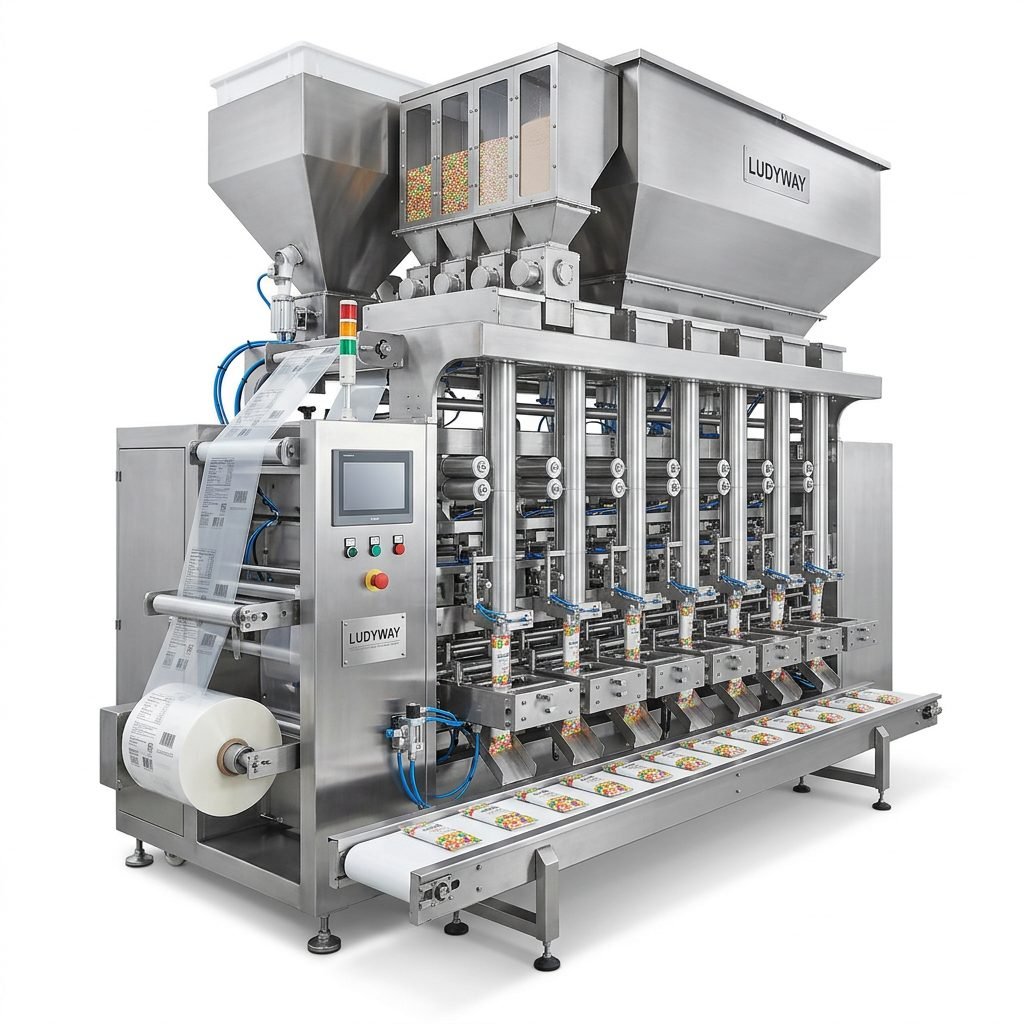
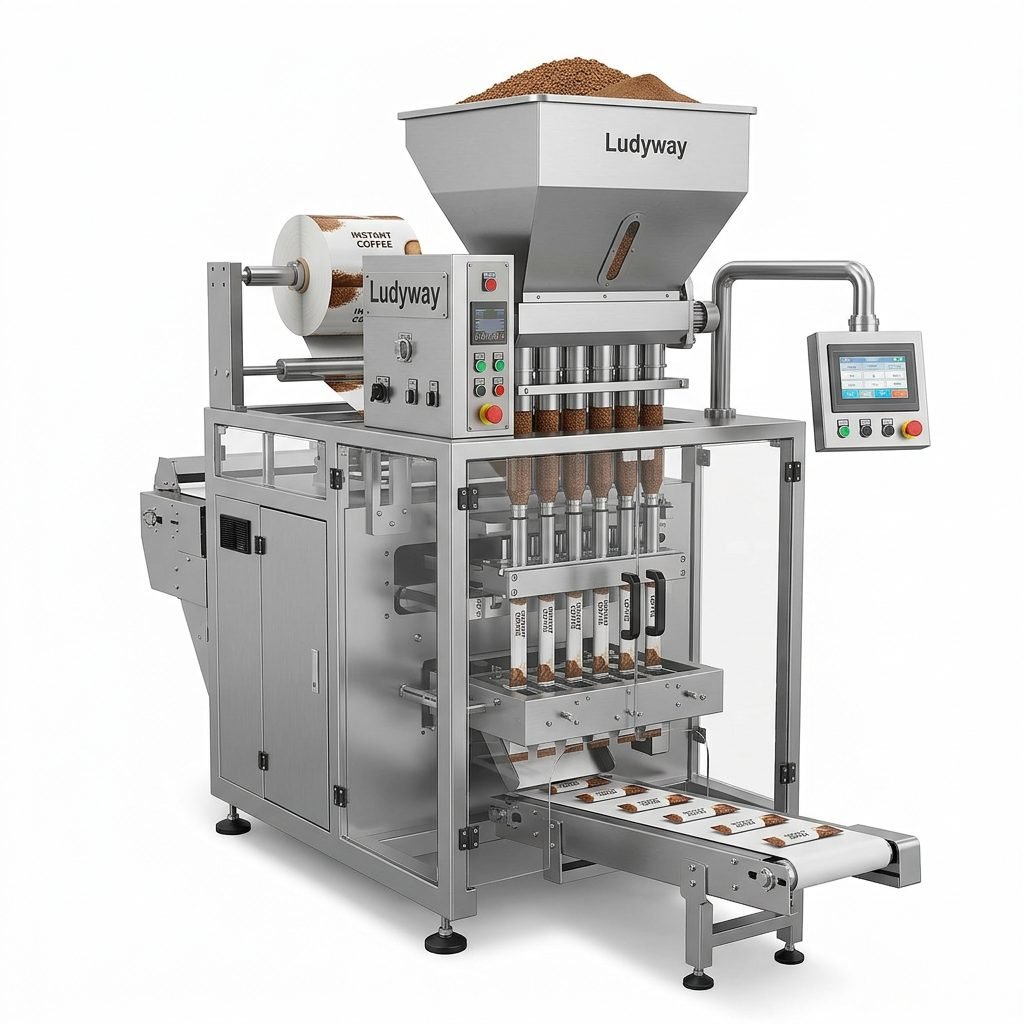
| Multi-Lane Stick Pack / Sachet Machine | Forms, fills, and seals the final package | 4-12 lanes recommended; nitrogen flushing capability for extended shelf life |
| Metal Detector / Checkweigher | Quality control and contaminant detection | Mandatory for export to GCC countries |
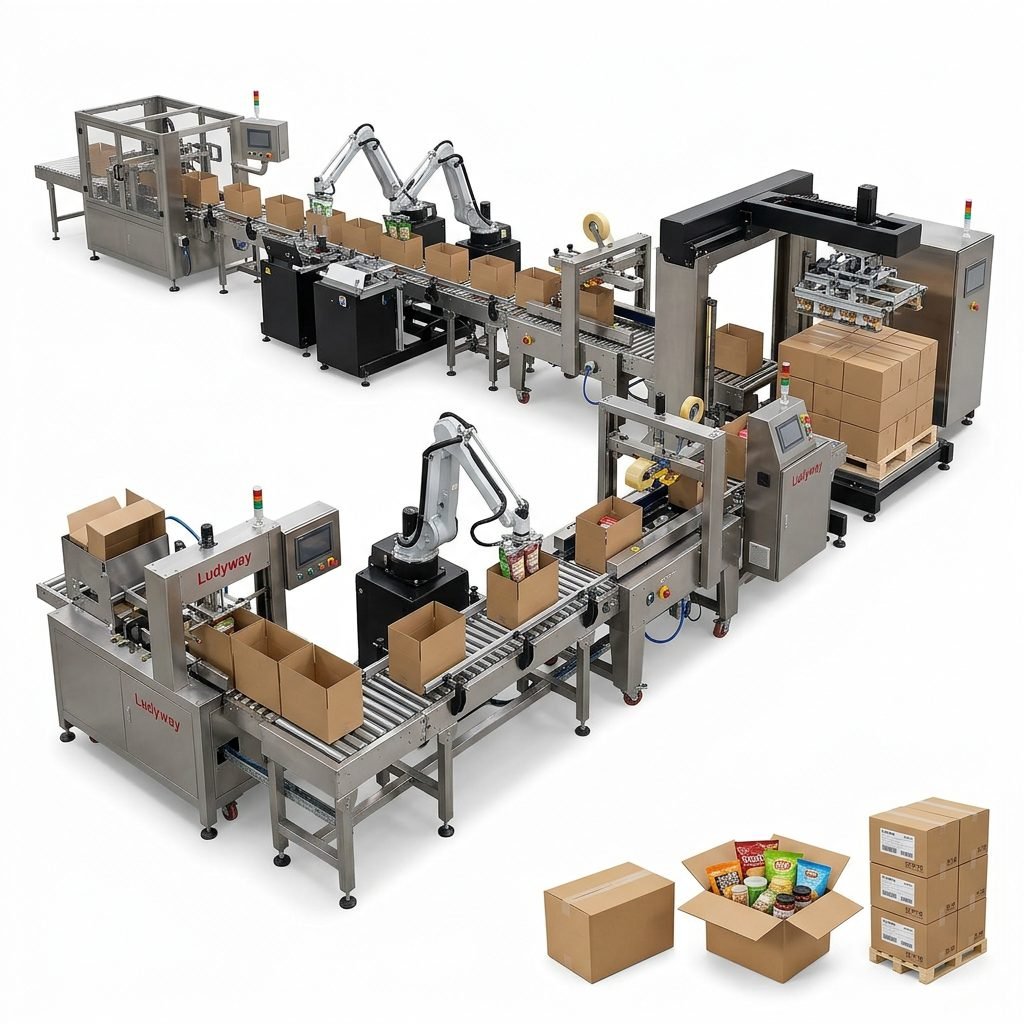
| Cartoning Machine | Packs finished sachets into retail cartons | Bilingual (Arabic/English) carton compatibility |
Climate Control: A Non-Negotiable Factor
The Middle Eastern climate — with ambient temperatures exceeding 45°C in summer and humidity levels above 90% in coastal areas like Dubai and Jeddah — poses unique challenges for coffee packaging. Coffee powder is highly hygroscopic, meaning it readily absorbs moisture from the air, leading to clumping, mold growth, and rapid flavor degradation. Your production facility must include:
- HVAC systems maintaining 22-25°C and 40-50% relative humidity in the packaging hall
- Dehumidifiers with automatic drainage for continuous operation
- Air-tight raw material storage silos with moisture barriers
- Nitrogen gas flushing on the packaging machine to displace oxygen and extend shelf life up to 18 months
When sourcing equipment, look for packaging machines with enclosed product pathways and integrated dehumidification options. The Flexible Packaging Association provides excellent technical resources on barrier film selection and moisture protection strategies suitable for hot climates.
Selecting the Right Packaging Machine Supplier
Choosing a reliable equipment partner is arguably the most important decision you will make. Beyond machine specifications, evaluate potential suppliers on these criteria:
- Experience in the Middle Eastern market — do they have reference installations in the GCC?
- After-sales support and spare parts availability — rapid response is critical to minimize downtime
- Compliance documentation — can they provide full material certificates and cleanliness validations?
- Turnkey capability — can they supply the complete line including conveyors, feeders, and cartoning?
- Training programs — do they offer on-site operator training in Arabic or English?
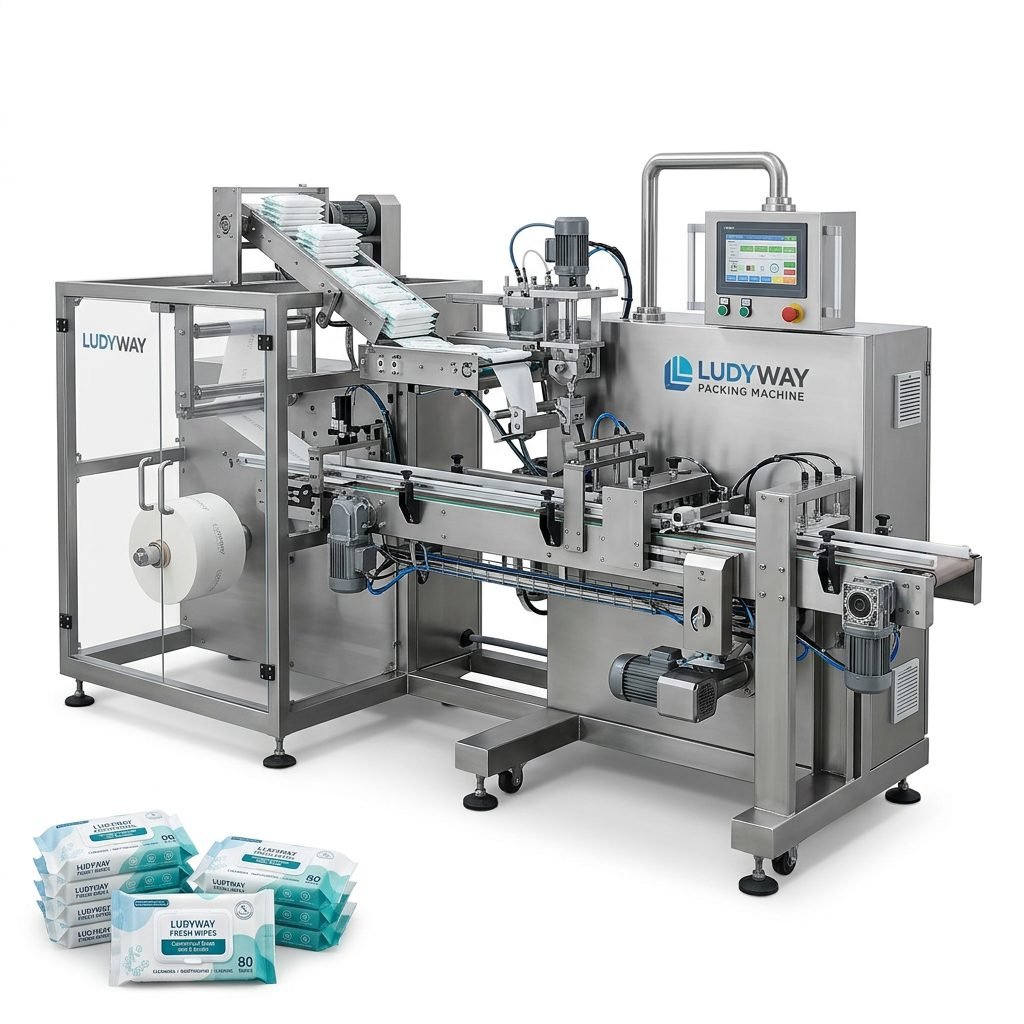
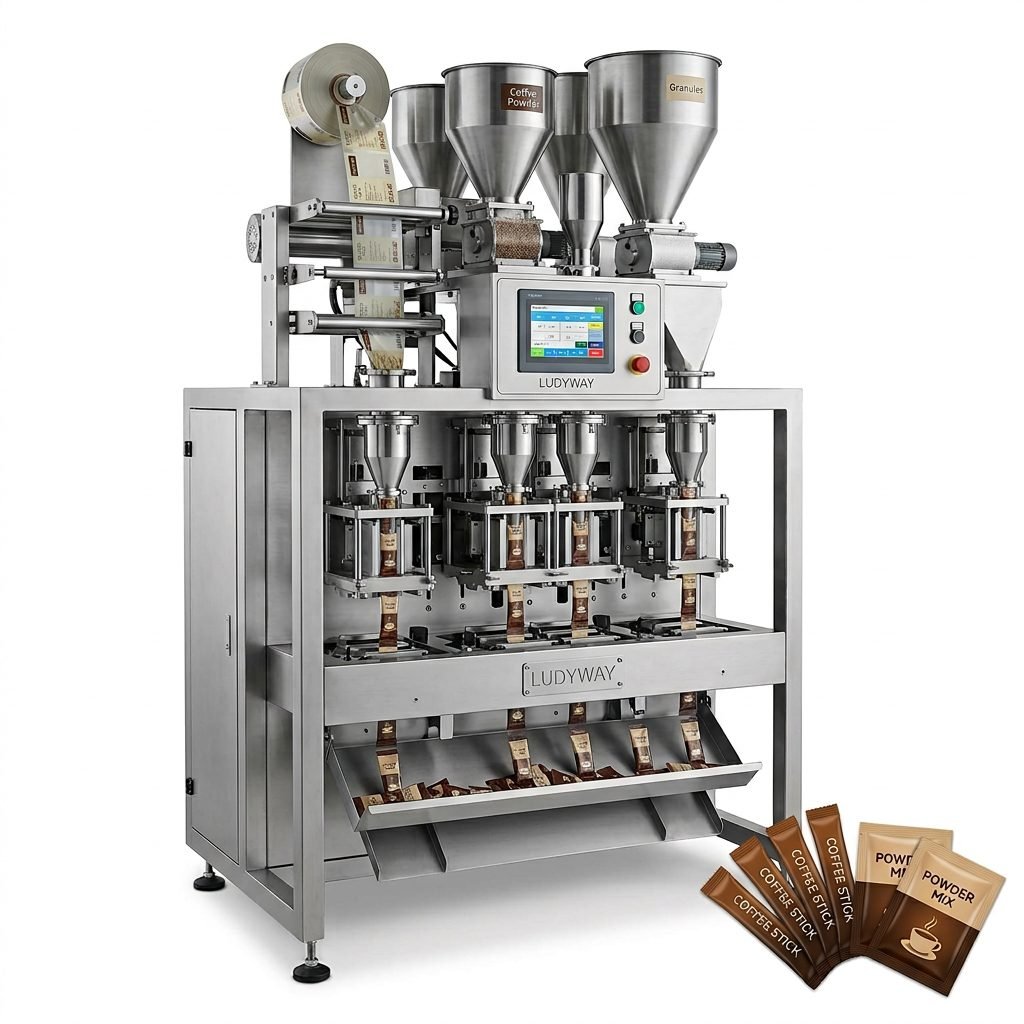
Leading global manufacturers such as Ludyway offer dedicated multi-lane stick pack and sachet solutions specifically engineered for coffee and powder products, with a growing installed base across international markets. As reported by EINPresswire, the company has demonstrated significant global growth in packaging machinery exports, reflecting the increasing demand for automated coffee packaging solutions worldwide.
New vs. Refurbished Equipment: A Strategic Choice
For entrepreneurs with limited capital, refurbished packaging machines can be tempting. However, for the Middle Eastern market, new equipment is strongly recommended for several reasons. First, new machines come with full warranty coverage and the latest safety features compliant with ISO 11607 standards for packaging. Second, they can be customized with Arabic-language HMI interfaces, halal-compliant materials, and climate-specific modifications. Third, new equipment typically offers better energy efficiency — an important consideration given the high electricity costs for running HVAC systems in the region.
Logistics, Installation, and Workforce Training
Shipping packaging machinery to the Middle East involves careful logistics planning. Major entry ports include Jebel Ali in Dubai, King Abdulaziz Port in Dammam, and Hamad Port in Qatar. Plan for the following timeline:
- Equipment manufacturing: 6-10 weeks for standard models, 10-14 weeks for customized lines
- Sea freight from Asia to the Middle East: 15-25 days
- Customs clearance: 3-7 days (ensure all documentation is pre-approved)
- Installation and commissioning: 5-10 days with supplier technicians on-site
- Operator training: 3-5 days of hands-on training recommended
Invest in comprehensive operator training covering machine operation, daily cleaning procedures, basic troubleshooting, and changeover protocols between different coffee blends and package formats. Well-trained operators are essential to maintaining consistent seal integrity and fill accuracy, which directly impact product quality and regulatory compliance. The FDA Food Contact Substances guidelines, while U.S.-focused, provide useful reference standards that many Middle Eastern regulators recognize.
Sustainability and Packaging Waste Regulations
The Middle East is increasingly aligning with global sustainability frameworks. The European Commission’s Packaging and Packaging Waste Regulation sets a benchmark that Gulf countries are beginning to emulate through their own Extended Producer Responsibility (EPR) schemes. Key trends affecting coffee packaging lines include:
- Shift to mono-material films — replacing multi-layer laminates with recyclable single-polymer structures
- Lightweight packaging — reducing plastic usage without compromising barrier properties
- Compostable and biodegradable options — gaining traction in premium organic coffee segments
- Recycled content mandates — Saudi Arabia’s Vision 2030 includes targets for recycled material usage in packaging
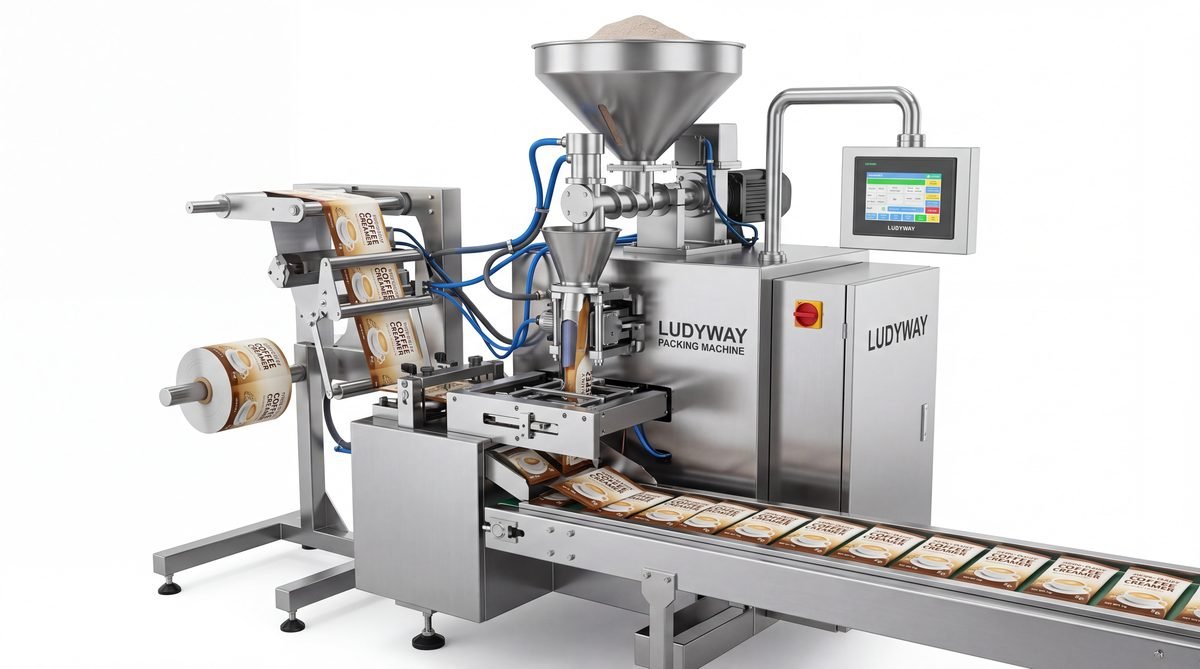
When specifying your packaging machine, ensure it can handle a range of film types, including thinner gauges and bio-based materials that may have different sealing characteristics. The U.S. EPA Sustainable Materials Management framework offers additional guidance on designing packaging systems for circularity that are relevant to export-oriented Middle Eastern manufacturers.
Financial Planning and ROI Expectations
A small coffee packaging line suitable for the Middle Eastern market typically requires an investment ranging from $60,000 to $250,000, depending on the level of automation, number of lanes, and ancillary equipment included. Below is a simplified cost breakdown:
| Cost Category | Estimated Range (USD) | Notes |
|---|---|---|
| Multi-lane packaging machine | $35,000 – $120,000 | 4-12 lane configuration |
| Ancillary equipment (feeders, conveyors, detectors) | $15,000 – $55,000 | Includes metal detector and checkweigher |
| Climate control setup (HVAC, dehumidifiers) | $10,000 – $30,000 | Essential for Middle Eastern conditions |
| Installation, shipping, and training | $5,000 – $15,000 | Varies by distance and scope |
With a properly configured line operating at 60-80 packs per minute, most businesses achieve full ROI within 18-24 months, driven by the high retail margins on packaged coffee products in GCC markets. The PMMI 2026 State of the Industry report confirms that flexible packaging machinery investments continue to deliver strong returns across food and beverage sectors globally.
Common Pitfalls and How to Avoid Them
Based on real-world experience with Middle Eastern packaging projects, here are the most frequent mistakes and their solutions:
- Underestimating humidity impact: Install redundant dehumidification — a single unit failure can ruin entire production batches
- Ignoring local electrical standards: GCC countries use 220-240V / 50Hz with British-style three-pin plugs (BS 1363); confirm machine compatibility before ordering
- Overlooking packaging film compatibility: Test your selected film on the actual machine before committing to bulk film purchases — sealing temperature windows vary significantly between suppliers
- Insufficient spare parts inventory: Keep critical wear parts (sealing jaws, cutting blades, heater cartridges) on hand to avoid weeks of downtime waiting for international shipments
- Neglecting Arabic labeling: All consumer-facing packaging must include Arabic nutritional panels and ingredient lists per GCC regulations
Conclusion: Building for Long-Term Success
Setting up a small coffee packaging machine production line in the Middle East is a strategic opportunity in one of the world’s fastest-growing coffee markets. Success hinges on selecting the right equipment, ensuring climate-appropriate facility design, securing all necessary certifications, and partnering with a supplier who understands the region’s unique requirements. By investing in quality machinery from the outset and prioritizing operator training and maintenance, your packaging operation can deliver consistent, high-quality coffee products that meet the demanding standards of Middle Eastern consumers and retailers alike. For ongoing industry intelligence, resources from the PMMI packaging association and the Flexible Packaging Association provide valuable benchmarks and technical guidance as your business grows.