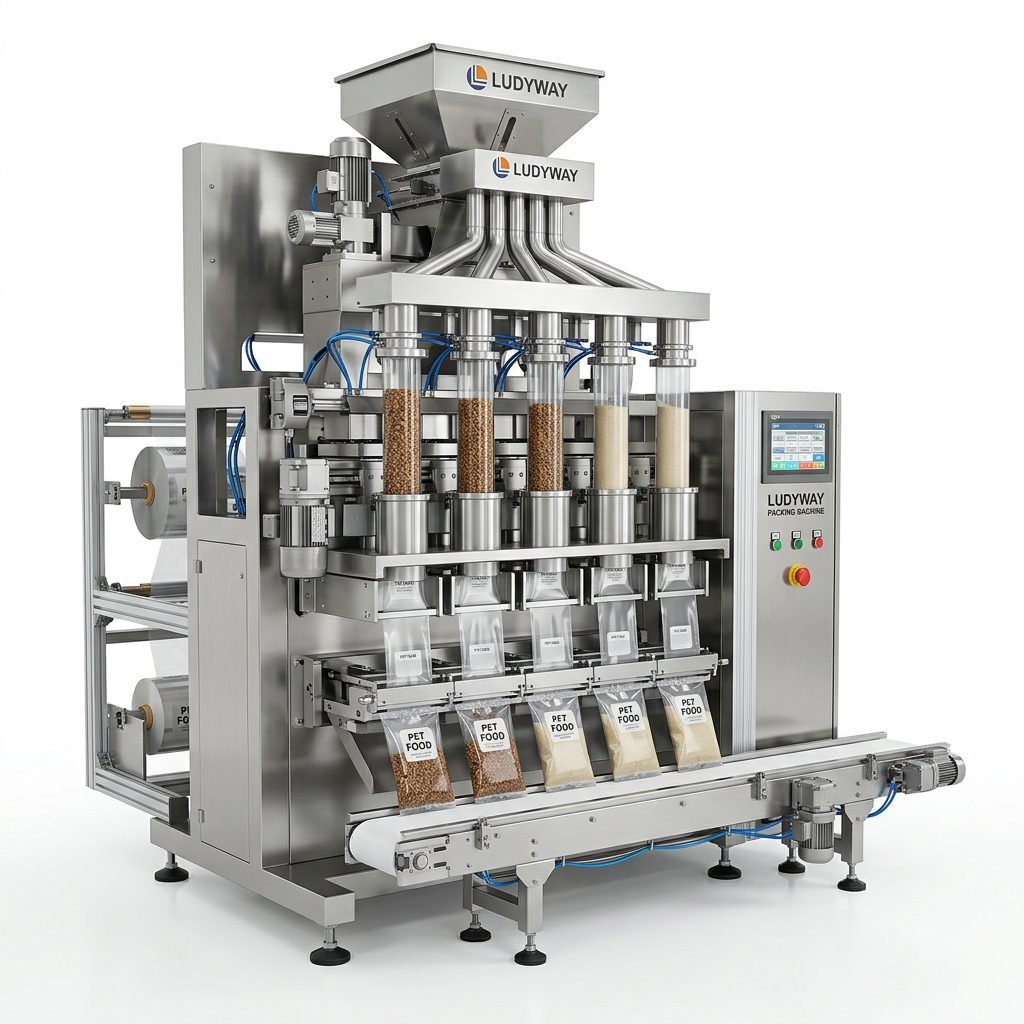
Setting up a fruit packaging machine production line in China has become a strategic move for international food brands, co-packers, and agricultural exporters. With China’s mature manufacturing ecosystem, competitive equipment costs, and expanding cold chain infrastructure, building a packaging line here offers significant advantages in scalability and ROI. This guide outlines the complete process — from initial planning and equipment selection to installation, compliance, and optimization.
Why Build a Fruit Packaging Line in China
China remains the world’s largest producer of packaging machinery, accounting for a substantial share of global equipment exports. The combination of cost-effective manufacturing, integrated supply chains, and engineering expertise makes it an ideal location for establishing fruit packaging operations. Key drivers include:
- Lower capital expenditure compared to European or North American equipment of similar specifications.
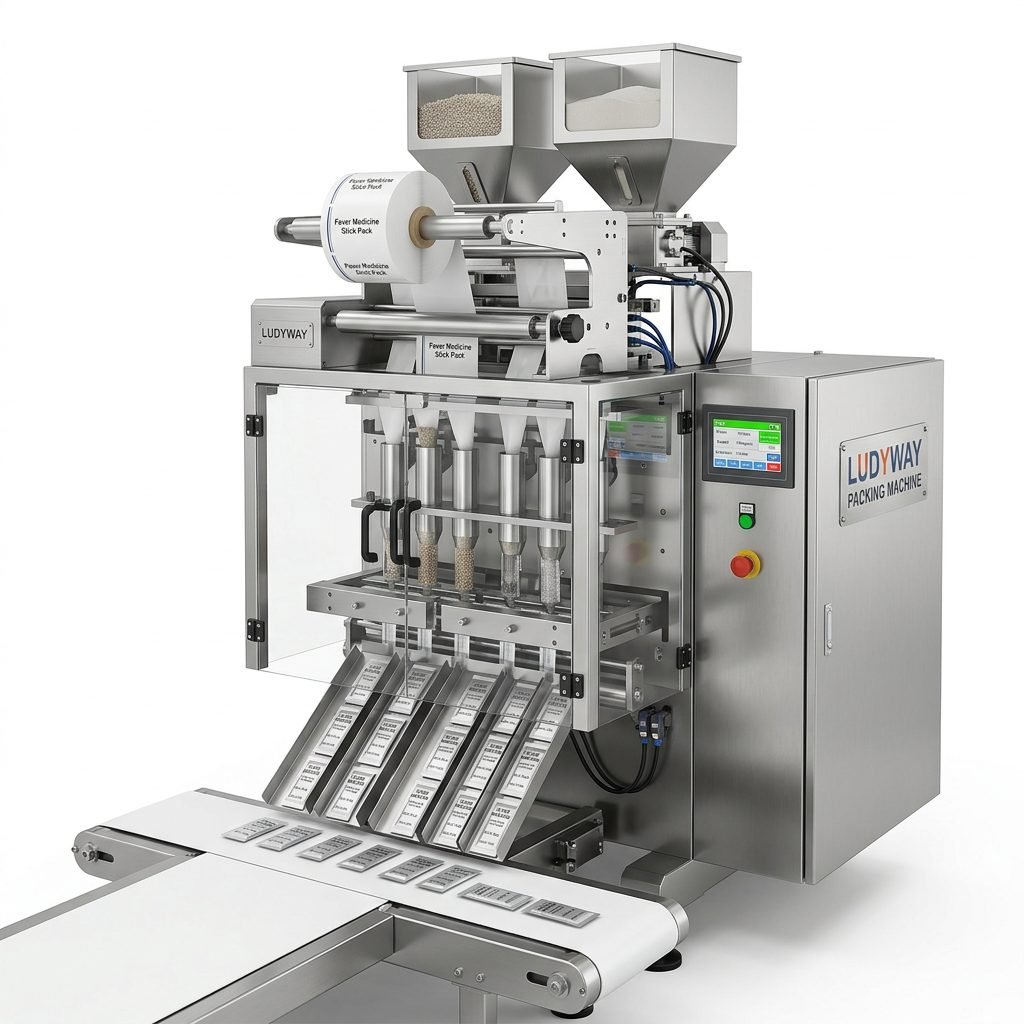
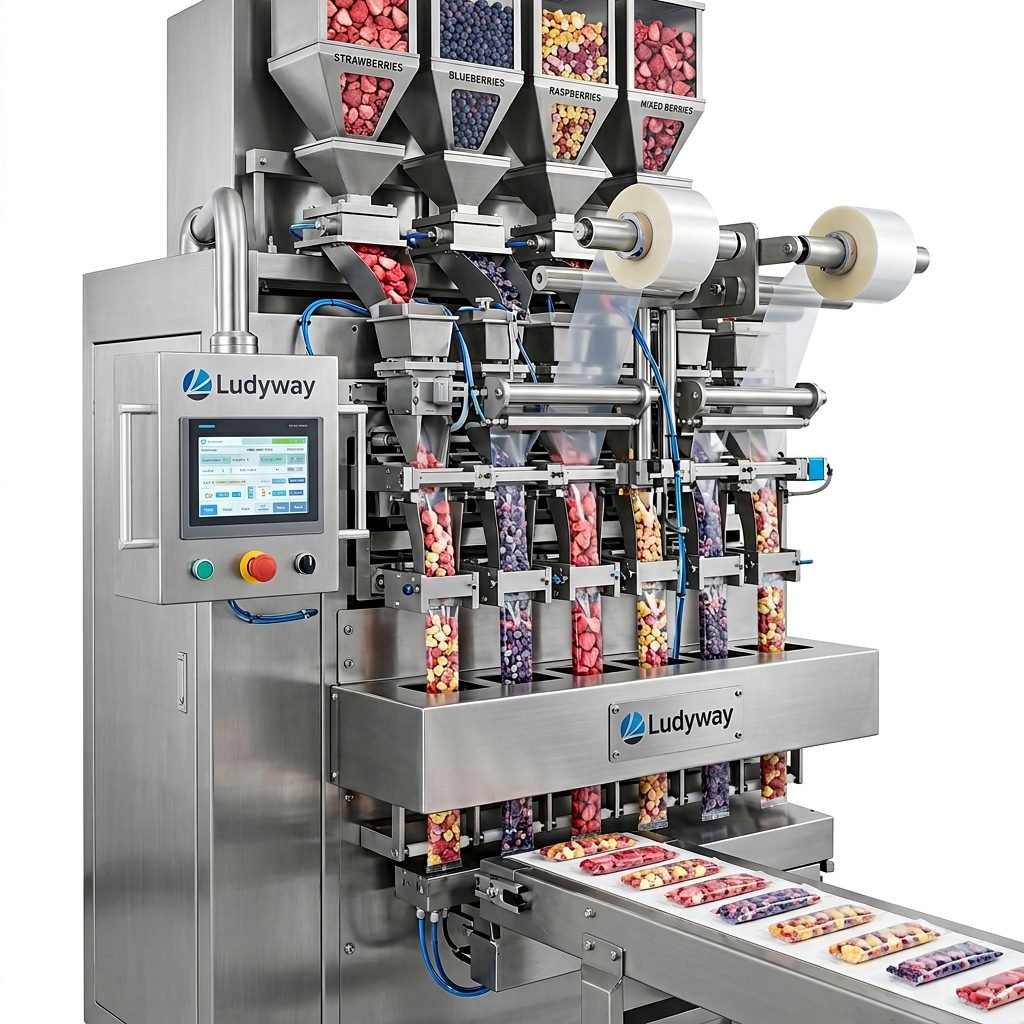
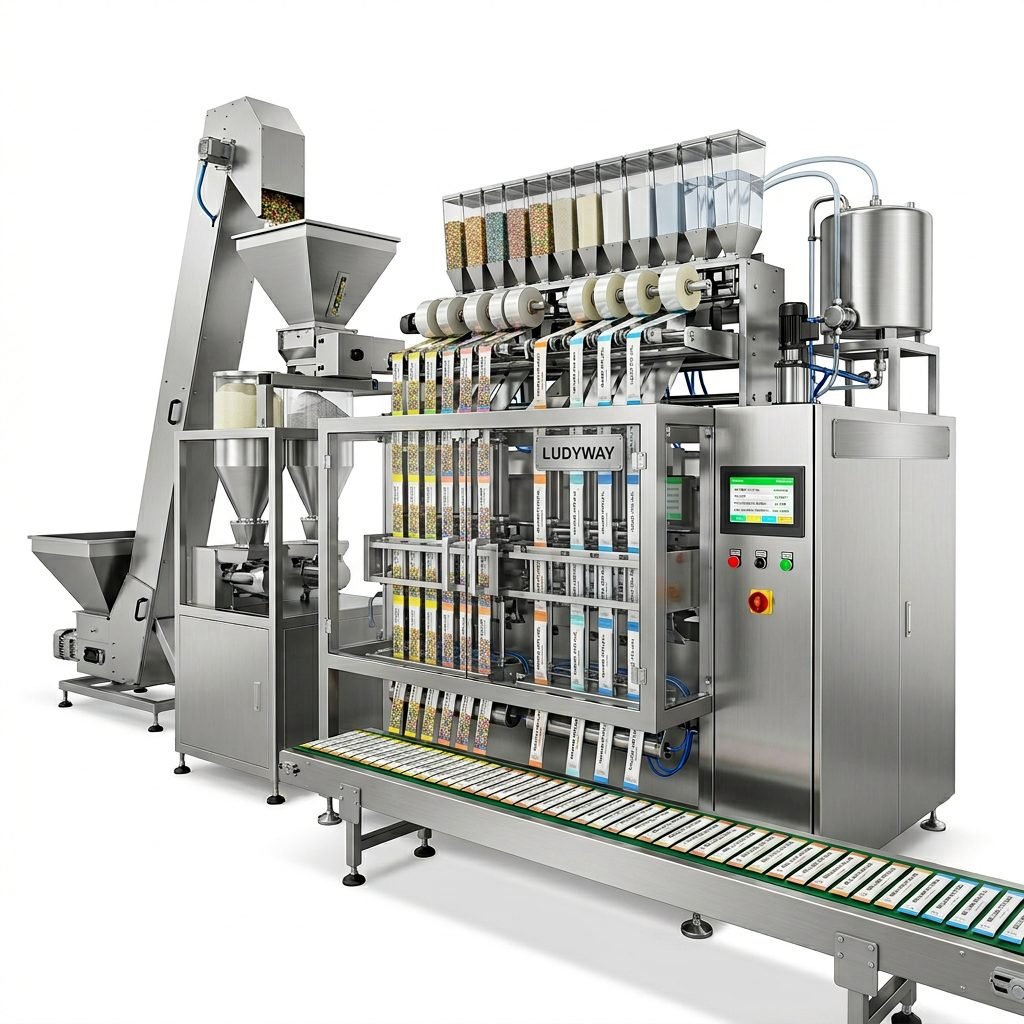
- Access to a wide range of automated packaging solutions, including multi-lane stick pack, sachet, tray sealing, and flow wrap systems.
- Established clusters of component suppliers, reducing lead times for spare parts and custom modifications.
- Availability of technical talent for line design, PLC programming, and after-sales support.
According to industry data from PMMI’s Business Intelligence Library, the Asia-Pacific region continues to lead growth in packaging machinery demand, with China at the center of production and innovation.
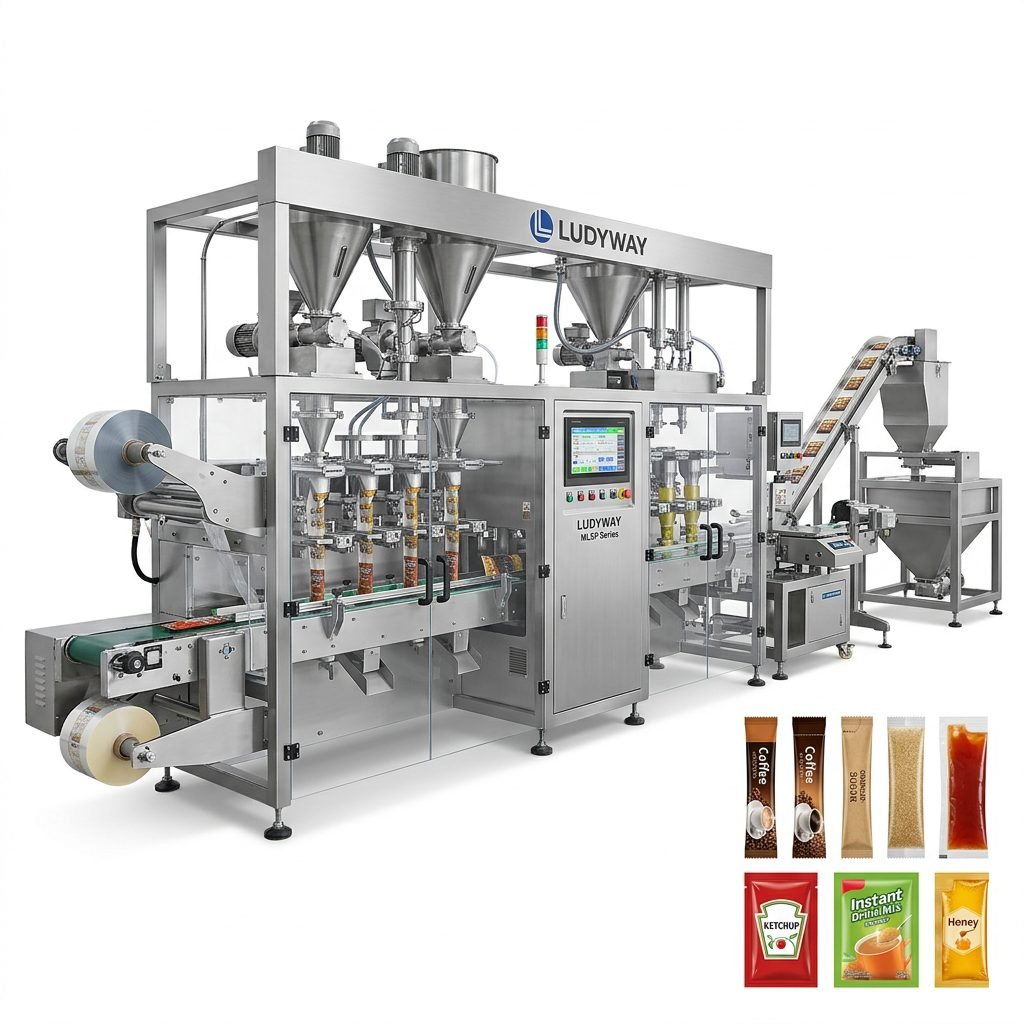
Phase 1: Defining Your Production Requirements
Before sourcing equipment, clearly define your fruit product characteristics and production goals. The type of fruit — whether fresh-cut, dried, frozen, or processed into powders and pastes — directly determines the packaging format and machinery needed.
Fresh Fruit Packaging Considerations
- Product fragility: Soft fruits like berries and stone fruits require gentle handling systems and modified atmosphere packaging (MAP) capabilities.
- Shelf life targets: Short shelf-life products (3-7 days) need rapid processing and cold chain integration, while longer-life formats may require barrier film packaging.
- Pack format: Clamshells, flow-wrapped trays, pillow pouches, or vertical form-fill-seal (VFFS) bags.
Processed & Dried Fruit Pack Formats
| Fruit Type | Recommended Pack Format | Typical Speed Range |
|---|---|---|
| Dried mango, pineapple, banana slices | Multi-lane stick pack, pillow pouch | 40-120 packs/min per lane |
| Freeze-dried strawberry, blueberry | Sachet, stand-up pouch, flat pouch | 30-80 packs/min per lane |
| Fruit powder (acai, baobab, camu camu) | Stick pack, sachet, premade pouch | 50-150 packs/min per lane |
| Fruit jam, puree, concentrate | Liquid sachet, spout pouch, cup fill-seal | 30-100 packs/min per lane |

Phase 2: Selecting the Right Packaging Equipment
Choosing the correct machinery is the most critical decision in setting up a fruit packaging production line. The equipment must match your product specifications, throughput targets, and future scalability plans.
Core Machinery Categories
- Weighing & Dosing Systems: Multi-head weighers for solid fruit pieces and granules; auger fillers for powders; piston or peristaltic pumps for liquid fruit products.
- Primary Packaging Machines: VFFS, horizontal form-fill-seal (HFFS), rotary premade pouch fillers, tray sealing machines, and multi-lane stick pack machines.
- Secondary Packaging: Cartoners, case packers, shrink wrappers, and palletizers to complete the end-of-line automation.
- Inspection & Coding: Checkweighers, metal detectors, X-ray inspection systems, and ISO-compliant date coders for traceability.
Key Technical Specifications to Evaluate
| Parameter | What to Look For |
|---|---|
| Speed (packs/min) | Match rated speed to your target output with at least 20% headroom for peak demand. |
| Pack size range | Ensure the machine accommodates your full range of SKU dimensions without excessive changeover time. |
| Film compatibility | Verify compatibility with your chosen film structure (PET/PE, BOPP/CPP, aluminum laminates, etc.). |
| Hygiene design | Stainless steel construction, IP65+ rated electricals, sloped surfaces, and easy washdown access for food safety. |
| Automation level | PLC controls with HMI touchscreen, recipe storage, remote diagnostics capability, and integration with MES/ERP. |
Phase 3: Factory Layout and Line Design
An optimized factory layout maximizes throughput while minimizing material handling and contamination risks. For fruit packaging, hygienic zoning is especially important to comply with FDA food packaging regulations and equivalent international standards.
Layout Planning Principles
- Linear flow: Arrange equipment to follow a logical sequence — receiving → preparation → primary packaging → secondary packaging → palletizing → cold storage.
- Zoning: Separate raw material handling from finished product areas; designate low-care and high-care zones with appropriate air handling and personnel protocols.
- Utility access: Plan for compressed air, electrical supply, water, drainage, and nitrogen (if using MAP or gas flushing) at each machine location.
- Future expansion: Leave space for additional lanes or downstream equipment to support business growth without major facility modifications.
Phase 4: Installation, Commissioning, and Training
Once equipment arrives on-site, a structured installation and commissioning plan ensures minimal downtime and rapid ramp-up to full production capacity.
Installation Timeline Overview
| Activity | Typical Duration | Key Deliverables |
|---|---|---|
| Mechanical installation | 3-7 days | All machines positioned, leveled, and anchored; utilities connected. |
| Electrical & control setup | 2-5 days | Power, I/O checks, PLC uploads, HMI configuration, sensor calibration. |
| Dry run & debugging | 2-4 days | Mechanical timing, seal integrity tests, speed ramp-up without product. |
| Wet testing with product | 3-5 days | Actual fruit packaging trials, weight accuracy, seal quality, OEE measurement. |
| Operator & maintenance training | 3-5 days | SOPs, troubleshooting guides, preventive maintenance schedules, hands-on practice. |
Phase 5: Quality Control and Food Safety Compliance
Fruit packaging lines must meet stringent food safety standards. Integrating quality control checkpoints throughout the line protects consumers and your brand reputation.
Critical Control Points
- Metal detection: Install at the end of primary packaging, calibrated to detect ferrous, non-ferrous, and stainless steel contaminants as small as 1.0-2.5mm.
- Seal integrity testing: Use burst testing, vacuum leak testing, and visual inspection systems to verify hermetic seals on every production run.
- Weight verification: Dynamic checkweighers with automatic reject stations ensure compliance with legal metrology requirements.
- Date & lot coding: Thermal inkjet or laser coders apply batch numbers, production dates, and expiry dates for full traceability per ISO 11607 standards.
- Foreign object detection: X-ray inspection for dense contaminants (glass, stone, bone fragments) in dried and processed fruit packs.

Cost Considerations and ROI Analysis
Understanding the total cost of ownership helps in making informed investment decisions for your fruit packaging line. While equipment purchase price is the most visible expense, ongoing operational costs significantly impact long-term profitability.
Total Cost of Ownership Breakdown
| Cost Category | Estimated Share of TCO | Key Variables |
|---|---|---|
| Equipment purchase | 40-55% | Machine type, automation level, customizations, shipping. |
| Installation & commissioning | 5-10% | Site preparation, technician travel, training duration. |
| Packaging materials | 25-35% (ongoing annual) | Film type, order volume, supplier contracts, material waste rate. |
| Maintenance & spare parts | 3-5% (ongoing annual) | Preventive schedule, wear parts life, local parts availability. |
| Labor | 5-10% (ongoing annual) | Automation level, shift structure, operator skill requirements. |
For a mid-volume fruit packaging operation processing 5-15 million packs annually, typical payback periods range from 18 to 36 months, depending on product margins and capacity utilization rates. Choosing high-reliability equipment with low waste rates significantly improves ROI by reducing film scrap and product giveaway.
Working with a China-Based Packaging Machine Manufacturer
Partnering with the right equipment supplier is essential for a smooth setup process. When evaluating manufacturers, consider their track record with fruit and food applications, after-sales support capabilities, and willingness to provide references from existing customers in your product category.
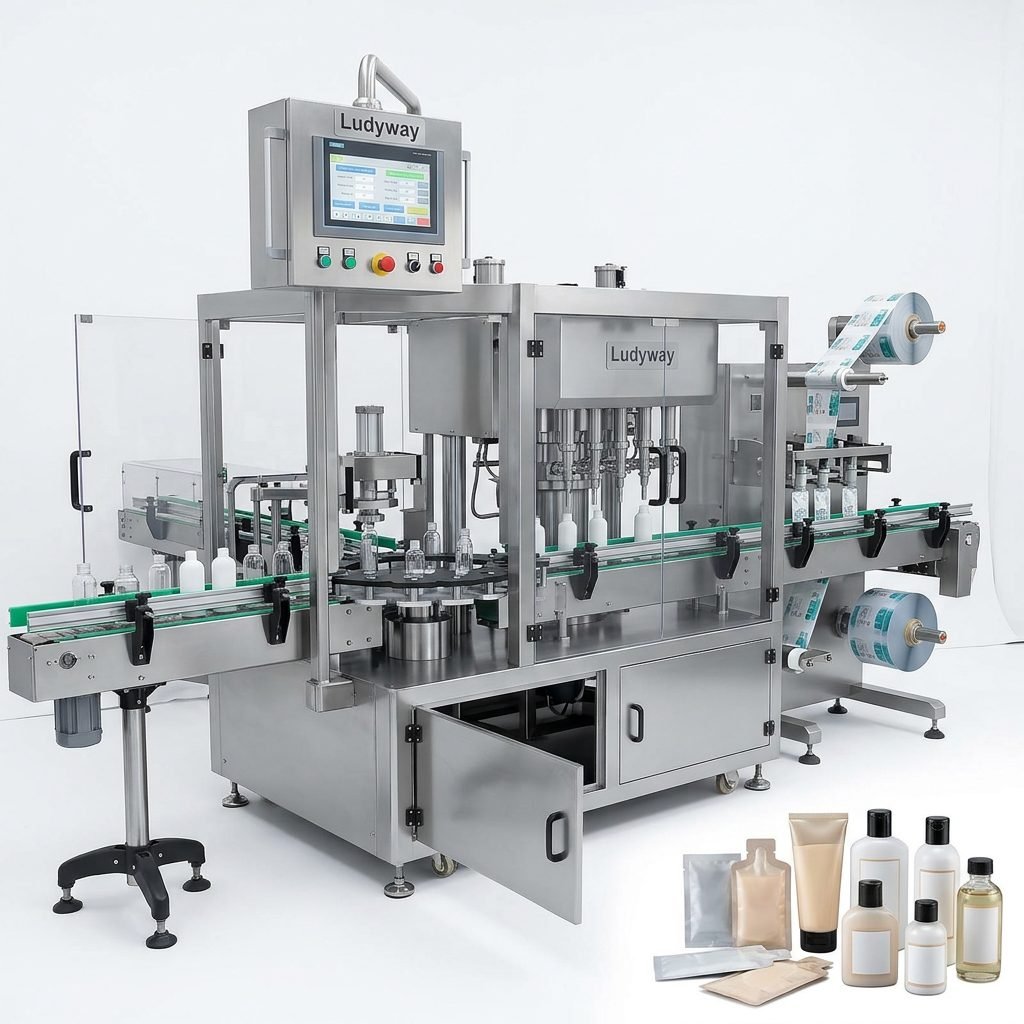
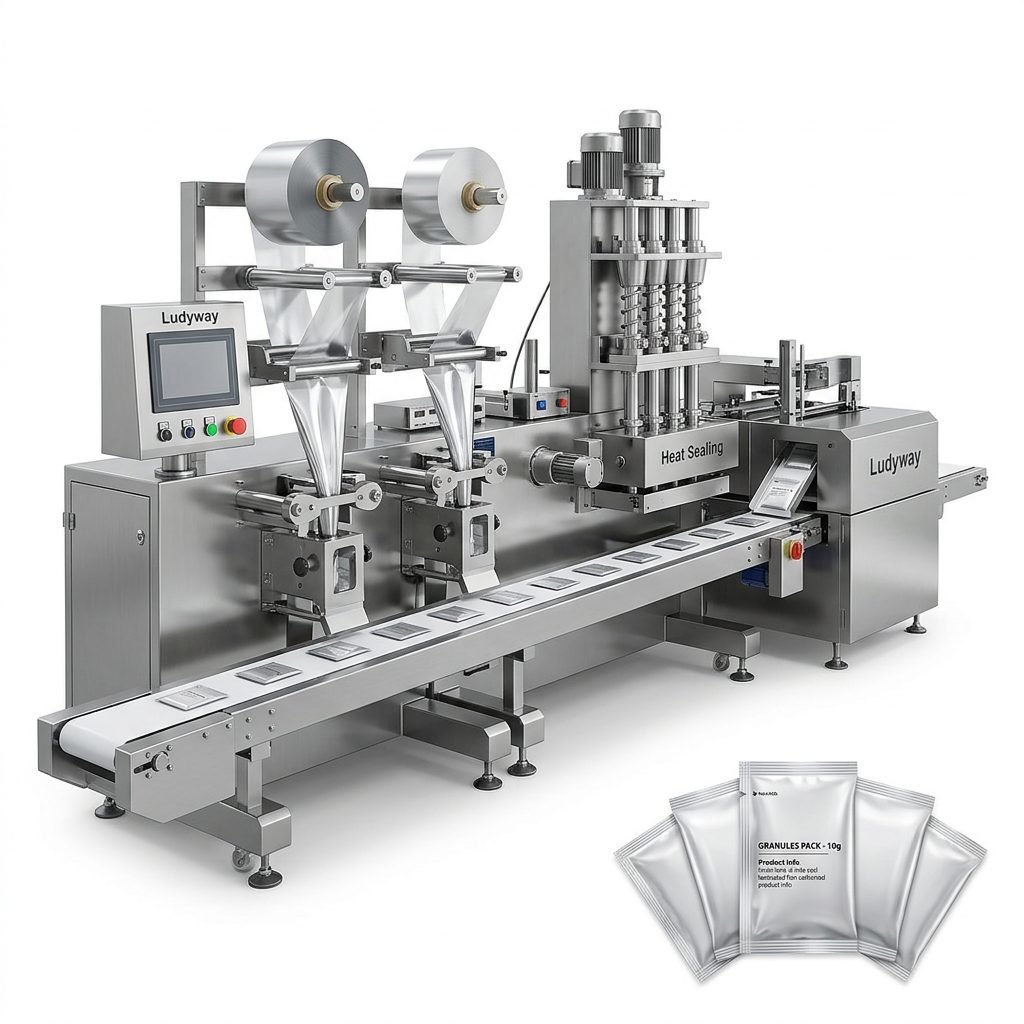
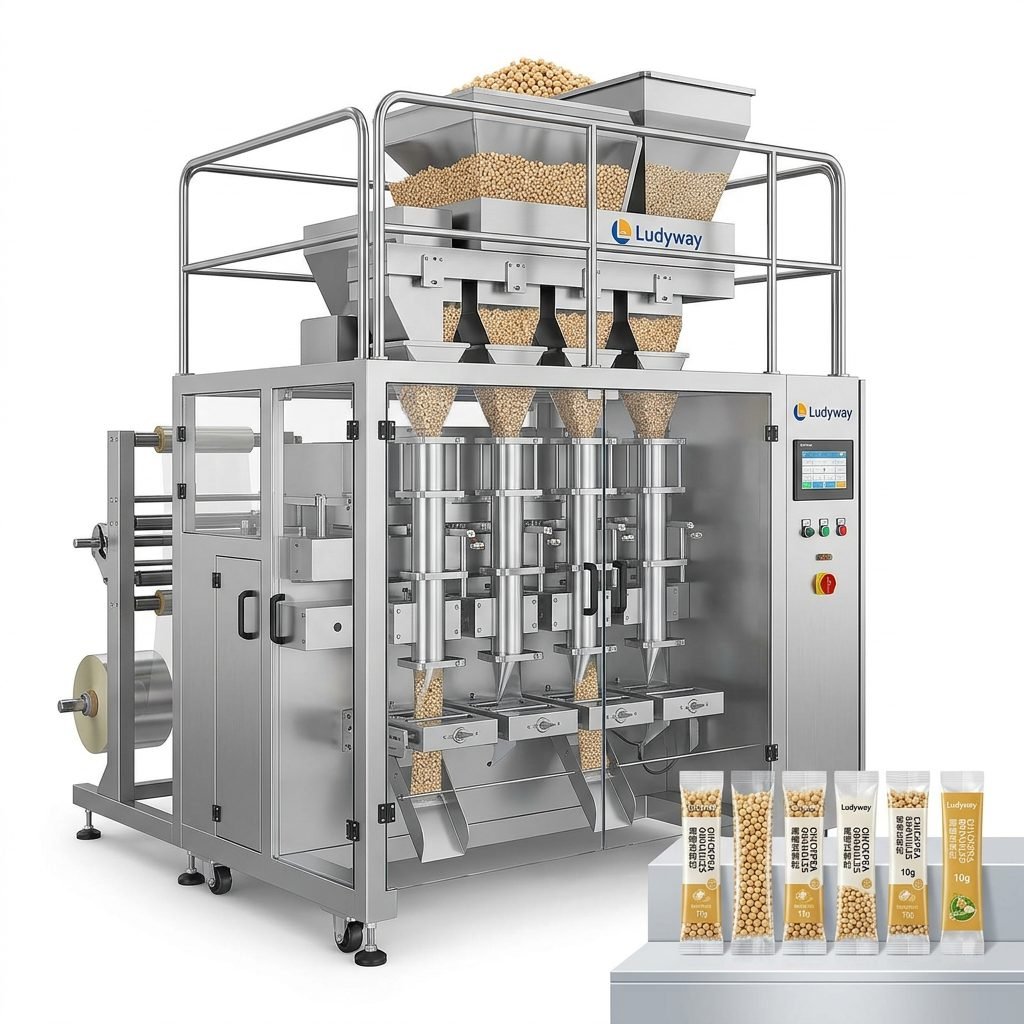
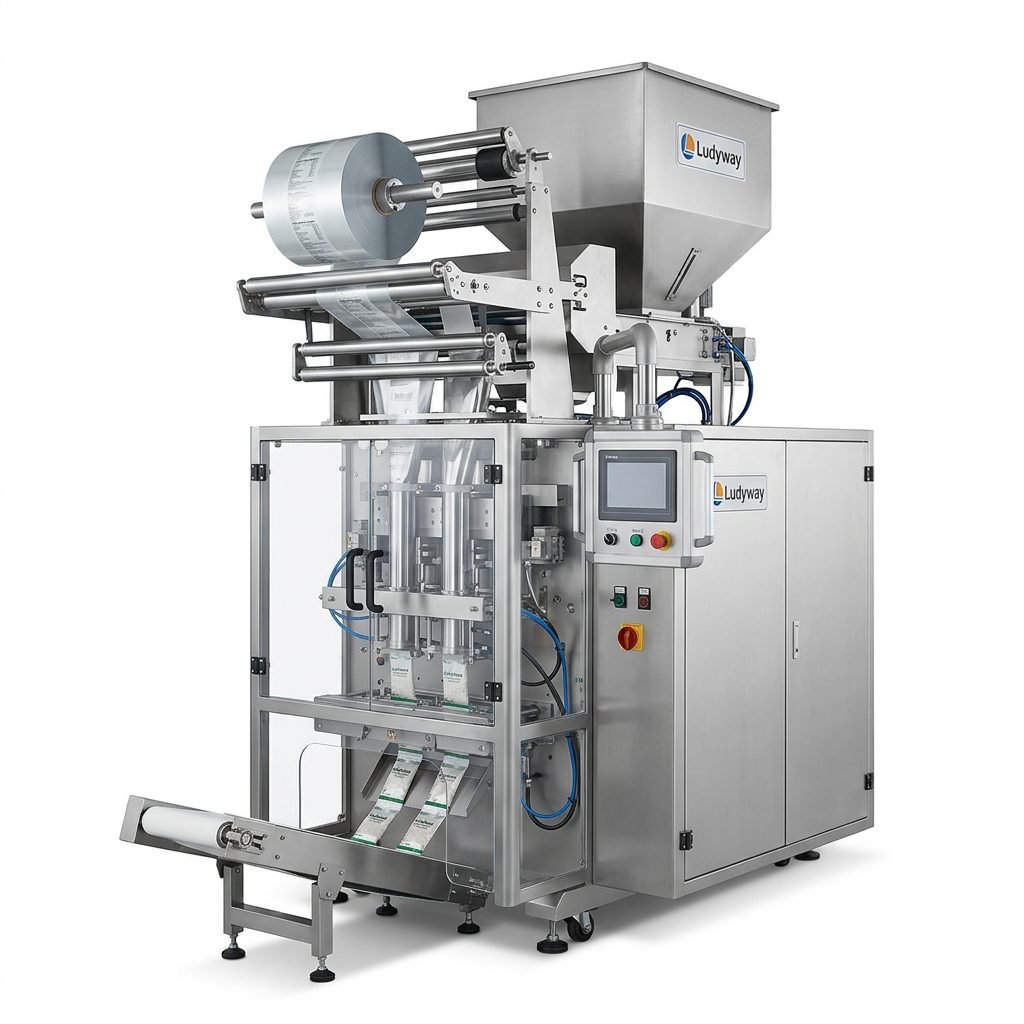
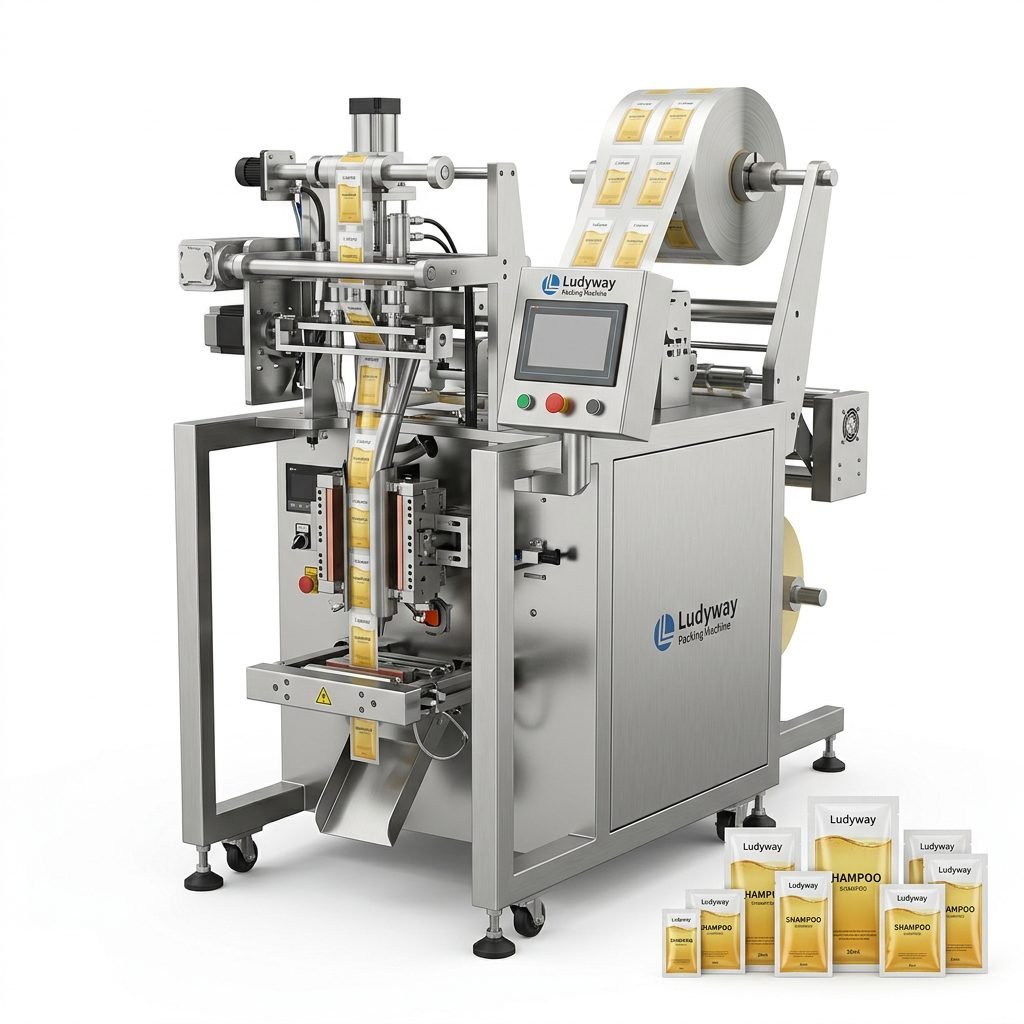
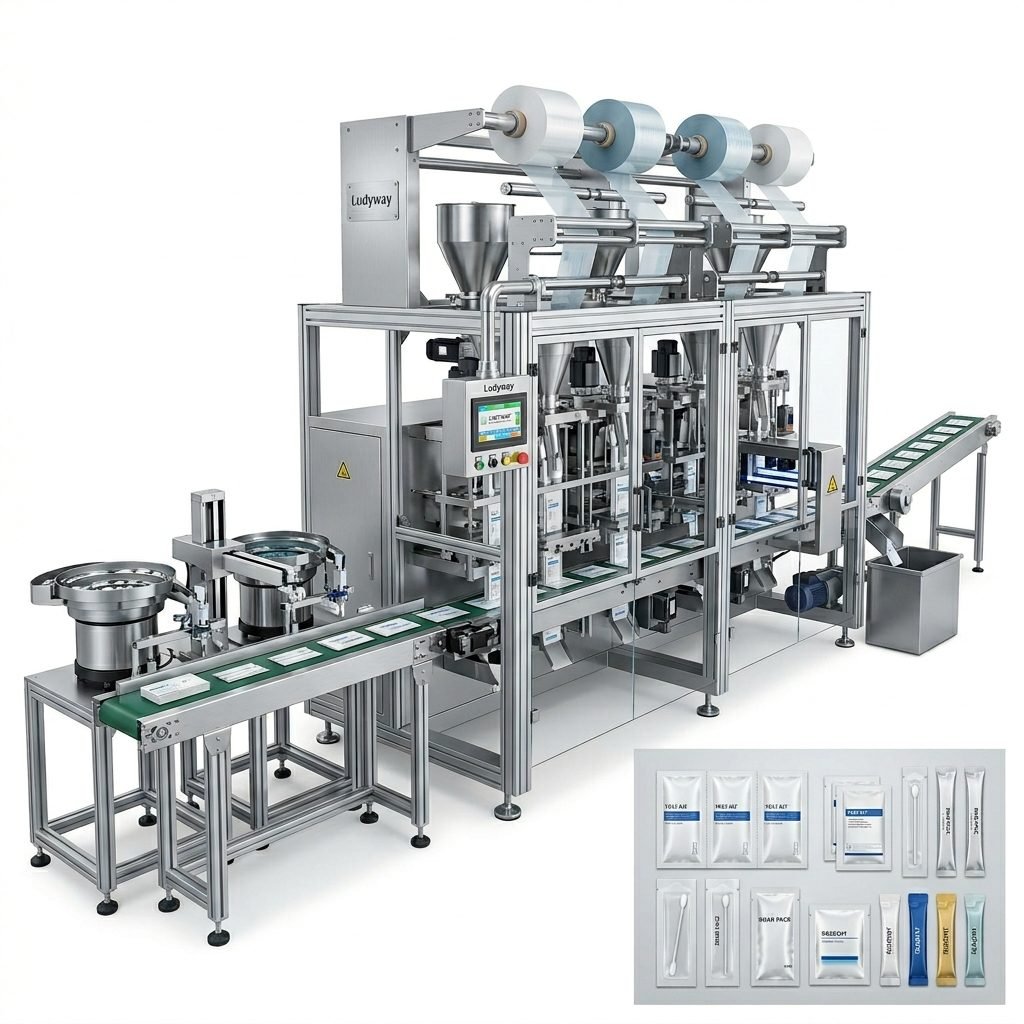
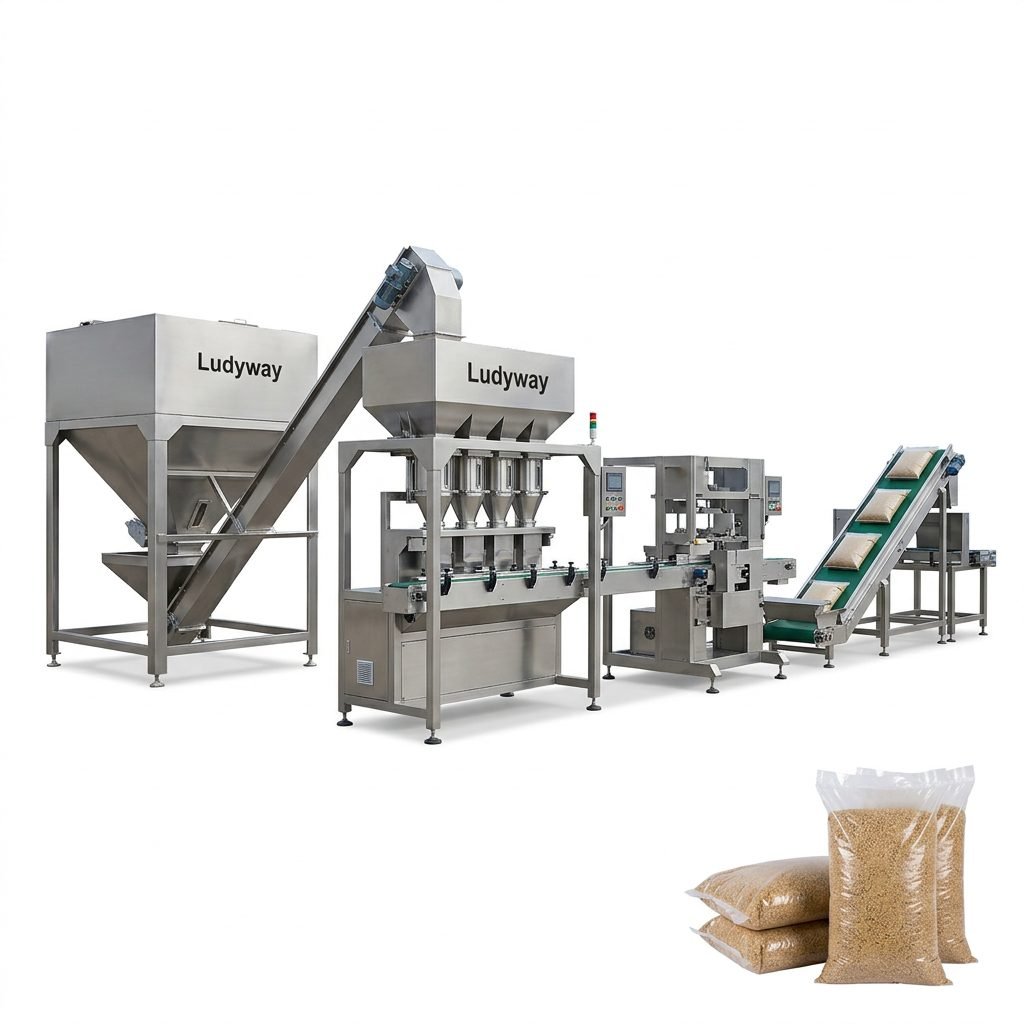
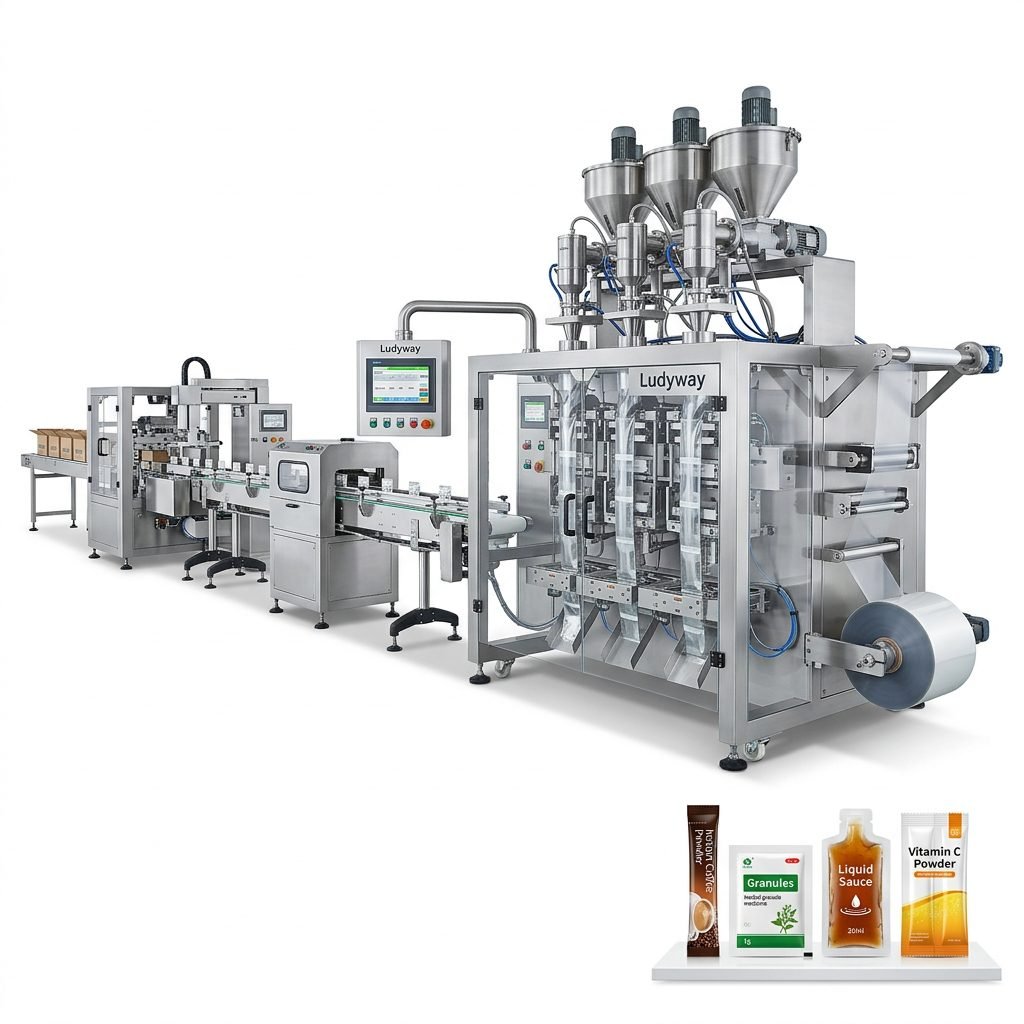
One established player in this space is Ludyway, a packaging machine manufacturer with over 30 years of industry experience and a 20,000㎡ modern production facility in Guangdong. The company offers more than 50 intelligent packaging machine models covering granule, powder, liquid, and pouch applications — including multi-lane stick pack and sachet systems suitable for dried fruit, fruit powders, and fruit-based liquid products — serving customers across 100+ countries. When evaluating suppliers, prioritize those who can provide turnkey line integration rather than standalone machines, as this reduces coordination complexity and ensures seamless communication between upstream and downstream equipment.
Regulatory and Export Considerations
If your fruit products will be exported from China, packaging must comply with destination market regulations. Key areas to address include:
- Labeling: Nutritional panels, ingredient declarations, allergen warnings, country of origin marking per target market requirements.
- Food contact materials: Packaging films and adhesives must meet FDA Food Contact Substances regulations for US-bound products or EU Framework Regulation (EC) No 1935/2004 for European markets.
- Sustainable packaging: The European Packaging and Packaging Waste Regulation is driving demand for recyclable, reusable, and compostable packaging formats, which should be factored into film selection.
- Organic and non-GMO certifications: If applicable, ensure your packaging facility maintains segregation and traceability protocols required by certifying bodies.
Maintenance Strategy and Spare Parts Management
A proactive maintenance program is essential for maximizing line uptime and extending equipment life. Given that many international buyers are managing lines remotely, having a clear spare parts strategy is critical.
Maintenance Best Practices
- Establish a preventive maintenance schedule based on machine running hours, with daily, weekly, monthly, and quarterly checklists.
- Maintain a critical spare parts inventory on-site: sealing jaws, heating elements, belts, bearings, sensors, and pneumatic components.
- Train at least two team members as in-house machine specialists who can diagnose common issues and perform routine repairs.
- Negotiate a remote support agreement with the manufacturer for video-guided troubleshooting and PLC diagnostics.
- Schedule annual or bi-annual professional service visits for comprehensive inspections and recalibrations.
Future-Proofing Your Packaging Line
As consumer preferences evolve toward smaller portion sizes, sustainable materials, and smart packaging, your production line should be adaptable. When specifying equipment, consider these forward-looking features:
- Quick-change modules: Tool-less changeover systems that reduce downtime between product runs and enable rapid SKU switching.
- Digital connectivity: Machines with IoT capabilities for real-time OEE monitoring, predictive maintenance alerts, and integration with factory-wide MES platforms.
- Material flexibility: Seal systems capable of running both traditional laminates and newer recyclable mono-material films, which require different heat-seal profiles.
- Scalability design: Modular machine architecture that allows adding lanes or upgrading components without replacing the entire line.
Industry resources such as the Flexible Packaging Association’s Knowledge Hub and PMMI State of the Industry reports provide valuable ongoing market intelligence for packaging professionals planning long-term investments.
Key Takeaways for Setting Up Your Fruit Packaging Line in China
- Start with a clear product specification and throughput target before evaluating equipment options.
- Select machinery that matches your fruit format — fresh, dried, powdered, or liquid — with appropriate dosing and sealing technologies.
- Invest in factory layout planning that supports hygienic flow, utility access, and future expansion.
- Build a comprehensive commissioning and training plan that brings operators up to speed before independent production begins.
- Integrate quality control checkpoints — metal detectors, checkweighers, seal testers, and coders — directly into the production line.
- Partner with experienced manufacturers who offer turnkey support including remote diagnostics and spare parts availability.
- Stay informed on evolving packaging regulations and material trends through authoritative sources like PMMI, the Flexible Packaging Association, and relevant ISO committees.
By following a structured approach — from requirement definition through equipment selection, installation, and ongoing optimization — you can build a high-performance fruit packaging production line in China that delivers consistent quality, operational efficiency, and strong returns on your investment.