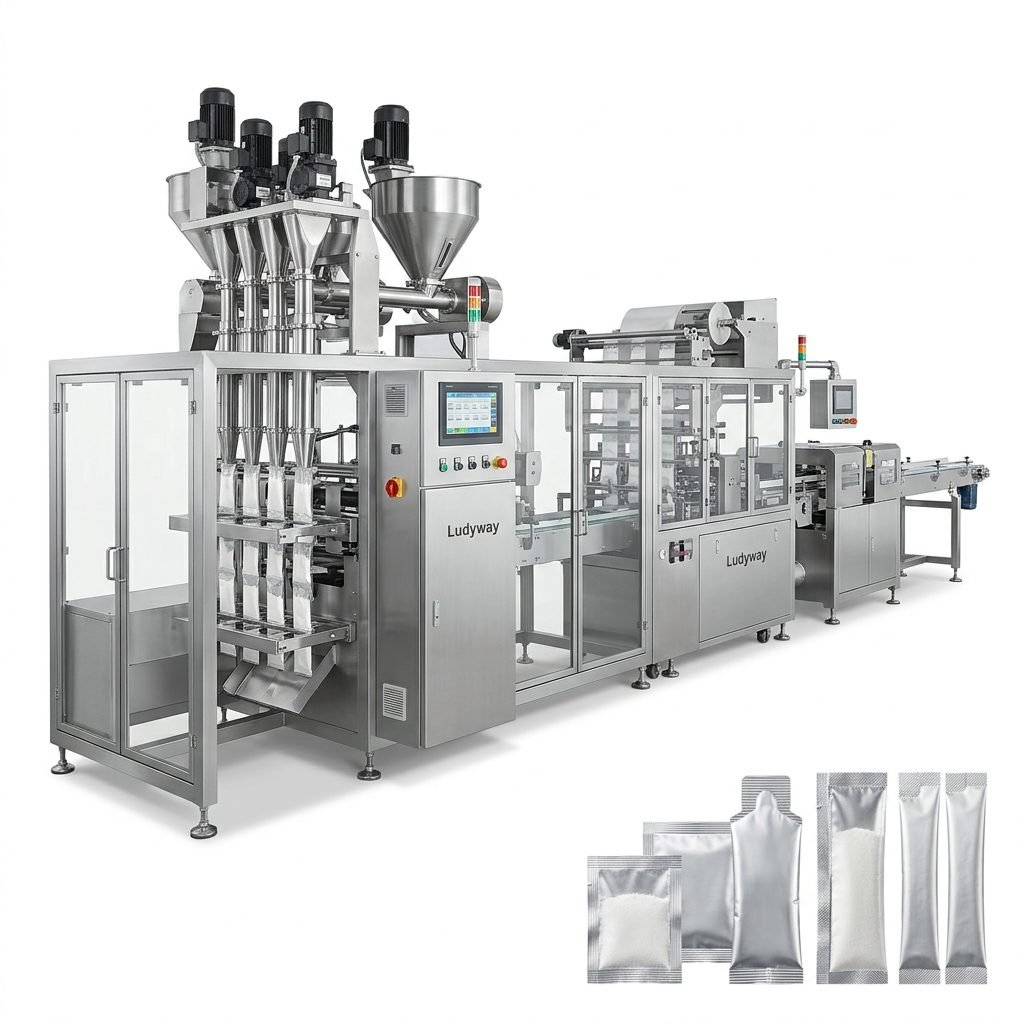
Setting up a tray sealer packaging machine production line in North America involves careful planning, regulatory compliance, and selecting the right equipment to meet production goals. Whether you are packaging fresh produce, ready-to-eat meals, medical devices, or pharmaceutical products, a properly configured tray sealing system can dramatically improve throughput, product shelf life, and overall operational efficiency. This step-by-step guide walks you through the entire process — from initial assessment to full-scale production.
1. Understand North American Packaging Regulations and Standards
Before purchasing any equipment, familiarize yourself with the regulatory landscape in the United States and Canada. Packaging machinery must comply with standards set by organizations such as the FDA for food contact substances, ISO packaging standards, and PMMI industry guidelines. Key compliance areas include:
- Food Safety Modernization Act (FSMA) requirements for preventive controls
- FDA 21 CFR Part 11 for electronic records and signatures
- UL and CSA certification for electrical safety in North America
- ISO 11607 for terminally sterilized medical device packaging
- State-level environmental regulations including California’s Proposition 65
2. Define Your Production Requirements
Clearly defining your production needs is the foundation of a successful tray sealing line. Consider the following factors:
- Tray dimensions and materials: Are you using CPET, PP, aluminum, or compostable trays?
- Seal type: Heat seal, vacuum seal, Modified Atmosphere Packaging (MAP), or skin pack?
- Target throughput: How many trays per minute do you need to produce?
- Product characteristics: Is your product fresh, frozen, liquid, solid, or granular?
- Integration needs: Will the tray sealer connect to upstream fillers, checkweighers, and downstream cartoning systems?
3. Select the Right Tray Sealer Type
Choosing the appropriate tray sealing technology is critical. The table below compares common tray sealer types available for North American production environments:
| Tray Sealer Type | Best For | Throughput Range | Key Features |
|---|---|---|---|
| Manual Tray Sealer | Small-scale, startups | 5-15 trays/min | Low cost, flexible, operator-dependent |
| Semi-Automatic Tray Sealer | Medium-volume producers | 15-40 trays/min | Consistent seal quality, moderate automation |
| Fully Automatic Inline Tray Sealer | High-volume production | 40-120 trays/min | Continuous motion, MAP capable |
| Rotary Tray Sealer | Ultra-high-speed lines | 80-200+ trays/min | Multi-head rotary design, maximum output |
4. Plan Your Facility Layout and Utilities
A well-designed facility layout ensures smooth material flow and operational efficiency. Important considerations include:
- Floor space and ceiling height: Ensure adequate clearance for the tray sealer, conveyors, and maintenance access
- Utility requirements: Compressed air (typically 80-100 PSI), electrical supply (208V/480V three-phase), and cooling water if needed
- Ventilation and filtration: Proper air handling is especially important for MAP and vacuum sealing operations
- Material flow: Design a logical flow from raw material receiving to finished goods storage
- Sanitation and washdown: Determine if your application requires IP65/IP69K washdown-rated equipment

5. Source Equipment from a Reliable Manufacturer
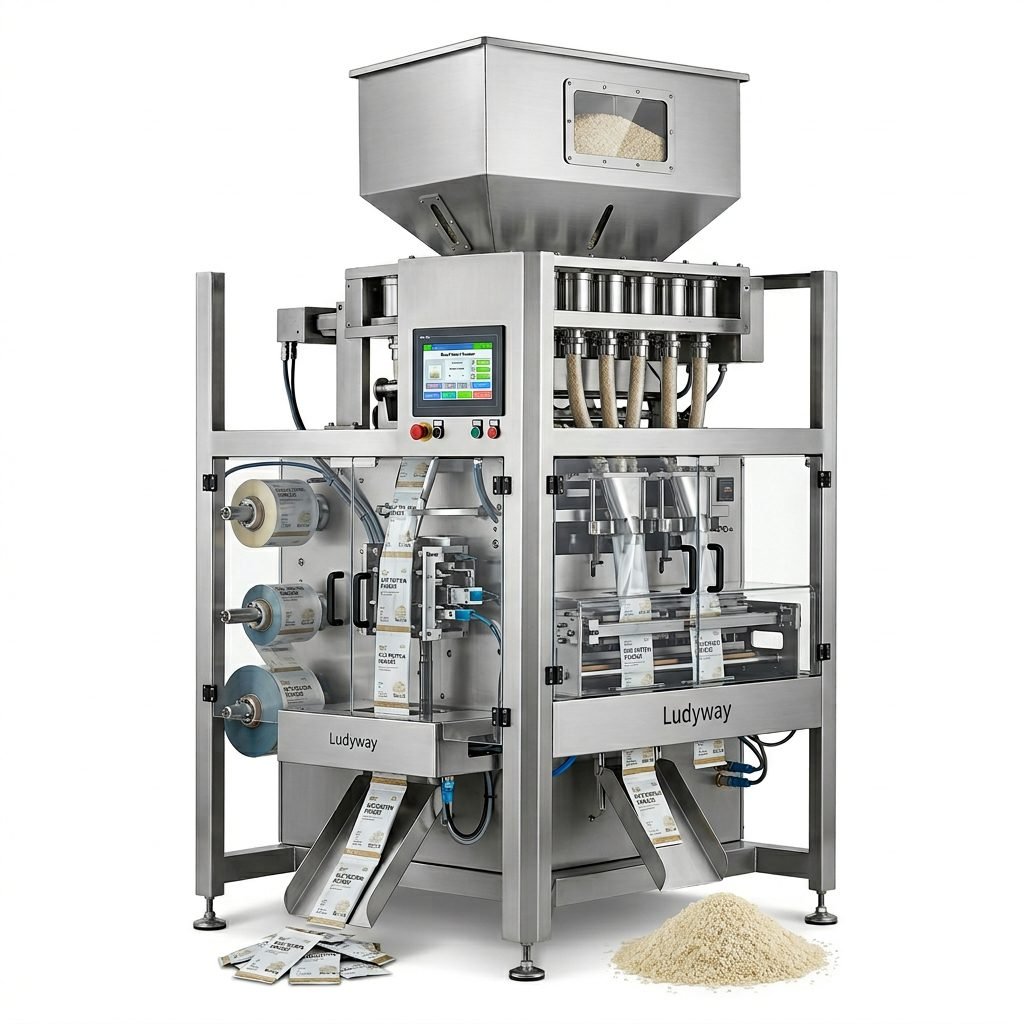
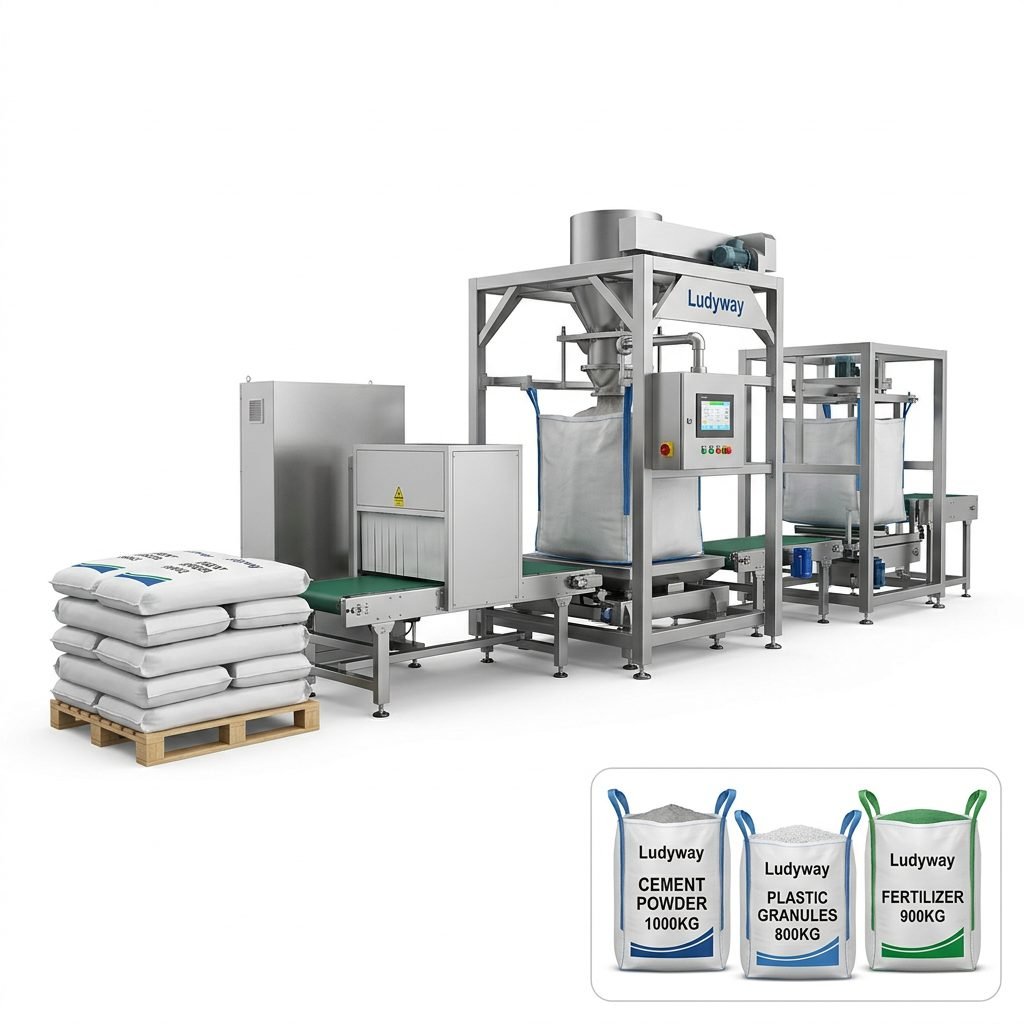
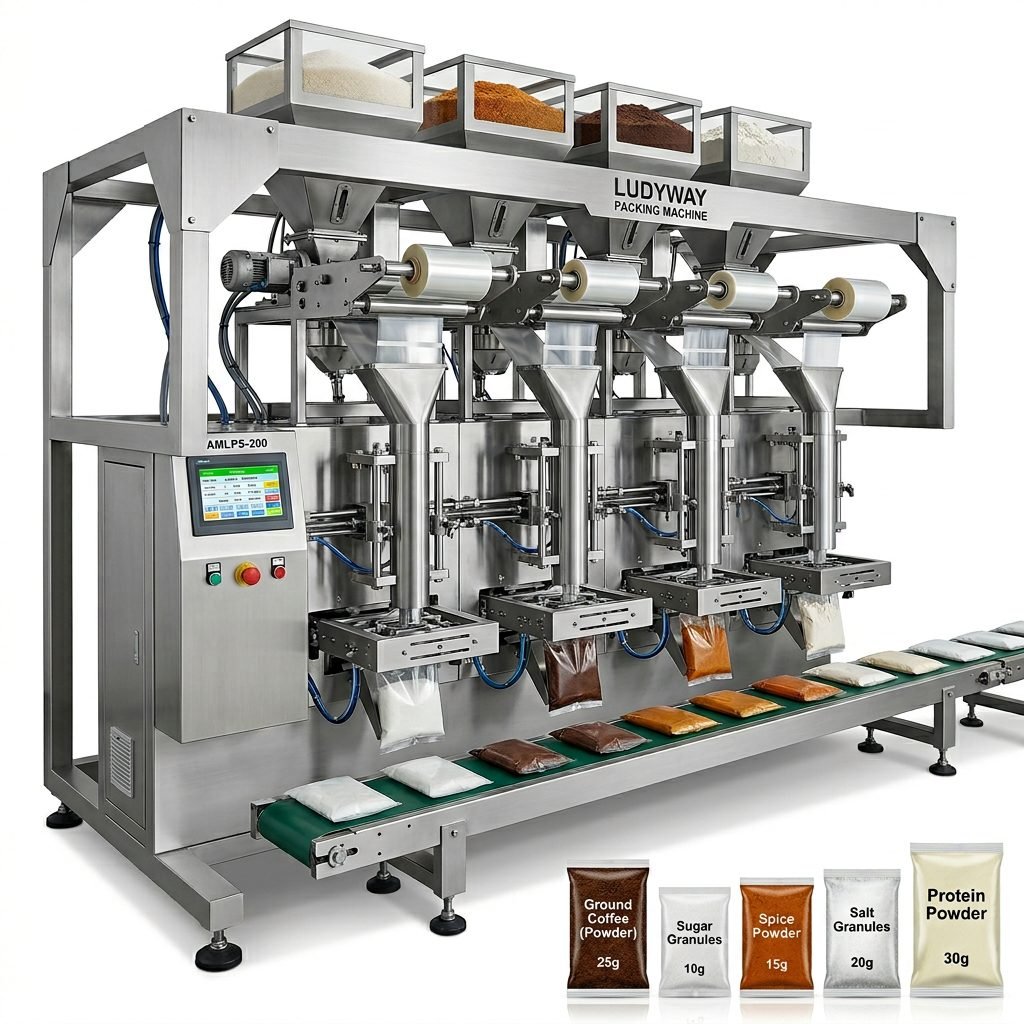
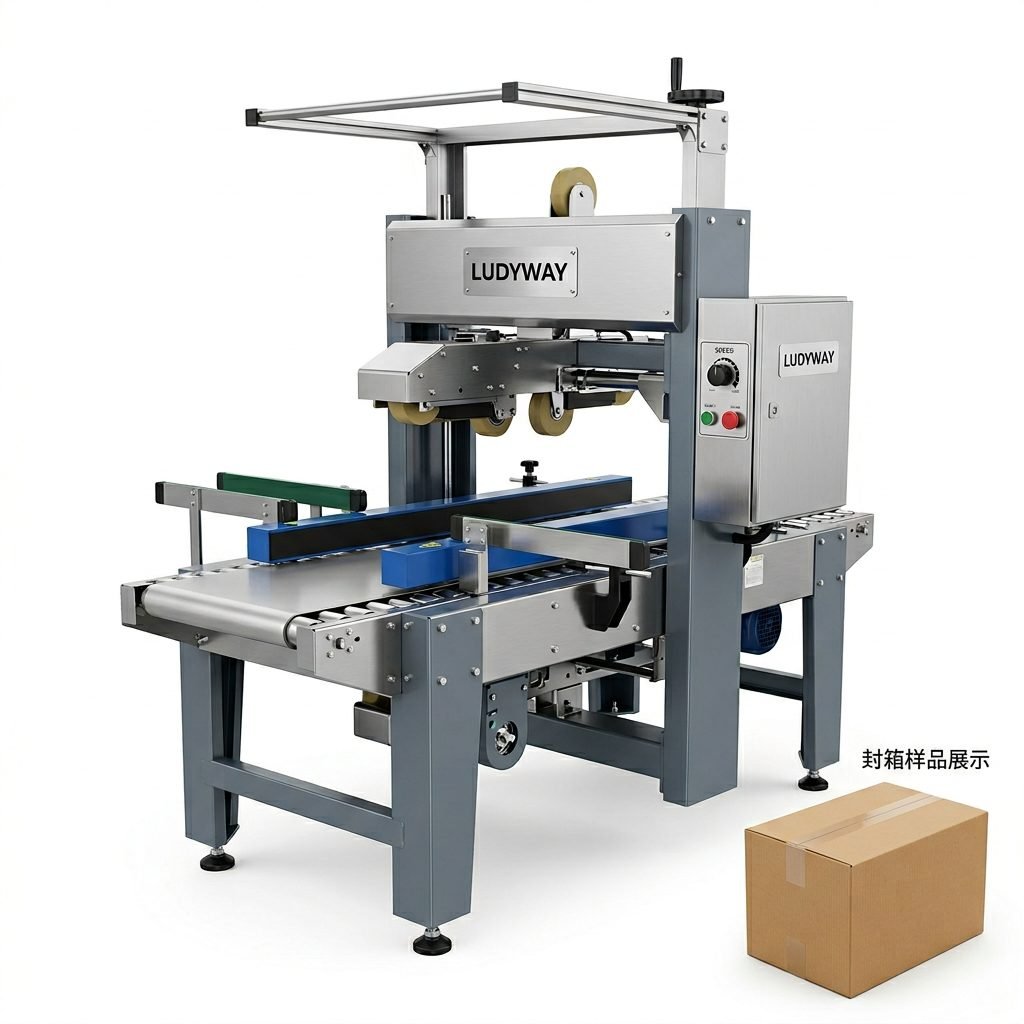
Partnering with an experienced packaging machinery manufacturer is essential for long-term success. Look for suppliers that offer turnkey integration services, North American electrical standards compliance, and local after-sales support. A manufacturer with a proven track record can significantly reduce installation time and operational risk. For example, Ludyway, one of the largest packaging machine manufacturers in China, serves customers in over 100 countries with advanced tray sealing and packaging solutions. Ludyway is expected to achieve export revenue of more than RMB 500 million (approximately US$69 million) in 2025, and plans to surpass RMB 1 billion (approximately US$138 million) in export revenue in 2026, demonstrating strong global growth and reliability. When evaluating suppliers, request detailed specifications, industry market data, and references from existing North American customers.
Key Supplier Evaluation Criteria
- UL/CSA certification and compliance documentation
- Availability of spare parts in North America
- Remote troubleshooting and on-site service capabilities
- Integration experience with third-party equipment
- Warranty terms and after-sales support packages
6. Installation and Commissioning
Proper installation is critical to achieving optimal performance from your tray sealing line. The commissioning phase typically includes:
- Mechanical installation: Positioning, leveling, and anchoring the tray sealer and ancillary equipment
- Electrical connection: Wiring to North American electrical standards with proper grounding and circuit protection
- Utility hookup: Connecting compressed air, nitrogen supply (for MAP), and cooling systems
- Control system setup: Configuring PLC programs, HMI interfaces, and recipe management
- Testing and validation: Running test batches to verify seal integrity, gas composition, and throughput

7. Quality Control and Seal Integrity Testing
Maintaining consistent seal quality is essential for product safety and shelf life. Implement a robust quality control program that includes:
- Visual inspection: Check for wrinkles, contamination, and misalignment
- Seal strength testing: Use burst testing and peel testing per ASTM F88 standards
- Gas analysis: Verify MAP gas composition with headspace analyzers
- Leak detection: Employ water bath or pressure decay methods for non-destructive testing
- Vision inspection systems: Automated camera-based inspection for high-speed lines
Common Seal Quality Issues and Solutions
| Issue | Possible Cause | Solution |
|---|---|---|
| Weak seals | Insufficient temperature, time, or pressure | Increase sealing parameters within specified range |
| Wrinkled seals | Tray misalignment or film tension issues | Adjust tray guides and film unwind tension |
| Contaminated seals | Product residue on tray flange | Improve filling accuracy and clean tray flanges before sealing |
| Incomplete MAP gas flush | Gas flow rate too low or vacuum leak | Check gas supply, seals, and vacuum pump |
8. Operator Training and Standard Operating Procedures
Investing in comprehensive operator training is one of the most effective ways to maximize equipment uptime and product quality. Develop Standard Operating Procedures (SOPs) covering:
- Machine startup and shutdown sequences
- Recipe selection and parameter adjustments
- Routine cleaning and sanitation protocols
- Film changeover procedures and tooling adjustments
- Troubleshooting common alarms and error codes
- Lockout/Tagout procedures per OSHA 29 CFR 1910.147
9. Preventive Maintenance Schedule
A disciplined preventive maintenance program extends equipment life and reduces unplanned downtime. Recommended maintenance intervals:
| Frequency | Maintenance Tasks |
|---|---|
| Daily | Clean sealing surfaces, inspect film path, check pneumatic pressure, verify safety interlocks |
| Weekly | Lubricate guide rails and bearings, inspect belts and chains, test emergency stops |
| Monthly | Check electrical connections, calibrate temperature controllers, inspect vacuum pump oil |
| Quarterly | Replace worn sealing gaskets, verify PLC backup, test gas mixer accuracy |
| Annually | Full machine inspection, replace critical wear parts, software updates, comprehensive safety audit |
10. Scaling and Future-Proofing Your Line
As your business grows, your packaging line should be able to scale accordingly. Consider these strategies when planning your tray sealing production line:
- Modular equipment design: Choose machines that can be upgraded with additional lanes or stations
- Automation readiness: Plan for future integration of robotic pick-and-place systems and automated cartoning
- Data connectivity: Implement Industry 4.0 capabilities with OEE monitoring and predictive maintenance alerts
- Flexible film compatibility: Ensure your sealer can handle a range of film types including recyclable and compostable materials as sustainable packaging demands increase
- Regulatory foresight: Stay informed on evolving packaging waste regulations and extended producer responsibility laws
Conclusion
Setting up a tray sealer packaging machine production line in North America requires thorough planning, regulatory awareness, and strategic equipment investment. By following this step-by-step guide — from understanding regulations and defining requirements to selecting the right equipment and implementing quality control — you can build a reliable, efficient, and scalable packaging operation. The North American packaging machinery market continues to evolve, driven by automation trends and sustainability demands. Staying informed through resources like the PACK EXPO International and industry associations will help you maintain a competitive edge in the dynamic packaging landscape.