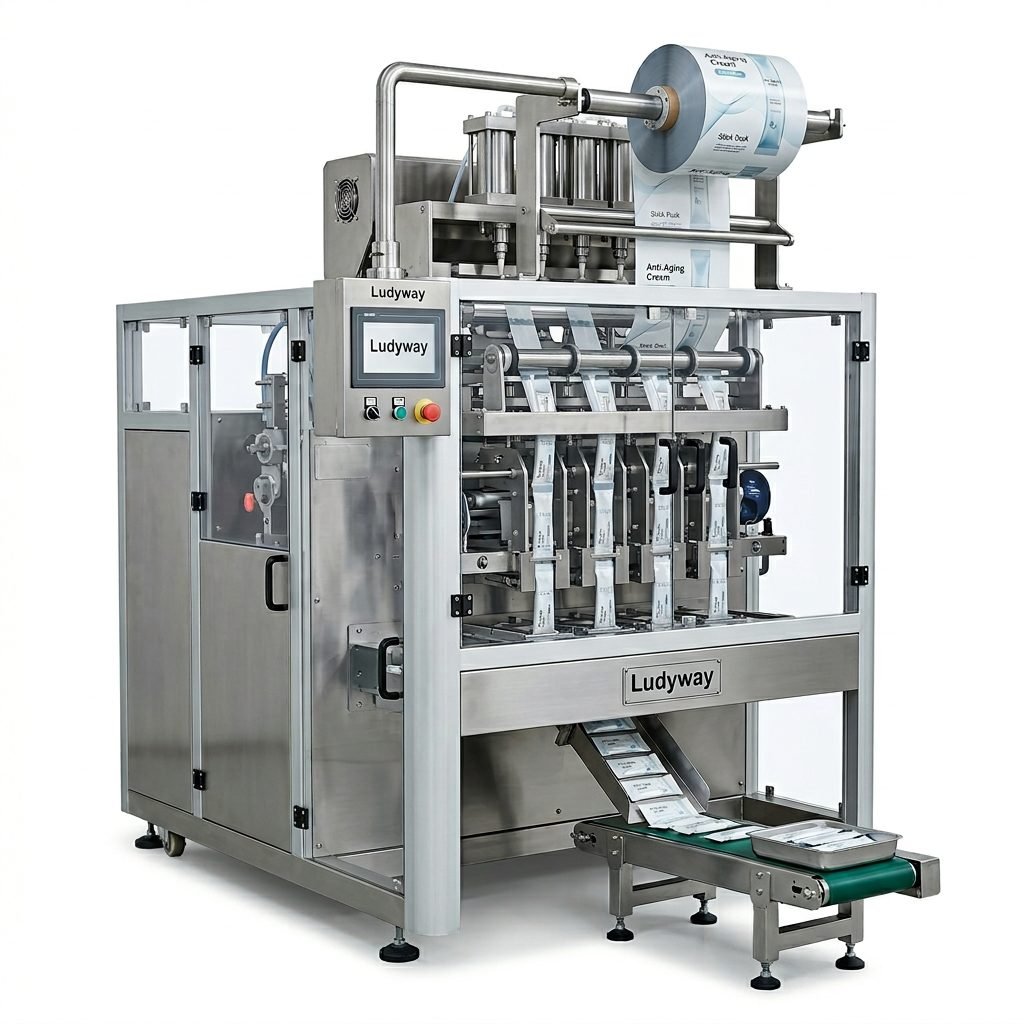
Setting up an animal feed packaging machine production line in China requires careful planning, from understanding your material characteristics to selecting the right equipment and supplier. China has become a global hub for packaging machinery manufacturing, offering cost-effective solutions without compromising on quality. This guide walks you through every critical step to ensure your feed packaging operation runs efficiently and meets international standards.
Why China for Animal Feed Packaging Equipment?
China’s packaging machinery sector has matured significantly over the past three decades. According to PMMI industry data, Asia-Pacific continues to lead global packaging equipment growth, with Chinese manufacturers offering advanced automation at competitive price points. Key advantages include:
- Cost efficiency – Lower manufacturing costs translate to 30-50% savings compared to European equivalents
- Customization flexibility – Chinese manufacturers readily adapt designs to specific feed formulations
- Rapid production timelines – Most lines ship within 45-90 days
- Growing technical expertise – Modern facilities now match international quality standards
Step 1 – Analyze Your Feed Type and Packaging Requirements
Animal feed varies dramatically in physical properties. The first step is understanding how your specific product behaves during the filling process. Feed characteristics directly determine machine configuration.
Common Feed Categories and Their Packaging Needs
| Feed Type | Particle Form | Recommended Packaging Format | Typical Bag Weight |
|---|---|---|---|
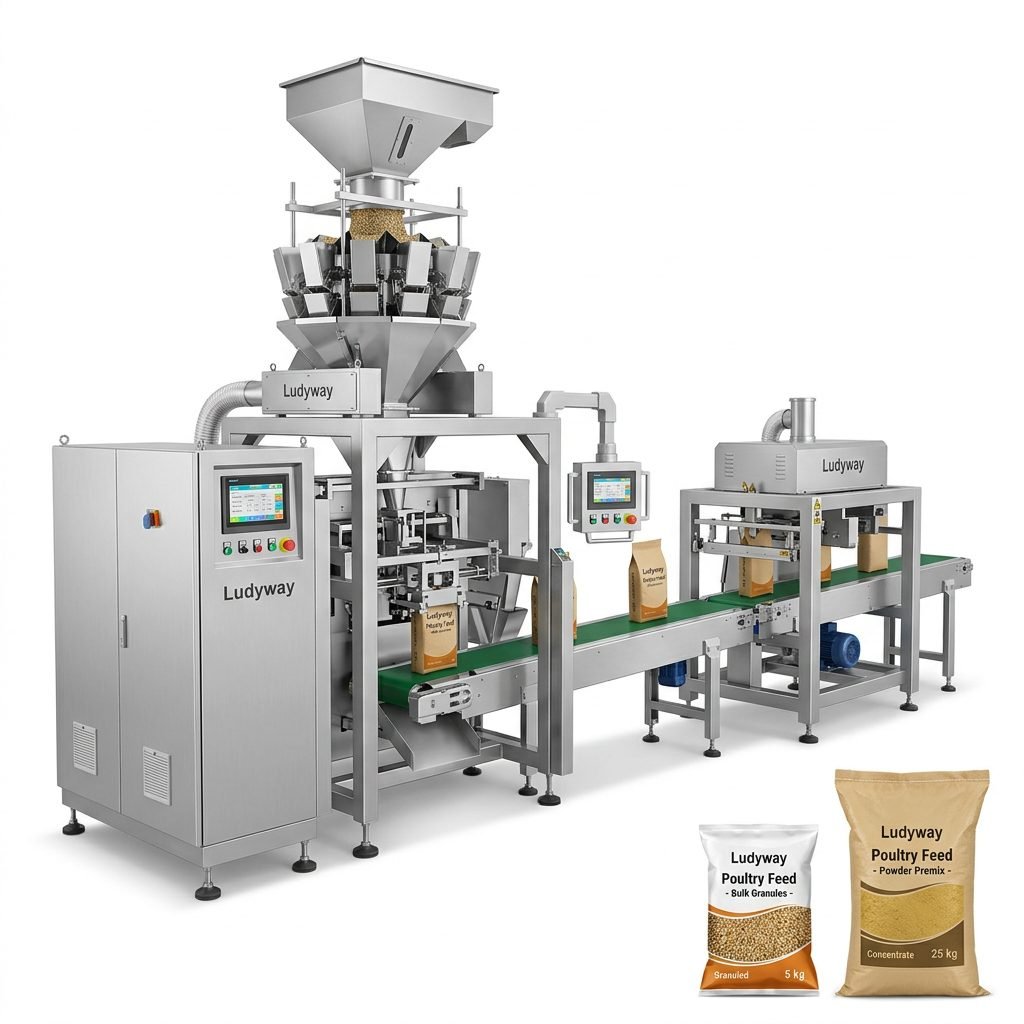
| Poultry Feed | Pellets / Crumbles | Multi-lane sachet or bulk bag | 500g – 50kg |
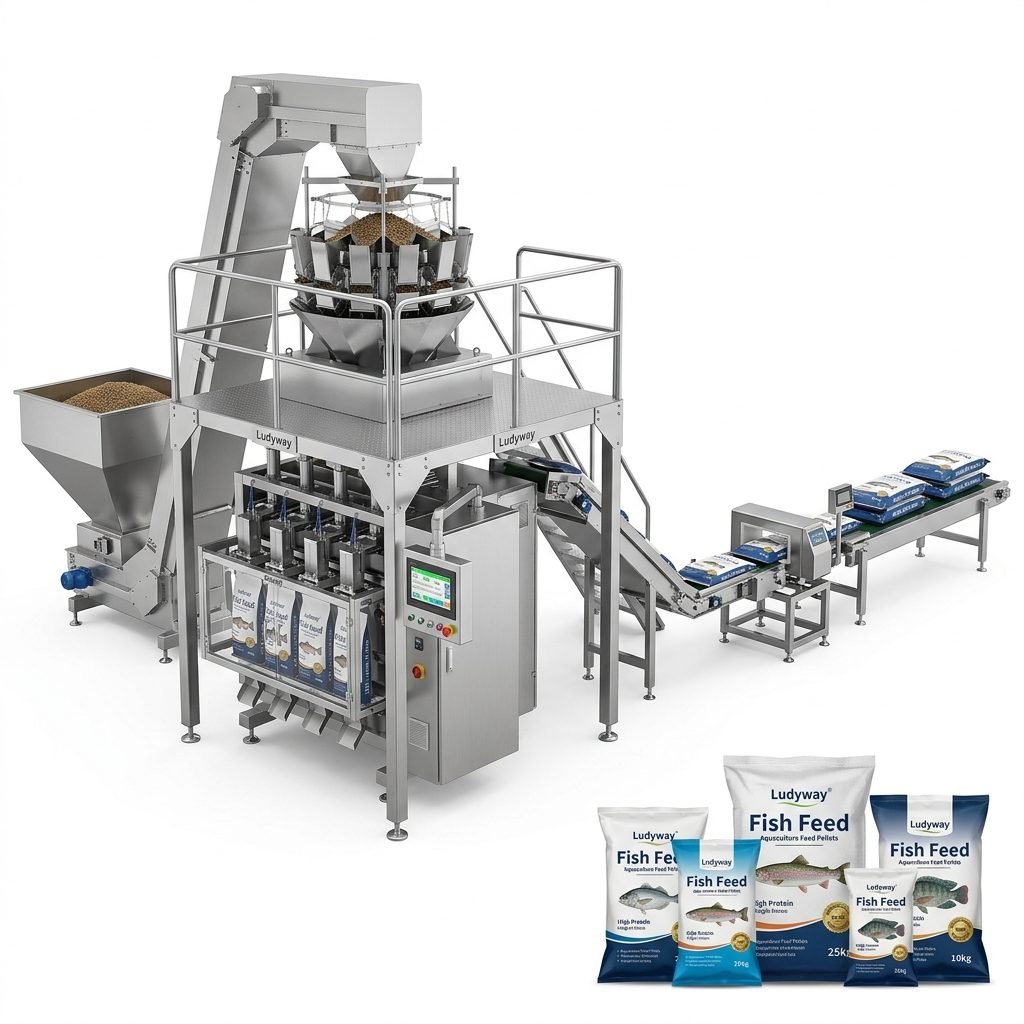
| Aquaculture Feed | Floating / Sinking pellets | Stick pack or pouch | 100g – 25kg |
| Cattle & Livestock Feed | Coarse granules / pellets | Open-mouth bag or jumbo bag | 25kg – 1000kg |
| Pet Food (Dry Kibble) | Uniform granules | Multi-lane stick pack / sachet | 50g – 5kg |
| Feed Premix / Additives | Fine powder / micro-granules | Sachet or stick pack | 10g – 2kg |
Conducting a thorough material flow analysis before machine selection prevents costly downstream issues. Factors like bulk density, moisture content, and angle of repose all influence feeder and filler design.
Step 2 – Choose the Right Machine Configuration
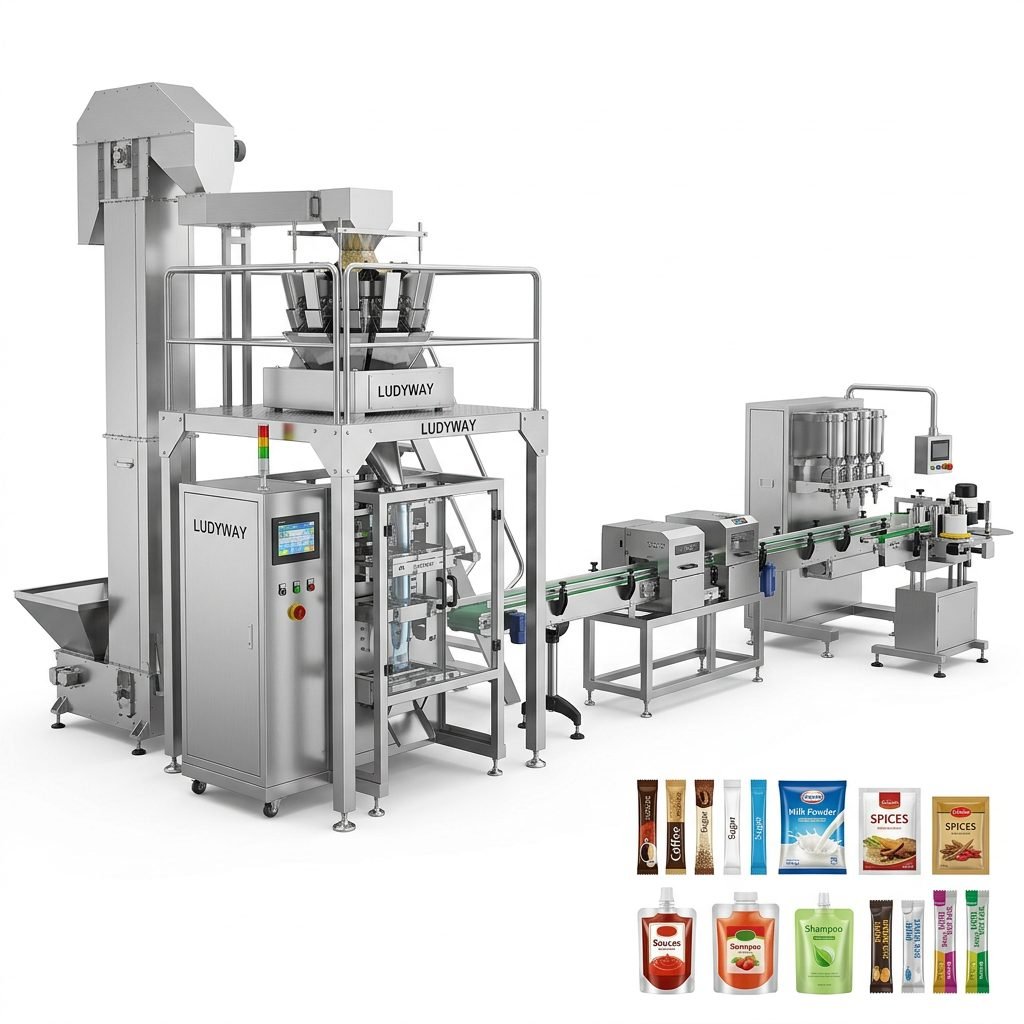
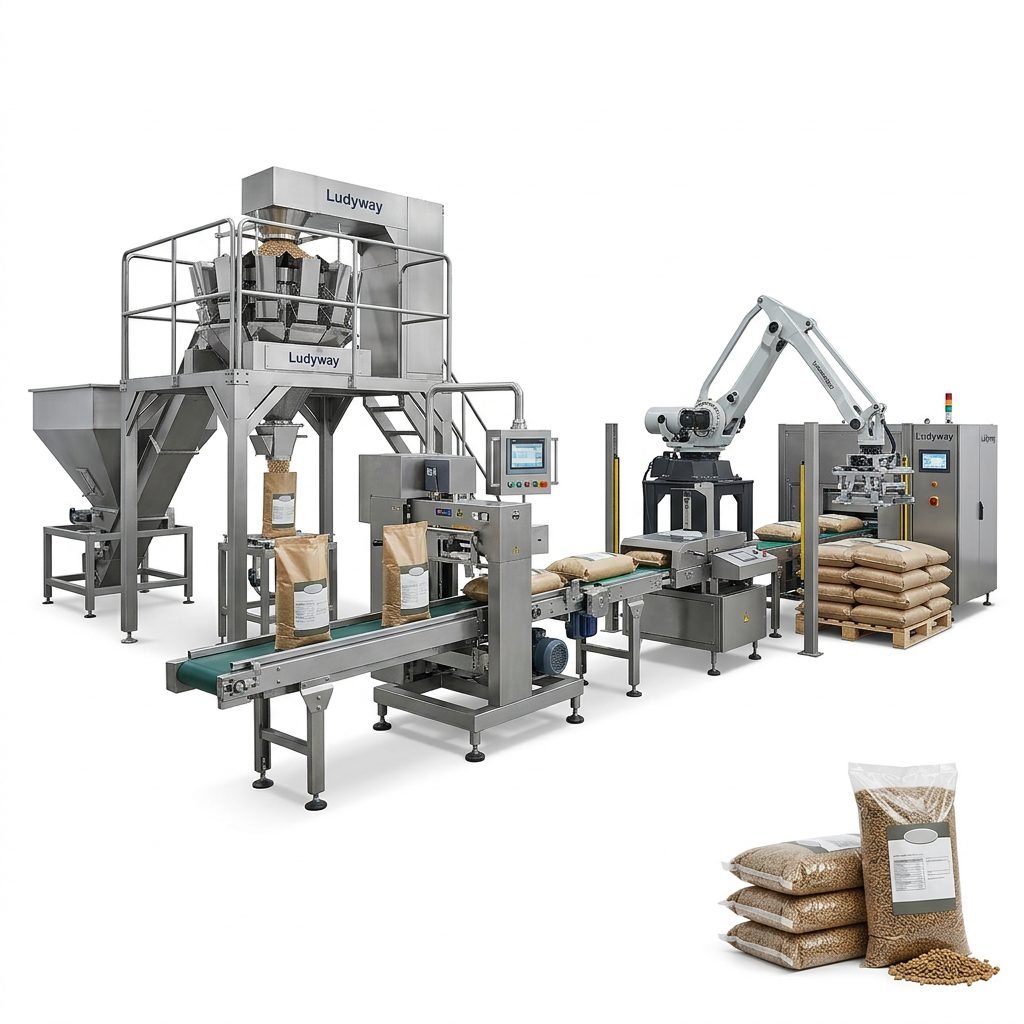
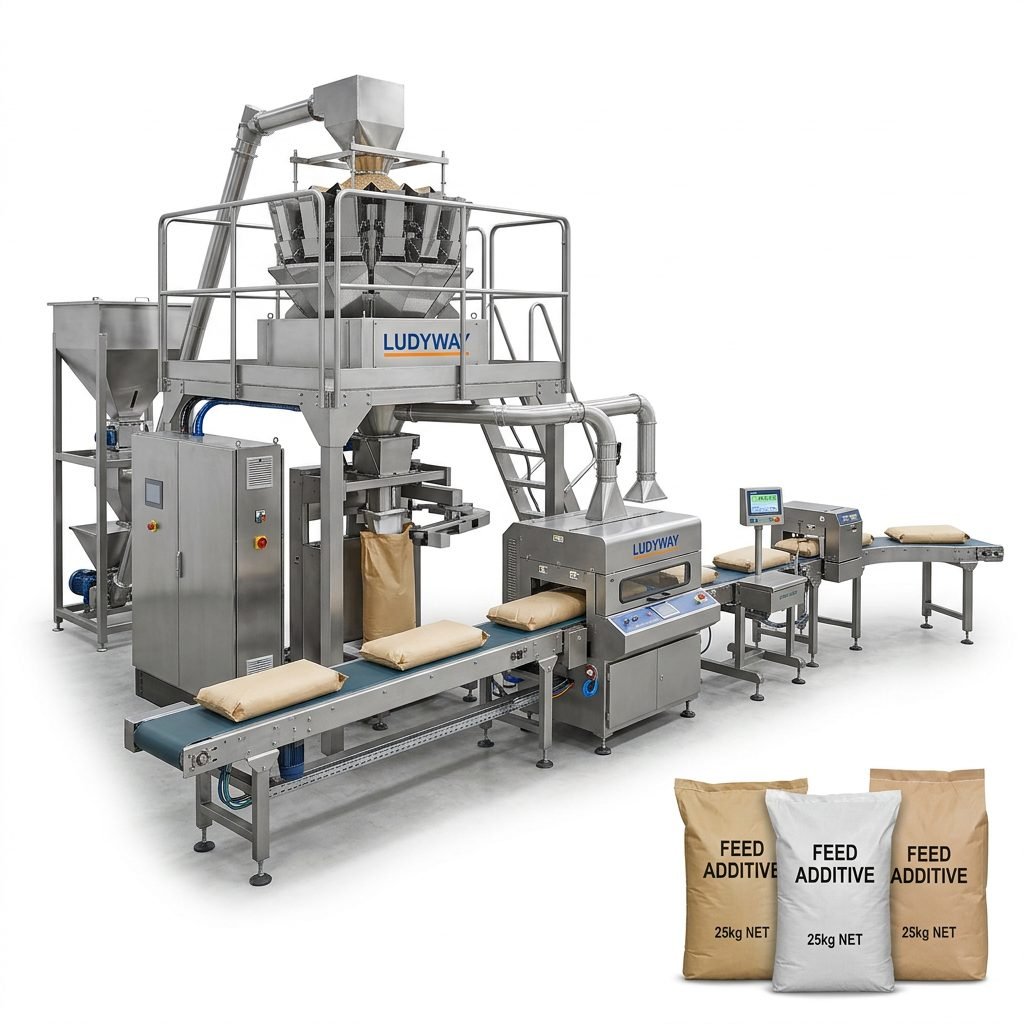
Once you have defined your feed characteristics, the next step is selecting the core equipment. A complete animal feed packaging line typically includes these integrated modules:
Core Components of an Automated Feed Packaging Line
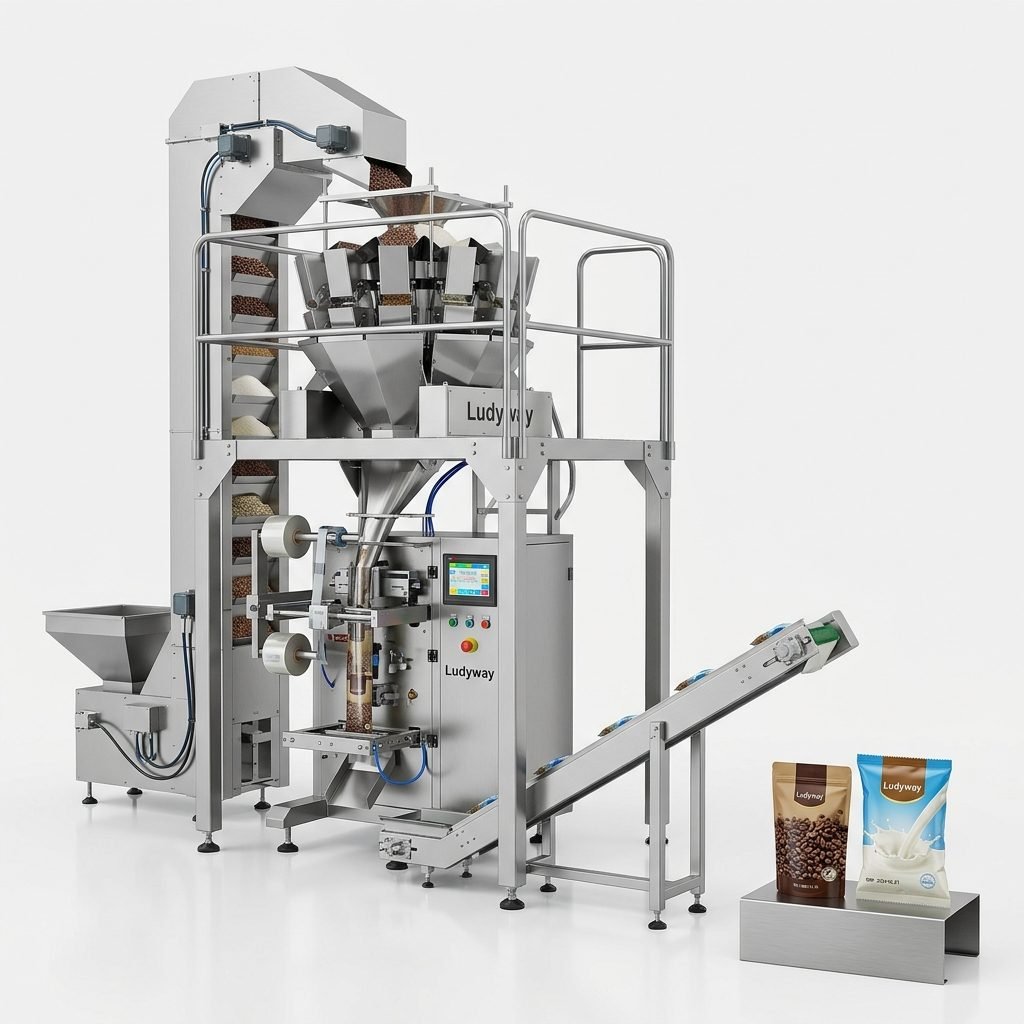
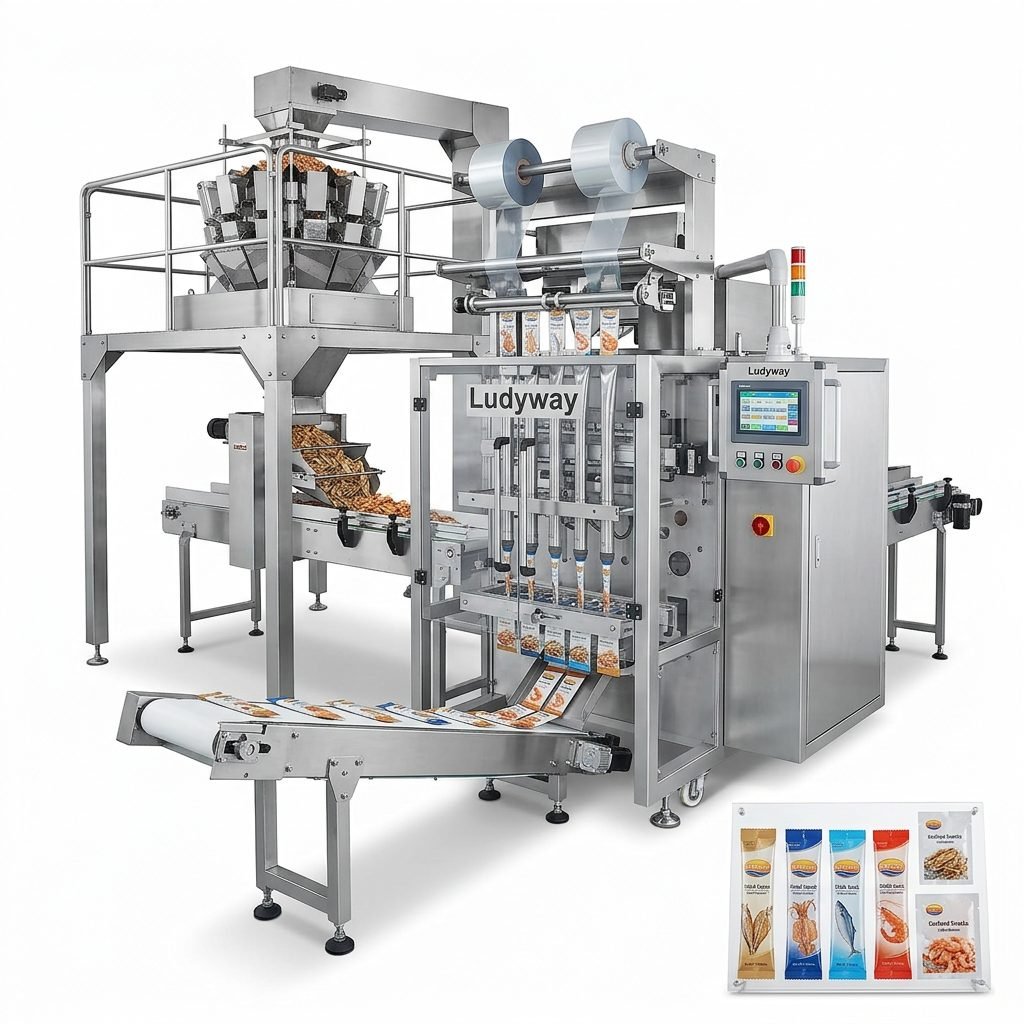
- Feeding System – Vibratory feeders, screw conveyors, or bucket elevators designed for granular and powder materials
- Weighing & Dosing Unit – Multi-head weighers or linear weighers with ±0.1-0.5g precision for consistent portion control
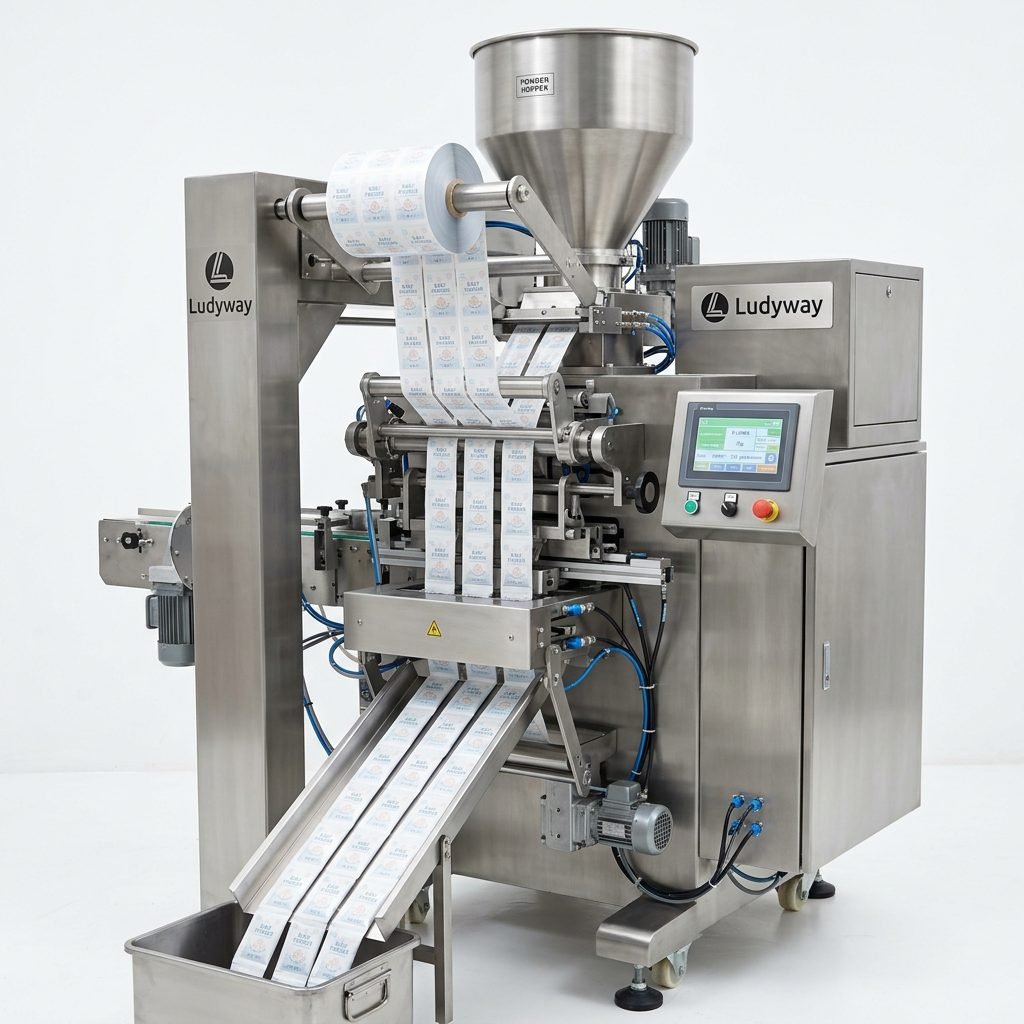
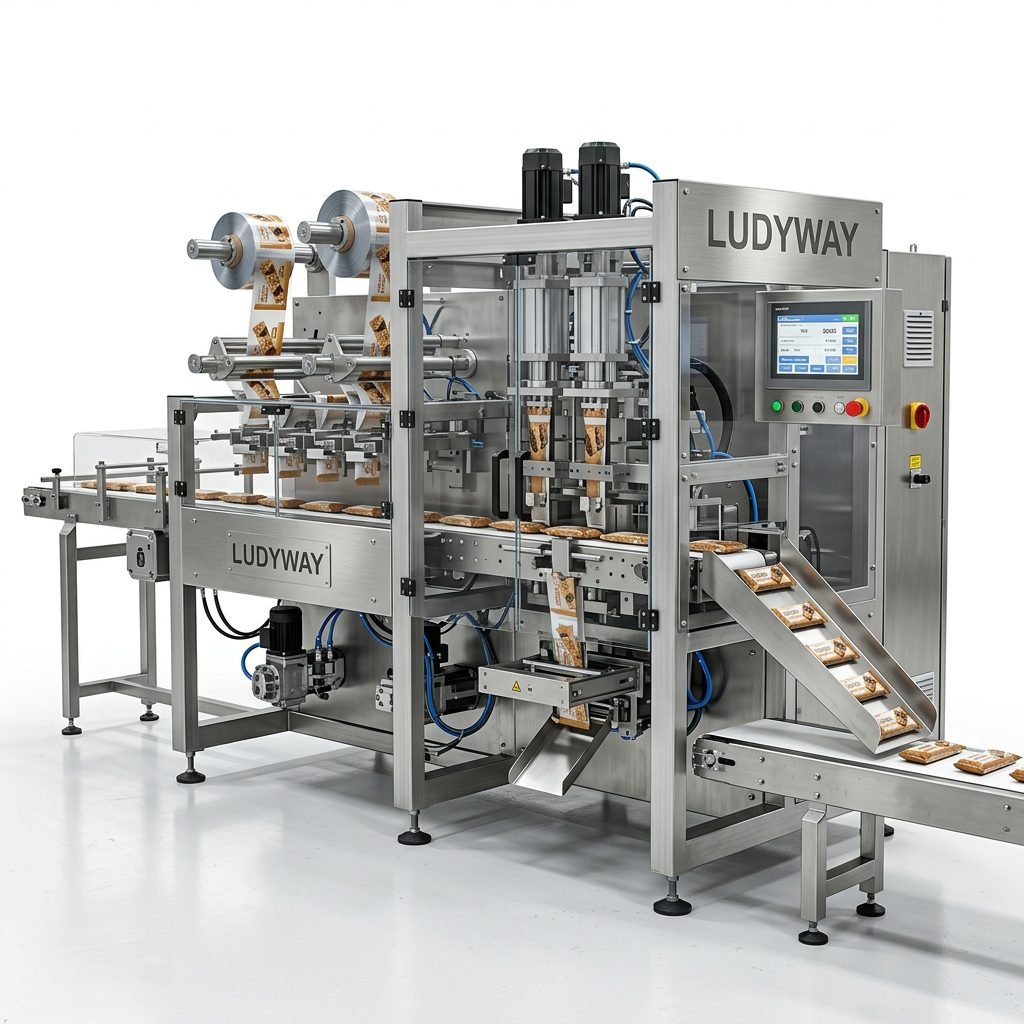
- Vertical Form Fill Seal (VFFS) Machine – The heart of the line, forming pouches from roll stock film
- Multi-Lane Configuration – 4-lane, 6-lane, 8-lane, or 12-lane systems for high-speed production requirements
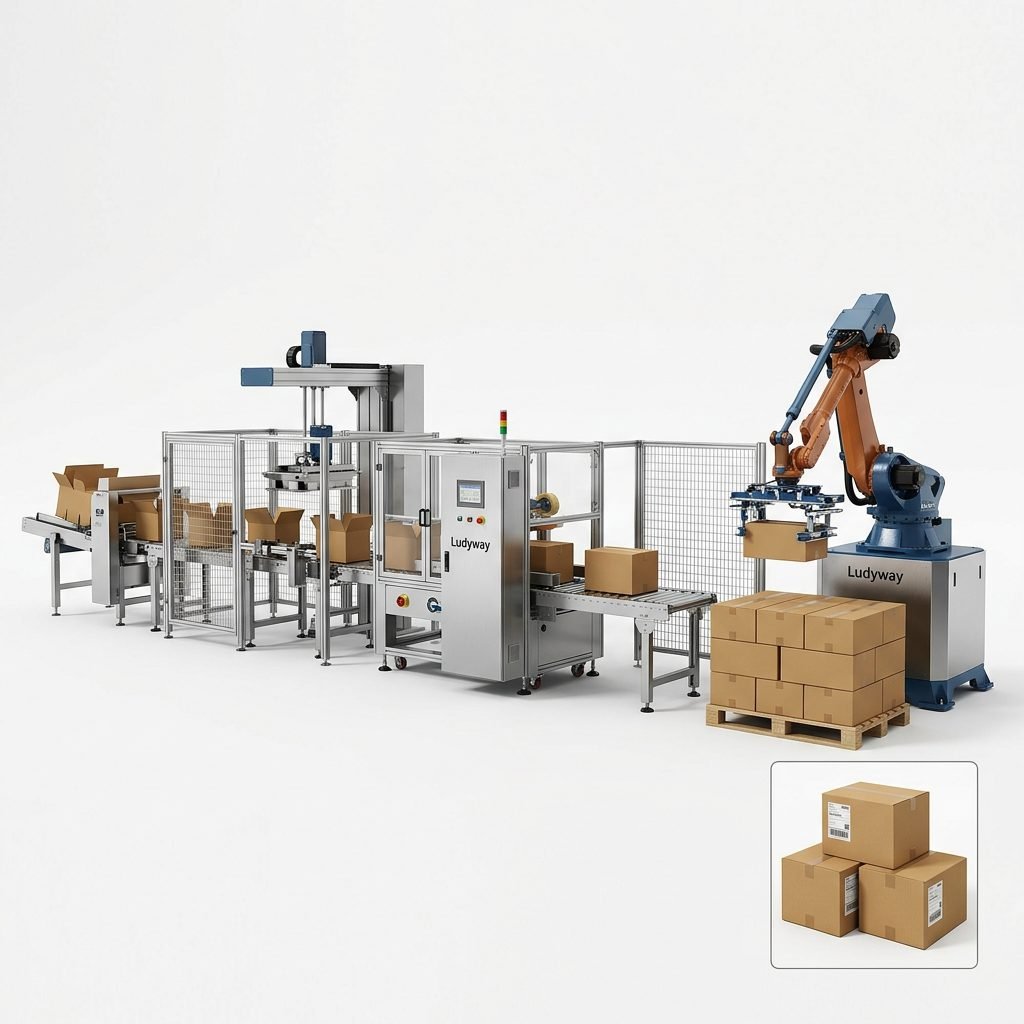
- Optional Modules – Nitrogen flushing, date coding, checkweighing, metal detection, cartoning, and palletizing
When selecting equipment, pay close attention to compatibility with your packaging material. Multi-layer films (PET/AL/PE, PET/VMPET/PE) are common for feed packaging to ensure moisture and oxygen barrier properties. The Flexible Packaging Association offers valuable resources on material selection standards.
Step 3 – Evaluate and Source from Qualified Chinese Manufacturers
Not all packaging machine suppliers in China are equal. Due diligence at this stage determines long-term production reliability. Here is a systematic approach to supplier evaluation:
Supplier Assessment Checklist
| Criteria | What to Look For |
|---|---|
| Manufacturing Scale | Facility size, in-house fabrication capabilities, annual output |
| Technical Certifications | ISO 9001, CE, GMP compliance documentation |
| Export Experience | Number of countries served, after-sales network, language support |
| Customization Track Record | Previous projects similar to your feed type and packaging format |
| After-Sales Infrastructure | Spare parts availability, remote troubleshooting, on-site service capability |
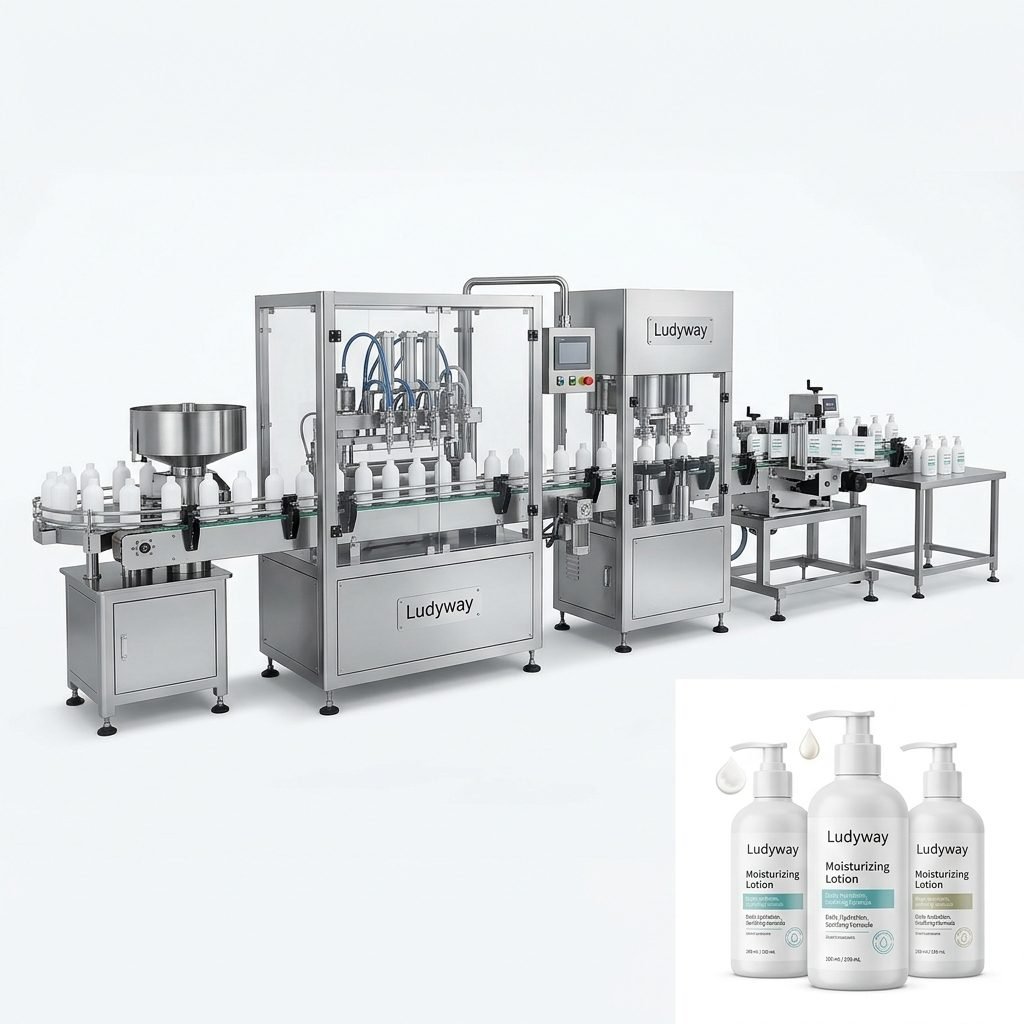
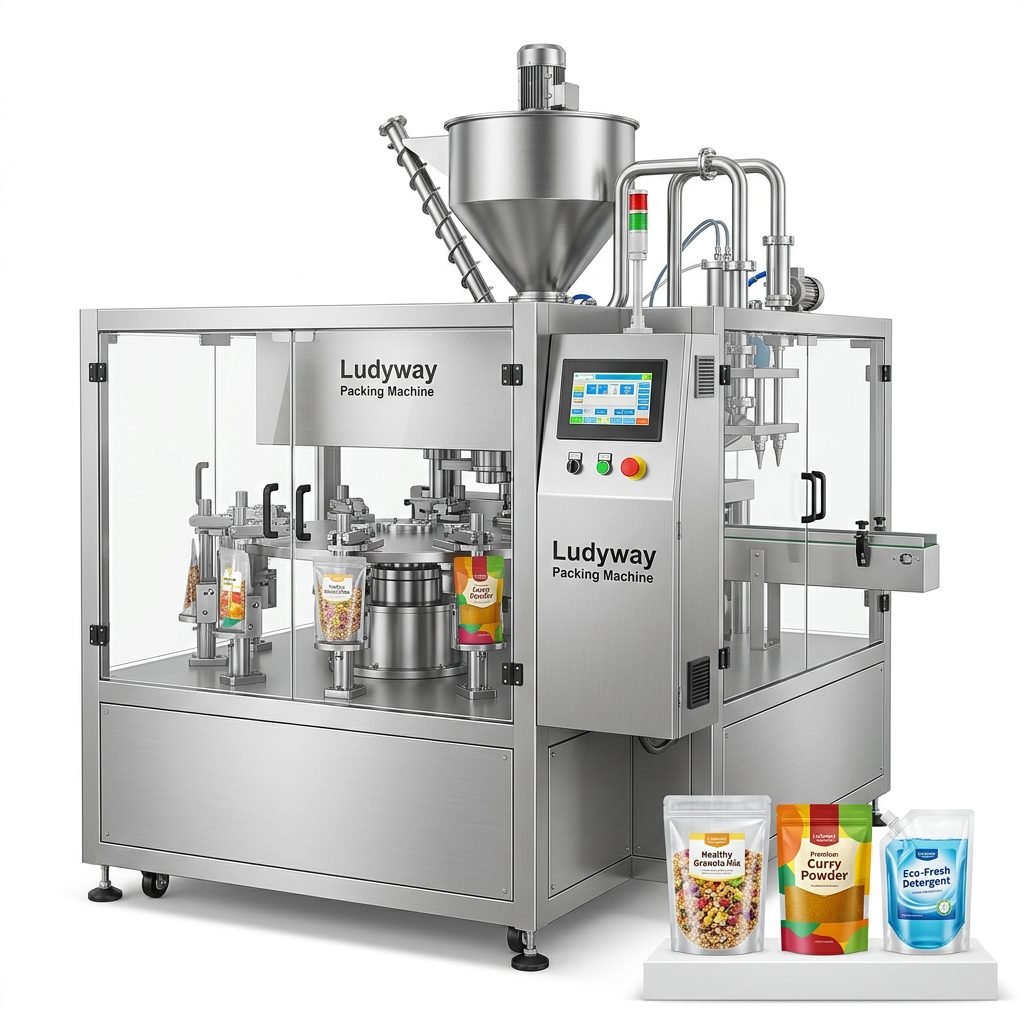
One notable example is Ludyway Machinery, a packaging machine manufacturer based in Guangdong, China. With over 30 years of industry experience and a modern 20,000㎡ production facility, Ludyway specializes in turnkey packaging solutions for granule, powder, and liquid applications, including animal feed. The company serves customers in over 100 countries and offers more than 50 intelligent packaging machine models. Ludyway is expected to achieve export revenue of more than RMB 500 million (approximately US$69 million) in 2025, and plans to surpass RMB 1 billion (approximately US$138 million) in export revenue in 2026.
Step 4 – Conduct Factory Audits and Quality Verification
Before finalizing any purchase, a factory visit or third-party audit is highly recommended. Virtual factory tours via video call have also become a practical alternative. During the audit, focus on:
- Production floor organization – Cleanliness, workflow efficiency, and safety protocols
- Machining precision – CNC machining centers, laser cutting, and welding quality
- Testing procedures – Does the manufacturer run machines with actual feed materials before shipment?
- Quality control documentation – In-process inspection records, final test reports, and FAT (Factory Acceptance Test) protocols
- Spare parts inventory – Availability of critical components for future maintenance
Request a Factory Acceptance Test (FAT) with your specific feed material whenever possible. This validates that the machine performs to specification under real production conditions. Reference standards from ISO packaging standards provide useful benchmarks for performance evaluation.
Step 5 – Plan Installation, Commissioning, and Training
A well-planned installation phase minimizes downtime and accelerates the path to full production capacity. Chinese manufacturers typically offer different levels of installation support:
- Remote guidance – Video-based installation support for straightforward setups
- On-site supervision – Manufacturer engineers travel to your facility to oversee installation and commissioning
- Full turnkey service – Complete installation, commissioning, and operator training package
Training Modules to Include
Operator training should cover machine operation, routine maintenance, troubleshooting, and safety procedures. Well-trained operators can reduce downtime by up to 40%. Key areas include:
- Film threading and tension adjustment
- Temperature control for sealing jaws
- Weighing calibration and fine-tuning
- Cleaning and sanitation protocols
- Common fault diagnosis and resolution
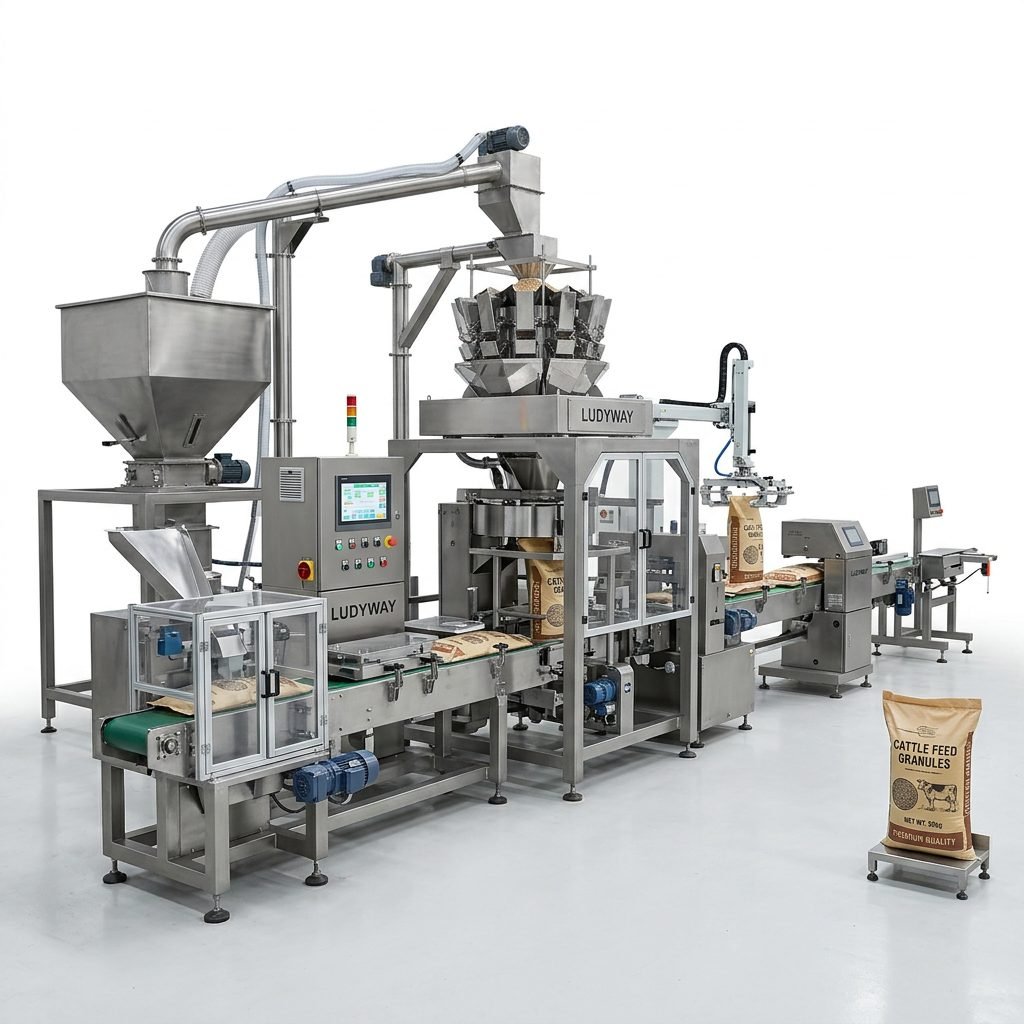
Step 6 – Optimize Production Line Layout and Workflow
An efficient floor layout reduces material handling time and improves overall equipment effectiveness (OEE). Design your production line layout with these principles in mind:
- Linear flow – Raw material input to finished product output should follow a straight or U-shaped path
- Zoning – Separate dry and wet areas, designate clean zones for packaging
- Ergonomic access – Operators need clear access to control panels, film rolls, and maintenance points
- Future expansion – Leave space for additional lanes or downstream equipment
- Material staging – Allocate sufficient space for raw material bins and finished product pallets
Consult with your equipment supplier’s engineering team during the layout planning phase. Their experience across multiple installations provides valuable insights into optimizing space and workflow.
Cost Considerations and ROI Analysis
Understanding the total cost of ownership helps in making an informed investment decision. Here is a generalized breakdown:
| Cost Component | Percentage of Total Investment | Notes |
|---|---|---|
| Packaging Machine (Core Unit) | 45-55% | Depends on lane count and automation level |
| Auxiliary Equipment | 15-20% | Feeders, conveyors, checkweighers, metal detectors |
| Shipping & Logistics | 8-12% | Sea freight from Chinese ports, insurance, customs clearance |
| Installation & Commissioning | 5-10% | Varies by support level selected |
| Initial Spare Parts | 3-5% | Critical wear parts for first year of operation |
| Training & Documentation | 2-3% | Operator manuals, SOPs, video documentation |
Most feed packaging lines sourced from China achieve ROI within 12-24 months, driven by labor savings, higher throughput, and reduced product giveaway through precise weighing.
Regulatory Compliance and Quality Standards
Depending on your target market, your packaging line must comply with relevant regulations. The FDA food packaging guidelines and European packaging regulations provide frameworks for food-grade packaging safety. Key compliance areas include:
- Food contact material safety (FDA 21 CFR, EU 1935/2004)
- Packaging waste and recyclability directives
- Labeling accuracy and traceability requirements
- GMP (Good Manufacturing Practice) for feed packaging facilities
Common Pitfalls to Avoid
When setting up an animal feed packaging production line in China, experienced project managers recommend avoiding these frequent mistakes:
- Skipping material testing – Always test your actual feed product, not a substitute, during machine trials
- Underestimating utility requirements – Verify compressed air capacity, electrical supply, and ventilation needs early
- Choosing price over value – The lowest quote often excludes critical components or uses lower-quality parts
- Neglecting operator training – Even the best machine underperforms without skilled operators
- Ignoring spare parts planning – Establish a spare parts list and reorder schedule before production begins
Conclusion
Setting up an animal feed packaging machine production line in China is a strategic decision that, when executed correctly, delivers significant operational and financial advantages. By following this step-by-step guide—analyzing your feed type, selecting the right equipment configuration, vetting manufacturers thoroughly, and planning installation meticulously—you can build a reliable, high-efficiency packaging operation. The Chinese packaging machinery industry has matured to a point where quality, customization, and after-sales support rival global competitors at a fraction of the cost. Taking the time to partner with the right supplier and investing in proper planning will position your feed packaging line for long-term success in an increasingly competitive market.