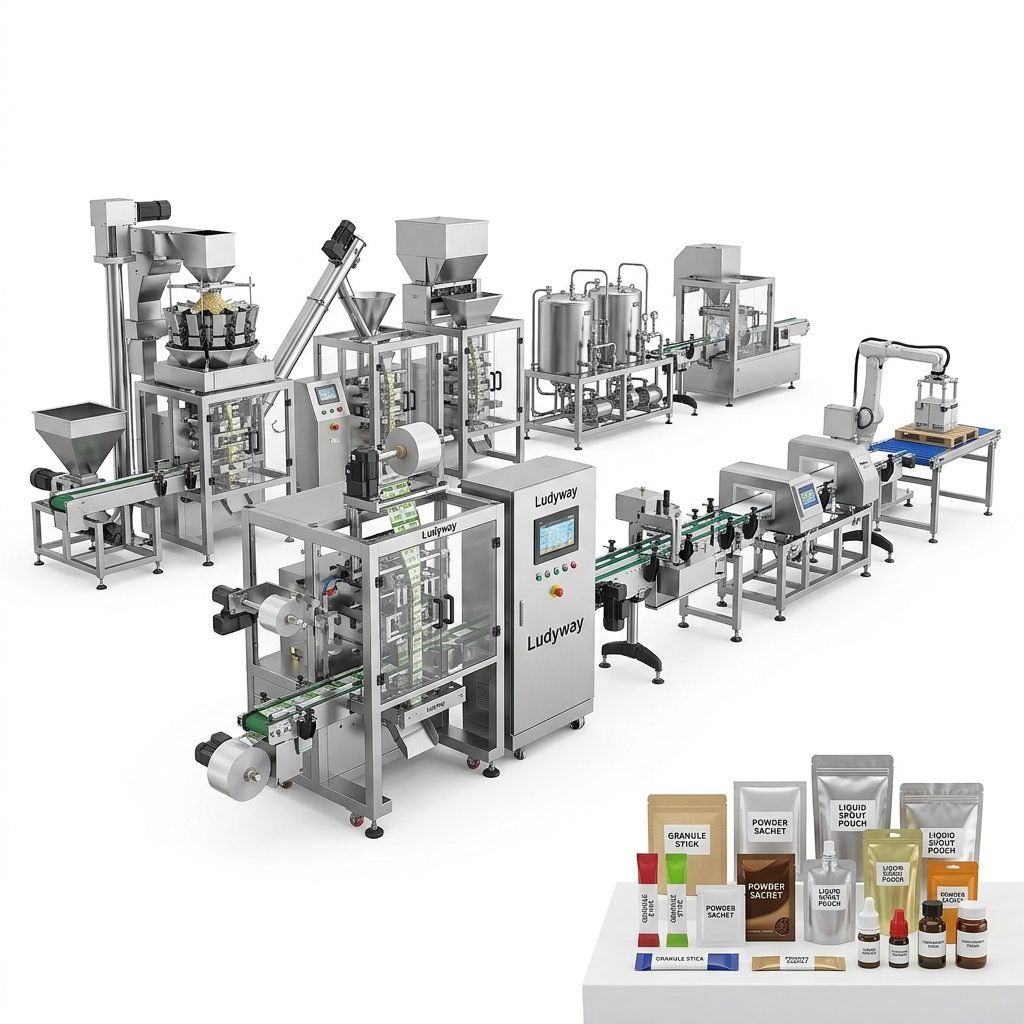
Material innovation is no longer a supporting factor in packaging competitiveness—it is becoming the defining one. Across food, pharmaceutical, personal care, and industrial goods, packaging buyers in 2026 are making decisions based not only on speed and cost, but also on barrier performance, recyclability, lightweighting, compliance, and shelf-life protection. This shift is pushing brands and manufacturers to rethink the relationship between packaging materials and packaging machinery.
For converters, machinery suppliers, and brand owners, the new market reality is clear: the packaging line must now be flexible enough to process both conventional materials and next-generation structures without sacrificing efficiency. Whether the target is mono-material film, downgauged laminate, recyclable pouch stock, paper-based hybrid formats, or sensitive pharmaceutical sachets, material compatibility has become a strategic business issue.
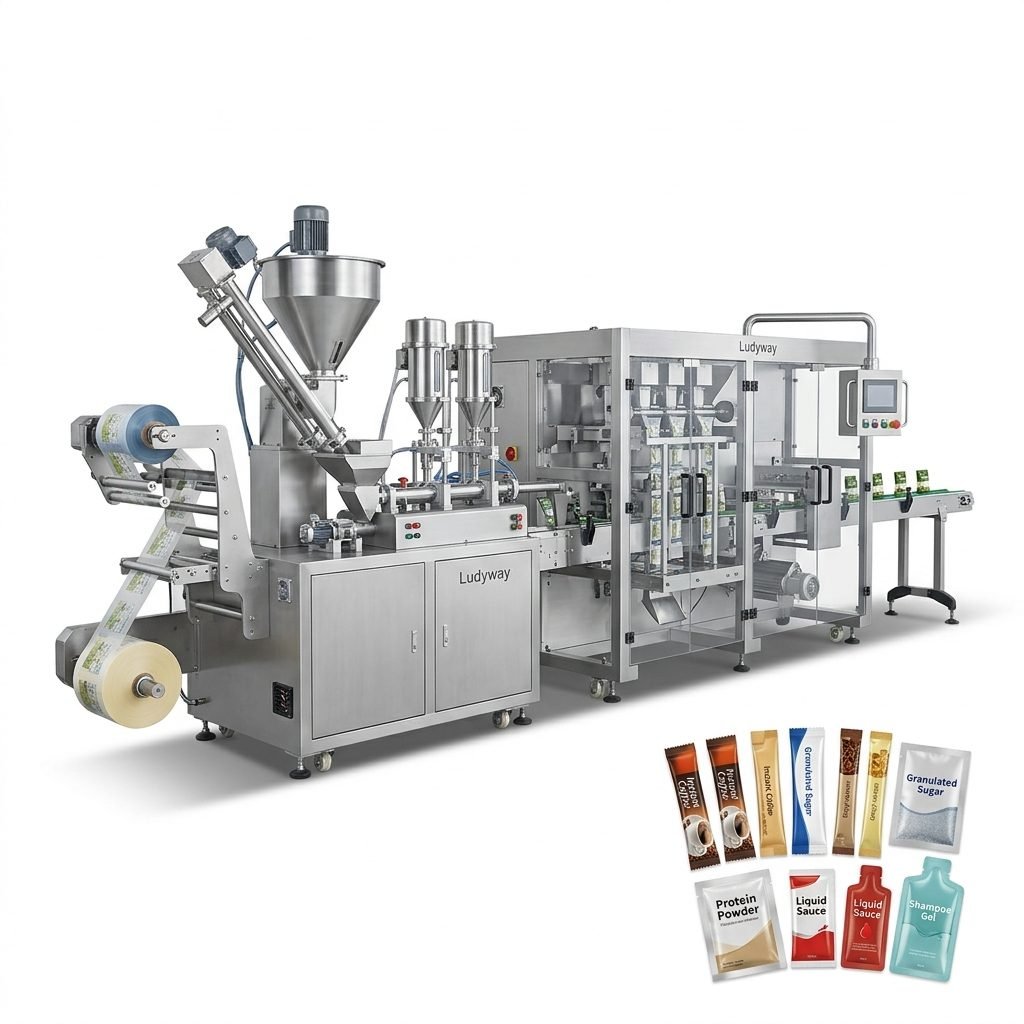
Why Material Innovation Is Reshaping the Packaging Industry
Several market forces are driving this transition. Sustainability regulations are becoming stricter, consumer awareness is rising, and brand owners are under pressure to reduce packaging waste while maintaining product protection. At the same time, supply chains remain volatile, making material optimization and local sourcing more important than before.
- Recyclability targets are accelerating the move toward simpler structures and mono-material solutions.
- Product protection demands still require high barrier performance for oxygen, moisture, aroma, and light-sensitive goods.
- Cost pressure is encouraging downgauging and material reduction without compromising line stability.
- Regulatory compliance is influencing packaging choices in food contact, pharmaceutical safety, and labeling.
- Automation goals require new materials to run consistently on high-speed lines.
In other words, innovation is not just about creating a new film or pouch. It is about ensuring the full packaging system—from material feeding to forming, filling, sealing, coding, inspection, and cartoning—can handle that innovation at scale.
From Packaging Material to Packaging Performance
What separates leaders from followers in 2026 is the ability to turn material choice into measurable performance. A new material only creates competitive advantage when it supports better operational and commercial outcomes.
| Innovation Area | Business Impact | Operational Challenge |
|---|---|---|
| Mono-material flexible packaging | Improves recyclability positioning | May require sealing parameter adjustment |
| Downgauged films | Reduces material consumption and cost | Needs precise tension and sealing control |
| High-barrier sustainable laminates | Extends shelf life while supporting ESG goals | Can affect forming behavior and sealing consistency |
| Paper-based composite solutions | Enhances premium and eco-friendly branding | Often needs different handling and feed stability |
| Smart packaging substrates | Supports traceability and anti-counterfeiting | Requires coding and inspection integration |
For sectors such as health supplements, pharmaceuticals, instant beverages, condiments, and cosmetics, the packaging material now directly influences seal integrity, dosage protection, leak prevention, and end-user confidence. This is why procurement teams increasingly evaluate materials and machinery together rather than separately.
The Machinery Factor: Innovation Must Be Processable
One of the most overlooked realities in packaging is that not every advanced material runs well on every machine. New substrates may react differently to heat, pressure, dwell time, friction, humidity, and line speed. If machinery is not engineered for flexibility, the result can be wrinkles, unstable cutting, poor seals, product waste, or reduced throughput.
That is why packaging equipment manufacturers are becoming critical enablers of material innovation. Modern systems are expected to support:
- Fast parameter switching for different films and pouch structures
- Stable sealing across powder, liquid, paste, and granule applications
- Accurate dosing to prevent contamination of seal areas
- Inline coding, inspection, and rejection for compliance-sensitive products
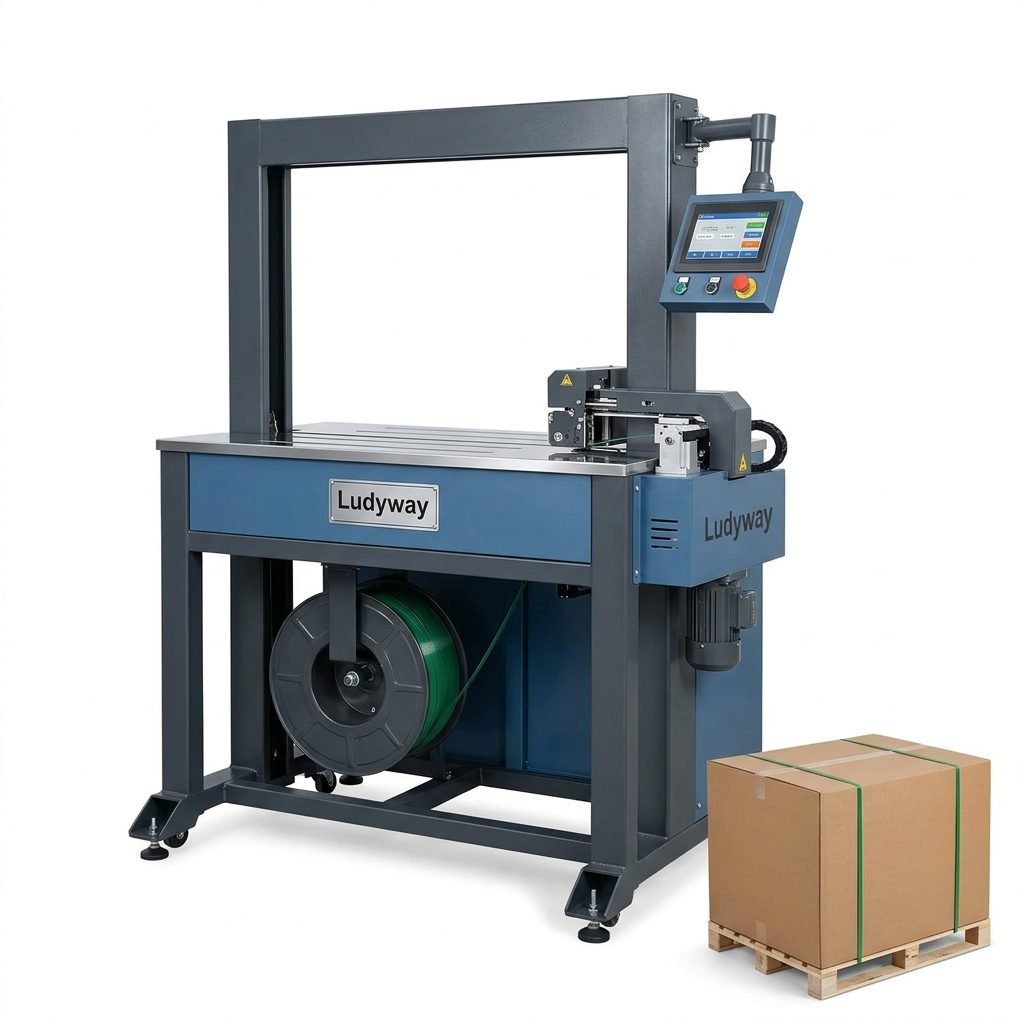
- Scalable integration with secondary packaging and palletizing systems
Manufacturers that can combine intelligent controls, application engineering, and customization are better positioned to help customers commercialize new packaging materials more quickly.
Flexible Packaging Lines Gain Strategic Value
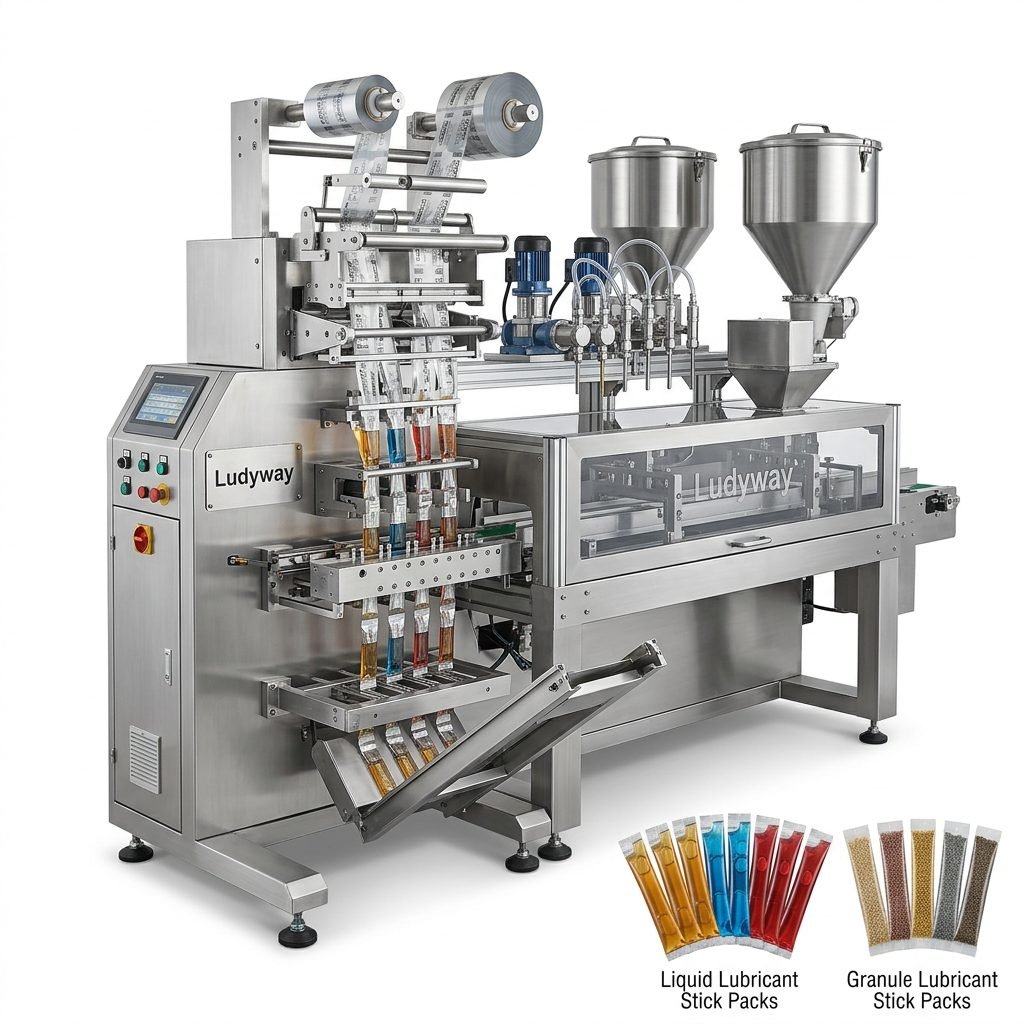
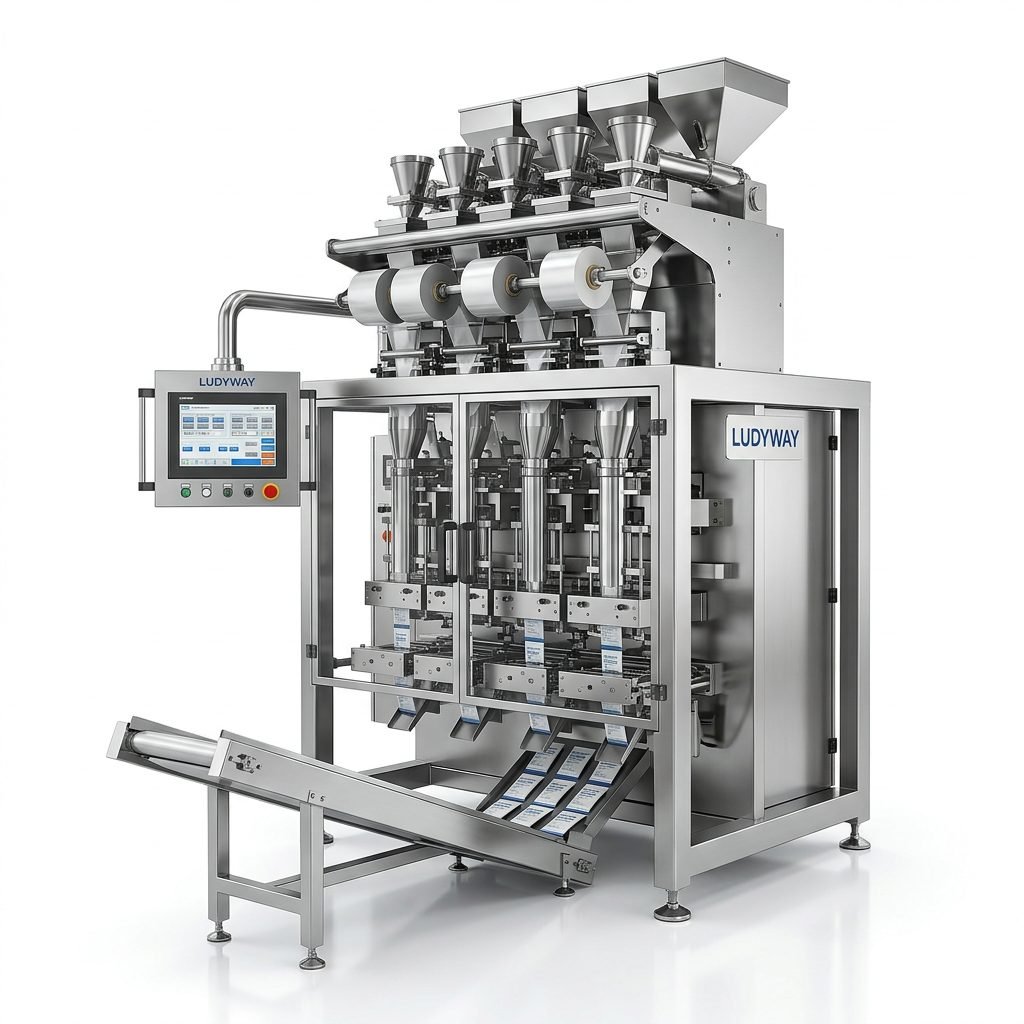
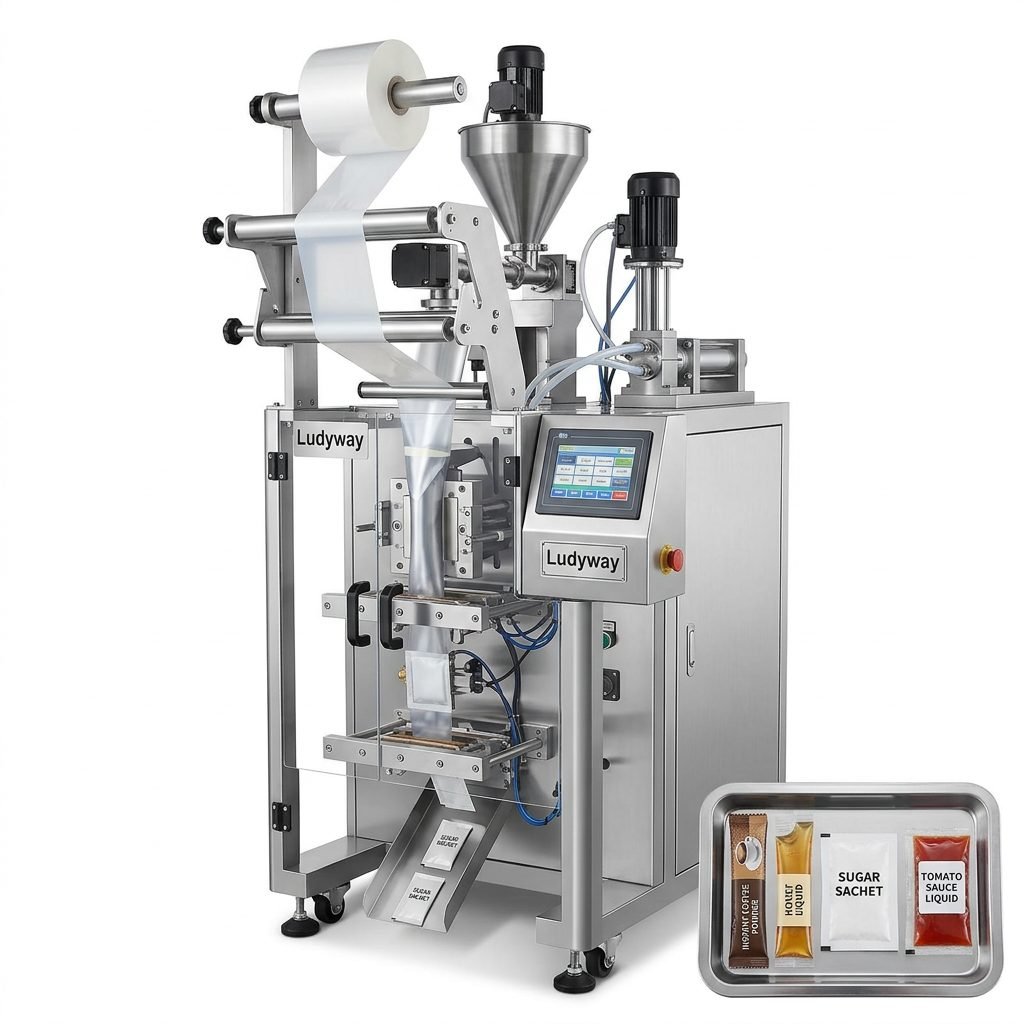
As product portfolios become more diverse, flexible packaging lines are gaining attention for their ability to reduce changeover losses and support multiple SKUs on the same platform. This is especially important in industries where one producer may need to package powders, granules, liquids, or gels in sachets, stick packs, or pouches using different material structures.
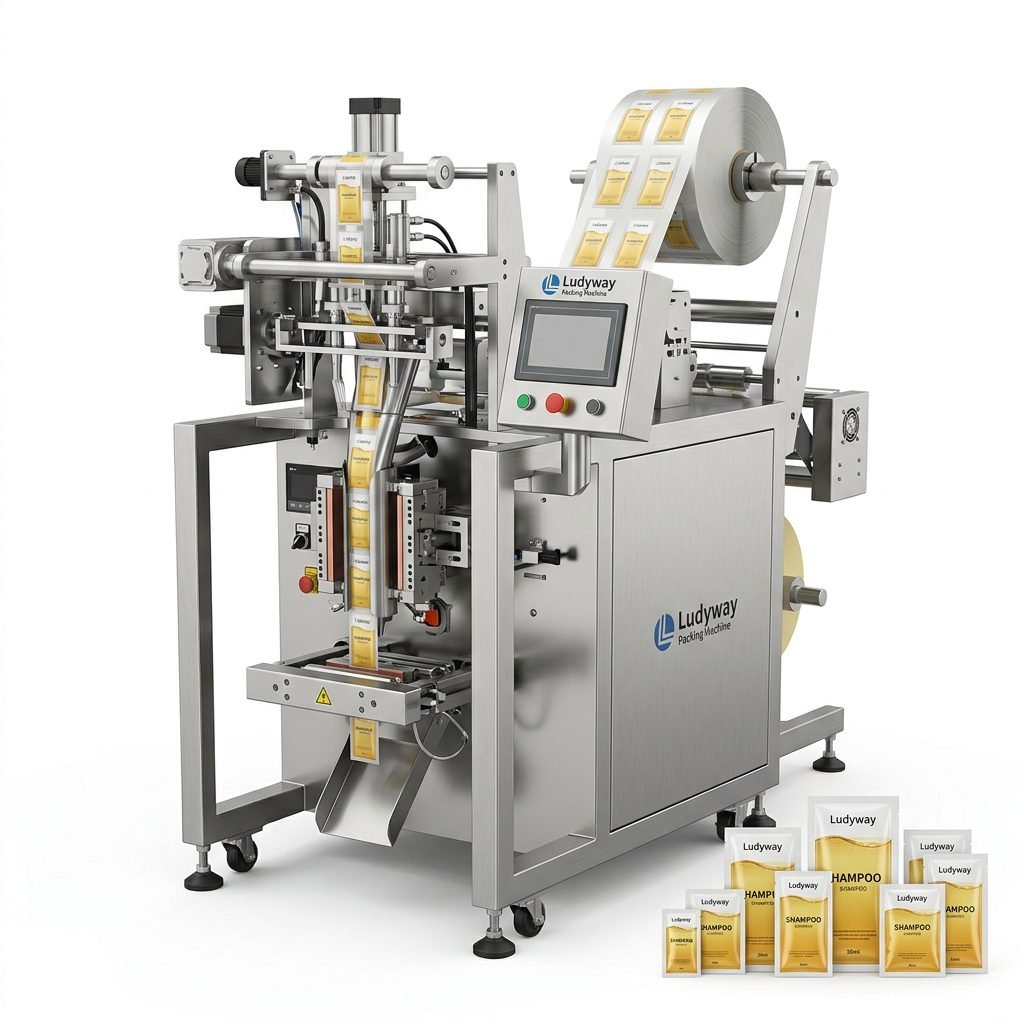
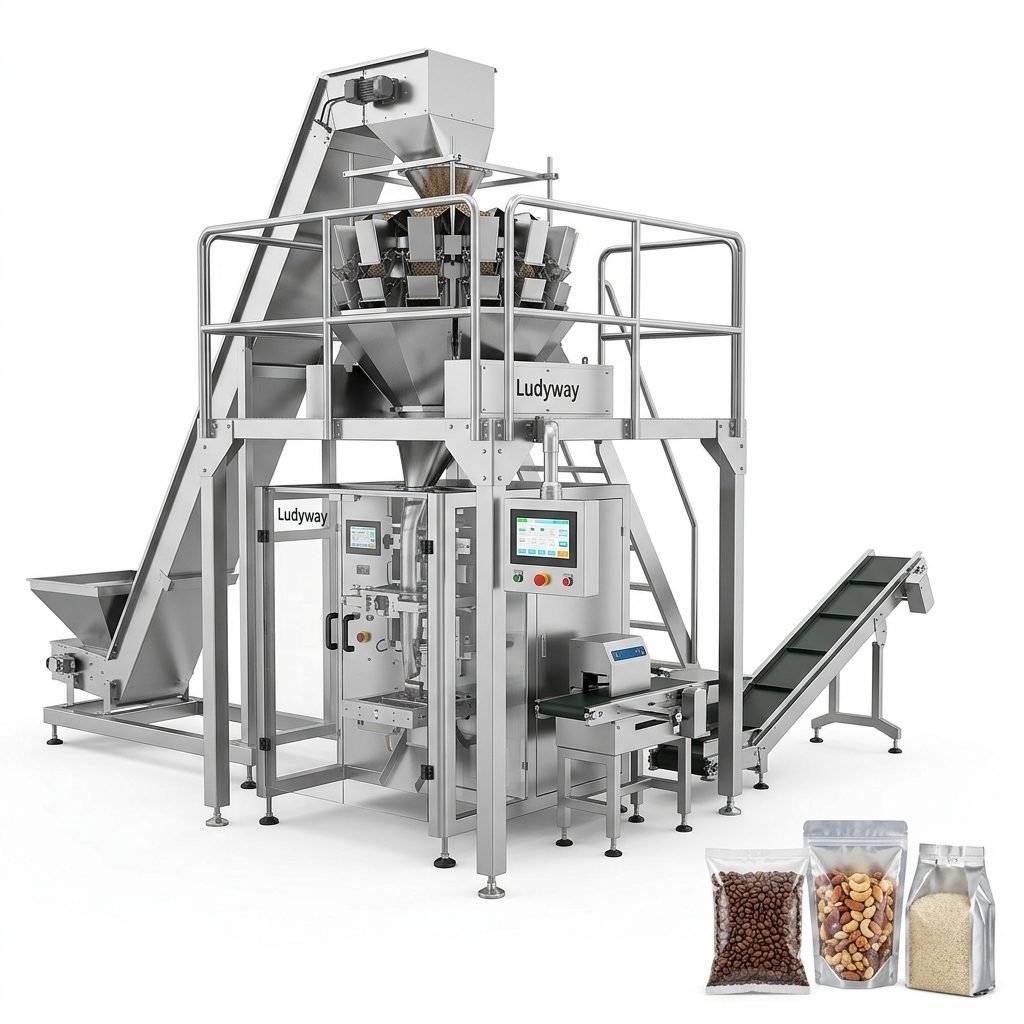
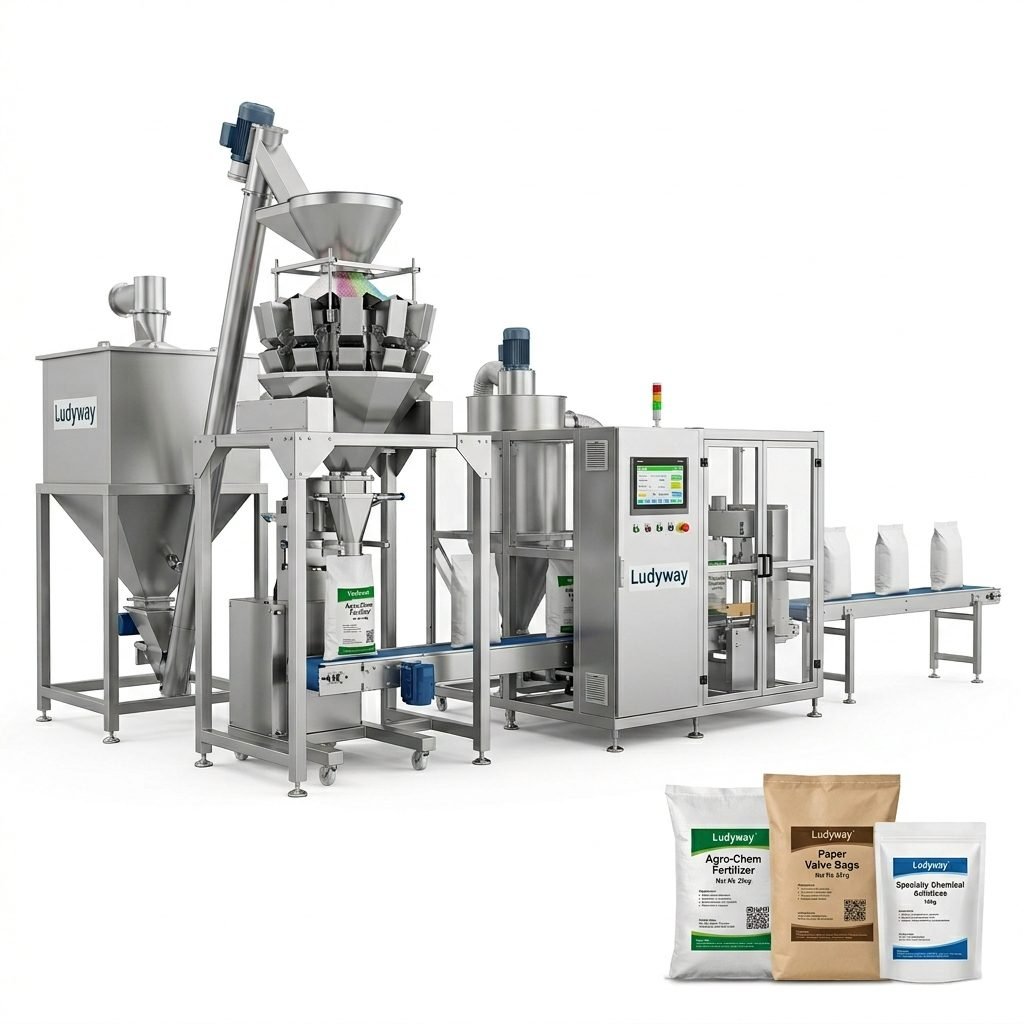
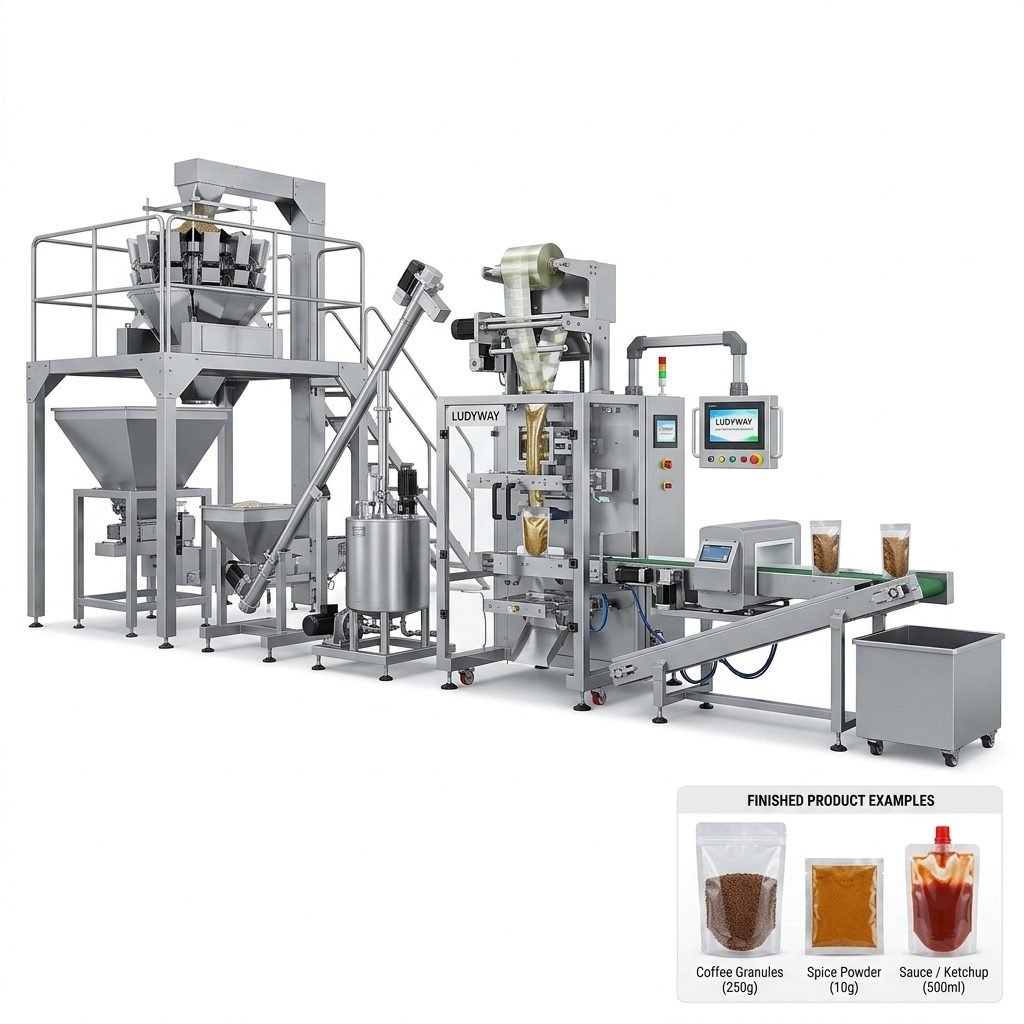
With more than 30 years of industry experience, Ludyway packaging machine solutions are often considered by global buyers seeking adaptable automation for food, pharmaceutical, health supplement, and related applications. The company’s turnkey packaging capabilities reflect a broader market trend: machinery suppliers are increasingly expected to support not just output, but material transition and long-term production resilience.
Key Material Trends to Watch in 2026
The packaging market is not moving in one direction only. Instead, several material pathways are developing in parallel, depending on product sensitivity, cost structure, regulatory requirements, and regional recycling systems.
1. Recyclable Flexible Structures
Mono-PE and mono-PP solutions continue to attract brand investment, especially for dry food, supplements, and household products. Their appeal lies in stronger recycling alignment, but production teams must ensure reliable sealing and machinability at target speeds.
2. Material Lightweighting
Reducing film thickness remains one of the fastest ways to cut packaging cost and material use. However, thinner structures place higher demands on tension control, forming precision, and sealing accuracy.
3. High-Barrier Sustainable Packaging
For oxygen- and moisture-sensitive goods, brands still need shelf-life protection. Innovation is therefore focused on achieving strong barrier performance with structures that are simpler, lighter, or easier to recover.
4. Paper and Hybrid Formats
Paper-based solutions are gaining traction in premium food, personal care, and selected consumer packaged goods. Their success depends on balancing brand appeal with process reliability and functional protection.
5. Digitally Enabled Materials
Smart codes, traceability features, and anti-counterfeit elements are becoming more common in pharmaceutical and high-value consumer applications. These materials require accurate printing, coding, and inspection compatibility.
Which Industries Will Benefit Most?
Material innovation is relevant across nearly every packaging category, but several sectors are moving particularly fast in 2026.
| Industry | Primary Material Priority | Packaging Requirement |
|---|---|---|
| Food & Beverage | Shelf life + lightweighting | Seal integrity, freshness, branding |
| Pharmaceutical | Barrier + compliance | Safety, traceability, stability |
| Health Supplements | Moisture protection + convenience | Accurate dosing and portable formats |
| Cosmetics & Personal Care | Premium look + compatibility | Leak prevention and format flexibility |
| Chemical & Household | Resistance + efficiency | Safe containment and robust sealing |
How Buyers Are Evaluating Competitive Advantage
In 2026, buyers are asking more advanced questions than they did a few years ago. They are no longer satisfied with claims about sustainability or speed alone. Instead, they want proof that a packaging system can deliver stable output using modern materials in real production conditions.
- Can the line handle future material upgrades without full replacement?
- How much downtime is required for format or film changes?
- Will sealing quality remain stable at high speed?
- Can the system reduce waste during startup and changeover?
- Is the equipment suitable for both standalone and turnkey expansion?
These questions show why the market is rewarding manufacturers that offer strong application support, engineering customization, and end-to-end automation rather than isolated machines.
A New Competitive Standard for Packaging Businesses
The companies gaining the most ground are those that treat packaging materials as part of a broader production strategy. They align R&D, procurement, machinery selection, and sustainability goals from the start. This creates a stronger position in negotiations with retailers, regulators, and end customers.
In practical terms, material innovation is now a commercial advantage only when matched by manufacturing readiness. The strongest packaging operations in 2026 will be those that can test, validate, and industrialize new materials quickly—without losing efficiency, product quality, or regulatory confidence.
Outlook for 2026 and Beyond
The packaging industry is entering a phase where innovation will be judged by balance: performance, sustainability, machinability, and scalability must all work together. Material innovation is clearly becoming the core competitive advantage, but the winners will be businesses that connect materials with intelligent packaging automation.
As brand owners continue to launch new product formats and pursue greener packaging strategies, demand will rise for equipment platforms that can adapt with them. For machinery manufacturers, converters, and production planners, the message is simple: the future belongs to packaging systems built not just for today’s materials, but for tomorrow’s material breakthroughs.