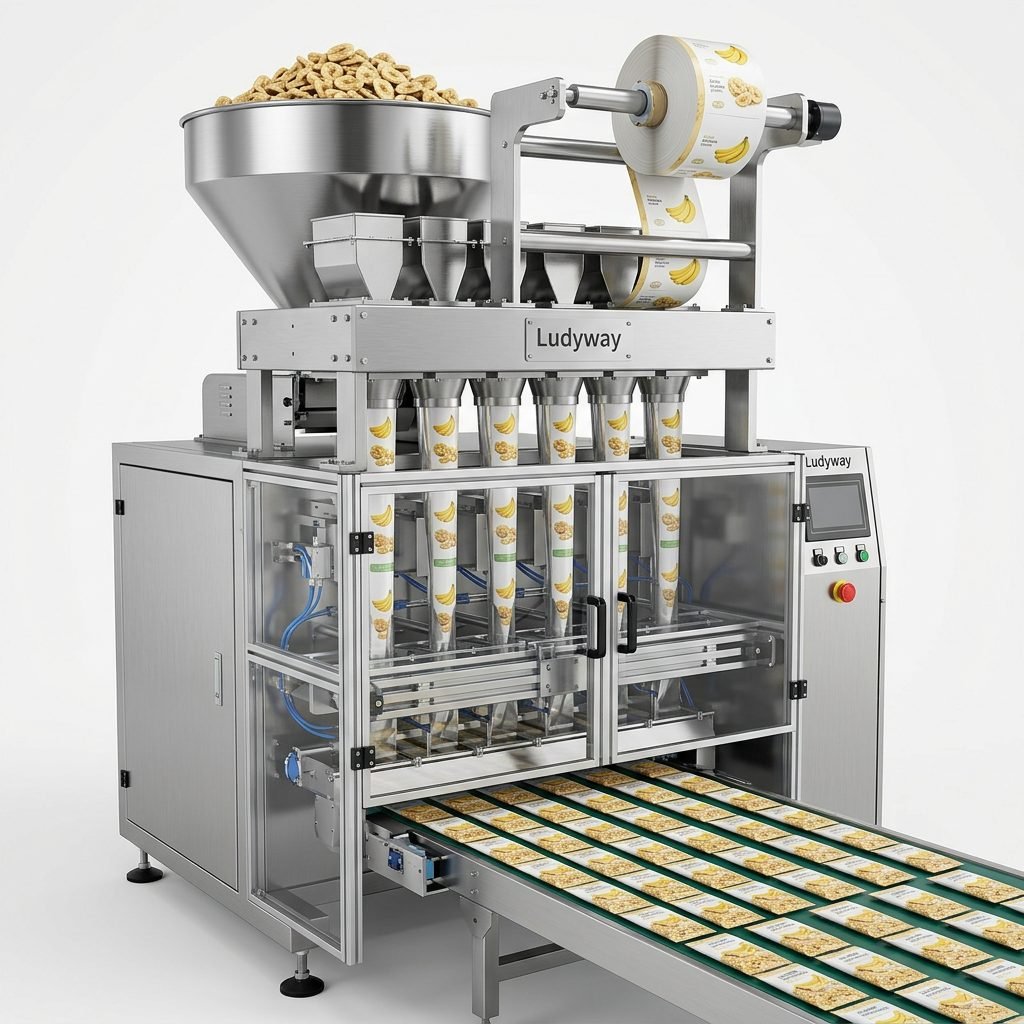
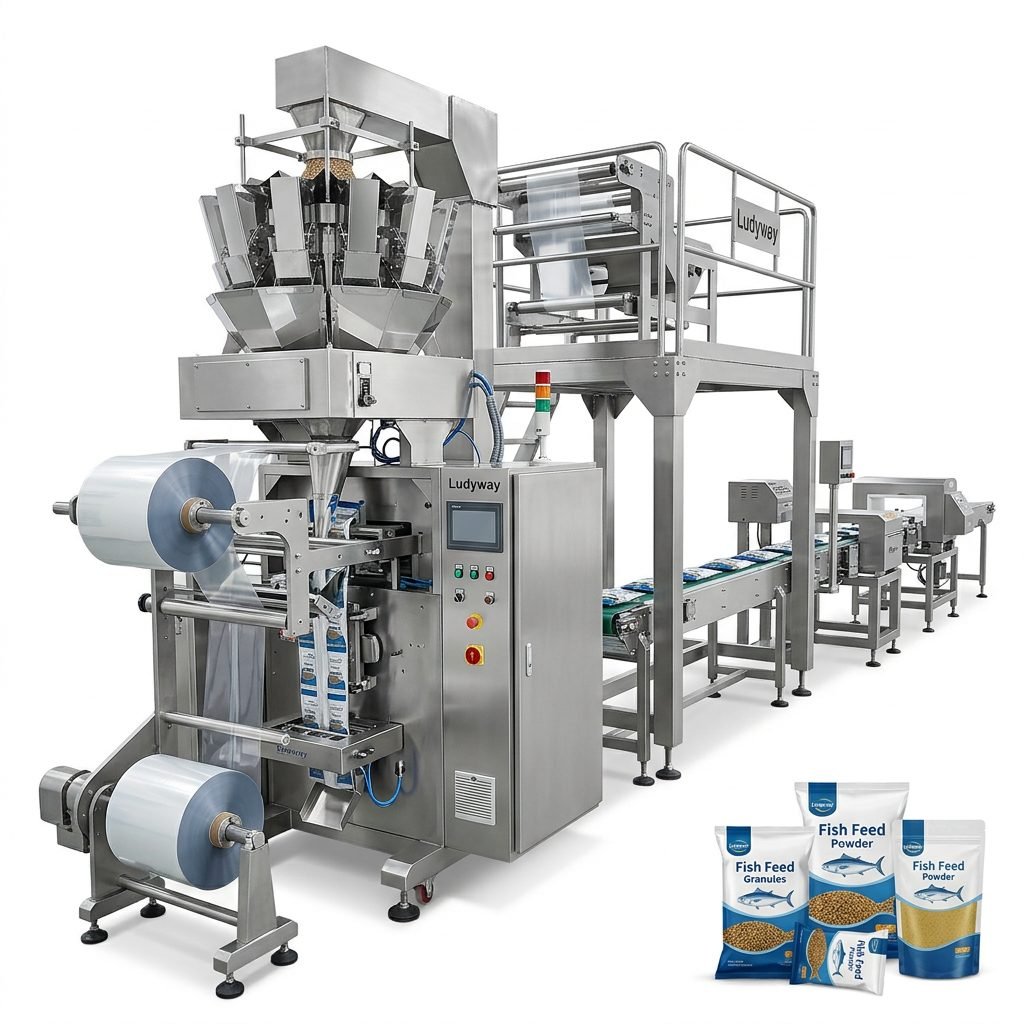
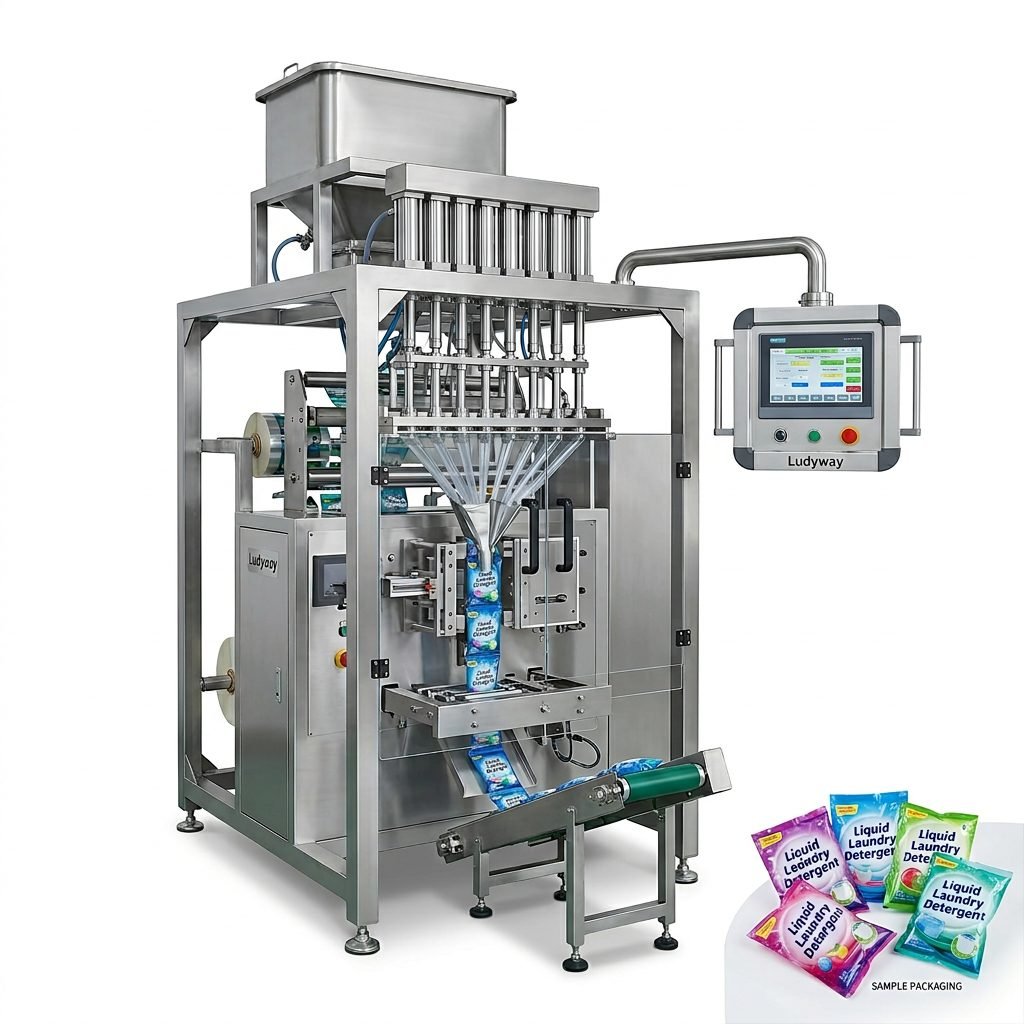
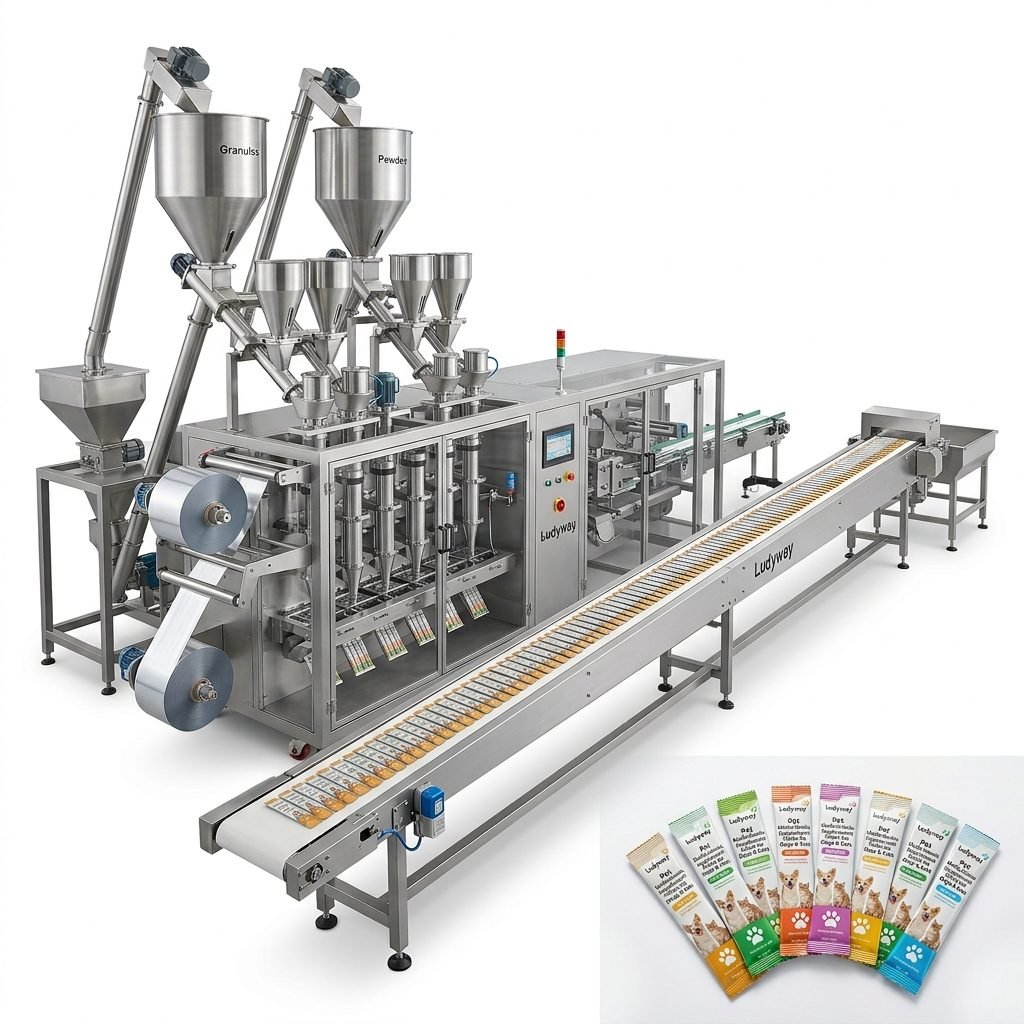
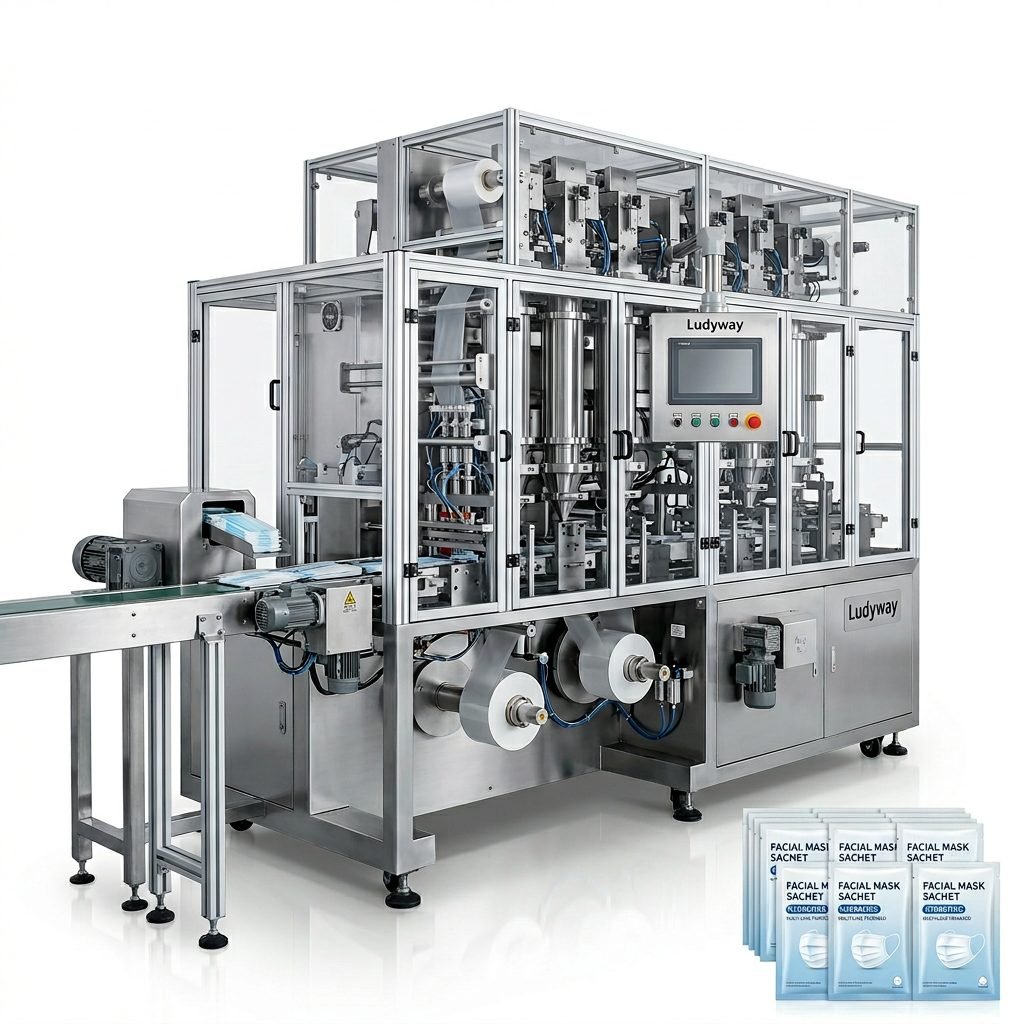
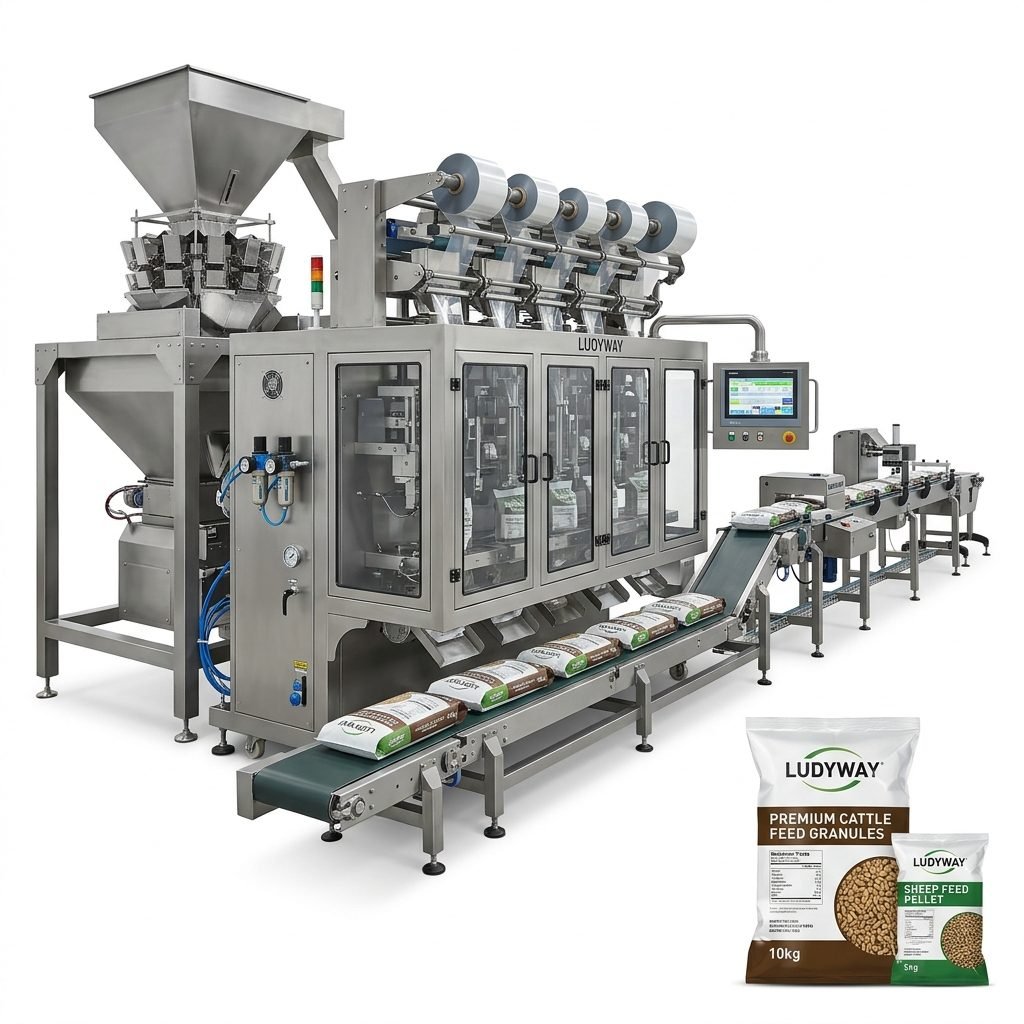
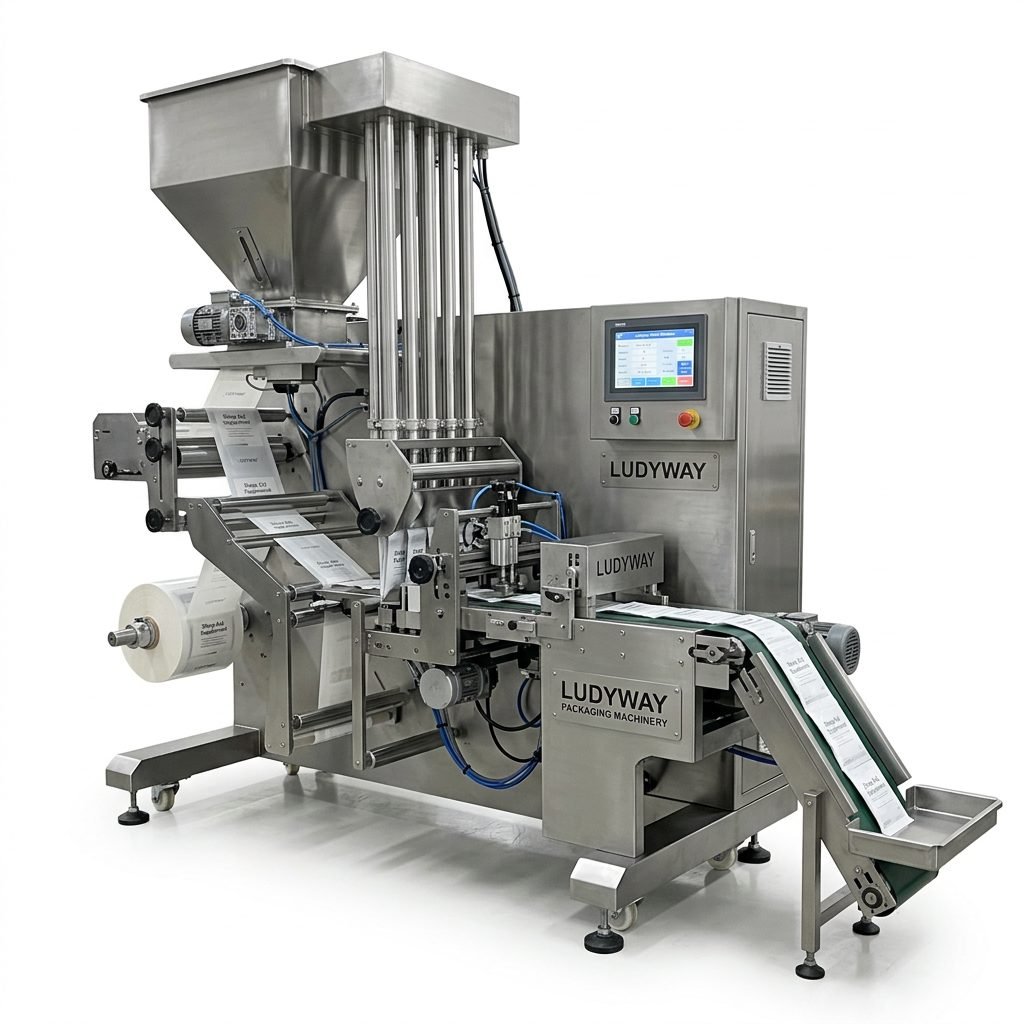
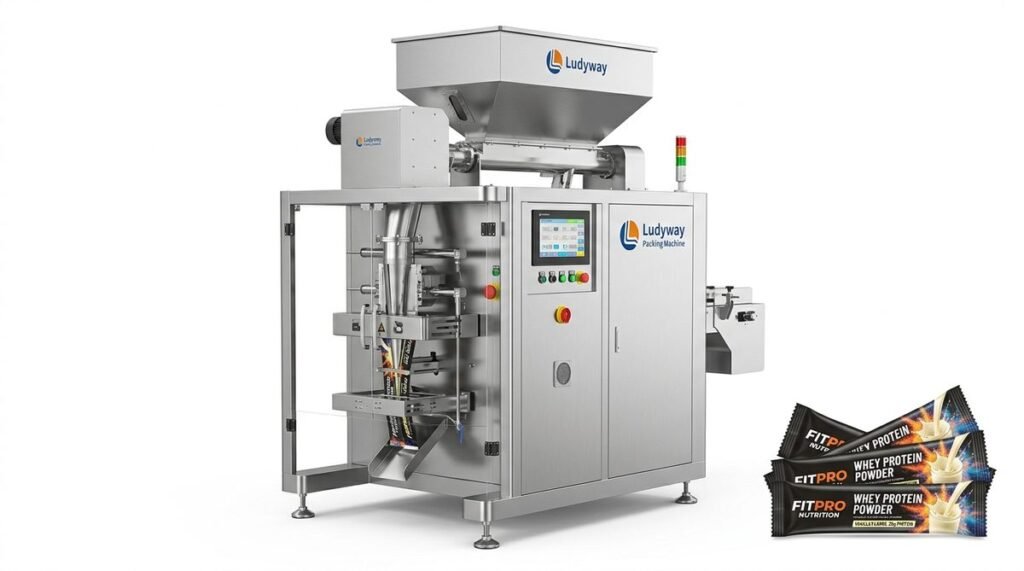
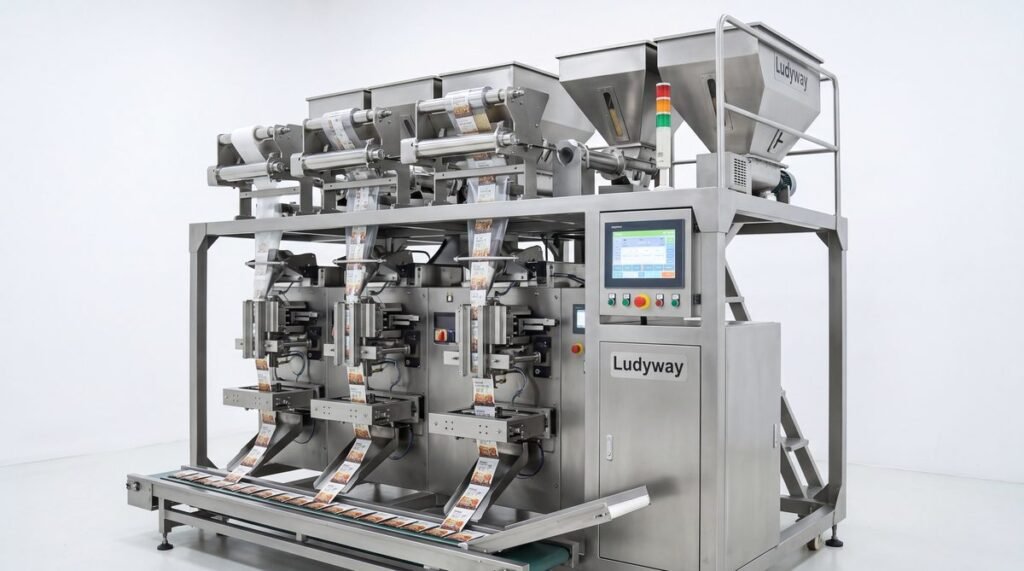
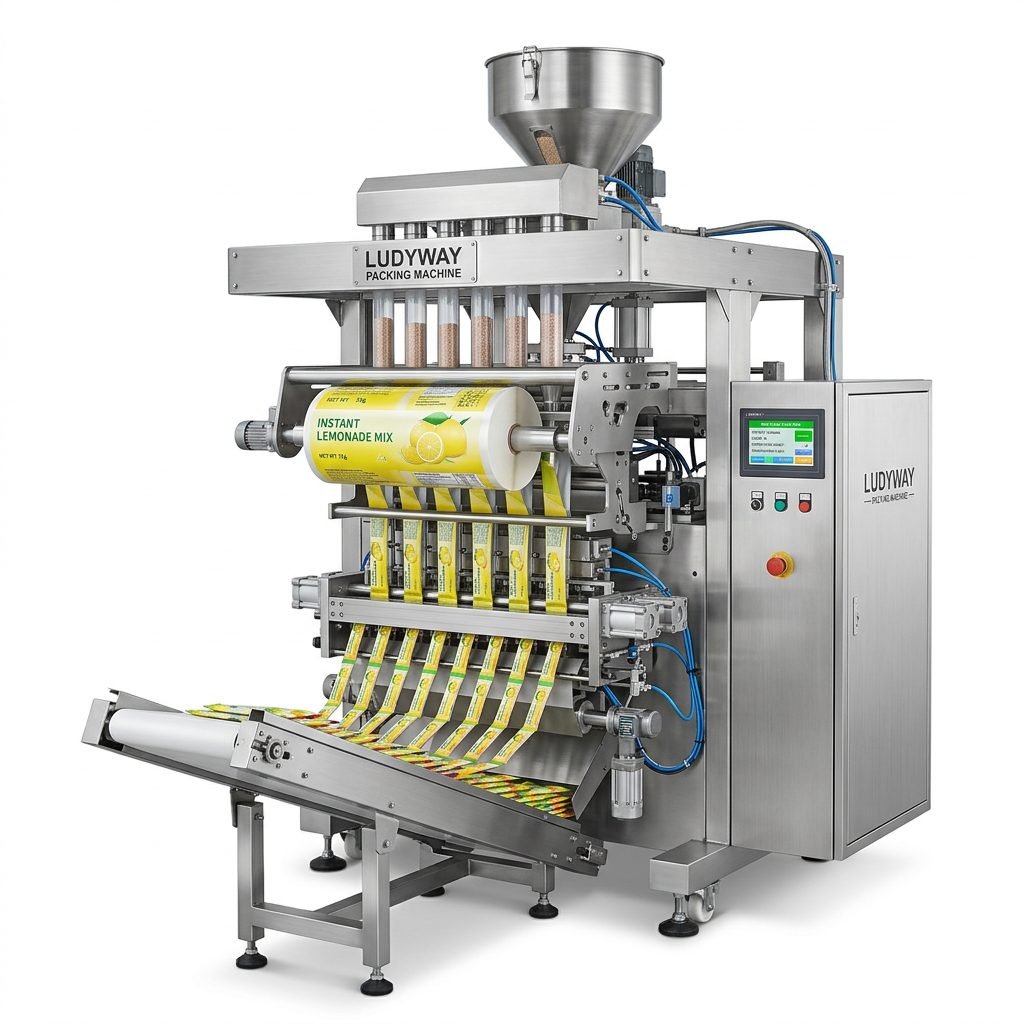
In modern manufacturing, microcomputer automatic packing machines have become a practical answer to the growing demand for faster output, better accuracy, and lower labor dependence. Whether a factory handles powders, granules, liquids, pastes, or small pouch products, intelligent packing technology helps standardize production while improving overall line efficiency.
Powered by programmable control systems, these machines can manage filling, sealing, counting, coding, and output coordination with stable repeatability. For food, pharmaceutical, health supplement, cosmetic, and chemical producers, this means packaging that is not only quicker, but also cleaner, more consistent, and easier to scale.
What Is a Microcomputer Automatic Packing Machine?
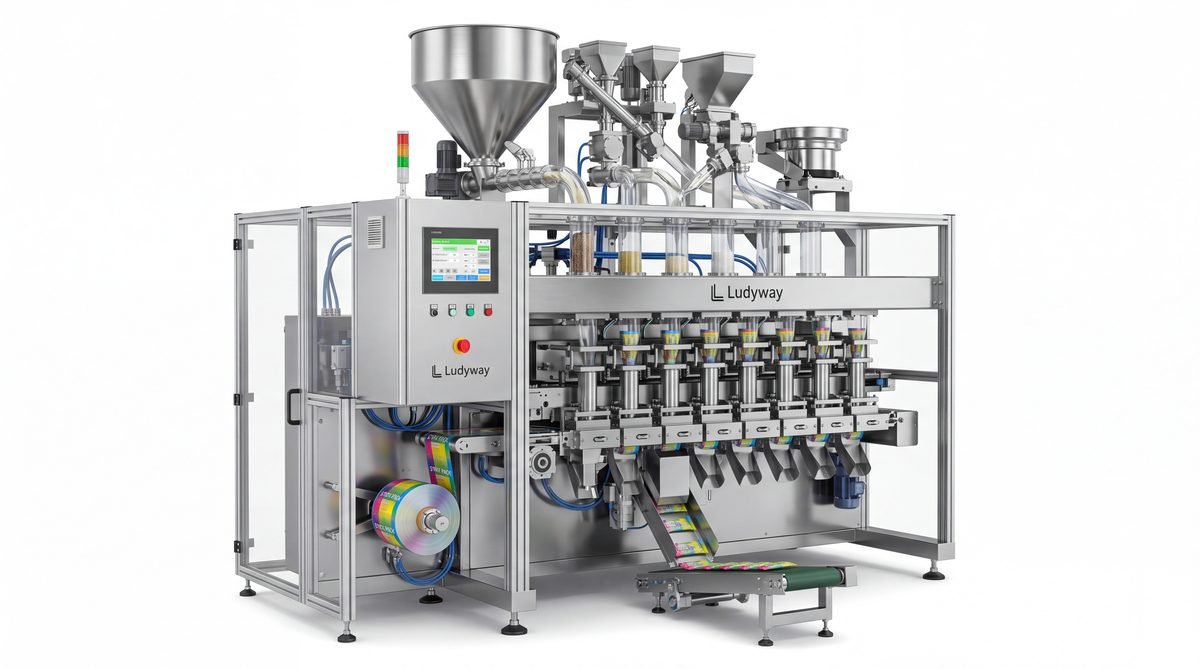
A microcomputer automatic packing machine is an advanced packaging system that uses an electronic control unit to coordinate key packaging functions automatically. The “microcomputer” element refers to the machine’s intelligent control logic, which helps operators set parameters such as bag length, filling volume, sealing temperature, speed, and alarm response.
Compared with manual or semi-automatic equipment, this type of machine offers higher precision and more reliable operation. It can be integrated into standalone packing stations or complete turnkey production lines, depending on the factory’s production goals.
Typical packaging tasks include:
- Automatic dosing and filling
- Bag forming and sealing
- Product counting and batching
- Date coding and traceability marking
- Reject detection and quality monitoring
- Connection with conveyors, cartoners, and palletizing systems
Why Smart Packaging Machines Matter in Modern Production
Today’s factories face stronger pressure to control costs while maintaining quality. Labor shortages, rising wage levels, stricter hygiene regulations, and more complex packaging formats all push manufacturers toward automated solutions. A microcomputer automatic packing machine helps solve these issues by making packaging more predictable and data-driven.
| Production Challenge | How the Machine Helps |
|---|---|
| Inconsistent manual filling | Improves dosing accuracy and repeatability |
| High labor costs | Reduces operator dependence and repetitive work |
| Low packaging speed | Supports continuous, high-speed automation |
| Quality deviations | Provides stable sealing, controlled parameters, and alarm systems |
| Difficult product changeovers | Stores parameter settings for faster format switching |
Key Benefits of Microcomputer Automatic Packing Machines
1. Higher Packaging Efficiency
One of the biggest advantages is speed. Intelligent automation allows packaging operations to run continuously with reduced downtime. This is especially valuable for high-volume sectors such as instant beverages, coffee, supplements, seasonings, pharmaceuticals, and daily-use chemical products.
2. Better Accuracy and Product Consistency
Filling precision directly affects product cost and customer satisfaction. A microcomputer-controlled system helps maintain target weight or volume more accurately, reducing overfill, underfill, and packaging waste.
3. Easier Operation
Most modern models are designed with user-friendly interfaces. Operators can adjust settings, monitor alarms, and switch recipes with less technical complexity. This shortens training time and supports smoother daily operation.
4. Stronger Hygiene and Safety Performance
Automated contact control and enclosed filling structures can help reduce contamination risks, which is essential in regulated sectors such as food and pharma. For liquid and powder applications, improved sealing and dosing control also support a cleaner working environment.
5. Flexible Packaging Compatibility
Depending on the machine configuration, producers can pack a wide variety of materials and package styles, including sachets, stick packs, pouches, and multi-lane formats. This flexibility supports both contract manufacturers and brand owners with diverse SKUs.
Common Industries Using These Machines
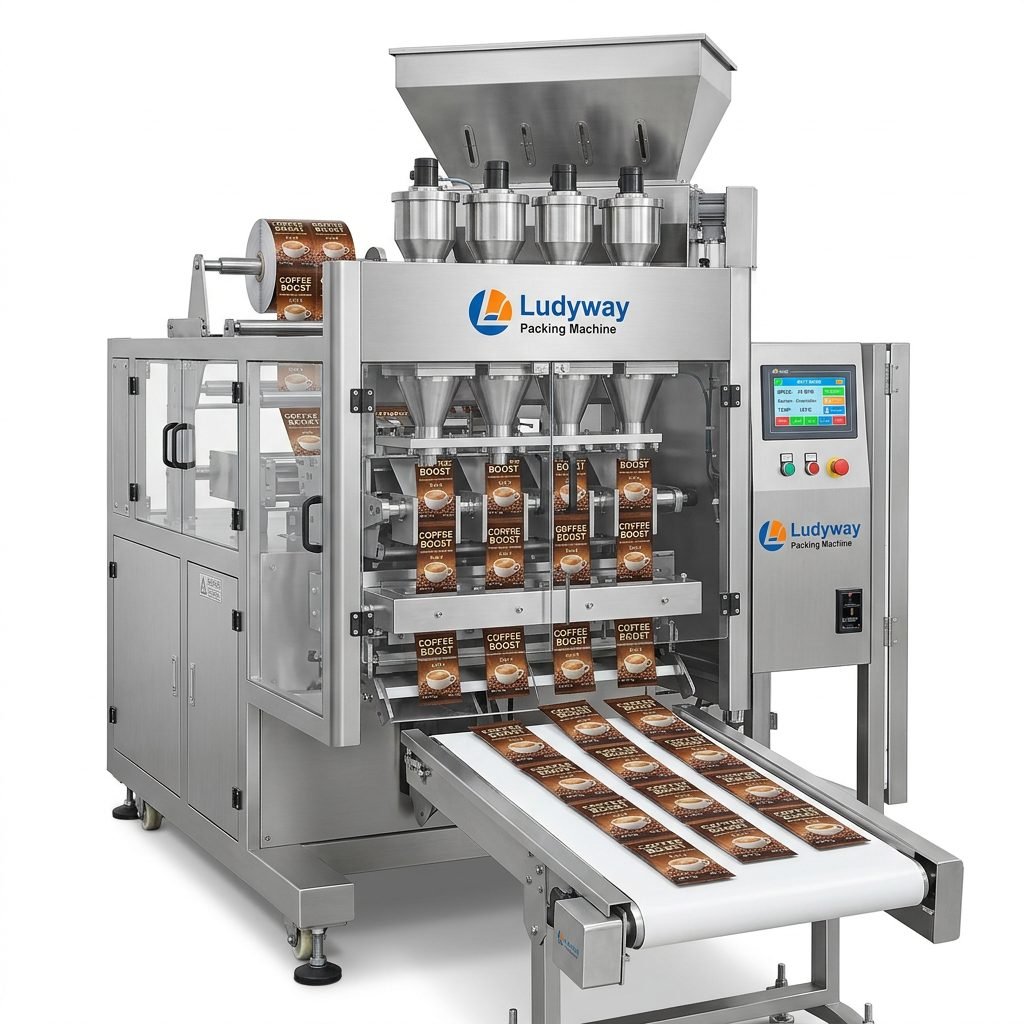
Microcomputer automatic packing machines are widely used across many industries because they can be configured for different product characteristics and packaging goals.
Food Industry
- Coffee powder and instant drink mixes
- Milk tea powder and seasonings
- Sauces, oils, and condiments
- Snacks, grains, seeds, and nuts
- Sugar, salt, and baking ingredients
Pharmaceutical and Health Supplement Industry
- Granules and oral powders
- Electrolyte sachets
- Vitamin and nutraceutical powders
- Medical consumables and sterile package formats
Cosmetic and Personal Care Industry
- Serums and lotions
- Creams and gels
- Travel-size sachets and stick packs
- Facial care and hygiene products
Chemical and Industrial Industry
- Detergents and cleaning agents
- Agricultural powders and granules
- Construction chemicals
- Industrial additives and liquid chemicals
Important Features to Look For
Not all automatic packaging machines offer the same value. When selecting equipment, buyers should focus on practical performance rather than only headline speed.
| Feature | Why It Matters |
|---|---|
| Programmable control interface | Simplifies operation and recipe management |
| Precise metering system | Improves fill consistency and reduces product loss |
| Stable sealing control | Protects package integrity and shelf life |
| Multi-lane capability | Boosts output for high-volume production |
| Line integration options | Connects with feeders, checkweighers, cartoners, and palletizers |
| Customization support | Matches machine structure to product type and packaging format |
How These Machines Improve ROI
For many manufacturers, the decision to invest in automation depends on return on investment. A microcomputer automatic packing machine can create measurable value in several ways:
- Lower labor expenses through automation of repetitive tasks
- Reduced material waste with more accurate dosing and sealing
- Higher daily output without proportional labor increases
- Better product presentation for retail and export markets
- Scalability for future line expansion and new product formats
In many cases, the long-term financial value is not just about speed. It also comes from quality stability, easier compliance, and the ability to serve larger orders with confidence.
From Standalone Machines to Turnkey Packaging Lines
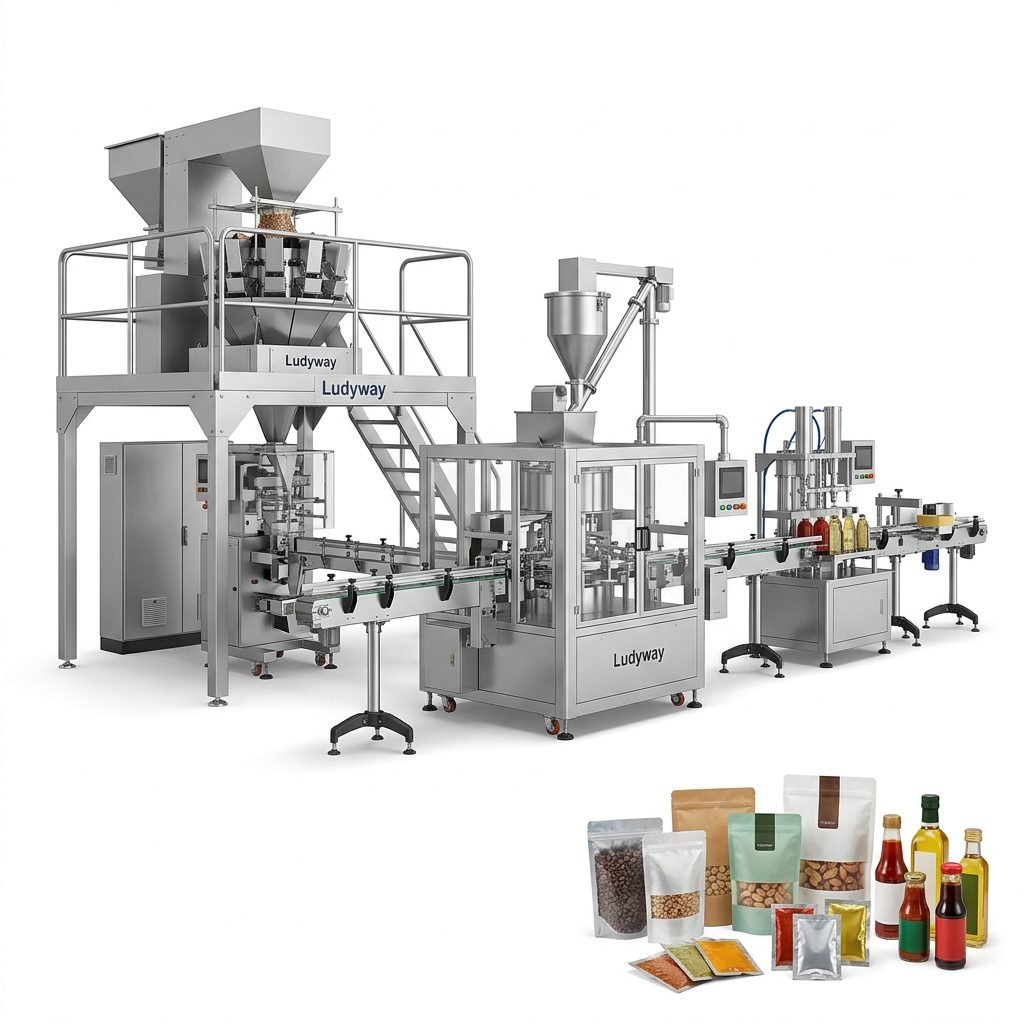
Many businesses begin with a single packing machine and later move toward a full packaging line. That is why it is useful to choose a manufacturer that understands both equipment and system integration. A complete packaging solution may include feeding, filling, sealing, coding, inspection, cartoning, labeling, conveying, and final case packing.
Manufacturers looking for scalable automation often work with experienced suppliers such as Ludyway microcomputer automatic packing machine solutions, especially when they need customized systems for food, pharmaceutical, health supplement, cosmetic, or chemical packaging applications.
How to Choose the Right Machine for Your Product
Before purchasing, it is important to define your production requirements clearly. The best machine is not always the largest or fastest model. It is the one that fits your product, package style, output target, and factory layout.
Ask these questions first:
- What product are you packing: granule, powder, liquid, or paste?
- What packaging format do you need: sachet, stick pack, pouch, or bottle?
- What is your target output per minute or per shift?
- Do you need a single machine or a fully integrated line?
- Are there hygiene, GMP, or other industry-specific requirements?
- Will you need future expansion for more SKUs or export packaging standards?
Trends Shaping the Future of Automatic Packaging
The packaging industry is moving toward smarter and more connected production. Microcomputer automatic packing machines are increasingly equipped with features that support intelligent manufacturing, including production data monitoring, remote diagnostics, energy-efficient operation, and faster changeover settings.
As competition increases, manufacturers are looking beyond basic automation. They want machines that can help them build stable, traceable, and flexible packaging operations. This is especially important for export-oriented factories that must satisfy different market expectations across food safety, labeling, and packaging quality.
Final Considerations for Manufacturers
A microcomputer automatic packing machine is more than a piece of equipment. It is a strategic upgrade for businesses that want smarter production, stronger quality control, and better long-term efficiency. From powders and granules to liquids and pastes, intelligent packaging systems can support both daily output goals and future expansion plans.
For companies aiming to improve consistency, reduce manual work, and create a more competitive packaging operation, choosing the right automatic solution can make a significant difference in both productivity and brand performance.