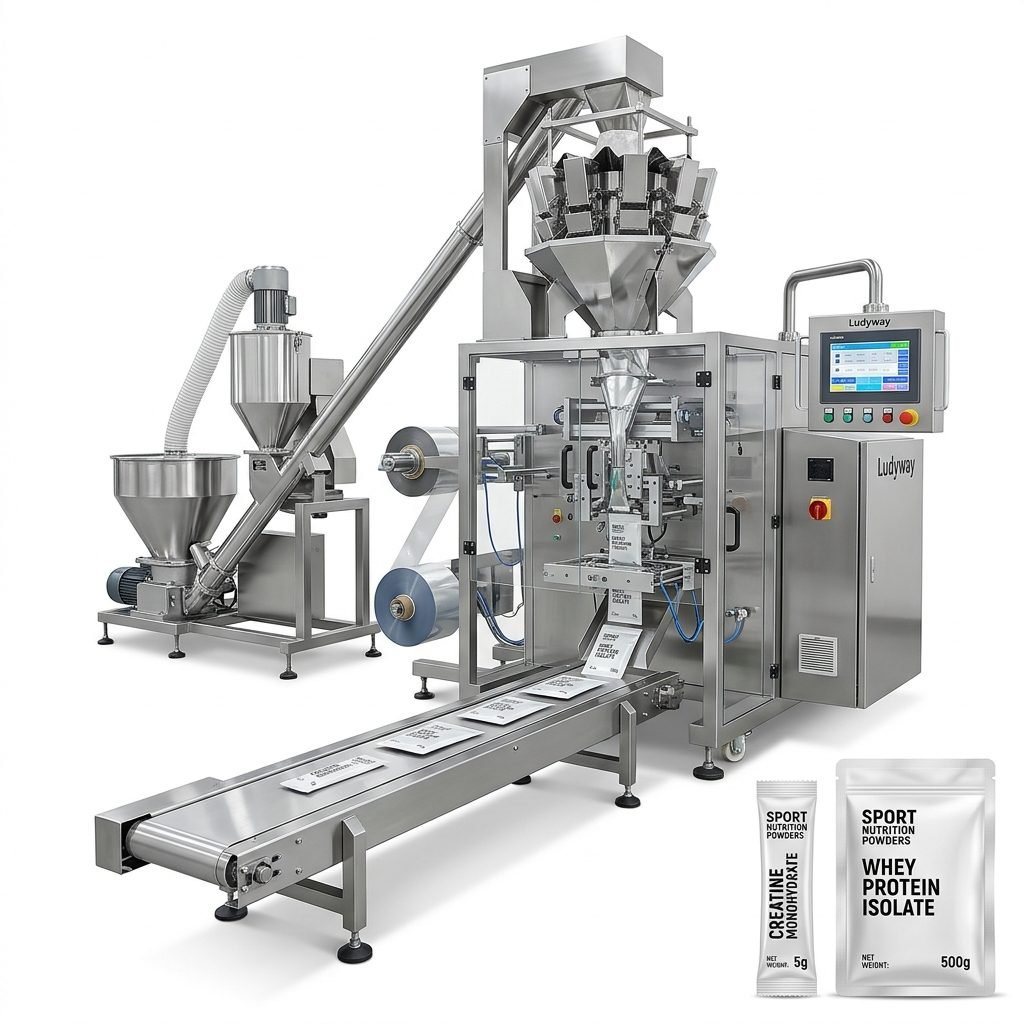
The Evolution of Bakery Preservation
The global baking industry is undergoing a significant transformation driven by changing consumer preferences. Today’s consumers demand premium bakery products that maintain a “just-baked” texture, rich aroma, and high visual appeal, all without the use of artificial chemical preservatives. This shift toward clean-label ingredients has created a major challenge for manufacturers: how to extend product shelf life while keeping the recipe natural.
To address this challenge, commercial bakeries are increasingly turning to advanced packaging technologies. Among the most effective solutions is Modified Atmosphere Packaging (MAP), specifically utilizing nitrogen-filled pillow packaging machines. By replacing oxygen with an inert gas, this technology protects delicate bakery items from spoilage, staling, and physical damage during transit, establishing a new operational standard for premium brands.
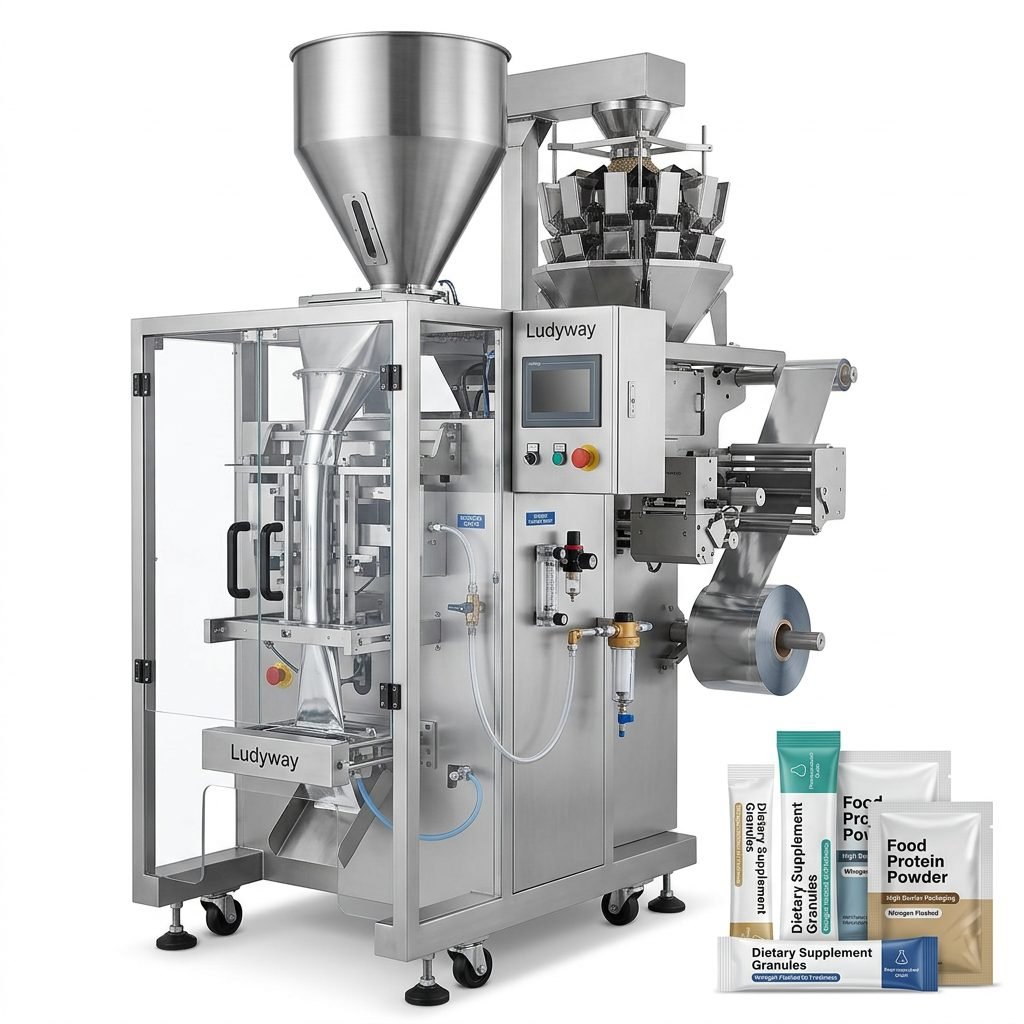
How Nitrogen Gas Flushing Protects Bakery Freshness
Oxygen is the primary catalyst for bakery spoilage. It promotes the growth of aerobic molds, accelerates the oxidation of fats and oils—leading to rancidity—and contributes to the staling of starches. Nitrogen gas flushing works by displacing the ambient air inside the package prior to the final sealing stage. Because nitrogen is inert, odorless, and tasteless, it does not react with the food product, preserving its natural flavor profile.
Furthermore, the physical “pillow” shape created by the gas inflation serves an important structural purpose. Delicate baked goods, such as croissants, brioches, muffin tops, and glazed pastries, are highly susceptible to crushing. The pressurized nitrogen cushion prevents the film from collapsing onto the product, ensuring that the items arrive at retail outlets in pristine condition.
Comparing Packaging Standards in the Bakery Industry
To understand why nitrogen flushing has become the preferred choice for premium brands, it is helpful to look at how it compares to traditional packaging methods:
| Packaging Feature | Standard Pillow Packaging | Nitrogen-Filled Pillow Packaging |
|---|---|---|
| Atmosphere Control | Ambient air (approx. 21% oxygen) | Modified atmosphere (residual oxygen under 1%) |
| Average Shelf Life | Short (3 to 7 days, depending on product) | Extended (up to 3 to 4 times longer) |
| Preservative Dependency | High (requires chemical mold inhibitors) | Minimal to none (supports clean-label formulas) |
| Physical Protection | Low (susceptible to crushing during transit) | High (gas cushion acts as a protective shield) |
Key Technical Demands for Nitrogen-Filled Packaging
Implementing a successful nitrogen flushing system requires specialized machinery designed to handle gas injection dynamically. Standard flow wrap machines cannot simply be retrofitted with a gas hose; achieving high-speed production requires precise synchronization between the product feed, gas injection timing, and sealing jaw contact.
First, the machine must maintain consistent gas sealing integrity. Even a minor leak in the longitudinal or cross seals will allow the nitrogen to escape and oxygen to seep back in, rendering the process ineffective. High-performance packaging systems utilize advanced temperature control and sealing pressure calibration to guarantee airtight seals across various film materials.
Second, material selection is critical. High-barrier films, such as those incorporating EVOH or metallized layers, are essential to prevent gas permeability over time. The packaging machine must feed and cut these sensitive materials smoothly without causing micro-perforations.
Integrating Automation in Modern Bakery Lines
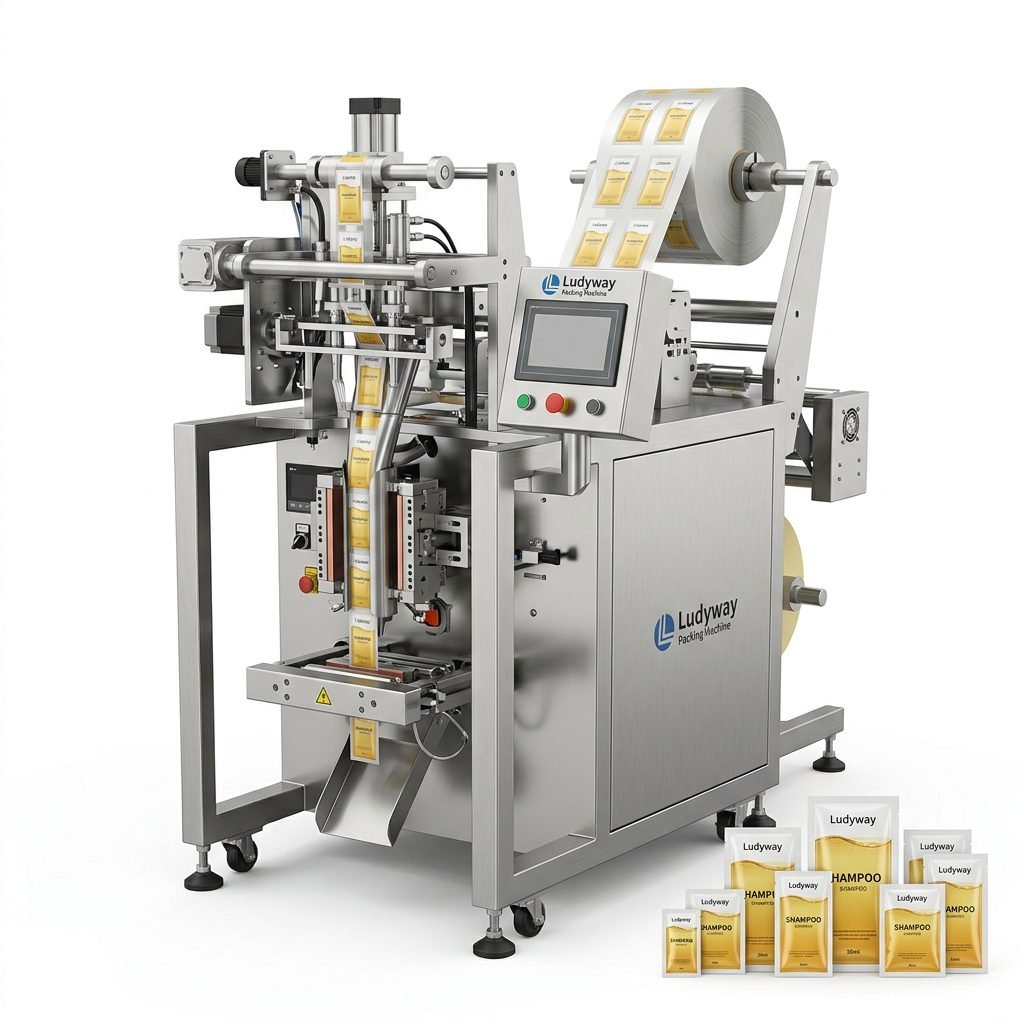
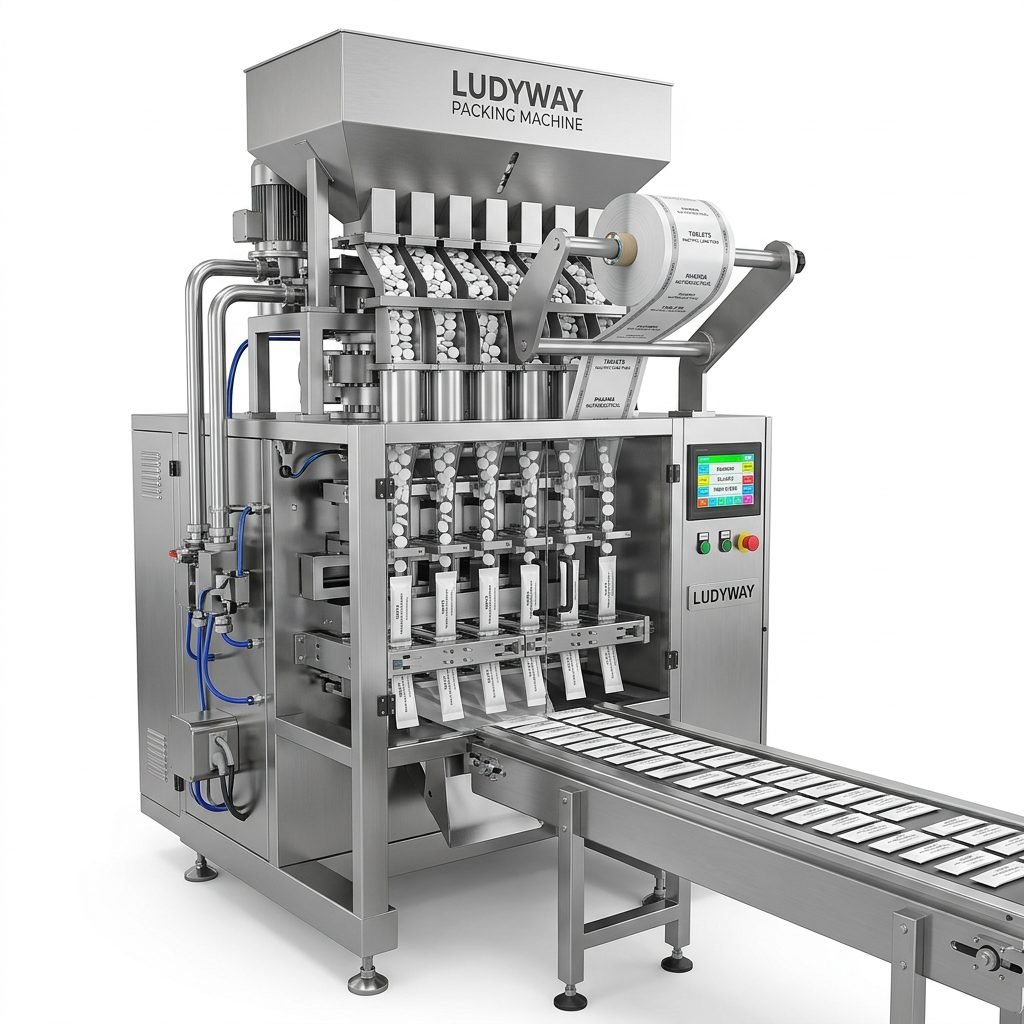
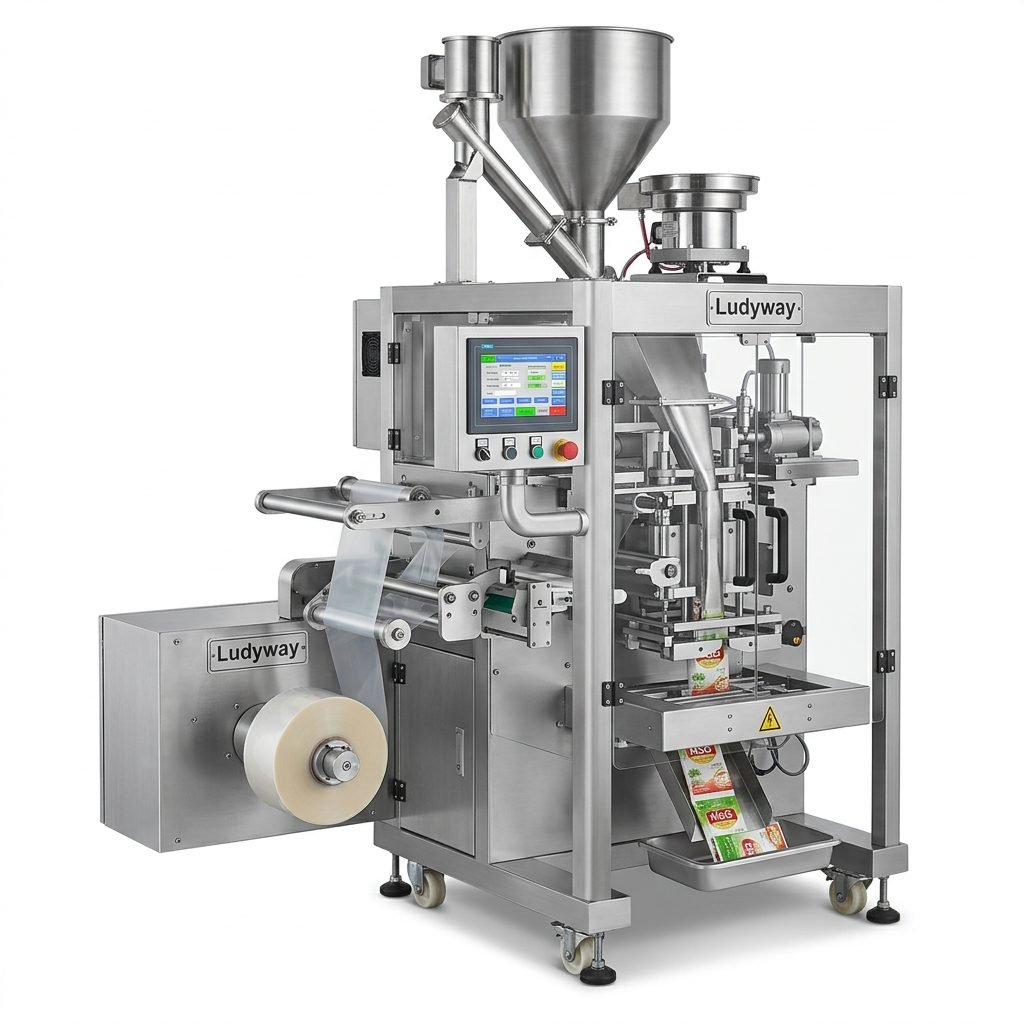
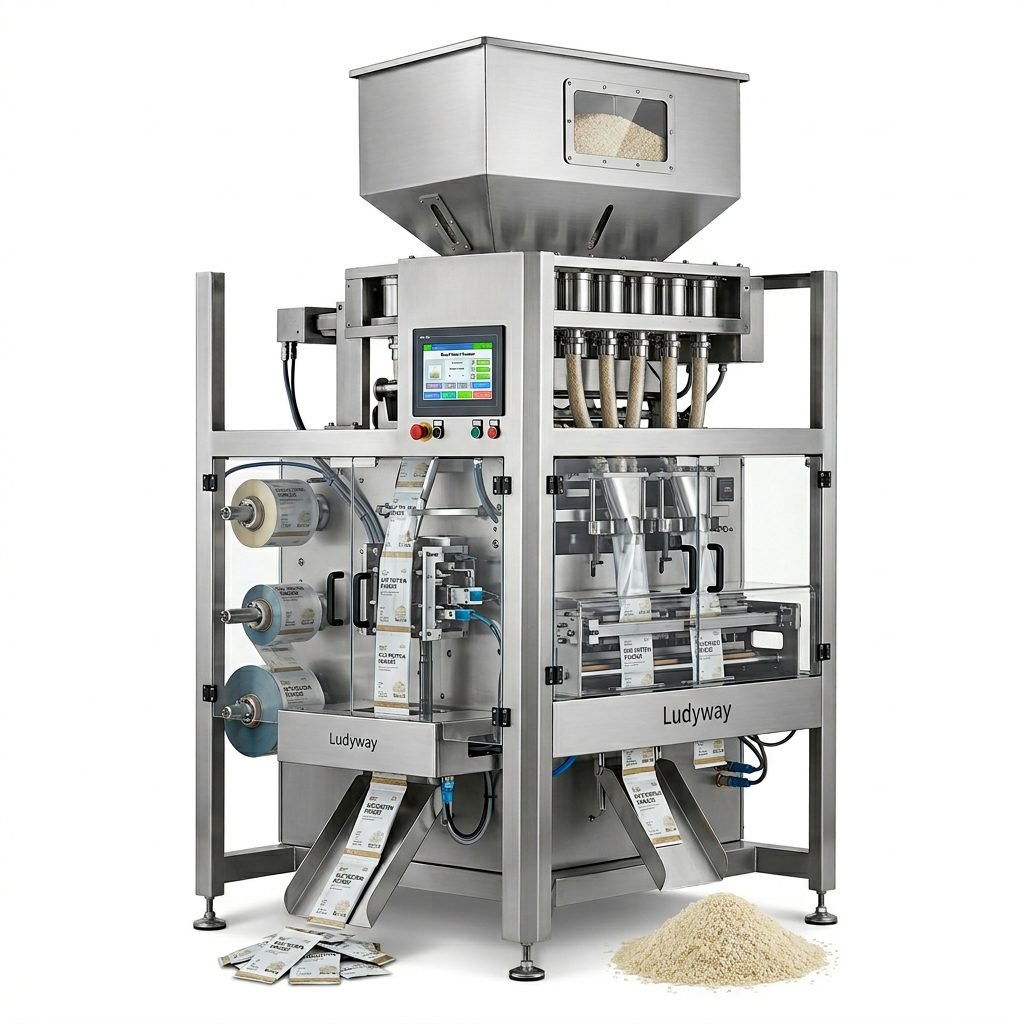
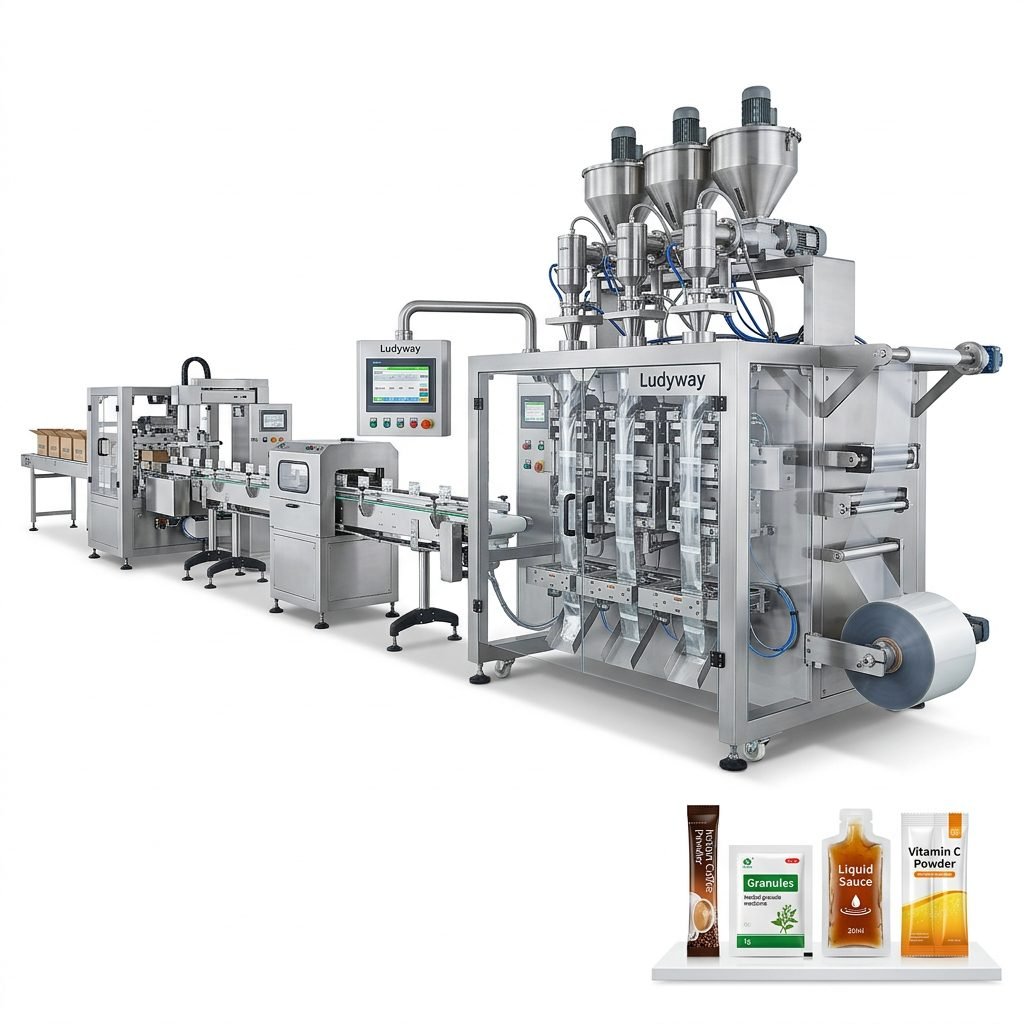
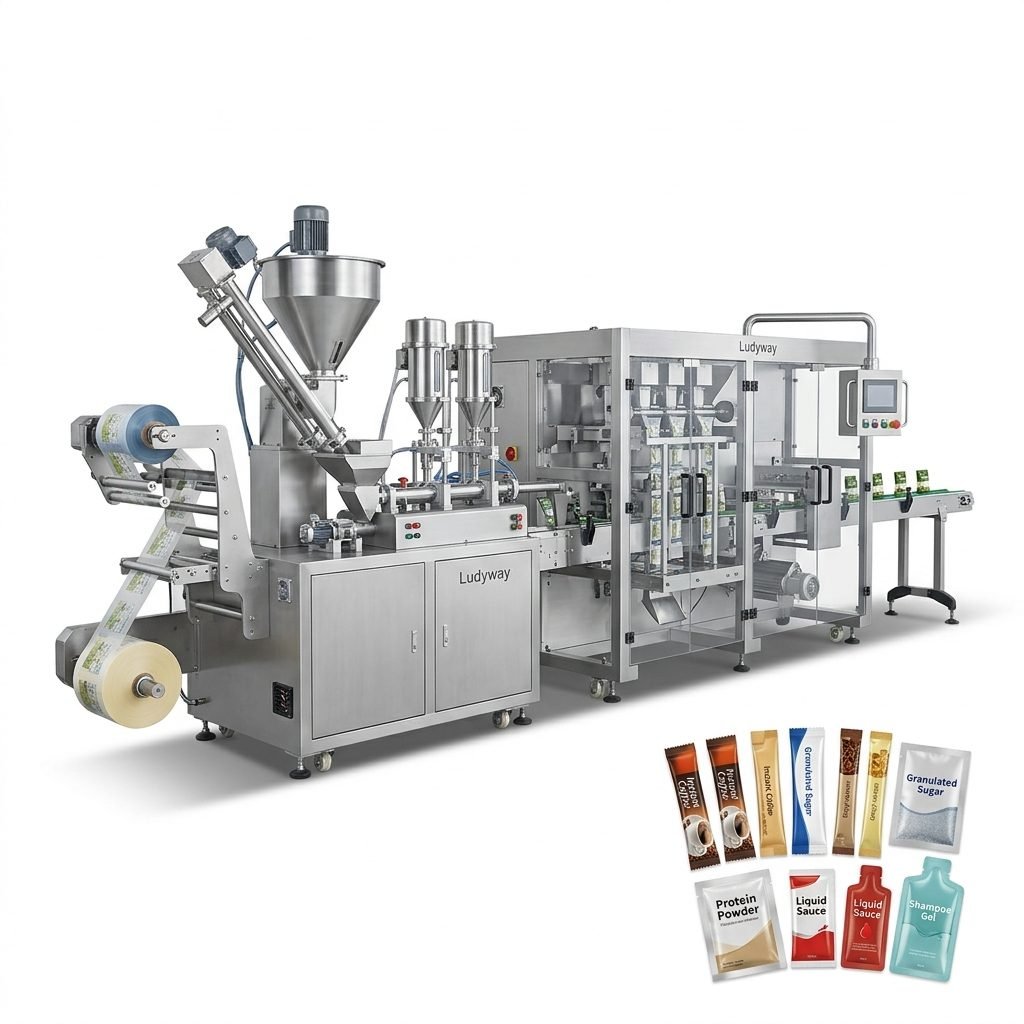
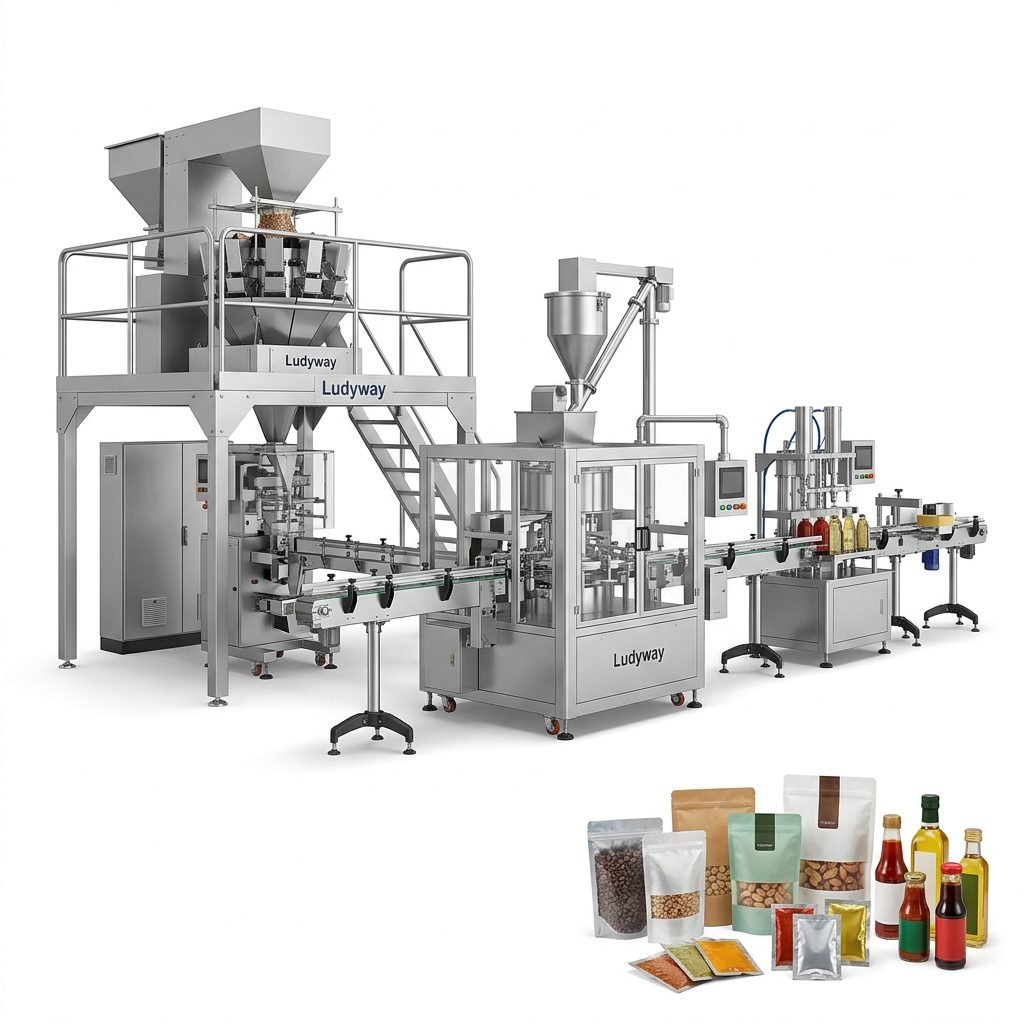
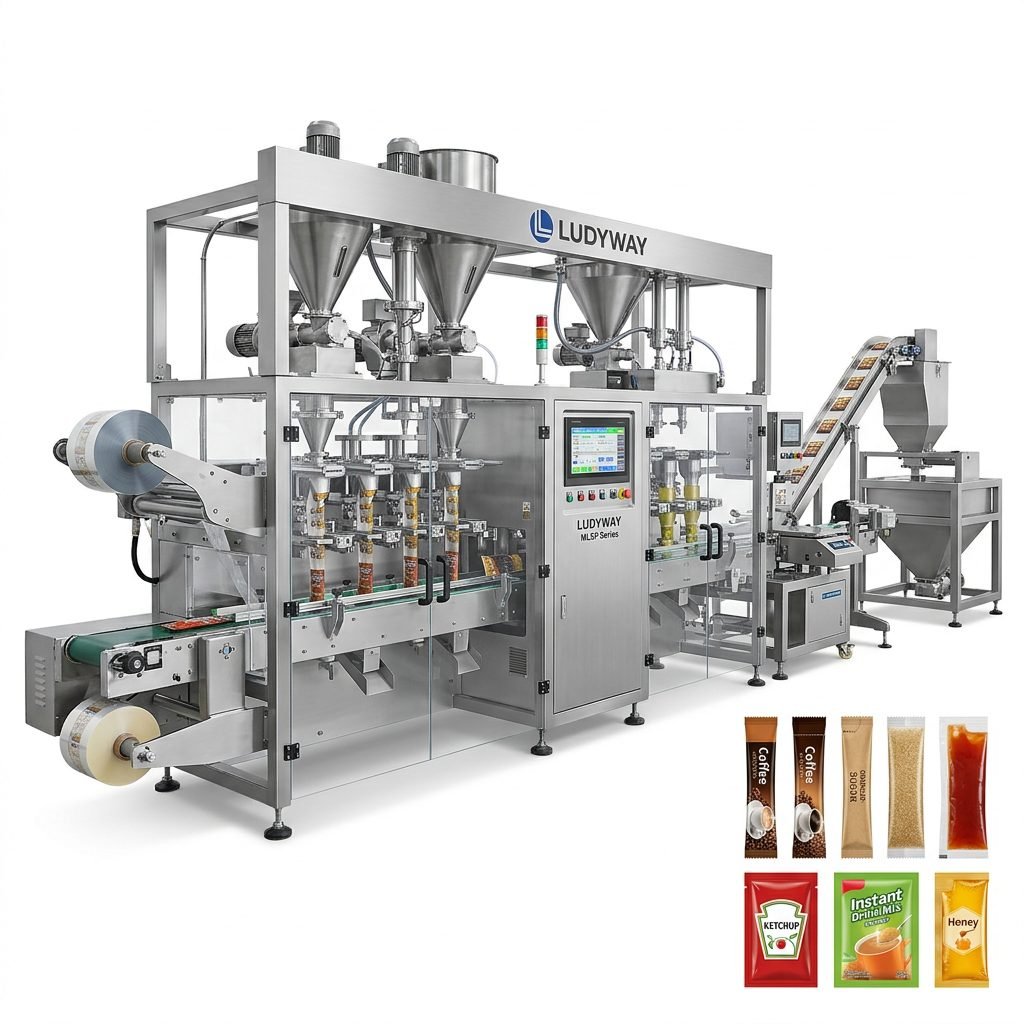
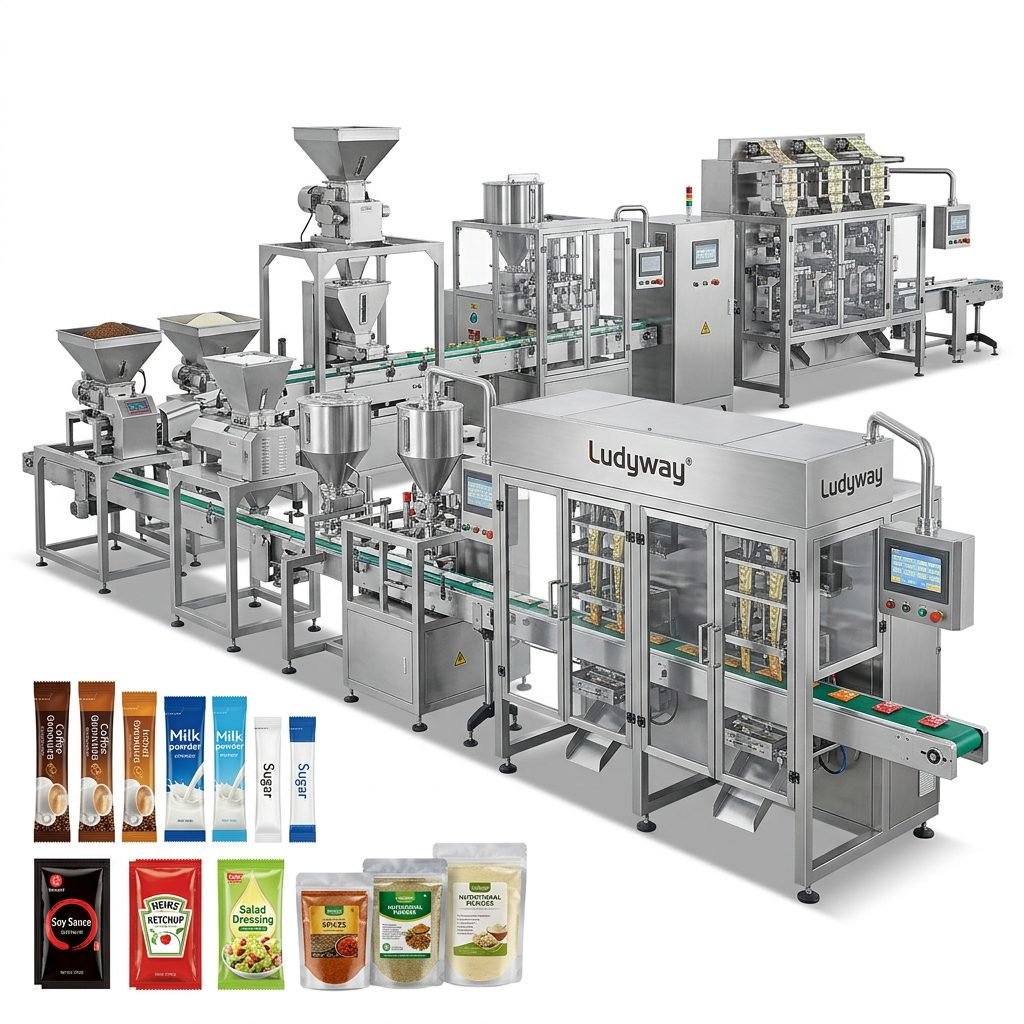
To support high-volume distribution, bakery manufacturers are moving away from stand-alone equipment in favor of fully integrated packaging lines. These systems link baking ovens, cooling towers, and packaging machinery into a seamless flow. For companies seeking to upgrade their automation capabilities, partnering with experienced machinery manufacturers is essential.
Industry leaders like Ludyway provide complete turnkey packaging line solutions that integrate automatic feeding, precise nitrogen dosing, and high-speed sealing. Having a single integrated system ensures that the delicate baked products are handled gently, packaged under optimal hygienic conditions, and sealed at high speeds to maintain freshness on a global scale.
Operational Benefits for Bakery Manufacturers
Upgrading to nitrogen-flushed pillow packaging offers several strategic advantages that directly impact a manufacturer’s bottom line:
- Expanded Distribution Reach: Extended shelf life allows manufacturers to ship premium baked goods over longer distances, opening up new regional and international markets.
- Reduced Food Waste: Retailers benefit from a longer sell-through window, significantly reducing the amount of expired stock that must be discarded.
- Enhanced Brand Reputation: Consistently fresh products with excellent visual presentation build consumer trust and foster repeat purchases.
- Cost-Efficient Clean Labeling: Eliminating chemical preservatives simplifies the ingredient list, meeting the demands of health-conscious consumers without sacrificing product stability.
The Future of Bakery Packaging
As the premium bakery market continues to grow, the adoption of modified atmosphere packaging will accelerate. Nitrogen-filled pillow packaging is no longer viewed as a luxury option reserved for niche brands; it has quickly become the baseline standard for any producer wishing to compete in modern retail spaces. By investing in modern packaging machinery, bakery brands can secure their product quality, streamline their supply chain, and deliver the freshness consumers expect.