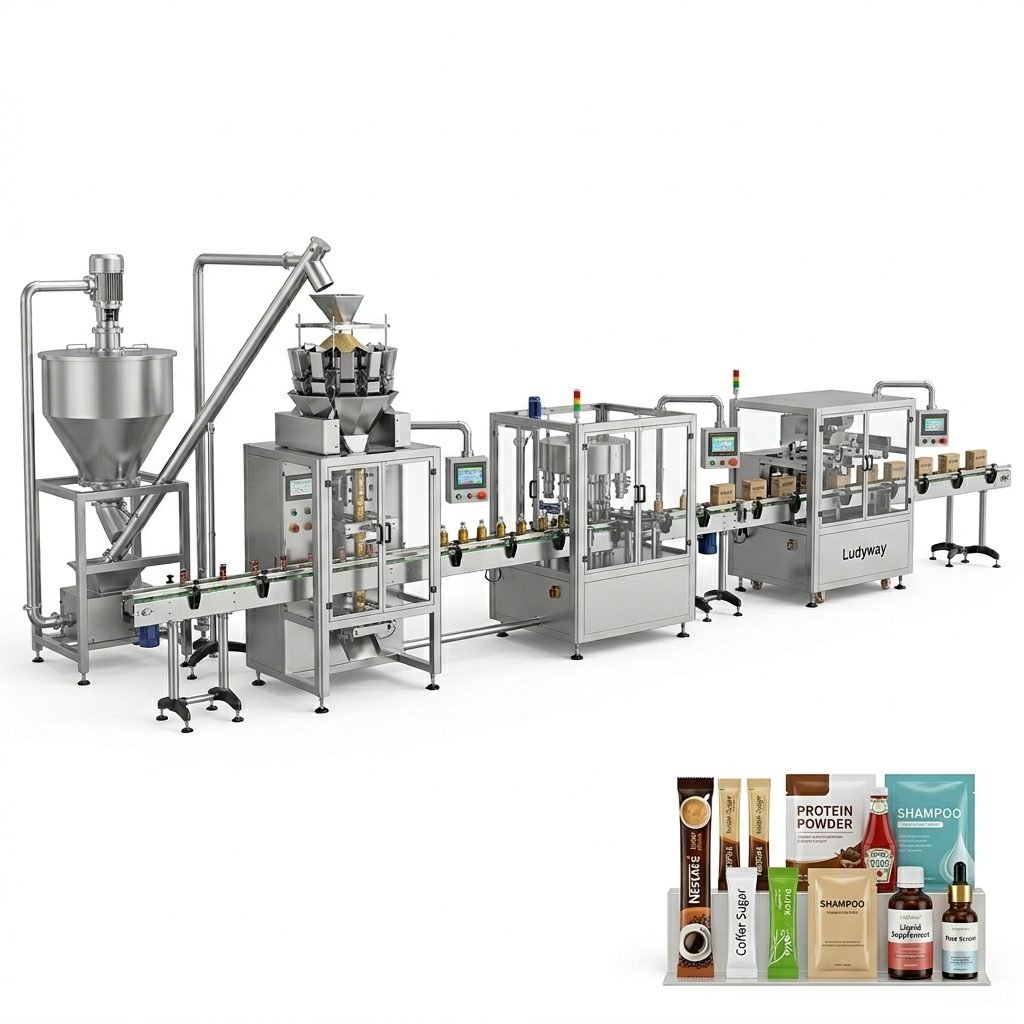
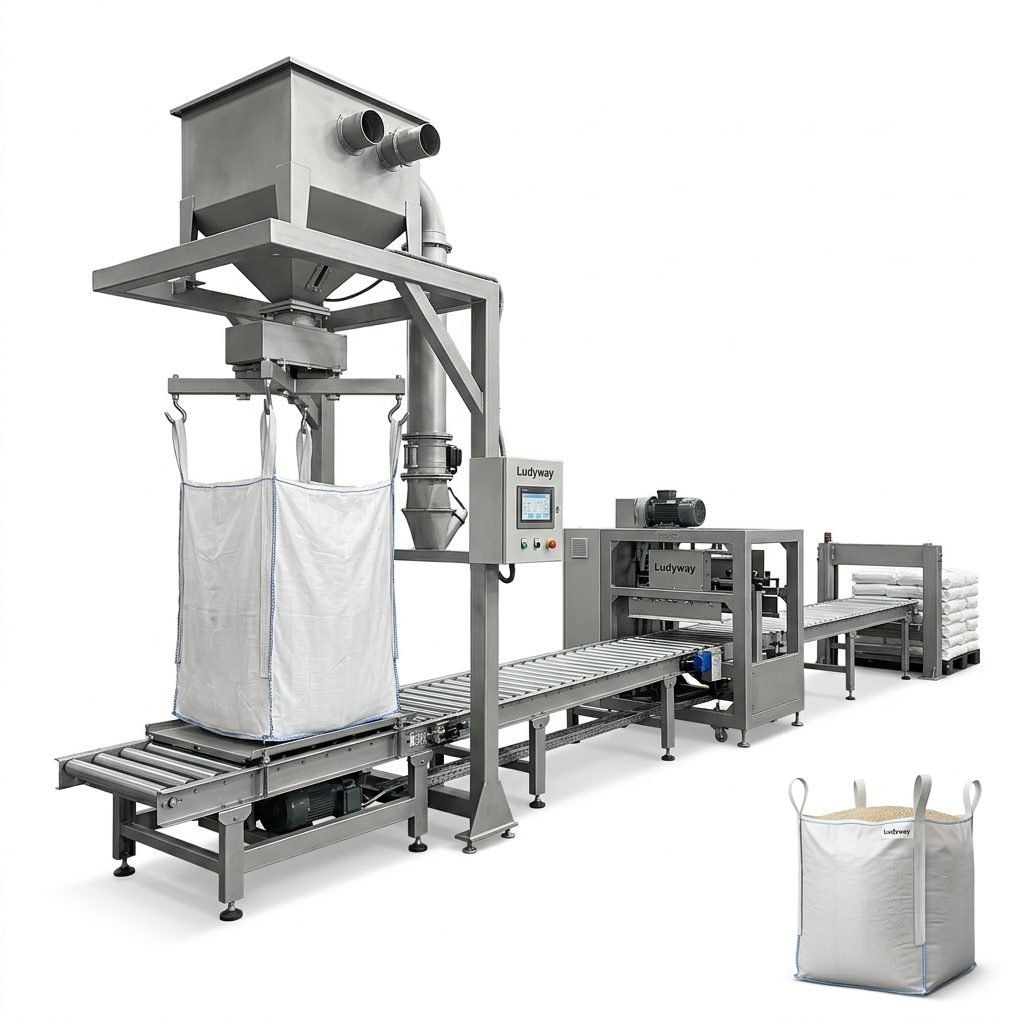
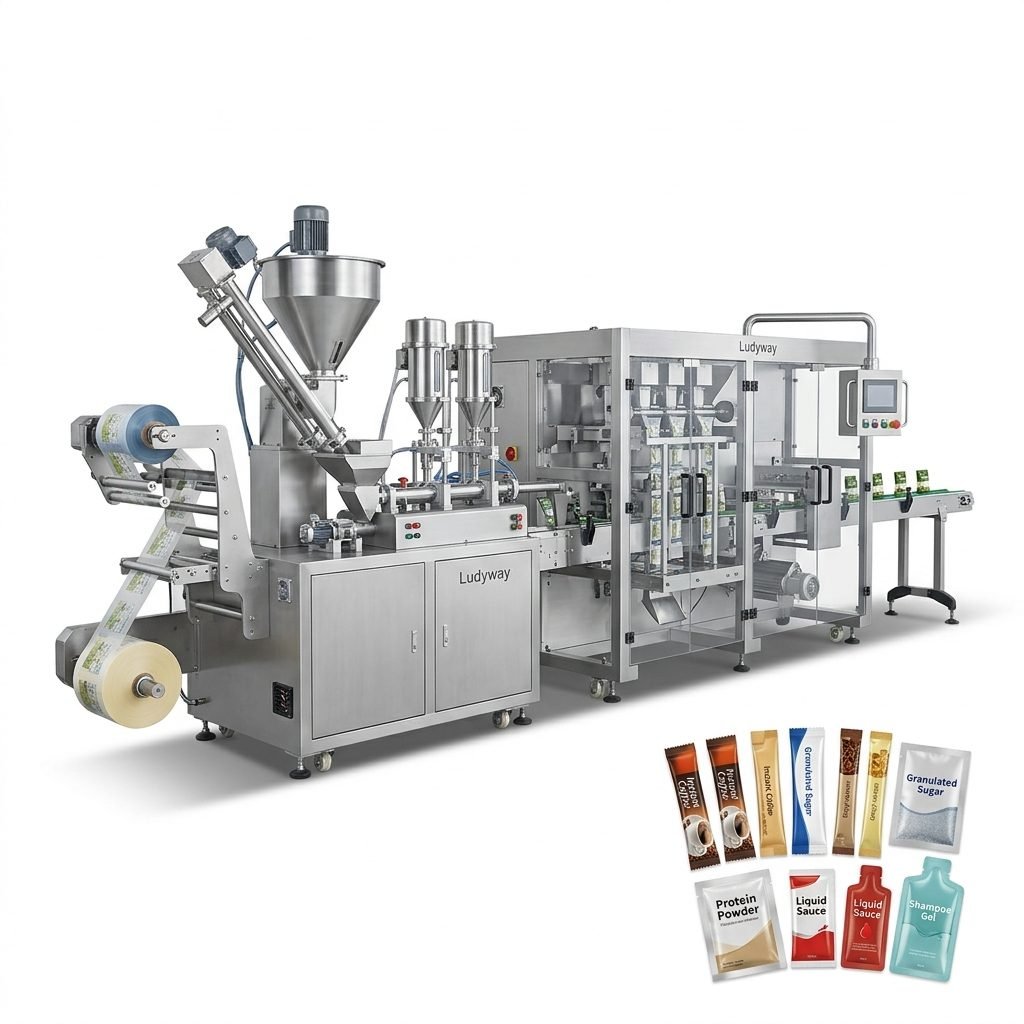
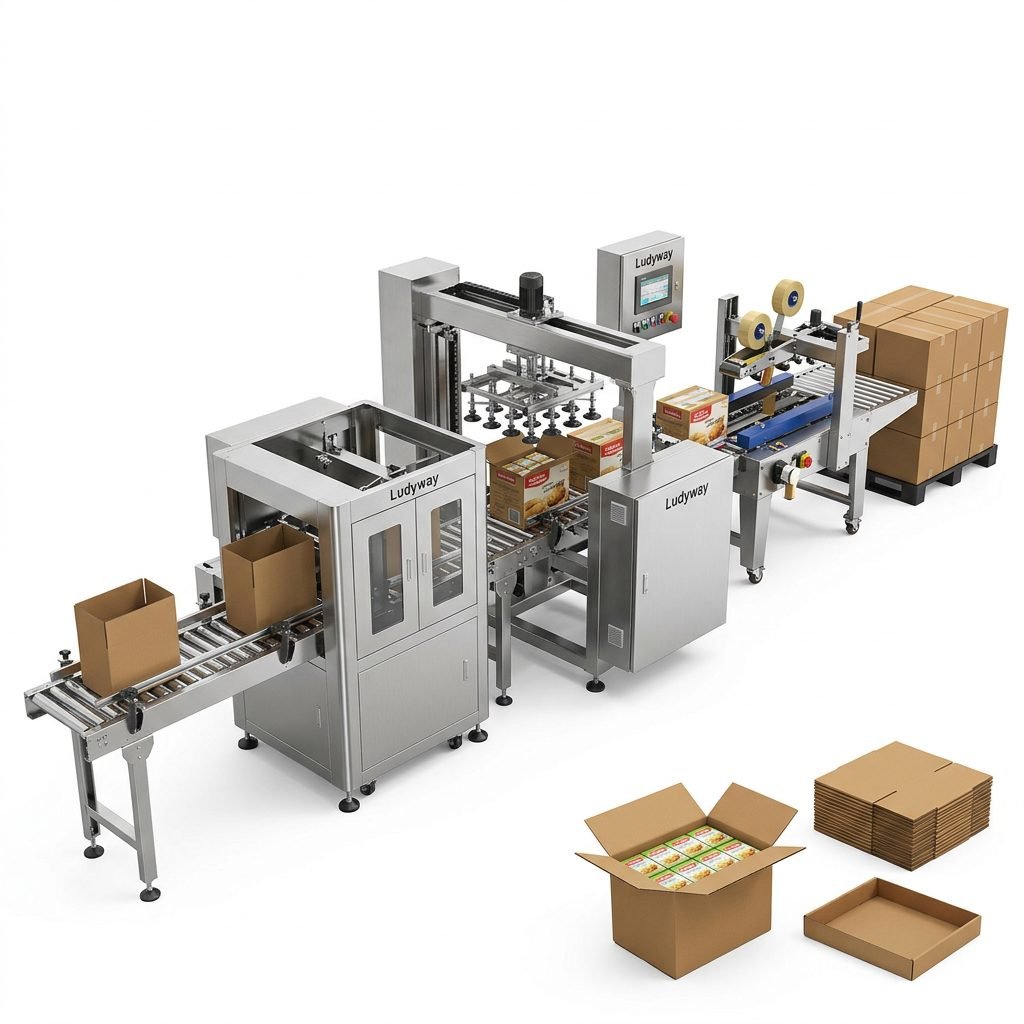
The manufacturing sector is undergoing a profound transformation driven by digitalization, artificial intelligence, and advanced robotics. In the packaging sector, the ultimate goal of this evolution is the realization of a fully automated production closed-loop. Historically, packaging was treated as a series of isolated steps—filling, sealing, cartoning, and palletizing—often requiring manual intervention to bridge the gaps. Today, the modern factory demands an interconnected, self-correcting system where raw materials enter at one end, and finished, palletized products emerge from the other with minimal human touch.
This closed-loop system is not just about linking machines together; it is about creating a continuous flow of data and physical products that optimize performance in real time. By integrating smart sensors, automated rejection systems, and intelligent feedback loops, modern packaging lines can detect deviations, adjust parameters on the fly, and maintain peak efficiency without stopping production.
Defining the Closed-Loop Packaging System
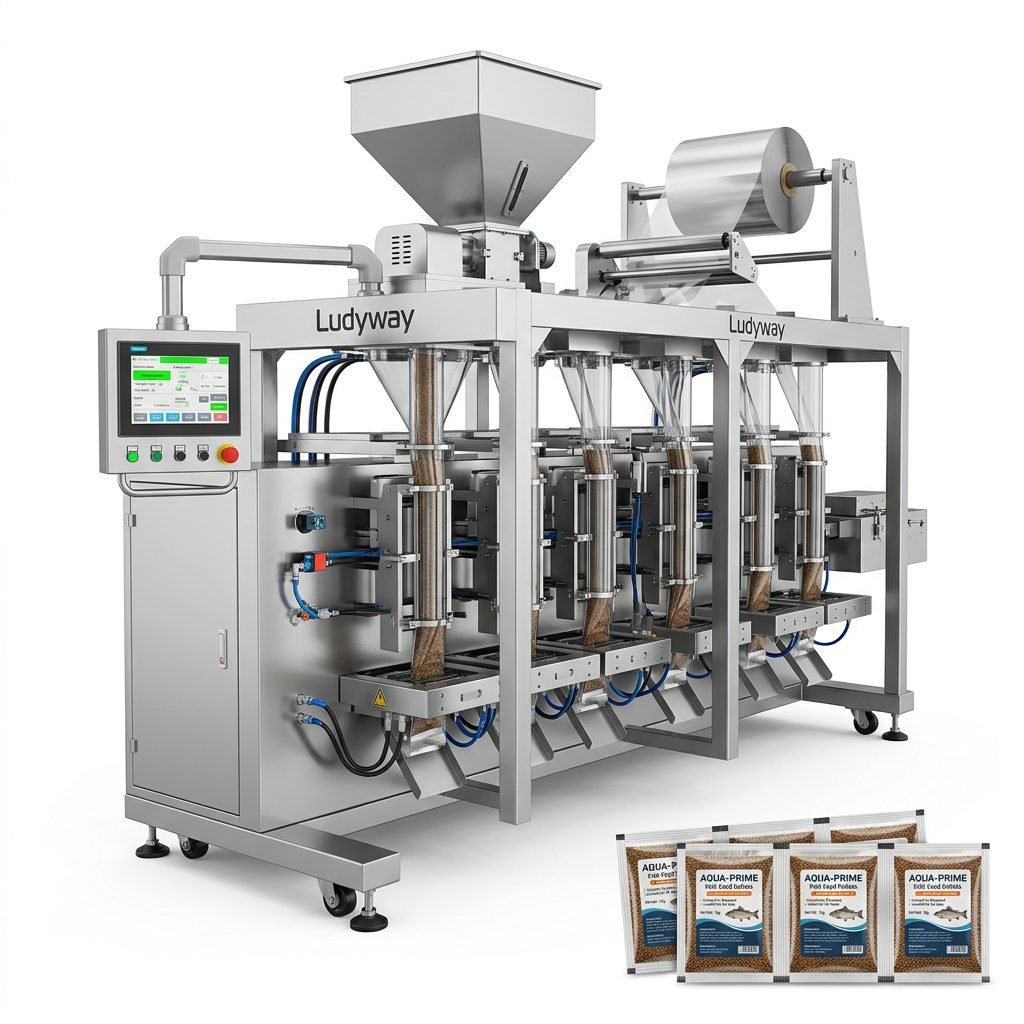
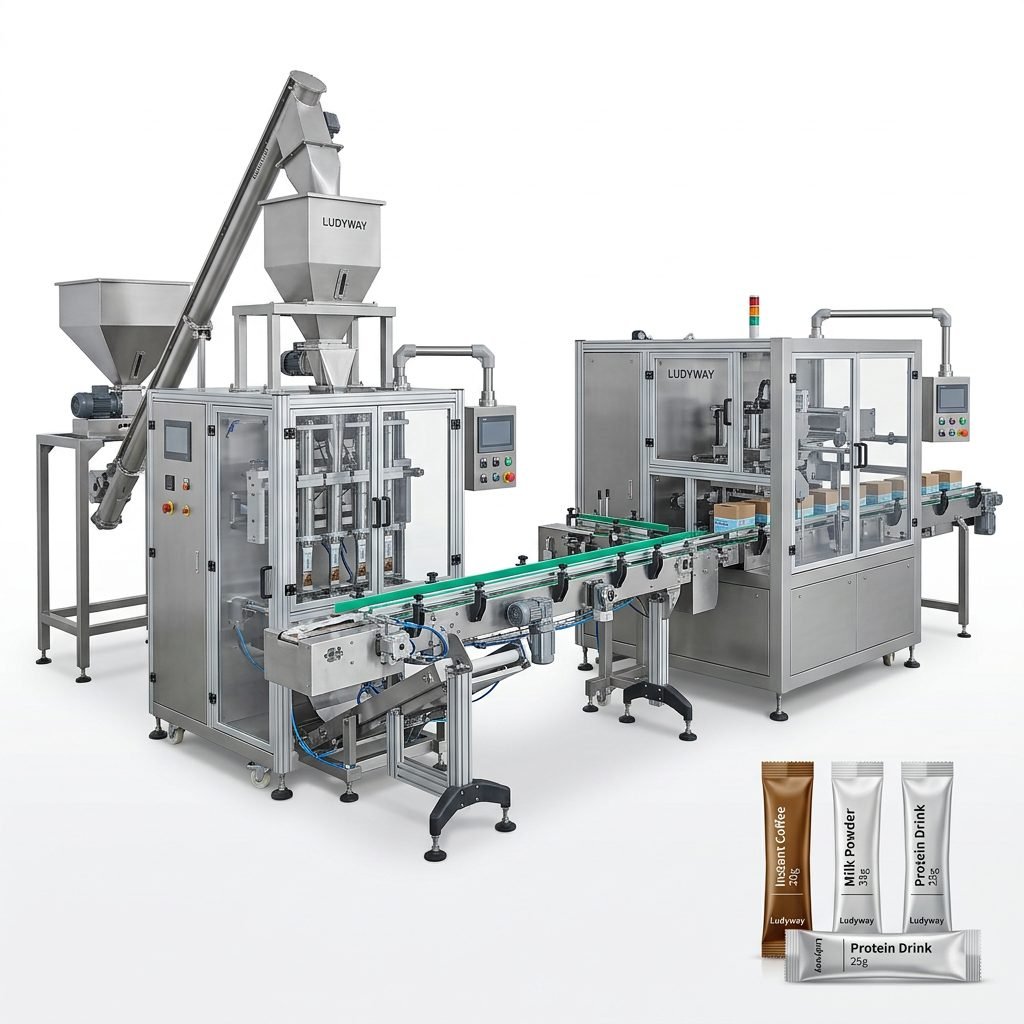
A closed-loop system relies on the continuous exchange of information between the downstream inspection systems and upstream processing machinery. In traditional setups, if a multi-lane stick pack machine began filling packages with a slight weight variance, the error might not be detected until manual quality checks occurred hours later. This delay results in significant product waste and downtime.
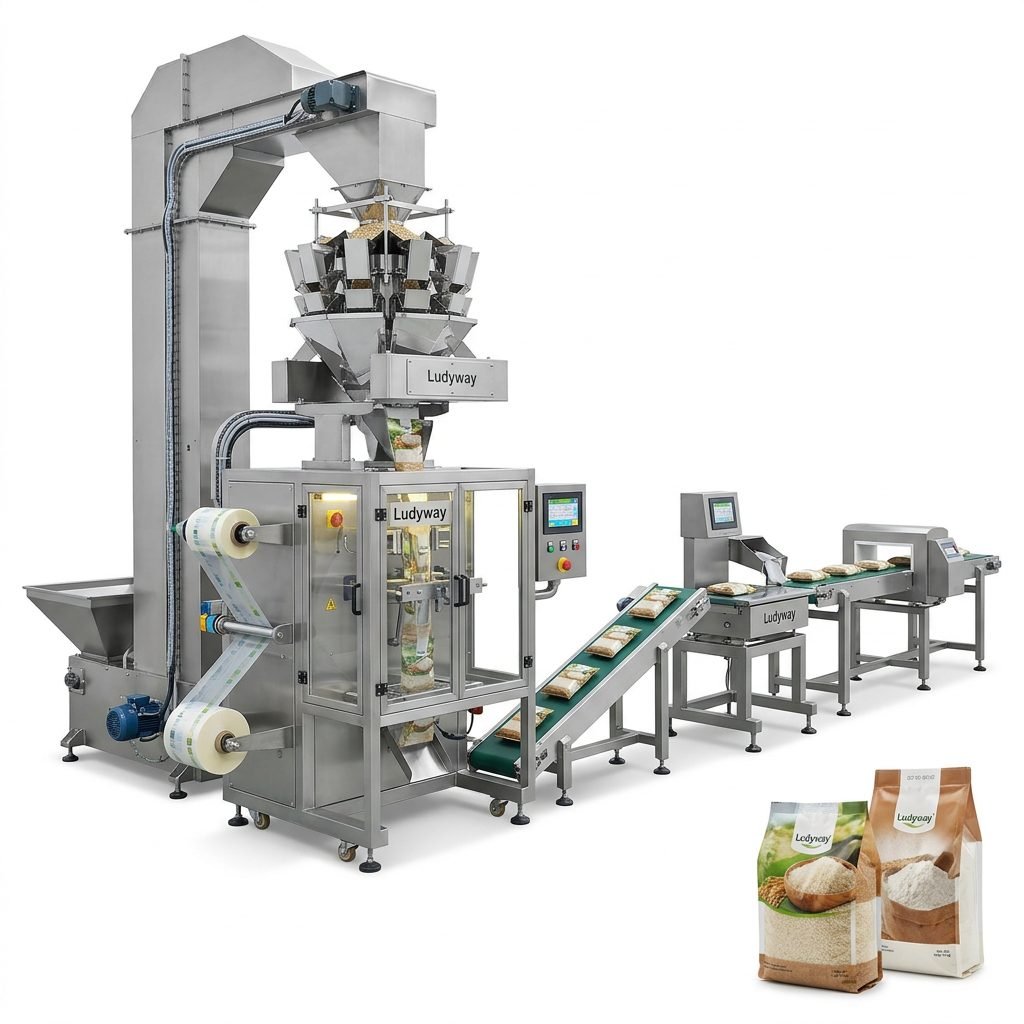
In contrast, a fully automated closed-loop utilizes inline checkweighers and vision systems that inspect every single package. If a deviation is identified, the system automatically sends a signal back to the dosing mechanism to adjust the fill volume for subsequent cycles. This level of self-regulation ensures consistent quality, eliminates manual calibration delays, and maximizes resource utilization.
Key Pillars of Modern Closed-Loop Architecture
To establish a fully functional closed-loop production environment, several advanced technological elements must work in absolute harmony:
- Intelligent Dosing and Feeding: Automated vacuum feeders or screw conveyors dynamically adjust material flow based on real-time consumption rates.
- High-Speed Inspection Systems: Integrated vision sensors inspect seal integrity, barcode readability, and date-code accuracy instantly.
- Dynamic Feedback Mechanisms: Downstream checkweighers analyze pack weight data and send immediate calibration commands back to the volumetric or auger fillers.
- Smart Rejection Modules: Defective packages are automatically diverted from the main stream without slowing down the primary packaging line.
- Secondary Packaging Integration: Fully automated carton erectors, case packers, and palletizers receive product counts directly from the primary packaging machines to prepare boxes and pallets just in time.
Comparing Traditional and Closed-Loop Systems
To understand the operational and financial impact of implementing a fully automated closed-loop, it is helpful to contrast it with traditional packaging practices across key production parameters.
| Feature | Traditional Line | Automated Closed-Loop System |
|---|---|---|
| Monitoring | Manual checks at set intervals | Continuous real-time inline sensing |
| Error Correction | Manual machine adjustment and downtime | Self-correcting feedback commands |
| Material Waste | Moderate to high during calibration errors | Minimal due to instant correction cycles |
| Labor Dependency | High requirement for monitoring and packing | Low; operators transition to supervisory roles |
Turnkey Integration: The Path Forward
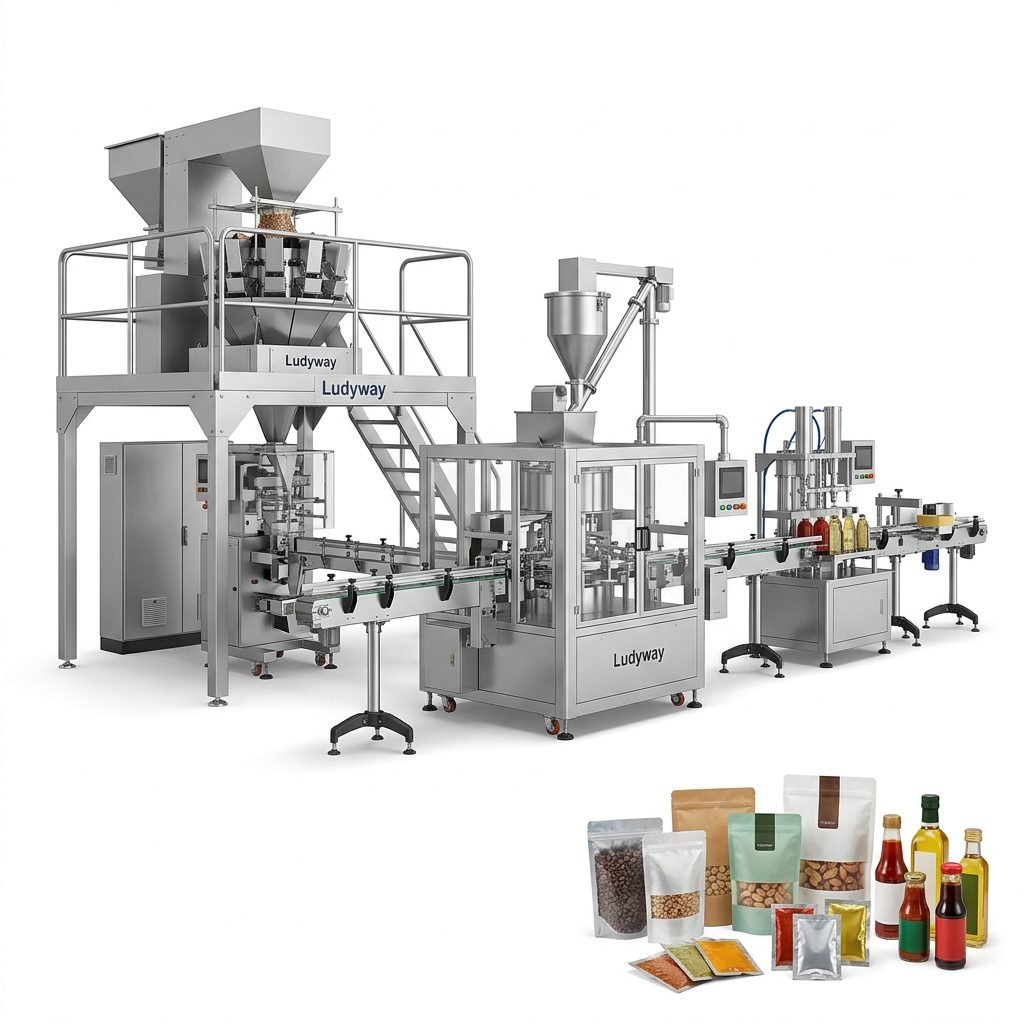
Achieving a fully automated closed-loop production environment requires advanced engineering expertise. Manufacturers cannot simply buy individual components from different vendors and expect them to communicate seamlessly out of the box. True closed-loop efficiency demands complete system integration, where software and hardware are engineered as a single unit.
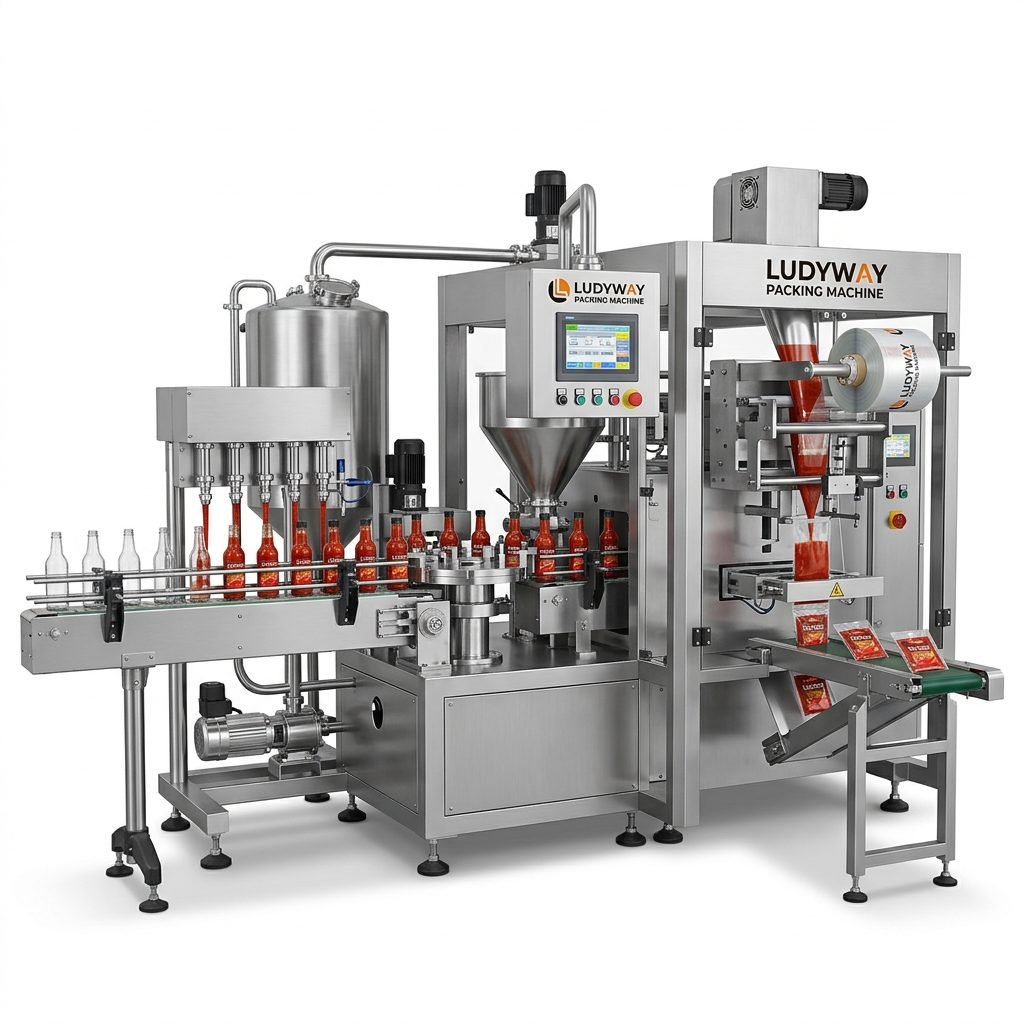
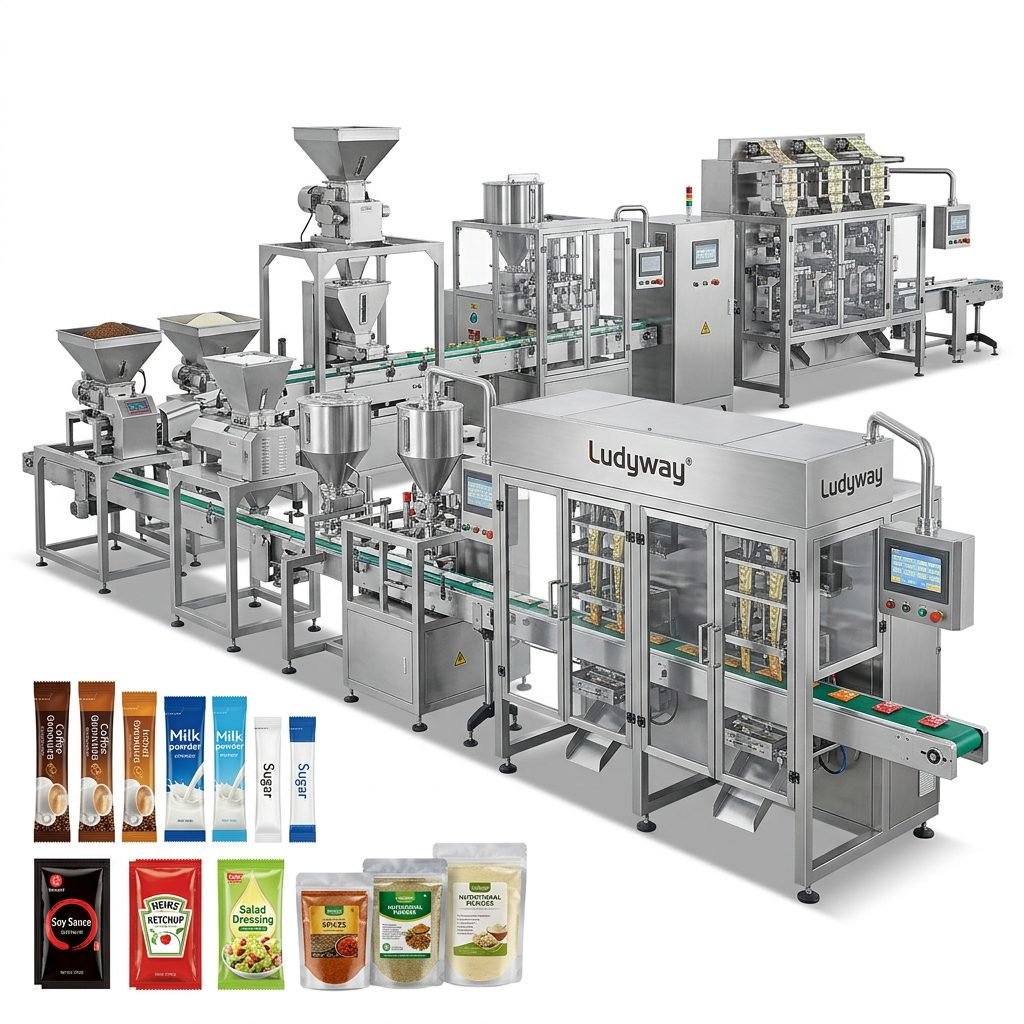
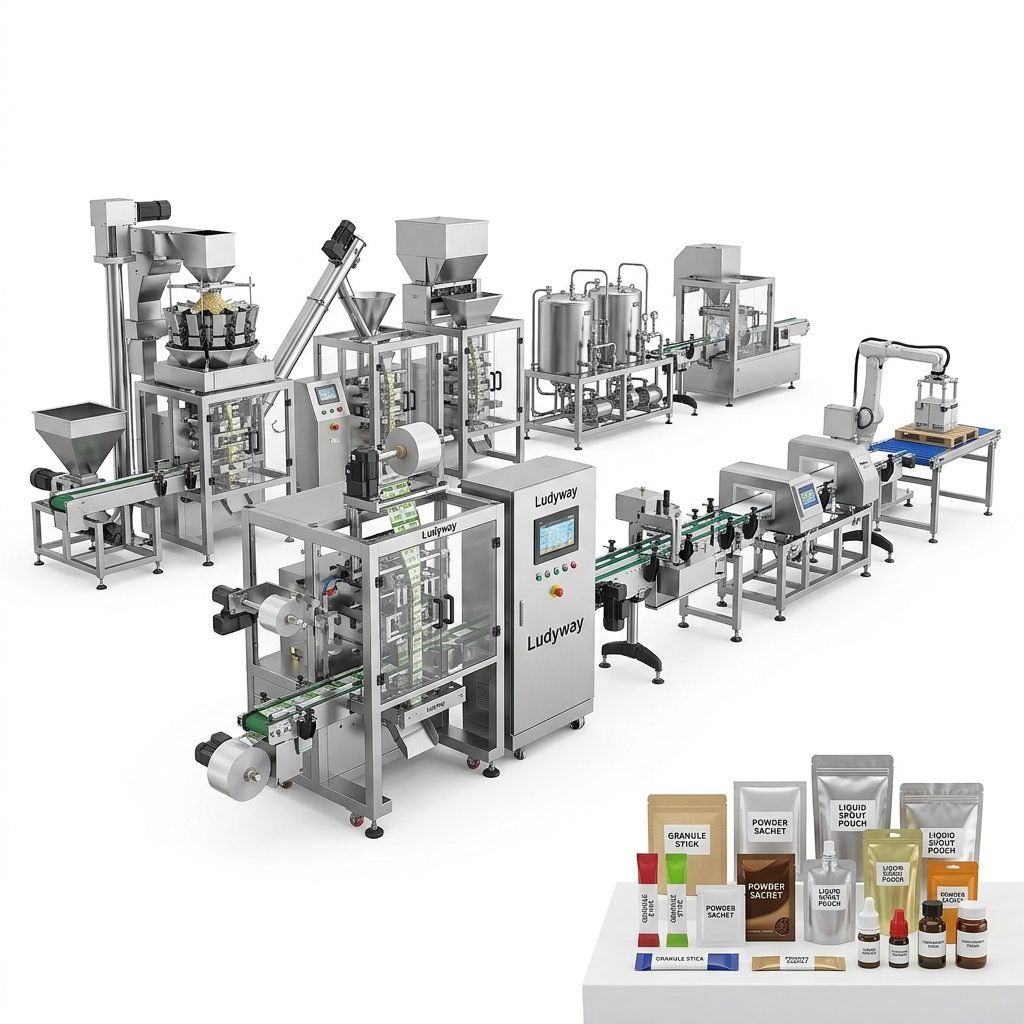
For global factories looking to upgrade their production capabilities, partnering with experienced equipment designers is vital. Brands like Ludyway deliver comprehensive, turnkey packaging lines that are natively designed for closed-loop operations. By combining multi-lane primary packaging machines, precise dosing units, vision inspection systems, and secondary cartoning equipment into unified lines, they ensure that data flows smoothly across the entire factory floor. This high level of integration minimizes installation times, reduces compatibility issues, and ensures that factories can scale up their automation efforts with confidence.
Industry-Specific Impacts
The transition to fully automated closed-loops has direct benefits across multiple critical sectors:
Food & Beverage
In the food industry, precision is key to maintaining product taste, consistency, and safety. Closed-loop systems ensure that powder mixes, liquids, and granules are packaged with absolute weight accuracy. Rejection systems prevent contaminated or poorly sealed packs from leaving the facility, preserving brand reputation and reducing product recalls.
Pharmaceuticals & Nutraceuticals
Regulatory compliance in the pharmaceutical field leaves zero room for error. Automated closed-loop systems provide complete traceability by capturing packaging data at every step. The integration of high-resolution cameras checks for batch coding, product presence, and seal defects, ensuring that every package meets strict medical-grade criteria.
The Future of Smart Factories
Looking ahead, the ultimate form of packaging machinery lies in its integration with Cloud computing, Industrial Internet of Things (IIoT), and Machine Learning algorithms. Future closed-loops will not only correct active deviations but will also predict them before they occur. By analyzing historical performance data, machines can anticipate when a component is wearing down, schedule its own preventative maintenance, and optimize throughput based on real-time order demands.
For global businesses facing rising labor costs, strict environmental regulations, and demanding delivery timelines, implementing a fully automated production closed-loop is no longer a luxury—it is a competitive necessity. Through turnkey integration, smart diagnostics, and self-correcting mechanisms, modern packaging lines are establishing new standards of efficiency, safety, and profitability for factories worldwide.