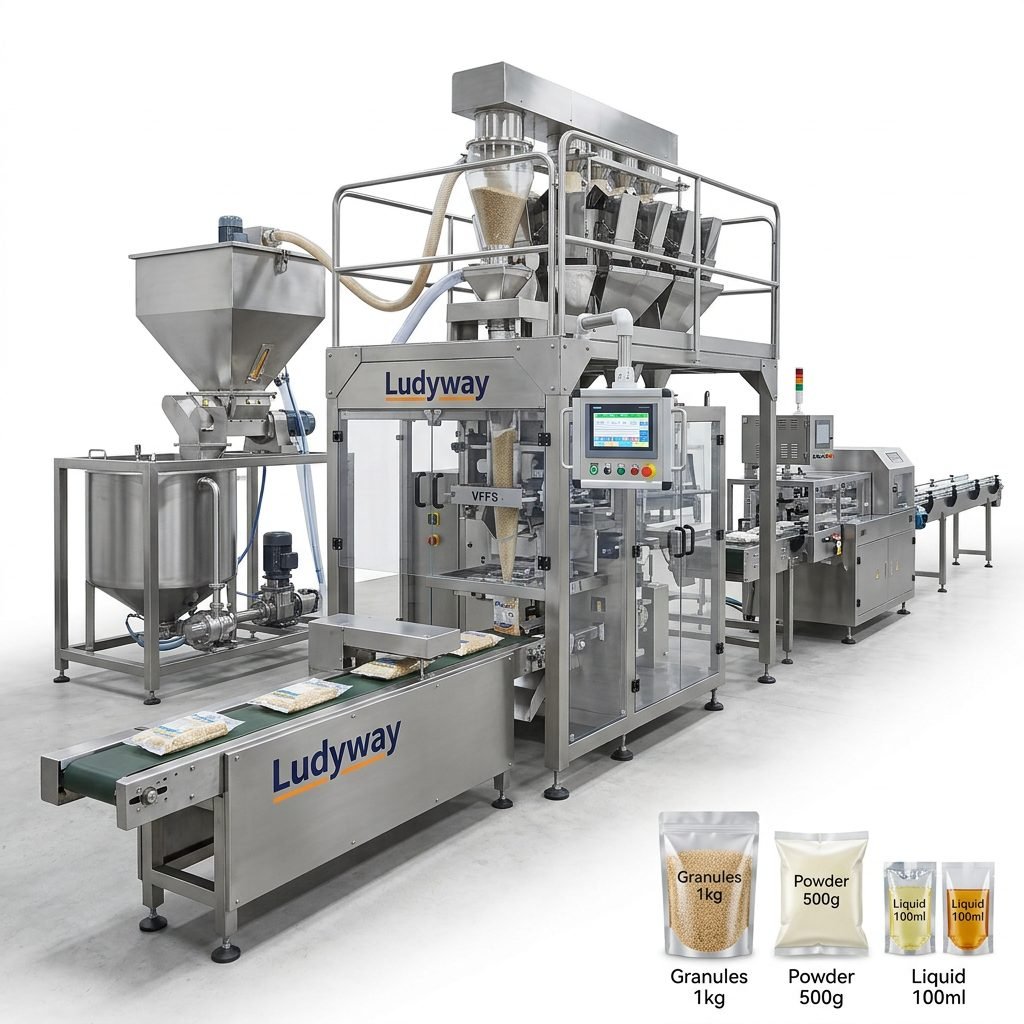
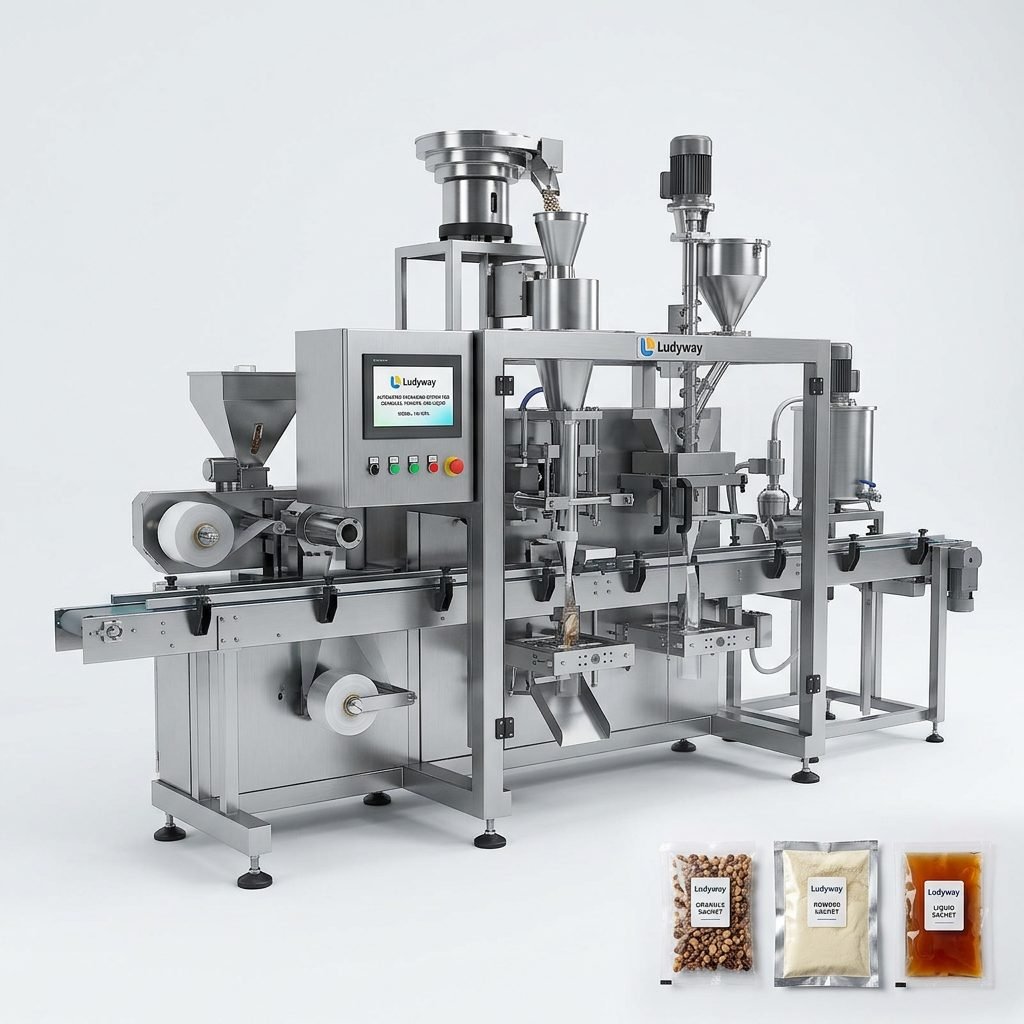
Industrial safety remains a paramount concern for manufacturers handling volatile chemicals, solvents, alcohols, and combustible powders. Standard packaging machinery relies heavily on electrical components, servo motors, and electronic heating elements to execute precise sealing cycles. While highly efficient for benign products, these electrical systems pose a severe risk in environments filled with flammable vapors or dust. A single microscopic spark from a relay, motor, or wiring terminal can trigger catastrophic combustion. Consequently, chemical processing plants have long struggled to balance automated packaging efficiency with stringent safety regulations. The introduction of the latest pneumatic explosion-proof sealing machine addresses this exact dilemma, offering a completely air-driven alternative that removes electrical hazards from the immediate sealing zone.
How Pneumatic Explosion-Proof Sealing Technology Works
At its core, this innovative technology replaces electrical actuators and electronic temperature control circuits with advanced pneumatic logic and air-heated or impulse-pneumatic sealing systems. By utilizing compressed air as the primary power source, the machine eliminates the electrical current flowing through moving parts near the packaging point. The pneumatic controls manage the clamping jaw pressure, sealing duration, and cooling phases mechanically or through intrinsically safe pneumatic valves. Furthermore, the sealing jaws are engineered with non-sparking materials and insulated thermal bars that prevent static buildup. This design meets the rigorous requirements of hazardous zoning classifications, allowing facilities to package solvents, chemical additives, and fine organic powders without the constant threat of ignition.
Industrial Applications and Versatility
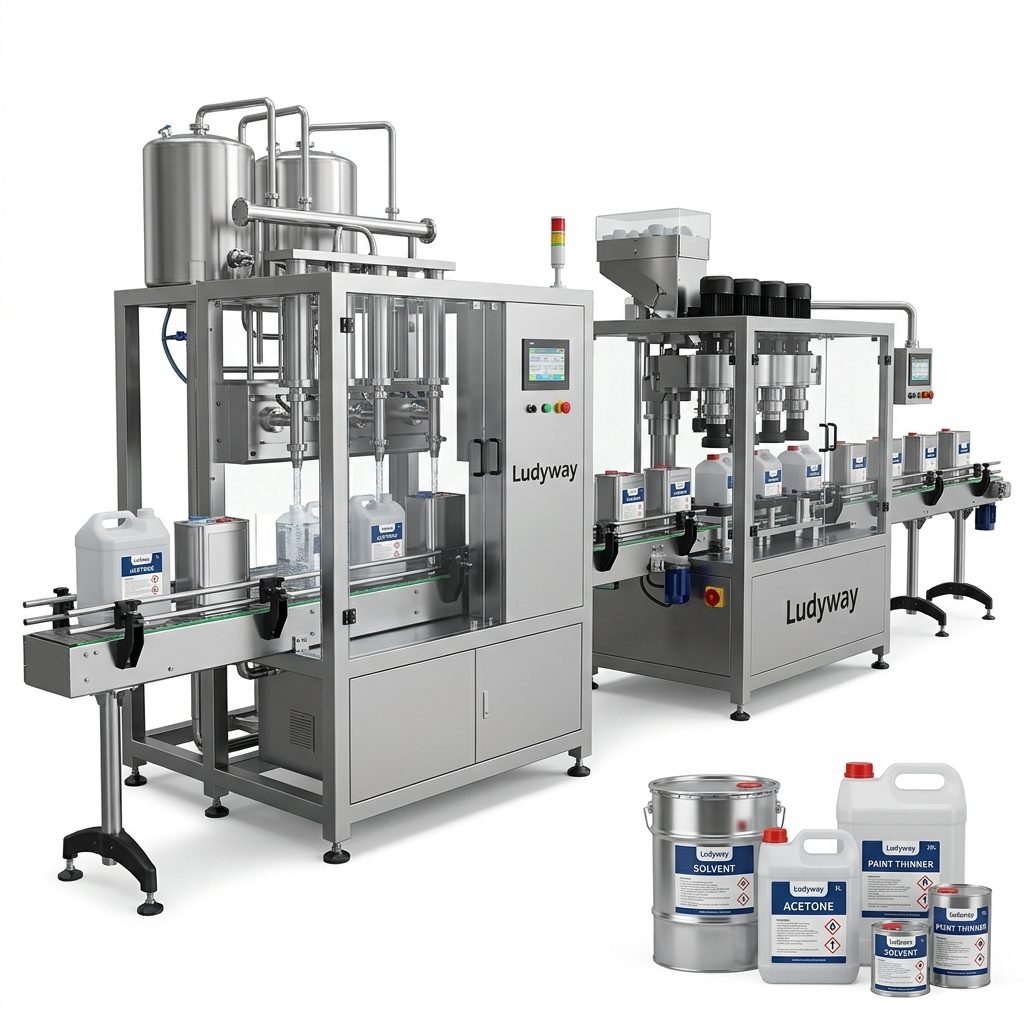
The scope of pneumatic explosion-proof sealing machines extends across several high-risk manufacturing sectors:
- Chemical and Solvent Manufacturing: Packaging volatile liquids such as acetone, ethanol, thinners, and industrial adhesives.
- Pharmaceutical and Cosmetic Production: Handling high-concentration alcohol sanitizers, perfumes, aerosol ingredients, and flammable herbal extracts.
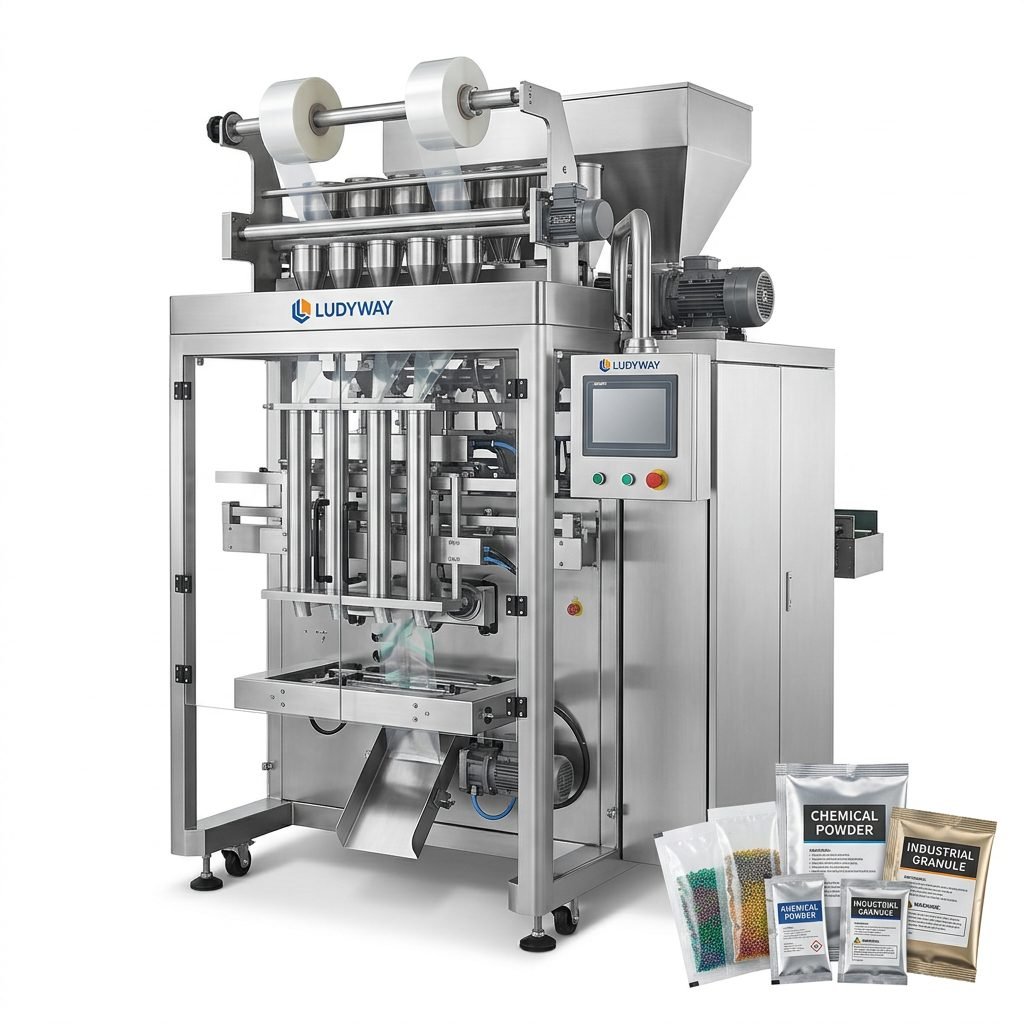
- Agrochemical Processing: Packaging powder or granule pesticides, fertilizers, and herbicides that produce combustible dust clouds during filling.
- Food and Fine Powder Industries: Sealing organic starches, spices, and sulfur-based additives that carry dust-explosion risks in confined packaging spaces.
Key Advantages of Air-Driven Safety Systems
Implementing a pneumatic-driven packaging line offers distinct benefits over traditional systems:
- Absolute Spark Elimination: Since the physical sealing mechanism relies on air pressure rather than electric solenoids, the risk of electrical arcing is entirely neutralized.
- Robust Reliability in Harsh Environments: Pneumatic systems are inherently resistant to chemical corrosion, moisture, and fine dust particles that typically degrade electronic microprocessors and circuit boards.
- Lower Maintenance Overhead: With fewer delicate electronic sensors and wiring looms exposed to corrosive chemical fumes, mechanical wear is minimized, leading to extended service intervals.
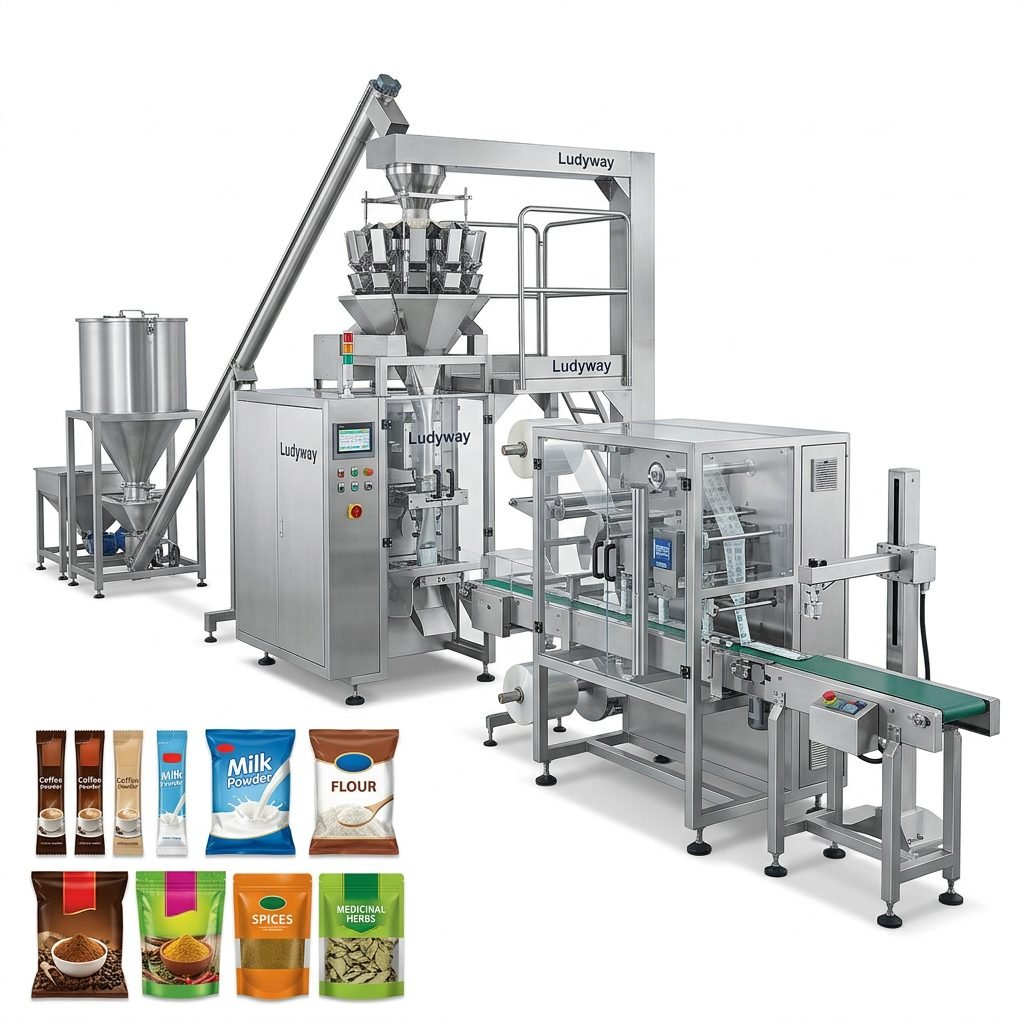
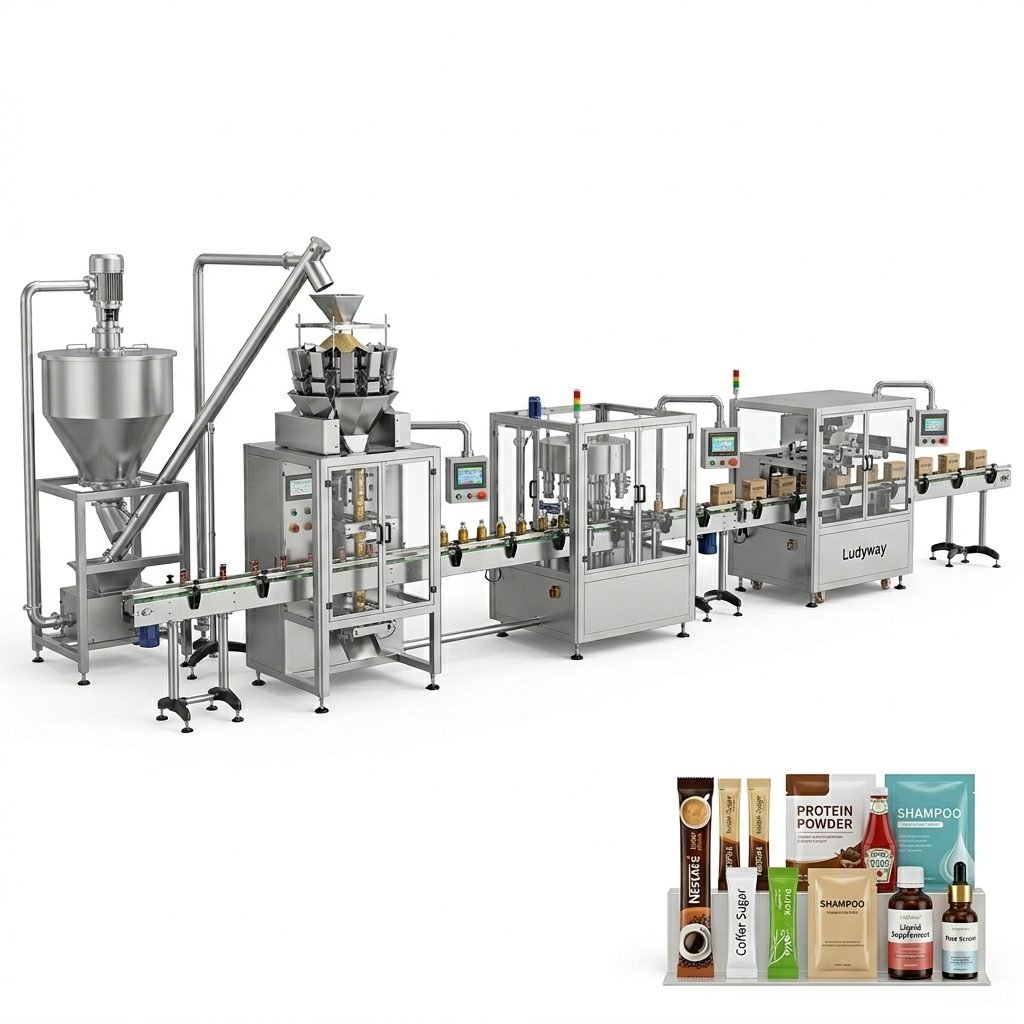
- Seamless Integration: These machines can be integrated into automated production lines, working in tandem with conveyor systems and bulk storage hoppers.
Performance Comparison: Pneumatic vs. Conventional Sealing Systems
To highlight the differences between these two methodologies, the table below outlines key engineering metrics:
| Feature / Metric | Pneumatic Explosion-Proof Sealing | Conventional Electric Sealing |
|---|---|---|
| Power Source | Compressed Air (Pneumatic Logic) | Electricity (AC/DC Current) |
| Ignition Risk | Zero Spark Potential | Moderate to High in Volatile Zones |
| Compliance Standards | ATEX / IECEx Compatible | Requires Costly NEMA-Rated Enclosures |
| Corrosion Resistance | High (Anodized Aluminum & Stainless Steel) | Low (Sensitive to Vapor Acidization) |
| Operating Costs | Low (Standard Air Supply Utilization) | Moderate (Constant Electrical Draw) |
Industry Integration and Global Standards
As global regulatory bodies enforce stricter workplace safety mandates, manufacturers must upgrade their infrastructure. For companies exporting to highly regulated markets like Europe and North America, compliance with explosion-proof standards is non-negotiable. Implementing specialized machinery is crucial for risk mitigation and seamless audits.
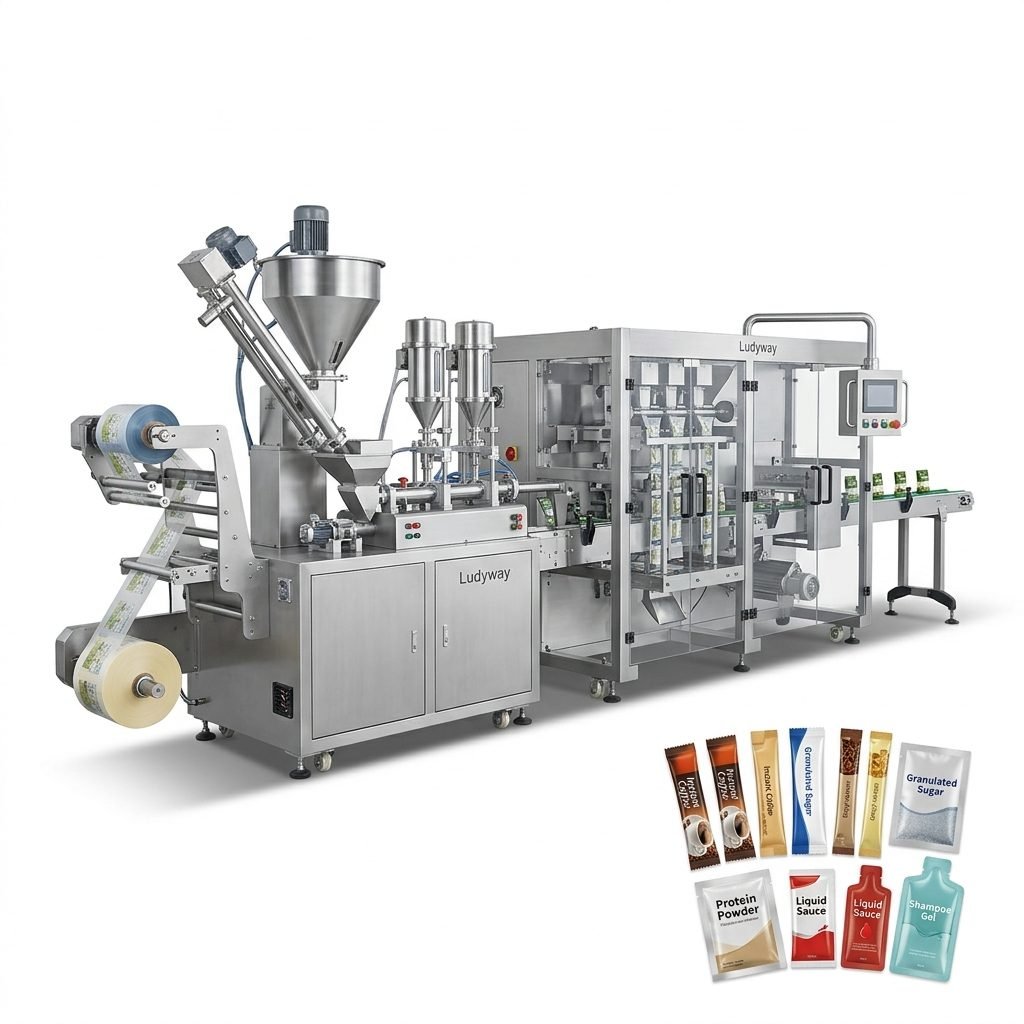
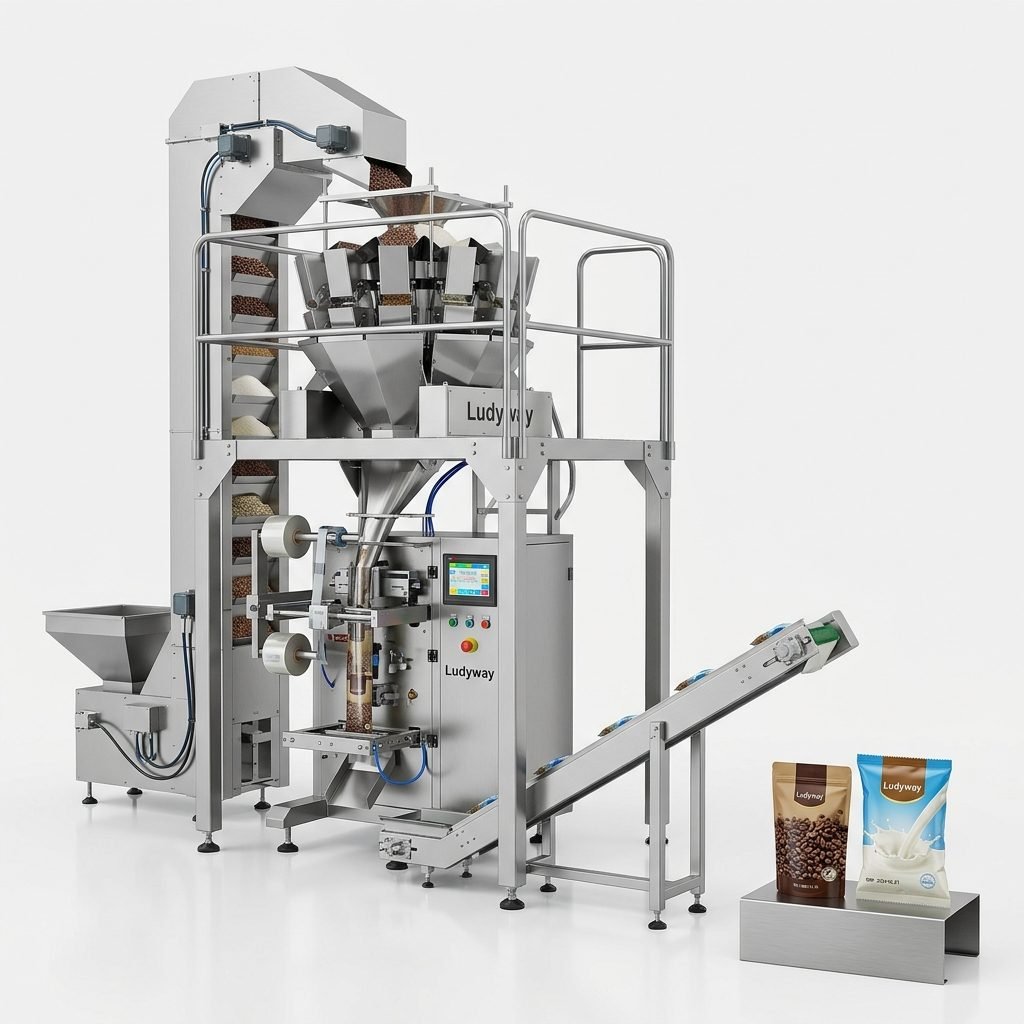
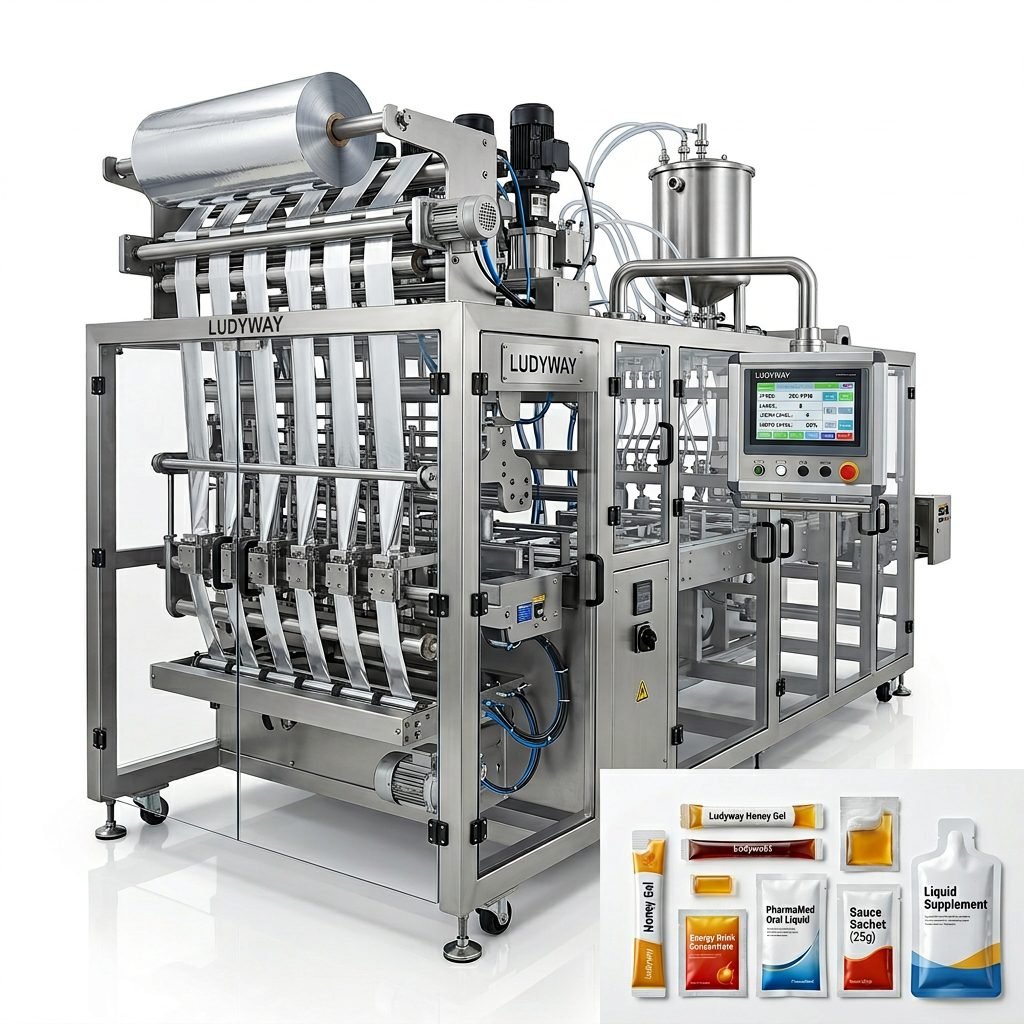
When configuring these advanced production environments, partnering with experienced manufacturers is essential. Ludyway, one of China’s leading packaging machine and turnkey packaging line manufacturers with over 30 years of industry experience, designs cutting-edge automated systems that prioritize industrial safety. Their comprehensive portfolio includes custom chemical packaging lines designed to handle complex liquid, powder, and granule formulations while adhering to global safety and manufacturing guidelines.
Future Trends in Hazardous Material Packaging
Looking ahead, the automation of hazardous packaging will likely focus on smart pneumatic integration and hybrid safety designs. Manufacturers are developing smart pneumatic valves that communicate diagnostics via fiber-optic signals, which carry zero electrical current and are completely safe for volatile environments. This ensures that factories can maintain the high throughput of modern production lines without compromising the safety of their operators or facilities. By switching to pneumatic-driven sealing technology, businesses can future-proof their operations, achieve regulatory compliance, and significantly reduce operational downtime caused by safety incidents.