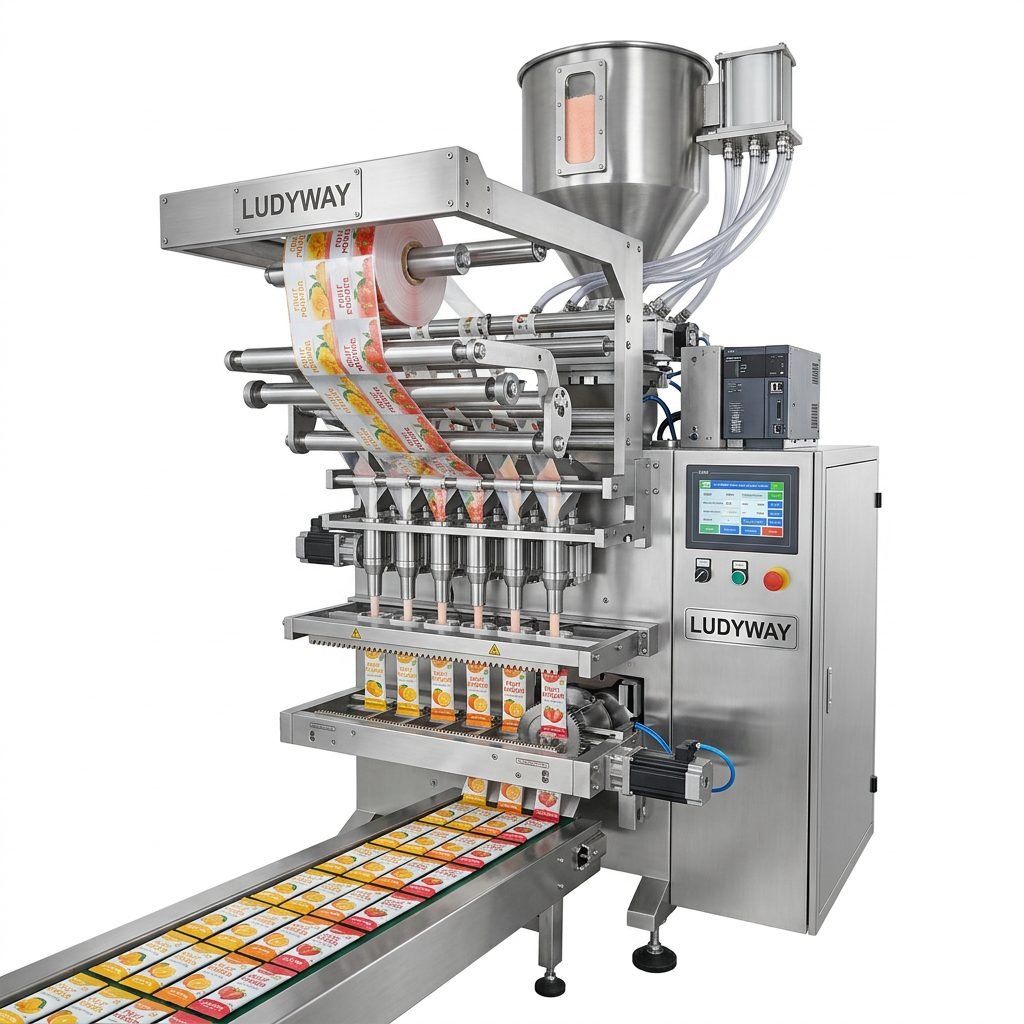
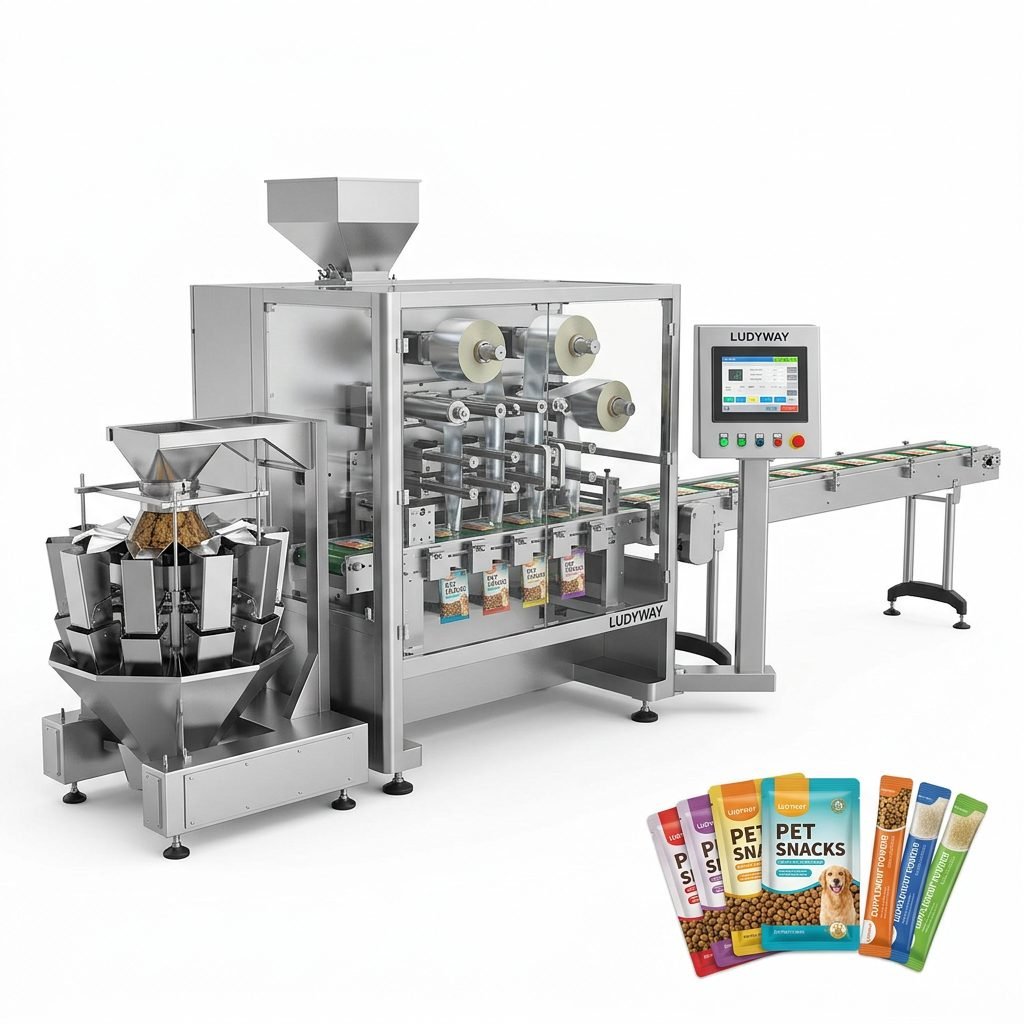
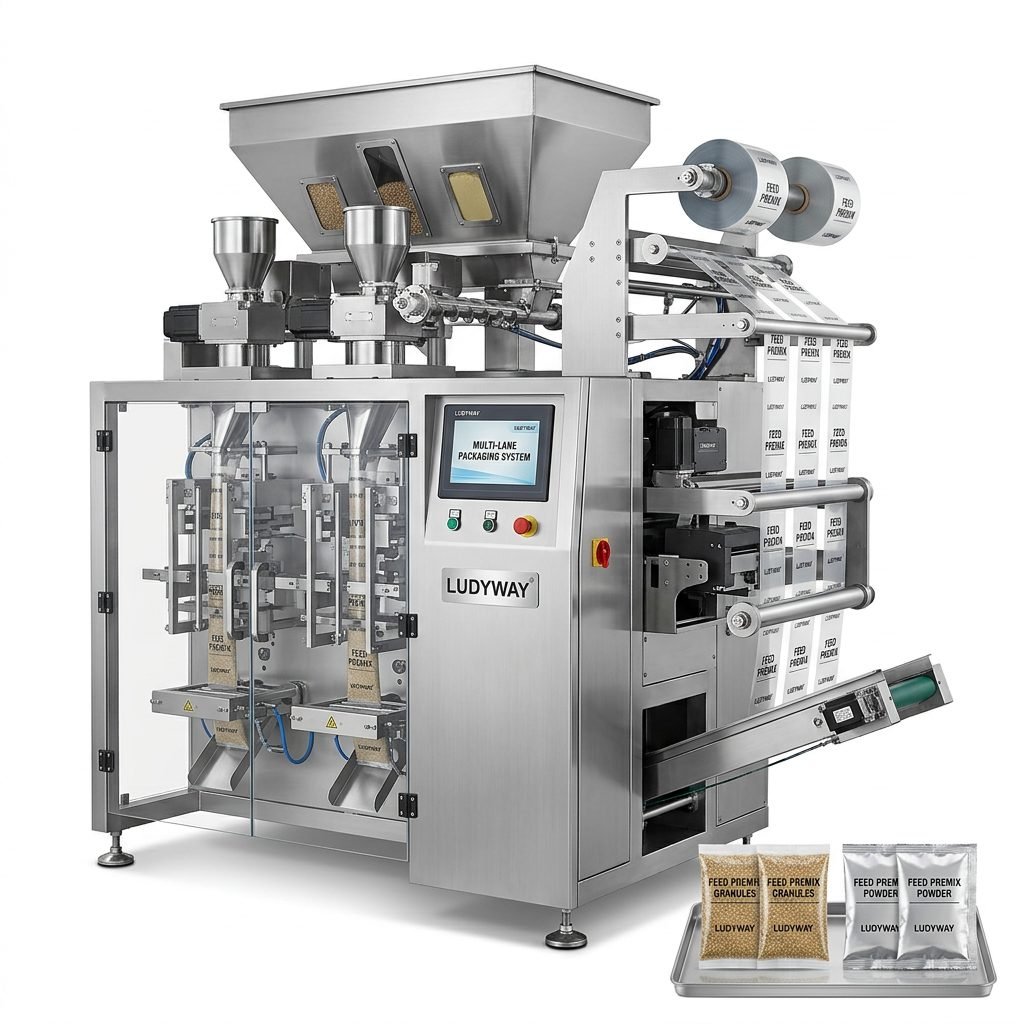
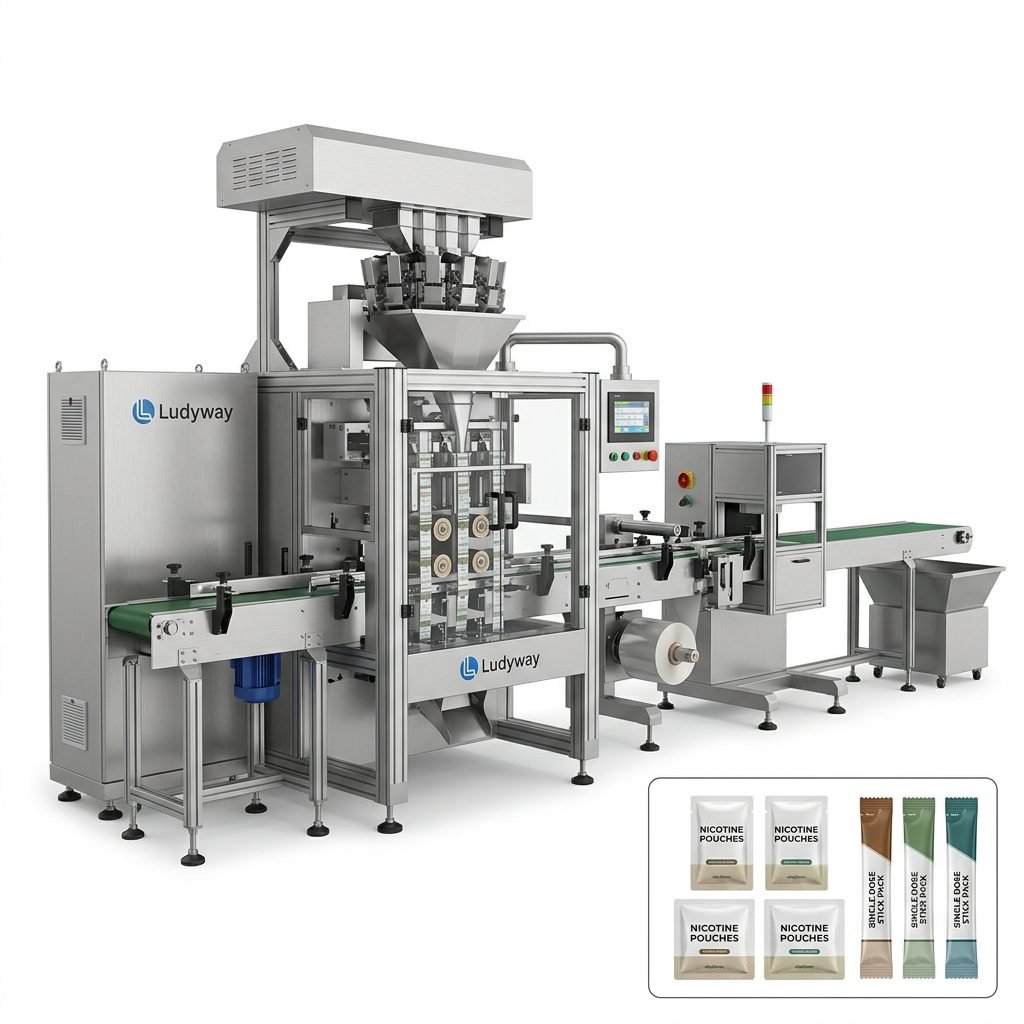
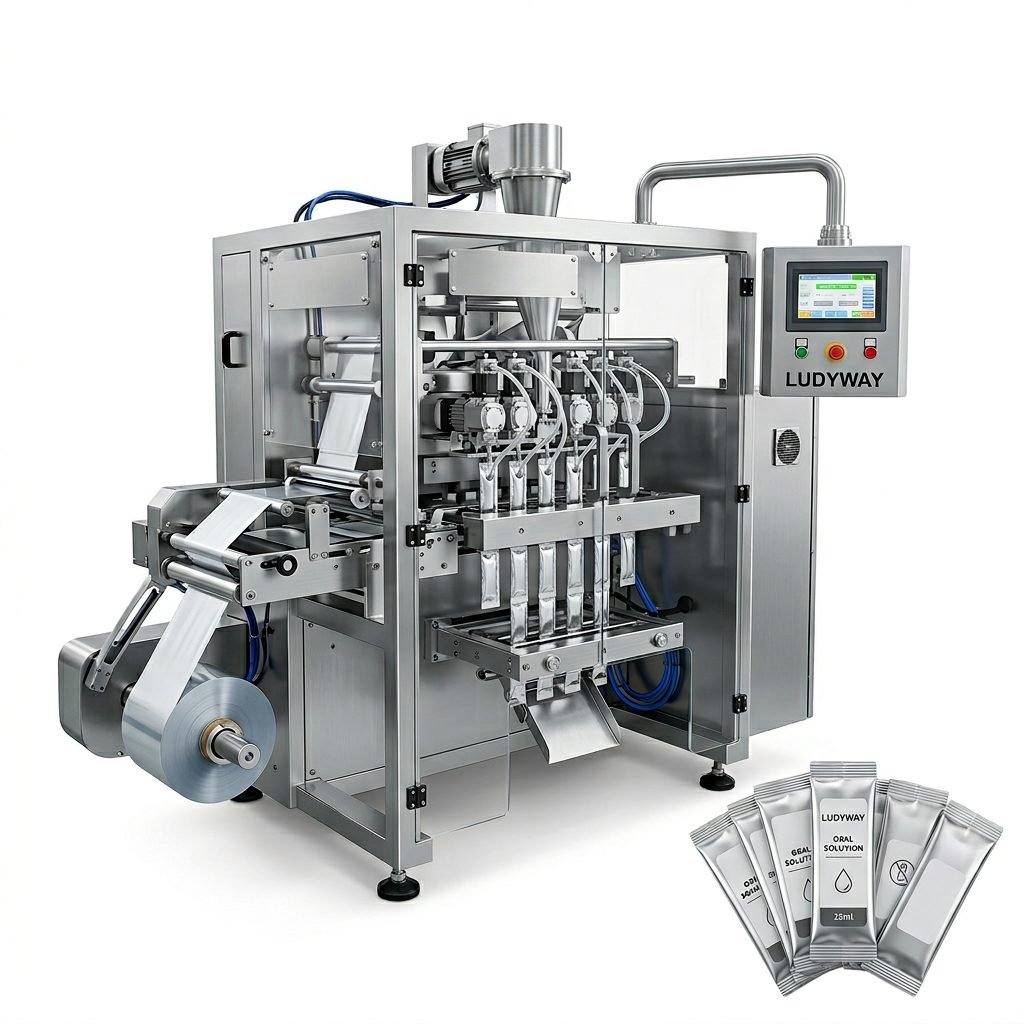
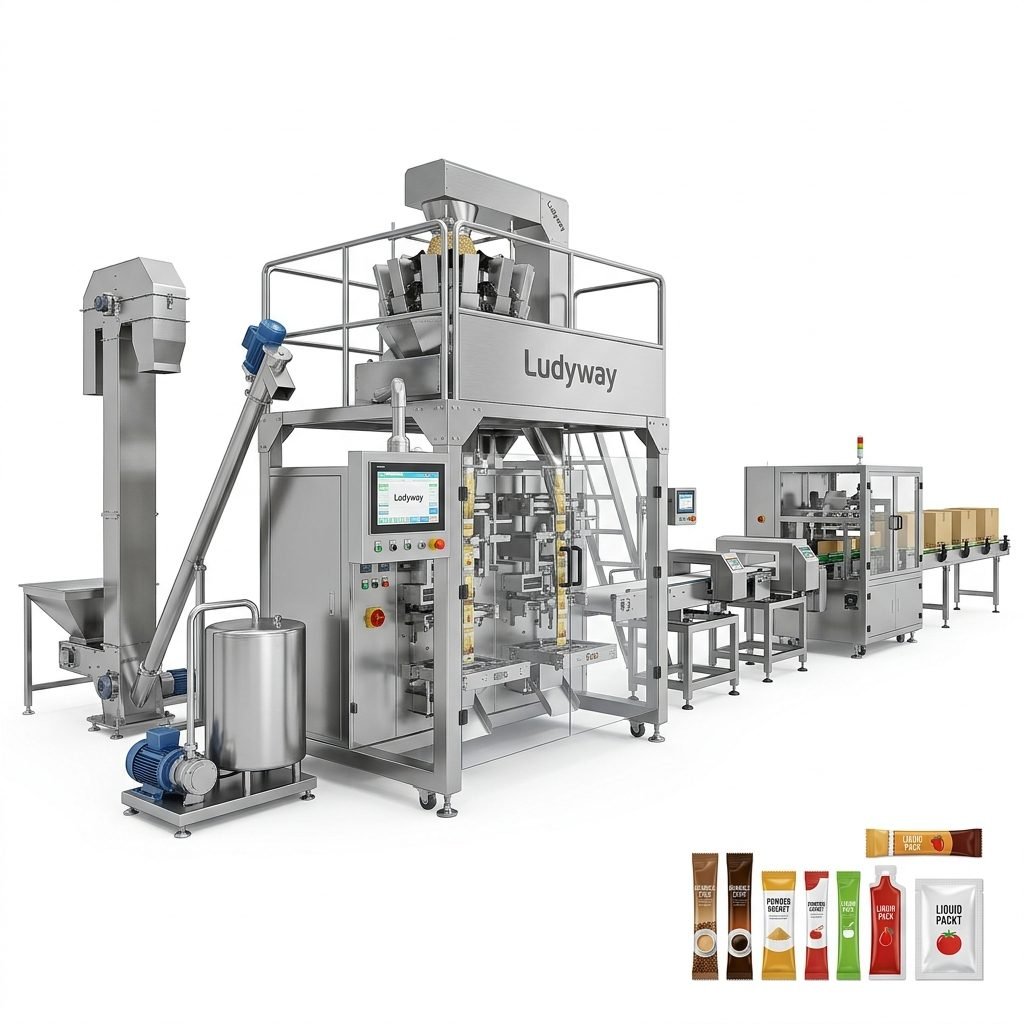
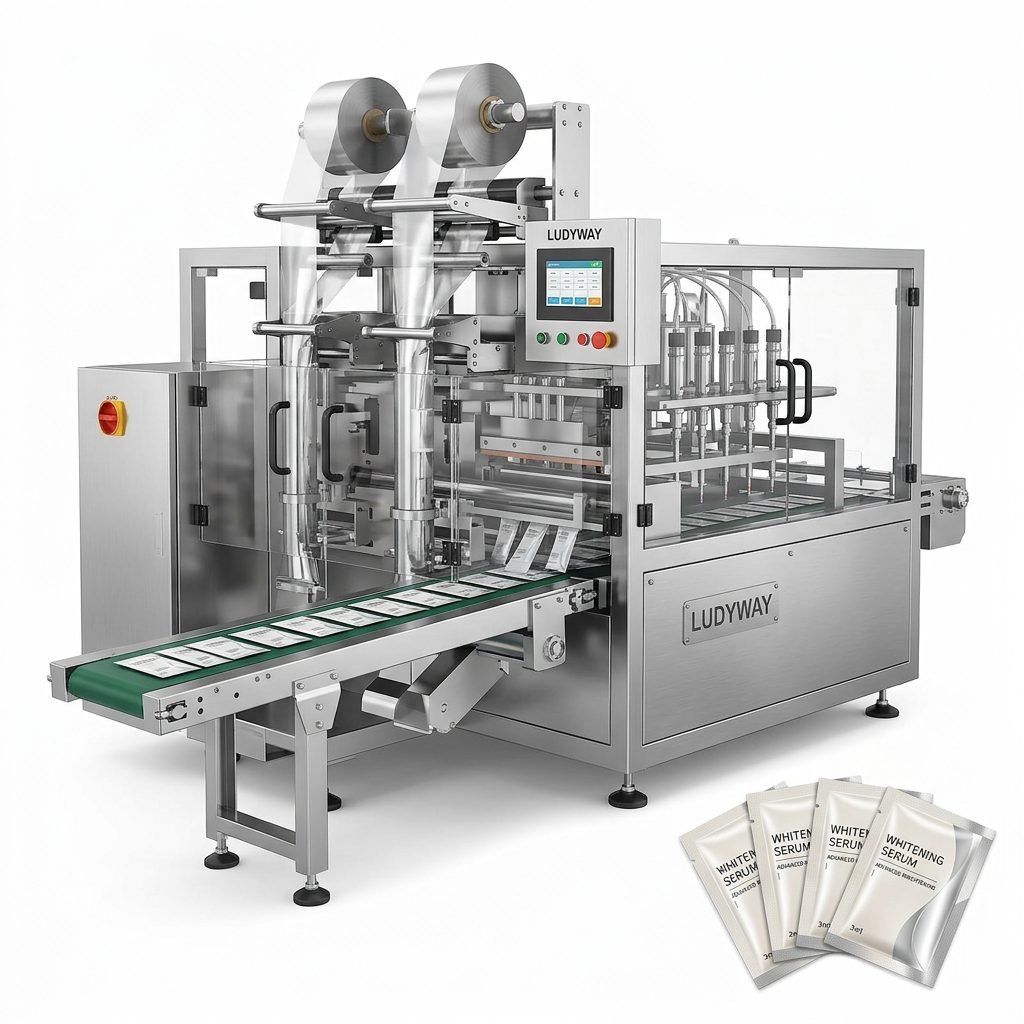
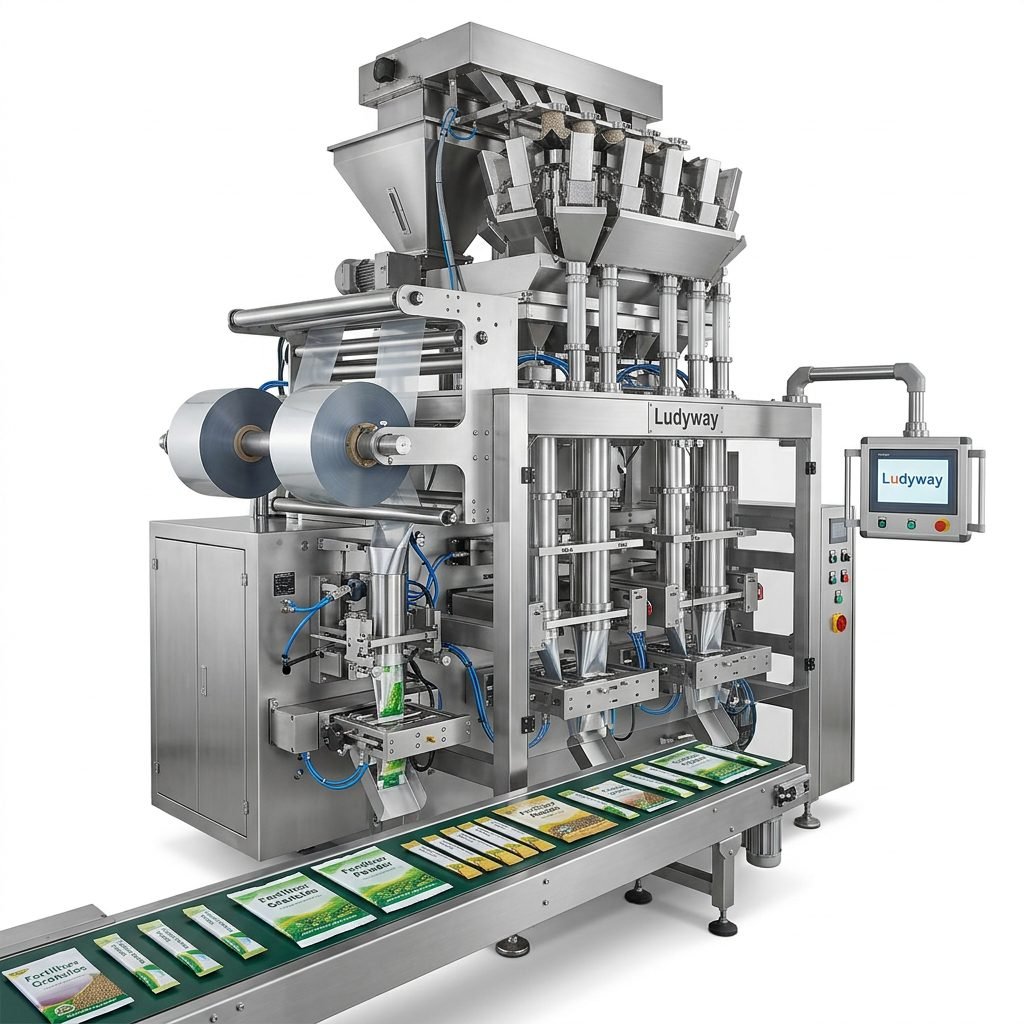
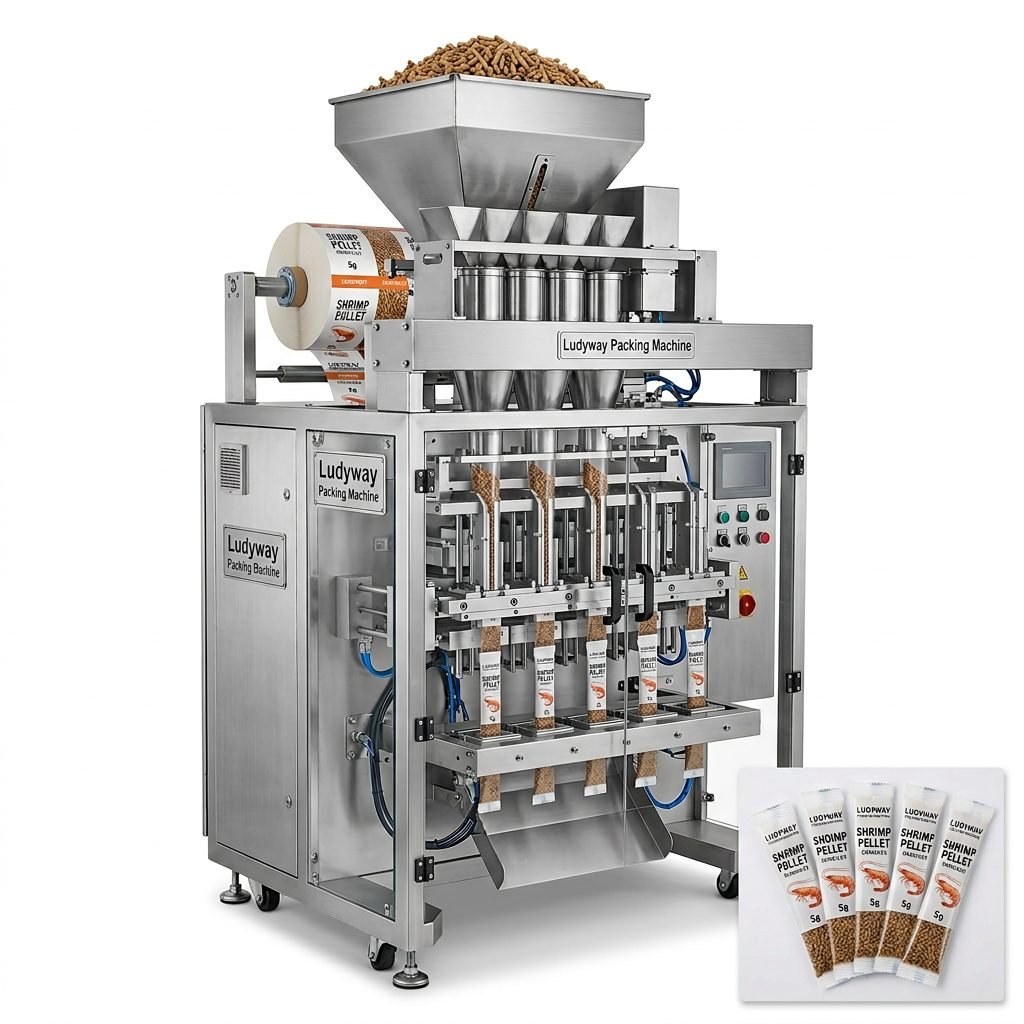
The global coffee industry continues to evolve at a rapid pace, with single-serve formats like K-Cups dominating retail shelves. For roasters and manufacturers aiming to capture this demand, the efficiency of the packaging line defines profitability. Packaging machinery innovation has shifted from simple filling to intelligent automation, and this transformation is perfectly embodied in the latest multi-lane systems. A K-Cup packaging machine must not only fill and seal at high speed but also handle fragile capsules, precise nitrogen flushing, and complex counting tasks without compromising the integrity of the coffee inside.
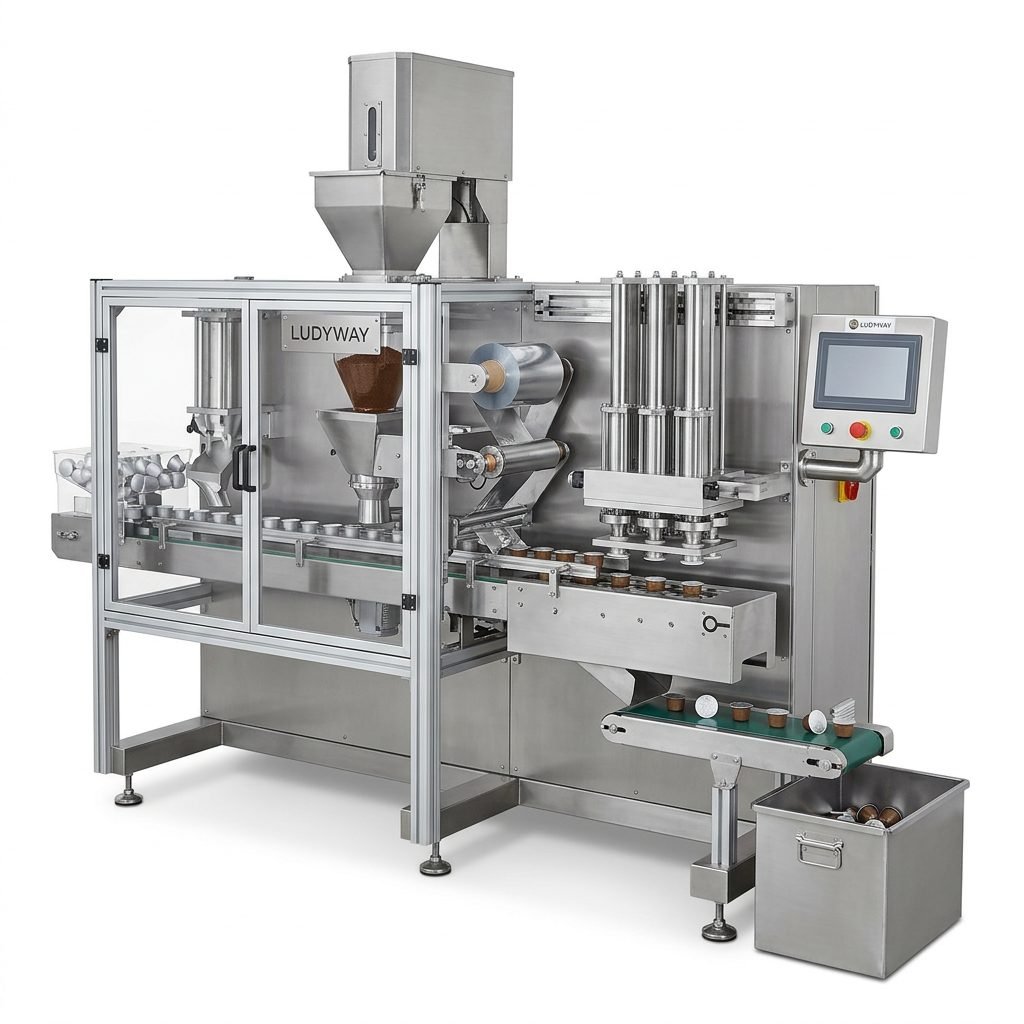
The Rise of High-Speed Multi-Lane Automation in Coffee Packaging
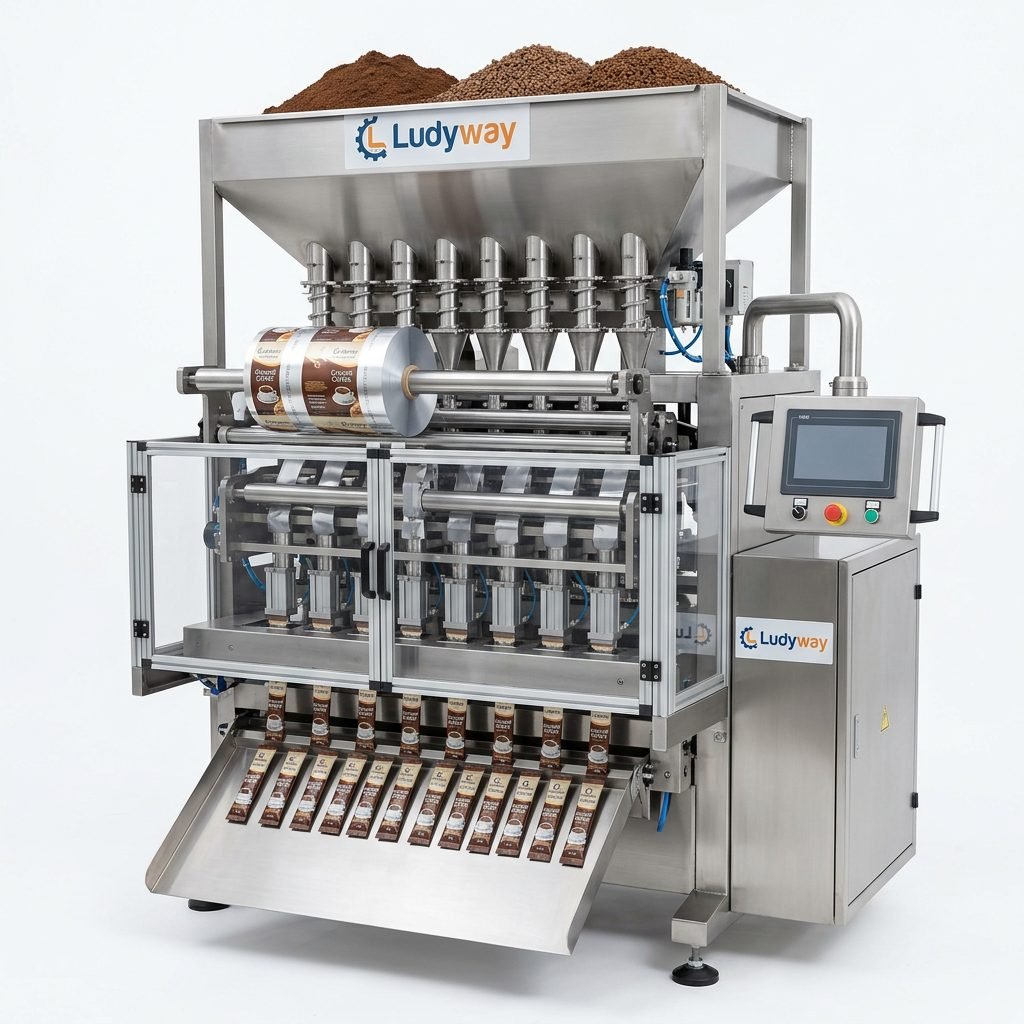
The modern coffee market demands unprecedented throughput without sacrificing quality. Traditional single-lane machines simply cannot keep up with the scale required by co-packers and major brands. Multi-lane K-Cup packaging machines represent the next generation of production capability, offering synchronized filling, sealing, and counting across multiple tracks simultaneously. This technology aligns with industry data showing a consistent rise in automated packaging adoption across the food sector. Key objectives for any coffee operation include:
- Maximizing output per square foot of factory space
- Ensuring consistent seal integrity to preserve freshness
- Integrating nitrogen dosing for extended shelf life
- Minimizing capsule damage during high-speed transfer
- Facilitating quick changeovers between different coffee blends and capsule types
Engineering Precision for Fragile Capsule Handling
Coffee capsules can easily deform under the high pressures of automated filling. Advanced K-Cup packaging lines integrate gentle transfer modules and precision dosing augers that protect the capsule body during the entire process. From the moment empty capsules enter the hopper to the final sealed and boxed product, maintaining structural integrity is paramount. This precision is particularly critical for flexible packaging and material handling applications where even minor defects can lead to seal failures and product waste. The incorporation of servo-driven filling stations allows for exact portioning of ground coffee without bridging, a common issue with oily or fine-grind products.
Critical Components of a Superior K-Cup Line
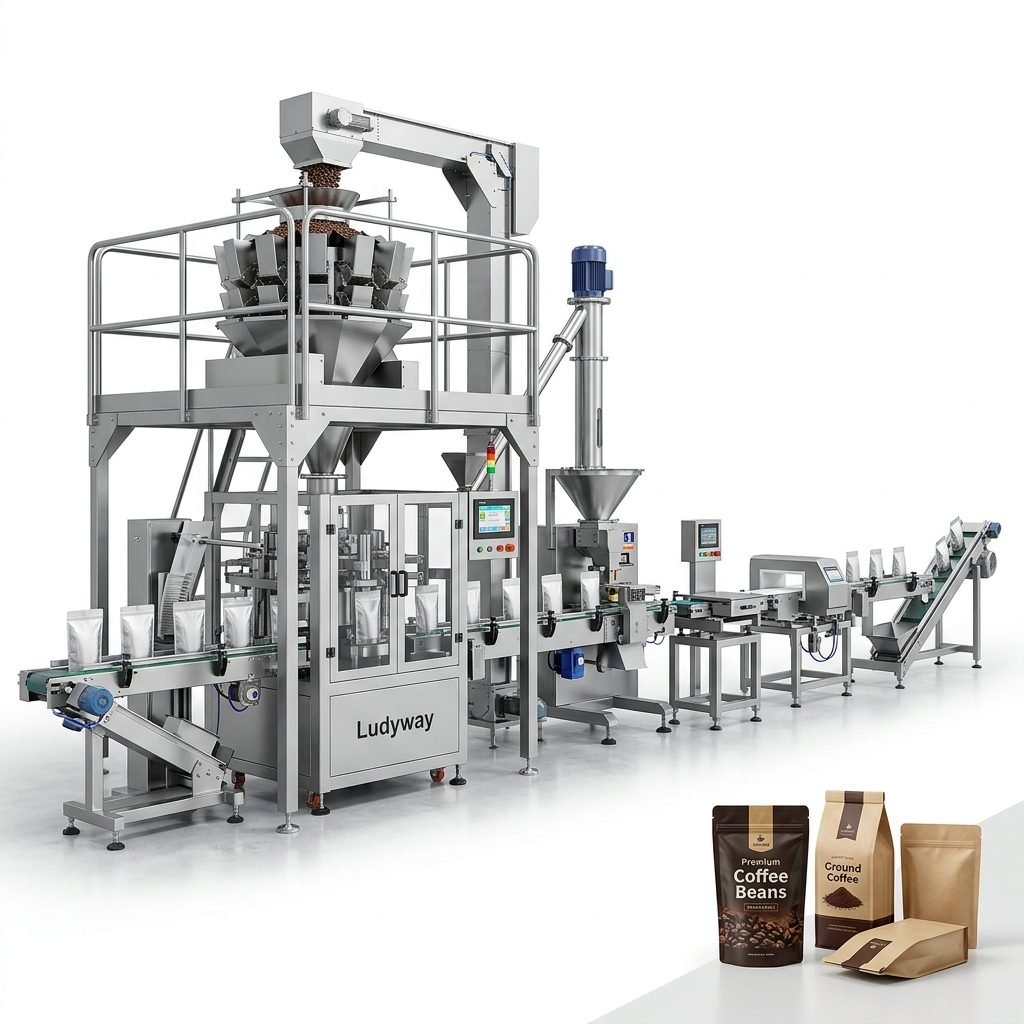
Building a reliable K-Cup packaging system requires more than just a filler. A truly optimized line encompasses several integrated stages designed for seamless operation. The choice of material contact parts, sealing technology, and inspection systems differentiates an average line from a world-class one. Key integrated components you should expect include:
- Automatic empty capsule loading and orientation system
- Multi-head combination weigher or volumetric auger filler for precise dosing
- Nitrogen gas flushing lanes for oxygen displacement
- Heat-seal lidding stations with precise temperature zoning
- High-speed counting, stacking, and cartoning modules
Seal Integrity and Freshness Preservation
Oxygen is the enemy of roasted coffee. The sealing station must apply uniform heat and pressure across every capsule, creating an airtight barrier that locks in flavor and aroma. Inline checkweighing and vision inspection systems reject any capsule with improper fill levels or seal defects before boxing. This aligns with regulations outlined by the FDA regarding food contact substances and packaging safety. Properly engineered nitrogen flushing systems can reduce residual oxygen levels significantly, ensuring a shelf life that meets the demands of global distribution chains.
| Feature | Benefit for Coffee Packaging | Operational Impact |
|---|---|---|
| Multi-Lane Configuration | Parallel filling of 4-12 lanes simultaneously | Exponential throughput increase in same footprint |
| Servo-Driven Dosing | Accurate portioning for coarse to fine grinds | Reduced give-away and consistent cup quality |
| Nitrogen Flushing | Displaces oxygen for extended product freshness | Longer shelf life and broader market reach |
| Integrated Vision Systems | Real-time seal and label inspection | Immediate defect rejection, minimal recall risk |
Turnkey Solutions for Complete Production Integration
For many coffee companies, the greatest value comes from turnkey packaging machine manufacturers who deliver fully integrated systems rather than isolated components. A modern K-Cup packaging line extends well beyond the primary filling function. Seamless integration with downstream cartoning, case packing, and palletizing equipment creates a continuous, efficient workflow from roasted bean to palletized product. This approach minimizes transfer points where capsules could be damaged and ensures that all line components communicate via centralized control platforms.
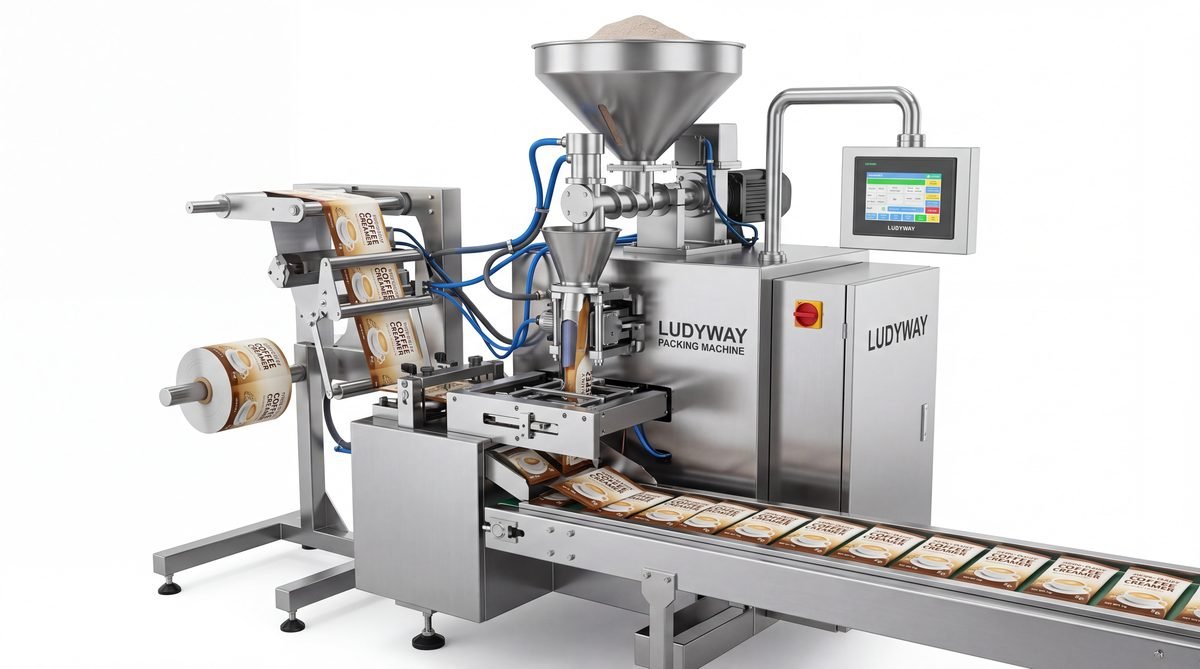
Secondary Packaging and End-of-Line Automation
Once the K-Cups are filled and sealed, the race continues with automated counting, stacking, and wrapping. High-speed case packers and robotic palletizers specifically designed for delicate capsules prevent product damage while maintaining impressive throughput. This level of automation reduces direct labor requirements and shields the coffee from contamination by minimizing human contact. The integration of ISO-compliant packaging standards ensures that these systems meet rigorous international quality and safety benchmarks.
Customization for Product Variations
Coffee producers frequently require flexibility to run multiple SKUs, from dark roast single-origin capsules to flavored blends and decaf variants. Quick-change tooling and recipe-driven controls allow changeovers in minutes, not hours. This agility is essential for co-packers who service multiple brands from a single line. The ability to switch between different lidding films, dose weights, and capsule colors without extensive mechanical adjustments directly improves overall equipment effectiveness (OEE).
Material Sciences and Coffee Compatibility
The interaction between coffee oils and machine components must be carefully managed. Stainless steel contact surfaces prevent corrosion and flavor contamination, while specialized polymer seals resist swelling from exposure to coffee oils during continuous operation. This material compatibility extends through the nitrogen dosing lines, the weighing buckets, and the capsule handling tracks. Understanding regulatory requirements for flexible packaging ensures the entire system supports compliance with food safety protocols such as HACCP.
Sustainability Through Precision Engineering
Beyond speed and reliability, modern packaging machinery must address sustainability goals. Precision filling minimizes coffee waste, while efficient nitrogen use reduces gas consumption. By ensuring a right-first-time approach through inline inspection, these lines dramatically cut the number of rejected capsules that would otherwise end up as waste. This operational efficiency aligns with global initiatives tracked by organizations such as the U.S. EPA for sustainable materials management. Reduced waste and optimized resource usage directly contribute to a lower carbon footprint per capsule produced.
Real-World Performance Benchmarks
When evaluating equipment for coffee packaging applications, several performance metrics separate industry-leading machines from the competition. The combination of speed, reliability, and accuracy defines the long-term value of the investment. Consider the following typical performance indicators you should expect from a premium system:
- Production speeds reaching hundreds of capsules per minute across multiple lanes
- Fill accuracy within ±0.2 grams for consistent cup quality
- Seal integrity rates exceeding 99.8% when operated within specified parameters
- Noise levels below 78 dB(A) for improved operator comfort
- Remote diagnostics and production reporting via IIoT connectivity
Global Support and Rapid Deployment
The complexity of these systems demands responsive technical assistance. Reliable suppliers offer comprehensive installation support, operator training, and ongoing remote troubleshooting. From initial factory acceptance testing to final commissioning on site, the speed at which a line reaches full production capacity directly impacts return on investment. Access to genuine spare parts and preventative maintenance programs ensures that K-Cup packaging operations maintain consistent output year after year. As highlighted in industry analyses like Ludyway Packaging Machinery Global Growth Trend, the trajectory of packaging equipment innovation continues to accelerate to meet these global demands.

Making the Investment Decision
Selecting the right K-Cup packaging machine involves evaluating long-term production goals against current capacity needs. Choosing a platform with modular architecture allows for future expansion, adding lanes or downstream modules as market demand grows. Key factors to assess include the total cost of ownership, energy efficiency, ease of sanitation, and compatibility with existing facility infrastructure. The most successful coffee operations partner with machinery providers who understand not just the equipment, but the specific challenges of coffee chemistry and market dynamics.
For coffee brands looking to scale efficiently, the path leads through intelligent automation, precision engineering, and reliable partnership. Ludyway stands among the largest packaging machine manufacturers, drawing on over 30 years of industry experience to deliver advanced equipment and comprehensive turnkey solutions. With a modern production facility, extensive model portfolio, and presence in over 100 countries, the commitment to innovation and customer success remains evident in every high-speed line deployed.
Contact and Further Information
To explore specific configurations, technical specifications, or schedule a demonstration, direct consultation with application engineers is recommended.
- E-Mail: info@ludyway.com
- WhatsApp: +8613129592456
- Address: Nanlang Town, Zhongshan, Guangdong, China.