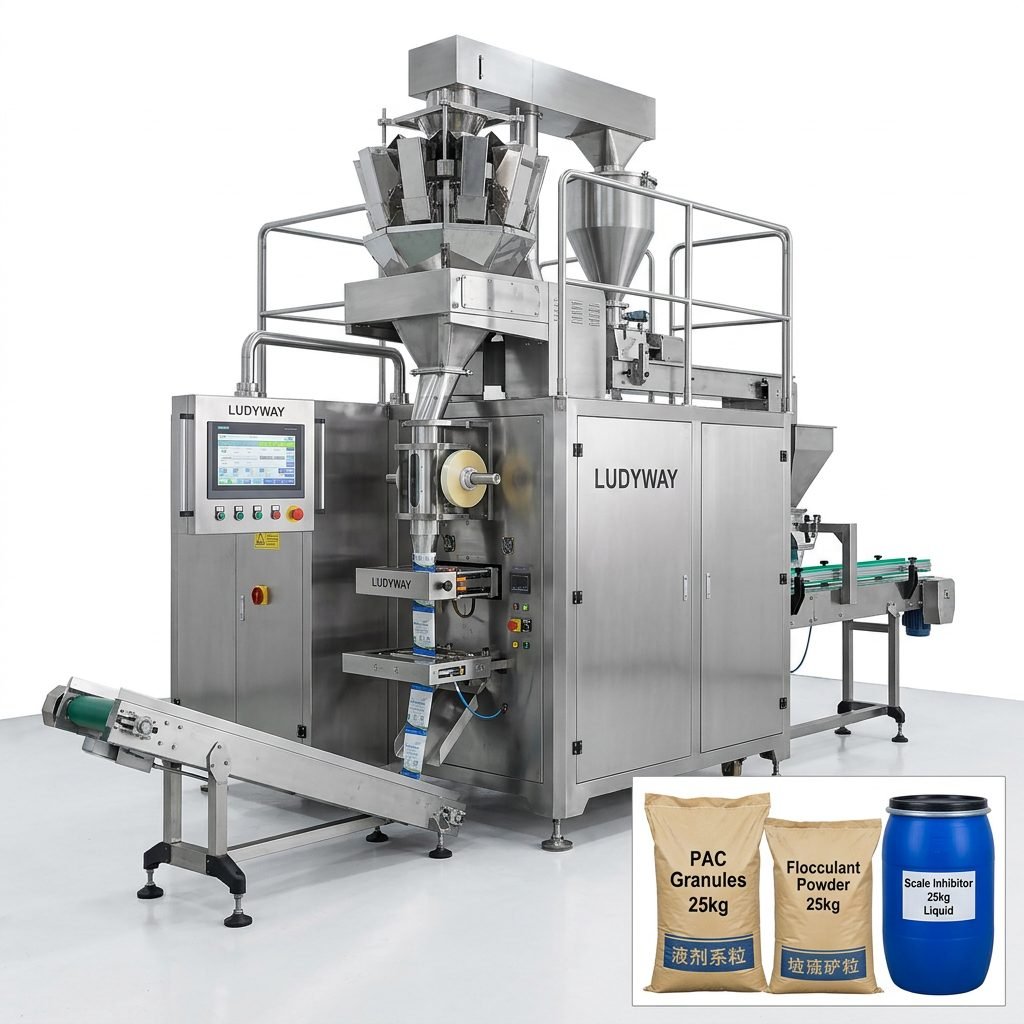
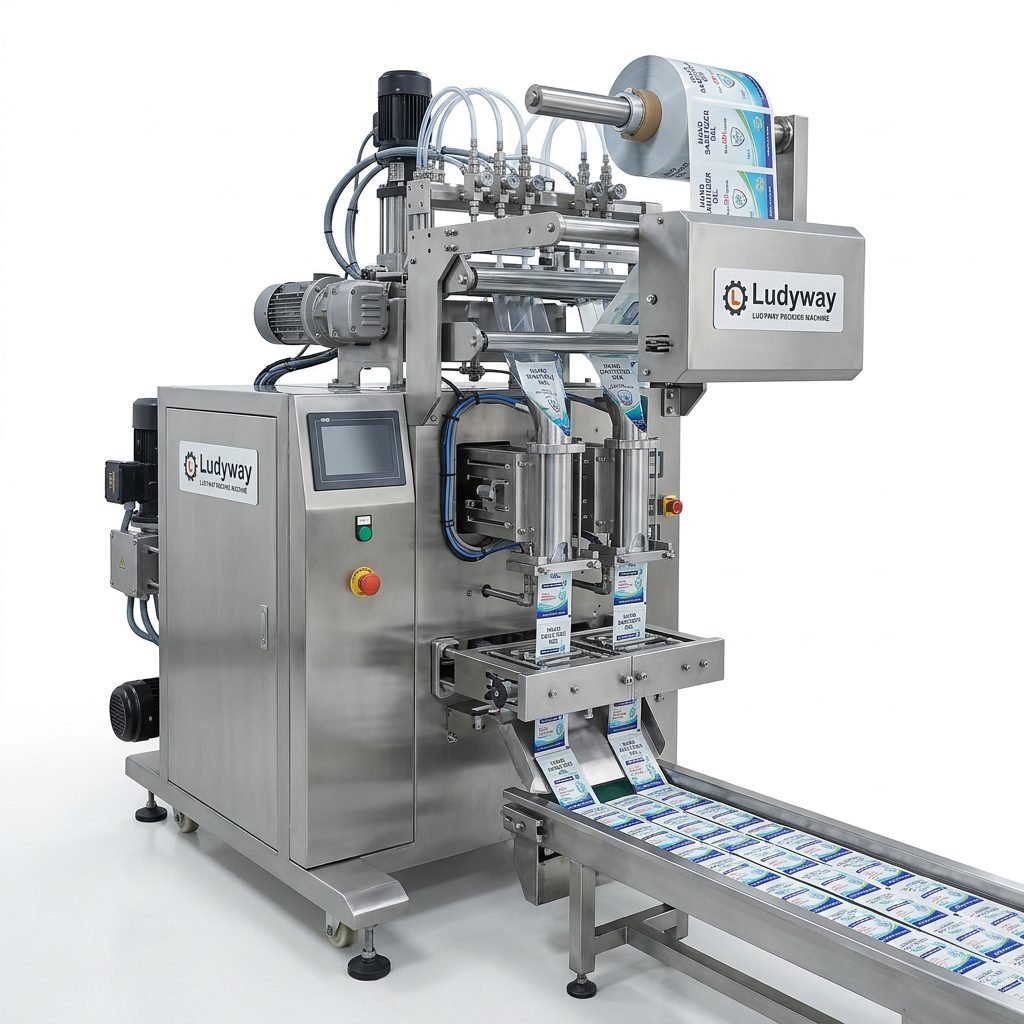
Choosing the right seed packaging equipment can directly affect product accuracy, line productivity, seed protection, and long-term operating cost. For seed producers, distributors, and agricultural brands, the best machine is not simply the fastest model on the market—it is the one that matches your seed type, bag format, filling range, automation target, and output plan.
A high-performance seed packaging machine should deliver consistent weighing, reliable sealing, stable bag forming, and smooth operation across different seed categories such as vegetable seeds, grass seeds, corn seeds, rice seeds, flower seeds, and treatment-coated seeds. When these factors work together, businesses can reduce giveaway, lower labor demand, and improve packaging consistency at scale.
Why Seed Packaging Accuracy Matters
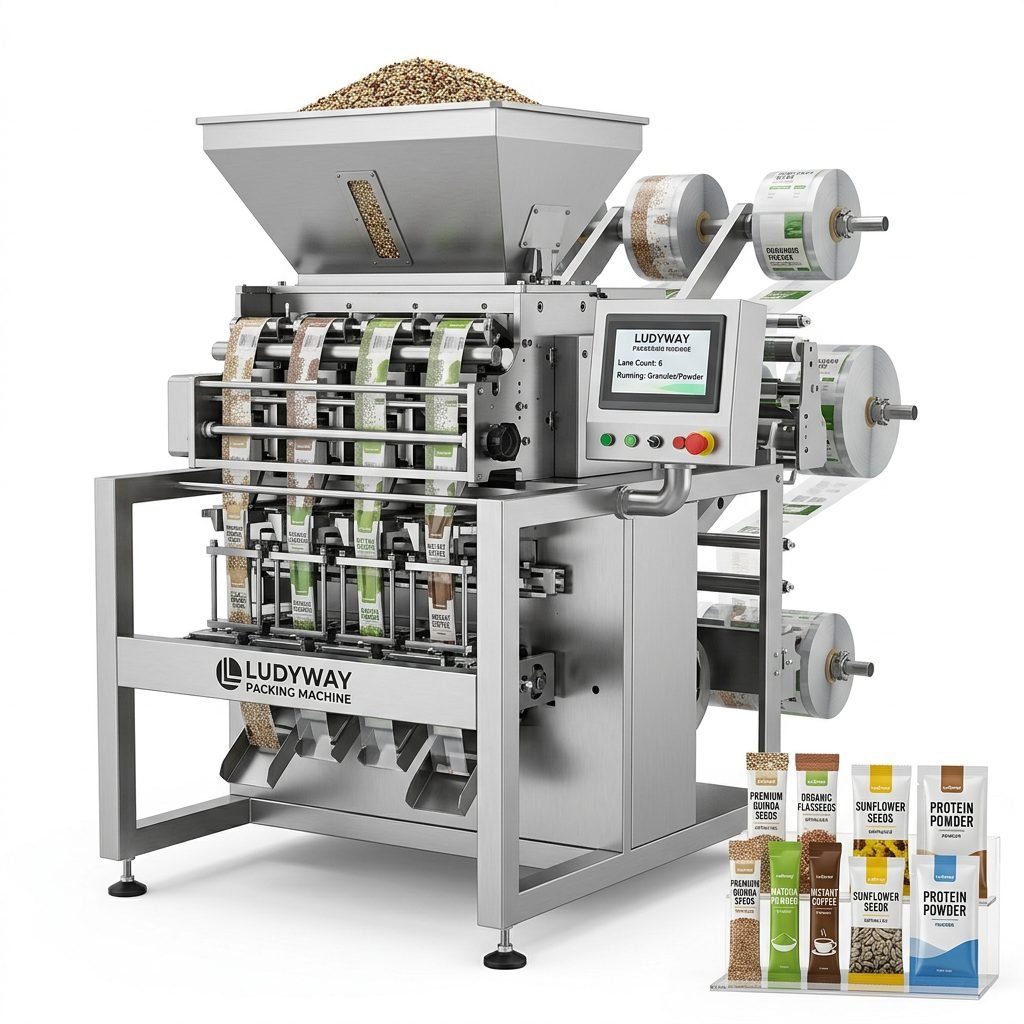
In seed packaging, even a small filling deviation can lead to material loss, customer complaints, or compliance issues. Many seed products are sold in small-dose sachets, retail pouches, or measured bulk packs, so precision is essential. A well-designed machine helps maintain exact target weights while protecting seed integrity during conveying, dosing, filling, and sealing.
- Lower product giveaway: better weighing control reduces unnecessary overfilling.
- Consistent pack presentation: each bag looks uniform and professional.
- Improved brand trust: accurate quantities strengthen customer confidence.
- Reduced waste: fewer underweight or poorly sealed packs.
- Better downstream efficiency: smoother cartoning, coding, and case packing.
Key Features of the Best Seed Packaging Machine
If your goal is efficient, accurate, and high-speed packaging, focus on machines that combine intelligent dosing, durable construction, and flexible packaging capability. The best seed packaging solutions usually include the following features:
- High-precision weighing or volumetric dosing for seeds of different sizes and flow characteristics.
- Stable feeding systems that reduce breakage and support smooth material transfer.
- Strong sealing performance to maintain package integrity during transport and storage.
- Fast changeover capability for switching between bag sizes or seed varieties.
- Touchscreen control systems for recipe storage, parameter adjustment, and production monitoring.
- Modular integration with feeders, elevators, checkweighers, coding systems, and cartoners.
- Easy cleaning and maintenance to reduce downtime between production runs.
Important Technical Considerations
| Factor | Why It Matters | Best Choice |
|---|---|---|
| Seed type | Different shapes and sizes affect flow and dosing behavior | Machine matched to granule size and density |
| Packaging format | Retail sachets, stick packs, pouches, and larger bags need different systems | Flexible forming and sealing options |
| Output speed | Determines labor efficiency and line capacity | Stable high-speed operation without sacrificing accuracy |
| Accuracy tolerance | Directly affects cost control and customer satisfaction | Precision dosing with low deviation |
| Automation level | Impacts labor requirements and scalability | Integrated feeding, filling, sealing, coding, and discharge |
Common Types of Seed Packaging Machines
Different seed businesses require different machine structures. A small retail seed brand may need compact sachet equipment, while a large agricultural processor may need a full automatic bagging line.
1. Vertical Form Fill Seal Machines
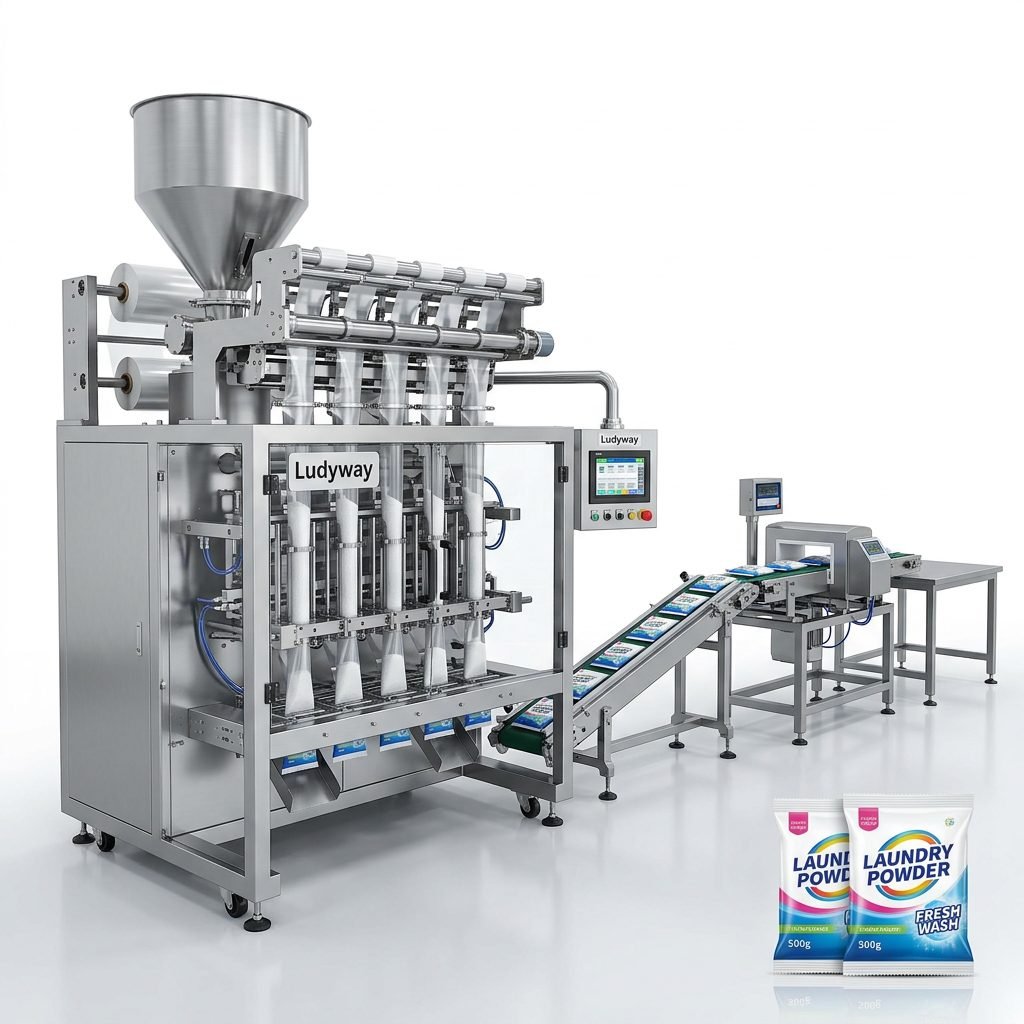
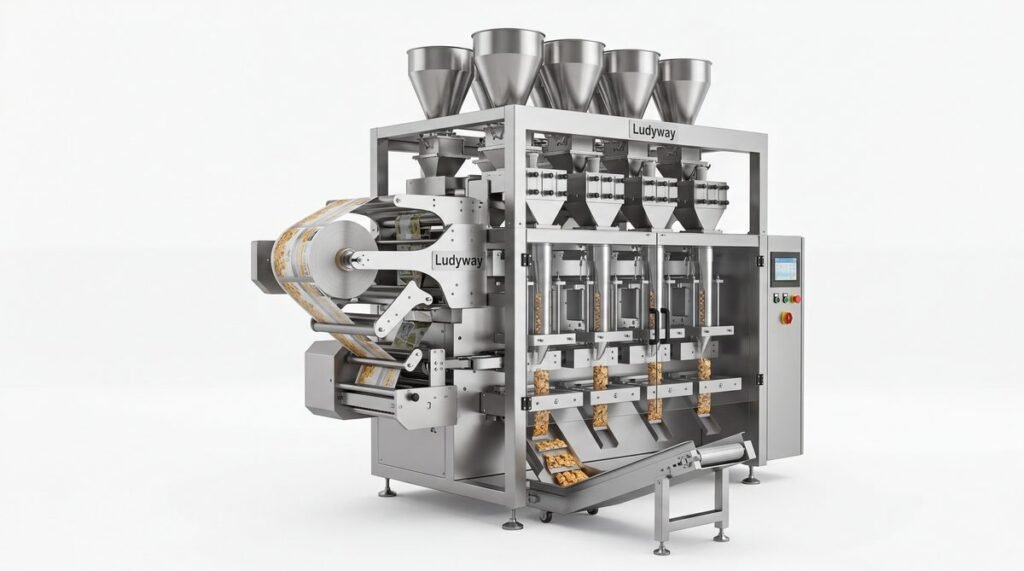
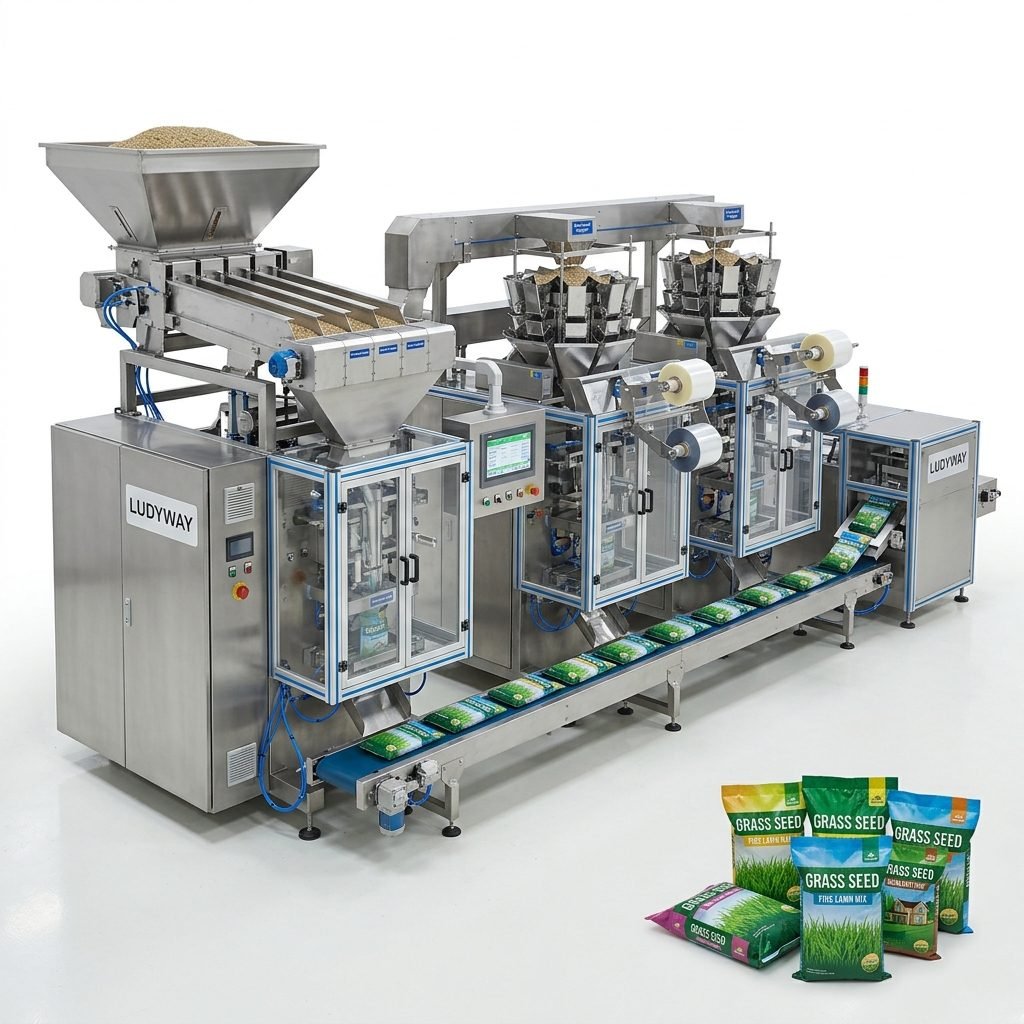
These are widely used for granular products and are suitable for many seed applications. They can form the bag from roll film, fill the measured seed dose, and seal it automatically. They are often selected for pillow bags, back-seal pouches, and other common flexible packaging formats.
2. Sachet and Stick Pack Machines
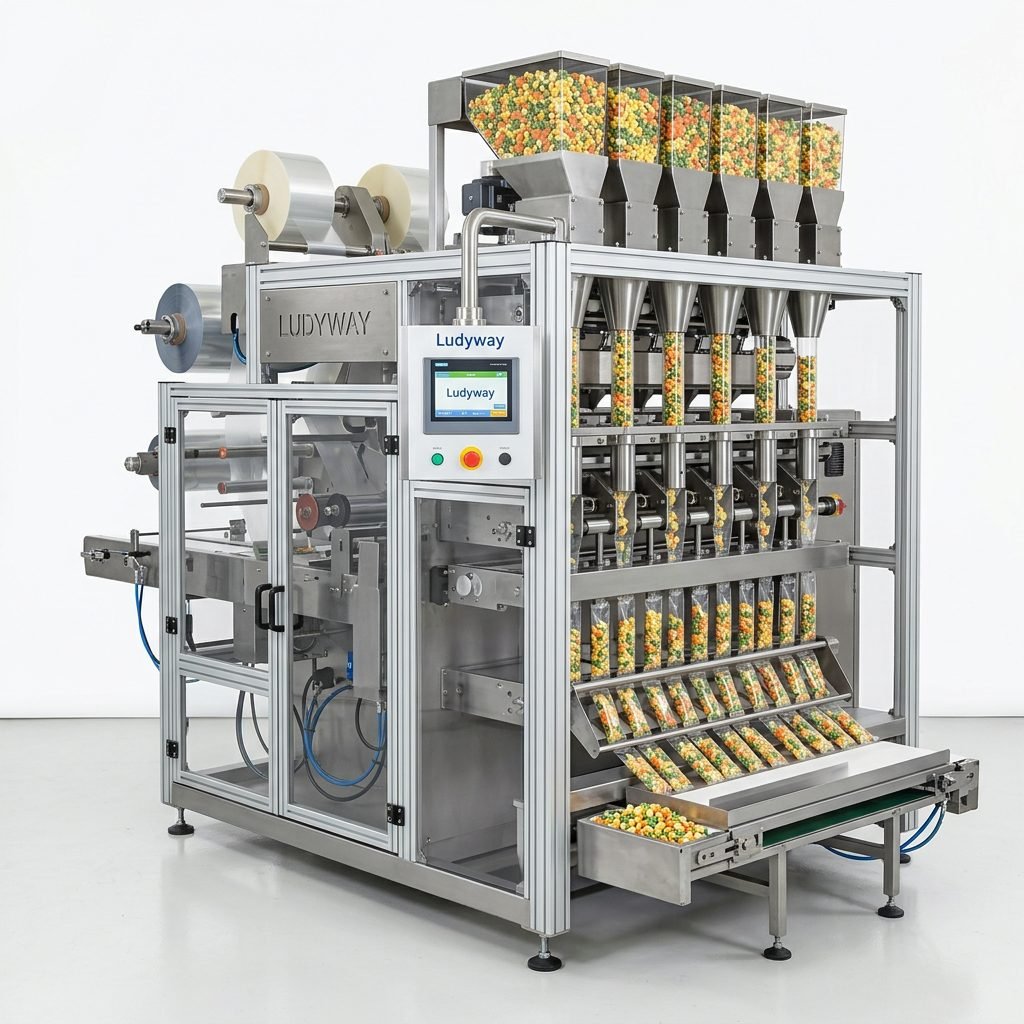
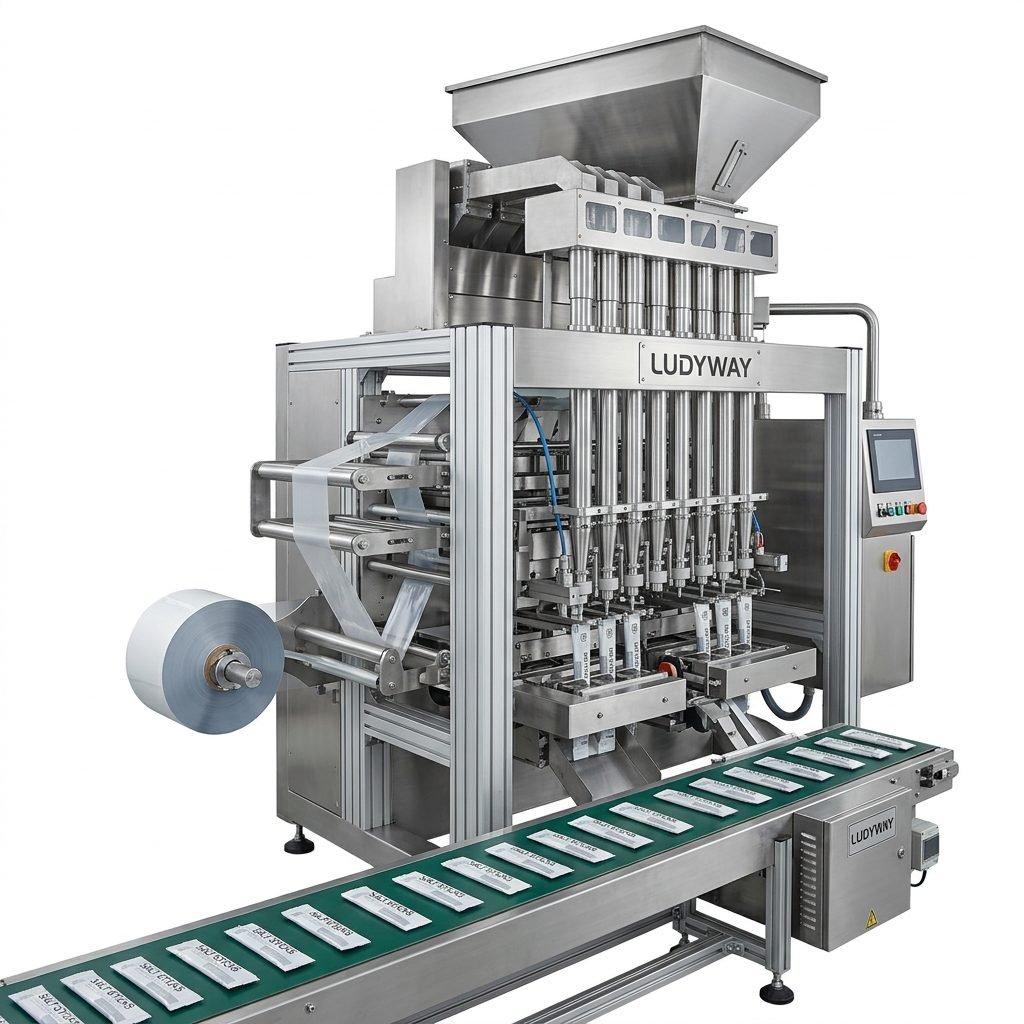
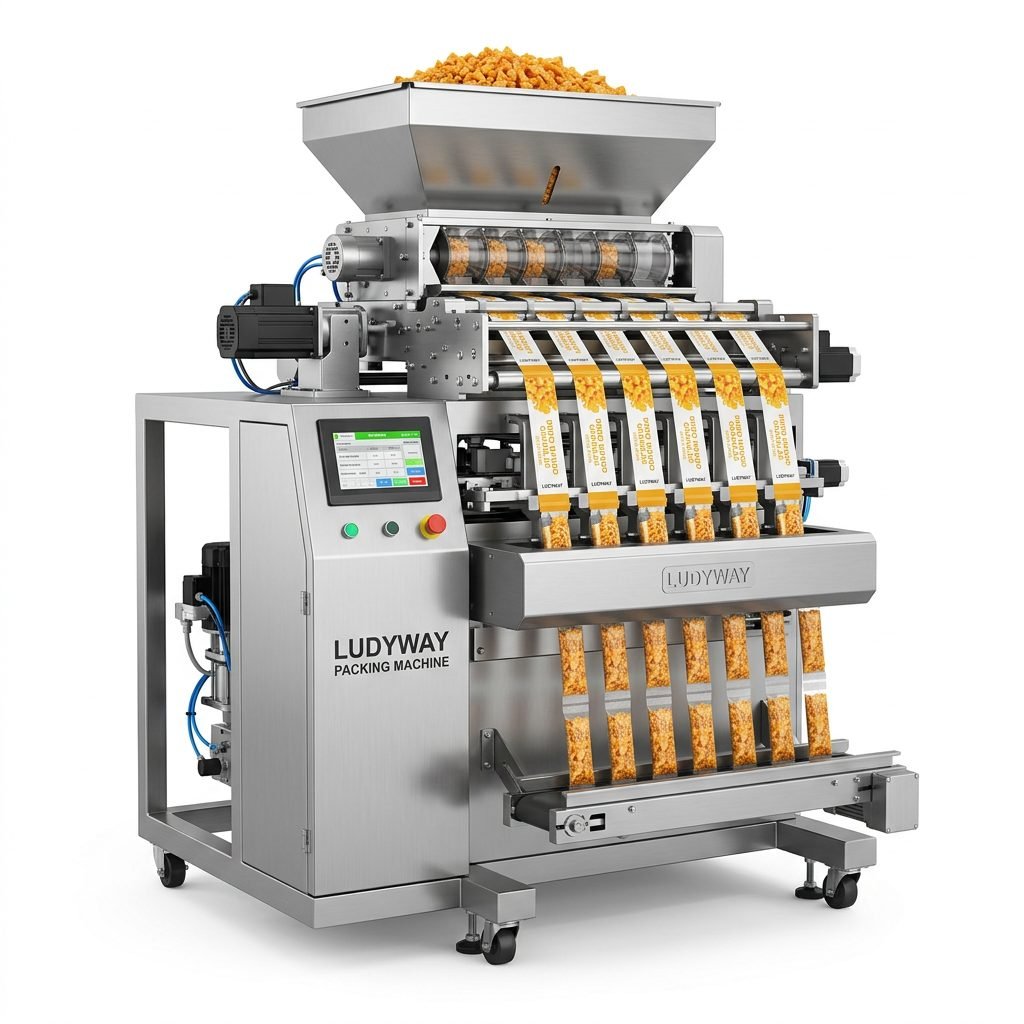
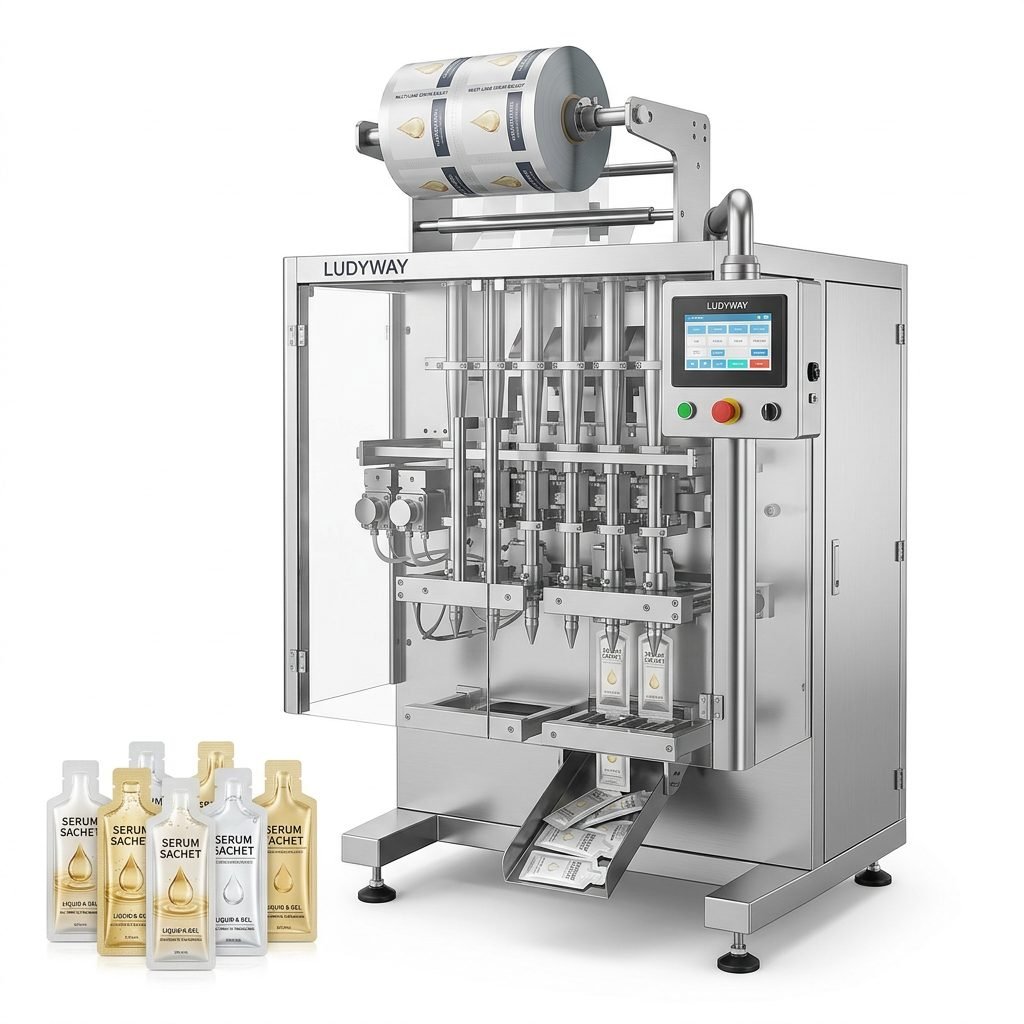
For small retail seed packs or sample-format packaging, sachet and multi-lane stick pack machines offer excellent speed and presentation. These systems are ideal when brands want compact packaging, high output, and efficient film use.
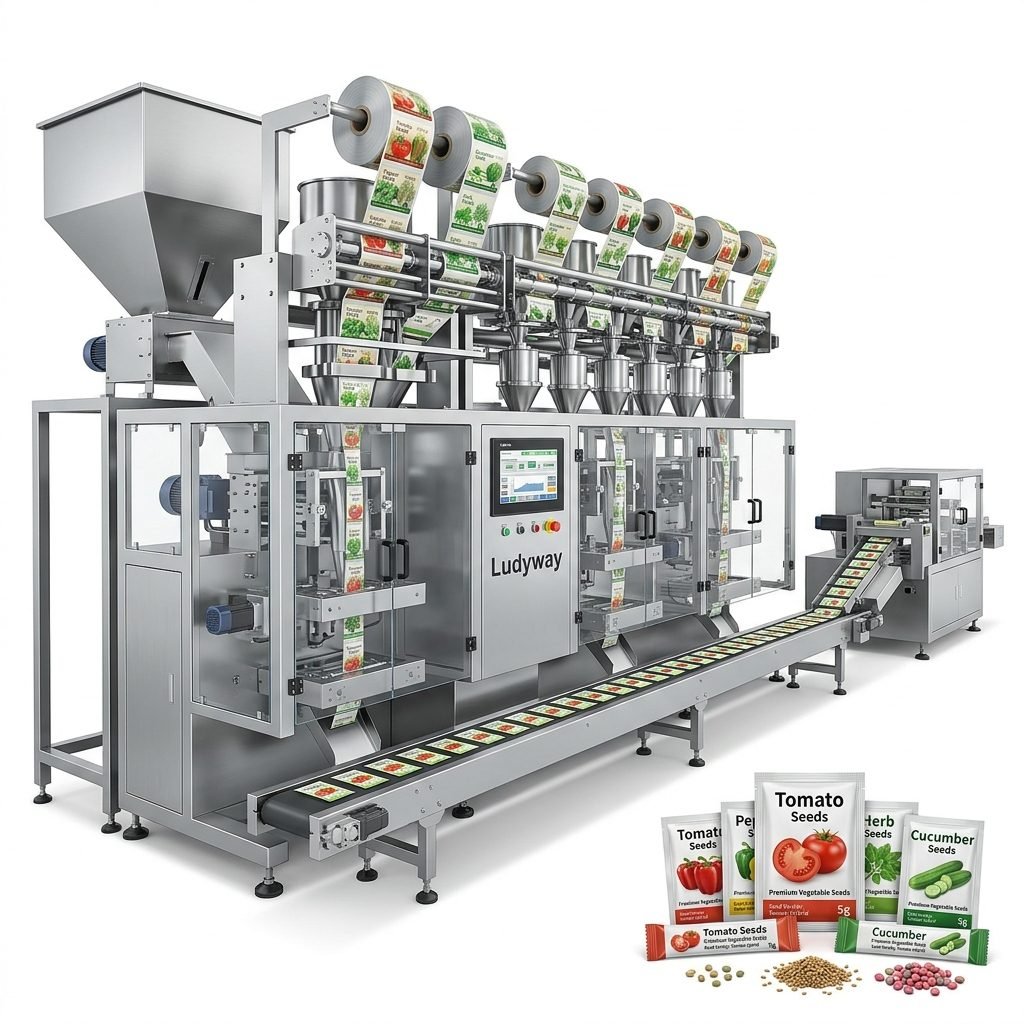
3. Premade Pouch Packaging Machines
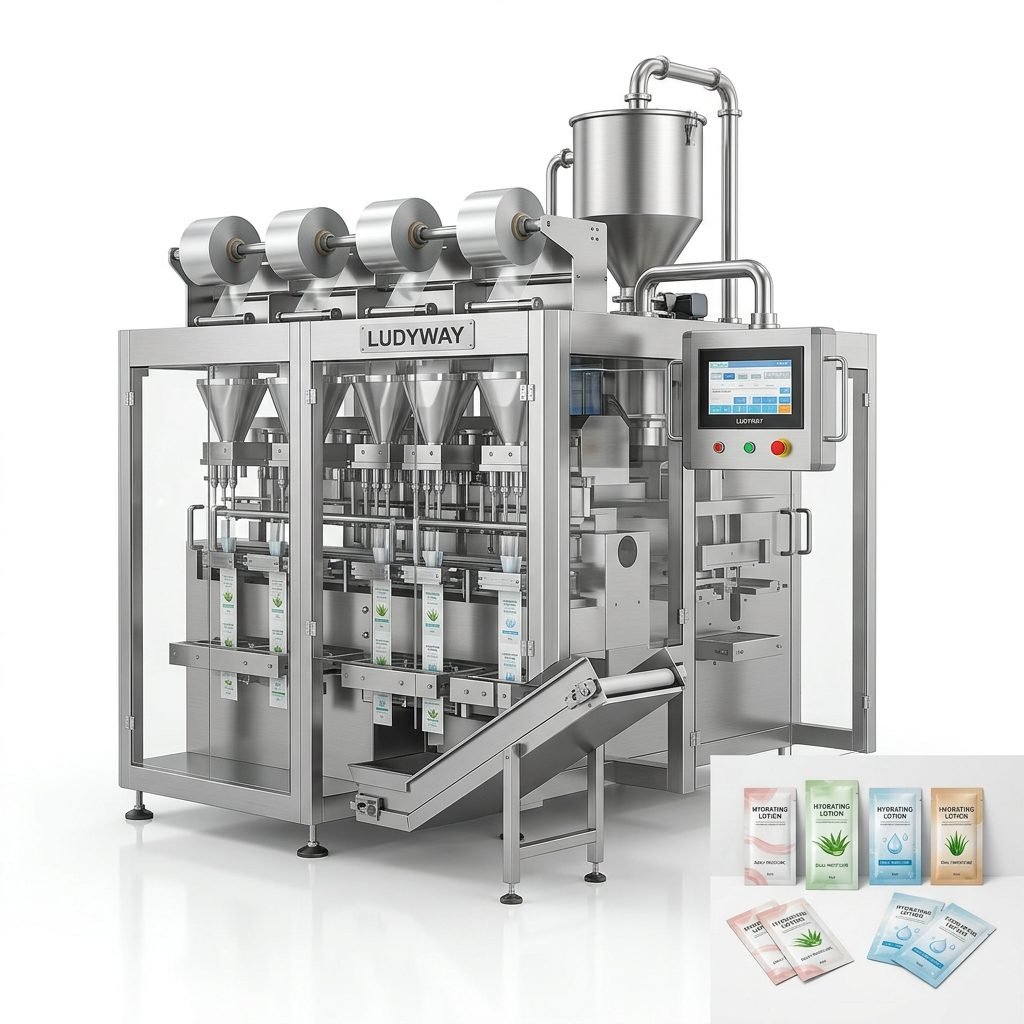
If premium appearance or larger retail formats are required, premade pouch machines can be a strong option. They work well for stand-up pouches, zipper bags, and shaped pouches used in high-value seed markets.
4. Bulk Seed Bagging Systems
For commercial agriculture and large-scale distribution, bulk bagging systems are often used for heavier weights. These lines may include weighing systems, conveyors, sealing units, labelers, and palletizing equipment.
How to Match the Machine to Your Seed Product
Not all seeds behave the same in packaging. Some flow easily, while others may bridge, bounce, or generate dust. Treated seeds may also require extra care in feeding and sealing. Before selecting a machine, evaluate these points:
- Seed size and shape uniformity
- Whether the seeds are coated, treated, or blended
- Target pack weight range
- Required packaging material
- Desired bag style
- Daily and monthly production goals
- Need for date coding, inspection, cartoning, or palletizing
For example, small vegetable seeds packaged in lightweight sachets often benefit from high-speed multi-lane equipment, while larger corn or grass seed products may be better suited to vertical bagging or bulk bag systems.
Benefits of High-Speed Seed Packaging Automation
A modern automated seed packaging line does much more than fill bags faster. It improves repeatability, lowers dependence on manual labor, and creates a more scalable production model.
| Benefit | Operational Impact |
|---|---|
| Higher throughput | More packs per shift with stable output |
| Less labor intensity | Fewer manual steps and reduced operator workload |
| Better consistency | Uniform weight, seal quality, and pack appearance |
| Lower error rate | Reduced misfills, underweight packs, and sealing defects |
| Scalable production | Easier expansion as demand increases |
What Makes a Reliable Packaging Machine Supplier
The machine itself is important, but supplier capability matters just as much. A trusted manufacturer should be able to provide machine customization, technical guidance, testing support, and after-sales service. This is especially important in seed packaging, where pack weights, materials, and line speeds may vary significantly by product and market.
A strong supplier should offer:
- Application-based machine recommendations
- Material testing and packaging validation
- Custom configuration for your pack format
- Integration with auxiliary equipment
- Installation, training, and remote support
- Long-term spare parts and maintenance service
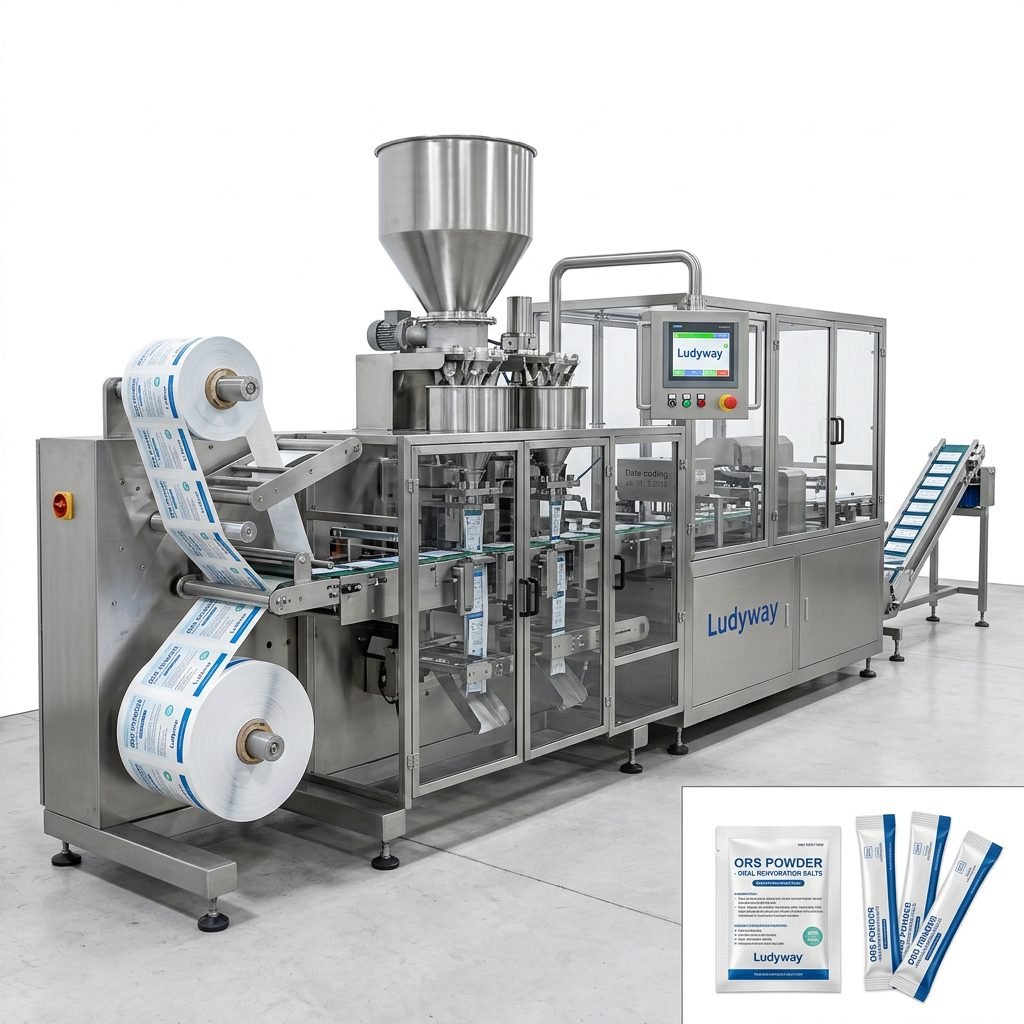
For businesses looking for scalable seed packaging solutions, Ludyway seed packaging machine solutions can be considered as part of a broader automation strategy. Founded in 1993, with more than 30 years of industry experience and a manufacturing facility of over 20,000 square meters, the company is recognized as one of China’s leading packaging machine and turnkey packaging line manufacturers, serving customers in more than 100 countries and regions.
Questions to Ask Before Buying a Seed Packaging Machine
Can the machine handle multiple seed types?
If you package different seed products, flexibility is essential. Ask whether the machine can be adjusted for changes in granule size, target weight, and packaging film.
What accuracy range can it maintain at high speed?
Some equipment performs well at low speed but loses precision when output increases. Always request real test data using your actual seed material.
How easy is cleaning and maintenance?
Downtime affects productivity. Choose a machine with accessible components, simple cleaning procedures, and reliable spare parts support.
Can it be integrated into a full line?
If you plan future growth, select equipment that can connect with feeding, coding, checkweighing, cartoning, case packing, and palletizing systems.
Best Applications for Modern Seed Packaging Equipment
Advanced seed packaging machines are suitable for many agricultural and commercial applications, including:
- Vegetable seed sachets
- Flower seed retail packs
- Lawn and grass seed pouches
- Corn and rice seed bags
- Treated seed packaging
- Agricultural sample packs
- Bulk seed bagging for distribution
Final Buying Insight
The best seed packaging machine for efficient, accurate, and high-speed packaging is the one that fits your actual production needs—not just the highest-speed model available. Look for a solution that balances precision filling, packaging flexibility, seal quality, easy operation, and room for future automation.
If you compare machine type, output target, seed characteristics, and supplier support carefully, you can build a packaging process that delivers better productivity, lower waste, and more consistent finished packs over the long term.