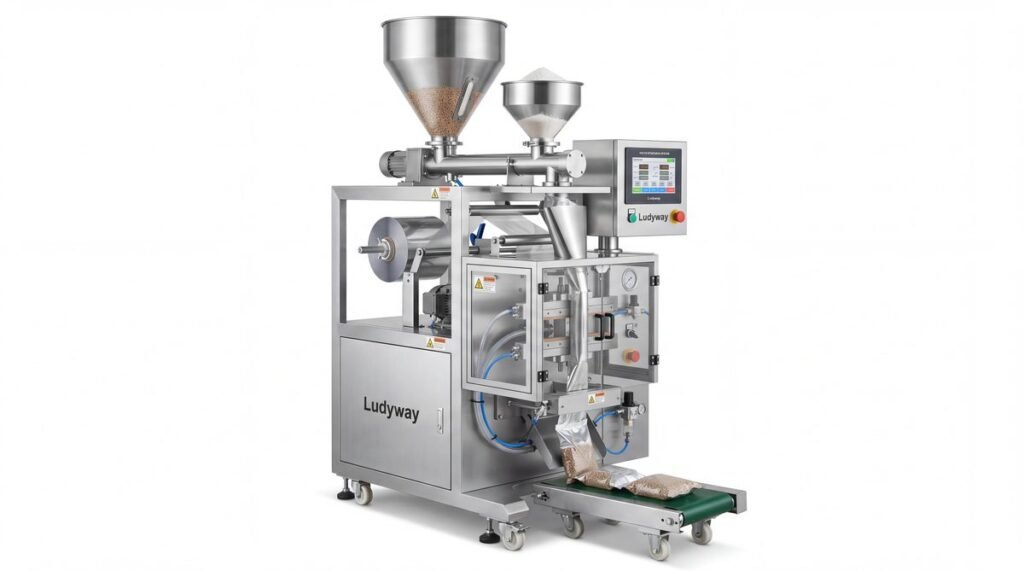
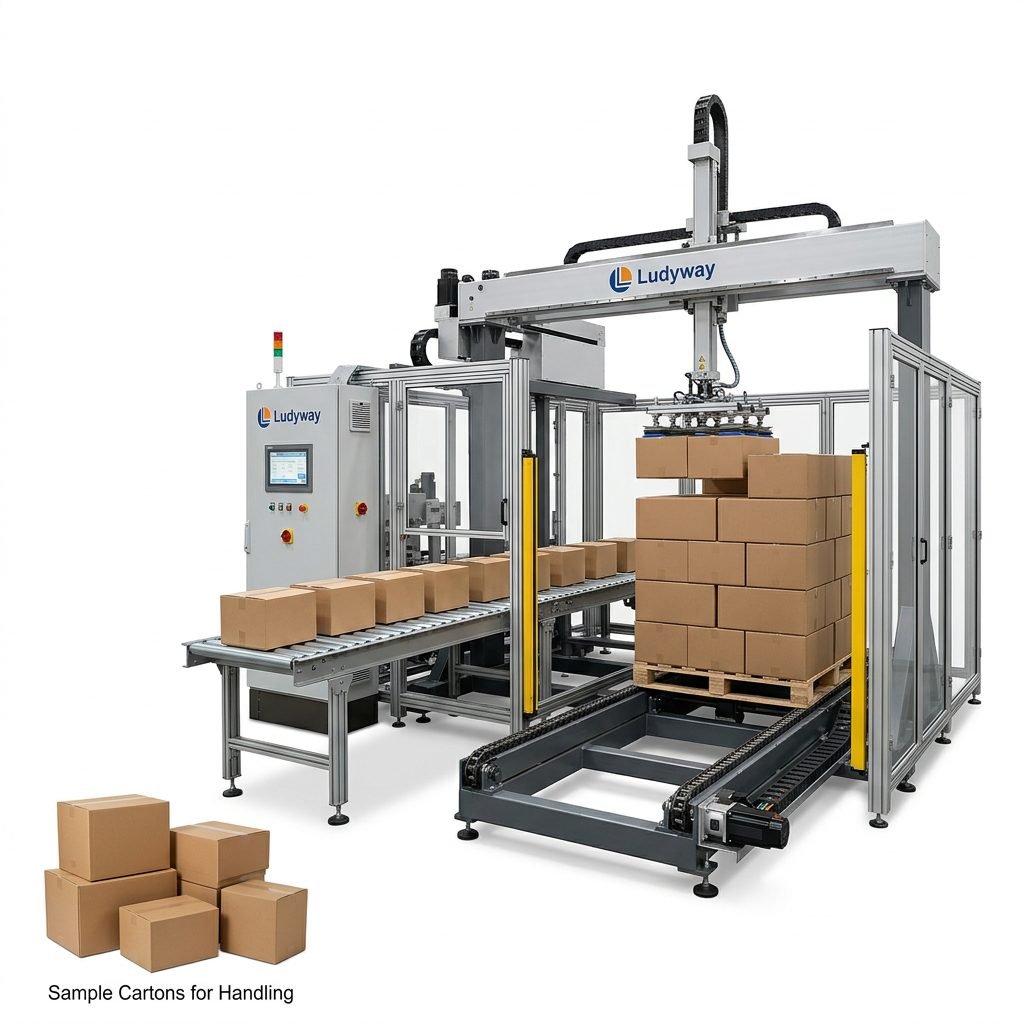
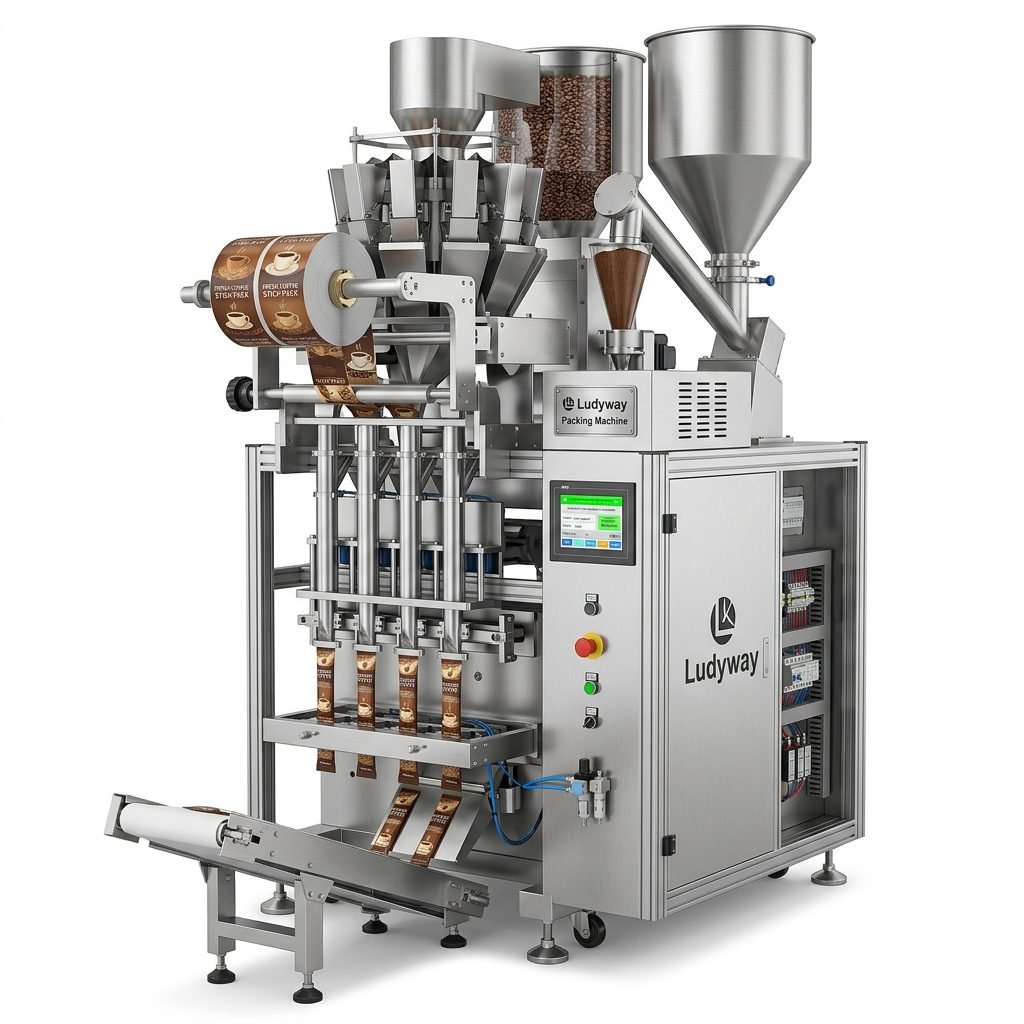
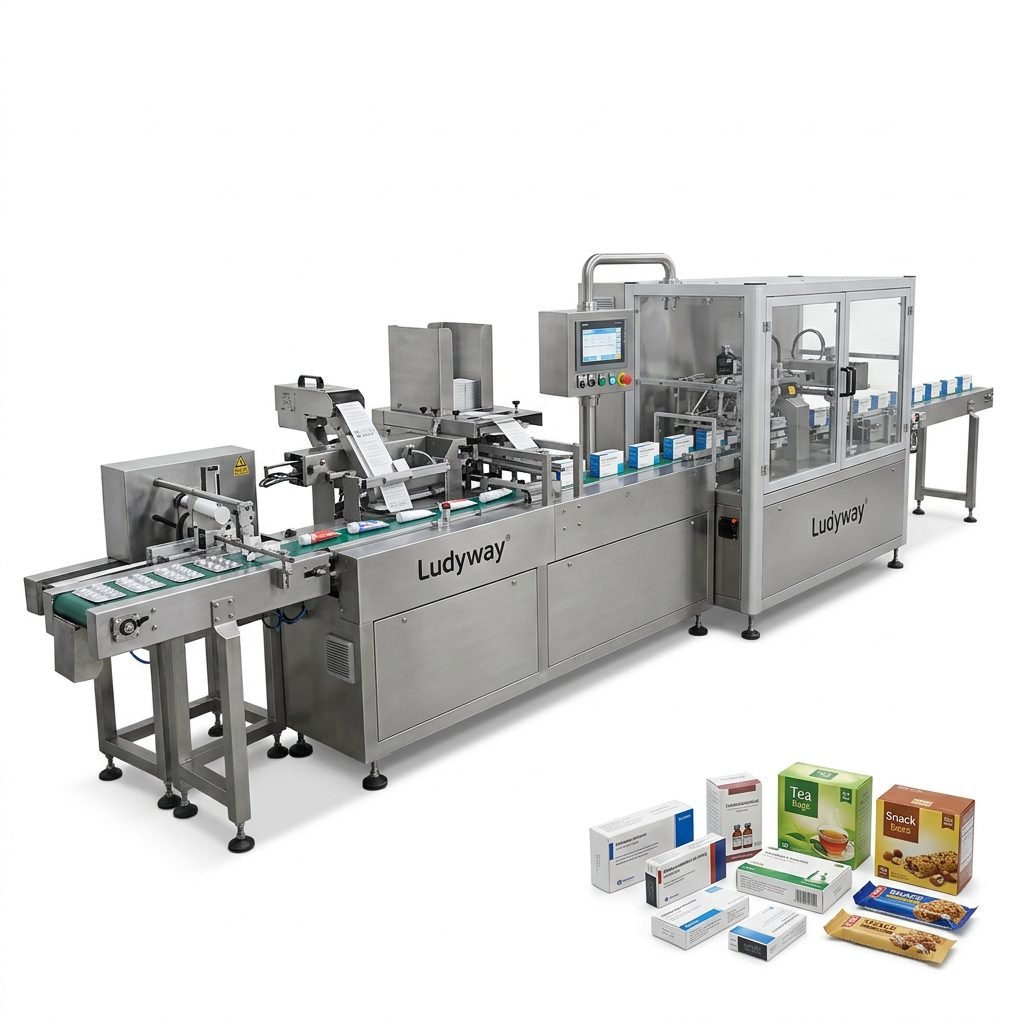
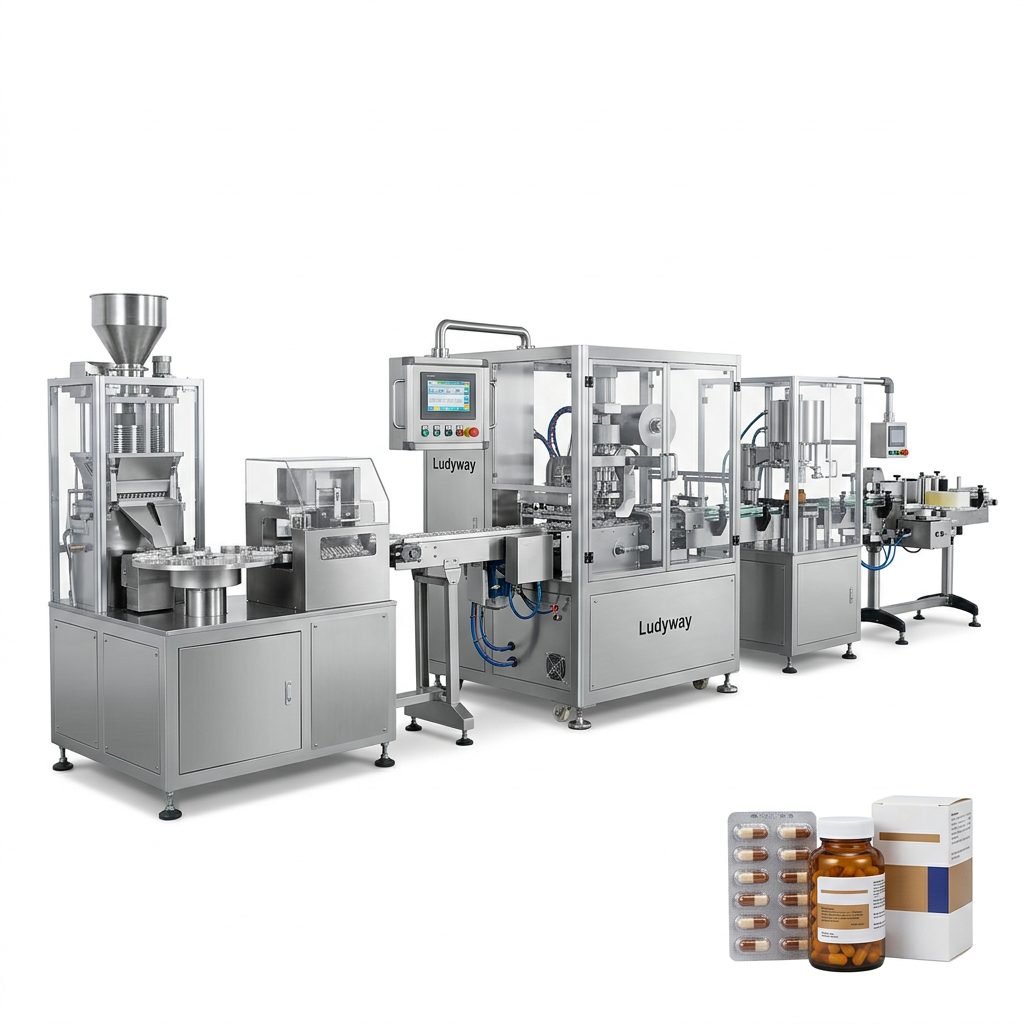
The Middle East represents one of the fastest-growing markets for processed and packaged food products, with salsa and sauce products experiencing particularly strong demand. From traditional tomato-based salsas to innovative fruit and chili blends, manufacturers across the GCC region, Turkey, and North Africa are investing in advanced salsa packaging machines to meet rising consumer expectations. Selecting the right equipment requires a thorough understanding of machine types, essential features, regional compliance requirements, and total cost of ownership. This guide provides a comprehensive overview to help buyers make informed decisions.
Key Market Drivers in the Middle East
The Middle Eastern food packaging sector is shaped by several unique factors. Rapid urbanization in cities like Dubai, Riyadh, and Doha has fueled demand for convenient, portion-controlled salsa formats. Additionally, the region’s thriving foodservice industry—including hotels, restaurants, and catering services—requires bulk and single-serve packaging solutions. The growing popularity of Mexican and Latin American cuisine across the Middle East has further accelerated salsa consumption. Manufacturers seeking to capitalize on these trends must prioritize packaging automation technologies that ensure product freshness, extend shelf life, and comply with regional food safety standards.

Types of Salsa Packaging Machines Available
Different production scales and packaging formats call for specific machine configurations. The following table summarizes the most common types of salsa packaging equipment suitable for Middle Eastern operations:
| Machine Type | Best For | Packaging Format | Typical Speed Range |
|---|---|---|---|
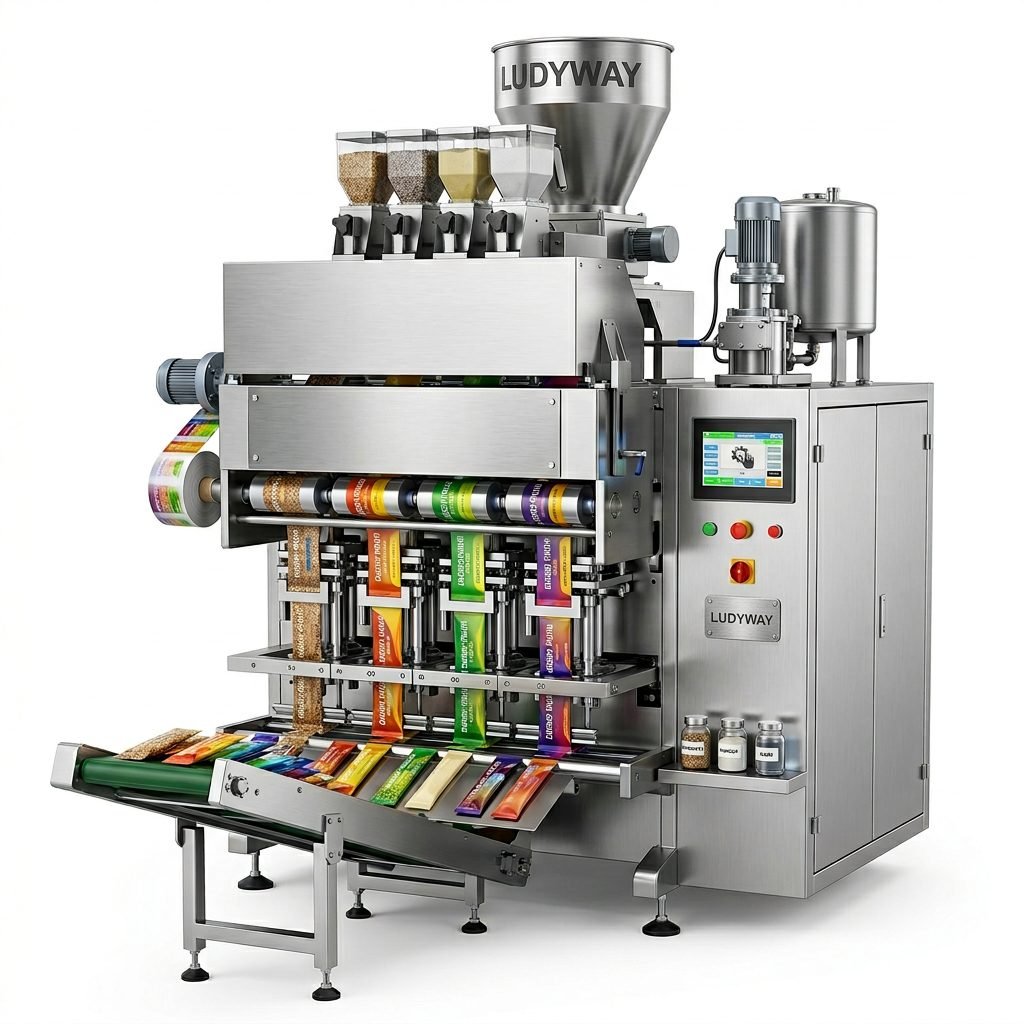
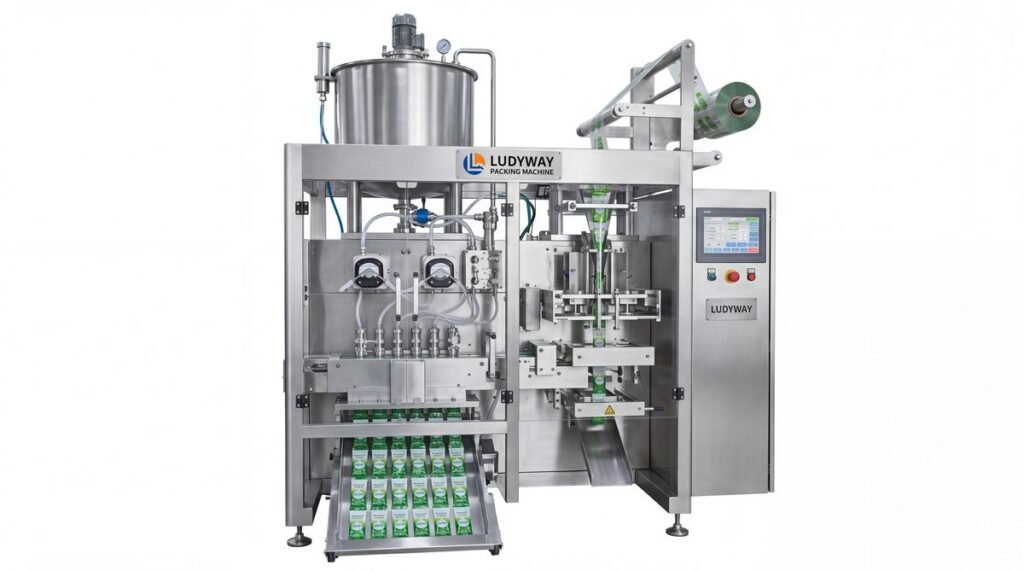
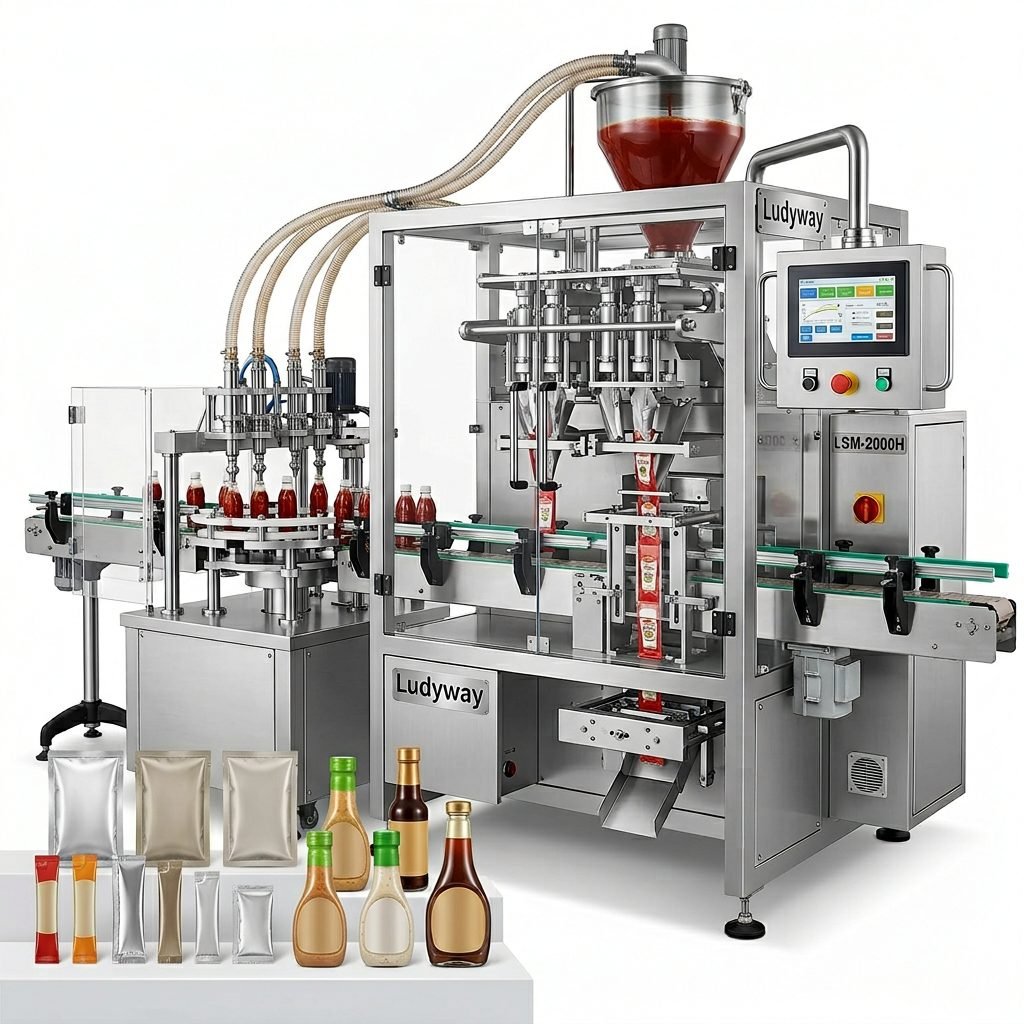
| Multi-Lane Sachet Machine | Single-serve retail & foodservice | Small sachets (3-50ml) | 200-800 packs/min |
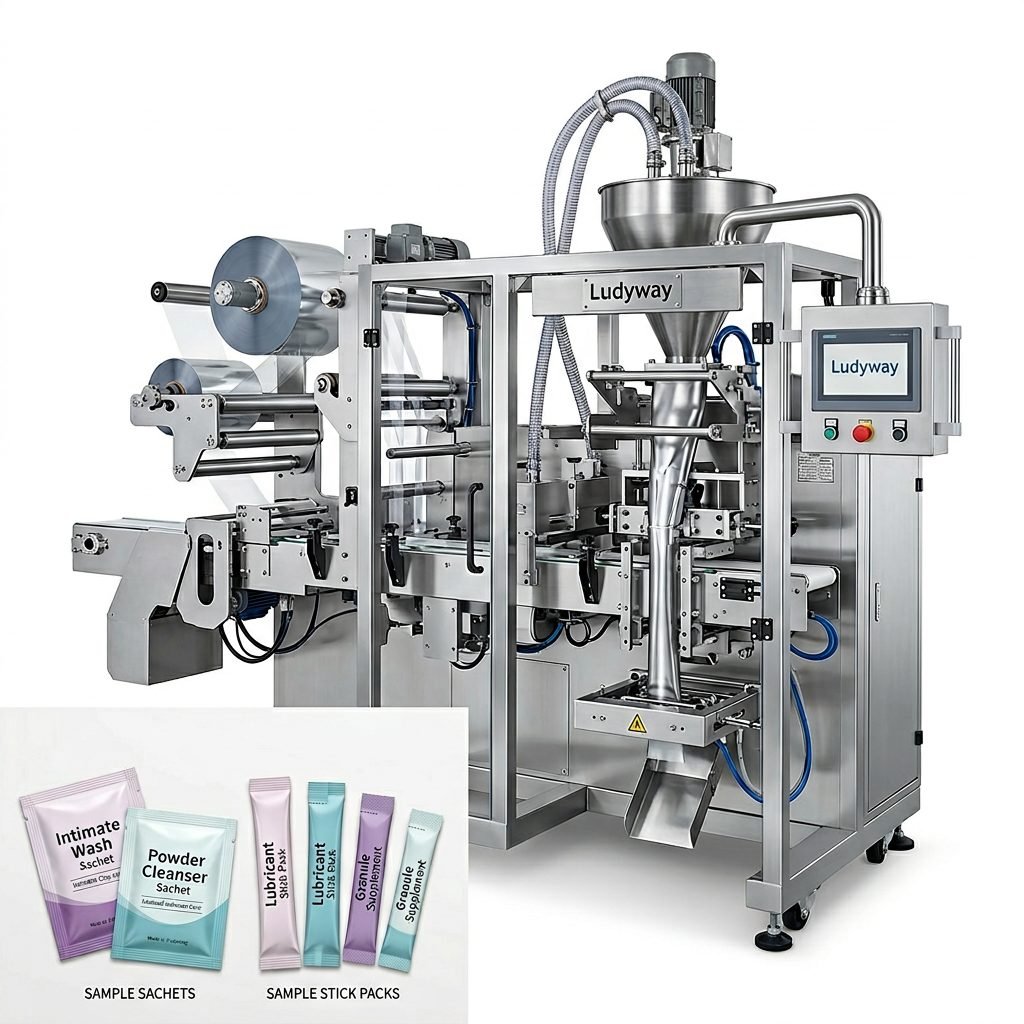
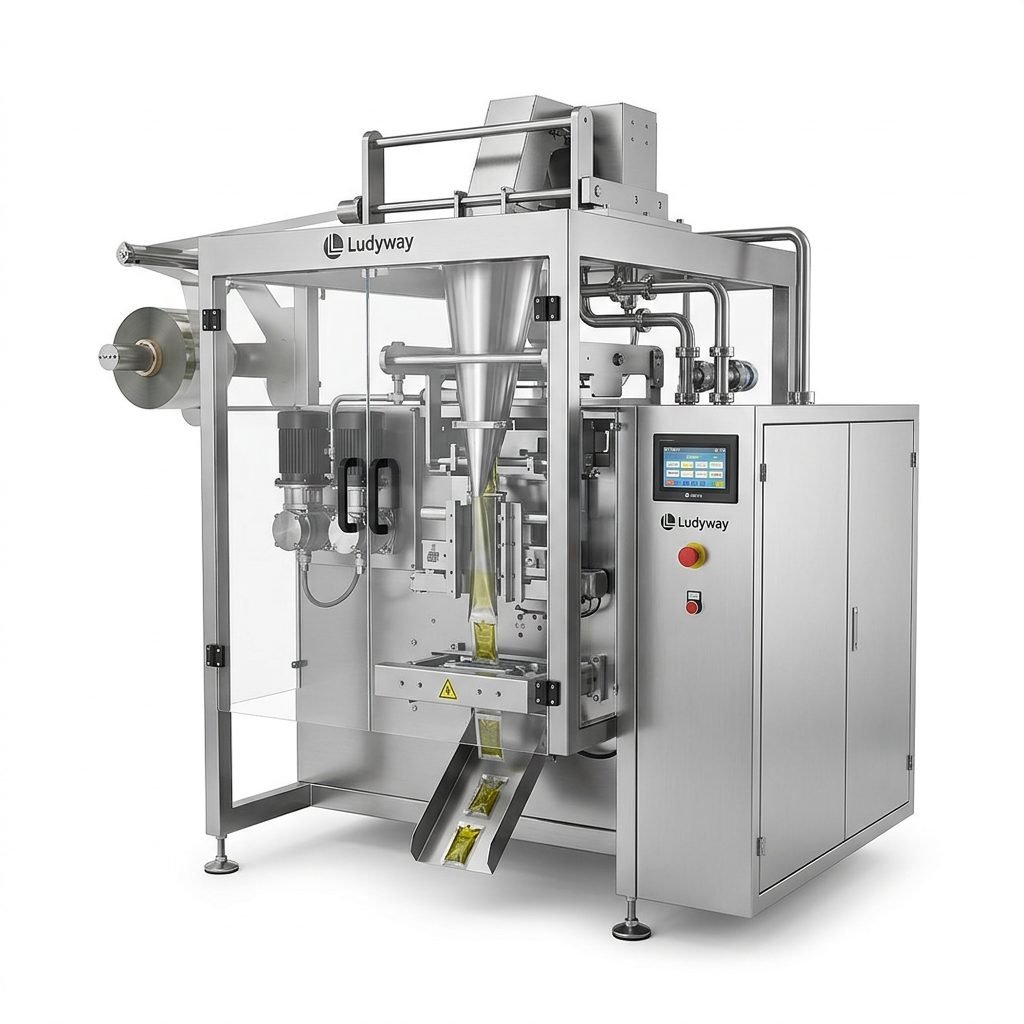
| Stick Pack Machine | Portion control & on-the-go | Narrow stick packs (5-30ml) | 300-600 packs/min |
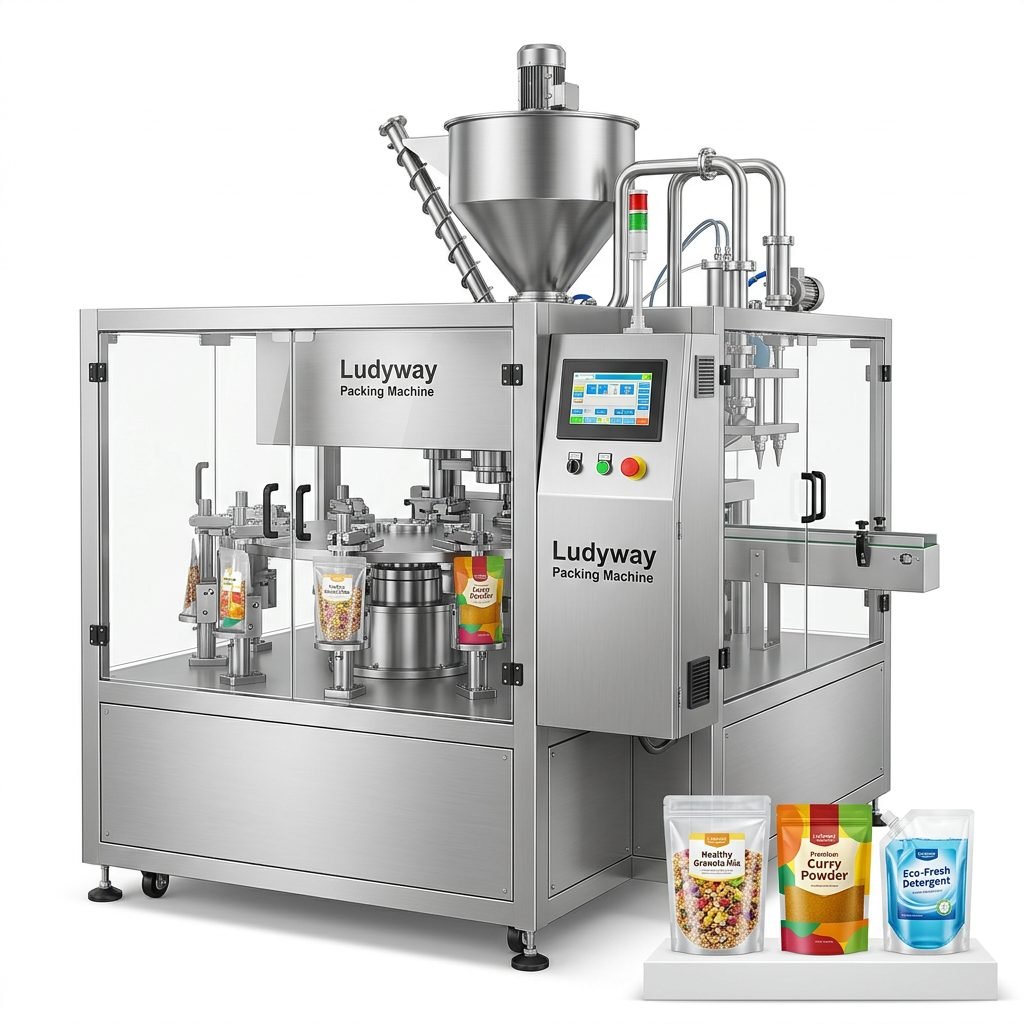
| Pouch Filling & Sealing Machine | Retail pouches & family packs | Stand-up pouches (100-500ml) | 30-120 packs/min |
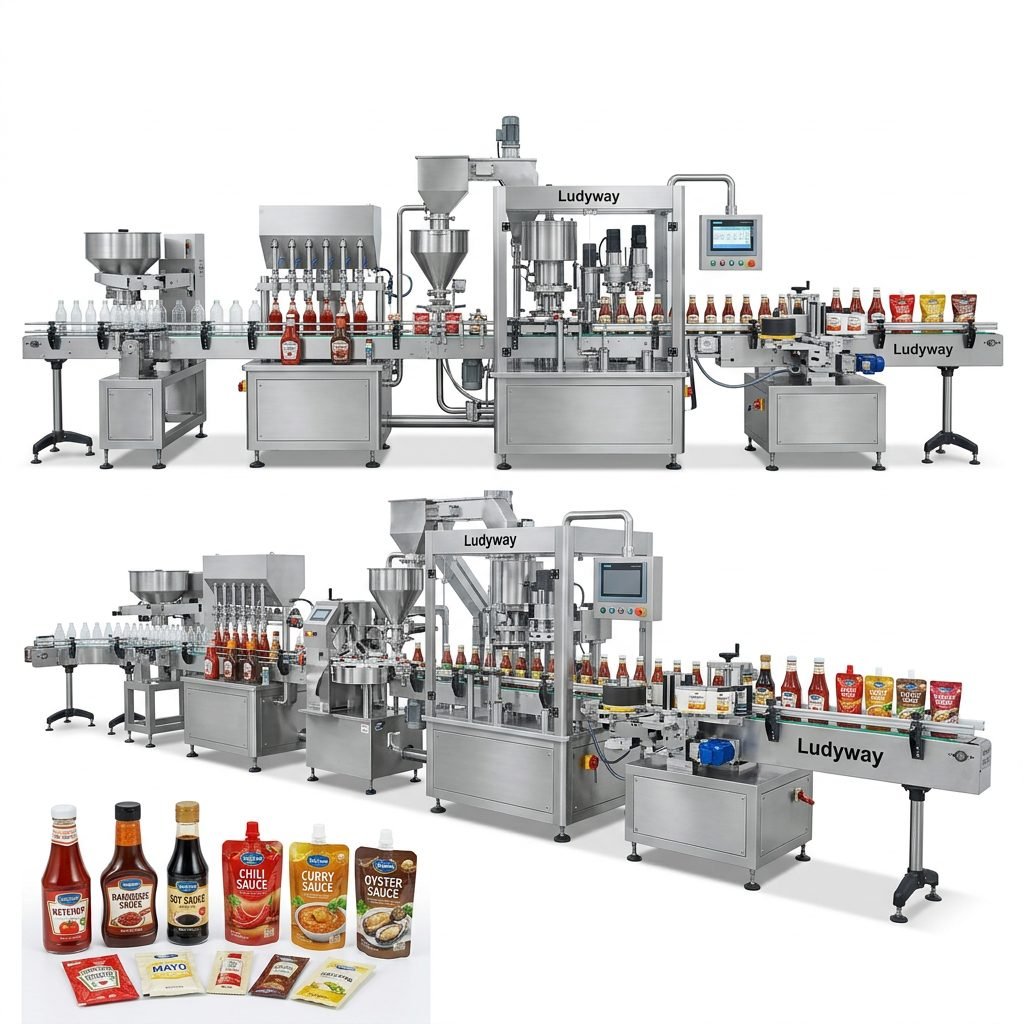
| Bottle Filling Line | Premium retail & glass packaging | Glass/plastic bottles (150-500ml) | 40-200 bottles/min |
| Bulk Bag-in-Box System | Foodservice & institutional | Bulk bags (1-20 liters) | 10-40 units/min |
Essential Features for Salsa Packaging Equipment
When evaluating machinery for the Middle Eastern market, certain features are non-negotiable for operational success and regulatory compliance:
- Corrosion-Resistant Materials: Salsa’s acidity demands stainless steel (SS316 or SS304) construction for all product-contact parts to prevent corrosion and ensure longevity in hot, humid Middle Eastern climates.
- Precision Filling with Particulates: Chunky salsa requires filling systems capable of handling solid particulates up to 10mm without clogging or inconsistent portioning.
- Temperature Control: Cold-fill and hot-fill capabilities are essential; hot-fill systems (85-92°C) provide extended shelf life without preservatives—a growing consumer preference in the region.
- Modified Atmosphere Packaging (MAP): Nitrogen flushing extends product freshness, critical for flexible packaging formats distributed across the GCC’s long supply chains.
- Easy Clean-in-Place (CIP) Systems: Automated cleaning cycles reduce downtime and ensure hygiene compliance with GSO and SFDA standards.
- Multi-Format Flexibility: Machines capable of switching between sachet, stick pack, and pouch formats provide versatility as product lines expand.
Cost Factors and Total Investment Planning
Understanding the full cost structure is critical for budgeting. Beyond the initial machine price, buyers should account for operational and lifecycle costs that significantly impact ROI in Middle Eastern production environments:
- Machine Base Price: Entry-level semi-automatic fillers start around $15,000-$35,000; fully automated multi-lane systems range from $60,000 to $250,000+ depending on speed, lanes, and customization.
- Shipping & Import Duties: Freight to Middle Eastern ports, plus customs duties (typically 5-15% across GCC countries), should be factored into the landed cost.
- Installation & Commissioning: On-site setup by factory-trained engineers; budget $3,000-$15,000 depending on complexity and travel requirements.
- Spare Parts Inventory: Maintaining critical spare parts locally is advisable—plan for 3-5% of machine value annually for replacement components.
- Operator Training: Comprehensive training programs ensure efficient operation and reduce costly errors; many suppliers include this in the package.
- Energy Consumption: With rising energy costs in parts of the region, energy-efficient servo-driven systems offer long-term savings despite higher upfront costs.
Sample Cost Comparison Table
| Configuration | Estimated Price Range (USD) | Output per Minute | Ideal Production Scale |
|---|---|---|---|
| Semi-Automatic Pouch Filler | $15,000 – $35,000 | 15-30 packs | Small / Startup |
| 4-Lane Sachet Machine | $45,000 – $80,000 | 200-400 packs | Medium |
| 8-Lane High-Speed Stick Pack | $90,000 – $160,000 | 400-800 packs | Large / Industrial |
| Fully Automated Turnkey Line | $180,000 – $350,000+ | 600-1000+ packs | High-Volume Enterprise |
Regulatory Compliance for Middle Eastern Markets
Compliance with regional regulations is mandatory for market access. Salsa manufacturers must align with multiple regulatory frameworks depending on target countries:
- GSO (GCC Standardization Organization): Standards covering food packaging materials, labeling, and hygiene—mandatory for all GCC member states.
- SFDA (Saudi Food and Drug Authority): Specific requirements for packaging materials in contact with food, including migration testing and material certification.
- Halal Packaging Considerations: While salsa ingredients are typically halal-compliant, packaging processes must avoid cross-contamination; dedicated production lines are increasingly preferred.
- ESMA (Emirates Authority for Standardization): UAE-specific labeling and packaging standards that apply to all imported and locally produced food products.
Selecting the Right Machine Supplier
Choosing a reliable equipment partner is as important as the machine itself. Evaluate potential suppliers against these key criteria:
- Industry Experience: Look for manufacturers with a proven track record in liquid and paste packaging, particularly for food products with particulates similar to salsa.
- After-Sales Support in the Middle East: Verify the availability of local service technicians, spare parts distribution, and remote diagnostic capabilities across the region.
- Customization Capability: The ability to tailor filling systems, sealing mechanisms, and packaging formats to your specific salsa product characteristics.
- References and Case Studies: Request references from food manufacturers in similar climates and production environments.
- Warranty and Service Agreements: Comprehensive warranty coverage (minimum 12 months) and optional extended service contracts provide long-term peace of mind.
- Compliance Documentation: Suppliers should provide full ISO packaging standards certification, CE marking, and material traceability documentation.
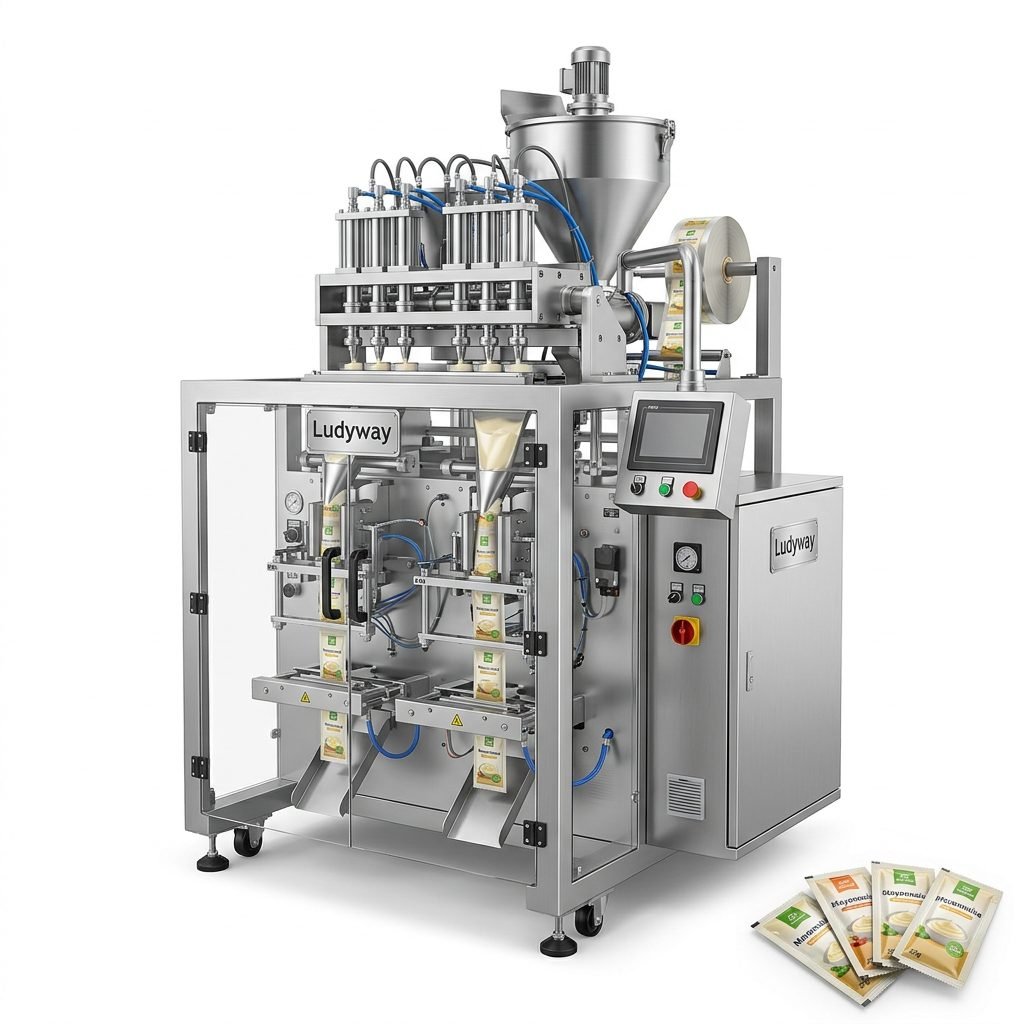
For manufacturers seeking a proven partner with extensive experience in liquid and sauce packaging, Ludyway—one of the largest packaging machine manufacturers in China with over 30 years of industry expertise—offers a comprehensive range of multi-lane sachet, stick pack, and fully automated packaging systems designed for the food industry and serving customers in over 100 countries.
Key Questions to Ask Potential Suppliers
- Can your filling system handle chunky salsa with particulates without clogging?
- What corrosion protection is applied to all product-contact surfaces?
- Do you offer hot-fill capability for extended shelf-life applications?
- What is the lead time for delivery to Middle Eastern ports?
- Is remote technical support available during Middle Eastern business hours?
- Can you provide local references from food manufacturers in the GCC region?
Installation, Training, and Ongoing Optimization
A successful packaging line deployment extends well beyond machine delivery. Proper installation and operator training dramatically impact long-term performance. Leading suppliers offer supervised installation by experienced technicians, comprehensive operator training programs covering machine operation, changeover procedures, and basic troubleshooting, plus ongoing optimization support. In the Middle Eastern context, climate-specific considerations—such as ambient temperature management and dust protection—should be addressed during the installation planning phase to ensure reliable, high-speed operation year-round.
Final Considerations for Your Purchase Decision
Investing in a salsa packaging machine is a strategic decision that affects product quality, brand reputation, and operational profitability. Middle Eastern buyers should prioritize equipment that offers flexibility to accommodate future product line expansions, complies with all applicable GSO and country-specific regulations, and is backed by responsive after-sales support. By carefully evaluating machine types, essential features, total cost of ownership, and supplier credentials, manufacturers can secure packaging solutions that drive growth in the region’s dynamic food market.