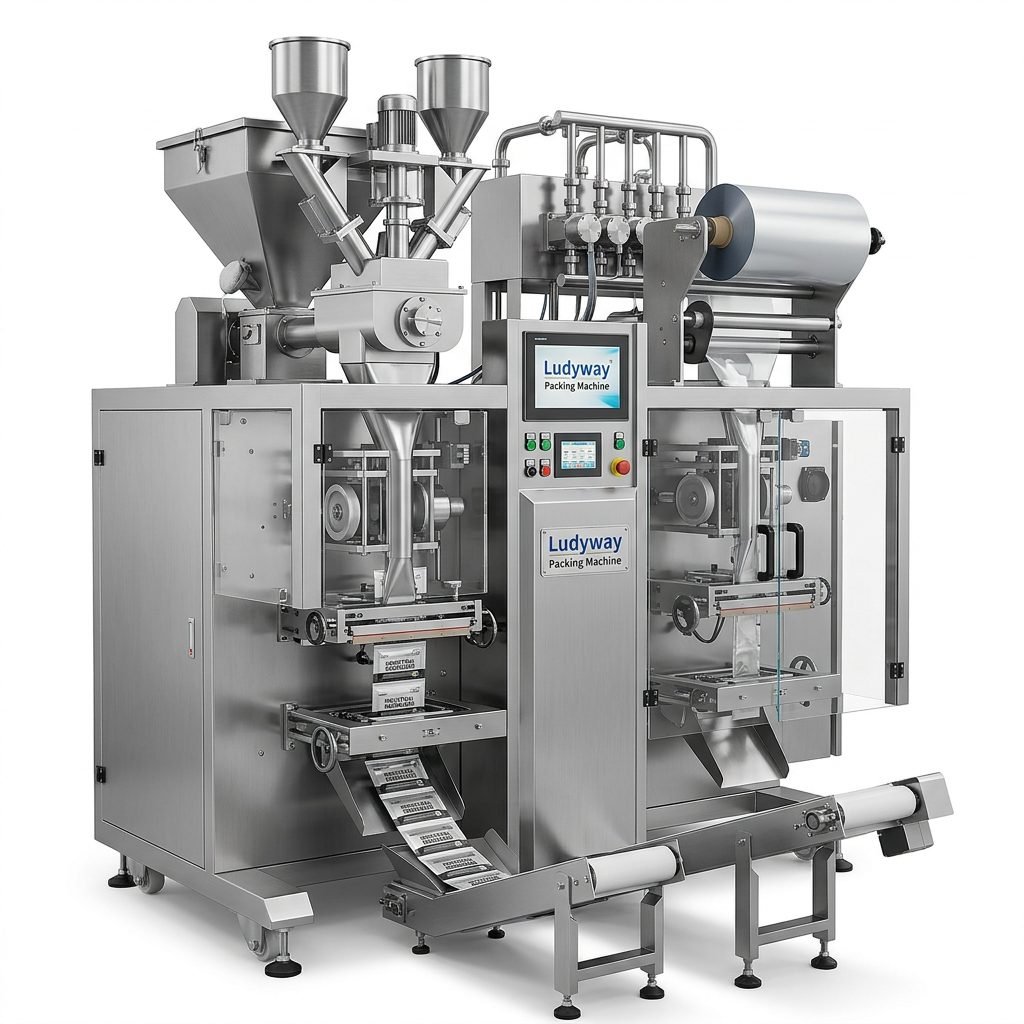
Choosing the right spice filling machine is not only about speed. For spice manufacturers, co-packers, and food brands, the ideal solution must balance accuracy, hygiene, dust control, package appearance, and long-term operating cost. Whether you pack chili powder, black pepper, curry blends, seasoning granules, or mixed spice sachets, the wrong machine can lead to weight inconsistency, product waste, sealing problems, and unnecessary downtime.
A well-matched machine helps protect flavor, reduce dust loss, improve production efficiency, and maintain a more stable package quality from batch to batch. This guide explains what to evaluate before investing in a spice packaging solution and how to match machine type, dosing system, and automation level to your production goals.
Why Spice Packaging Requires Special Attention
Spices may look simple, but they are often difficult to fill consistently. Many powders are fine, lightweight, and prone to bridging, dusting, or sticking. Some blends also contain granules, flakes, or oil-rich ingredients that behave differently during feeding and dosing.
- Fine powders such as paprika, cinnamon, turmeric, and garlic powder can create airborne dust.
- Granular spices such as sesame seasoning, pepper granules, and herb mixes may require different feeding methods.
- Blended seasonings often need gentle handling to avoid ingredient separation.
- Strong aromas require clean sealing and good machine hygiene to prevent cross-contamination.
- Retail pack formats demand precise fill weights and attractive package presentation.
Because of these challenges, choosing a standard filler without considering product flowability, dust level, and packaging format can lead to poor results.
Start with Your Spice Product Characteristics
Before comparing machines, define exactly what you need to pack. This is the foundation of a good buying decision.
| Factor | Why It Matters |
|---|---|
| Powder or granule form | Determines whether auger, cup, or weighing systems are more suitable. |
| Bulk density | Affects dosing accuracy and feeding stability. |
| Dust level | Impacts sealing quality, cleanliness, and operator environment. |
| Oil or moisture content | Can influence sticking, buildup, and discharge consistency. |
| Target pack size | Small sachets and larger pouches require different machine structures. |
| Production volume | Helps define whether semi-automatic or fully automatic equipment is appropriate. |
If you pack multiple spice products, the best machine is usually one that offers easy recipe changeover and adjustable dosing settings.
Common Types of Spice Filling Machines
1. Auger Filling Machines
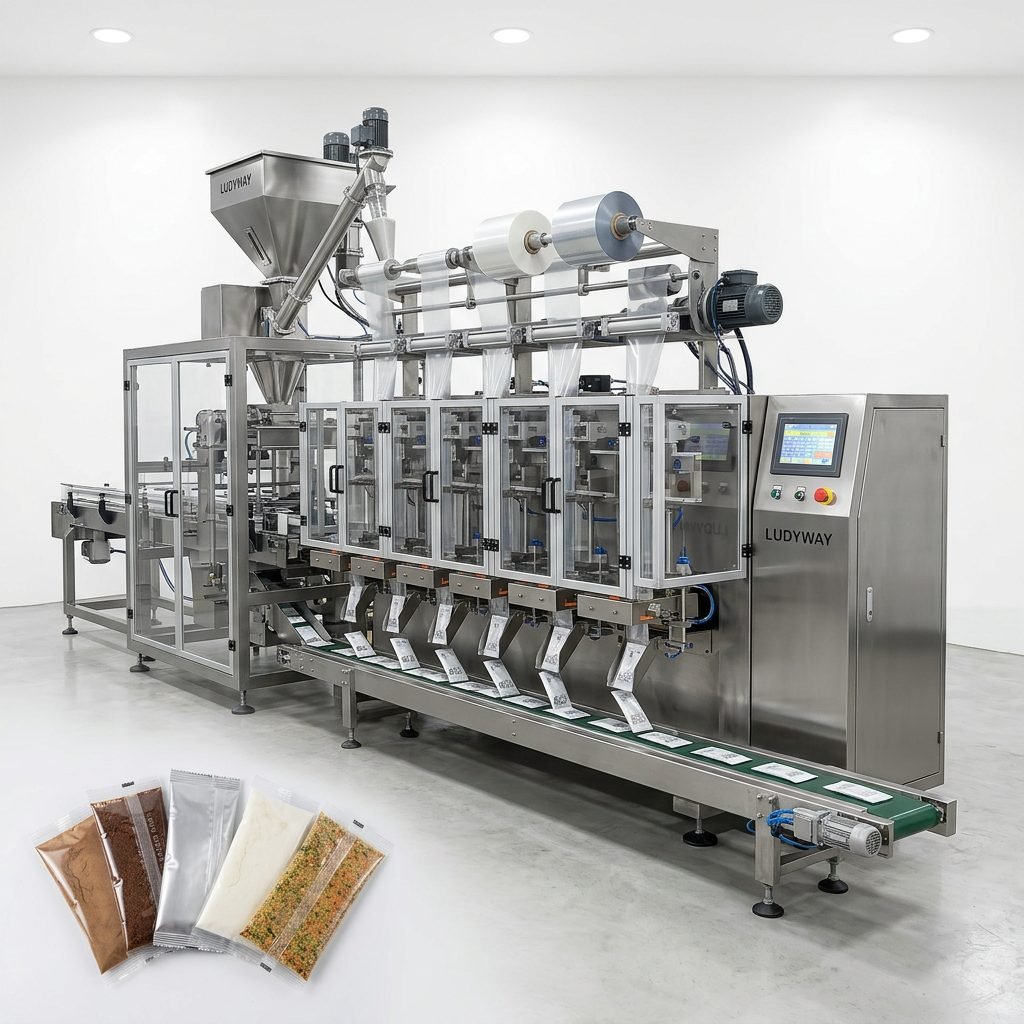
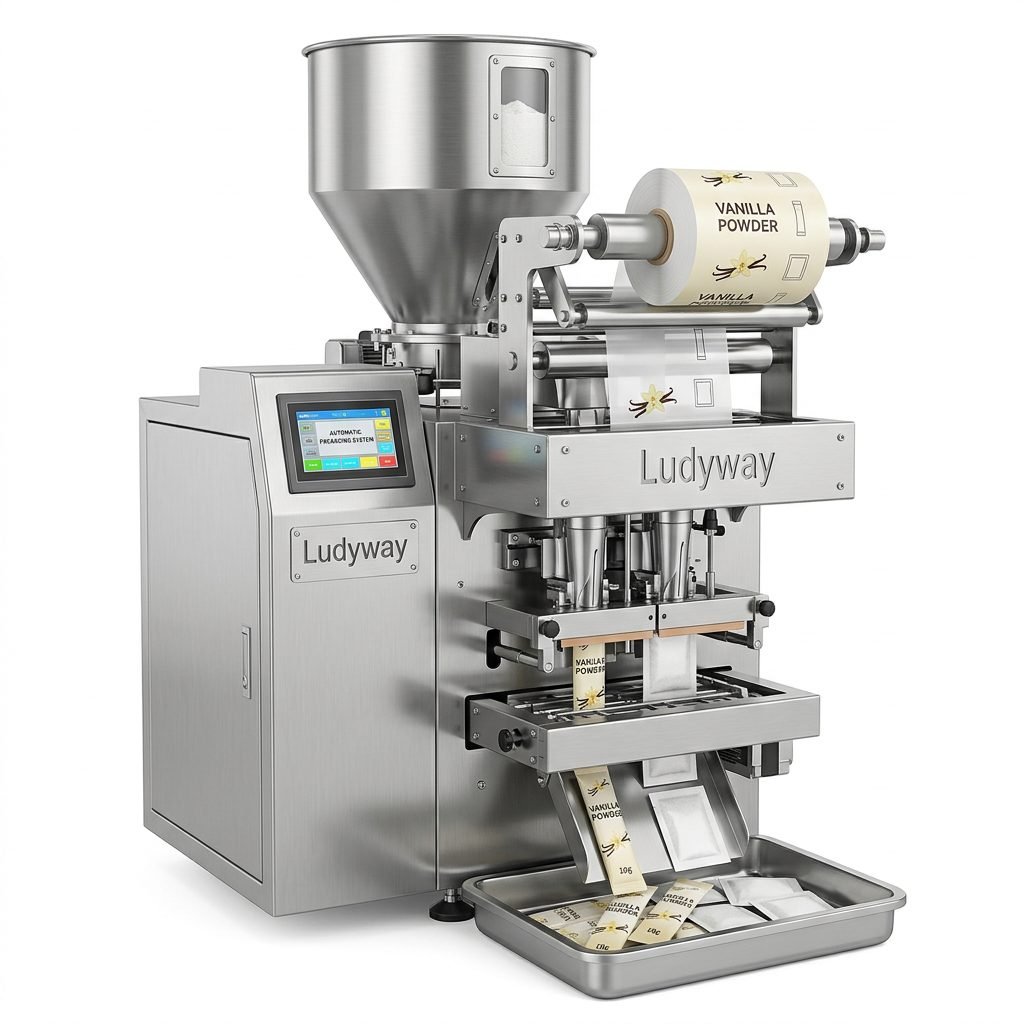
Auger fillers are one of the most common choices for spice powder packaging. They use a screw mechanism to dispense powder into sachets, stick packs, jars, or pouches.
- Best for fine powders and free-flowing to semi-free-flowing spices
- Provides strong control for small-dose filling
- Suitable for chili powder, cumin powder, curry powder, onion powder, and similar products
If your main focus is accurate powder dosing, an auger system is often the preferred solution.
2. Volumetric Cup Fillers
Volumetric fillers measure product by volume rather than exact weight. They are often more economical and work well for products with relatively stable density.
- Good for certain granular seasonings
- Simple structure and easy maintenance
- Less ideal where strict weight tolerance is required
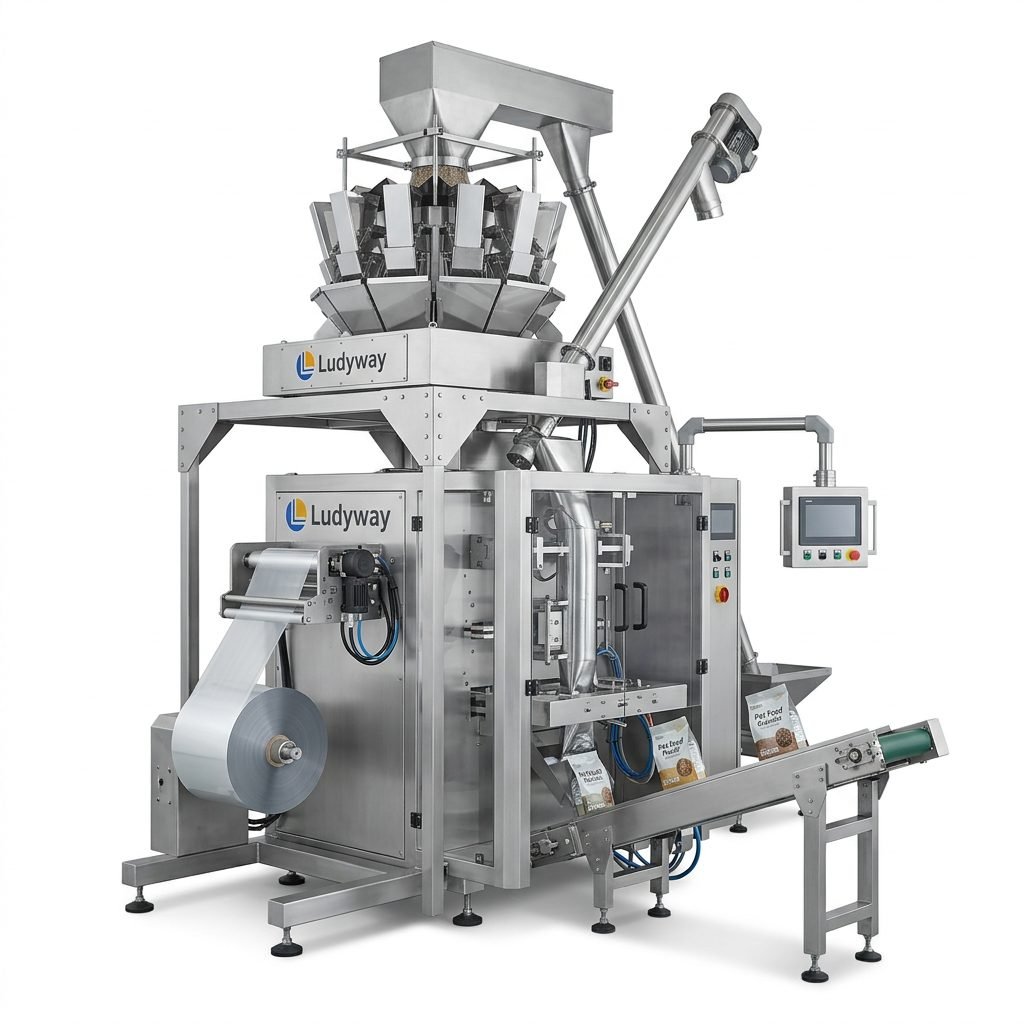
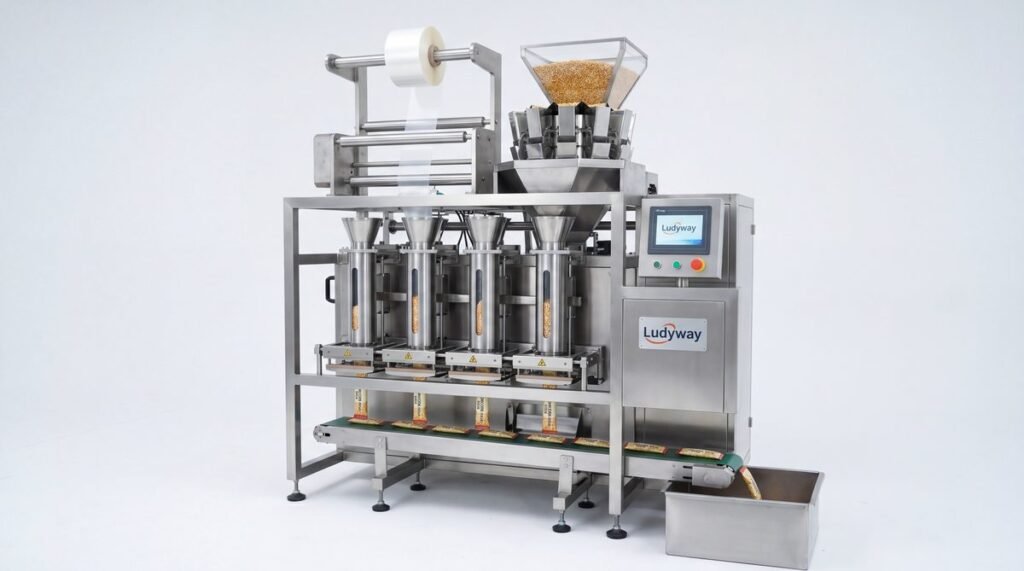
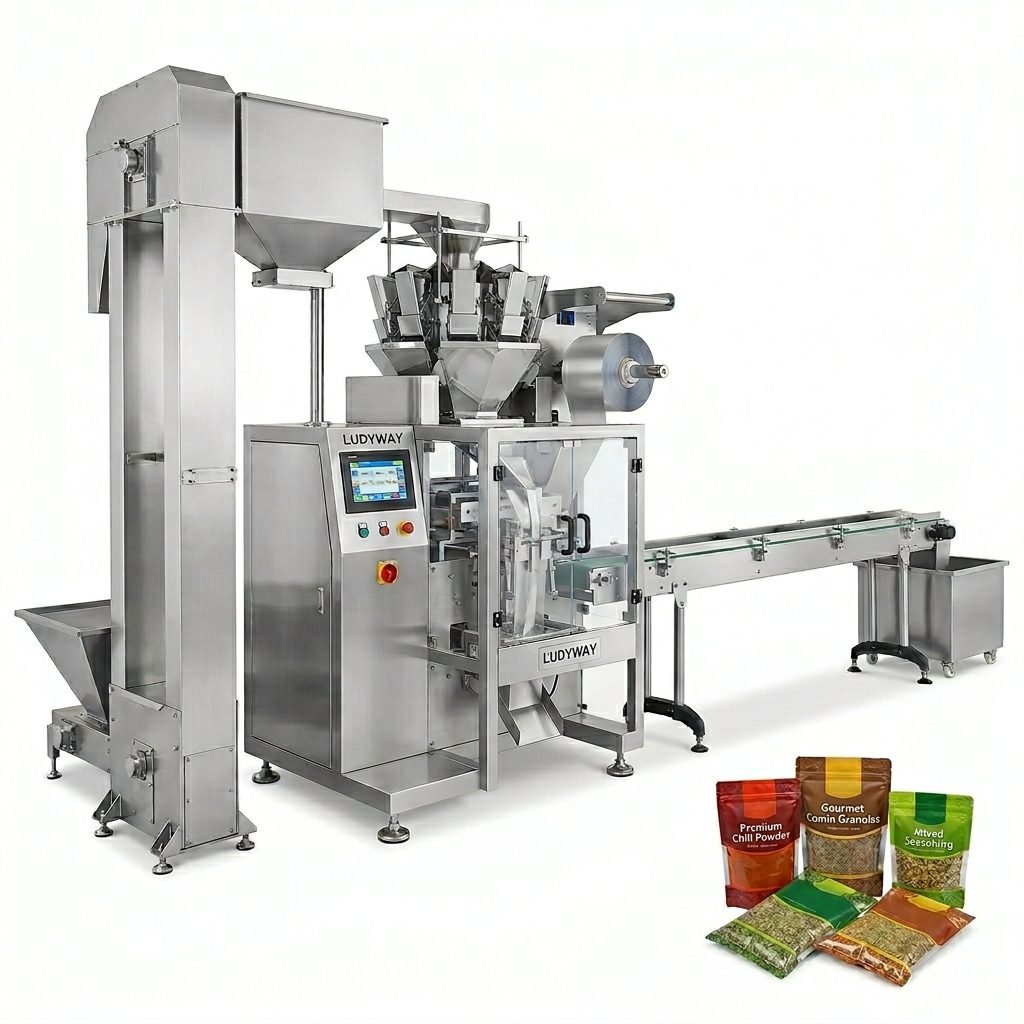
3. Multihead Weighers
For spice blends with granules, seeds, dried herbs, or irregular particles, multihead weighing systems can provide better accuracy and flexibility.
- Suitable for mixed seasoning granules
- Helpful when product shape and density vary
- Often used with premade pouch or VFFS packaging lines
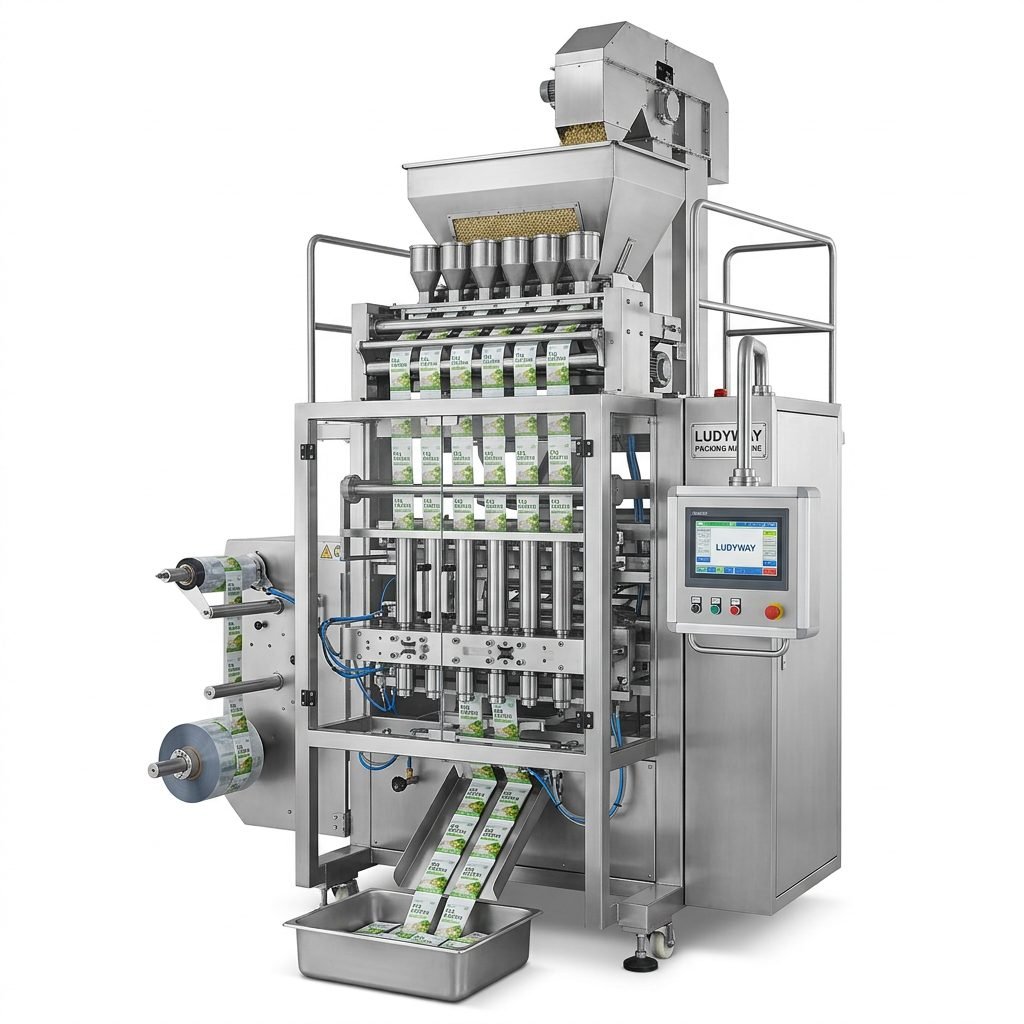
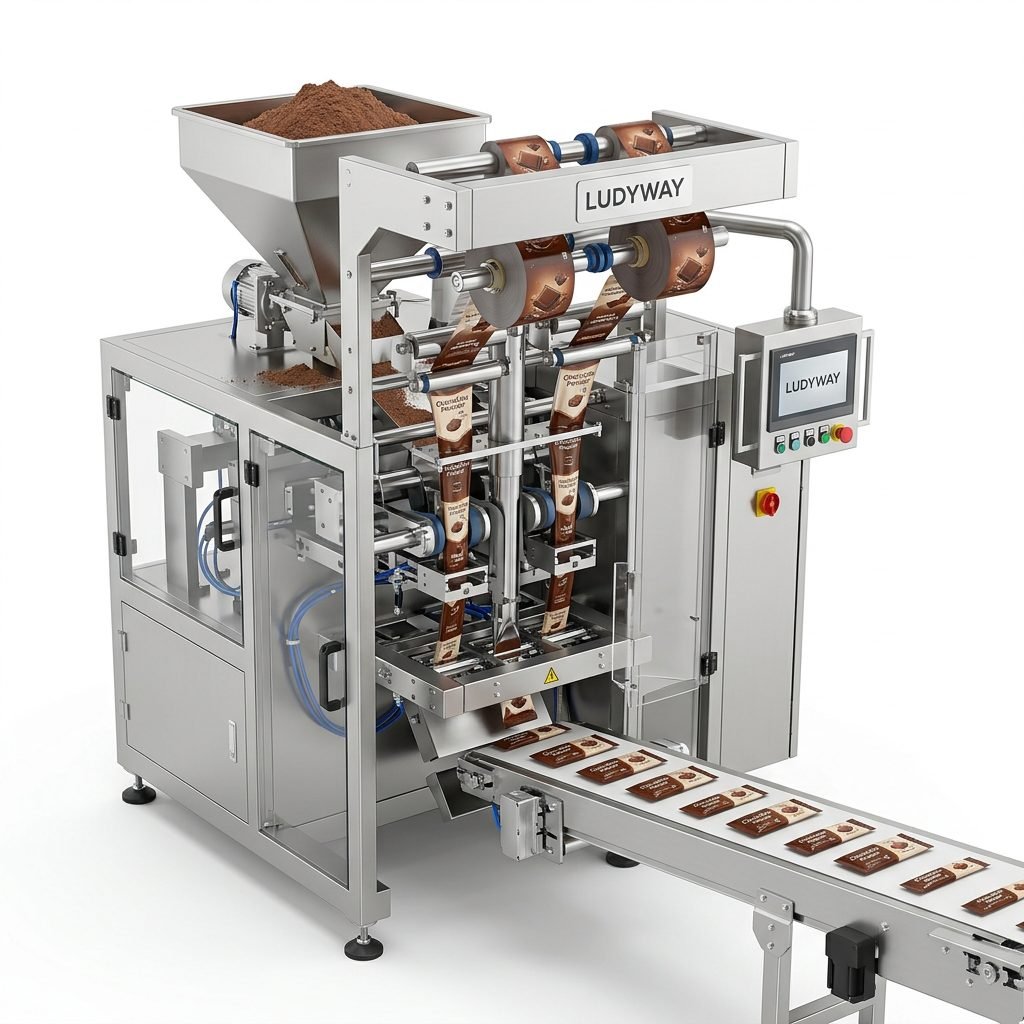
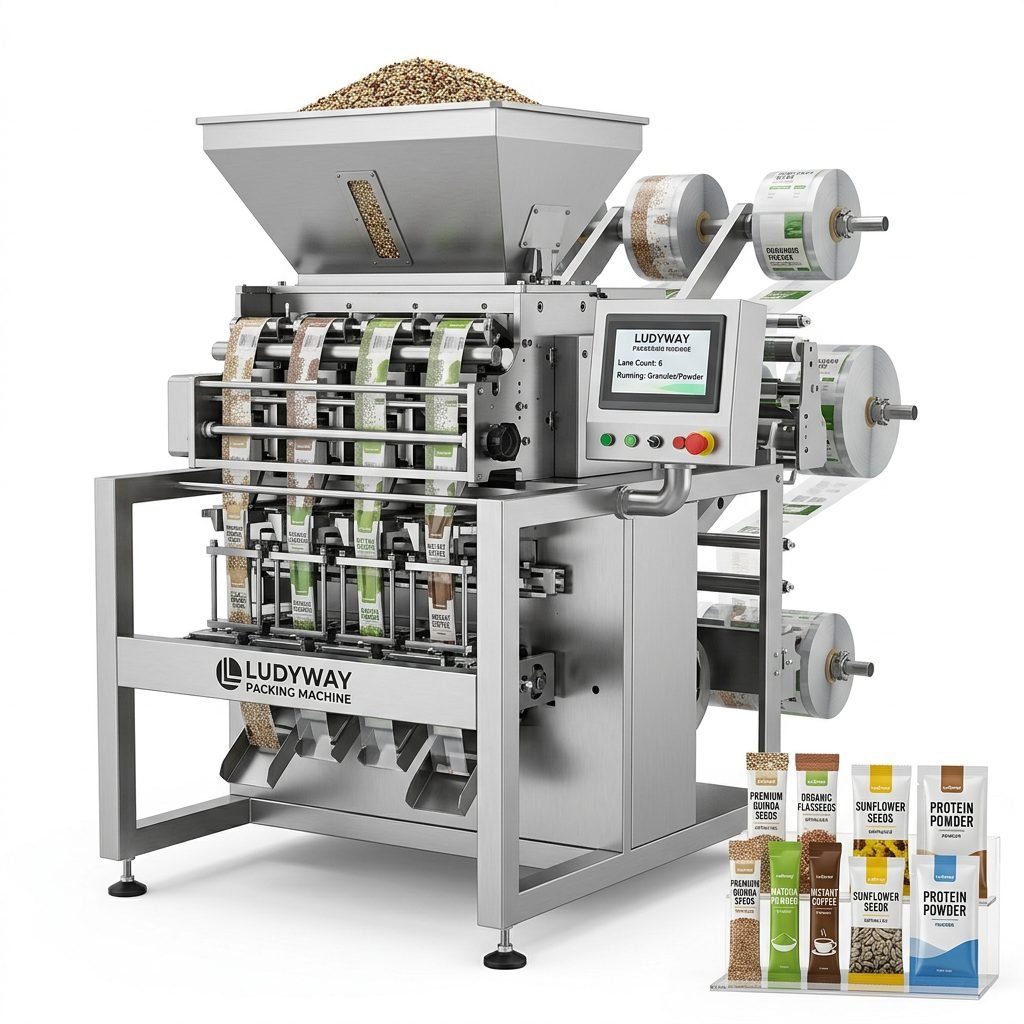
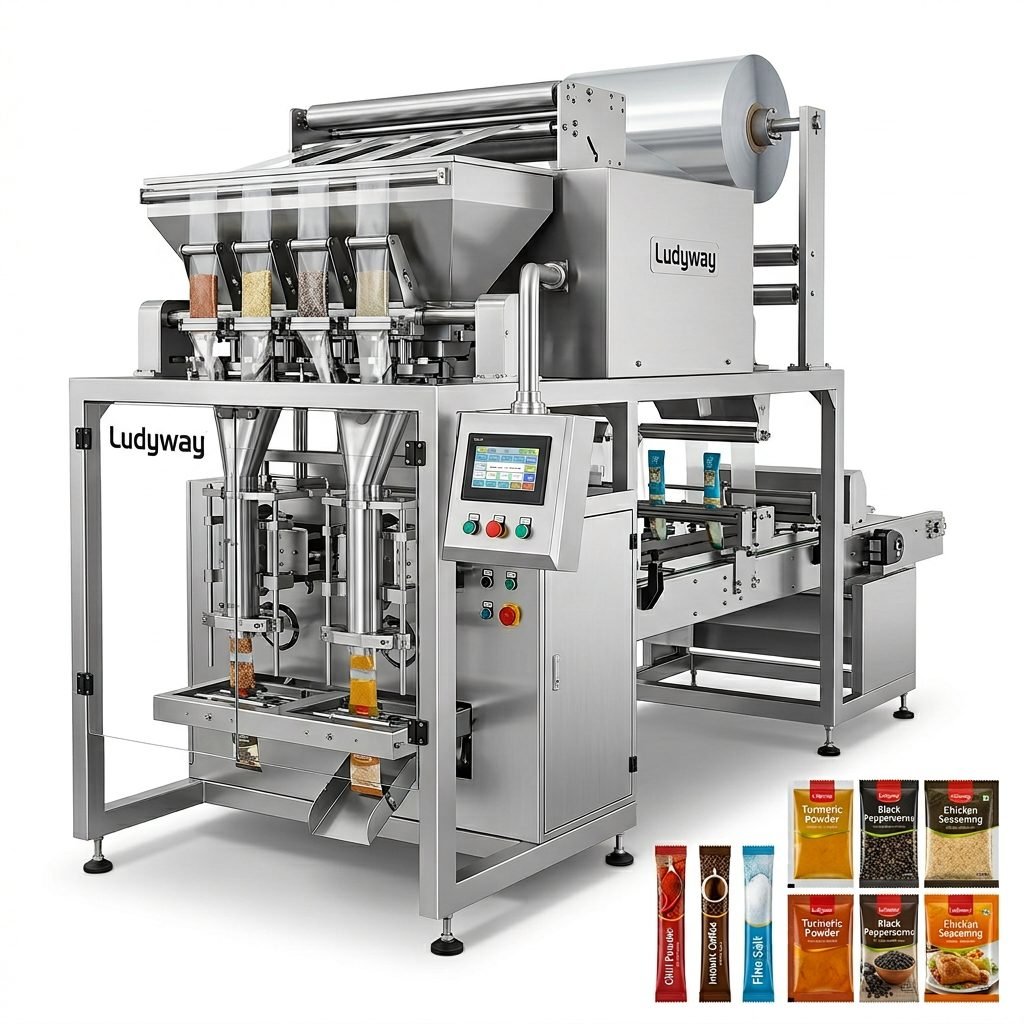
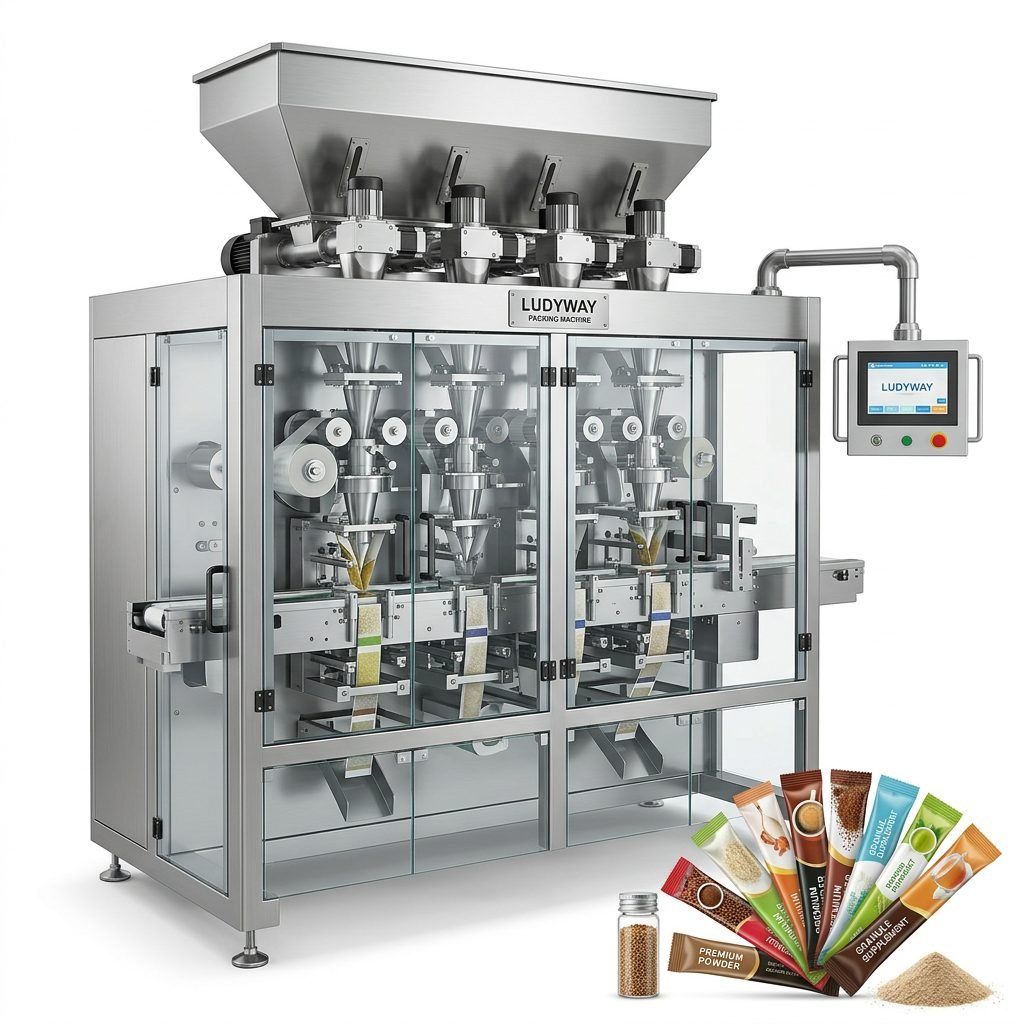
4. Multi-Lane Sachet and Stick Pack Machines
If your target market includes retail, foodservice, or single-serve seasoning packs, multi-lane machines are ideal for high-output packaging. These systems can fill multiple sachets or stick packs at the same time, greatly improving efficiency.
How to Match the Machine to Your Packaging Format
The right filling machine also depends on the package style you plan to sell.
| Packaging Format | Recommended Solution | Typical Use |
|---|---|---|
| Small sachets | Multi-lane auger sachet machine | Retail, takeaway, seasoning kits |
| Stick packs | Multi-lane stick pack filler | Single-serve spice or instant seasoning |
| Pouches | VFFS or premade pouch filling machine | Retail refills, bulk consumer packs |
| Jars and bottles | Auger jar filling line | Premium spice brands, supermarket shelves |
| Large bags | Bagging machine with weighing system | Industrial, wholesale, food factory supply |
Key Features That Improve Accuracy and Efficiency
Not all spice filling machines deliver the same performance. The following features make a significant difference in daily production.
Precise Dosing Control
Look for servo-driven filling systems, stable screw design, and adjustable parameters for different spice recipes. This is especially important for small sachets where even slight overfill can increase material cost.
Dust Control Design
Dust is one of the biggest problems in spice packaging. Machines with enclosed filling zones, dust extraction interfaces, and better sealing support cleaner operation and fewer rejects.
Consistent Sealing Performance
Filling accuracy alone is not enough. Fine powder trapped in the sealing area can cause leaks. A good spice packaging machine should coordinate filling, bag forming, and seal cleaning effectively.
Easy Cleaning and Changeover
If you pack paprika in the morning and curry in the afternoon, cleaning speed matters. Stainless steel contact parts, tool-free disassembly, and hygienic design can save valuable downtime.
Integration with Feeding and Conveying Systems
A filling machine performs better when supported by the right feeder, conveyor, and collection system. Powder feeding should remain stable to avoid pulse variation in fill weight.
Questions to Ask Before Buying a Spice Filling Machine
- What spice products will be packed now and in the future?
- What is the required fill weight tolerance?
- Do you need sachets, stick packs, pouches, jars, or multiple formats?
- How many packs per minute are required?
- How much dust does the product generate?
- Is your product free-flowing, sticky, blended, or fragile?
- How fast must cleaning and product changeover be?
- Do you need standalone equipment or a complete automated line?
These questions help narrow your choices and prevent overspending on features you do not need, or underinvesting in a system that cannot scale with your business.
Semi-Automatic vs Fully Automatic Solutions
Semi-Automatic Machines
Semi-automatic spice fillers are suitable for startups, pilot production, or lower output requirements. They usually cost less upfront and can be a practical entry point for niche spice brands.
Fully Automatic Machines
Fully automatic lines are better for medium and large-scale production. They reduce labor dependency, improve consistency, and support higher throughput. If you produce for supermarkets, export channels, or contract packaging, automation usually offers better long-term value.
For many growing businesses, the best approach is choosing a machine with modular upgrade potential, so the system can expand as order volume increases.
The Importance of Material and Hygiene Standards
Spices are food products, so machine construction matters. Look for food-grade stainless steel, clean welds, hygienic contact parts, and accessible surfaces. This is especially important if you export to markets with strict food safety expectations or serve customers who require documented quality procedures.
- Prefer stainless steel product-contact surfaces
- Check for easy disassembly and cleaning access
- Ask about sealing reliability with dusty powders
- Confirm compatibility with your compliance requirements
Why Customization Matters in Spice Packaging
Spice products vary widely, so a one-size-fits-all machine is rarely ideal. A custom solution may involve:
- Tailored auger design for specific powder characteristics
- Dust collection or vibration support
- Special hoppers for poor-flowing materials
- Different sealing structures for sachet or stick pack formats
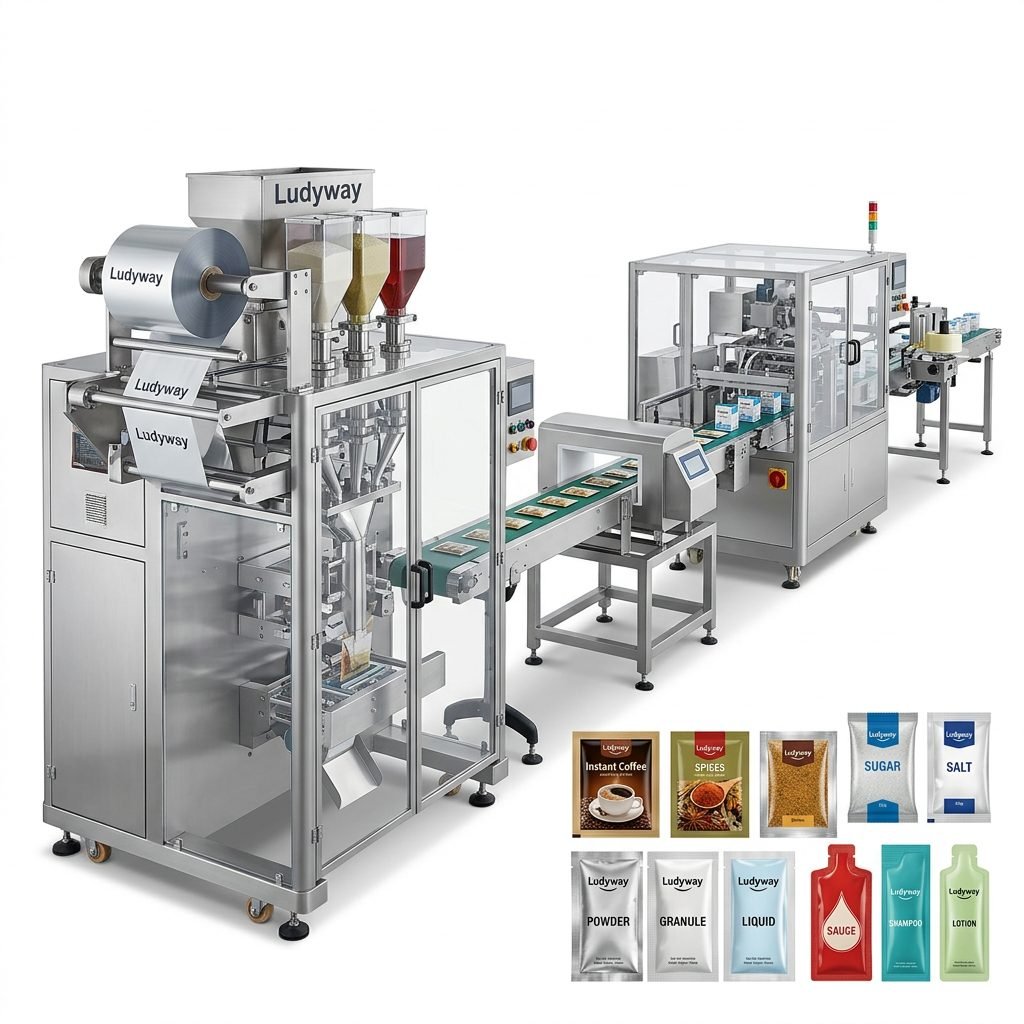
- Integration with coding, checkweighing, cartoning, or case packing
This is where an experienced manufacturer becomes valuable. Spice filling machine solutions from Ludyway can be considered by buyers looking for scalable packaging equipment, customized automation, and complete turnkey line support across powder, granule, liquid, and pouch applications.
Common Mistakes to Avoid
- Choosing based on price alone
- Ignoring dust behavior during testing
- Underestimating cleaning and changeover time
- Buying a machine that cannot support future product formats
- Skipping trials with actual spice samples
Sample testing is especially important. A machine may perform well with one powder but poorly with another. Always confirm performance using your real product, target weight, and packaging material.
How to Evaluate a Supplier
Beyond machine specifications, supplier capability also affects project success. Consider the following:
| Evaluation Point | What to Look For |
|---|---|
| Industry experience | Proven history in powder and seasoning packaging |
| Customization ability | Capacity to adapt machine design to your spice product |
| Turnkey capability | Can provide feeding, filling, sealing, inspection, and end-of-line systems |
| Technical support | Installation, training, spare parts, and after-sales response |
| Export experience | Understanding of international standards and project communication |
Final Buying Advice
The right spice filling machine should fit your product type, package style, output target, hygiene expectations, and future growth plan. For fine powders, accurate auger filling is often essential. For mixed seasonings and granules, weighing or specialized feeding systems may be more effective. For retail-ready single-serve packs, multi-lane sachet or stick pack machines can greatly increase efficiency.
The best investment is not simply the fastest machine or the cheapest one. It is the system that delivers stable filling accuracy, clean seals, easy operation, and dependable long-term performance. If you evaluate your product carefully, test with real samples, and work with an experienced packaging equipment supplier, you will be in a much better position to choose a solution that truly improves your spice packaging operation.