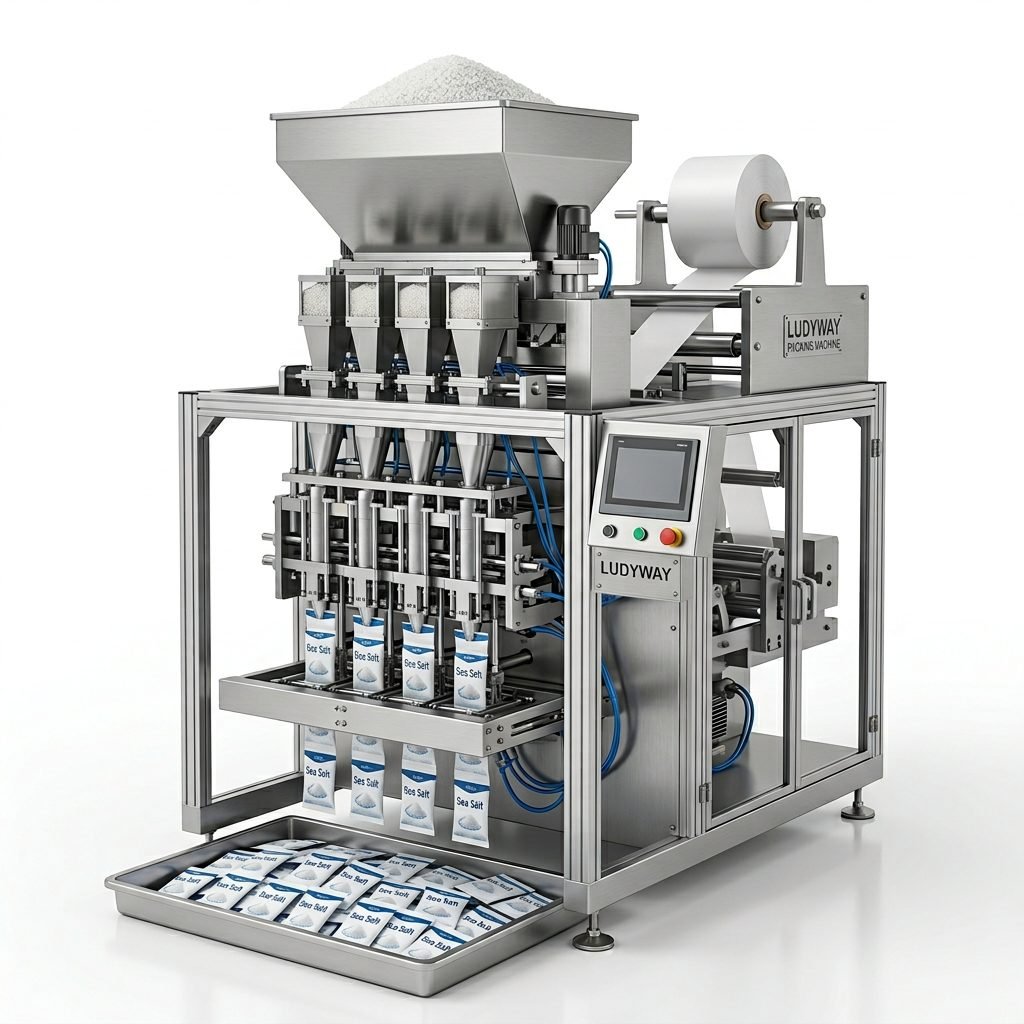
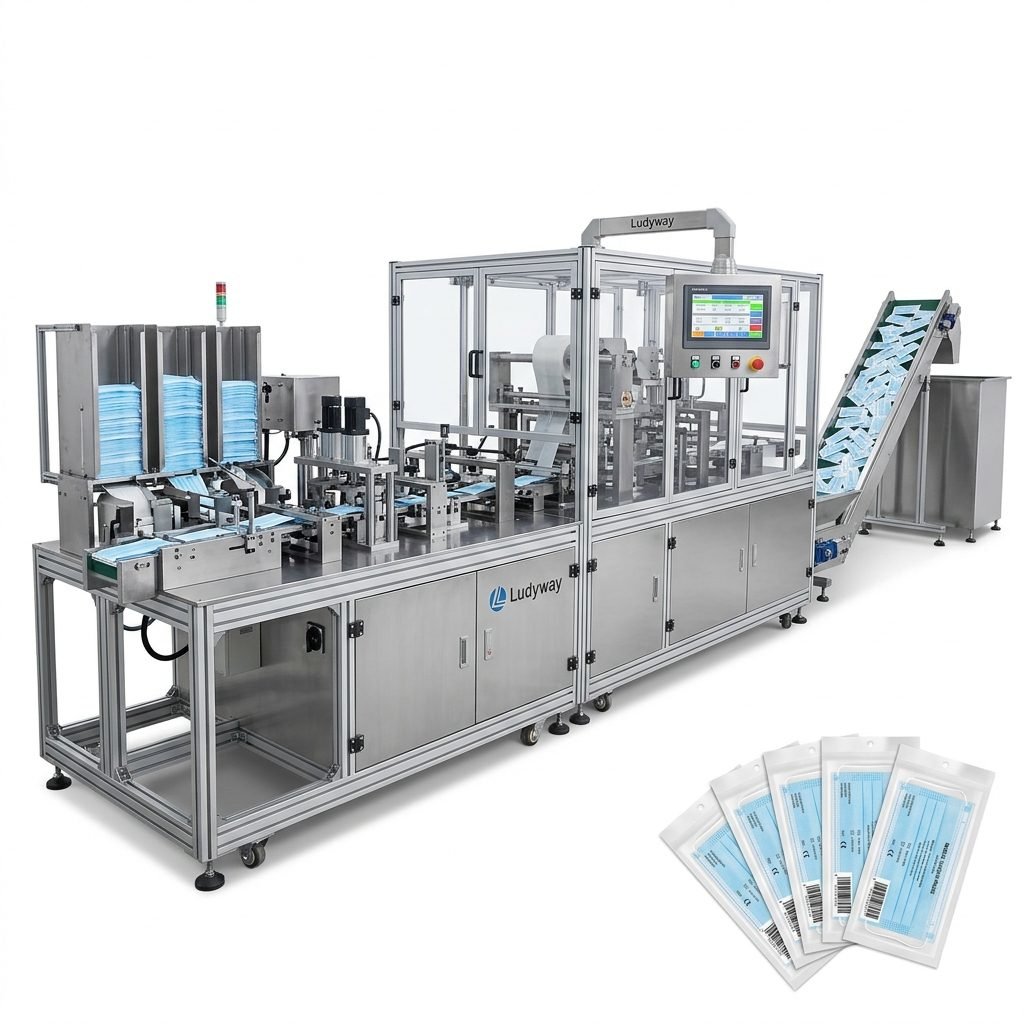
Single-serve tea is no longer a niche format. Pyramid bags, flat double-chamber bags with string and tag, enveloped bags for hospitality, and stick packs of instant or matcha powder all compete for the same shelf, and each depends on a tea bag packaging machine that doses leaf accurately, seals filter material without scorching it, and keeps aroma locked in from the factory floor to the cup. Choosing that machine is a decision about product format, output target, material compatibility and compliance, not simply about speed.
This guide is written for tea brand owners, contract packers, procurement managers and plant engineers evaluating tea bag packaging machines for single-serve tea production. It explains the main machine types, the features that actually move yield and uptime, the specifications you should put in a request for quotation, and how to compare suppliers on certification, lead time and after-sales support before you commit capital.
Single-Serve Tea Formats and the Machines That Produce Them
The phrase “tea bag packaging machine” covers several distinct machine families, and the first mistake buyers make is requesting a quote before fixing the format. A pyramid bag machine built around nylon or PLA mesh has little in common mechanically with a 10-lane stick pack machine running instant tea powder, even though both produce a single serving. The table below summarises the five formats that dominate single-serve tea today.
| Format | Typical Bag Material | Dose Range | Typical Output | Best Suited For |
|---|---|---|---|---|
| Pyramid / tetrahedral bag | Nylon or PLA mesh | 2–5 g whole leaf | 60–150 bags/min | Premium whole-leaf, blooming tea, fruit pieces |
| Flat double-chamber bag | Heat-seal or non-heat-seal filter paper | 1.5–3 g CTC / fannings | 150–400 bags/min | Mainstream black, green and herbal tea |
| Enveloped tea bag | Filter paper inner + paper/foil envelope | 1.5–3 g | 80–250 bags/min | Hotels, food service, long-shelf-life export packs |
| Stick pack | PET/AL/PE or paper-based laminate | 0.5–10 g powder / granules | 4–12 lanes, up to 600+ sticks/min | Instant tea, matcha, milk tea and chai premix |
| 3/4-side-seal sachet | Laminate film | 1–20 g | Multi-lane, 200–800 sachets/min | Loose tea portions, drink mixes, sample packs |
In practice many producers run two of these formats side by side: a tea bag machine for whole-leaf or CTC blends and a multi-lane tea stick pack machine for instant tea, matcha, chai latte or milk tea premix. Planning both lines from the start simplifies film purchasing, dosing spare parts and operator training.
Main Types of Tea Bag Packaging Machines Explained
Pyramid and Tetrahedral Tea Bag Machines
Pyramid machines form a triangular bag from a flat roll of mesh, dose whole-leaf tea through a volumetric cup or a compact multi-head weigher, ultrasonically seal the seams and attach string and tag in the same cycle. Because the leaf has room to unfurl, this format is favoured by premium and specialty brands. Expect 60–150 bags per minute depending on leaf bulk density and whether an outer envelope is applied inline.
Ultrasonic sealing is the preferred technology for mesh materials because it bonds without glue or high heat, keeps seal zones narrow and avoids the scorched note that can appear with heat-sealed nylon. Ask the supplier which horn frequency is used, how seal pressure is monitored and whether seal data can be exported for quality audits.
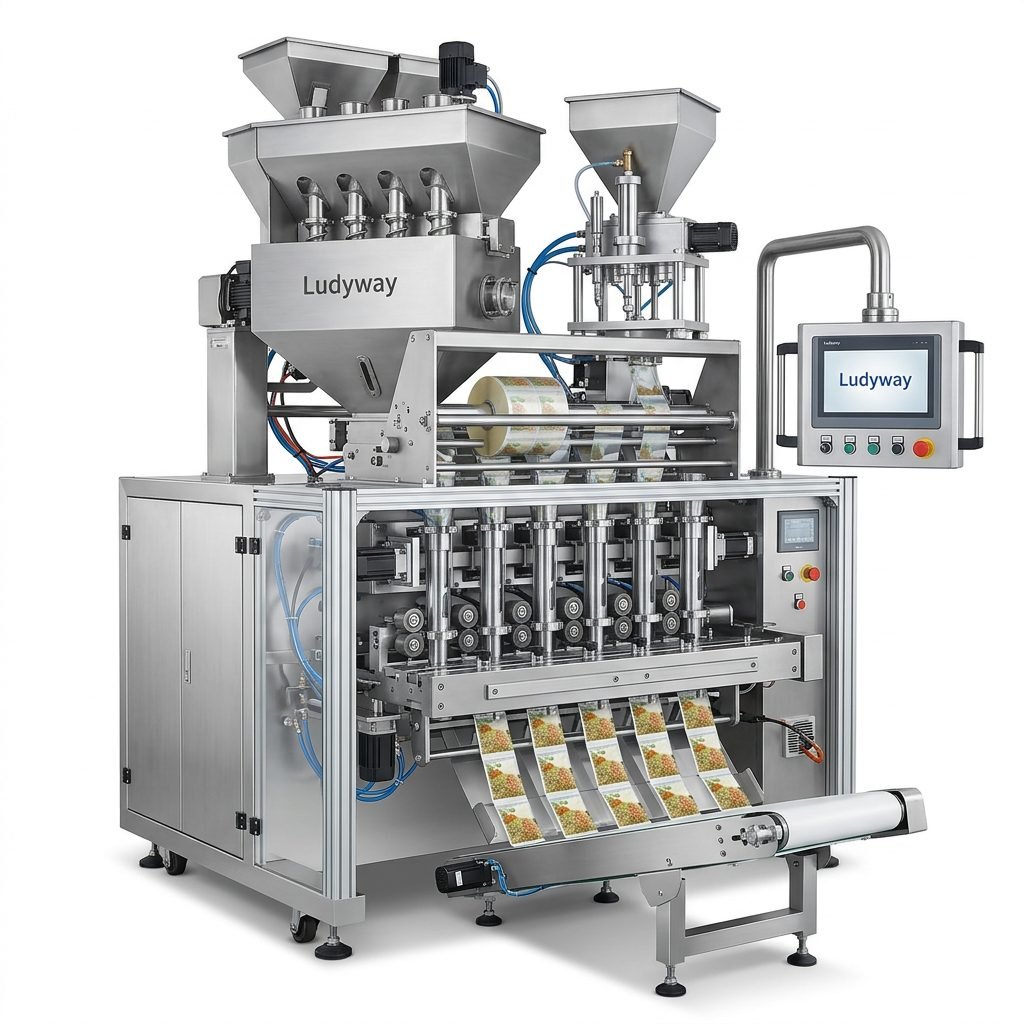
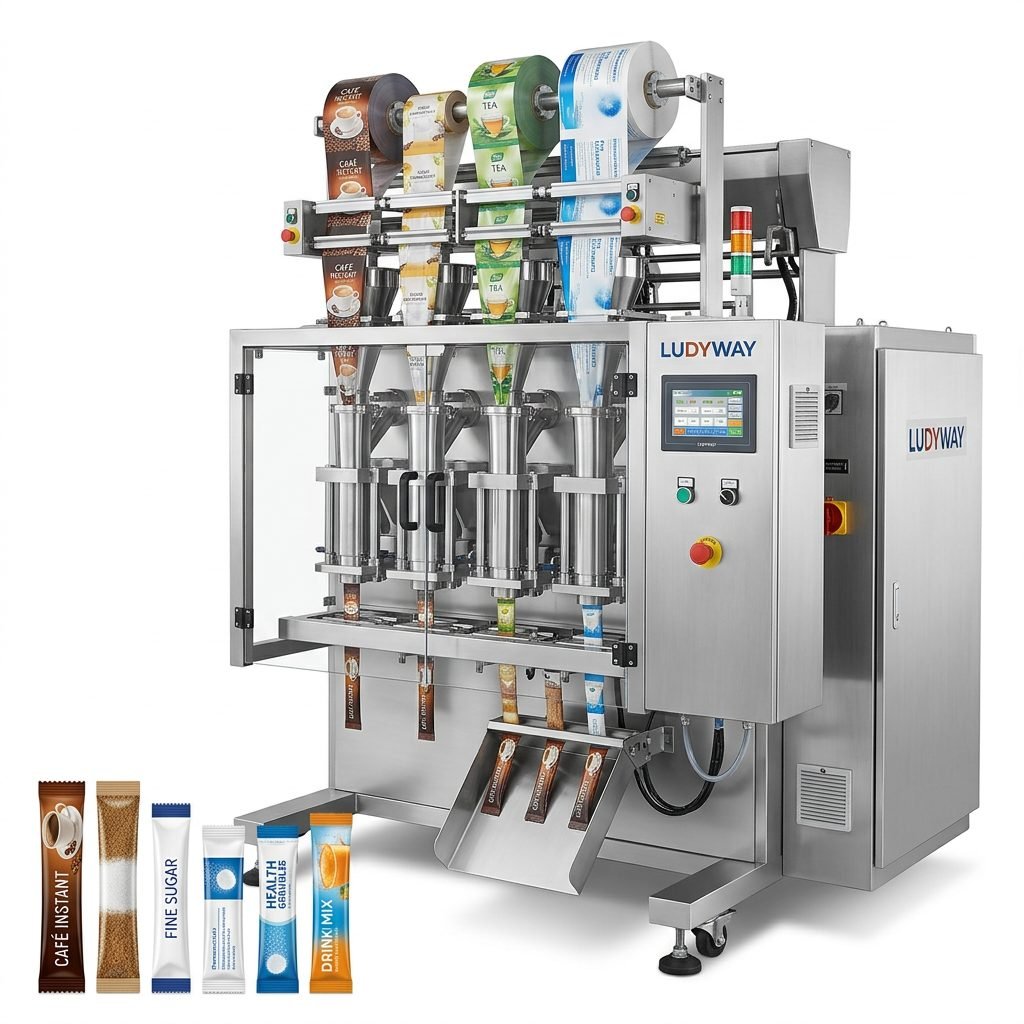
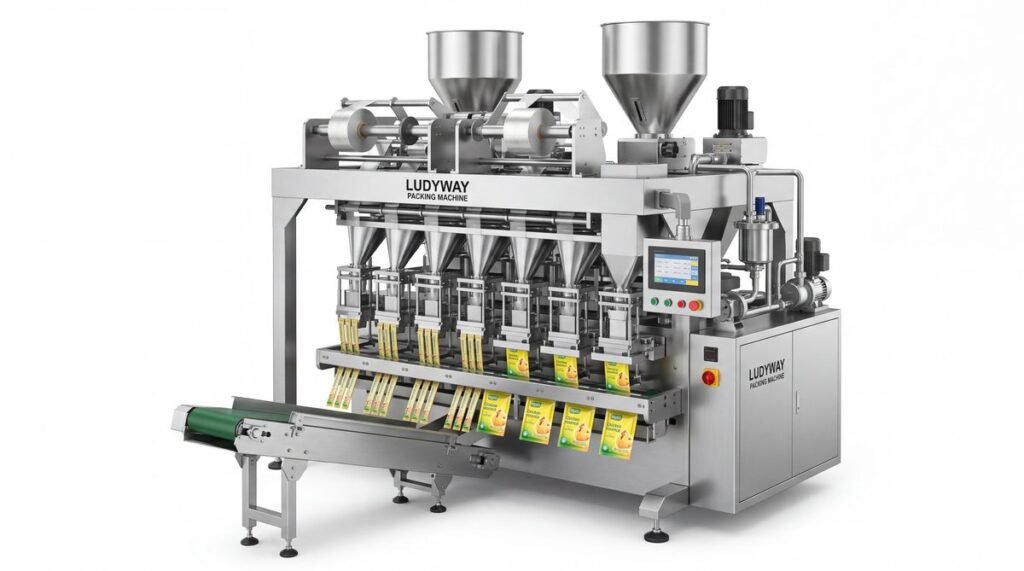
Multi-lane stick pack platform configured for powdered tea and drink premixes
Stick Pack and Multi-Lane Machines for Instant and Powdered Tea
Stick pack machines run 4 to 12 lanes from a single roll of laminate, forming narrow tubes, filling each with an auger or volumetric dose and sealing top and bottom with heated jaws. For matcha, instant black tea, lemon tea powder and tea-based drink mixes, this is the highest-throughput format per square metre of floor space.
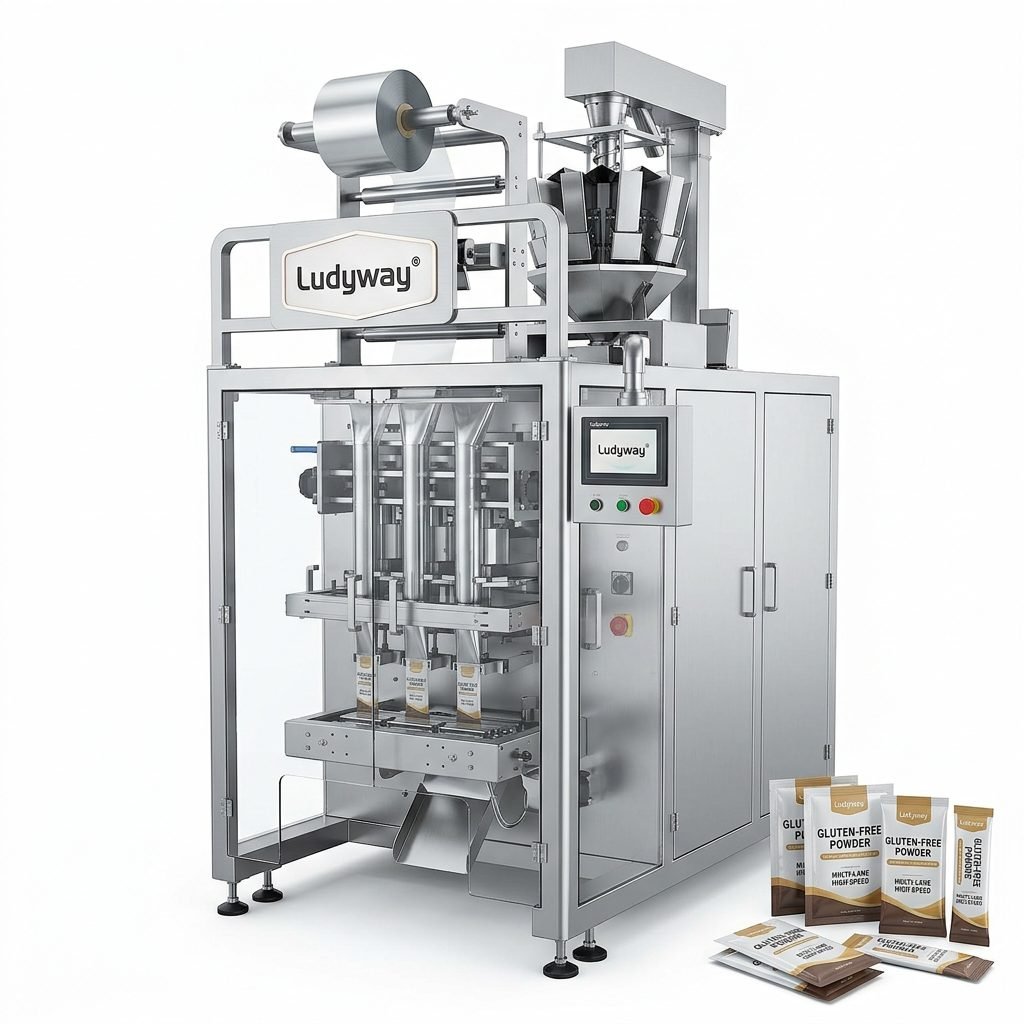
A high-speed tea sachet packaging machine built on the same platform can switch to flat three- or four-side-seal sachets with a forming-set change, which is why many beverage plants standardise on one multi-lane base for several SKUs.
- Servo-driven film pull with print registration
- Auger dosing for fine powders, cup dosing for granules
- Optional nitrogen flushing for aroma retention
- Easy-tear notch, round-corner and zigzag cut options
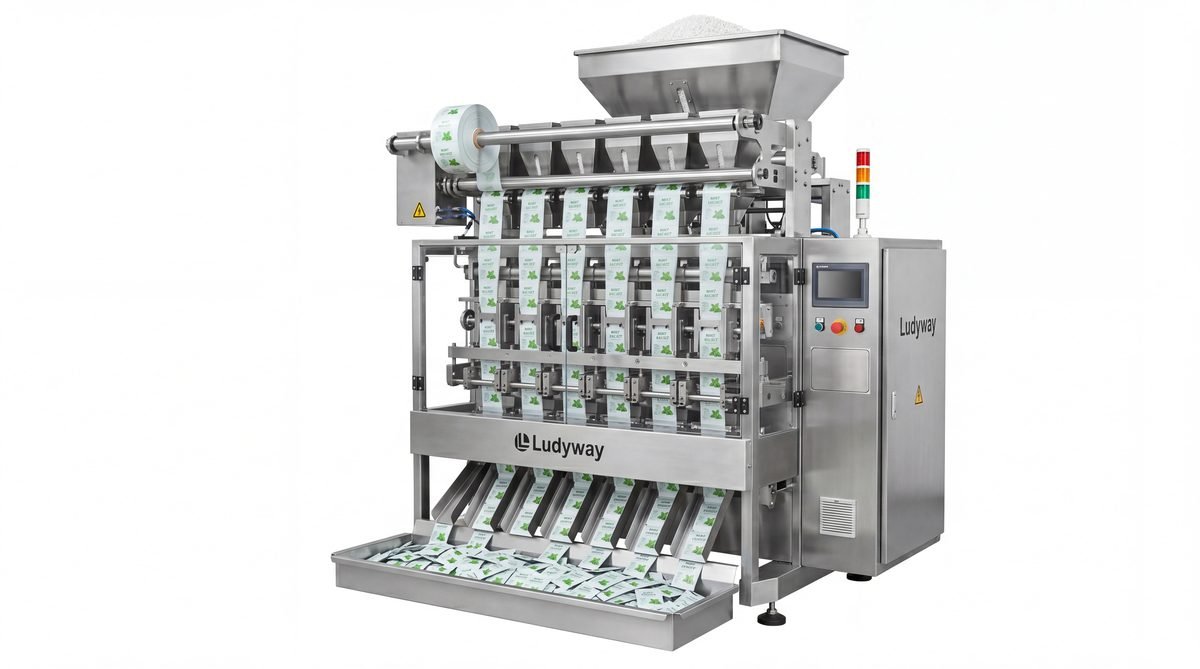
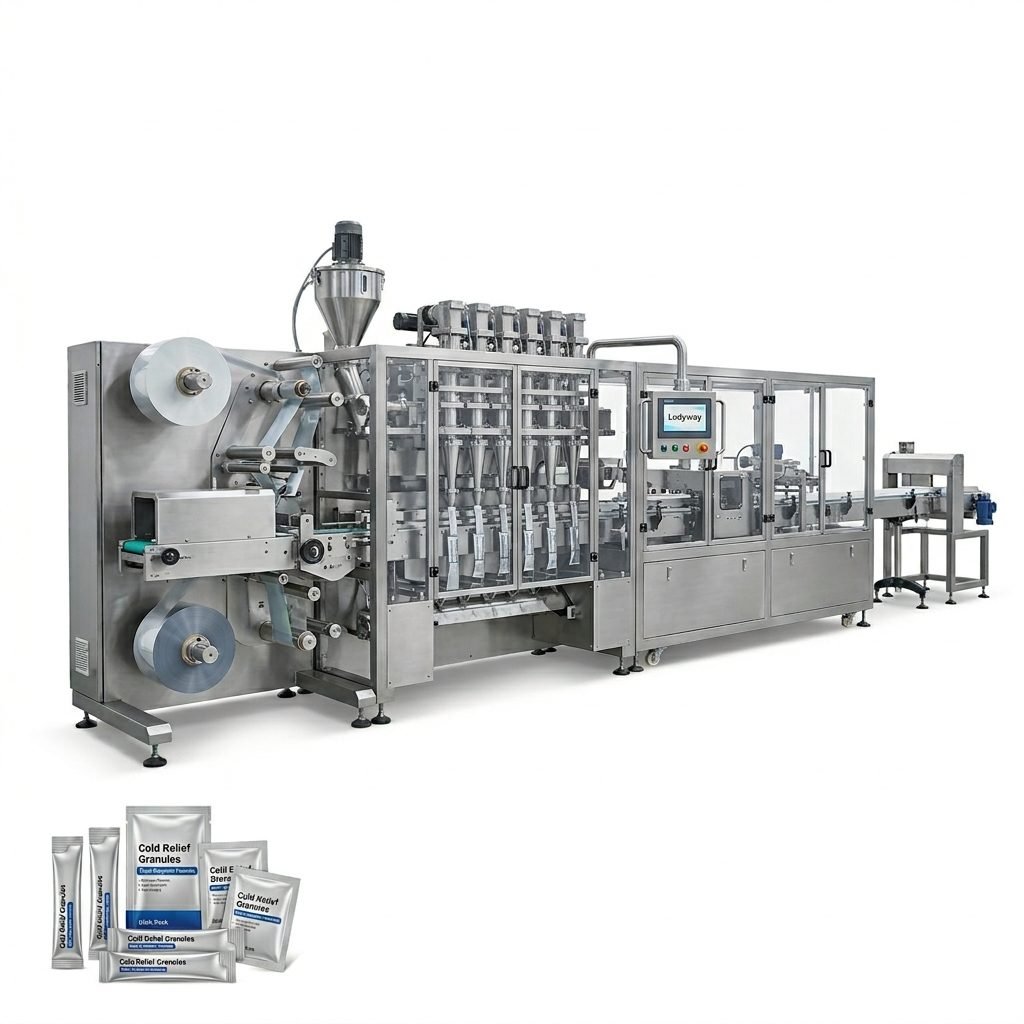
Sachet system suitable for portioned loose tea and herbal blends
Flat Double-Chamber and Envelope Tea Bag Machines
The classic double-chamber bag, folded filter paper with string, tag and a staple or knot, remains the volume leader for CTC and fannings. Modern machines run 150–400 bags per minute, with inline envelope wrapping available for hospitality and export packs where a heat-sealed paper or foil envelope protects aroma for 24 months or longer.
Buyers should confirm whether the design uses a staple, a knot or heat-seal tag attachment, since that choice affects consumer perception, compostability claims and the recyclability message printed on the carton.
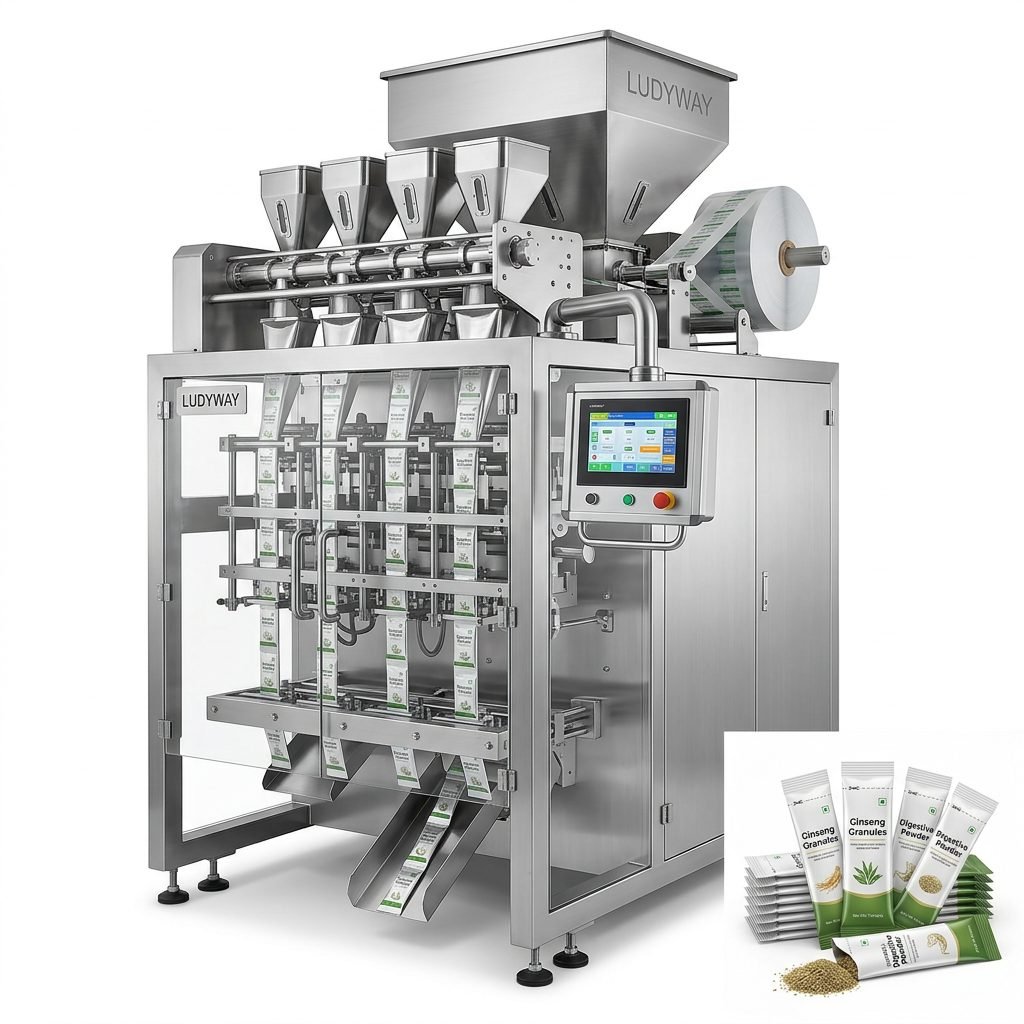
For herbal and fruit infusions with coarse or sticky particles, a herbal tea sachet and stick pack machine with a vibratory feeder and larger forming tubes is usually a safer choice than a standard filter-paper bagger.
Turnkey Tea Packaging Lines
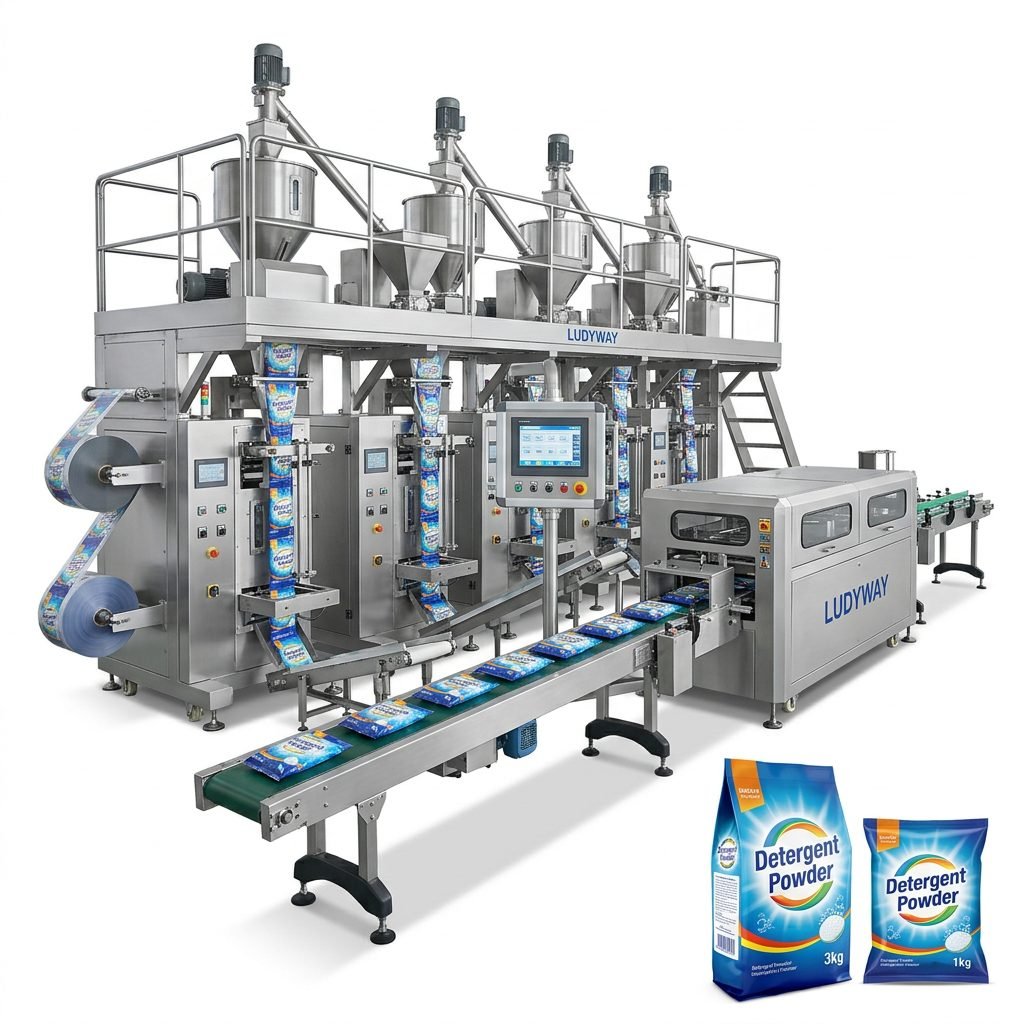
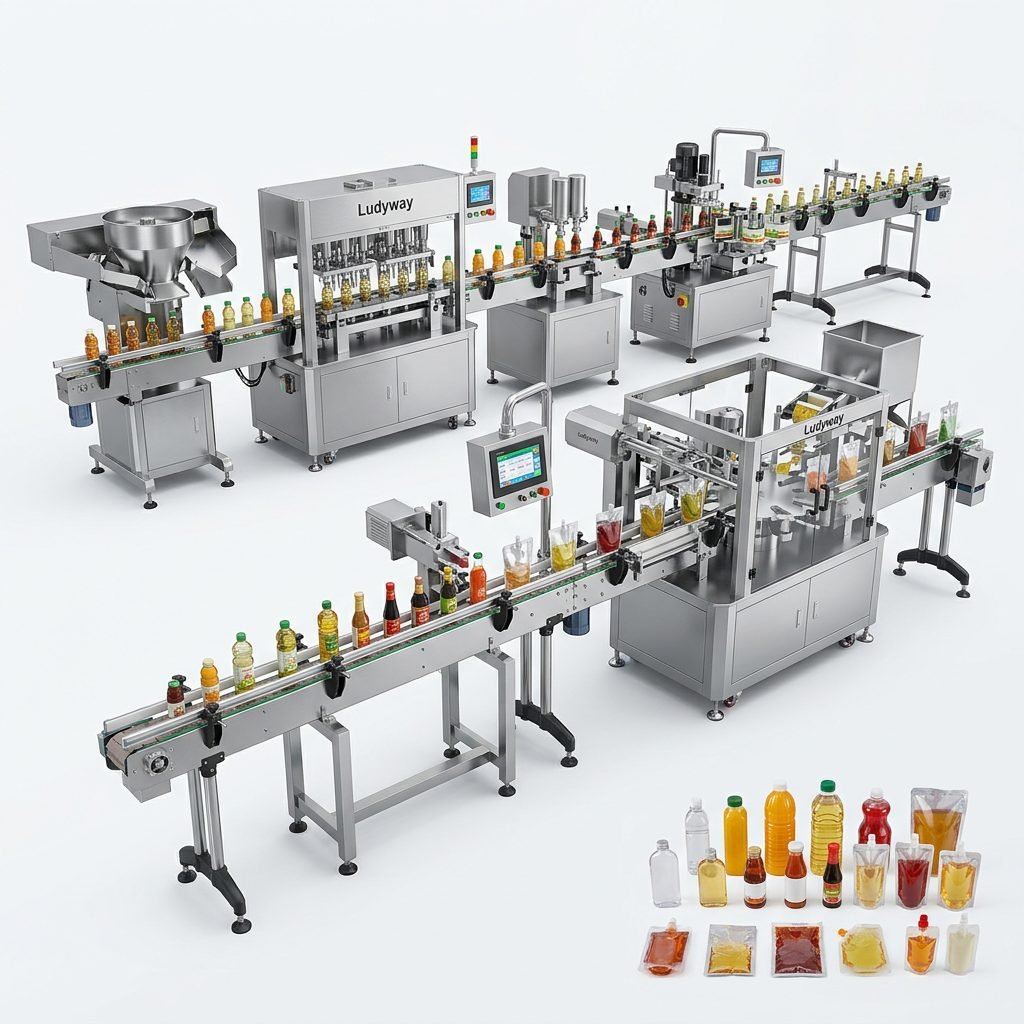
For plants producing above roughly 2 million single-serve units per month, the machine is only part of the question. Upstream blending and feeding, inline checkweighing, metal detection, cartoning, case packing and palletising determine real throughput. Ludyway supplies these as integrated tea powder packaging lines with a single control architecture, which shortens commissioning and keeps OEE data in one place.

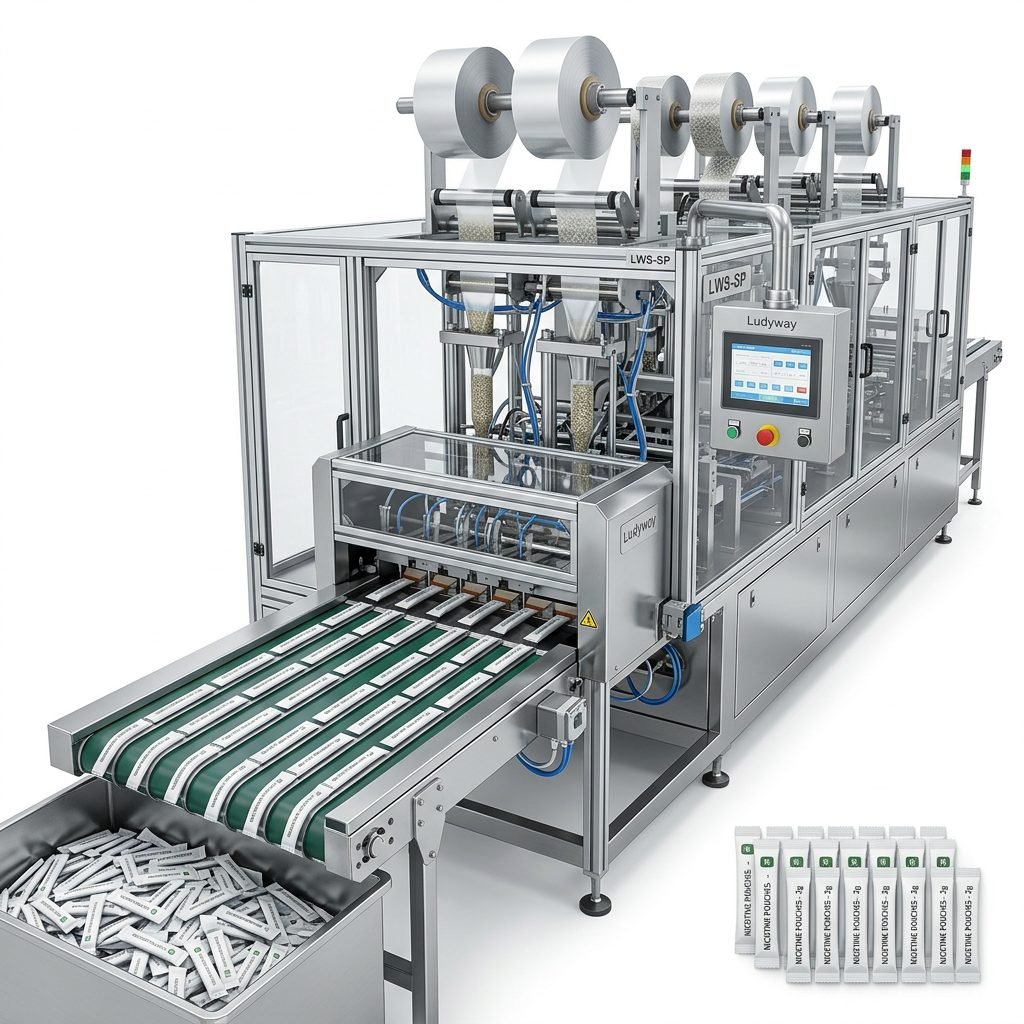
Integrated line concept: feeding, multi-lane packaging, inspection and secondary packaging
Features That Decide Yield, Uptime and Cup Quality
Catalogue speed figures are rarely what separates a good purchase from a costly one. The six areas below account for most of the difference in real-world output and product quality between competing tea bag packaging machines.
Dosing System
Volumetric cups suit uniform CTC; augers handle fine matcha and instant powders; multi-head weighers deliver ±0.1 g on bulky whole leaf and fruit pieces. Specify dose range and target accuracy, not just “tea”.
Sealing Technology
Ultrasonic sealing for mesh and tag attachment; PID-controlled heated jaws for laminates. Request seal-integrity test data and confirm jaw temperatures are logged per lane.
Material Compatibility
Confirm the machine runs your exact film: PLA mesh, nylon mesh, heat-sealable filter paper, paper-based mono-material laminate or PET/AL/PE. Unwind tension control matters more than headline speed.
Servo Drives and HMI
Servo film pull, recipe memory for 50+ SKUs and fault logging on the HMI cut changeover to under 20 minutes and reduce dependence on a single skilled operator.
Hygiene and Contact Parts
304 or 316 stainless steel contact parts, tool-less removal of hoppers and augers, dust-extraction ports and documentation supporting food-contact compliance in your target markets.
Aroma Protection
Low residual-oxygen sealing, inline envelopes and a nitrogen flushing system preserve volatile aromatics on instant tea and matcha lines destined for export.
Target dosing tolerance on powders
Stick pack and sachet platforms
Realistic changeover target
Stainless steel contact parts
Step-by-Step Buying Guide for Tea Bag Packaging Machines
Procurement teams that follow a fixed sequence receive comparable quotations and avoid late-stage surprises. The six steps below reflect how experienced tea manufacturers and co-packers structure their equipment projects.
Fix the product and dose. Send 2–5 kg of the actual blend to the supplier. Bulk density, moisture and particle size dictate the dosing system and forming tube size.
Set the output target. Derive bags per minute from annual volume, shift pattern and a realistic 75–85% OEE. Size for three years of growth, not current volume.
Choose format and material. Decide between pyramid, double-chamber, envelope, stick or sachet, and verify that film suppliers can deliver the chosen material in your region.
Define compliance. Food-contact materials, CE or UL electrical compliance, GMP documentation and lot traceability requirements for every export market you serve.
Plan line integration. Feeding, checkweigher, metal detection, cartoning and coding, plus the communication protocols between machines.
Compare suppliers on service. Lead time, FAT and SAT protocols, spare parts list, remote diagnostics, operator training and warranty terms.
Specification Checklist to Include in Your RFQ
Product and pack data
- Product name, bulk density and moisture content
- Dose per bag and acceptable tolerance
- Format, bag dimensions, string and tag requirements
- Film specification, roll width, core and outer diameter
- Output in bags per minute and daily operating hours
Plant and commercial data
- Voltage, frequency and compressed air supply
- Available floor space and ceiling height
- Required certifications (CE, UL, ISO, GMP)
- Integration points and data interfaces
- Spare parts package, training, installation scope and Incoterms
Compliance and Sustainability Requirements
Filter paper, mesh and laminate films that touch tea are regulated as food-contact materials. In the United States they fall under FDA rules on packaging and food contact substances; in the European Union, Regulation (EC) No 1935/2004 applies alongside the Packaging and Packaging Waste Regulation, which is steering brands toward recyclable mono-material or industrially compostable tea bag materials. Confirm that the machine you buy runs these newer materials without losing seal strength or speed.
For machine safety, documentation and acceptance testing, PMMI, the Association for Packaging and Processing Technologies, publishes standards and industry resources that many North American buyers reference when drafting FAT and SAT criteria.
Total Cost of Ownership: Questions Beyond the Quotation
Two quotations with similar headline figures can differ sharply in five-year cost. Use the table below to structure supplier conversations around the factors that actually determine cost per bag.
| Cost Driver | What to Ask the Supplier | Why It Matters |
|---|---|---|
| Film waste | Metres of film consumed per start-up and changeover | On 12-lane machines film waste can exceed 3% of material spend |
| Dosing giveaway | Standard deviation at target dose with your product | A 0.1 g overfill on a 3 g bag is 3.3% of tea cost on every unit |
| Wear parts | Lead time and price list for seal jaws, knives and ultrasonic horns | Wear parts, not frames, are what stop production |
| Energy and air | kW and Nm³/min at rated speed | Servo multi-lane platforms vary widely in consumption |
| Service response | Remote diagnostics, regional engineers, guaranteed response time | Downtime cost per hour usually exceeds the price gap between suppliers |
Why Tea Producers Source Single-Serve Packaging Equipment from Ludyway
Ludyway, founded in 1993 in Zhongshan, Guangdong, is one of the largest packaging machine manufacturers in China, operating a 20,000㎡ production facility with more than 200 manufacturing equipment units and a team of over 130 packaging specialists. Its portfolio of more than 50 intelligent models includes multi-lane stick pack, sachet and fully automated systems used by tea, coffee and beverage producers in over 100 countries and regions. Dedicated configurations such as the tea bag packaging machine for herbal blends and the green tea sachet and stick pack machine are engineered around the dosing, sealing and film requirements described above.
The company’s sustained export growth is documented in an independent industry report on Ludyway’s global expansion, reflecting demand for cost-effective, high-performance alternatives to European single-dose machinery, backed by factory acceptance testing, on-site commissioning and remote support.
Years of industry experience
Intelligent packaging machine models
Countries and regions served
Modern manufacturing facility
Tea Sachet and Stick Pack Machines for Single-Serve Production
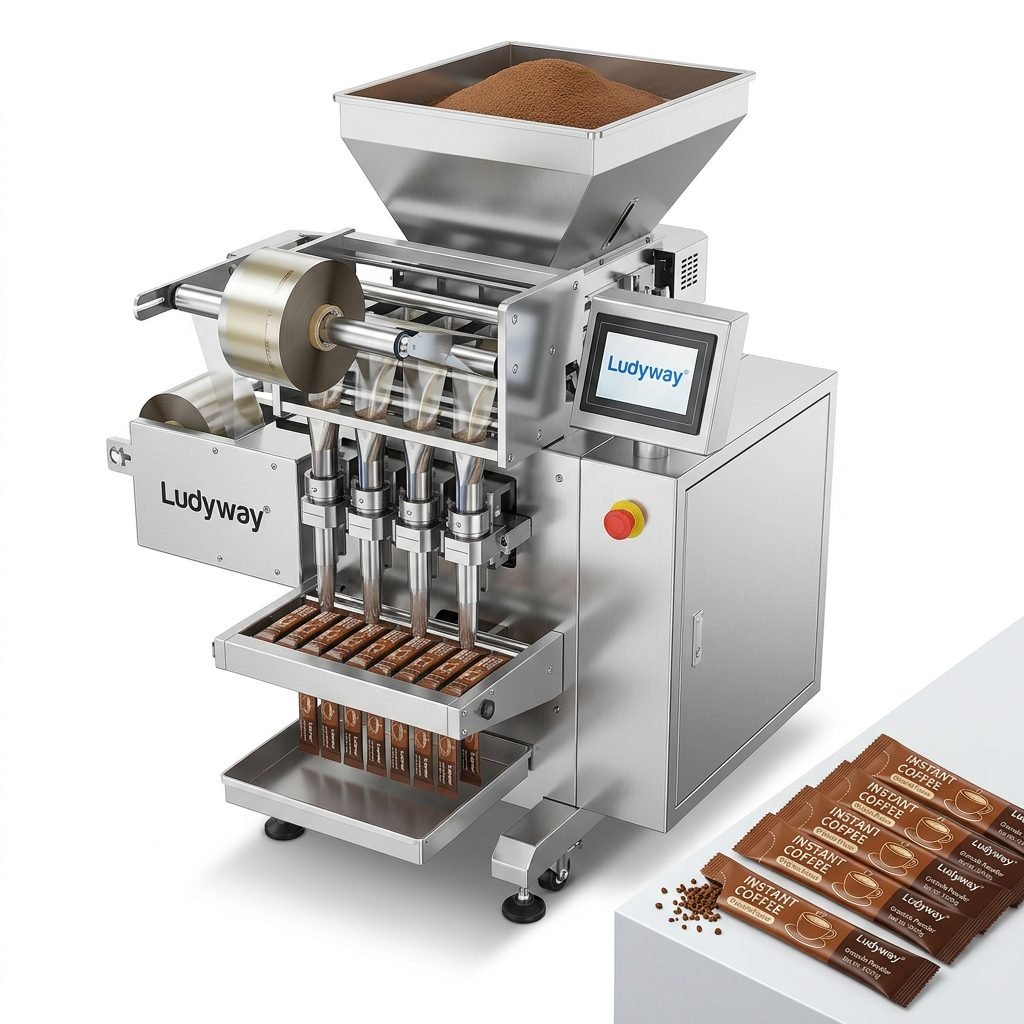
Multi-Lane Tea Stick Pack Machine
Tea Stick Packs, Instant & Matcha
$52,000 $46,800
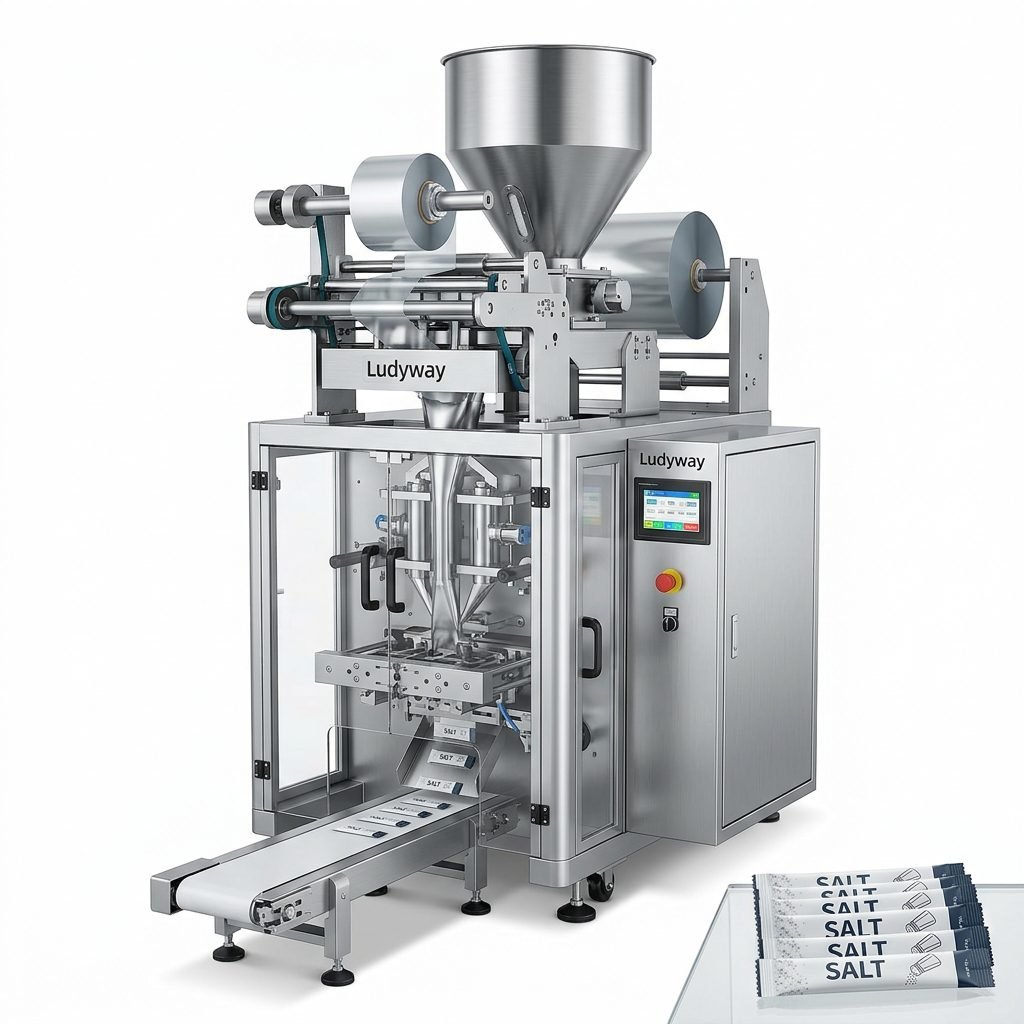
Herbal Tea Sachet Machine
Tea Sachets, Herbal & Fruit Blends
$48,500 $43,600
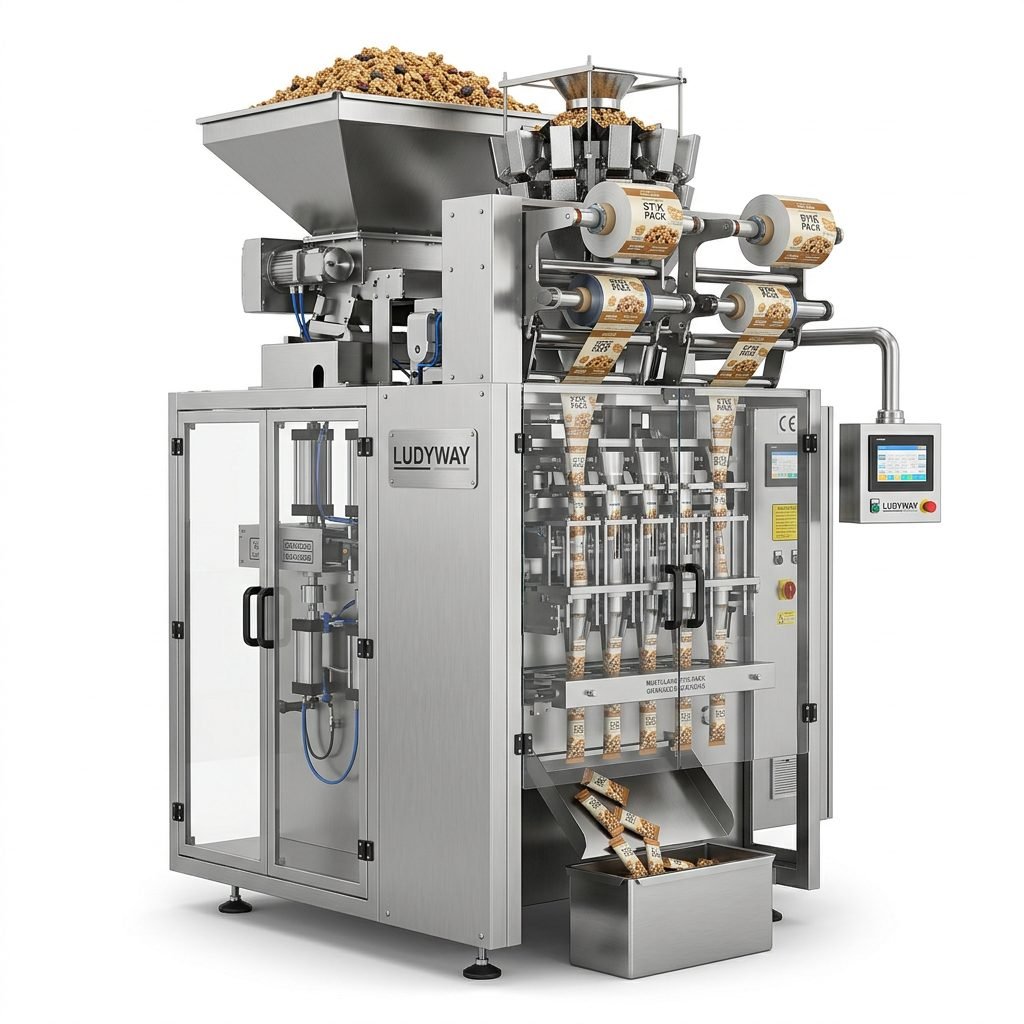
Green Tea Stick Pack Machine
Tea Sticks & Sachets, Green Tea
$55,000 $49,500
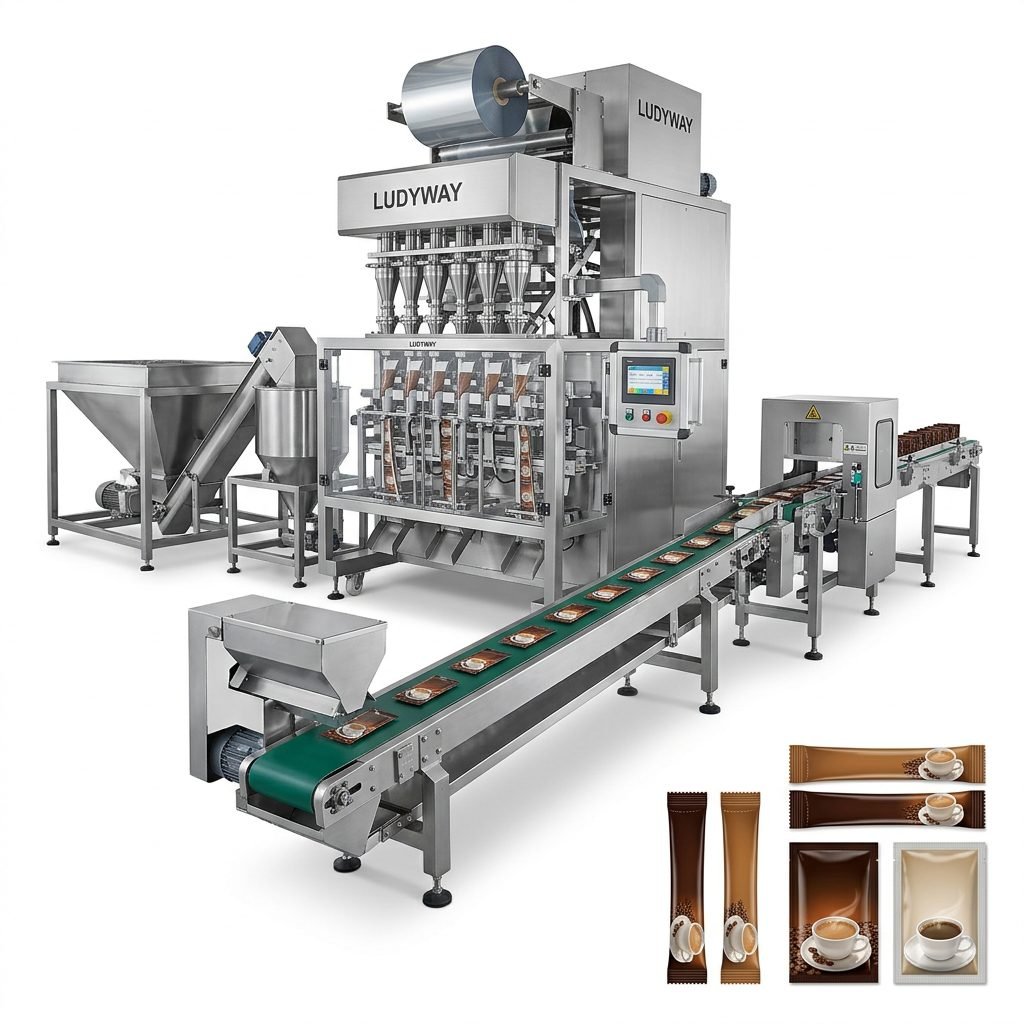
Tea Powder Packaging Line
Turnkey Line, Tea Powder & Premix
$128,000 $115,200
Frequently Asked Questions About Tea Bag Packaging Machines
What output should I expect from a tea bag packaging machine?
Output depends on format. Pyramid machines typically run 60–150 bags per minute, flat double-chamber machines 150–400, and multi-lane stick pack machines several hundred sticks per minute depending on lane count and dose. Always validate quoted speeds with your own product during a factory acceptance test.
Can one machine produce both pyramid tea bags and stick packs?
No. Pyramid bags require mesh forming and ultrasonic sealing, while stick packs use laminate film and heated jaws on a vertical multi-lane platform. However, one multi-lane machine can usually switch between stick packs and flat sachets with a forming-set change.
Which materials can be used for compostable or plastic-free tea bags?
Common options are PLA mesh for pyramid bags, unbleached non-heat-seal filter paper with knotted string for flat bags, and paper-based mono-material laminates for sticks and sachets. Confirm the sealing method and run trials, because these materials behave differently from nylon and PET/AL/PE.
How accurate is dosing for whole-leaf and fruit-piece blends?
Multi-head weighers achieve roughly ±0.1–0.2 g per bag on irregular whole leaf and fruit pieces, while volumetric cups are typically within ±2–4% on uniform CTC. For fine powders such as matcha, auger fillers with servo control reach around ±1%.
What is a typical lead time and what should delivery include?
Standard multi-lane configurations are commonly delivered in 45–90 days after technical sign-off; turnkey lines take longer. A complete scope should include a factory acceptance test with your product, documentation, a recommended spare parts kit, installation supervision and operator training.
Request a Quotation, Sample Test or Equipment Catalog
For procurement and engineering teams
Send your tea sample details, target dose, required output and preferred bag format, and Ludyway’s engineering team will return a machine configuration, layout drawing and formal quotation. Sample runs on your actual blend can be arranged at the Zhongshan facility, with video documentation for remote review.
Email info@ludyway.com or message WhatsApp +86 131 2959 2456 to request the tea and beverage packaging machine catalog.
What to prepare before you contact us
- Product type, bulk density and moisture content
- Dose per bag and bags per minute required
- Bag format, material and printed-film artwork if available
- Plant voltage, compressed air and floor plan
- Target markets and certification requirements
You are also welcome to visit the factory in Nanlang Town, Zhongshan, or meet the team at international packaging exhibitions such as PACK EXPO International to see tea sachet and stick pack machines running live.