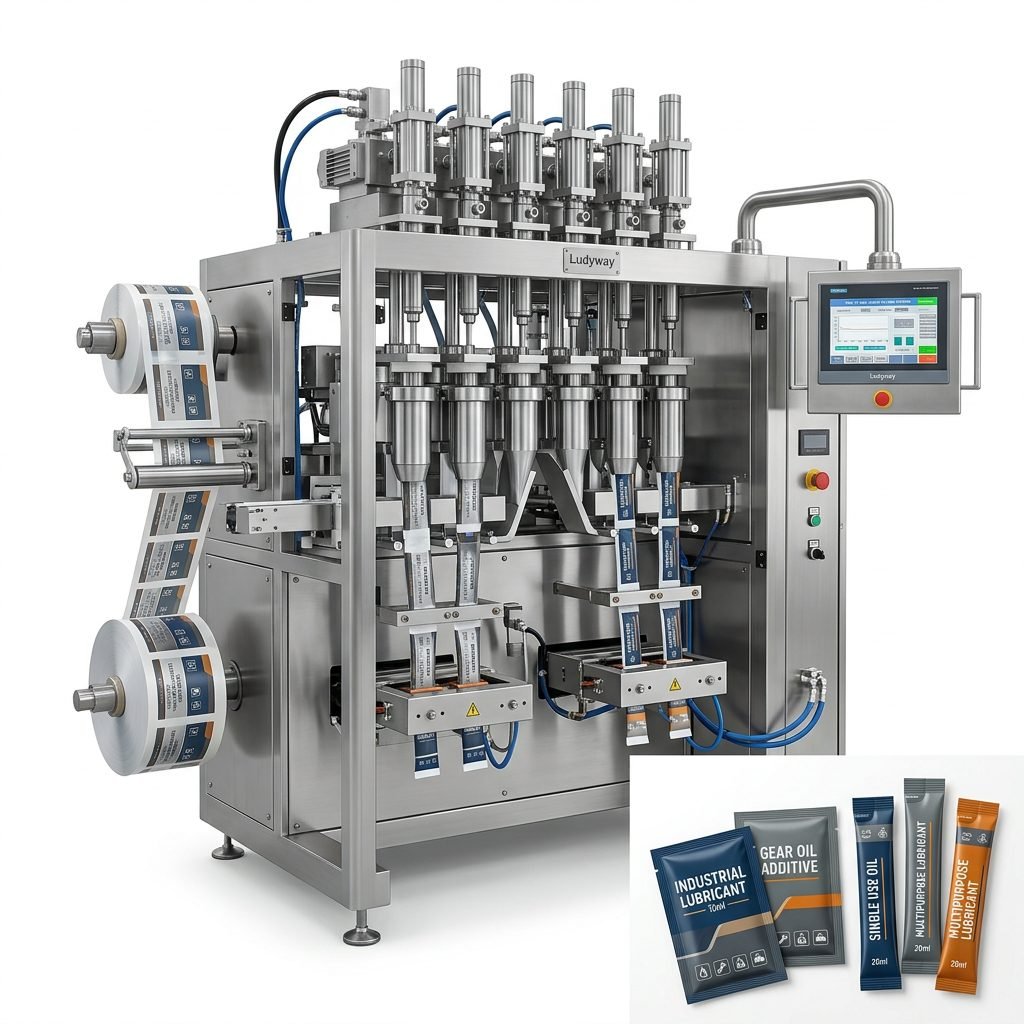
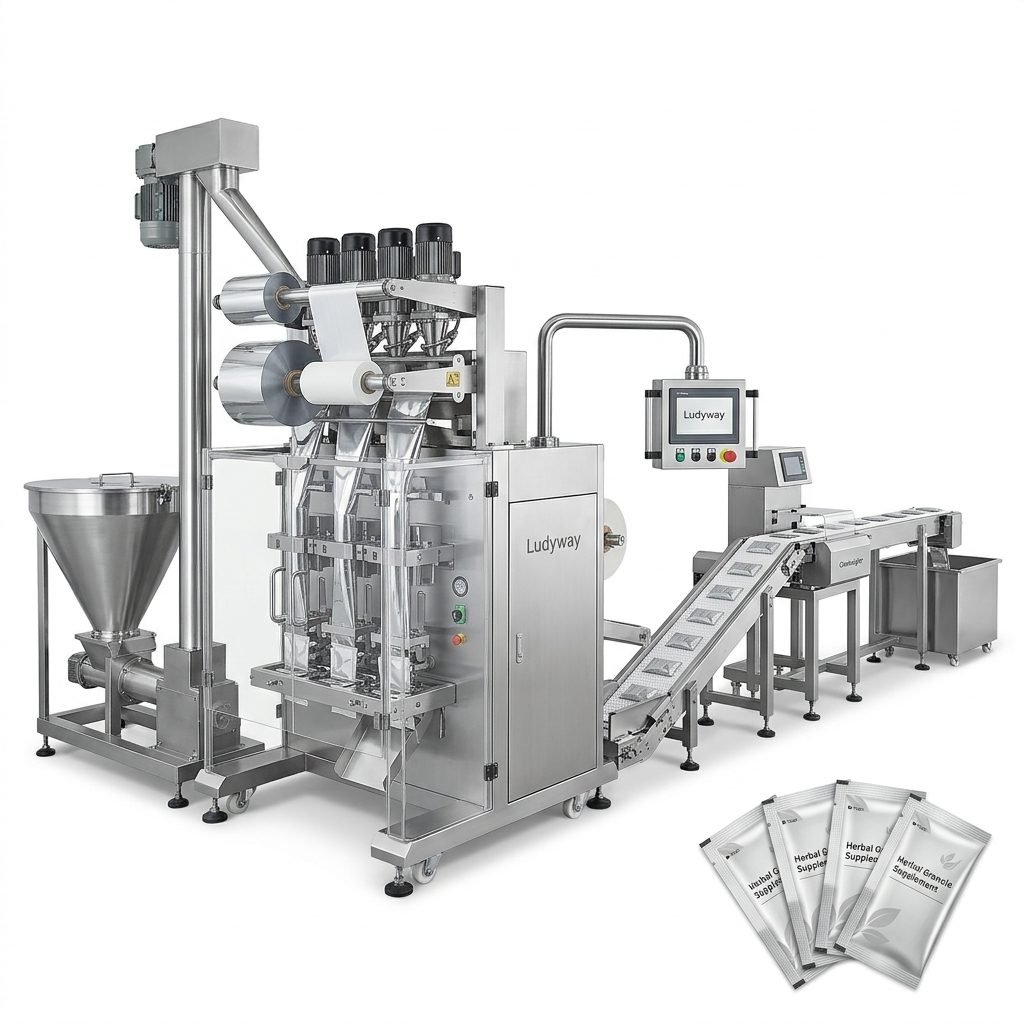
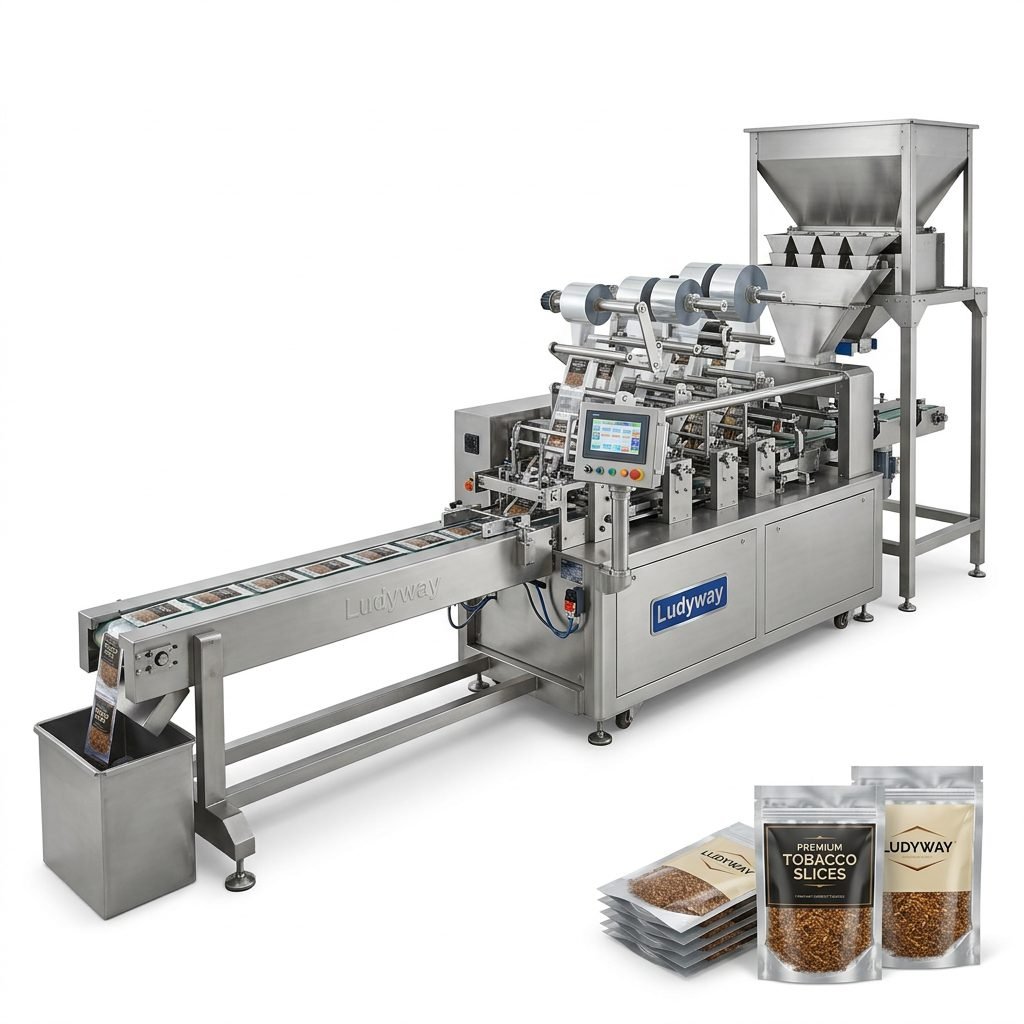
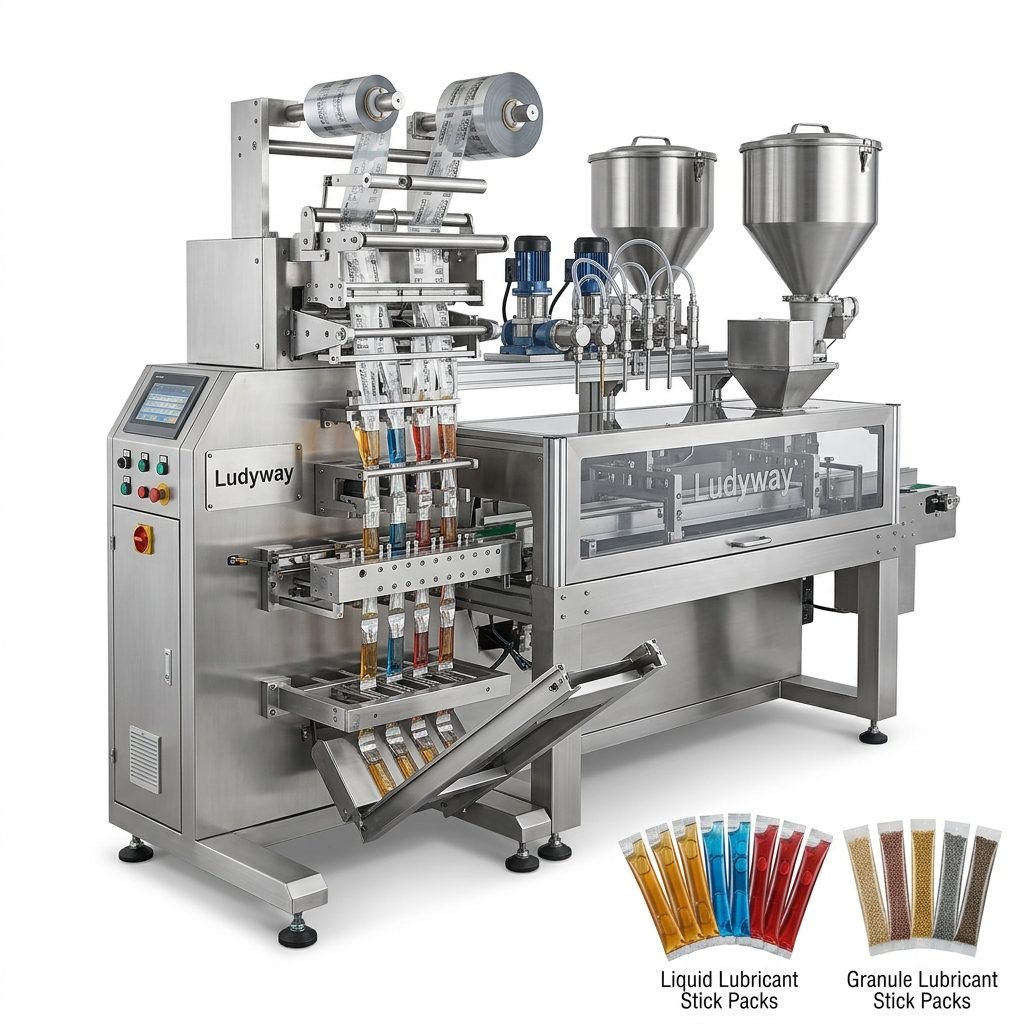
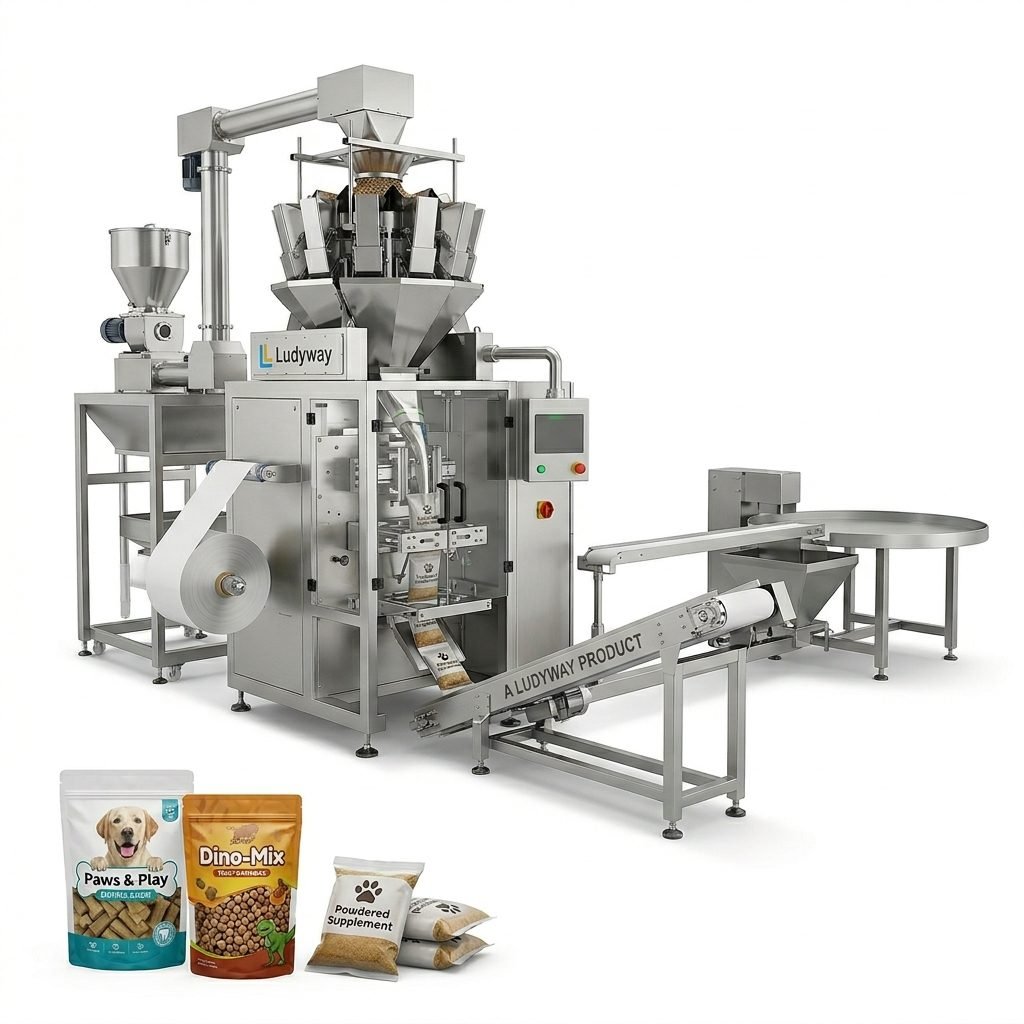
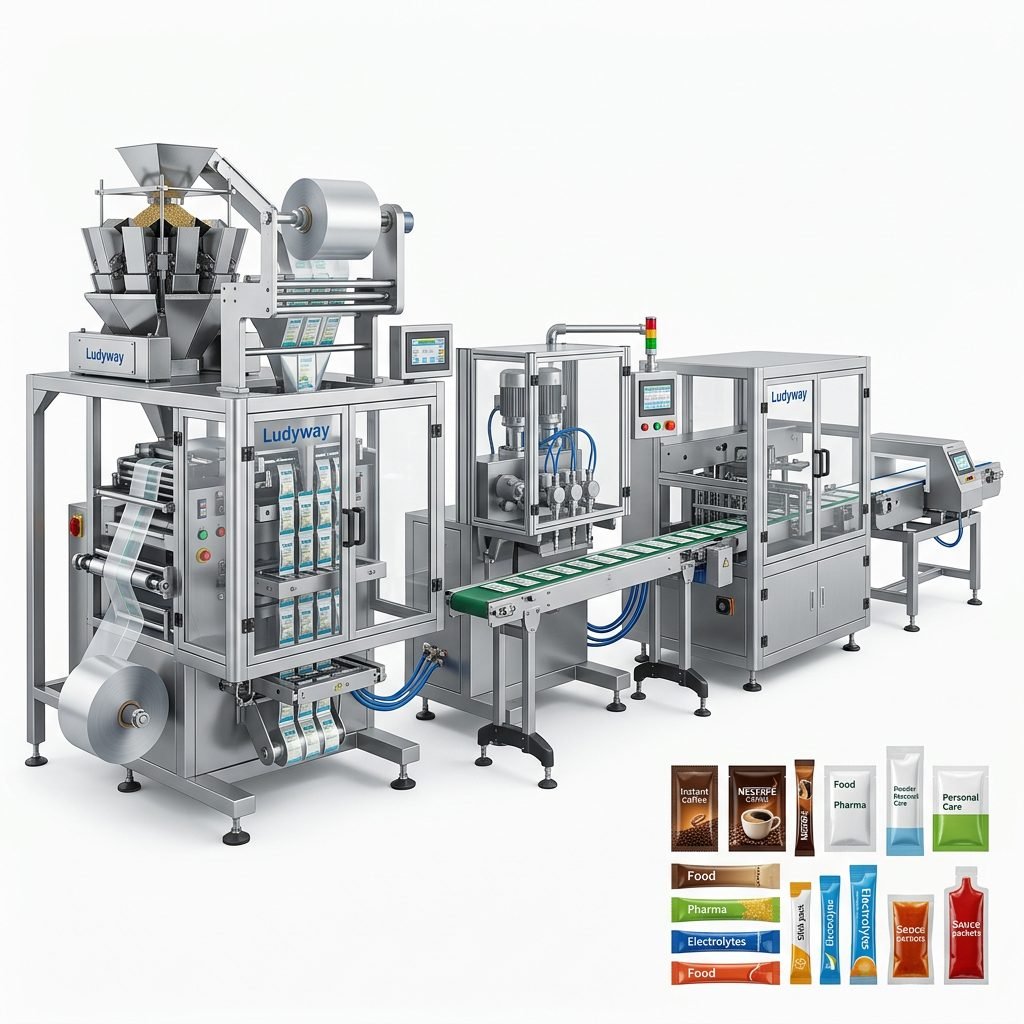
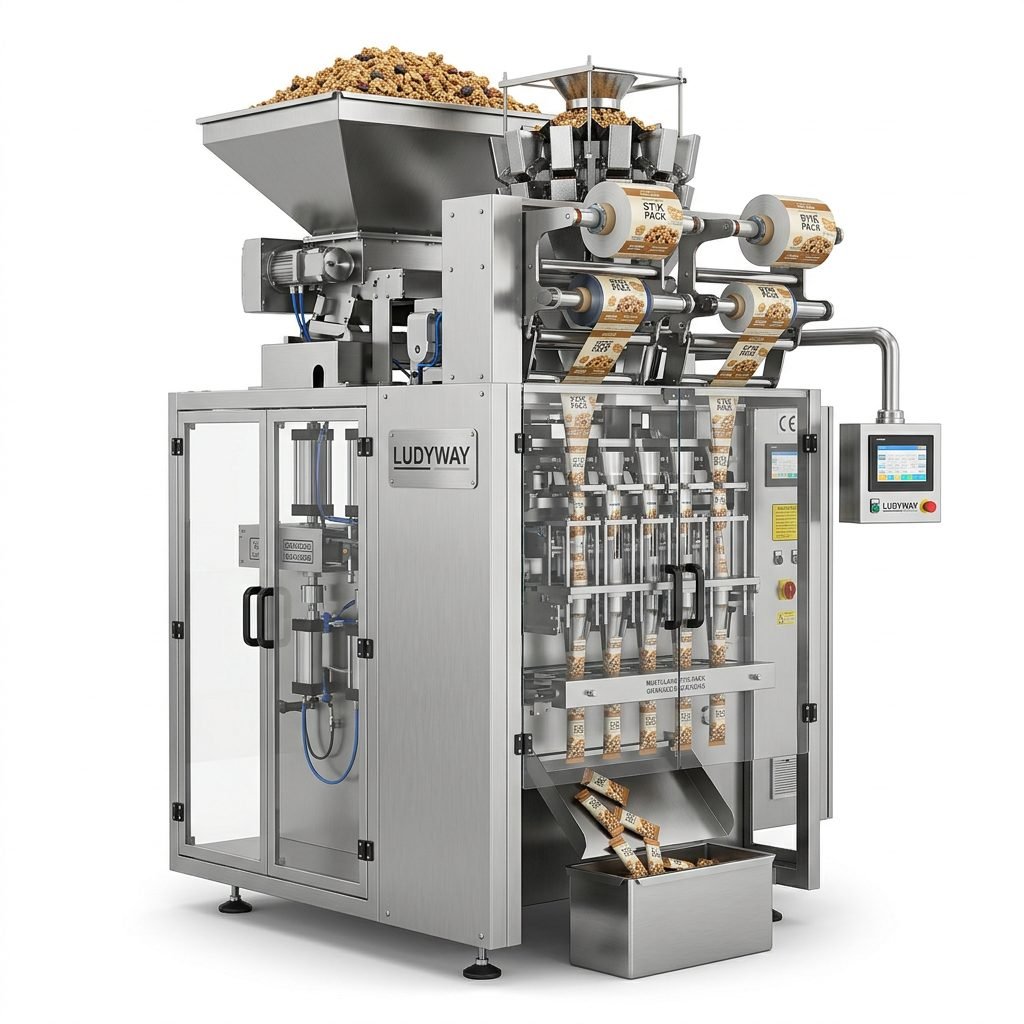
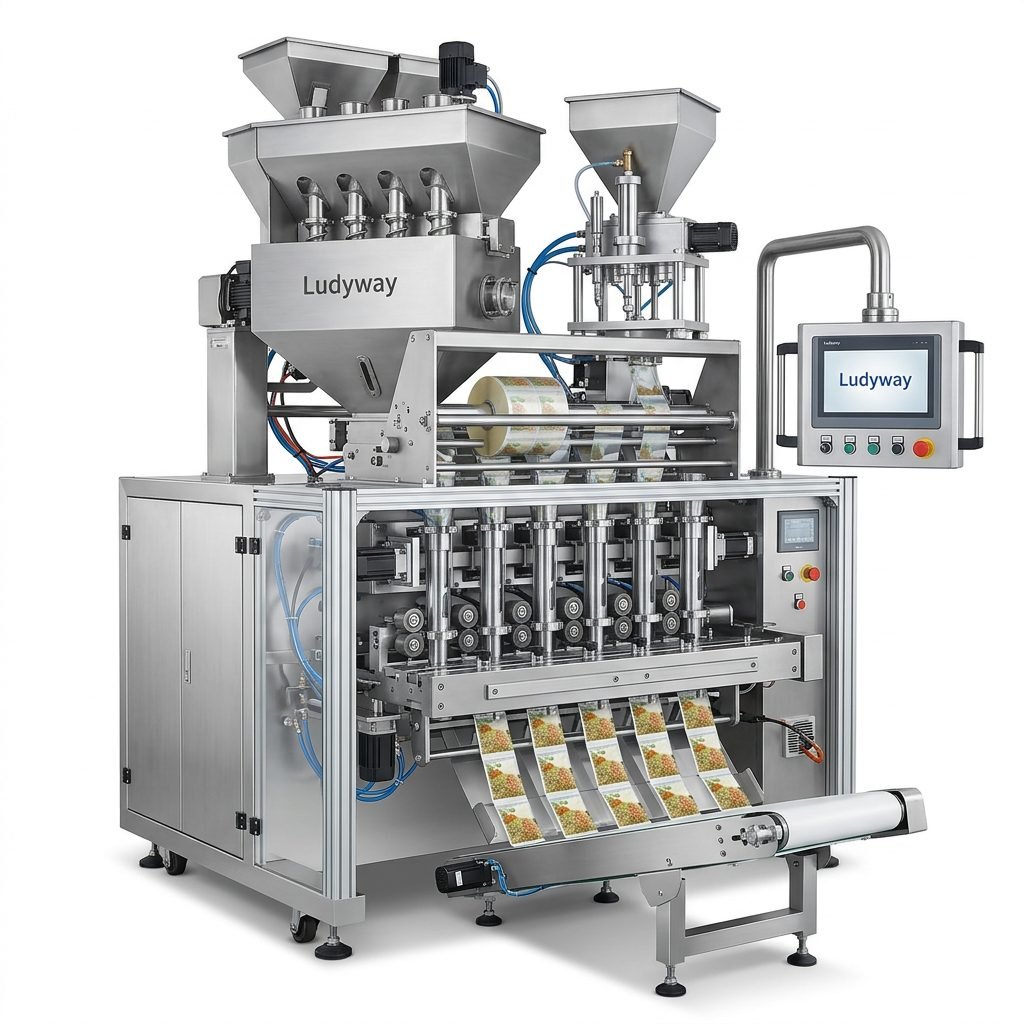
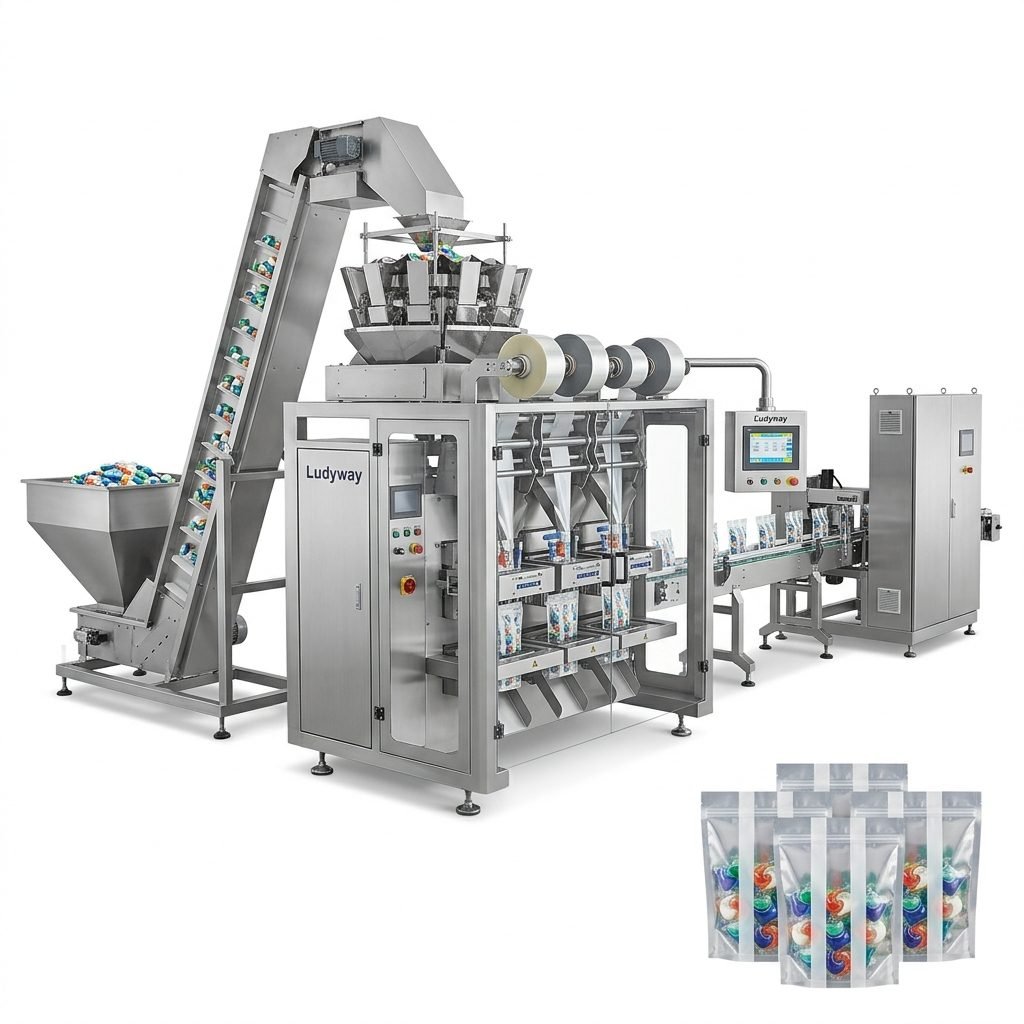
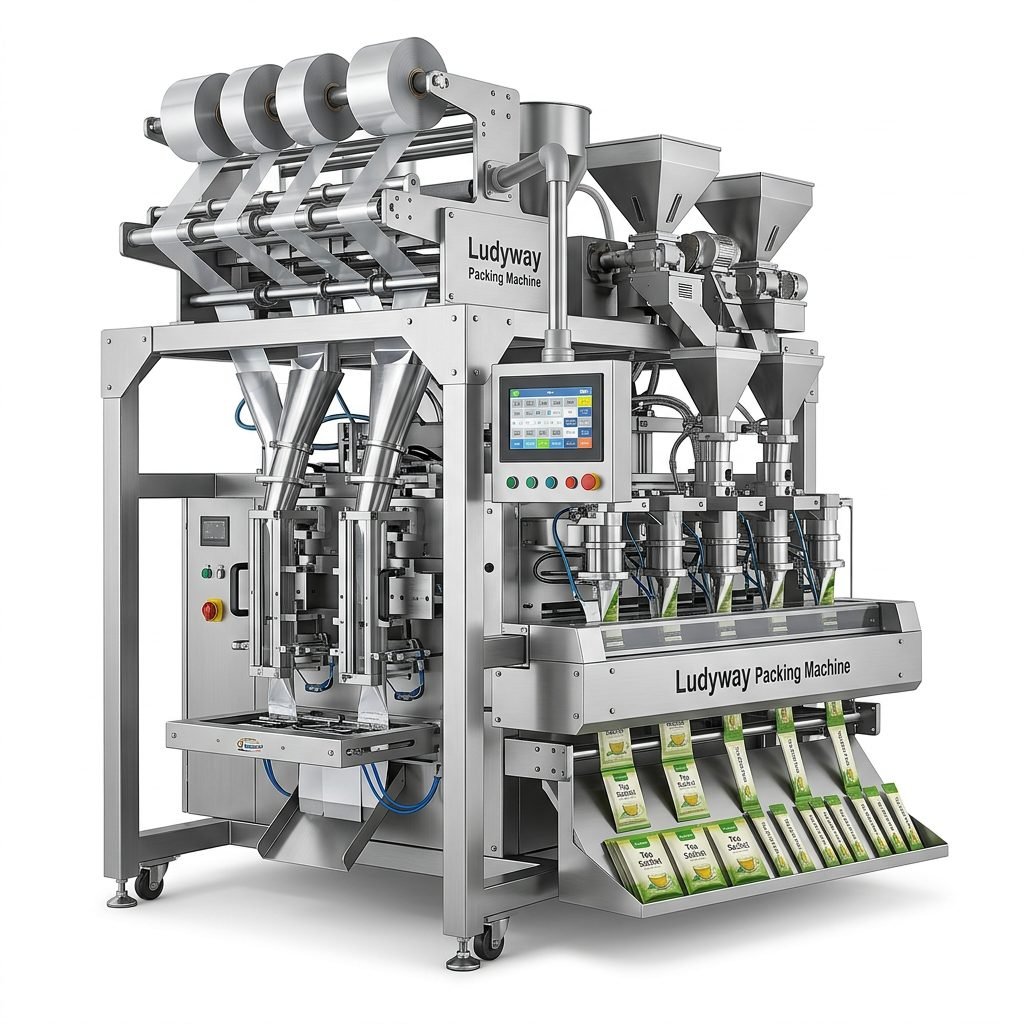
Investing in a tea kulfi packing machine is a strategic decision for manufacturers aiming to scale production, ensure product freshness, and improve packaging consistency. Whether you are producing traditional milk-based kulfi sticks, tea-infused frozen desserts, or innovative ice cream alternatives, the right automatic packaging solution can significantly boost your operational efficiency.
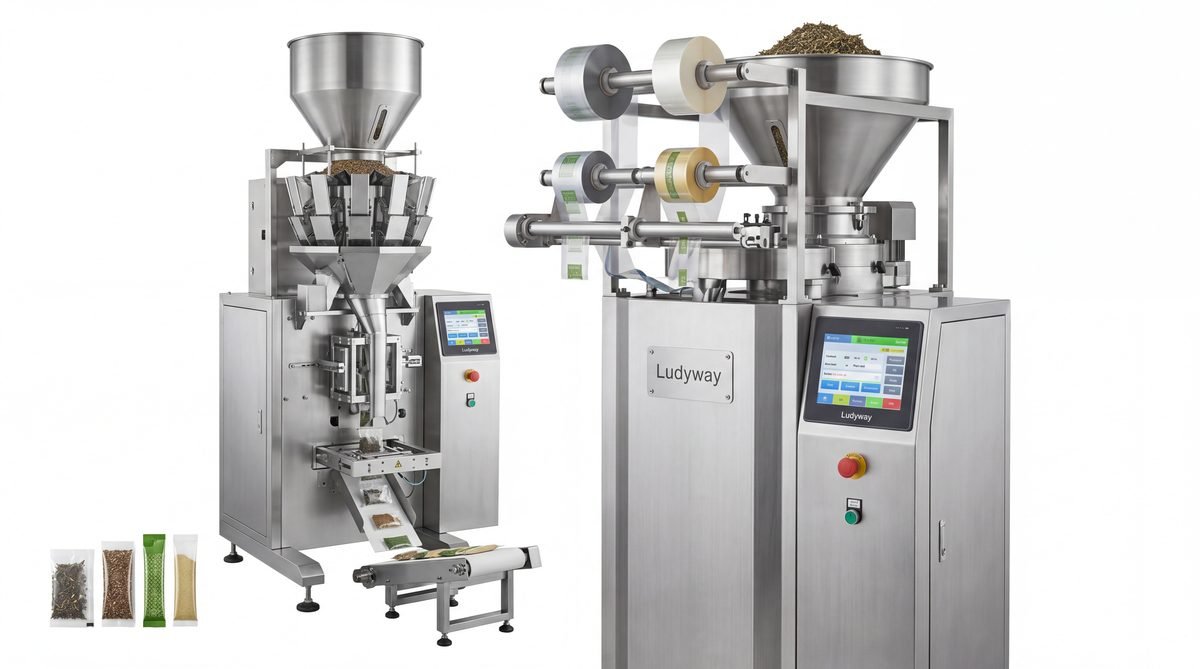
This guide breaks down the tea kulfi packing machine price, essential features, and practical buying tips to help you make an informed investment. From multi-lane stick pack systems to fully automated liquid filling and sealing lines, understanding the cost structure and available configurations is the first step toward upgrading your production floor.
Tea Kulfi Packing Machine Price Overview
The price of a tea kulfi packing machine varies widely depending on automation level, production capacity, and packaging format. Below is a general cost breakdown based on current market trends and machine configurations.
| Machine Type | Packaging Format | Estimated Price Range (USD) | Best For |
|---|---|---|---|
| Semi-Automatic Stick Pack Machine | Single-lane stick packs | $8,000 – $18,000 | Small to medium producers |
| Automatic Multi-Lane Stick Pack Machine | 4–12 lane stick packs | $25,000 – $60,000 | Medium to large-scale operations |
| High-Speed Sachet Packaging Line | Flat sachets, 3-side or 4-side seal | $30,000 – $75,000 | High-volume production |
| Fully Automated Turnkey Line | Stick pack + cartoning + case packing | $80,000 – $250,000+ | Industrial-scale manufacturers |
| Customized OEM Packaging Solution | Tailored stick pack or sachet format | $40,000 – $120,000 | Specialized product requirements |
Note: Prices are approximate and vary based on configuration, material, and region. Requesting a customized quotation from experienced packaging machine manufacturers is recommended for accurate budgeting.
Key Factors That Influence Tea Kulfi Packing Machine Price
Understanding the variables that affect cost helps you prioritize features and avoid overspending. Here are the primary factors that determine the final price of a tea kulfi packaging system.
1. Automation Level
Semi-automatic machines require manual intervention for material feeding or product handling, while fully automated packaging lines integrate filling, sealing, coding, and cartoning into one seamless process. Higher automation reduces labor costs but increases initial capital investment. A semi-automatic stick pack machine may cost under $15,000, whereas a fully automated multi-lane system can exceed $100,000.
2. Number of Lanes
Multi-lane technology directly impacts throughput. A 4-lane machine produces approximately 800–1,200 packs per minute, while a 12-lane system can achieve 2,400–3,600 packs per minute. Each additional lane adds to the machine’s complexity and cost, but significantly lowers the per-unit packaging expense over time.
3. Packaging Material & Format
The type of packaging film — such as metallized polyester, laminated foil, or biodegradable materials — influences machine compatibility and sealing requirements. Machines designed for thicker or specialty films often require upgraded sealing jaws and temperature control systems, adding to the overall price. Stick pack, sachet, and pouch formats each demand specific forming and sealing mechanisms.
4. Additional Features and Integration
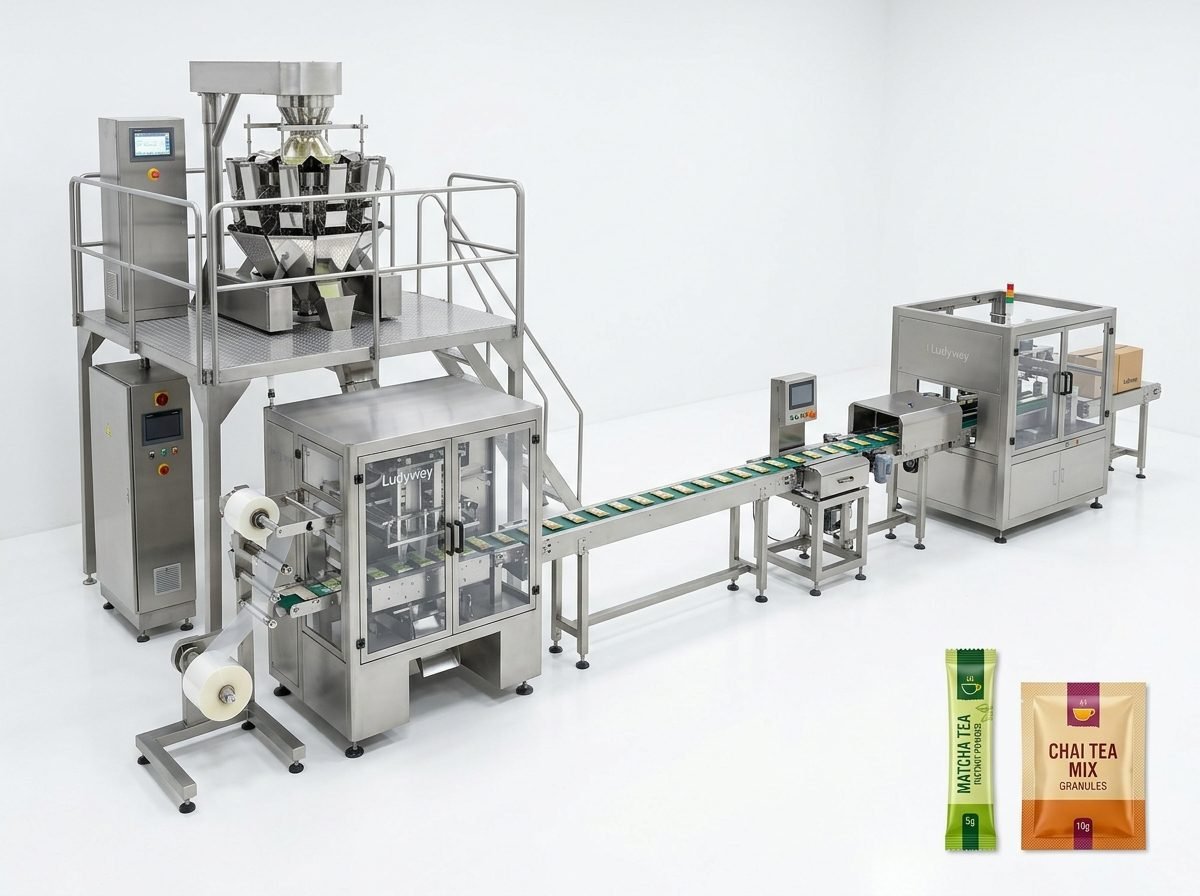
Optional add-ons like nitrogen flushing for extended shelf life, date coders, checkweighers, metal detectors, and automatic cartoning modules increase both functionality and cost. A basic stick pack filler might be budget-friendly, but integrating a complete turnkey packaging line with quality control systems ensures long-term production reliability.
5. Manufacturer and After-Sales Support
Established manufacturers with global service networks typically charge a premium, reflecting the value of reliable technical support, readily available spare parts, and comprehensive warranties. Choosing a reputable supplier minimizes downtime risks and protects your long-term return on investment.
Essential Features to Look for in a Tea Kulfi Packing Machine
Selecting the right equipment involves evaluating core features that ensure consistent product quality and efficient operation. Here are the must-have capabilities for modern tea kulfi packaging.
| Feature | Description | Benefit |
|---|---|---|
| Servo-Driven Filling System | Precision volumetric or piston filling with servo motor control | Accurate portioning, reduced product waste |
| Multi-Lane Configuration | Simultaneous filling across 4–12+ lanes | High throughput, scalable production |
| PLC Touchscreen Control | Intuitive HMI with programmable recipes and real-time monitoring | Easy operation, fast changeovers |
| Stainless Steel Construction | Food-grade SUS304 or SUS316L material for all product contact parts | Hygienic, corrosion-resistant, easy to clean |
| Nitrogen Flushing Capability | Inert gas injection to displace oxygen before sealing | Extended shelf life, preserves flavor |
| Automatic Reject System | Integrated sensors detect and remove defective packs | Quality assurance, reduced manual inspection |
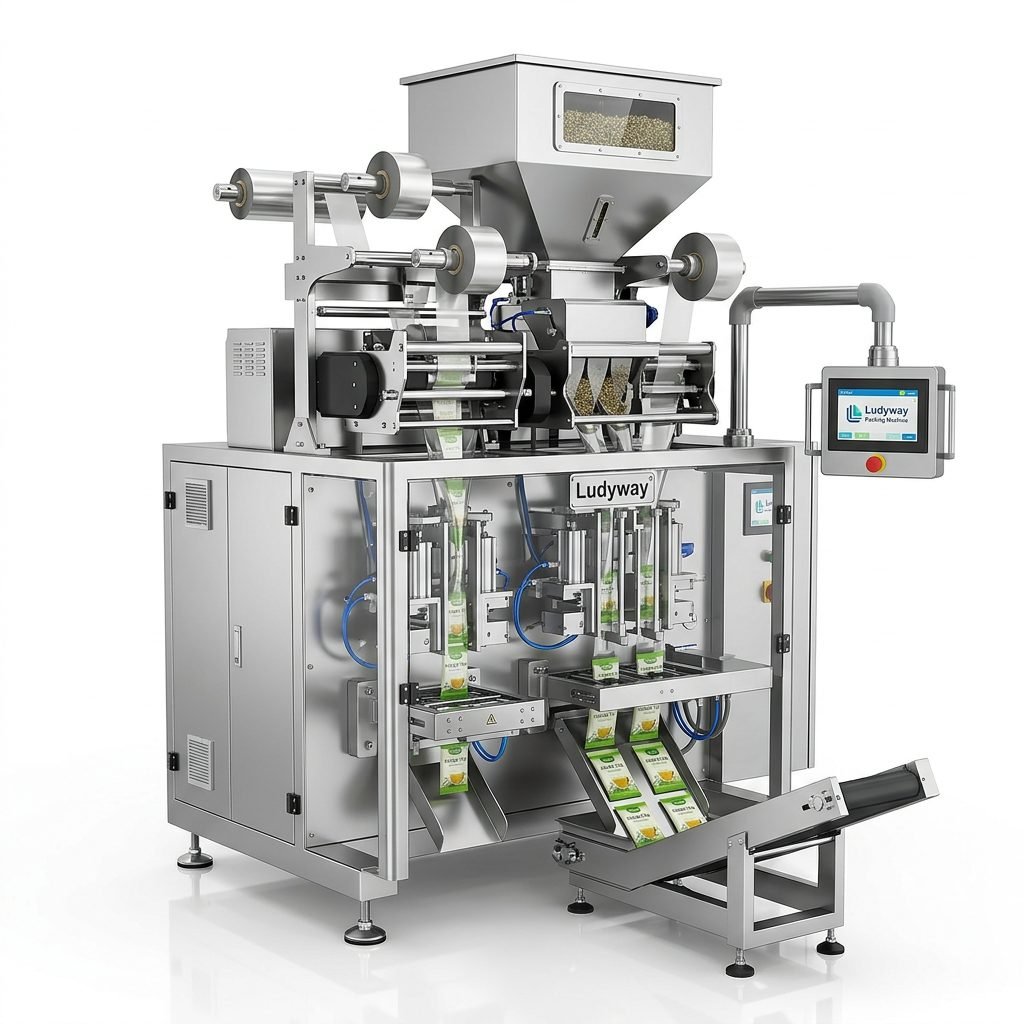
Buying Guide: How to Choose the Right Tea Kulfi Packaging Machine
Making the right investment requires a systematic evaluation of your production goals, facility constraints, and long-term business strategy. Follow these steps to select the best machine for your operation.
- Define Your Production Volume: Estimate daily or hourly output targets. A small business producing 5,000 sticks per day needs a different solution than a factory running 100,000+ units daily. Match lane count and speed to actual demand rather than over-investing in unused capacity.
- Assess Product Characteristics: Tea kulfi varies in viscosity, particulate content, and temperature sensitivity. Liquid fillers with temperature-controlled hoppers may be necessary for semi-frozen products. Discuss your specific formulation with the equipment supplier to ensure compatibility with multi-lane sachet machines.
- Evaluate Available Floor Space: Fully integrated packaging lines require significant square footage. Compact vertical form-fill-seal machines optimize floor space for smaller facilities. Always confirm machine dimensions and layout requirements before purchasing.
- Consider Future Scalability: Modular machines allow you to add lanes or upgrade components as demand grows. Investing in a scalable platform today prevents the need for a complete equipment replacement within a few years.
- Verify After-Sales Service and Spare Parts Availability: Reliable technical support, training, and fast spare parts delivery are critical for maintaining uptime. Choose a manufacturer with a proven international service track record and responsive customer support.

In the tea kulfi sector, consistency and hygiene are paramount. Selecting equipment that meets international food safety standards — including CE, ISO, and GMP certifications — ensures product integrity and facilitates export to regulated markets. Working with an experienced supplier that understands food-grade packaging requirements can streamline the entire validation process.
Why Reliable Equipment Matters for Tea Kulfi Production
Tea kulfi is a unique frozen dairy product that combines the creamy richness of traditional kulfi with aromatic tea flavors. This product category demands precise filling temperatures, accurate portion control, and airtight sealing to prevent freezer burn and flavor degradation. Powder-based tea kulfi premixes also require specialized handling to avoid clumping and ensure uniform mixing during reconstitution.
As one of the largest packaging machine manufacturers in China, Ludyway brings over 30 years of industry expertise to every project. With a 20,000㎡ modern manufacturing facility and a portfolio of more than 50 intelligent packaging machine models, the company delivers turnkey solutions for granule, powder, liquid, and pouch packaging applications across food, pharmaceutical, and health industries worldwide.
High-performance tea kulfi packing machines equipped with servo-driven filling, multi-lane configurations, and nitrogen flushing technology can transform production efficiency. Investing in quality equipment reduces downtime, minimizes product waste, and delivers a premium finished product that stands out on retail shelves.
Frequently Asked Questions About Tea Kulfi Packing Machines
What is the average lifespan of a tea kulfi stick pack machine?
With proper maintenance, a high-quality automatic stick pack machine from a reputable manufacturer can operate efficiently for 10 to 15 years or more. Regular cleaning, timely replacement of wear parts such as sealing jaws and cutting blades, and adherence to the recommended service schedule significantly extend equipment lifespan.
Can one machine handle both liquid kulfi mix and powder premix?
Yes, versatile multi-format packaging machines can be configured with interchangeable filling systems — volumetric piston fillers for liquids and auger fillers for powders. However, thorough cleaning between product changeovers is essential to prevent cross-contamination. Discuss your multi-product requirements with the equipment manufacturer to ensure the right configuration is specified.
How long does installation and commissioning take?
For standard stick pack or sachet machines, installation typically takes 3 to 7 days, including setup, calibration, and operator training. Fully automated turnkey lines with cartoning and palletizing modules may require 2 to 4 weeks. Many manufacturers offer remote support and on-site commissioning services to minimize disruption to your production schedule.

Final Thoughts on Tea Kulfi Packing Machine Investment
The tea kulfi packing machine price reflects a combination of engineering quality, automation capability, and long-term production value. While entry-level semi-automatic machines offer an affordable starting point, mid-range and high-end fully automated packaging lines deliver faster ROI through higher throughput, reduced labor dependency, and superior pack consistency.
Key takeaways for buyers:
- Match machine capacity to your current and near-future production targets.
- Prioritize food-grade stainless steel construction and hygienic design for dairy-based products.
- Factor in after-sales support, spare parts availability, and warranty terms in the total cost of ownership.
- Request a detailed quotation and product demonstration before finalizing your purchase.
- Explore modular custom packaging solutions that can adapt as your product line expands.
By carefully evaluating your operational needs and partnering with an experienced equipment manufacturer, you can secure a tea kulfi packaging system that delivers consistent quality, reliable performance, and strong long-term value for your business.