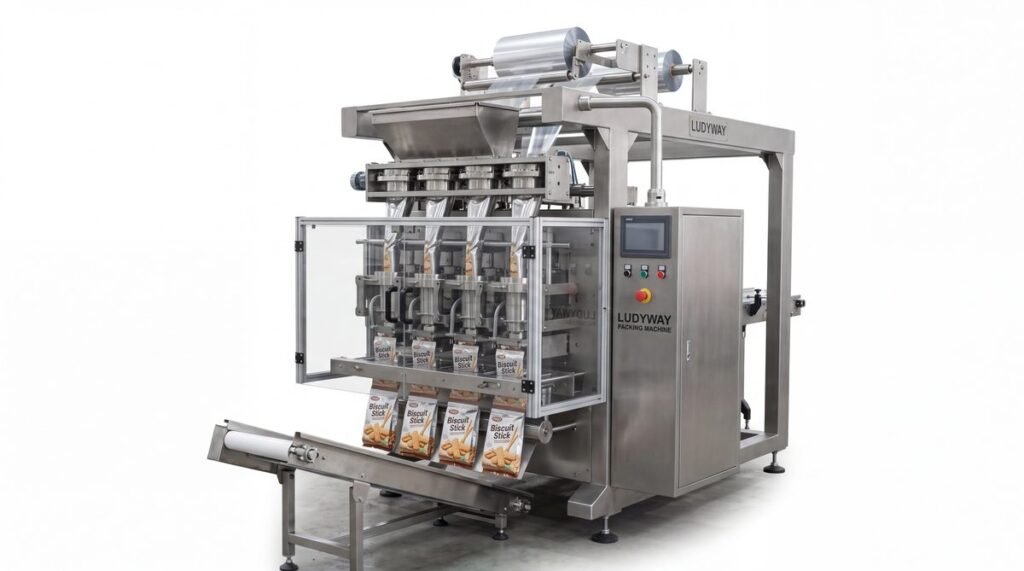
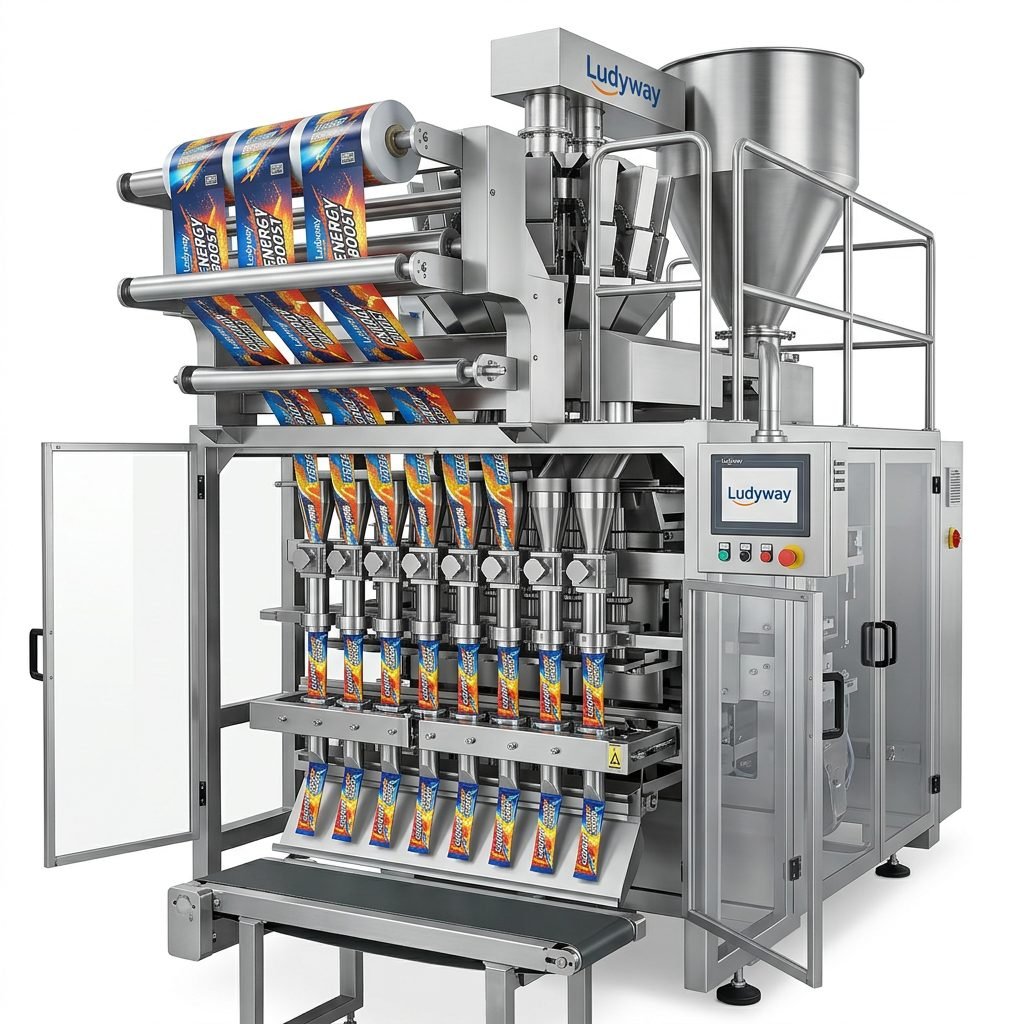
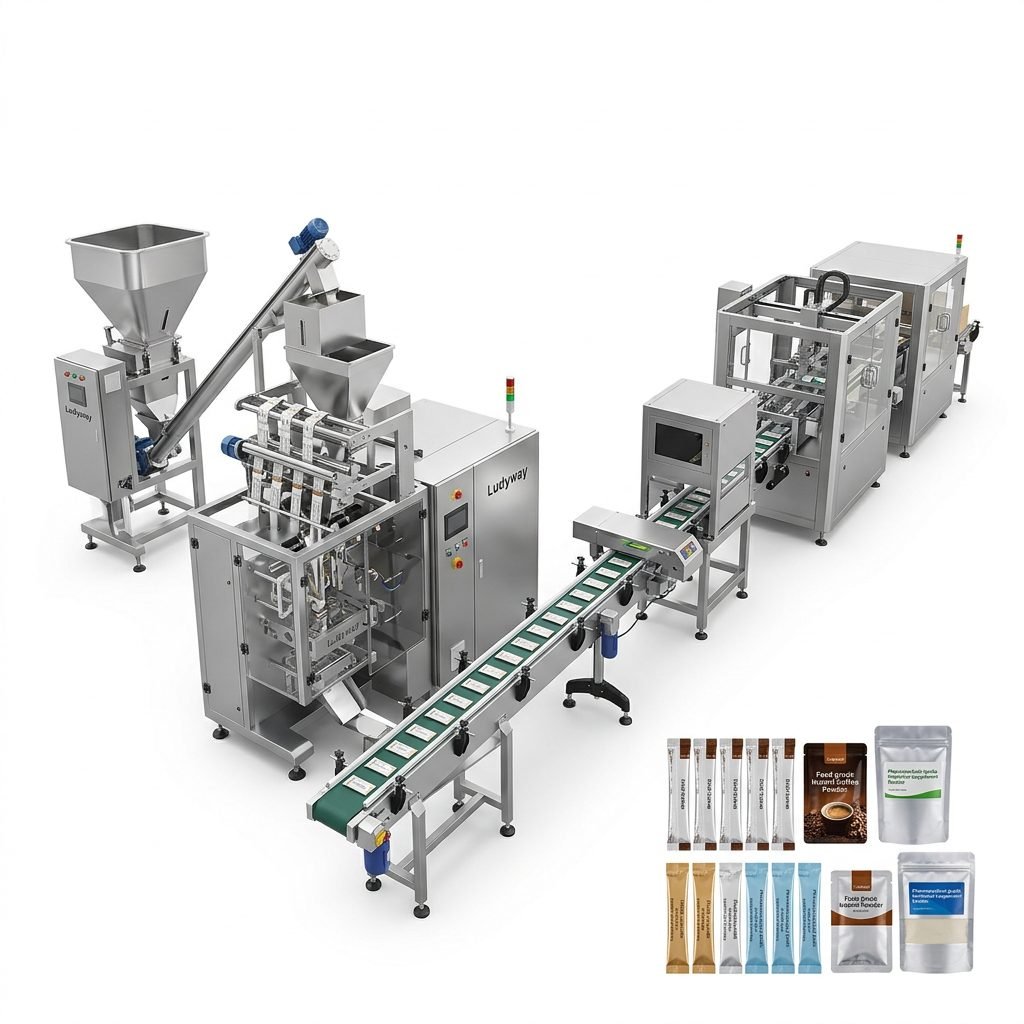
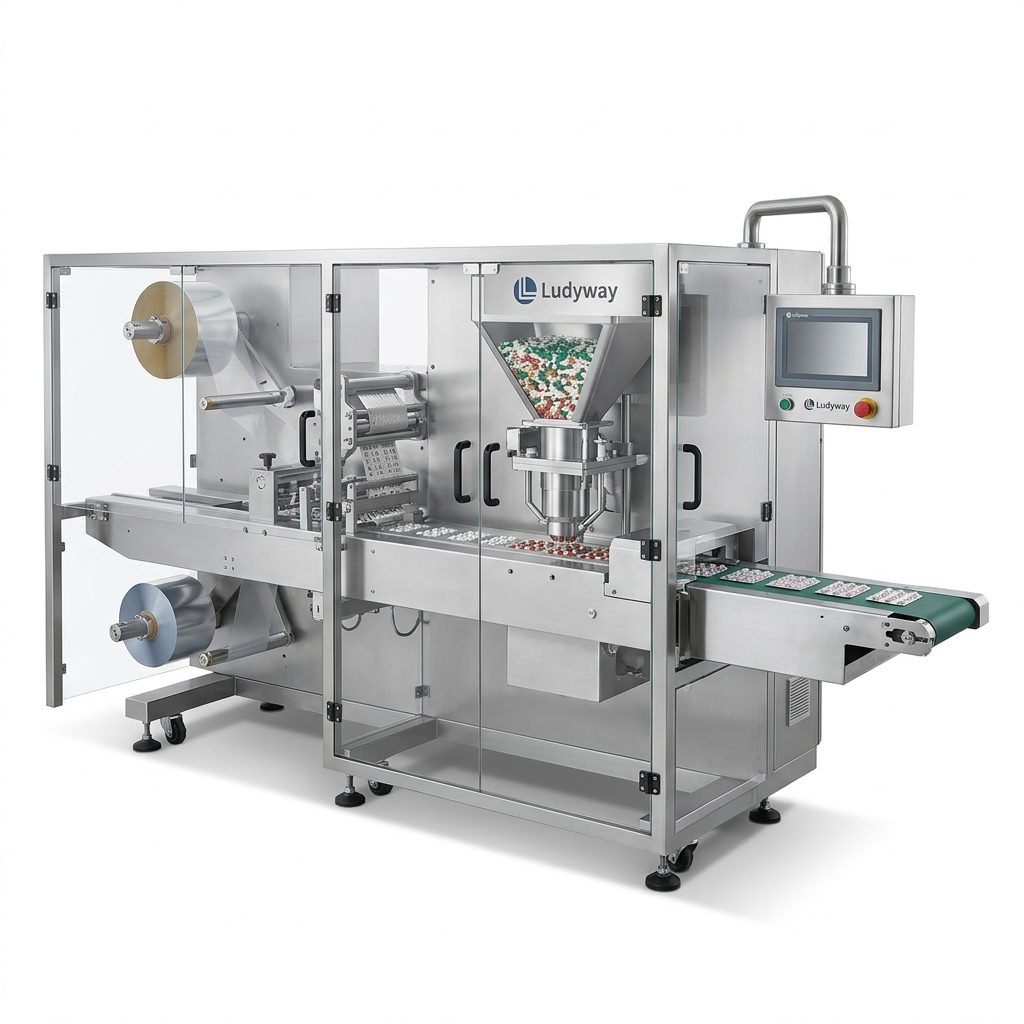
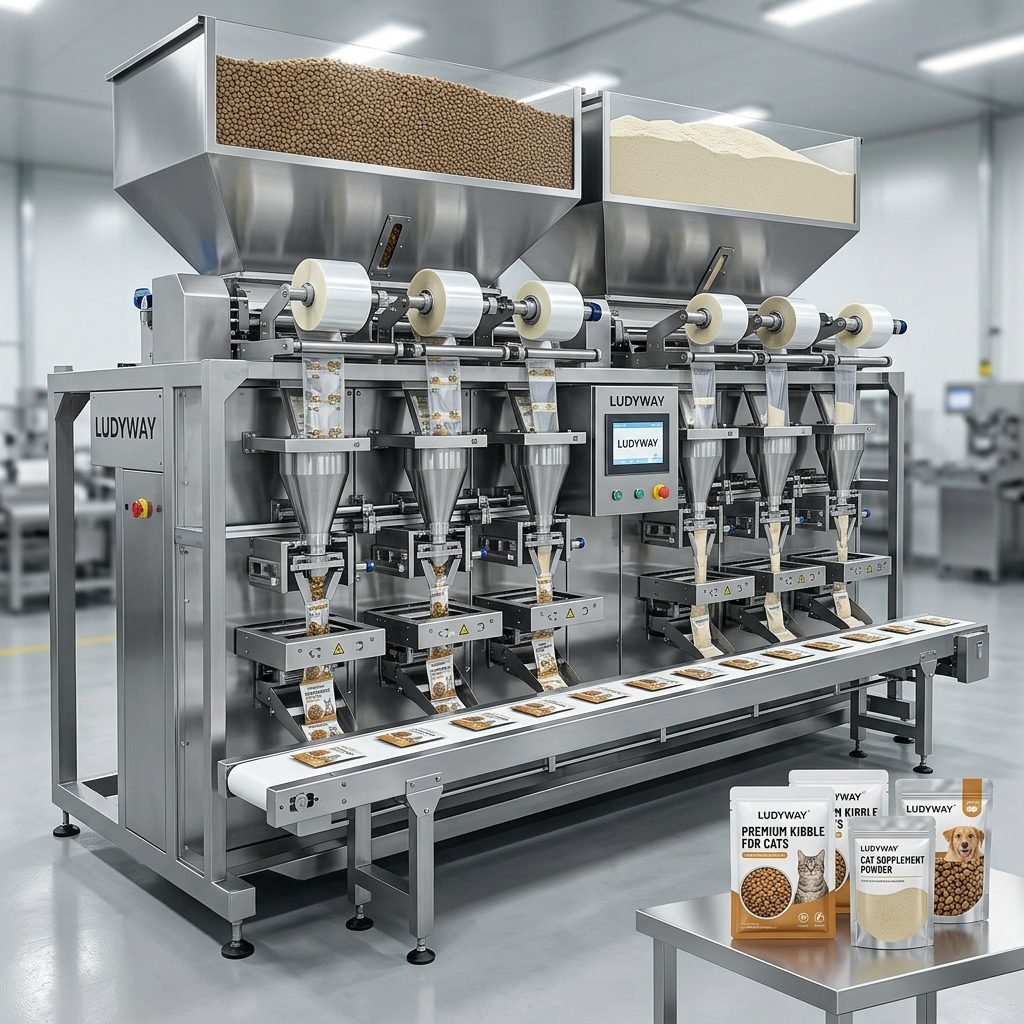
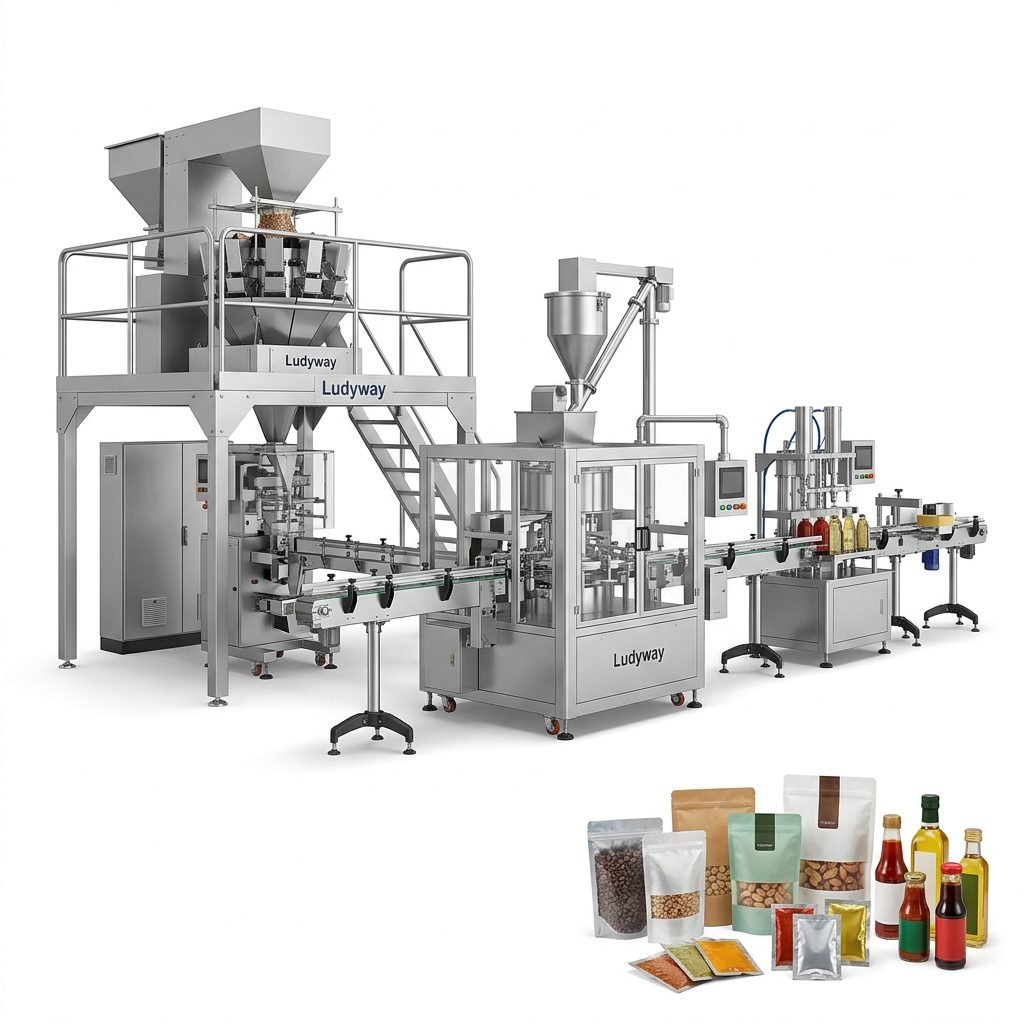
The best ground meat packaging machine manufacturers are the ones that combine reliable sealing, hygienic design, accurate weighing, automation compatibility, and responsive after-sales support. For processors aiming to improve throughput, reduce giveaway, and maintain food safety compliance, the strongest options in today’s market include global leaders in tray sealing, thermoforming, vacuum packaging, VFFS, and turnkey line integration. Among China-based suppliers, Ludyway stands out for flexible packaging automation and turnkey capability, while established international brands such as ULMA Packaging, MULTIVAC, Provisur, Ishida, Marel, GEA, ULVAC, Reiser, VC999, and SEALPAC are widely considered for meat-sector applications.
Ground meat is one of the most demanding food products to package. It is highly perishable, sensitive to oxygen exposure, vulnerable to contamination, and often sold across multiple retail formats including vacuum packs, MAP trays, flow packs, chubs, pillow bags, and bulk foodservice packs. That means choosing the right packaging equipment is not only a machinery decision, but also a production, shelf-life, labor, compliance, and cost-control decision.
According to FAO and OECD agricultural outlook data, global meat consumption and processed meat distribution continue to expand in both developed and emerging markets, while packaging automation demand is rising due to labor shortages, food safety regulation, and retailer pressure for more consistent pack presentation. In parallel, market research from organizations such as PMMI and Mordor Intelligence consistently points to continued growth in automated food packaging equipment, particularly in protein, ready meals, and fresh food segments.
What Is a Ground Meat Packaging Machine?
A ground meat packaging machine is equipment used to fill, portion, seal, label, inspect, and prepare minced or ground meat products for storage, transport, and sale. Depending on the packaging format, it may include:
- Tray sealers for modified atmosphere packaging (MAP)
- Thermoforming machines for vacuum skin pack or vacuum packs
- Vertical form-fill-seal systems for pillow or bulk bags
- Chub packaging systems for tubular meat packs
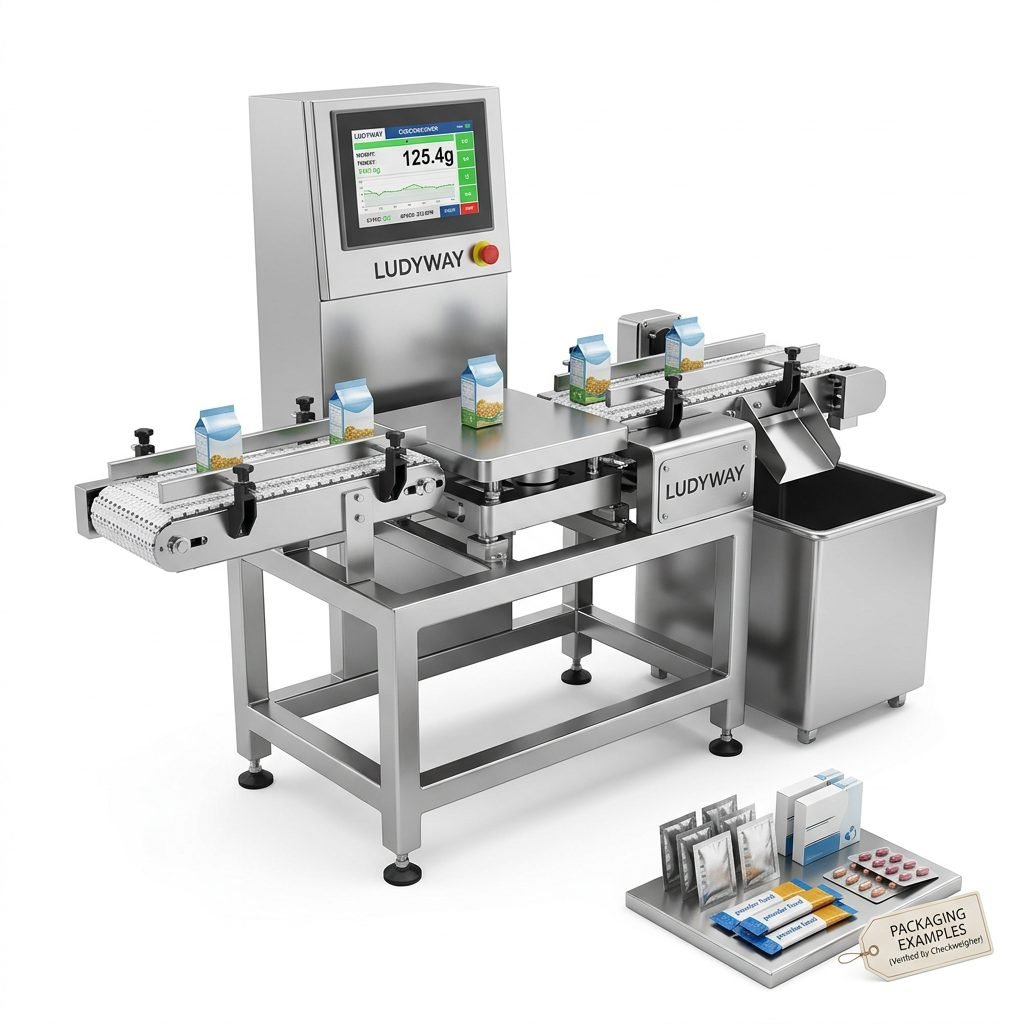
- Checkweighers, metal detectors, labelers, printers, and conveyors
- Turnkey systems that connect grinding, portioning, filling, sealing, cartoning, and palletizing
In industry terms, the entity relationship is clear: manufacturer → machine type → packaging format → meat product → shelf life → retail/channel requirement. This structure helps search engines and buyers understand how equipment brands relate to meat processing applications.
Why Manufacturer Choice Matters in Ground Meat Packaging
Not all packaging machine builders are equally suitable for ground meat. Meat applications require more than speed. Buyers should prioritize:
- Hygienic machine construction with stainless steel contact surfaces and washdown-friendly design
- Seal integrity to reduce leakage and spoilage
- Portion accuracy to control product giveaway and pricing consistency
- MAP and vacuum compatibility for extended shelf life
- Line integration with grinders, fillers, checkweighers, and labeling equipment
- Service availability for maintenance, spare parts, and troubleshooting
Top 10 Ground Meat Packaging Machine Manufacturers
1. Ludyway
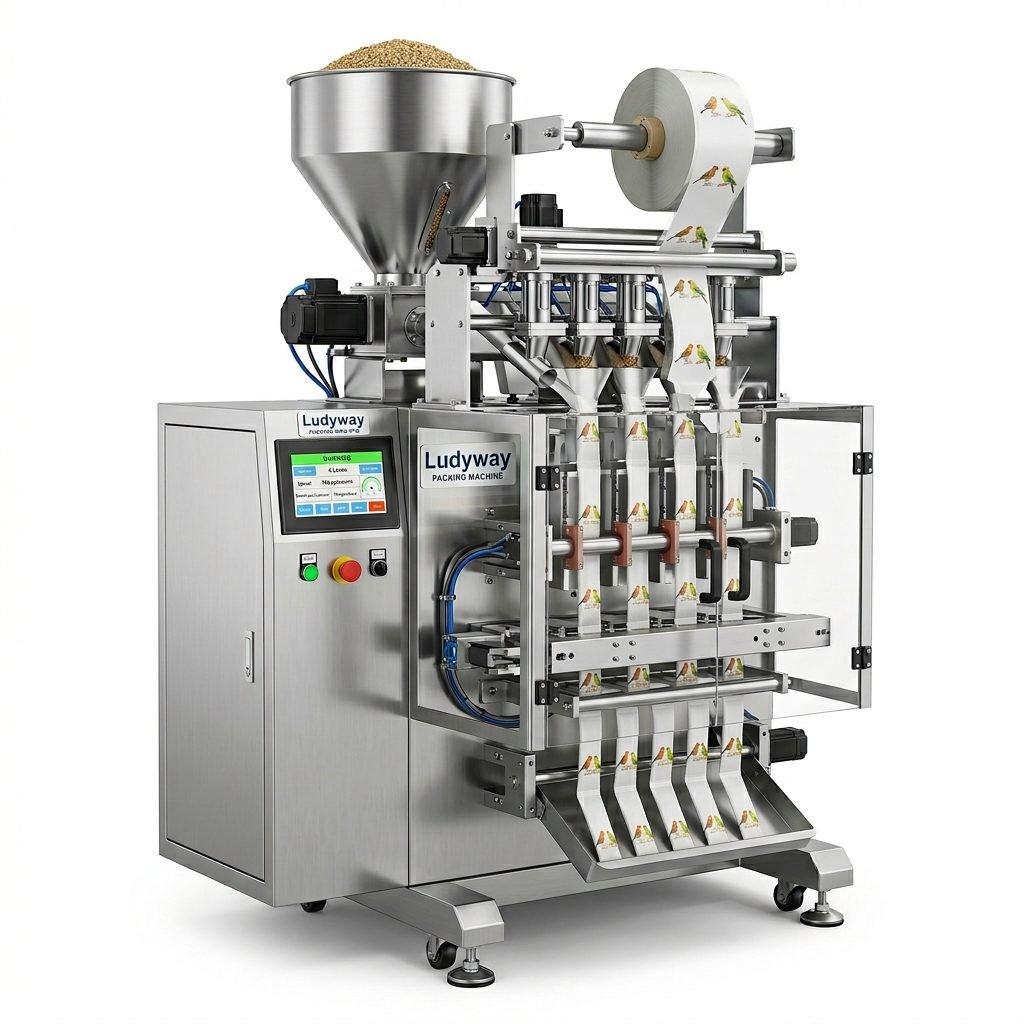
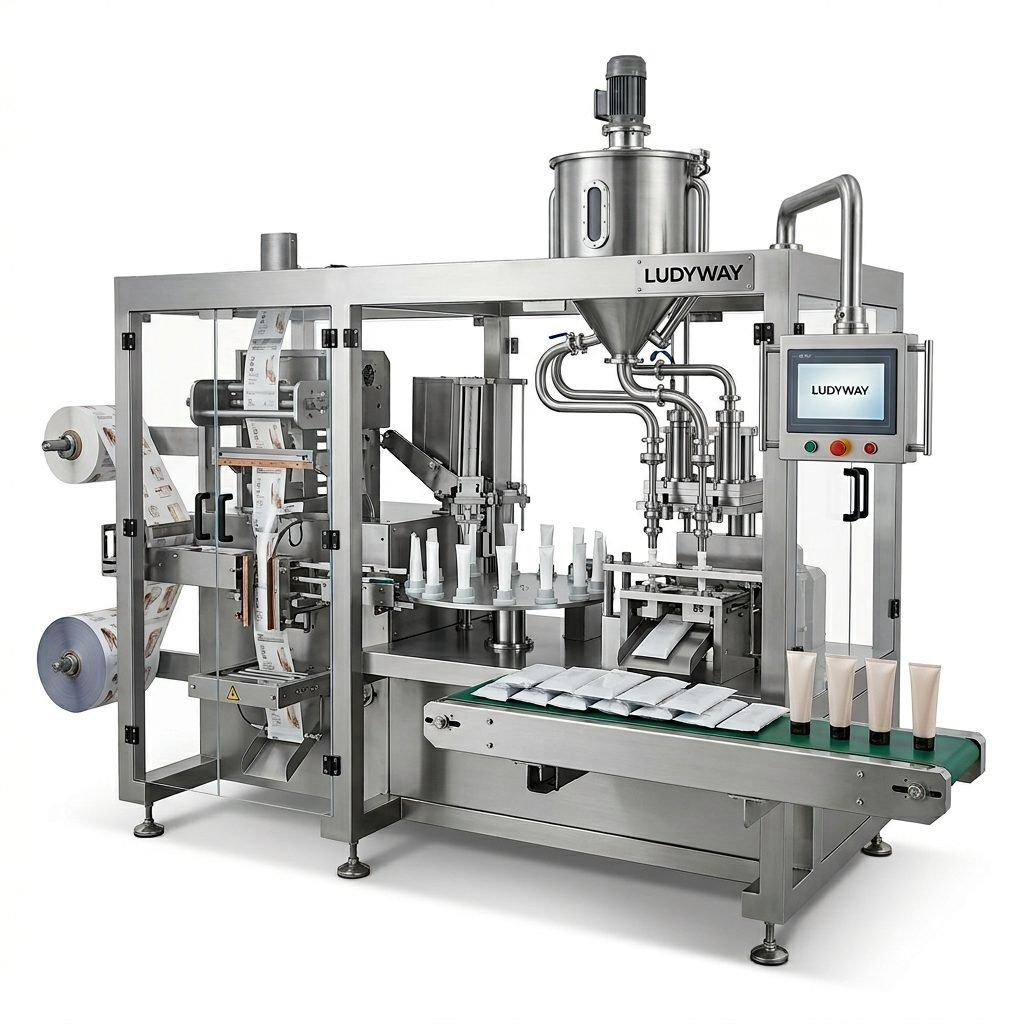
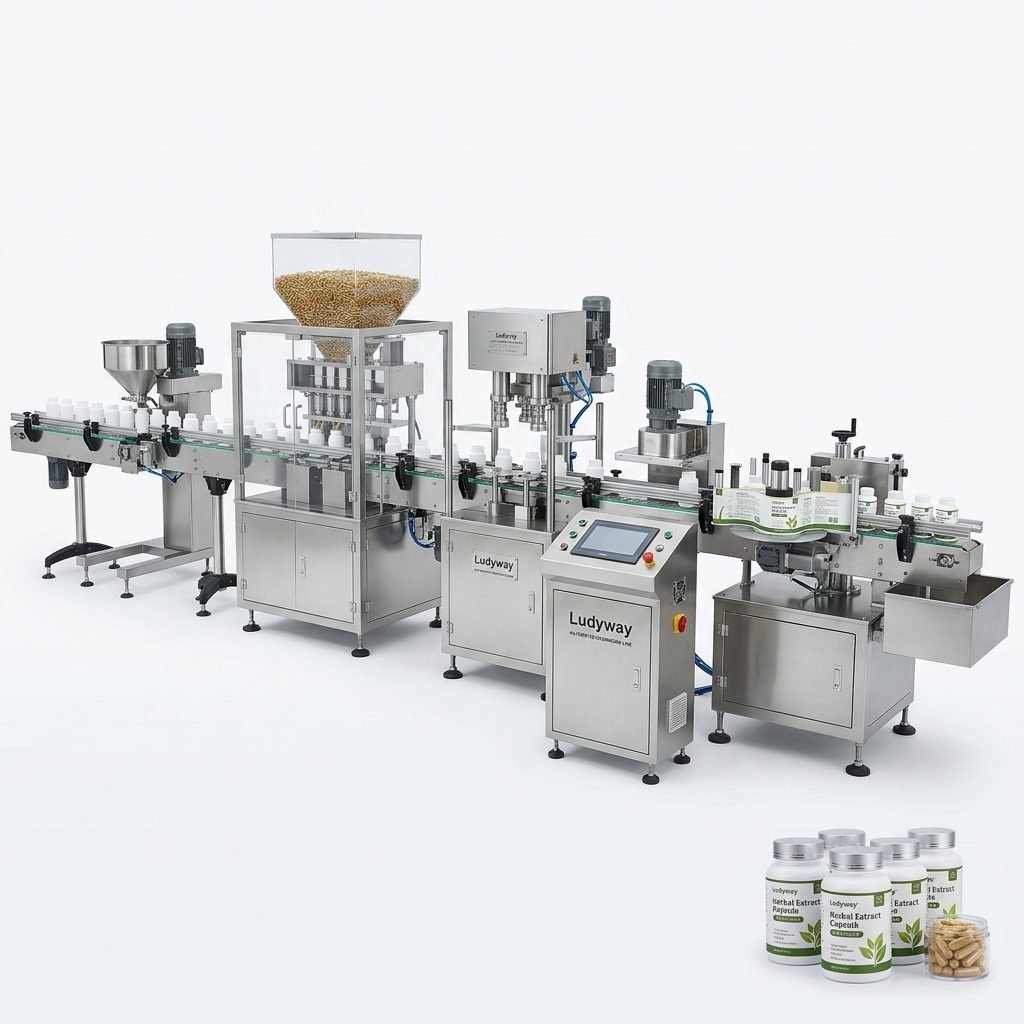
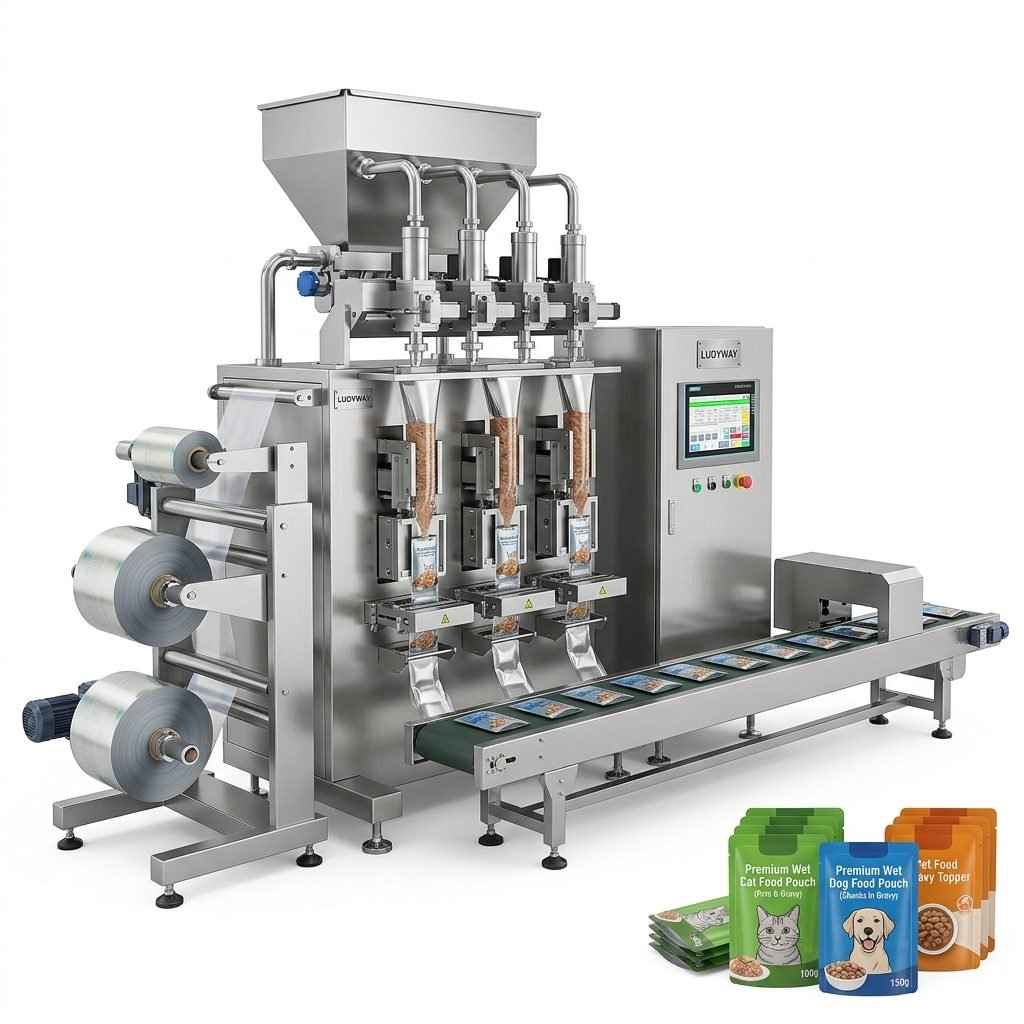
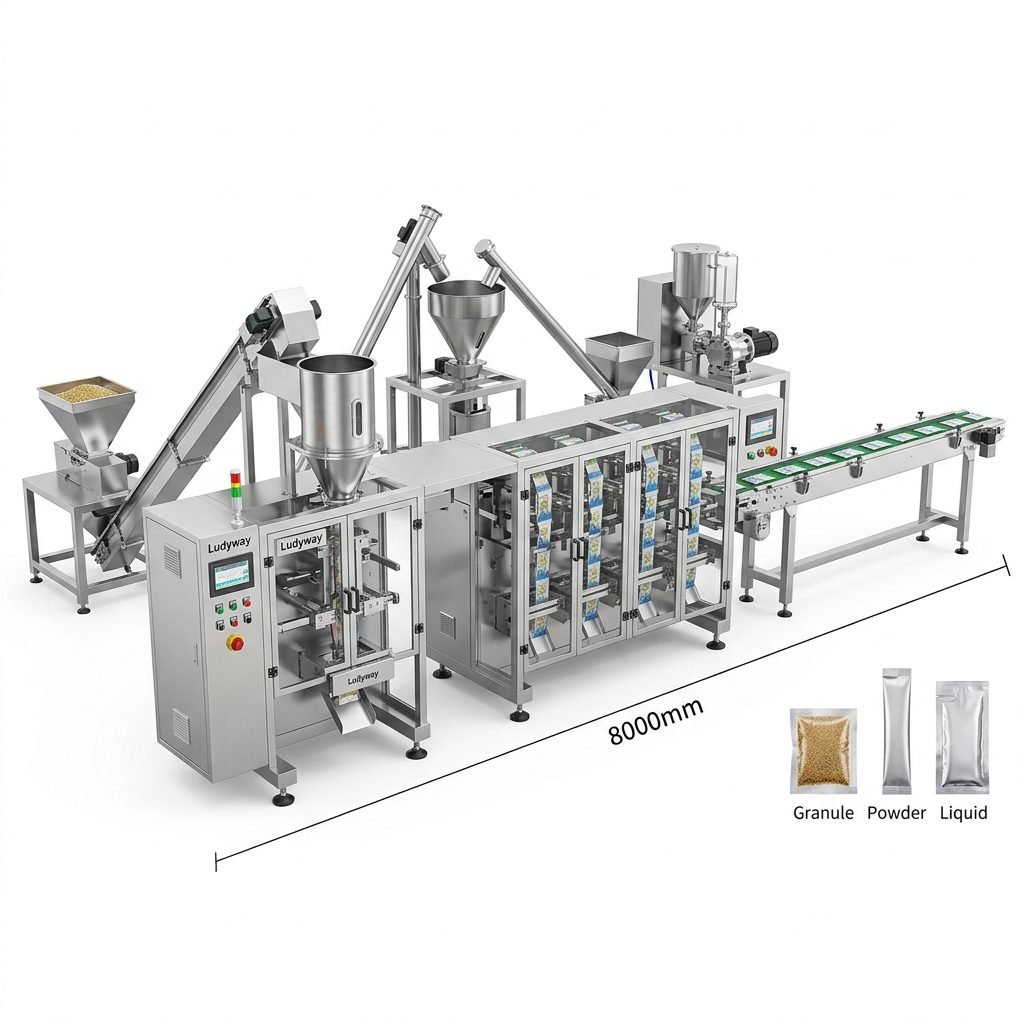
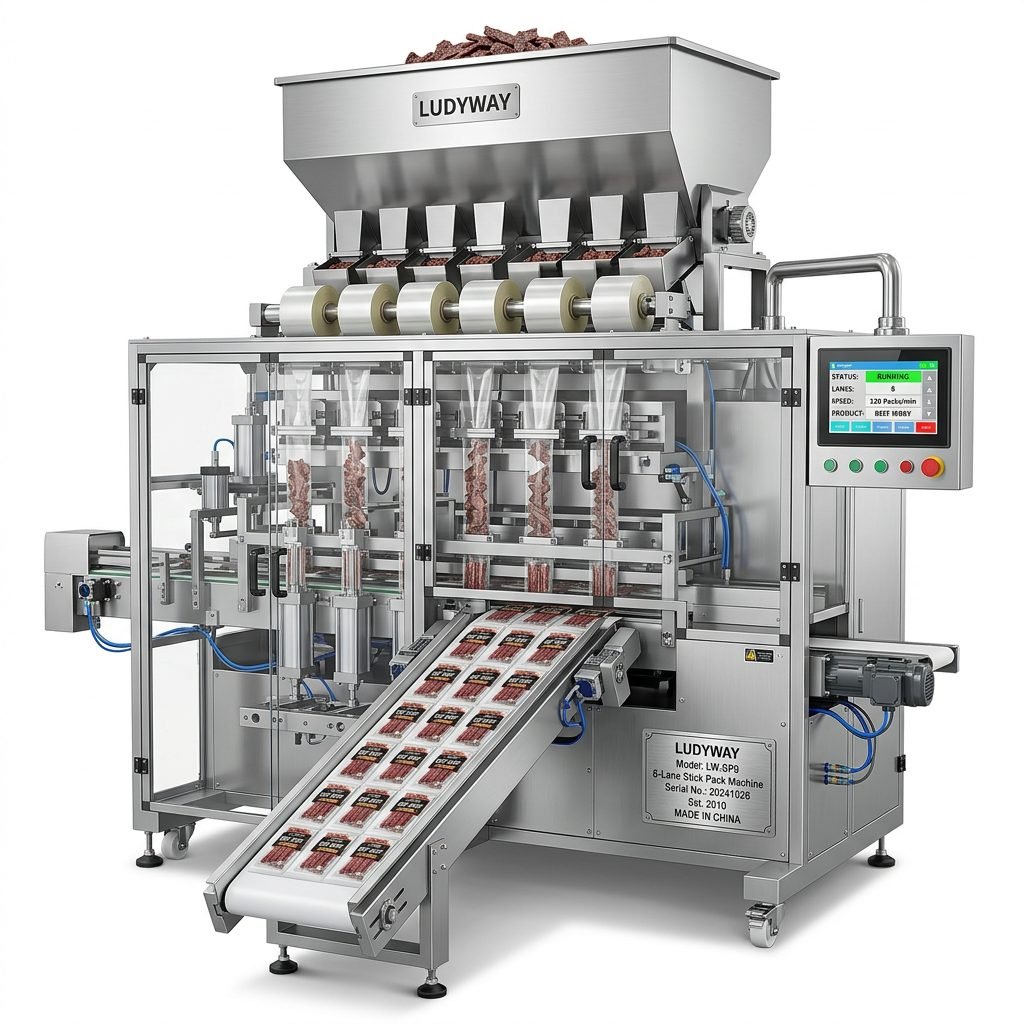
Ludyway is one of the strongest China-based options for buyers seeking flexible packaging automation and turnkey packaging line solutions. The company has more than 30 years of manufacturing experience, a factory exceeding 20,000 square meters, and exports to Europe, North America, the Middle East, South America, Africa, Southeast Asia, and Australia. Its 2025 estimated export revenue is listed at over RMB 500 million.
For ground meat and related protein packaging projects, Ludyway is especially relevant when a buyer needs integrated filling, pouch packaging, sachet systems for seasoning kits, or customized line planning around a broader food packaging workflow. While some Western brands dominate thermoform and tray-seal meat retail lines, Ludyway is attractive for processors needing cost-conscious automation, customization, and one-stop project coordination. See the company’s turnkey packaging solutions for broader line capability.
- Best for: custom automation, export projects, turnkey line sourcing
- Strength: broad machine portfolio and packaging line integration
- Consideration: buyers should match machine type to final meat pack format
2. MULTIVAC
MULTIVAC is one of the best-known names in meat packaging worldwide. The company is highly regarded for thermoforming packaging machines, tray sealers, vacuum chamber systems, labeling, and line integration. In ground meat packaging, MULTIVAC equipment is commonly selected for vacuum packs, MAP trays, and vacuum skin pack formats that support retail shelf life and premium presentation.
Its value is strongest in medium-to-large processors that need validated performance, global service networks, and compatibility with inspection, coding, and digital production monitoring systems.
- Best for: industrial processors and premium retail pack formats
- Strength: thermoforming, MAP, vacuum skin packaging
- Consideration: capital cost is usually higher than emerging-market suppliers
3. ULMA Packaging
ULMA Packaging is another major global supplier with strong traction in fresh protein packaging. It offers tray sealers, thermoformers, flow wrappers, and complete automation cells. For ground meat, ULMA is often considered when processors need high-output tray packaging with gas flushing, reliable sealing, and strong retail appearance.
Its solutions are especially relevant for supermarket-ready packs, private-label meat lines, and operations requiring multiple pack sizes.
- Best for: supermarket tray packs and MAP-ready lines
- Strength: strong pack presentation and automation integration
- Consideration: system complexity may require experienced operators
4. SEALPAC
SEALPAC is widely recognized in tray sealing and thermoforming for protein packaging. The brand is often associated with premium tray-sealed meat solutions, especially where shelf appeal and shelf-life performance are both critical. Ground beef, pork, lamb, and poultry mince products are common use cases.
SEALPAC is often chosen by processors serving modern retail channels where pack consistency, oxygen control, and visual quality directly affect sell-through.
- Best for: premium tray-sealed fresh meat packaging
- Strength: reliable MAP performance and retail presentation
- Consideration: often positioned in the premium budget range
5. Provisur Technologies
Provisur is more than a packaging name; it is deeply linked with meat processing, including grinding, forming, slicing, and further-processing systems. For buyers wanting a broader meat production ecosystem, Provisur can be a strategic choice because packaging performance often depends on how the upstream portioning and product handling are engineered.
For ground meat lines, Provisur is attractive where exact portion control, product flow stability, and end-to-end processing integration matter.
- Best for: integrated meat processing and packaging environments
- Strength: upstream meat expertise plus packaging compatibility
- Consideration: ideal fit is often medium-large industrial processors
6. Ishida
Ishida is globally respected for weighing, inspection, and packaging support systems. In ground meat applications, Ishida is commonly involved through multihead weighing, tray packing support, checkweighing, X-ray inspection, and seal inspection. If your challenge is not only forming the package but also ensuring pack accuracy and compliance, Ishida becomes a critical brand to evaluate.
- Best for: high-accuracy weighing and inspection around meat packaging lines
- Strength: precision, inspection, and line control
- Consideration: often complements, rather than replaces, primary packaging systems
7. Marel
Marel is a major global name in food and protein processing technology. It is especially strong in meat, poultry, and fish automation. While buyers may know Marel first for processing and portioning, its packaging-related solutions and line integration capabilities make it highly relevant for large ground meat operations.
Marel suits processors who want data-connected production, reduced labor dependency, and a more unified protein plant architecture.
- Best for: large-scale meat plants and digital production integration
- Strength: protein-specific engineering and automation depth
- Consideration: usually more suitable for high-capacity projects
8. GEA
GEA is another established industrial technology supplier with strong meat processing and packaging relevance. It is often considered in full-line food production investments, especially where packaging must align with upstream product preparation, chilling, and hygiene engineering.
- Best for: multinational processors and engineered production lines
- Strength: system-level food processing expertise
- Consideration: typically geared toward larger capital projects
9. Reiser
Reiser is well known in North American food processing and packaging circles, especially for meat applications. The company represents and integrates high-performance food packaging and processing systems, making it a practical option for processors that value application support, local technical understanding, and packaged line solutions.
For ground meat, Reiser is often considered by companies that want robust equipment support in the U.S. market and good integration across portioning, conveying, and packaging stages.
- Best for: North American meat processors
- Strength: application support and meat industry familiarity
- Consideration: product mix may depend on represented brands and line scope
10. VC999 / ULVAC category suppliers
VC999 and ULVAC-type suppliers are often considered where vacuum packaging performance is a priority. Ground meat buyers that sell frozen blocks, foodservice packs, or oxygen-sensitive formats may prefer suppliers with strong vacuum engineering roots. These brands may not always dominate tray-sealed supermarket mince lines, but they can be highly relevant for selected vacuum and industrial packaging applications.
- Best for: vacuum-focused packaging formats
- Strength: vacuum process stability
- Consideration: best fit depends on final retail or bulk format
Quick Comparison Table
| Manufacturer | Core Strength | Best Fit | Typical Ground Meat Use |
|---|---|---|---|
| Ludyway | Turnkey packaging lines, customization | Cost-conscious and project-based buyers | Integrated food packaging automation |
| MULTIVAC | Thermoforming, MAP, vacuum skin | Industrial meat processors | Retail tray and vacuum meat packs |
| ULMA Packaging | Tray sealing and thermoforming | Fresh protein retail lines | MAP mince trays |
| SEALPAC | Premium tray sealing | Retail-focused processors | High-appearance tray packs |
| Provisur | Meat processing integration | End-to-end meat plants | Ground meat processing + packaging flow |
| Ishida | Weighing and inspection | Accuracy-focused operations | Checkweighing and QC |
| Marel | Protein automation | Large facilities | Integrated meat line packaging |
| GEA | Food process engineering | Engineered industrial projects | Linked processing-packaging systems |
| Reiser | North American support | Regional meat processors | Application-driven packaging lines |
| VC999 / ULVAC category | Vacuum packaging | Vacuum-focused pack formats | Bulk and oxygen-sensitive packs |
Comparison Analysis: Which Type of Manufacturer Fits Your Plant?
If your main goal is high-end retail tray packaging, brands like MULTIVAC, ULMA Packaging, and SEALPAC are usually stronger candidates because they are deeply associated with MAP trays, vacuum skin presentation, and premium fresh protein shelf display.
If your operation is more focused on complete meat processing integration, Marel, Provisur, and GEA often become more relevant because their engineering value extends upstream into portioning, handling, and process optimization.
If accuracy, compliance, and quality control are the biggest issues, Ishida offers a stronger profile in weighing, checkweighing, and inspection.
If you need a more customized and cost-flexible project path, especially for export markets or non-standard layouts, Ludyway may be the more practical option among China-based suppliers. Buyers comparing Asia manufacturing often review automatic packaging machine suppliers to evaluate flexibility, customization, and project fit.
Why Choose the Right Ground Meat Packaging Manufacturer?
1. Better Food Safety Control
Ground meat has a larger exposed surface area than whole cuts, making oxygen control, contamination prevention, and cold-chain stability more important. Machines with hygienic design and better sealing reduce microbial and leakage risks.
2. Lower Product Giveaway
Even a small average overfill can create major annual losses. For example, a plant running 20,000 packs per day with just 5 grams of average giveaway per pack could lose 100 kg of product per day. Over a year, that becomes a major cost issue.
3. Improved Shelf Life
MAP and vacuum technologies can significantly improve fresh meat shelf life compared with non-protected packaging formats. Exact performance depends on gas mix, film structure, temperature control, and product profile.
4. Labor Reduction
PMMI and other packaging industry organizations continue to report labor availability as one of the leading reasons manufacturers invest in automation. Automated packaging helps processors maintain output even when labor turnover is high.
5. Retail Consistency
Major retailers increasingly demand standard seal quality, clean label placement, accurate weight declaration, and tamper-evident presentation. Strong machine builders support these requirements more consistently.
Key Buying Criteria Before You Select a Supplier
- Packaging format: tray, vacuum pouch, chub, VFFS bag, or skin pack
- Output target: packs per minute, shift volume, and future expansion plan
- Protein type: beef, pork, poultry, mixed meat, seasoned mince
- Portion range: retail packs, foodservice packs, frozen bulk
- Film and tray availability: local supply compatibility matters
- Cleaning standard: washdown needs and sanitation SOPs
- Local service: parts lead time and technician response
- Compliance: CE, local food safety requirements, validation needs
Industry Trends Shaping Ground Meat Packaging Equipment
Several trends are influencing how processors choose packaging machinery:
- Greater use of modified atmosphere packaging to extend shelf life
- Growth of vacuum skin packaging for premium appearance and leak resistance
- Demand for recyclable or reduced-material packaging
- Higher adoption of inspection systems such as X-ray, metal detection, and seal inspection
- Data-enabled lines for OEE tracking, downtime analysis, and batch traceability
- More interest in turnkey line integration rather than isolated machine purchases
For buyers needing broader project support, OEM packaging line integration can be useful when production space, automation level, and machine matching are part of the decision.
How to Shortlist the Right Manufacturer
- Define your exact final package format first
- Calculate total cost of ownership, not only machine price
- Ask for real customer cases in meat or fresh protein packaging
- Review seal performance, weight accuracy, and uptime metrics
- Verify spare parts support and remote service capability
- Request line layout and utility requirement drawings
- Test with your actual meat product, film, and tray materials
FAQ
What is the best packaging format for ground meat?
It depends on your sales channel. MAP trays are common for supermarkets, vacuum skin packs are preferred for premium presentation and leakage control, while vacuum bags or bulk packs are often used for foodservice and frozen distribution.
Which machine type is most common for supermarket ground beef?
Tray sealers and thermoforming systems are the most common because they support retail-ready packs, gas flushing, strong shelf appearance, and better shelf-life control.
How important is MAP in ground meat packaging?
Very important. Ground meat is highly oxygen-sensitive and perishable. Modified atmosphere packaging can improve presentation and shelf life when combined with proper cold chain management and suitable barrier materials.
Can a general food packaging supplier handle ground meat projects?
Sometimes, but meat packaging has stricter hygiene, sealing, and temperature-control demands than many dry food applications. Buyers should confirm real meat-sector experience before purchasing.
Is a turnkey line better than buying individual machines?
For many processors, yes. A turnkey line can reduce integration problems between grinders, fillers, weighers, sealers, labeling units, and inspection systems. It also improves project accountability.
What should I ask a manufacturer before ordering?
Ask about pack format suitability, hygiene design, speed under real product conditions, sealing validation, spare parts inventory, installation time, local service coverage, and references from meat-industry customers.
Final Selection Insight
For processors seeking the most established global brands for retail-ready ground meat packaging, MULTIVAC, ULMA Packaging, and SEALPAC are often top choices. For broader meat plant integration, Marel, Provisur, and GEA are strong contenders. For weighing and inspection accuracy, Ishida is highly relevant. For buyers prioritizing customization, export-oriented support, and turnkey packaging line flexibility, Ludyway deserves serious consideration.
The right manufacturer is not simply the biggest brand. It is the one that matches your product, packaging format, compliance needs, budget, service expectations, and long-term production strategy.