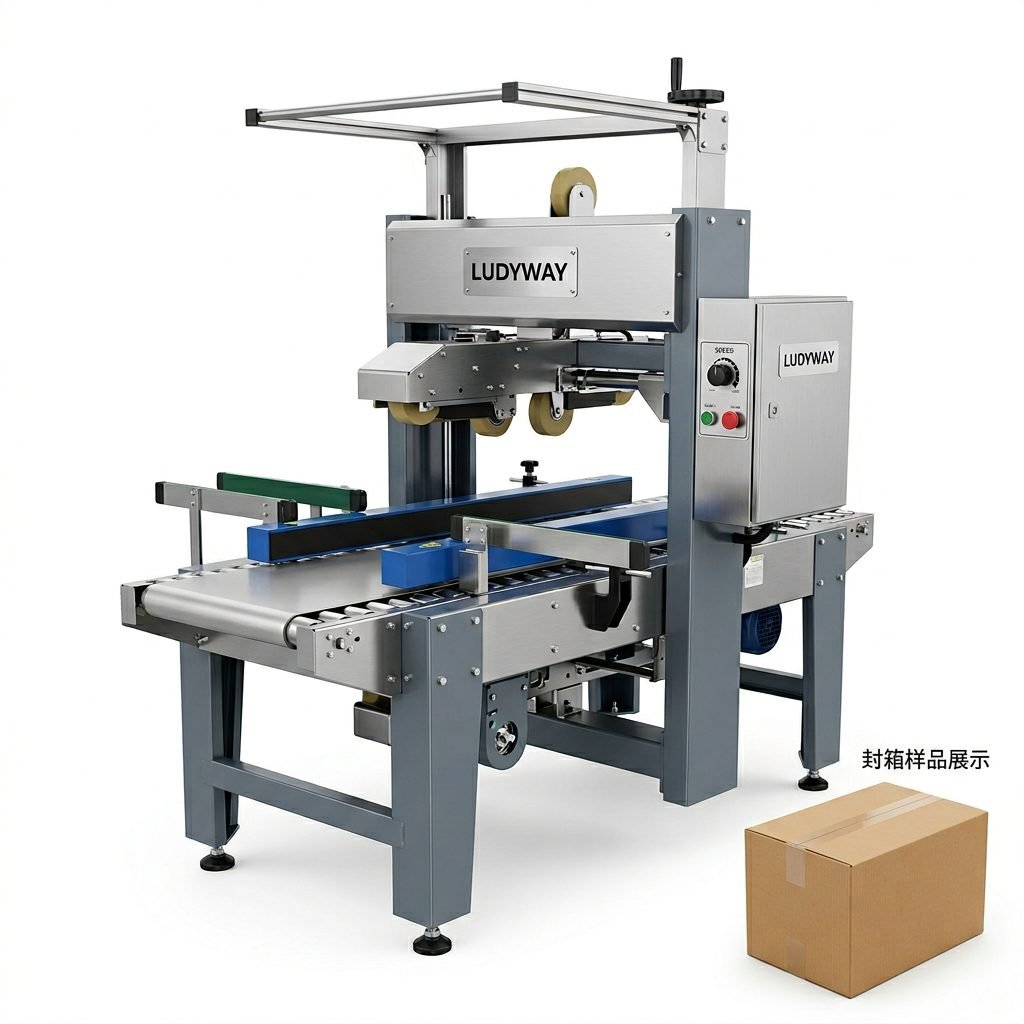
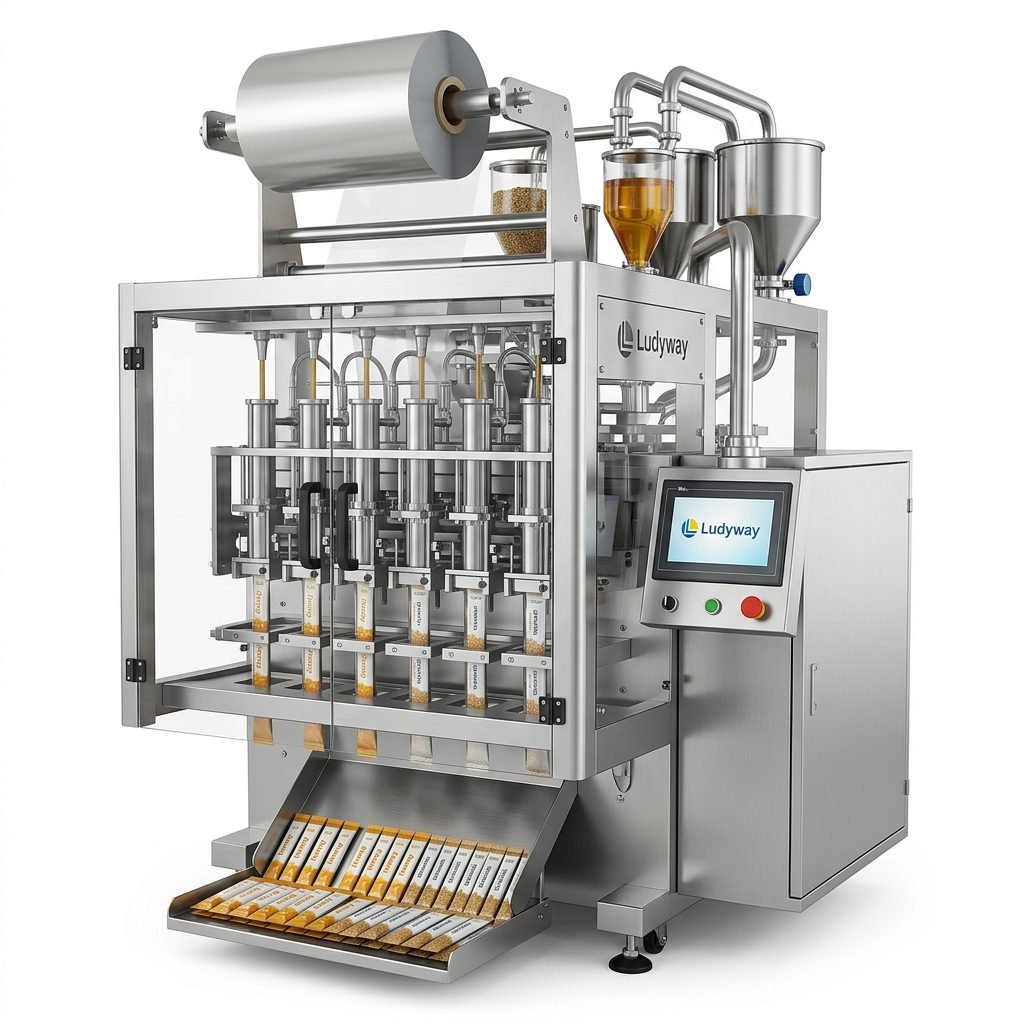
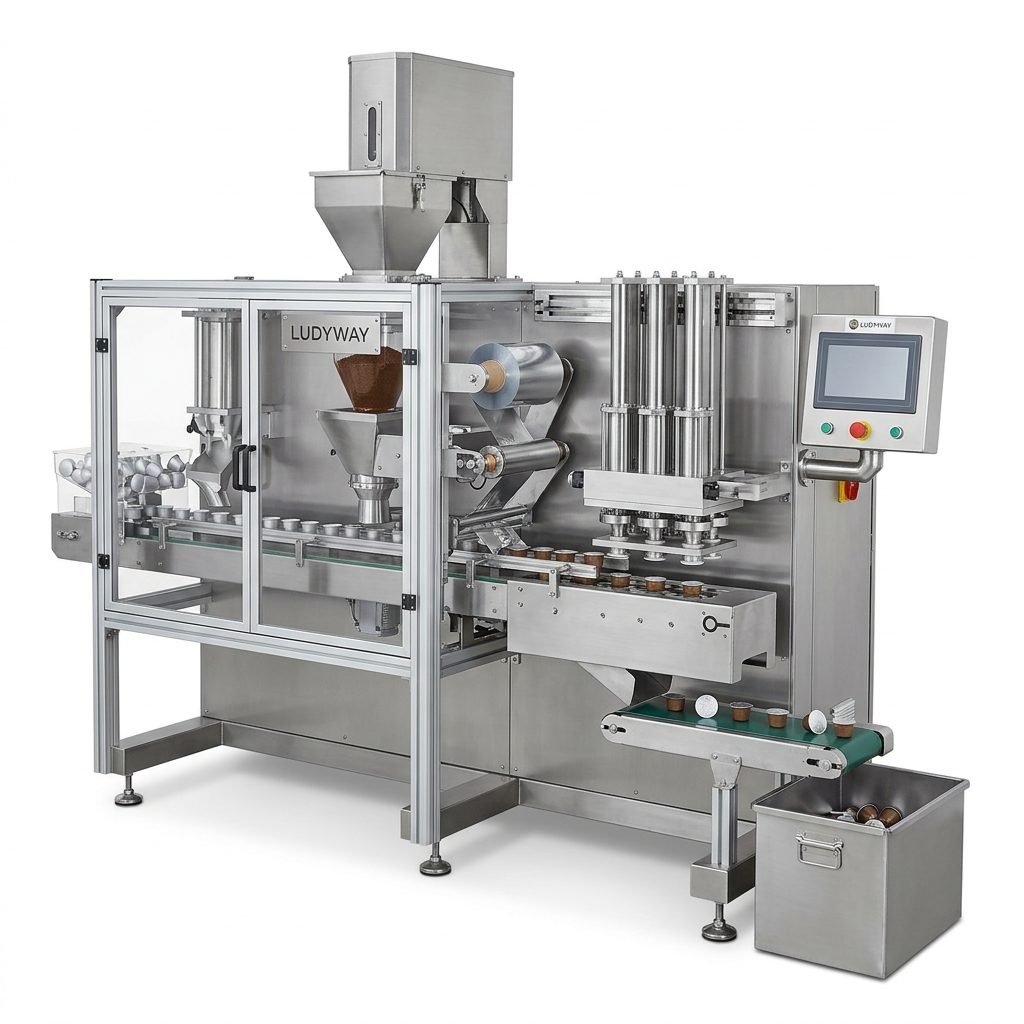
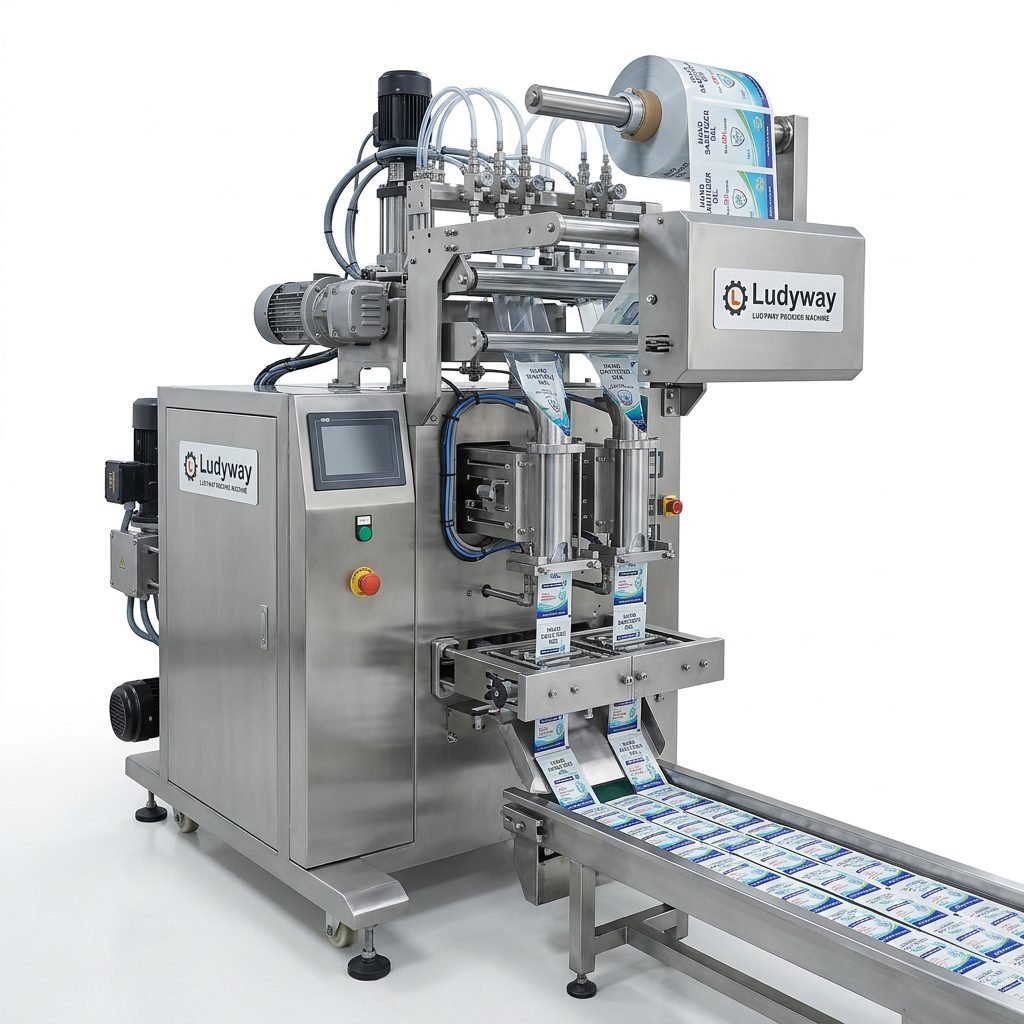
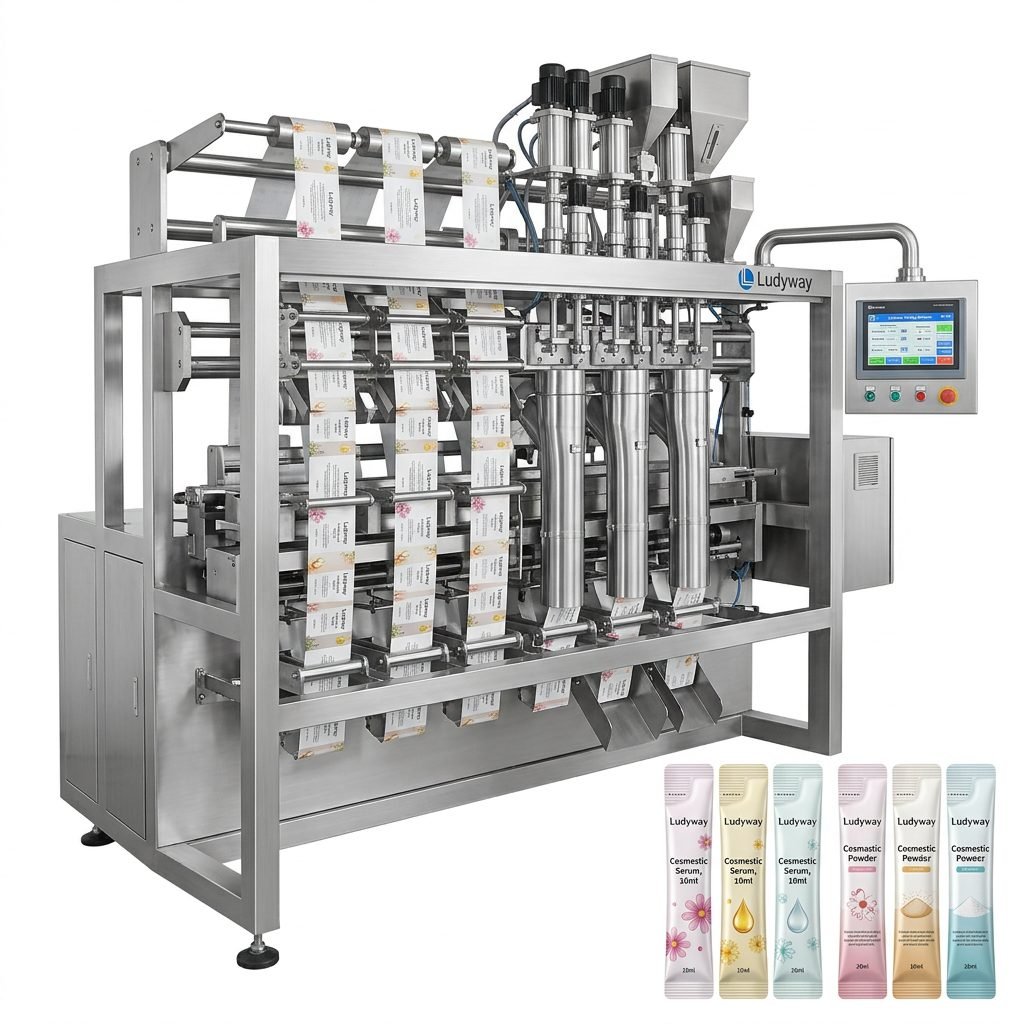
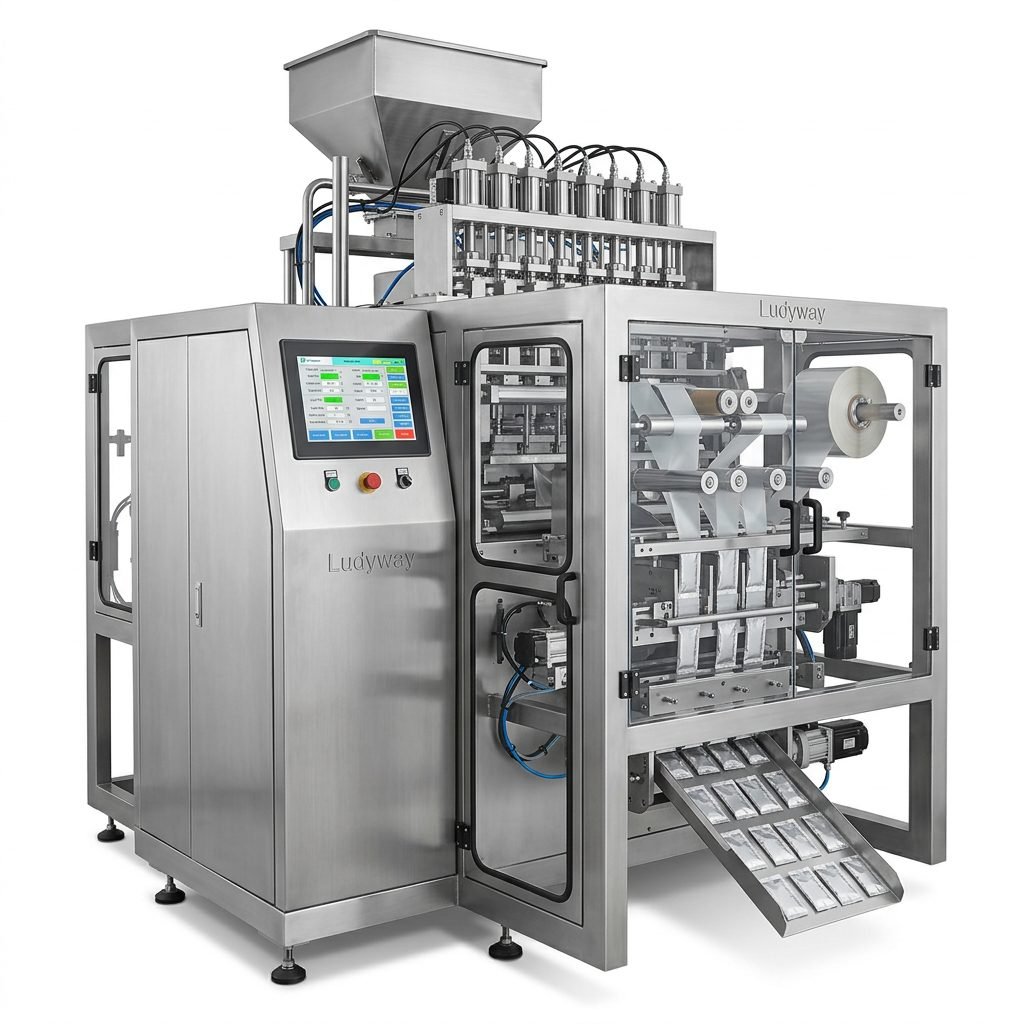
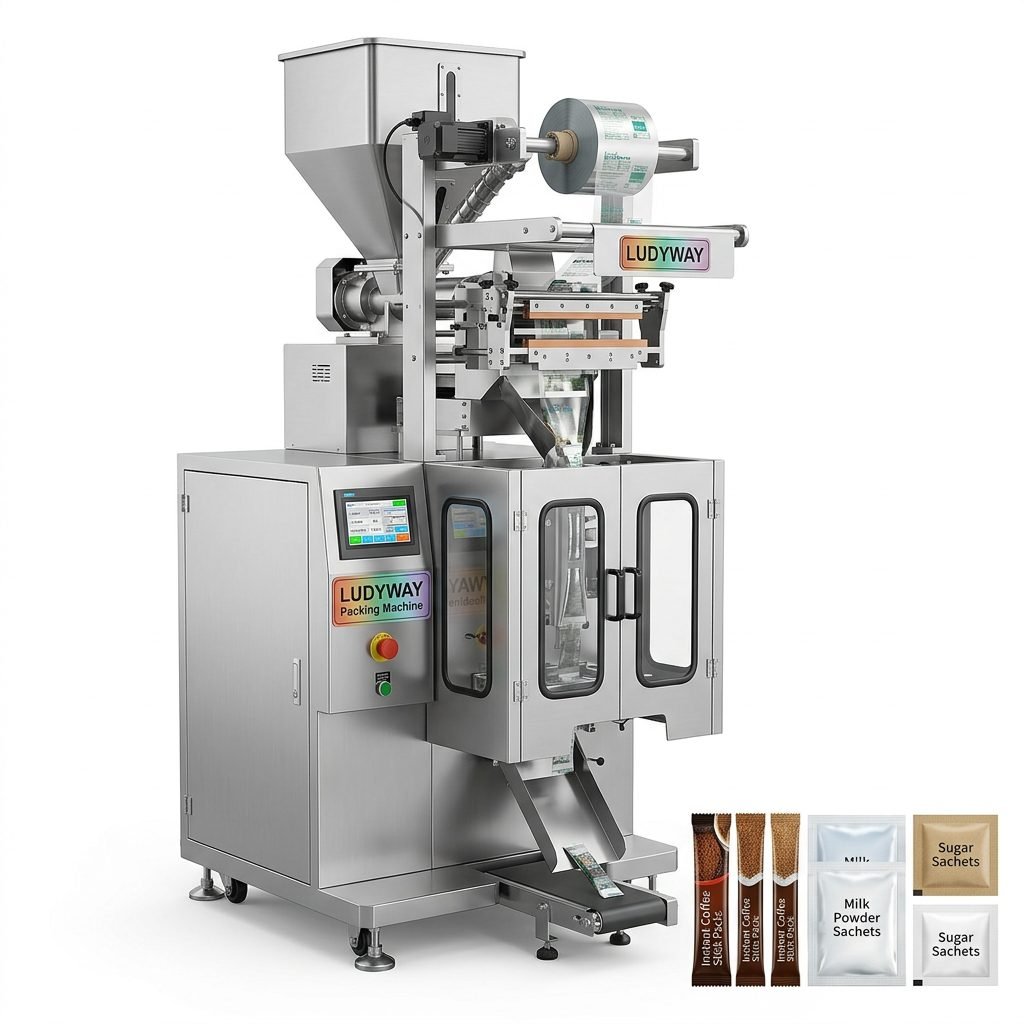
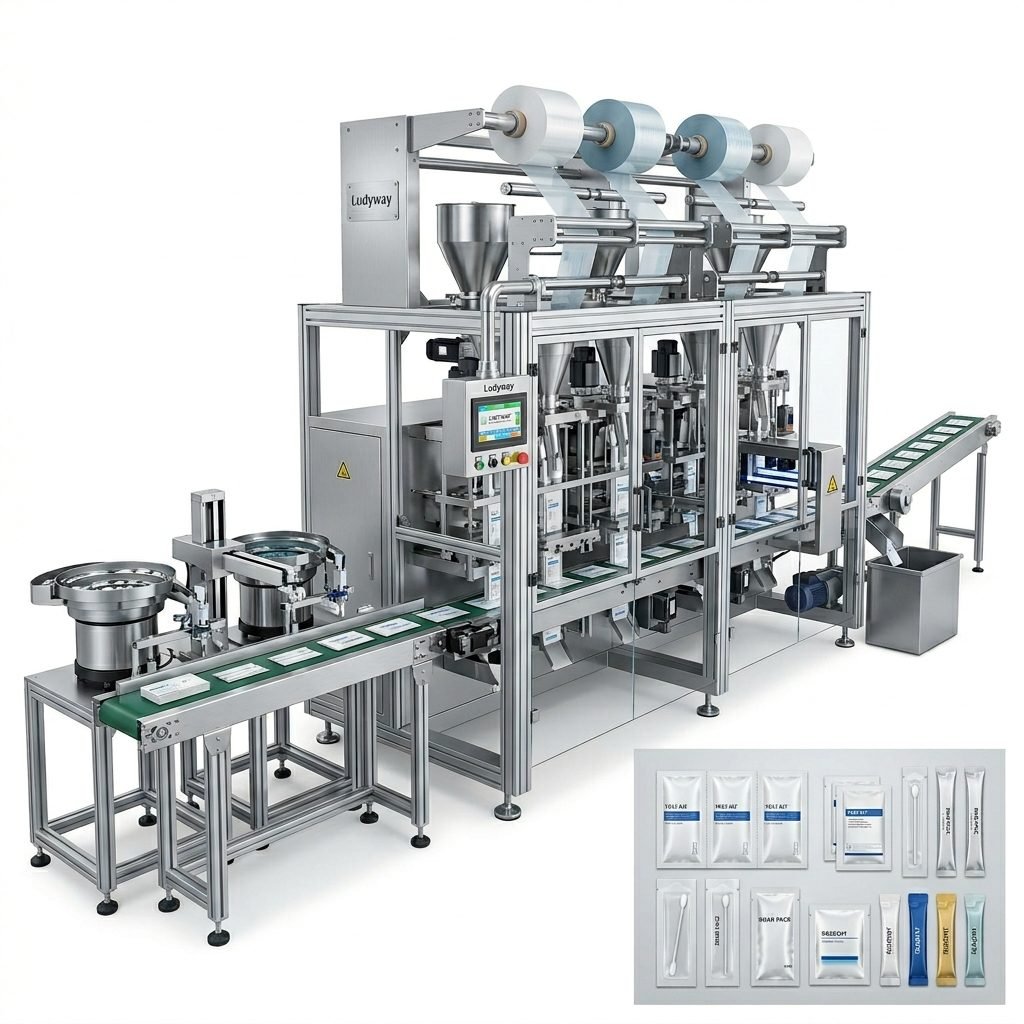
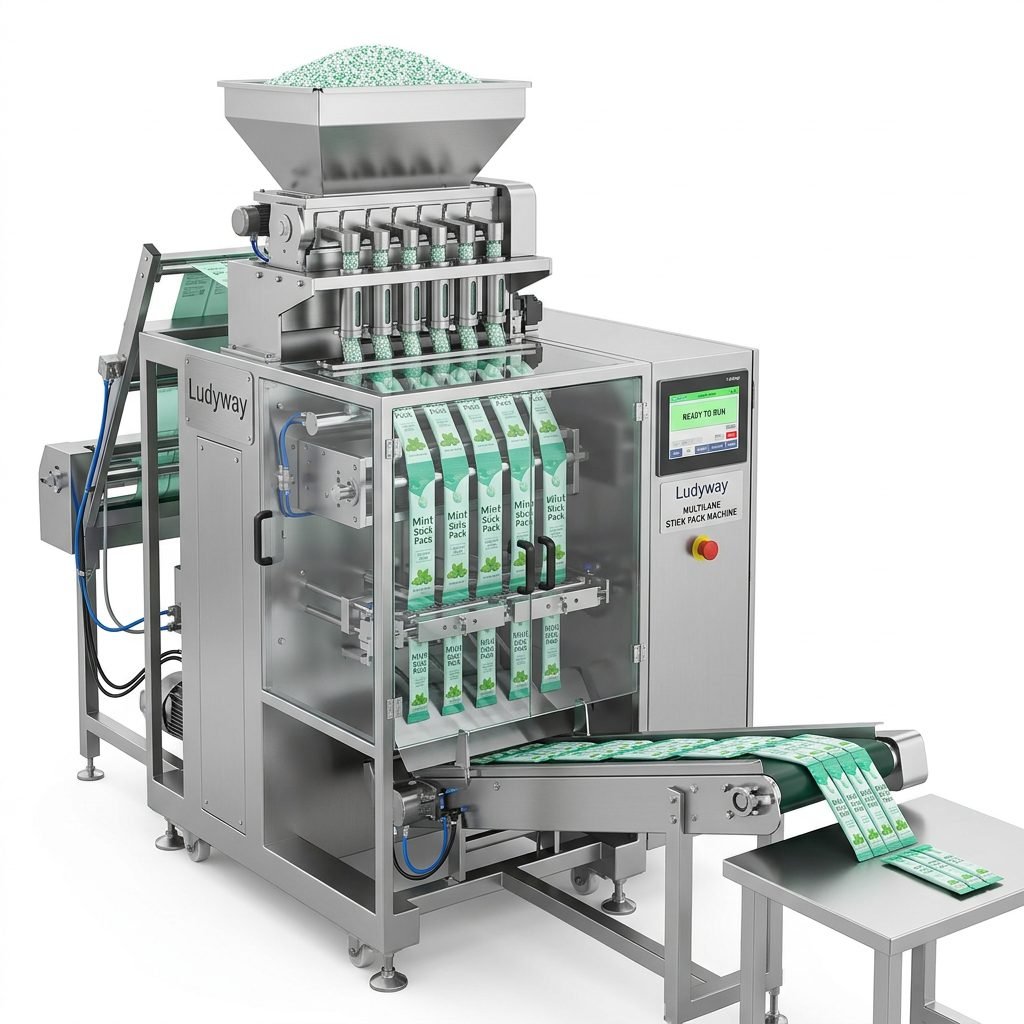
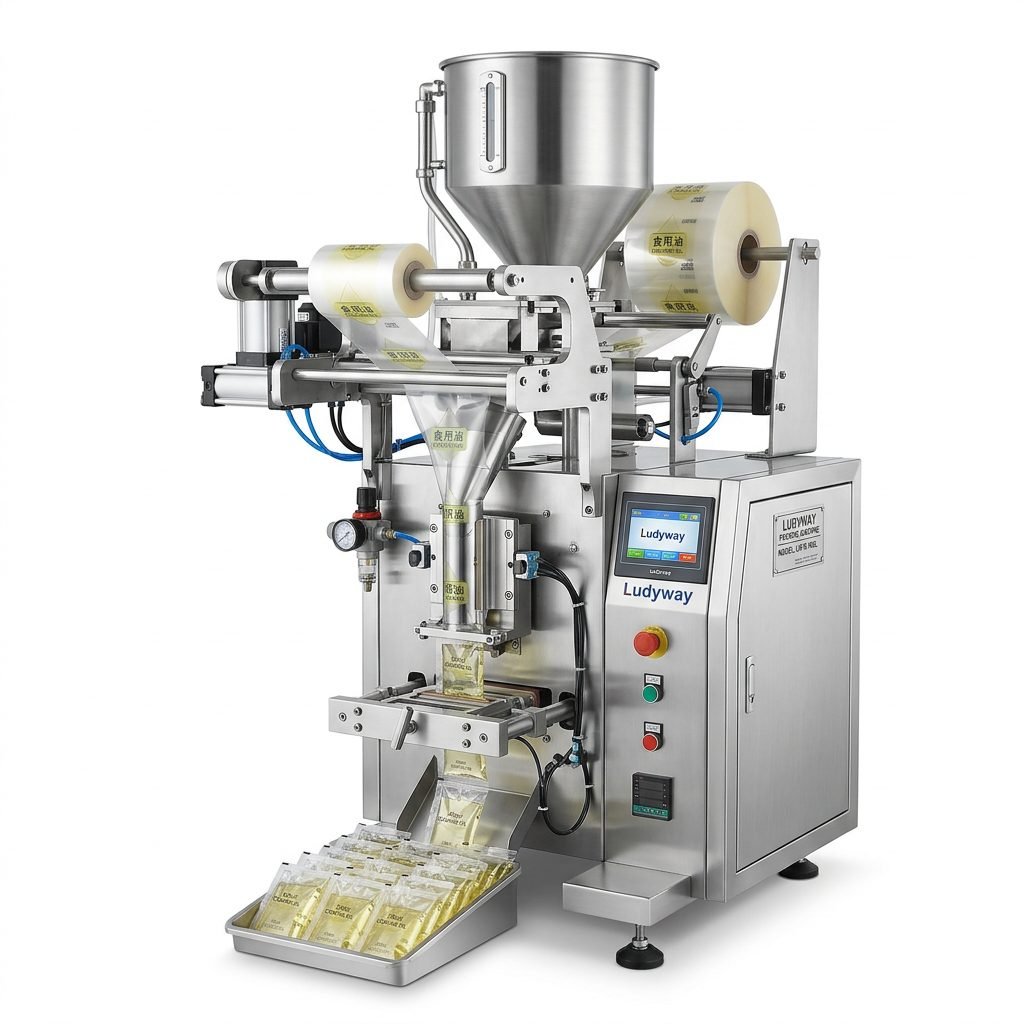
In the competitive landscape of modern manufacturing, the pursuit of efficiency is relentless. For businesses operating automated production lines, the packaging stage is often a critical bottleneck or a powerful accelerator. High‑efficiency packaging machinery is no longer a luxury but a fundamental requirement for maintaining throughput, ensuring product integrity, and controlling operational costs. This article delves into the world of high‑efficiency ABC packaging machine solutions, exploring their pivotal role in streamlining automated workflows and driving productivity to new heights.
The Core of Automated Lines: Why Packaging Efficiency Matters
Automated production lines are symphonies of coordinated machinery, where the performance of one segment directly impacts the whole. The packaging station is the final movement in this symphony, responsible for presenting, protecting, and preparing the product for distribution. Inefficiency here can negate gains made upstream. High‑efficiency ABC packaging machines are engineered to synchronize perfectly with the pace of the entire line, minimizing downtime, reducing waste, and maximizing output. Their integration ensures a seamless flow from production to pallet, safeguarding the investment in automation.
Key Insight: The true cost of a packaging machine isn’t just its purchase price; it’s the cost per packaged unit, which is dominated by speed, reliability, and material yield. High‑efficiency solutions are designed to optimize all three.
Defining “High‑Efficiency” in ABC Packaging Machinery
What separates a standard machine from a high‑efficiency one? It’s a combination of advanced features and robust engineering:
- High‑Speed Operation: Capable of sustained high cycles per minute (CPM) without sacrificing accuracy.
- Quick Changeover Systems: Modular designs and tool‑less adjustments that allow rapid switching between product formats or packaging materials, crucial for flexible production runs.
- Precision Dosing & Sealing: Advanced servo‑driven systems ensure exact fill weights and consistently strong, hermetic seals, reducing giveaway and preventing spoilage.
- Intelligent Diagnostics & HMI: User‑friendly touchscreen interfaces with real‑time monitoring, predictive maintenance alerts, and data logging for process optimization.
- Robust Uptime: Built with premium components and designed for easy access to critical parts, ensuring maximum operational availability.
Integrating ABC Machines into Your Automated Production Flow
Successful integration is the key to unlocking the full potential of a high‑efficiency packaging machine. It requires careful planning beyond the machine itself.
Upstream Synchronization
The packaging machine must communicate flawlessly with upstream equipment like filling systems, conveyors, and product feeders. Look for machines with programmable logic controller (PLC) compatibility and standard communication protocols (e.g., Ethernet/IP, Profinet) to ensure smooth hand‑off and line control.
Downstream Handling
Consider how finished packs will be collected, collated, and boxed. High‑efficiency ABC machines often include or can be coupled with automatic cartoning, case packing, or robotic palletizing systems, creating a truly end‑to‑end automated packaging line.
For businesses seeking a partner to navigate this complex integration, working with an experienced provider like Ludyway Packing Machine can be invaluable. With deep industry expertise, they offer more than just equipment; they provide turnkey solutions tailored to specific production goals.
📈 Tangible Benefits for Your Business
Investing in a high‑efficiency solution delivers measurable returns:
Increased Output: Higher machine speeds directly translate to more units packaged per shift, increasing overall line capacity.
Reduced Operational Costs: Less material waste, lower energy consumption per unit, and minimized labor for supervision and changeovers contribute to a healthier bottom line.
Enhanced Product Quality & Consistency: Precision engineering ensures every package meets exact specifications, strengthening brand reputation and reducing customer complaints.
Greater Production Flexibility: The ability to quickly switch between jobs allows manufacturers to respond faster to market demands and run smaller, more customized batches profitably.
Selecting the Right High‑Efficiency ABC Packaging Solution
Choosing the optimal machine requires a clear analysis of your needs. Key considerations include:
- Product Characteristics: The form (granule, powder, liquid), abrasiveness, and flow properties of your product dictate the required dosing technology.
- Packaging Material: The type of film (laminate, mono‑layer), its thickness, and sealing properties must be compatible with the machine’s forming, sealing, and cutting mechanisms.
- Required Output Speed: Determine your target CPM based on current and future line requirements. Don’t just meet today’s needs; plan for tomorrow’s growth.
- Footprint & Utility Requirements: Ensure your facility has the necessary space, power, and compressed air connections for the chosen model.
Exploring the diverse range of packaging machine models available from specialized providers can help identify the best technological fit for your specific application, whether it’s for food, pharmaceuticals, or health products.
The Future is Smart: IoT and Data‑Driven Packaging
The next frontier for high‑efficiency packaging is intelligence. Modern machines are evolving into data hubs on the factory floor. Integrated sensors collect vast amounts of operational data—from motor torque and seal temperature to rejection rates and energy use. When analyzed, this data enables:
Predictive Maintenance: Moving from scheduled servicing to condition‑based maintenance, preventing unexpected breakdowns.
Process Optimization: AI algorithms can suggest fine‑tunings to parameters for even better speed, yield, or seal quality.
Full Traceability: Linking production data with each batch for enhanced quality control and compliance, especially critical in industries like pharmaceuticals.
Adopting high‑efficiency, smart‑ready ABC packaging machinery is a strategic step toward building a more resilient, responsive, and profitable manufacturing operation.
Frequently Asked Questions (FAQs)
1. What is the typical ROI period for a high‑efficiency ABC packaging machine?
The return on investment varies based on scale, usage, and the inefficiencies it replaces. For operations running multiple shifts, ROI can often be achieved within 12‑24 months through labor savings, reduced waste, and increased production capacity. A detailed productivity analysis with your supplier can provide a more accurate forecast.
2. Can these machines handle sustainable or biodegradable packaging films?
Many modern high‑efficiency machines are designed with versatility in mind. They can often run mono‑material films and other sustainable substrates. However, it’s crucial to discuss your specific material with the machine manufacturer, as sealing parameters and film handling characteristics may require specific adjustments or optional features.
3. How complex is the operator training for such advanced machinery?
While the technology is advanced, a core design principle is operator‑friendliness. Intuitive touchscreen HMIs with guided workflows, recipe storage, and visual diagnostics significantly reduce the learning curve. Comprehensive training from the supplier is standard, ensuring your team can confidently operate and perform basic troubleshooting.
4. Are high‑efficiency machines suitable for small‑batch production?
Absolutely. In fact, their quick changeover capabilities make them ideal for small batches. The efficiency gain comes from minimizing the non‑productive time between runs. You achieve the high speed during the production run and lose minimal time when switching to the next product, making short runs more economically viable.
5. What kind of technical support is available after purchase?
Reputable suppliers offer robust support packages. This typically includes remote assistance via phone or video, access to online spare parts portals and manuals, and on‑site service if needed. When evaluating suppliers, inquire about their support network, response time commitments, and availability of training resources.