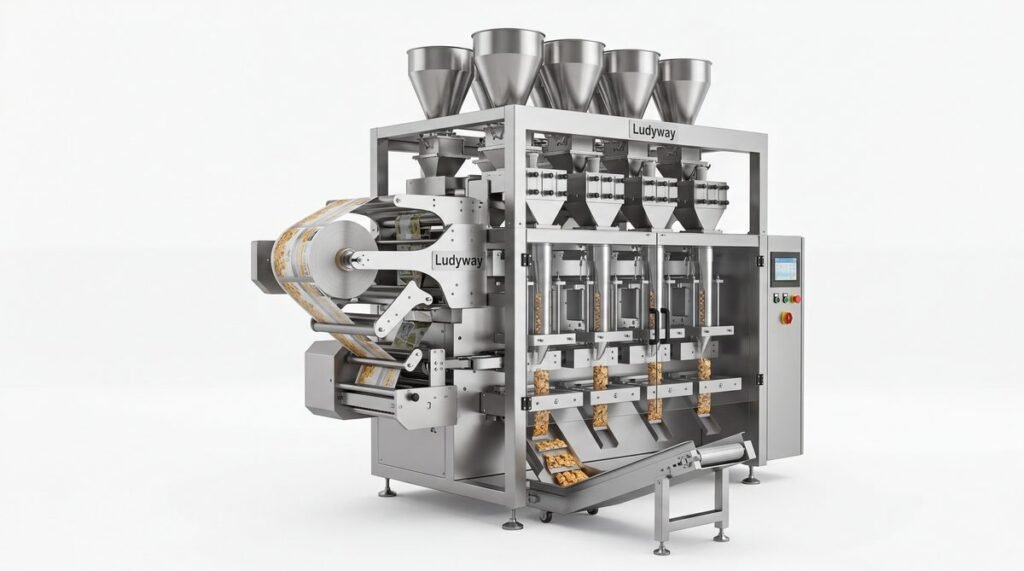
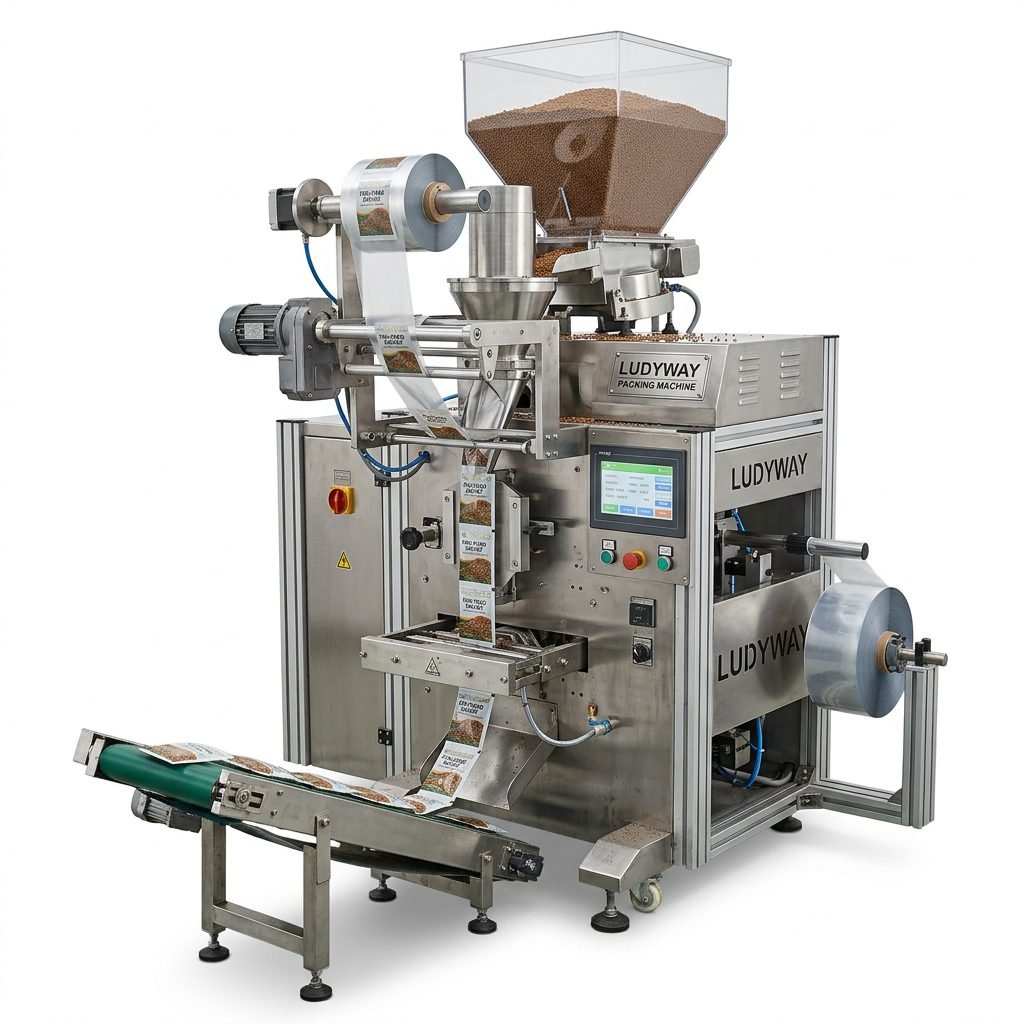
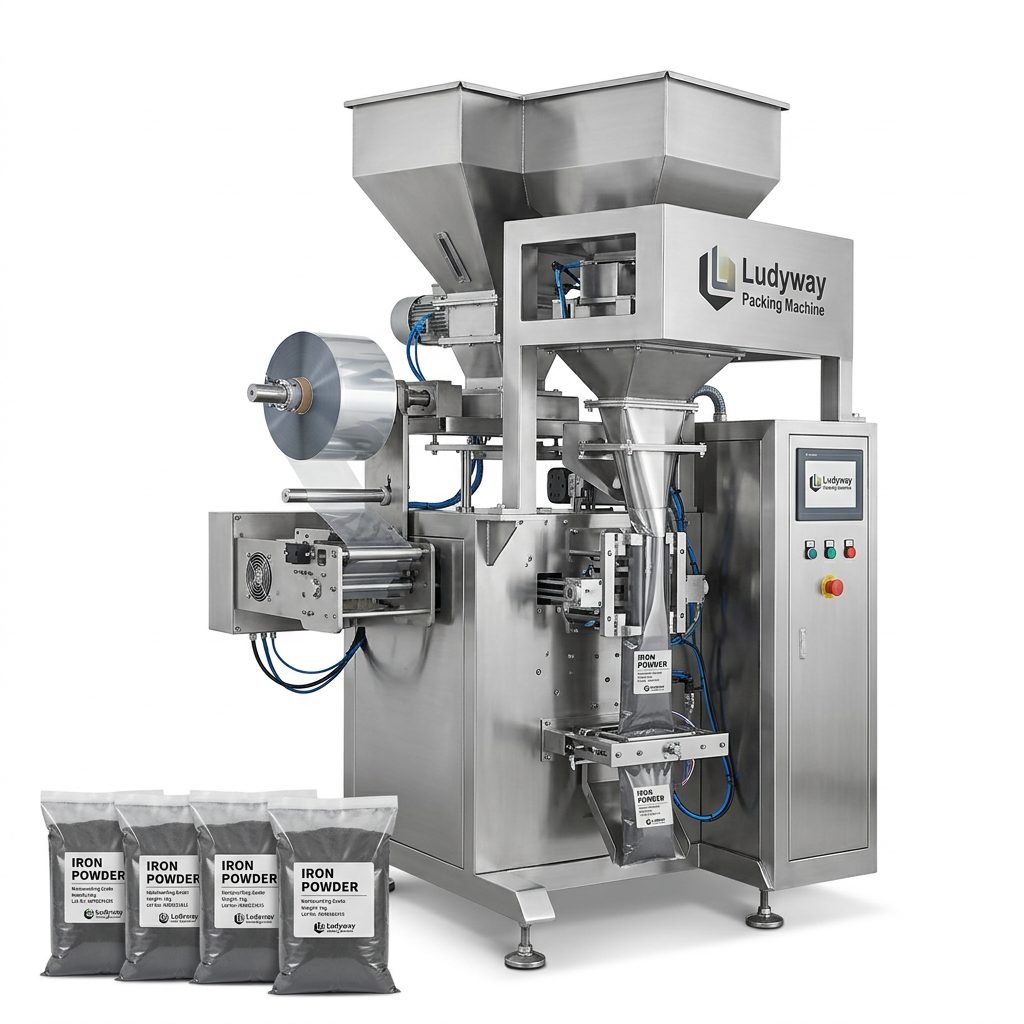
The global demand for honey continues to rise, driven by its natural sweetness and perceived health benefits. For producers, from small-scale artisanal beekeepers to large commercial operations, presenting this golden nectar in an appealing, hygienic, and market-ready form is crucial. This is where the honey bottle packaging machine becomes an indispensable partner in your production line. Choosing the right system is not just about filling bottles; it’s about ensuring product integrity, optimizing efficiency, and creating a package that resonates with consumers on the shelf.
Core Types of Honey Bottle Packaging Systems
Understanding the different machine configurations is the first step in selecting the ideal solution for your output and bottle styles.
1. Semi-Automatic Filling Machines
Perfect for startups, small batches, or seasonal producers, semi-automatic machines require an operator to place and remove bottles. They typically handle one bottle at a time and are controlled via a foot pedal or start button.
Key Features: Lower initial investment, easy to operate and clean, highly flexible for changing bottle shapes and sizes. Ideal for thick, crystallized honey as filling speed can be manually controlled.
2. Automatic Monobloc Systems
For medium to high-volume production, automatic monobloc systems integrate multiple functions—like bottle unscrambling, filling, capping, and labeling—into a single, synchronized unit.
Key Features: High speed and consistency, reduced labor costs, minimal floor space requirement, and excellent hygiene control due to enclosed design. These systems are the workhorses for standard glass or plastic honey jars.
3. Rotary Piston Filling Machines
Renowned for their accuracy with viscous products, rotary piston fillers use a cylindrical piston and chamber to draw and dispense a precise volume of honey into each container.
Best For: Premium, high-value honey where exact fill volume is critical. They handle a wide viscosity range exceptionally well, from runny acacia honey to thick manuka varieties.
4. Gravity & Vacuum Fillers
These are simpler, often used for free-flowing liquids. Gravity fillers rely on the product’s weight, while vacuum fillers use a vacuum to pull product into the bottle. They can be less suitable for very thick honey unless specifically modified.
Essential Features to Evaluate
Beyond the basic type, several features directly impact performance, product quality, and your bottom line.
Material Contact Parts
Honey is acidic and can corrode certain metals. Ensure all product-contact parts (filling nozzles, tanks, valves) are made from food-grade stainless steel (SS304 or SS316). This guarantees hygiene, durability, and prevents contamination.
Filling Accuracy & Speed
Accuracy prevents costly “giveaway” and ensures regulatory compliance. Look for machines with adjustable volume control and ±0.5% to ±1% accuracy. Speed (bottles per minute) must match your production targets. A reliable supplier like Ludyway can help you balance speed with precision for your needs.
Viscosity Handling & Anti-Drip
The machine must be engineered for viscous fluids. Features like slow-fill/fast-fill modes, piston fill technology, and heated hoppers (to keep honey fluid) are vital. Anti-drip nozzles are non-negotiable to keep bottles and the machine clean.
Changeover Flexibility
If you use multiple bottle sizes (e.g., small gift jars and large kitchen jars), quick changeover is essential. Look for machines with tool-less adjustments or quick-change parts to minimize downtime between production runs.
Automation & Integration Level
Consider future growth. Can the machine integrate with upstream (bottle unscramblers) and downstream (cappers, labelers, case packers) equipment? Choosing a modular system from a full-line provider offers a clear upgrade path.
How to Choose the Best System for Your Operation
Selecting the right machine is a strategic decision. Follow this step-by-step guide.
Step 1: Analyze Your Product & Container
Define your honey’s viscosity (now and in future product lines) and your container’s material, shape, mouth opening, and size range. Provide samples to potential machine suppliers for testing.
Step 2: Assess Your Production Volume
Calculate your current and projected 3-5 year output in bottles per shift/day. Be realistic. Overbuying leads to wasted capital; underbuying creates bottlenecks. A semi-automatic filler may suffice for under 1,000 bottles/day, while volumes above 5,000 bottles/day typically require a fully automatic monobloc.
Step 3: Define Your Budget & ROI
Budget includes the machine, installation, training, and spare parts. A higher upfront cost for a robust, automated machine often delivers a faster Return on Investment (ROI) through labor savings, reduced waste, and higher throughput.
Step 4: Prioritize Hygiene & Ease of Cleaning
Honey is sticky and a magnet for bacteria if residue remains. Choose a machine with a CIP (Clean-in-Place) system or one that disassembles easily without tools. Smooth surfaces without crevices are a must.
Step 5: Evaluate Supplier Support & Service
The machine is only as good as the company behind it. Choose a supplier with proven industry experience, like those with decades in food packaging. Ensure they offer comprehensive after-sales support, including installation, training, readily available spare parts, and responsive technical service. A partner invested in your long-term success is invaluable. Exploring a supplier’s history and commitment can provide strong indicators of reliability.
Conclusion
Investing in a honey bottle packaging machine is an investment in the consistency, quality, and scalability of your brand. By thoroughly understanding the different machine types, scrutinizing key features like viscosity handling and hygiene design, and methodically evaluating your own production needs against budget and growth plans, you can make a confident choice. Partnering with an experienced packaging machinery provider ensures you get not just a machine, but a tailored solution that enhances your efficiency and protects your product’s premium appeal from the filling nozzle to the consumer’s table.
Frequently Asked Questions (FAQs)
1. What type of filling machine is best for very thick, crystallized honey?
Rotary piston fillers are generally the best choice for highly viscous or crystallized honey. They provide positive displacement pumping action that handles thick products consistently. Some models can also be equipped with heated filling heads or product hoppers to gently warm the honey, making it easier to pump and fill without damaging its natural properties.
2. Can one machine handle different bottle sizes and shapes?
Yes, most modern machines are designed for changeover. The key is to look for “quick-change” features. Machines with tool-less adjustments for filling head height, guide rails, and bottle platforms allow you to switch between different containers in minutes, maximizing flexibility and minimizing downtime.
3. How important is the “anti-drip” nozzle feature?
Extremely important. For a sticky product like honey, an anti-drip (or “no-drip”) nozzle is essential. It uses a mechanical or vacuum cut-off at the end of the fill cycle to prevent honey from stringing and dripping onto the bottle’s neck or threads. This maintains a clean package, reduces waste, and prevents messy buildup on the machine.
4. What maintenance does a honey packaging machine require?
Daily cleaning is the most critical task. Follow the manufacturer’s CIP procedures or disassemble contact parts for thorough washing. Regular lubrication of moving parts (with food-grade lubricant), inspection of seals and gaskets for wear, and checking for loose bolts are standard weekly/monthly routines. A good supplier will provide a detailed maintenance schedule.
5. Should I buy a semi-automatic or fully automatic machine?
This decision hinges on your production volume and labor costs. Semi-automatic machines are ideal for lower volumes (<2,000-3,000 bottles/day), offering lower cost and great flexibility. Fully automatic systems are necessary for higher outputs, providing significant labor savings, higher speeds, and consistent quality. Analyze your cost per bottle, including labor, to determine the break-even point.