The global packaging sector is entering a decisive transition period, and 2026 is increasingly viewed as the year when the balance between soft packaging and hard packaging could be fundamentally reshaped. Rising material costs, sustainability regulation, supply chain pressure, automation investment, and brand demand for faster product launches are all pushing manufacturers to reconsider packaging formats at both strategic and operational levels.
Industry analysts note that this is not simply a competition between pouches and bottles, or between films and rigid containers. Instead, it reflects a broader shift in how consumer goods, pharmaceuticals, health supplements, pet nutrition, and chemical products are being designed, filled, protected, transported, and sold. In many categories, packaging decisions are now being made with equal attention to material efficiency, shelf appeal, logistics performance, and machine compatibility.
Why 2026 Could Become a Structural Turning Point
Several market forces are converging at the same time. Flexible formats such as sachets, stick packs, pouches, and film-based multipacks continue to gain momentum because they reduce material consumption and improve transport efficiency. At the same time, rigid formats still hold strong positions in categories requiring high barrier protection, premium presentation, resealability, dosage control, or heavy-duty stacking performance.
What makes 2026 especially important is the speed at which companies are upgrading their filling and sealing operations. New automation projects are increasingly built for format flexibility, allowing producers to switch between soft and hard packaging based on product mix, regional demand, and channel strategy.
- Brand owners are seeking lighter, more cost-efficient packaging.
- Retailers are demanding better cube utilization and lower shipping waste.
- Consumers are responding to convenience-driven single-serve and portable formats.
- Regulators are encouraging recyclable, mono-material, and lower-emission packaging solutions.
- Manufacturers are investing in faster, modular packaging machinery to reduce conversion risk.
Soft Packaging Gains Ground Across High-Growth Segments
Soft packaging is expected to expand further in food, nutraceutical, personal care, household chemicals, and selected pharmaceutical applications. This momentum is particularly visible in products requiring portion control, travel convenience, e-commerce adaptability, and high-speed automated packing.
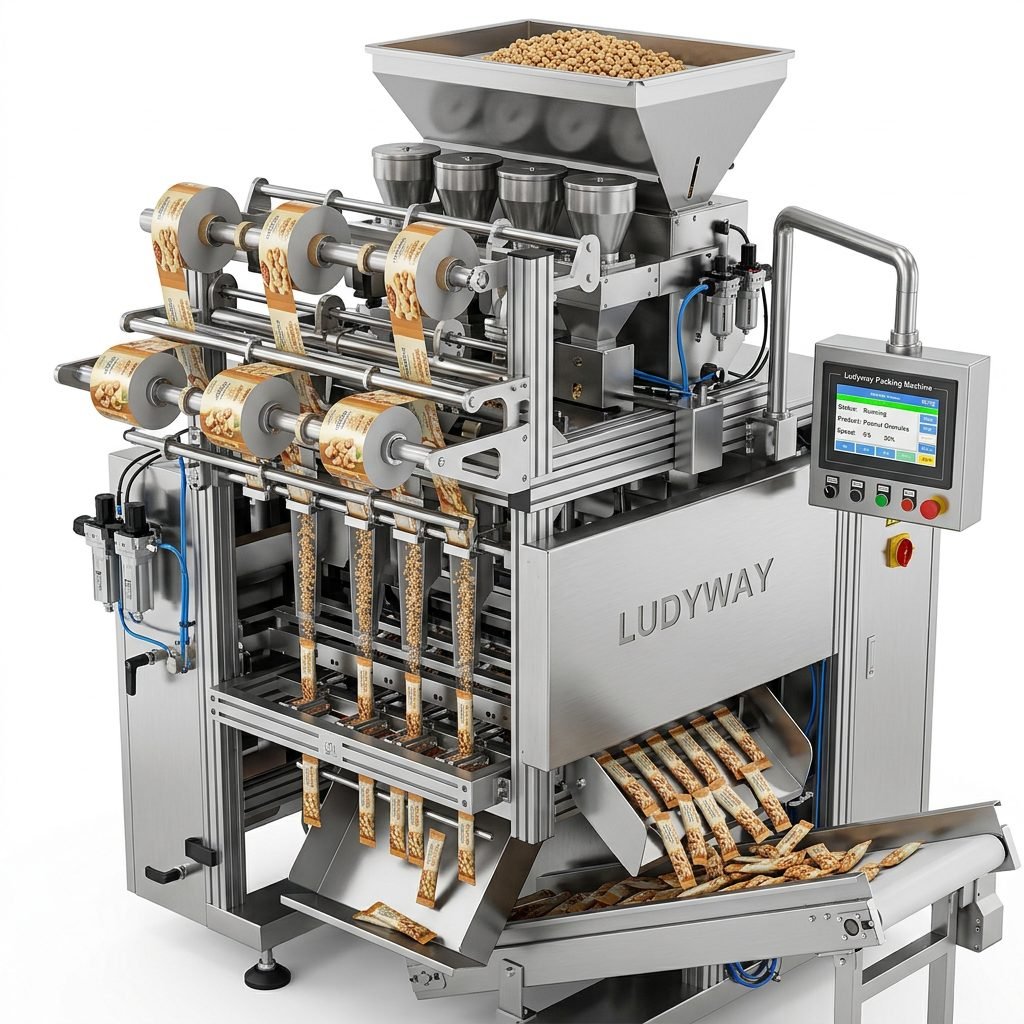
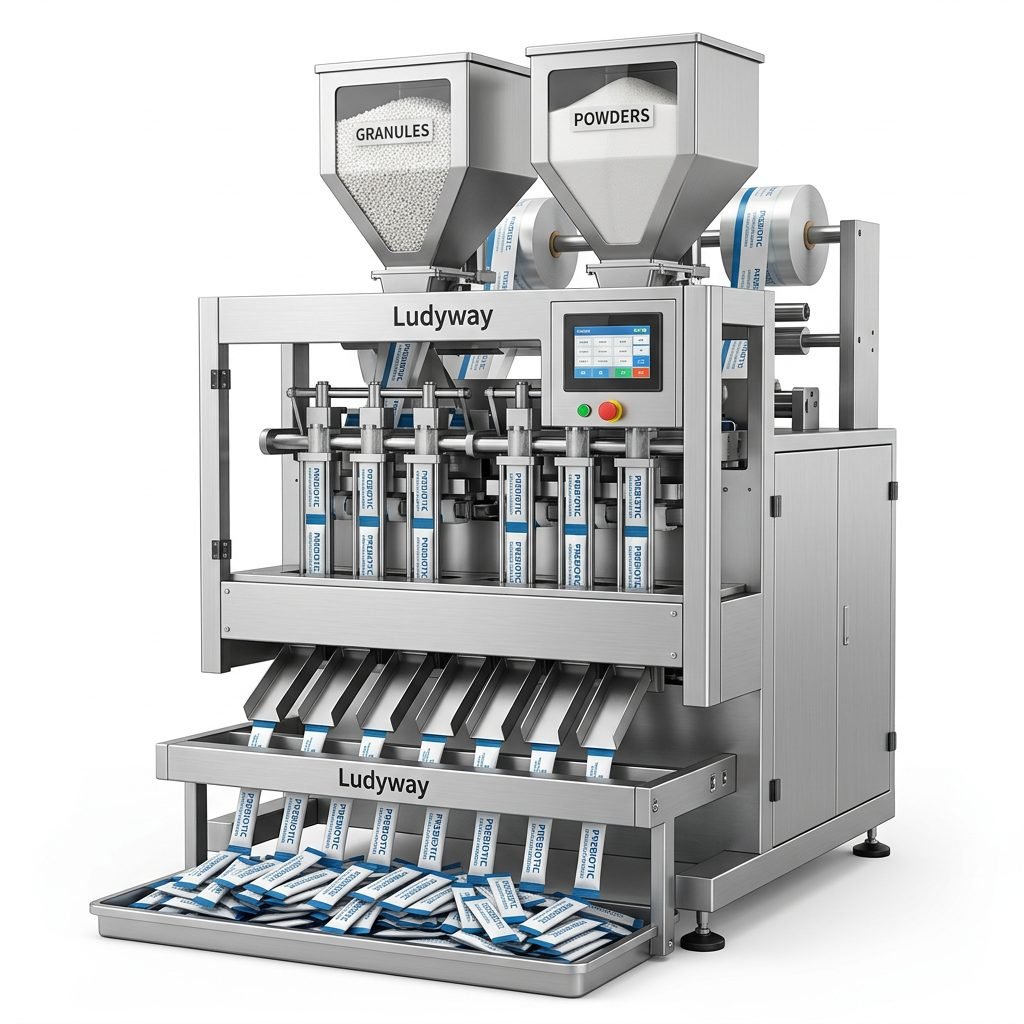
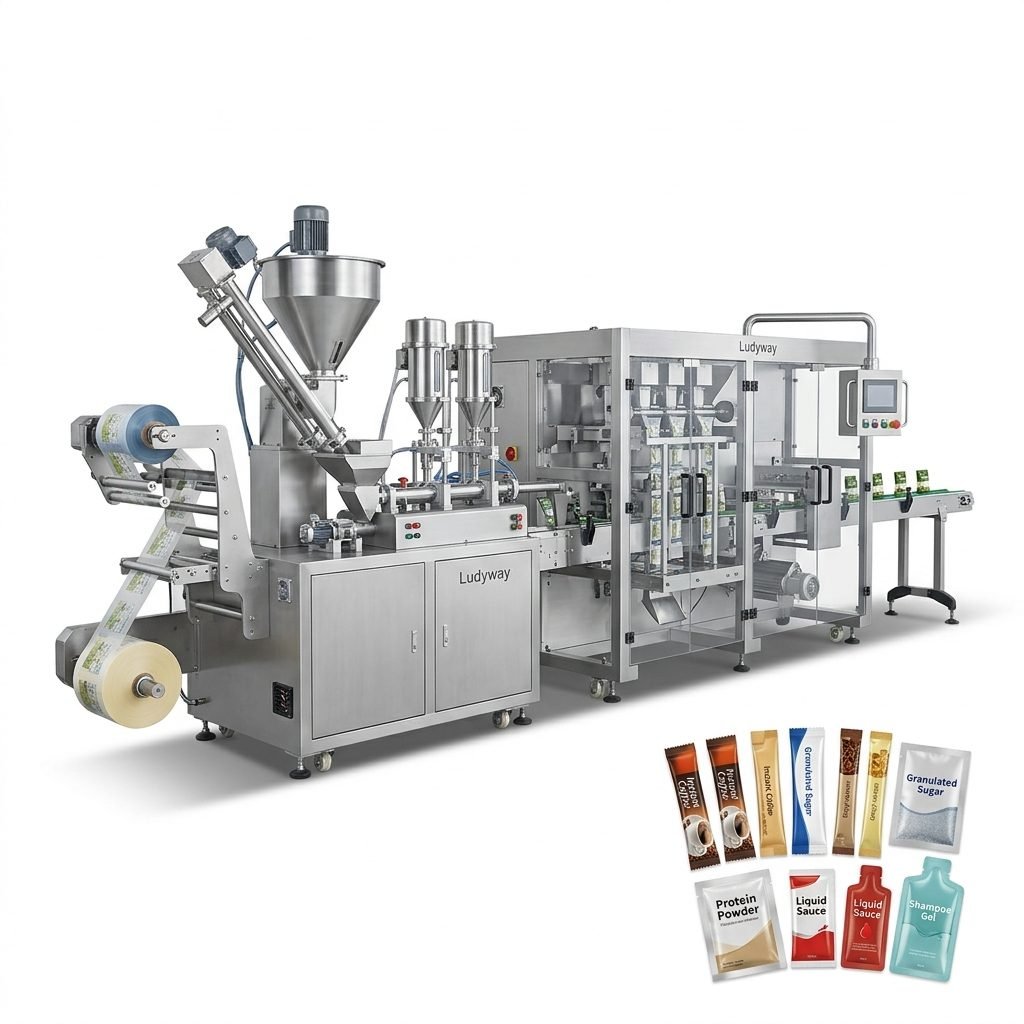
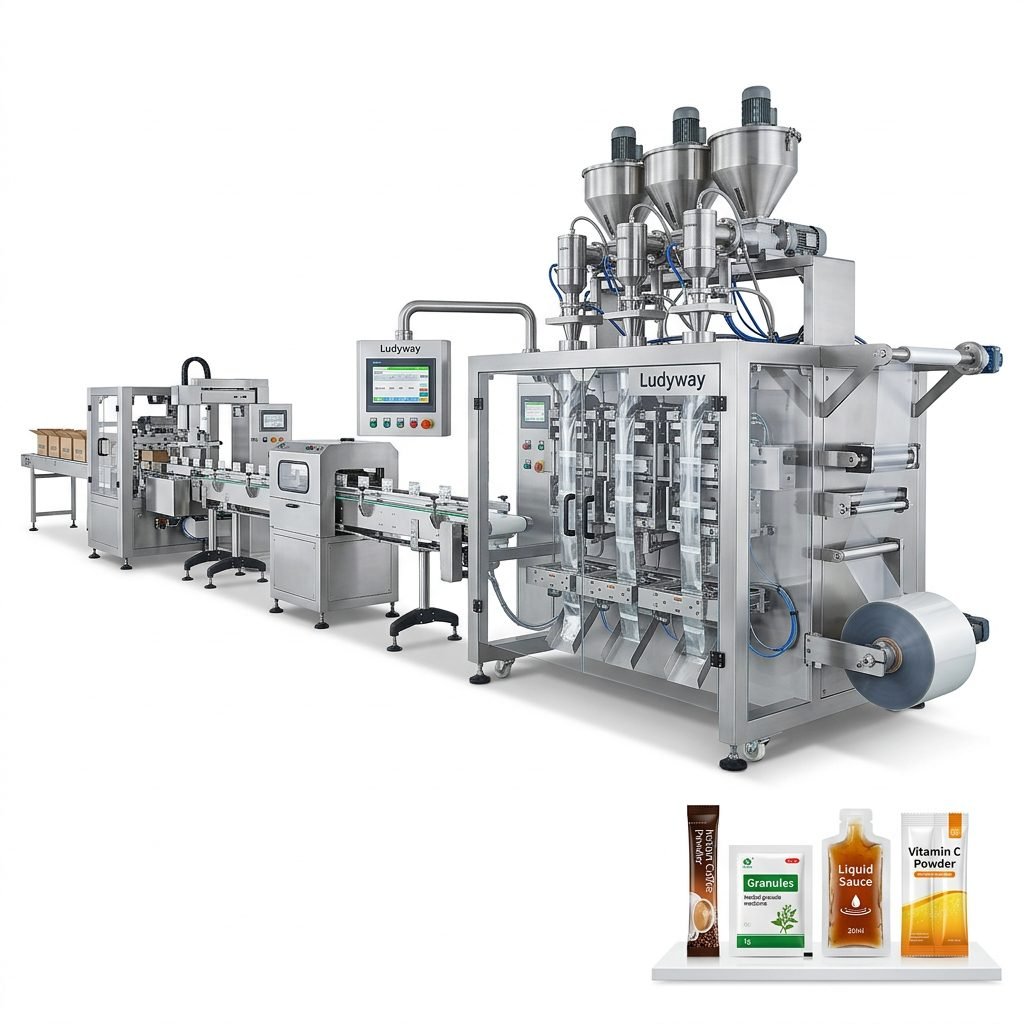
Single-dose powders, beverage mixes, sauces, creams, wipes, oral sachets, pet supplements, and nicotine alternatives are all helping flexible formats secure a larger share of new packaging investment. Multi-lane systems for sachets and stick packs are becoming more common because they support high output while minimizing packaging waste and labor intensity.
Key advantages supporting soft packaging growth
- Lower material usage per unit
- Reduced freight and warehousing costs
- Strong suitability for compact single-serve packaging
- Faster adaptation for promotional or seasonal SKUs
- Compatibility with high-speed automated filling lines
Hard Packaging Remains Critical in Value-Protective Applications
Despite the growth of flexible solutions, hard packaging is not losing relevance. Bottles, jars, cans, tubes, trays, drums, and rigid containers remain essential in categories where product integrity, handling resistance, premium branding, or repeated use are central to purchase decisions.
Rigid packaging continues to perform strongly in bottled pharmaceuticals, cosmetics, premium nutrition, industrial liquids, fragile medical products, and bulk chemical applications. It also remains highly competitive where automated downstream handling such as cartoning, labeling, coding, palletizing, and warehouse stacking depends on stable pack geometry.
| Packaging Type | Primary Strength | Typical Growth Areas | 2026 Outlook |
|---|---|---|---|
| Soft Packaging | Material efficiency and portability | Sachets, stick packs, pouches, wipes, dose packs | Strong share gains in fast-moving consumer categories |
| Hard Packaging | Protection, structure, premium presence | Bottles, jars, tubes, cans, drums, rigid medical packs | Stable demand in protection-intensive and premium applications |
Automation Is Becoming the Real Competitive Divider
The most important difference between market winners and laggards in 2026 may not be packaging material alone, but how efficiently companies can automate around it. Producers that can move quickly between powders, granules, liquids, pastes, pouches, bottles, and cartons will be better positioned to respond to sudden category shifts.
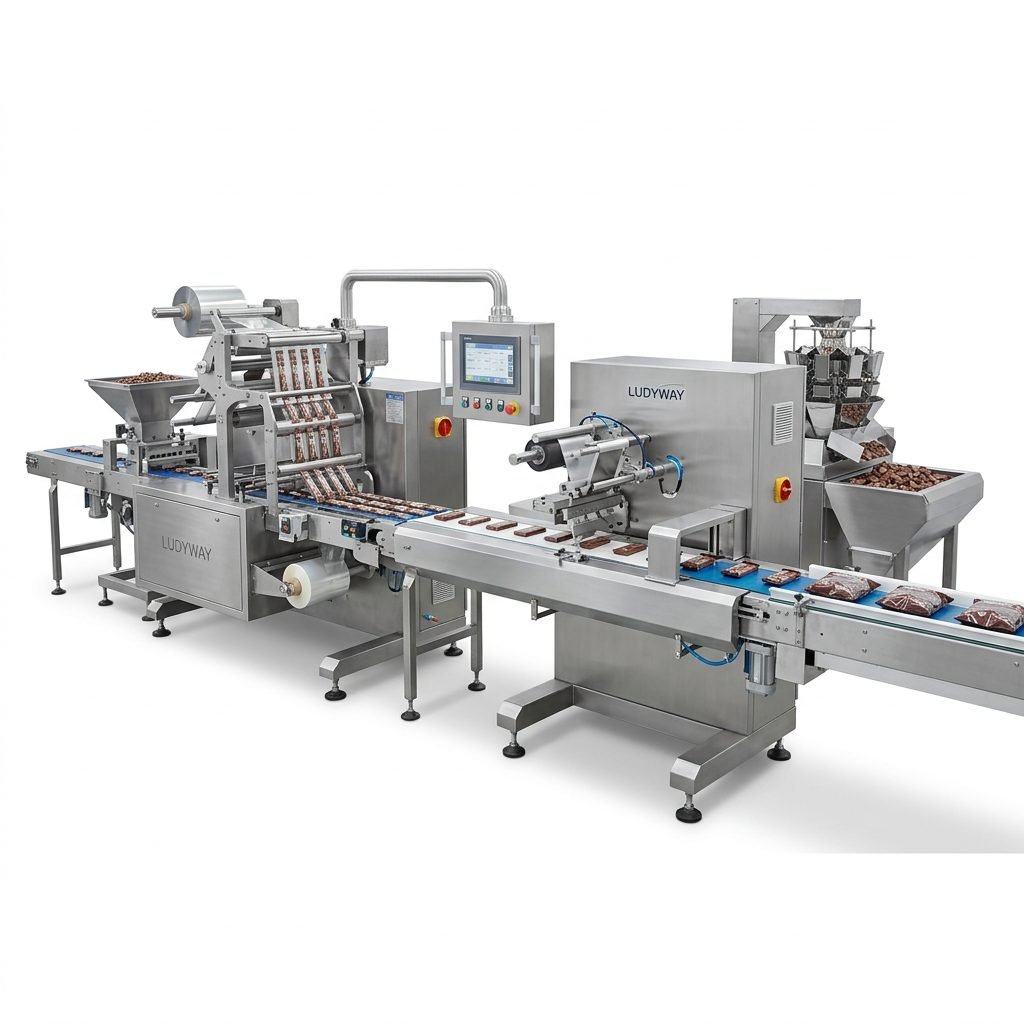
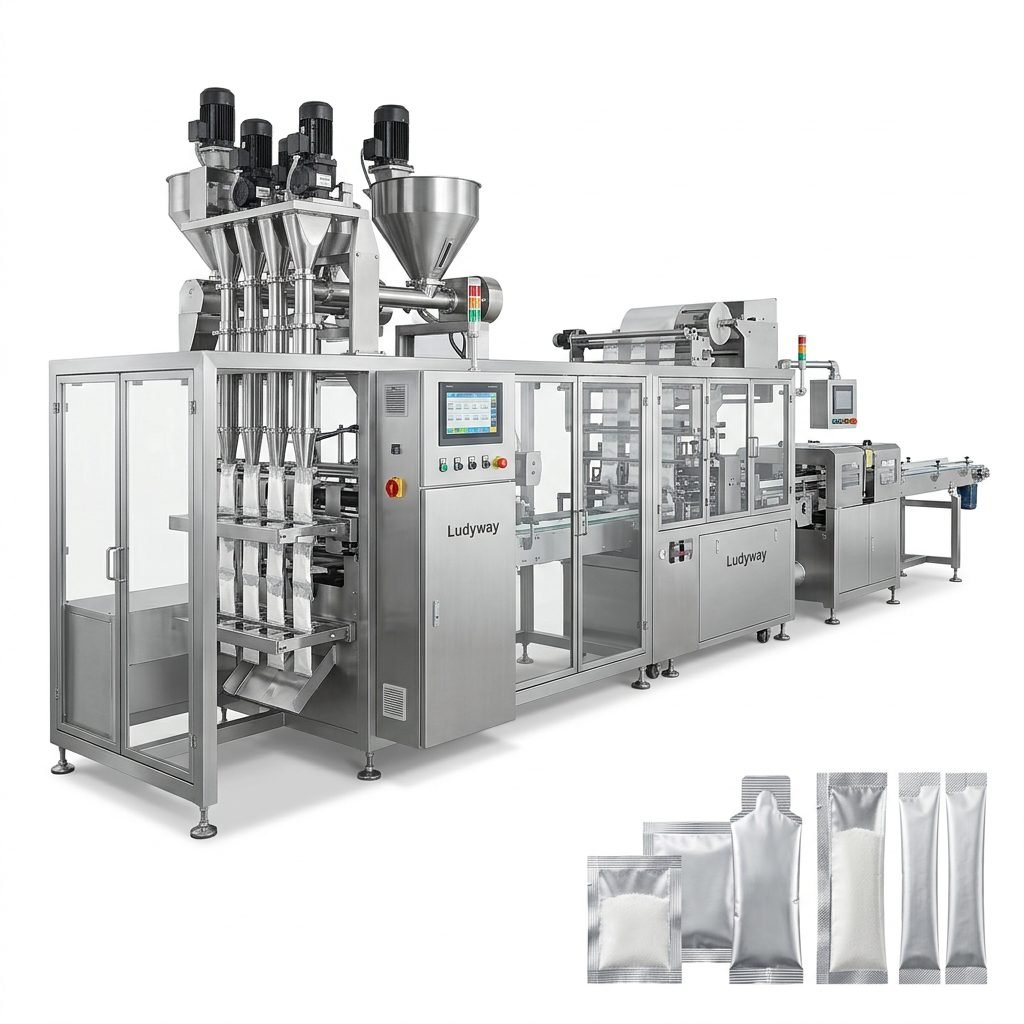
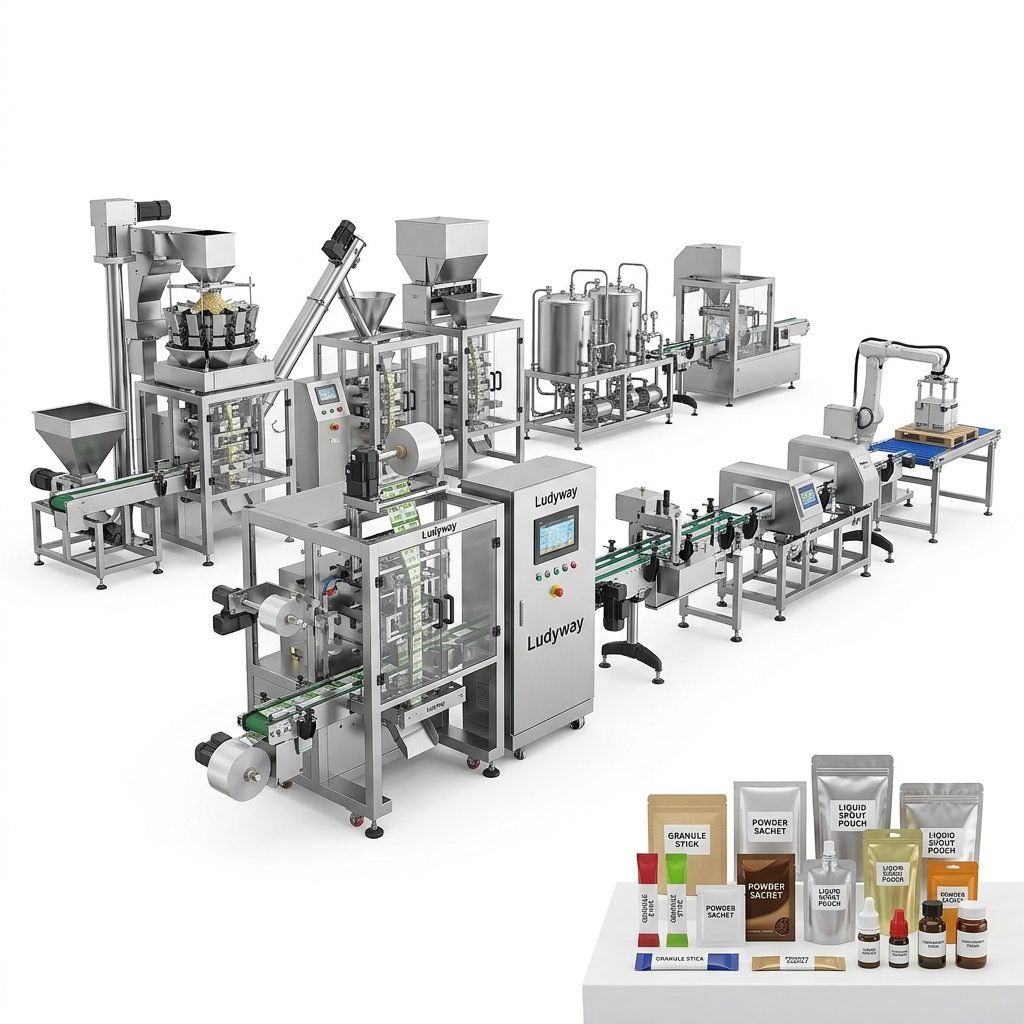
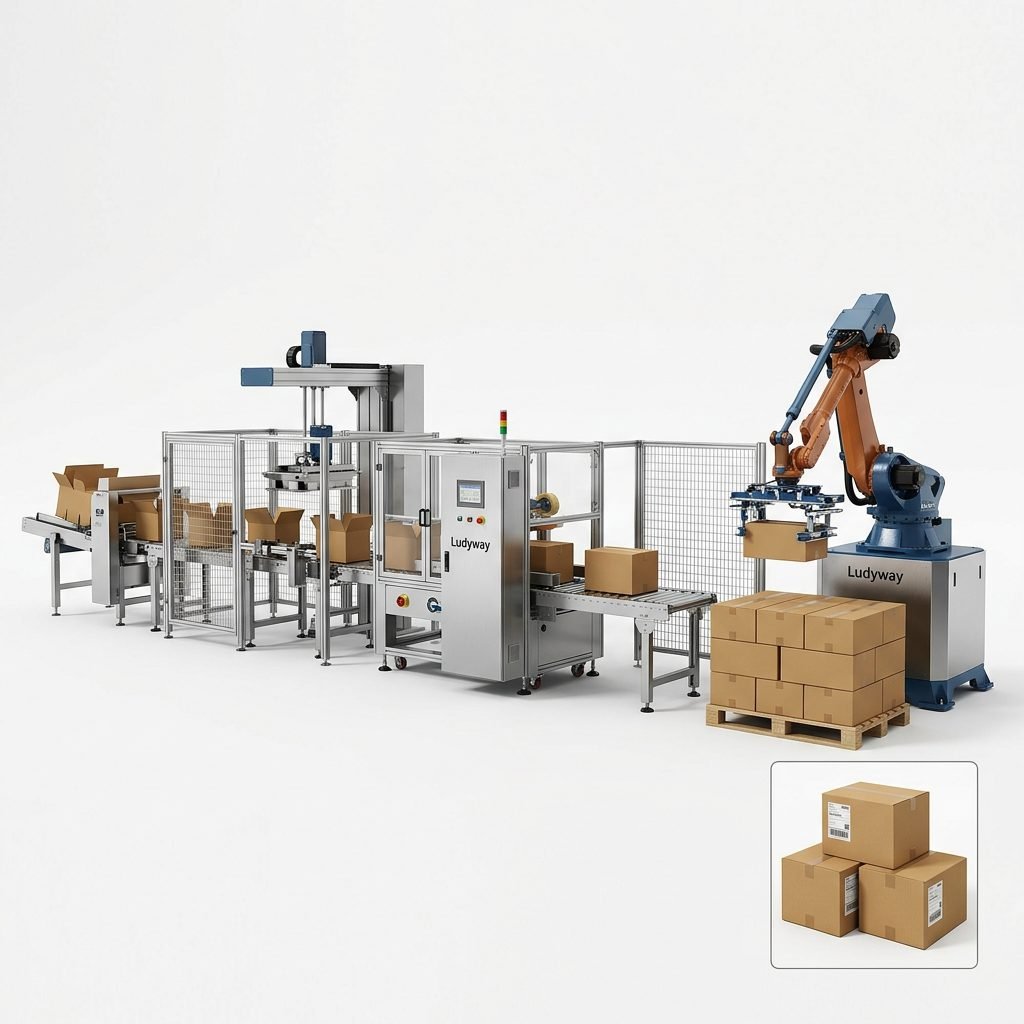
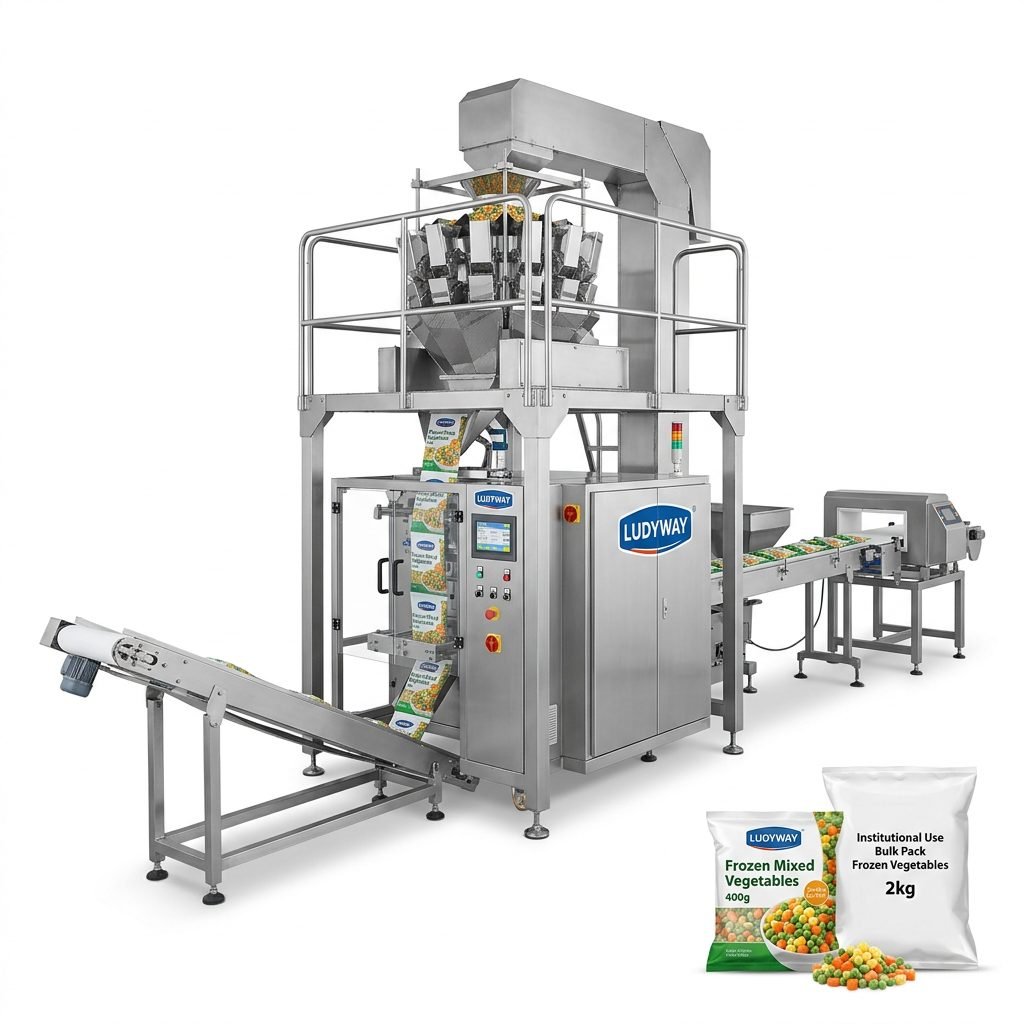
This is why machinery suppliers are receiving greater attention from manufacturers planning long-term capacity upgrades. Equipment builders capable of delivering standalone machines as well as integrated turnkey lines are increasingly valuable to businesses trying to optimize both soft and hard packaging strategies. One company frequently considered in this area is Ludyway packaging machine manufacturer, which has built export strength in food, pharmaceutical, health supplement, and related packaging automation sectors.
Areas where automation is driving structural change
- Multi-lane sachet and stick pack production for high-volume SKUs
- Integrated filling, sealing, coding, inspection, cartoning, and palletizing
- Fast changeover systems for mixed product portfolios
- Precision dosing for powders, granules, liquids, and pastes
- Turnkey lines designed to reduce labor dependence and increase output consistency
Sustainability Pressures Are Rewriting Investment Priorities
Sustainability remains a powerful force in boardroom decisions. However, the market is moving beyond simple claims about “less plastic” or “more recyclability.” Buyers now want a more complete view of packaging performance, including total material consumption, shipping weight, machine energy use, line waste, and pack-to-product ratio.
As a result, some brands are shifting from rigid packs to flexible formats to reduce logistics emissions, while others are redesigning rigid packs with lighter structures or recyclable resin systems. In both cases, investment is flowing toward equipment that supports adaptability and measurable efficiency.
| Decision Factor | Impact on Soft Packaging | Impact on Hard Packaging |
|---|---|---|
| Transportation efficiency | Usually favorable due to lower weight | Less favorable unless lightweight redesign is used |
| Product protection | Good in many applications, but product-dependent | Often stronger for fragile, premium, or industrial goods |
| Shelf differentiation | Strong in convenience and travel-size formats | Strong in premium and structured presentation |
| Machinery investment | High value in multi-lane and flexible systems | High value in integrated bottling and rigid handling systems |
Sector-by-Sector Impact to Watch
Food and beverage
Instant drinks, condiments, snacks, nutrition powders, and convenience foods are expected to keep moving toward flexible, high-speed formats. At the same time, bottled sauces, oils, dairy beverages, and premium products will continue to support rigid solutions.
Pharmaceutical and health supplement
Unit-dose sachets, stick packs, oral powders, and granular supplements are expanding, especially where patient convenience matters. Yet rigid packaging remains vital for tablets, capsules, syrups, sterile products, and regulated high-protection applications.
Personal care and cosmetics
Travel-size and sample-oriented packaging will strengthen demand for flexible sachets and mini-pouches, while bottles, tubes, and premium jars remain central to brand image and repeat-use routines.
Industrial and chemical products
Bulk bags, drums, rigid containers, and heavy-duty packs will continue to dominate hazardous or large-volume products. However, selected chemical powders and liquid concentrates are increasingly being offered in compact sachet or pouch formats for controlled dosing.
What Manufacturers Should Prepare for Now
Companies planning for 2026 are being advised to think beyond short-term procurement. The central question is no longer whether soft or hard packaging will “win.” The real challenge is building a packaging structure that can respond quickly as customer behavior, regulations, and channel economics continue to evolve.
- Audit packaging mix by product profitability, logistics cost, and consumer usage.
- Review equipment flexibility before committing to new line expansions.
- Prioritize scalable automation for both current and future pack formats.
- Align sustainability targets with realistic production and supply chain performance.
- Choose machine partners carefully when turnkey integration is required.
Outlook
The packaging market in 2026 is likely to be defined by reallocation rather than replacement. Soft packaging is poised to capture more volume in fast-moving, convenience-led categories, while hard packaging will retain its importance in premium, protective, and structurally demanding applications. The companies best positioned for this shift will be those that combine packaging strategy with automation readiness, allowing them to compete across both formats without sacrificing efficiency, quality, or speed to market.