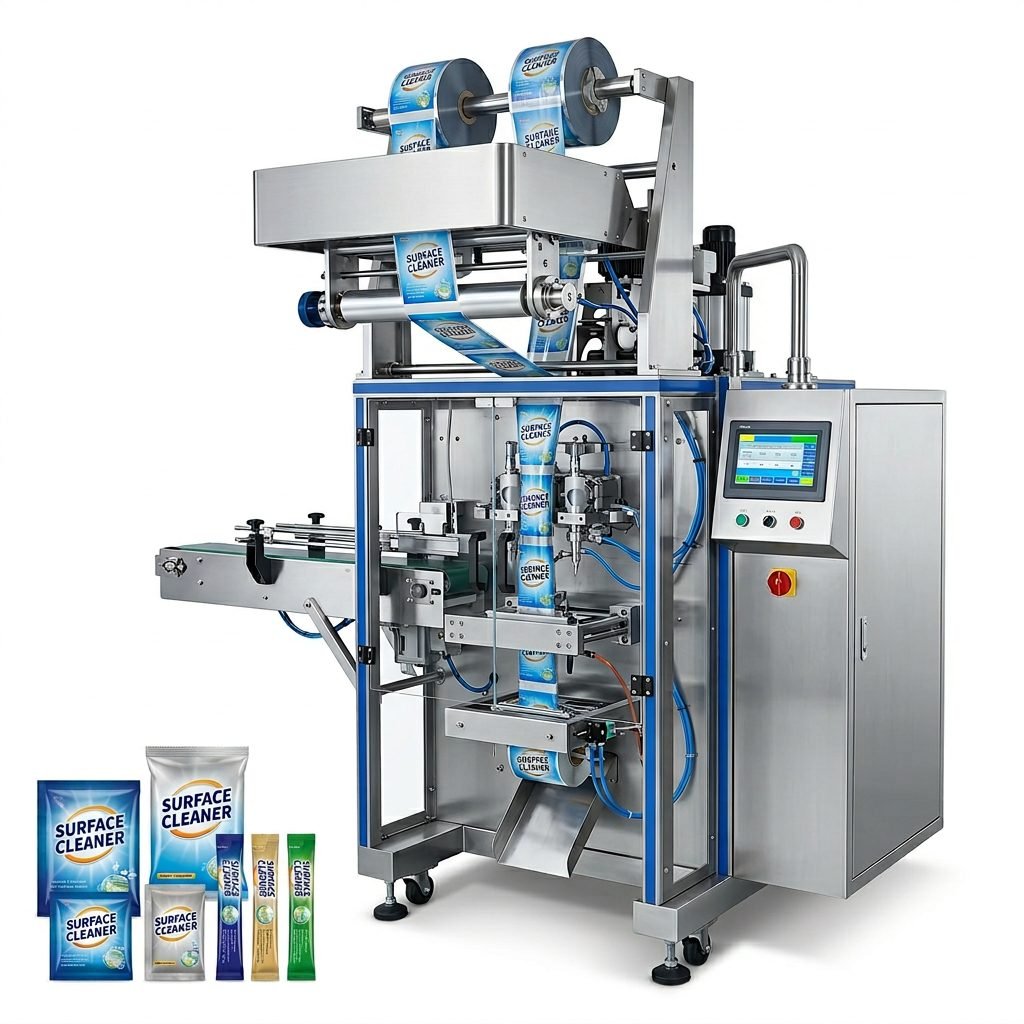
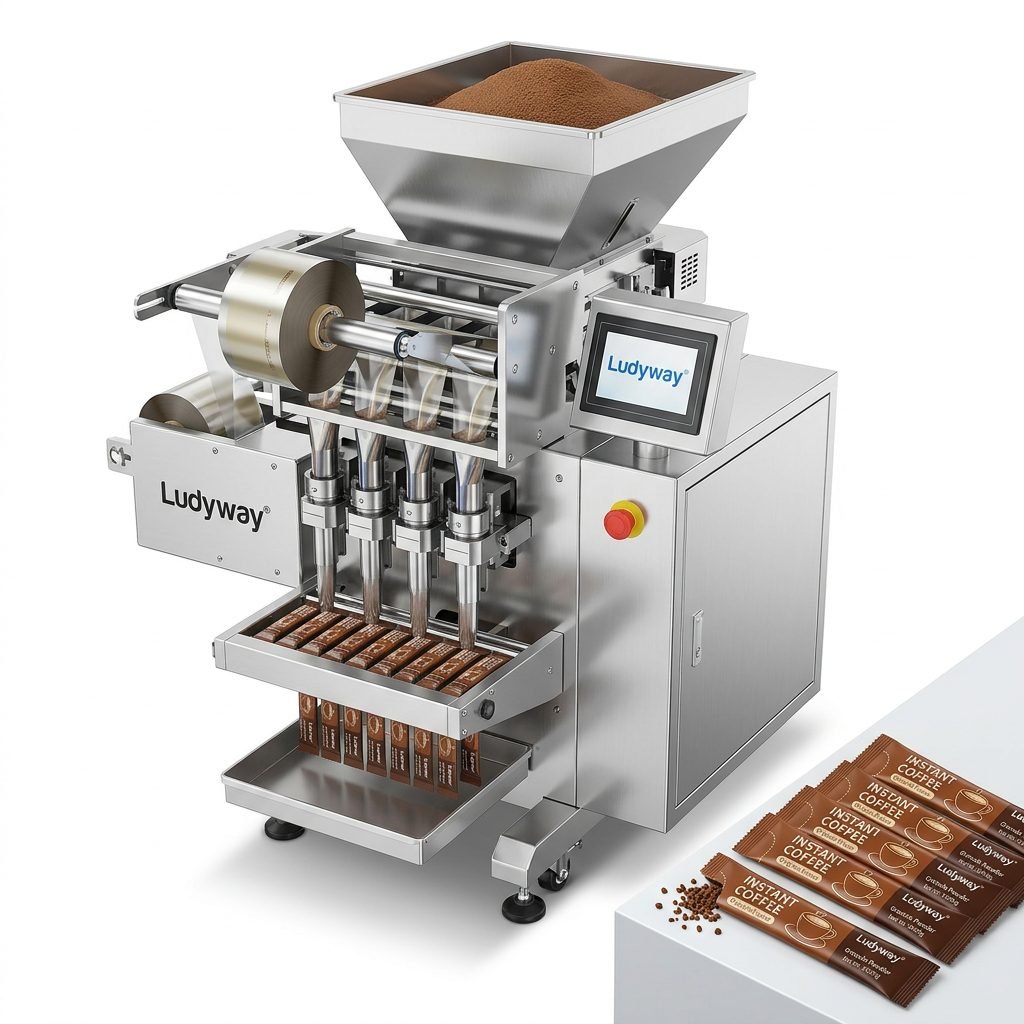
In today’s fast-paced food manufacturing landscape, efficiency, precision, and hygiene are paramount. Automated packaging machinery has evolved from a luxury to a necessity, enabling producers to meet rising consumer demands while maintaining stringent quality standards. From single-serve sachets and stick packs to bulk granule, powder, and liquid formats, modern packaging systems offer versatile, high-speed solutions that enhance productivity and reduce operational costs.
Understanding Automated Food Packaging Systems
Automated food packaging systems integrate advanced mechanical, electronic, and software technologies to handle product feeding, measuring, filling, sealing, and coding with minimal human intervention. These systems are designed to accommodate a wide range of product types and packaging materials, ensuring consistent output and reducing waste.
Key Advantage:
Automation significantly increases line efficiency, often achieving speeds of hundreds of packs per minute, while improving accuracy in fill weight and reducing product giveaway.
Sachet Packaging Machines: Versatility for Small Portions
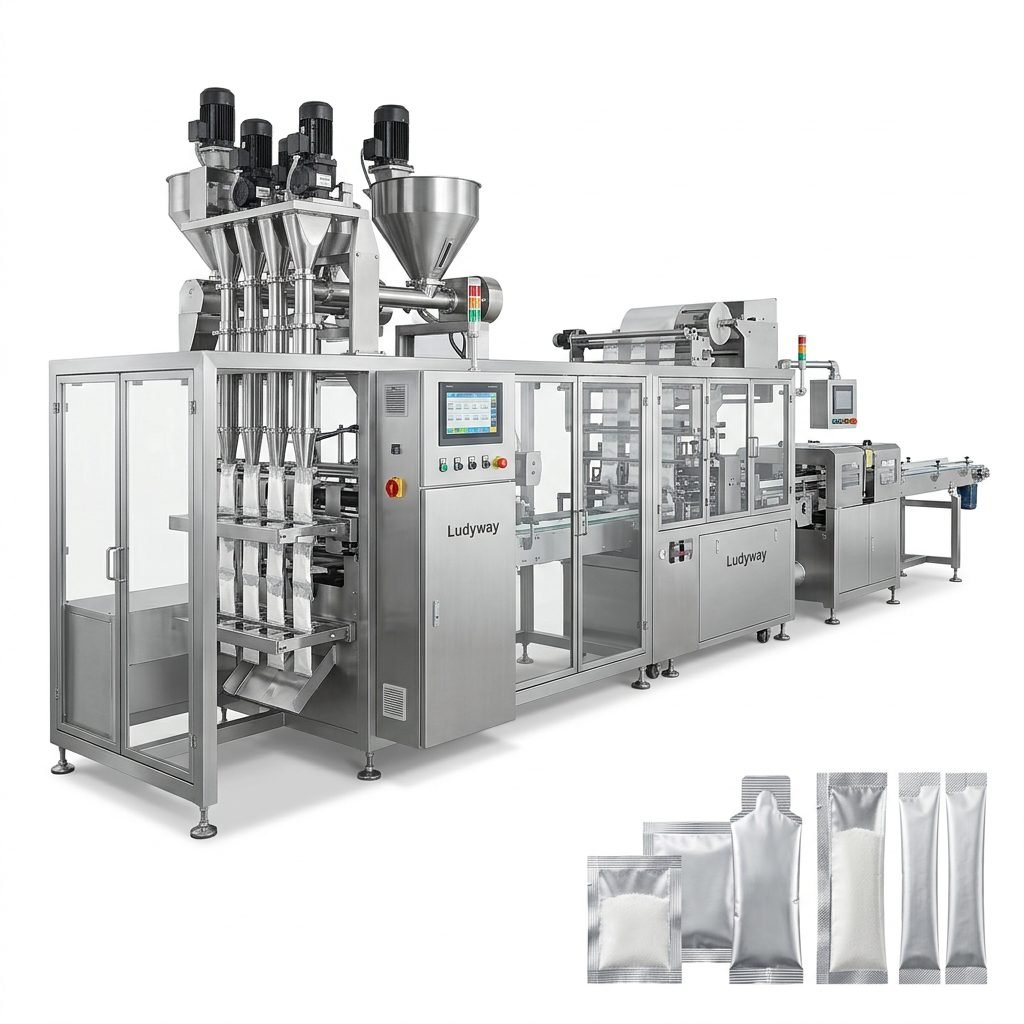
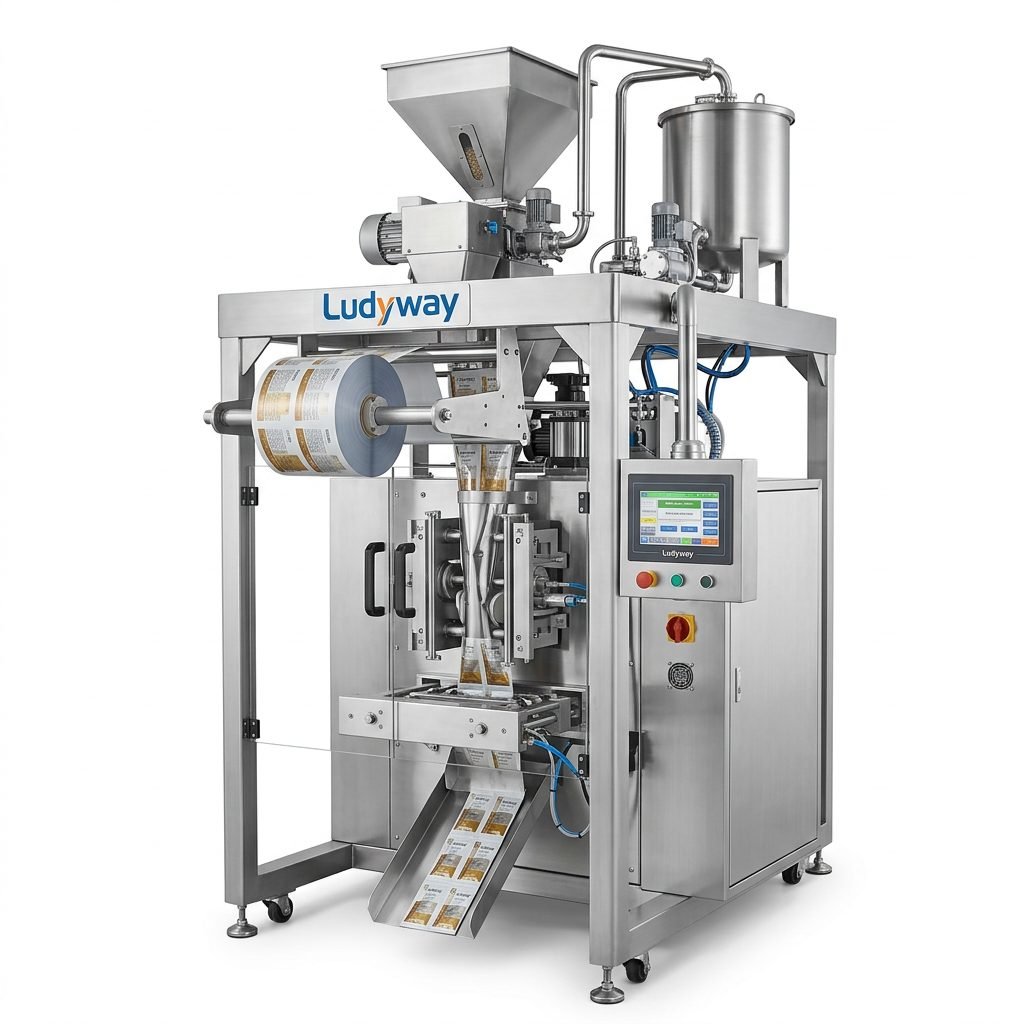
Sachet packaging is ideal for single-use portions of sauces, condiments, dressings, powders, and liquids. Modern sachet machines can handle various film materials, including laminated and aluminum foil structures, providing excellent barrier properties for product freshness.
- → High-Speed Operation: Capable of producing up to 500 sachets per minute.
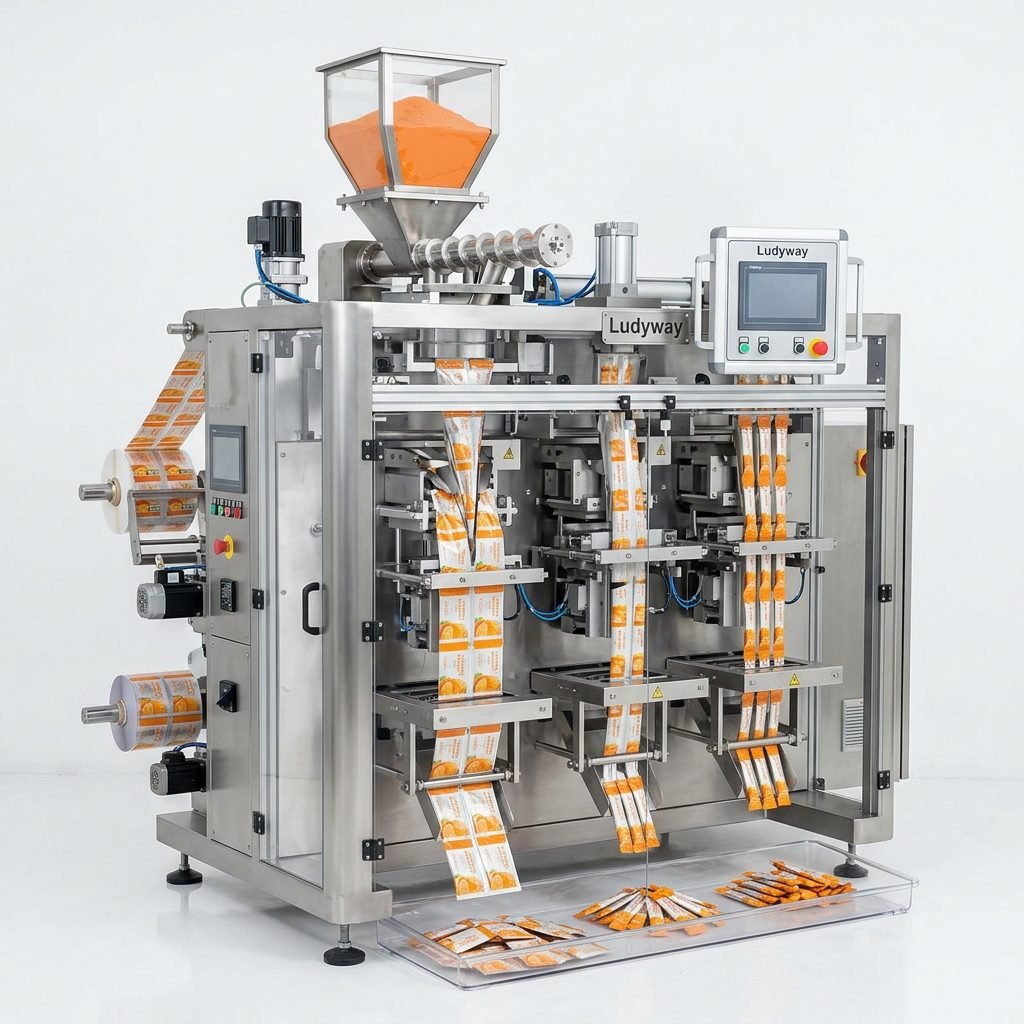
- → Multi-Lane Design: Doubles or triples output by running multiple packaging lanes simultaneously.
- → Precision Dosing: Utilizes servo-driven pumps or auger fillers for accurate liquid or powder filling.
Stick Pack Machines: Sleek and Portable Format
Stick packs have gained immense popularity for powdered beverages, supplements, and instant foods due to their slim, portable design. Automated stick pack machines form, fill, and seal these packs in a continuous motion, offering exceptional space efficiency for retail displays.
Advanced models feature integrated checkweighers and vision inspection systems to ensure every pack meets weight and seal integrity standards before packaging into cartons.
Granule & Powder Packing Systems: Handling Dry Ingredients
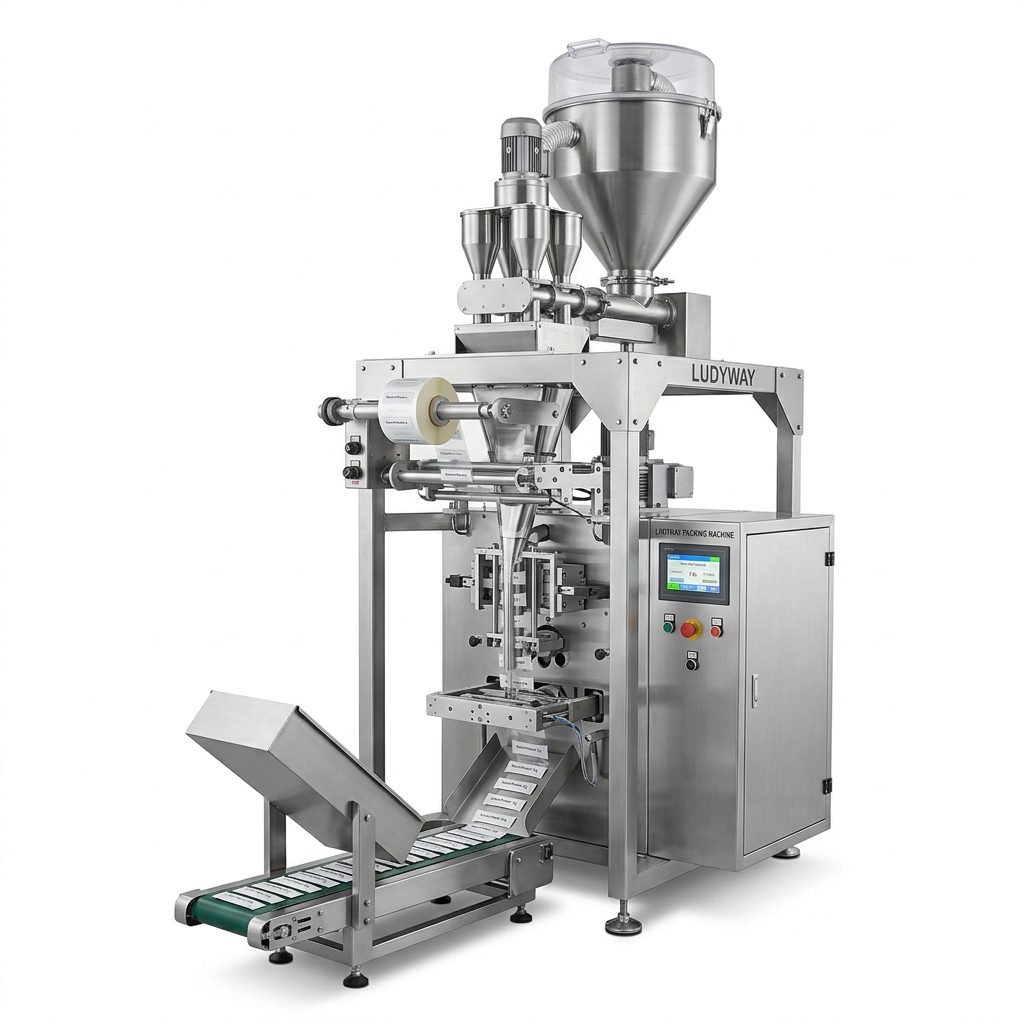
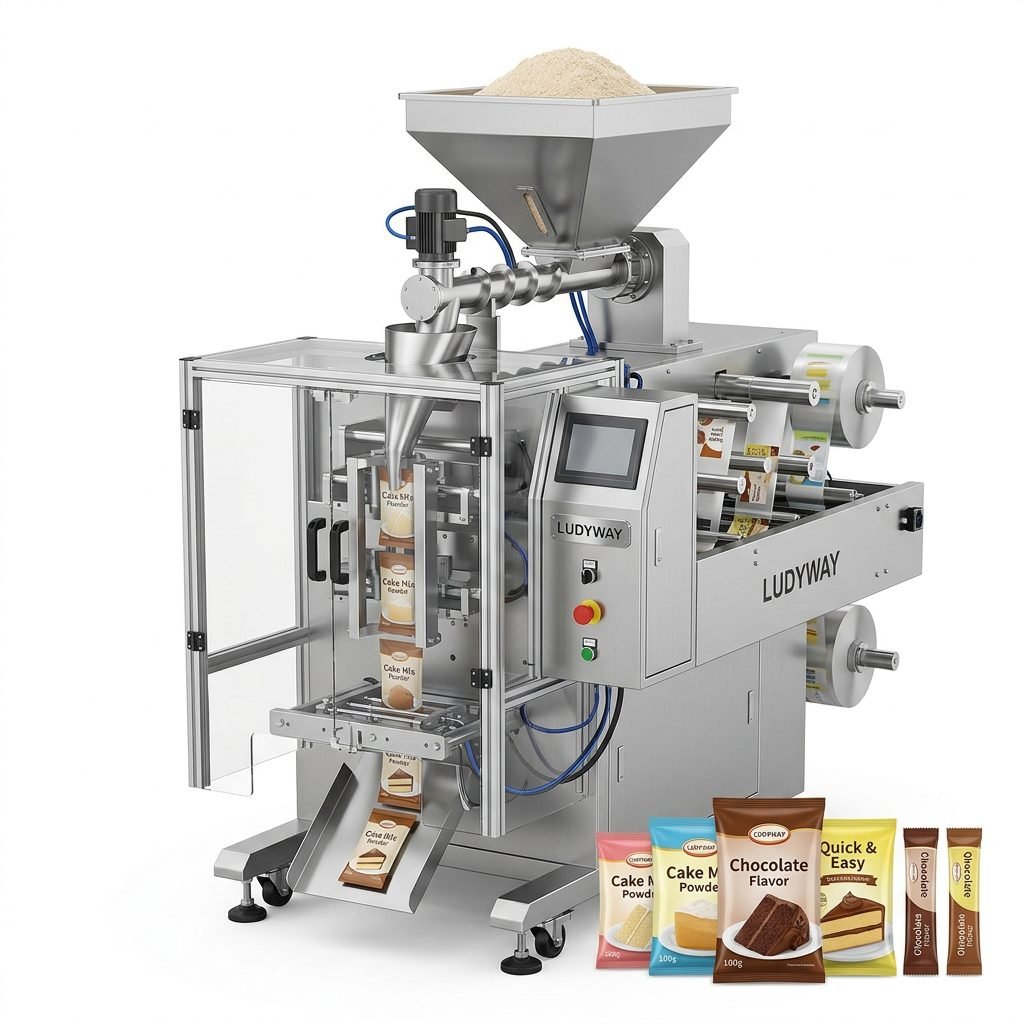
Packaging dry ingredients like coffee, sugar, spices, and protein powders requires equipment that can manage dust, prevent clumping, and ensure precise measurement. Granule and powder packing systems often use auger fillers, which are renowned for their accuracy.
System Components for Dry Products:
1. Volumetric or Weight-Based Fillers: Choose from auger, cup, or net weight scales for different product characteristics.
2. Dedusting & Deaeration Units: Critical for maintaining a clean production environment and achieving consistent pack volume.
3. Gas Flushing Systems: Optionally integrated to extend shelf life by replacing oxygen with nitrogen or other inert gases.
Liquid Packaging Machines: Accuracy for Fluids
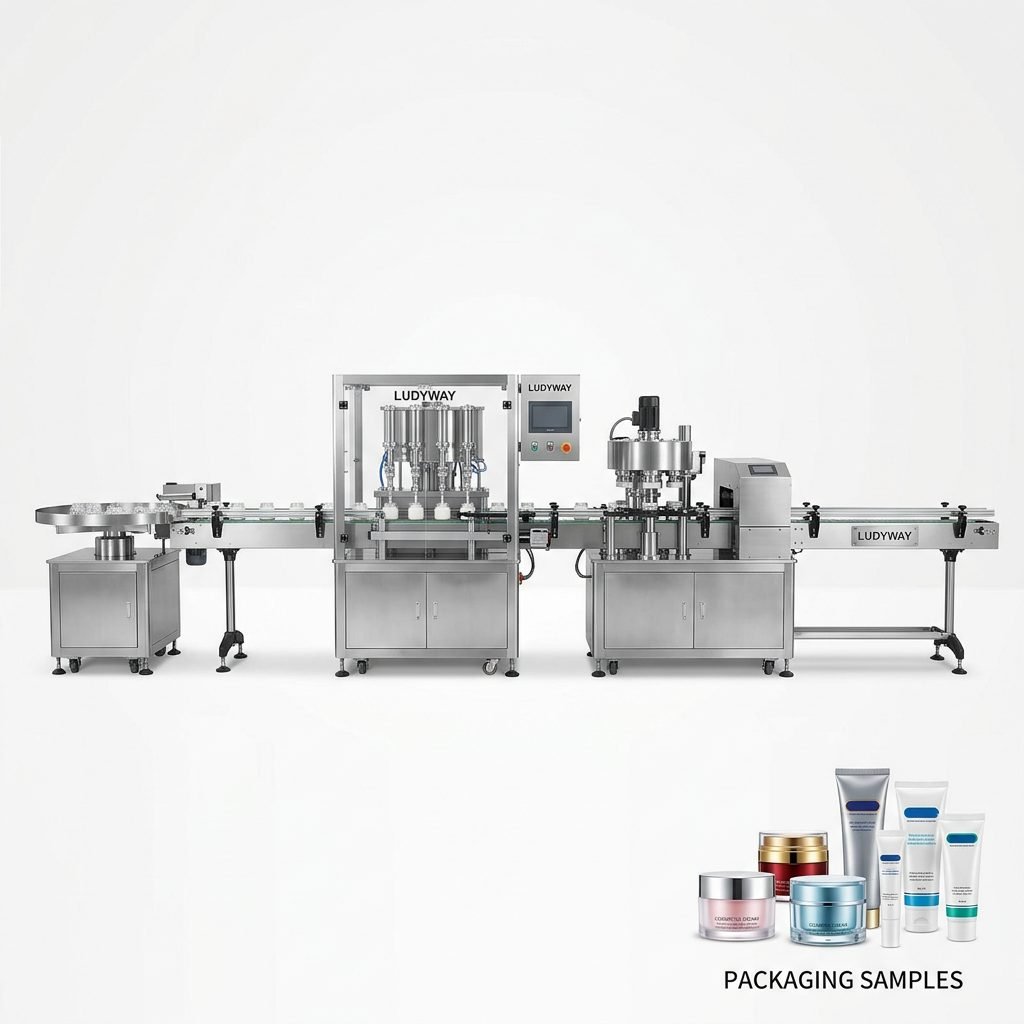
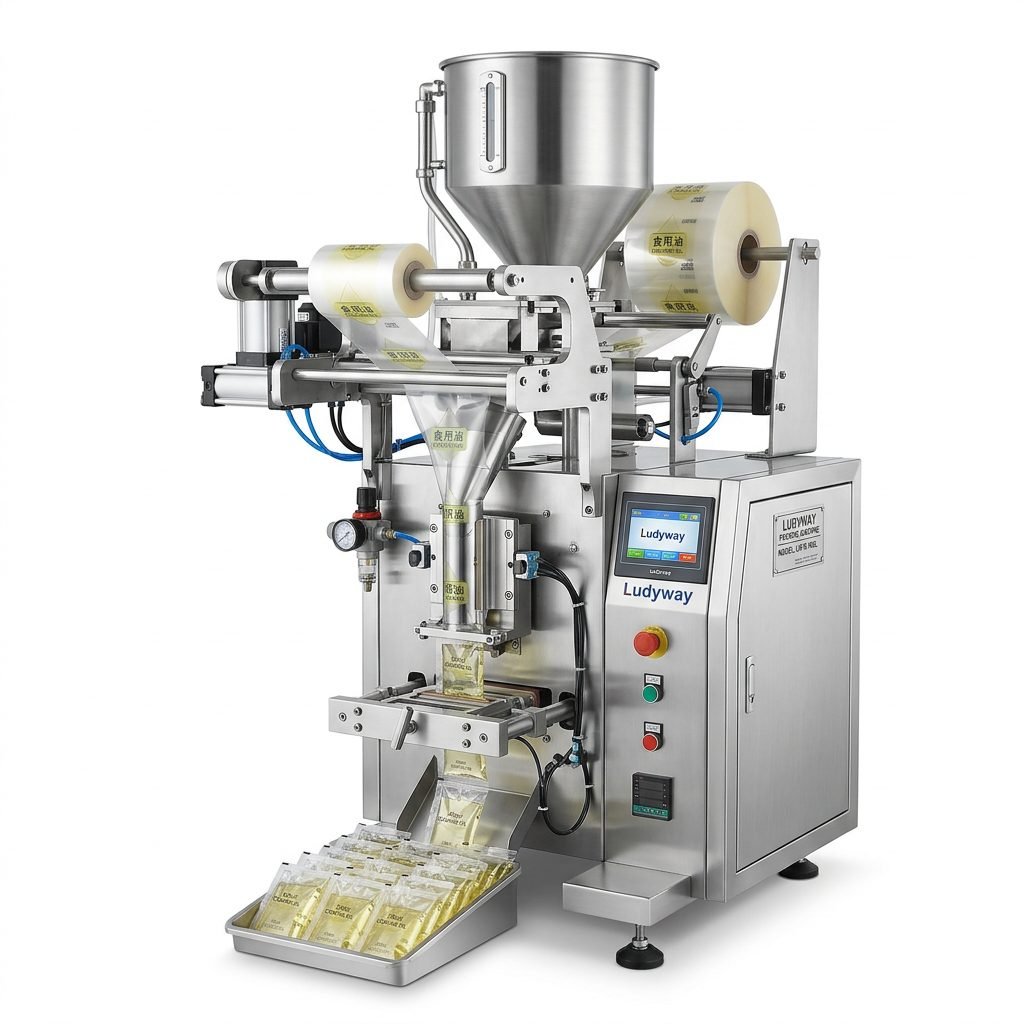
Liquid packaging, encompassing oils, sauces, dairy products, and beverages, demands leak-proof seals and highly accurate volumetric or gravimetric filling. Piston fillers and servo pump fillers are the core technologies, offering clean, drip-free operation.
For viscous products, specialized pumps with heating jackets can be incorporated to maintain optimal viscosity during the filling process. Modern liquid lines often include inline capping, labeling, and date coding for a complete turnkey solution.
Choosing the Right Packaging Solution
Selecting the optimal machinery depends on multiple factors beyond just product type. A thorough analysis of your production goals is essential for a successful investment.
- • Production Speed & Output: Determine your required packs-per-minute (PPM) to match machine capability.
- • Product Characteristics: Consider flowability, abrasiveness, viscosity, and sensitivity to heat or oxygen.
- • Packaging Material: The machine must be compatible with your chosen film or laminate structure.
- • Floor Space & Layout: Plan for the machine footprint and future line expansion.
- • Automation Level: Decide on the degree of automation, from semi-automatic to fully integrated robotic handling systems.
The Role of a Reliable Packaging Partner
Implementing an automated packaging line is a significant project. Partnering with an experienced supplier like Ludyway Machinery provides access to crucial expertise. A trusted partner offers more than just equipment; they deliver a comprehensive solution including feasibility studies, customized machine design, installation, training, and ongoing technical support. With deep industry knowledge, they can help navigate the complexities of different market regulations and packaging standards, ensuring your line is efficient, compliant, and future-proof.
Future Trends in Food Packaging Automation
The future of food packaging is intelligent and connected. Industry 4.0 principles are driving the adoption of IoT-enabled machines that provide real-time production data, predictive maintenance alerts, and seamless integration with factory ERP systems. Sustainability is another powerful trend, with increasing demand for machinery capable of handling recyclable or compostable mono-material films. Furthermore, flexibility remains key, as manufacturers seek modular packaging systems that can quickly switch between different products and pack sizes to respond to market trends.
Frequently Asked Questions (FAQs)
1. What is the main benefit of automated packaging over manual packaging?
The primary benefits are dramatically increased speed and output, superior consistency and accuracy in filling, significant long-term labor cost reduction, and enhanced hygiene by minimizing human contact with the product.
2. Can one machine handle different types of products, like powders and liquids?
While some versatile machines can be configured with interchangeable filling systems (e.g., swapping an auger for a pump), dedicated machines typically offer optimal performance and hygiene. A packaging specialist can advise on the most efficient setup for handling multiple product types.
3. How do I ensure the packaging machine will work with my specific film material?
Reputable suppliers conduct film trials before purchase. You provide samples of your packaging material, and they test it on the machine to verify sealing parameters, film feed reliability, and overall performance.
4. What kind of after-sales support should I expect?
Comprehensive support includes installation supervision, operator and maintenance technician training, a supply of spare parts, access to technical documentation, and remote or on-site service. Clear warranty terms and responsive communication channels are essential.
5. How can automation improve sustainability in my packaging process?
Automation reduces material waste through precise filling and fewer sealing errors. Modern machines can also be engineered to run thinner, more sustainable films effectively and often include energy-saving modes, contributing to a lower overall environmental footprint.