In the competitive world of coffee, from artisanal roasters to large-scale producers, the final presentation is just as crucial as the quality of the beans. Coffee packaging machines are the unsung heroes that ensure freshness, enhance shelf appeal, and streamline operations. Choosing the right equipment is a significant investment that impacts efficiency, cost, and brand perception.
Understanding the Core Types of Coffee Packaging Machines
The first step in selecting equipment is understanding the different machine types available, each suited to specific packaging formats and production scales.
Vertical Form-Fill-Seal (VFFS) Machines
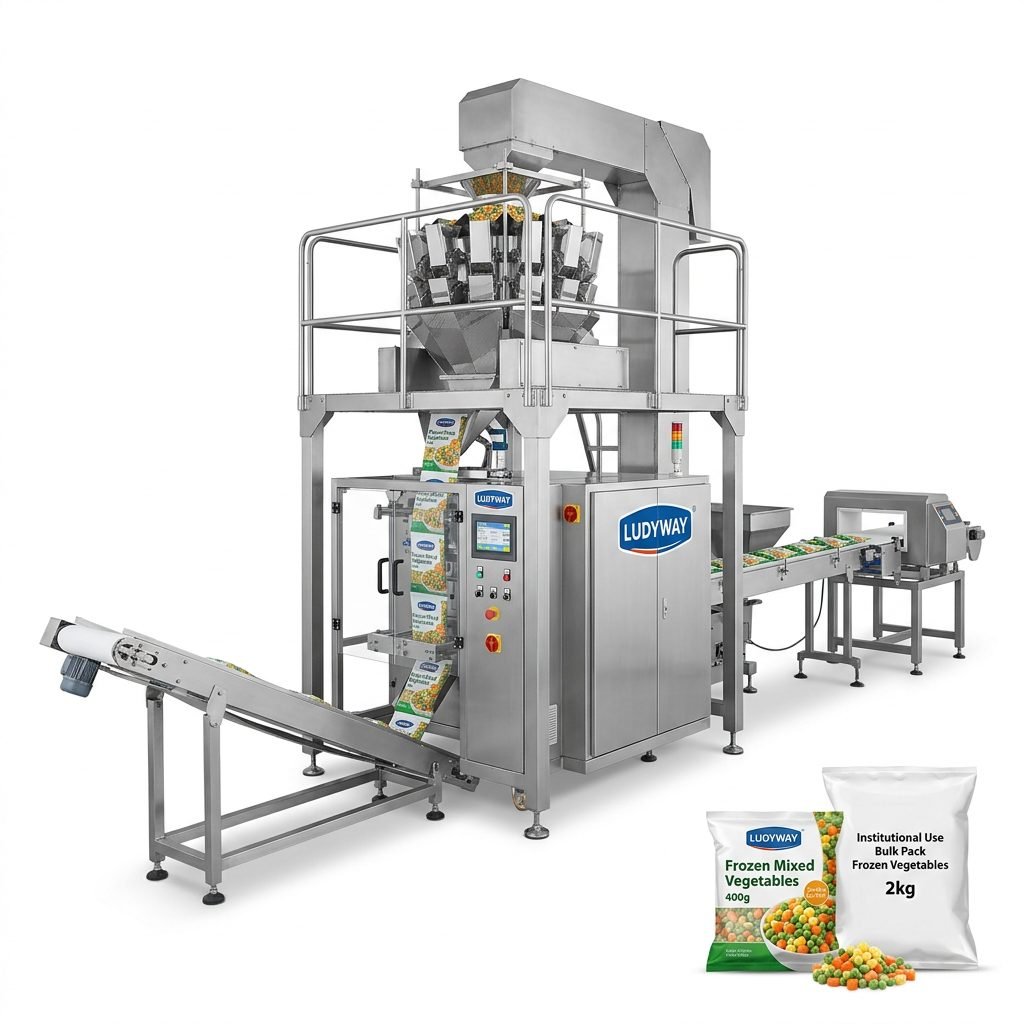
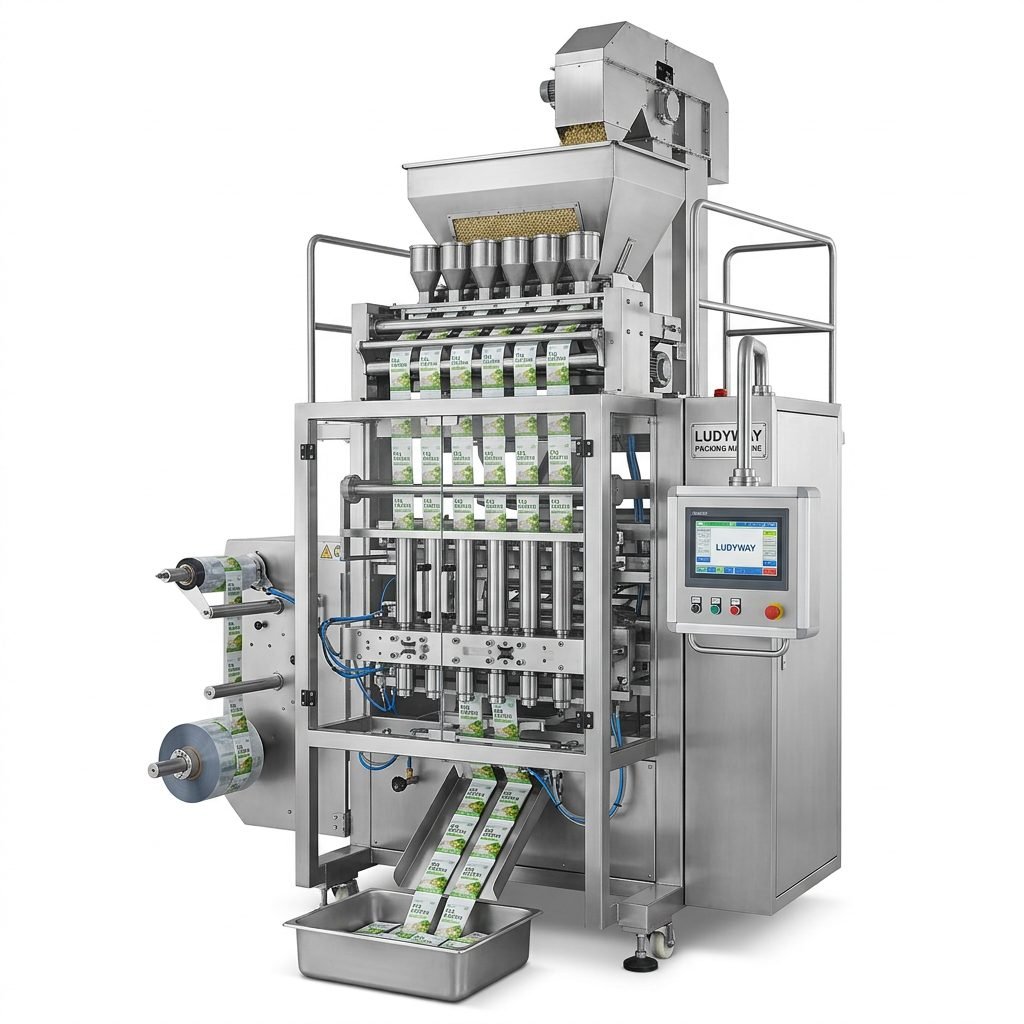
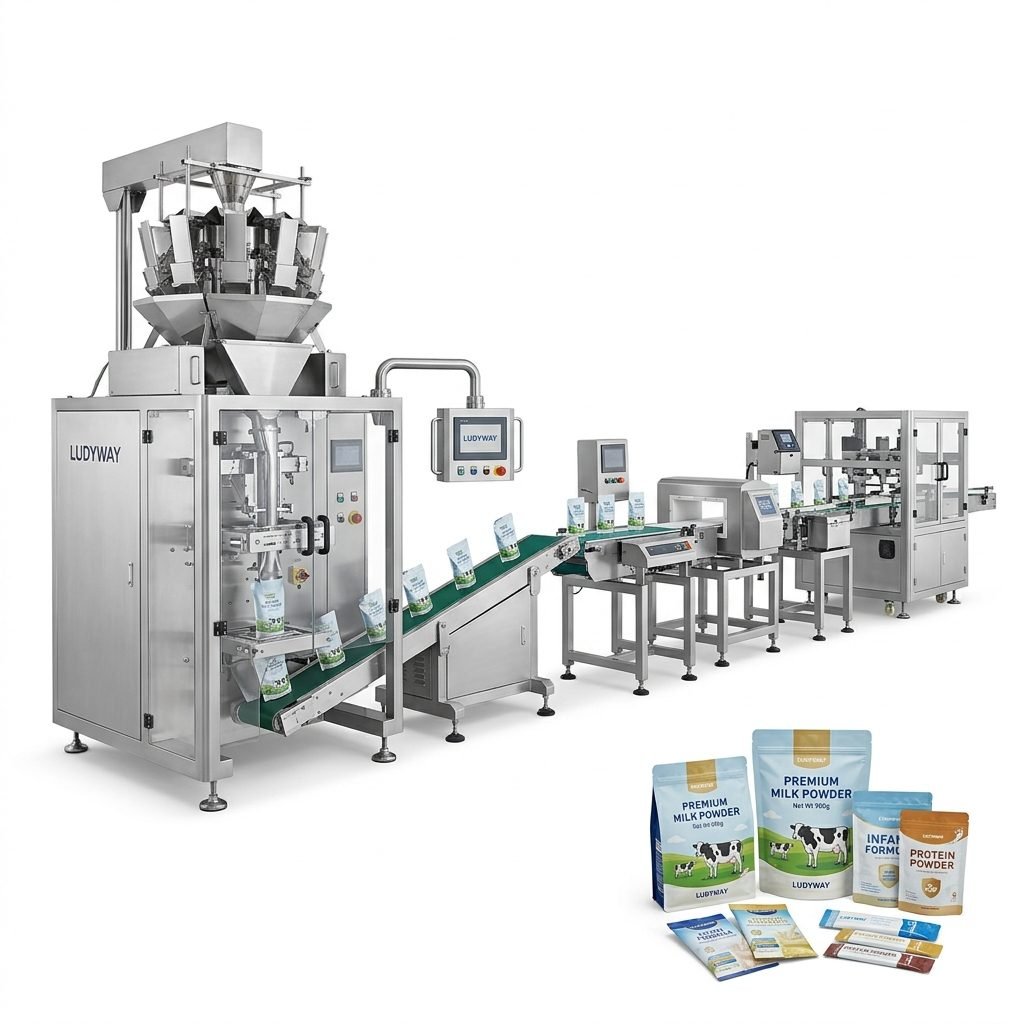
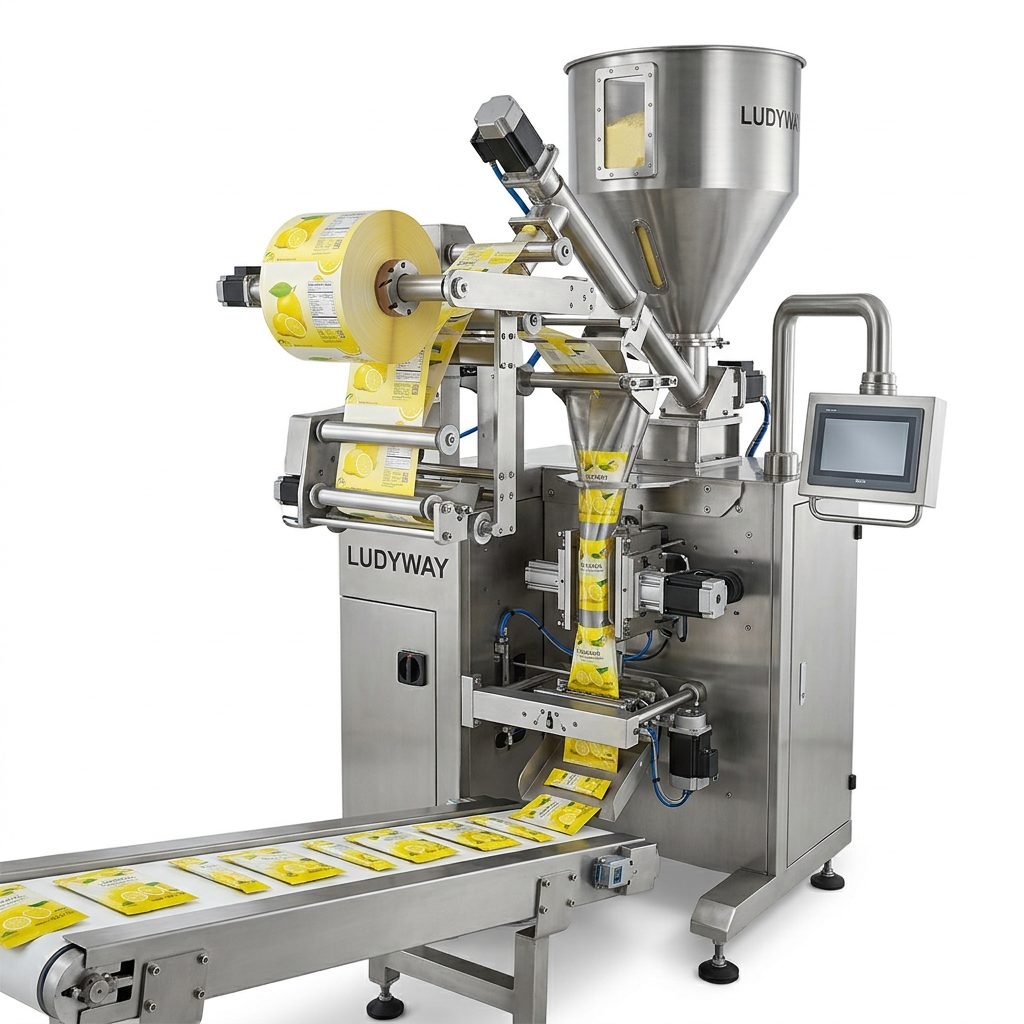
These are the workhorses of the industry for packing ground coffee, whole beans, and single-serve pods into pillow bags or flat-bottom bags. A roll of flat film is formed into a tube, filled with product, and then sealed horizontally and vertically. They are highly versatile and efficient for medium to high-volume production.
Horizontal Form-Fill-Seal (HFFS) Machines
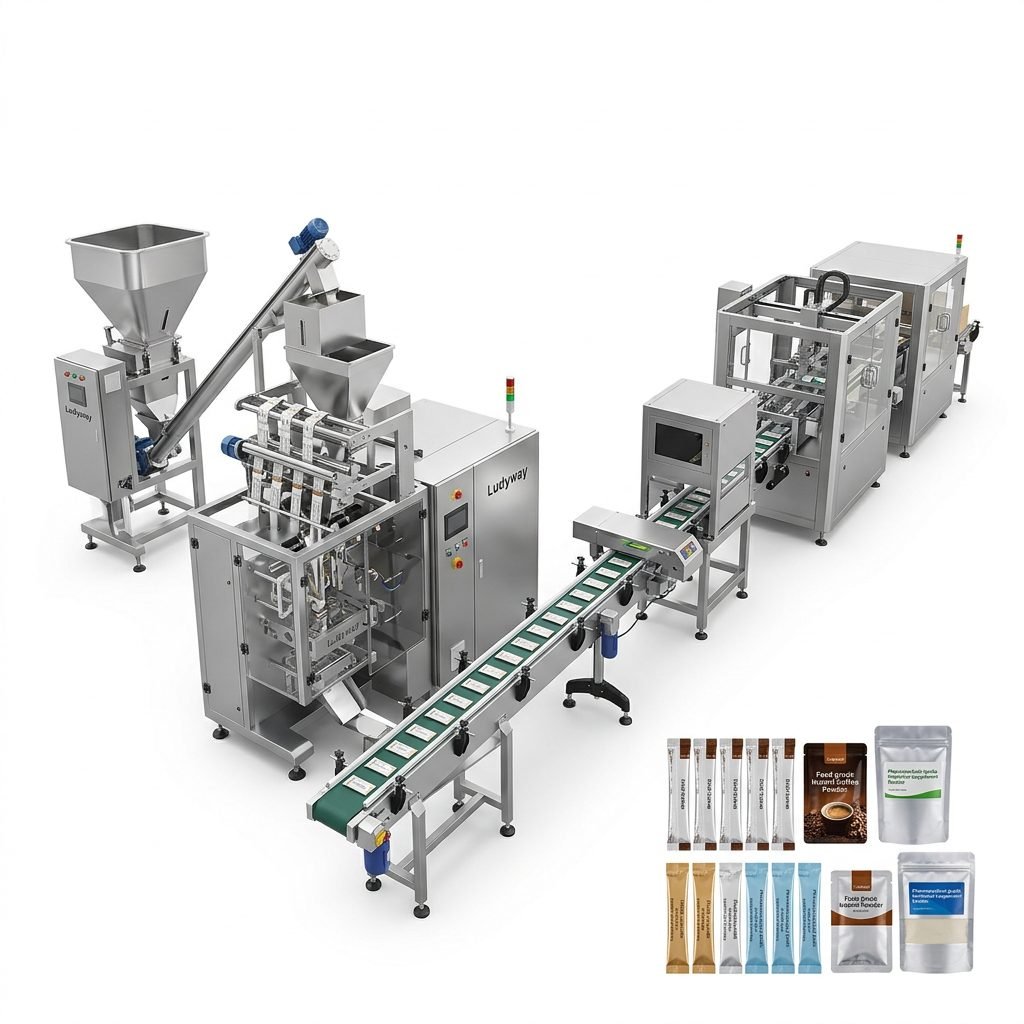
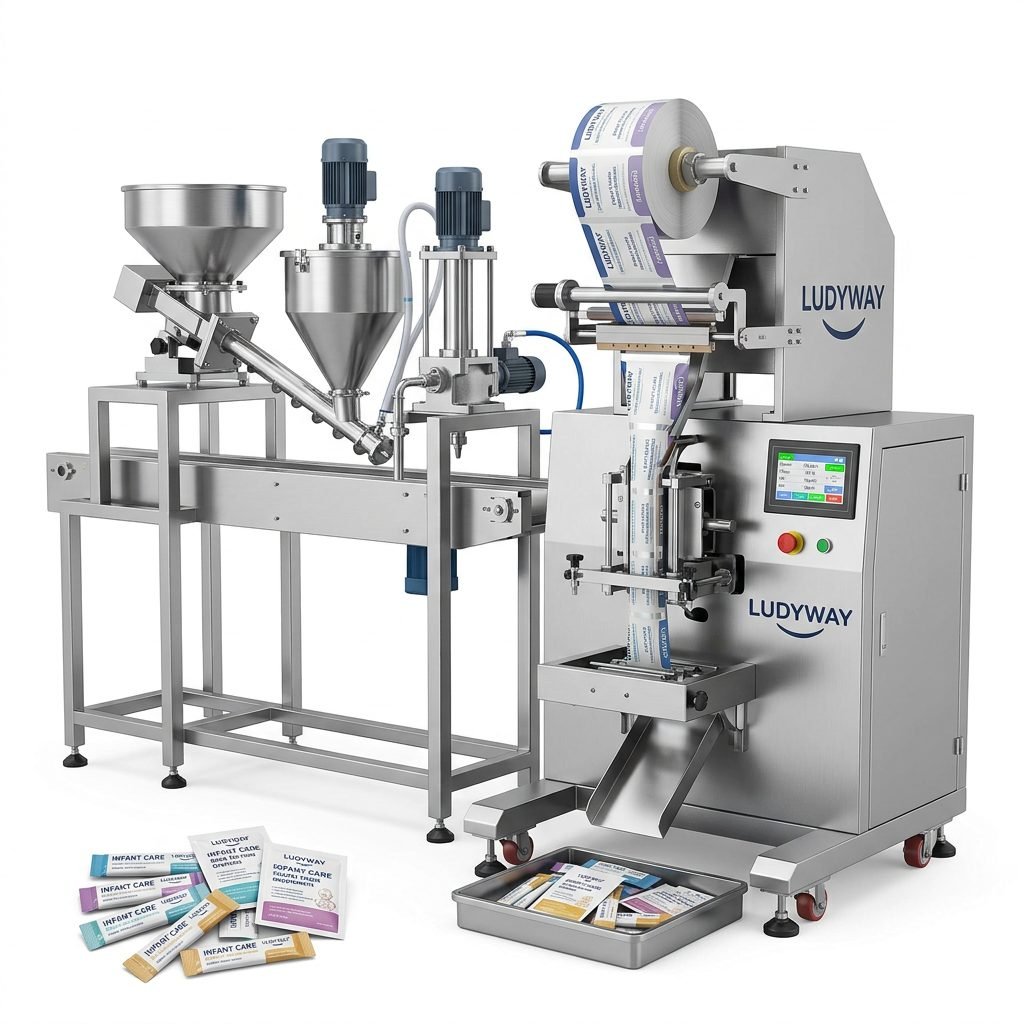
Ideal for creating more rigid, structured packages like stick packs for instant coffee or portion-controlled sachets. The film is fed horizontally, formed into pockets, filled, and then lidded with a top web. This type excels at producing high-integrity packs with excellent barrier properties.
Pre-Made Bag Fillers
These systems use pre-manufactured bags (stand-up pouches, gusseted bags, etc.). The machine opens the bag, fills it with coffee, and then seals it. This is perfect for brands that have invested in custom-printed, high-quality flexible packaging and want to maintain that premium look with consistent filling.
Canister and Tin Sealing Machines
For coffee packed in rigid containers like tins or composite cans, these machines handle filling, lid placing, and sealing. They often integrate with nitrogen flushing systems to displace oxygen, which is critical for preserving the freshness and aroma of whole bean coffee over extended periods.
Key Features to Evaluate in a Packaging Machine
Beyond the basic type, several features determine a machine’s suitability, performance, and return on investment.
Weighing and Dosing Accuracy
Precision is paramount. Look for machines with advanced multi-head weighers or auger filler systems that ensure every package meets the exact weight specification, minimizing product giveaway and ensuring regulatory compliance.
Gas Flushing (Nitrogen / CO2) Capability
Oxygen is coffee’s enemy. Integrated gas flushing systems replace the air inside the package with an inert gas like nitrogen, dramatically extending shelf life and preserving flavor. This is a must-have feature for whole bean and premium ground coffee.
Seal Integrity and Quality
Robust heat sealing systems that ensure strong, airtight, and consistent seals are non-negotiable. Check for features like temperature-controlled sealing jaws and the ability to handle various laminate materials, including those with aluminum layers for superior barriers.
Automation and Changeover Flexibility
How quickly can you switch from one bag size to another? Machines with quick-change parts and recipe storage reduce downtime significantly. Higher levels of automation, like automated film roll splicing and robotic bag handling, boost overall equipment effectiveness (OEE).
Hygienic Design and Ease of Cleaning
Food safety is critical. Machines designed with smooth surfaces, minimal crevices, and easy disassembly for cleaning (often called “CIP” or Clean-in-Place features) help maintain the highest hygiene standards and meet audit requirements.
A Step-by-Step Guide to Choosing the Right Machine
Selecting the perfect coffee packaging machine involves a careful analysis of your current needs and future goals.
1. Define Your Product and Package
Start with the end in mind. Are you packaging whole beans, fine ground, or instant coffee? What is your primary package type: stand-up pouch, brick pack, stick pack, or tin? Determine the material structure needed for barrier properties (e.g., against moisture and oxygen).
2. Assess Your Production Volume and Speed
Calculate your required output in bags per minute (BPM) or per shift. A small-batch roastery may need a semi-automatic machine, while a large exporter will require a high-speed, fully automated packaging line. Always plan for a 15-20% capacity buffer for future growth.
3. Consider Your Operational Environment
Evaluate your factory space, available utilities (electrical, compressed air), and operator skill level. A complex machine requires proper infrastructure and trained personnel for operation and maintenance.
4. Prioritize Freshness Preservation
For quality-focused brands, investing in machines with integrated degassing valves (for whole beans) and robust gas flushing systems is not an option—it’s essential. This technology directly protects your product’s most important attribute: taste.
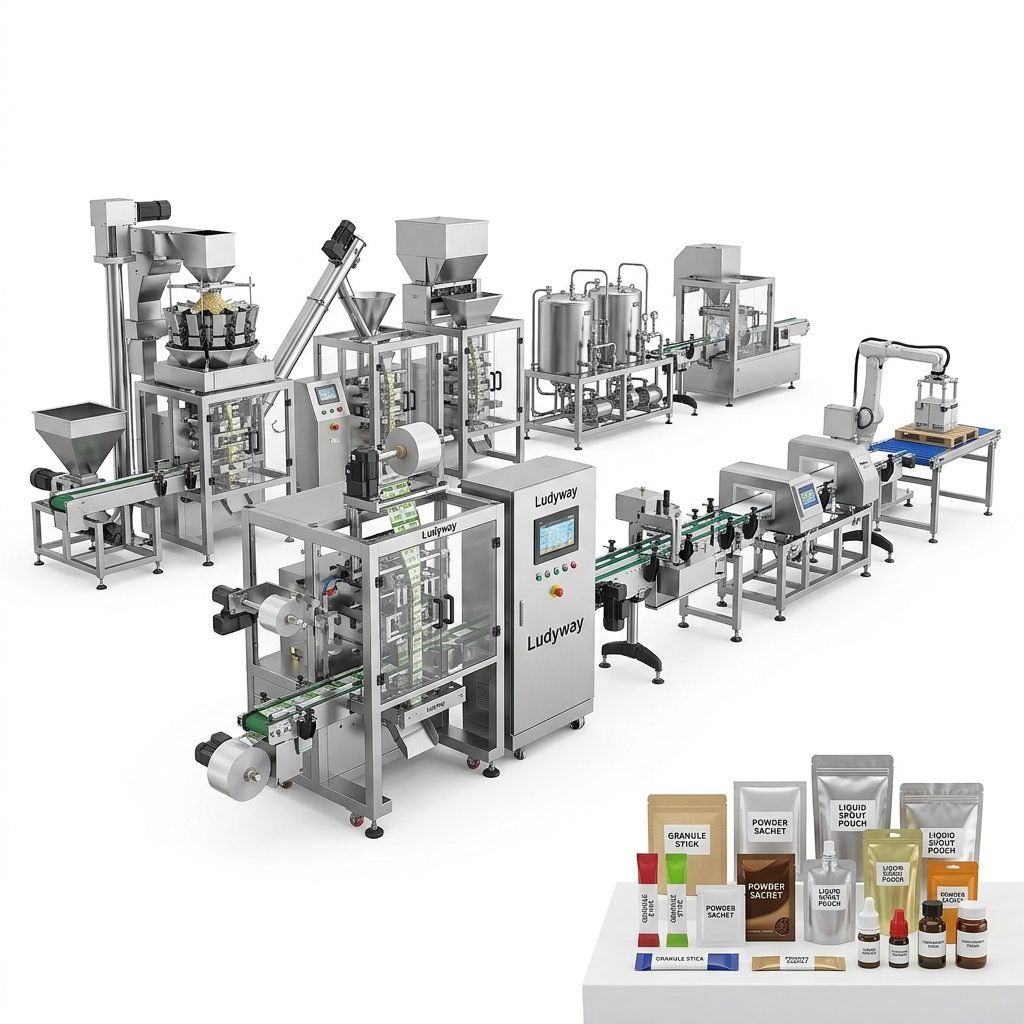
5. Plan for Integration and Support
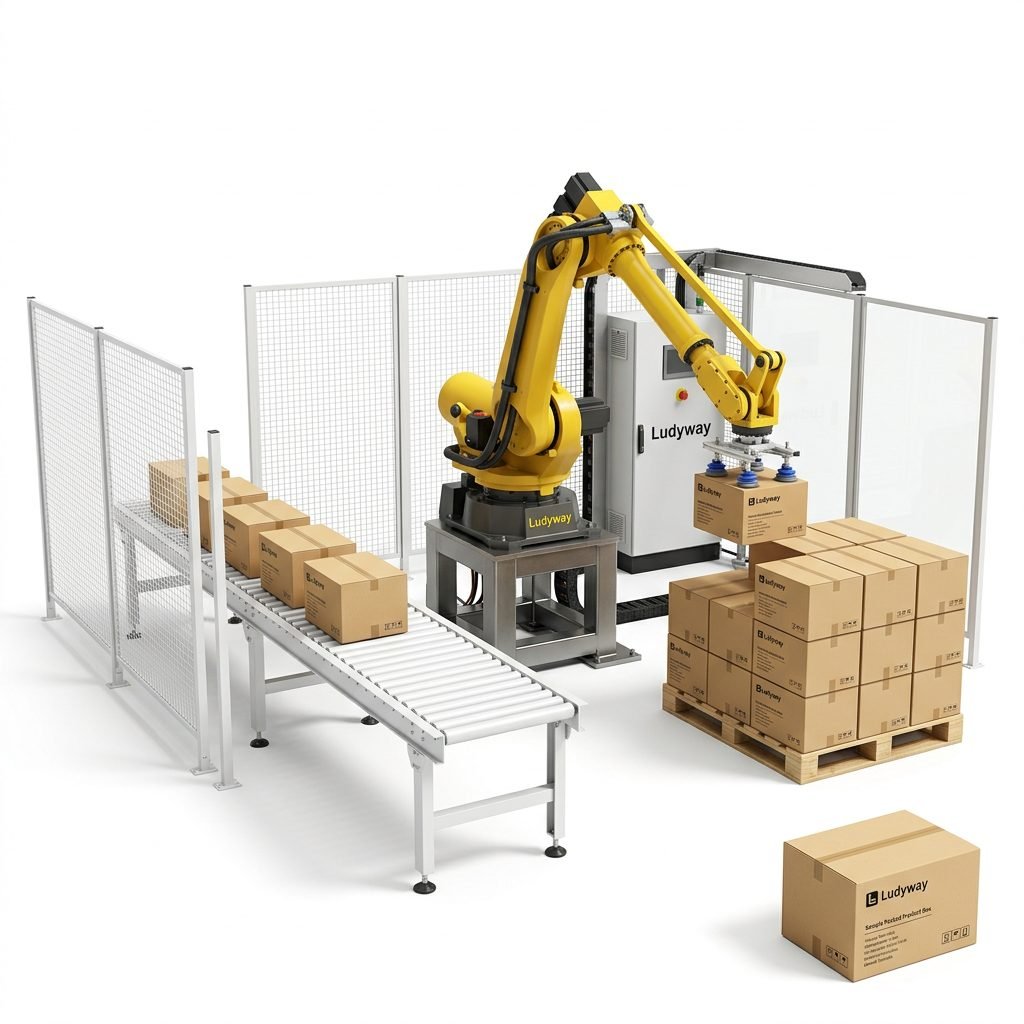
Will the machine need to integrate with existing checkweighers, labelers, or case packers? Choose a supplier known for reliable technical support, readily available spare parts, and comprehensive training. The quality of after-sales service is as important as the machine itself. Partnering with an experienced provider like Ludyway Packaging Machinery can ensure you get a solution tailored to your specific production line needs.
6. Analyze Total Cost of Ownership (TCO)
Look beyond the initial purchase price. Factor in long-term costs like energy consumption, maintenance, spare parts, and potential downtime. A slightly more expensive but more reliable and efficient machine often has a lower TCO.
Conclusion
Selecting the best coffee packaging machine is a strategic decision that balances technical specifications with practical business needs. By thoroughly understanding the different machine types, critically evaluating key features like weighing accuracy and gas flushing, and following a structured selection process that focuses on your product, volume, and growth plans, you can invest in equipment that becomes a cornerstone of your brand’s quality and efficiency for years to come. The right machine not only packages your coffee—it protects your reputation.
Frequently Asked Questions (FAQs)
What is the most important feature for packaging whole bean coffee?
The integration of a nitrogen gas flushing system is arguably the most critical. It displaces oxygen from the package, drastically slowing oxidation and staling to preserve the beans’ fresh-roasted flavor and aroma for much longer.
Can one machine handle different bag sizes and coffee types?
Yes, many modern vertical form-fill-seal (VFFS) machines are designed with quick-change capabilities. By switching out the forming tube, sealing jaws, and adjusting the software recipe, you can run different bag dimensions and switch between whole bean and ground coffee, though a product purge is usually required.
How do I choose between a VFFS machine and a pre-made bag filler?
Choose a VFFS machine for cost-efficiency on the packaging material (using film rolls) and high-speed flexibility. Choose a pre-made bag filler when you require a specific, complex bag shape (like a sturdy flat-bottom gusseted bag) with high-quality pre-printed graphics and are willing to manage inventory of the pre-made bags.
What maintenance does a coffee packaging machine require?
Daily cleaning of product contact parts, weekly lubrication of moving components, and periodic inspection of critical wear parts like sealing jaws, cutters, and filters are essential. Always follow the manufacturer’s preventive maintenance schedule to ensure consistent performance and avoid unplanned downtime.
Is it worth investing in automated features like checkweigher feedback?
For medium to high-volume production, yes, absolutely. Automated feedback systems where a checkweigher communicates with the filler to auto-correct drift ensure near-perfect weight accuracy, reduce product giveaway, guarantee compliance, and provide valuable production data.