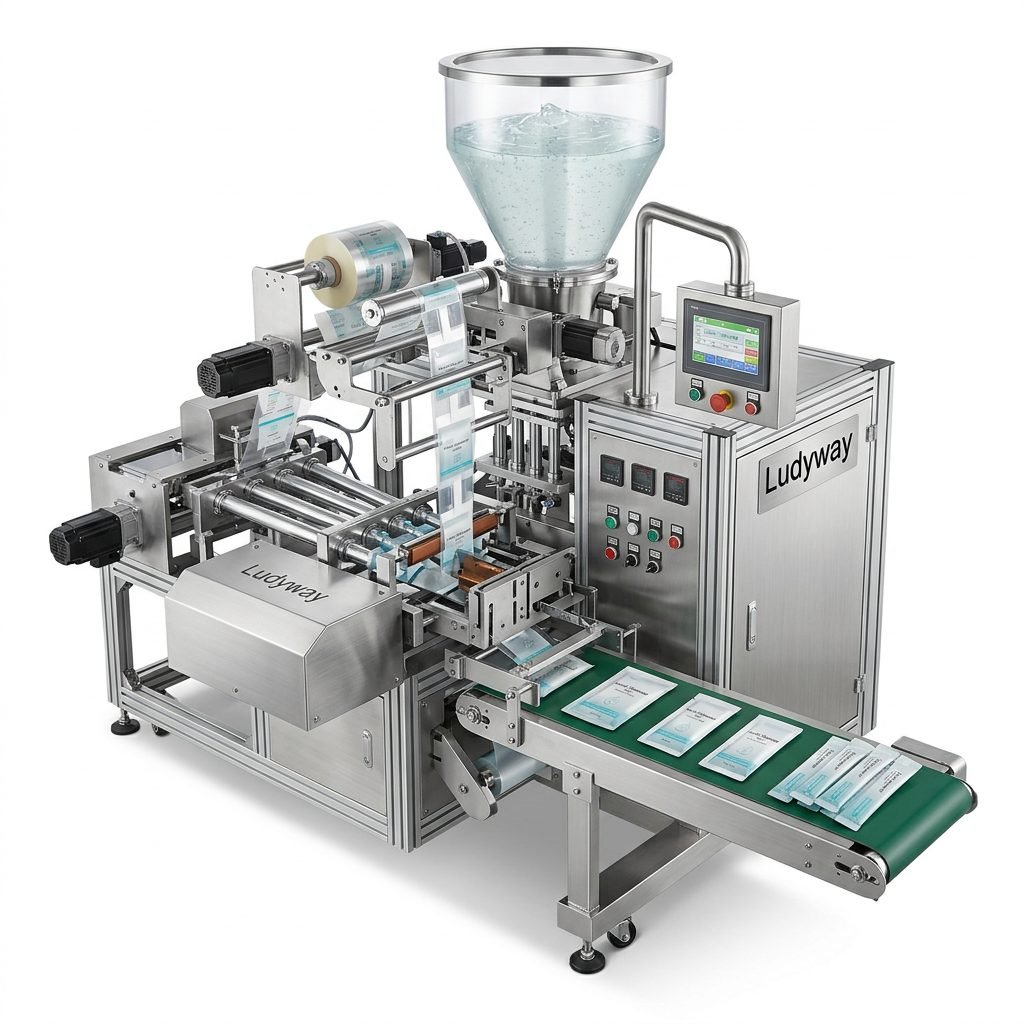
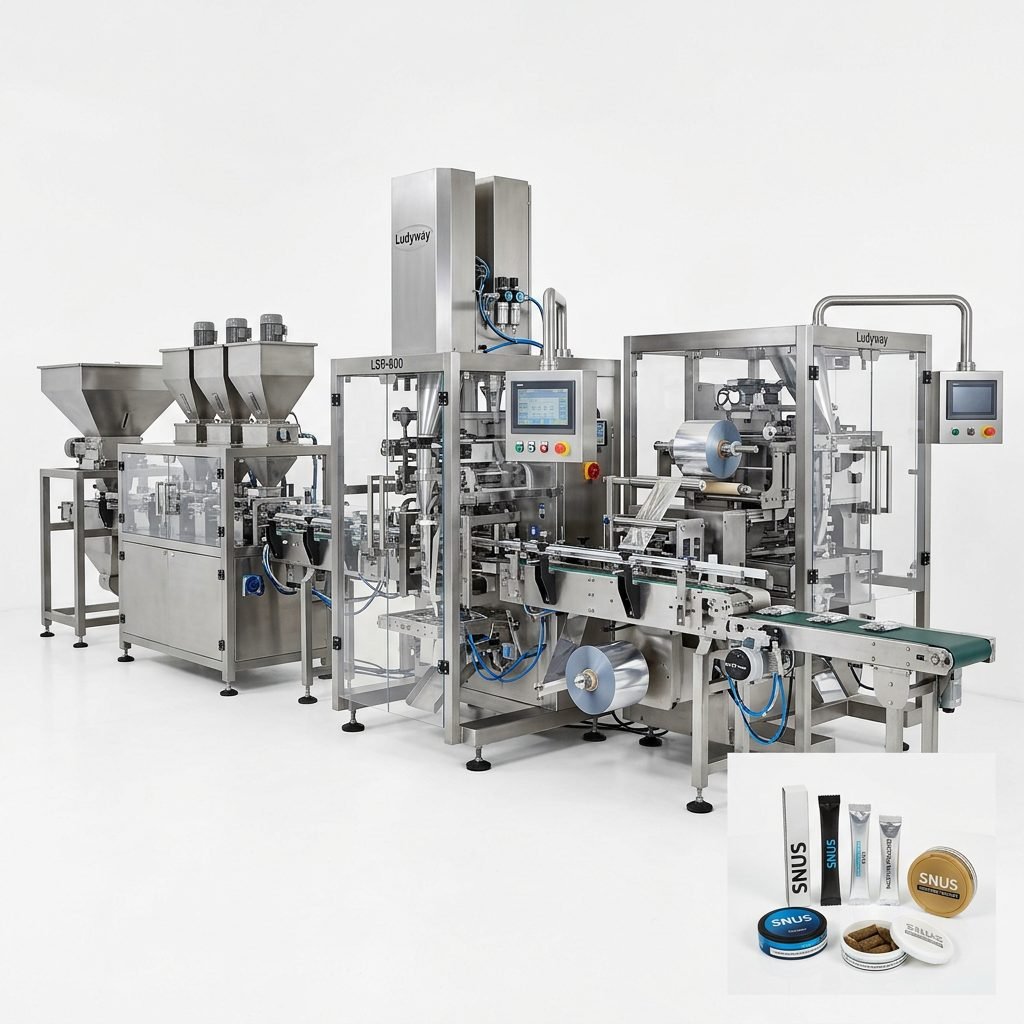
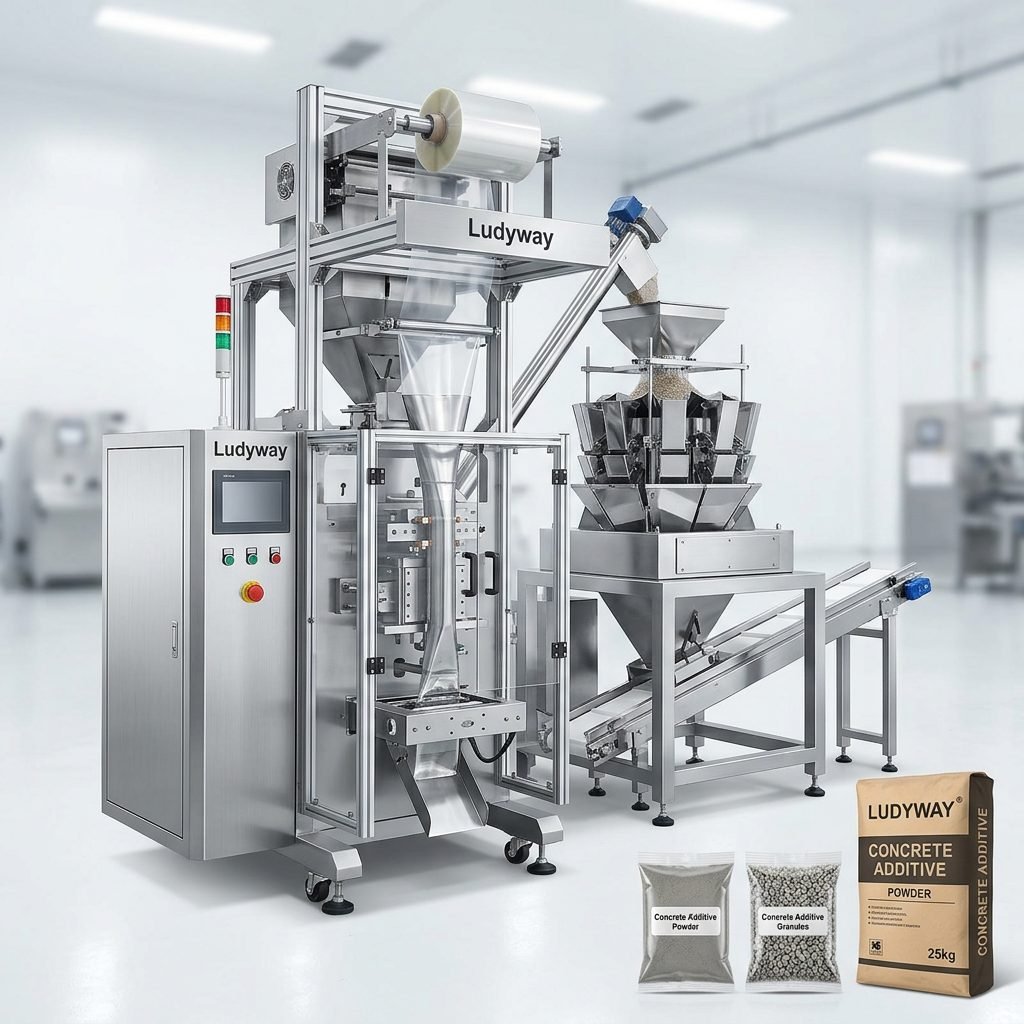
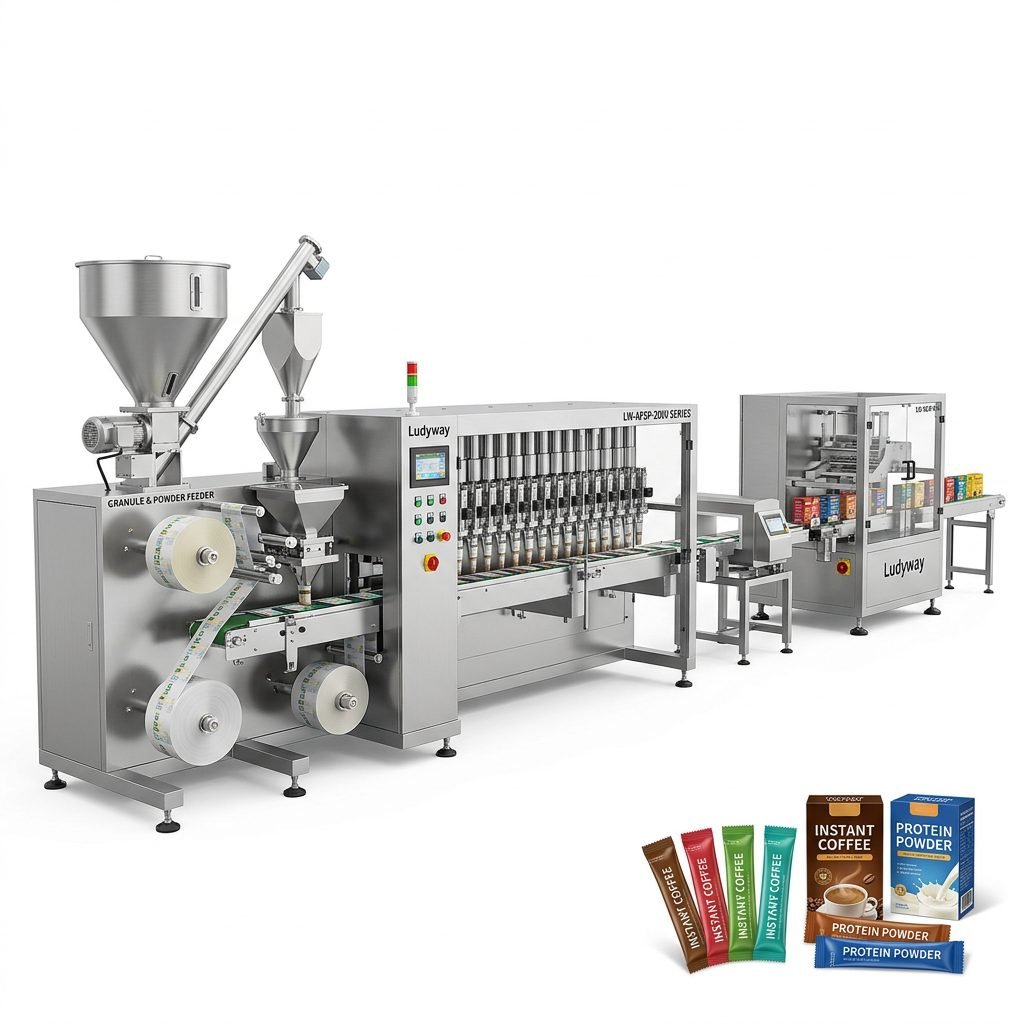
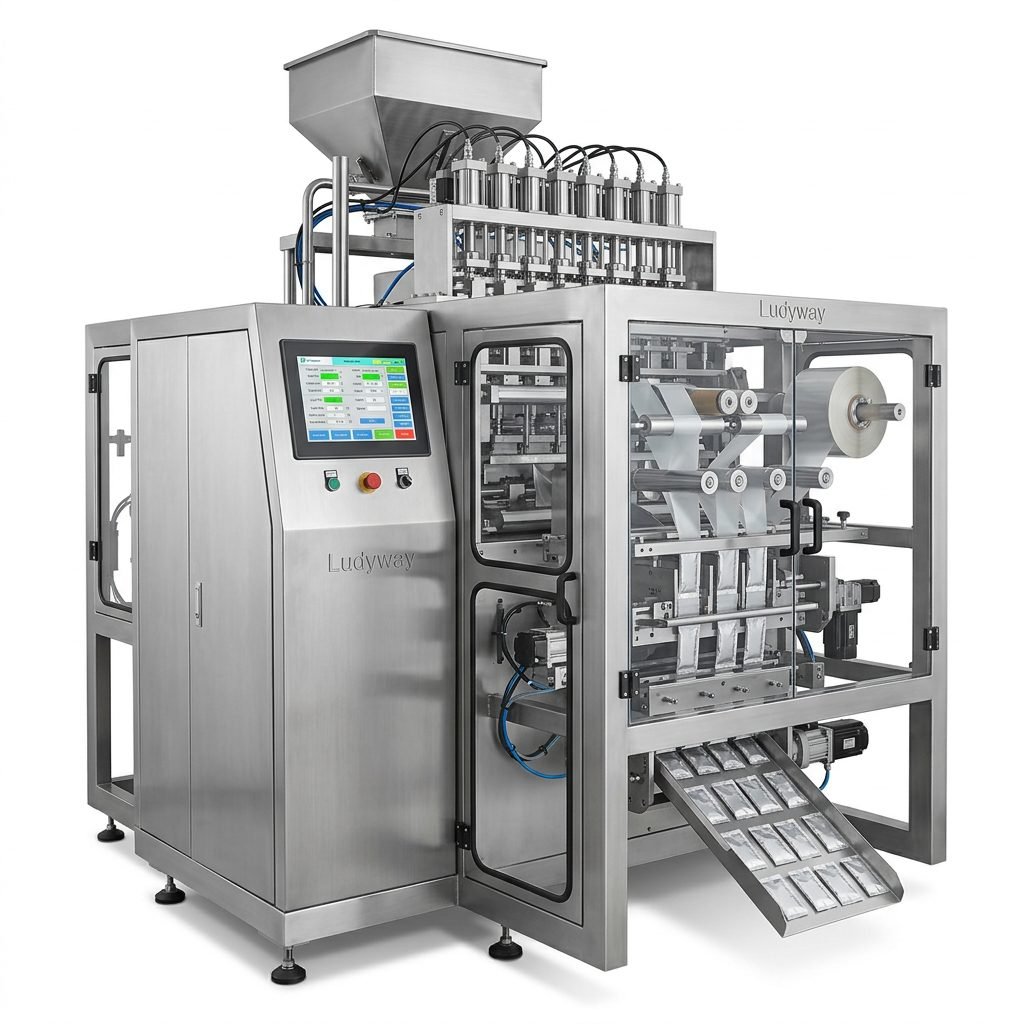
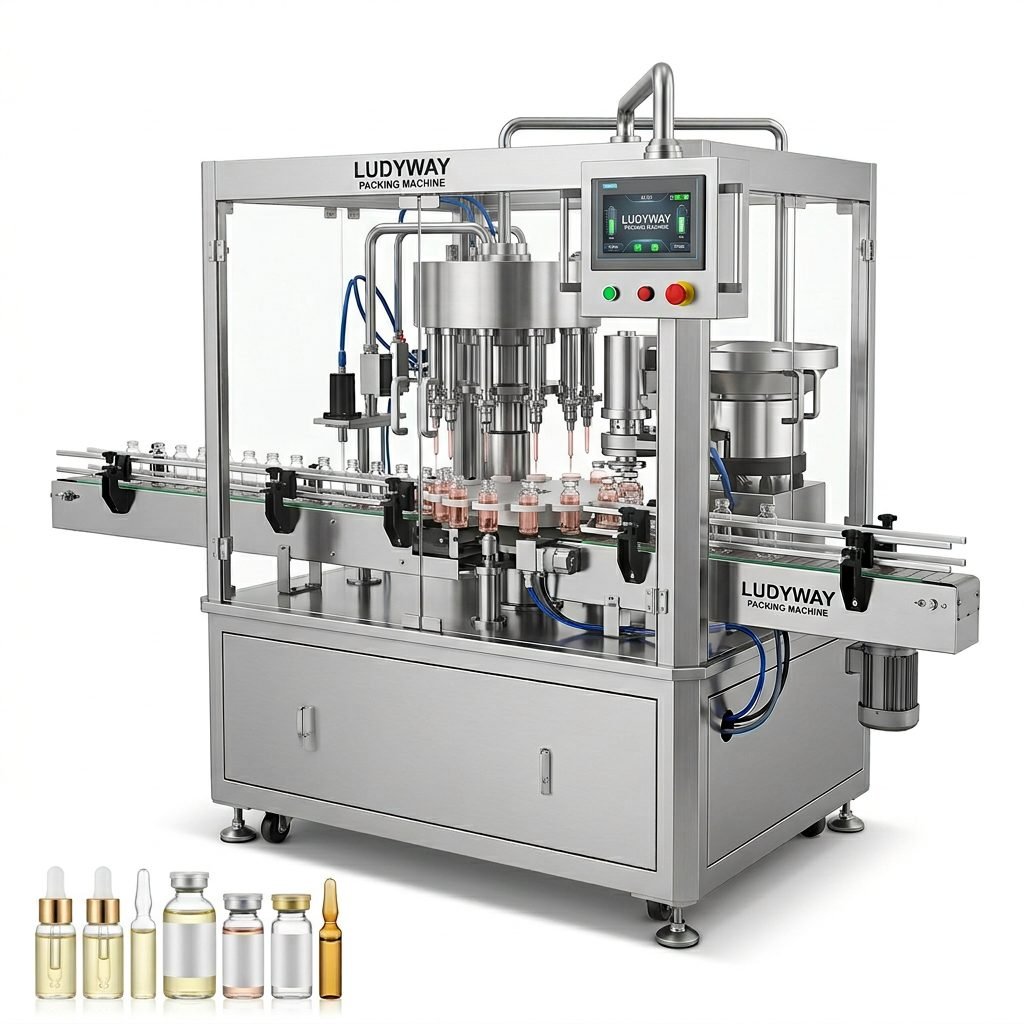
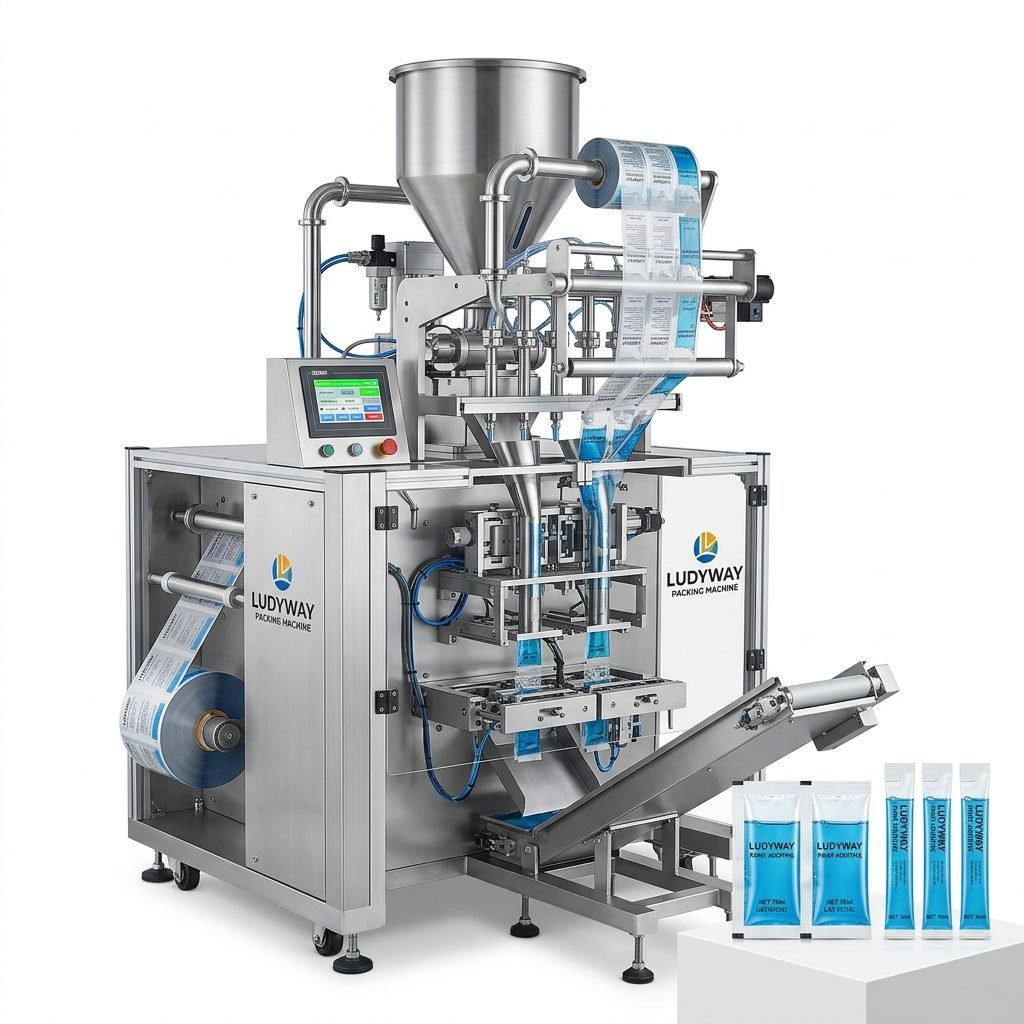
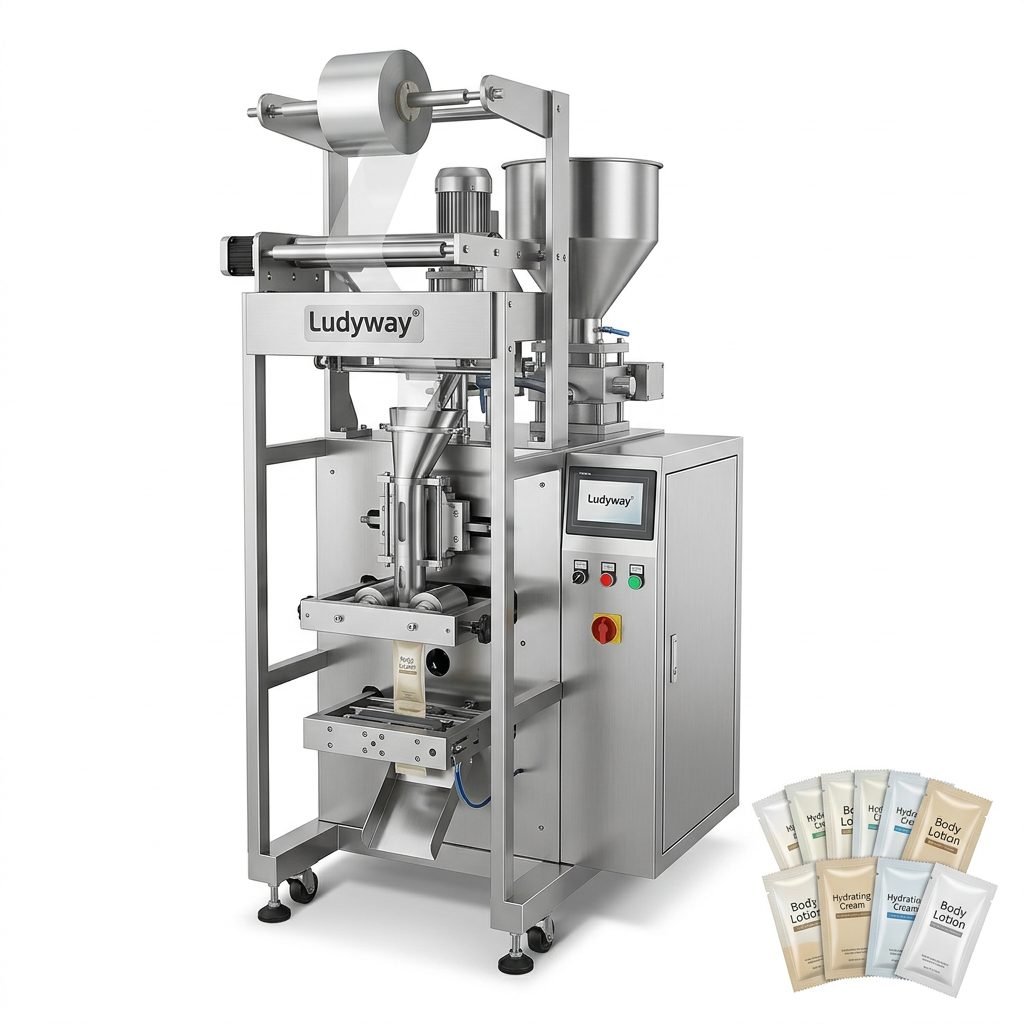
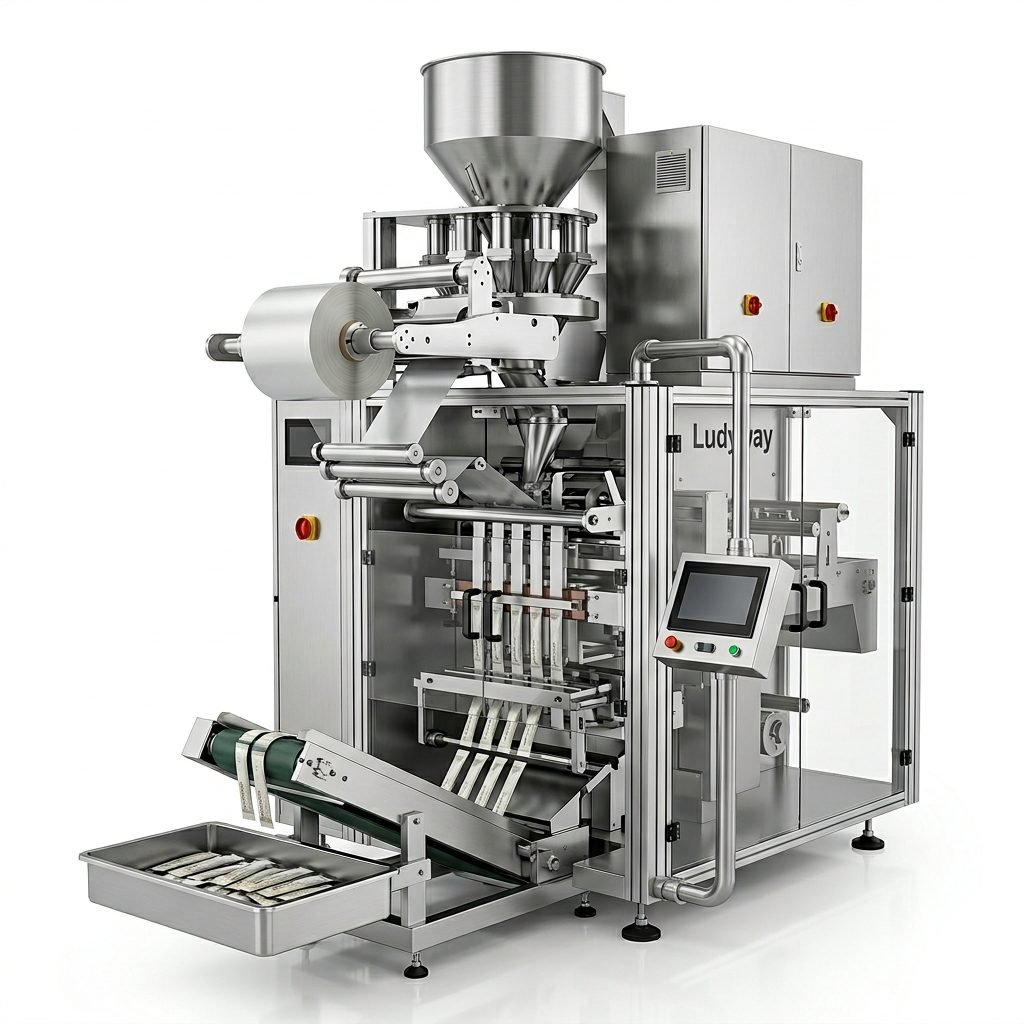
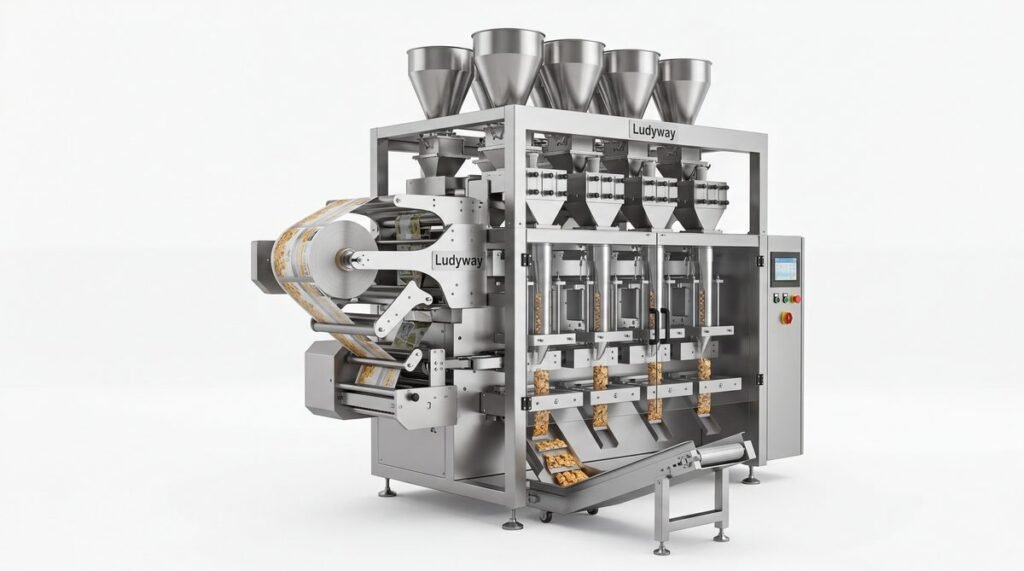
In the heart of the Nordic region, Finland stands out for its commitment to quality, efficiency, and design – values deeply embedded in its business culture and manufacturing ethos. For Finnish food producers, pharmaceutical companies, and health supplement brands, packaging is not merely a final step but a critical component of product integrity, shelf appeal, and operational sustainability. The demand for high-quality Nasu packaging machines, which excel in handling granules, powders, and liquids with precision, is perfectly aligned with Finland’s high standards. This guide delves into the specifications, pricing considerations, and supplier landscape for Nasu packaging equipment tailored for the Finnish market.
Understanding the Finnish Market for Packaging Machinery
Finnish industries prioritize reliability, automation, and clean design. The local preference for sustainable practices and long-lasting equipment means that suppliers must offer durable, energy-efficient machines with minimal downtime. For businesses seeking Nasu packaging solutions, this translates to a need for robust specifications that can withstand demanding production schedules while maintaining consistent output quality.
Key Finnish Industry Focus: High hygiene standards (especially in food & pharma), automation for labor efficiency, and machinery that supports sustainable packaging materials.
Core Specifications of High-Quality Nasu Packaging Machines
When evaluating Nasu packaging machines, Finnish buyers should scrutinize several technical and operational specifications to ensure a perfect fit for their production lines.
1. Packaging Speed and Efficiency
Modern Nasu machines offer varying speeds, typically measured in packs per minute (PPM). For high-volume Finnish producers, such as those in the thriving berry products or dairy sectors, speeds ranging from 60 to 200 PPM for stick packs or sachets are common. Multi-lane configurations can significantly boost total output.
2. Material and Product Compatibility
A top-tier machine must handle diverse materials – from laminated films for moisture barrier to recyclable options gaining traction in Finland. It should also precisely meter different product types:
Granules (e.g., instant coffee, sugar)
Powders (e.g., protein supplements, spices)
Liquids & Pastes (e.g., sauces, honey).
3. Automation and Control Systems
Finnish operators value intuitive interfaces. Machines equipped with PLC touchscreen controls, recipe memory, and self-diagnostic functions reduce setup time and human error. Integration capabilities with existing conveyor systems and checkweighers are also crucial for a streamlined line.
4. Hygiene and Construction Standards
Given Finland’s strict food safety regulations (evolving from its “sisu” or perseverance in maintaining high standards), machine construction should feature stainless steel contact parts, easy-clean designs, and compliance with relevant EU safety and hygiene directives.
Pricing Factors for Nasu Packaging Machines in Finland
Investment in packaging machinery is significant. Pricing is influenced by:
- Machine Configuration: Basic single-lane vs. multi-lane, integrated dosing systems, and optional features like gas flushing.
- Automation Level: Fully automatic systems with robotic loading command a higher price than semi-automatic models.
- Brand and Supplier: Established brands with proven reliability and local support networks may have different pricing tiers.
- After-Sales Service Package: Including installation, training, warranty, and availability of spare parts in Europe.
While exact prices require quotation, Finnish businesses should budget for a comprehensive solution, not just the machine’s sticker price, considering total cost of ownership.
Navigating the Supplier Landscape: A Guide for Finnish Buyers
Choosing the right supplier is as critical as selecting the machine. Finnish companies appreciate long-term, trustworthy partnerships (“kumppanuus”).
✔ What to Look for in a Supplier:
Proven Experience: Suppliers with a history of serving Nordic or European markets understand local regulatory and operational nuances. For instance, Ludyway Machinery, with over a decade of international expertise, offers tailored solutions that align with such regional demands.
Technical Support & Spare Parts: Ensure the supplier provides prompt technical support, possibly with partners in the EU/EEA region, to minimize potential downtime—a key concern in efficient Finnish operations.
Customization Ability: The supplier should offer customization to handle unique Finnish products, like specific granule sizes or liquid viscosities.
Project Execution Capability: From initial consultation to installation and training, a smooth project flow is essential.
Why Partner with a Specialized International Supplier?
Partnering with a globally experienced supplier like Ludyway Machinery brings advantages such as access to a wide range of over 50 packaging machine models, the benefit of 30+ years of collective industry experience in their engineering network, and the ability to provide complete turnkey production line solutions. Their focus on innovation and long-term cooperation resonates well with the Finnish business approach of investing in reliable, future-proof technology.
Conclusion: Making an Informed Investment
For Finnish businesses aiming to enhance their packaging operations, selecting a high-quality Nasu packaging machine involves a careful balance of precise specifications, transparent pricing, and a reliable supplier partnership. By prioritizing efficiency, hygiene, and sustainable operation—core values in the Finnish industrial landscape—companies can invest in equipment that not only boosts productivity but also upholds the renowned quality of Finnish products on the global stage.
Frequently Asked Questions (FAQs)
1. What after-sales support can I expect for a Nasu machine in Finland?
Reputable suppliers typically offer comprehensive support including remote troubleshooting, on-site engineer dispatch (often via European partners), operator training, and a reliable supply chain for genuine spare parts to ensure minimal disruption.
2. Are Nasu packaging machines suitable for small-batch, artisanal Finnish food products?
Yes. Many modern Nasu machines offer high flexibility with quick changeover features and precise dosing, making them ideal for small to medium batches of premium products like specialty spices, herbal teas, or gourmet sauces, allowing producers to maintain quality while scaling.
3. How important is energy efficiency for these machines in Finland?
Extremely important. Energy costs and environmental consciousness are high priorities. Look for machines with efficient servo motors, smart power management systems, and designs that reduce overall energy consumption during operation and standby.
4. Can the machines handle recyclable or biodegradable packaging films?
Many advanced Nasu machines are designed to work with a variety of materials, including newer mono-material or biodegradable laminates. It is crucial to discuss your specific sustainable packaging goals with your supplier during the selection process to ensure machine compatibility.
5. What is the typical lead time for delivery and installation in Finland?
Lead times vary based on machine customization and supplier logistics. Standard models may ship in 8-12 weeks, while highly customized lines take longer. Established suppliers with experience in Nordic exports can provide accurate timelines and manage logistics, including customs clearance for Finland.