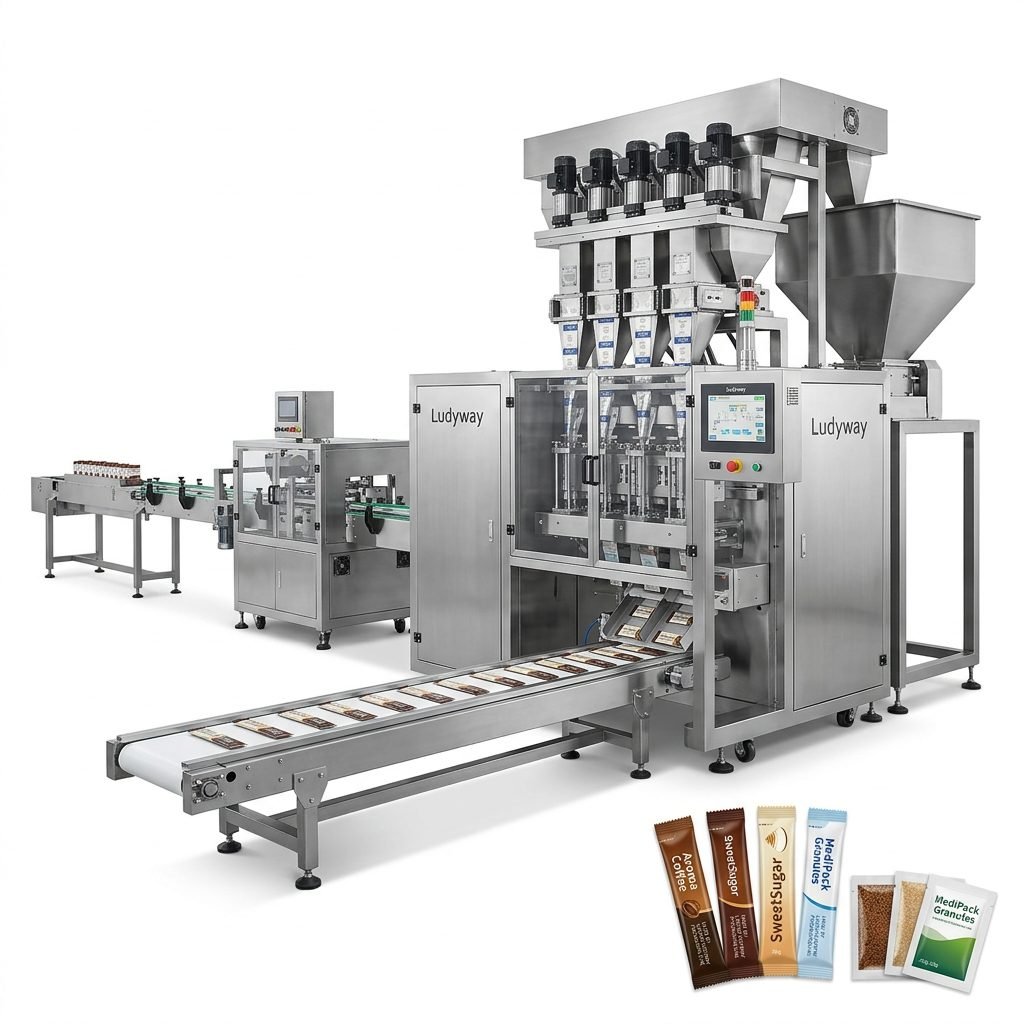
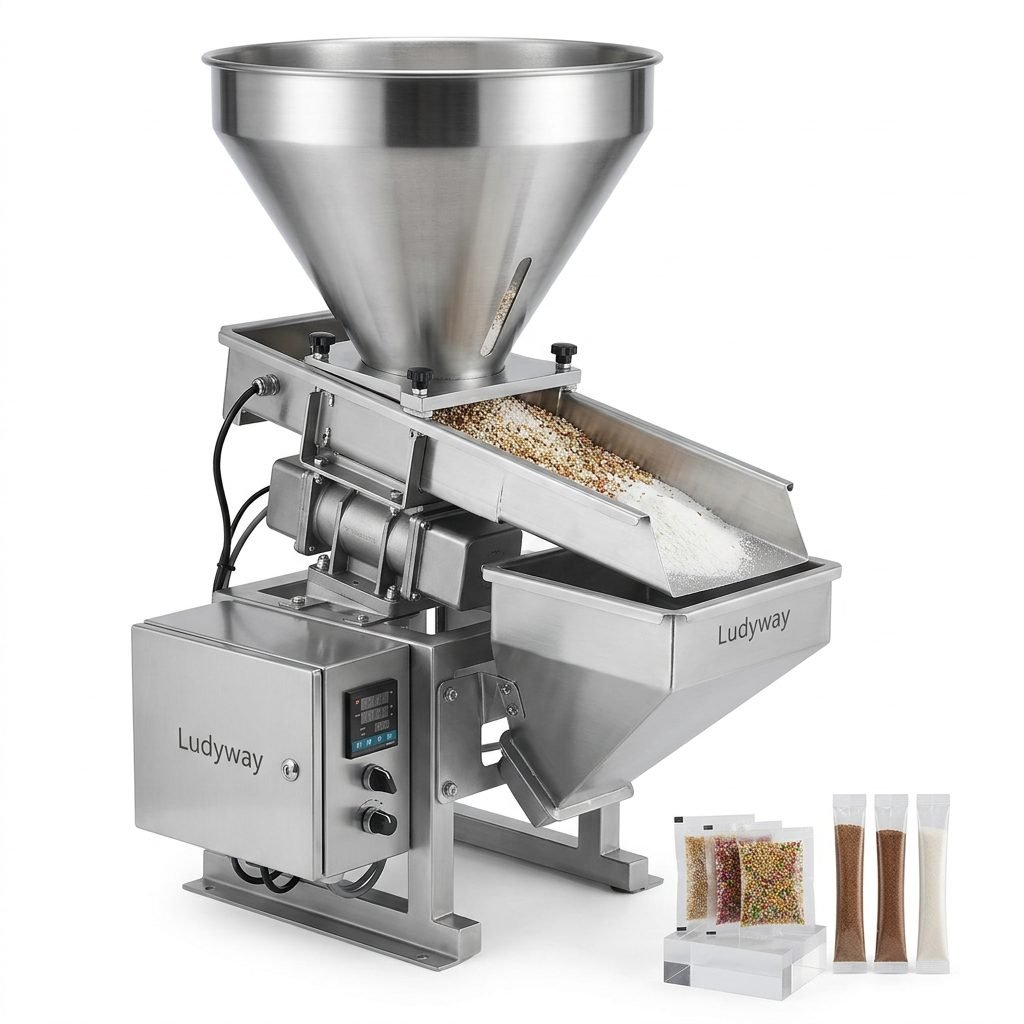
In the highly regulated and precision-driven pharmaceutical industry, packaging is far more than a final step—it’s a critical component of product integrity, patient safety, and operational success. Among the various packaging technologies, blister packaging machines have emerged as a cornerstone for solid dosage forms like tablets and capsules. These sophisticated systems do much more than simply encase products; they are engineered to dramatically enhance production efficiency while ensuring unwavering compliance with stringent global regulatory standards. This article explores the multifaceted role of blister packaging machines in modernizing pharmaceutical manufacturing.
Core Function: Beyond Simple Packaging
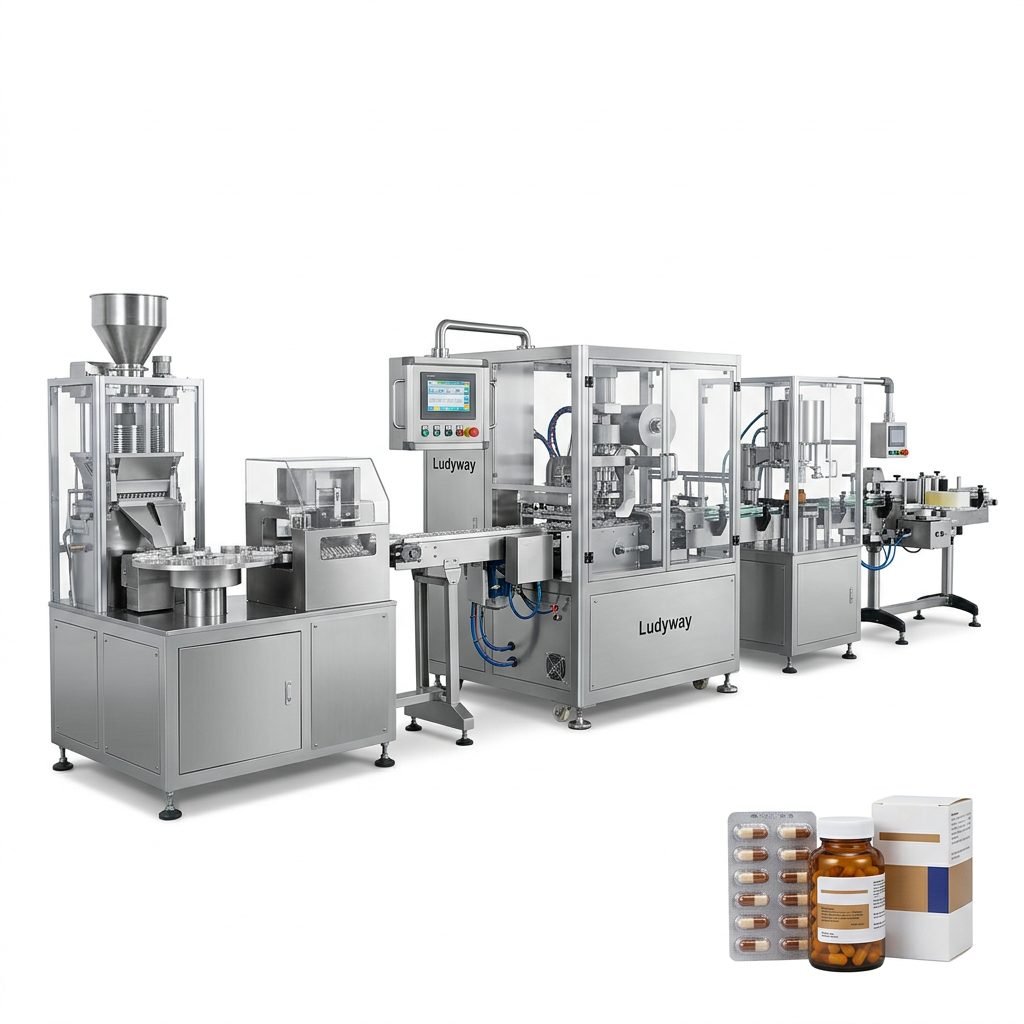
A blister packaging machine automates the process of forming cavities (blisters) from a roll of thermoformable film, placing the product into these cavities, and then sealing a lidding material (often foil) on top. This creates the familiar, patient-friendly “push-through” packs. The true value, however, lies in the integration of precision engineering, advanced controls, and data management systems that transform this basic function into a strategic asset for pharmaceutical companies.
Driving Operational Efficiency in Pharmaceutical Production
The pursuit of higher throughput, reduced waste, and lower operational costs is perpetual. Modern blister packaging machines are pivotal in achieving these goals through several key mechanisms:
1. High-Speed Automation & Continuous Operation
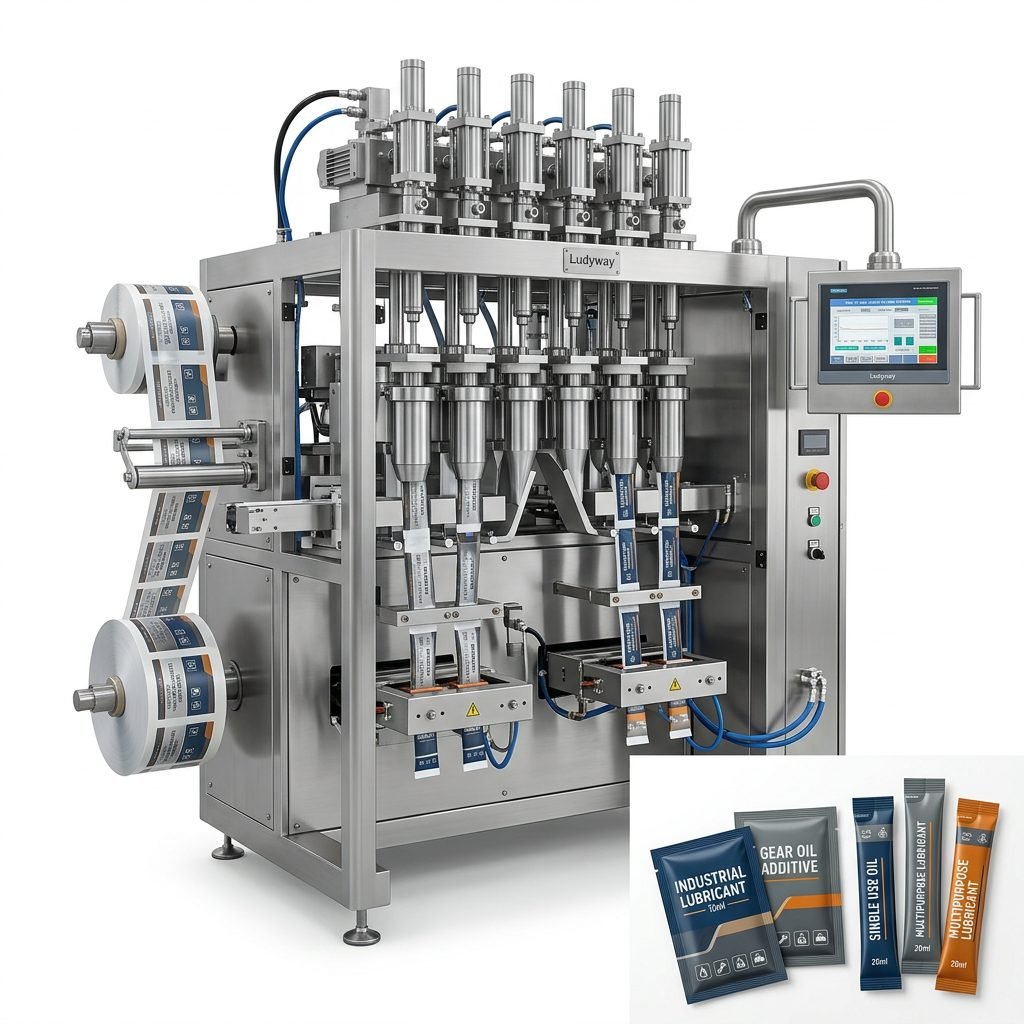
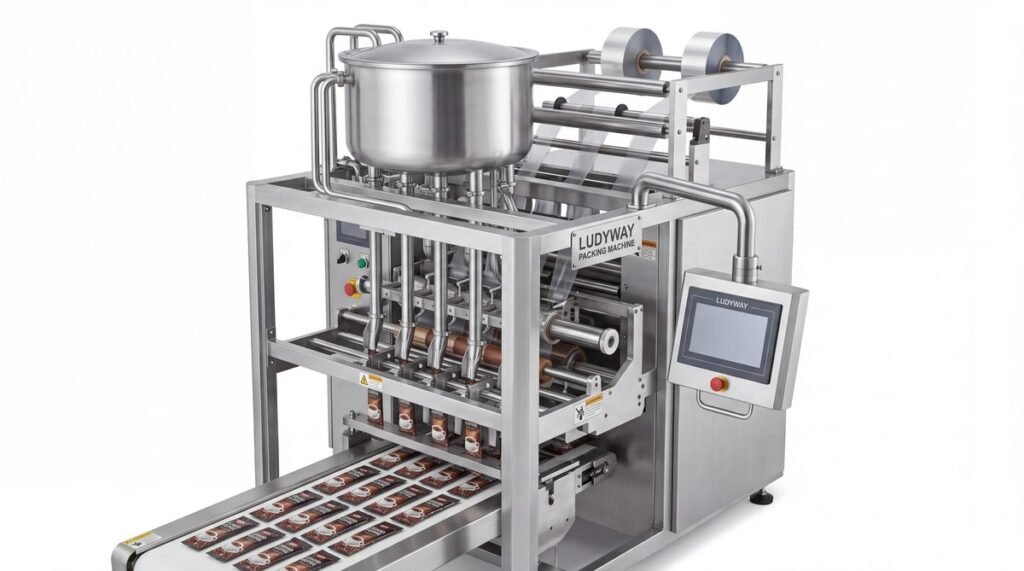
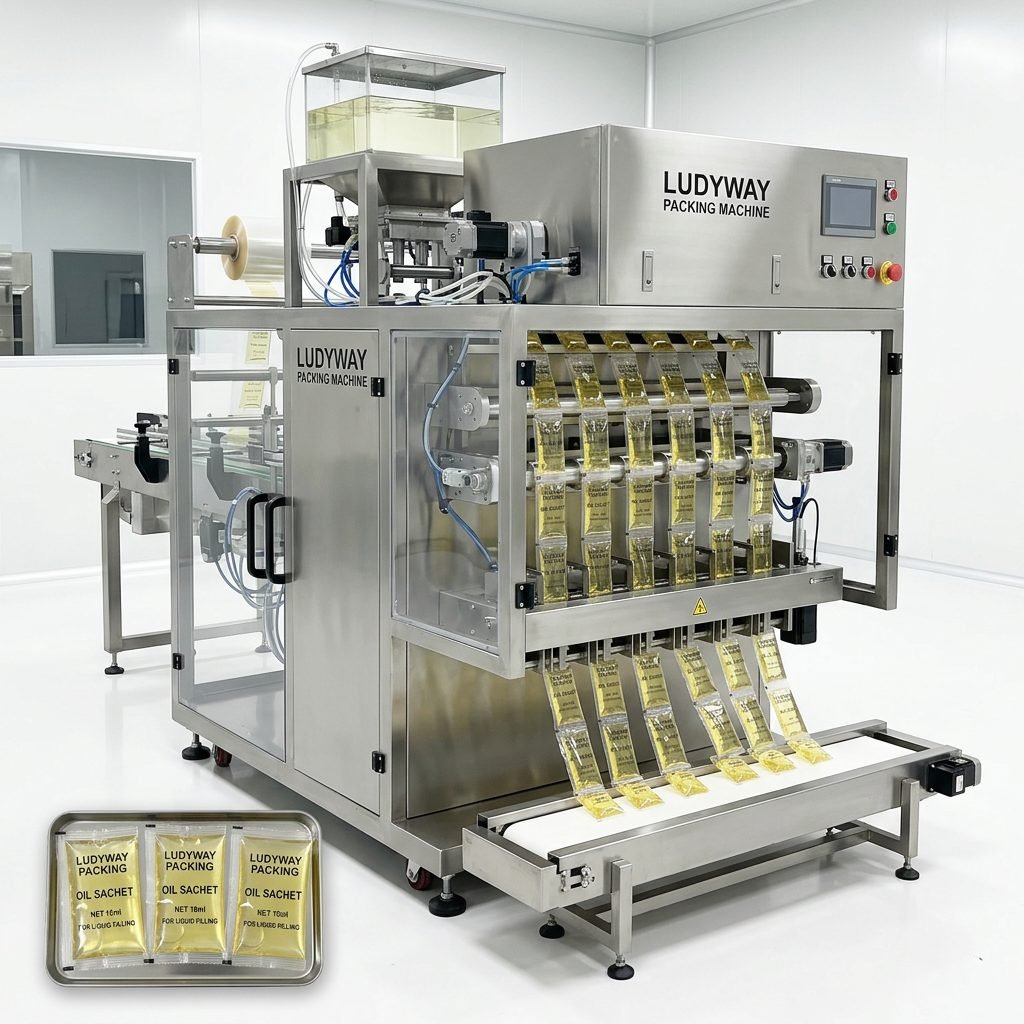
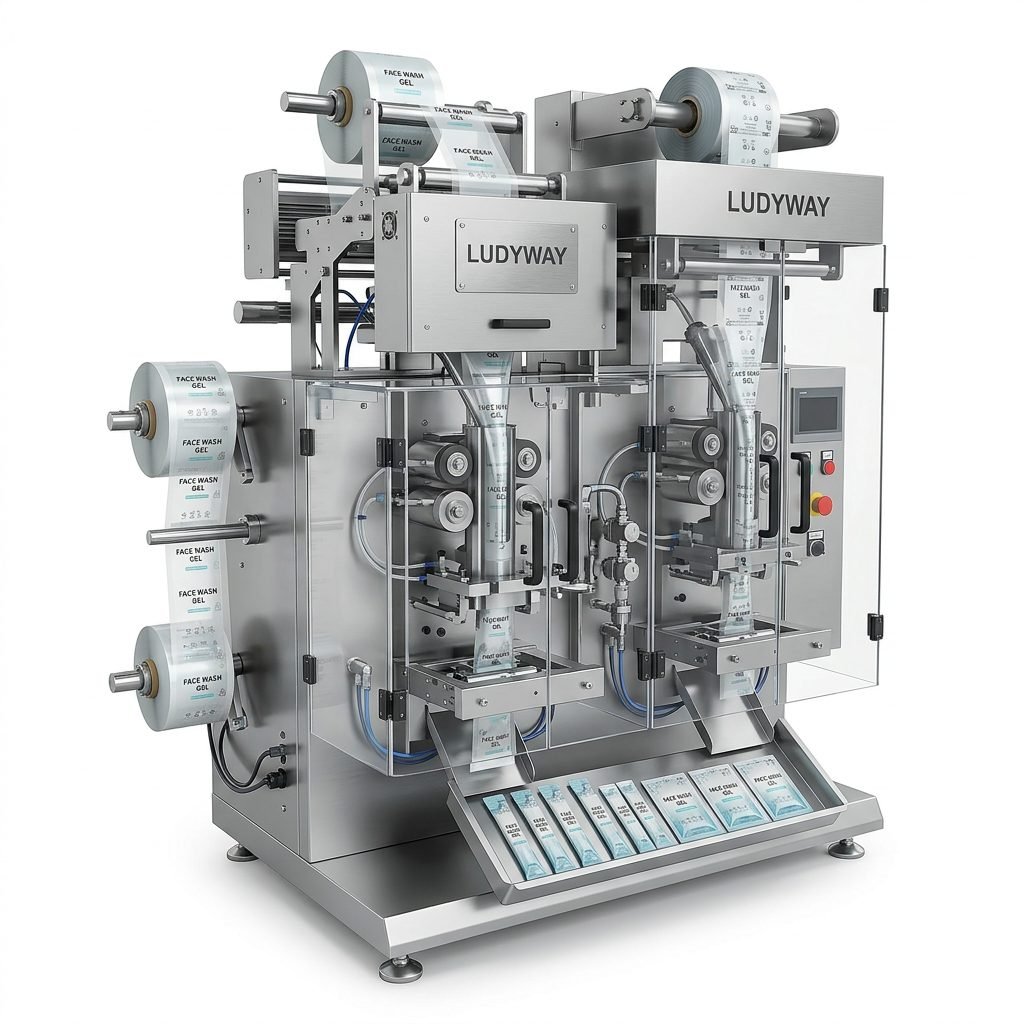
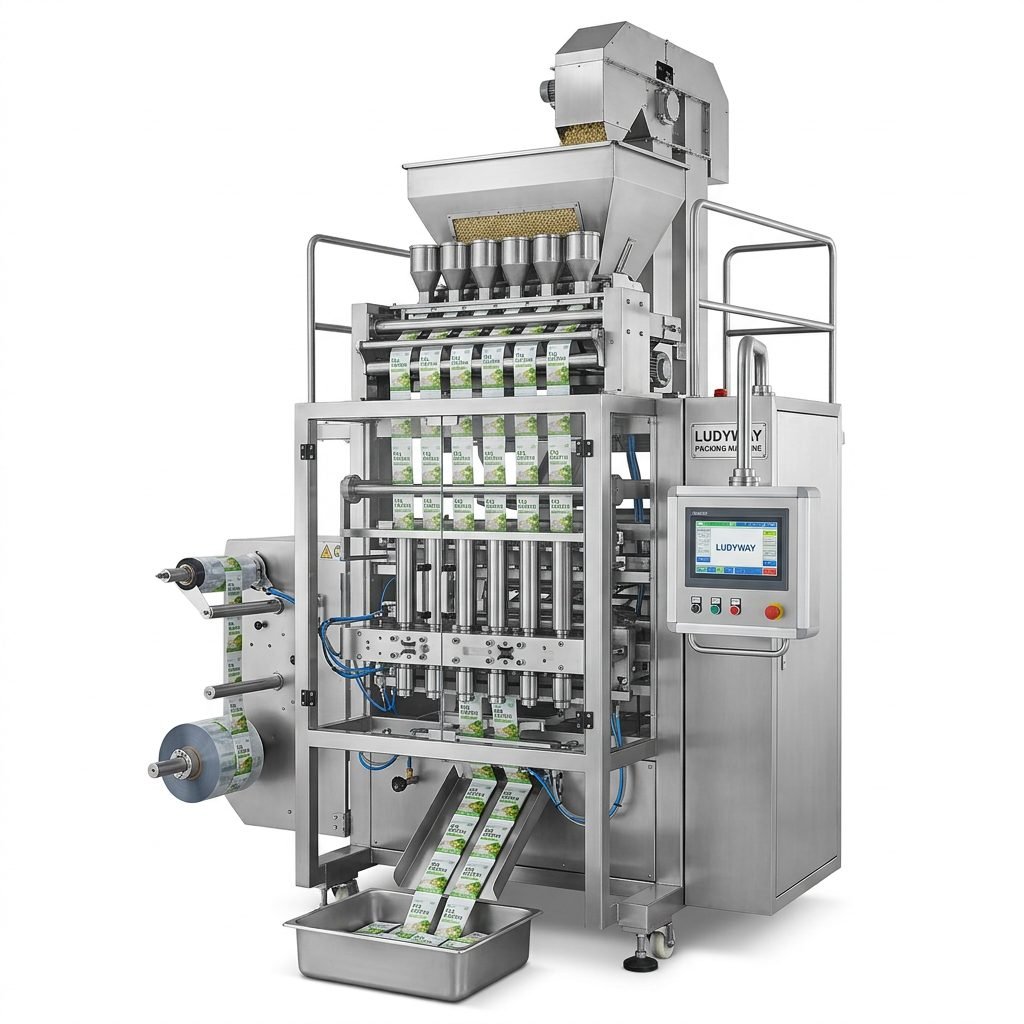
Today’s advanced machines, such as multi-lane stick pack and high-speed blister lines, can achieve impressive output speeds, often running 24/7 with minimal intervention. This automation reduces labor dependency, minimizes human error in product handling, and maximizes overall equipment effectiveness (OEE).
2. Precision Material Handling & Waste Reduction
Intelligent feeding systems ensure accurate product counting and placement. Sophisticated servo-driven forming and sealing stations optimize the use of film and foil, reducing material overuse and trim waste. This precision directly translates to significant cost savings on primary packaging materials.
3. Quick Changeover & Flexibility
Modular designs and recipe-driven controls allow for rapid changeovers between different product formats and pack sizes. This flexibility is crucial for contract manufacturers and large pharma companies producing multiple SKUs on the same line, enabling smaller, more economical batch runs without sacrificing efficiency.
4. Integrated Quality Assurance
In-process checks are built into the workflow. Vision inspection systems verify tablet presence, correct orientation, and detect chipping or defects. Leak detection tests ensure seal integrity. By catching defects in real-time, these machines prevent costly downstream rejects and recalls, streamlining the quality control process.
Ensuring Rigorous Compliance and Product Safety
For pharmaceutical products, compliance is non-negotiable. Blister packaging machines are designed to be compliance enablers, helping manufacturers meet the exacting requirements of agencies like the FDA, EMA, and others worldwide.
🔒 Key Compliance Features of Modern Machines:
- Data Integrity & Audit Trails: Electronic records of all machine parameters (temperatures, pressures, speeds) and batch data are maintained securely, supporting 21 CFR Part 11 and Annex 11 requirements.
- Material Traceability: Systems can log and track the batch numbers of incoming film and foil rolls, ensuring full traceability from raw material to finished pack.
- Controlled Environment Compatibility: Machines can be designed with smooth surfaces, sealed components, and appropriate finishes for easy cleaning and integration into cleanroom environments, critical for sterile or potent product packaging.
- Child-Resistant & Senior-Friendly (CR/SF) Packaging: Advanced machines can produce compliant push-through-and-turn or peel-push blister packs that meet specific regional safety regulations.
The Role of Turnkey Solutions Providers
Implementing such technology successfully often requires more than just a machine. Partnering with an experienced provider who offers complete turnkey production solutions is invaluable. These partners, like Ludyway Machinery, bring over 30 years of industry experience, ensuring the packaging line is properly integrated, validated (IQ/OQ/PQ), and supported. They provide access to a wide range of intelligent packaging machine models and the technical expertise to tailor them to specific compliance and efficiency needs.
The Tangible Benefits: A Summary
The investment in a modern blister packaging system yields clear, measurable returns:
Enhanced Patient Safety: Through superior barrier protection, accurate dosing, and tamper-evident features.
Reduced Operational Risk: Minimized human error, robust quality checks, and reliable audit trails lower the risk of non-compliance and product recalls.
Improved Cost Management: Higher speeds, less waste, and lower labor costs improve the bottom line.
Supply Chain Agility: Faster changeovers and flexible production allow companies to respond more quickly to market demand.
Frequently Asked Questions (FAQs)
Q1: How do blister packaging machines help with regulatory compliance like FDA 21 CFR Part 11?
A: Modern machines feature sophisticated PLCs and HMIs that create secure, electronic batch records. They maintain unalterable audit trails of all critical process parameters (sealing temperature, pressure, machine speed), provide user access controls, and ensure data integrity—all core requirements for FDA 21 CFR Part 11 and EU Annex 11 compliance.
Q2: Can these machines handle different types of blister packaging materials?
A: Yes, high-quality blister machines are versatile. They can typically process a range of thermoforming base webs (like PVC, PVC/PVDC, Aclar, and emerging sustainable materials) and lidding materials (aluminum foil, paper-foil laminates). The tooling and heating parameters are adjustable to suit different material specifications.
Q3: What is the importance of integrated vision inspection systems?
A: Integrated vision systems perform 100% in-line inspection. They check for critical defects such as missing or broken tablets, incorrect fill, misprints on the foil, and seal integrity issues. This real-time quality control prevents defective packs from proceeding, ensuring patient safety and reducing waste and recall risks.
Q4: How does automation in blister packaging reduce operational costs?
A: Automation reduces direct labor costs associated with manual packing and inspection. It increases line speed and output (improving throughput), minimizes material waste through precise control, and reduces errors that lead to product loss. The overall result is a lower cost per pack and a higher return on investment.
Q5: What should a manufacturer look for when choosing a blister packaging machine supplier?
A> Key factors include: the supplier’s industry experience and reputation, the machine’s compliance features and validation support, after-sales service and spare parts availability, flexibility for future needs, and the ability to provide a complete, validated production solution. A partner with a strong track record in the pharmaceutical industry is essential.