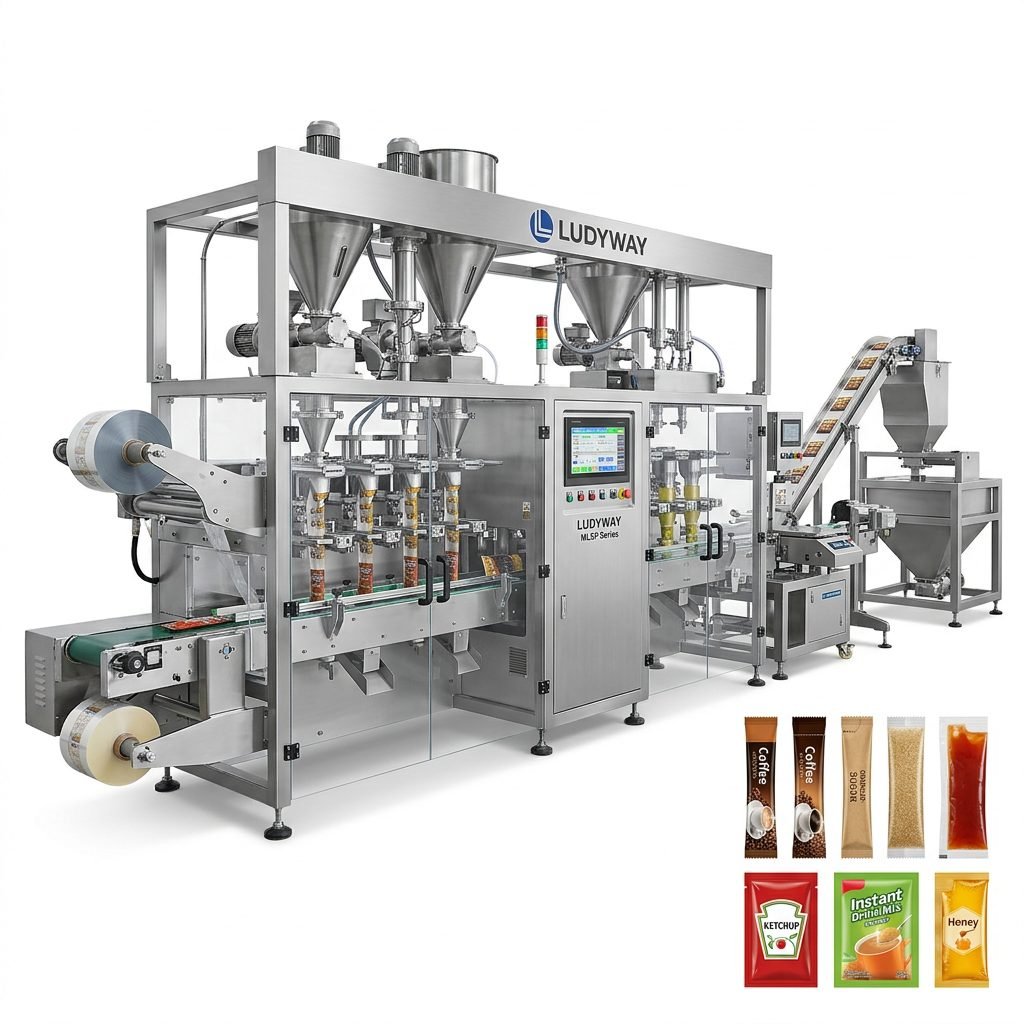
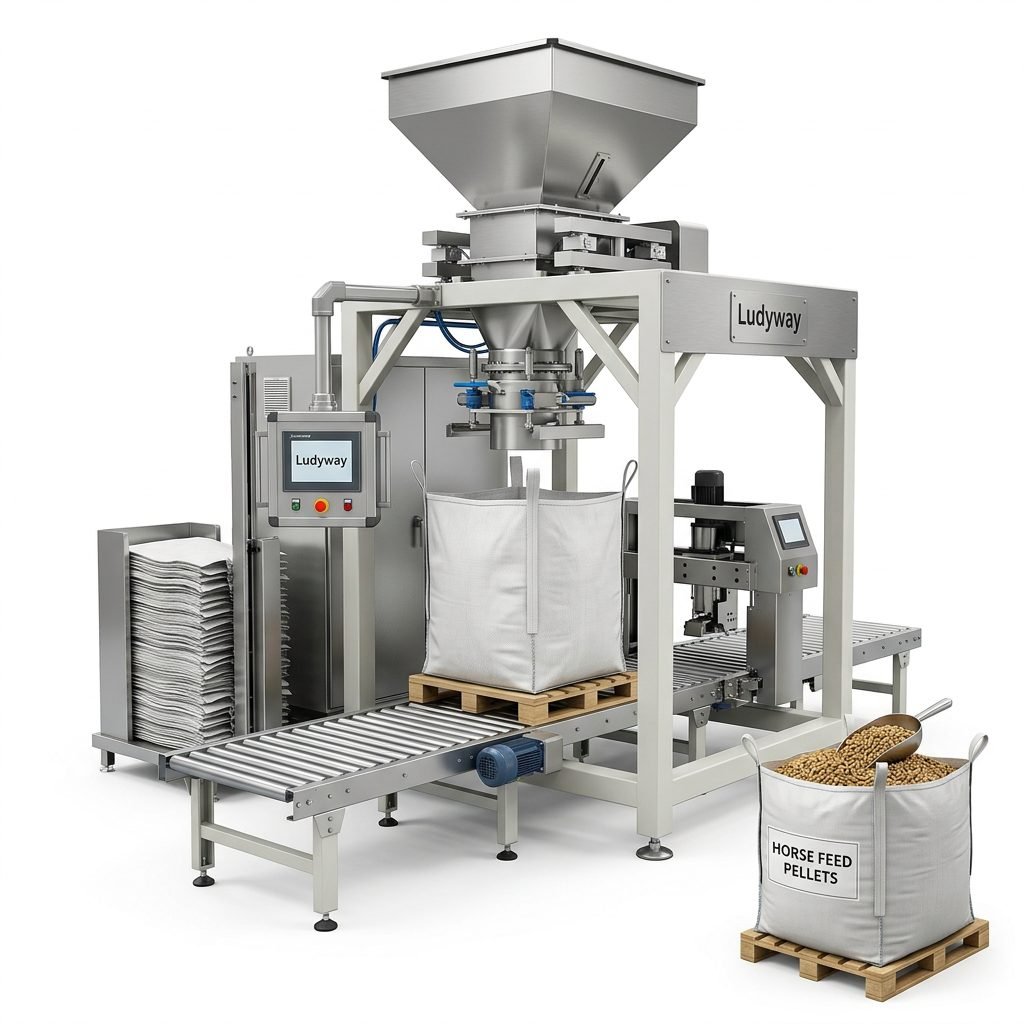
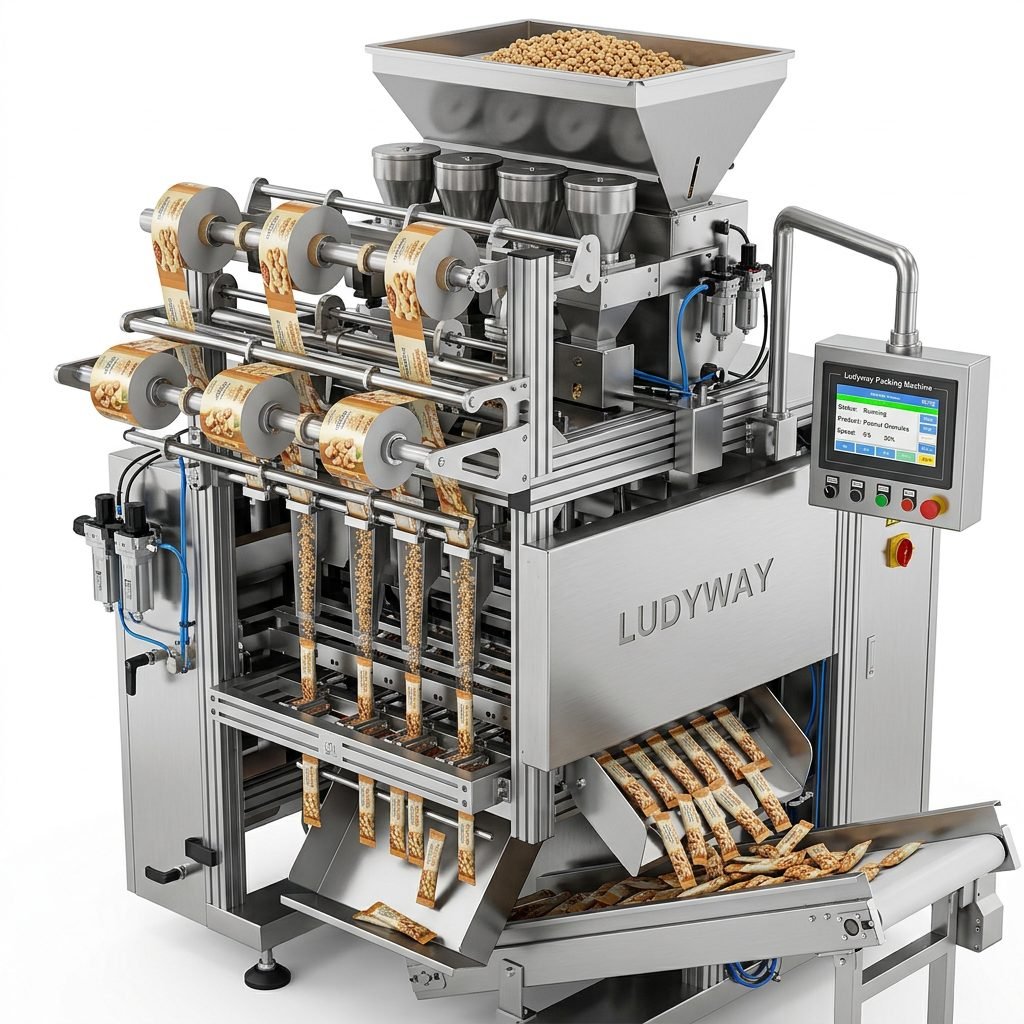
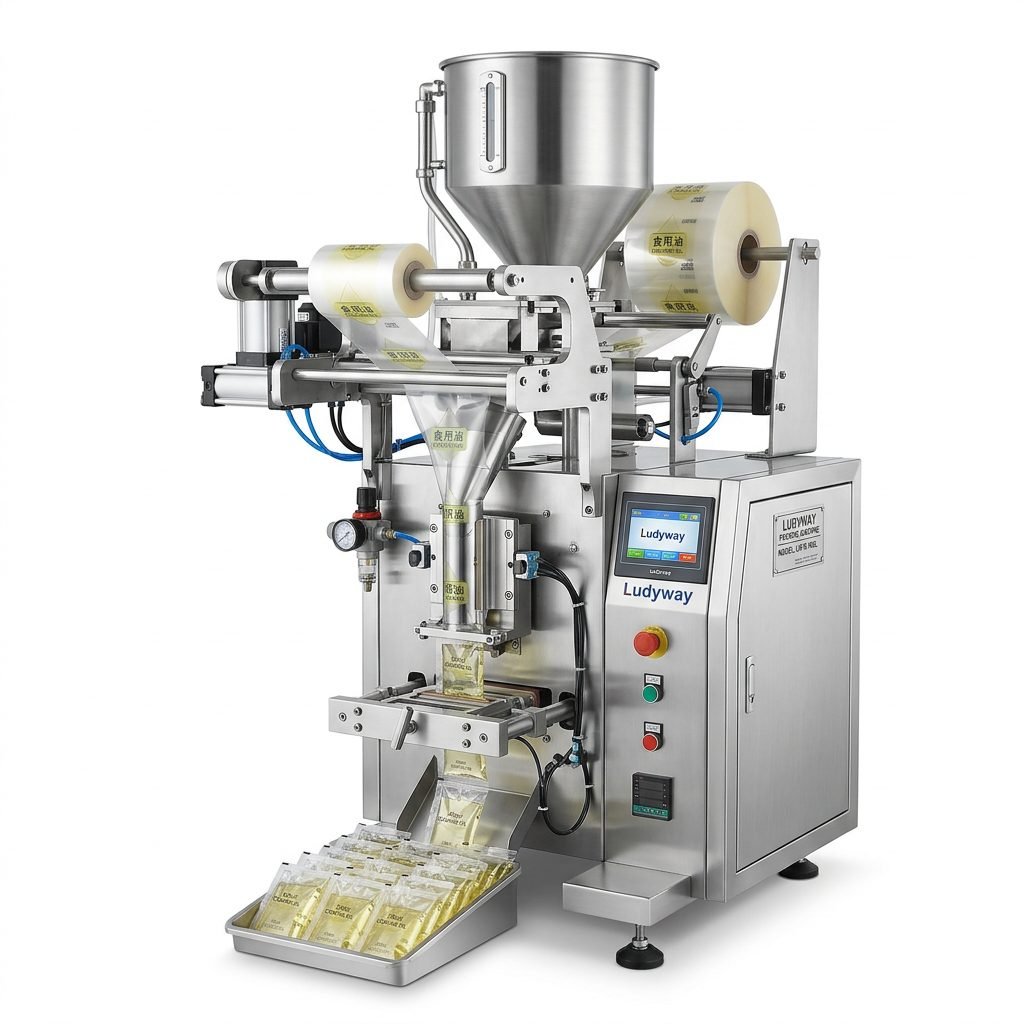
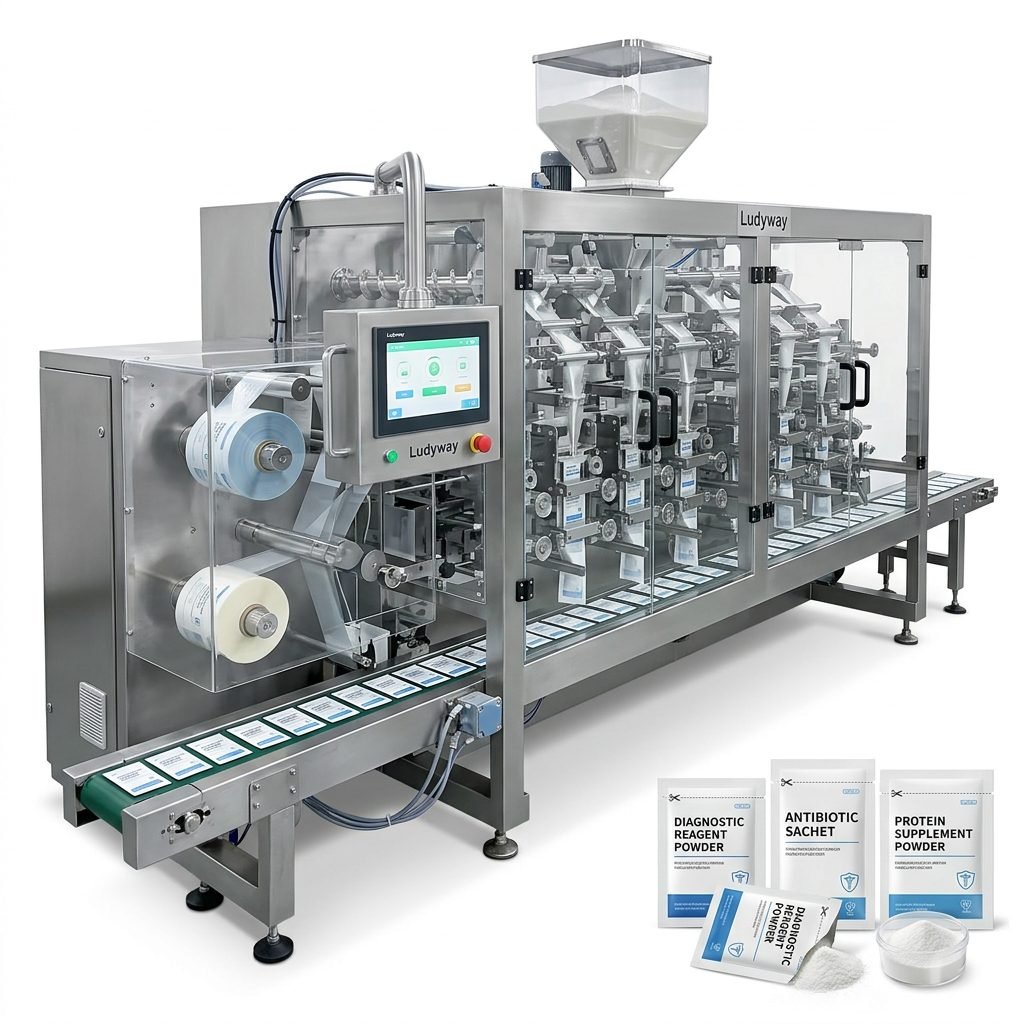
In the competitive food industry, efficient and reliable packaging is not just a final step—it’s a critical component of brand integrity, product safety, and operational success. Choosing the right food packaging machine and, more importantly, the right manufacturer, can significantly impact your production efficiency, product quality, and bottom line. This guide delves into the landscape of top-tier food packaging machine manufacturers and provides a strategic framework to help you select the best supplier for your unique business needs.
The Role of Packaging Machinery in Modern Food Production
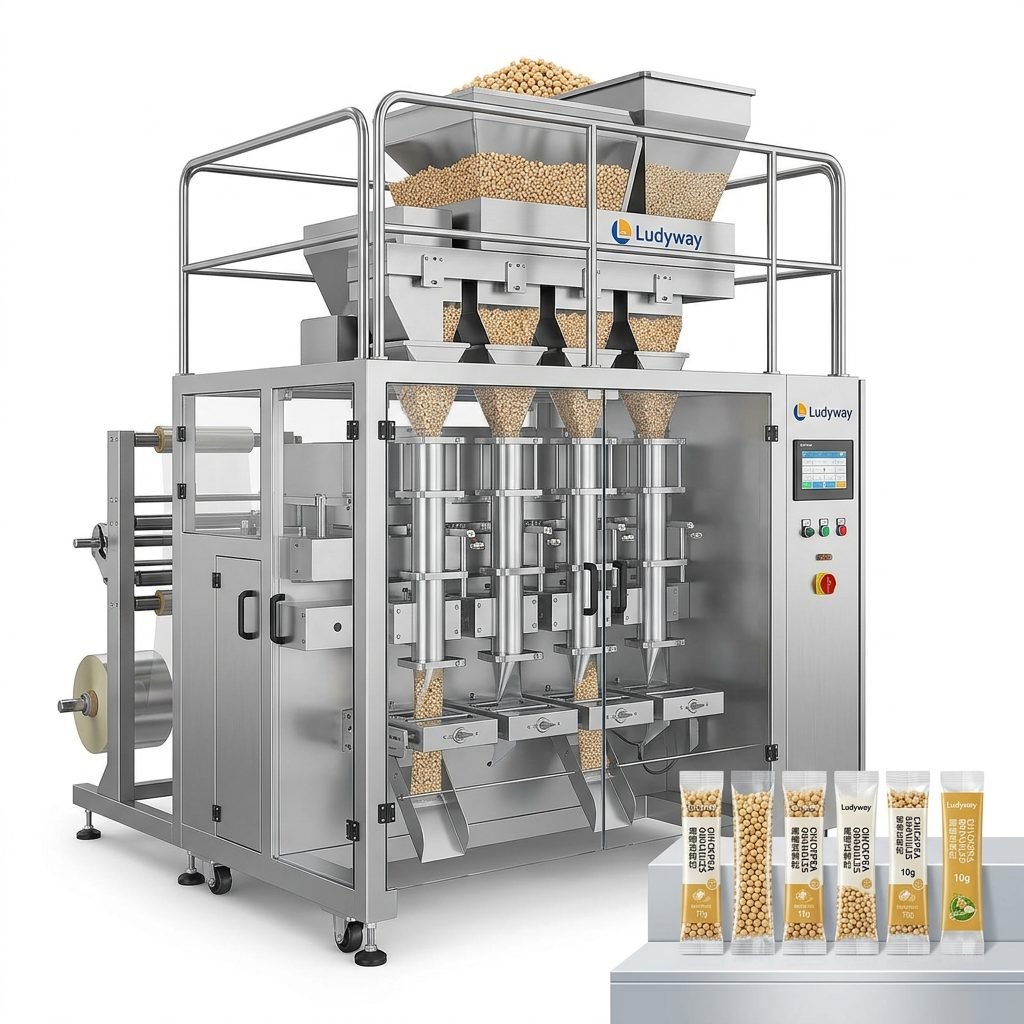
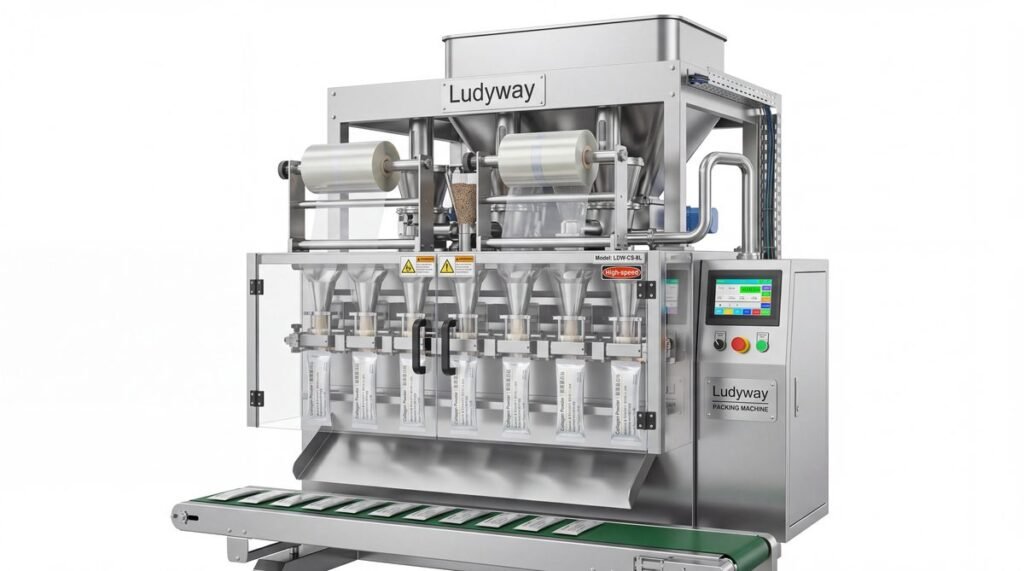
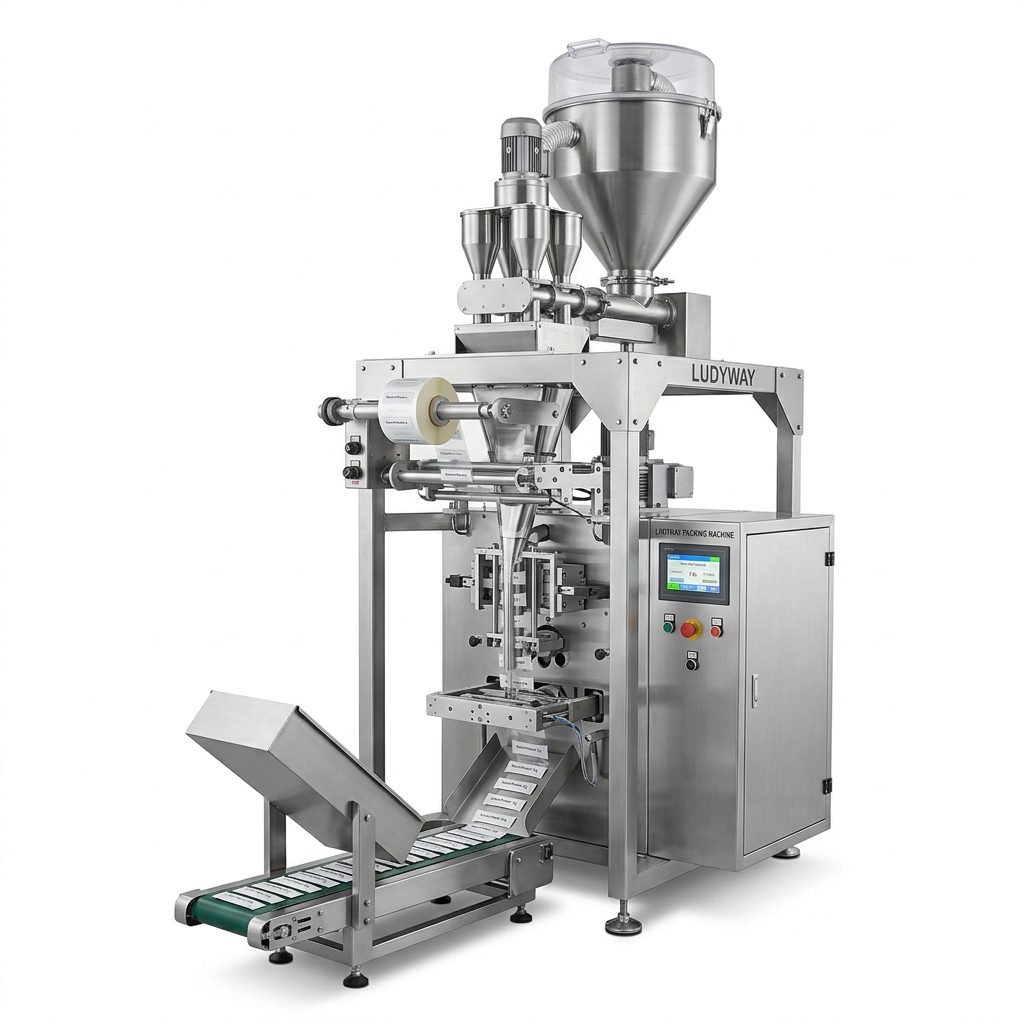
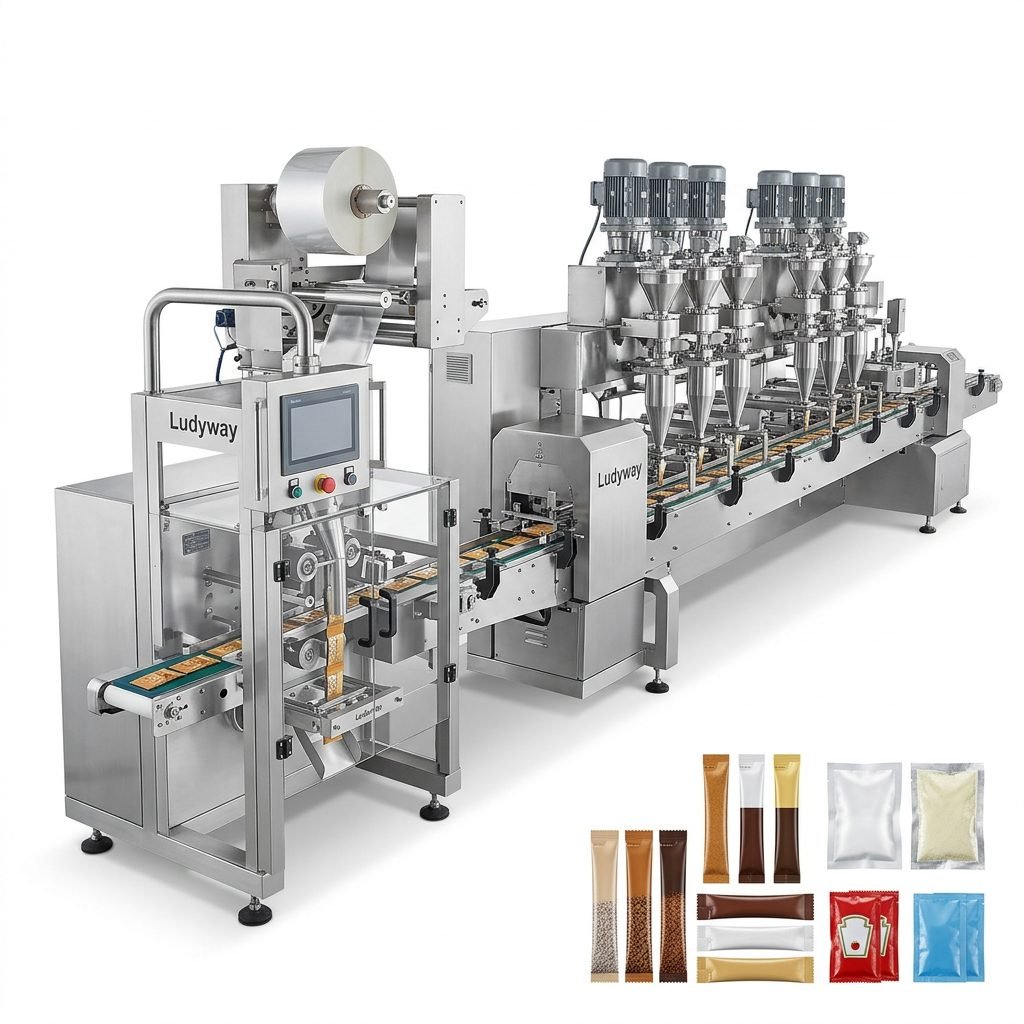
Modern food packaging machinery does far more than simply encase a product. It is the cornerstone of automation, ensuring hygiene, consistency, speed, and shelf-life extension. From delicate bakery items to granular spices and viscous sauces, specialized machines handle diverse products with precision. The right equipment minimizes waste, optimizes material usage, and adapts to various packaging formats like stick packs, sachets, pouches, and bottles, enabling brands to meet evolving market demands and consumer preferences.
Key Packaging Formats & Their Applications
Stick Packs: Ideal for single-serve portions of powders (coffee, drink mixes), granules, or liquids. They offer high convenience and are popular in food service and retail.
Sachets & Pouches: Versatile for a wide range of products including sauces, dressings, spices, and ready-to-eat meals. They can be stand-up, flat, or shaped, offering excellent branding space.
Granule & Powder Packers: Precision weighers and fillers designed for products like sugar, salt, instant noodles, and protein powders, ensuring accurate weight control.
Liquid & Paste Fillers: Piston or pump-based systems for filling oils, syrups, yogurts, and pastes into bottles, cups, or pouches without drips or contamination.
Evaluating Top Food Packaging Machine Manufacturers
The global market features manufacturers ranging from large multinational corporations to specialized engineering firms. A top manufacturer is distinguished not just by its machine catalog, but by its engineering depth, industry experience, and commitment to innovation. When evaluating potential partners, consider those with a proven track record in your specific product category, whether it’s snacks, dairy, confectionery, or dry goods.
Core Attributes of a Leading Manufacturer
Look for manufacturers that demonstrate strength in these areas:
- Technical Expertise & R&D: A strong in-house engineering team capable of customizing solutions and integrating new technologies like IoT for predictive maintenance.
- Comprehensive Product Portfolio: Offering a range of machines (e.g., form-fill-seal, cartoning, labeling) allows for integrated line solutions from a single source.
- Quality of Construction: Machines built with food-grade stainless steel and robust components ensure longevity, hygiene, and minimal downtime.
- Global Compliance: Equipment that meets international safety and hygiene standards (e.g., CE, FDA, GMP) is essential for export-oriented businesses.
How to Choose the Best Supplier for Your Business
Selecting a machine supplier is a strategic partnership decision. The cheapest option often leads to higher long-term costs through maintenance issues and production stoppages. A systematic evaluation process is crucial.
Step-by-Step Supplier Selection Checklist
1. Define Your Requirements: Clearly outline your product type, required output speed (packages per minute), packaging materials, and future scalability needs.
2. Research & Shortlist: Identify 3-5 potential suppliers through industry referrals, trade shows like interpack, and detailed online research into their case studies.
3. Evaluate Technical Capability: Request product demonstrations or video trials with your own product samples. Assess the machine’s precision, changeover ease, and user-friendliness.
4. Assess Support & Service: Investigate their after-sales service network, availability of spare parts, training programs, and warranty terms. A supplier like Ludyway Packaging Machinery emphasizes long-term technical support.
5. Analyze Total Cost of Ownership (TCO): Look beyond the initial purchase price. Factor in energy consumption, maintenance costs, expected lifespan, and potential for upgrades.
The Importance of Industry Experience and Customization
A supplier with deep industry experience brings invaluable practical knowledge. They understand the unique challenges of packaging sticky sauces versus free-flowing grains. For instance, a manufacturer with over 30 years in the field has likely encountered and solved a vast array of production issues. They can offer true customization—modifying a standard machine to handle your specific film, incorporate a special filler, or integrate with your existing line—rather than offering a one-size-fits-all solution. This collaborative approach to engineering is a hallmark of a superior partner.
Partnering for Success: Beyond the Purchase
The relationship with your supplier should extend long after the machine is installed. The best suppliers act as partners in your growth, offering ongoing support to ensure optimal performance.
- Comprehensive Training: Ensures your operators and maintenance staff are proficient, reducing human error and maximizing uptime.
- Reliable Spare Parts Supply: Quick access to genuine parts is critical for minimizing downtime during unplanned maintenance.
- Technical Support Accessibility: Availability of remote diagnostics and on-call engineers can resolve issues rapidly, often before they halt production.
- Future-Proofing: A good partner will discuss your expansion plans and how the equipment can be adapted or integrated with new technologies later.
Exploring resources from industry associations like the Packaging Machinery Manufacturers Institute (PMMI) can provide further insights into industry standards and trends.
Frequently Asked Questions (FAQs)
What is the most important factor when choosing a packaging machine supplier?
While price and specifications matter, the most critical factor is the supplier’s reputation for reliability and after-sales support. A machine is a long-term investment; consistent uptime supported by responsive service is more valuable than a low initial cost.
How can I test if a machine is suitable for my product before purchasing?
Reputable suppliers should offer a product trial or test run. You can send your actual product and packaging materials to their facility. This live demonstration is the best way to verify filling accuracy, sealing integrity, and overall machine compatibility.
What’s the difference between a standard machine and a customized solution?
A standard machine is built to common specifications for a broad product range. A customized solution involves engineering modifications to handle unique product characteristics (e.g., extreme viscosity, abrasiveness), special packaging shapes, or integration with specific upstream/downstream equipment in your factory.
How long does it typically take from order to installation?
Lead times vary significantly. For standard models, it might be 8-12 weeks. For highly customized or complex turnkey lines, it can take 4-6 months or more. Clear communication about timelines and project milestones with your supplier is essential from the start.
What kind of maintenance do food packaging machines require?
Maintenance includes daily cleaning (CIP systems are a plus), regular lubrication of moving parts, inspection of seals and cutting blades, and calibration of weighing/filling systems. Your supplier should provide a detailed maintenance schedule and train your team on proper procedures.