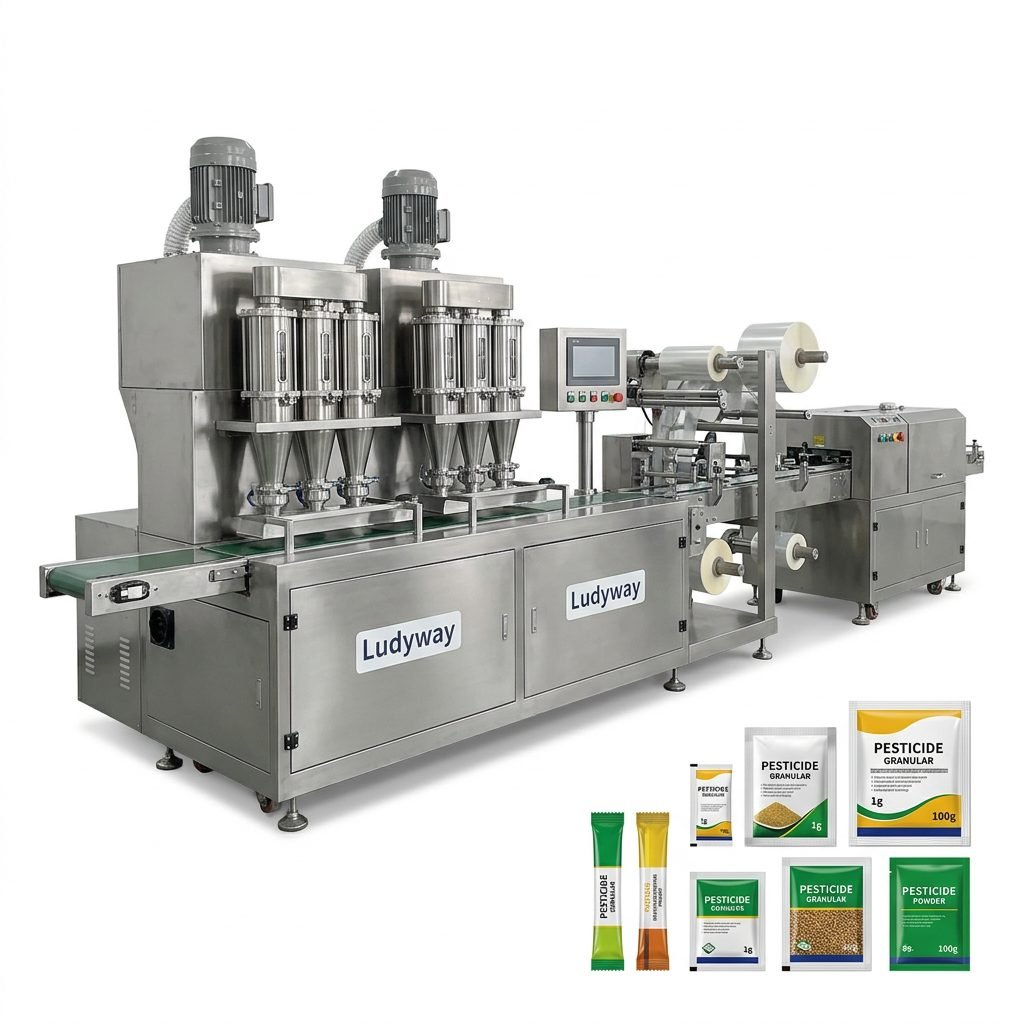
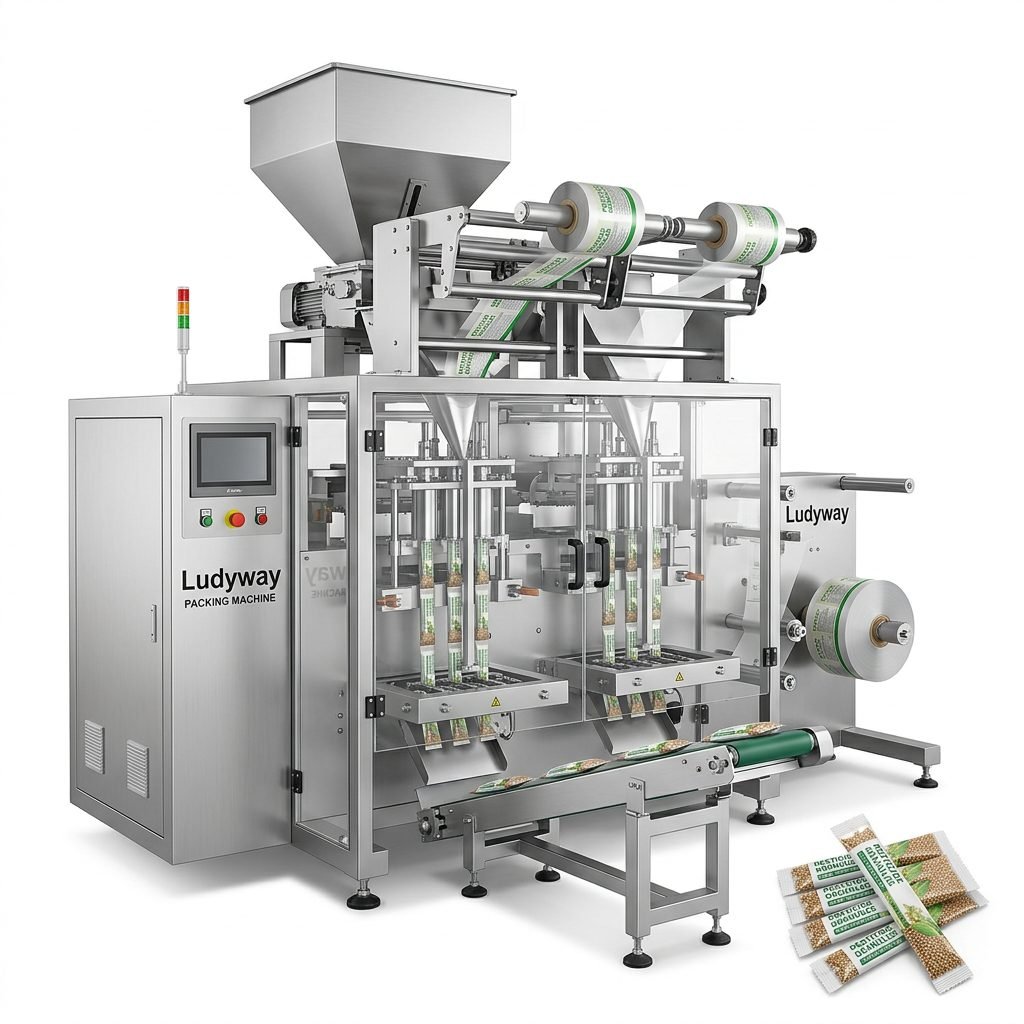
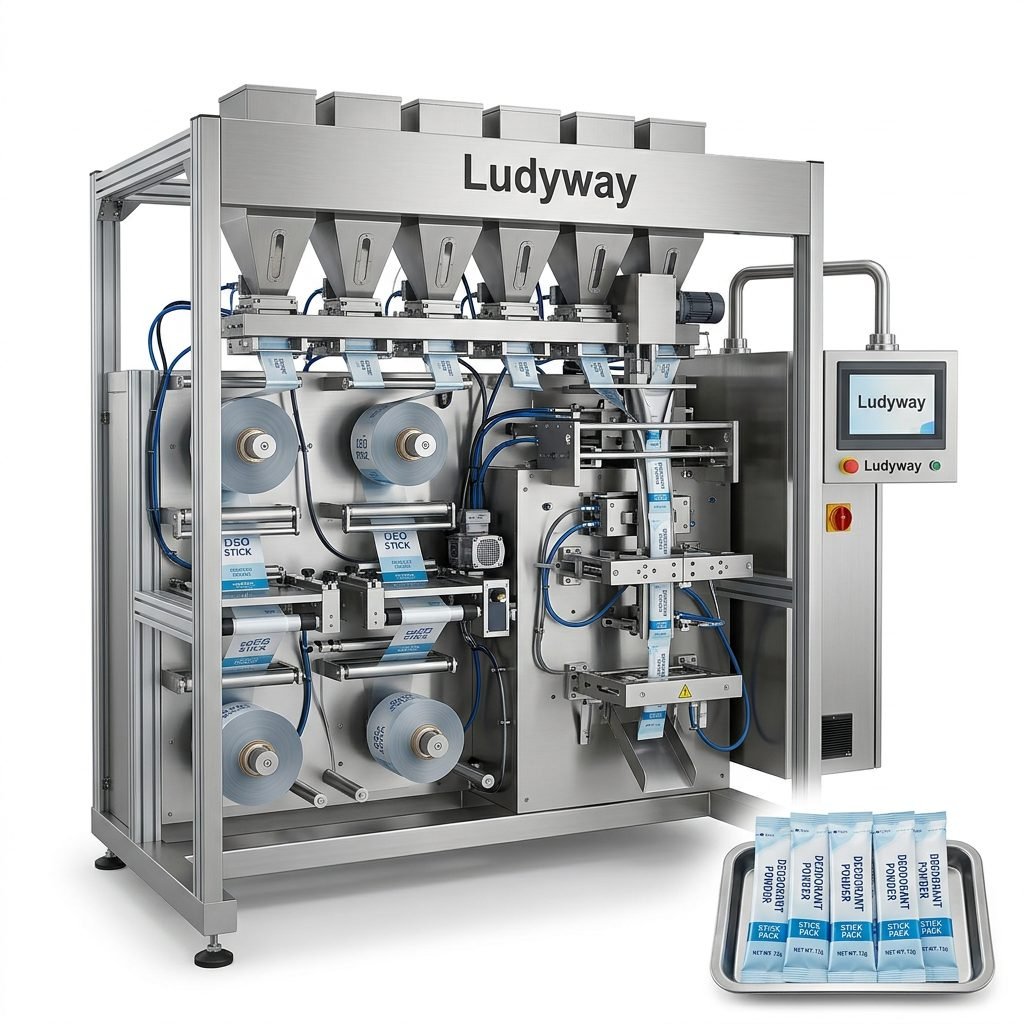
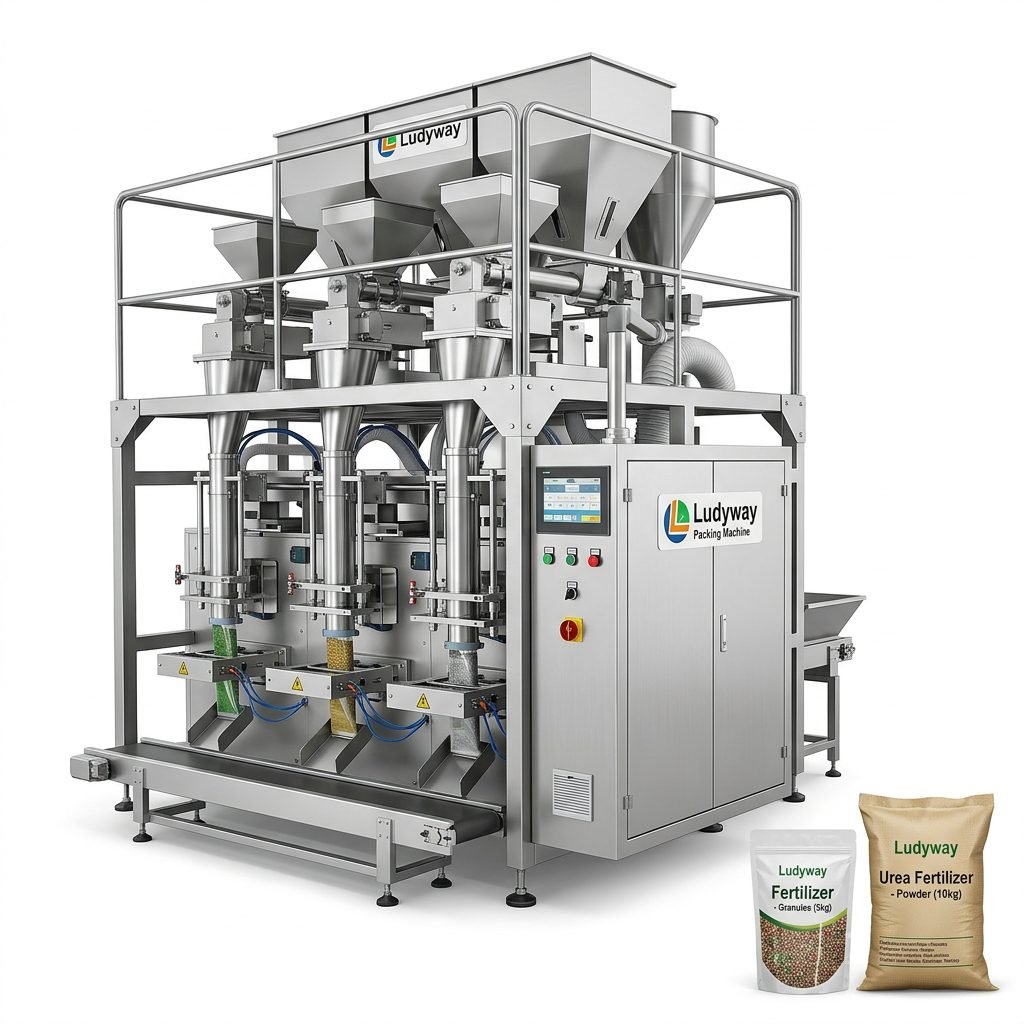
Stick pack packaging has become increasingly popular across various industries due to its convenience, portability, and efficient use of materials. These slim, single-serve packets are ideal for powders, granules, liquids, and gels, making them a favorite for products like instant coffee, sugar, supplements, and pharmaceuticals. For businesses looking to enter or scale their stick pack production, understanding the machinery involved is crucial. This guide delves into the world of stick pack packaging machines, exploring their types, how they work, and essential factors to consider when making a purchase.
Understanding Stick Pack Packaging Machines
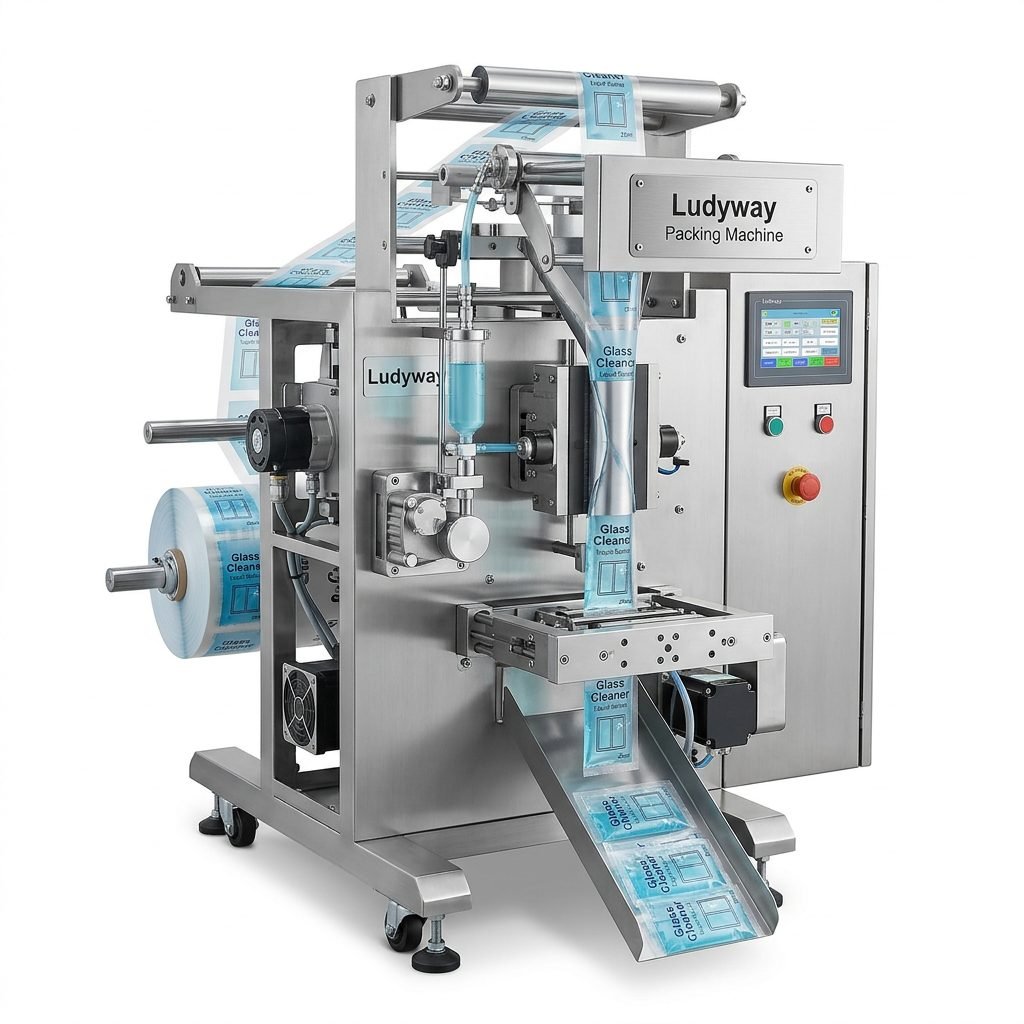
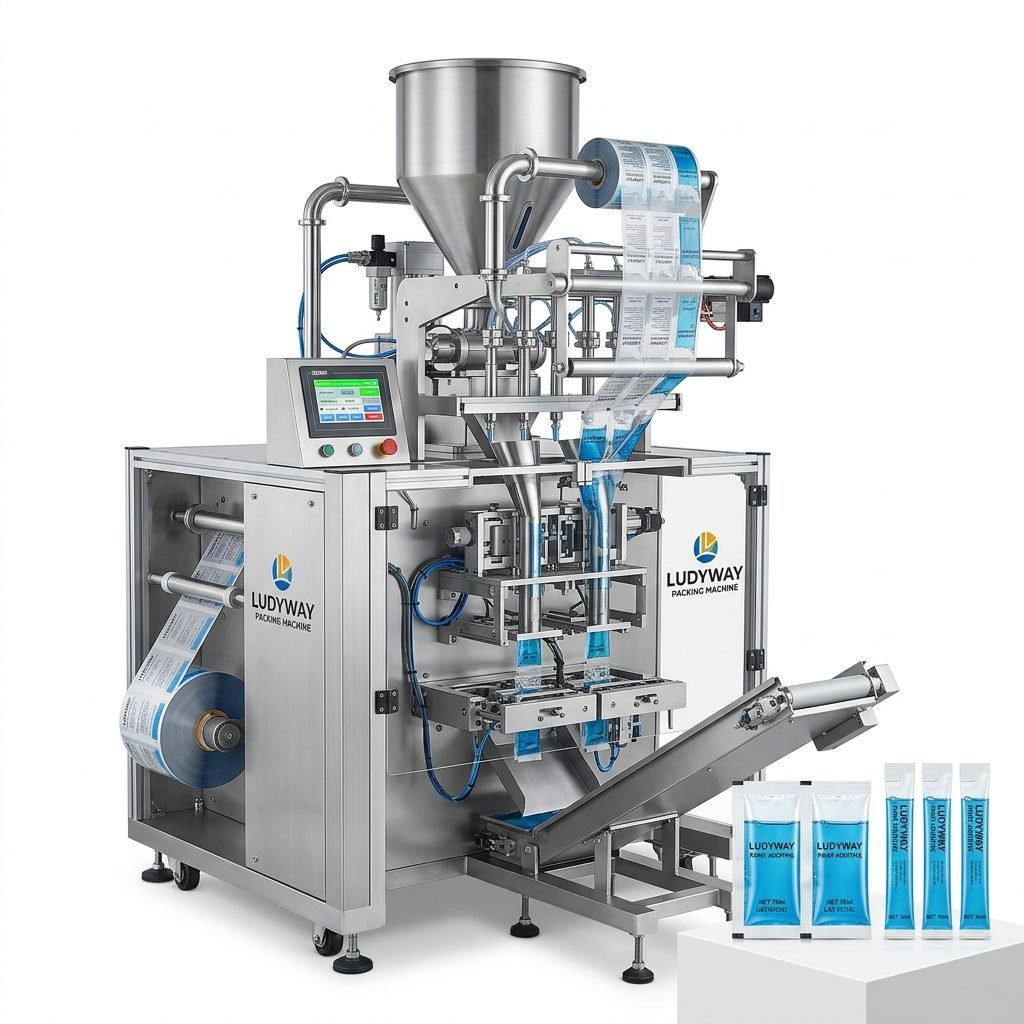
A stick pack packaging machine is a specialized form of vertical form-fill-seal (VFFS) equipment designed to create long, narrow pouches. The process involves forming a tube from a roll of packaging film, filling it with a precise amount of product, and then sealing it at both ends and along the back to create a sealed, portable stick. These machines are celebrated for their high-speed operation, material efficiency, and ability to maintain product freshness.
Key Advantages of Stick Pack Machines:
- High Efficiency: Capable of producing hundreds of stick packs per minute, significantly boosting production output.
- Reduced Material Waste: The narrow pouch design uses less film compared to traditional sachets, lowering packaging costs.
- Enhanced Product Presentation: The sleek, modern look appeals to consumers and stands out on retail shelves.
- Excellent Barrier Properties: When using multi-layer films, they provide strong protection against moisture, oxygen, and light.
Common Types of Stick Pack Packaging Machines
Choosing the right machine depends heavily on your production volume, product characteristics, and desired level of automation. Here’s a breakdown of the primary types available.
1. Single-Tube Stick Pack Machines
These are the most basic and cost-effective models, perfect for startups or businesses with lower production needs. As the name suggests, they feature a single packaging lane, producing one stick pack at a time. They are relatively simple to operate and maintain, making them a good entry point into stick pack production.
Best for: Small-batch production, pilot runs, product development, and businesses with limited floor space.
2. Multi-Lane Stick Pack Machines
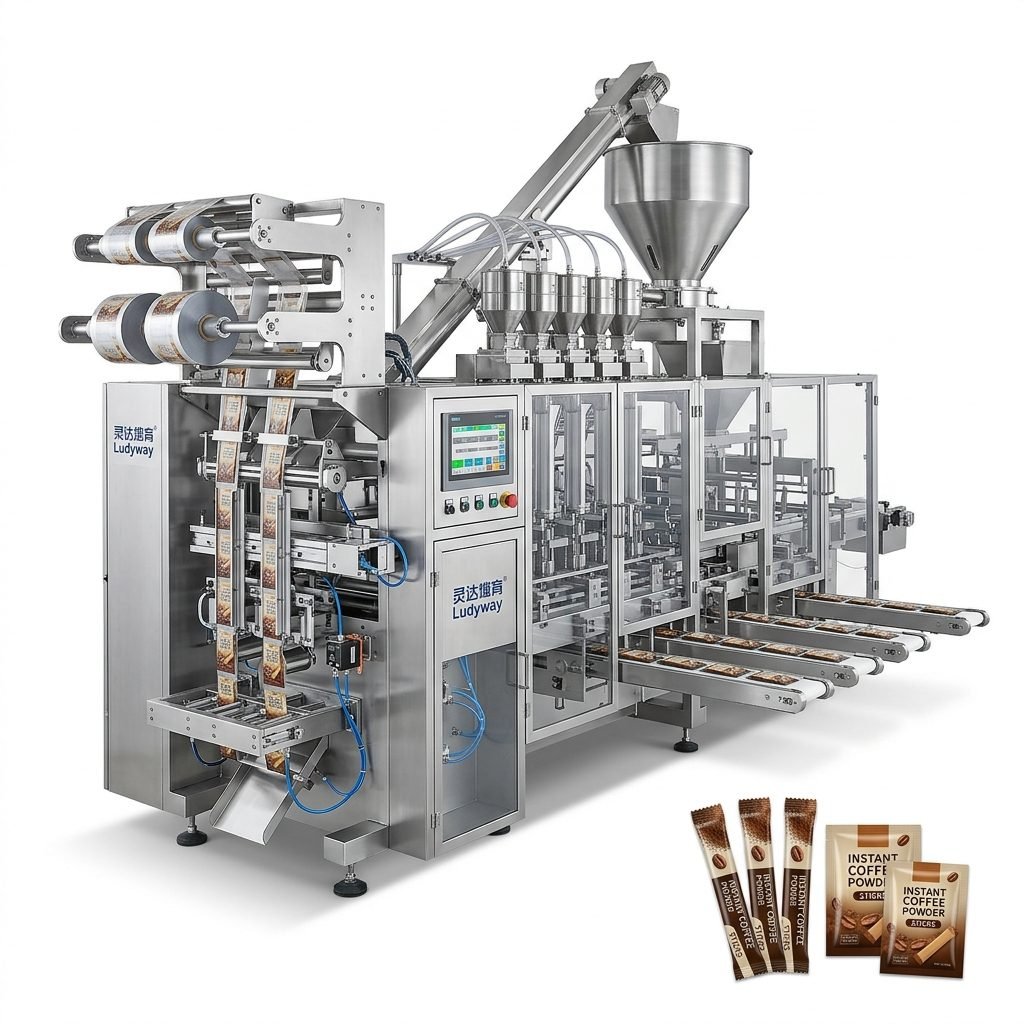
For medium to high-volume production, multi-lane machines are the industry standard. They integrate multiple packaging lanes (commonly 2, 4, 6, 8, or more) that operate simultaneously from a single film roll and feeding system. This parallel processing dramatically increases output without a proportional increase in floor space or operator attention.
Companies like Ludyway Machinery specialize in providing advanced multi-lane solutions that offer superior synchronization and efficiency for demanding production environments.
3. Integrated Weighing & Filling Systems
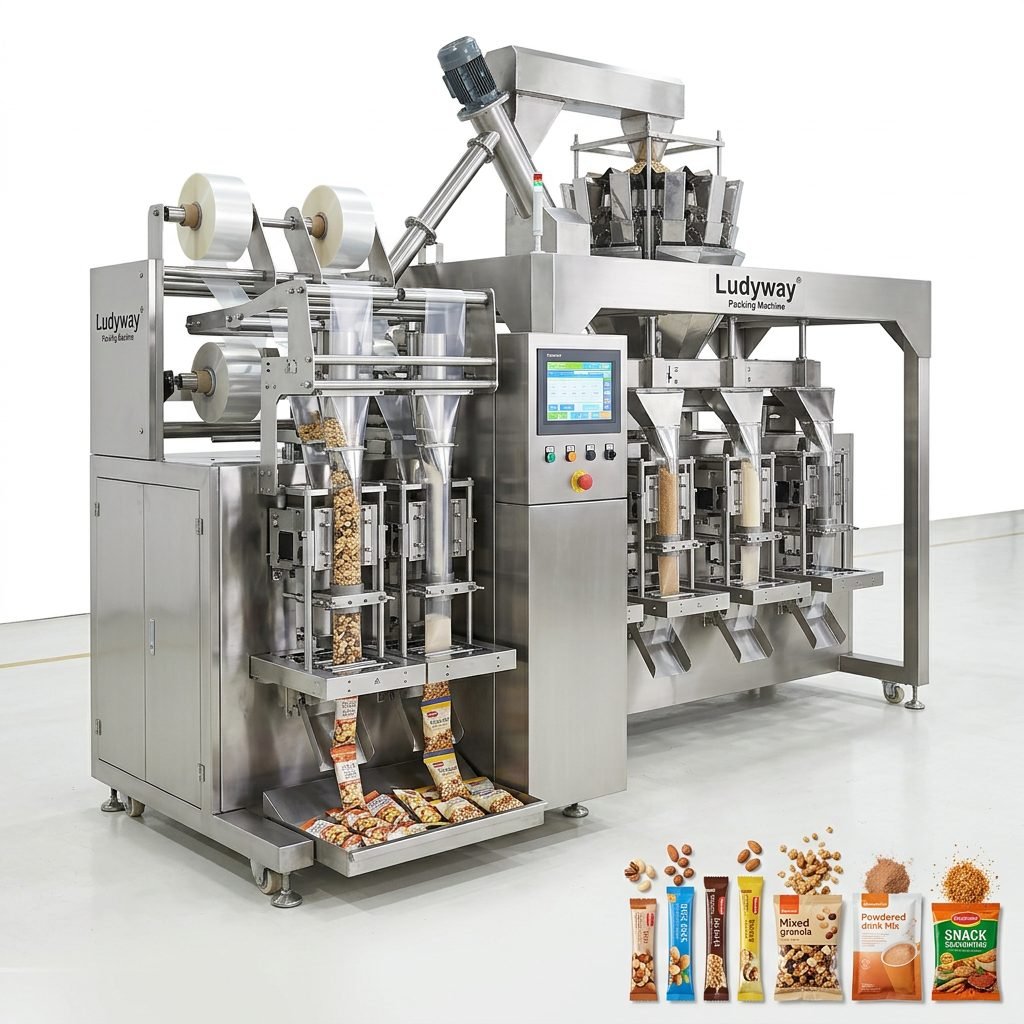
This category refers to machines that combine the stick pack forming and sealing process with highly accurate weighing systems. For free-flowing products like granules or powders, machines may use auger fillers, cup fillers, or advanced multi-head weighers to ensure each stick pack contains the exact specified weight. For liquids and pastes, precision piston pumps or volumetric fillers are integrated.
Key Feature: These systems are crucial for meeting regulatory compliance and minimizing product giveaway, directly impacting profitability.
4. Fully Automated Stick Pack Lines
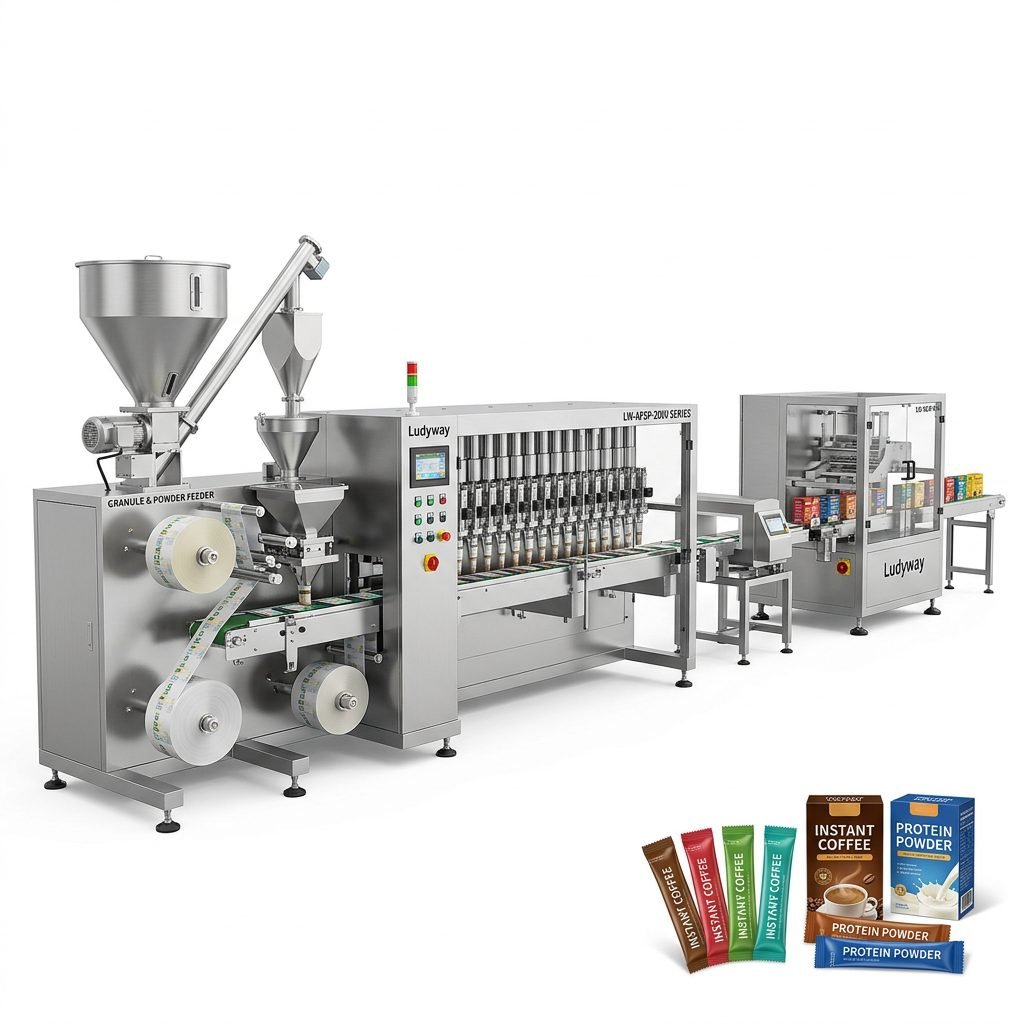
Beyond the core packaging machine, a complete turnkey line includes upstream and downstream equipment. This can involve automatic product feeders, bulk bag unloading systems, checkweighers to verify pack weight, metal detectors for safety, and cartoning or case-packing robots. Automation maximizes throughput, minimizes labor costs, and ensures consistent quality control from start to finish.
How Does a Stick Pack Machine Work? (The Working Principle)
The operation of a stick pack machine follows a precise, automated sequence. Understanding this principle helps in troubleshooting and optimizing the packaging process.
Step-by-Step Operational Cycle:
- Film Unwinding & Forming: A roll of laminated packaging film is mounted. The film is drawn over forming shoulders and shaped into a vertical tube around a forming collar.
- Back Sealing: The longitudinal back seal of the tube is created using a continuous heat seal (or cold seal) mechanism.
- Bottom Sealing & Cutting: Horizontal sealing jaws close to create the bottom seal of the first pouch and simultaneously cut off the finished stick pack from the previous cycle.
- Product Filling: The measured dose of product is injected into the open tube from above via a funnel or filling nozzle.
- Top Sealing & Separation: The sealing jaws move up and close again to create the top seal of the filled pouch, completing the current pack. This action also forms the bottom seal for the next pack in the cycle, and the finished stick pack is discharged.
Key Buying Tips for Your Stick Pack Machine
Investing in packaging machinery is a significant decision. Here are critical factors to evaluate to ensure you select the right equipment for your long-term success.
1. Define Your Product & Material Specifications
This is the foundational step. Clearly outline:
↳ Product Type: Powder, granule, liquid, or paste? Each requires different feeding and filling systems.
↳ Packaging Material: Determine the required film structure (e.g., PET/AL/PE for high barriers, OPP for snacks). Your machine must be compatible with your chosen material’s sealing properties.
↳ Pack Size & Dimensions: Define the stick pack’s length, width, and desired seal width.
2. Evaluate Production Speed & Output Requirements
Calculate your current and projected future production needs in packs per minute (PPM) or shifts. A single-lane machine may suffice for now, but if you plan to scale, a multi-lane machine from a supplier with a broad range of models offers better long-term value. Don’t just buy for today’s capacity; plan for tomorrow’s growth.
3. Prioritize Accuracy and Consistency
Inconsistent fills lead to product waste, customer complaints, and potential regulatory issues. Investigate the accuracy of the machine’s filling system. For powders, look for servo-driven auger fillers with feedback systems. High-quality machines offer fill accuracy within ±1% or better. Request a live or video demonstration with a product similar to yours.
4. Assess Machine Construction and Ease of Use
→ Durability: Inspect the frame construction (stainless steel is preferred for hygiene and strength) and the quality of key components like seals, drives, and electrical systems.
→ User Interface: A modern, intuitive touchscreen HMI (Human-Machine Interface) simplifies recipe changes, operation, and diagnostics.
→ Changeover Time: How quickly can you switch between different pack sizes or products? Look for machines with quick-change parts and recipe memory functions to minimize downtime.
5. Consider After-Sales Support and Service
The relationship with your supplier doesn’t end at delivery. Robust support is essential for maintaining uptime. Ensure your provider offers:
✓ Comprehensive training for your operators and technicians.
✓ Readily available spare parts with a clear supply chain.
✓ Access to technical support, whether remotely or on-site.
✓ A clear warranty policy.
Partnering with an experienced manufacturer like Ludyway Machinery, which has decades of industry experience, can provide peace of mind through reliable service and long-term partnership.
6. Plan for Integration and Future Expansion
Consider how the machine will fit into your existing production line. Does it have standard interfaces to connect with checkweighers, coders, or cartoners? If you anticipate future needs for higher speeds or additional functions (like gas flushing for enhanced preservation), discuss the machine’s modularity and upgrade potential with the supplier.
Frequently Asked Questions (FAQs)
What is the typical production speed of a stick pack machine?
Speeds vary widely based on the machine type. Single-lane machines may produce 60-120 packs per minute, while multi-lane machines (e.g., 8 lanes) can achieve speeds of 600-1000+ packs per minute, depending on the product and pack size.
What kind of packaging film can be used?
Stick pack machines typically use heat-sealable laminated films. Common structures include OPP/CPP for snacks, PET/MPET/PE for powders, and PET/AL/PE for high-barrier applications like coffee or pharmaceuticals. The machine must be configured for the specific sealing temperature and pressure required by your film.
How difficult is it to change the pack size on the machine?
Modern machines are designed for relatively quick changeovers. The complexity depends on the model. Higher-end machines feature servo-driven adjustments and digital recipe recall, allowing size changes in minutes with minimal manual tooling swaps. Always inquire about the standard changeover time for your target pack sizes.
Can one machine handle both powders and liquids?
While some machines are versatile, it is uncommon for a single machine to optimally handle both without significant changeover. Powder filling uses auger systems, while liquid filling requires pumps and different nozzle setups. It’s often more effective to have dedicated machines or to work with a supplier who can provide tailored solutions for each product type.
What are the main maintenance requirements?
Regular daily cleaning of the product contact areas and sealing jaws is vital. Periodic lubrication of moving parts, inspection of seals and wear components, and calibration of the weighing system are standard preventative maintenance tasks. A good supplier will provide a detailed maintenance schedule and training.