Selecting the right custom packaging machinery is a critical decision that directly impacts your production efficiency, product quality, and overall operational costs. An automated solution tailored to your specific needs can streamline your line, reduce waste, and enhance consistency. This guide will walk you through the key factors to consider when choosing the perfect automated packaging system for your production requirements.
Understanding Your Production Requirements
The first and most crucial step is a deep analysis of your own production line. You must define your current and future needs clearly.
Key Questions to Ask:
→ Product Type: Are you packaging granules, powders, liquids, or solids? The physical characteristics of your product dictate the machine type (e.g., auger filler for powders, liquid pump for fluids).
→ Production Speed (Output): What is your required output in packs per minute (PPM) or units per hour? This determines the machine’s capacity tier.
→ Packaging Materials: What type of film or material do you use (e.g., laminate, PET, PE, aluminum foil)? The machine must be compatible with your material’s sealing and feeding properties.
→ Bag Style & Size: What is the final bag format (stick pack, sachet, pillow bag, gusseted bag)? What is the range of bag dimensions (length, width)?
Core Types of Automated Packaging Machinery
Different products and outputs require specialized machinery. Here are the primary categories:
Vertical Form-Fill-Seal (VFFS) Machines
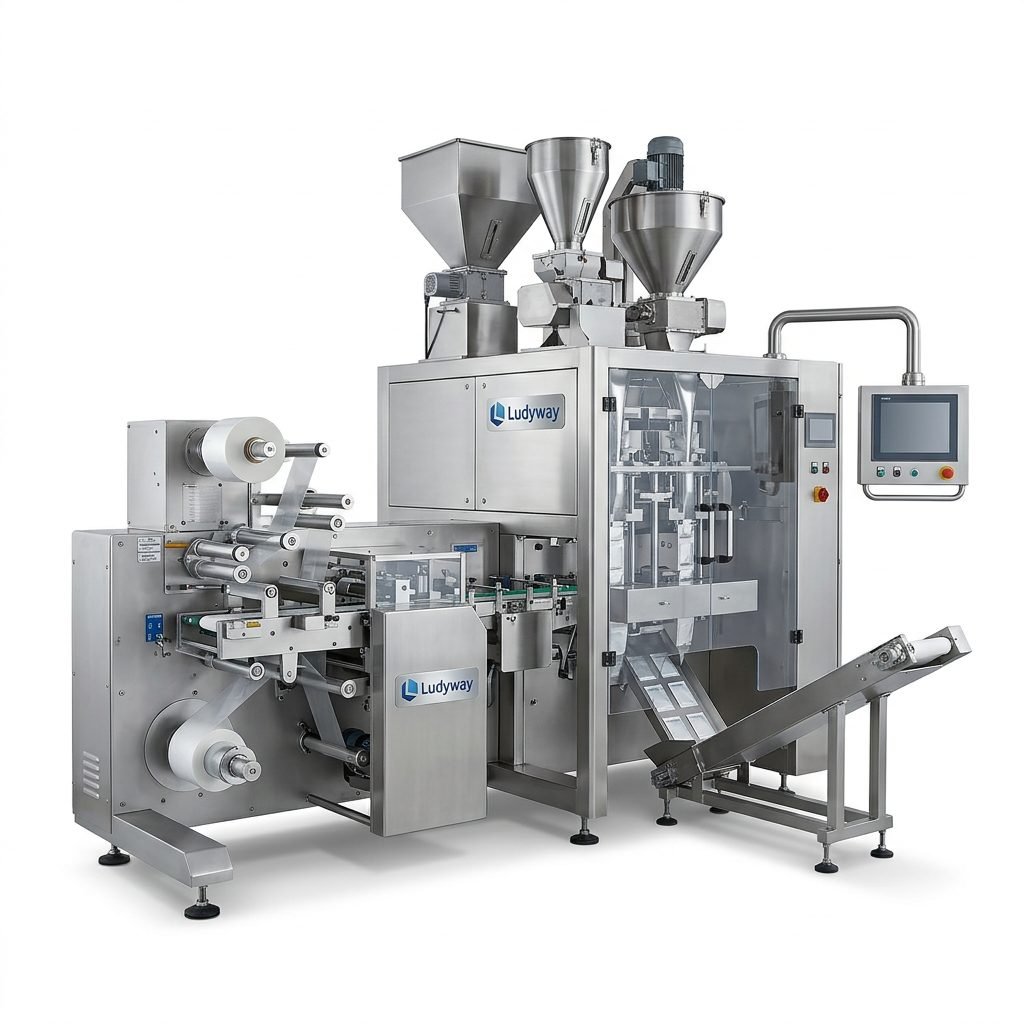
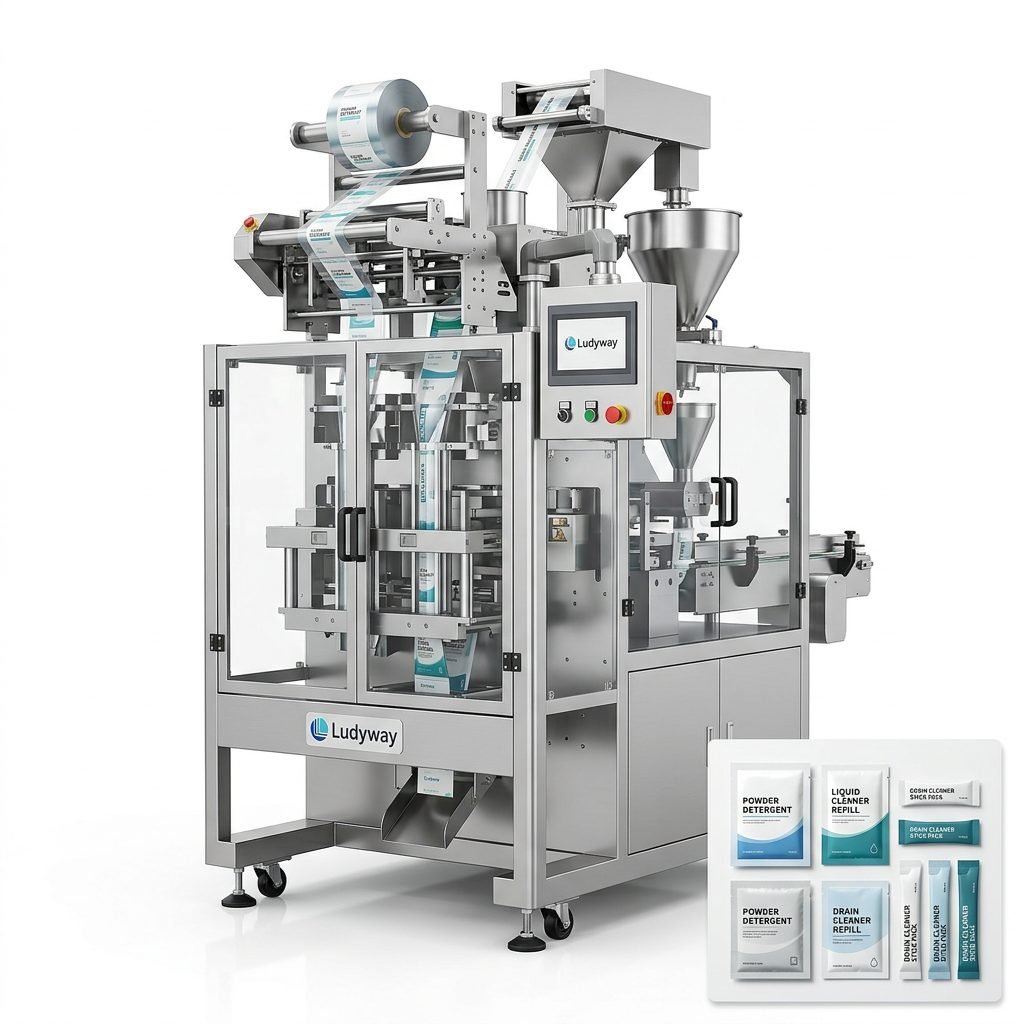
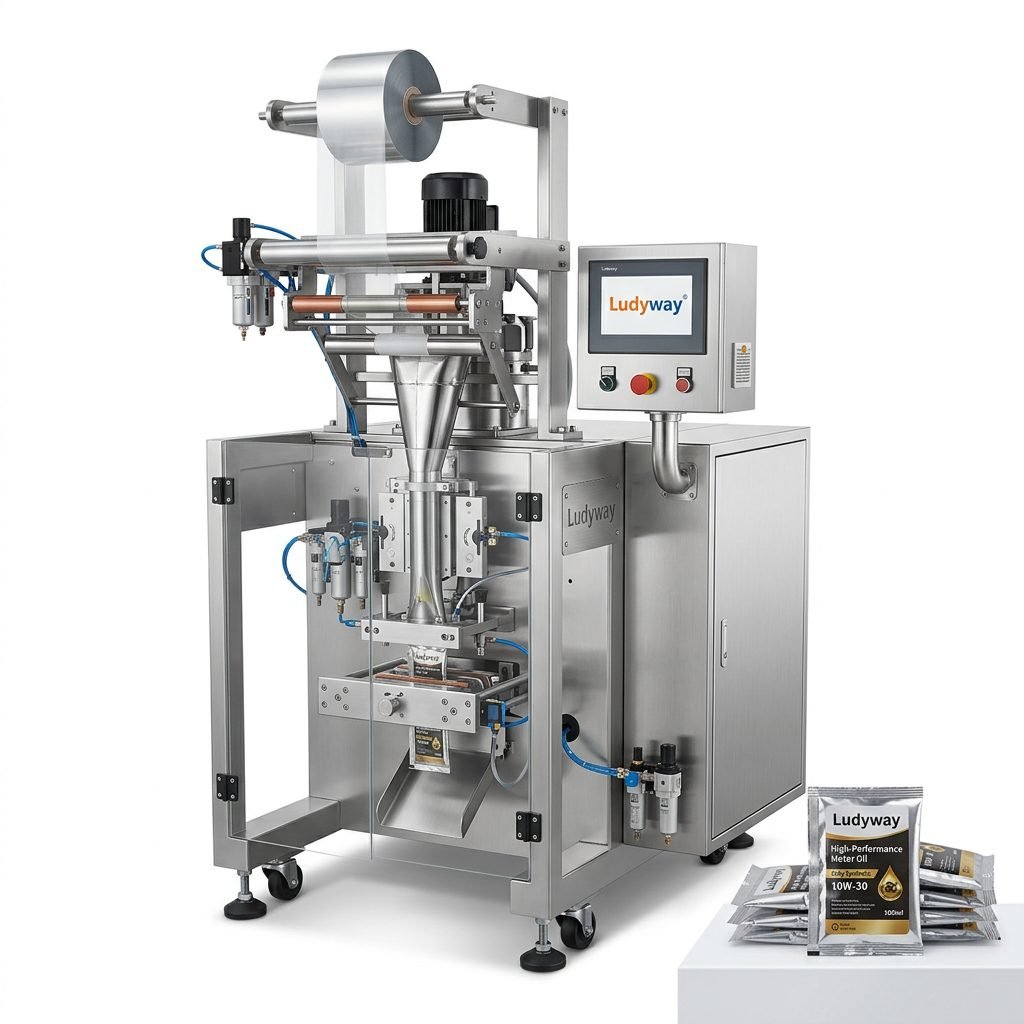
Ideal for granular, powdered, and small solid items. They form bags from a roll of film, fill them, and seal them in a continuous vertical process. They are highly versatile for various bag styles.
Horizontal Form-Fill-Seal (HFFS) Machines
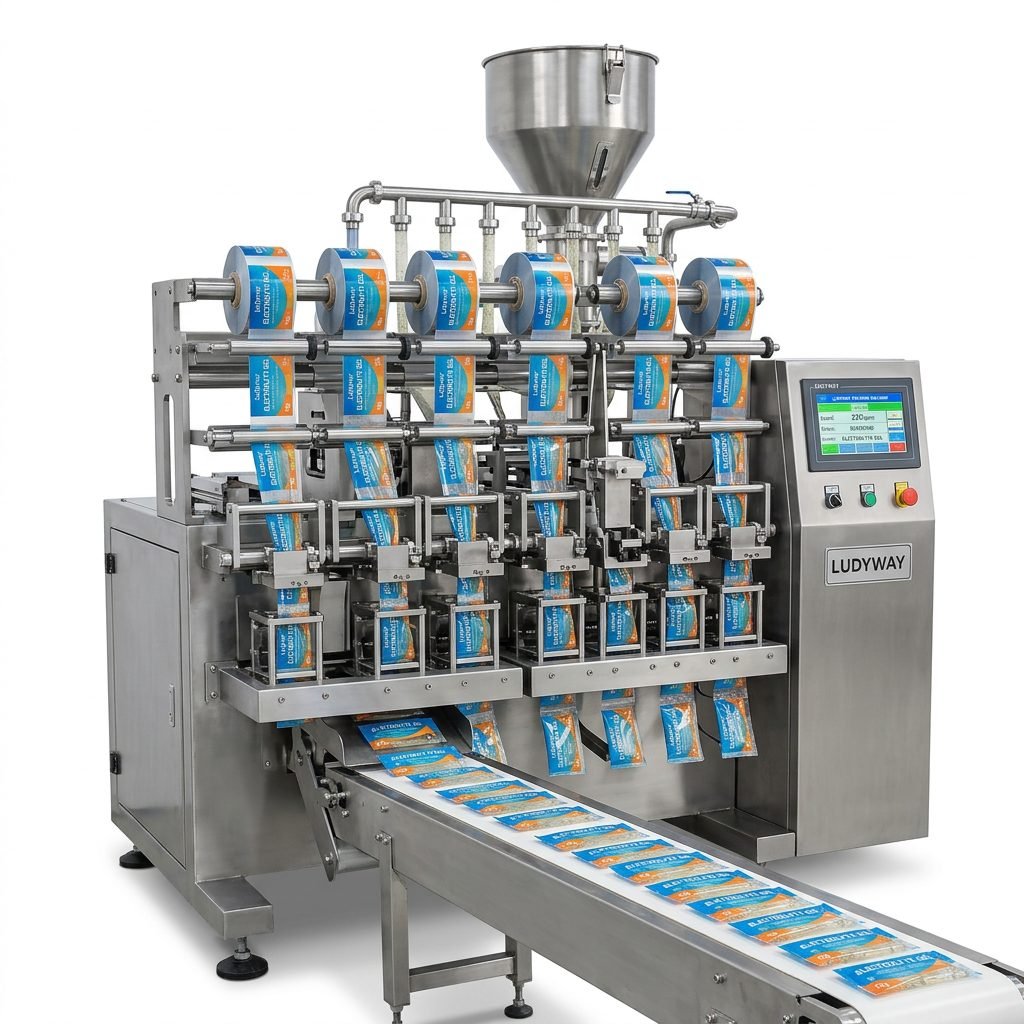
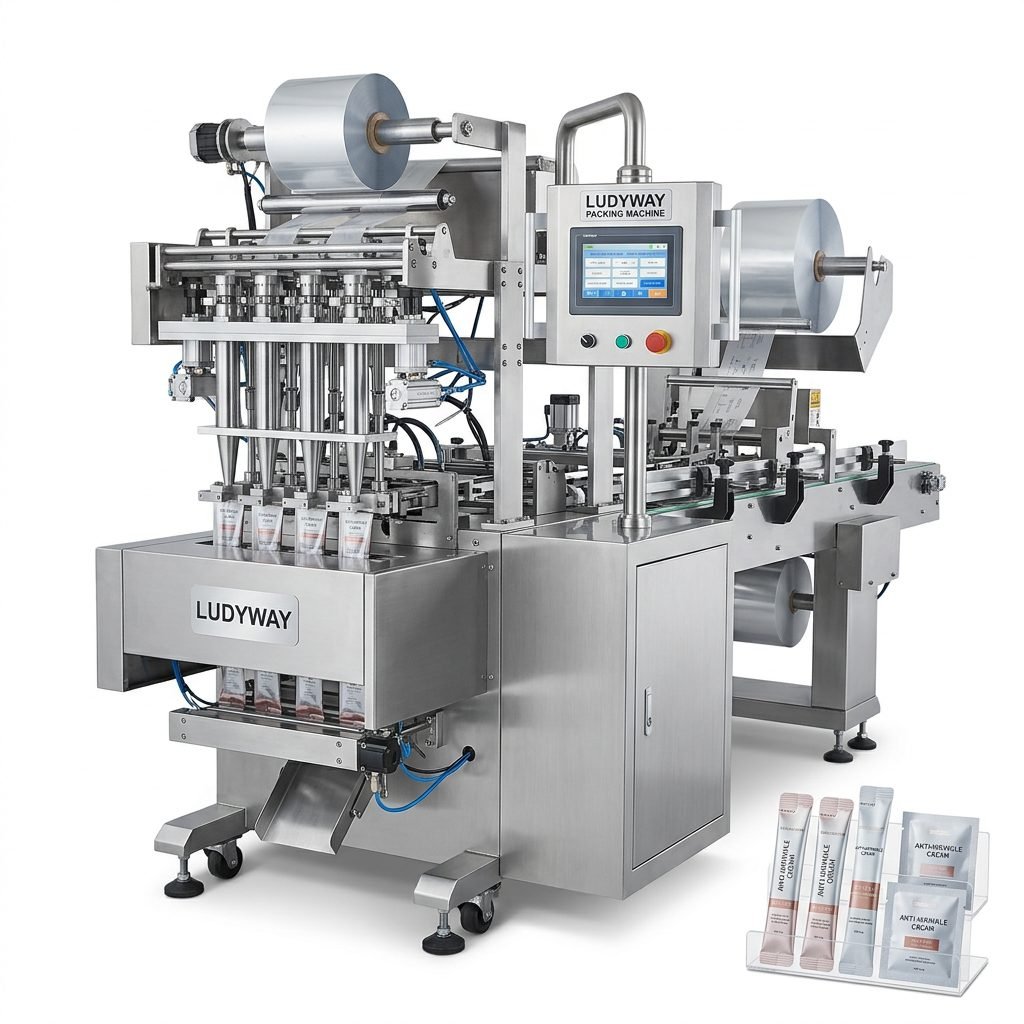
Typically used for more complex packaging like sachets for liquids, creams, or single-serve condiments. They are excellent for high-speed, multi-lane production of small pouches.
Stick Pack Machines
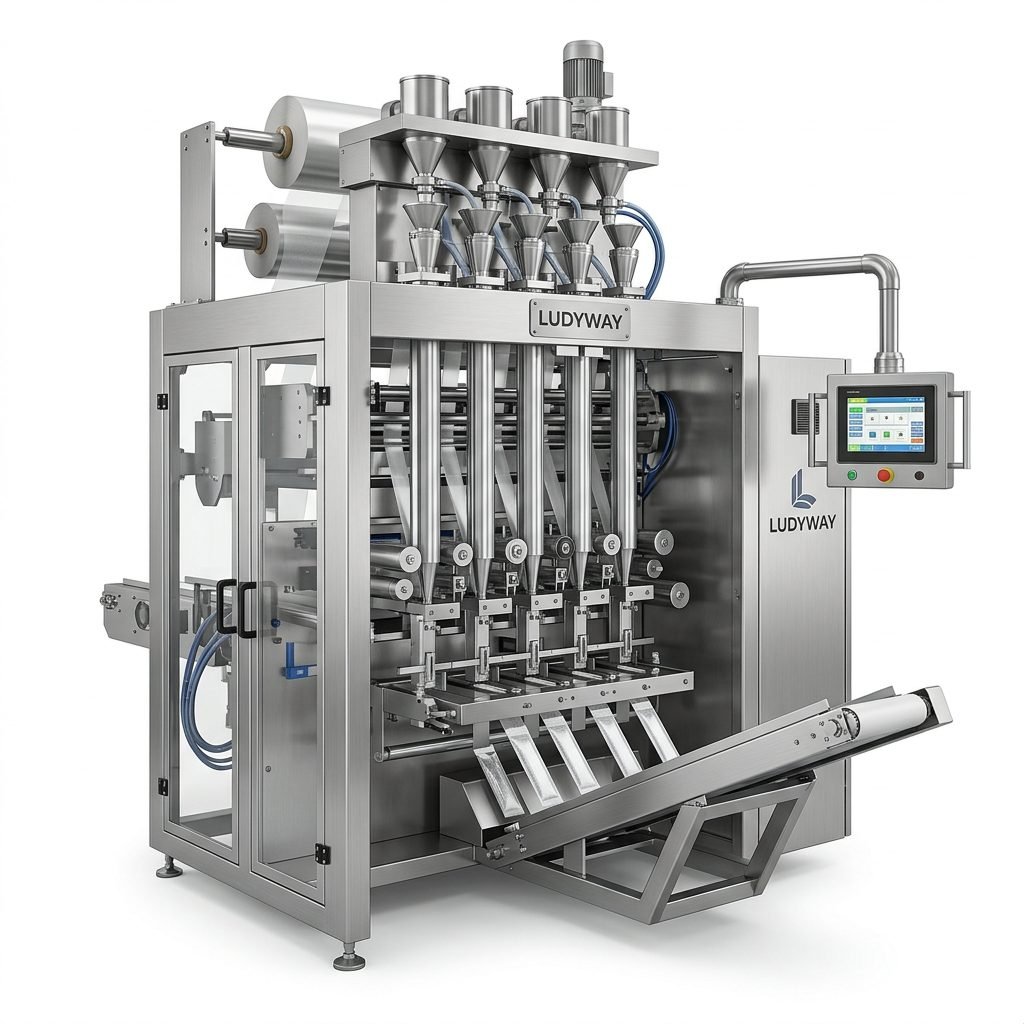
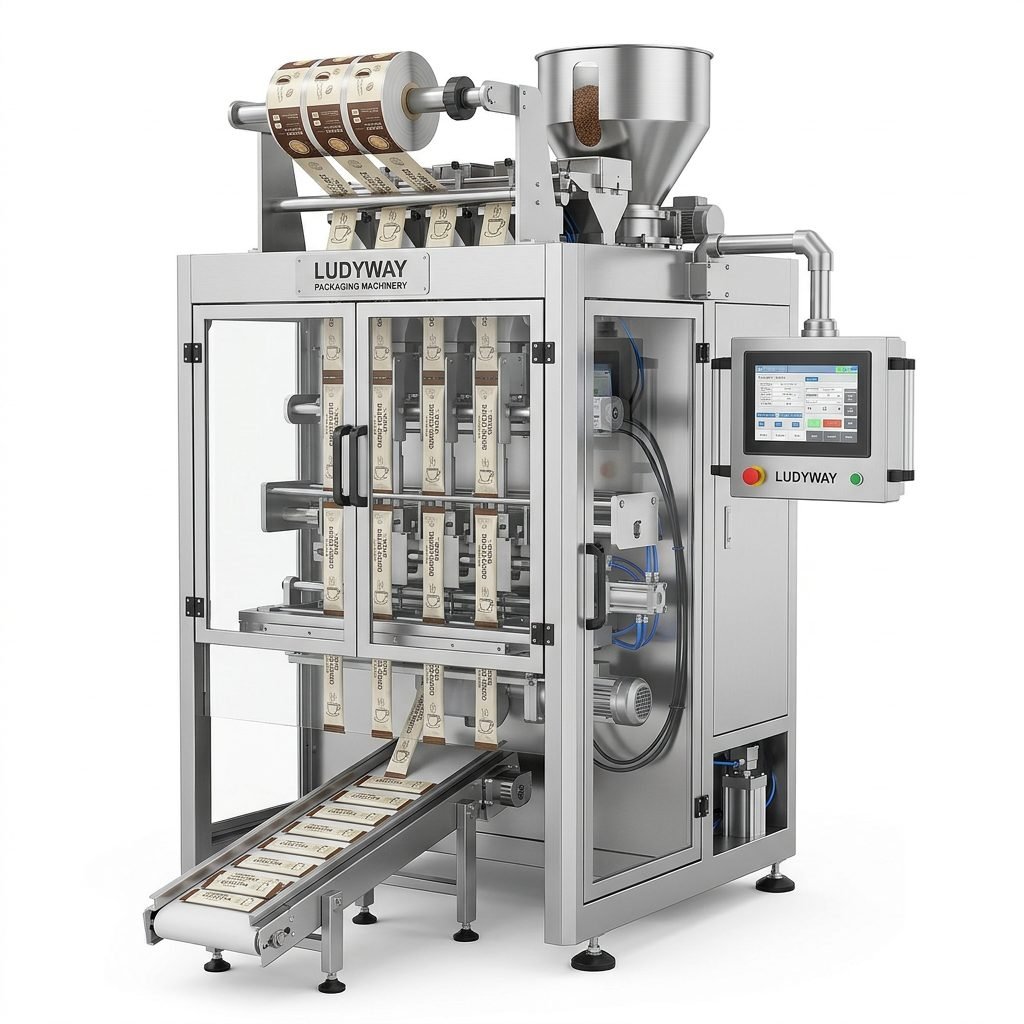
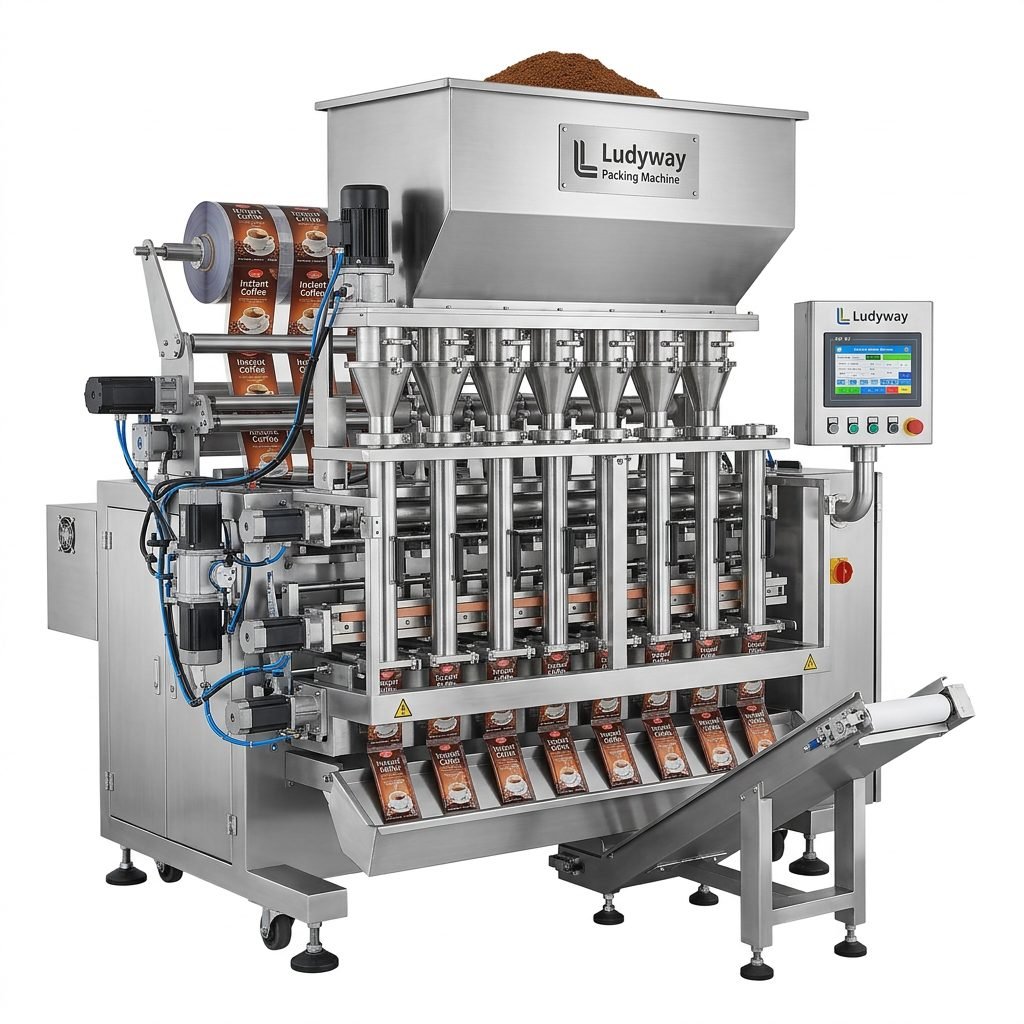
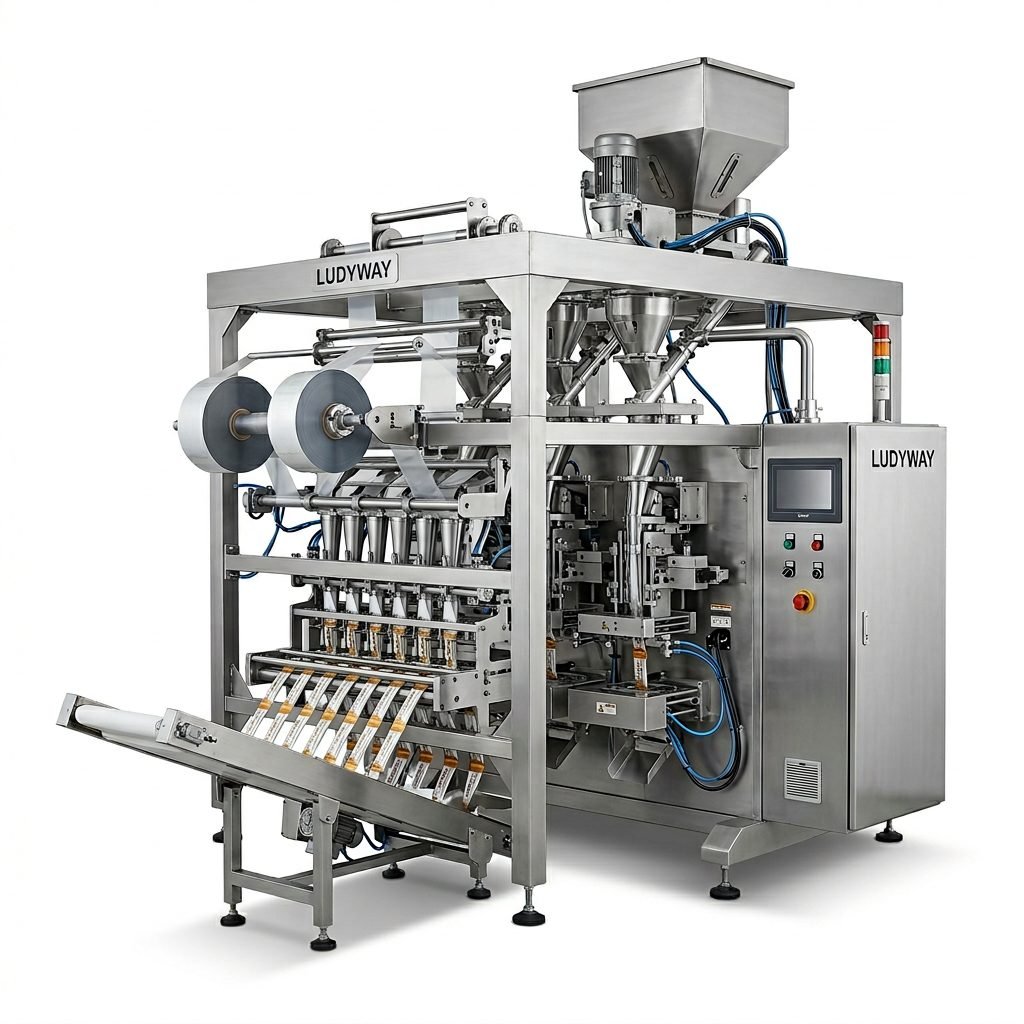
A specialized type of vertical machine designed exclusively for producing long, slender stick packs, commonly used for powders like instant coffee, drink mixes, and pharmaceuticals.
Liquid & Paste Filling Machines
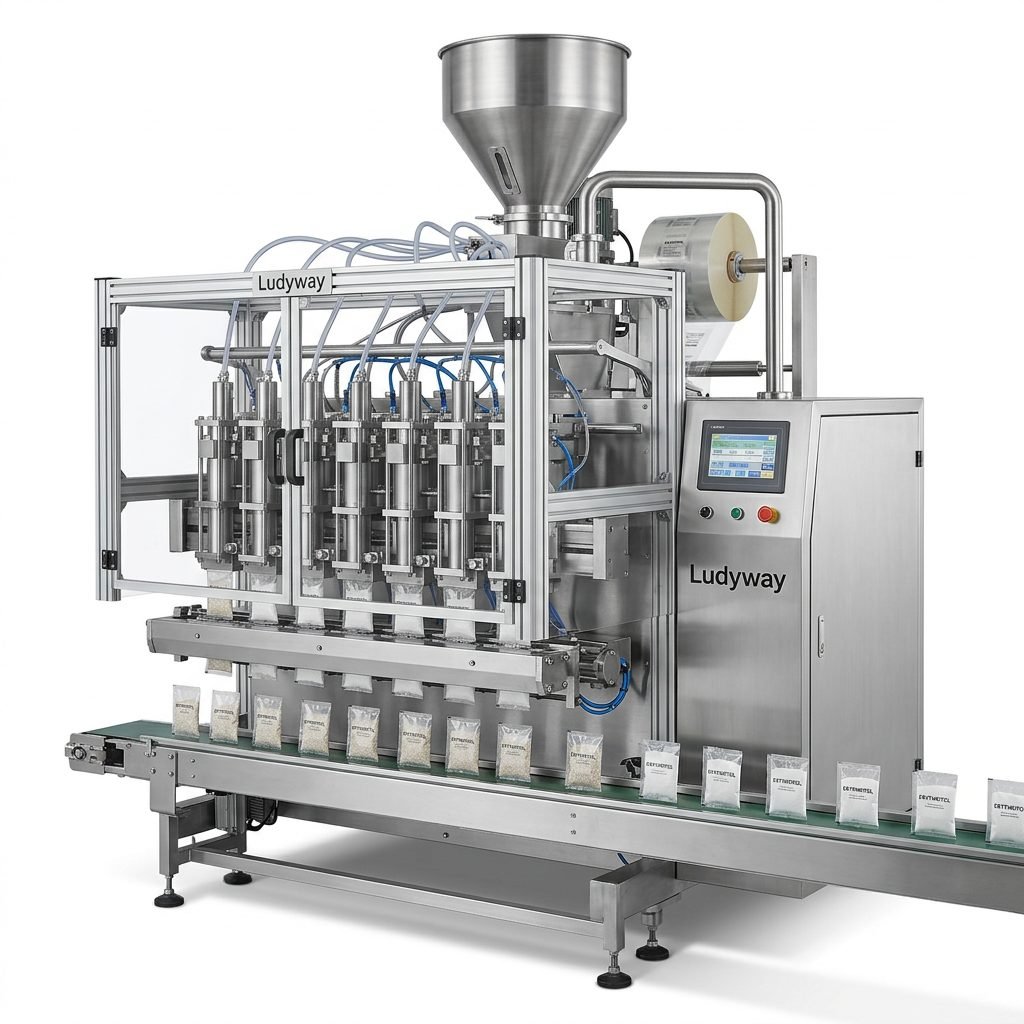
These systems use pumps (piston, gear, peristaltic) for accurate volumetric filling of viscous or liquid products into pre-made pouches, bottles, or containers.
Essential Selection Criteria
Beyond the machine type, evaluate these technical and operational aspects.
1. Accuracy and Precision
Filling accuracy is non-negotiable. Look for machines with high-precision servo motors and feedback systems. For powders, an auger filler with servo drive offers superior weight control. For liquids, a servo-driven piston filler ensures volume consistency, minimizing give-away and ensuring compliance.
2. Speed and Throughput
Match the machine’s maximum speed to your target output with a 10-15% buffer for future growth. Consider multi-lane machines (e.g., 4-lane, 8-lane sachet packers) to multiply output without drastically increasing floor space.
3. Flexibility and Changeover
If you run multiple products or bag sizes, quick changeover is vital. Seek machines with tool-less adjustments, recipe storage on HMI (Human-Machine Interface), and easy-to-switch parts. This reduces downtime significantly.
4. Integration and Connectivity
A modern machine should integrate seamlessly into your line. Check for compatibility with upstream feeders and downstream cartoners. Industry 4.0 features like IoT connectivity for data monitoring (OEE, downtime tracking) and remote diagnostics are major advantages for proactive maintenance.
5. Hygiene and Construction
For food, pharmaceutical, or health products, hygiene is paramount. Machines should have stainless steel (304 or 316) contact parts, smooth surfaces, and designs that prevent material trapping and allow for easy cleaning (CIP/SIP where applicable).
The Importance of Supplier Expertise and Support
The machine is only as good as the company behind it. Partnering with an experienced supplier like Ludyway Packing Machine is crucial.
Look for a partner with deep application knowledge, not just a equipment seller. They should offer comprehensive services from initial consultation and factory acceptance tests (FAT) to installation, training, and readily available spare parts. A supplier with a proven track record and a wide portfolio, such as offering over 50 intelligent packaging machine models, can provide unbiased advice on the best solution for you.
Planning for the Future: Scalability and ROI
View your packaging machinery as a long-term investment. Consider its scalability – can it be upgraded or integrated with additional modules (e.g., checkweighers, metal detectors, labeling systems) later? Calculate the Return on Investment (ROI) by factoring in labor savings, reduced material waste, increased output, and improved quality control. A slightly higher initial investment in a more robust and flexible system often yields a faster and greater long-term ROI.
Final Steps Before Purchase
- Request a Product Test: Always send your actual product and packaging material to the supplier for a live test. This validates machine performance and output quality.
- Visit the Factory: If possible, visit the manufacturer’s facility to assess their production capabilities, quality control, and technical team.
- Review the Service Agreement: Understand the warranty terms, service response time, and availability of technical support and training.
By methodically assessing your needs against these criteria, you can confidently select a custom packaging automation solution that boosts your productivity, ensures product integrity, and grows with your business.
Frequently Asked Questions (FAQs)
1. What is the lead time for a custom automated packaging machine?
Lead times vary based on complexity and customization. For standard models with minor modifications, it can be 8-12 weeks. For fully customized turnkey lines, it may take 16-24 weeks. A reliable supplier will provide a clear project timeline after the initial technical review.
2. Can one machine handle different types of products?
Yes, many machines are designed for flexibility. However, switching between vastly different products (e.g., fine powder to granular solids) may require changing filling heads, augers, or other parts. Discuss your product range with the supplier to design a machine with quick-change capabilities.
3. How do I ensure the machine meets hygiene standards for food production?
Specify food-grade requirements from the start. Ensure all product-contact parts are made of certified stainless steel, design includes minimal crevices, and surfaces are easy to access for cleaning. Machines can be designed to meet specific standards like FDA, EHEDG, or GMP.
4. What kind of training is provided with the machine?
Reputable suppliers offer comprehensive training for your operators and maintenance staff. This typically occurs during installation and commissioning at your factory, covering operation, routine maintenance, troubleshooting, and safety procedures. Look for suppliers who provide detailed manuals and video guides.
5. How can I integrate the new packaging machine with my existing production line?
Professional suppliers offer integration services. They will assess your current line layout, conveyor heights, and control systems to ensure seamless connectivity. Providing detailed floor plans and line specifications during the quoting phase is essential for a smooth integration. Explore complete packaging solutions for more on line integration.