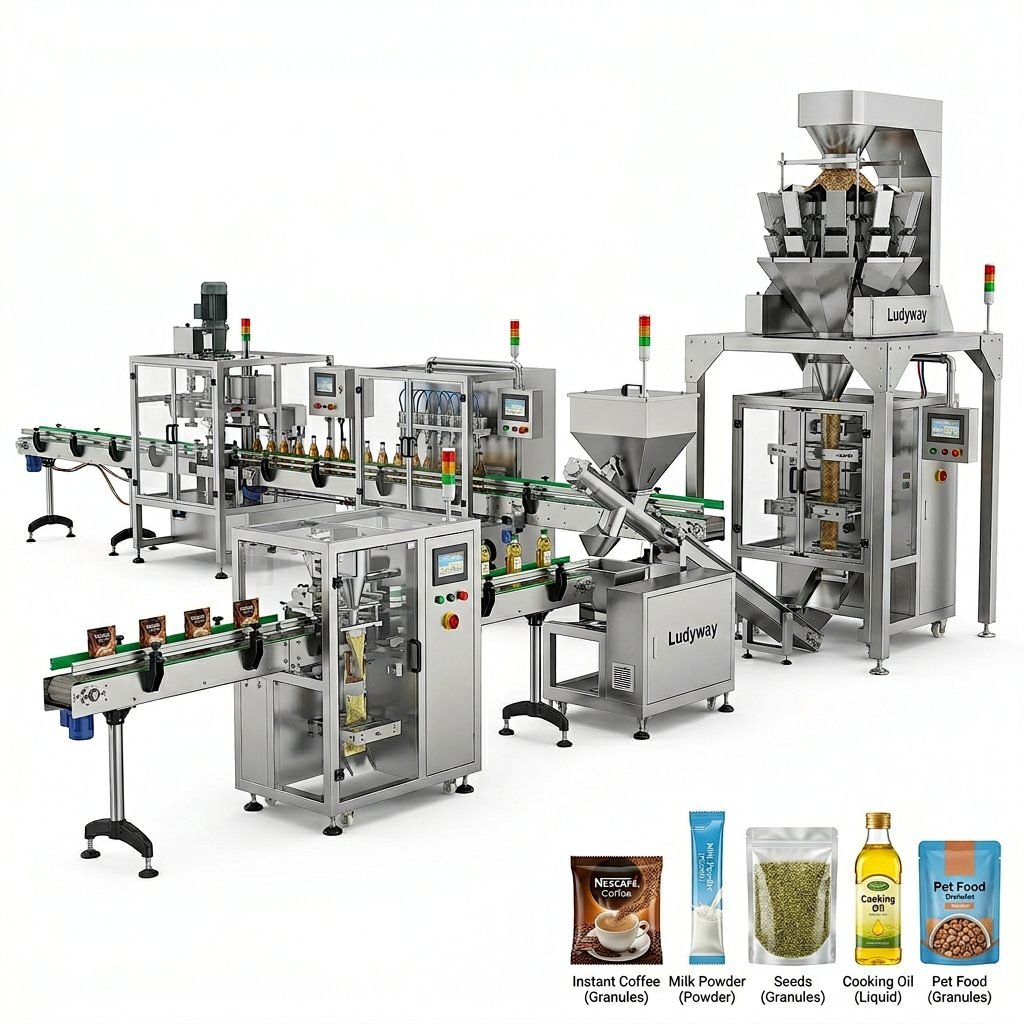
The global packaging machinery market stands as a critical pillar of modern manufacturing, enabling the efficient, safe, and appealing presentation of products that reach consumers every day. This dynamic sector is undergoing significant transformation, driven by technological innovation, shifting consumer demands, and evolving regulatory landscapes worldwide. Understanding its size, growth trajectories, key segments, and future opportunities is essential for stakeholders across the value chain.
Market Size and Current Valuation
The global packaging machinery market has demonstrated robust growth over the past decade. Recent analyses estimate its value to be in the tens of billions of US dollars, with a consistent upward trajectory. This substantial market size is fueled by the indispensable role packaging plays in virtually every industry—from food and beverage and pharmaceuticals to cosmetics and electronics. The demand for packaged goods, especially in emerging economies with growing middle-class populations, directly translates into demand for the machinery that packages them. Furthermore, the rise of e-commerce has created an entirely new dimension of need, requiring specialized machinery for protective, durable, and right-sized packaging for shipping.
Key Growth Driver: E-commerce & Sustainability
The exponential growth of online retail is a primary catalyst. This sector demands machinery that is highly adaptable, capable of handling diverse product sizes (from small electronics to bulky household items) and automating the fulfillment process to manage high order volumes. Concurrently, the global push for sustainability is reshaping the market. There is surging demand for machinery that can handle recycled, biodegradable, or lightweight materials without compromising speed or integrity. Manufacturers are increasingly seeking equipment that reduces material waste, optimizes energy consumption, and supports a circular economy model.
Analysis of Key Growth Trends
Several powerful trends are defining the market’s evolution and creating new avenues for expansion.
Automation and Industry 4.0 Integration
The integration of Internet of Things (IoT) sensors, Artificial Intelligence (AI), and data analytics is revolutionizing packaging lines. Smart machinery enables predictive maintenance, minimizing unplanned downtime. Real-time monitoring of parameters like fill weight, seal integrity, and line speed ensures consistent quality. Furthermore, these connected systems facilitate seamless data flow within a smart factory, allowing for agile production scheduling and traceability from raw material to finished package.
Flexibility and Quick Changeover
Market fragmentation and the demand for limited-edition or personalized products require machinery that is no longer dedicated to a single task. The trend is strongly toward flexible packaging systems that can handle multiple package formats, sizes, and materials with minimal manual intervention and changeover time. This flexibility is crucial for manufacturers to respond swiftly to changing market demands and maintain competitiveness.
Hygiene and Aseptic Packaging
Heightened consumer awareness of food safety and product purity, particularly in the wake of global health concerns, has accelerated demand for aseptic and hygienic packaging solutions. This is especially prominent in the food, beverage, and pharmaceutical sectors. Machinery that can sterilize packaging materials, fill products in a sterile environment, and hermetically seal them to ensure long shelf life without preservatives is experiencing significant growth.
Segmentation of the Packaging Machinery Market
The market can be segmented in various ways, each revealing distinct dynamics and opportunities.
By Machine Type:
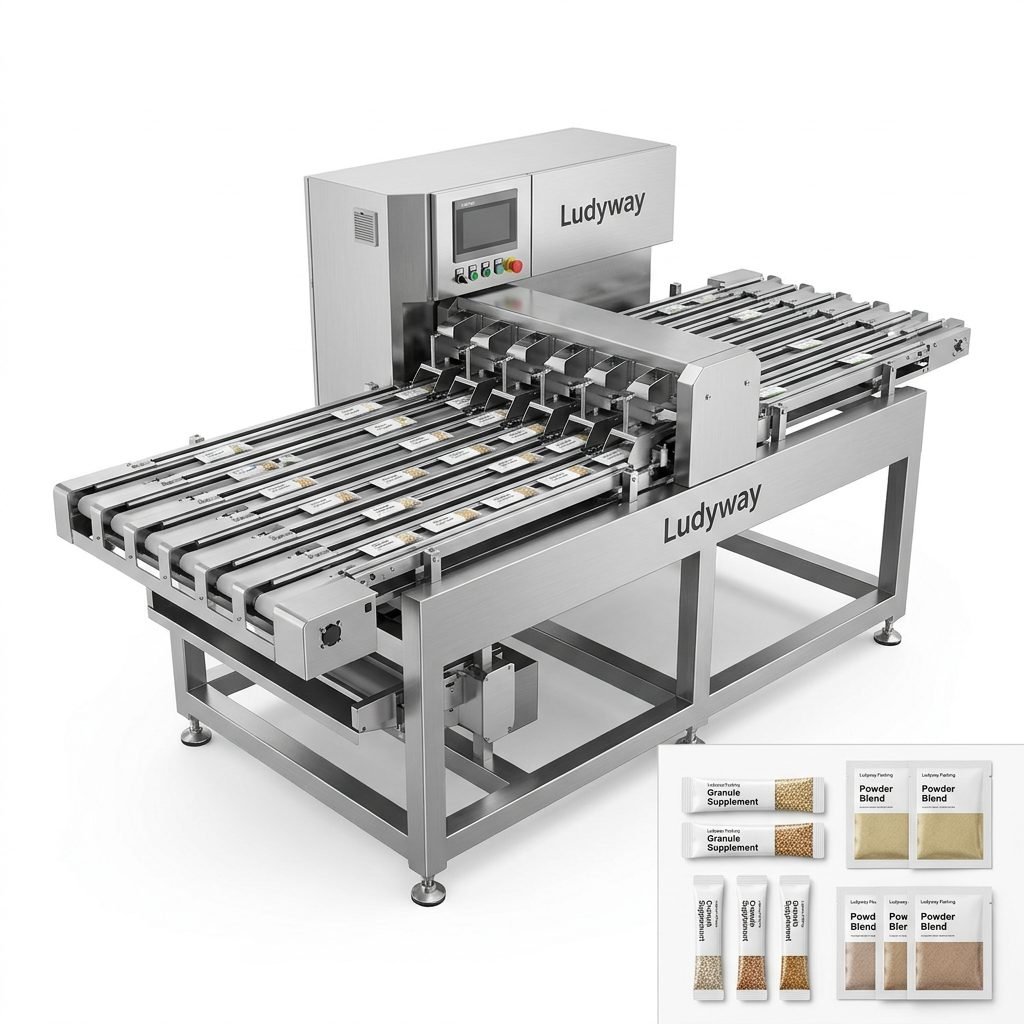
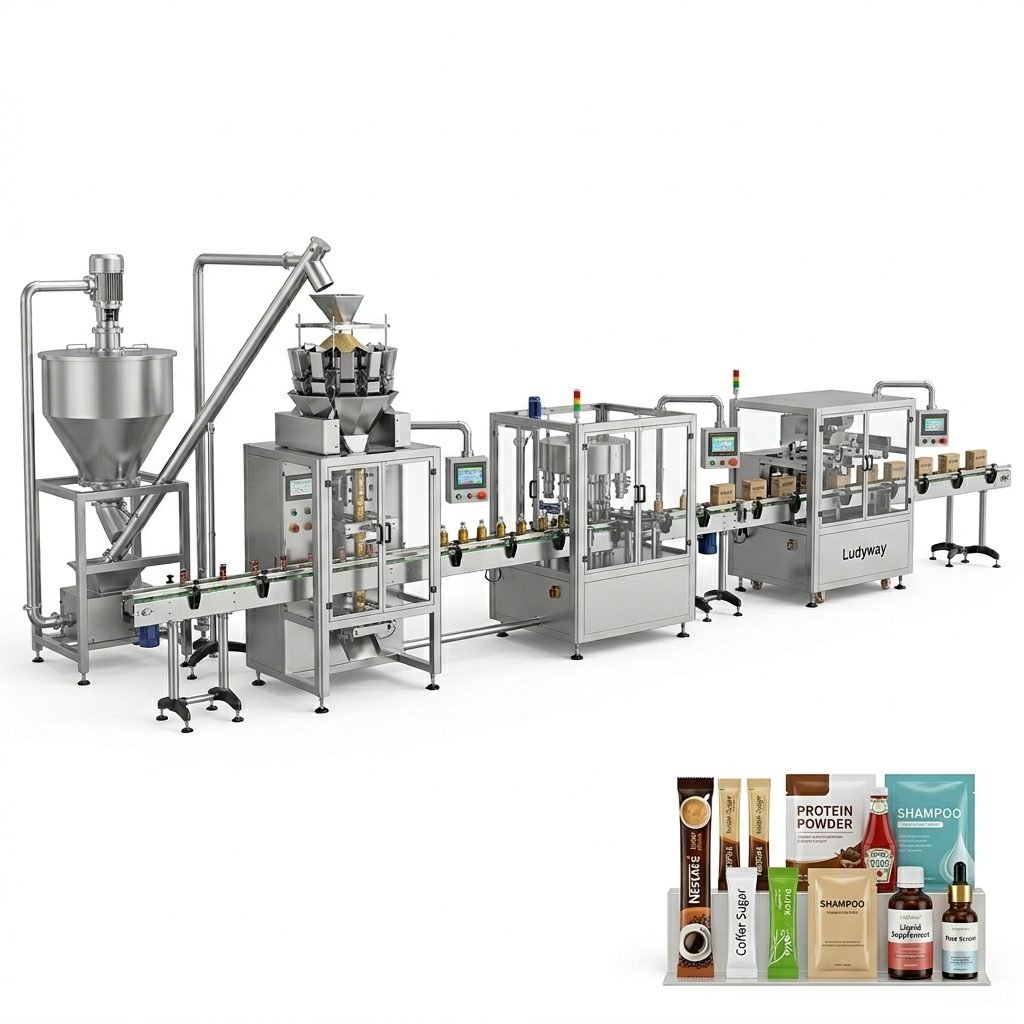
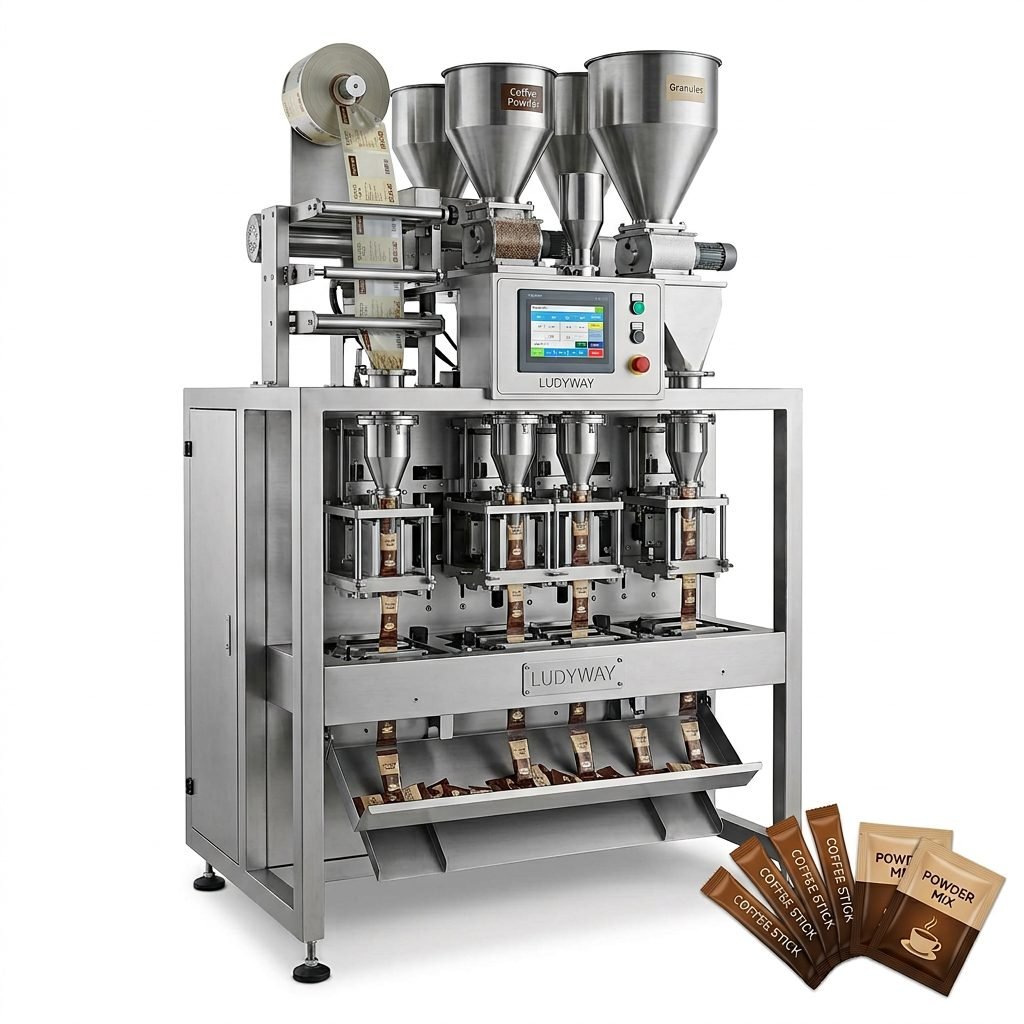
- Filling Machines: For liquids, powders, granules, and pastes. Demand is high for high-accuracy filling to reduce product giveaway.
- Labeling & Coding Machines: Critical for product identification, branding, and regulatory compliance. Digital printing and variable data printing are key trends here.
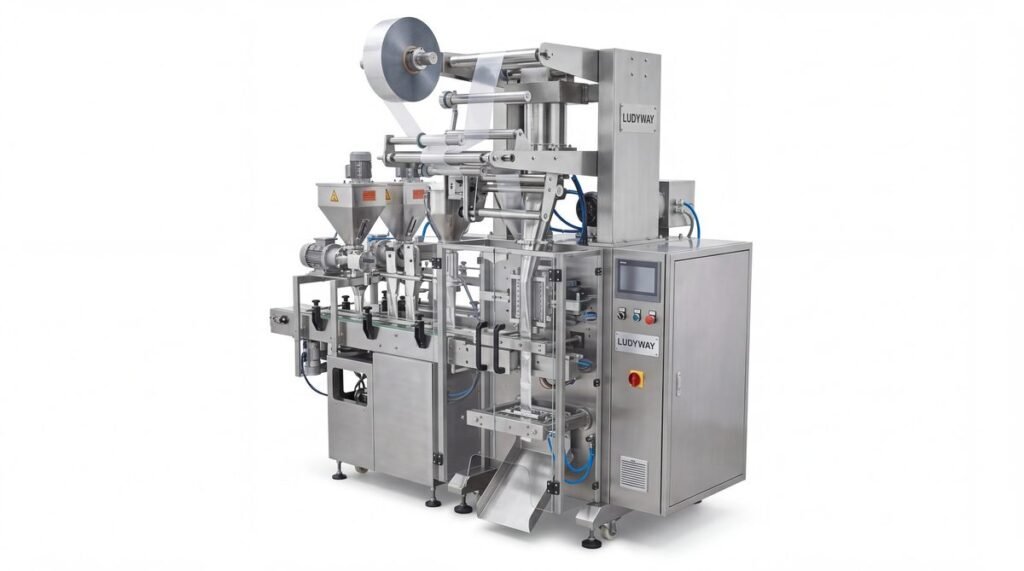
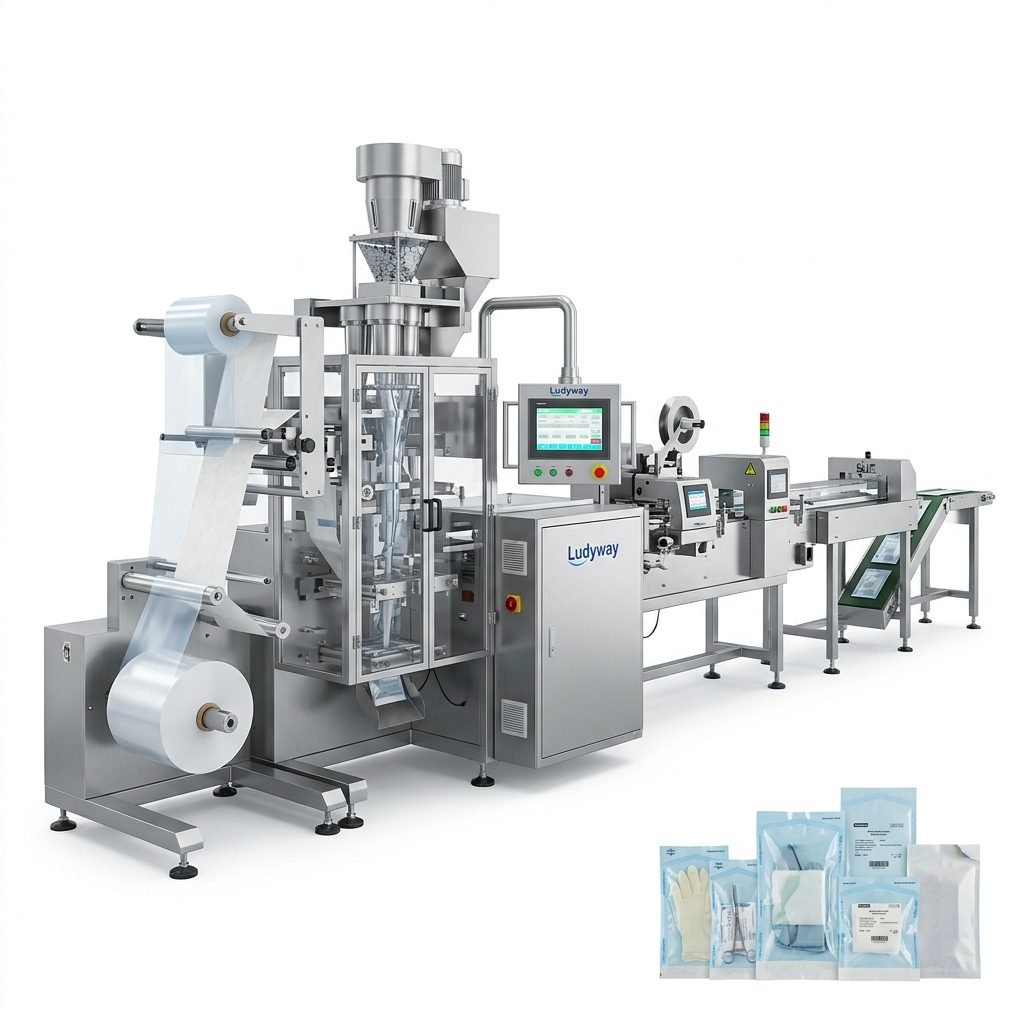
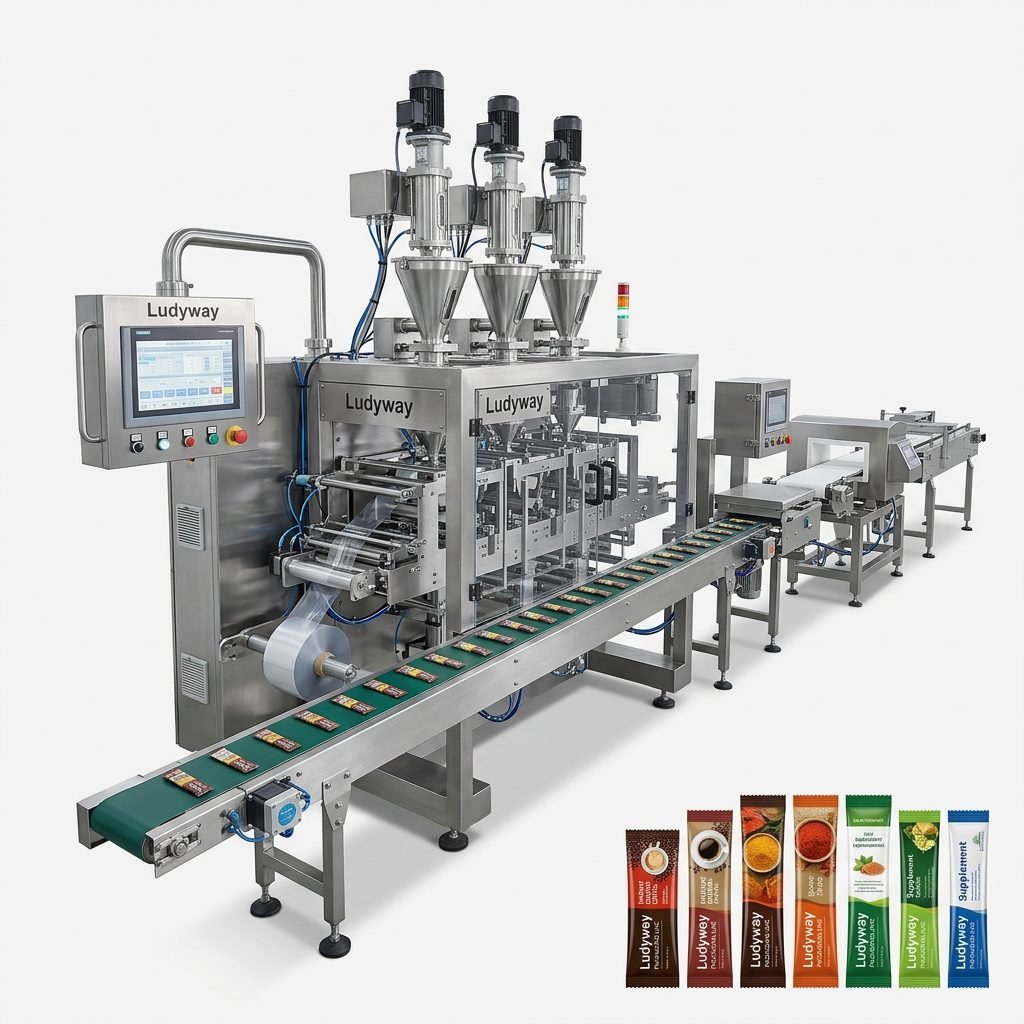
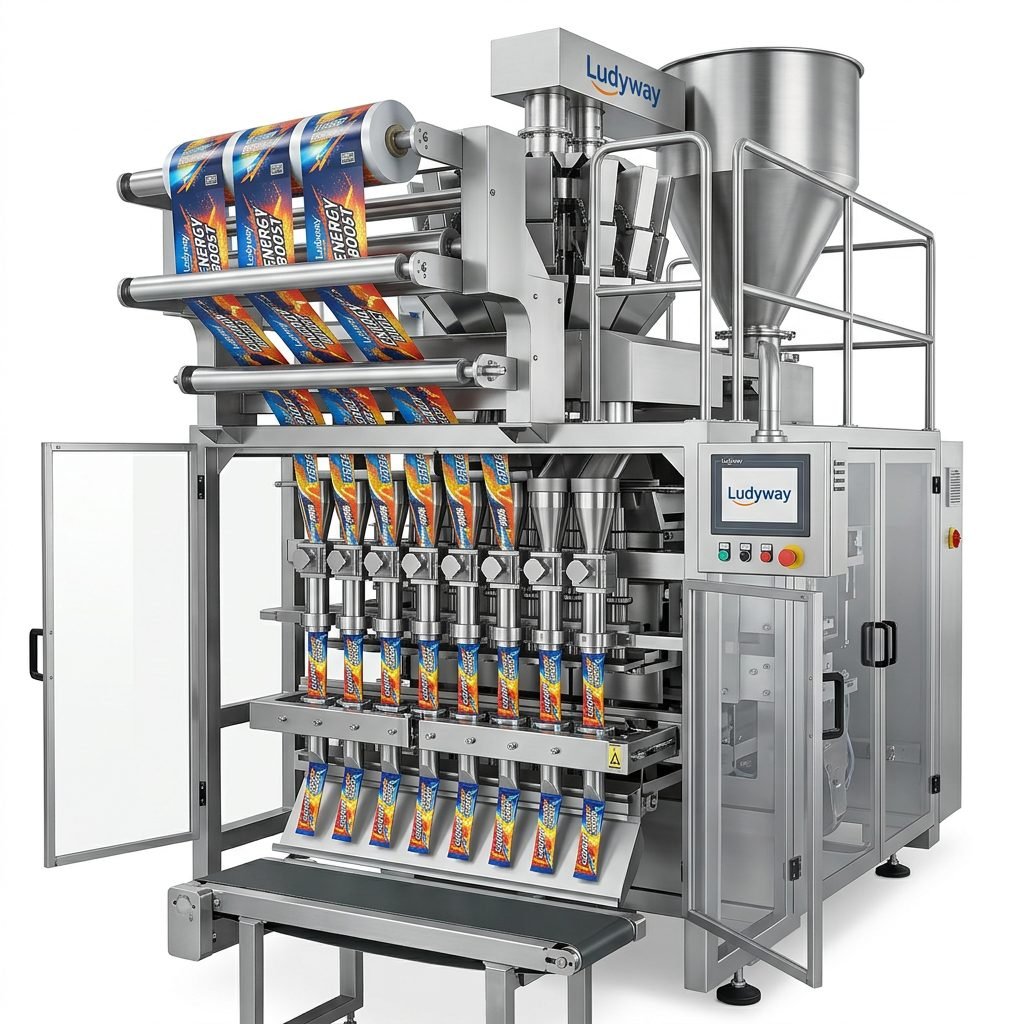
- Form-Fill-Seal (FFS) Machines: Highly popular for their efficiency in creating the package from a roll of film, filling it, and sealing it in one continuous process. Widely used for snacks, powders, and liquids.
- Cartoning & Palletizing Machines: For secondary and tertiary packaging, essential for logistics and distribution efficiency.
- Wrapping & Bundling Machines: Used for grouping products together for sale or protection.
By End-Use Industry:
- Food & Beverage: The largest segment, driven by demands for convenience, freshness, and sustainable packaging.
- Pharmaceuticals & Healthcare: Requires high-precision, compliant, and sterile packaging solutions with stringent track-and-trace capabilities.
- Personal Care & Cosmetics: Focuses on aesthetic appeal, premium feel, and portion control (e.g., sachets).
- Industrial & Chemicals: Emphasizes safety, durability, and accurate dosing for hazardous or bulk materials.
Future Opportunities and Strategic Directions
The future of the packaging machinery market is illuminated by several clear opportunities. The continued growth in emerging economies across Asia-Pacific, Latin America, and Africa presents a massive opportunity for both standard and locally-adapted machinery. There is also a growing market for retrofitting and upgrading existing packaging lines with modern digital controls and IoT modules, offering a cost-effective path to smarter manufacturing for established plants.
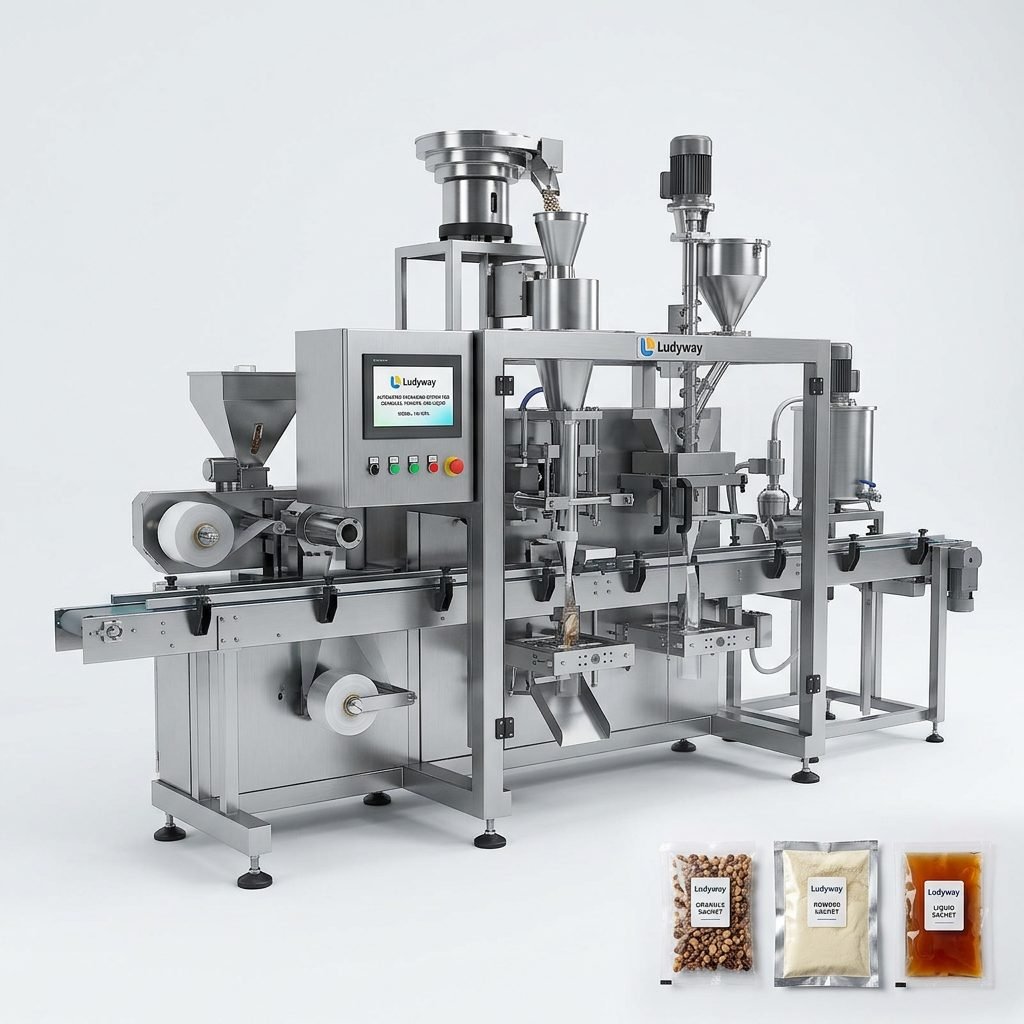
Furthermore, the development of machinery for advanced and smart packaging—such as packages with integrated sensors for freshness indicators or QR codes for enhanced consumer engagement—will create niche, high-value segments. Companies that can provide not just equipment but complete turnkey solutions, including design, integration, training, and lifecycle support, will build stronger, long-term client relationships. For instance, partners like Ludyway Packaging Machinery exemplify this approach by offering over 50 models of intelligent packaging systems and tailored production line solutions backed by deep industry expertise.
Navigating Regional Preferences and Customs
Success in the global market requires sensitivity to regional preferences. In Japan and South Korea, there is a strong preference for immaculate, aesthetically perfect packaging with a premium feel, often involving intricate folding and minimalistic design. Machinery must deliver flawless execution. In many European and North American markets, sustainability is not just a trend but a core consumer expectation, driving demand for machinery compatible with recycled content. In the Middle East, packaging for food items often needs to consider larger family sizes and specific cultural festivities, requiring adaptable portion sizes. Understanding these nuances is key to providing relevant solutions, a strength demonstrated by global suppliers with wide-ranging experience, such as those profiled in this company overview of a packaging machinery expert.
Conclusion
The global packaging machinery market is on a path of intelligent, sustainable, and flexible growth. Driven by e-commerce, automation, and environmental responsibility, it offers fertile ground for innovation. Manufacturers who invest in adaptable, connected, and efficient machinery will be well-positioned to meet the future head-on. The journey from a concept to a reliably packaged product is powered by this vital industry, and its evolution will continue to shape how the world consumes goods. For businesses looking to modernize their operations, exploring the capabilities of established solution providers, as detailed in this history of packaging innovation, can be a critical first step.
Frequently Asked Questions (FAQs)
What is the biggest driver for growth in the packaging machinery market currently?
The most significant driver is the dual force of e-commerce expansion and the global sustainability mandate. E-commerce requires durable, automated shipping solutions, while sustainability demands machinery that works with recycled/less material and operates efficiently.
Which industry segment is the largest consumer of packaging machinery?
The Food and Beverage industry remains the largest and most dynamic segment. Its continuous need for innovation in convenience, shelf-life extension, and fresh presentation creates constant demand for new and upgraded packaging equipment.
How is Industry 4.0 impacting packaging machinery?
Industry 4.0 brings connectivity, data, and intelligence to the packaging line. Machines are becoming smarter with IoT sensors for predictive maintenance, AI for quality control, and seamless integration into factory-wide digital systems for optimized production and full traceability.
Why is flexibility so important in modern packaging machinery?
Flexibility allows manufacturers to respond quickly to market trends, run smaller batches cost-effectively, and personalize products. Machinery with quick changeovers between formats, sizes, and materials reduces downtime and increases overall equipment effectiveness (OEE).
What should a company look for when choosing a packaging machinery supplier?
Look for a supplier with proven technical expertise, a reliable service and parts network, and the ability to provide a customized or turnkey solution—not just a standalone machine. Consider their experience in your specific industry and their commitment to innovation and support.