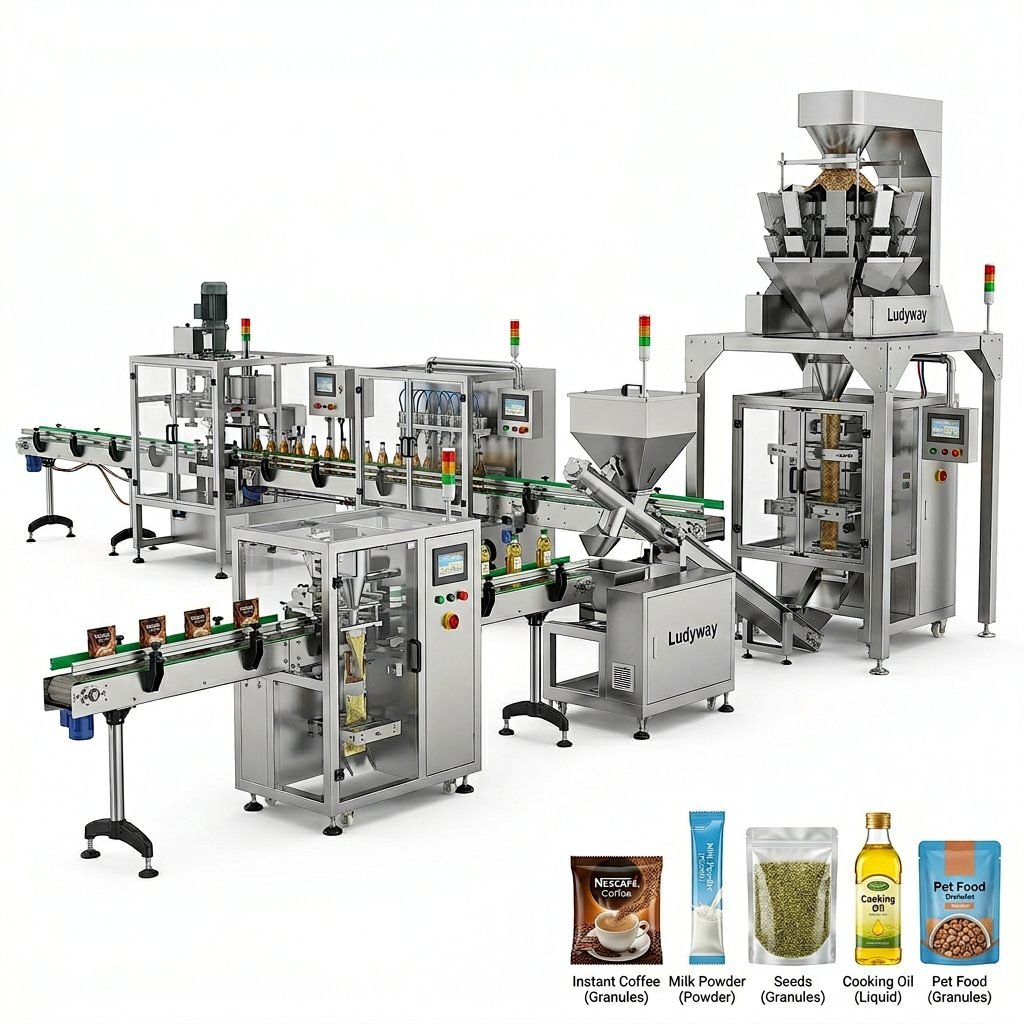
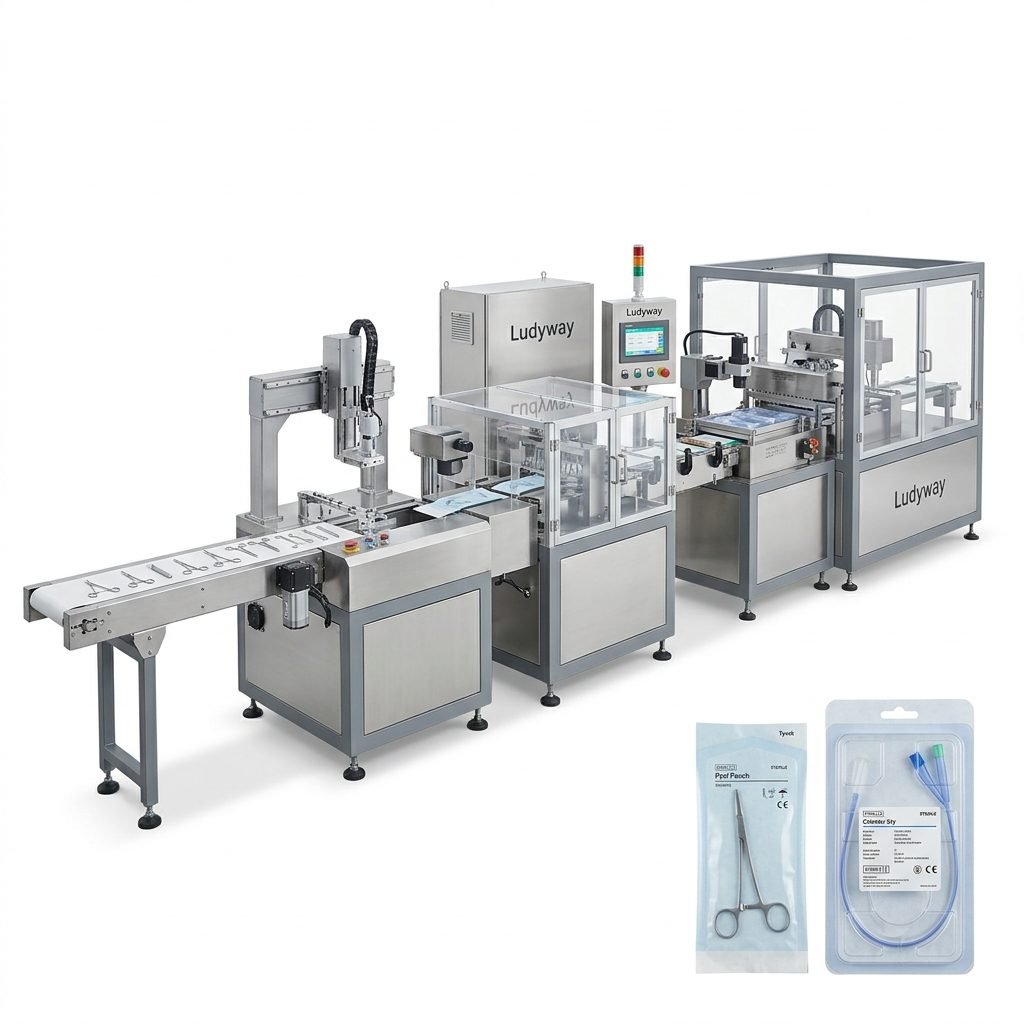
The pharmaceutical industry operates under stringent regulations and demands unparalleled precision, making packaging a critical component of the production process. Efficient and reliable pharma packaging equipment is not just about containment; it ensures product integrity, patient safety, and compliance with global standards like cGMP. From blister packs that protect individual tablets to sterile vial filling lines for injectables, the right machinery directly impacts production efficiency, cost-effectiveness, and market success.
Core Types of Pharmaceutical Packaging Equipment
Understanding the different categories of equipment is the first step in optimizing your packaging line. Each type serves a specific function in the workflow.
Primary Packaging Machinery
This equipment handles the first layer of packaging that is in direct contact with the pharmaceutical product. Its primary role is to ensure dosage accuracy and maintain sterility.
- Blister Packaging Machines: Ideal for solid dosage forms like tablets and capsules. They form cavities from a roll of film, fill them, and seal with a lidding material, providing excellent barrier protection and unit-dose convenience.
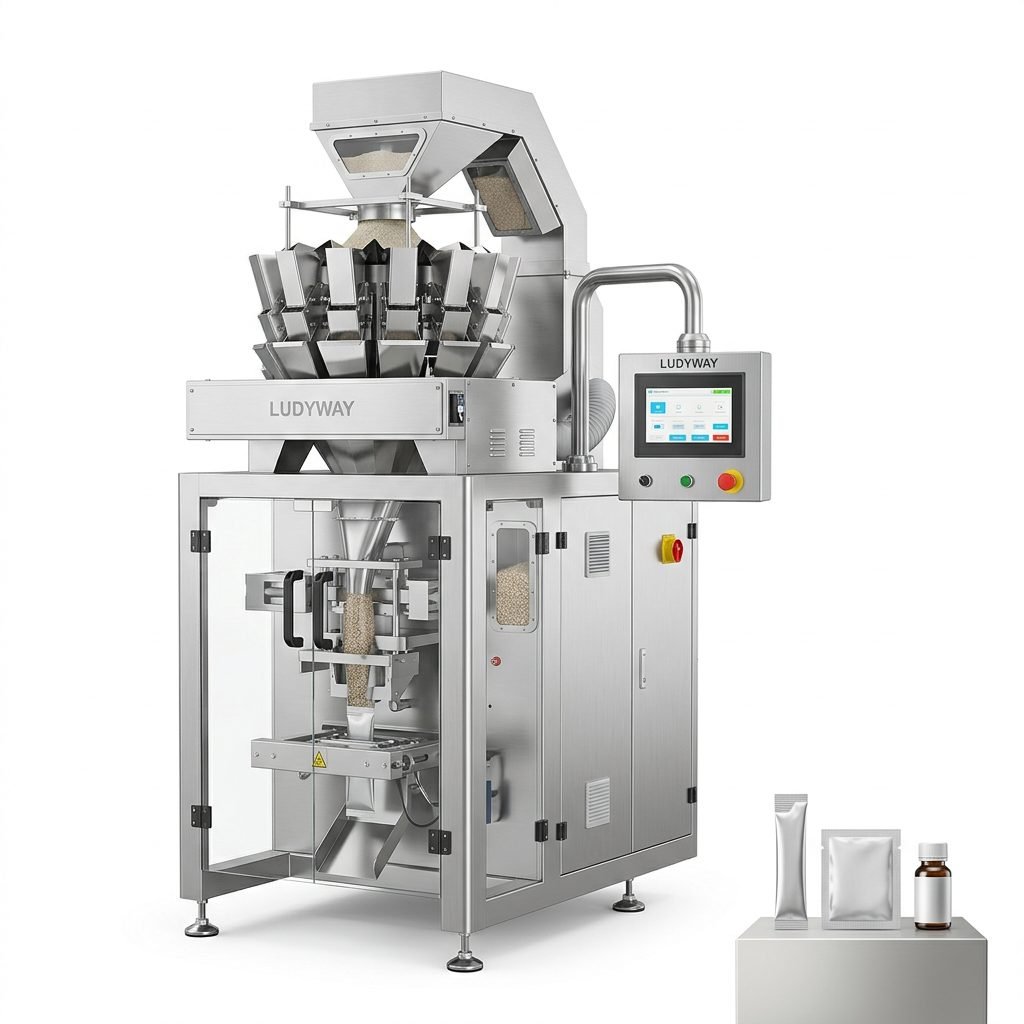
- Bottle Filling and Capping Lines: Used for liquid syrups, powders, and capsules. These automated systems precisely fill containers and apply screw caps or child-resistant closures at high speeds.
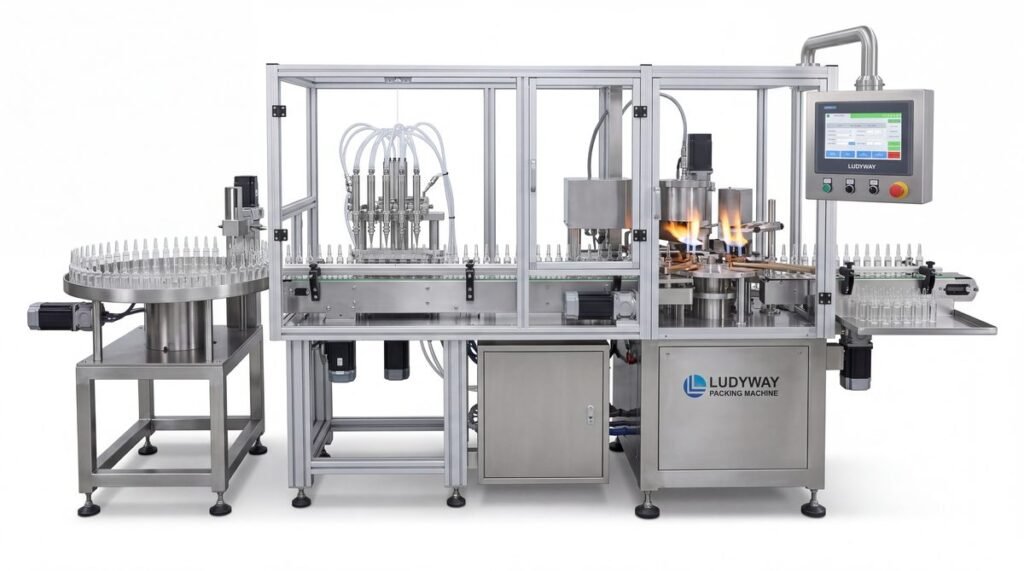
- Ampoule, Vial, and Syringe Fillers: Critical for sterile injectables. These machines operate in cleanroom environments to fill and seal glass or plastic containers under aseptic conditions.
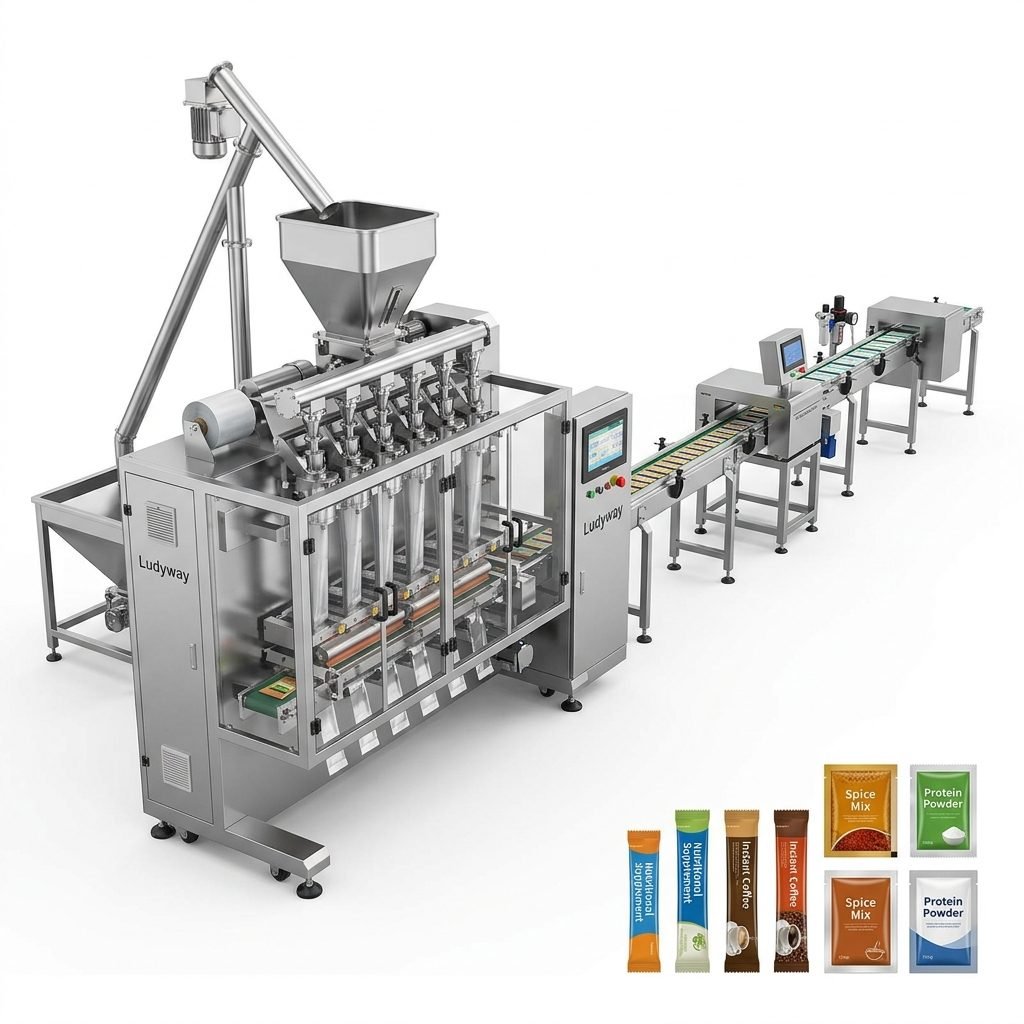
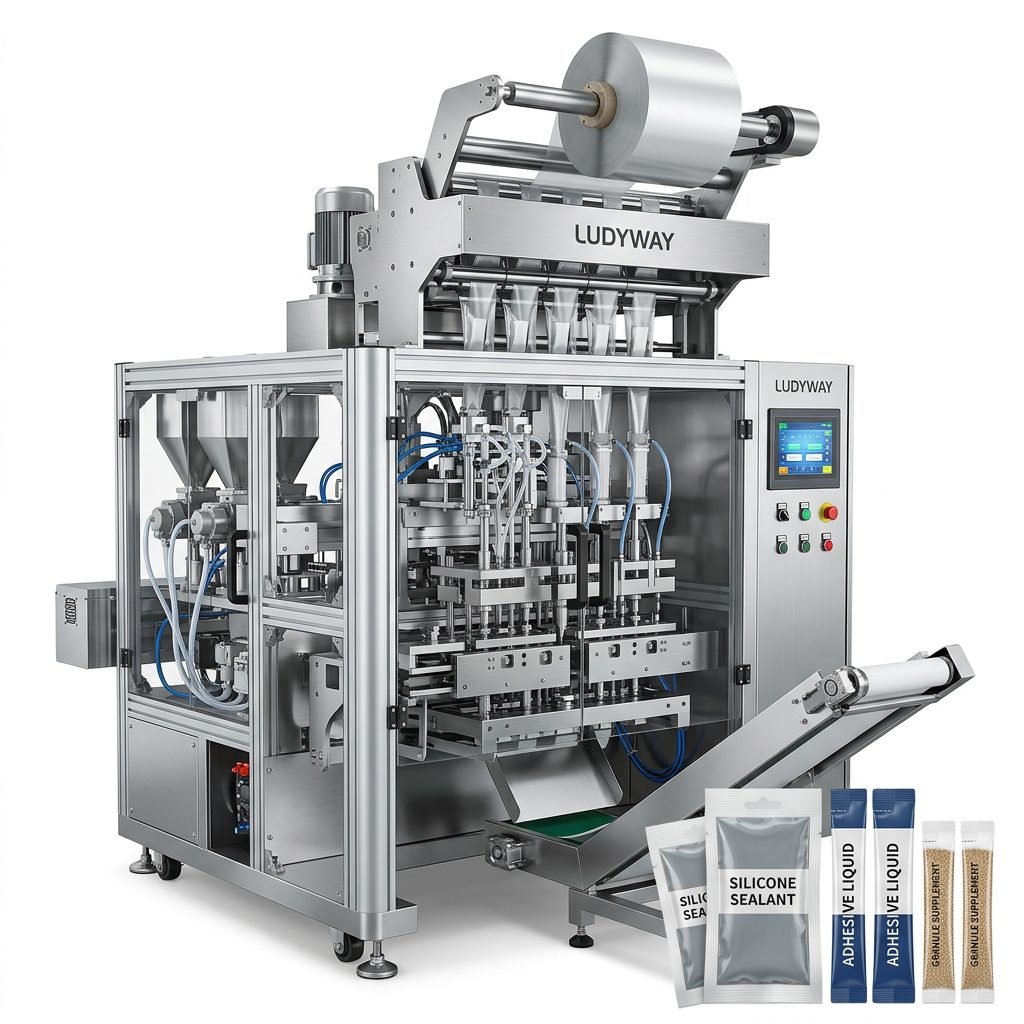
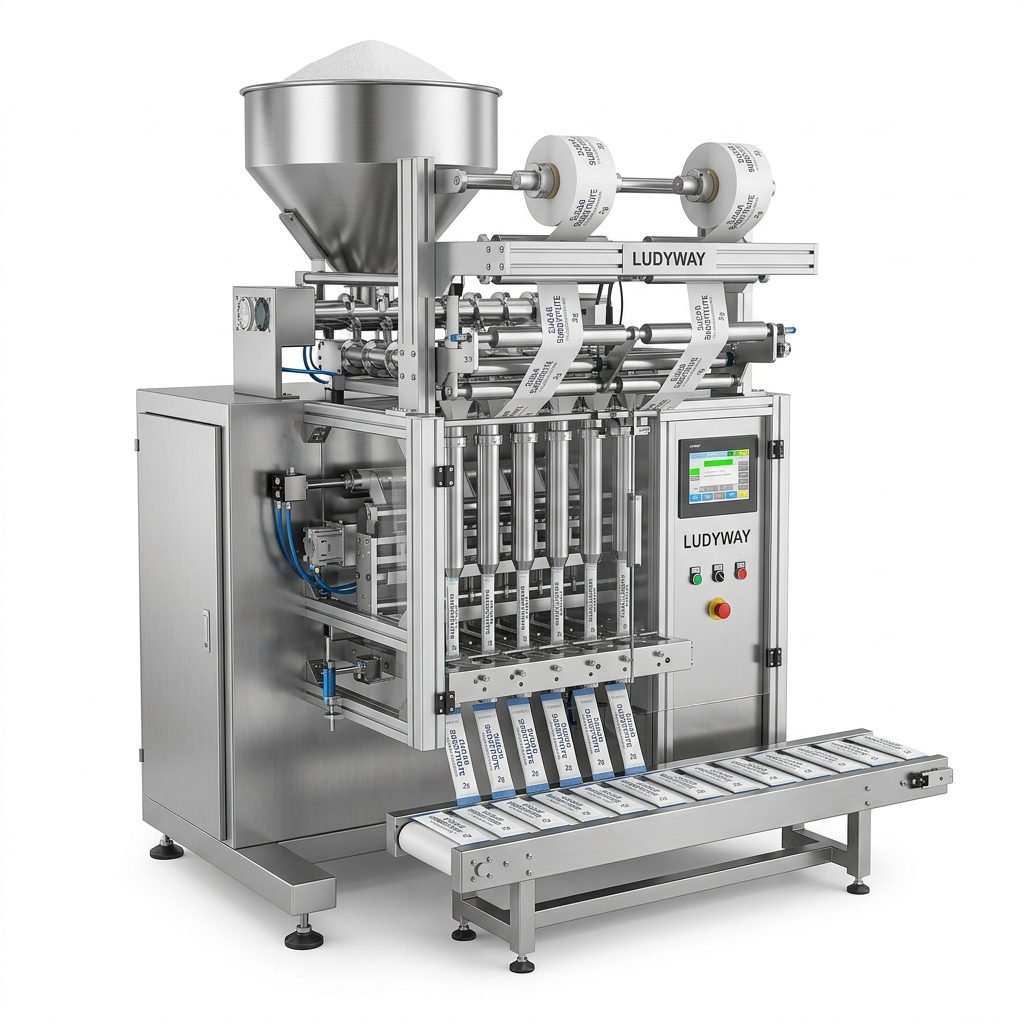
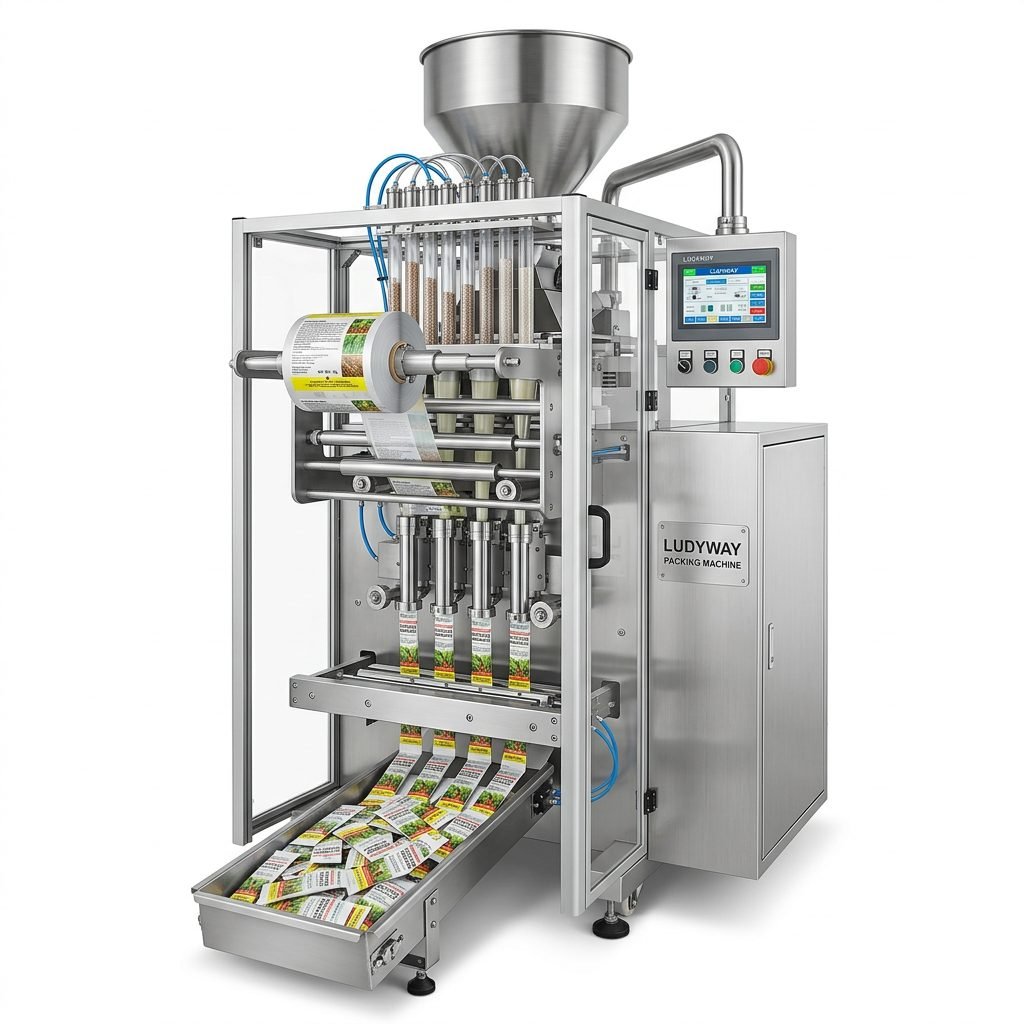
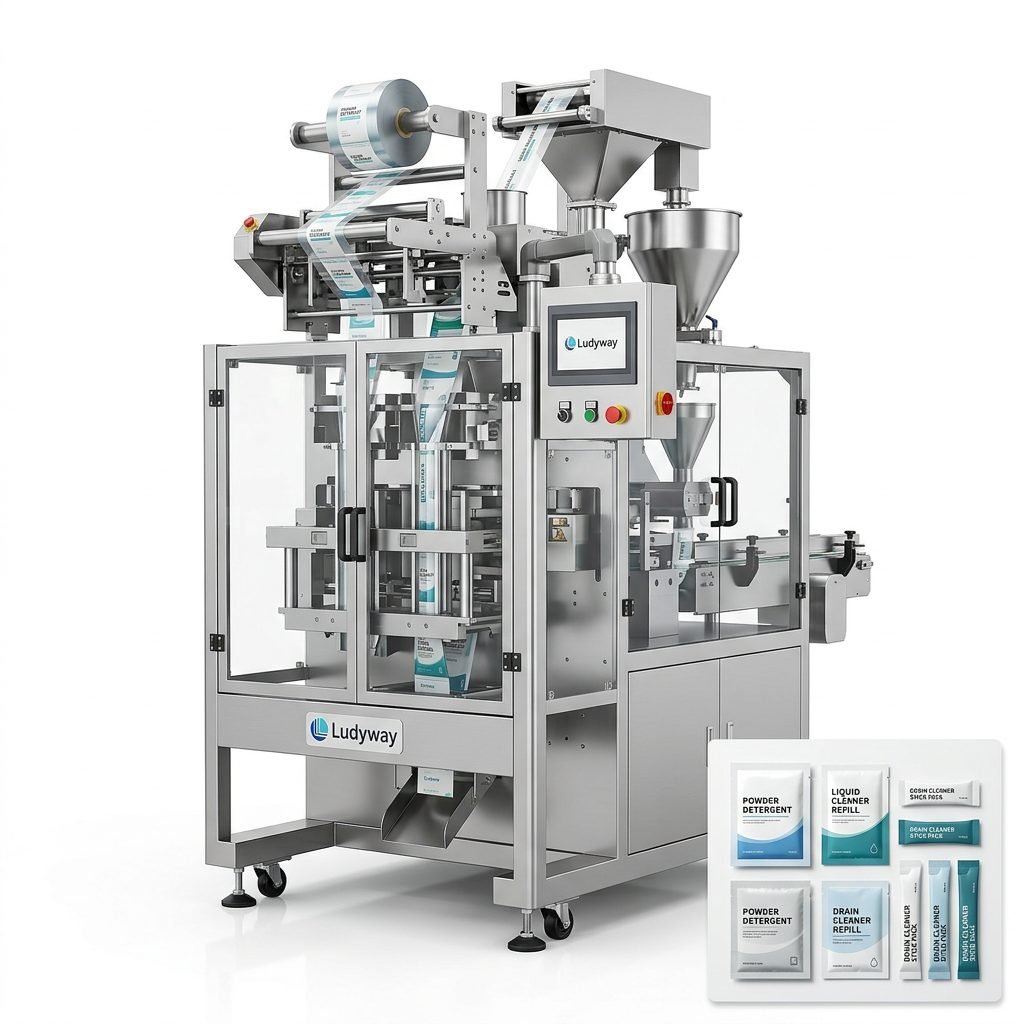
- Sachet & Stick Pack Machines: Perfect for single-dose powders or granules, such as oral rehydration salts or effervescent products. They offer excellent portability and accurate dosing.
Secondary and Tertiary Packaging Machinery
Once the primary packaging is complete, these systems handle aggregation, protection, and preparation for distribution.
- Cartoning Machines: Automatically erect cartons, insert primary packages (like blisters or bottles), along with leaflets, and close them. They are essential for creating the final retail box.
- Labeling Systems: Apply product labels, barcodes, and expiry dates with precision. Pharma labeling must be 100% accurate to comply with regulatory information requirements.
- Bundling and Case Packing Equipment: Groups multiple cartons into bundles and then loads them into shipping cases or trays, streamlining the logistics process.
Comprehensive Selection Guide for Pharma Packaging Lines
Choosing the right equipment requires a strategic assessment of multiple factors beyond just the machine’s price tag.
1. Assess Your Product and Output Requirements
Begin with a clear analysis of your specific needs. What is the physical form of your product (tablet, liquid, powder)? What are your required output speeds (packs per minute)? You must also consider future scalability—will you need to handle different product sizes or increased volumes? A reliable supplier with broad experience can help model the best solution for both current and future states.
2. Prioritize Compliance and Validation
In pharma, compliance is non-negotiable. Equipment must be designed for easy cleaning and validation in accordance with cGMP. Look for machines constructed with 316L stainless steel or other compliant materials in product contact areas. The ability to generate comprehensive documentation for Installation Qualification (IQ), Operational Qualification (OQ), and Performance Qualification (PQ) is a critical feature offered by professional manufacturers.
3. Evaluate Automation and Integration Capabilities
The level of automation directly affects labor costs, consistency, and data integrity. From semi-automatic machines suitable for R&D or low-volume production to fully integrated turnkey lines with robotic handling, the choice depends on your operational goals. Modern machines with PLC controls and HMI interfaces allow for recipe management, changeover tracking, and seamless integration with Manufacturing Execution Systems (MES).
4. Analyze Total Cost of Ownership (TCO)
Look beyond the initial purchase price. Consider energy consumption, required consumables (like packaging films), maintenance costs, and expected machine lifespan. Equipment with higher reliability and accessible service support, like that from established brands with decades of industry experience, often provides a lower TCO despite a potentially higher upfront investment.
Key Features for Efficient and Compliant Production
Modern pharma packaging equipment incorporates specific features to enhance efficiency, safety, and traceability.
Essential Feature Checklist:
- cGMP-Compliant Design: Smooth surfaces, rounded corners, and sealed frames to prevent contamination and allow for effective cleaning.
- High-Precision Dosing: Servo-driven fill systems for unparalleled accuracy in counting tablets or volumetric filling of liquids, minimizing product giveaway.
- Quick Changeover Systems: Tool-less or single-tool adjustments to minimize downtime when switching between different product formats or package sizes.
- Integrated Quality Checks: In-line vision inspection systems to detect missing tablets, misprints, or sealing defects, and automatic rejection of non-conforming packs.
- Comprehensive Data Recording: Batch reporting, alarm logs, and OEE (Overall Equipment Effectiveness) tracking for full production traceability and process optimization.
Ensuring Long-Term Reliability and Support
The partnership with your equipment provider doesn’t end at installation. Ensure they offer robust after-sales support, including readily available spare parts, comprehensive operator and maintenance training, and responsive technical service. A supplier with a strong global service network can be invaluable for maintaining continuous production.
Investing in the right pharmaceutical packaging equipment is a strategic decision that safeguards product quality, ensures regulatory compliance, and drives operational efficiency. By carefully considering your product needs, compliance requirements, and the key features that enable efficient production, you can build a packaging line that is not only productive today but also adaptable for the challenges of tomorrow.
Frequently Asked Questions (FAQs)
What is the most important factor when choosing a blister packaging machine for pharmaceuticals?
The paramount factor is its ability to ensure product integrity and comply with cGMP standards. This includes precision in forming and sealing to maintain barrier properties, use of compliant materials (like 316L stainless steel), and features that allow for full validation (IQ/OQ/PQ). Output speed and quick changeover capabilities are secondary, though critical, considerations for operational efficiency.
How can I reduce changeover time on my packaging line?
Invest in equipment designed for flexibility. Look for machines with digital recipe storage, where settings for different products are saved and recalled instantly. Features like servo-driven adjustments, quick-release mechanisms for change parts, and centralized lubrication points significantly reduce manual adjustment and downtime during format changes.
Are integrated vision inspection systems necessary?
While not always legally mandatory for every product, they are considered a best practice and are increasingly essential. They provide an automated, reliable check for critical defects—such as missing tablets, incorrect labeling, or poor seal integrity—that human operators might miss, greatly enhancing quality assurance and reducing the risk of recalls.
What should I look for in a supplier’s service and support?
Prioritize suppliers who offer comprehensive training (on-site and remote), a clear spare parts supply chain, and responsive technical support. Check if they have a history of long-term industry experience and a proven track record of supporting installations in regulated environments. Good support minimizes unexpected downtime and extends the equipment’s operational life.
Can a single machine handle different types of primary packages, like sachets and stick packs?
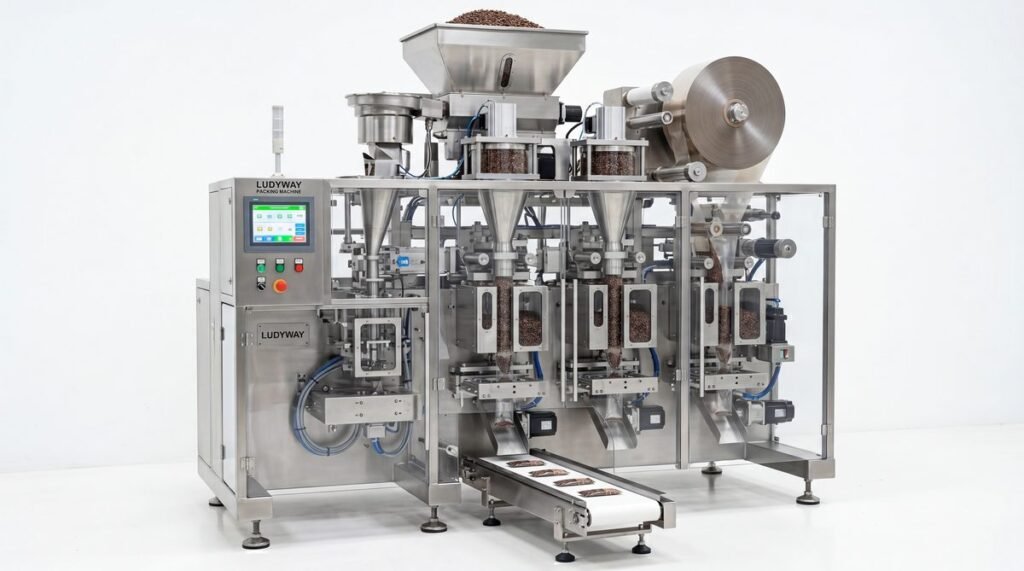
Some advanced horizontal form-fill-seal (HFFS) machines are designed with modular tooling that can be converted between different package types, such as sachets, stick packs, and even small pouches. However, significant format changes often require purchasing and installing specific forming and sealing kits. Discuss your product portfolio with the manufacturer to find the most cost-effective solution for multi-format production.