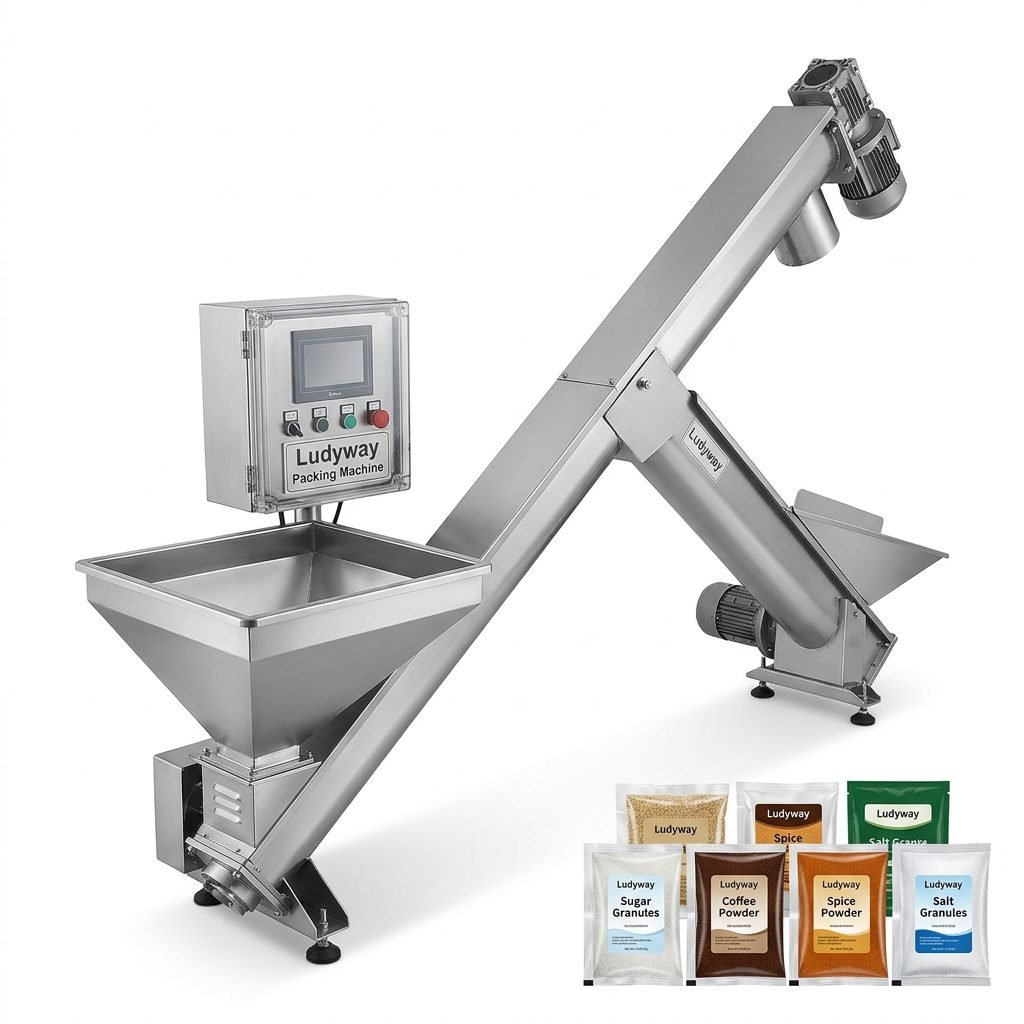
Choosing the right coffee packaging machine is a critical decision for any coffee business, from small-batch roasters to large-scale producers. The right equipment not only protects your product’s freshness and flavor but also enhances your brand’s presentation and operational efficiency. This guide will walk you through the key factors to consider when selecting the best coffee bagging solution tailored to your specific needs.
Understanding Your Packaging Requirements
Before diving into machine specifications, it’s essential to clearly define your packaging needs. Consider your primary product form: are you packaging whole beans, ground coffee, or single-serve pods? Each type requires different handling. Also, evaluate your production volume. A low-volume, artisanal roastery has vastly different needs than a high-volume commercial operation supplying grocery chains.
Key Question: What is your target output per hour or per day? Accurately projecting your growth over the next 2-3 years will help you choose a machine that won’t become obsolete too quickly.
The bag style is another crucial element. Are you using pre-made pouches, or do you need a machine that forms bags from roll stock? Do you require features like degassing valves, resealable zippers, or custom-shaped windows? Your answers will directly narrow down the suitable machine types.
Types of Small Coffee Packaging Machines
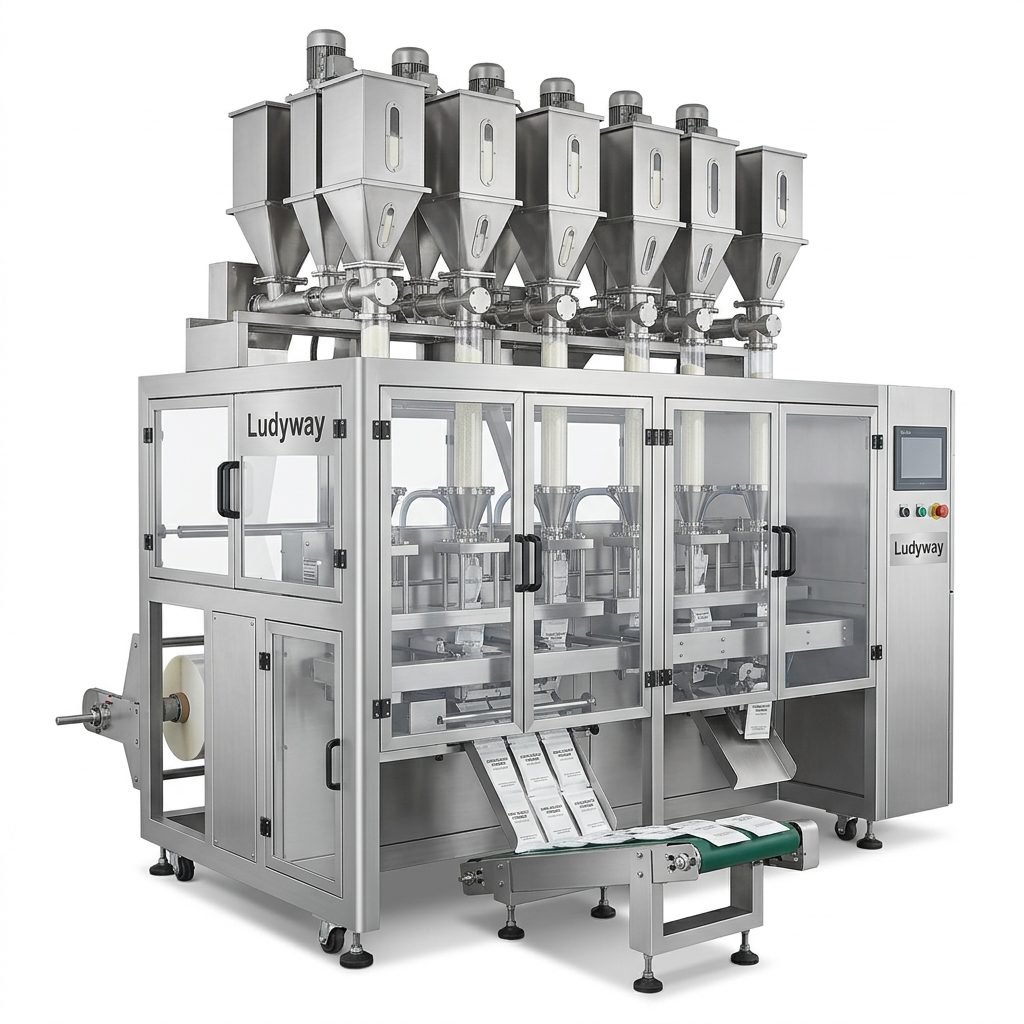
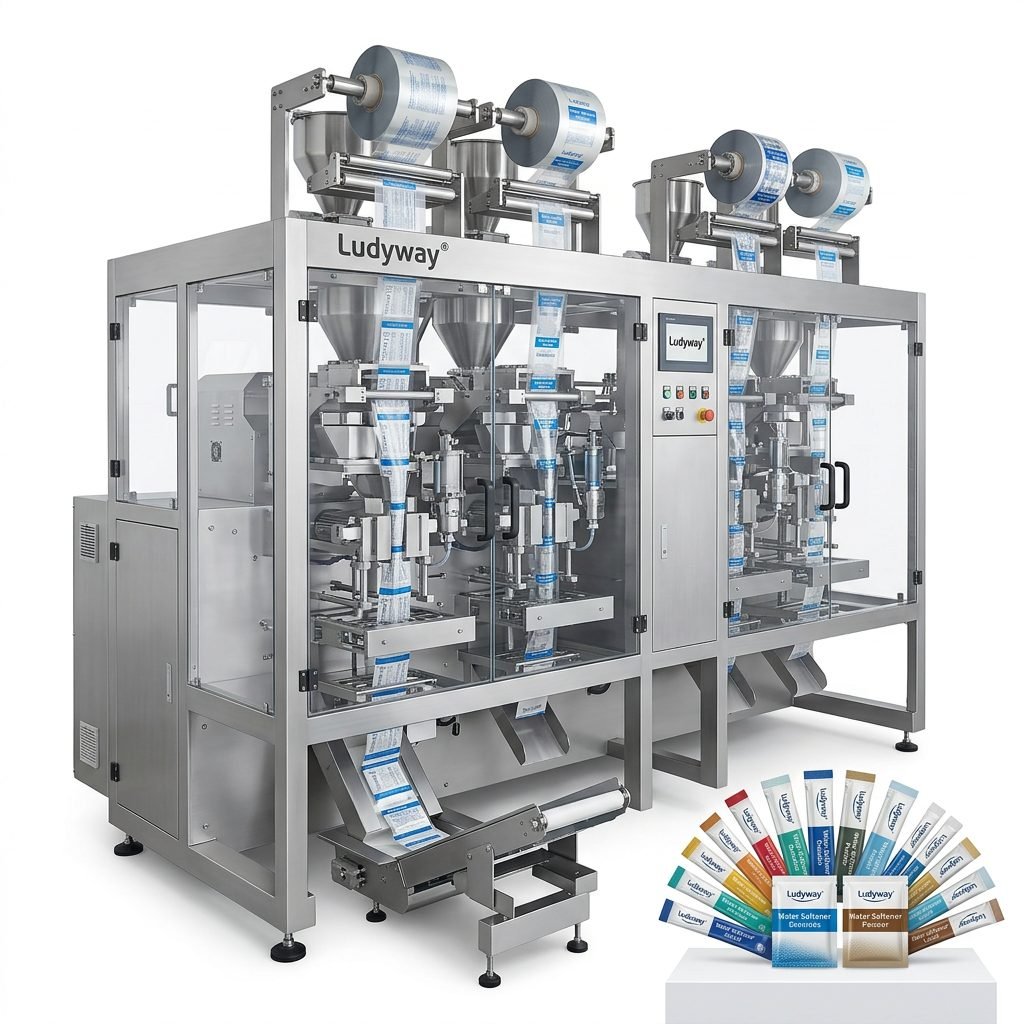
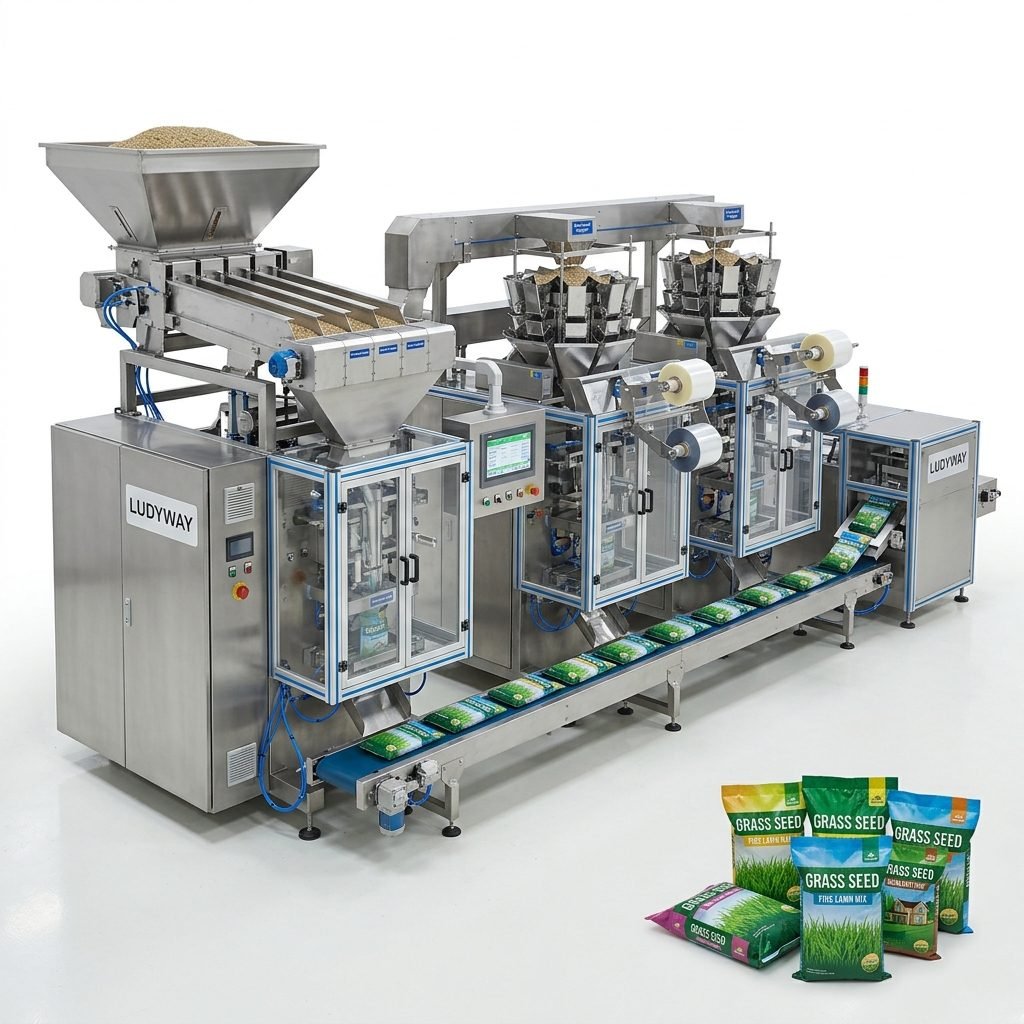
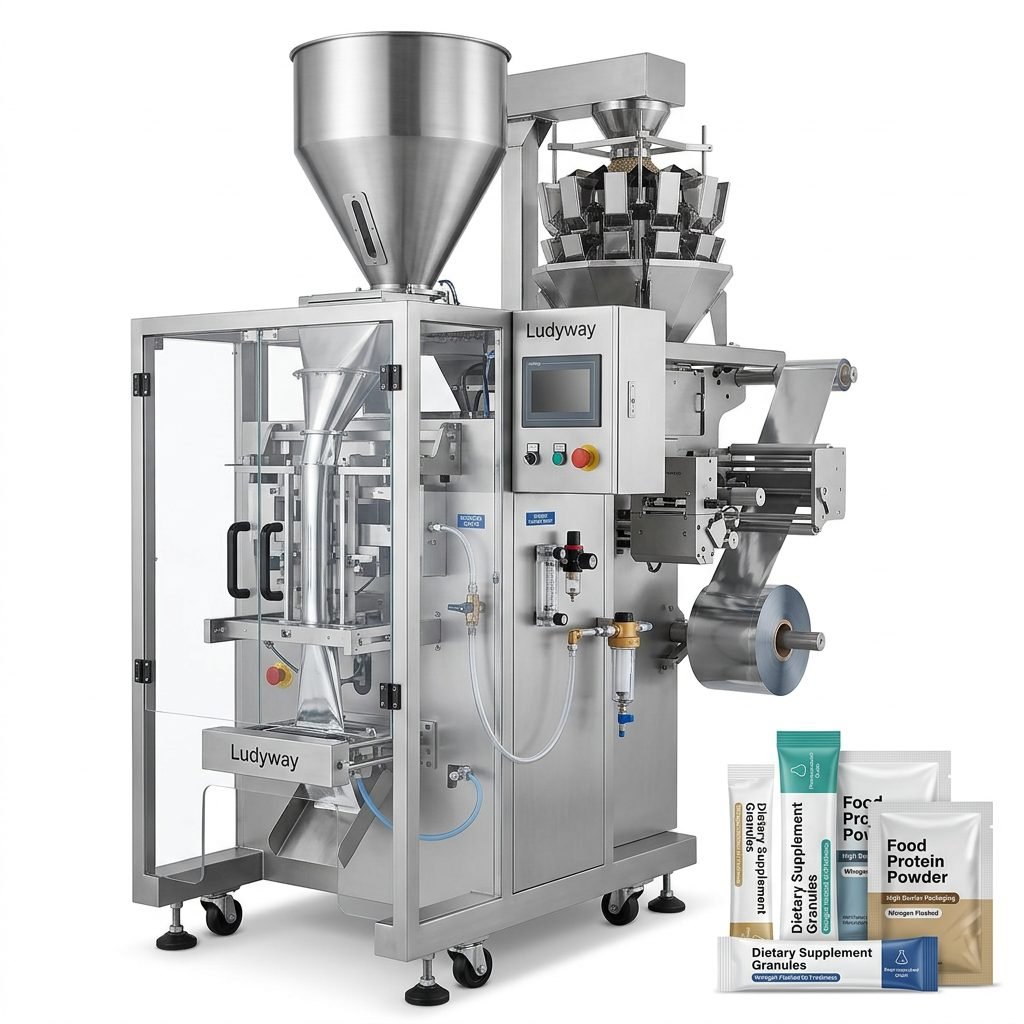
The market offers several types of packaging machines, each with its strengths. Vertical Form-Fill-Seal (VFFS) machines are highly versatile and common. They form bags from a roll of film, fill them with coffee, and seal them in one continuous process. They are excellent for various bag sizes and styles, including flat-bottom bags and stand-up pouches.
Pre-made pouch fillers are ideal for businesses that use custom-printed, premium pouches. These machines open a pre-made bag, fill it with the precise weight of coffee, and then seal it. They are often gentler on the bag material, preserving high-quality prints and structures.
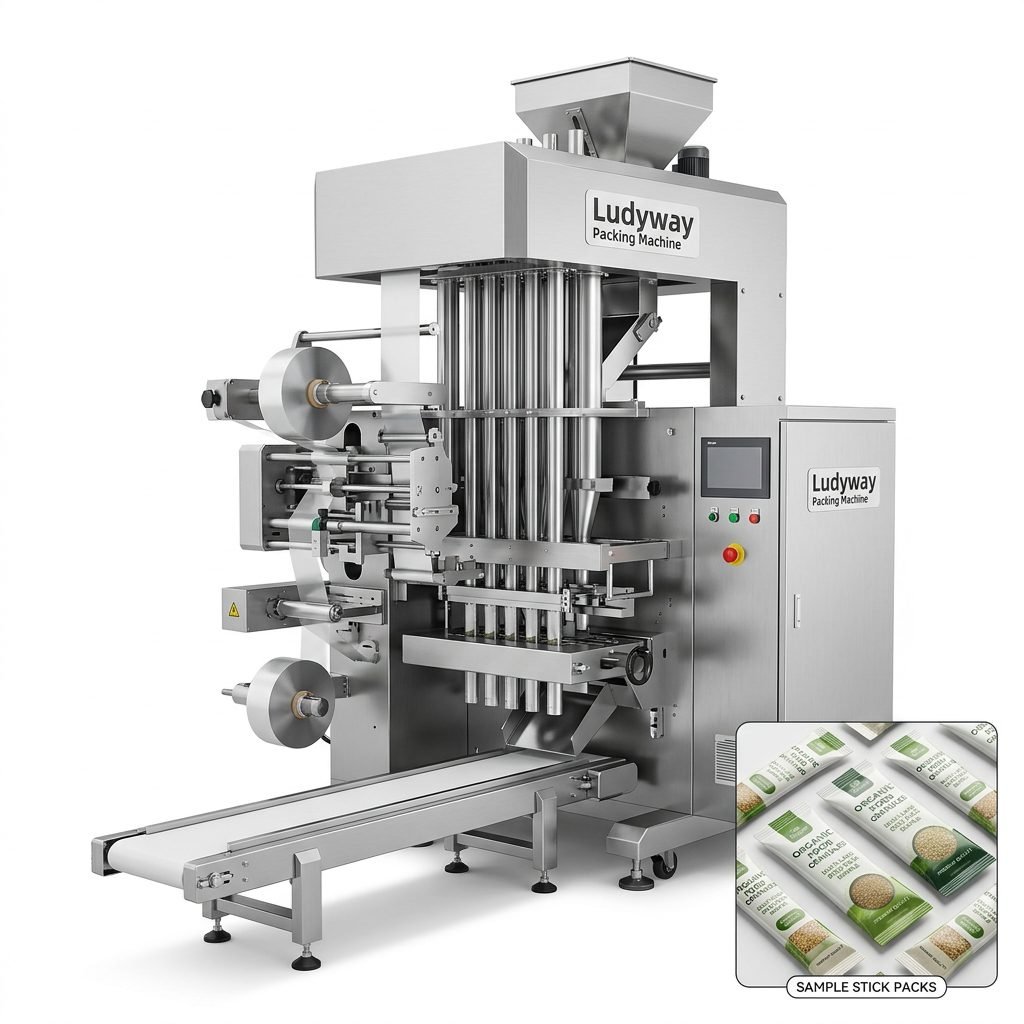
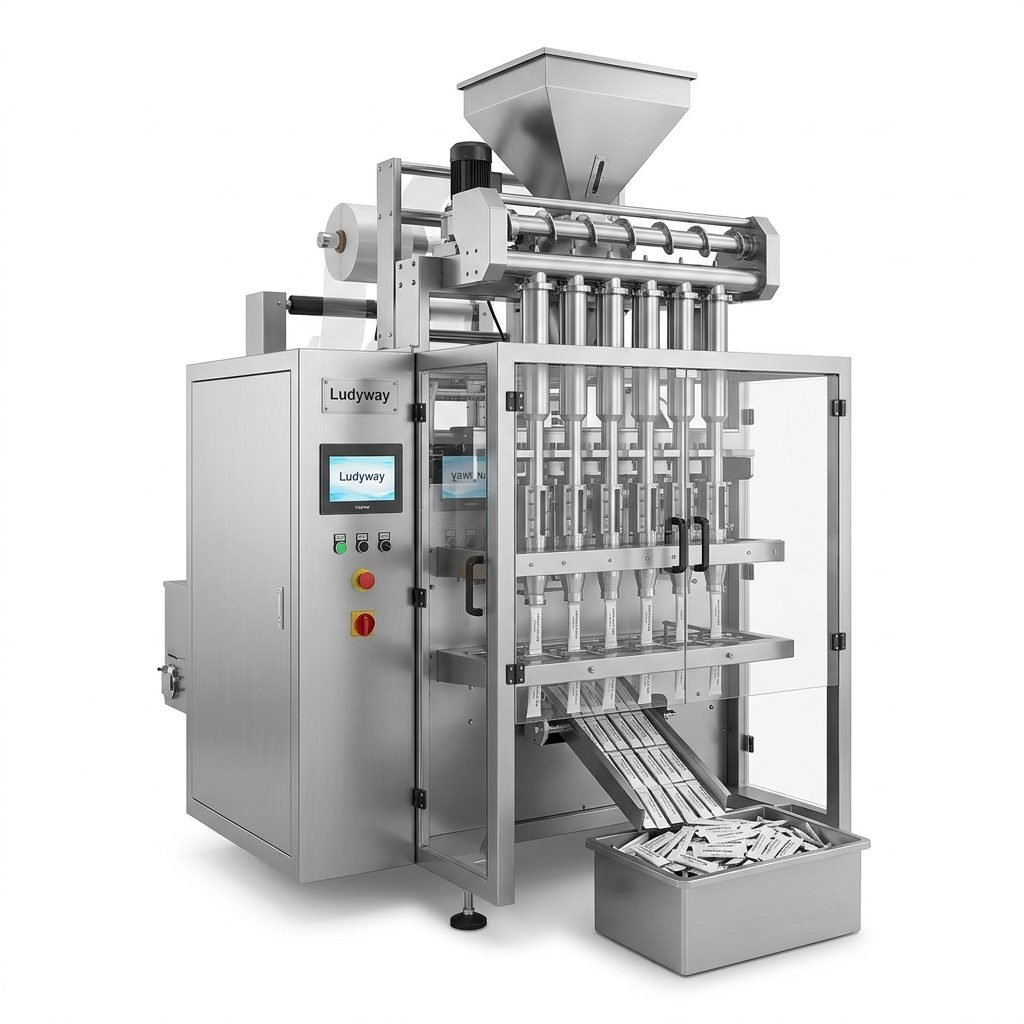
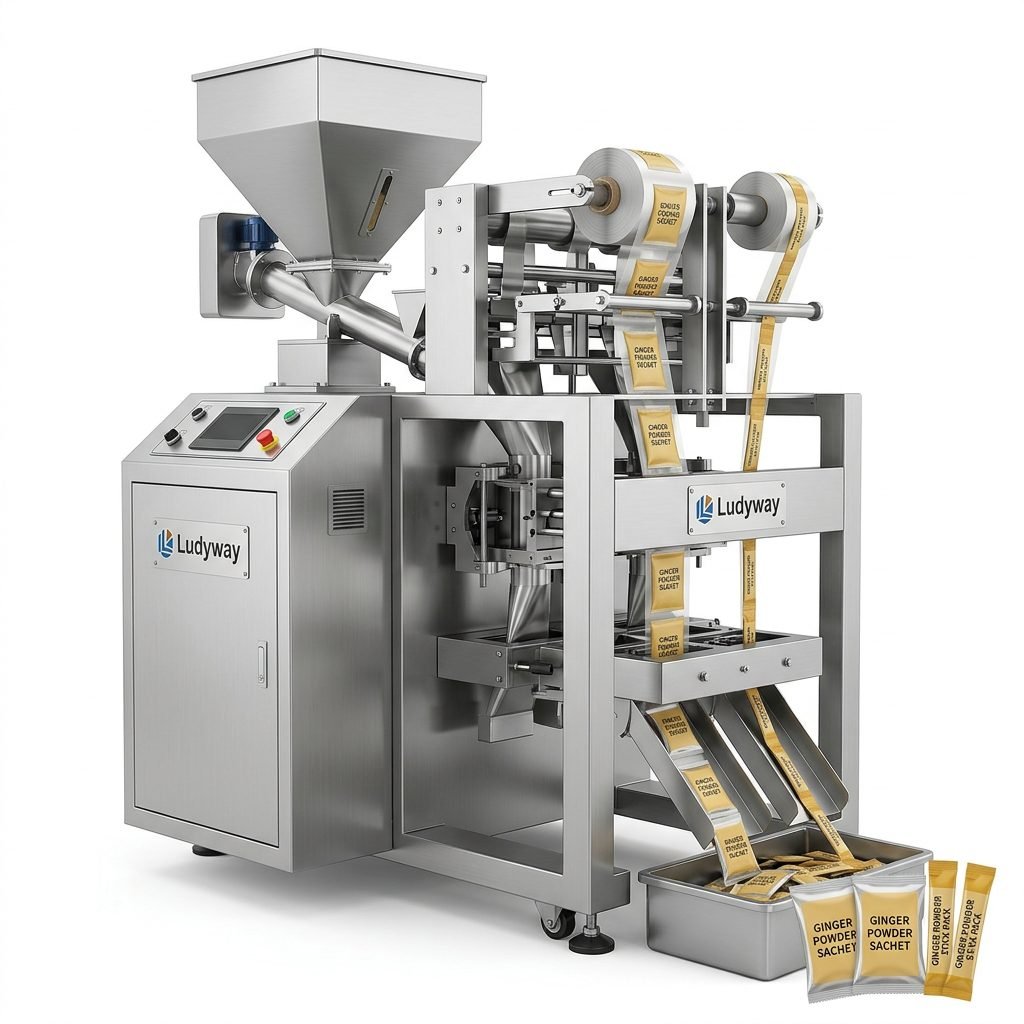
For single-serve options like stick packs or sachets, multi-lane stick pack machines are the go-to solution. They can produce multiple small packets simultaneously at very high speeds, perfect for instant coffee, samples, or portion-controlled servings.
Core Features to Evaluate
When comparing machines, focus on these core operational features:
Weighing and Dosing Accuracy
Precision is non-negotiable in coffee packaging. Even a small overfill cuts into your profit, while an underfill can lead to customer complaints. Look for machines equipped with high-precision load cell weighers or auger fillers that can handle the density variations of whole beans and ground coffee. Consistent dosing protects your bottom line and brand reputation.
Gas Flushing and Seal Integrity
To preserve freshness and extend shelf life, many coffee packages use modified atmosphere packaging (MAP), which flushes oxygen out of the bag and replaces it with nitrogen or another inert gas. If this is important for your product, ensure the machine has a reliable, efficient gas flushing system. Equally important is the quality of the heat seal. A strong, consistent seal prevents air from leaking back in and keeps the coffee fresh.
Pro Tip: Always test your chosen packaging film with the machine’s sealing jaws. The right combination of temperature, pressure, and dwell time is critical for a perfect, airtight seal every time.
Automation and Ease of Use
Modern machines offer varying degrees of automation. A basic machine might require manual bag placement, while a fully automated line can include automated bag feeding, filling, sealing, and cartoning. Consider your available labor and skill level. A user-friendly touchscreen HMI (Human-Machine Interface) with recipe storage can drastically reduce changeover time and operator error when switching between products.
Selecting a Reliable Supplier
The machine itself is only part of the equation; the supplier behind it is equally important. Partnering with a reputable company ensures you get proper support throughout the machine’s lifecycle.
Look for a supplier with proven experience in the food and coffee packaging industry. For instance, Ludyway Machinery brings over a decade of focused expertise in providing packaging solutions for granular products like coffee. A supplier with deep application knowledge can offer invaluable guidance during the selection process.
Evaluate their technical support and service network. Will they provide comprehensive installation and training? What is their response time for spare parts and technical assistance? Reliable after-sales service minimizes costly downtime. Furthermore, assess their capability for customization. Can they adapt a standard machine to fit your unique bag design or production line layout?
Cost Considerations and ROI
The initial purchase price is just one component of the total cost. A thorough analysis should include:
- Machine Price: The base cost of the equipment.
- Operating Costs: Energy consumption, required compressed air, and maintenance parts.
- Material Waste: How efficiently does the machine use packaging film? Lower waste means long-term savings.
- Labor Efficiency: How many operators are needed? A more automated machine may have a higher upfront cost but lower long-term labor expenses.
Calculate the potential Return on Investment (ROI) by estimating how the new machine will increase output, reduce waste, and lower labor costs. A slightly more expensive, robust, and efficient machine often pays for itself faster than a cheaper, less capable alternative. Explore the range of packaging solutions available to find the best fit for your budget and goals.
Implementation and Best Practices
Successfully integrating a new packaging machine into your workflow requires planning. Ensure you have the right facility requirements, such as adequate space, power supply, and compressed air. Invest time in thorough operator training to ensure safe and efficient use.
Develop a proactive maintenance schedule based on the manufacturer’s recommendations. Regular cleaning, lubrication, and inspection of key components like sealing jaws and cutting blades will prevent unexpected breakdowns and maintain consistent package quality. Always keep a stock of critical spare parts, such as seals, fuses, and heating elements, to address common wear-and-tear issues immediately.
Frequently Asked Questions (FAQs)
What is the typical production speed for a small coffee packaging machine?
Speeds vary widely based on the machine type and bag size. A basic single-head vertical form-fill-seal machine might produce 20-40 bags per minute for standard 12oz bags. More advanced models or those packaging smaller quantities (like single-serve sticks) can reach speeds of 100+ packets per minute.
Can one machine handle both whole bean and ground coffee?
Many machines can, but they may require different filling systems. Whole beans are often best handled by a cup or weigh bucket system, while fine ground coffee typically requires an auger filler to prevent dust and ensure accuracy. Some versatile machines allow you to swap between different filling heads.
How important is gas flushing for coffee packaging?
It is crucial for maximizing shelf life and preserving flavor, especially for ground coffee which degrades rapidly when exposed to oxygen. Gas flushing (nitrogen flushing) removes oxygen from the bag, significantly slowing down oxidation and staling. It’s a highly recommended feature for any business serious about product quality.
What kind of maintenance do these machines require?
Daily cleaning to remove coffee oils and dust is essential. Regular maintenance includes lubricating moving parts, checking and calibrating the scale, inspecting and cleaning sealing jaws, and replacing worn components like cutting blades or Teflon seal strips. Following the manufacturer’s maintenance schedule is key to longevity.
Should I buy a new or used packaging machine?
This depends on your budget and technical capability. A new machine comes with a warranty, latest technology, and full supplier support. A used machine can be a cost-effective entry point but may carry risks like hidden wear, obsolete parts, and limited support. For a critical production asset, buying new or professionally refurbished from a trusted supplier like Ludyway Machinery is often the safer long-term investment.